Closet Drawers
Organizing your closet can be a daunting task, but with the right tools, it becomes a breeze. Closet drawers are a fantastic addition to any wardrobe, offering a convenient and stylish solution for storing clothing, accessories, and other essentials. From small items like socks and underwear to bulkier pieces like sweaters and jeans, these drawers help maximize space while keeping everything neatly tucked away. Whether you're looking to revamp your current closet setup or create a brand-new organization system, explore our selection of closet drawers to find the perfect fit for your needs.
Sort


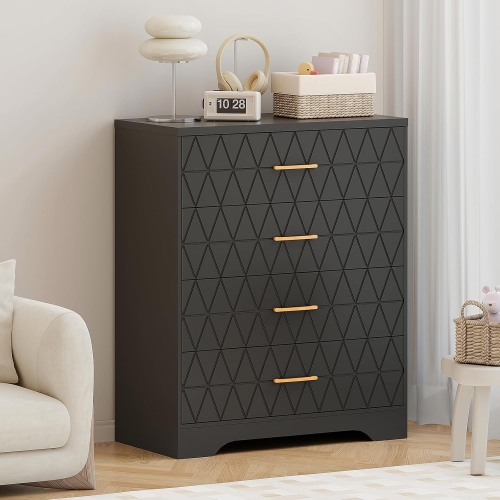
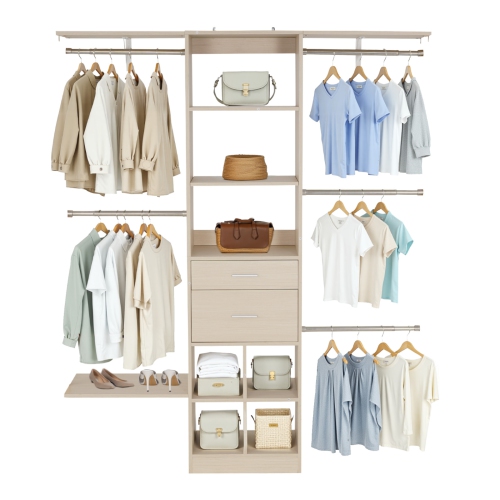
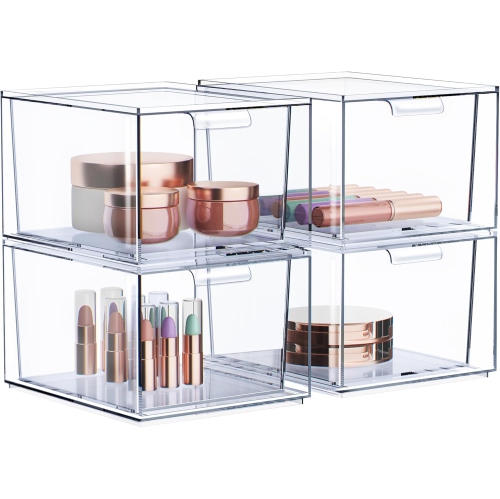
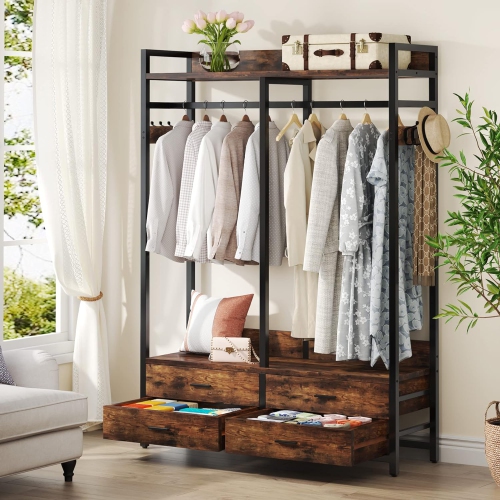
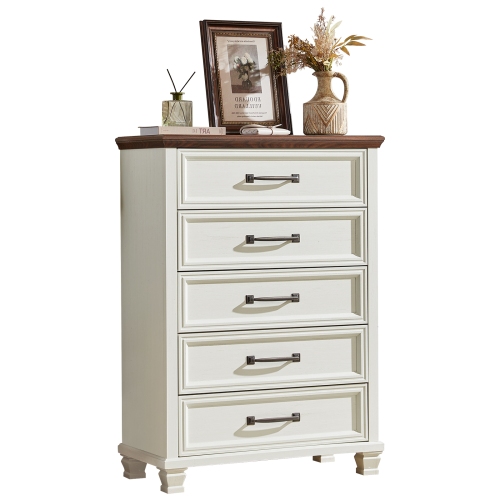
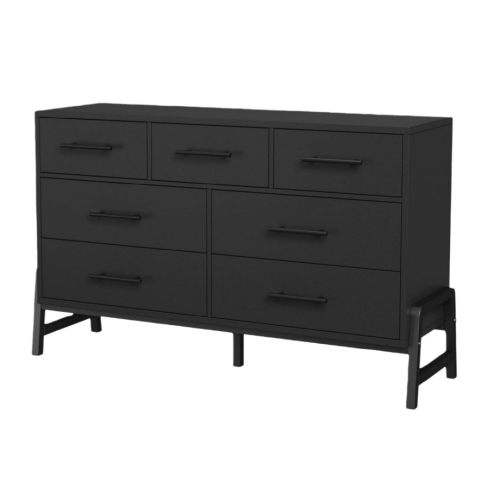
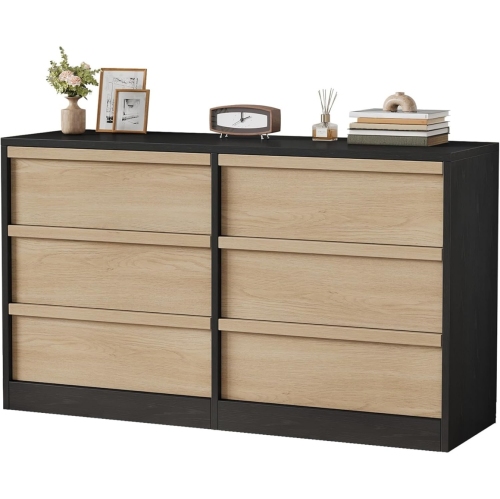
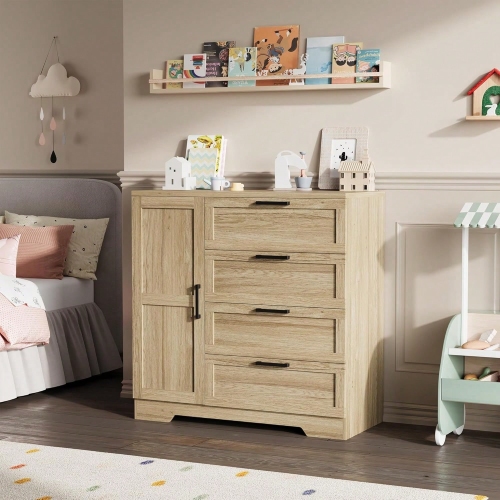
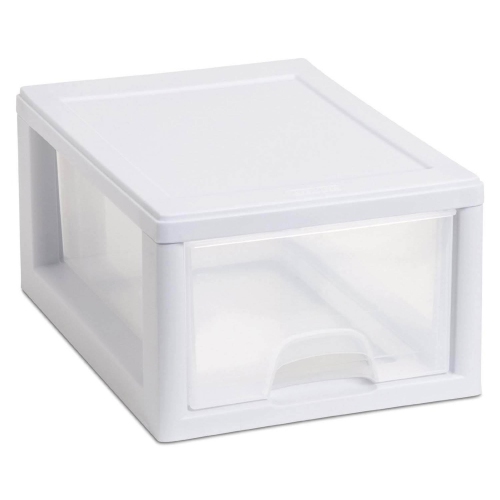
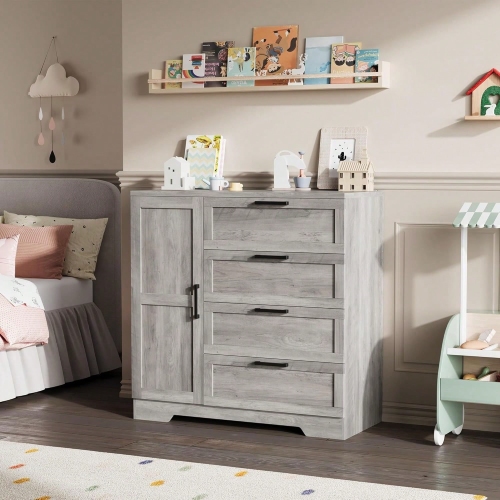

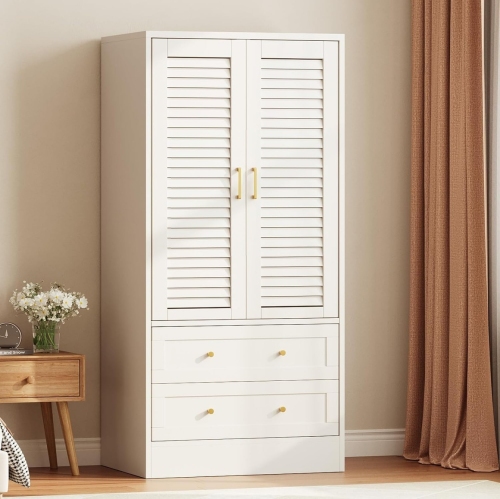
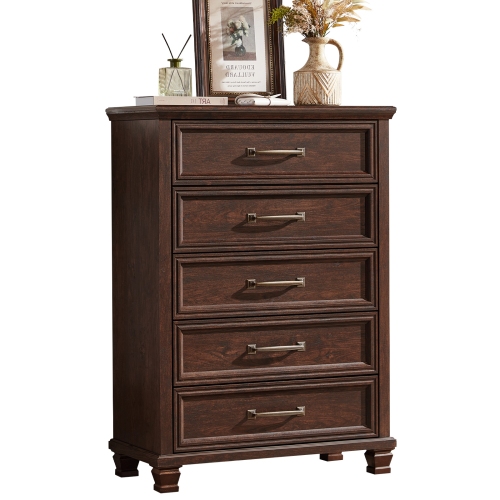
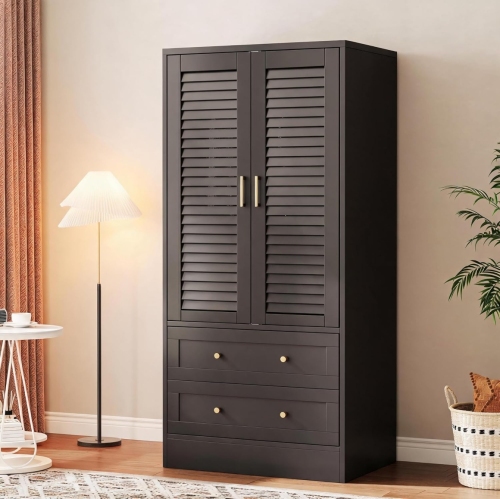
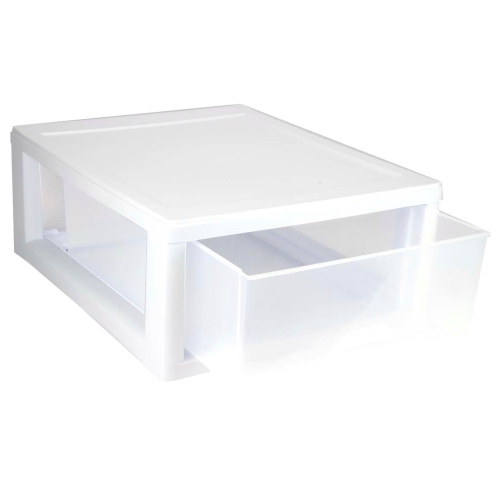
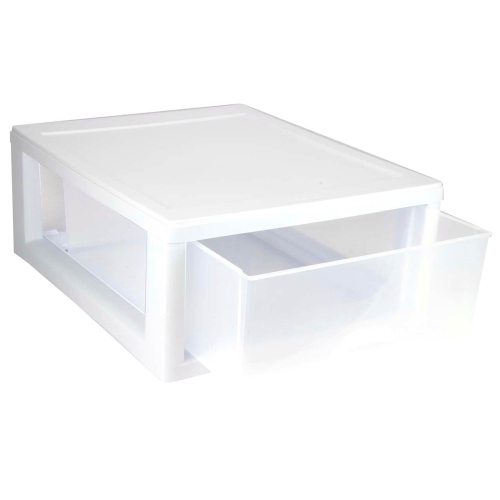
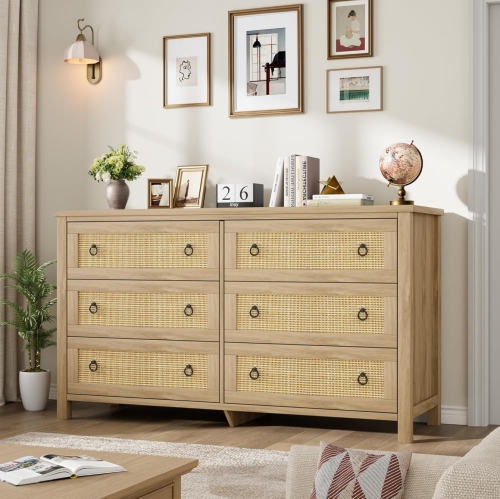
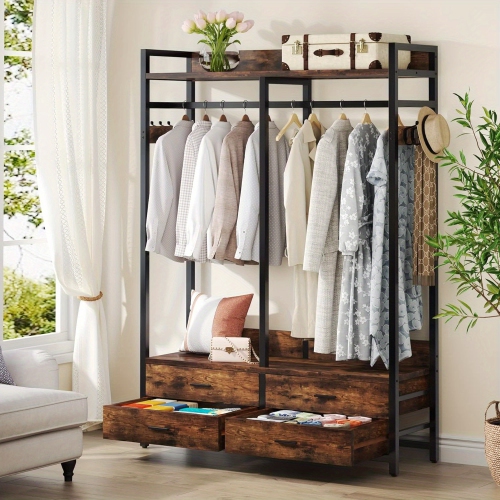
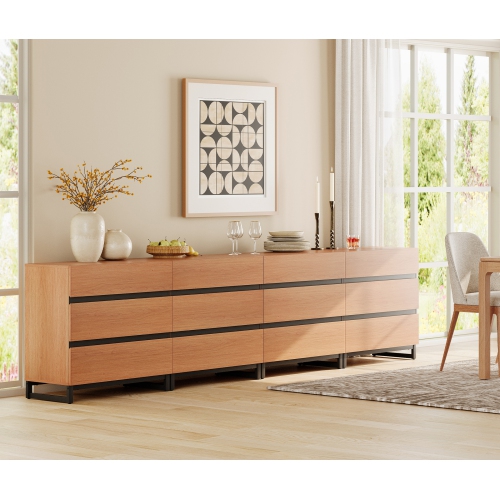


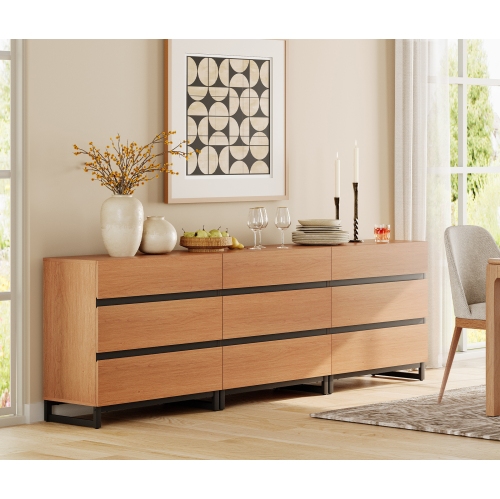
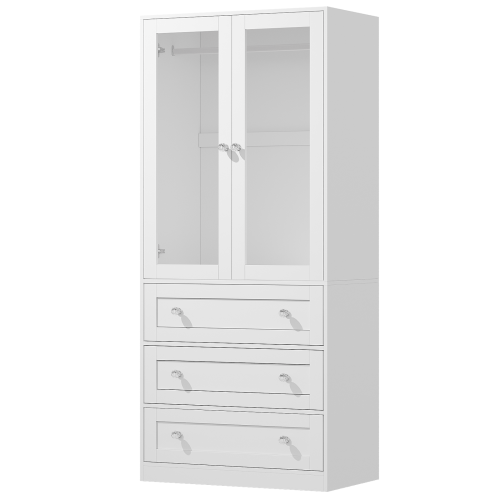
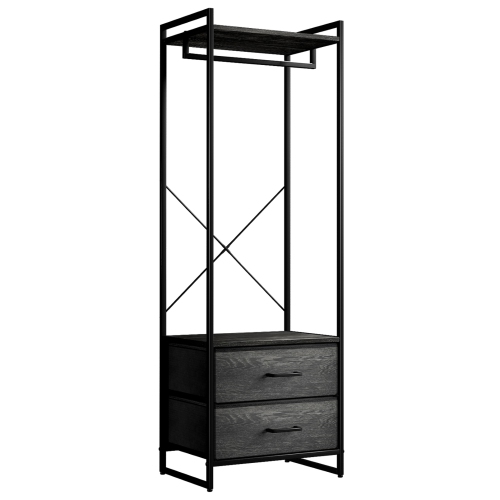
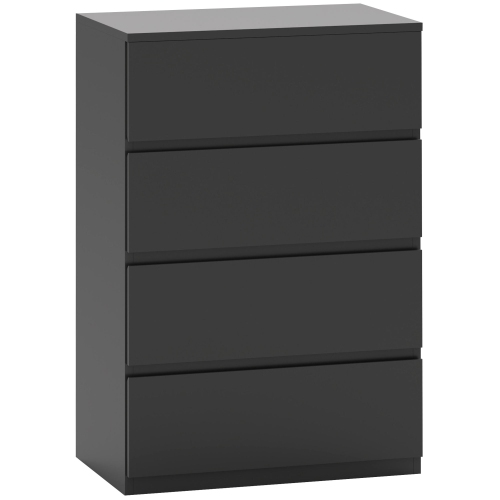
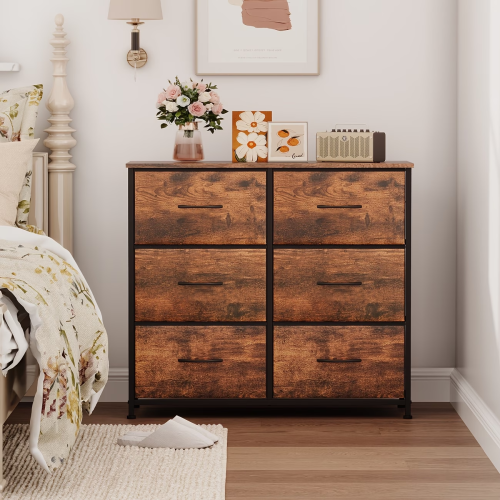
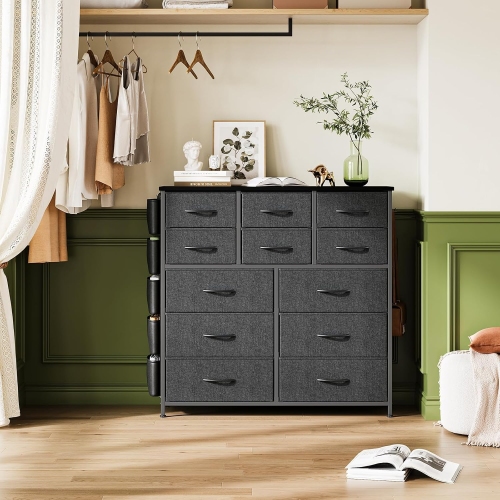
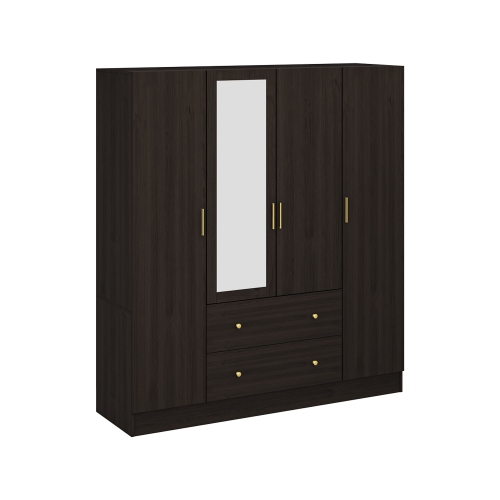
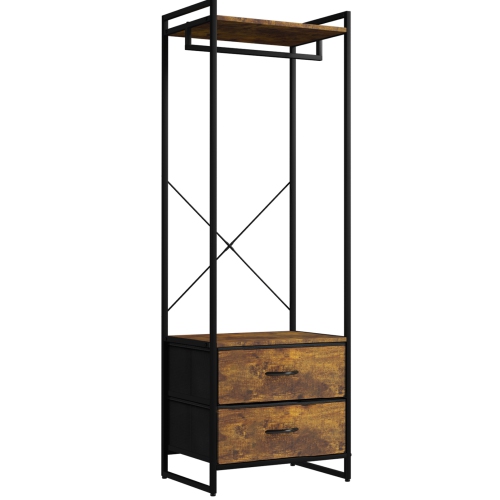
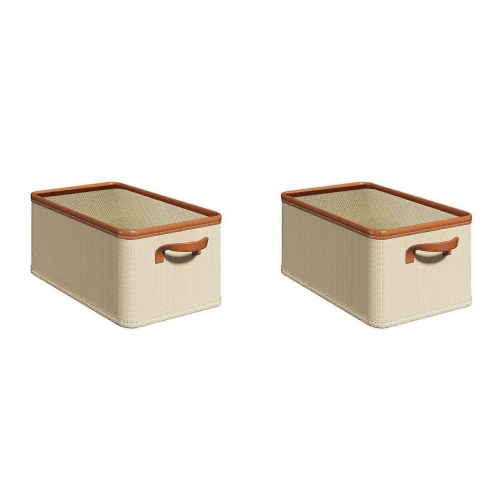

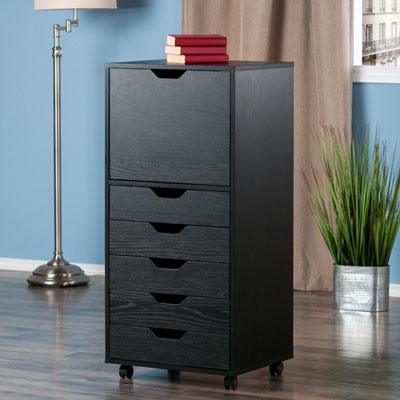
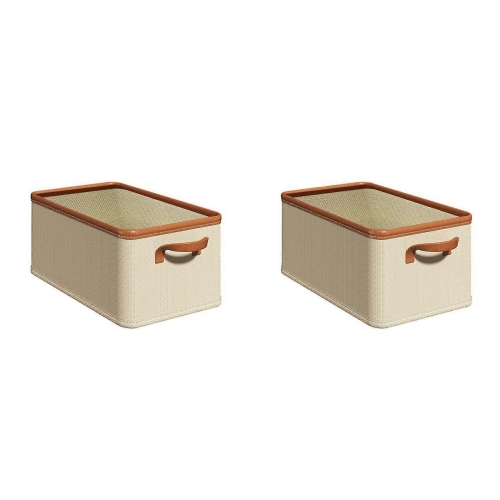
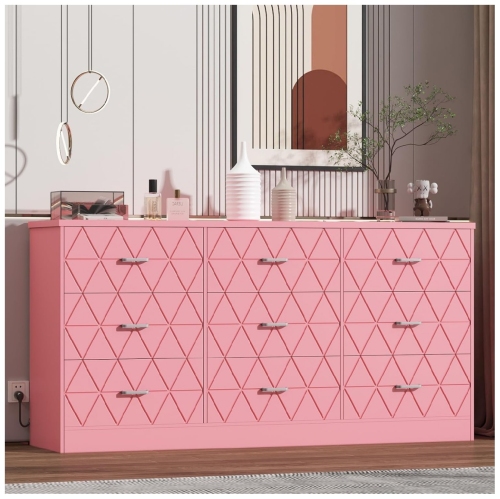
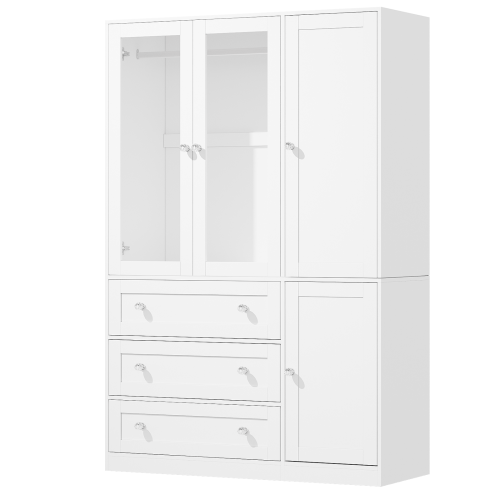
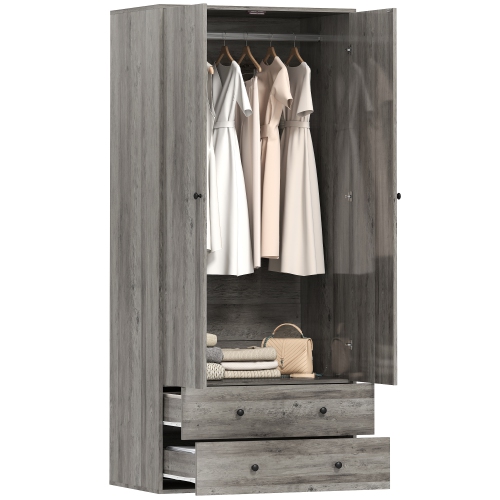
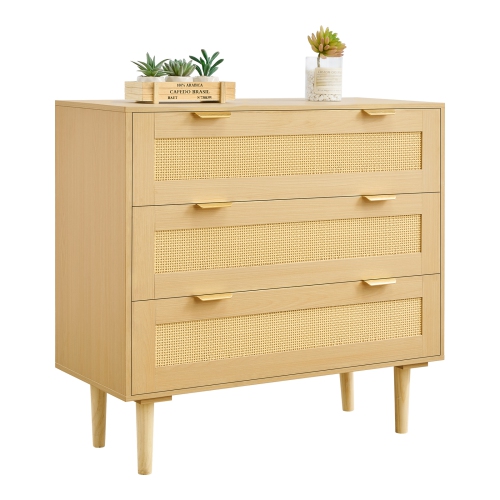
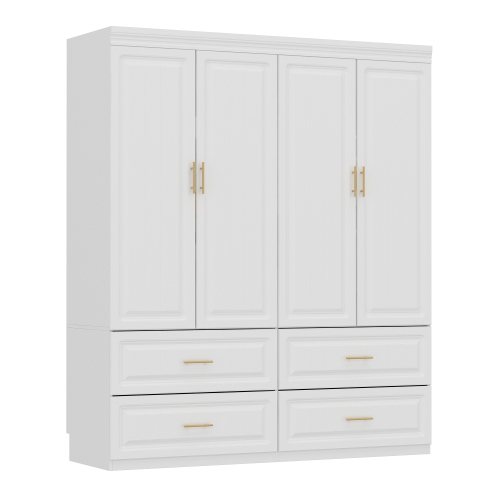
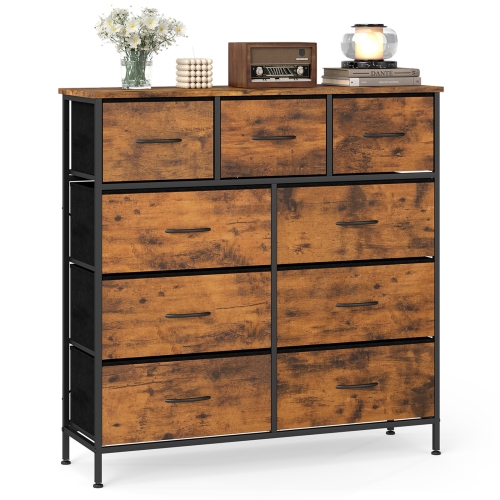
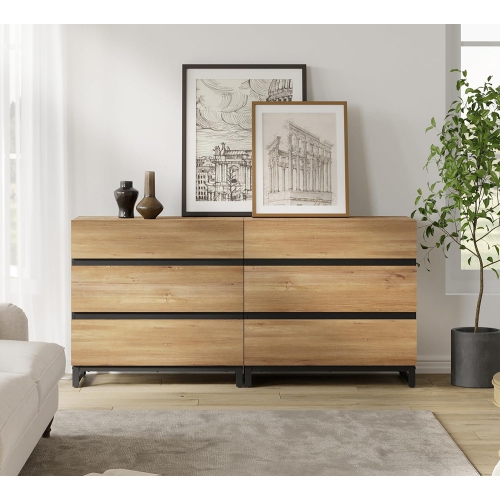
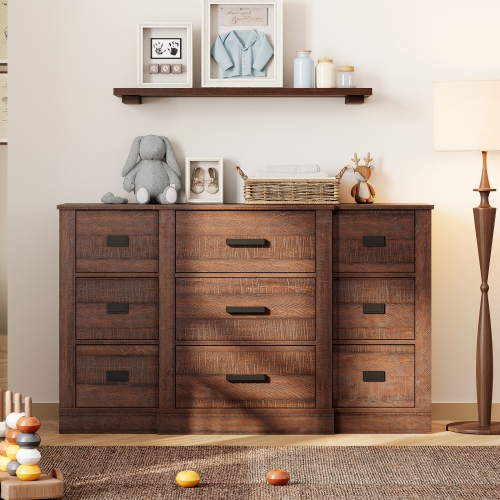
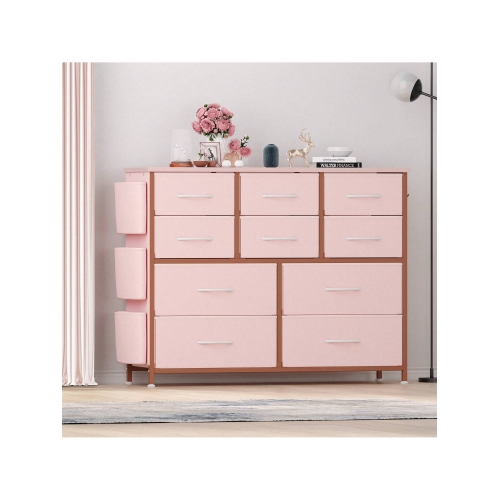
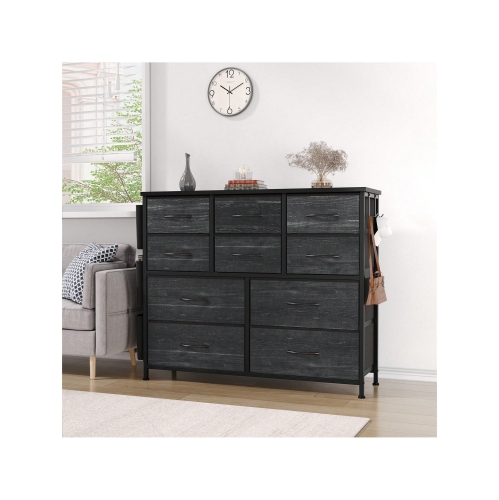
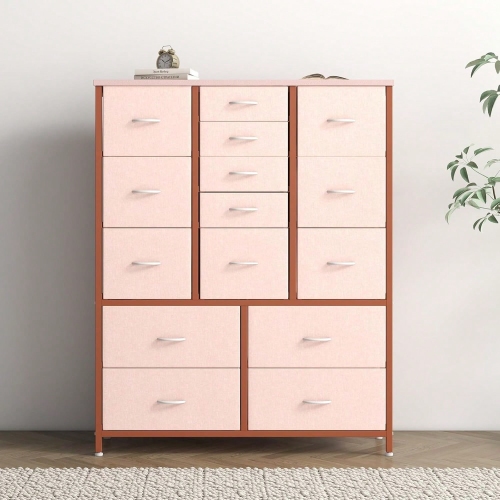
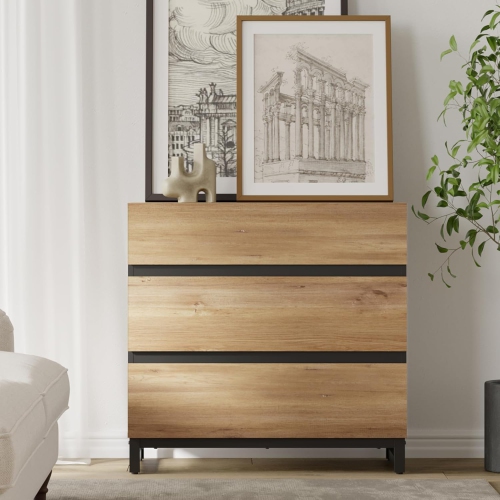
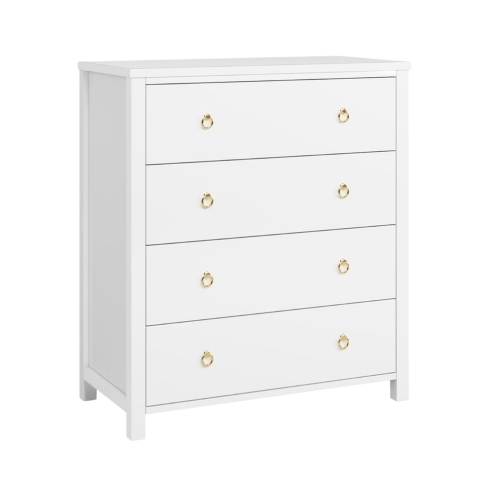
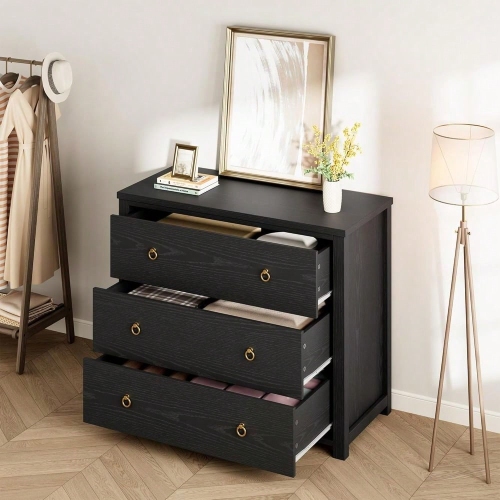
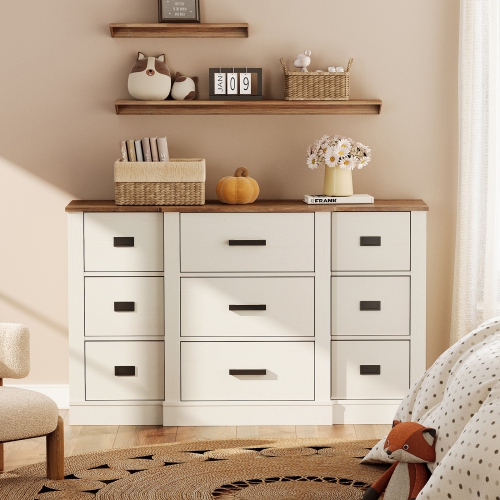
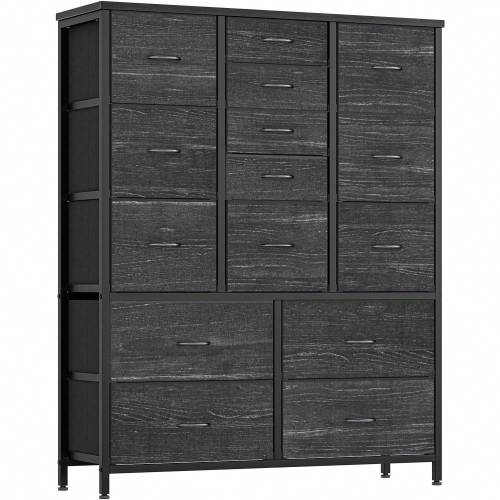
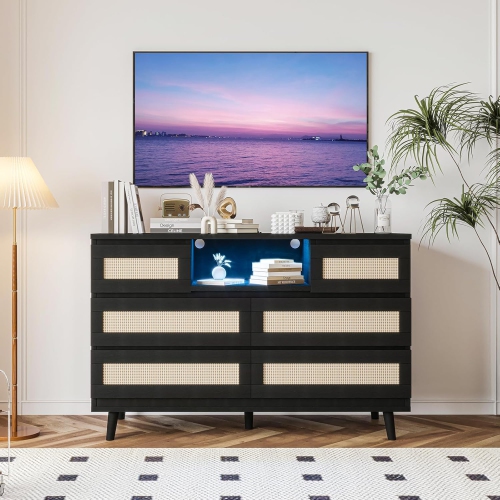
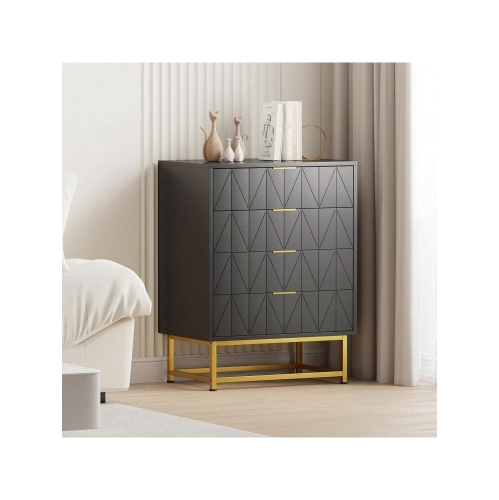
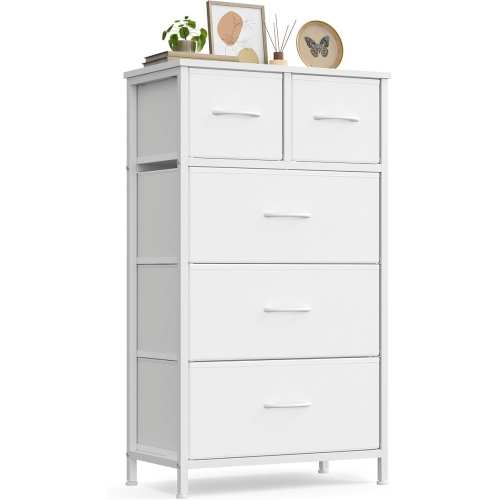
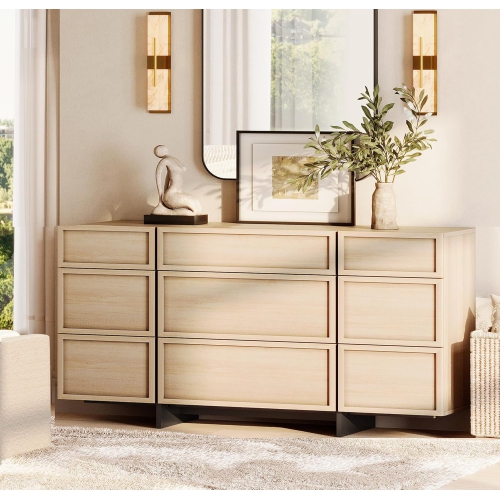

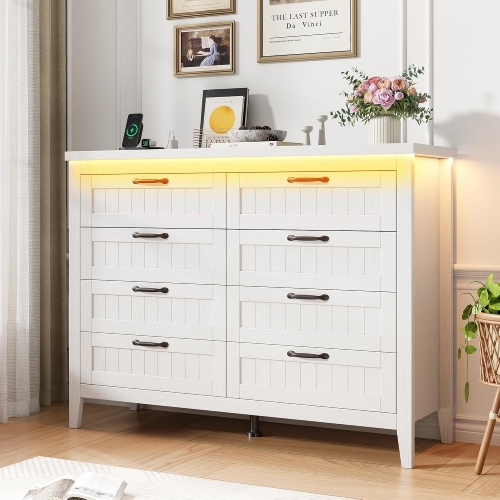
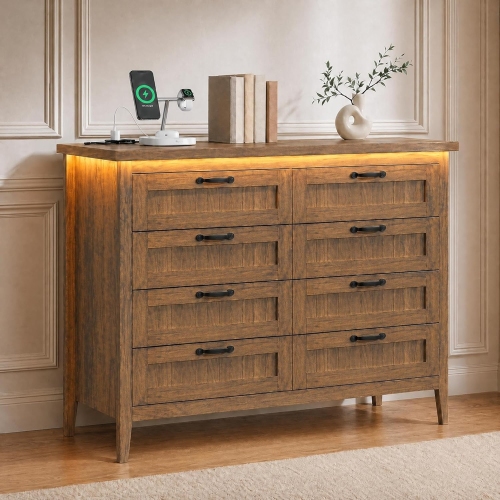
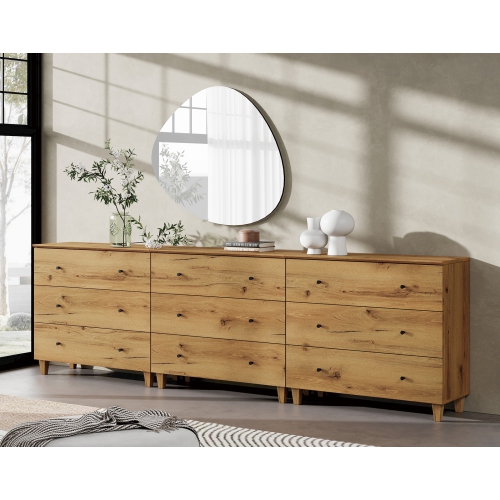
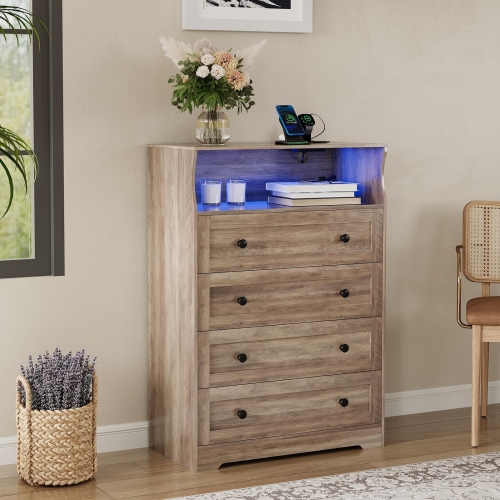
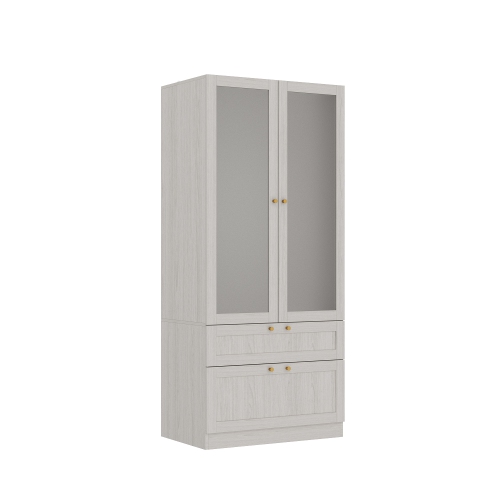
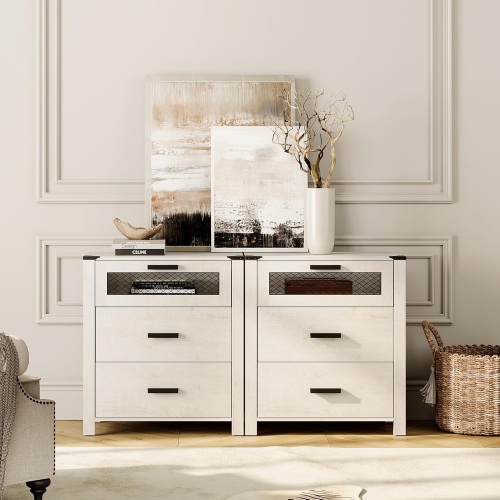
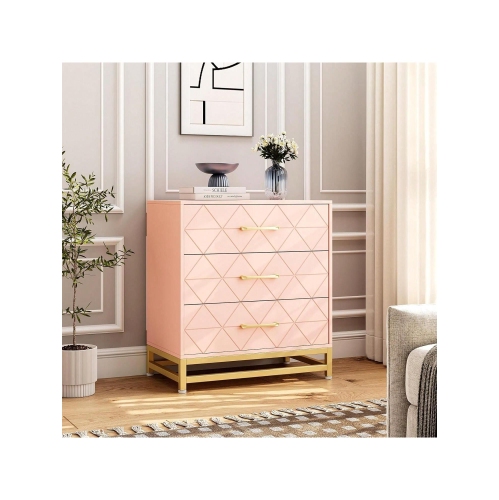
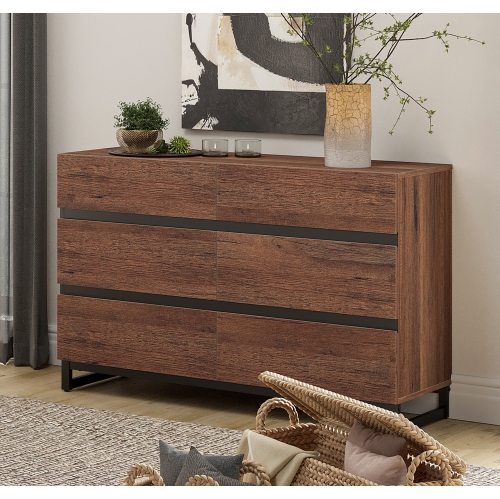
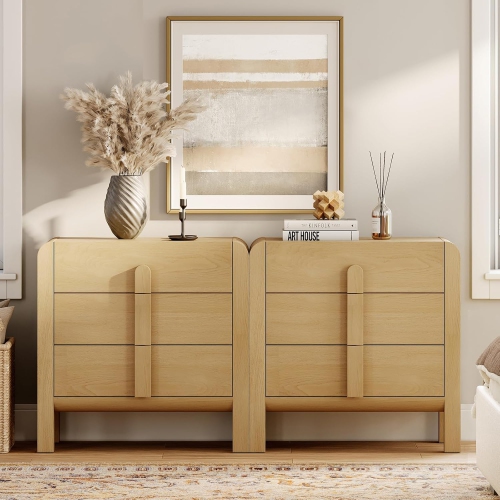
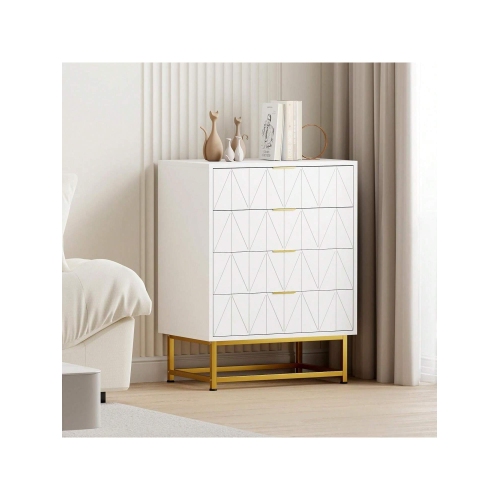
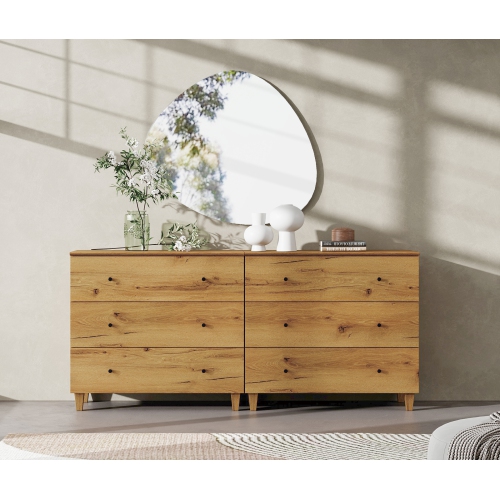
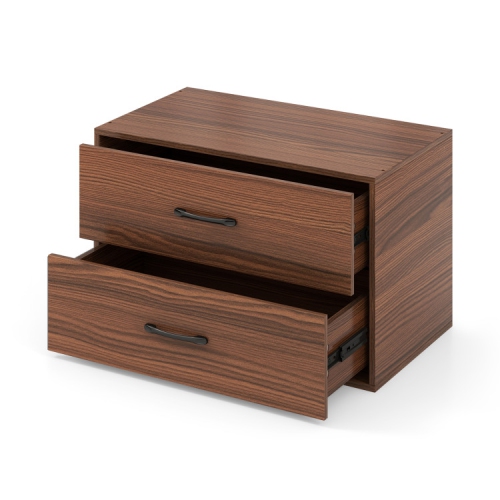
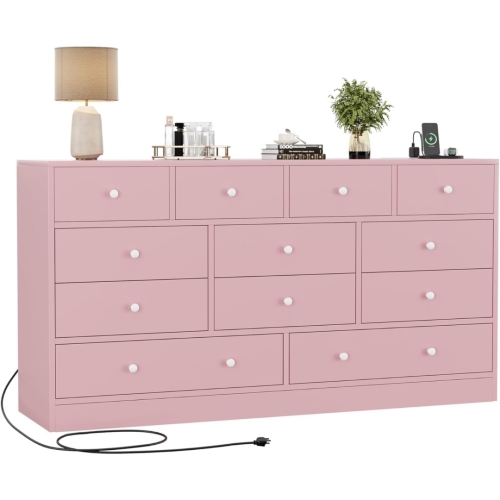
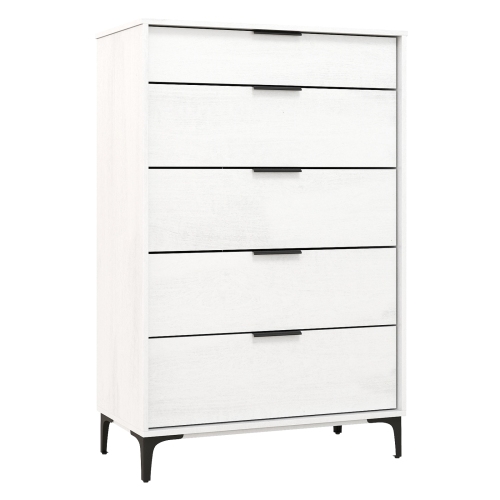
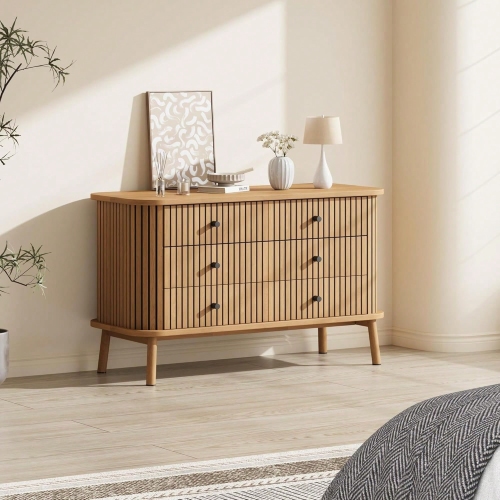
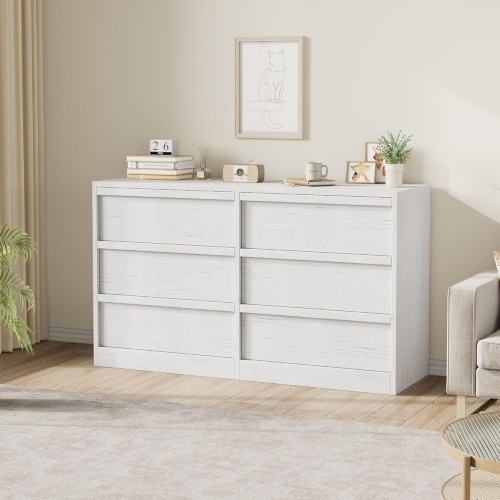
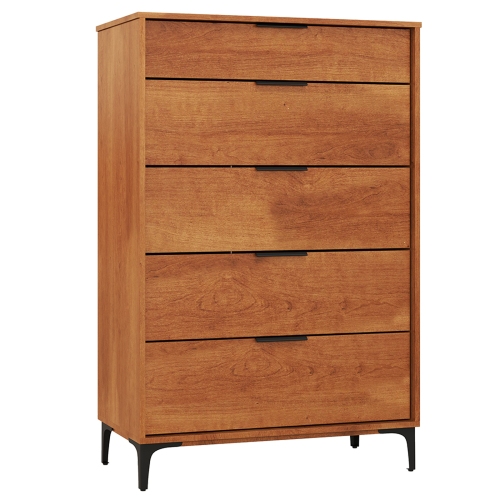

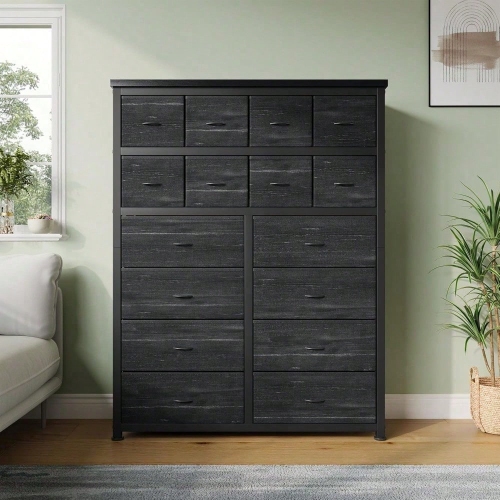
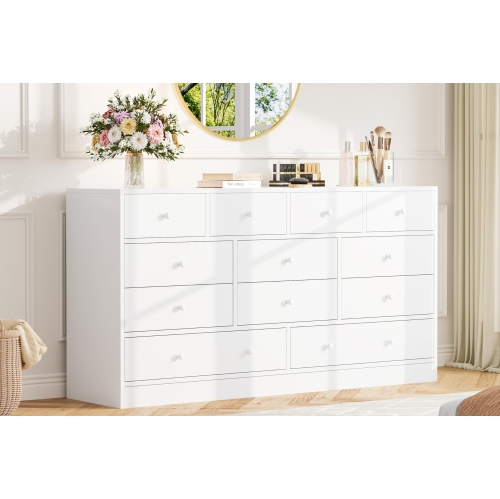
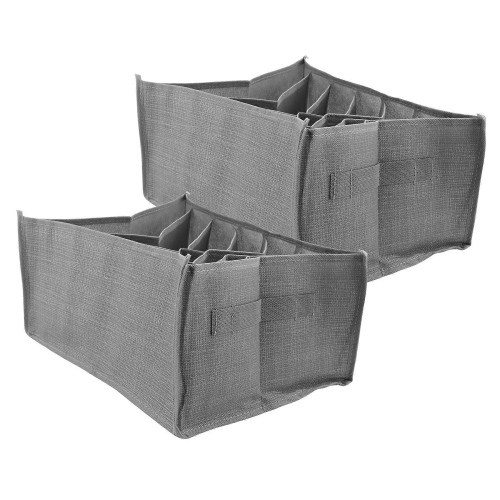
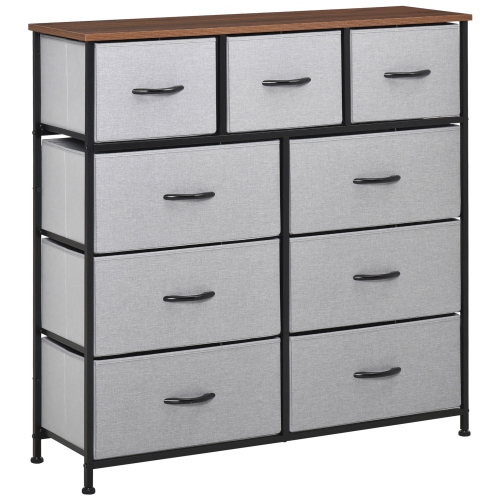
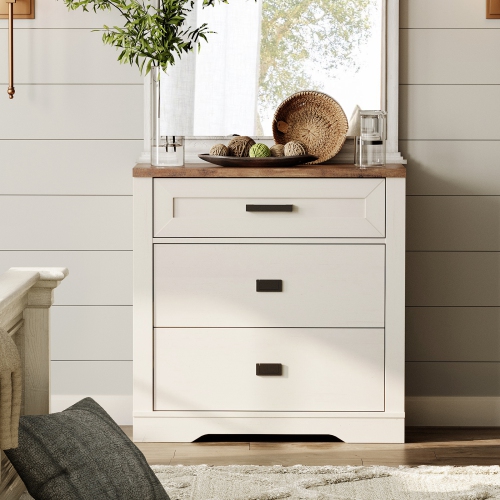
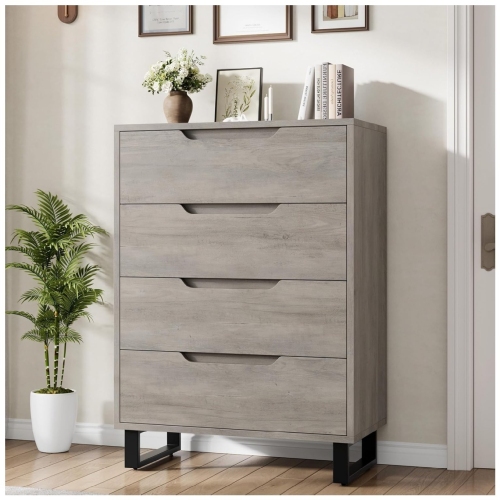

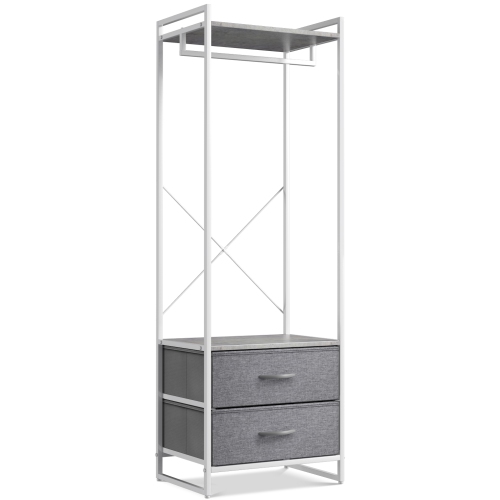
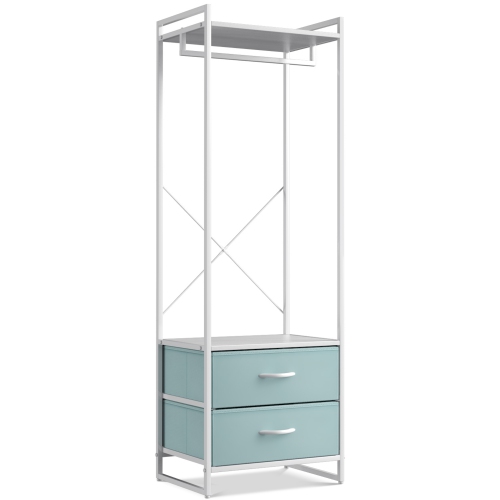
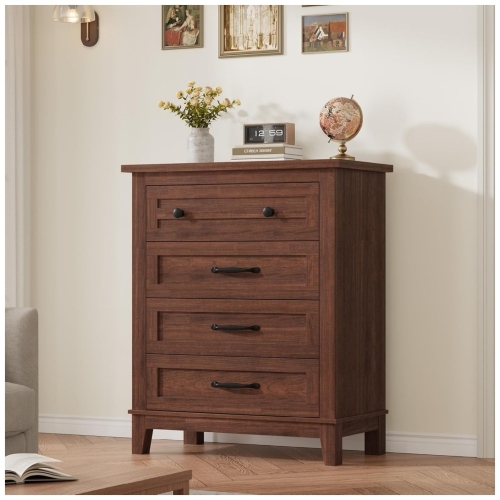
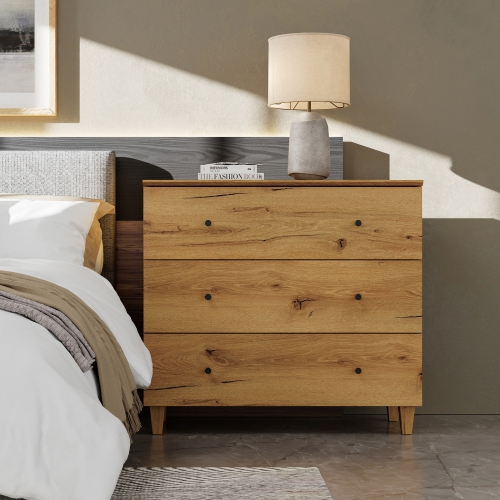

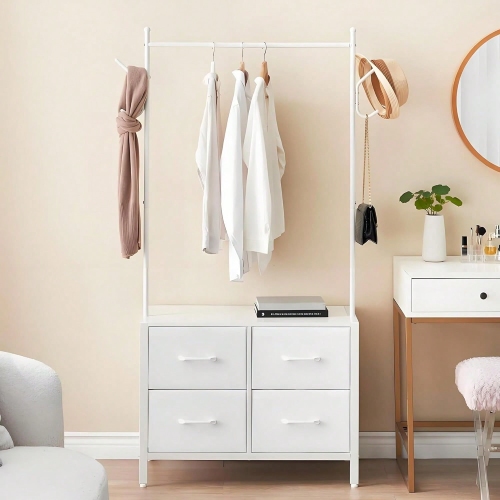
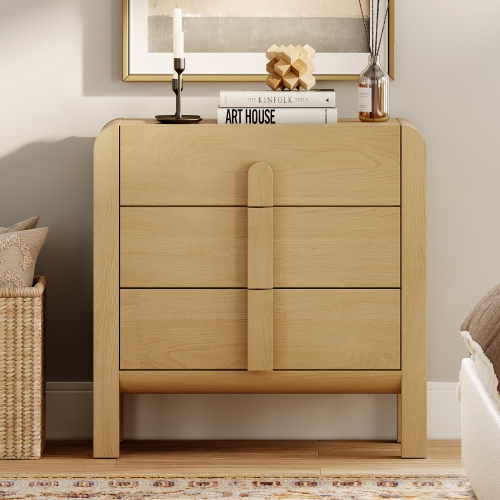
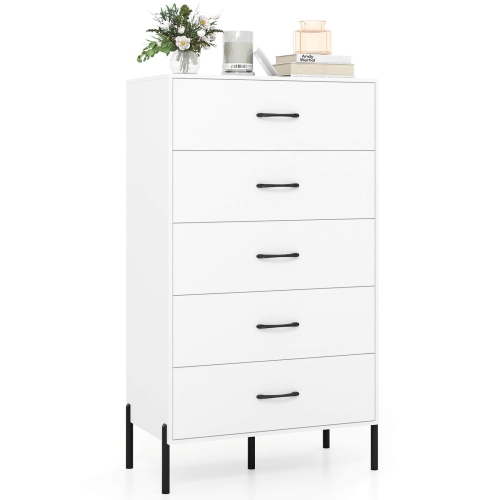
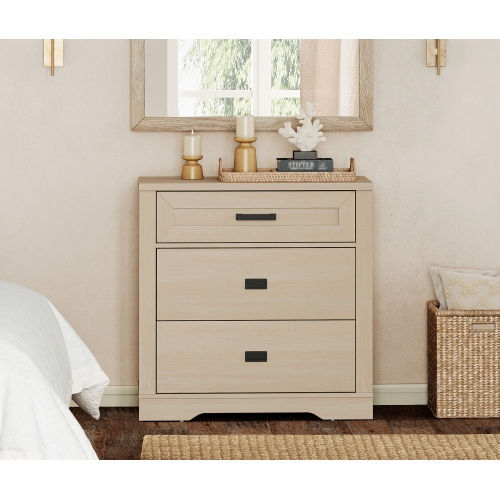
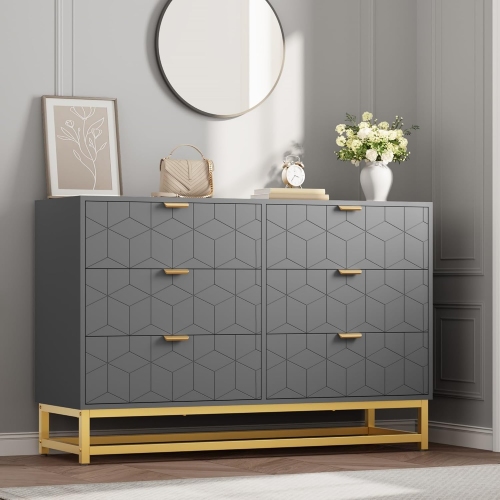
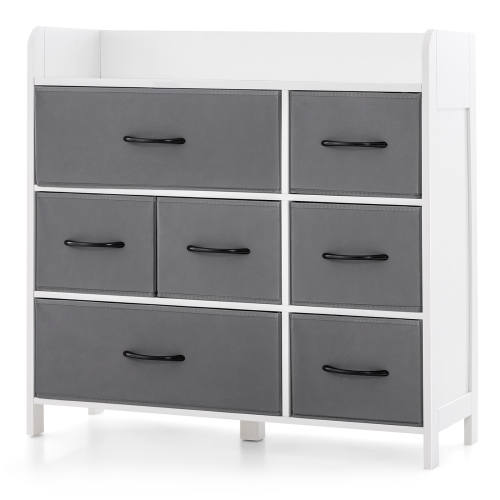
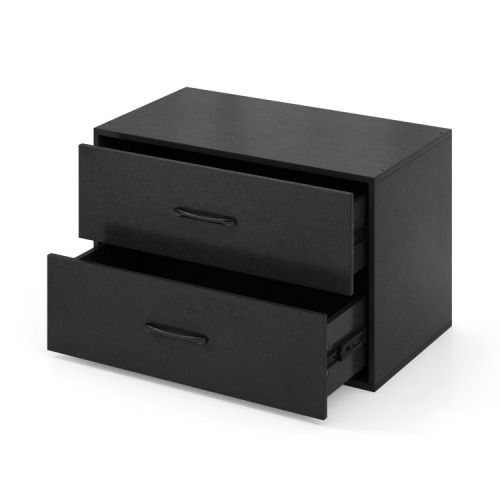
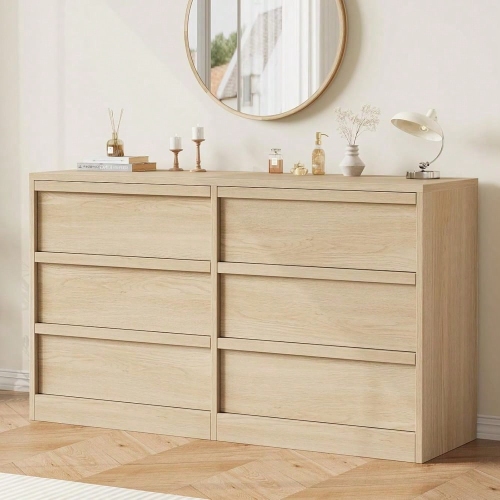


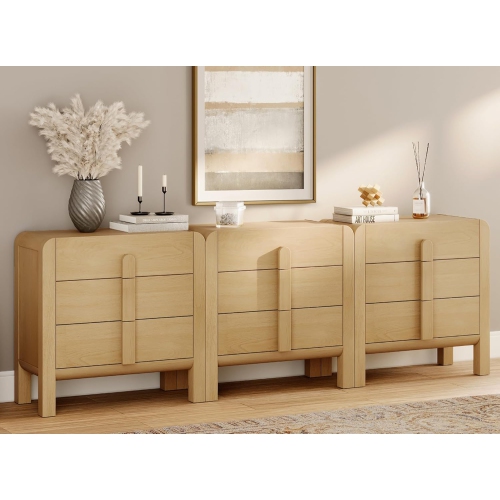
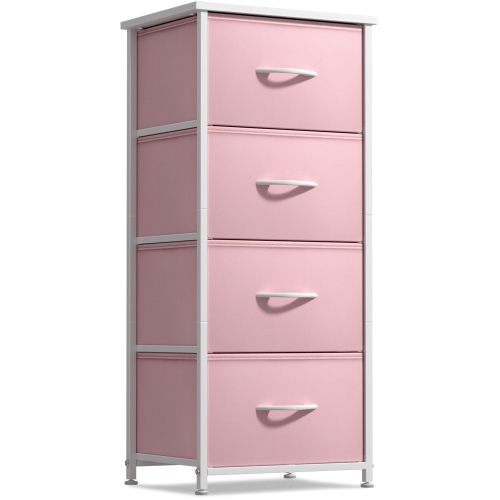
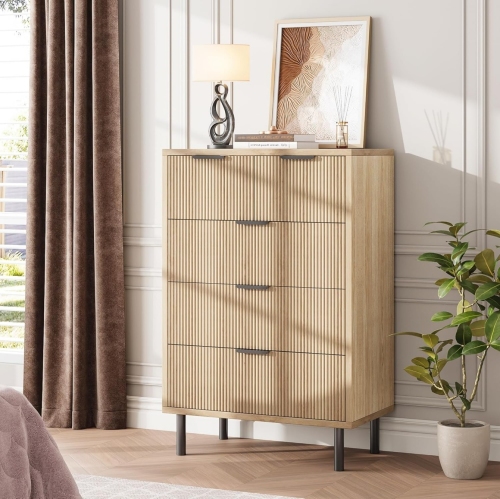
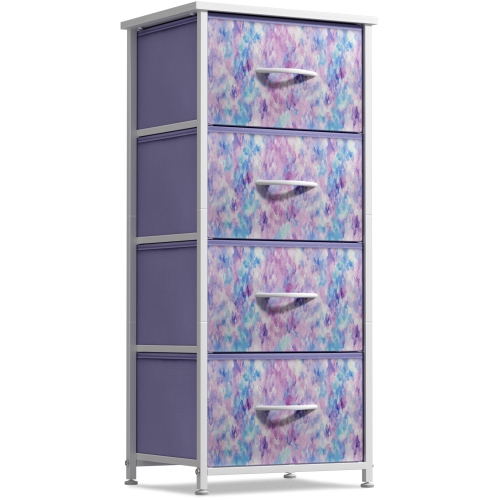
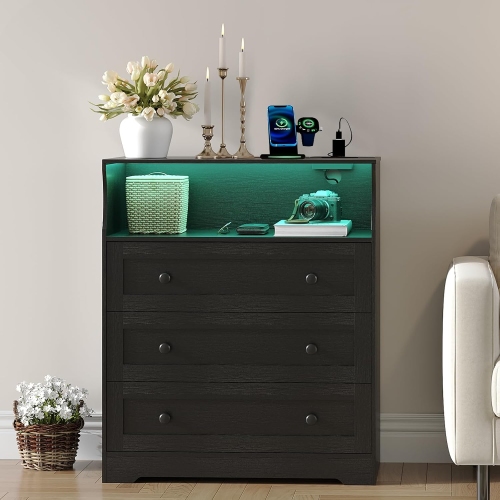
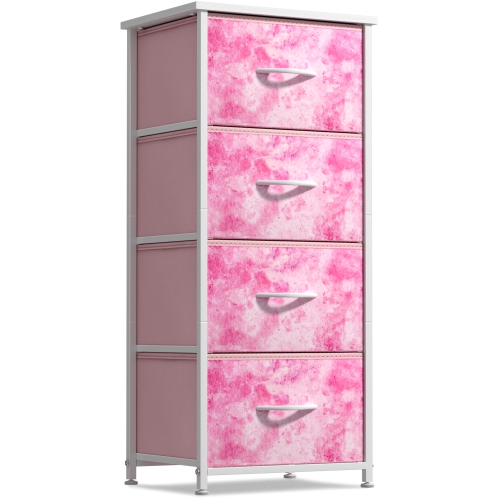
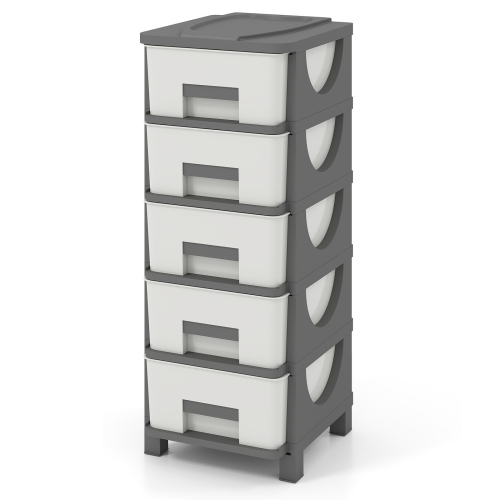
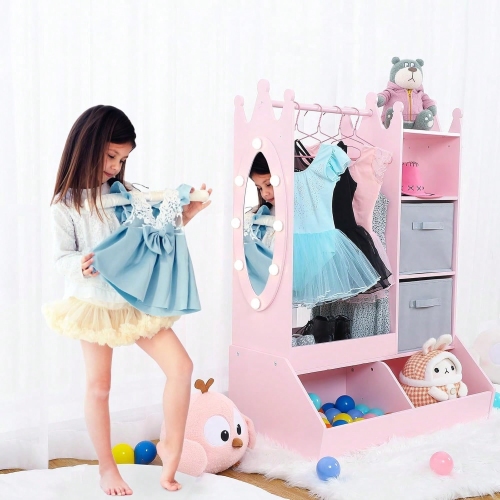
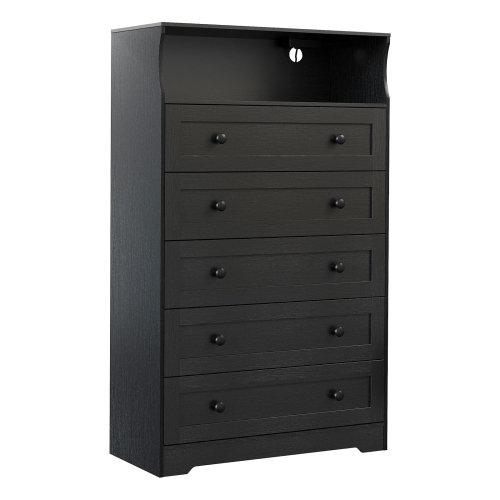
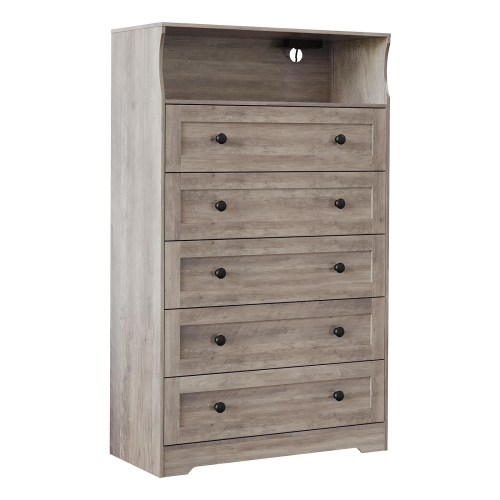
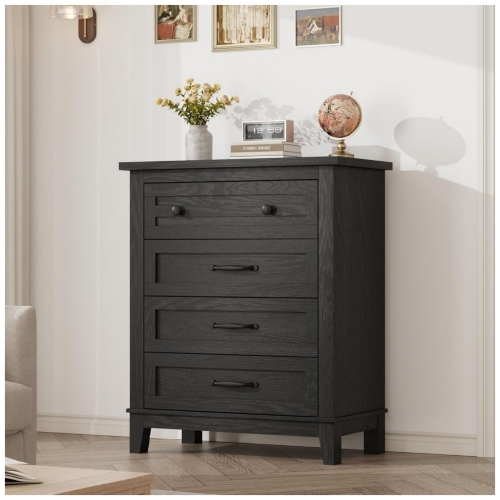
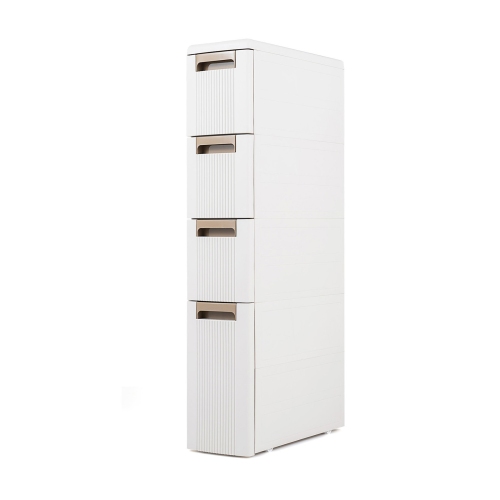

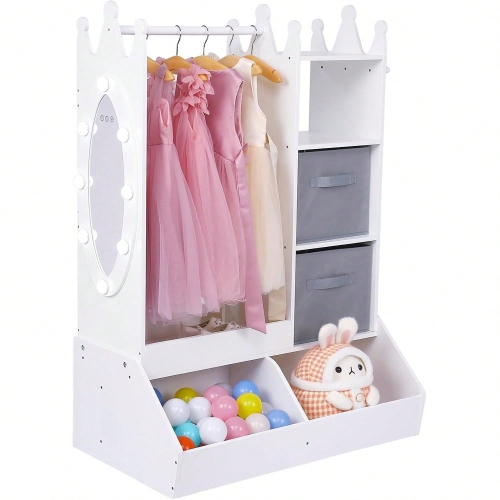
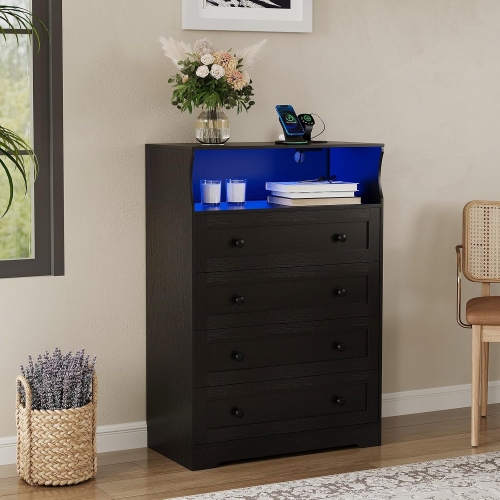

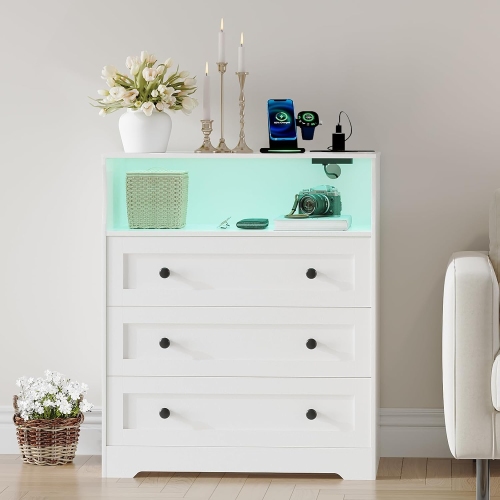
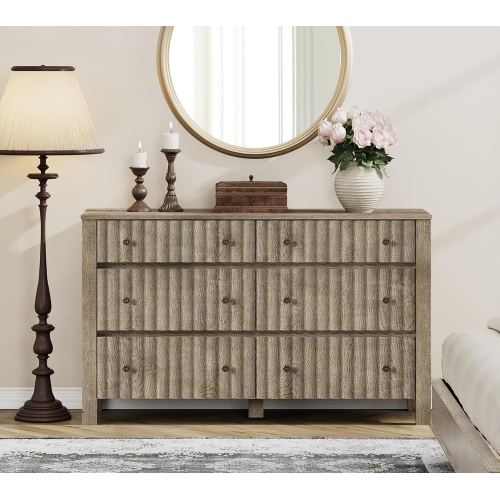
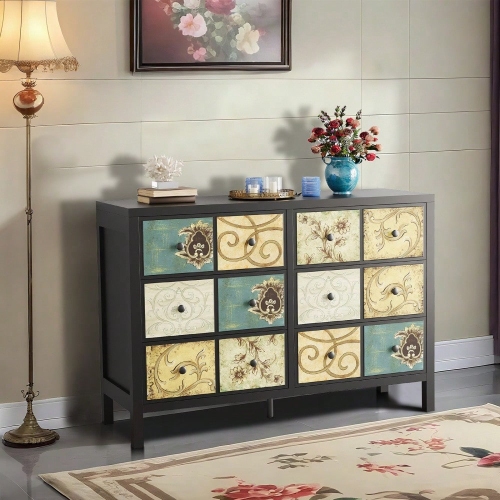
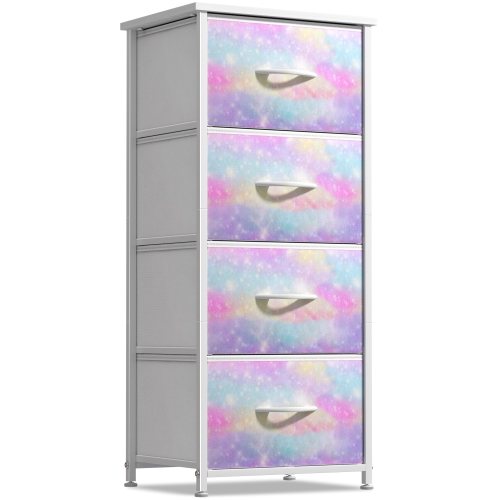

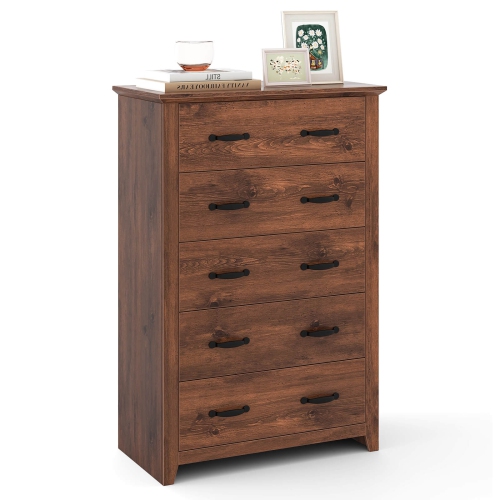

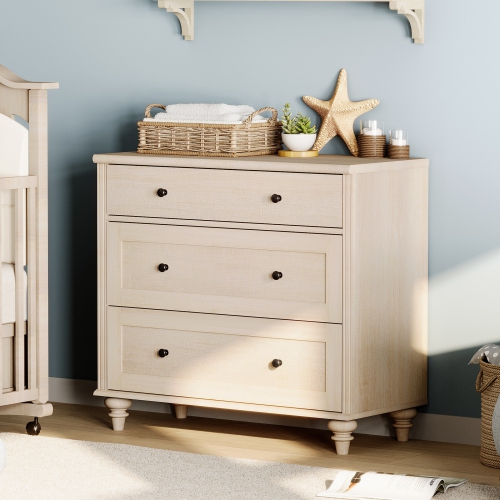
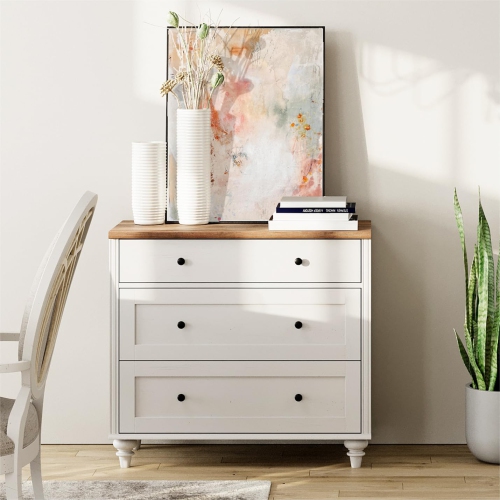
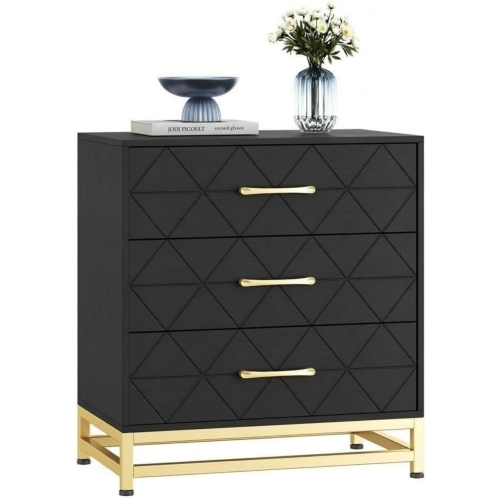

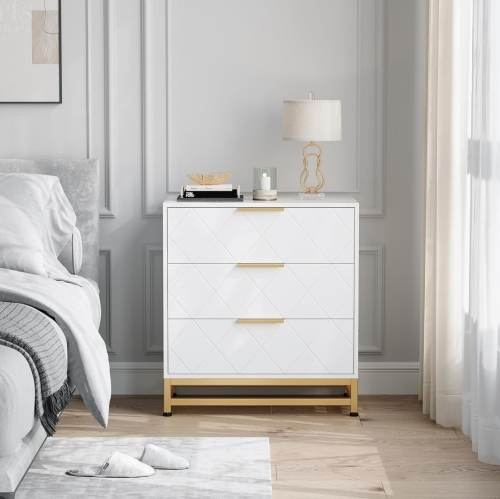
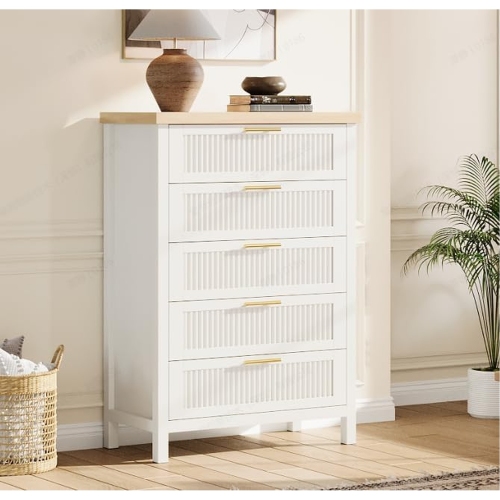
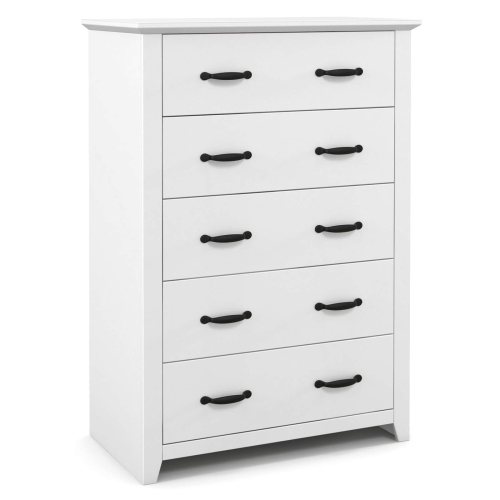
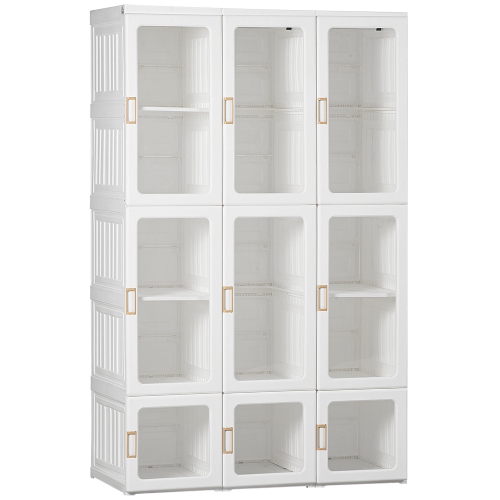

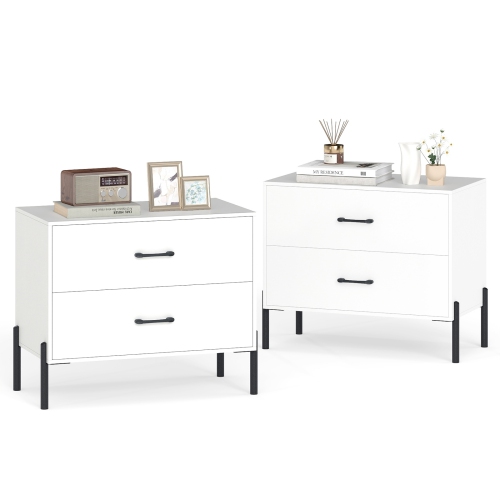

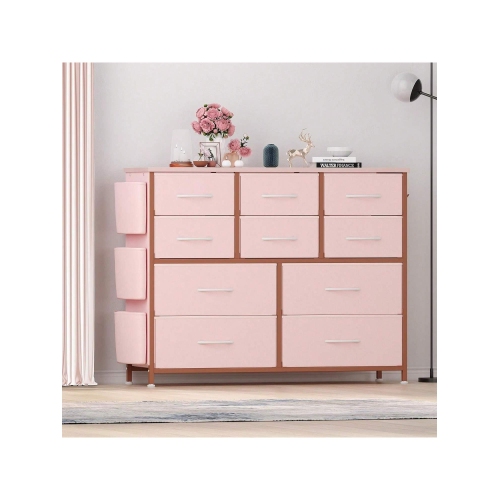
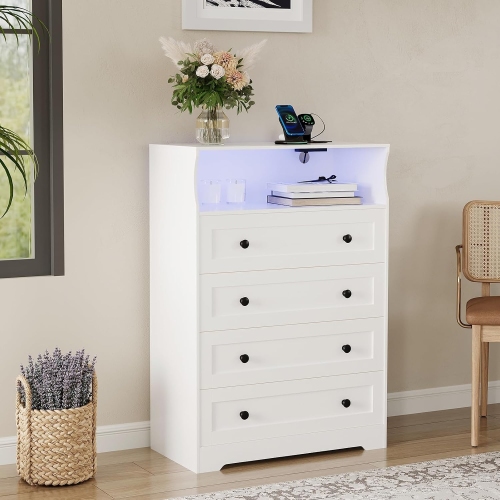

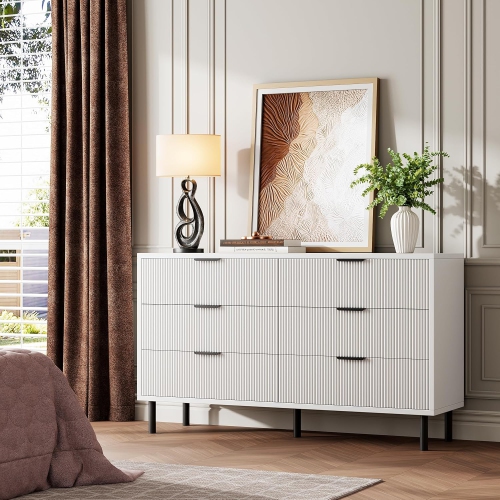
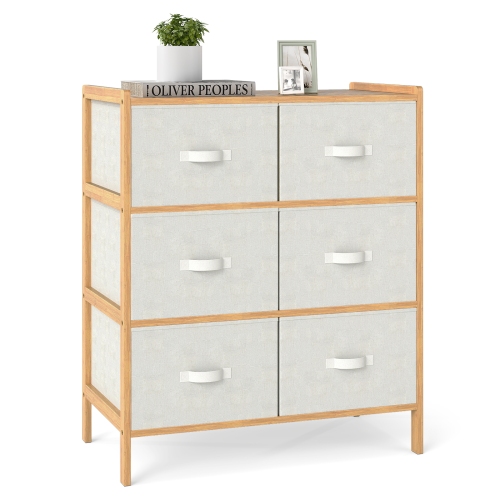


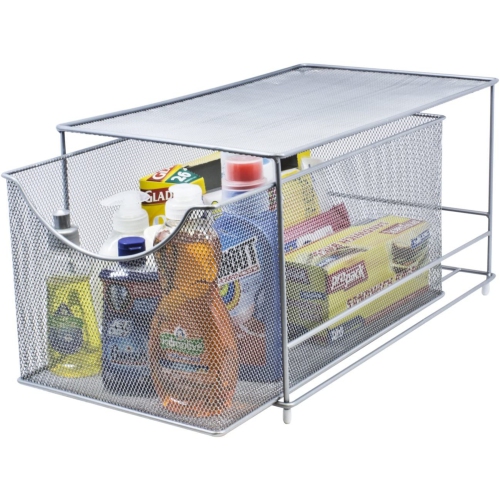
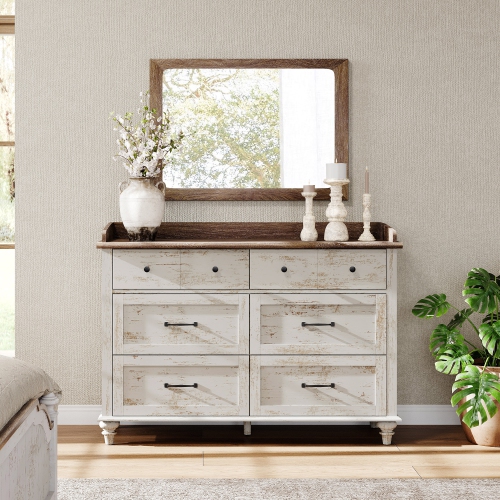

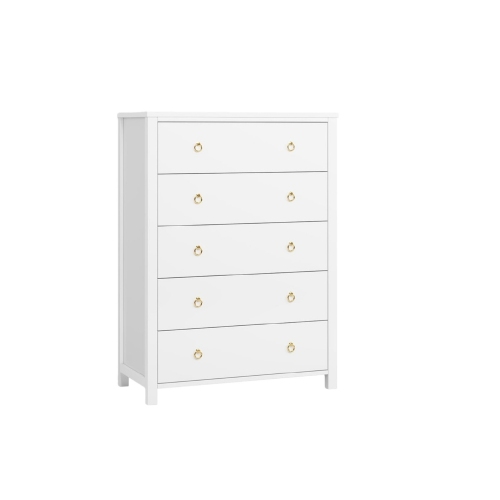
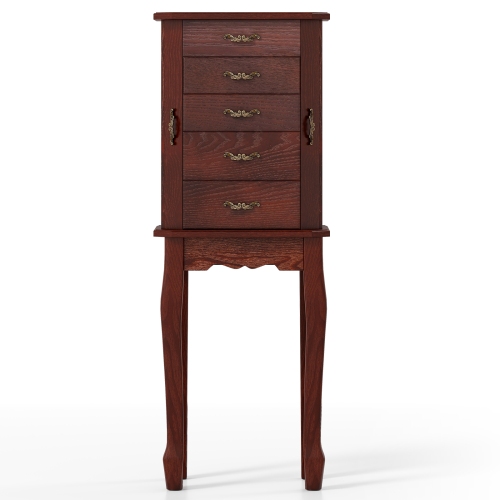
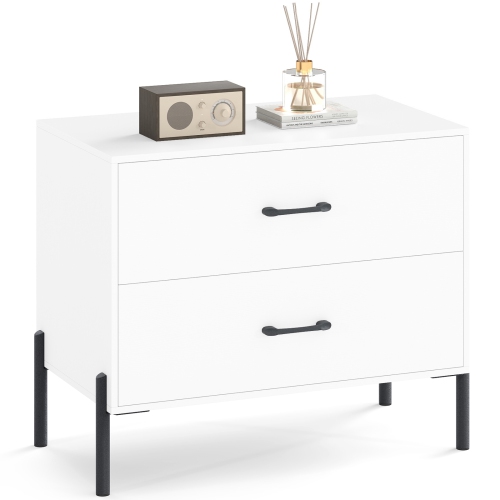
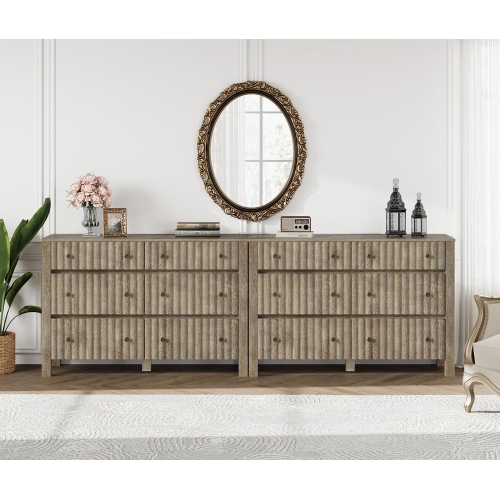
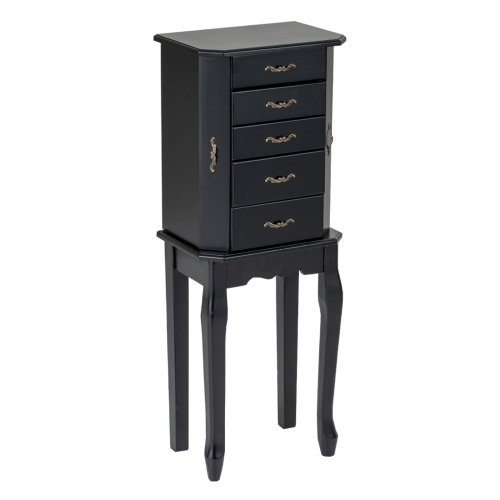
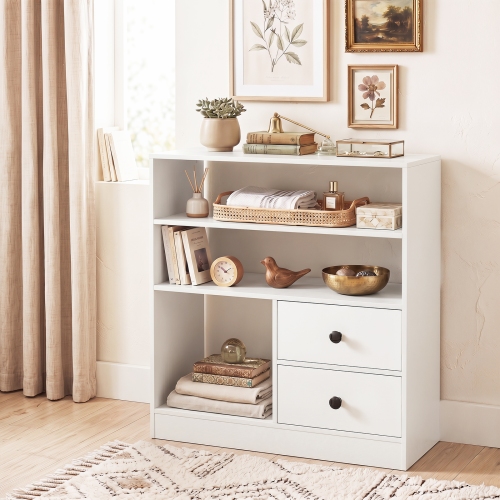
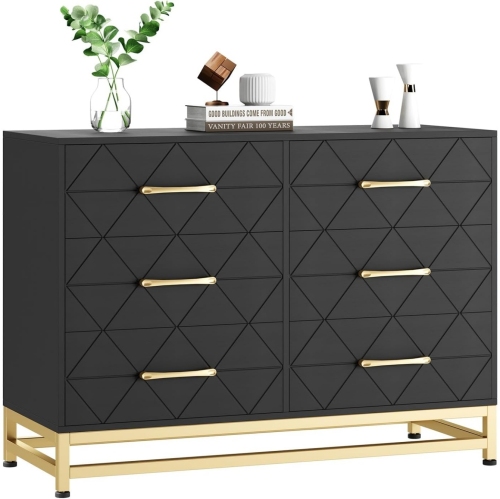
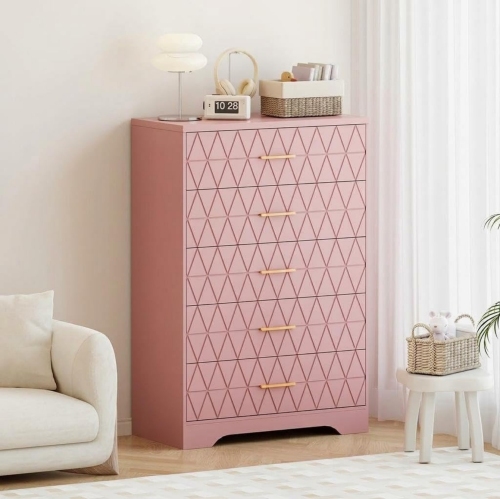
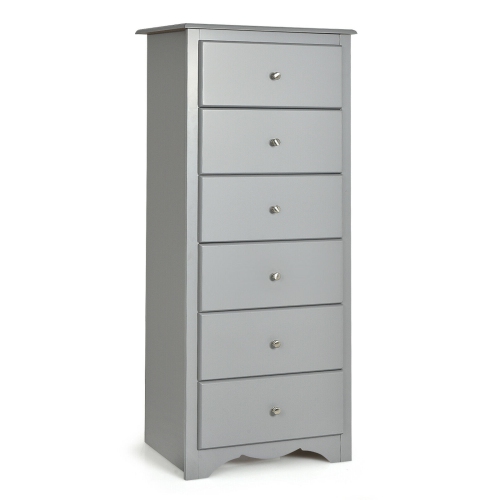
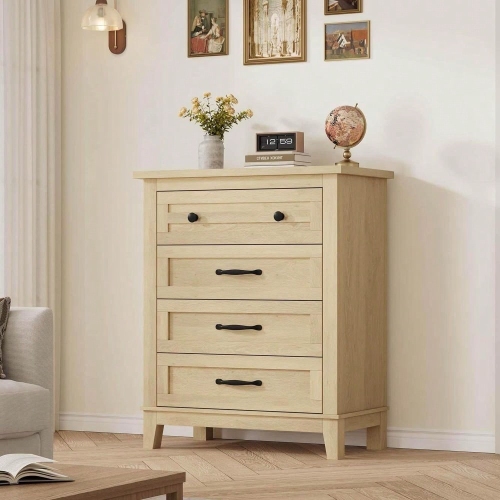
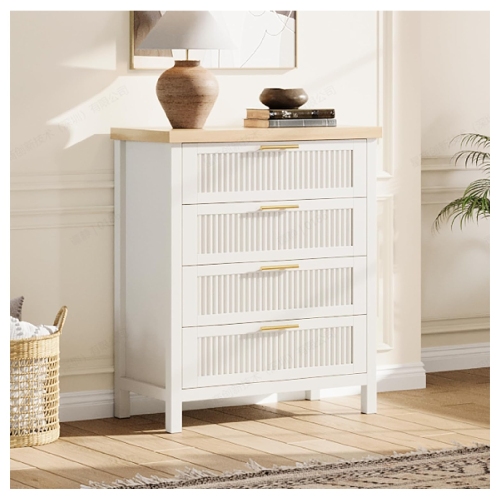


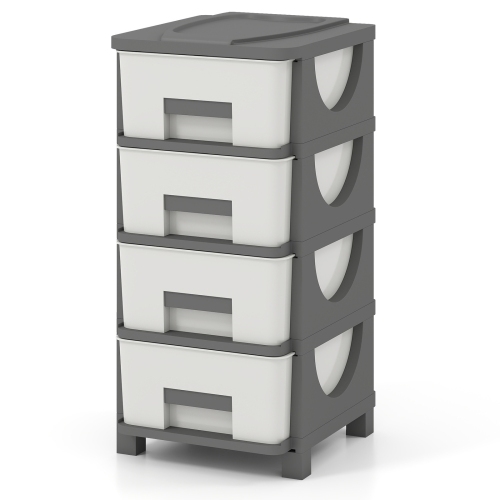
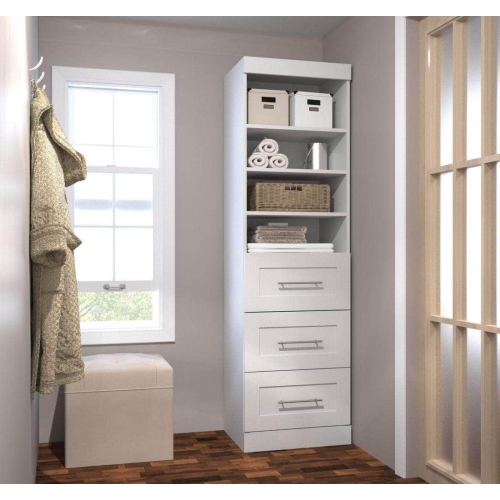
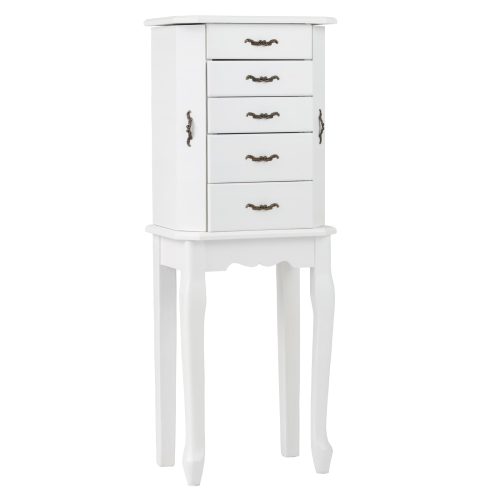
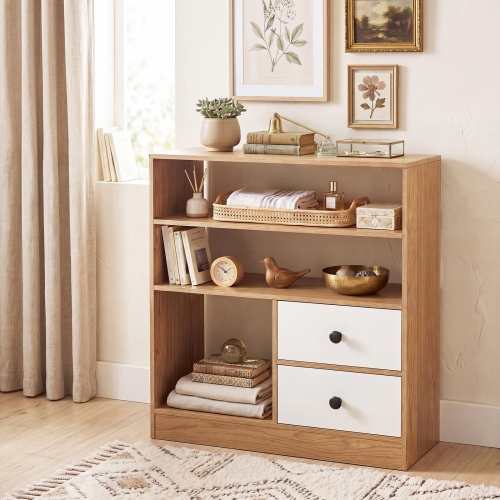
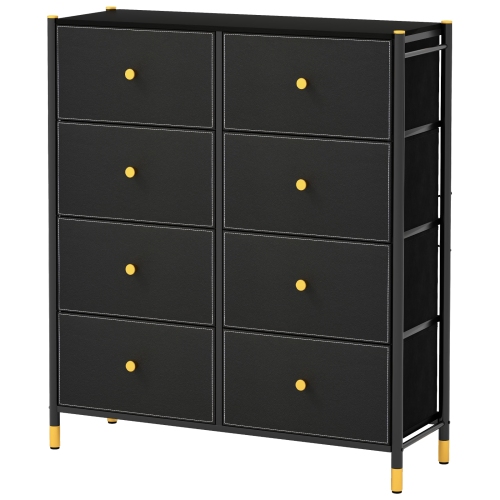
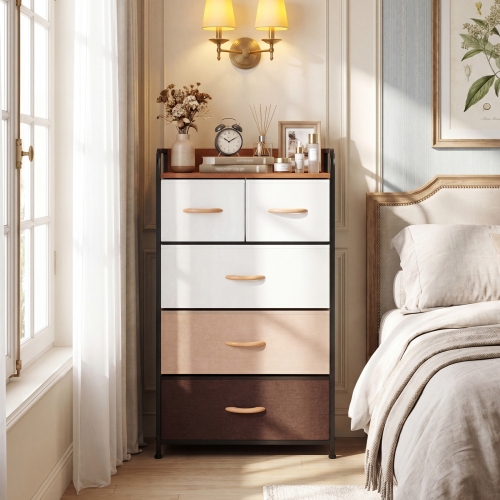


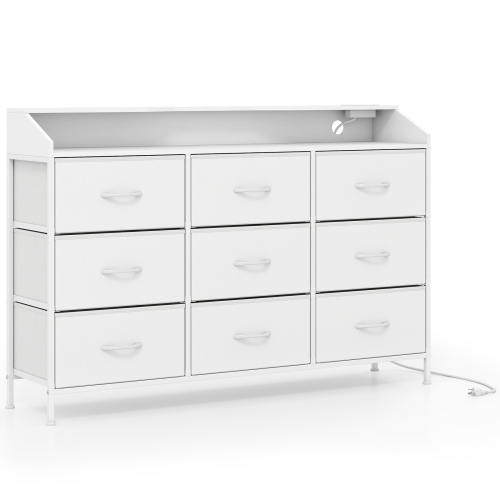
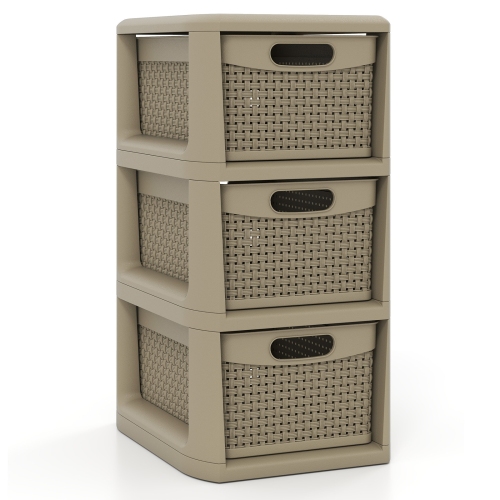

Folded clothing within reach and out of sight
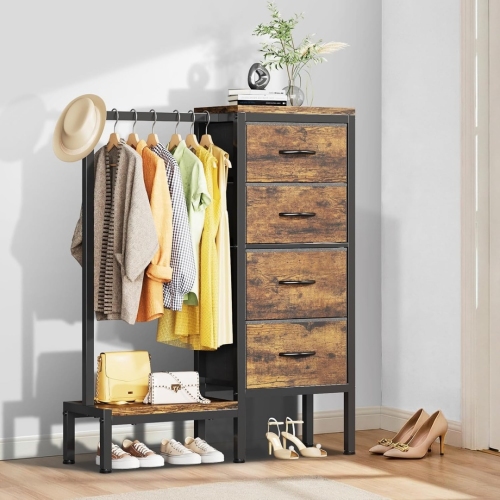
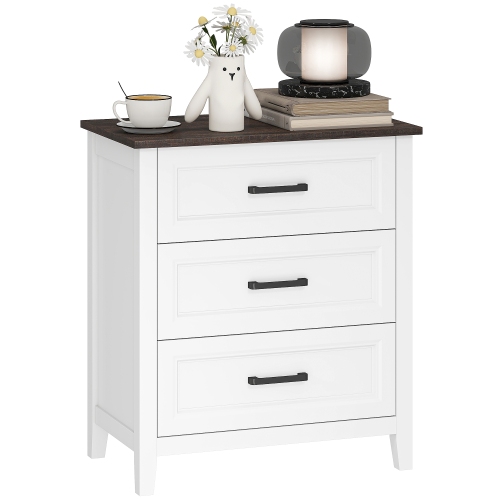
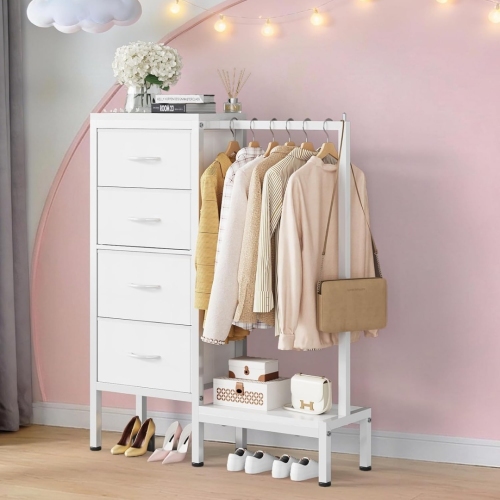
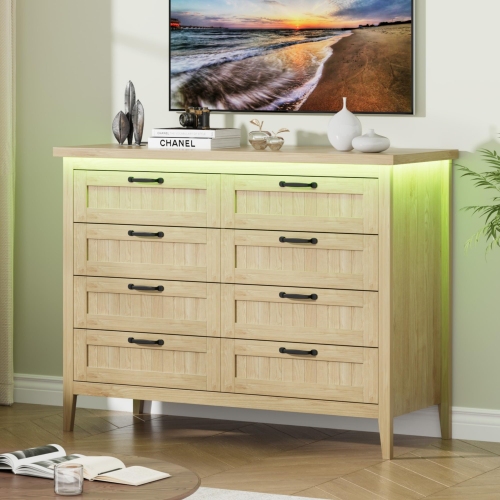
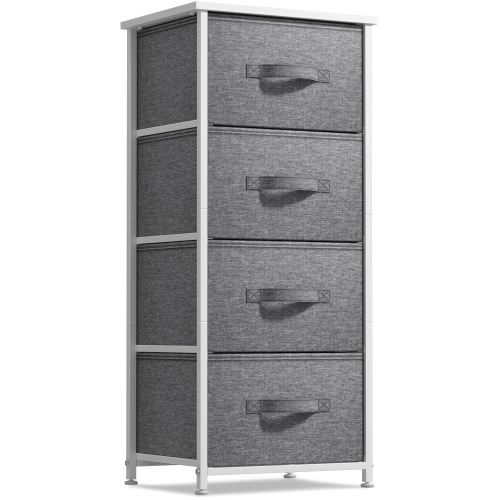
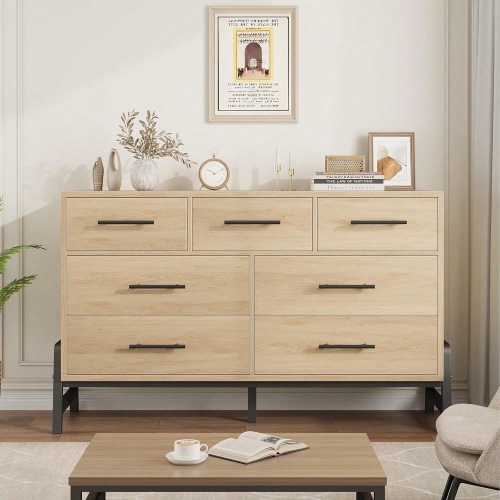
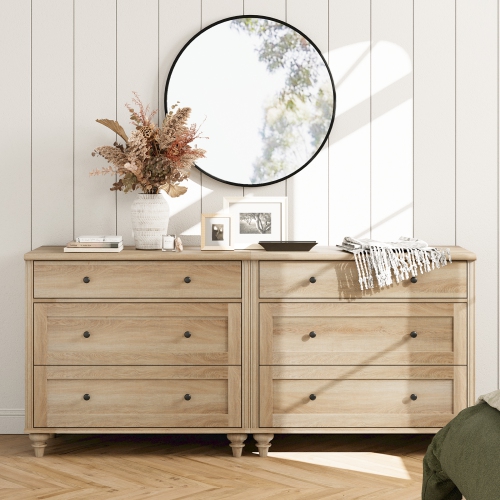
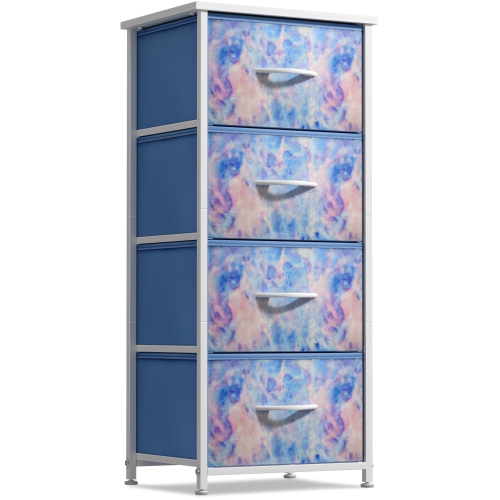
Closet drawers bring enclosed storage to spaces that otherwise rely on hanging rods and open shelves. They keep folded clothing, socks, accessories, and smaller belongings contained, making it easier to find a matching pair or pull together an outfit without disturbing an entire stack. Unlike an open shelf, a drawer holds loose contents behind a front panel and pulls forward so belongings at the back are easier to reach. The category includes freestanding drawer towers, drawer inserts designed for compatible closet systems, and lightweight units that sit beneath hanging clothes. Each format suits a different layout. A freestanding unit can add storage to a reach-in closet without requiring a complete redesign, while integrated drawers create a fitted appearance within a wardrobe or closet organizer. Modular designs can offer flexibility, although their dimensions and attachment points must match the system they are intended to join. Shallow drawers work well for socks, belts, scarves, and small accessories; deeper drawers give folded trousers, sweatshirts, or spare linens more room. Drawer height alone does not determine usefulness, since the usable interior space may be smaller than the outer dimensions suggest. For everyday clothing, a drawer that holds a manageable layer of folded garments can be more practical than a deep compartment filled with several hidden layers. In a shared bedroom, separate drawers help give each person a defined place for their belongings. In a child’s closet, accessible compartments can make putting away clothes more manageable, while drawers in an entryway closet can contain hats, reusable shopping bags, and other small essentials. Closed fronts also create a calmer visual impression when a closet door is open. The result is storage that supports everyday routines while keeping the surrounding floor and shelf space easier to use.
Materials influence how closet drawers look, feel, and stand up to regular handling. Solid wood can bring visible grain and a substantial feel, while engineered wood with a laminate or melamine finish offers a smooth surface that is generally straightforward to wipe clean. The quality of the finish, edge treatment, joints, and drawer base matters as much as the material name. A well-supported base is especially important for drawers holding heavier folded clothing or household linens. Metal frames can provide structure for lightweight fabric drawers, which are often suited to socks, accessories, and other lighter contents. Plastic drawers offer easy-to-clean surfaces, and clear or translucent fronts can help identify what is inside without opening every compartment. Fabric fronts give a softer appearance but may need more attention to prevent overfilling from changing their shape. Hardware also affects daily use: drawer runners should support the intended load and allow smooth movement, while full-extension designs bring more of the interior within reach. Some designs include soft-closing hardware to reduce abrupt closing, though this feature is not a substitute for careful use. Handles, knobs, and recessed pulls need enough clearance to remain comfortable to grasp inside the closet. Fit involves more than finding a unit that matches the width of an empty space. Baseboards, door tracks, hinges, sliding panels, and the depth of hanging garments can all reduce the usable area. A drawer may fit behind a door when closed yet lack the clearance needed to open fully. Low drawer units also need space above them so shirts and jackets do not drag across the top. For fitted inserts, compatibility with the existing frame, mounting holes, runners, and fasteners is essential. Freestanding furniture should be secured where the manufacturer requires it, using hardware appropriate for the wall construction. Drawer stops and stated load limits deserve attention as well, particularly in homes with children. Only units specifically designed for stacking should be stacked, with any required connectors installed according to the manufacturer’s directions.
A useful closet layout balances enclosed drawers with accessible hanging space and open storage. Pairing drawers with closet shelves creates distinct places for smaller clothing, larger folded pieces, bags, and storage baskets without asking one compartment to do every job. Frequently worn clothing is easiest to manage at a comfortable reaching height, while less-used belongings can occupy other suitable areas. Inside a drawer, dividers can separate socks from tights or keep belts from tangling with scarves. Small organizers are most effective when they fit the interior dimensions without blocking the drawer’s movement or wasting too much space around the edges. Folded T-shirts arranged upright can make colours and patterns visible at a glance, while delicate fabrics benefit from smooth interiors without exposed fasteners or rough edges. Drawer liners may add a softer contact surface, provided they are compatible with the finish and do not interfere with operation. Care requirements vary by construction. Finished wood and engineered wood generally benefit from gentle cleaning with a soft cloth and prompt removal of spills, rather than soaking or abrasive scrubbing. Fabric components may call for spot cleaning instead of machine washing, and removable plastic drawers should be cleaned only as their care instructions allow. Overfilled compartments put extra strain on bases and runners, so a drawer that closes without pressure is usually easier to live with than one packed to its limit. Periodic checks for loose handles, shifting dividers, or fasteners that need attention can help keep daily use smooth. Appearance matters too: a light finish can blend with pale closet interiors, a wood-look surface can coordinate with bedroom furniture, and darker fronts can provide contrast. Matching every surface is less important than choosing dimensions, construction, and storage capacity that suit the room. Well-chosen closet drawers make small belongings easier to locate, protect folded contents from being knocked off open stacks, and give an existing closet a more orderly, purposeful arrangement.
Top selling and popular products
-
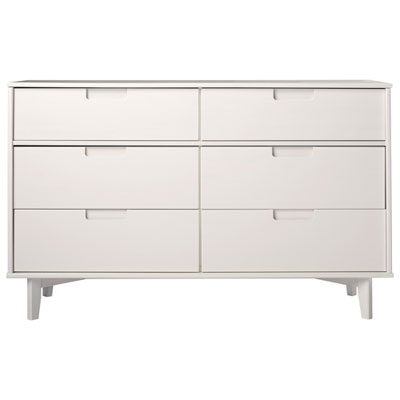 Your price for this item is $569.99
-
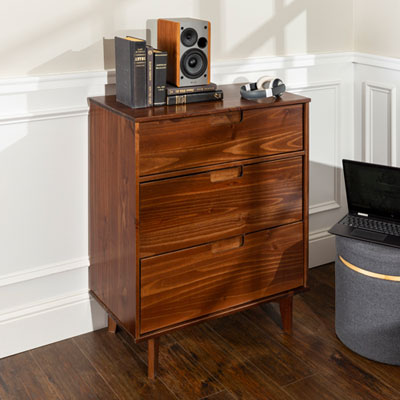 Your price for this item is $364.99
-
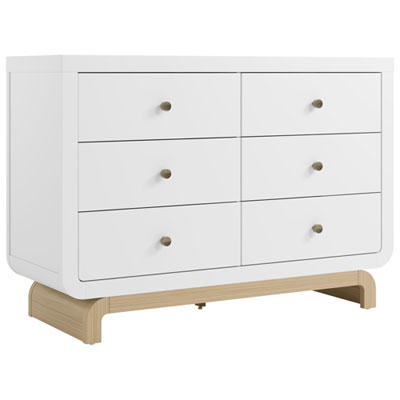 Your price for this item is $899.99
-
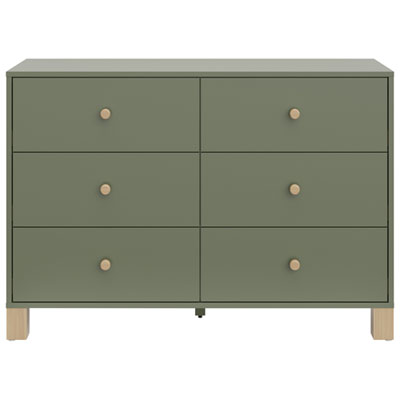 Your price for this item is $699.99
-
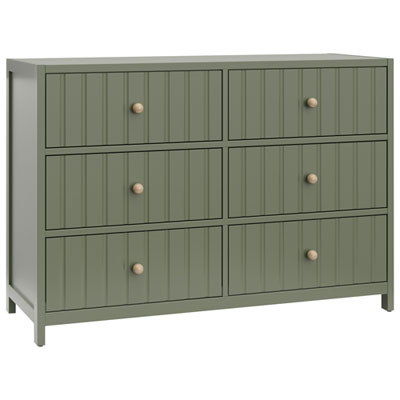 Your price for this item is $699.99
-
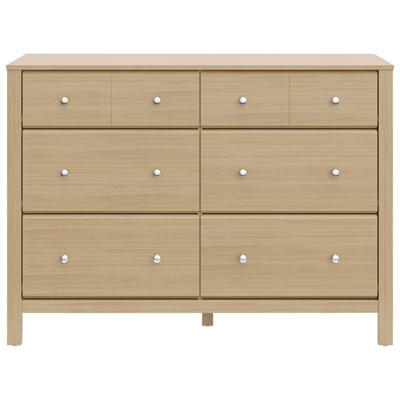 Your price for this item is $399.99
-
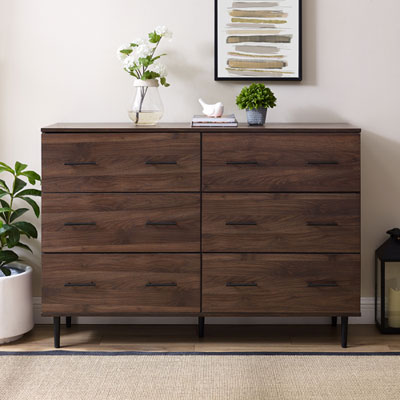 Your price for this item is $886.99
-
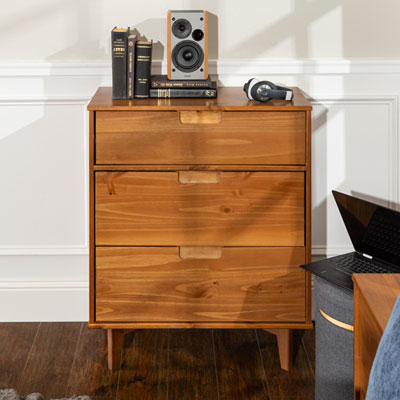 Your price for this item is $364.99
Discover more categories related to Closet Drawers
Top Collections:
Pokemon Centers, Best Cameras for Sports Photography, Kindle Devices, Samsung Galaxy Phones, Canon G7X Cameras, Pokémon 30th Celebration Cards, Refurbished Apple Laptops, iPhone 15 Apple, Laptops for Students, Budget Smartphones
Some products may be subject to Environmental Handling Fees
(EHF) depending on your province.
Learn more about EHFs.