Closet Organizers Canada
Transform your closet into a model of efficiency and style with our diverse range of closet organizers. Whether you're looking to maximize space in a small apartment or create a luxurious walk-in wardrobe, the right organization solutions can make all the difference. From sleek shelving units to versatile hanging systems, these organizers help you keep everything in its place while enhancing the aesthetics of your space. Discover innovative designs that cater to every storage need, making it easier than ever to find what you're looking for and maintain an orderly environment. Explore how the perfect closet organizer can revolutionize your home and streamline your daily routine.
Sort

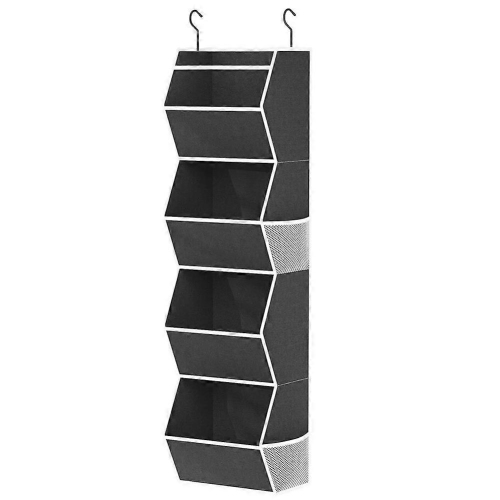
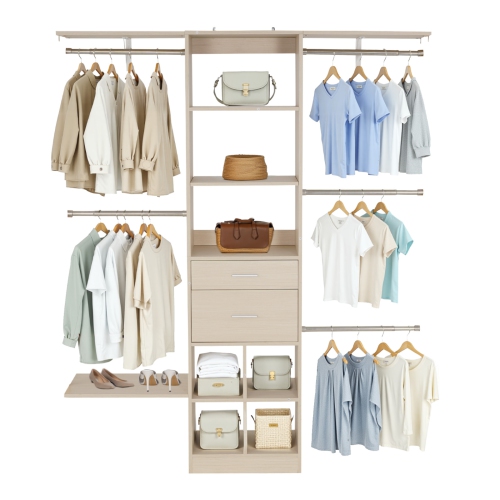
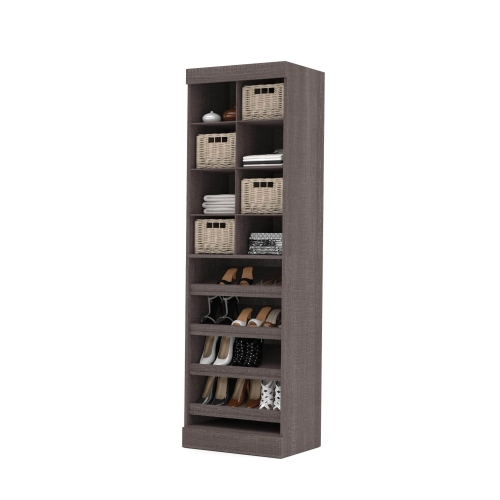
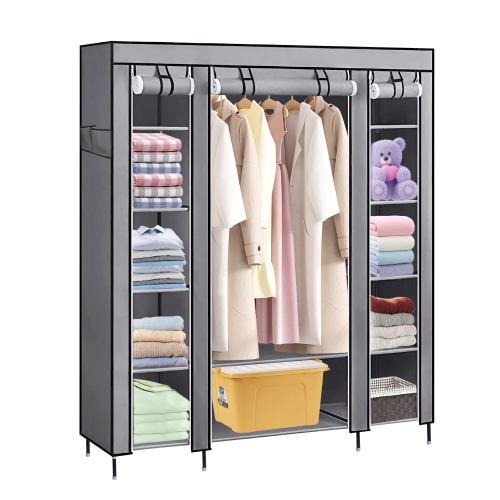

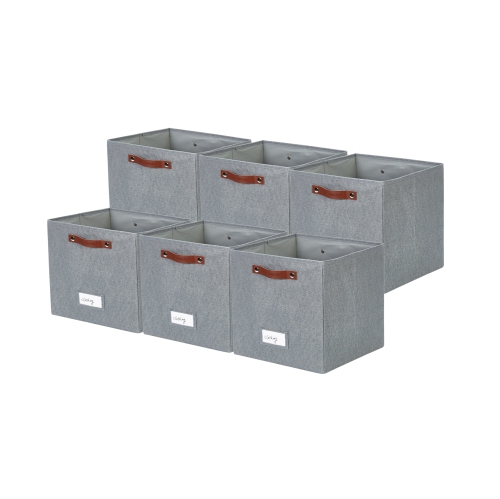

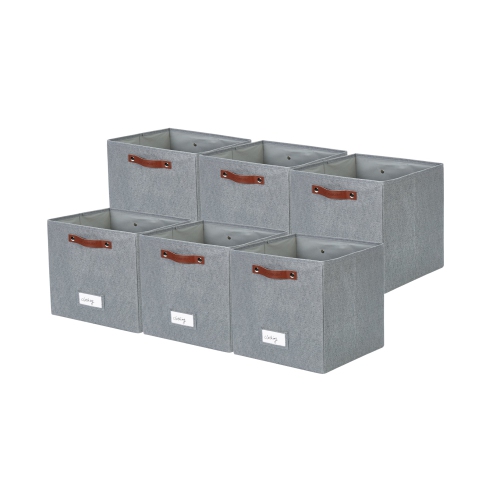

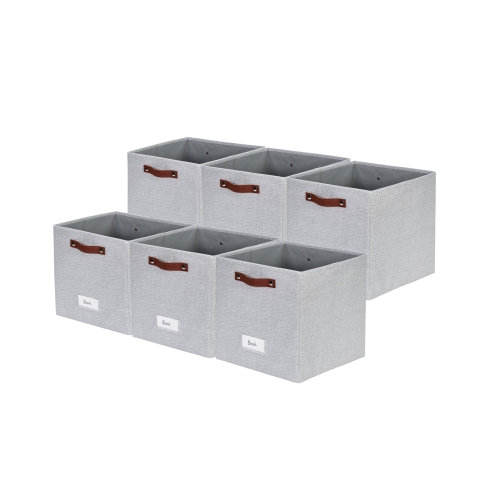
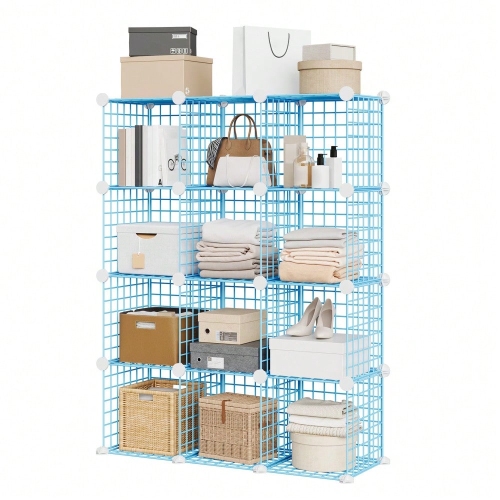
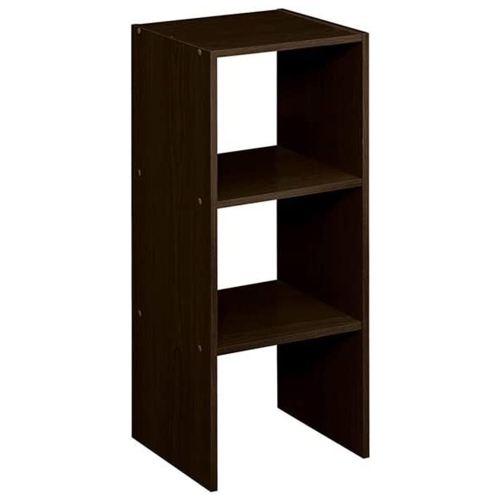


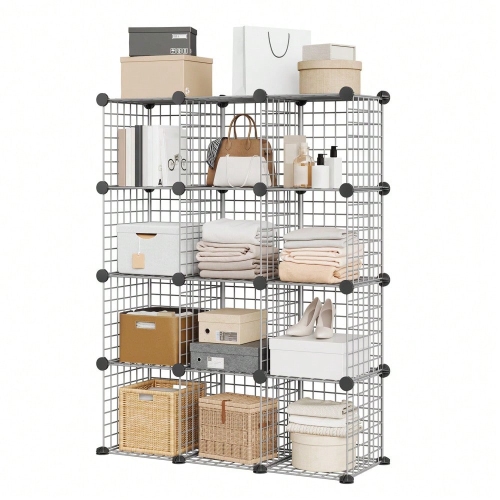


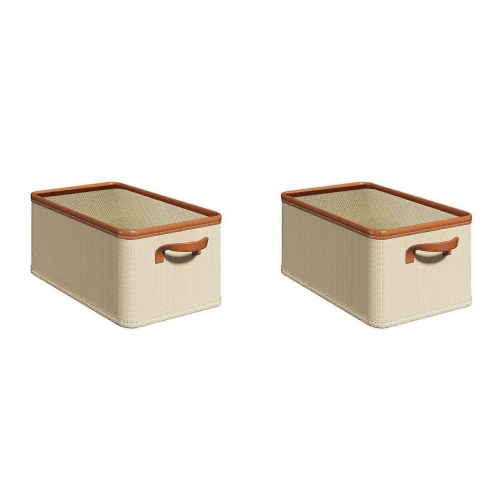
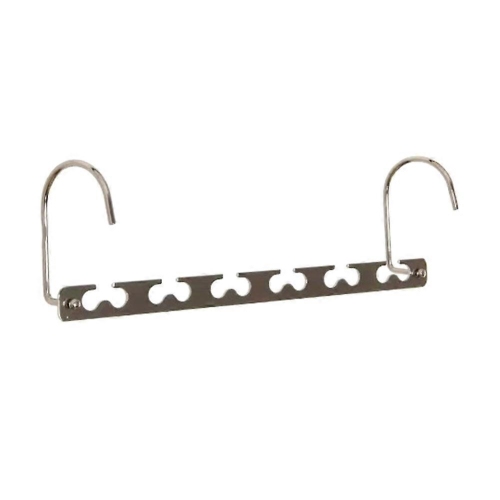




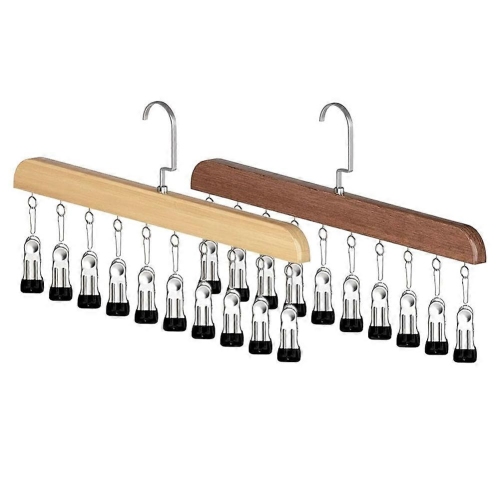

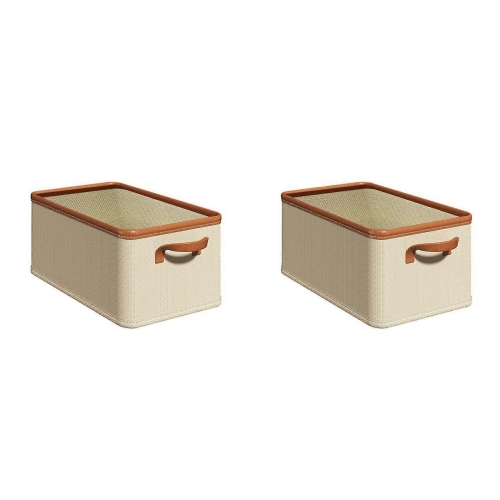
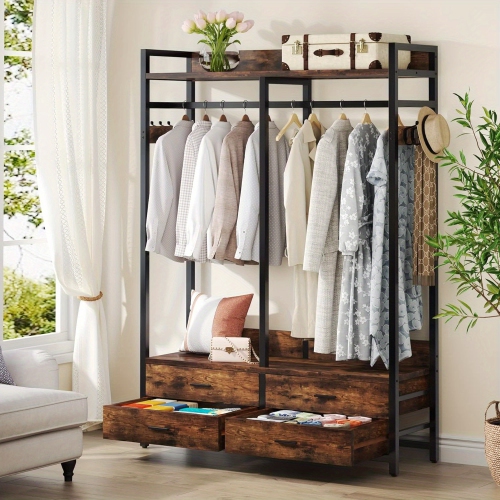

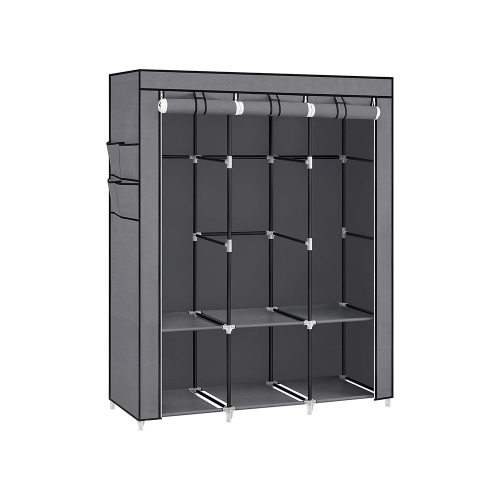


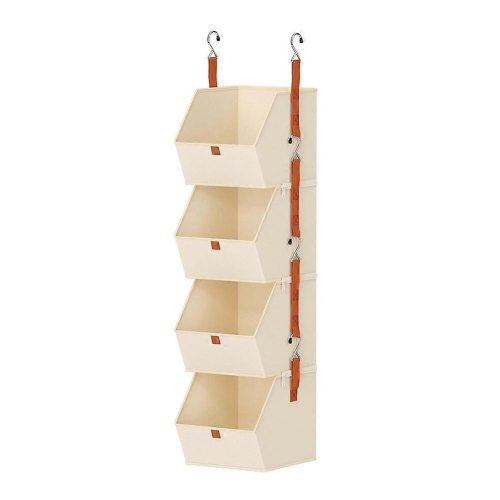
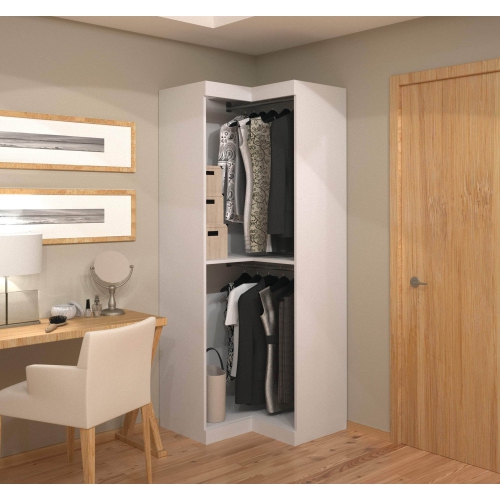
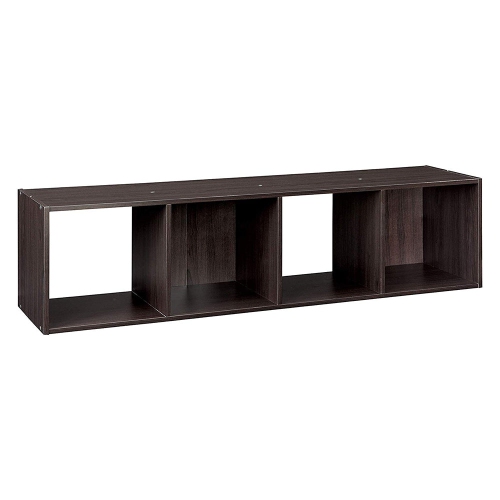

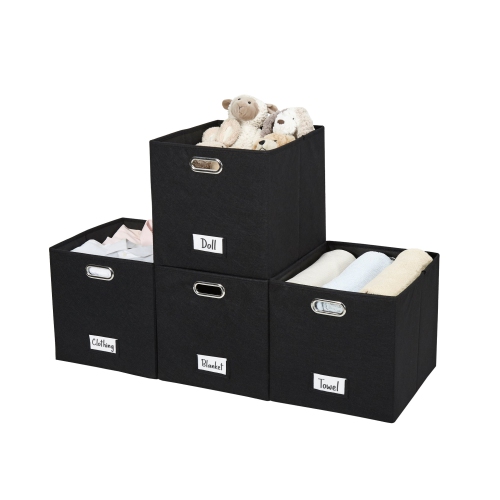
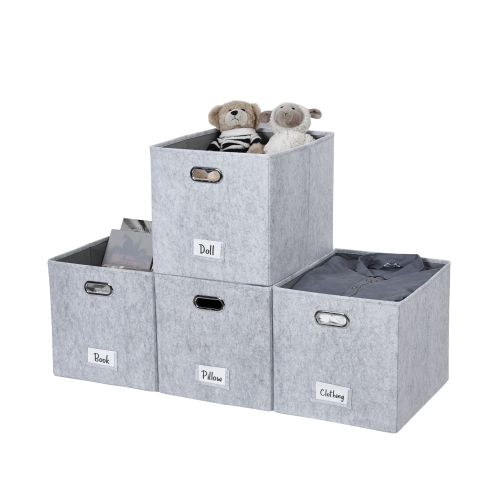
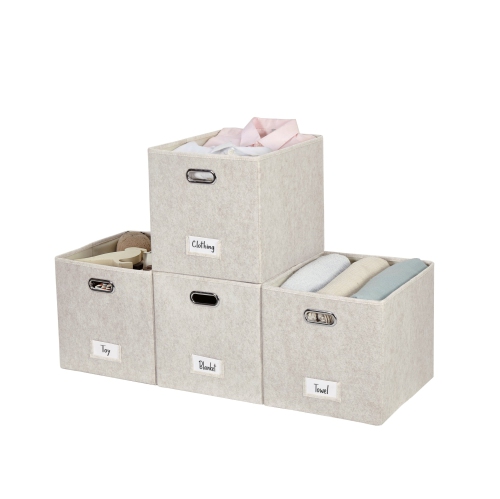
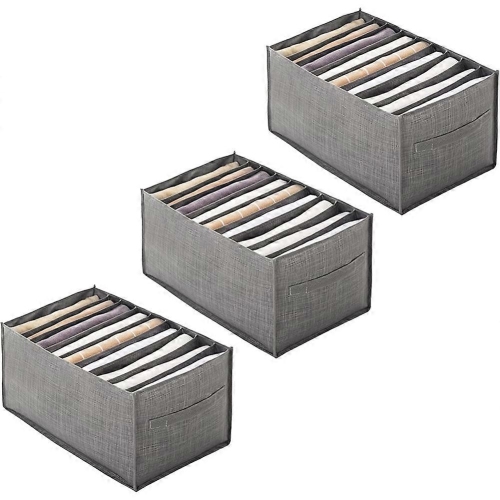
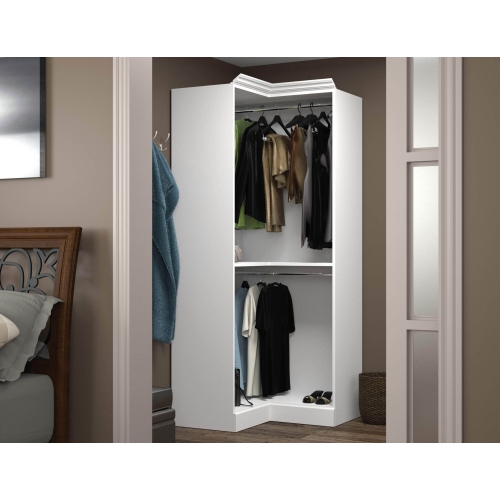
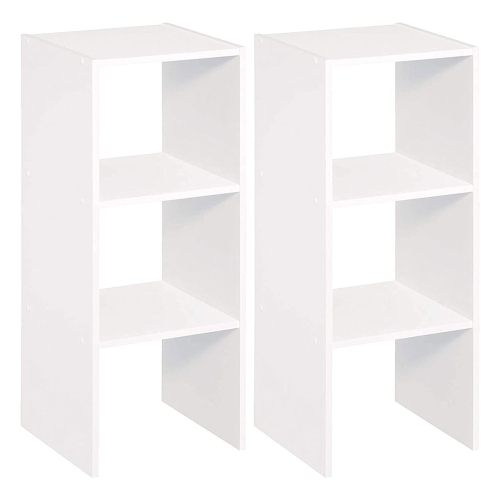


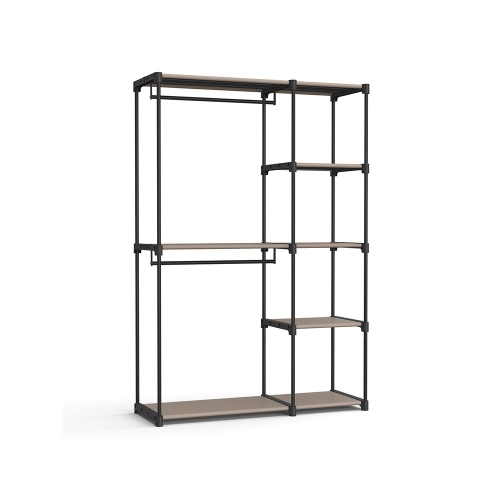
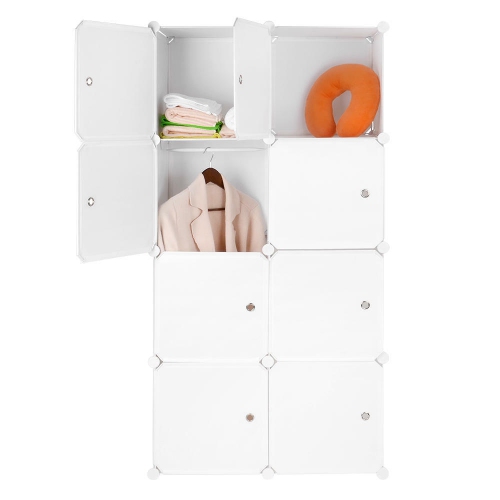
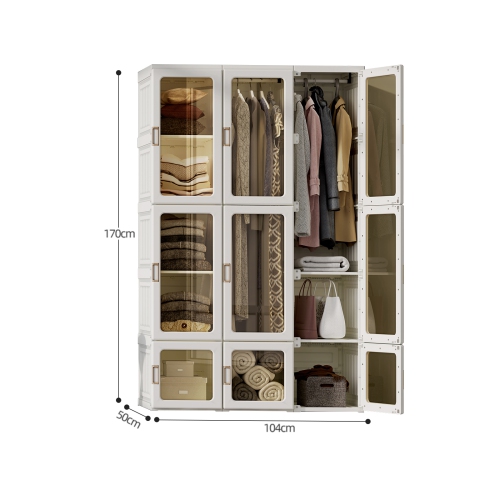


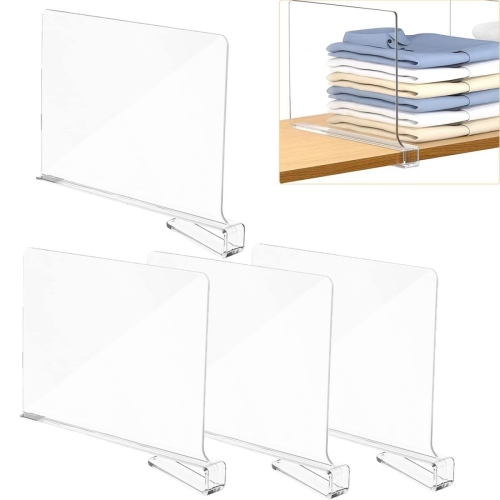
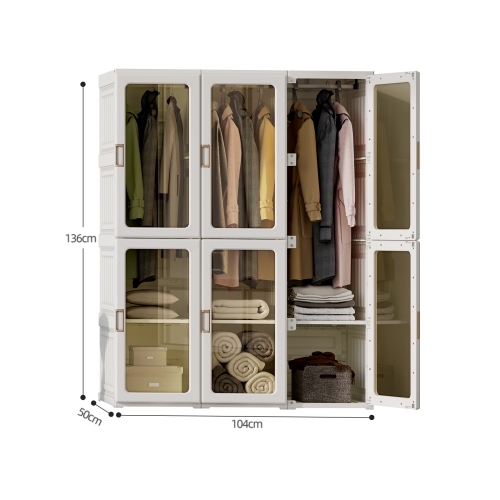
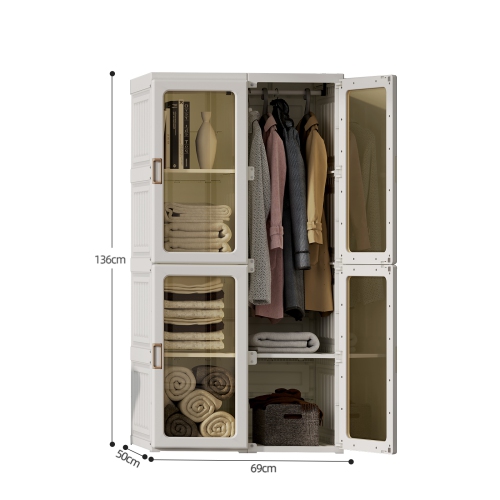
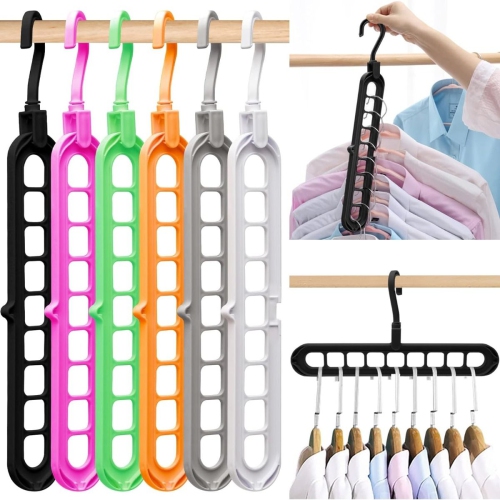

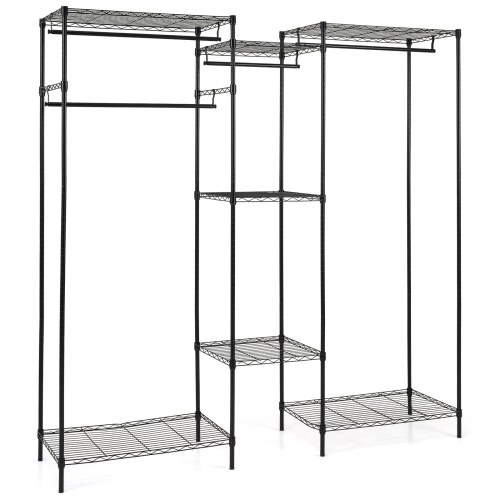


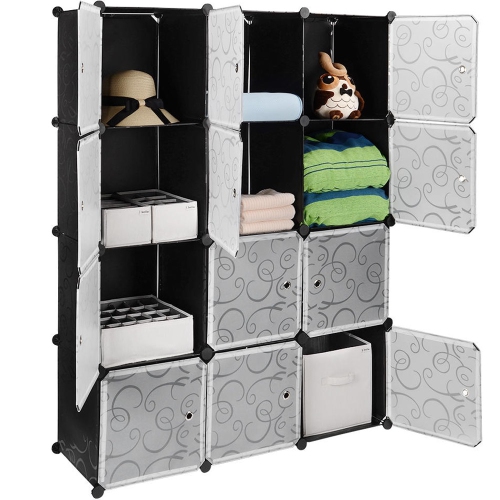
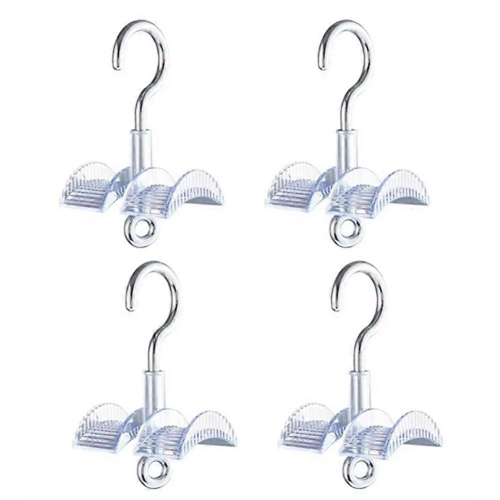

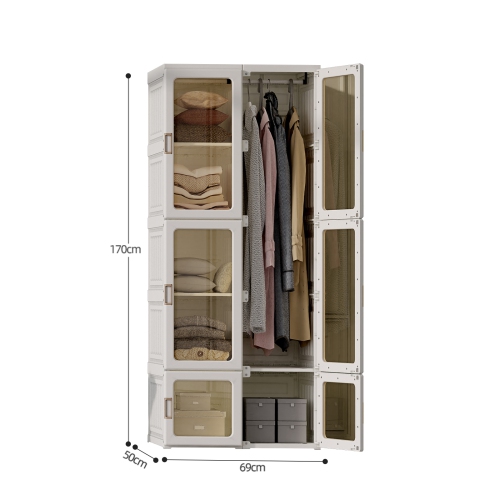
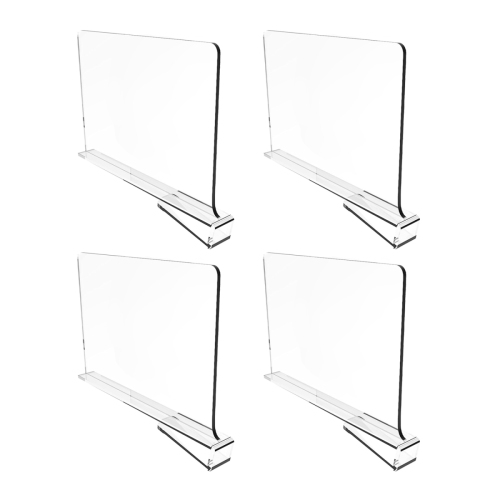
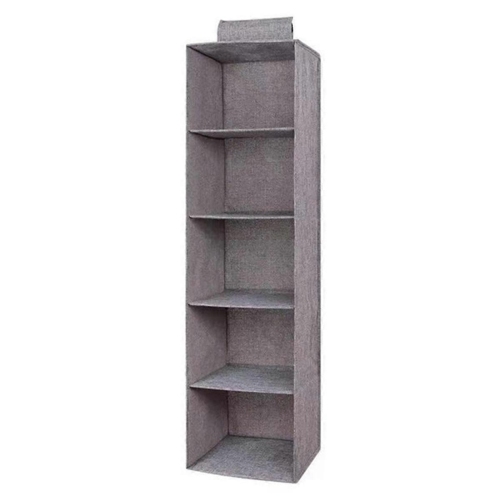

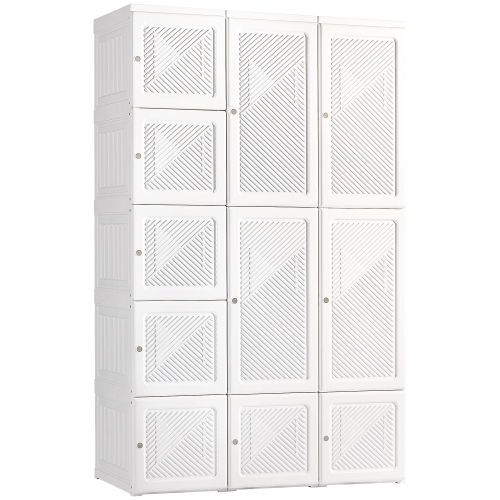

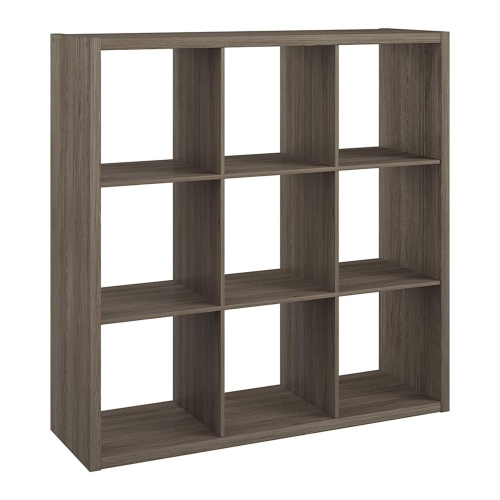
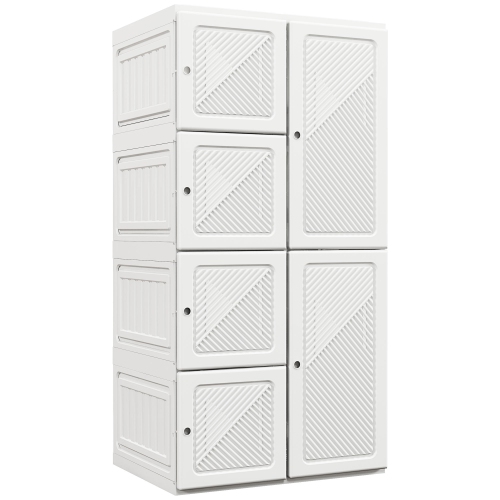
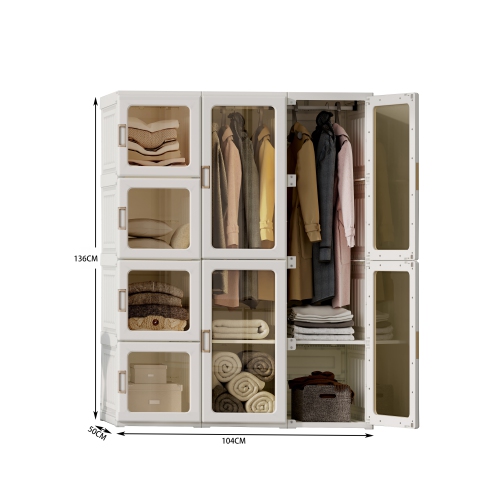
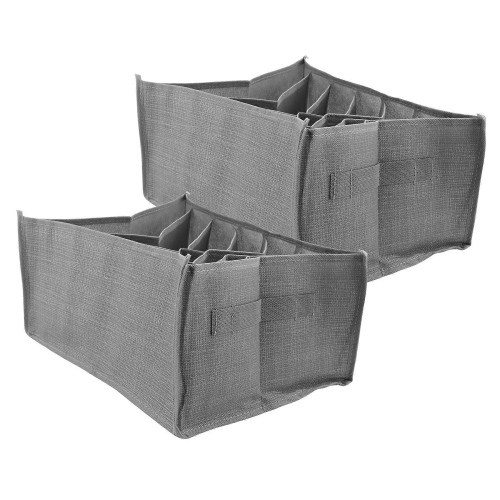


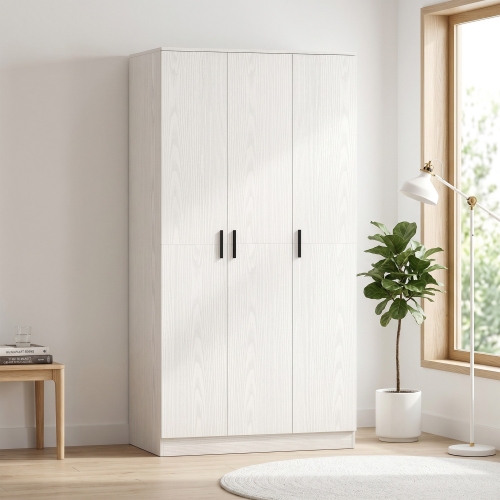
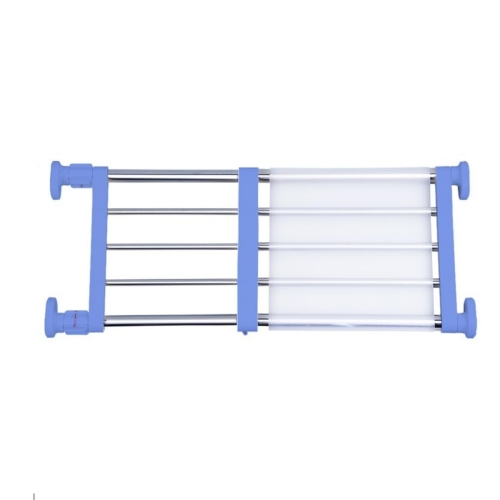
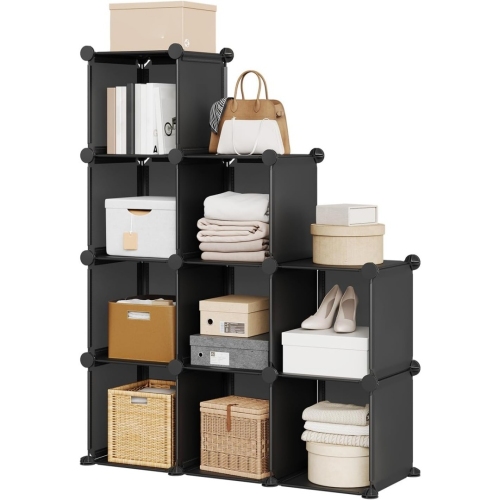
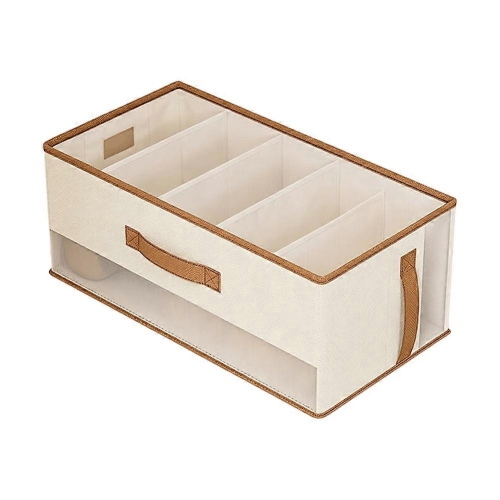

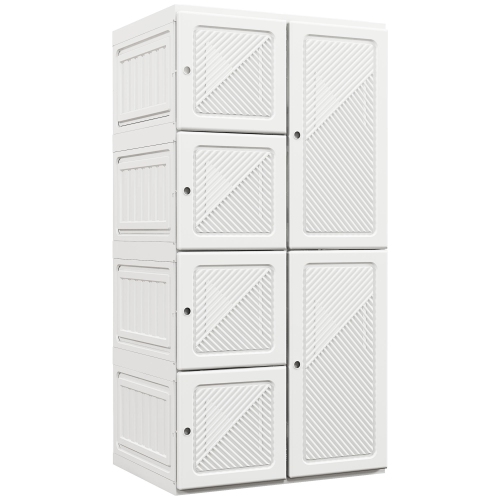
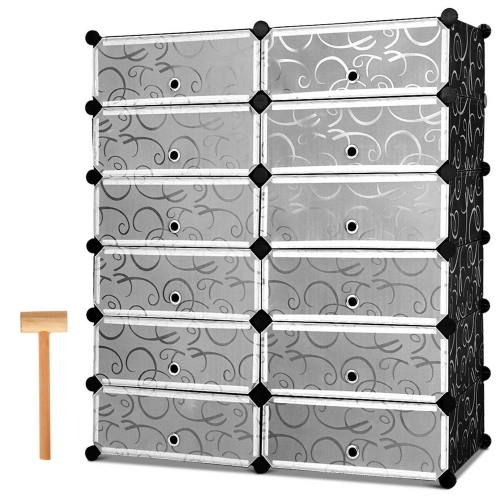

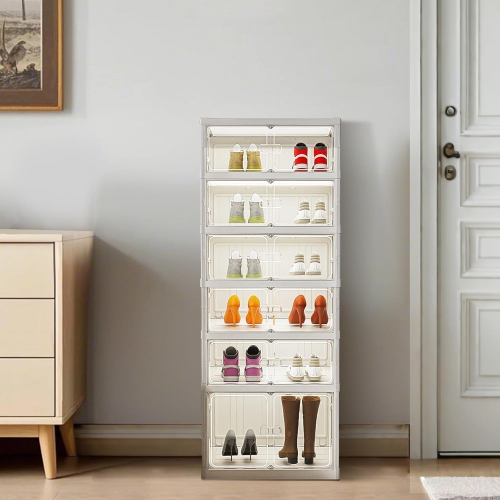
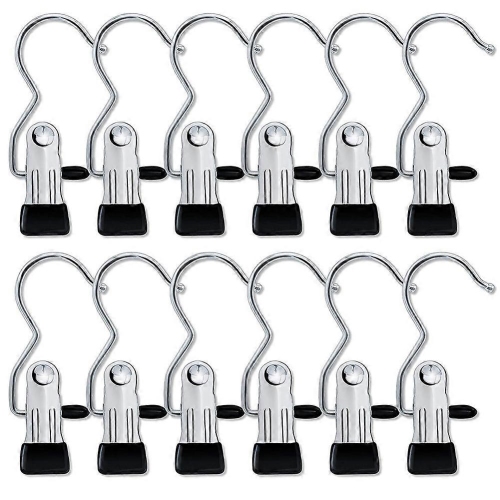







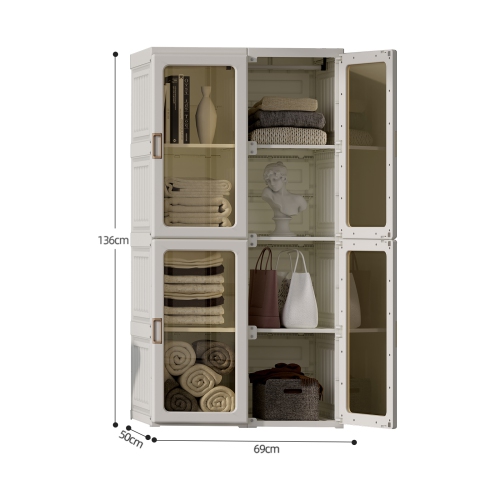

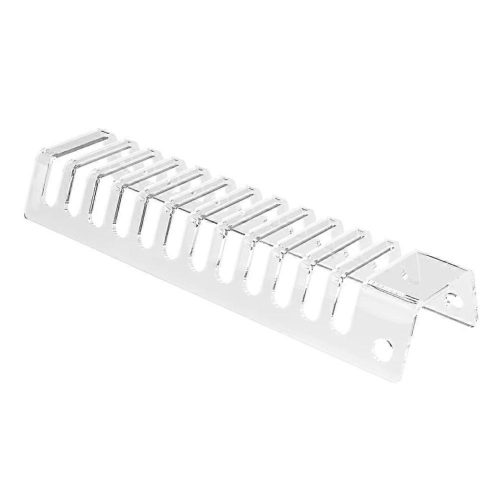
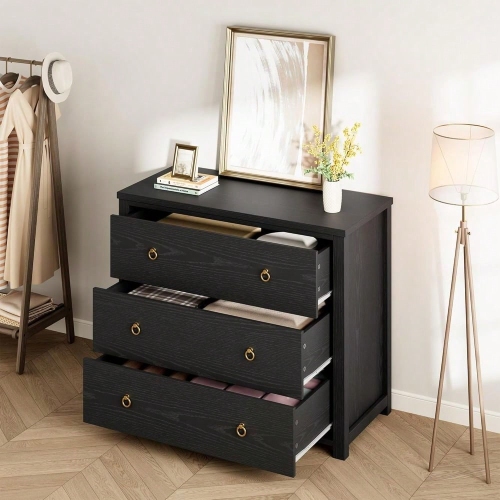

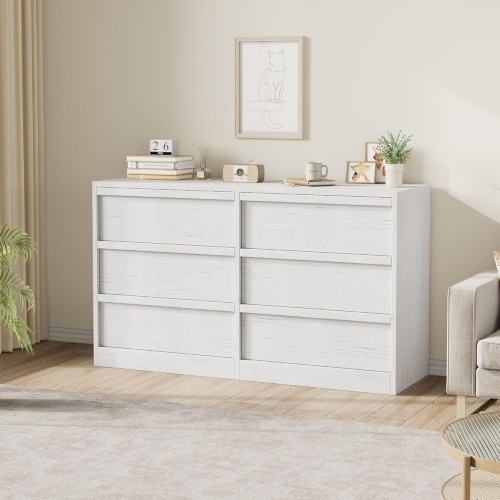
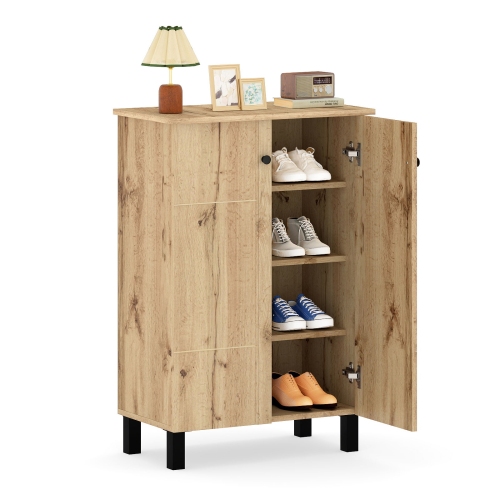
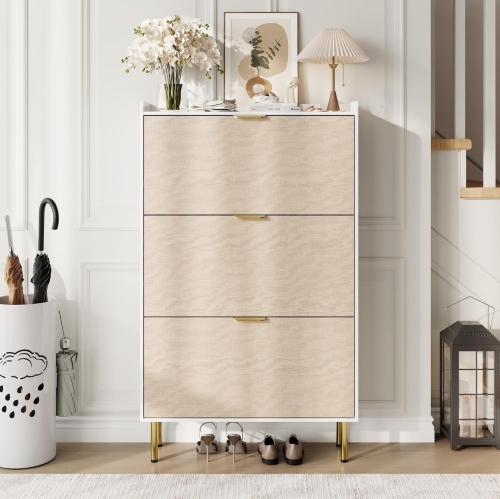
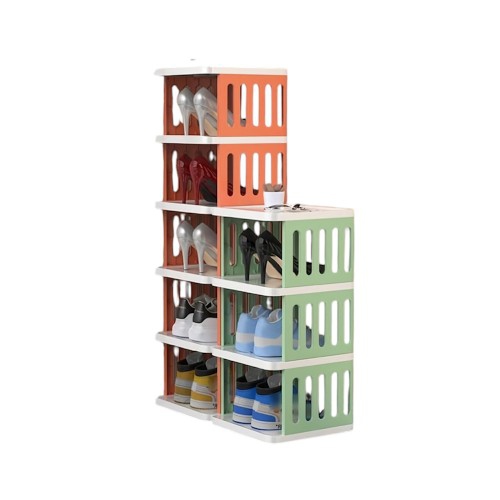
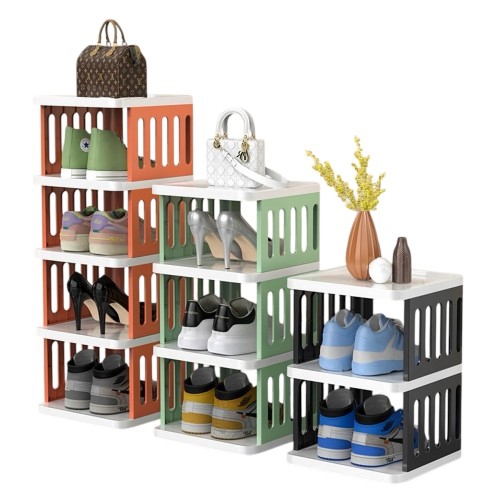
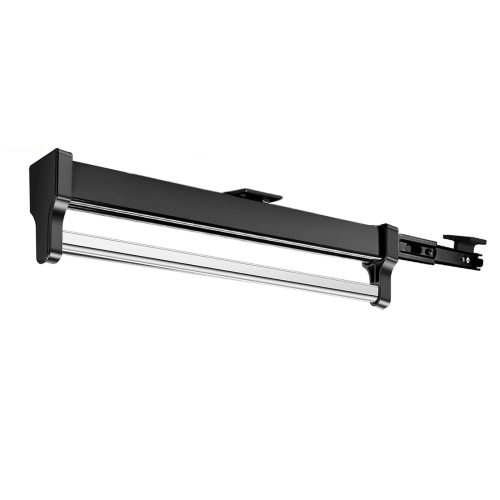
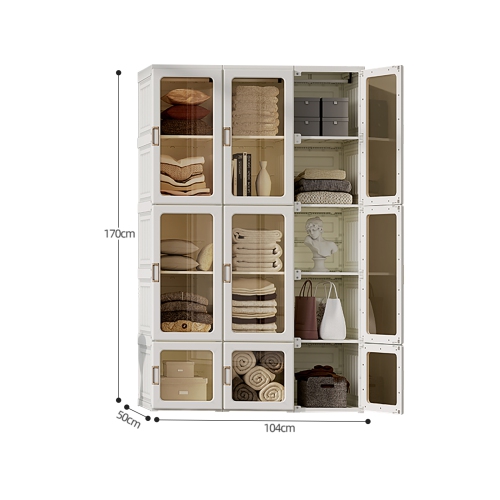


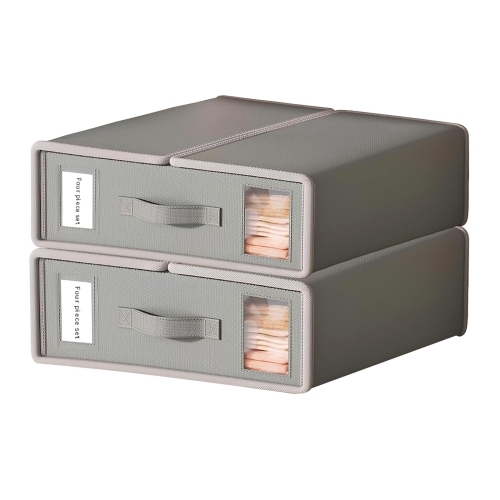
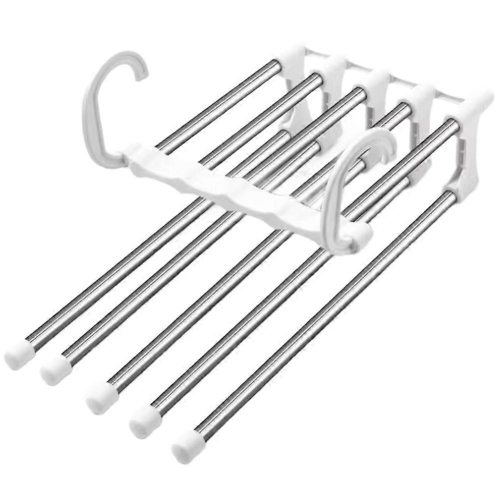
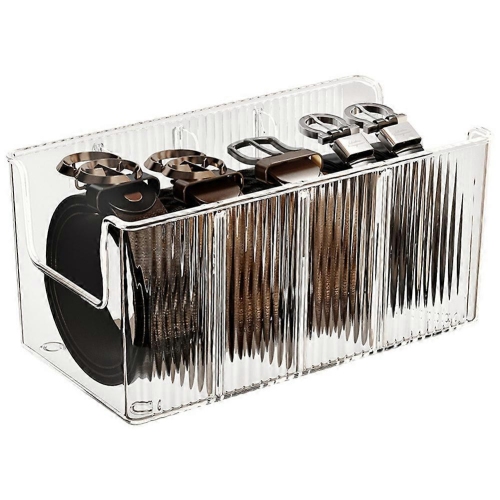

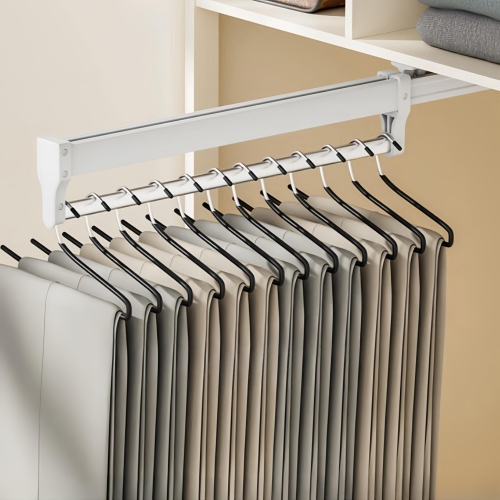
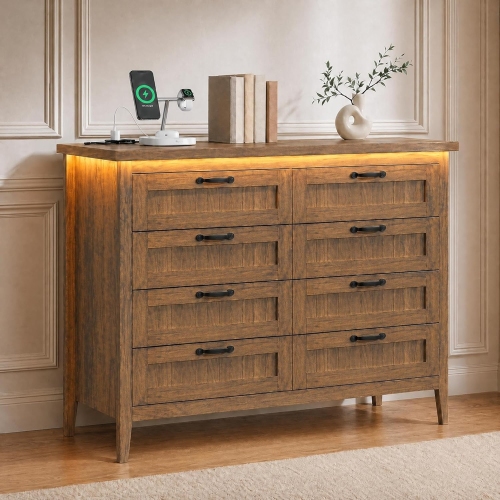
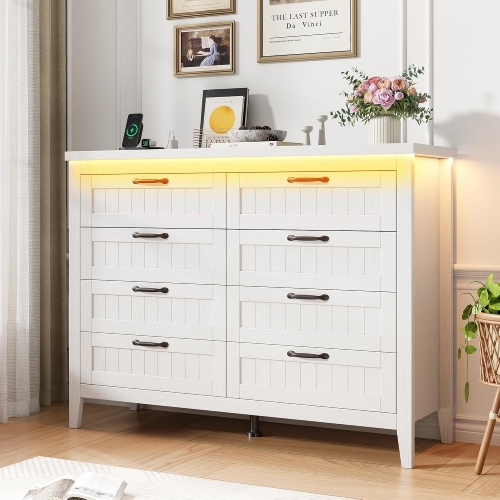



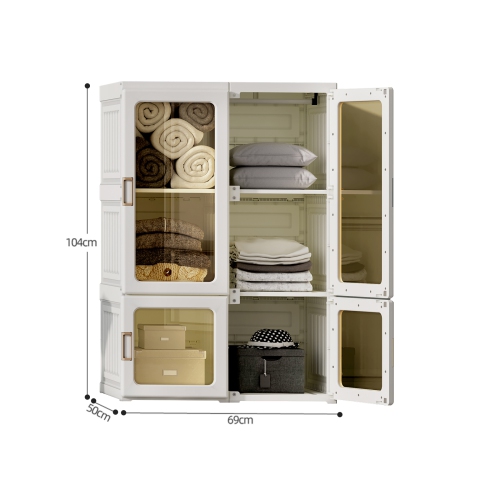
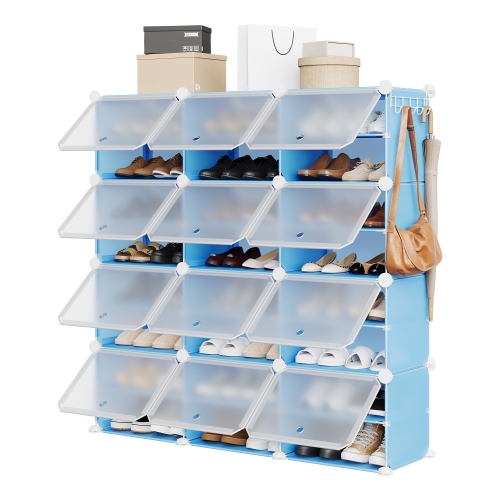
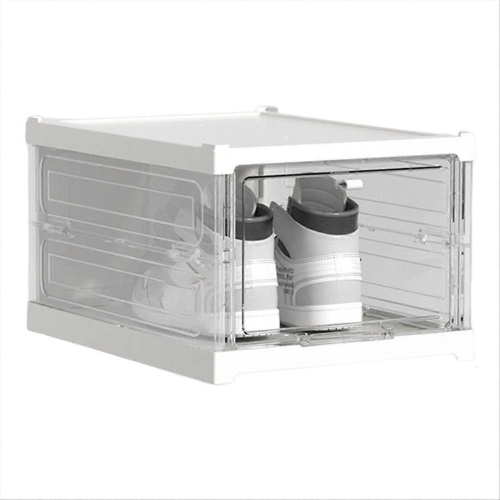


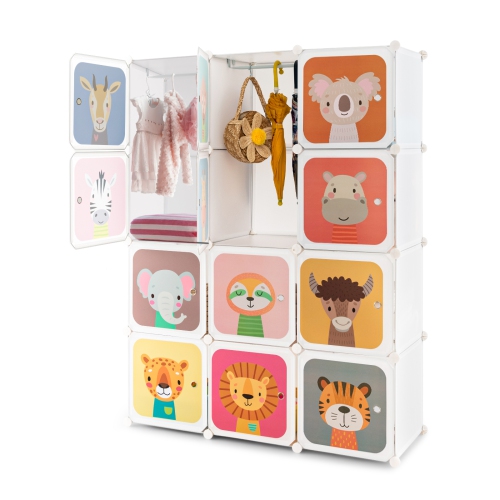

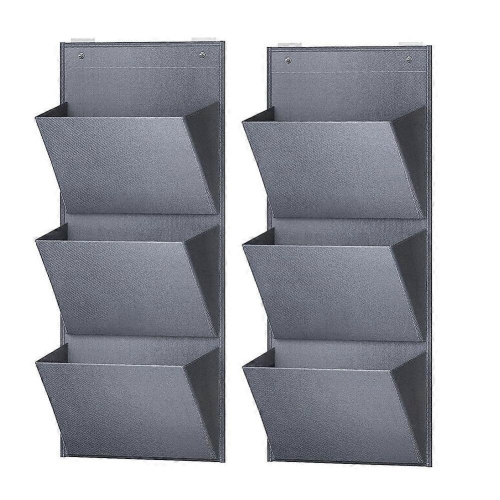
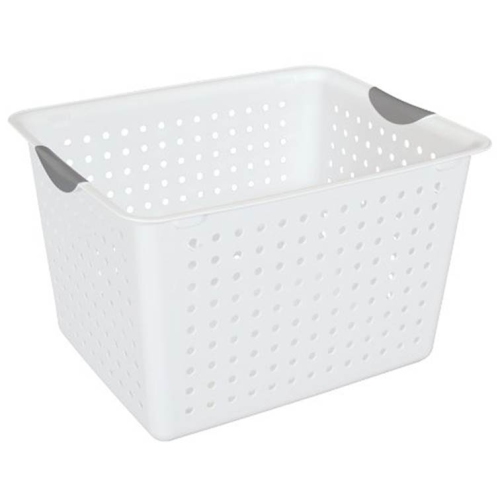
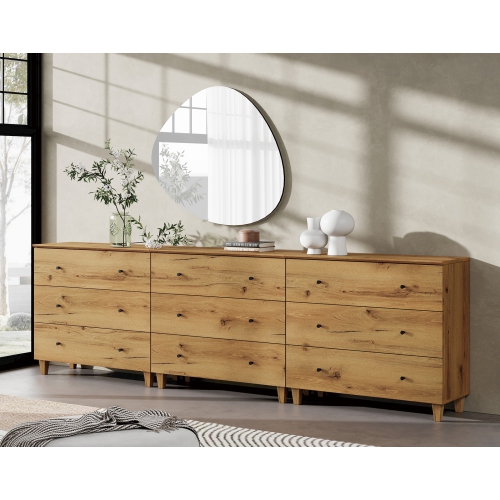
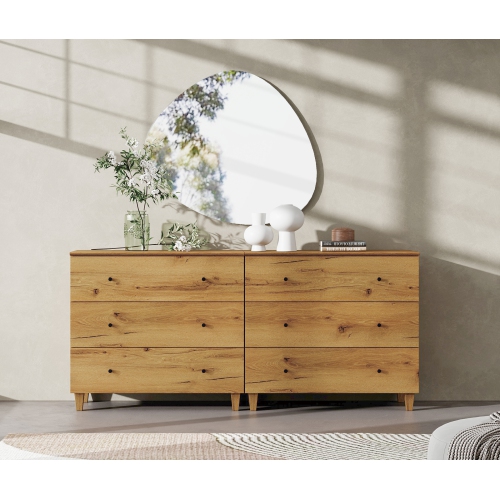

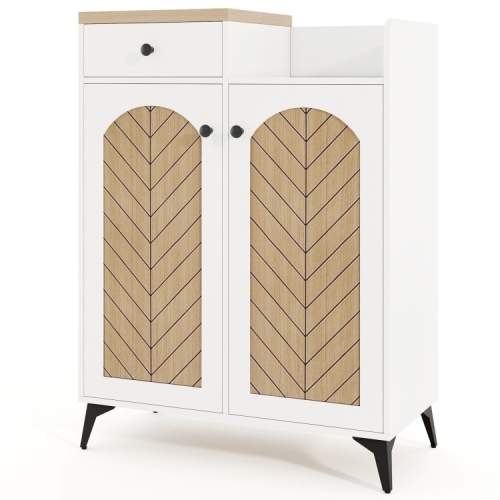

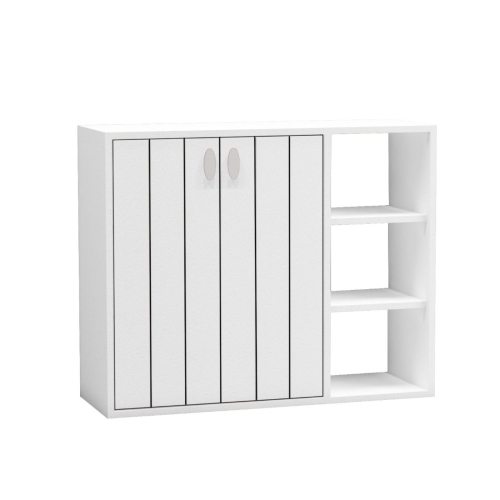
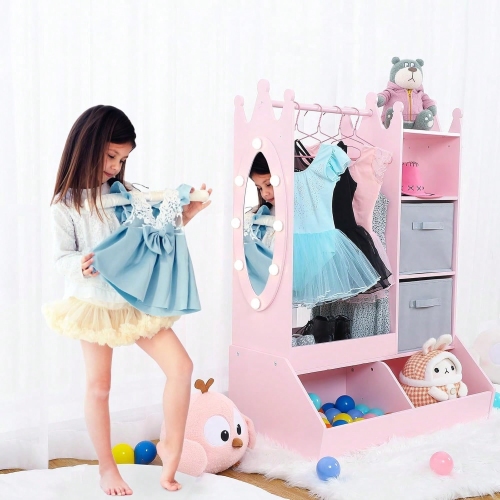
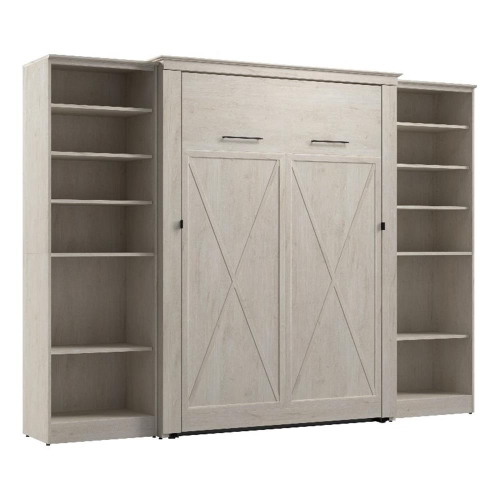

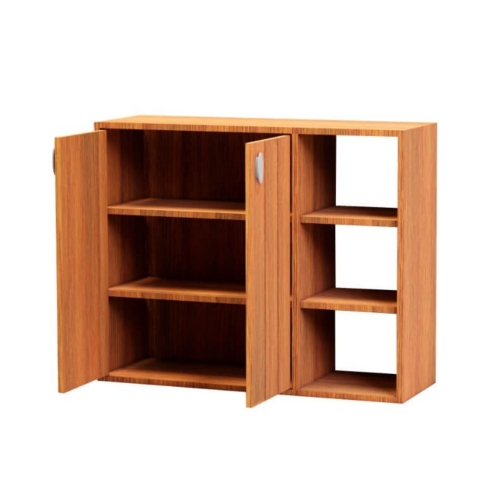

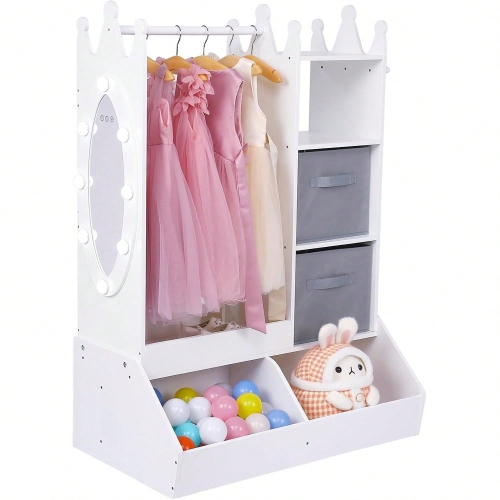

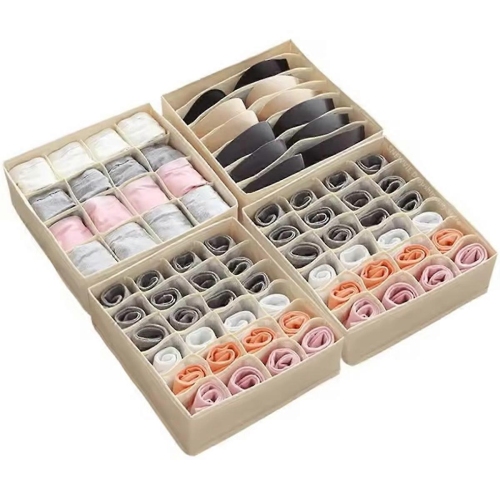


Closet storage that fits your space and wardrobe
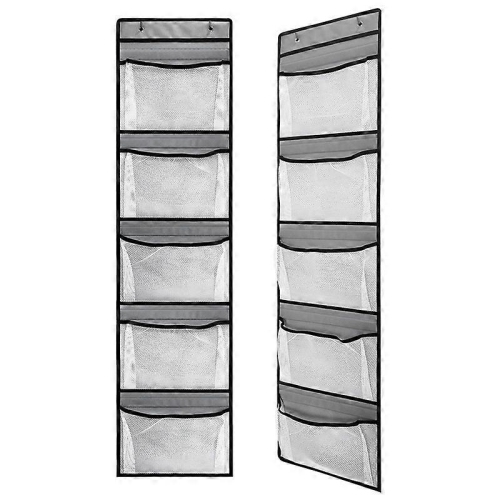
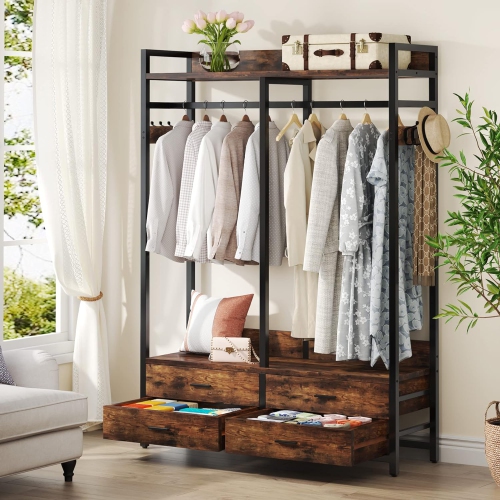
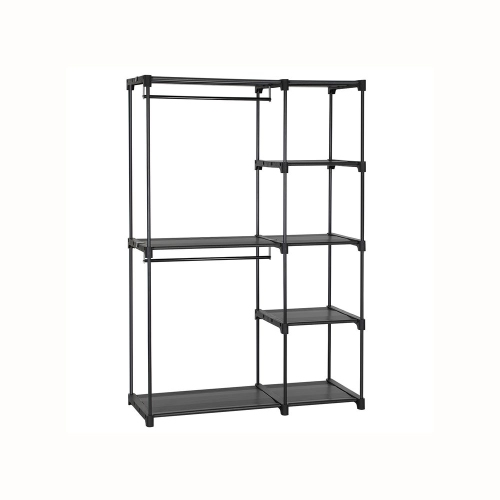
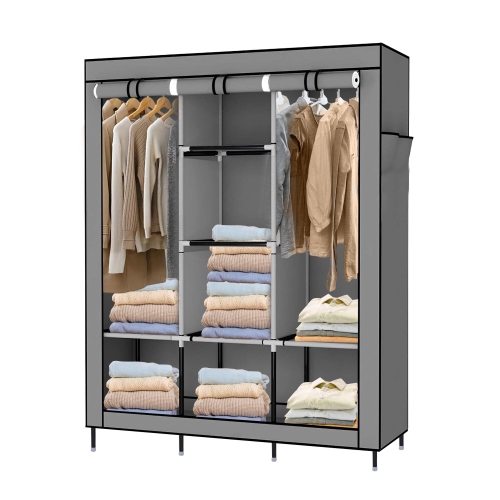
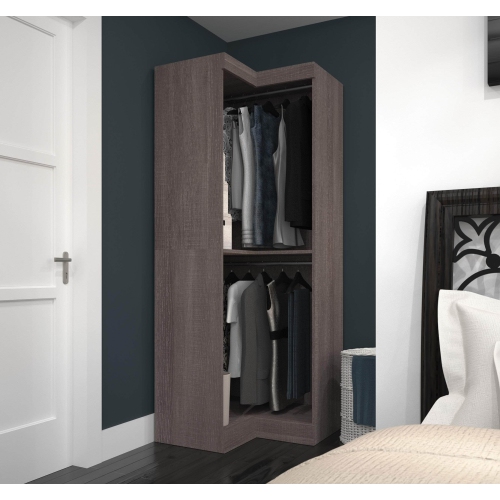
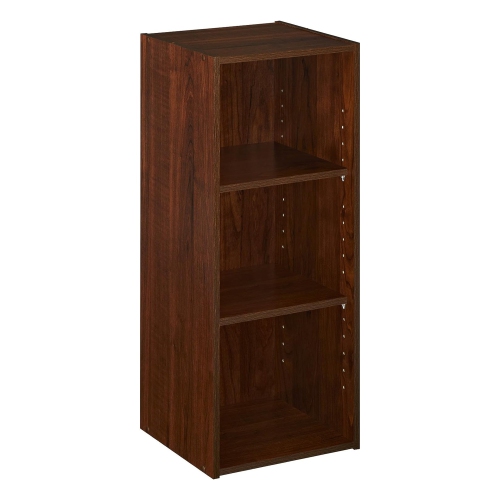
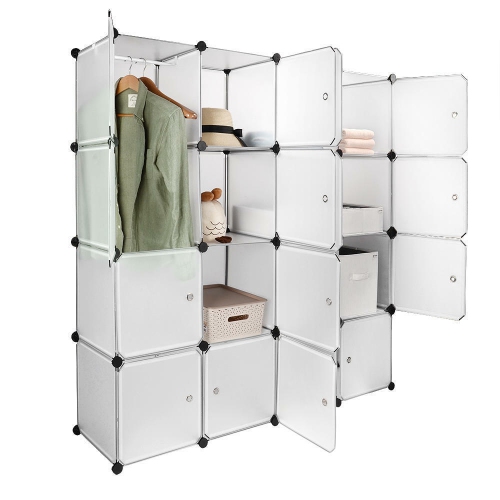
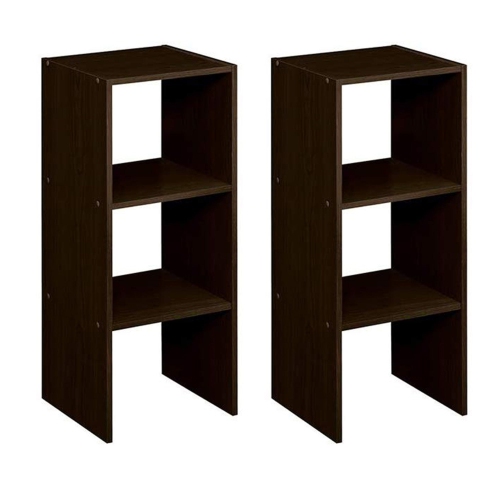
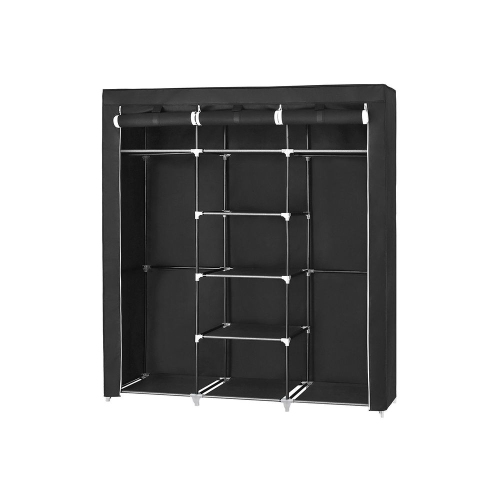
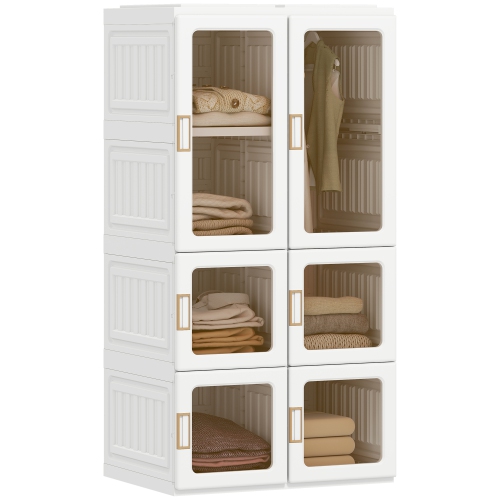
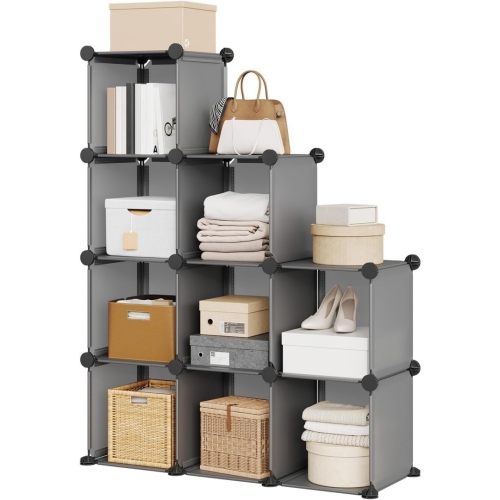
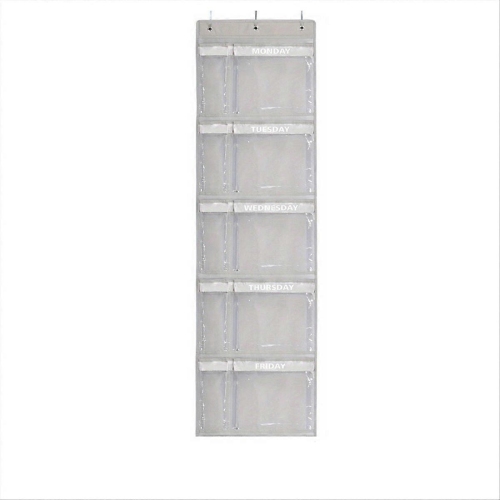
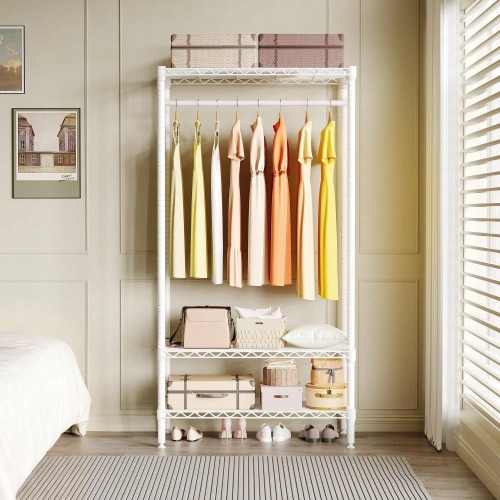
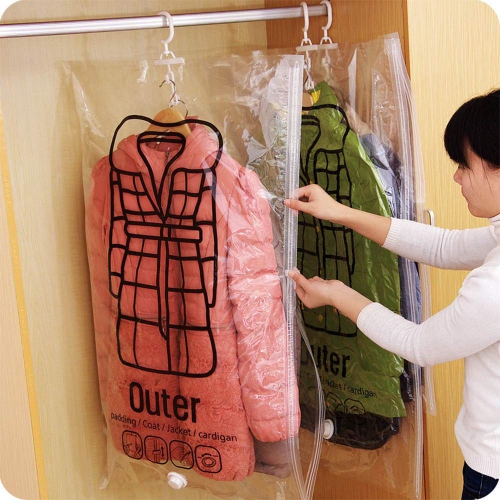
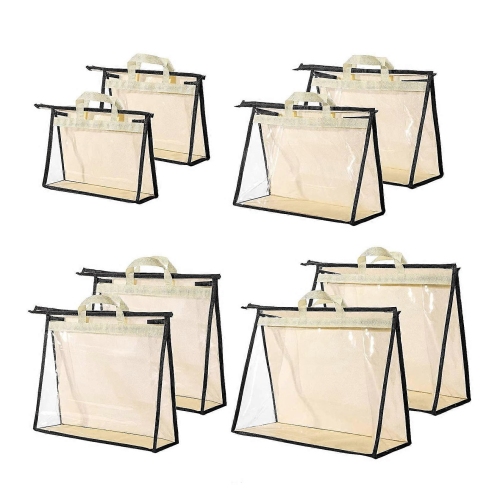
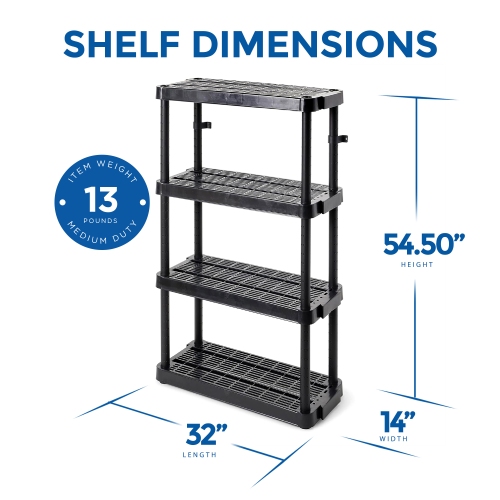
Closet organizers combine hanging space, shelving, drawers, and smaller compartments to make clothing and accessories easier to store and find. For Canadian homes ranging from compact condos to larger houses, the most useful configuration depends on the closet’s dimensions, the clothing it holds, and how people move through the space. A reach-in closet often benefits from a combination of hanging rods and vertical shelving, while a walk-in closet may have room for separate sections for folded clothing, footwear, and accessories. Modular closet systems use components that can be arranged to suit different layouts; freestanding units provide storage without relying on wall-mounted rails; and hanging organizers add compartments beneath an existing closet rod. Wall-mounted systems can leave the floor beneath them accessible, although their suitability depends on the wall construction and the installation requirements. Fit involves more than checking the width of the opening. Interior depth, ceiling height, baseboards, door tracks, and the position of existing rods all affect how a system sits inside the closet. Sliding doors can conceal part of a storage section even when fully open, so drawers and pull-out components need to align with the accessible opening. Hinged doors need enough clearance to swing without striking shelving or handles. A shallow shelf may suit folded shirts, but larger folded garments need enough depth to sit securely without hanging over the edge. Long dresses and coats need uninterrupted hanging space, whereas shirts and trousers can often share a double-hang arrangement. In a rental home, lease terms and permission to drill into walls may also shape the choice between a mounted system and a freestanding design. These details help distinguish a closet organizer that merely fits inside the space from one that makes the whole closet easier to use. They also matter in shared bedrooms, where each person may need a different balance of shelves, drawers, and hanging sections rather than two identical halves.
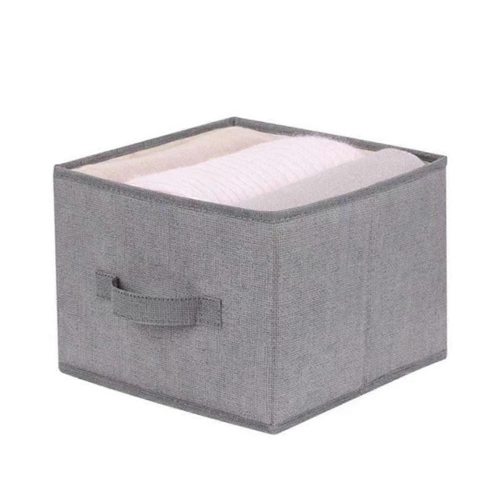
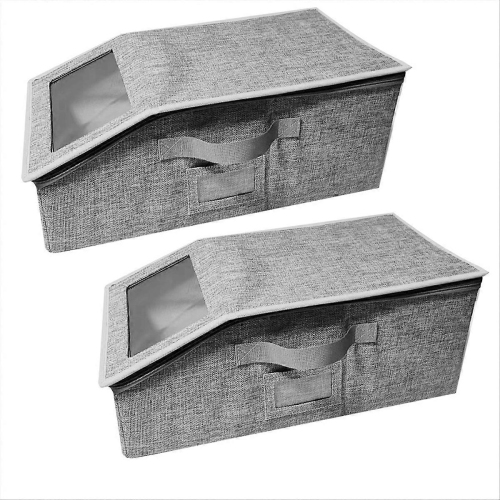
Materials influence how closet organizers look, feel, and hold up to everyday handling. Solid wood offers natural grain and can bring a furniture-like appearance to an open dressing area, though its weight, finish, and care requirements vary. Engineered wood is commonly used for smooth-sided shelving and drawer units, with laminated or other finished surfaces that are generally straightforward to wipe clean according to the manufacturer’s directions. Finished edges deserve attention, especially along shelves and drawer fronts that receive frequent contact from hangers, baskets, or clothing fasteners. Metal frames can provide a slim profile, while wire shelving allows visibility through the shelf and leaves fewer broad surfaces for dust to settle on. Small accessories or narrow heels may need a liner or a suitable container on open wire shelves. Fabric hanging organizers are useful for lightweight folded clothing and accessories, but their compartments and attachment points should not be treated like rigid shelving. Durability depends on construction as well as material: secure joints, appropriate supports, smooth drawer movement, and a finish suited to regular handling all contribute to daily performance. Published weight limits matter for individual shelves, hanging rods, drawers, and the complete assembly. A long shelf loaded with folded denim places different demands on its supports than a compartment holding scarves. Wall-mounted components need fasteners appropriate for the wall and the specified load, with installation following the supplied instructions. Freestanding units may also require anchoring, particularly where children could pull on drawers or attempt to climb. Care is usually simple but should match the material. A soft cloth, prompt attention to spills, and manufacturer-approved cleaning methods help protect finishes. Fabric sections may have different washing restrictions from removable fabric bins, and metal parts should be dried after cleaning rather than left damp. Periodically checking connections and keeping drawer tracks clear can help maintain smooth operation.
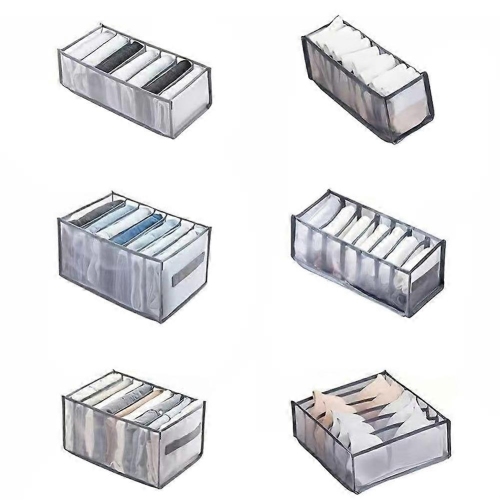
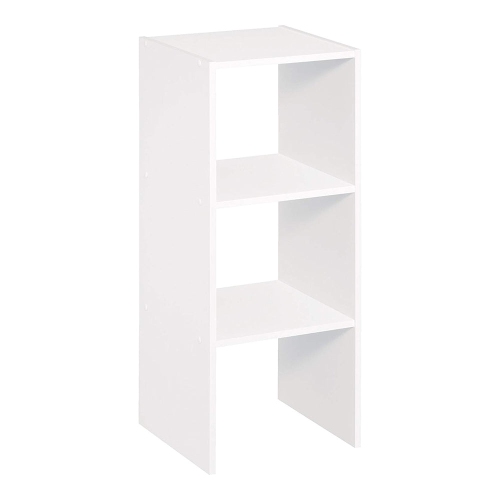
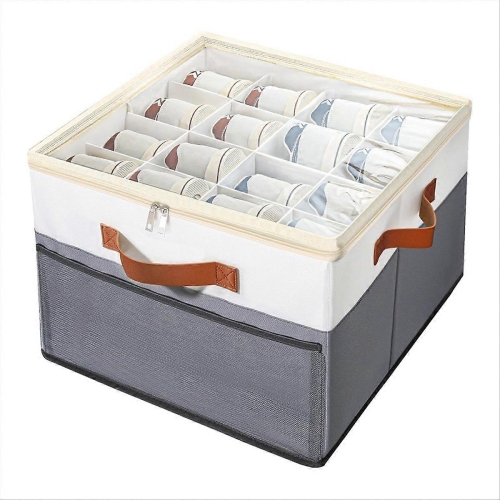
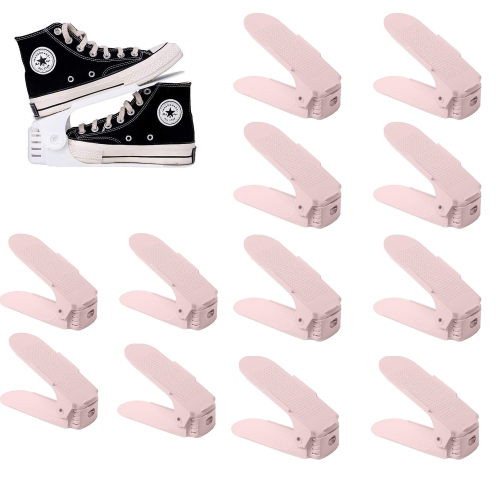
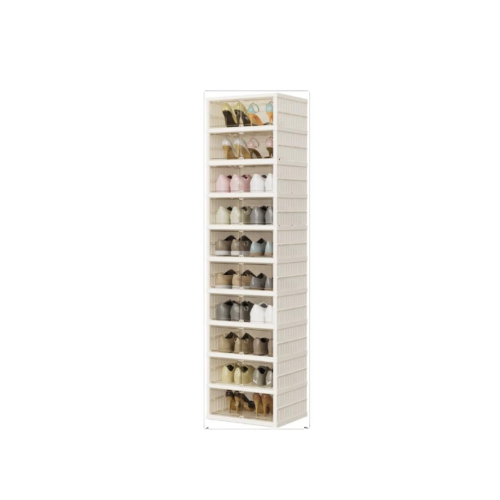
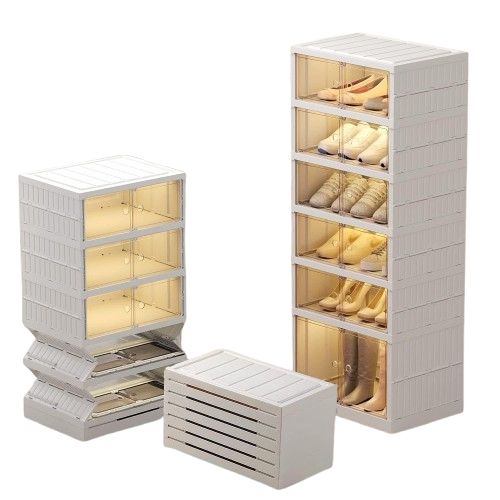
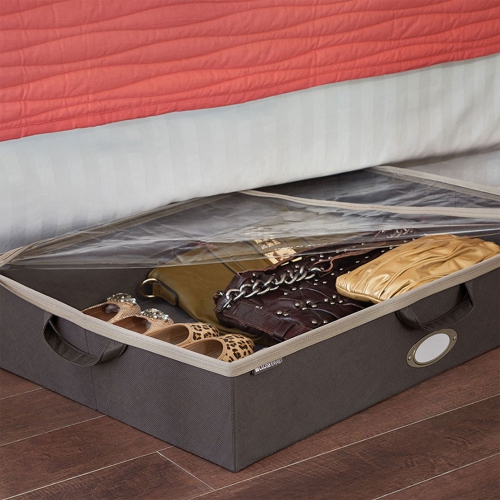
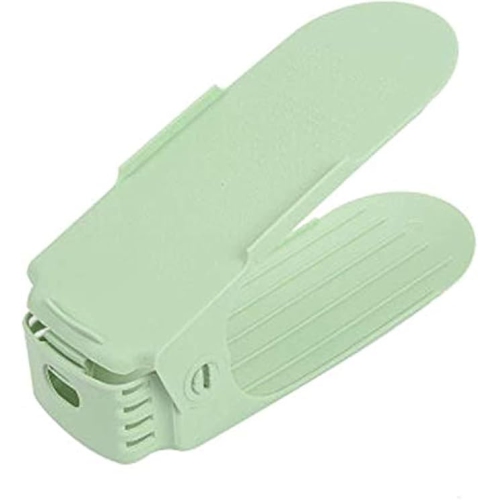
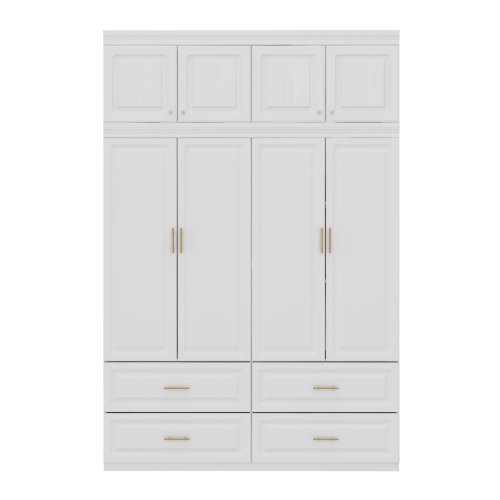
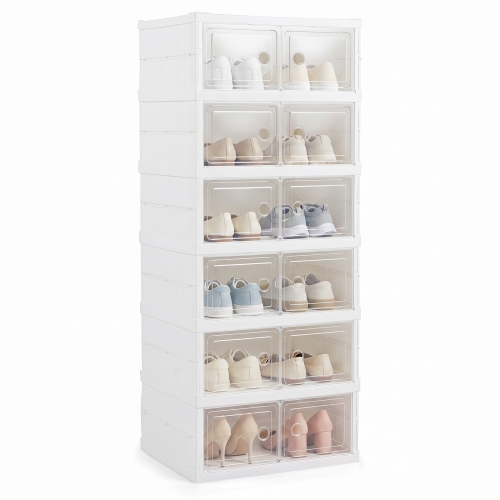
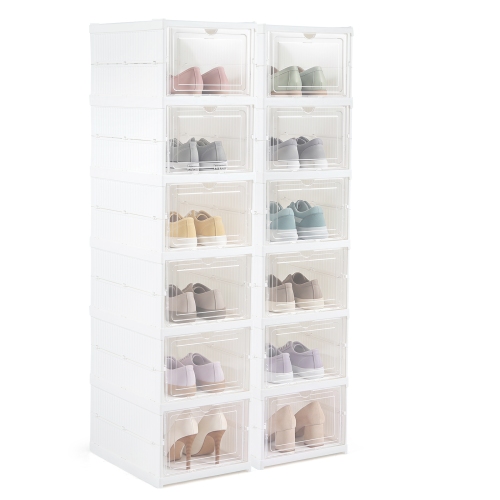
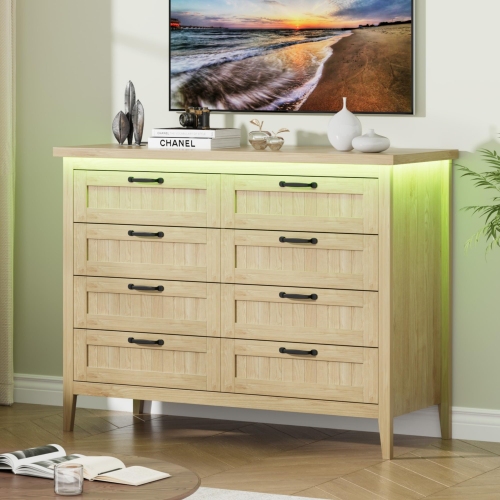
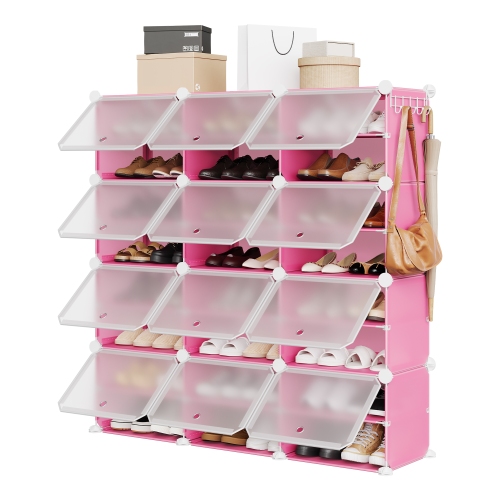
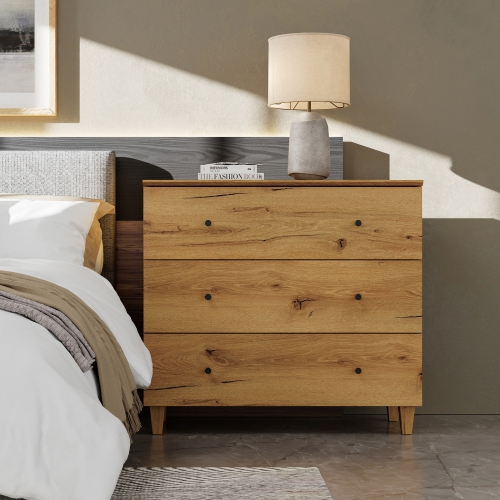
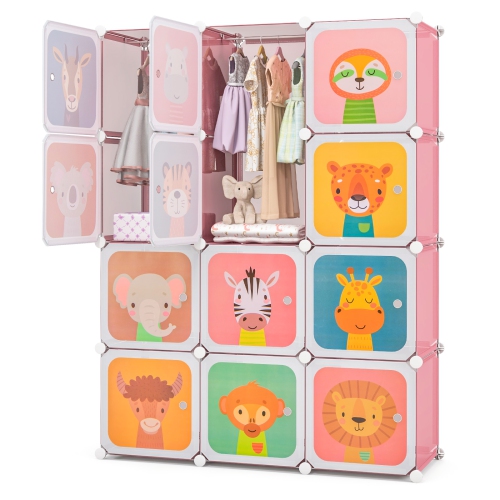
The right storage layout reflects the contents of the closet rather than a perfectly symmetrical arrangement. Someone who wears mostly shirts, trousers, and jackets may need generous hanging space with a modest stack of shelves, while a household with plenty of knitwear and casual clothing may make better use of broad shelves and drawers. Folded sweaters generally sit more comfortably on a shelf or in a drawer than on hangers that can leave shoulder marks. Divided compartments keep small accessories from disappearing beneath larger garments, and deeper drawers can hold bulkier clothing without requiring tall, unstable stacks. For a balance of enclosed storage and easy access, closet organizers with drawers can keep socks, sleepwear, and other smaller garments together while leaving hanging sections free for clothing that benefits from remaining unfolded. Drawer depth, usable interior width, and how far the drawer extends all affect what fits and how easily the contents can be reached. Footwear storage works best when shelf spacing reflects the shoes being stored, with enough room to remove a pair without disturbing the row above it. Handbags benefit from compartments that support their shape, while frequently used accessories are easier to manage at a comfortable reaching height. Less frequently used belongings can occupy upper shelves, provided they remain within the system’s load limits and can be retrieved safely. In children’s closets, adjustable rods and shelves can make everyday clothing easier to reach and allow the layout to change as needs develop. Shared closets often work well with clearly defined sections and a few flexible compartments for belongings that do not fit neatly into either person’s main storage area. Leaving some space between groups of hangers and avoiding tightly packed shelves makes clothing easier to return after laundry. That small amount of breathing room can be more useful than filling every possible gap, particularly in a closet used several times a day. A practical organizer supports those repeated routines: getting dressed, putting clean clothing away, and finding a matching pair without emptying a shelf.
Top selling and popular products
-
 Your price for this item is $517.99
-
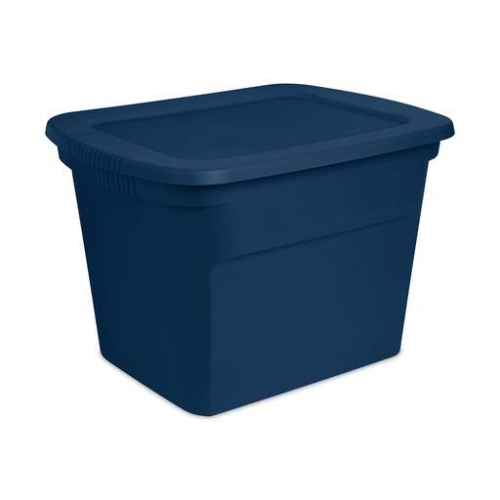 Your price for this item is $881.99
-
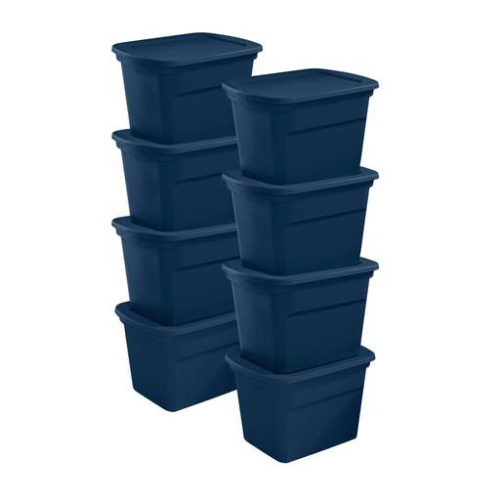 Your price for this item is $227.99
-
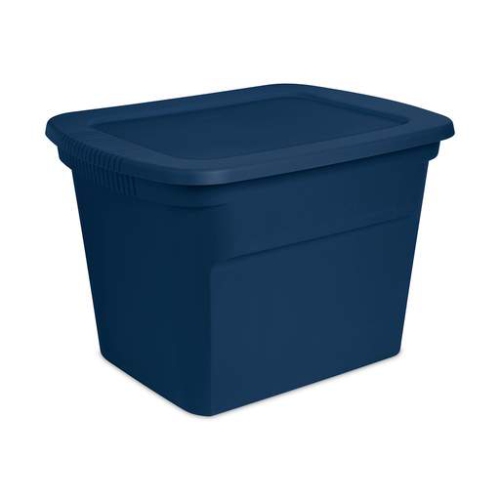 Your price for this item is $661.99
-
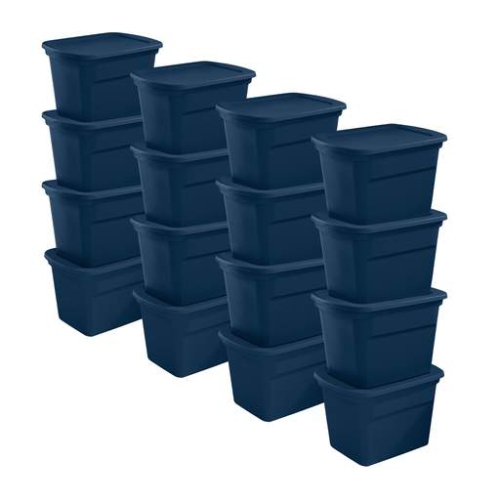 Your price for this item is $440.99
-
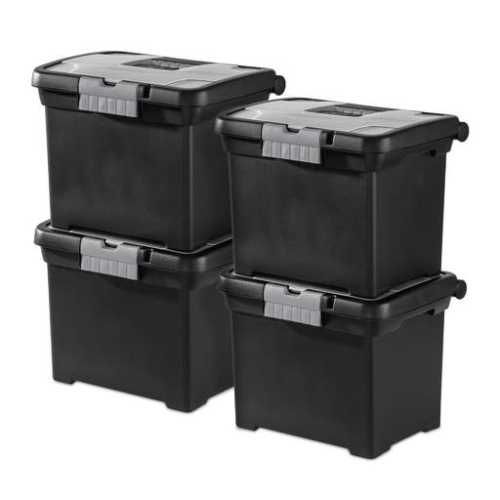 Your price for this item is $132.99
-
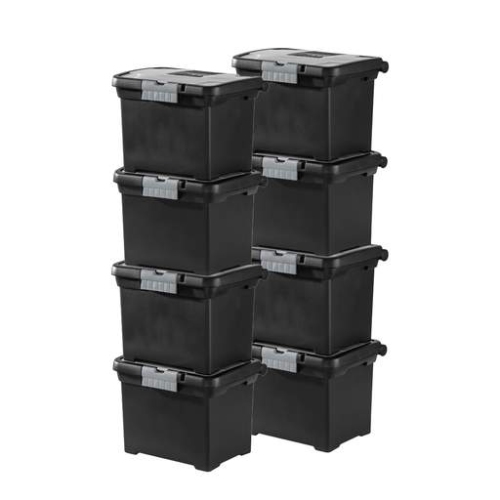 Your price for this item is $260.99
-
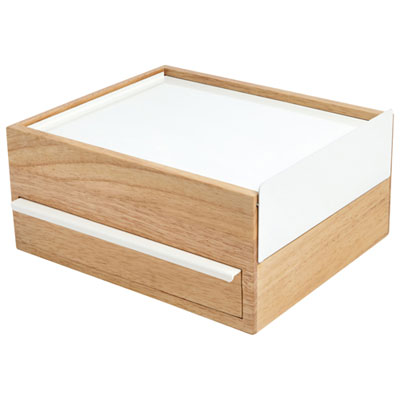 Your price for this item is $64.98
Discover more categories related to Closet Organizers Canada
Top Collections:
Pokemon Centers, Best Cameras for Sports Photography, Kindle Devices, Samsung Galaxy Phones, Canon G7X Cameras, Pokémon 30th Celebration Cards, Refurbished Apple Laptops, iPhone 15 Apple, Laptops for Students, Budget Smartphones
Some products may be subject to Environmental Handling Fees
(EHF) depending on your province.
Learn more about EHFs.