Closet Organization for Small Spaces
Maximize every inch of your home with closet organization for small spaces. Discover smart solutions designed to help you streamline your wardrobe, accessories, and essentials, transforming even the most compact closets into efficient storage areas. Whether you're looking to tidy up a hallway closet or make the most of a bedroom wardrobe, these organization options make it easy to create a clutter-free and functional space that fits your lifestyle.
Sort
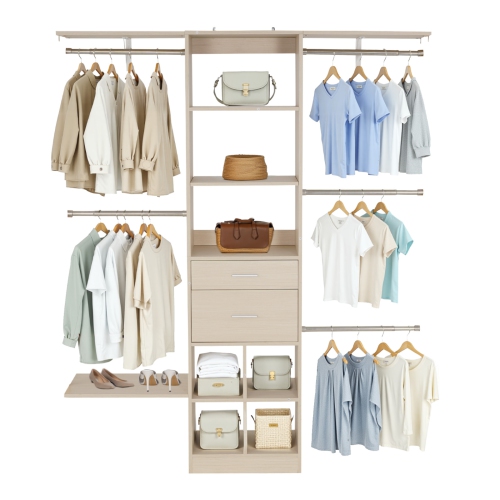
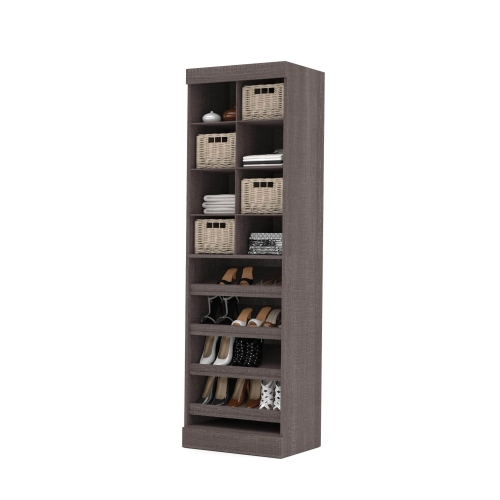


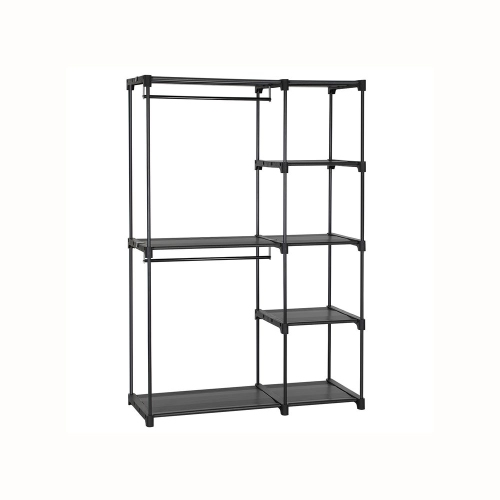
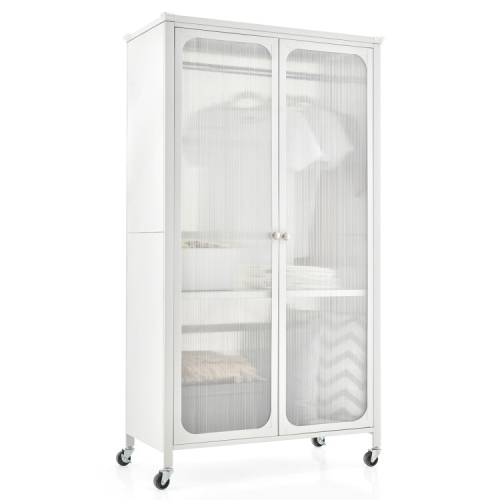
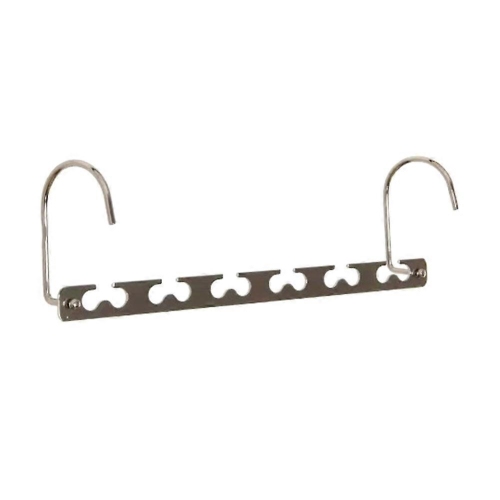

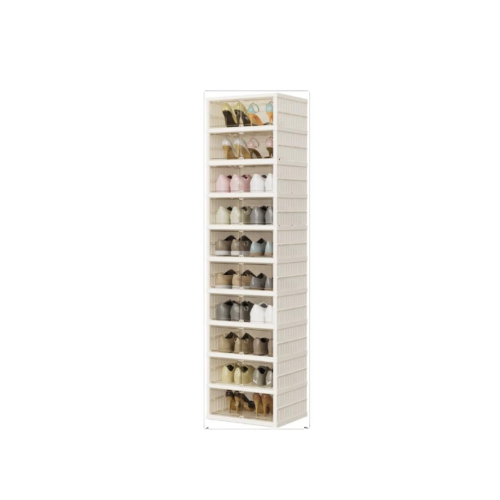
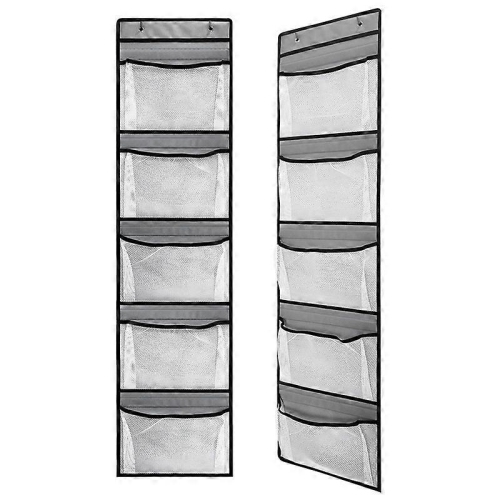

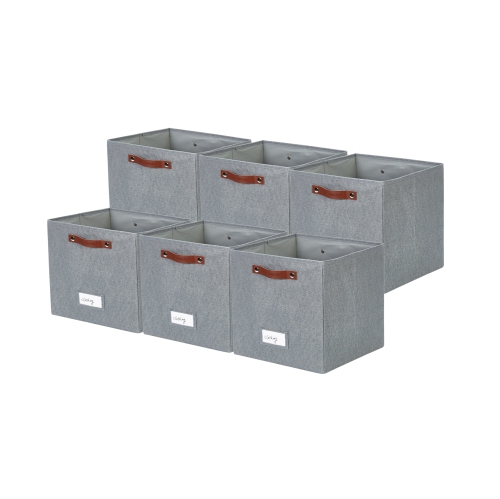
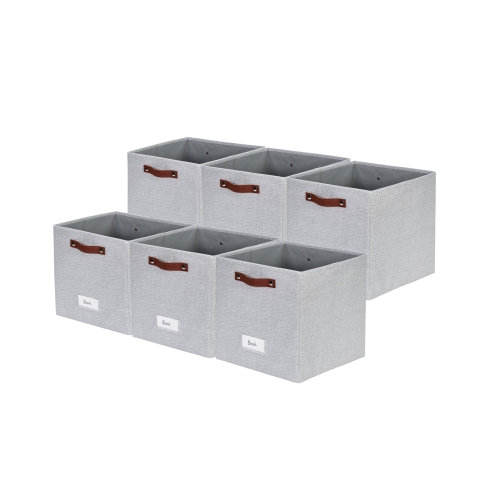
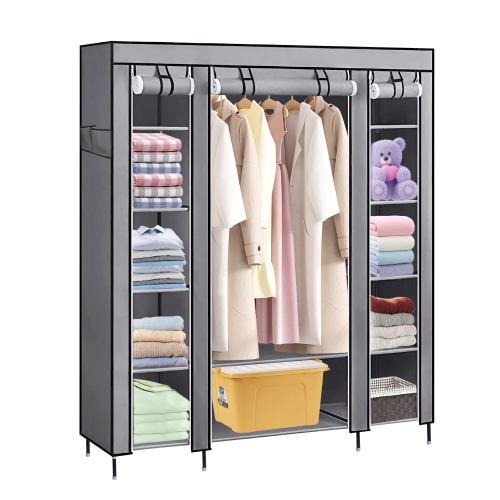

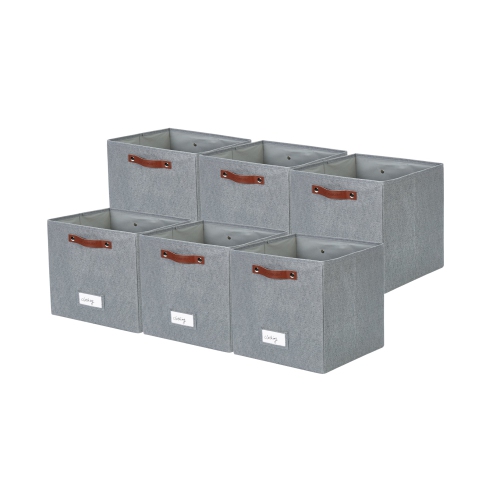

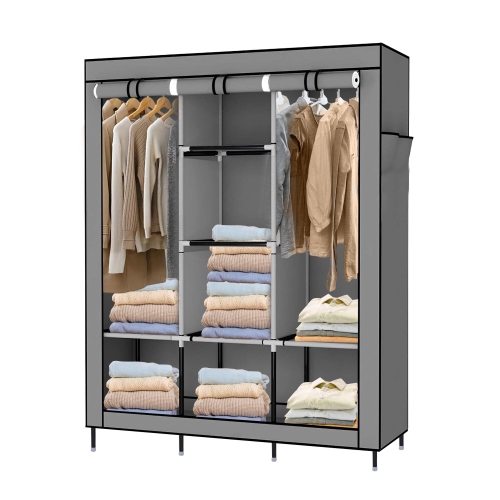
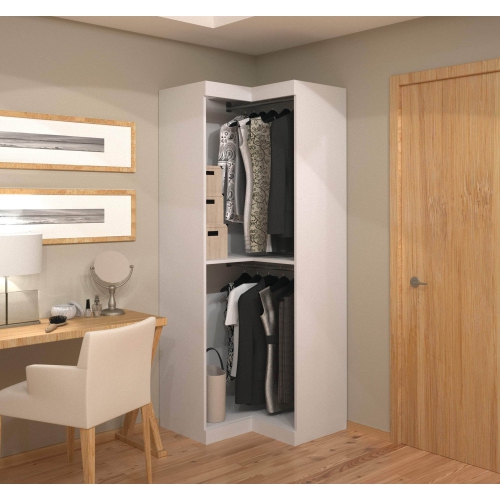
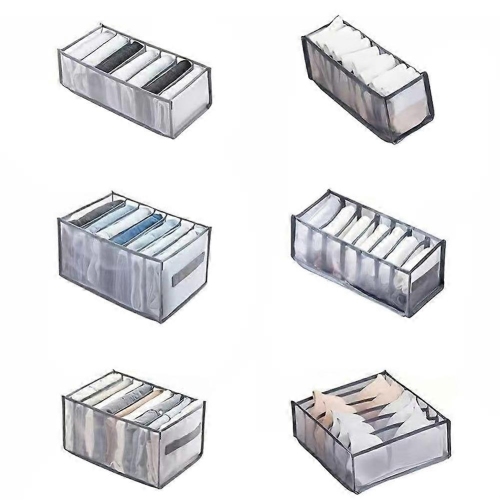

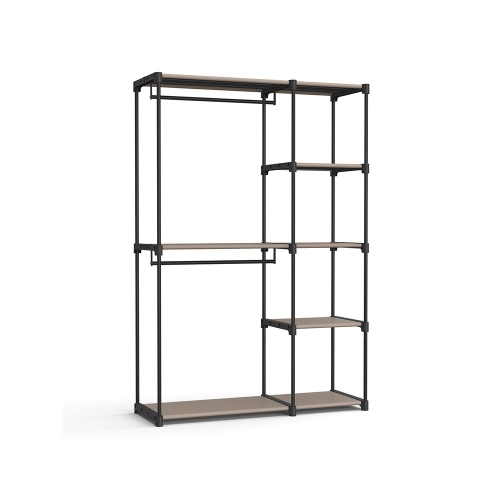


Vertical storage brings order to tight closet spaces
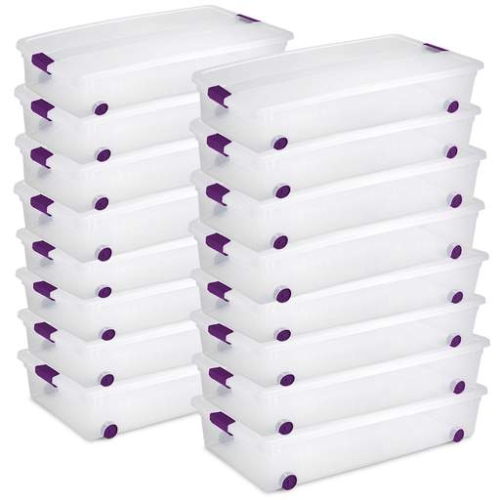
A small closet can become much easier to use when every item has a clear place and the available height is used as thoughtfully as the floor area. Closet organization for small spaces can include hanging compartments, stackable bins, drawer units, shelf risers, shoe storage, and adjustable shelving designed to make everyday items easier to see and reach. A hanging fabric shelf is a practical choice when floor space is limited because it attaches to an existing clothing rail and creates vertical compartments for folded shirts, lightweight sweaters, handbags, scarves, hats, or accessories. Stackable drawers and bins can make good use of the lower part of a closet, where loose socks, underwear, belts, and seasonal accessories often collect in untidy piles. Transparent fronts or open-top designs make it easier to identify what is inside, while labelled containers can help keep similar items together. Shelf dividers are useful for preventing folded clothing from leaning into one another, and a second hanging rod can create another level for shirts, blouses, skirts, or children’s clothing. Before choosing an organizer, consider the closet’s width, depth, height, door clearance, and the strength of the existing rail or shelving. Measure carefully, including the space needed for doors and drawers to open fully. A reach-in closet may benefit from narrow vertical storage and double hanging space, while a freestanding wardrobe may offer more flexibility for modular shelves or independently placed drawer units. For apartments, dorm rooms, compact bedrooms, and shared closets, portable organizers can be especially helpful because they add storage without requiring permanent installation. Browse Closet Storage Organizers to find options for arranging clothing and accessories in a more manageable way.
The right combination depends on what takes up the most room. If hanging garments are the main concern, slim hangers can reduce the amount of space used along the rail and make it easier to slide clothing from one side to the other. A double hanging rod works well for shorter garments, though it is best to leave long dresses, coats, and other full-length pieces in an area with enough clearance below. For folded clothing, stackable bins, cubbies, and compact drawer units can turn a crowded shelf into a set of manageable sections. Heavier sweaters and denim are usually better supported by sturdy shelves or reinforced storage rather than a lightly supported hanging compartment. Shoes often need a dedicated solution so they do not occupy the entire closet floor; tiered racks, narrow shelves, and low-profile compartments can keep pairs together while leaving room for bags or folded items nearby. Small accessories can be easier to manage in divided trays, hanging pockets, or shallow drawers, particularly when the closet is shared by more than one person. Families may use separate bins for each person, while students can designate one container for sportswear, another for cold-weather accessories, and another for items used less often. Someone moving into a smaller home may appreciate adjustable storage that can be reconfigured as clothing needs change. These organizers can also make useful gifts for a student settling into residence, a new homeowner, a family preparing a child’s room, or anyone refreshing a crowded bedroom before the cooler months. A useful gift choice often depends on the recipient’s routine: a shoe rack suits someone with a large footwear collection, a hanging shelf helps a person with limited shelving, and compact drawers may be better for smaller garments and accessories. When comparing options, look at dimensions, weight capacity, materials, assembly requirements, mounting style, and whether the organizer can be folded or moved when needed. Consider the items you use most often and place them at eye level, reserving upper shelves for less frequently used belongings.
A well-arranged small closet should feel calm to use, even during busy mornings when a favourite sweater or a pair of gloves needs to be found quickly. Start by grouping similar items, then assign storage according to shape and frequency of use rather than trying to fill every available corner. Keep everyday clothing within easy reach, place special-occasion pieces where they will remain protected, and use upper shelves for luggage accessories, spare linens, or clothing that is not needed during the current season. During the cooler months, thicker knits and outerwear may require more room, so vertical shelves, reinforced bins, and sturdy hooks can help prevent the closet floor from becoming crowded. As the weather warms, lighter clothing can be moved into the most accessible sections while heavier pieces are folded or stored higher up. A consistent arrangement also makes it simpler to notice when an organizer no longer suits the contents; adjustable shelves can be raised for boots, lowered for folded tops, or separated to accommodate taller bags. In a shared space, matching bins or clearly marked sections can reduce mix-ups without taking away flexibility. In a child’s closet, low shelves and open compartments can encourage independent dressing, while adults may prefer enclosed drawers for a cleaner appearance. Renters and anyone who avoids drilling can look for freestanding, over-the-door, or hanging options, while homeowners may have more freedom to install a complete shelving system. The most effective setup is not necessarily the largest one. It is the arrangement that keeps frequently used belongings visible, gives each category enough room, and leaves a little space for future additions. With the right mix of hanging storage, stackable containers, slim hangers, shelves, and drawers, even a narrow closet can support a smoother daily routine without feeling overfilled.
Top selling and popular products
-
 Your price for this item is $75.99
-
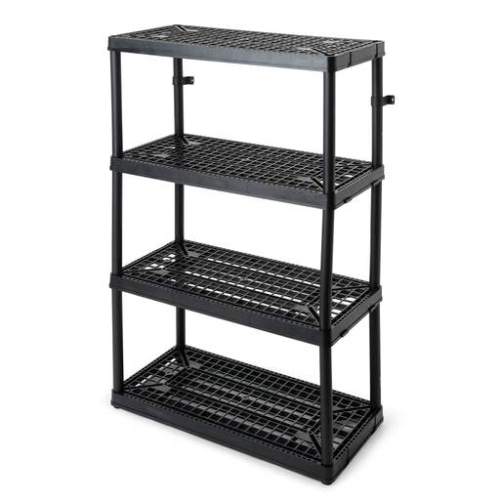 Your price for this item is $152.99
-
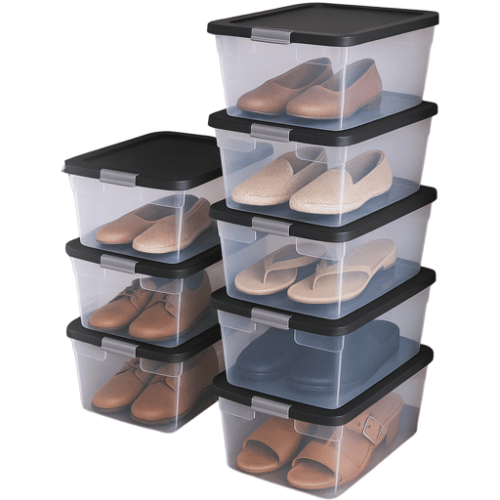 Your price for this item is $167.99
-
 Your price for this item is $114.99
-
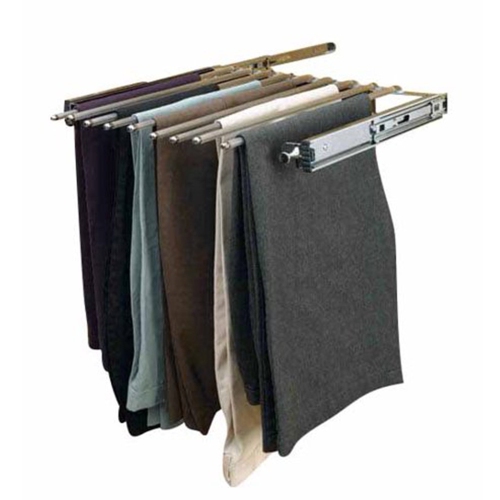 Your price for this item is $244.99
-
 Your price for this item is $71.99
-
 Your price for this item is $88.99
-
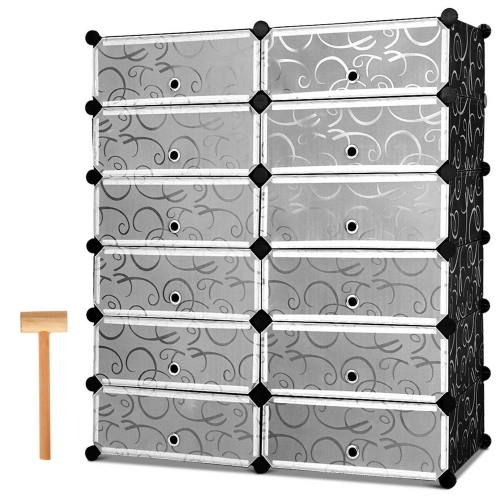 Your price for this item is $88.99
Discover more categories related to Closet Organization for Small Spaces

Top Collections:
Pokemon Centers, Best Cameras for Sports Photography, Kindle Devices, Samsung Galaxy Phones, Canon G7X Cameras, Pokémon 30th Celebration Cards, Refurbished Apple Laptops, iPhone 15 Apple, Laptops for Students, Budget Smartphones
Some products may be subject to Environmental Handling Fees
(EHF) depending on your province.
Learn more about EHFs.