Clothing Display Racks
Organizing and showcasing clothing in a retail space or at home can be a challenging task without the right equipment. Clothing display racks are essential for creating an attractive and functional layout that highlights your garments effectively. From adjustable height racks to rolling garment racks, there are various options available to suit different needs and spaces. Explore our collection of clothing display racks to find the perfect solution for your storage and presentation requirements.
Sort





Why garment spacing matters as much as rack size
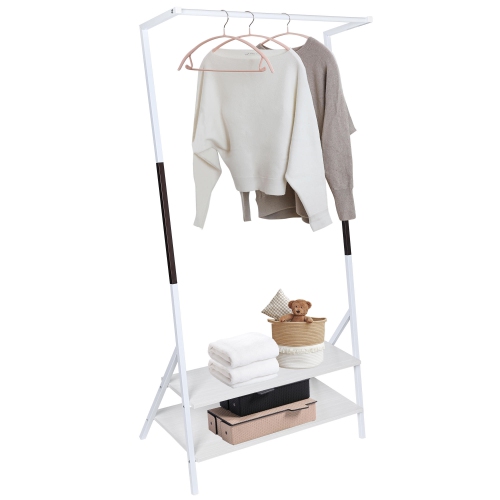
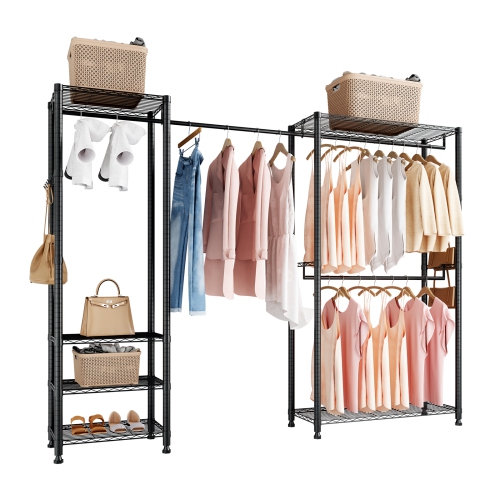
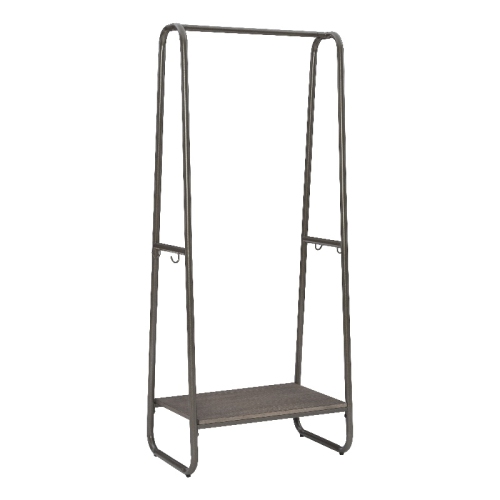
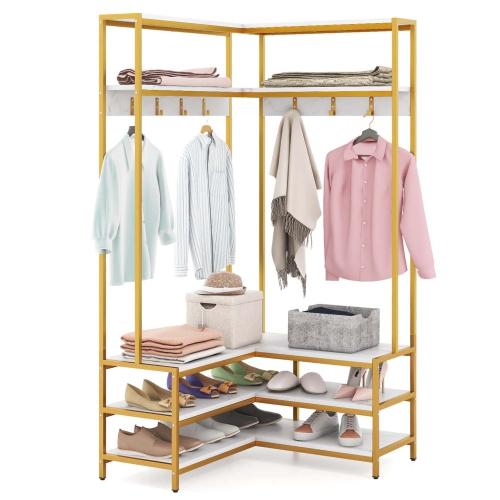
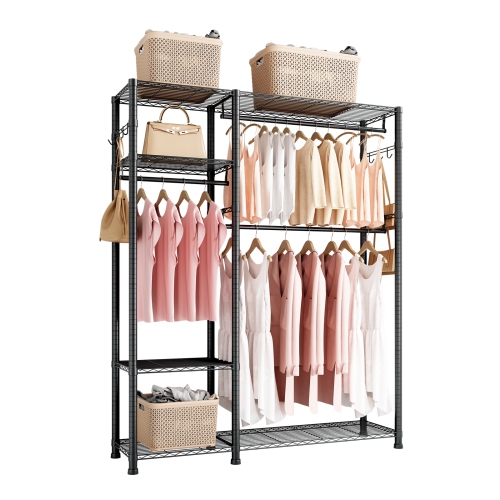
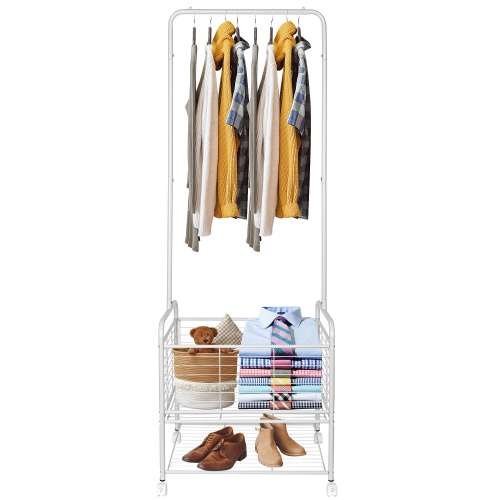
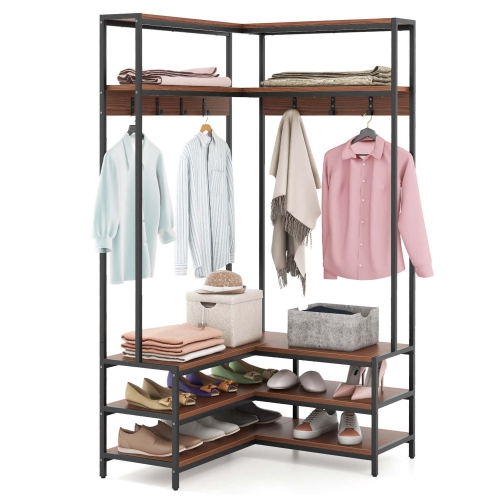
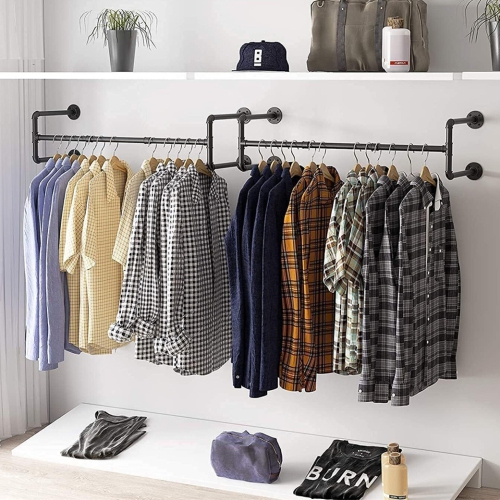
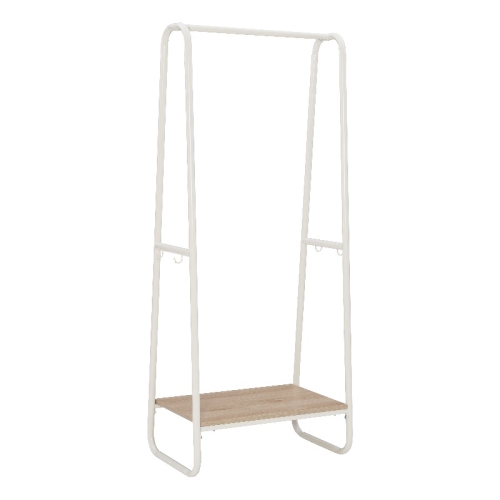
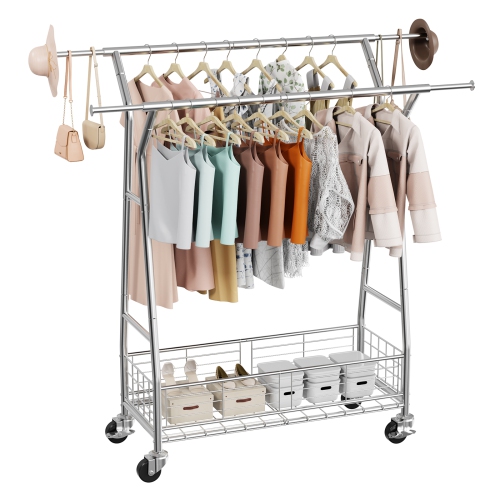
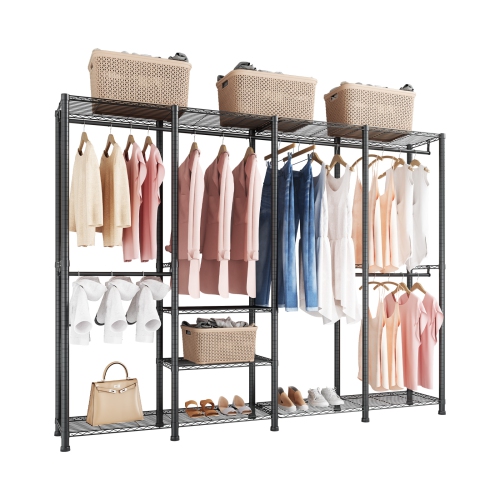
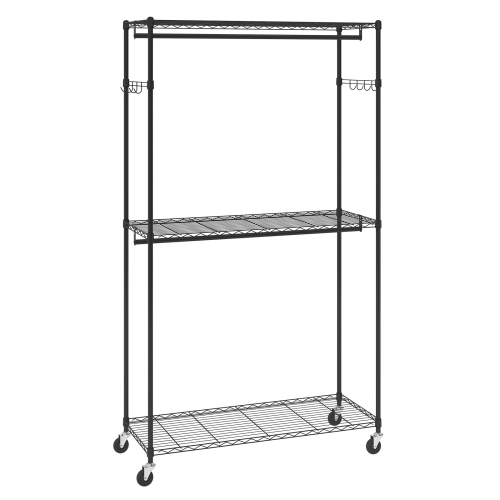
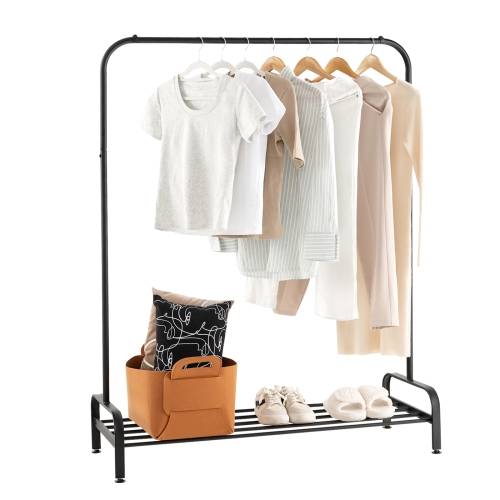
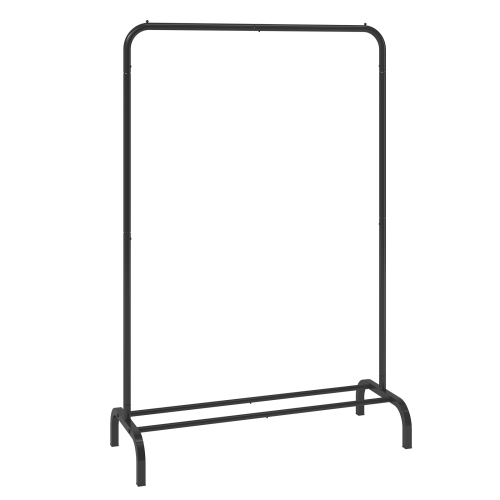
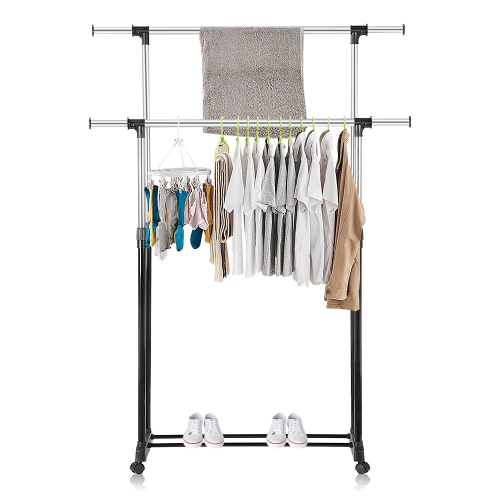
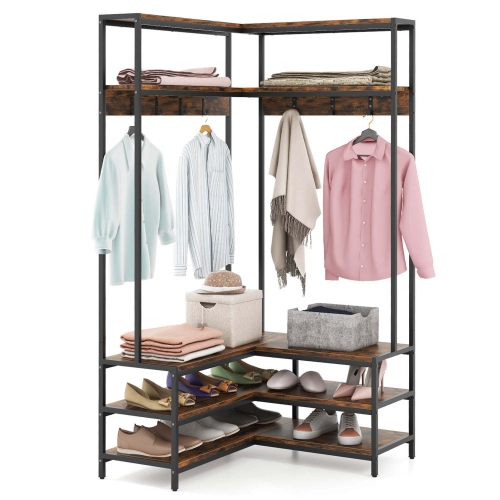
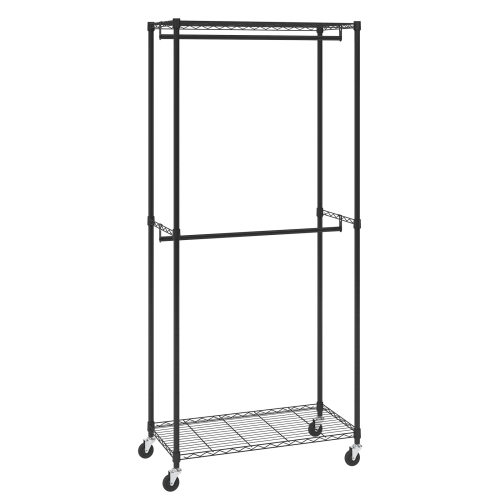
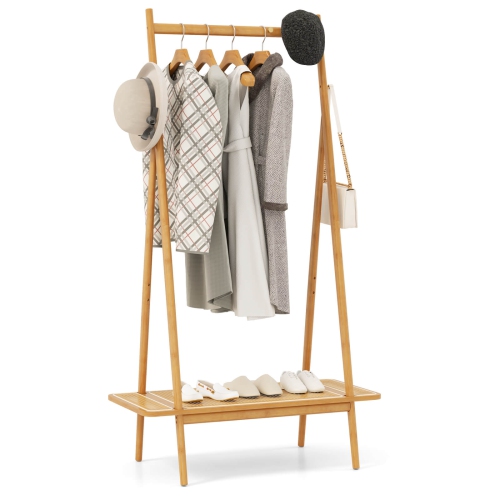
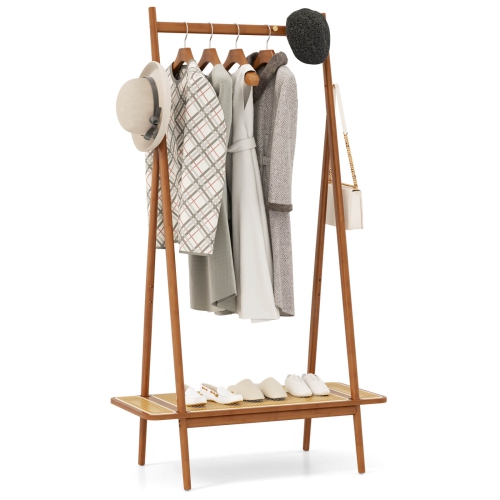
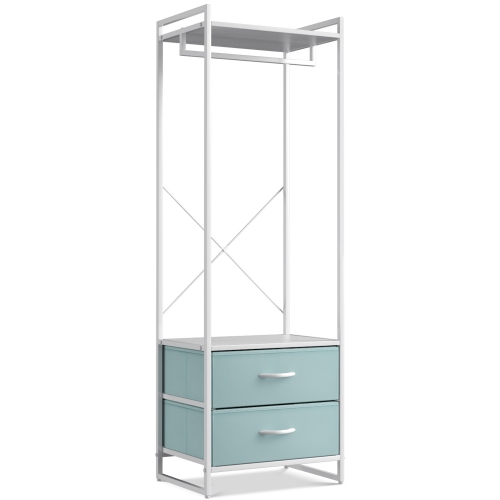
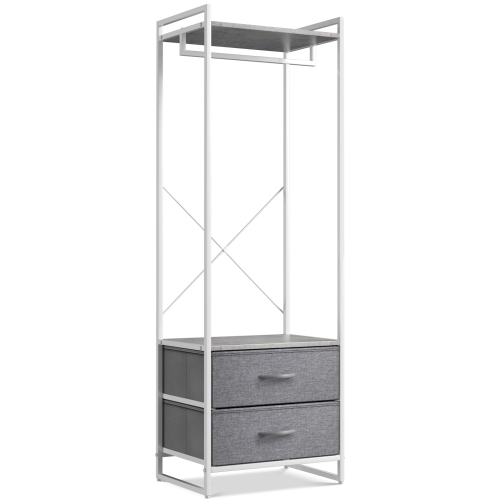
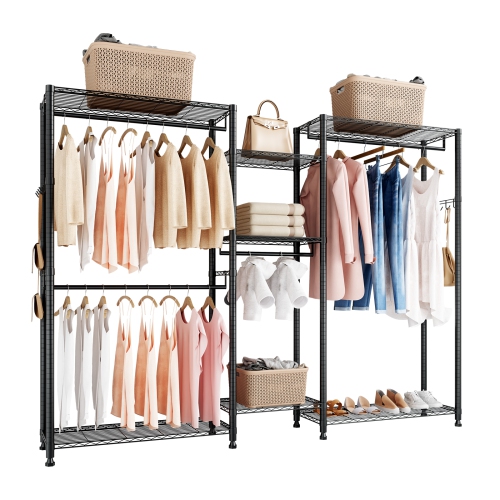
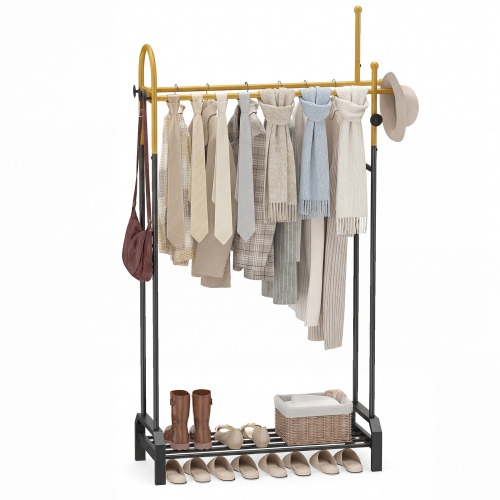
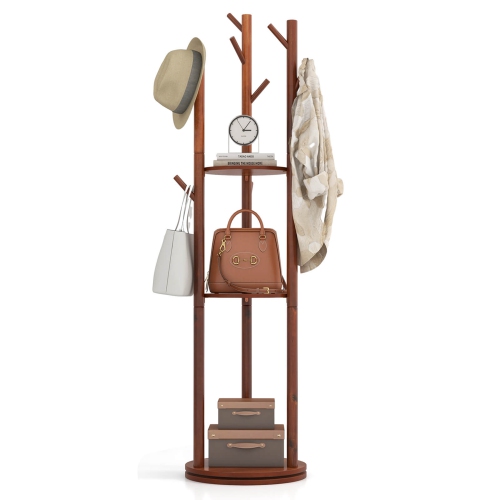
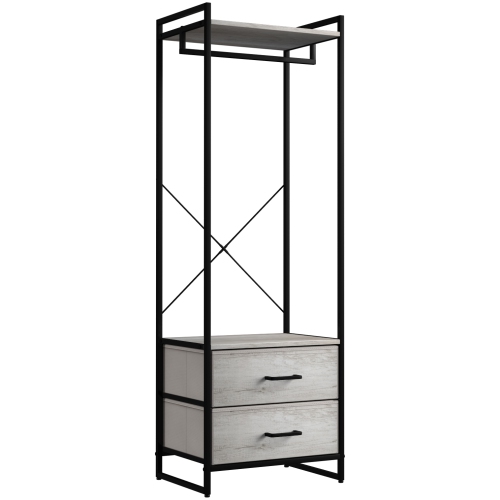
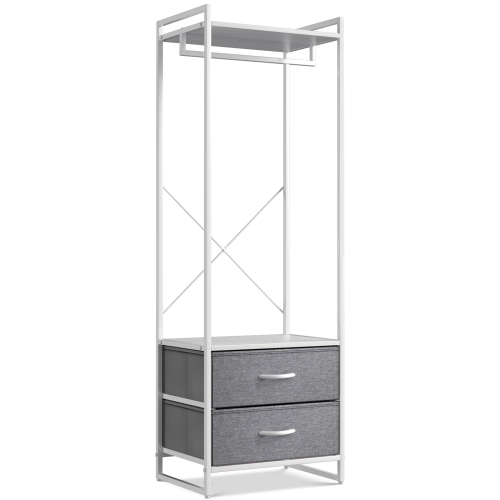
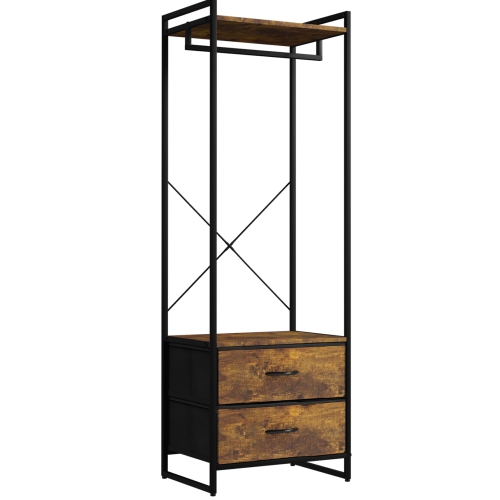
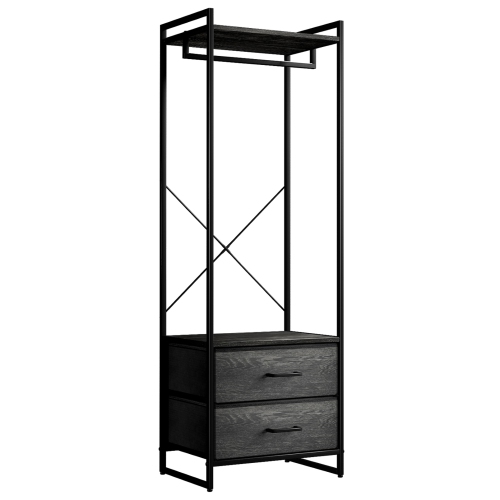
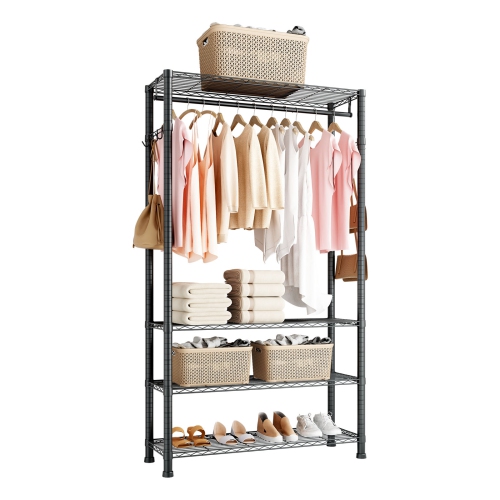
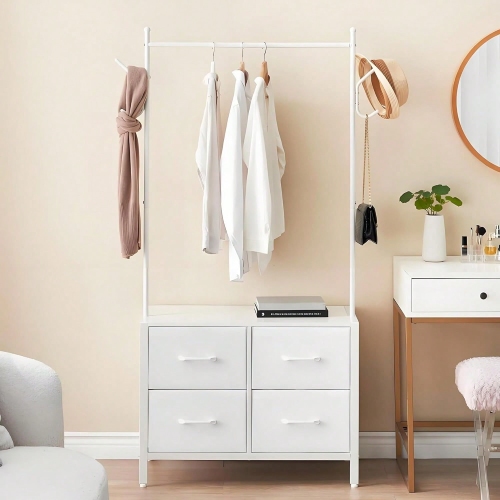
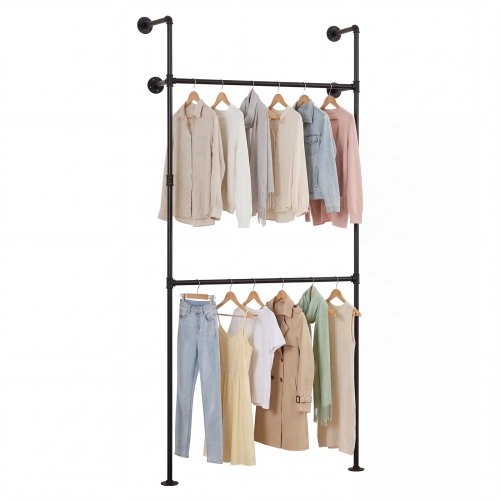
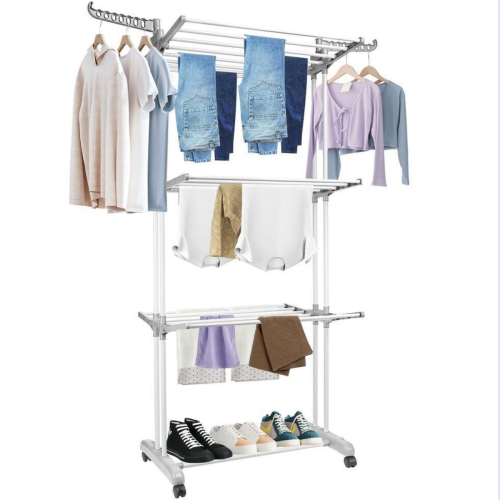
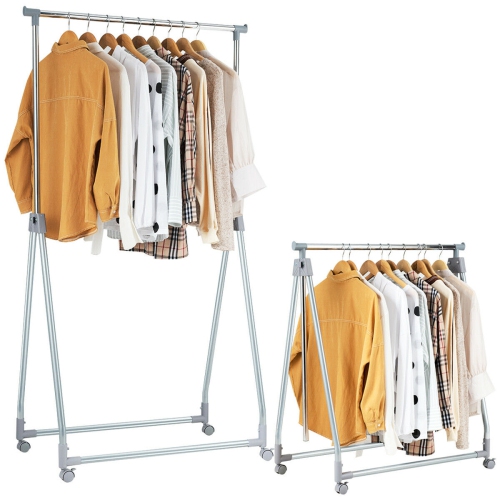
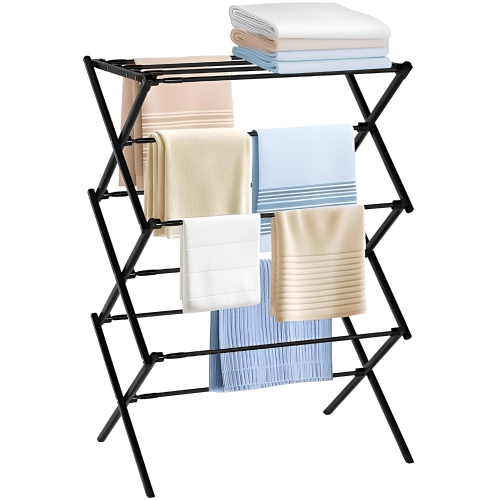
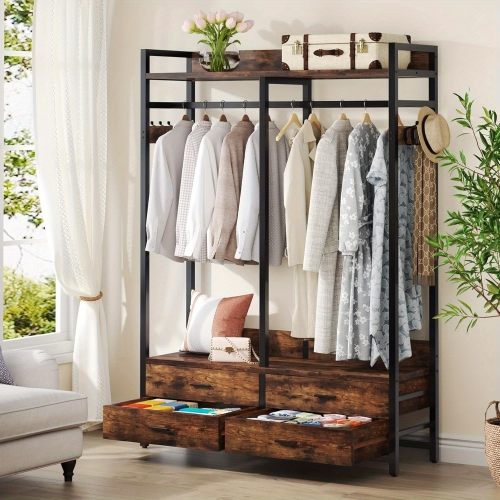
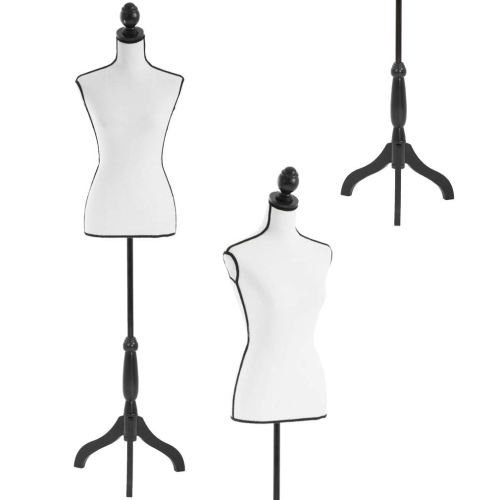
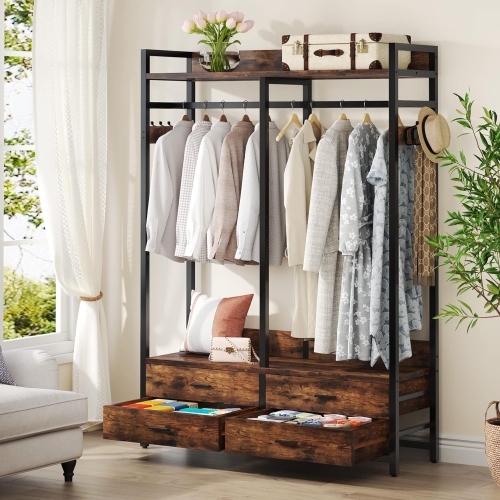
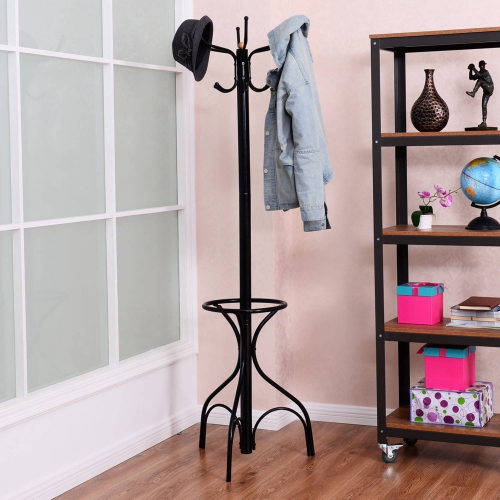
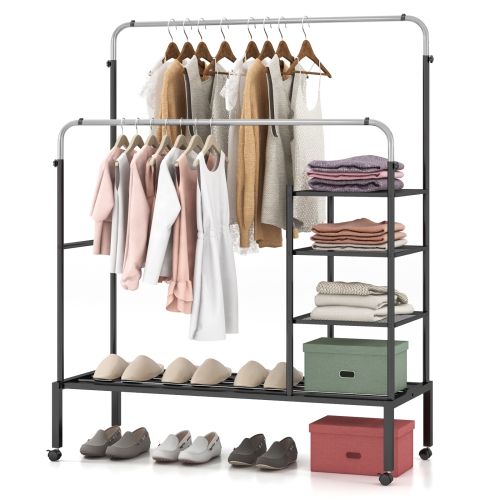
Clothing display racks bring garments into view, making it easier to see what is on each hanger and keep a space organized without enclosing everything behind wardrobe doors. In a bedroom, a hanging rail can give frequently worn clothing a defined place; in a dressing area, it can hold outfits together while leaving accessories within reach. Clothing display racks also serve boutiques, studios, costume rooms, and shared workspaces where garments need to be presented clearly and moved between fittings, photography sessions, or appointments. The right shape depends on how the clothing will be used. A straight rail presents garments in a simple row, while a double-rail design creates separate hanging sections that can help divide clothing by wearer, size, or purpose. Tiered arrangements can make good use of vertical space for shorter pieces, but long dresses and full-length coats need enough clearance to hang without bunching against a lower bar or the floor. For a neat presentation, hanger spacing matters as much as rack size: tightly packed shoulders can make clothing difficult to browse and can conceal the pieces behind them. A little room between garments allows sleeves to fall naturally and makes colours and textures easier to distinguish. In smaller rooms, an open frame can preserve sightlines, although the clothing itself still adds visual weight. Matching hangers and a deliberate arrangement can make an exposed rail feel like part of the room rather than a temporary holding area. For anyone comparing hanging storage with other ways to present belongings, the broader category of Display Racks offers useful context for how open storage can fit into a room. Clothing-focused designs are particularly useful when visibility, access, and hanging clearance matter more than enclosed storage, whether the goal is an orderly personal wardrobe or a clear, approachable display for visitors.
Materials, construction, and proportions influence how a clothing display rack looks and how well it handles daily use. Metal frames are common, with finishes ranging from polished surfaces to matte coatings that blend into different interiors. Steel can provide a firm structure, though a rack’s strength also depends on its tubing, joints, bracing, and base rather than the material alone. Wood adds visible grain and a furniture-like appearance, while mixed-material designs can pair a hanging rail with shelves for folded clothing or storage baskets. Smooth edges and well-finished surfaces are especially important around delicate fabrics, since rough joints or exposed hardware may catch loose threads when garments are lifted on and off. The hanging rail needs to suit both the hangers and the load: a row of lightweight blouses places different demands on a frame than several heavy jackets. Manufacturer weight limits are worth checking carefully, including any separate limits for shelves and individual rails. Distributing weight evenly helps reduce strain on connections, and heavier belongings are generally better positioned lower down where the design permits. Fit involves more than measuring the space against a wall. The rack’s full depth includes the hangers and the clothing hanging from them, so sleeves and shoulders should not crowd a doorway or catch on nearby furniture. Enough space around the rack also makes it easier to lift out a hanger without pulling several garments along with it. Adjustable-height rails can accommodate different clothing lengths, while extendable sections may provide added hanging room within the manufacturer’s stated limits. In a narrow dressing nook, a compact base might be more useful than a wide rail that blocks movement. For a studio handling long garments, generous hanging height may matter more than additional shelving. Those practical differences help determine whether a rack will remain comfortable to use after it is filled, not just whether its empty frame fits the room.
Mobility and upkeep become especially important when a clothing display rack is used frequently or shared by several people. Castors can make it easier to reposition a display for cleaning, rearrange a fitting area, or move clothing between nearby workstations, but wheel size and floor surface affect how smoothly a loaded rack travels. Locking castors help hold a mobile frame in place while garments are being selected, although they do not replace a stable base or careful loading. Thresholds, thick rugs, and uneven flooring can make movement more difficult, so a rack intended to stay in one location may be better served by fixed feet or suitable levelling adjustments. Folding designs can be practical for occasional displays or multipurpose rooms, provided their locking mechanisms are fully engaged before use. Assembly deserves similar attention: secure connections and correctly fitted braces help prevent wobbling, and hardware may need periodic checks as directed by the manufacturer. Routine care is usually straightforward, but it should match the finish. A soft cloth can remove dust from rails and shelves, while an appropriate mild cleaner can address marks without relying on abrasive pads that might scratch the surface. Wood components may need to be dried promptly after cleaning, and wheels benefit from having trapped hair and fibres removed so they continue to turn freely. Because open storage leaves garments exposed, clothing worn less often may benefit from suitable garment covers, with enough space around them to avoid crowding the rail. For a student arranging a first apartment, a performer keeping costumes organized, or someone creating a dedicated dressing corner, a clothing display rack can provide an accessible place for clothing that does not fit comfortably into existing storage. It can also be a thoughtful practical gift when the recipient’s available space and preferences are known. Across these uses, lasting usefulness comes from a balanced combination of stable construction, suitable capacity, easy access, and a footprint that works with the room’s everyday routines.
Materials, construction, and proportions influence how a clothing display rack looks and how well it handles daily use. Metal frames are common, with finishes ranging from polished surfaces to matte coatings that blend into different interiors. Steel can provide a firm structure, though a rack’s strength also depends on its tubing, joints, bracing, and base rather than the material alone. Wood adds visible grain and a furniture-like appearance, while mixed-material designs can pair a hanging rail with shelves for folded clothing or storage baskets. Smooth edges and well-finished surfaces are especially important around delicate fabrics, since rough joints or exposed hardware may catch loose threads when garments are lifted on and off. The hanging rail needs to suit both the hangers and the load: a row of lightweight blouses places different demands on a frame than several heavy jackets. Manufacturer weight limits are worth checking carefully, including any separate limits for shelves and individual rails. Distributing weight evenly helps reduce strain on connections, and heavier belongings are generally better positioned lower down where the design permits. Fit involves more than measuring the space against a wall. The rack’s full depth includes the hangers and the clothing hanging from them, so sleeves and shoulders should not crowd a doorway or catch on nearby furniture. Enough space around the rack also makes it easier to lift out a hanger without pulling several garments along with it. Adjustable-height rails can accommodate different clothing lengths, while extendable sections may provide added hanging room within the manufacturer’s stated limits. In a narrow dressing nook, a compact base might be more useful than a wide rail that blocks movement. For a studio handling long garments, generous hanging height may matter more than additional shelving. Those practical differences help determine whether a rack will remain comfortable to use after it is filled, not just whether its empty frame fits the room.
Mobility and upkeep become especially important when a clothing display rack is used frequently or shared by several people. Castors can make it easier to reposition a display for cleaning, rearrange a fitting area, or move clothing between nearby workstations, but wheel size and floor surface affect how smoothly a loaded rack travels. Locking castors help hold a mobile frame in place while garments are being selected, although they do not replace a stable base or careful loading. Thresholds, thick rugs, and uneven flooring can make movement more difficult, so a rack intended to stay in one location may be better served by fixed feet or suitable levelling adjustments. Folding designs can be practical for occasional displays or multipurpose rooms, provided their locking mechanisms are fully engaged before use. Assembly deserves similar attention: secure connections and correctly fitted braces help prevent wobbling, and hardware may need periodic checks as directed by the manufacturer. Routine care is usually straightforward, but it should match the finish. A soft cloth can remove dust from rails and shelves, while an appropriate mild cleaner can address marks without relying on abrasive pads that might scratch the surface. Wood components may need to be dried promptly after cleaning, and wheels benefit from having trapped hair and fibres removed so they continue to turn freely. Because open storage leaves garments exposed, clothing worn less often may benefit from suitable garment covers, with enough space around them to avoid crowding the rail. For a student arranging a first apartment, a performer keeping costumes organized, or someone creating a dedicated dressing corner, a clothing display rack can provide an accessible place for clothing that does not fit comfortably into existing storage. It can also be a thoughtful practical gift when the recipient’s available space and preferences are known. Across these uses, lasting usefulness comes from a balanced combination of stable construction, suitable capacity, easy access, and a footprint that works with the room’s everyday routines.
Top selling and popular products
-
 Your price for this item is $1089.99
 -
 Your price for this item is $246.99
 -
 Your price for this item is $679.99
 -
 Your price for this item is $906.99
 -
 Your price for this item is $452.99
 -
 Your price for this item is $133.99
 -
 Your price for this item is $264.99
 -
 Your price for this item is $64.98
Discover more categories related to Clothing Display Racks

Top Collections:
Pokemon Centers, Kindle Devices, Best Budget Office Chairs, Apple iPhones 16, Best Laptops for Writers, iPhone 15 Apple, Canon G7X Cameras, Refurbished Apple Laptops, Alarm Clock, Motorola Razr Phones
Some products may be subject to Environmental Handling Fees
(EHF) depending on your province.
Learn more about EHFs.