Adjustable Clothes Racks
Looking for a convenient and stylish solution to keep your clothes organized? Look no further than our collection of adjustable clothes racks. These versatile and practical storage solutions are designed to help you maximize your closet space while adding a touch of elegance to your home decor. Whether you need extra hanging space for your wardrobe, a portable option for traveling, or a temporary solution for guests, our adjustable clothes racks offer the perfect blend of functionality and style. Explore our wide range of options and find the perfect fit for your needs.
Sort
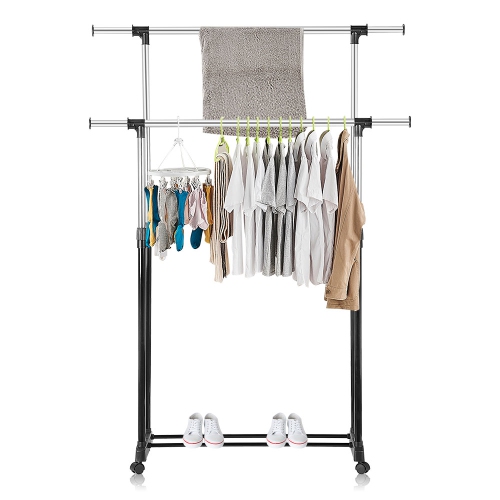
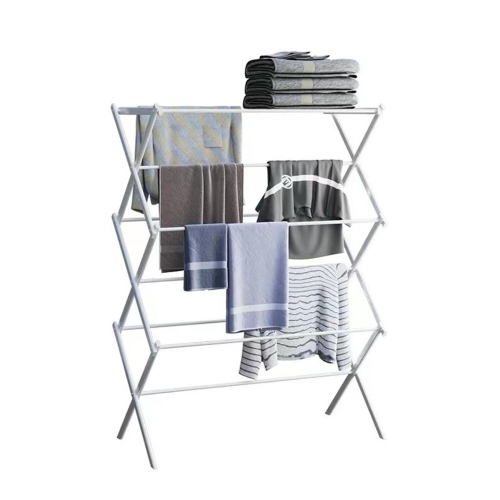
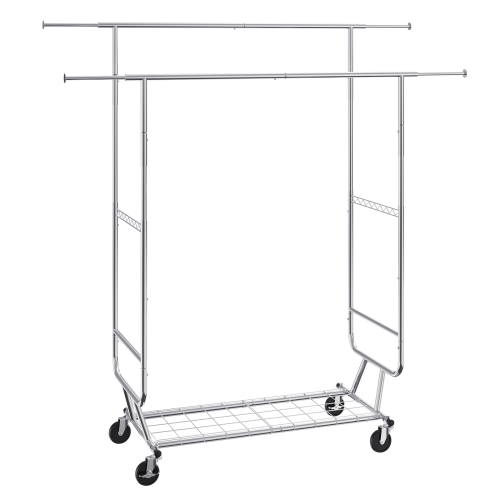
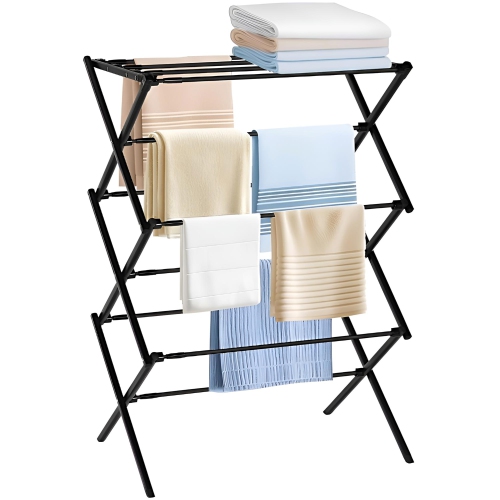
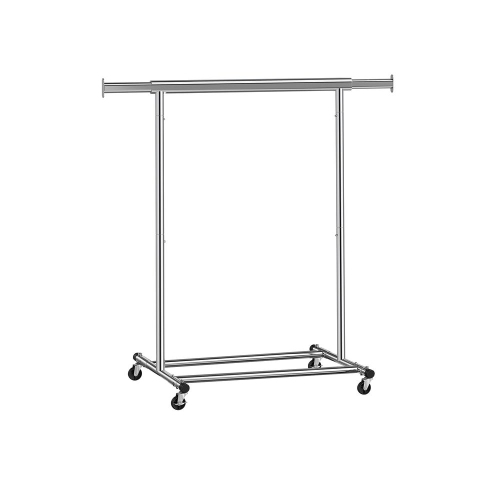
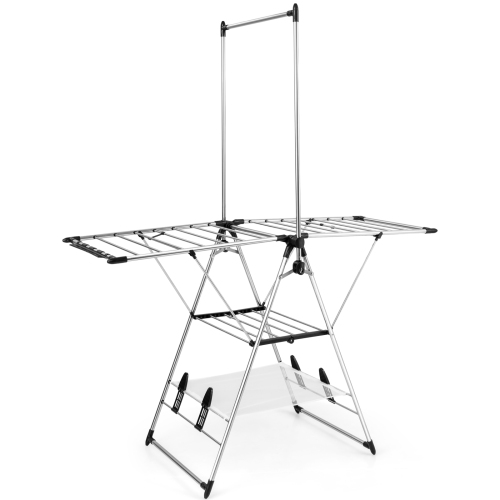
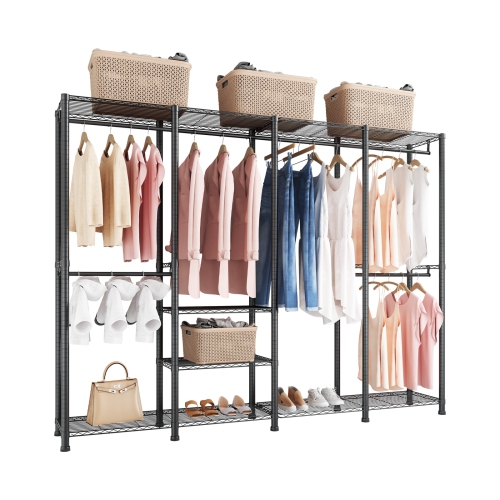
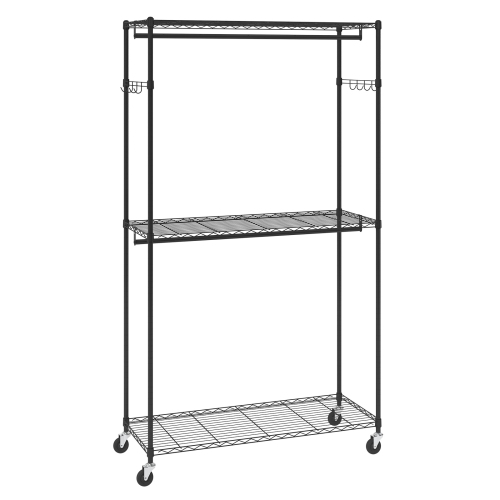
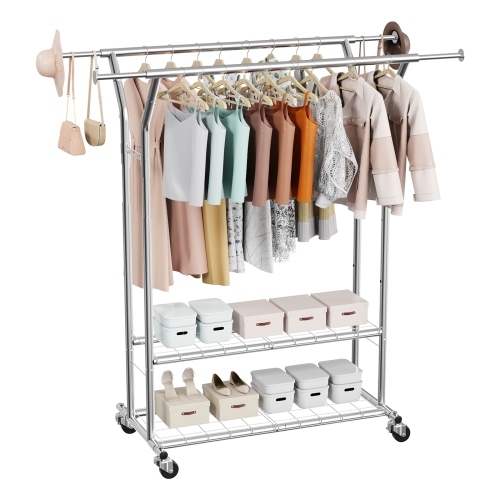
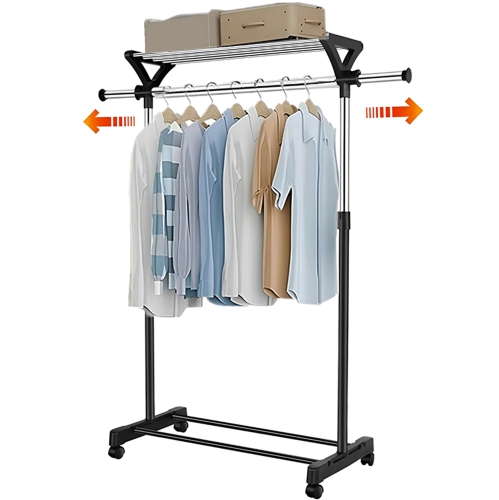
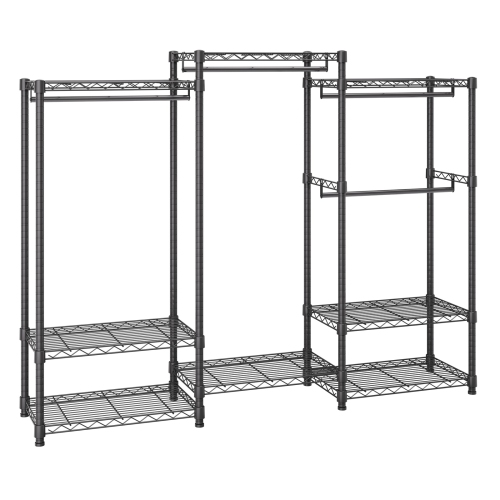
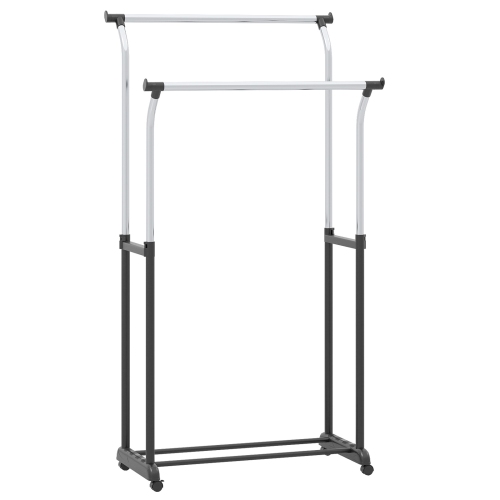
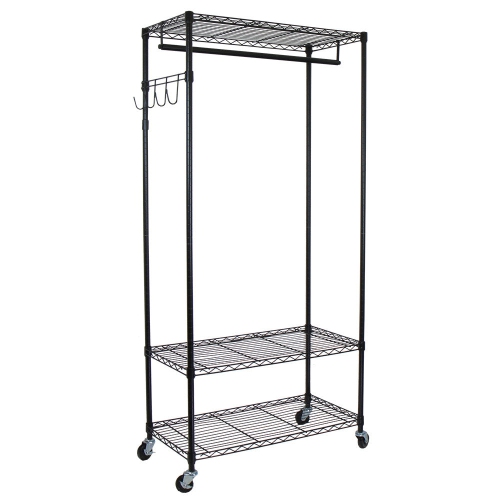
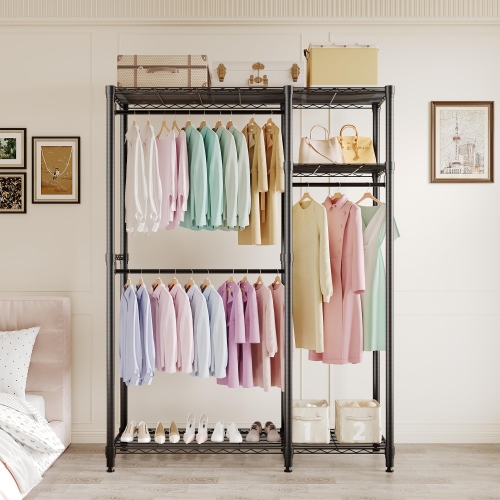
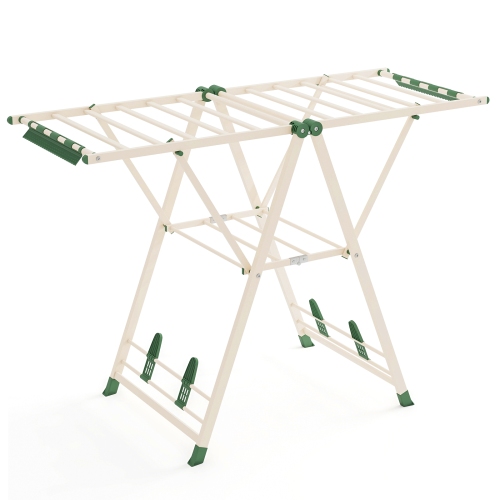
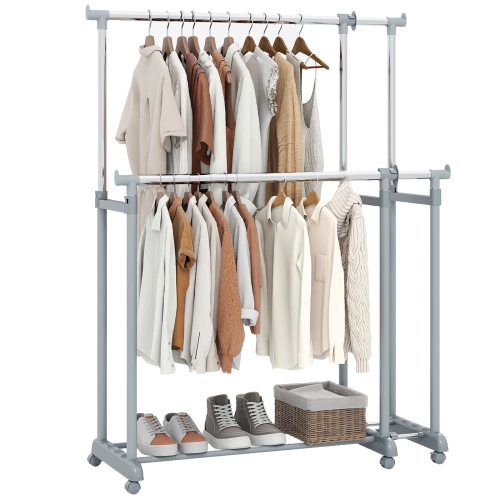
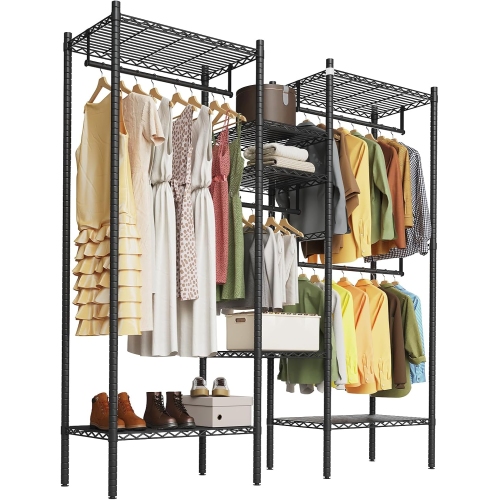
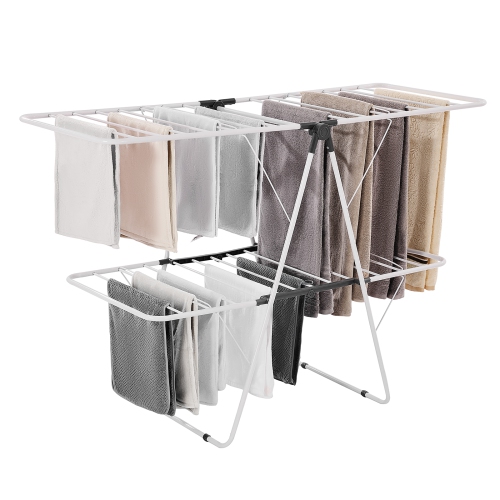
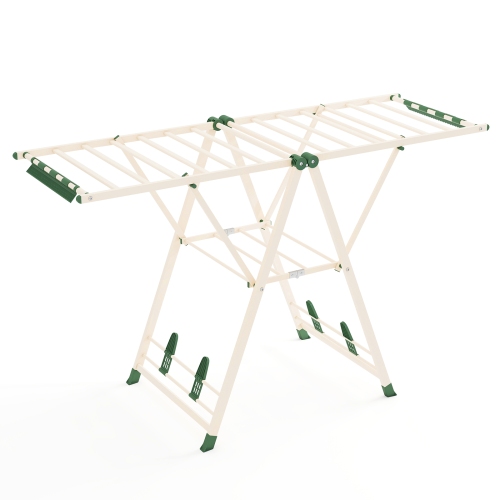
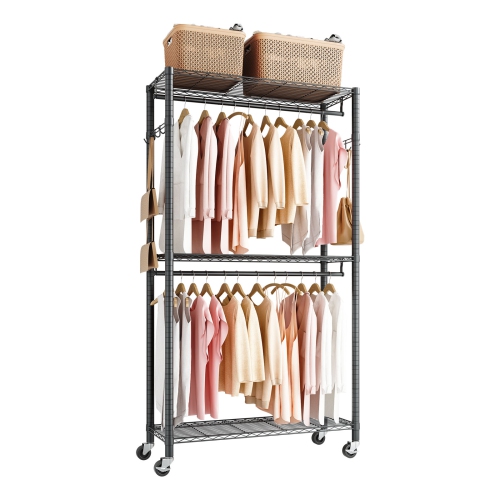
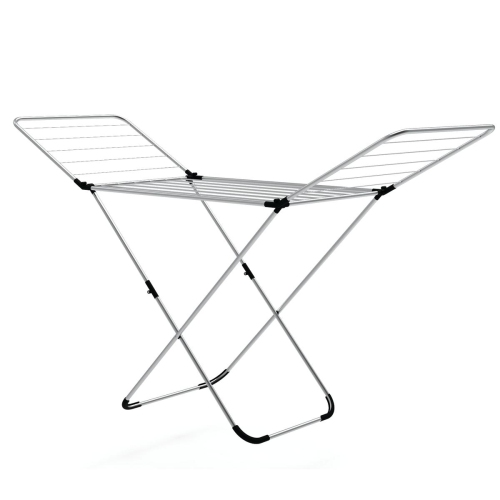
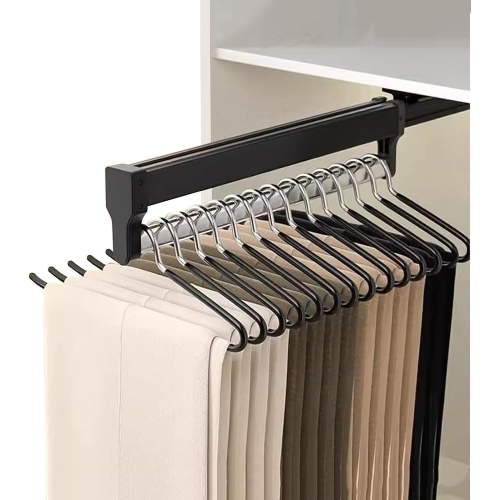
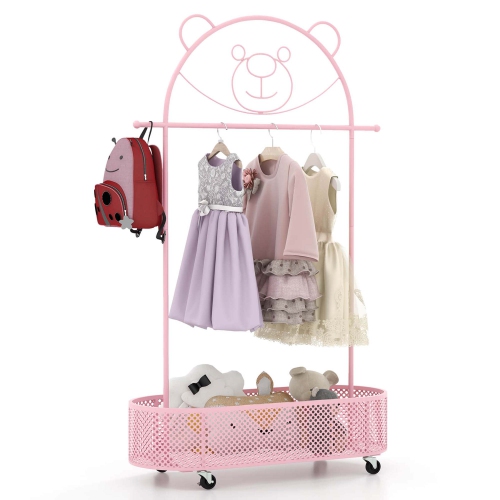
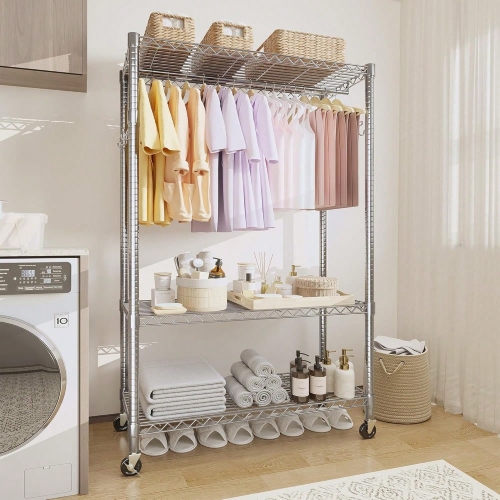
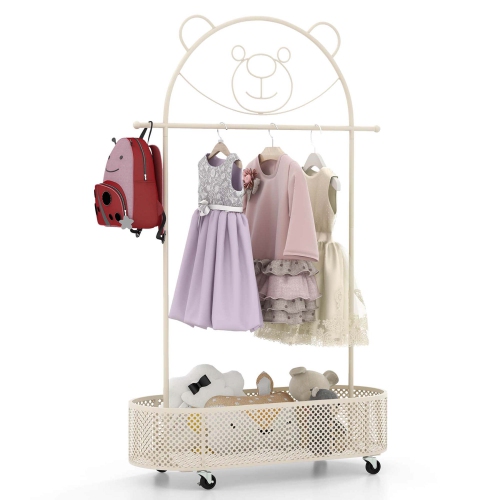
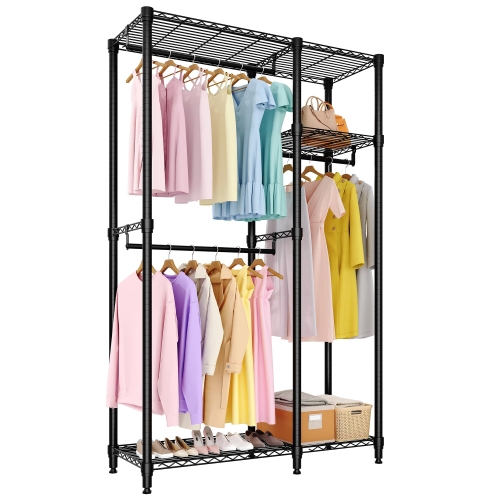
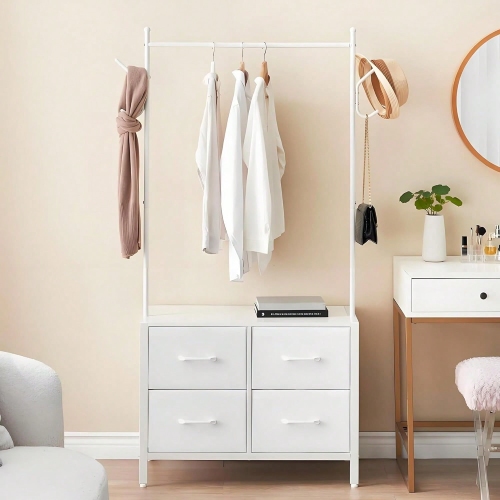

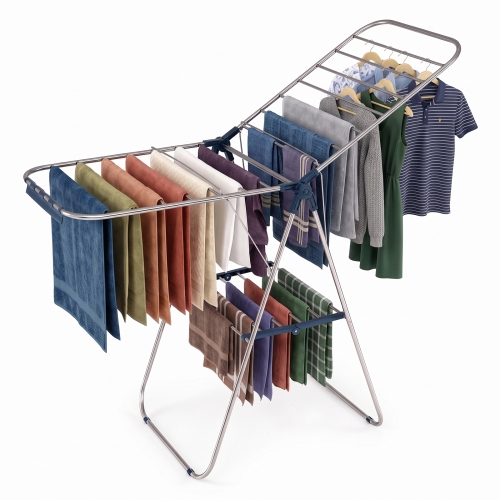
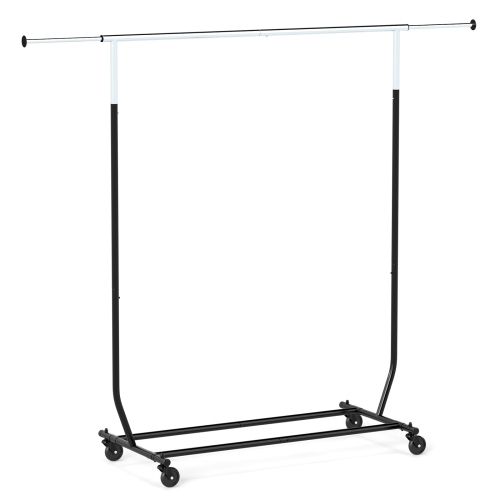
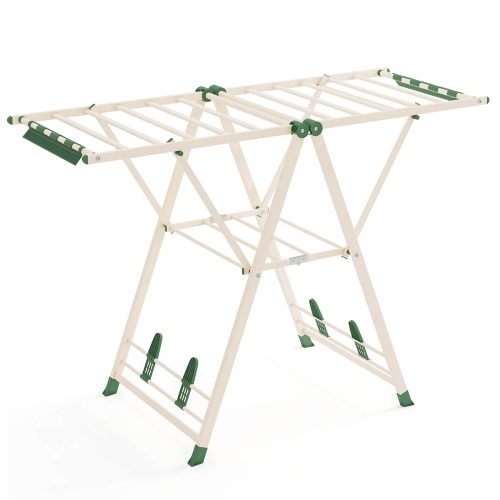
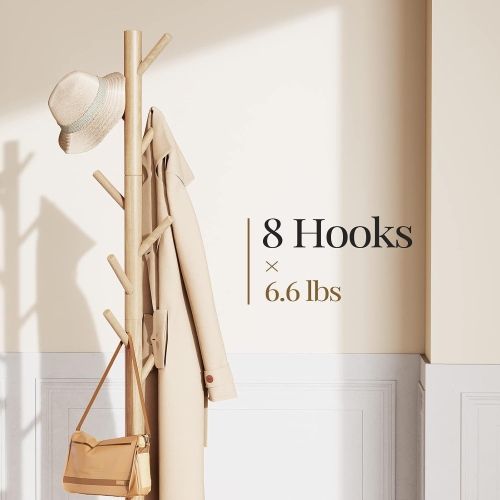
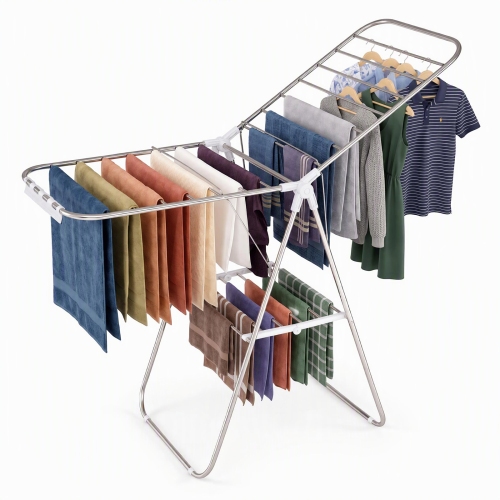
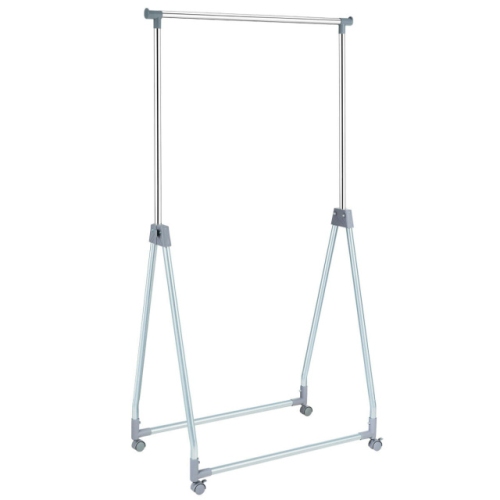
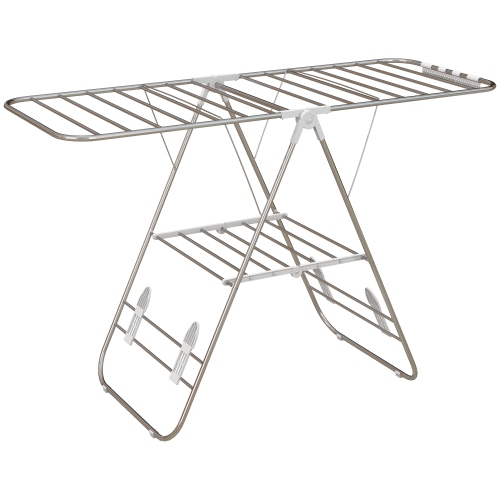
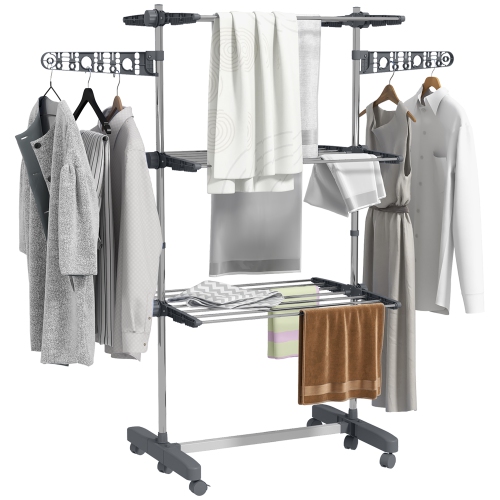
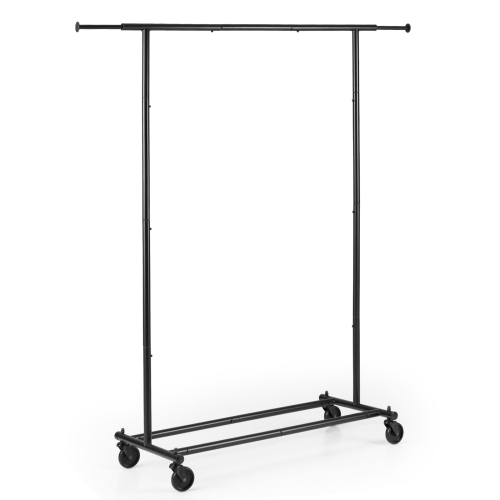
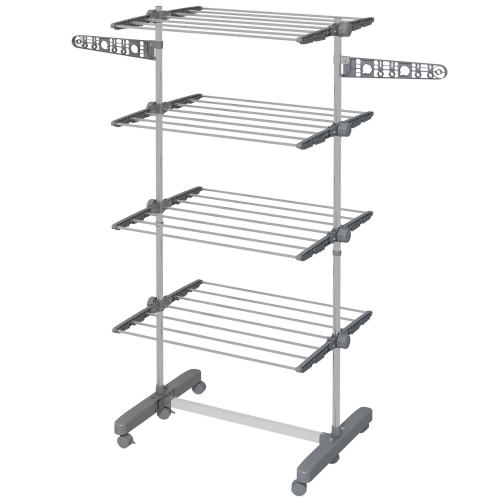
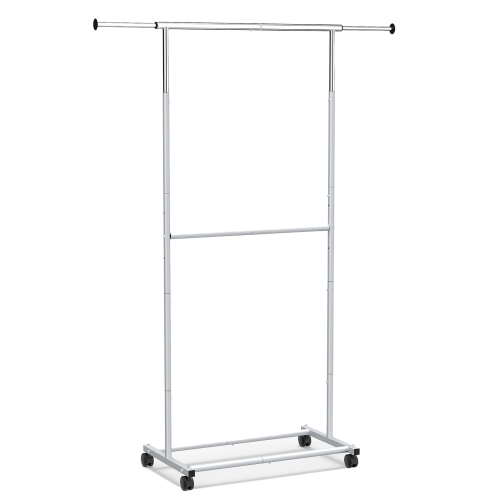
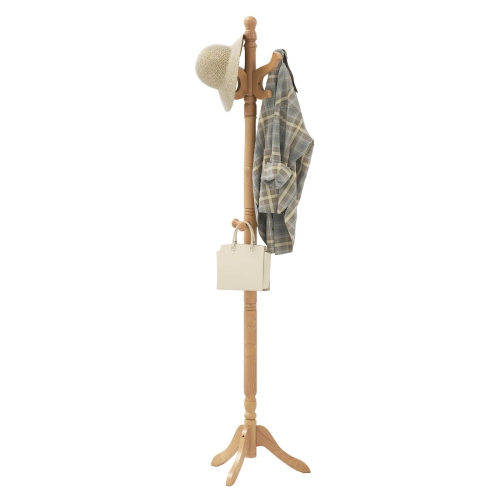

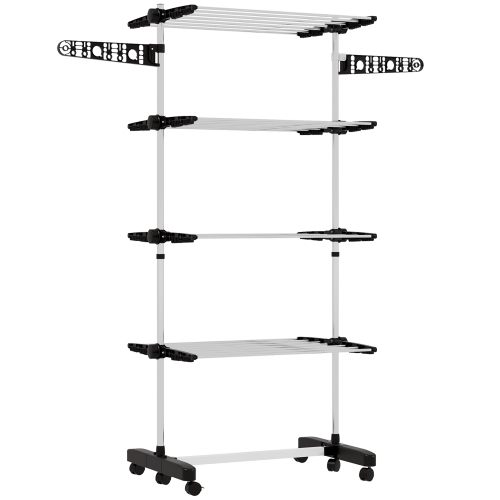
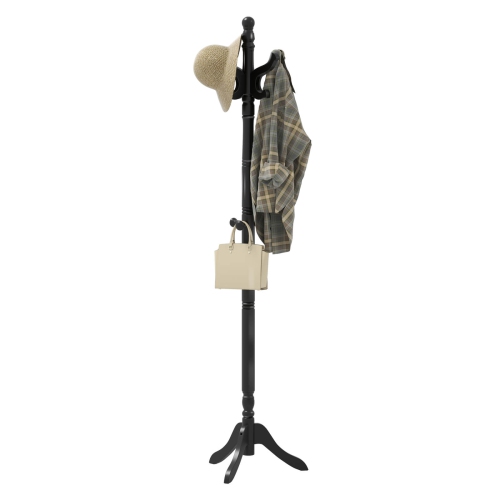
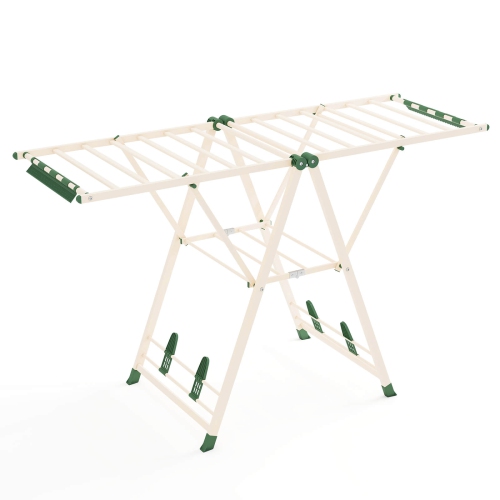
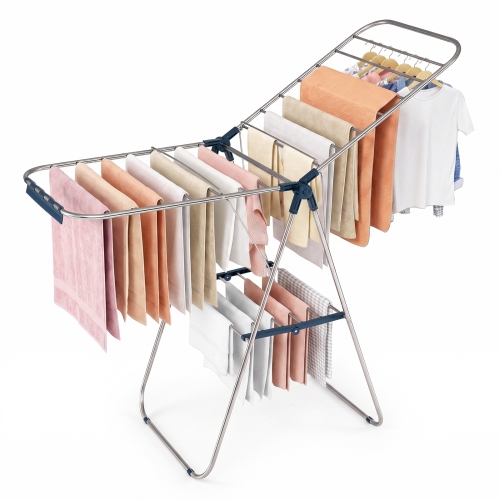
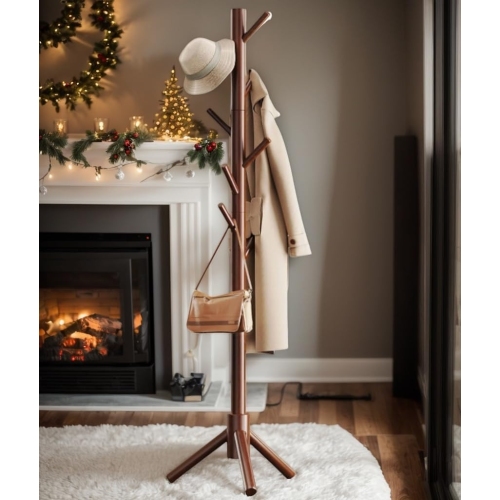
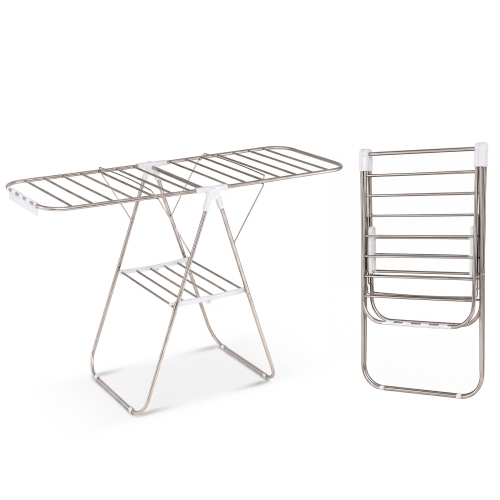

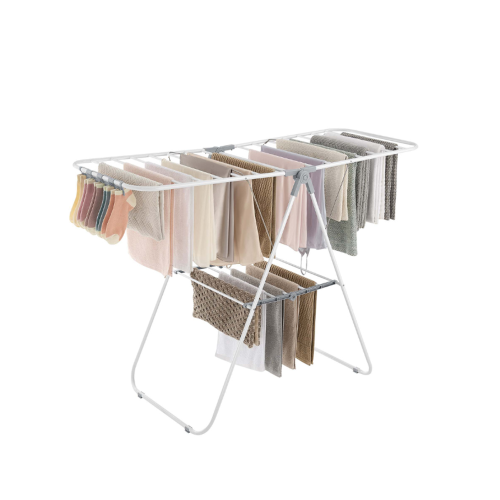
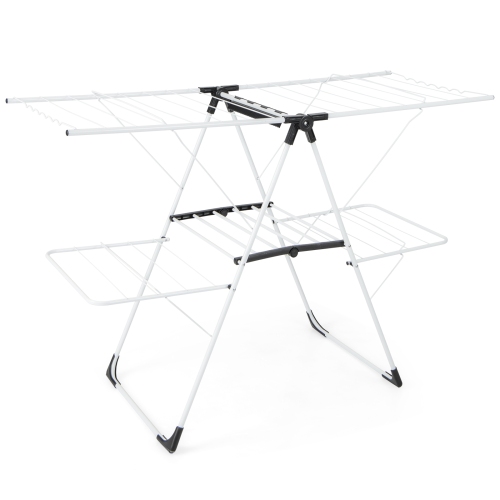
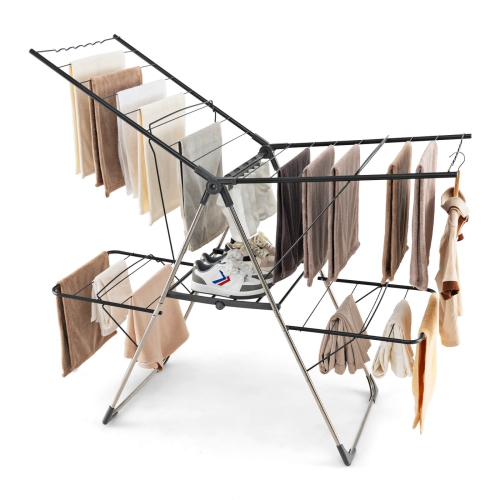
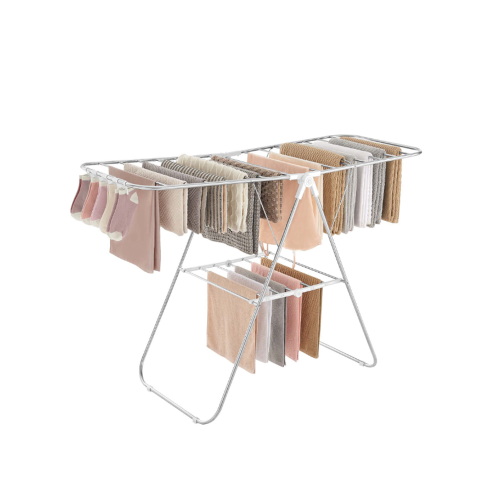
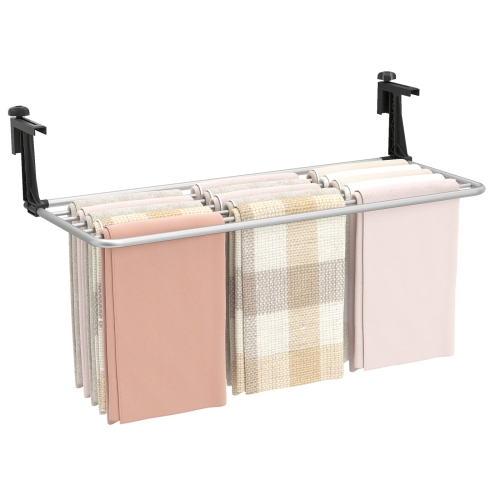
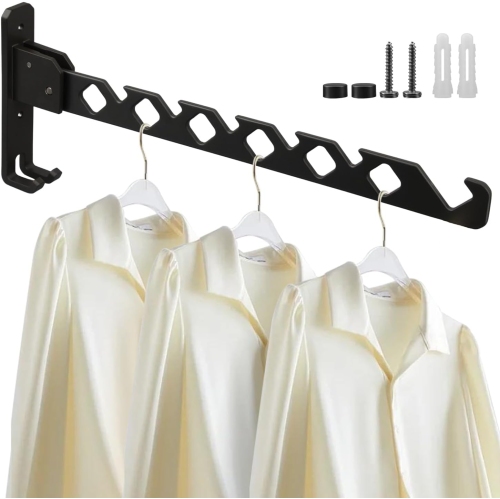
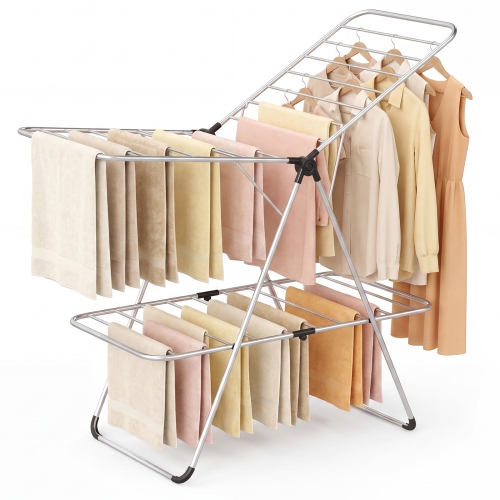
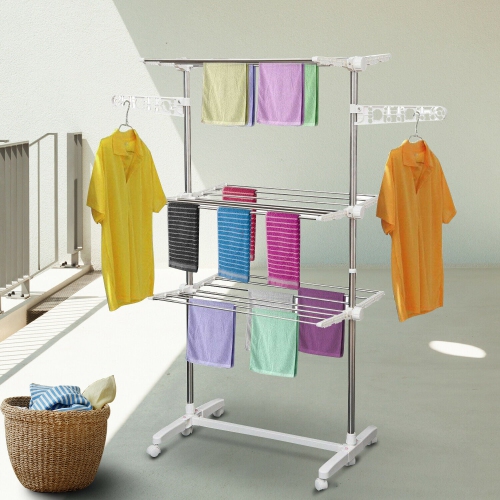
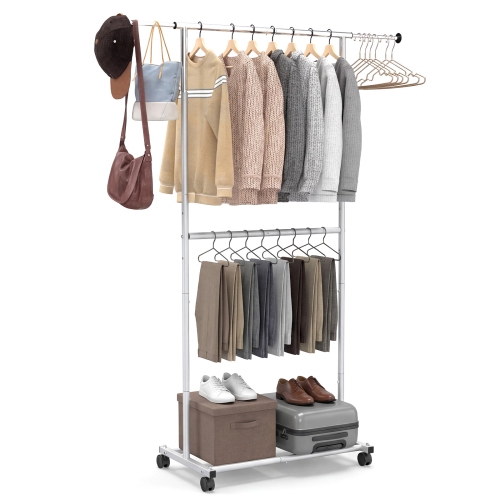
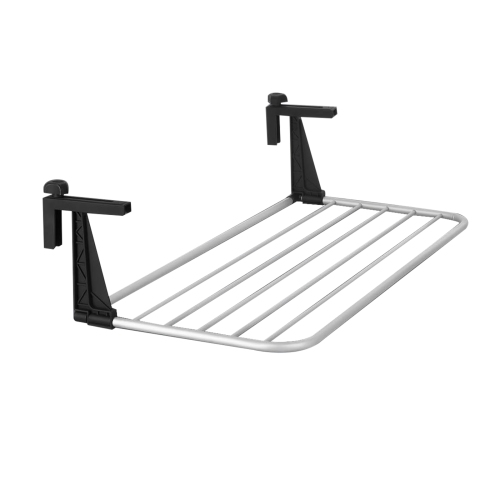
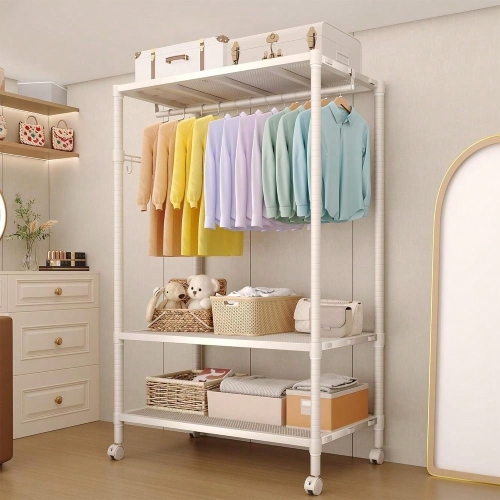

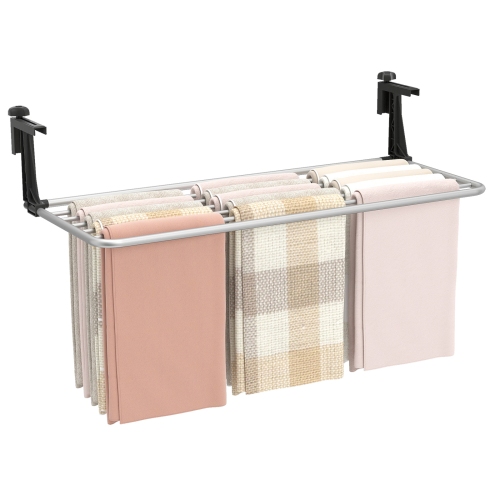
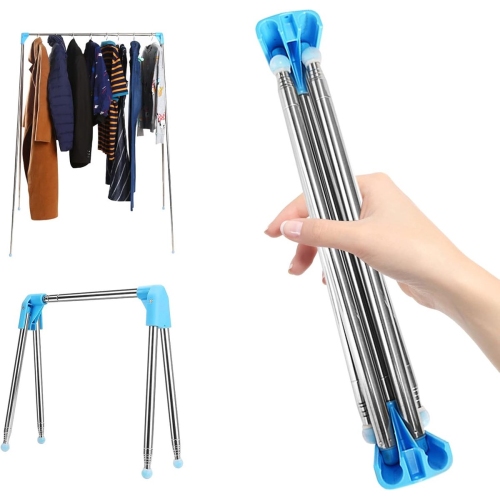
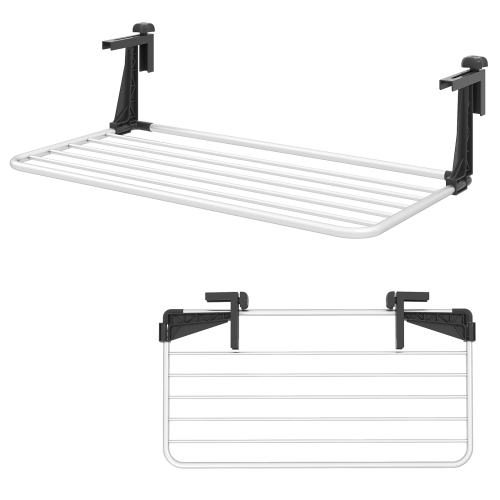
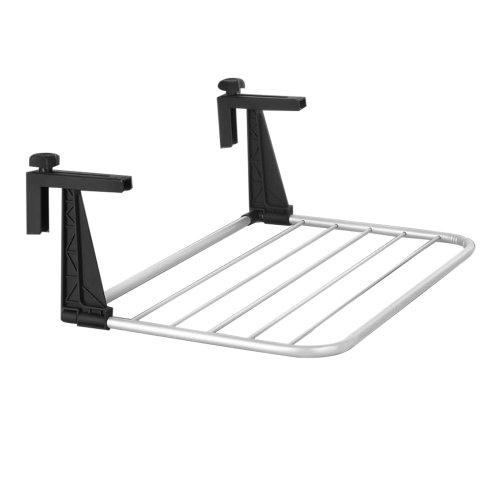
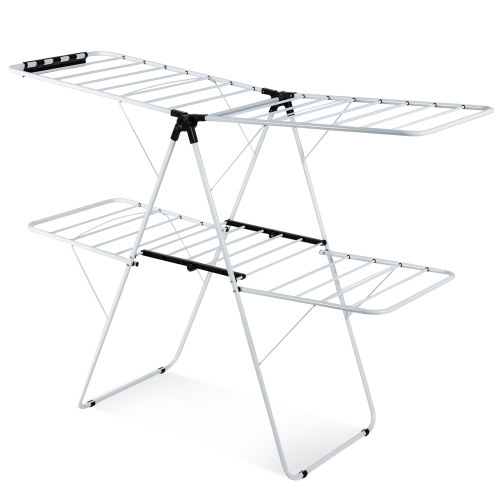
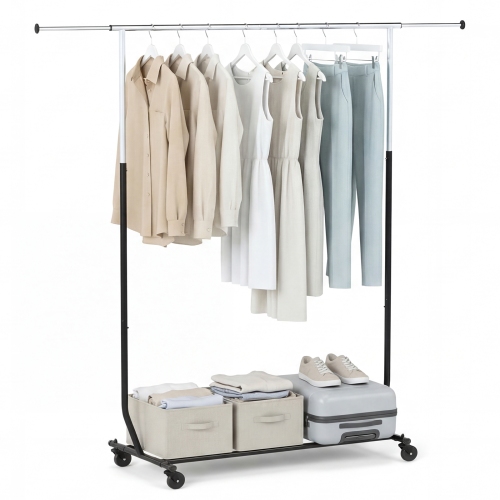
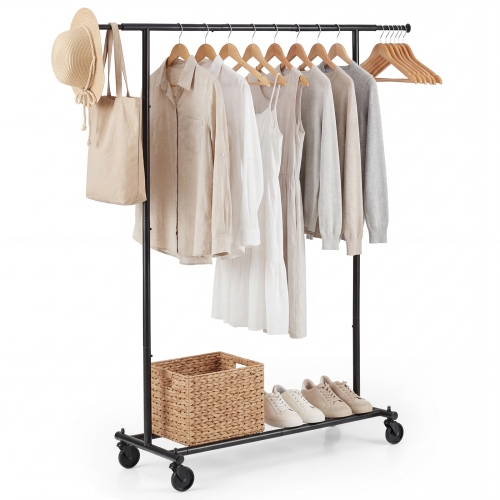
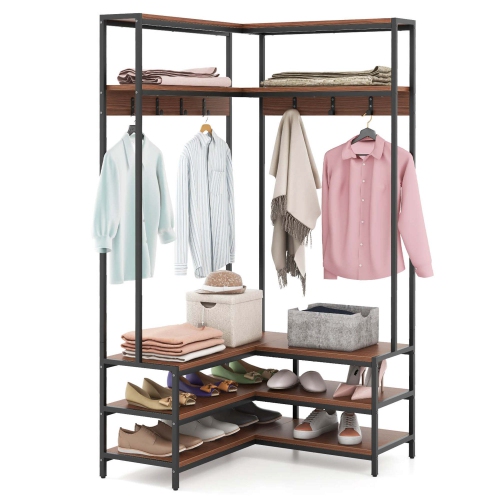
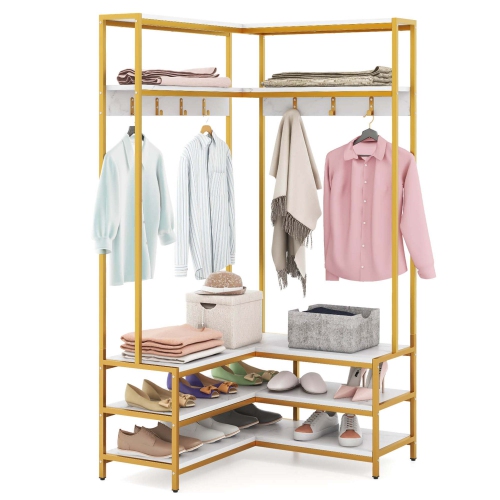
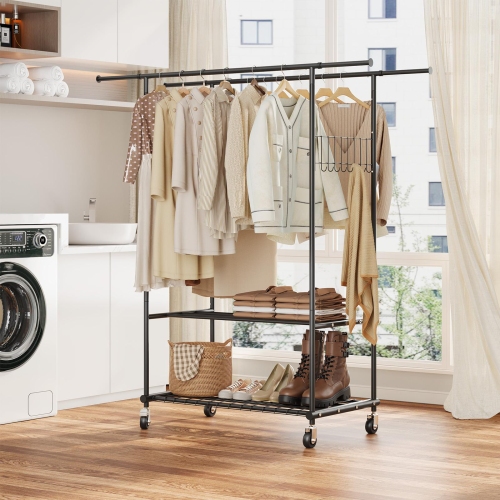
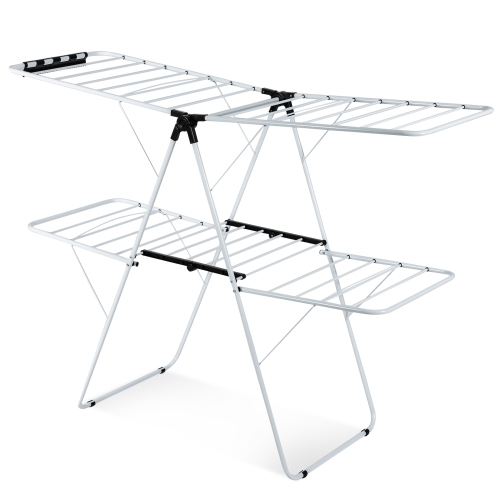
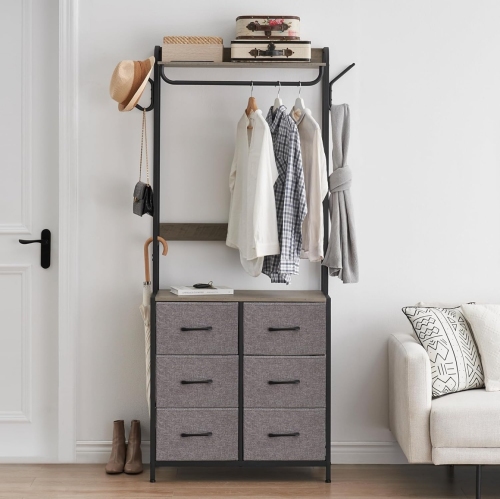
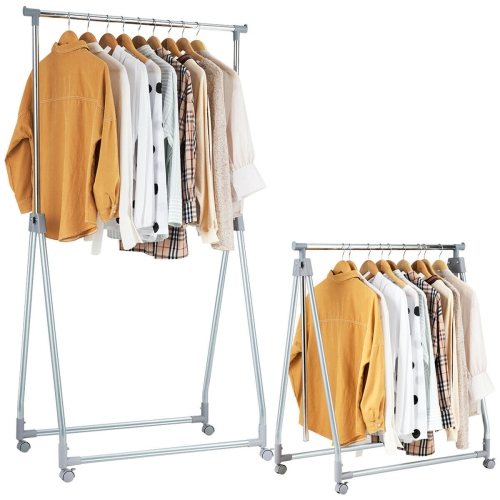
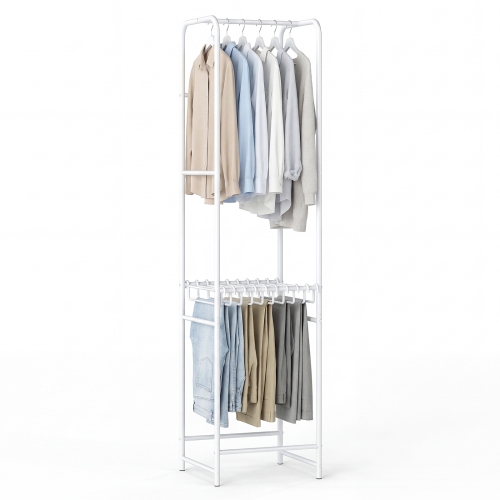
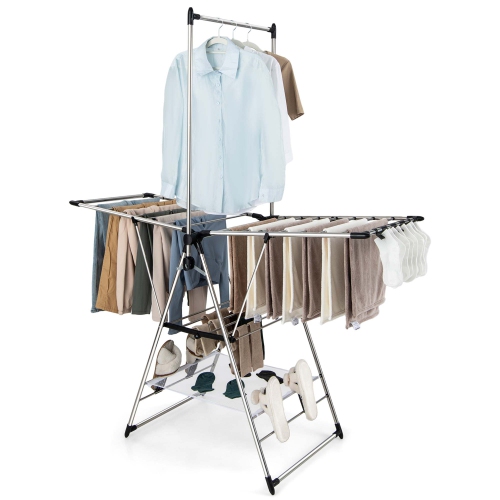
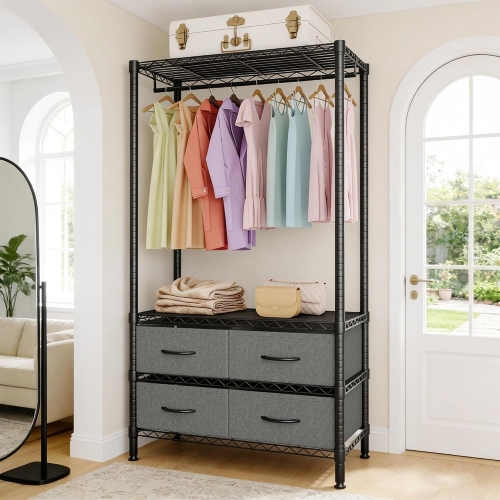
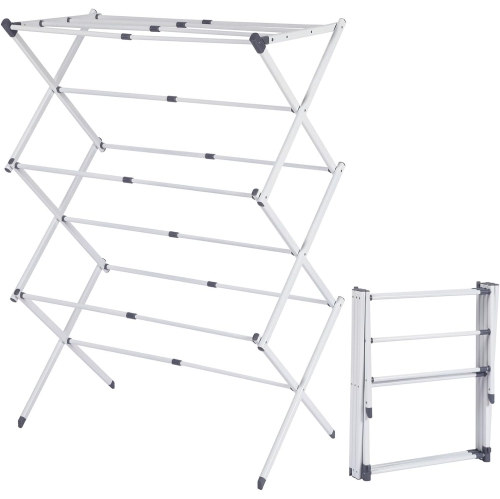
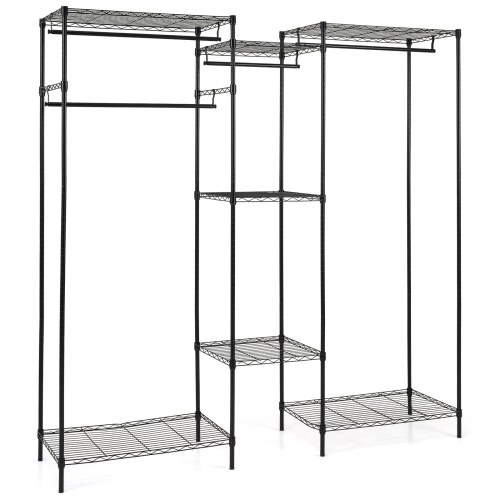
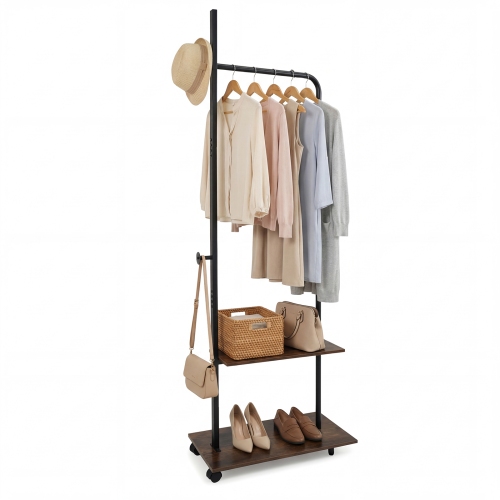
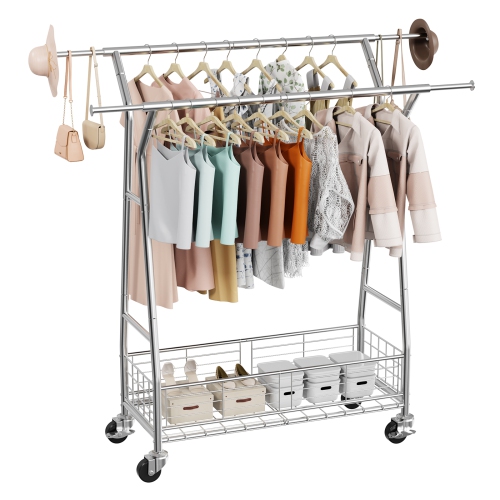
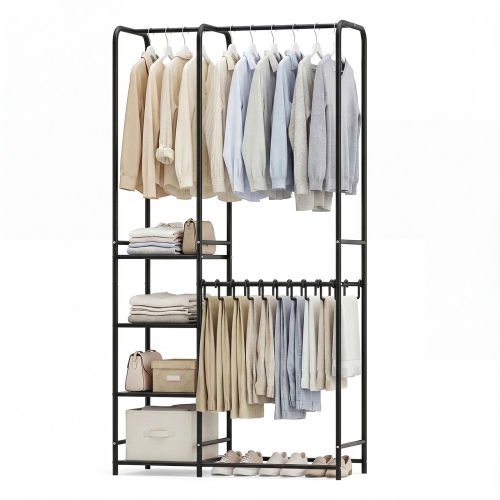
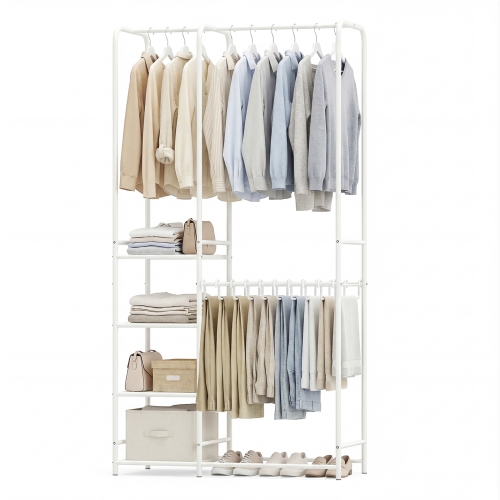

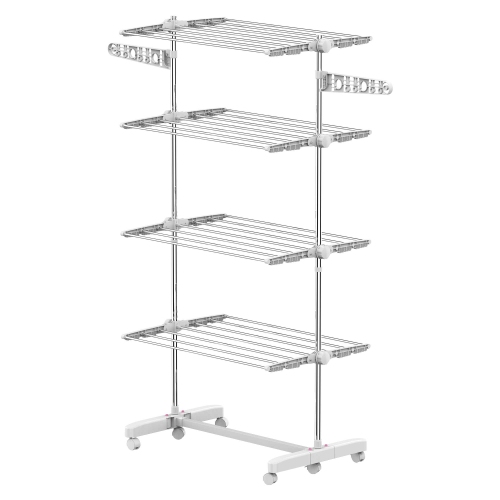

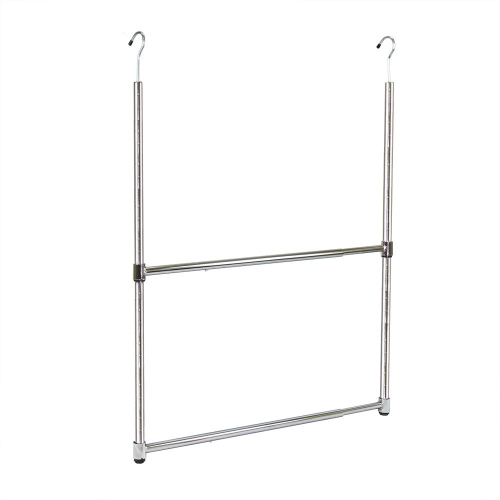
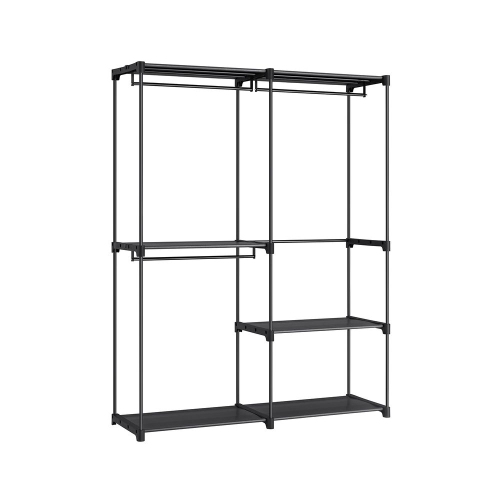
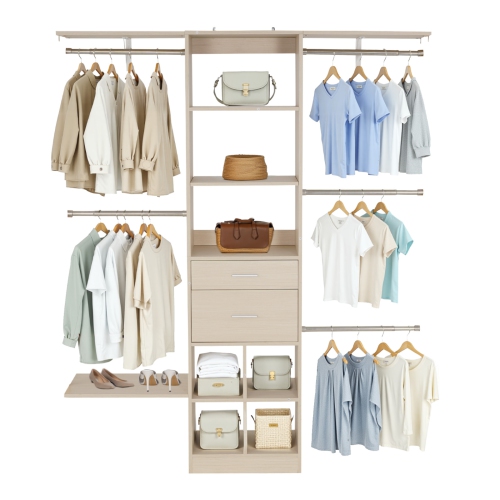
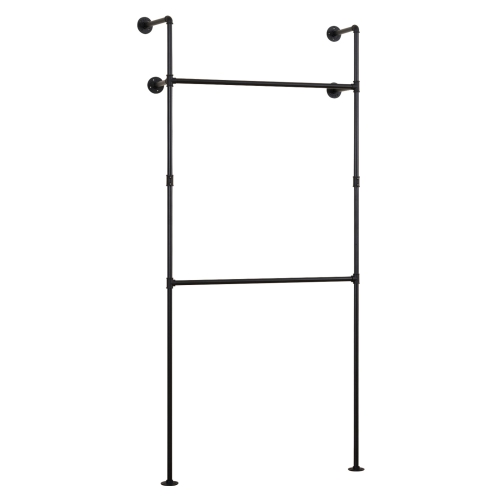

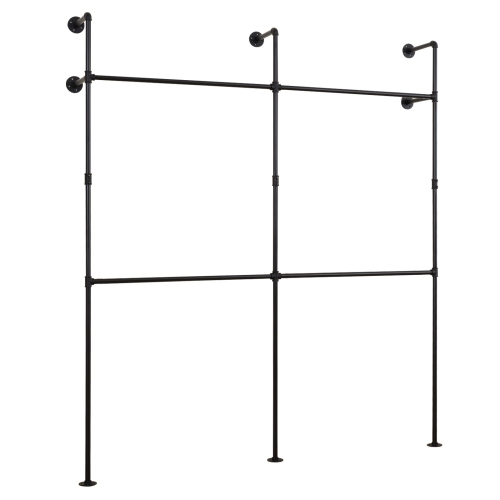
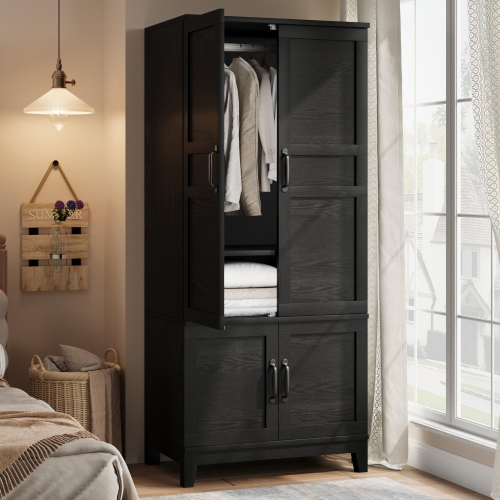
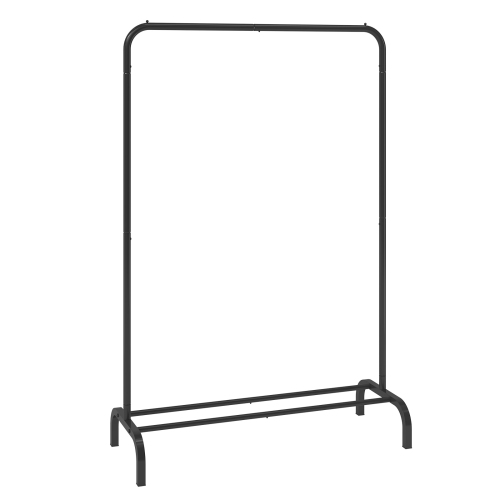
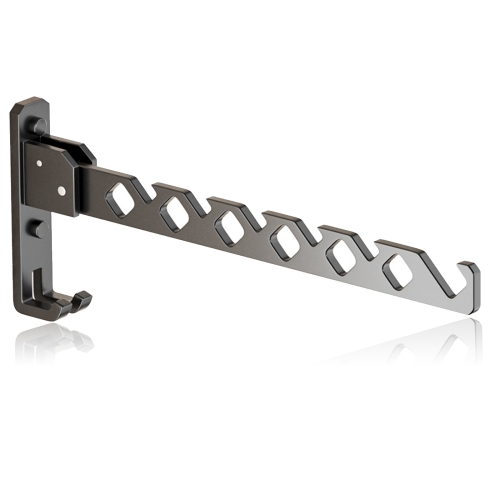
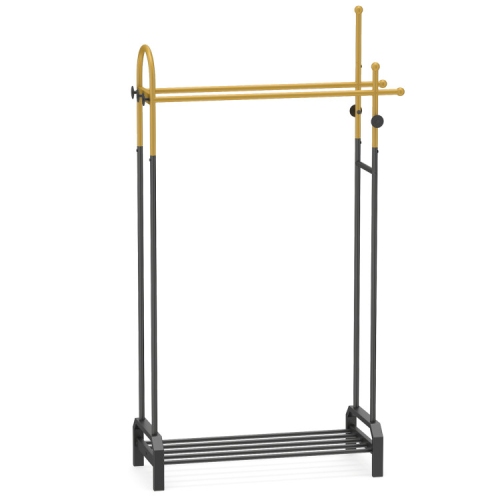
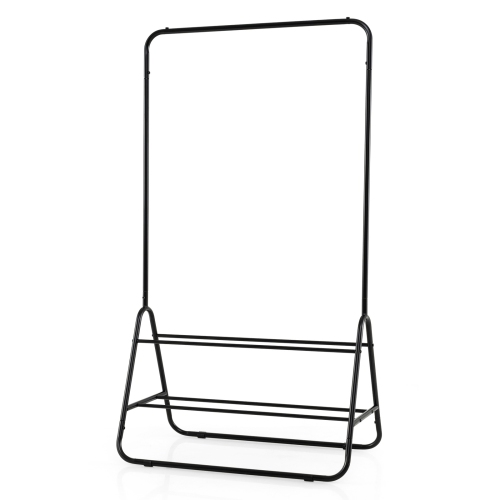
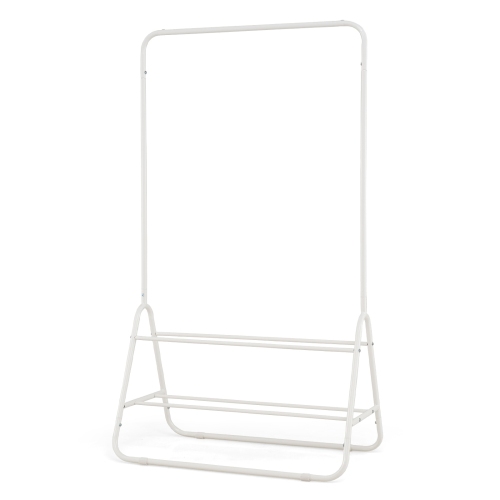
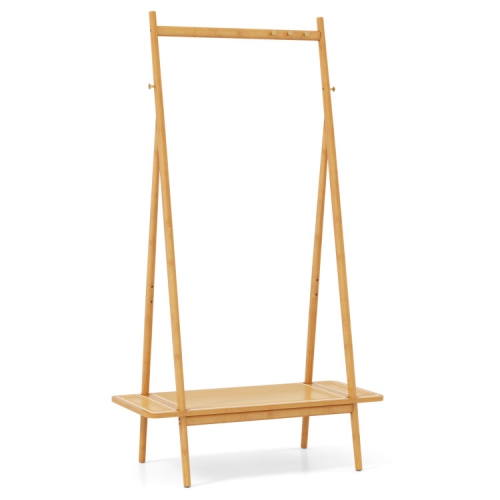
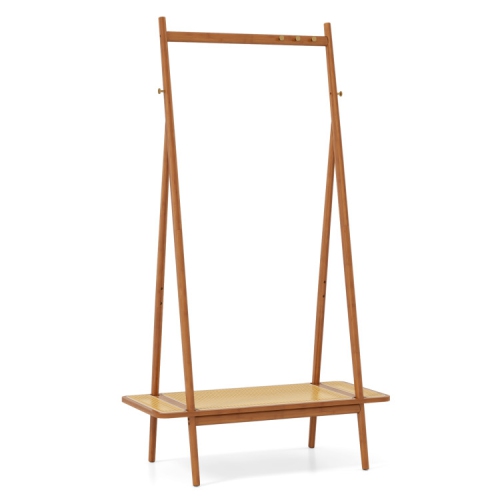
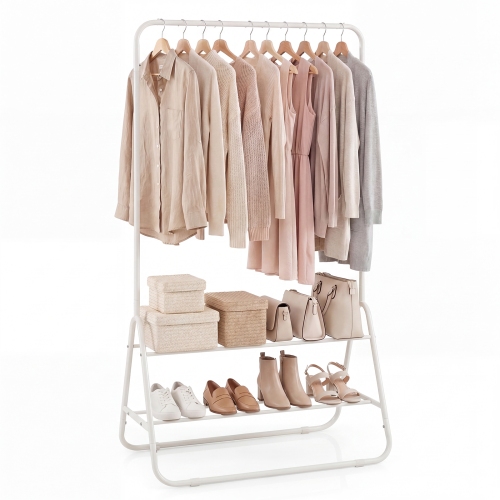
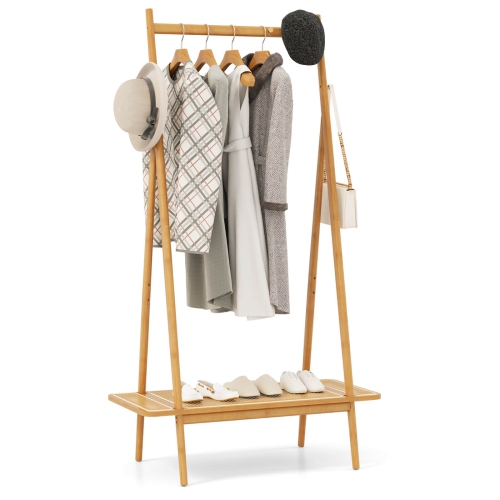
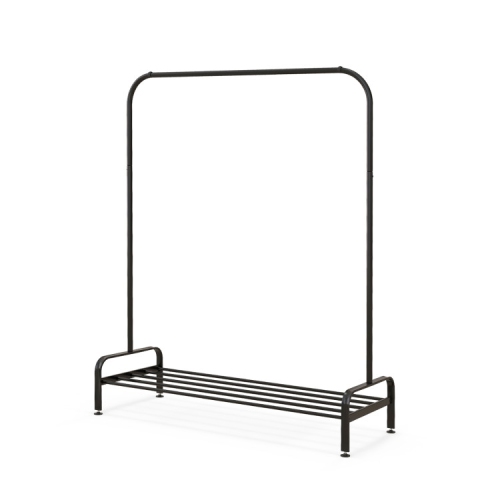
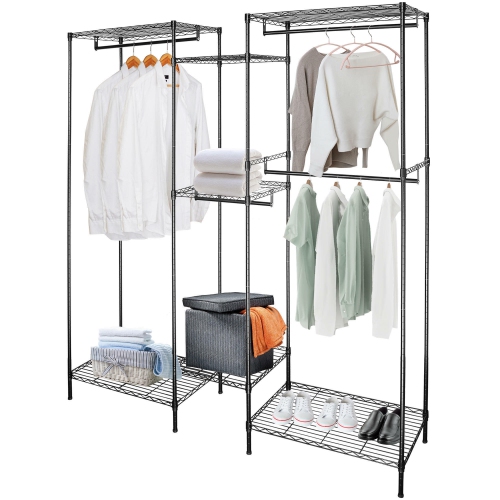
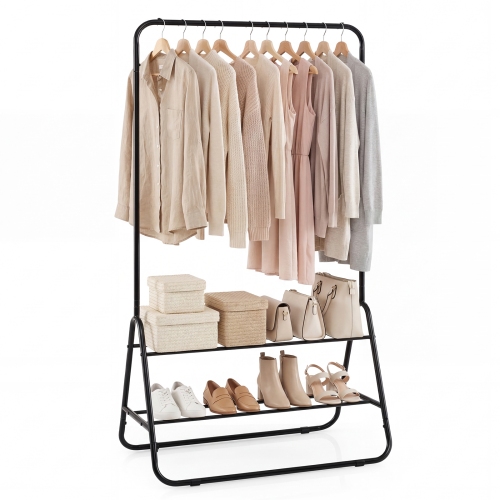
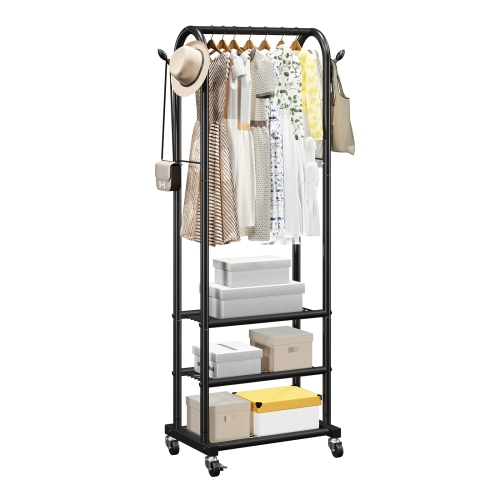
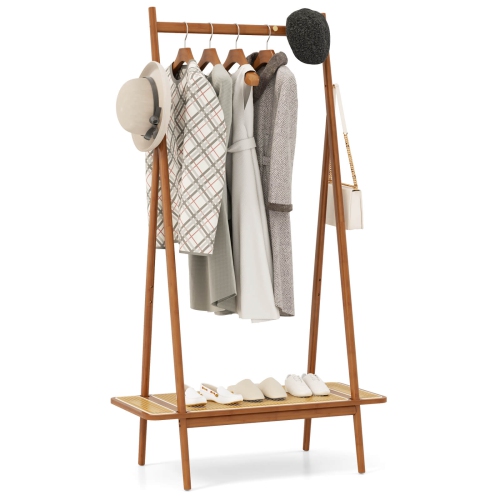
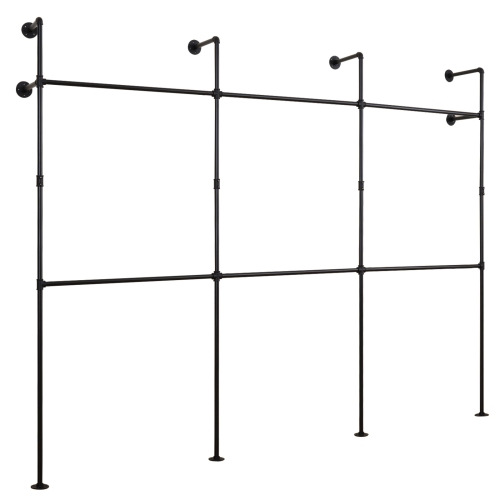
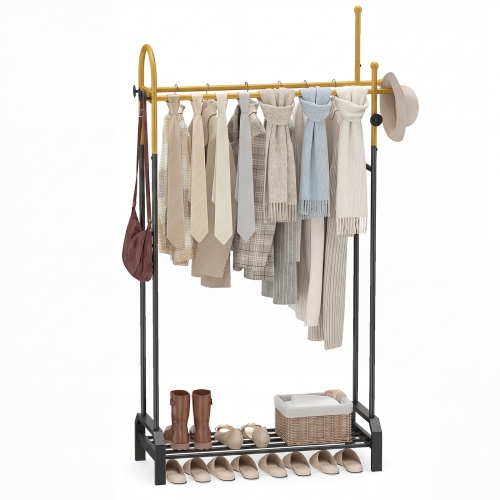
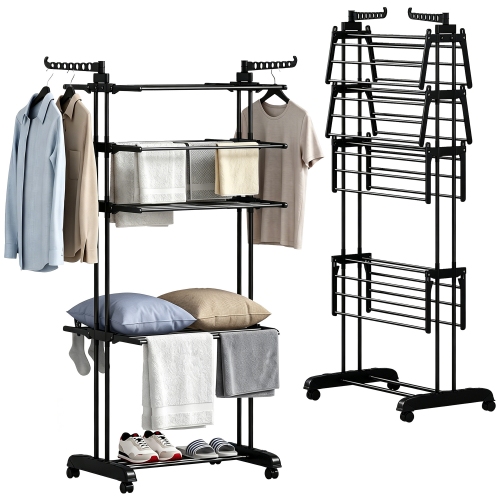
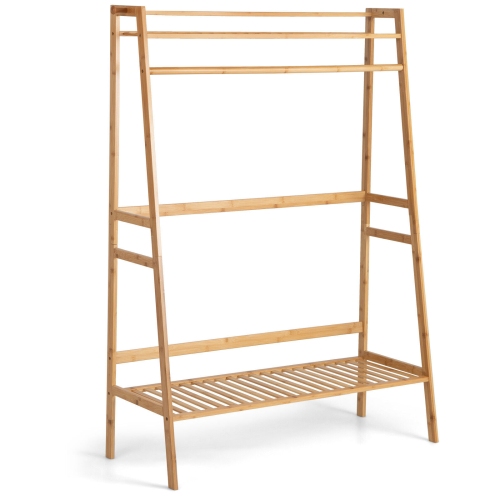
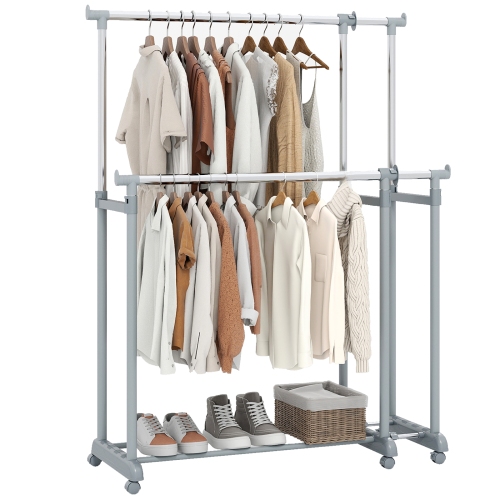
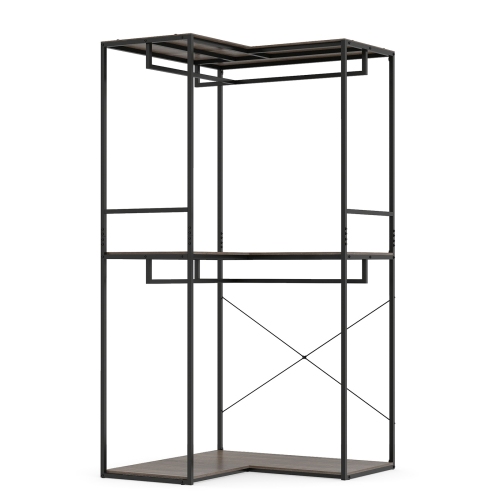
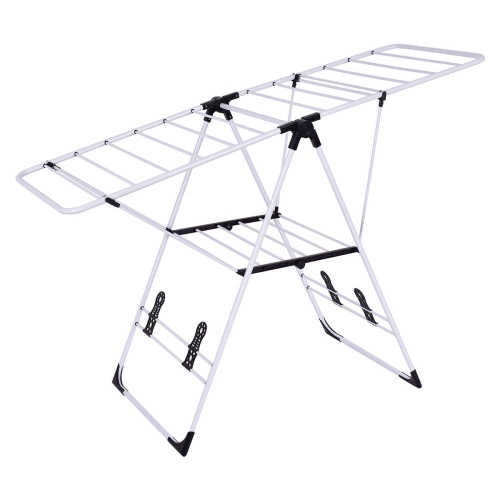
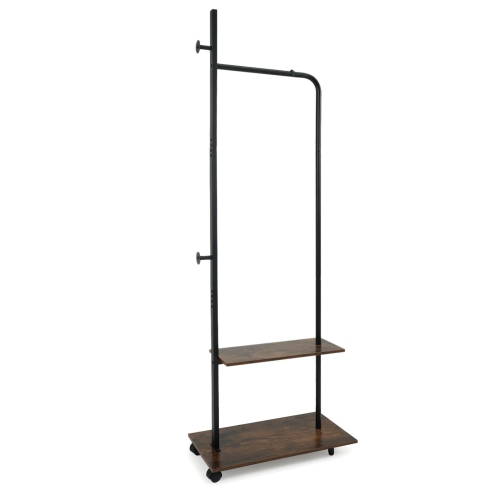
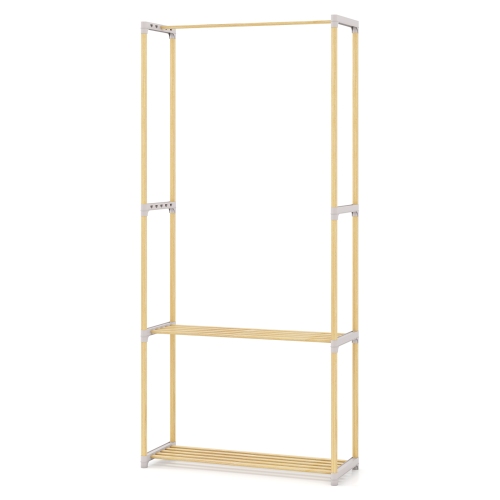
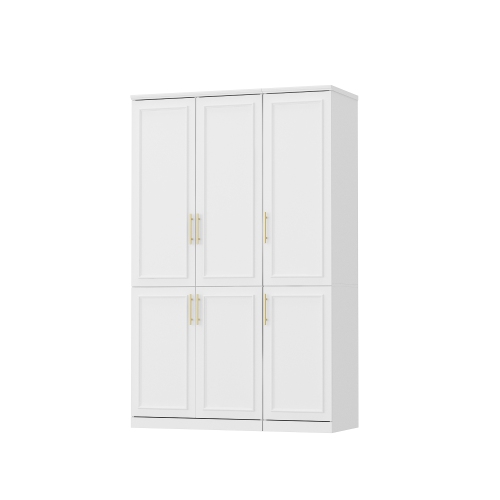
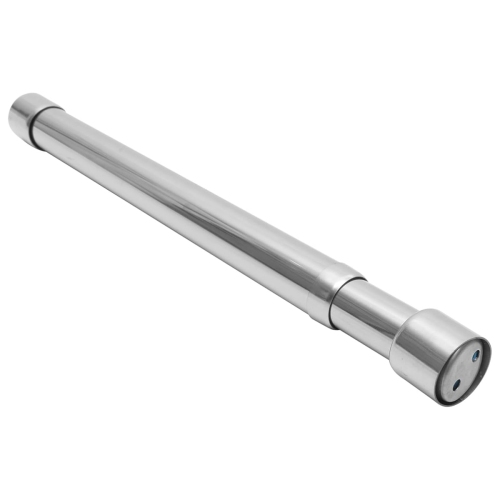
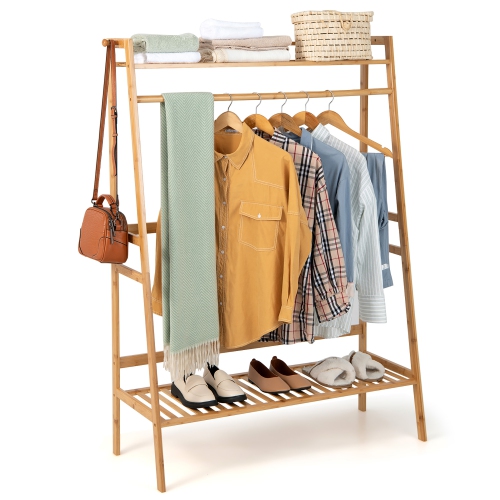
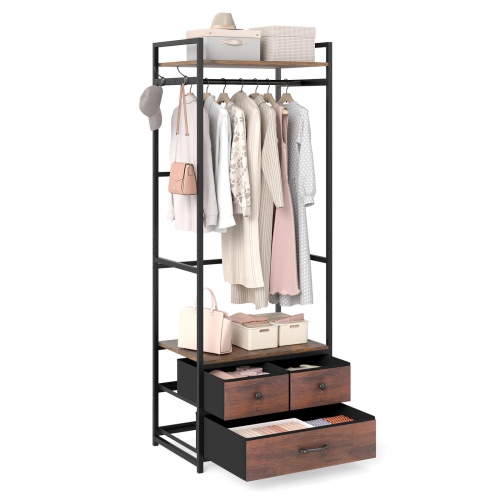
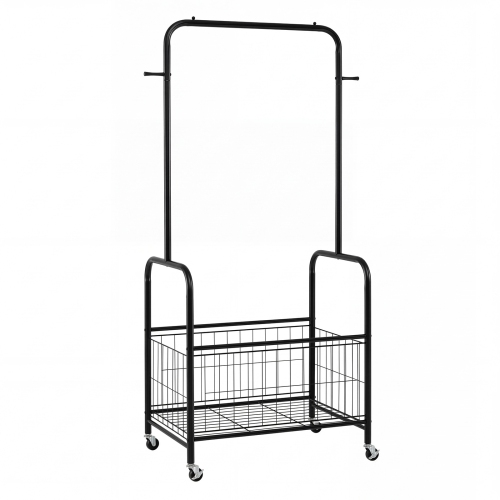
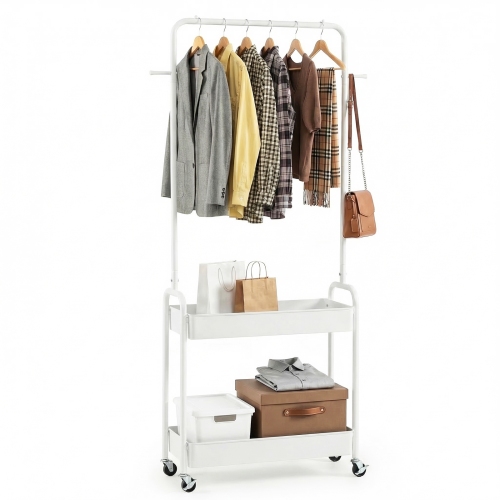
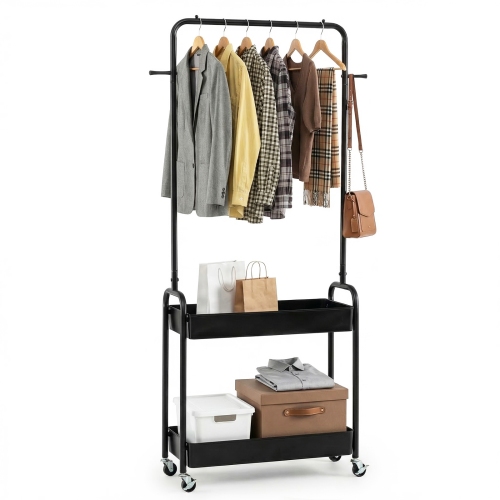
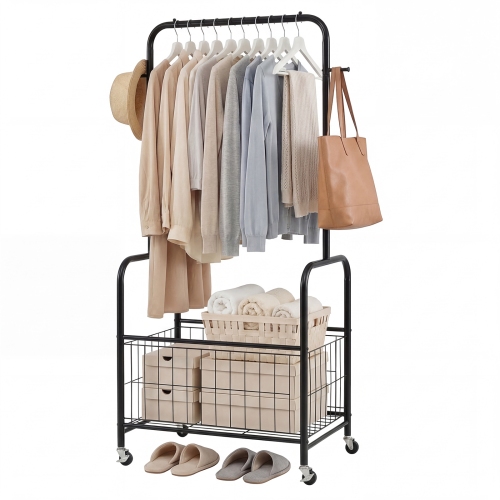

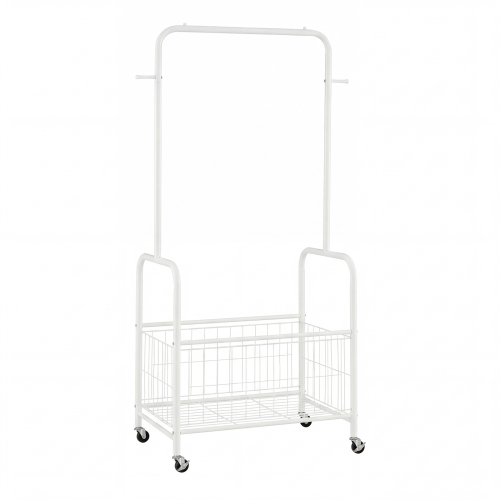
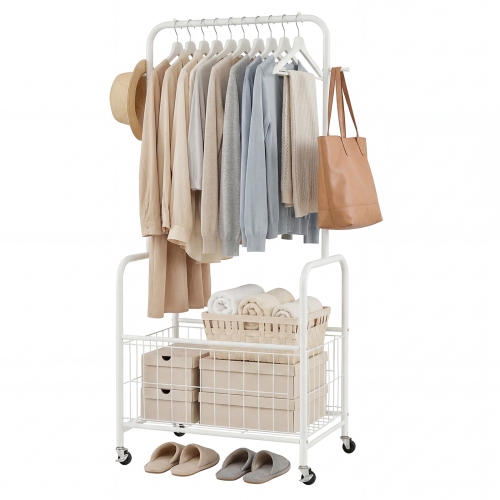
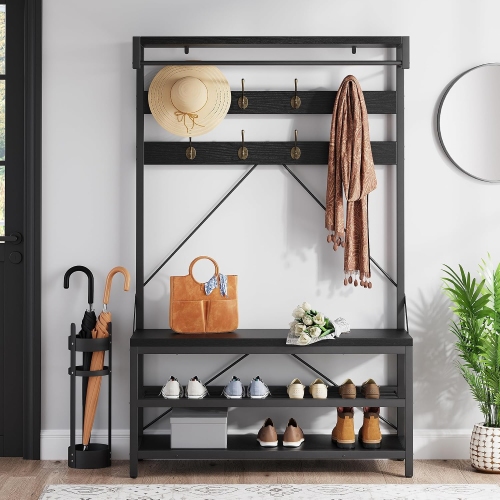
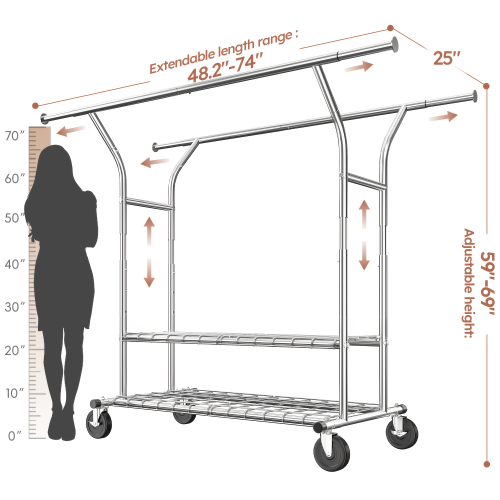
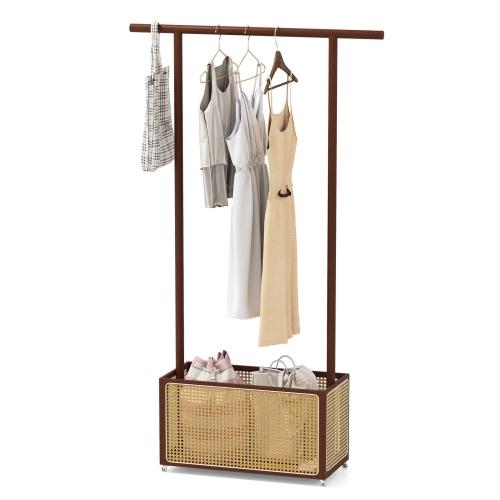
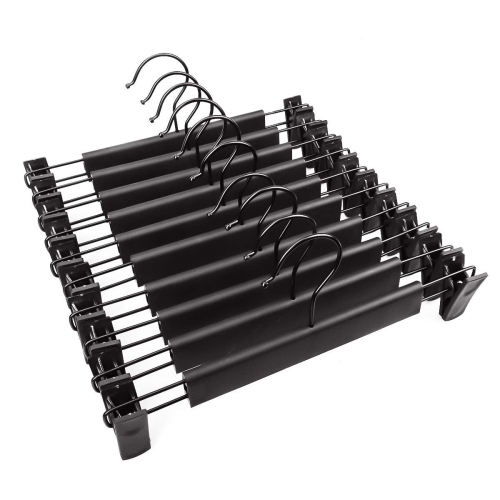
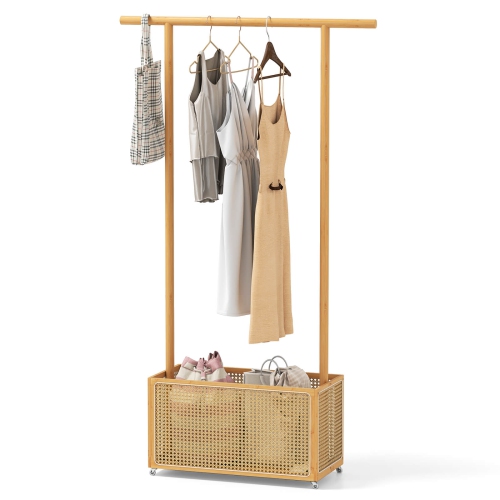
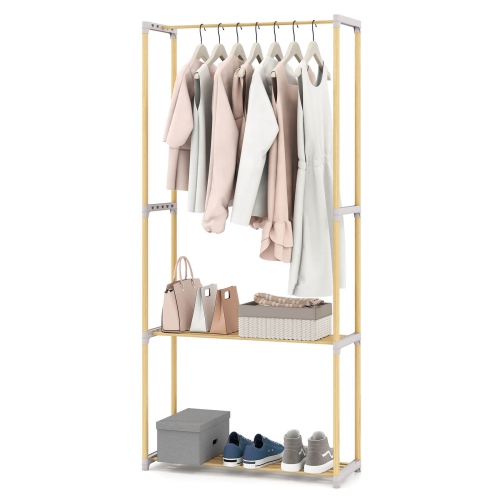
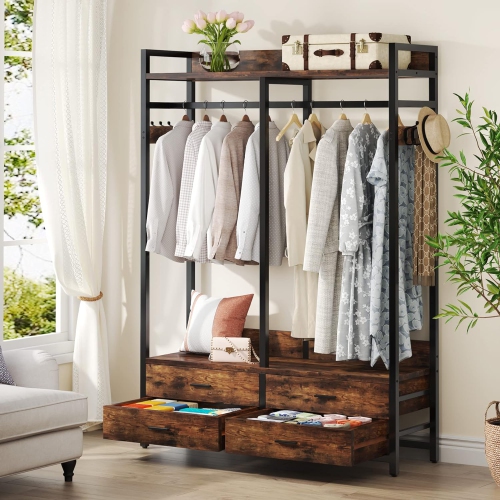
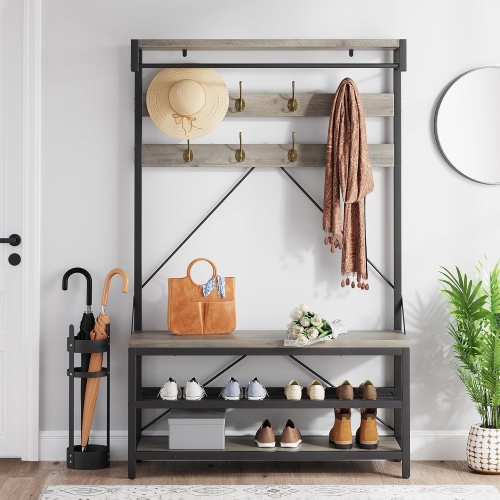
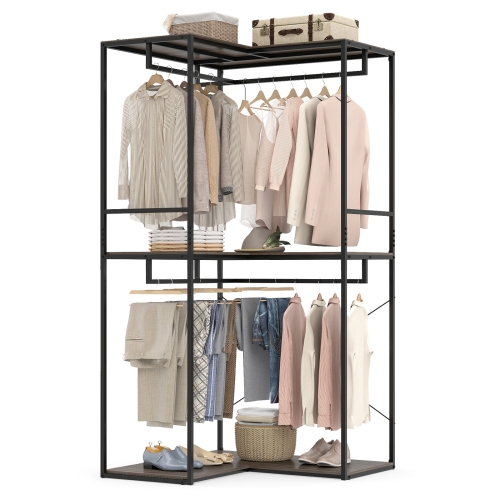
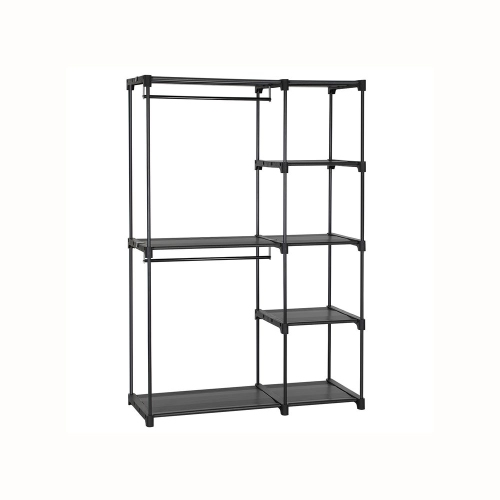
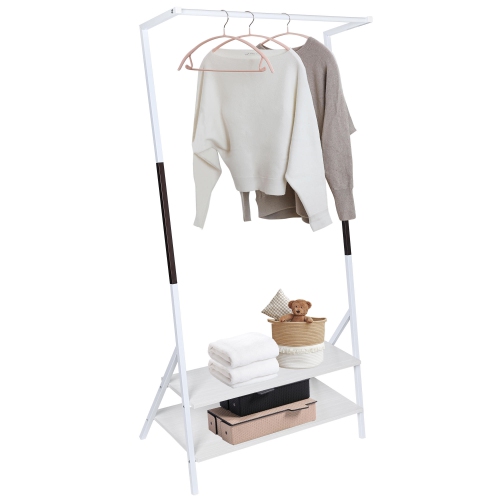
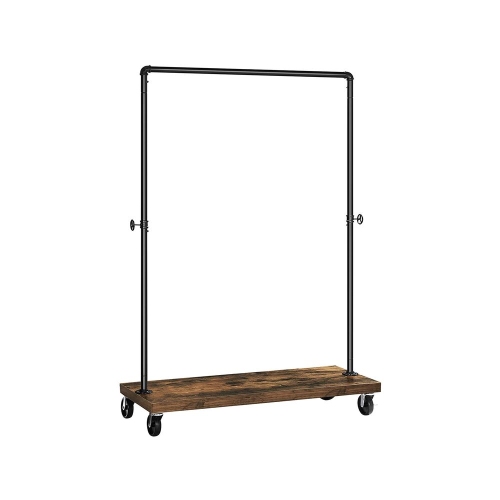

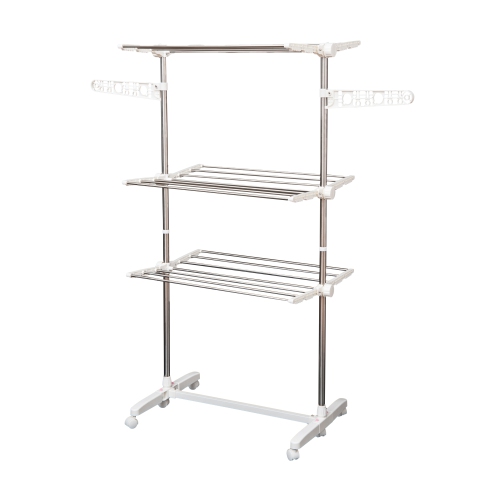
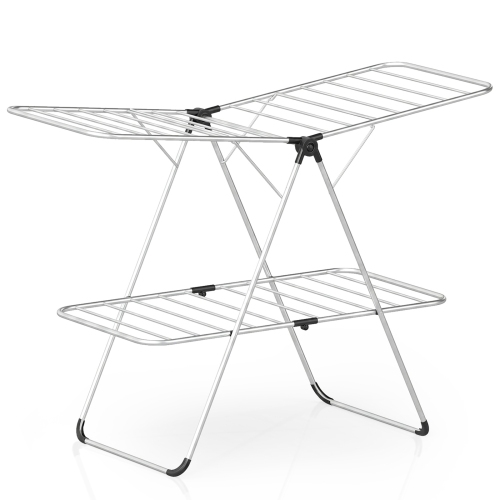
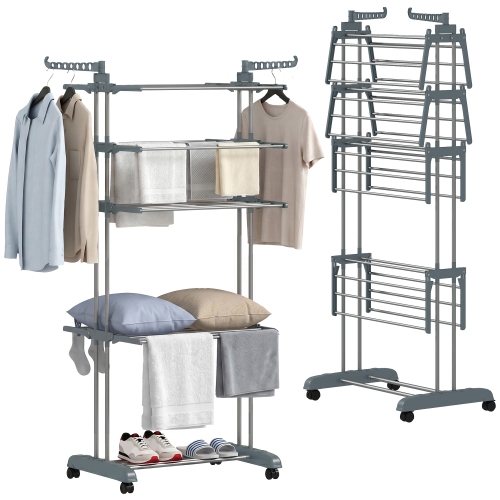
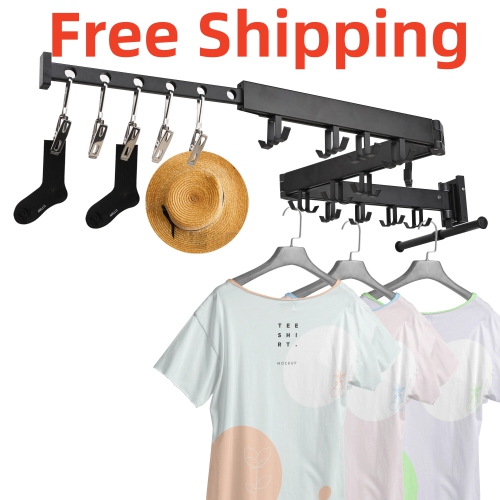
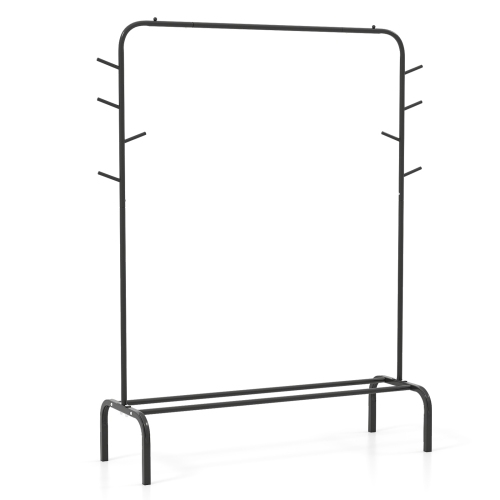
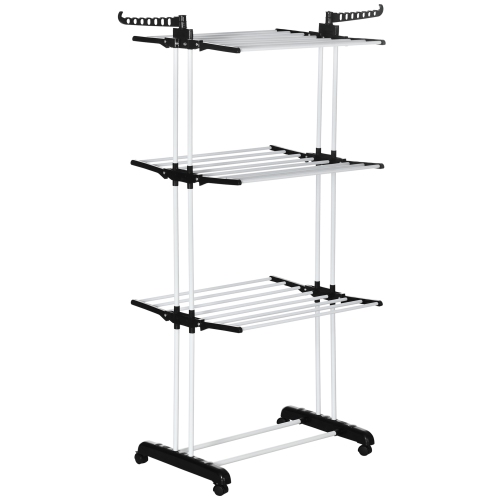
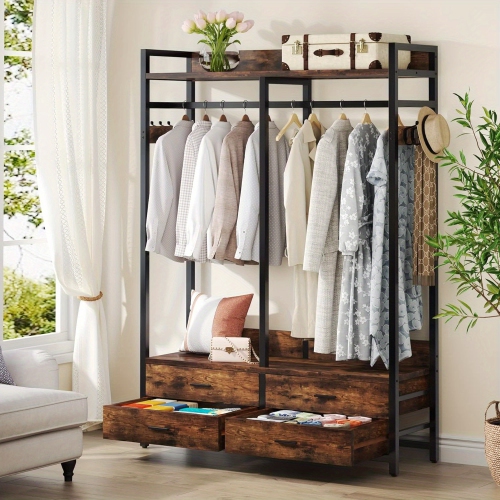
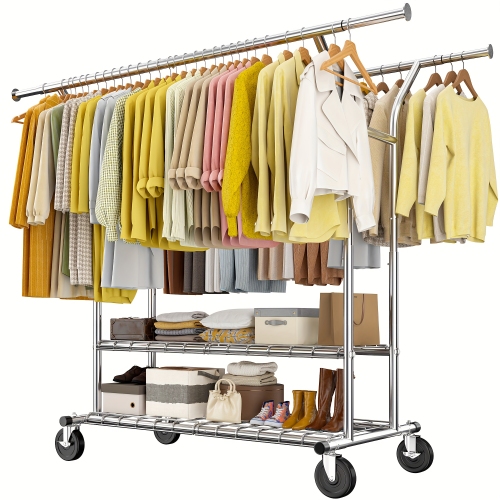
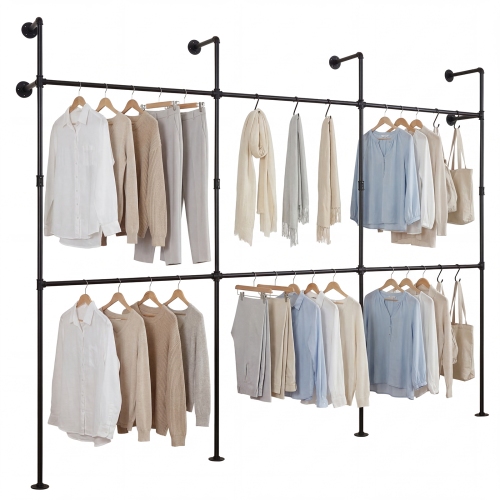
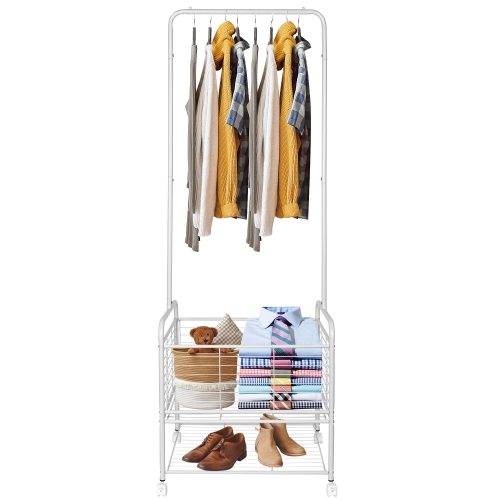
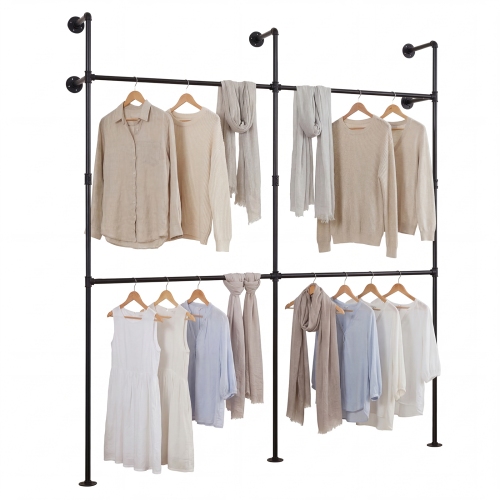
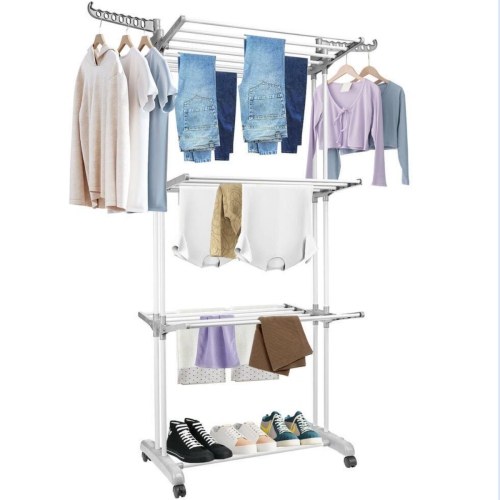
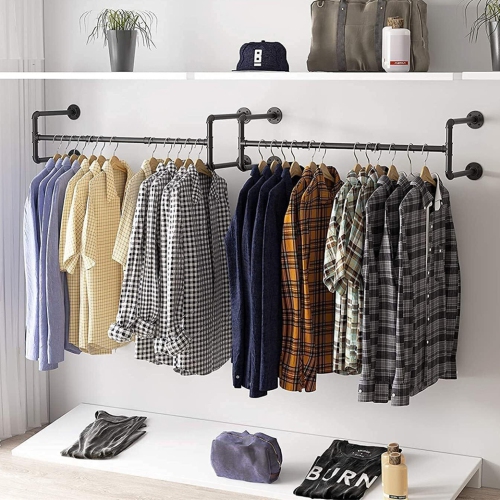
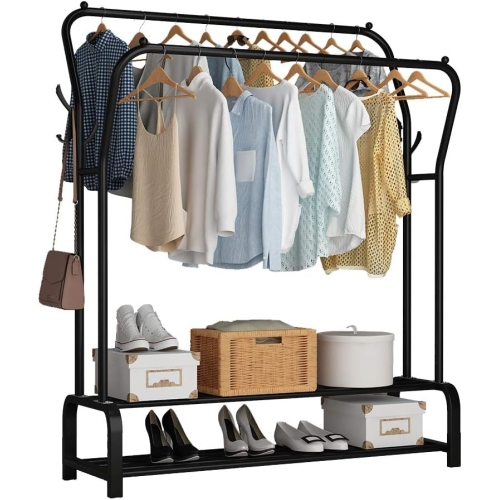
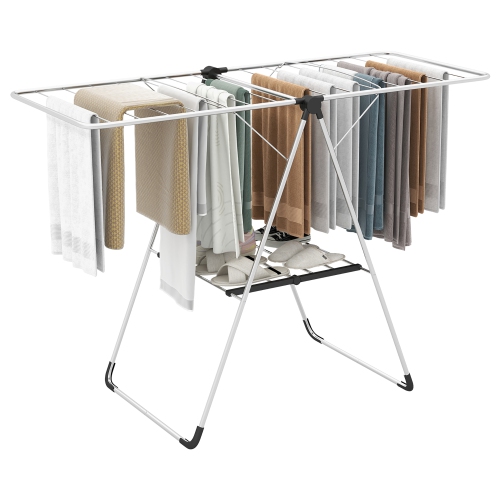
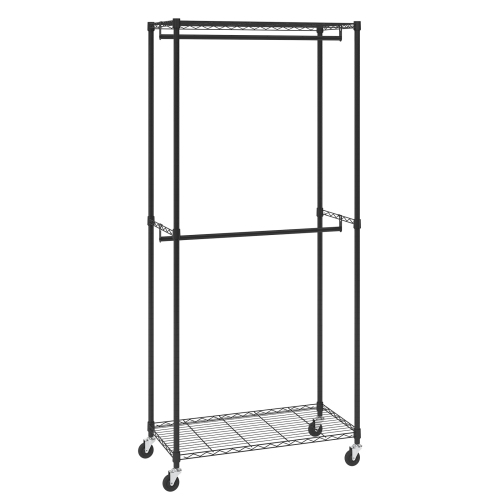
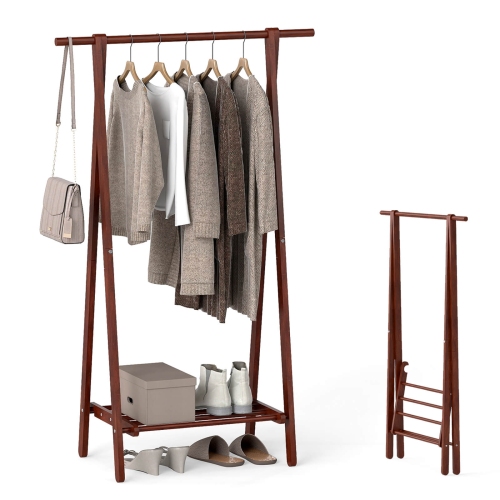
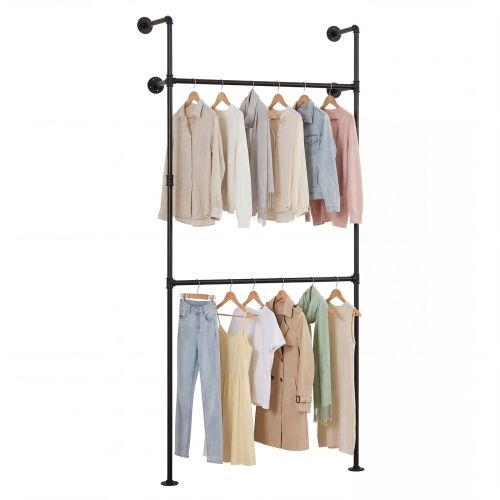
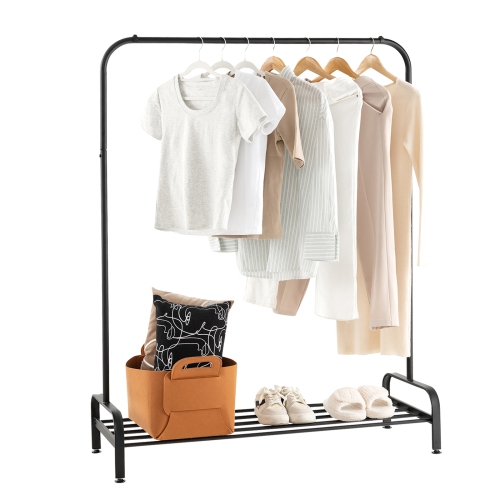
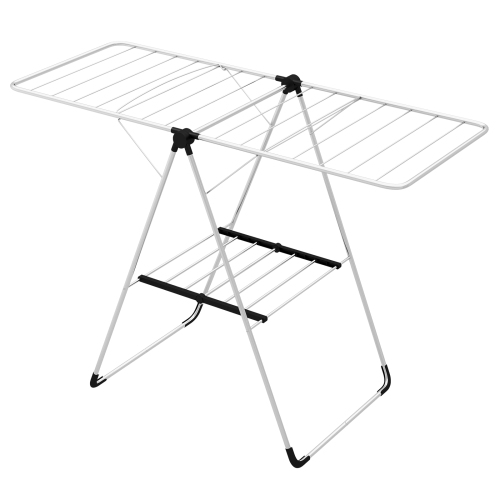
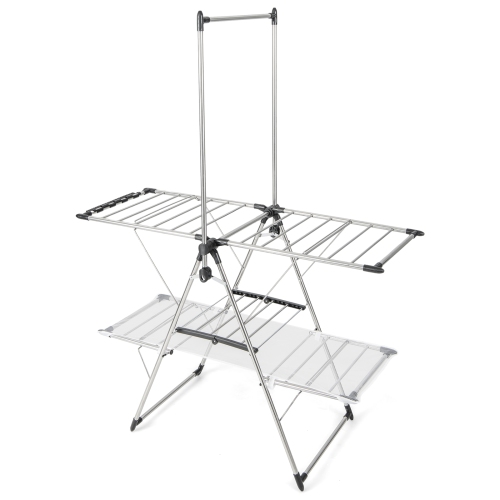
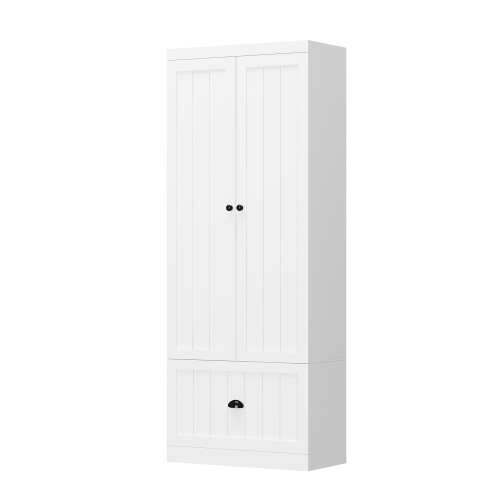
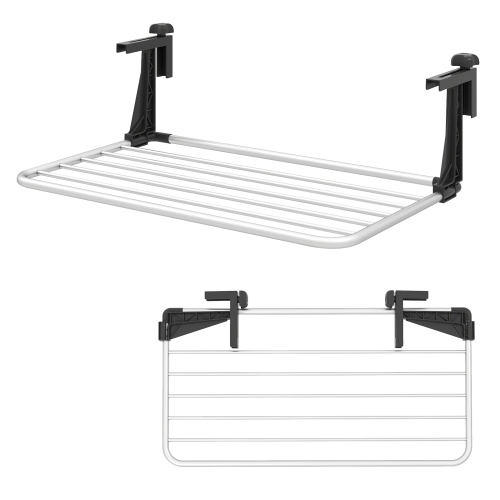
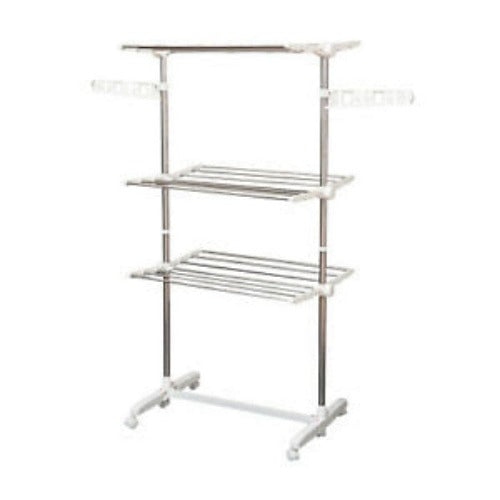
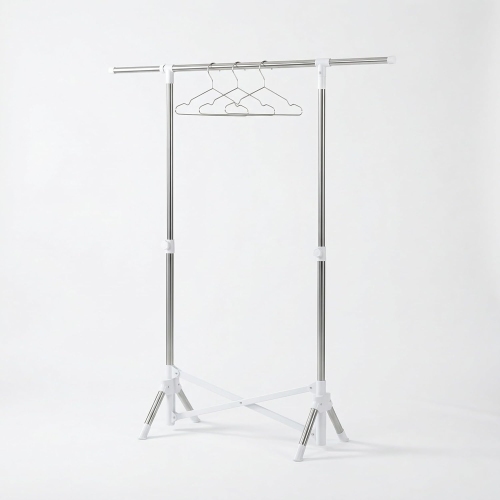
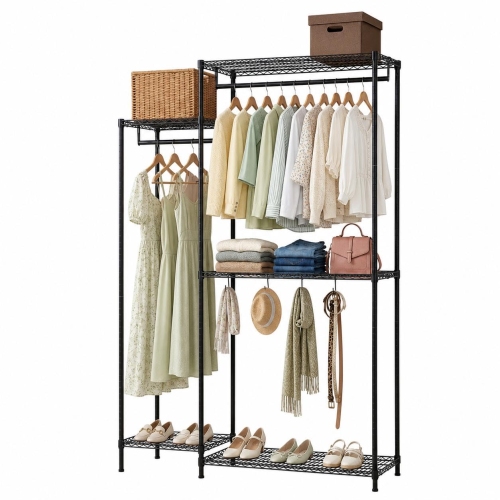
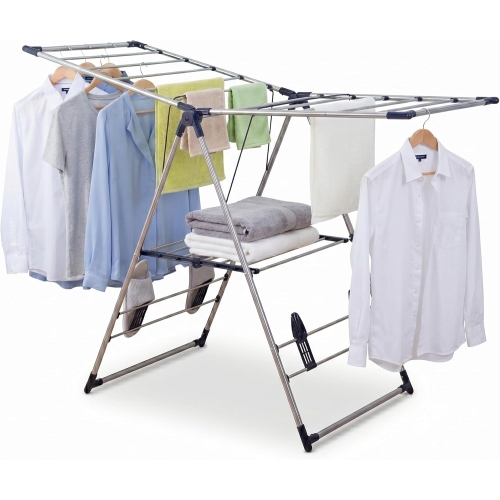
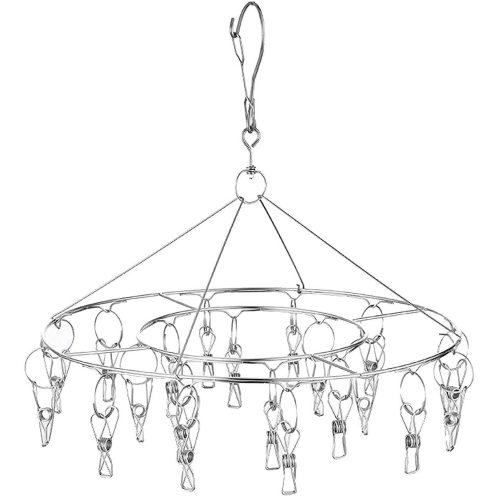
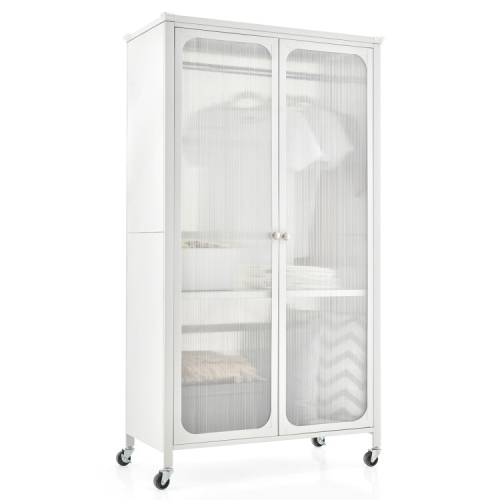
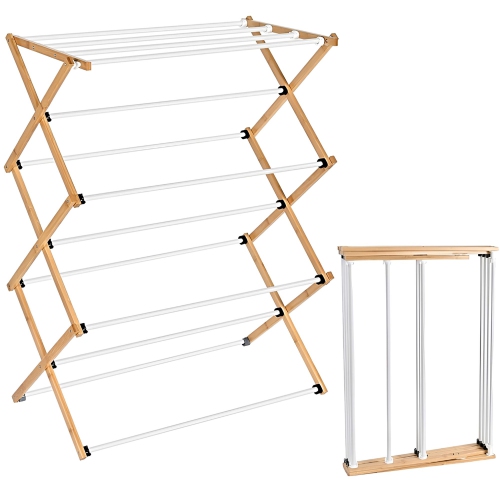
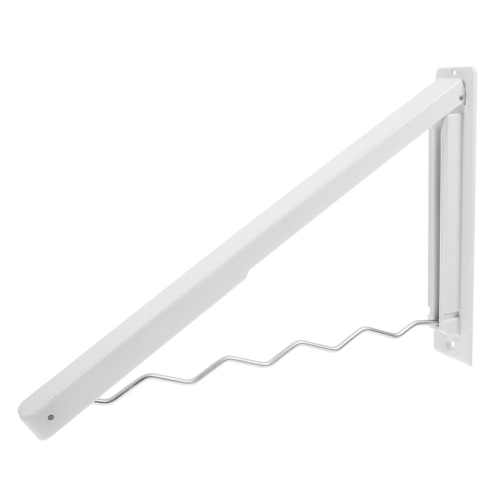
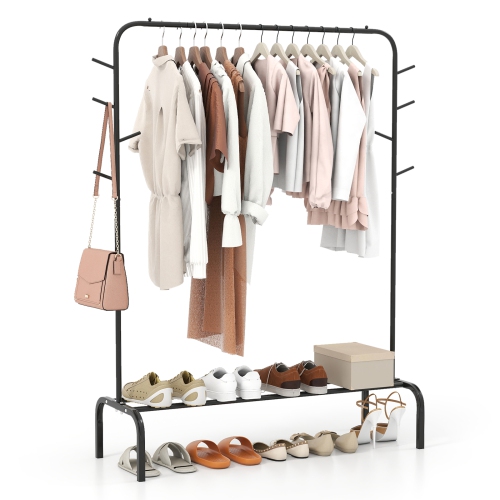
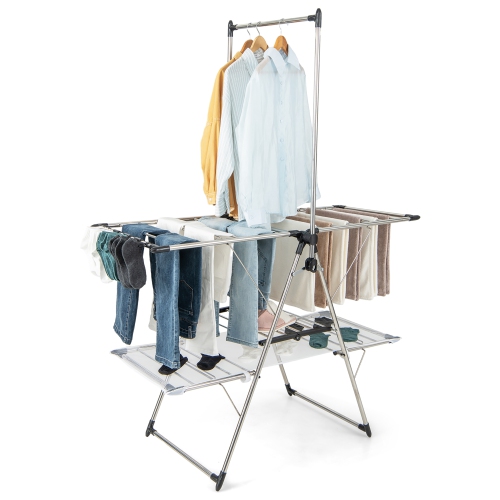
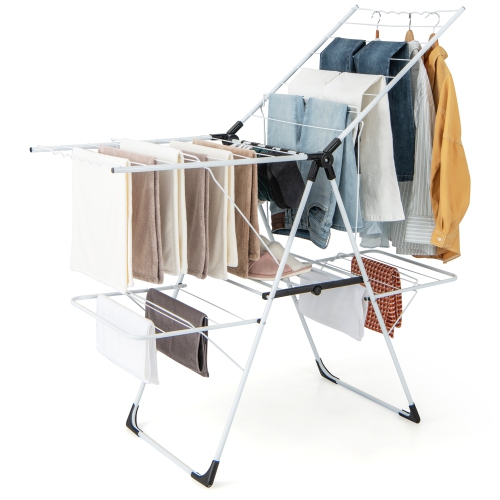
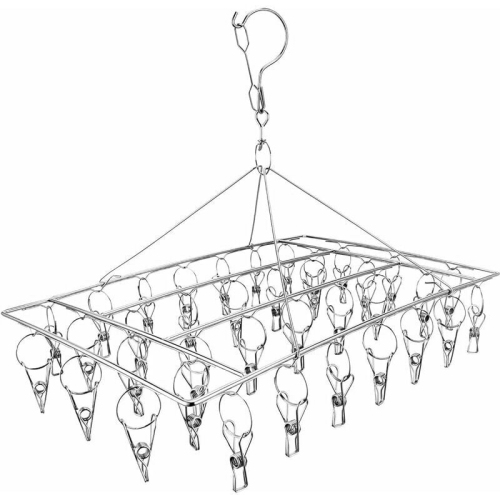
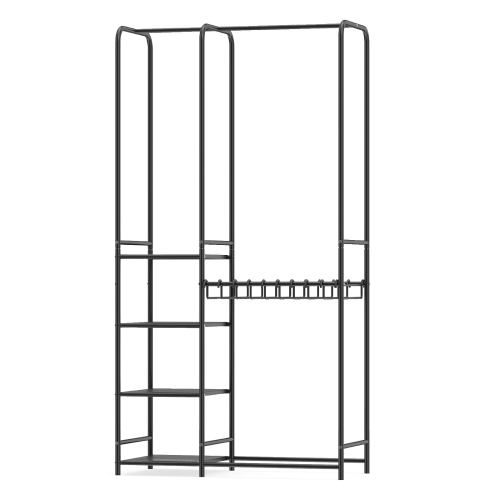
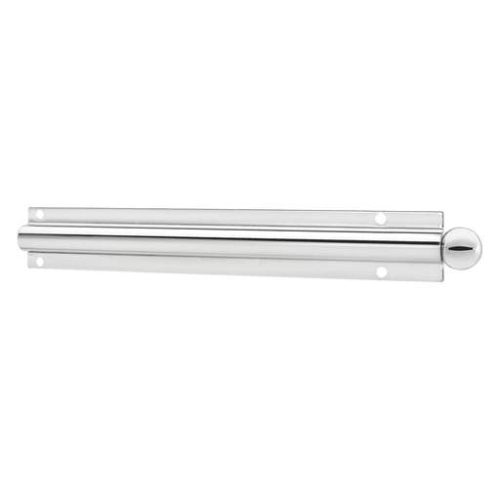
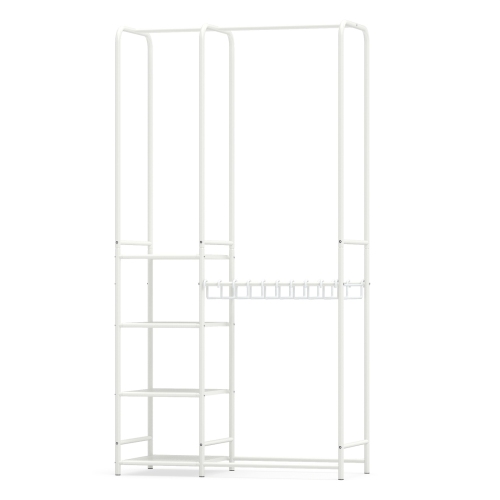
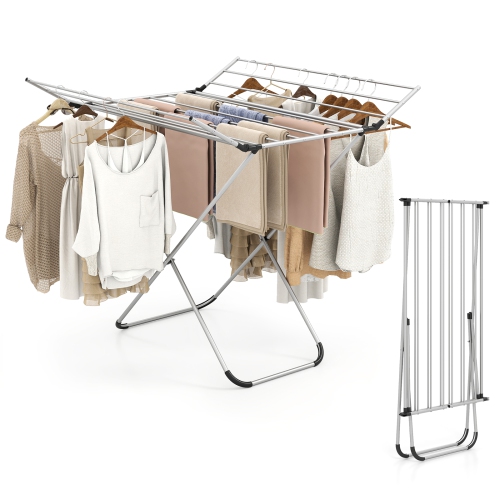
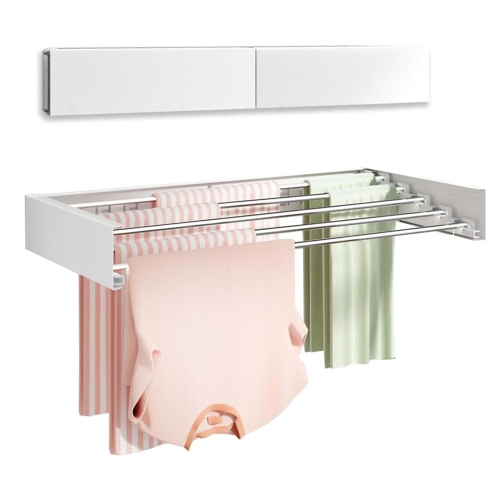
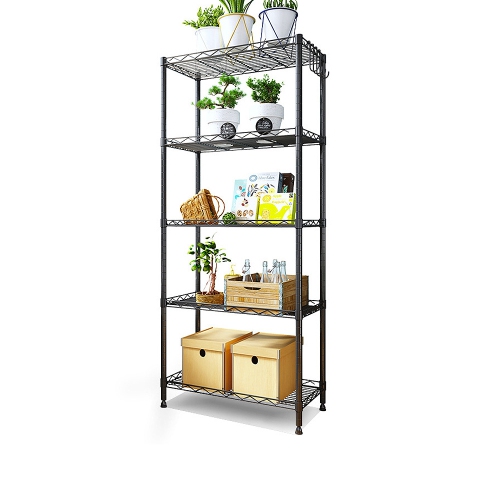
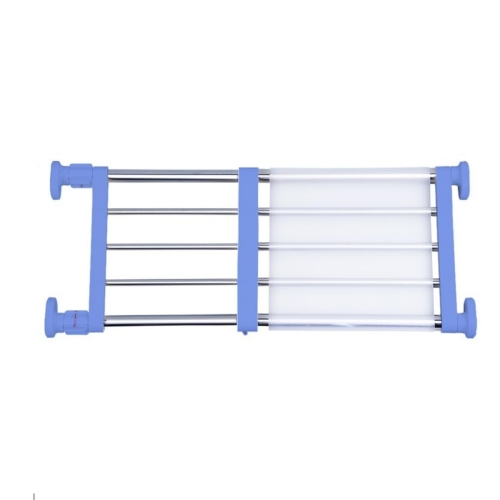
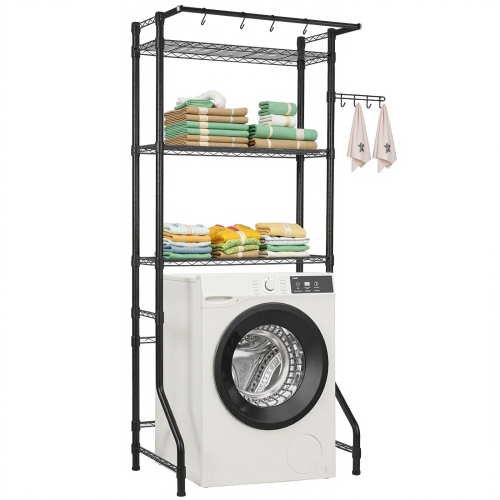

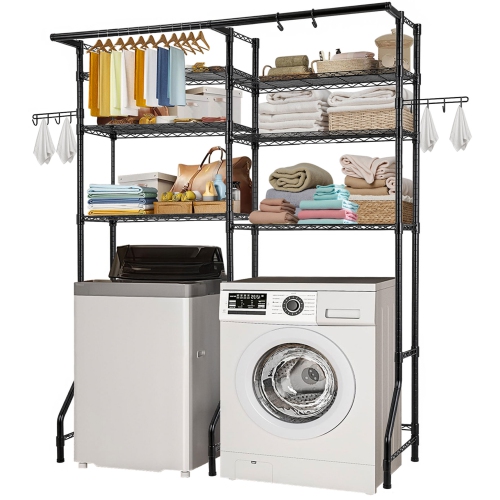
Hanging space that adapts to your wardrobe
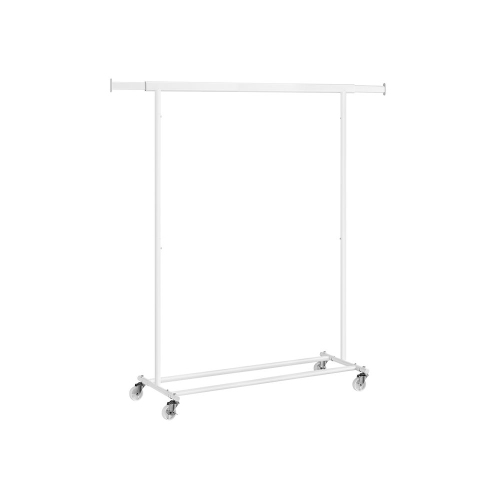
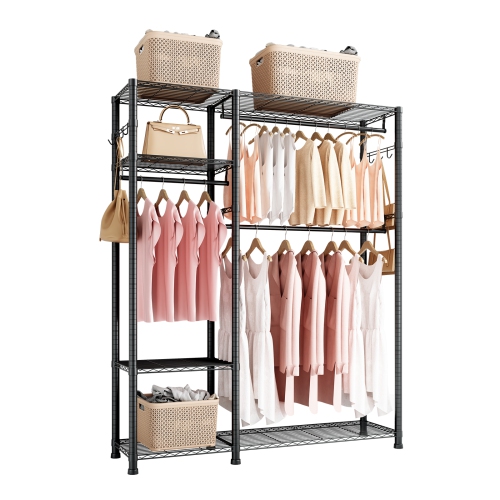
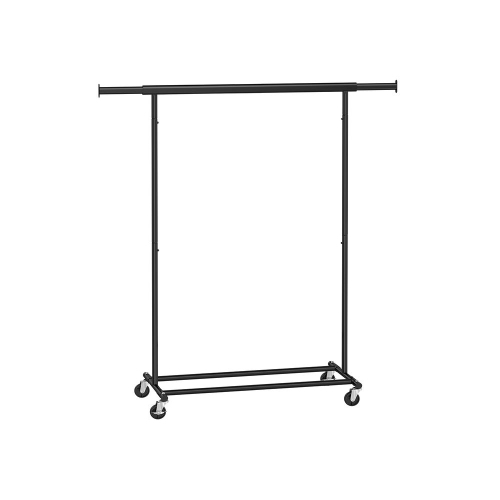
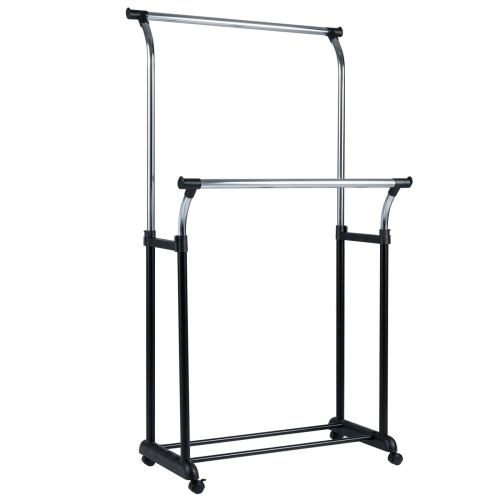
Adjustable clothes racks provide freestanding hanging space with a rail that can be raised, lowered, widened, or repositioned, depending on the design. Height adjustment creates room for longer garments, while width adjustment increases usable hanging space when more clothing needs to fit. That flexibility makes these racks useful in bedrooms with limited closet space, laundry rooms, dressing areas, and shared homes where storage needs vary from person to person. A rail set higher can accommodate dresses and long coats without their hems brushing the floor; a lower setting can keep shirts and jackets within comfortable reach. For someone putting together work outfits, a rack can hold coordinated pieces where they are easy to see, rather than tucked behind a crowded closet door. Students and renters may appreciate freestanding storage that does not require permanent closet fittings, while a guest room can gain a practical place for visitors to hang clothing. The fit involves more than the rail’s advertised width. The base, feet, and wheels occupy floor space, and hangers add depth once garments are in place. Clearance beside a bed, behind a door, or along a narrow laundry-room wall matters just as much as the amount of clothing the rack can hold. An expandable rail may extend beyond its base, so its full working width is worth considering alongside its compact dimensions. Vertical clearance also includes room above the rail to lift hangers on and off comfortably. Single-rail designs leave an open drop for longer clothing, whereas double-rod layouts can separate shirts from trousers or divide hanging space between two people. Some double-rod arrangements have independently adjustable rails; others move together or offer fewer height combinations. The adjustment range and rail arrangement determine whether a rack suits a collection of short garments, a mix of lengths, or a small space that needs to serve several purposes.
Materials, construction, and stated weight capacity help distinguish a light everyday clothing rack from a frame intended for heavier use. Steel tubing is common because it provides a rigid structure, while carbon-steel frames are often used in heavier-duty designs. Stainless steel and coated metal finishes offer different appearances and care needs, and neither should be treated as completely maintenance-free. A painted or powder-coated surface can help protect the metal beneath it, but chips, scratches, and moisture left around joints can affect its condition over time. Tube thickness, joint design, cross-bracing, and the way the upright supports connect to the base all contribute to how solid a rack feels when loaded. A high load rating is useful only when it applies to the intended configuration: capacity may be stated for the complete rack, for each hanging rail, or separately for a lower shelf. An extended rail may also have different loading limits from the same rail in its shortest position. Clothing weight adds up quickly when several coats, denim pieces, or suits share a bar, so the number of hangers alone is not a reliable measure of suitability. Evenly distributed garments place a different demand on the frame from a cluster of heavy clothing at one end. Secure adjustment collars, locking pins, and properly tightened connections help keep the chosen height or width in place. Lower wire or mesh shelves can provide space for shoes, storage baskets, or folded clothing, provided their own load limits are respected. Open shelving also keeps frequently used belongings visible, although narrow heels and small objects may need a suitable tray or container rather than resting directly on widely spaced wires. Routine care is generally straightforward: dusting, wiping with a soft cloth, and drying the frame after cleaning help preserve its finish. Cleaning products need to suit the material and coating, and adjustment points benefit from occasional checks for looseness. Freshly washed clothing belongs on a rack only when the design is suitable for that use, with wet garments kept within the stated capacity and away from surfaces vulnerable to moisture.
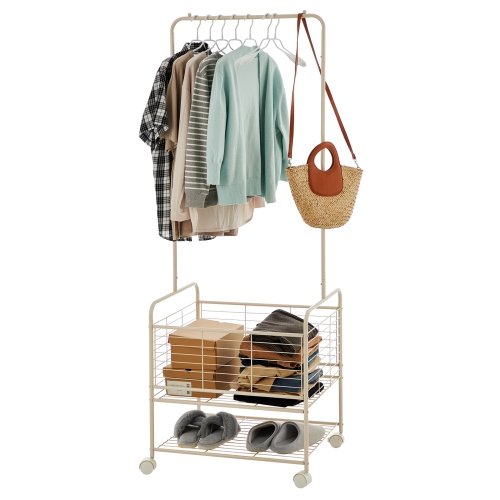
Mobility and everyday handling can make as much difference as storage capacity. Rolling adjustable clothes racks allow clothing to move between a bedroom, dressing space, and laundry area without transferring every hanger by hand. Swivel casters make changes in direction easier, while locking wheels help hold the rack in place during loading and unloading. Wheel size and floor type affect how smoothly a loaded rack travels: a small caster may move easily across a hard, level surface but catch at a rug edge or doorway threshold. A brake does not compensate for an uneven floor or an overloaded frame, and moving a rack is safest within the handling conditions specified for its design. For a rack that will rarely leave one corner, stable feet and a compact base may matter more than wheels. For occasional use, a folding frame or a design that comes apart for storage can free up floor space between uses, although adjustable and collapsible do not necessarily mean the same thing. Assembly styles vary too, from push-fit sections and hand-tightened fittings to frames secured with bolts; accessible connections make later checks and adjustments simpler. In a busy household, two rails can separate ready-to-wear outfits from clothing waiting to be put away, while an open lower shelf keeps shoes or a laundry basket nearby. In a craft room or fitting area, adjustable height can support garments at different stages of preparation without allowing long fabric to gather underneath. These racks can also make a practical housewarming gift when the recipient’s space, storage needs, and preferred setup are known. Within the broader category of Hanging Clothes Racks, adjustable designs are particularly useful when one fixed rail height or width would be limiting. A well-matched rack gives garments room to hang naturally while keeping clothing visible and accessible without crowding the space around it.
Top selling and popular products
-
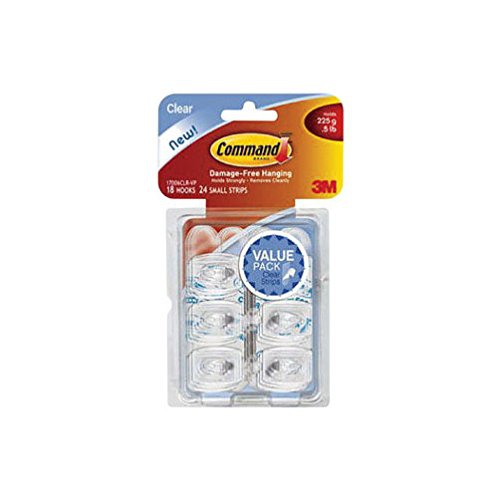 Your price for this item is $95.99
-
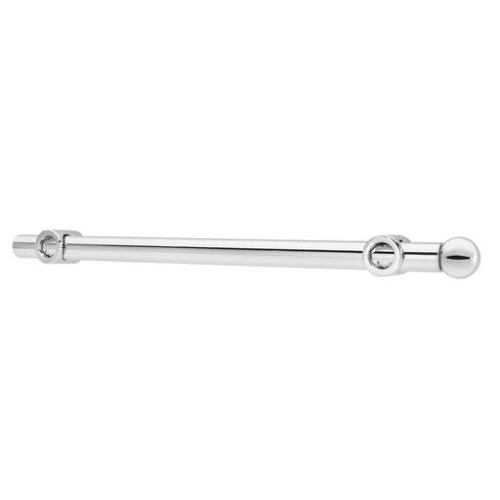 Your price for this item is $84.99
-
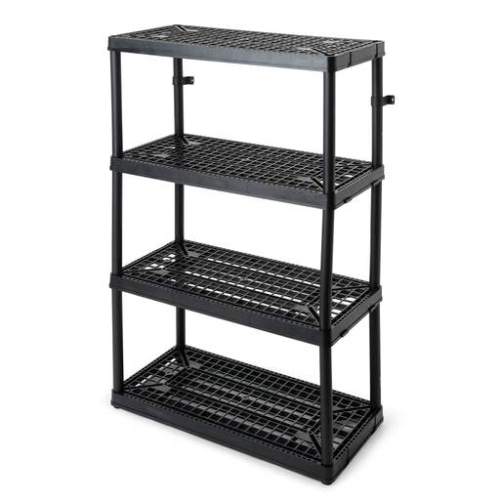 Your price for this item is $164.99
-
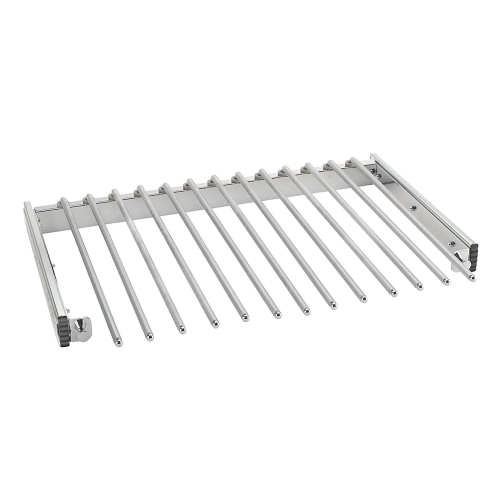 Your price for this item is $271.99
-
 Your price for this item is $144.99
-
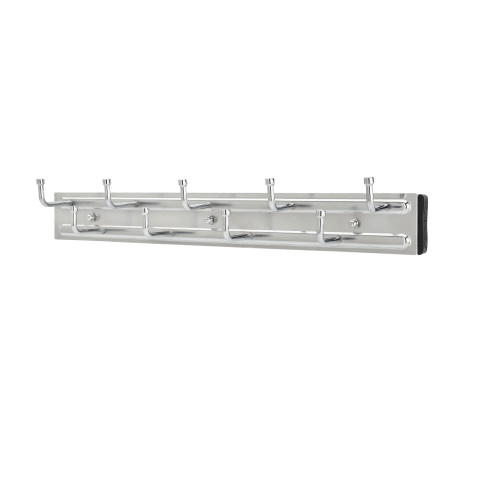 Your price for this item is $82.99
-
 Your price for this item is $88.99
-
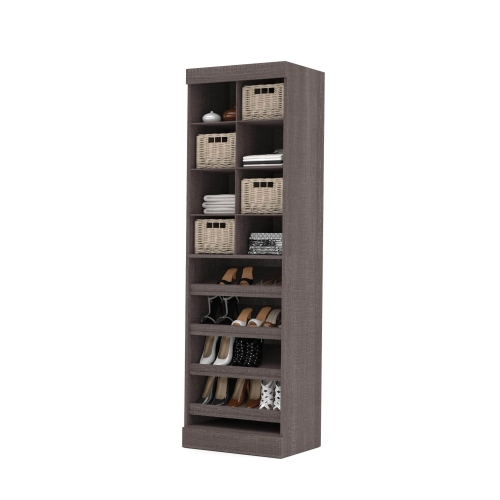 Your price for this item is $689.99
Discover more categories related to Adjustable Clothes Racks
Top Collections:
Best Black Friday Deals This Year, Best Black Friday Deals On Electronics, Kindle Devices, Dyson Airwrap, Best Cameras for Sports Photography, Best Budget Office Chairs, Canon G7X Cameras, PS5 Pro Consoles, Best Black Friday Deals On Apple Products, XBOX One S Consoles
Some products may be subject to Environmental Handling Fees
(EHF) depending on your province.
Learn more about EHFs.