Garment Racks
Garment racks are an essential item for almost any wardrobe. These racks are designed to store clothing in an organized and efficient way, allowing for easy access to items when needed. These garment racks can maximize storage space and keep your wardrobe neat and tidy. Here are some great options available.
Sort
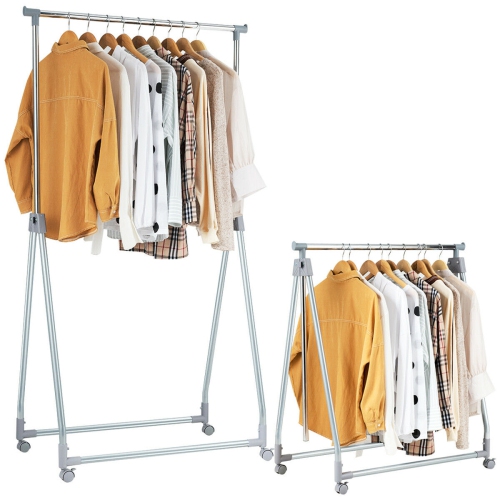
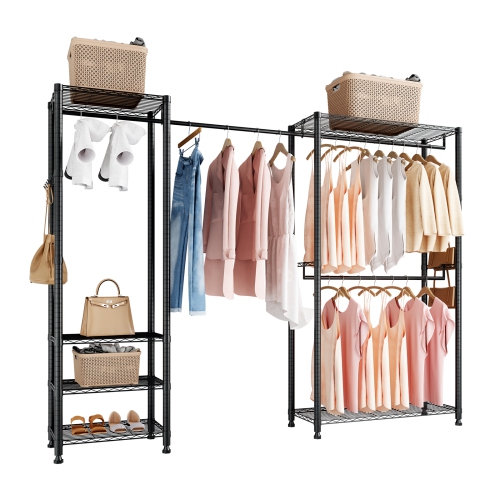
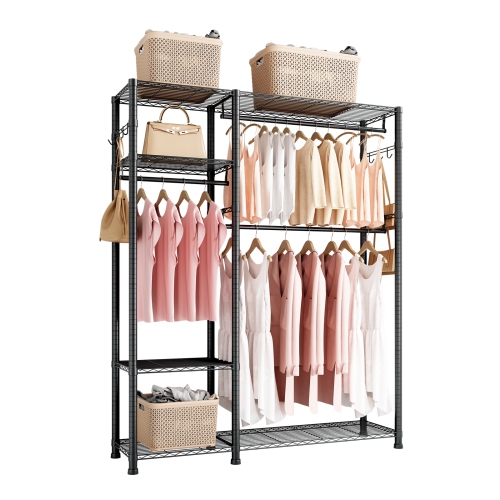
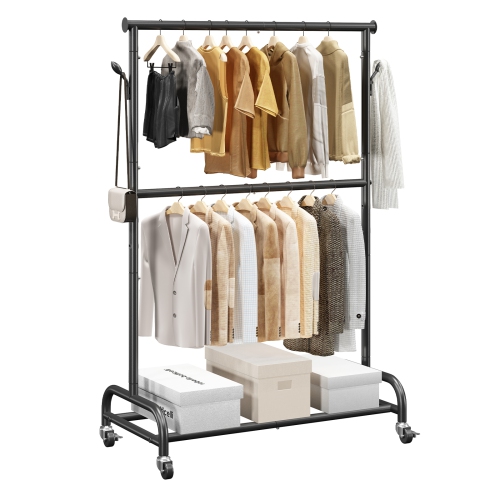

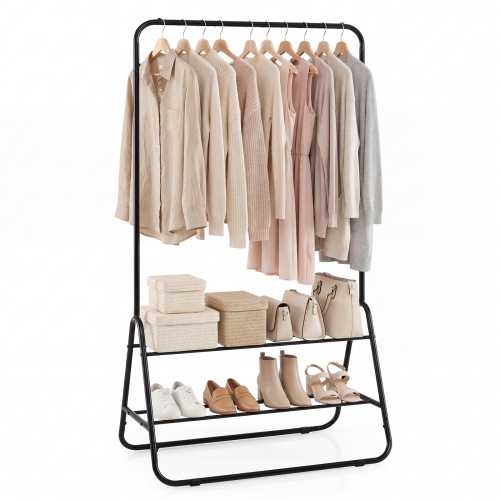
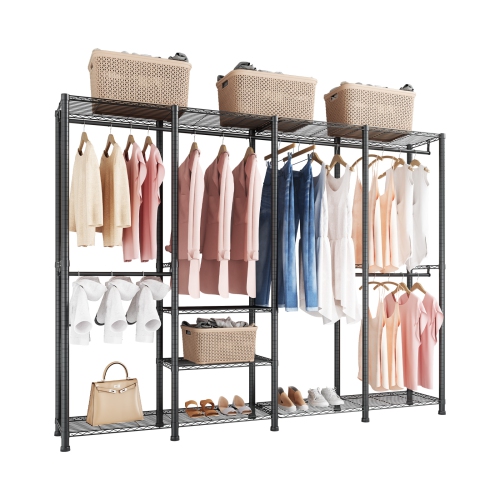
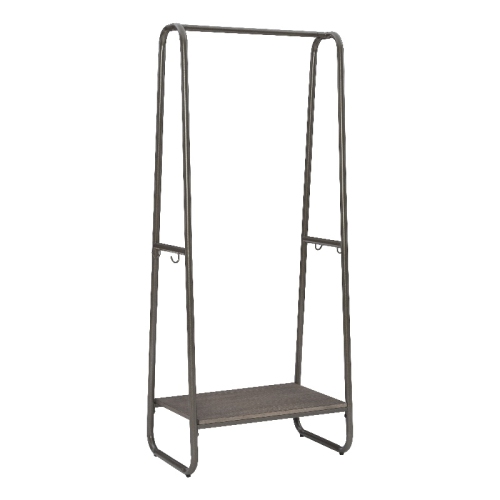
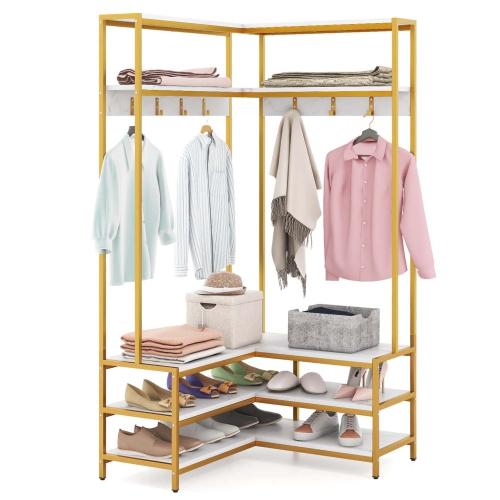
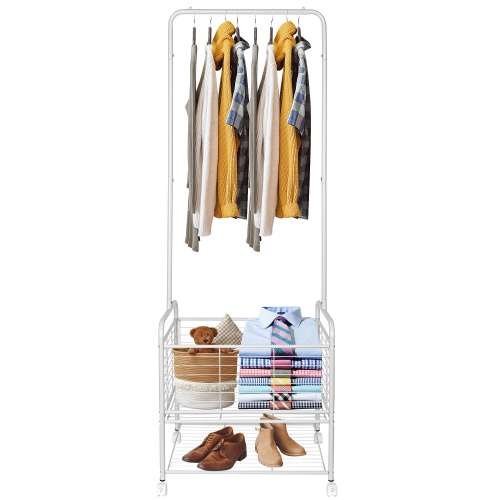
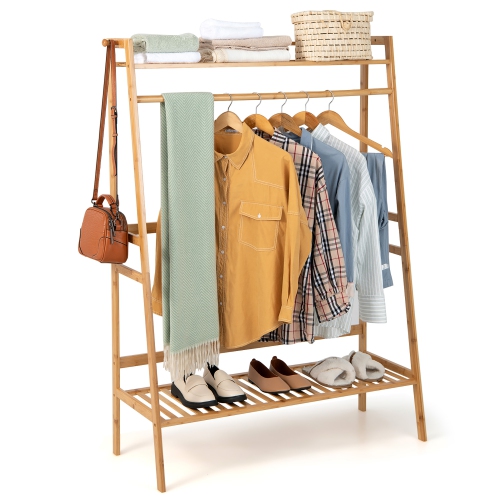
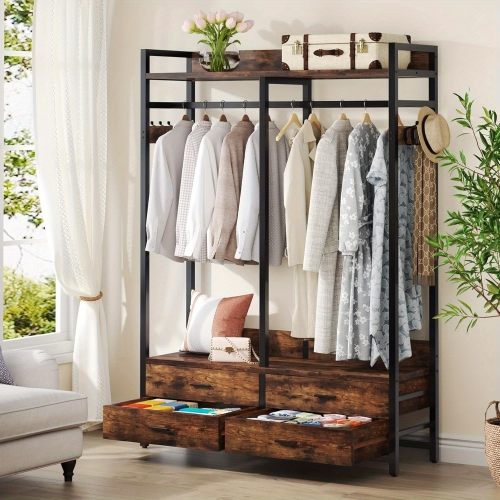
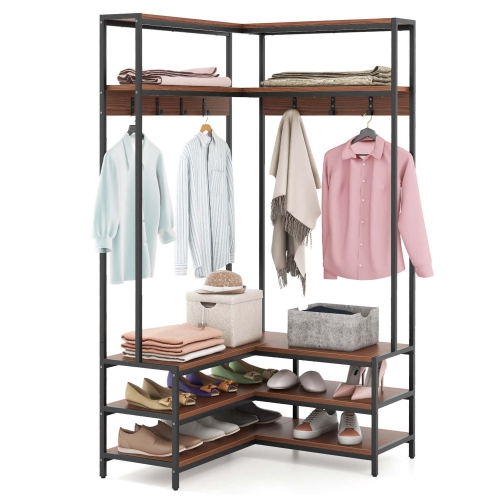
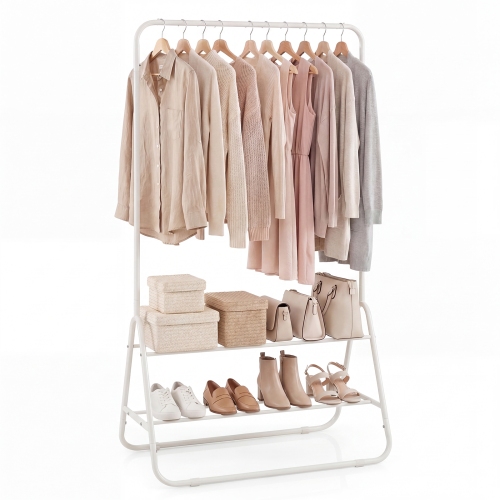
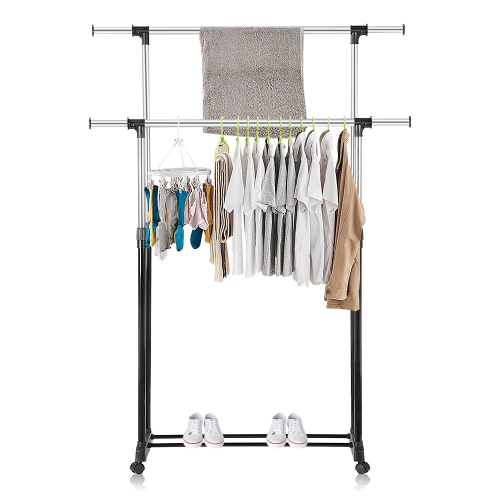
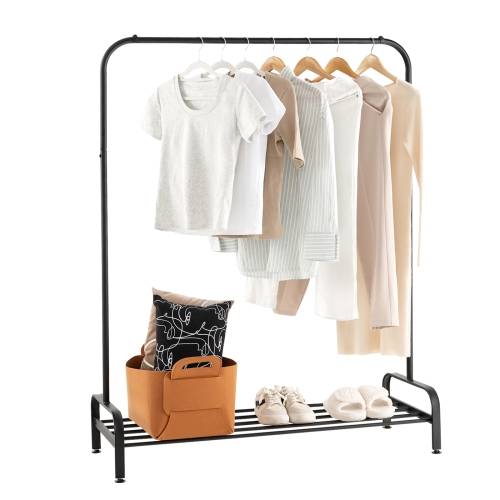
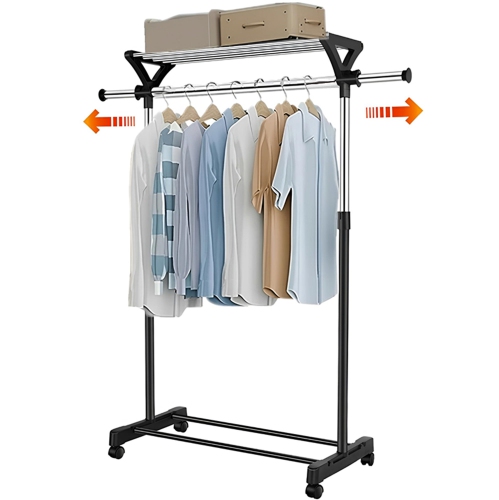
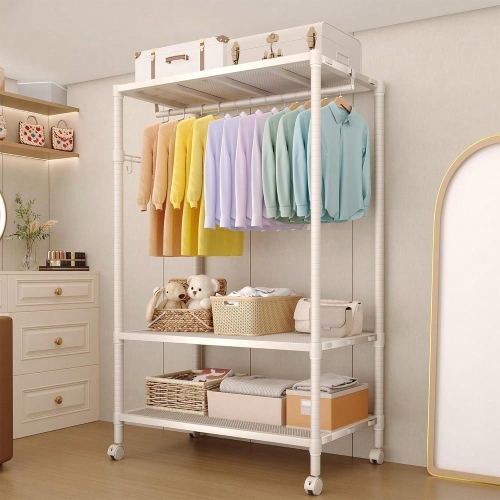
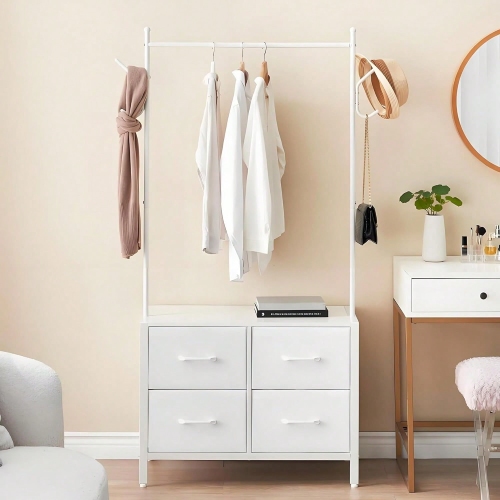
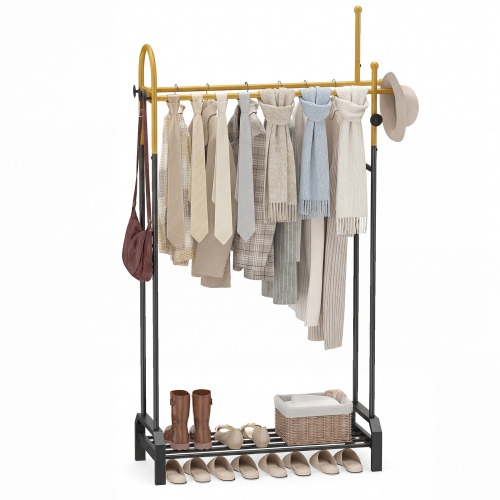
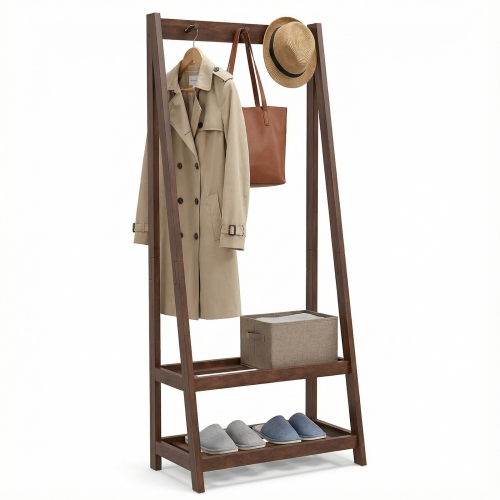

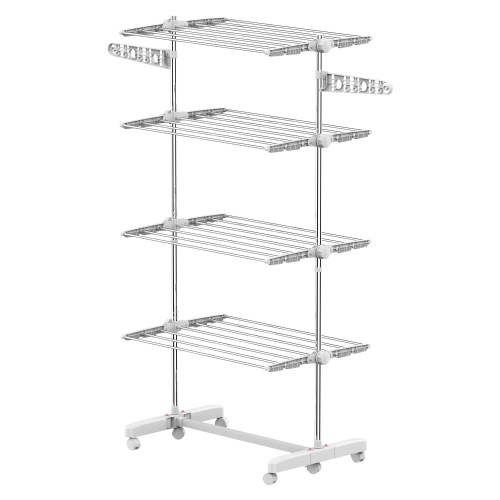
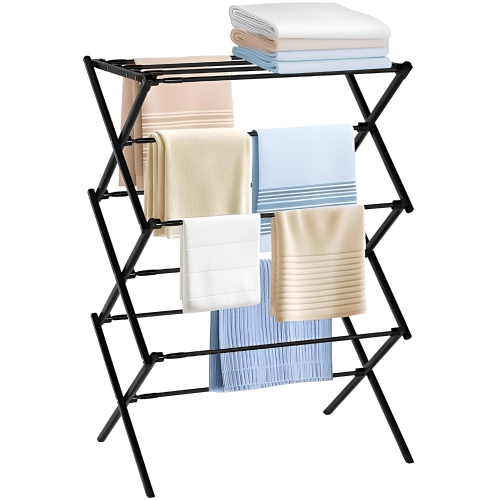
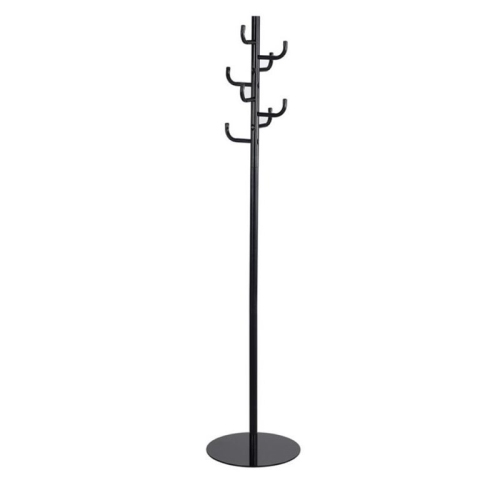

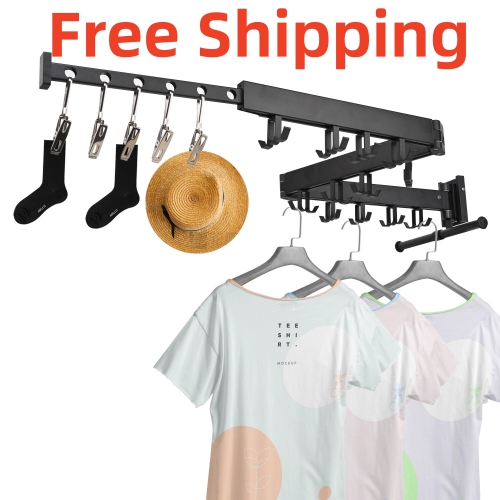
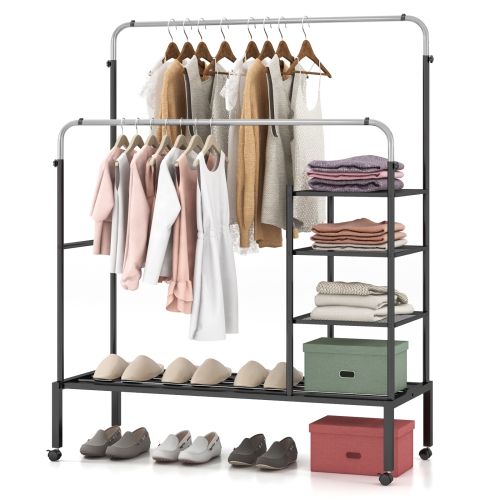
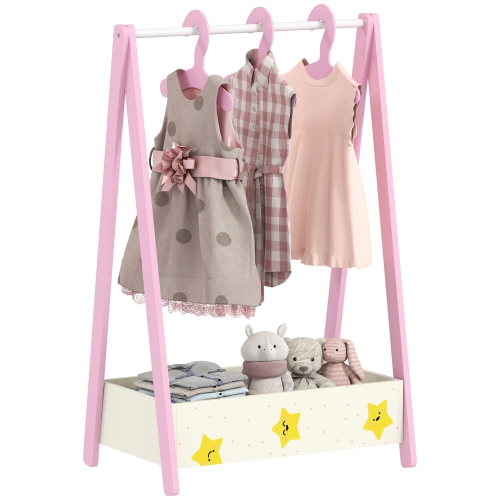
Practical hanging storage for changing wardrobes and busy spaces
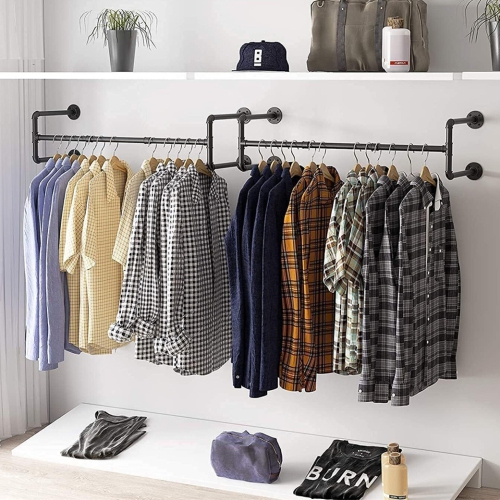
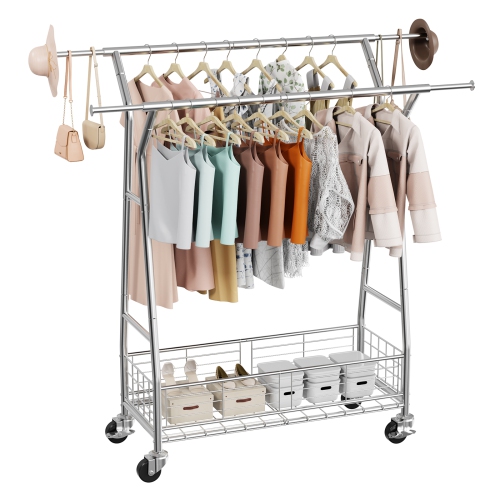
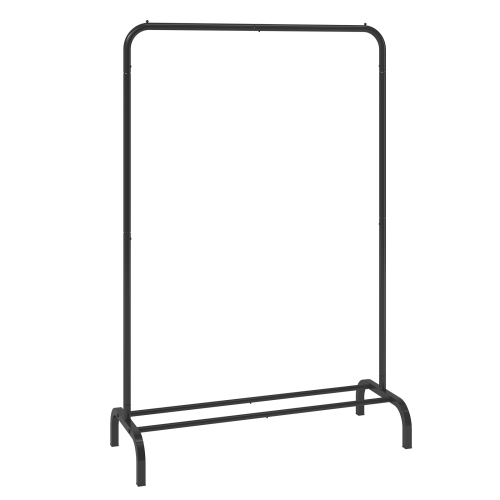
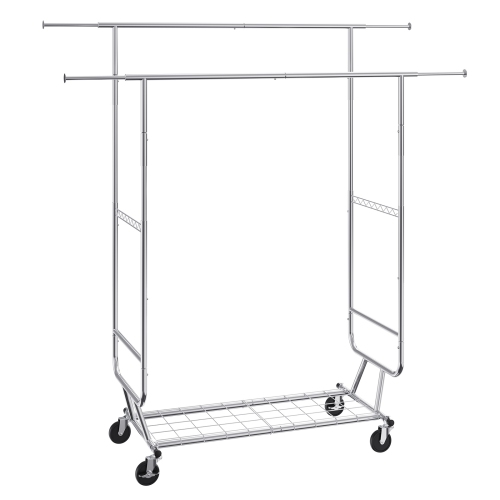
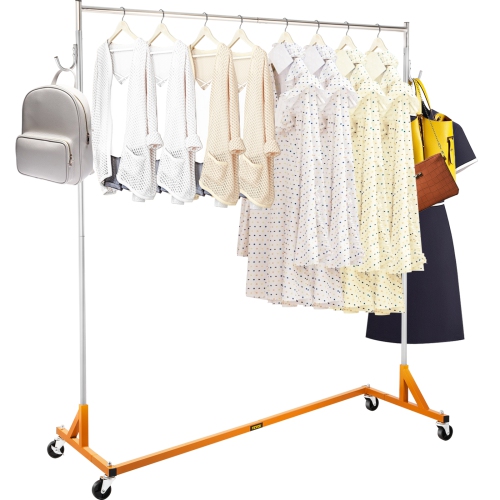
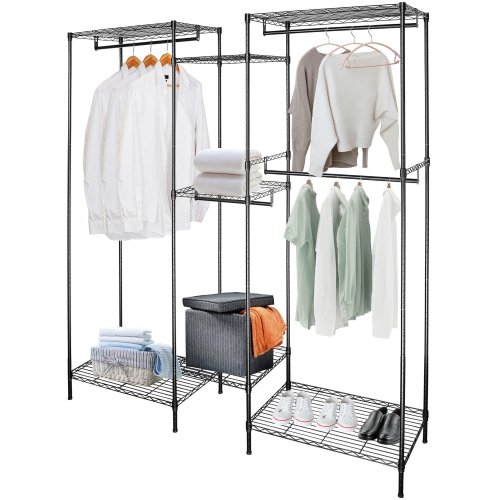
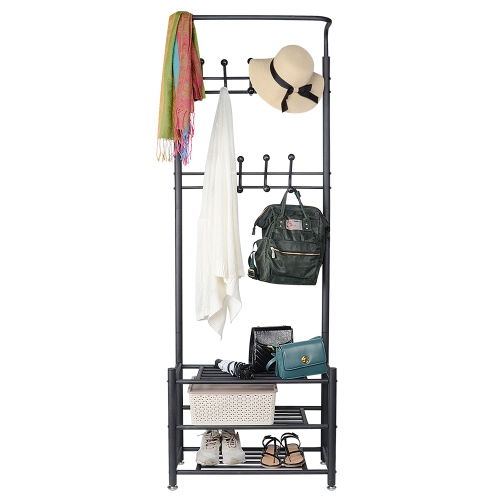
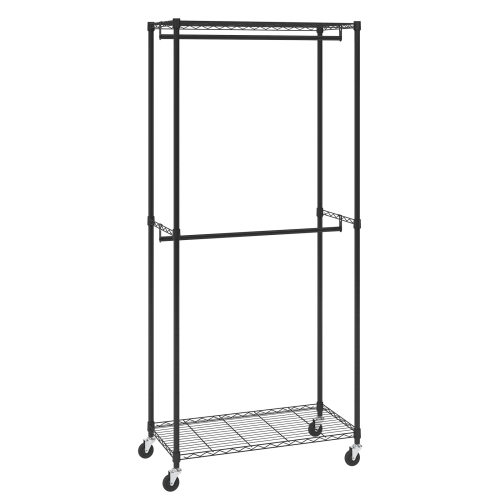
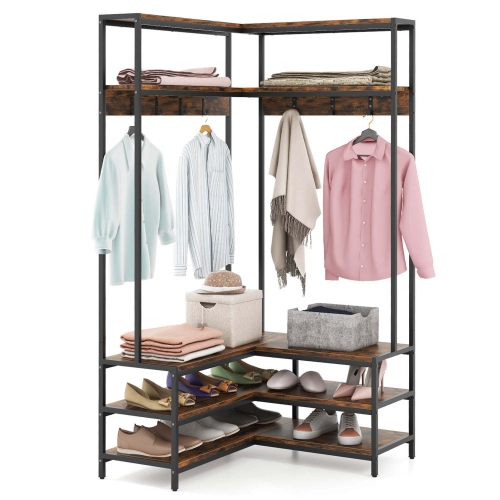
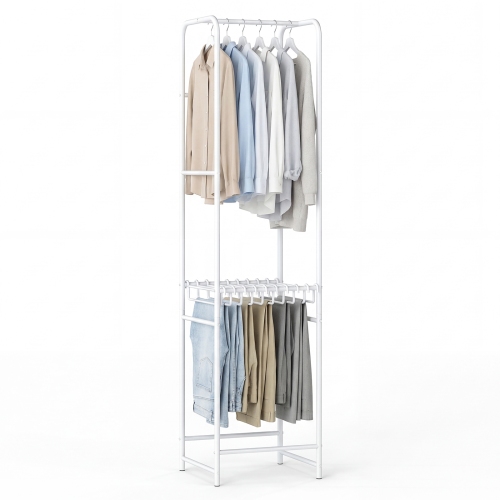
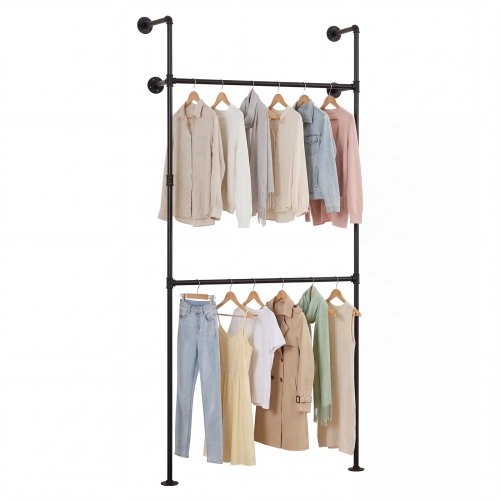
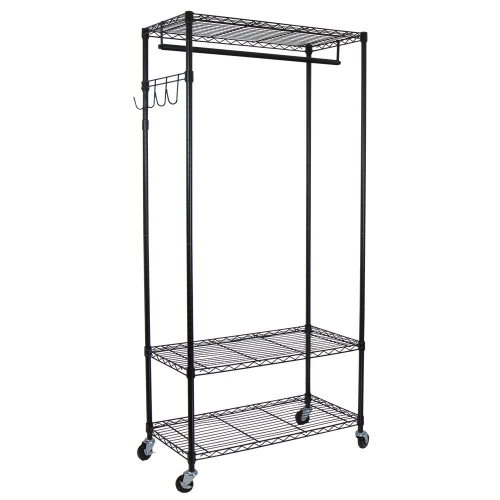
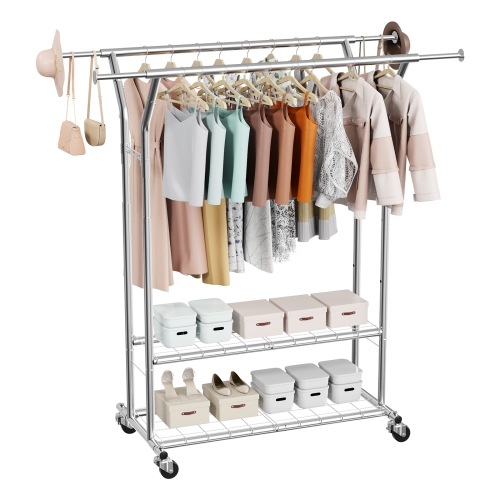
Garment racks, also known as clothes racks or clothing racks, provide practical, visible storage for garments that need more room than a closet can offer. A freestanding rack can add hanging space in a bedroom, create a convenient place for frequently worn outfits, or help keep seasonal clothing organized as temperatures shift. In a laundry room, it can hold freshly washed garments while they finish drying, reduce clutter on chairs and door frames, and make it easier to sort clean clothing before putting it away. In an entryway, a rack can keep coats, jackets, hats, scarves, and bags close at hand during the cooler months, especially when a traditional closet feels crowded. Some people use garment racks as a temporary wardrobe while moving, renovating, or furnishing a new home, while others keep one ready for guests, special occasions, or clothing that needs extra care. They can also be useful in dressing areas, shared bedrooms, student residences, apartments, and workspaces where flexibility matters. When choosing a garment rack, consider the amount and type of clothing it will hold, the available floor space, and how often it may need to be moved. A single hanging rod suits shirts, blouses, jackets, and lighter garments, while double-rod designs can make better use of vertical space by separating shorter items or creating room for more clothing. Adjustable-height models offer added flexibility for long coats, dresses, suits, or changing storage needs. If you plan to move the rack between rooms, look for smooth-rolling wheels and a stable frame that remains balanced as it travels. Locking casters can help keep the rack securely in place once it reaches its destination. For compact homes or occasional use, a collapsible design may be convenient to fold away when extra hanging space is no longer needed.
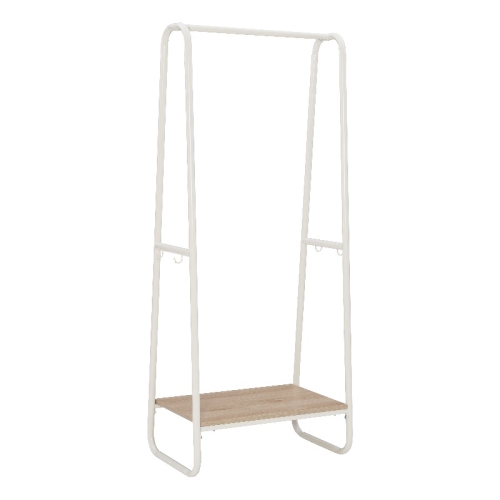
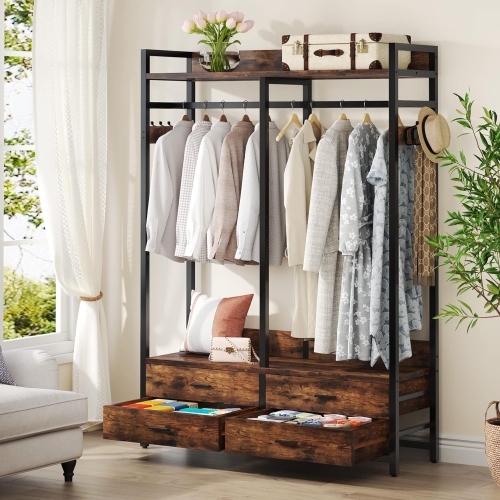
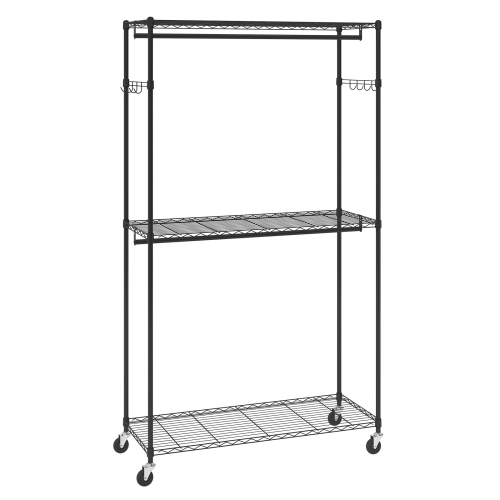
The construction and layout of a garment rack affect both its appearance and everyday performance. Metal frames are often chosen for their clean look and sturdy feel, while wood or mixed-material designs can bring a warmer furniture-like presence to a bedroom or entryway. Pay attention to the frame, connecting joints, rod thickness, and base design, particularly if the rack will hold heavier coats, layered outfits, or a full wardrobe. A broad, well-balanced base can help reduce tipping, while adjustable feet may be useful on uneven flooring. Shelves add room for folded sweaters, jeans, shoes, storage bins, or handbags, making the rack more versatile than a simple hanging rail. Hooks can provide a dedicated place for scarves, belts, hats, umbrellas, and other accessories that are easily misplaced when left in a pile. Some designs combine multiple hanging levels with shelving, allowing shorter garments to hang above footwear or folded clothing. Before purchasing, measure the intended area from wall to wall and leave enough clearance to walk around the rack, open nearby doors, and remove garments comfortably. Also measure longer items in your wardrobe so the hem of a dress, coat, or formal outfit does not rest on the floor. Consider the rack’s depth if it will sit in a narrow hallway or beside a bed, and check whether its finish and shape complement the surrounding furniture. For retail displays, pop-up shops, home staging, costume rooms, and creative workspaces, presentation can be as important as capacity. A neat row of garments is easier to browse than an overfilled closet, and an open rack makes it simple to arrange clothing by colour, size, category, or outfit. Those looking for a display-focused solution can explore Clothing Display Racks for options suited to showcasing apparel in an organized and accessible way.
Garment racks can support a range of routines, from preparing outfits for the week to managing a seasonal wardrobe during the cooler months. A family may use separate sections for outerwear and everyday clothing, while a student may rely on a compact rack to supplement limited closet space. Someone working from home might keep work shirts and jackets together in one easy-to-reach location, avoiding a hurried search before a video meeting or appointment. For laundry care, hanging garments promptly can help prevent wrinkles and keep delicate pieces separated from heavier items. For travel preparation, a rack can hold outfits, accessories, and luggage-friendly layers in one visible spot before packing. These products can also make thoughtful gifts for someone moving into a first apartment, setting up a dorm room, building a home office, or organizing a wardrobe after a renovation. A wheeled rack may suit a person who regularly rearranges rooms or hosts clothing sales, while a shelf-equipped model can help someone who needs both hanging and folded storage. When giving or selecting one, consider the recipient’s space, wardrobe habits, and preferred style rather than focusing only on maximum capacity. In day-to-day use, avoid placing more weight on the rack than its stated limit, distribute garments evenly across the rod, and keep heavier pieces closer to the supports for better balance. Leave room between hangers so clothing stays visible and easy to remove, and use shelves for neatly stacked items instead of creating tall, unstable piles. With the right size, structure, and features, a garment rack can turn unused floor space into a practical wardrobe station, create order in a busy laundry area, or give a retail-style display a polished, approachable arrangement.
The construction and layout of a garment rack affect both its appearance and everyday performance. Metal frames are often chosen for their clean look and sturdy feel, while wood or mixed-material designs can bring a warmer furniture-like presence to a bedroom or entryway. Pay attention to the frame, connecting joints, rod thickness, and base design, particularly if the rack will hold heavier coats, layered outfits, or a full wardrobe. A broad, well-balanced base can help reduce tipping, while adjustable feet may be useful on uneven flooring. Shelves add room for folded sweaters, jeans, shoes, storage bins, or handbags, making the rack more versatile than a simple hanging rail. Hooks can provide a dedicated place for scarves, belts, hats, umbrellas, and other accessories that are easily misplaced when left in a pile. Some designs combine multiple hanging levels with shelving, allowing shorter garments to hang above footwear or folded clothing. Before purchasing, measure the intended area from wall to wall and leave enough clearance to walk around the rack, open nearby doors, and remove garments comfortably. Also measure longer items in your wardrobe so the hem of a dress, coat, or formal outfit does not rest on the floor. Consider the rack’s depth if it will sit in a narrow hallway or beside a bed, and check whether its finish and shape complement the surrounding furniture. For retail displays, pop-up shops, home staging, costume rooms, and creative workspaces, presentation can be as important as capacity. A neat row of garments is easier to browse than an overfilled closet, and an open rack makes it simple to arrange clothing by colour, size, category, or outfit. Those looking for a display-focused solution can explore Clothing Display Racks for options suited to showcasing apparel in an organized and accessible way.
Garment racks can support a range of routines, from preparing outfits for the week to managing a seasonal wardrobe during the cooler months. A family may use separate sections for outerwear and everyday clothing, while a student may rely on a compact rack to supplement limited closet space. Someone working from home might keep work shirts and jackets together in one easy-to-reach location, avoiding a hurried search before a video meeting or appointment. For laundry care, hanging garments promptly can help prevent wrinkles and keep delicate pieces separated from heavier items. For travel preparation, a rack can hold outfits, accessories, and luggage-friendly layers in one visible spot before packing. These products can also make thoughtful gifts for someone moving into a first apartment, setting up a dorm room, building a home office, or organizing a wardrobe after a renovation. A wheeled rack may suit a person who regularly rearranges rooms or hosts clothing sales, while a shelf-equipped model can help someone who needs both hanging and folded storage. When giving or selecting one, consider the recipient’s space, wardrobe habits, and preferred style rather than focusing only on maximum capacity. In day-to-day use, avoid placing more weight on the rack than its stated limit, distribute garments evenly across the rod, and keep heavier pieces closer to the supports for better balance. Leave room between hangers so clothing stays visible and easy to remove, and use shelves for neatly stacked items instead of creating tall, unstable piles. With the right size, structure, and features, a garment rack can turn unused floor space into a practical wardrobe station, create order in a busy laundry area, or give a retail-style display a polished, approachable arrangement.
Top selling and popular products
-
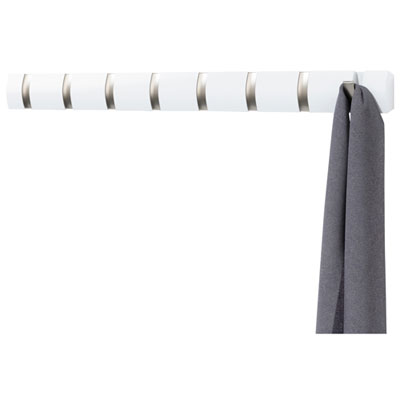 Your price for this item is $55.98
 -
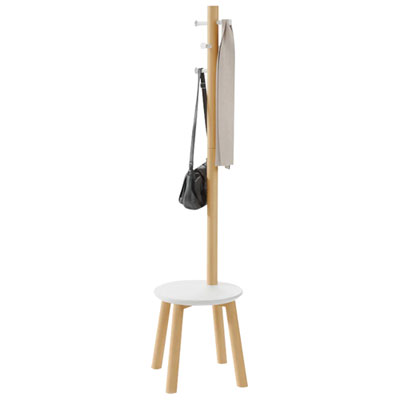 Your price for this item is $119.98
 -
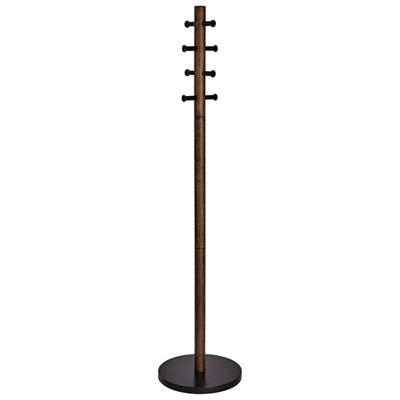 Your price for this item is $144.98
 -
 Your price for this item is $75.9
 -
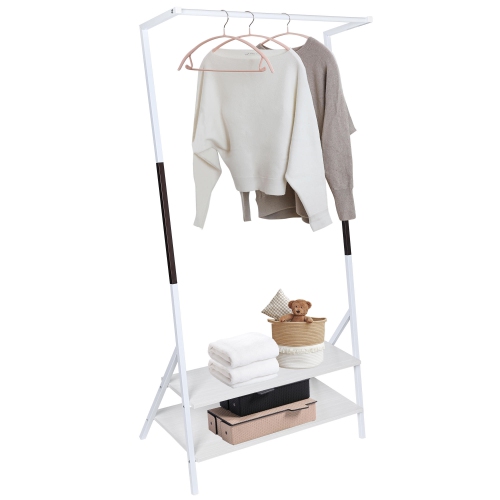 Your price for this item is $49.99
 -
 Your price for this item is $46.97
 -
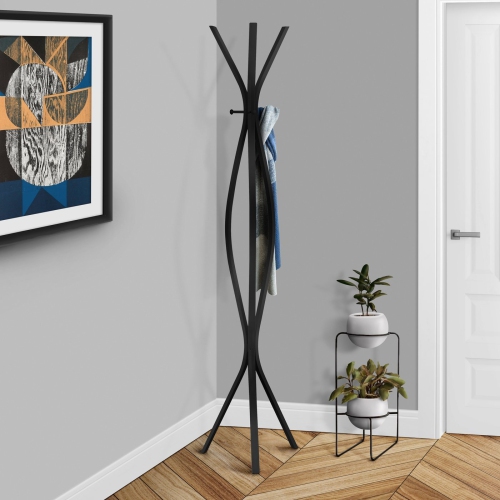 Your price for this item is $69.97
 -
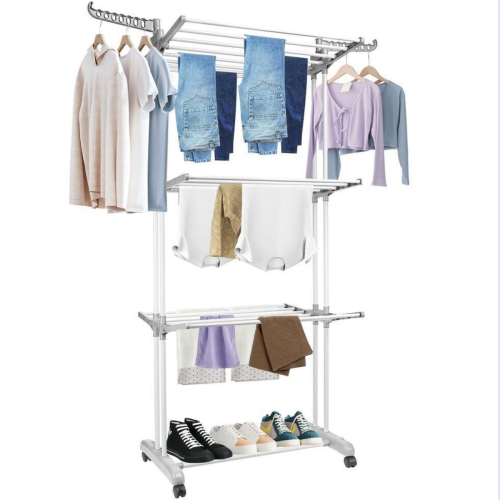 Your price for this item is $49.99
Discover more categories related to Garment Racks
Top Collections:
Pokemon Centers, Kindle Devices, Best Budget Office Chairs, Apple iPhones 16, Best Laptops for Writers, iPhone 15 Apple, Canon G7X Cameras, Refurbished Apple Laptops, Alarm Clock, Motorola Razr Phones
Some products may be subject to Environmental Handling Fees
(EHF) depending on your province.
Learn more about EHFs.