Clothing Storage for Small Spaces
Organizing your wardrobe in a small space can be a challenge, but with the right clothing storage solutions, you can maximize every inch of your closet or room. From versatile hanging organizers to compact drawer units and space-saving garment racks, there are plenty of options to help you keep your clothes tidy and easily accessible. Whether you're looking to streamline your daily routine or simply declutter your living space, these innovative storage solutions cater to your needs while adding a touch of organization and style to your home.
Sort




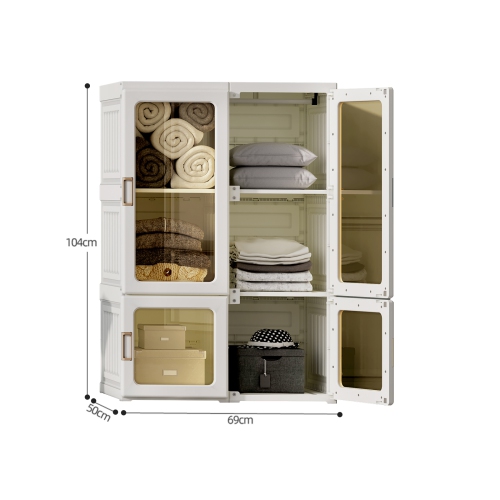
Practical ways to organise clothing in overlooked spaces
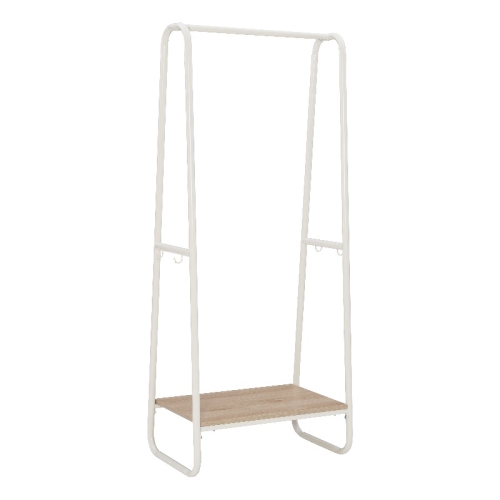
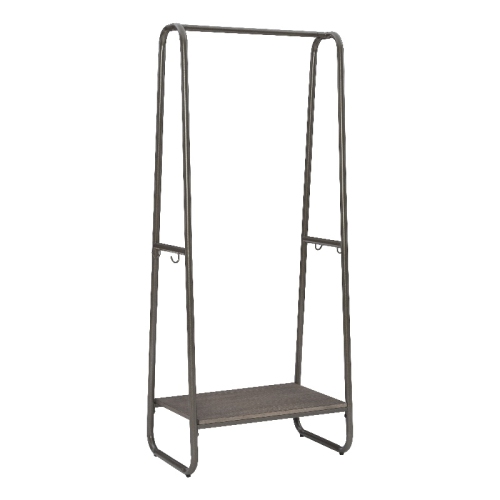
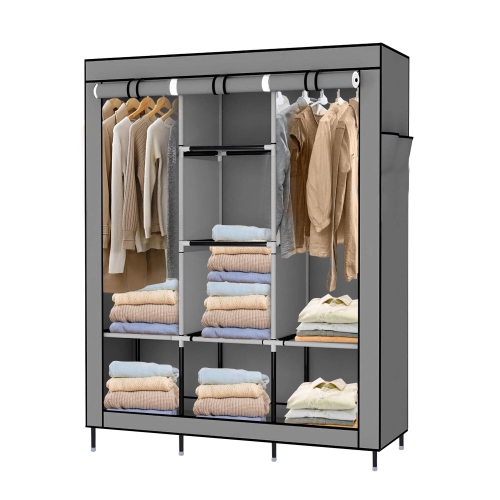
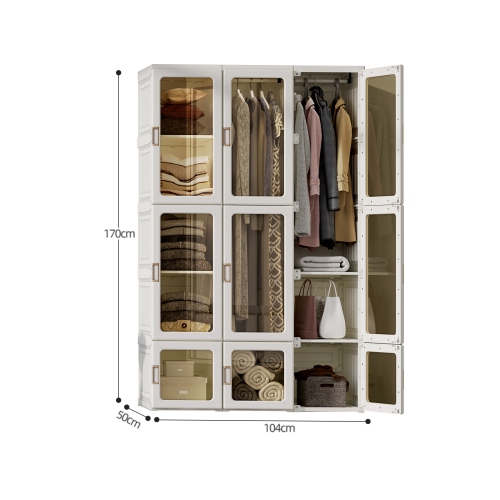
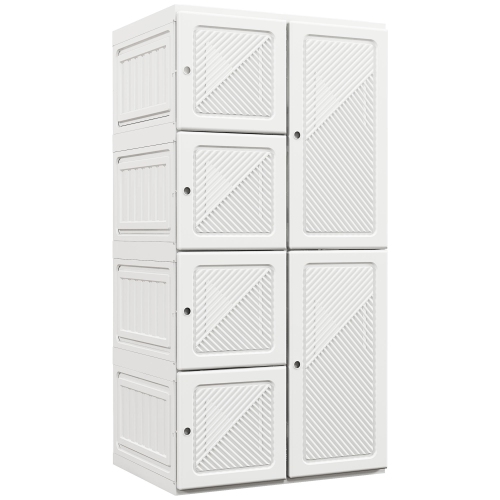
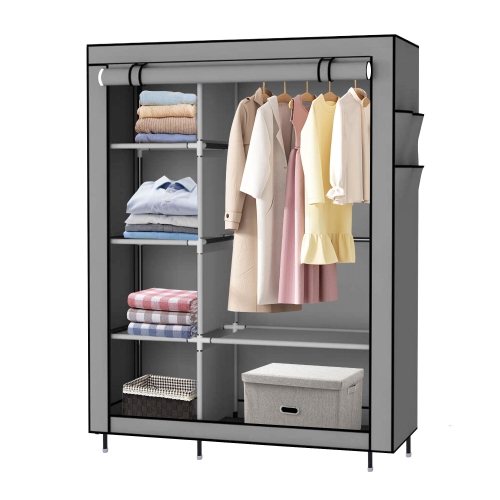
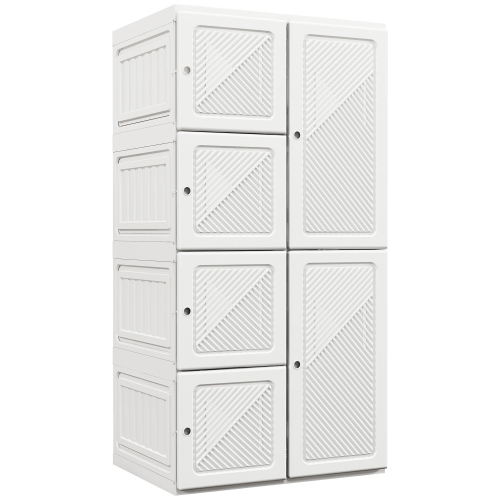
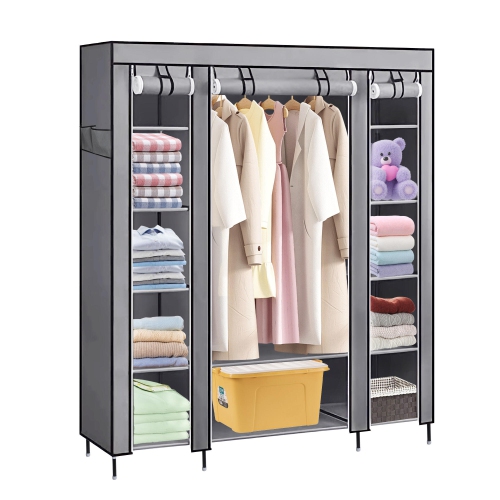
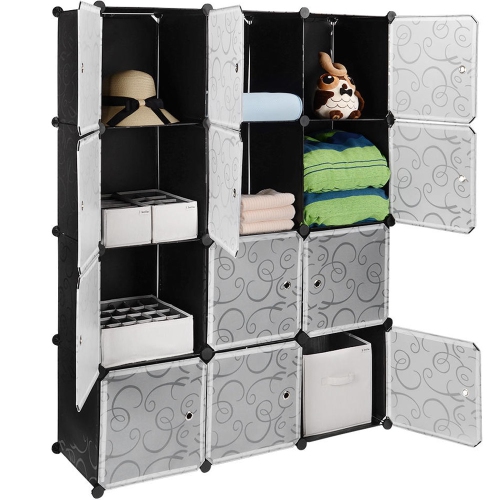
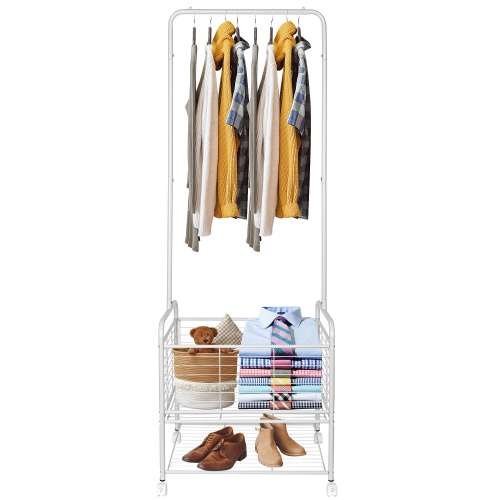
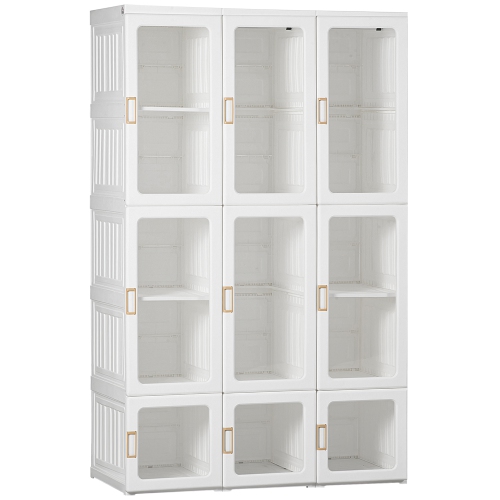
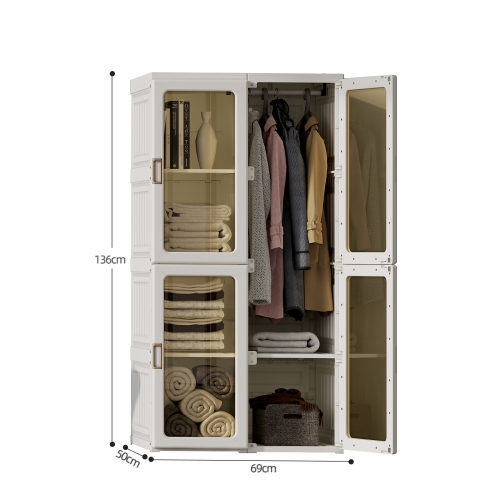
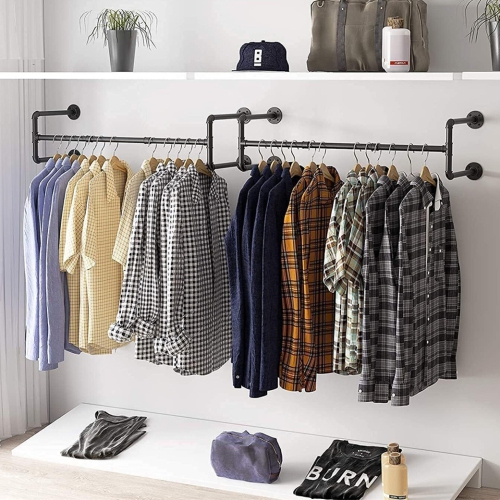
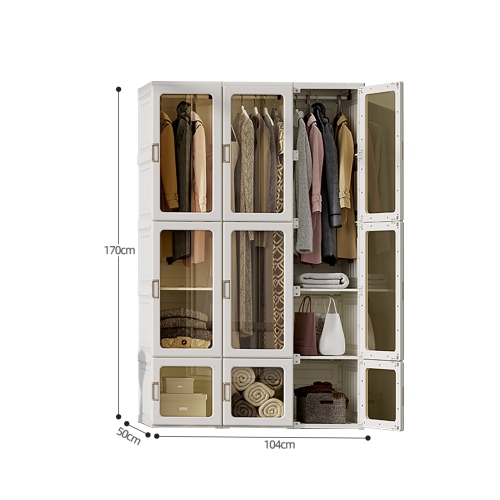
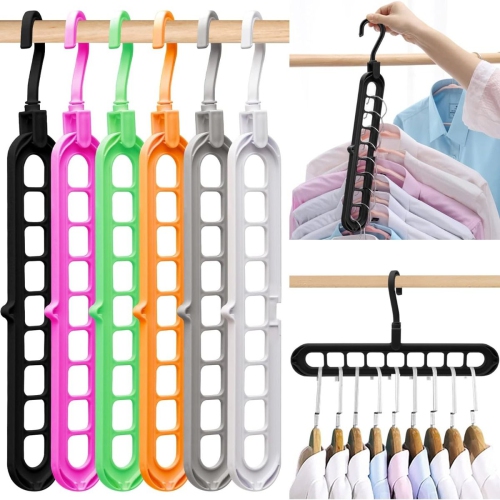
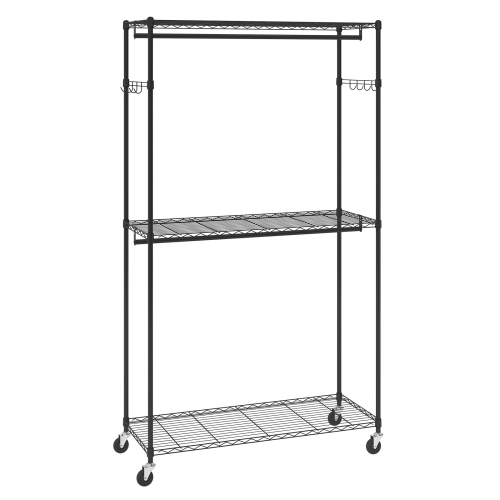
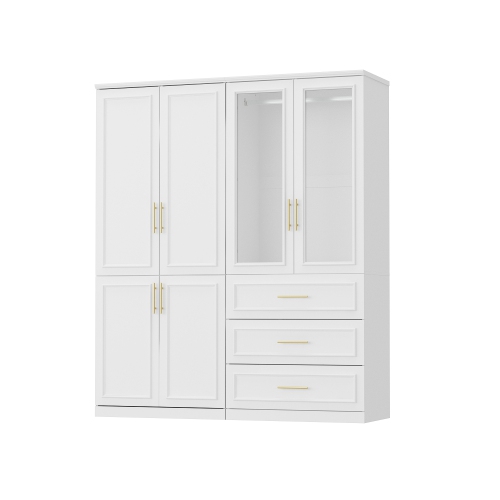
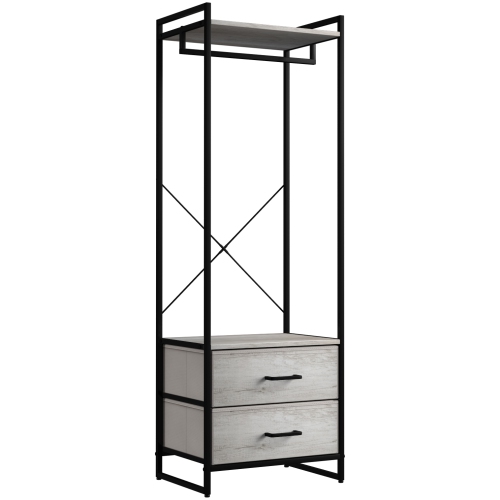
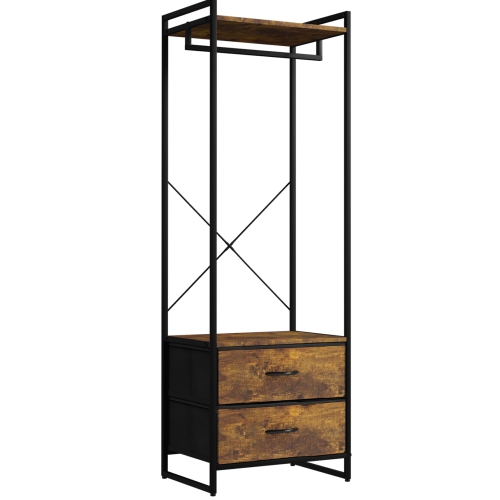
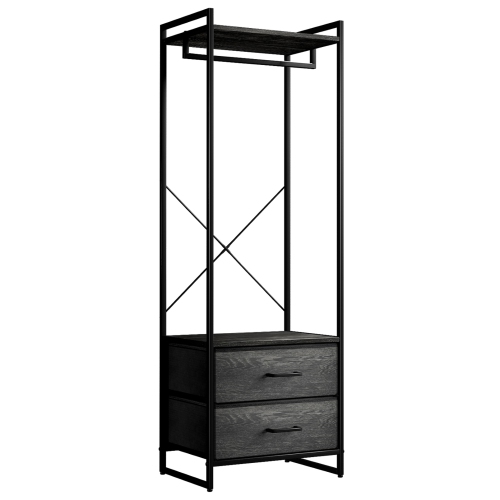
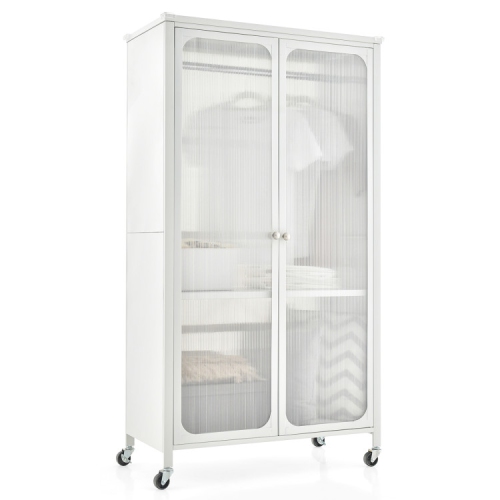
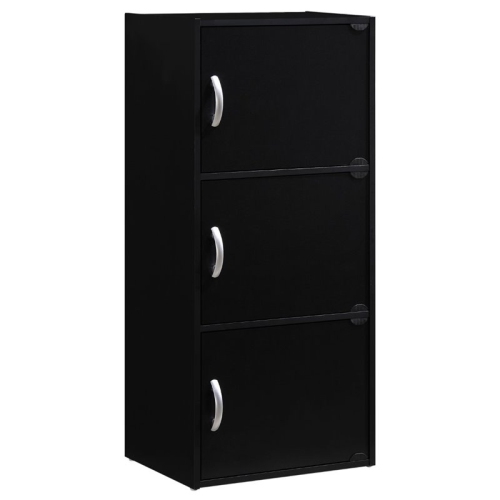
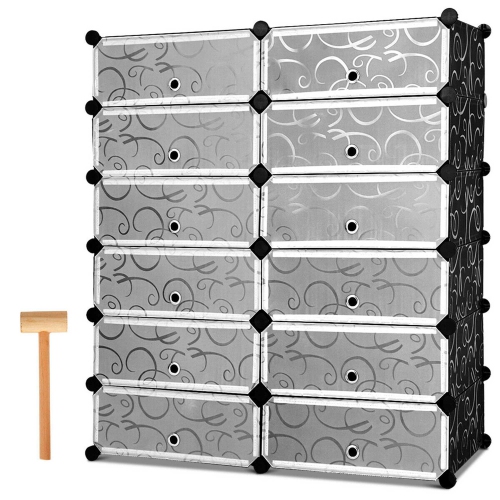
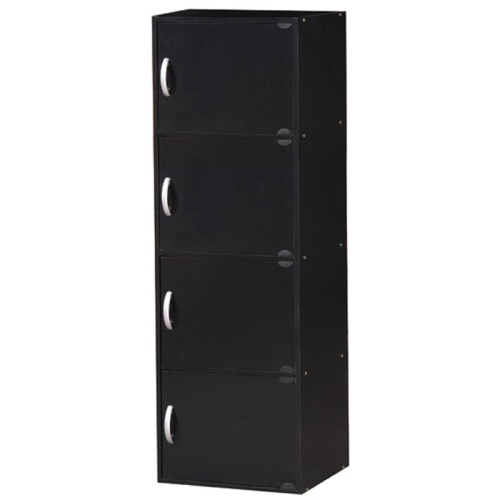
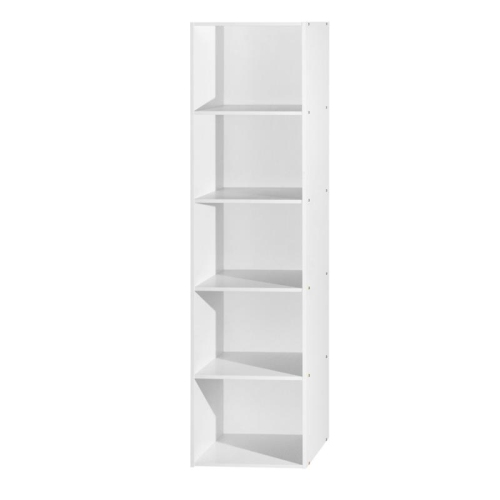
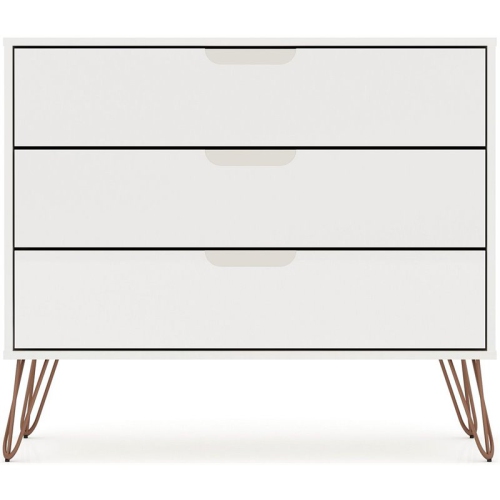
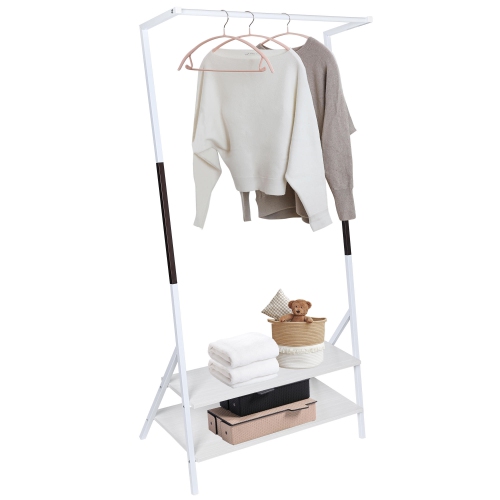
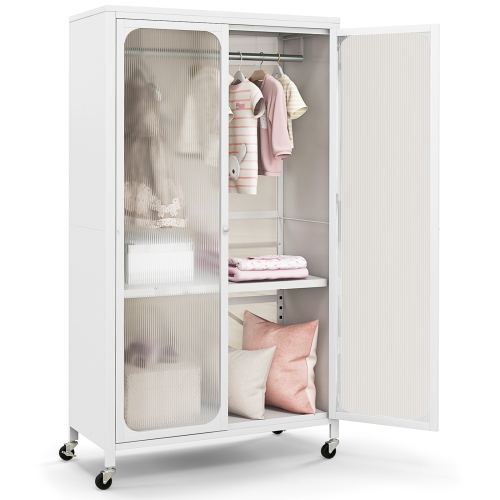
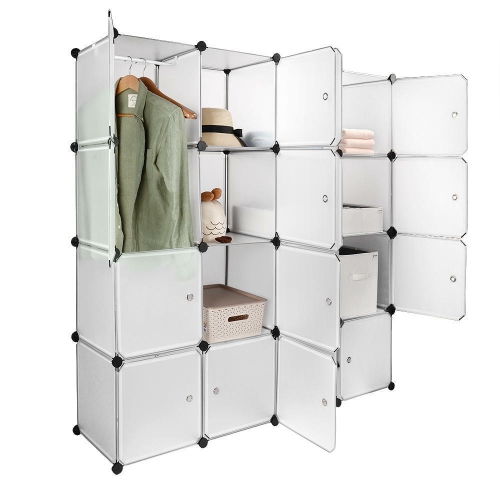
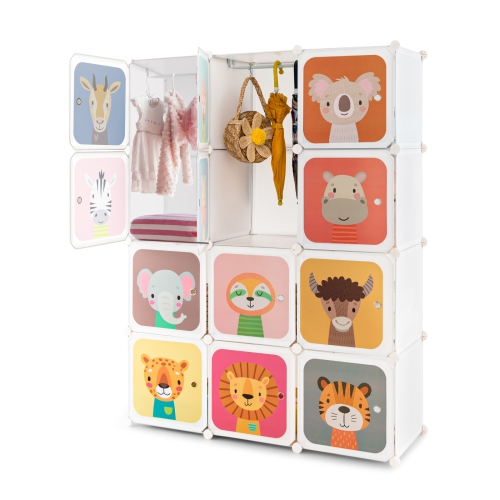
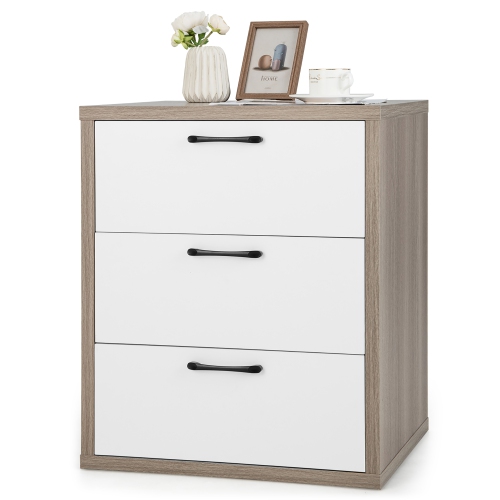
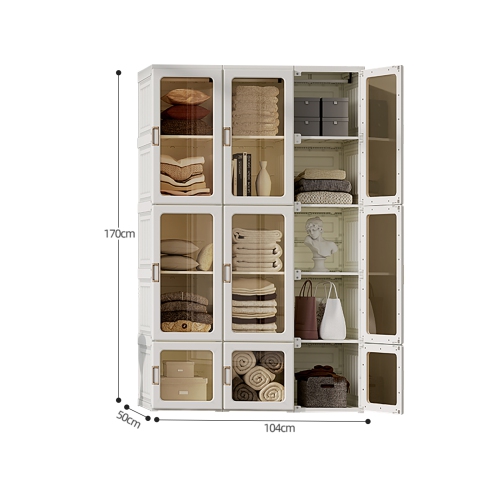
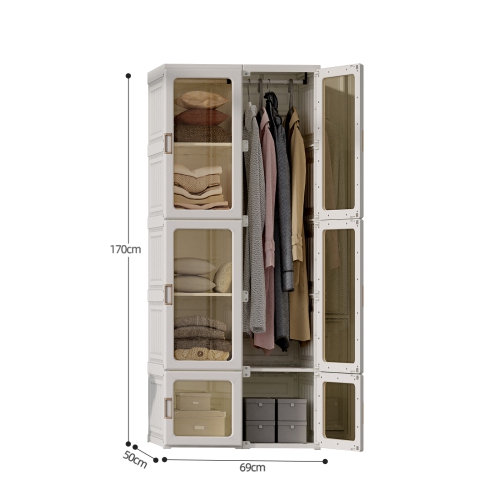
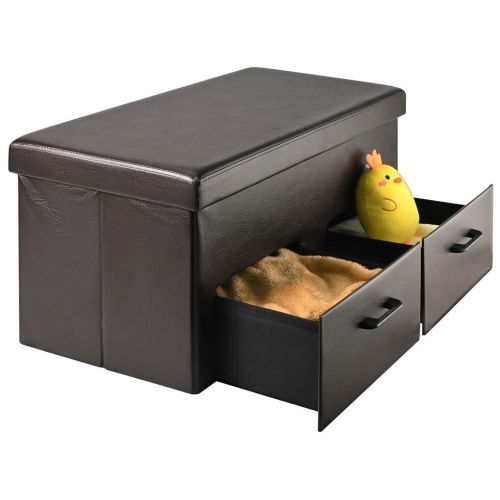
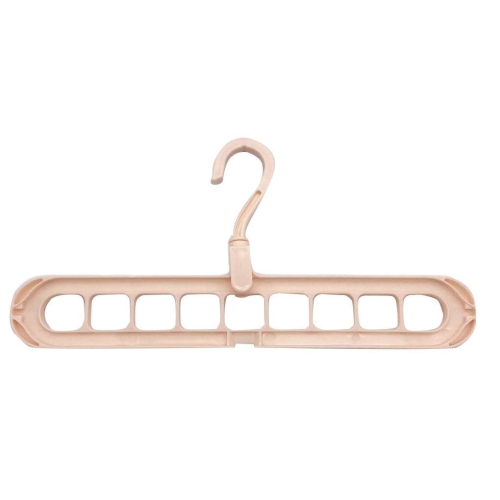
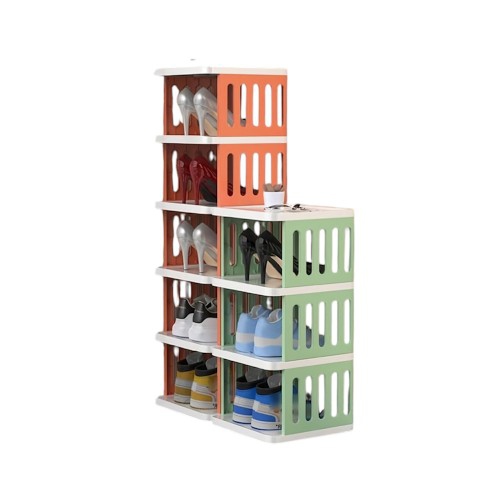
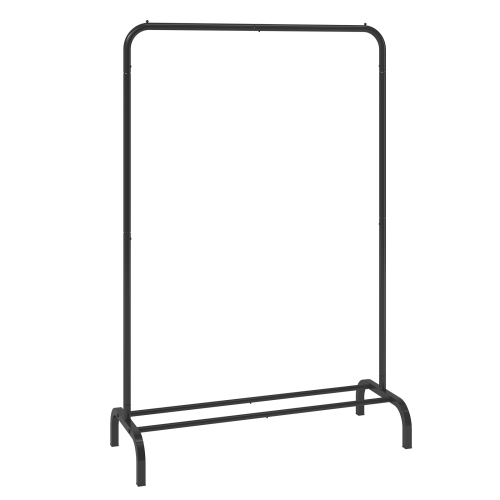
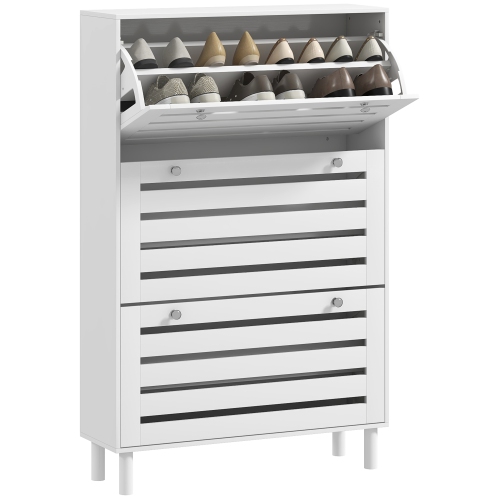
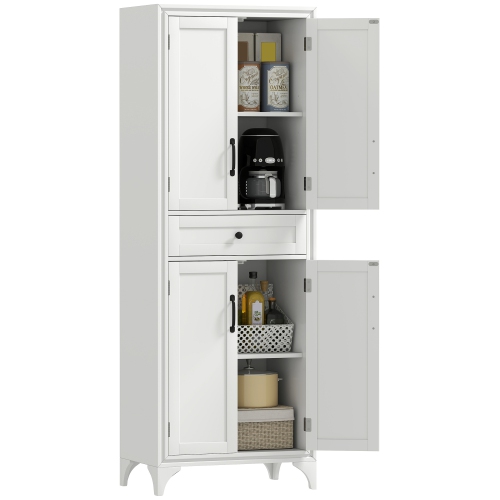
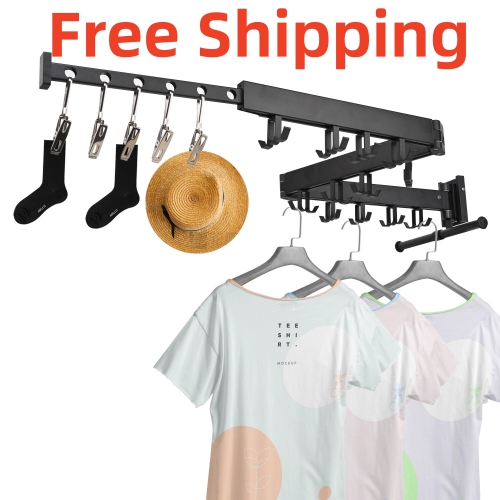
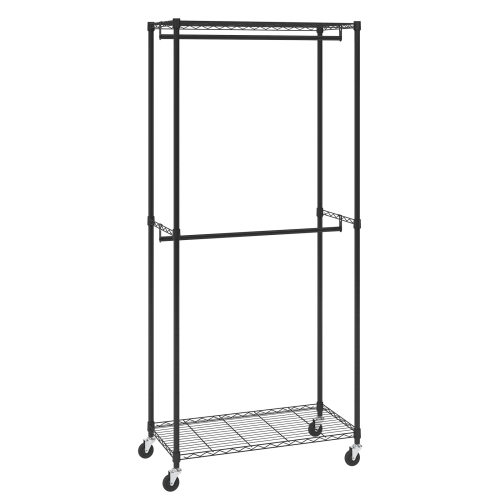
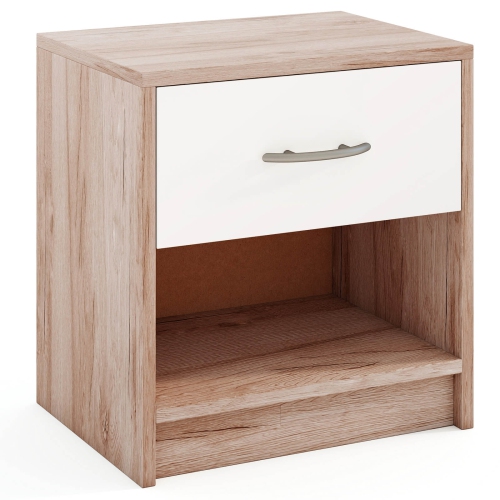
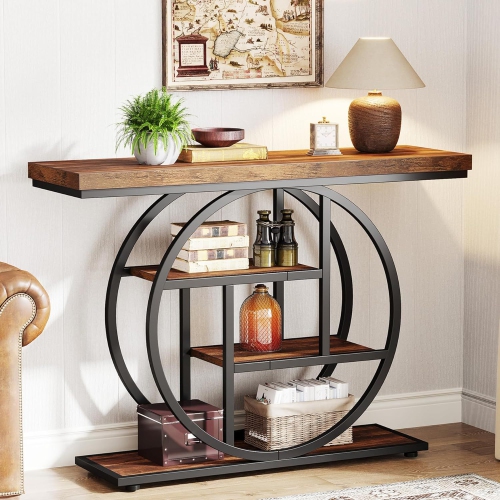
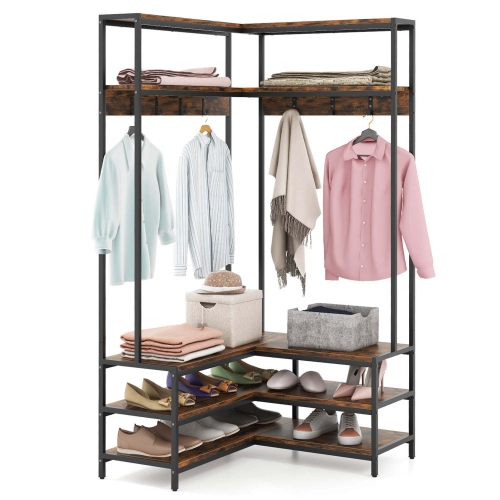
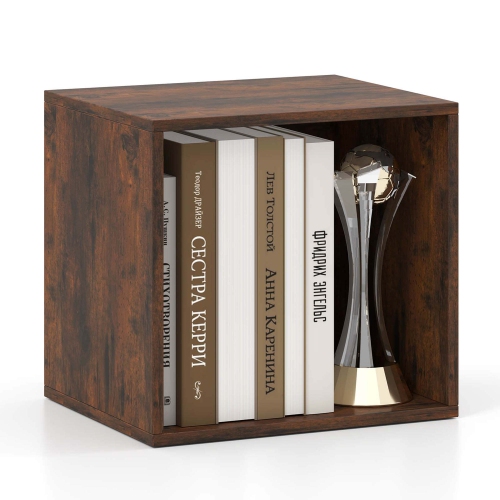
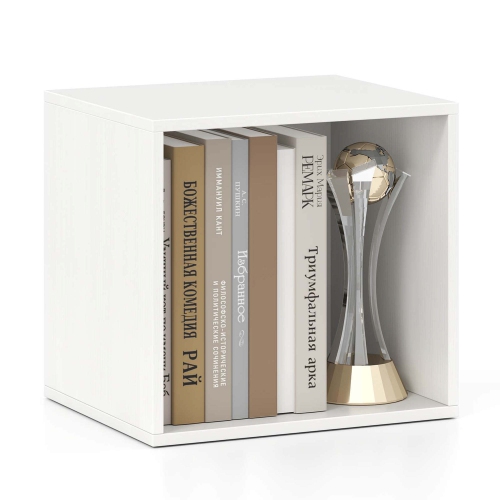
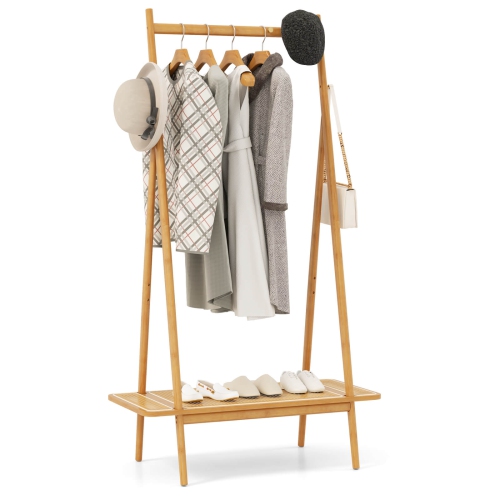
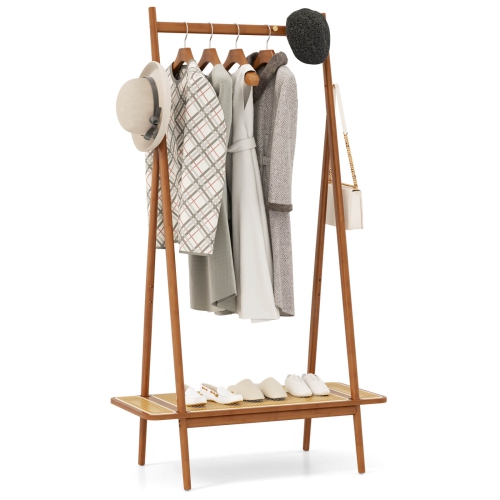
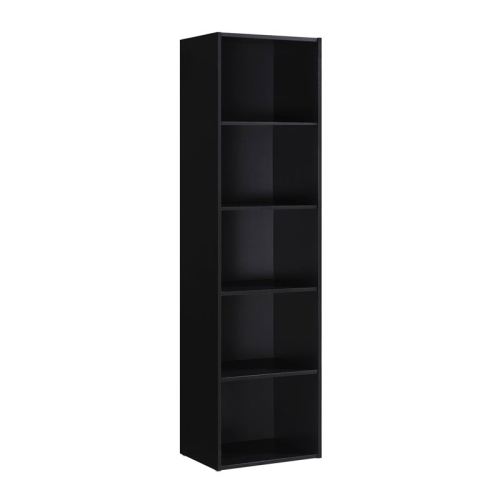
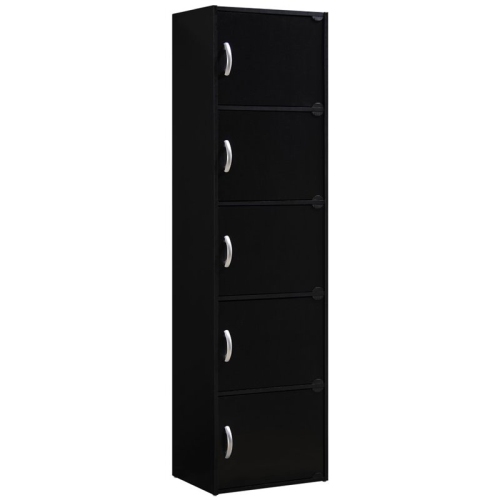
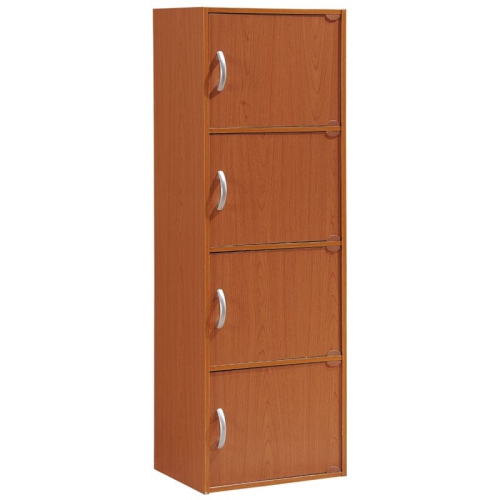
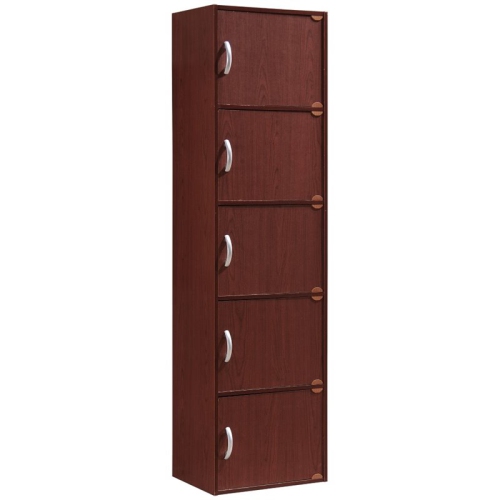
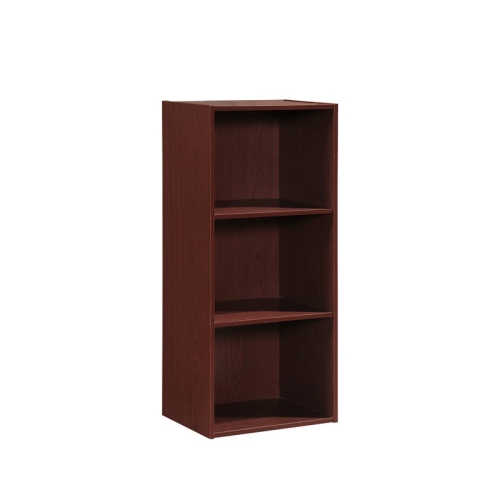
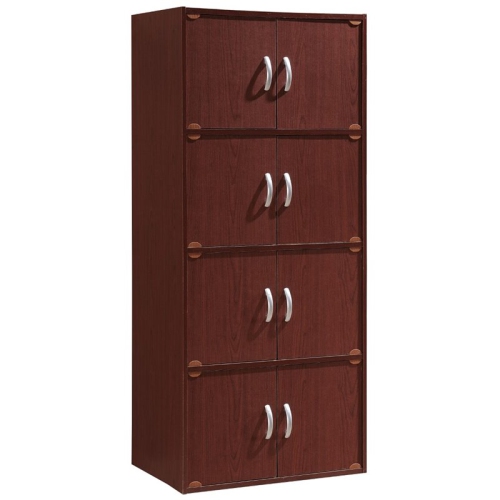
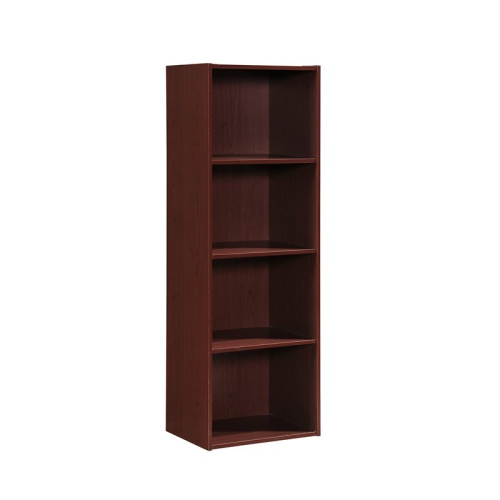
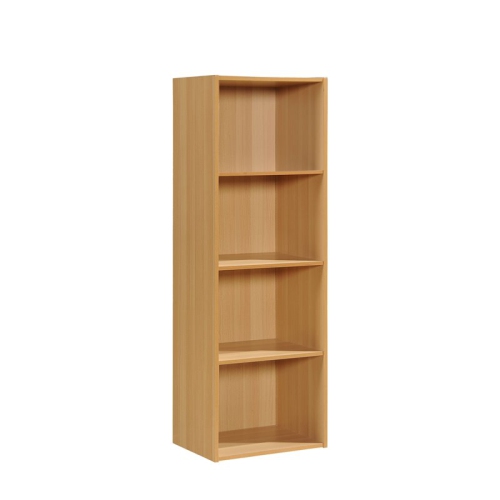
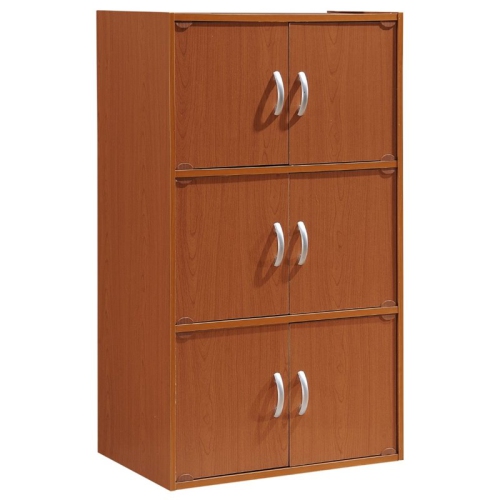
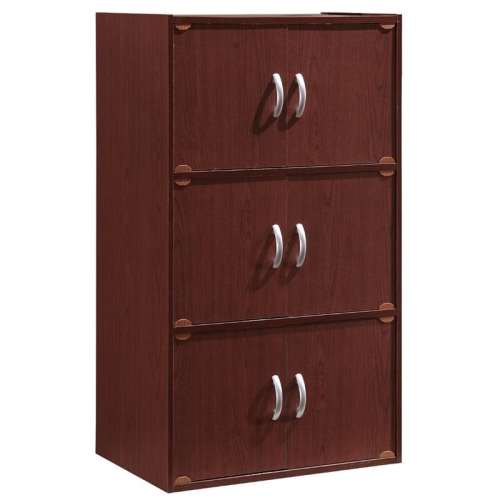
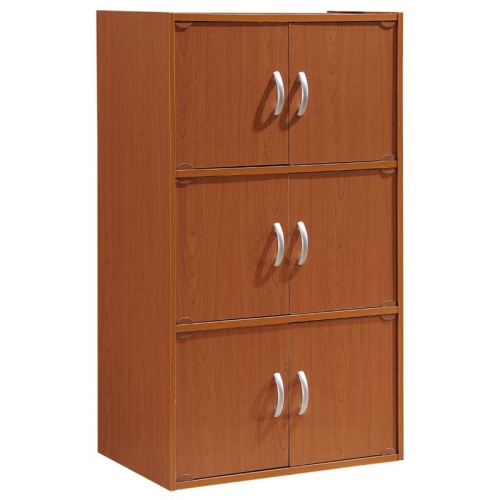
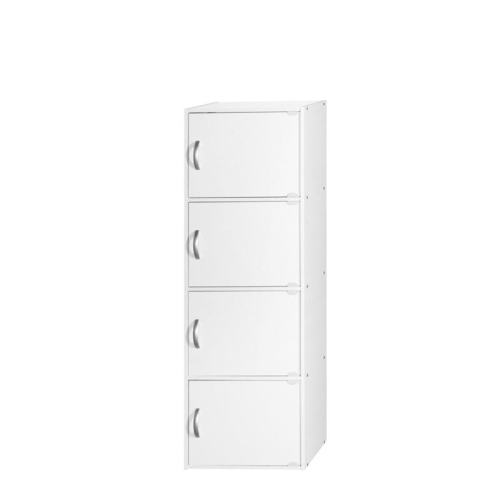
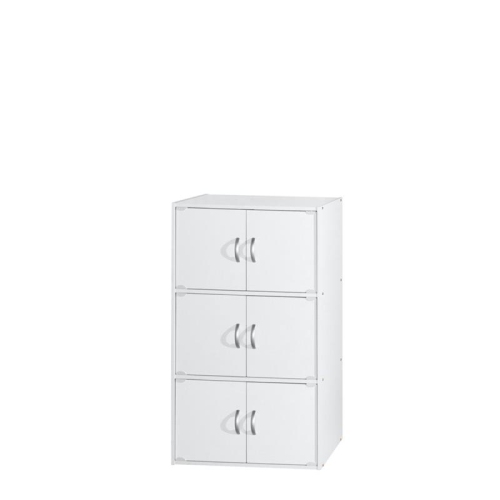
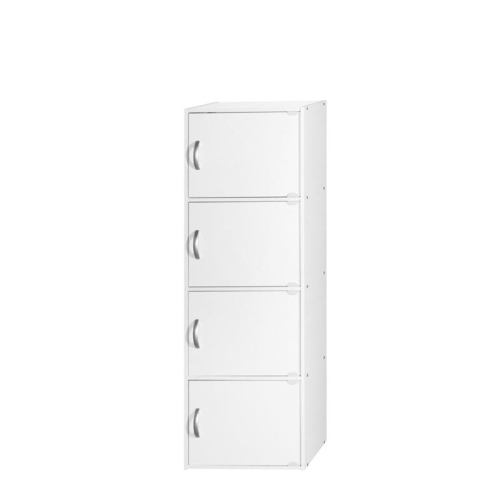
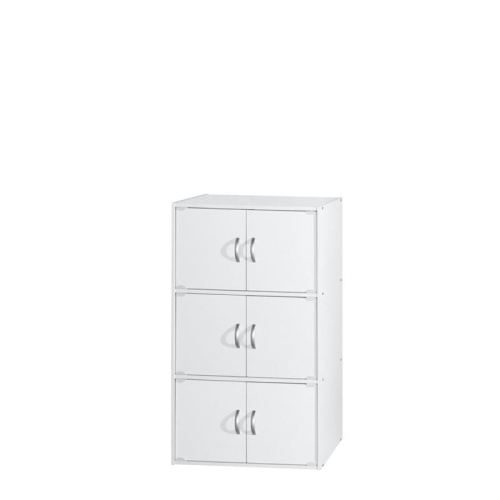
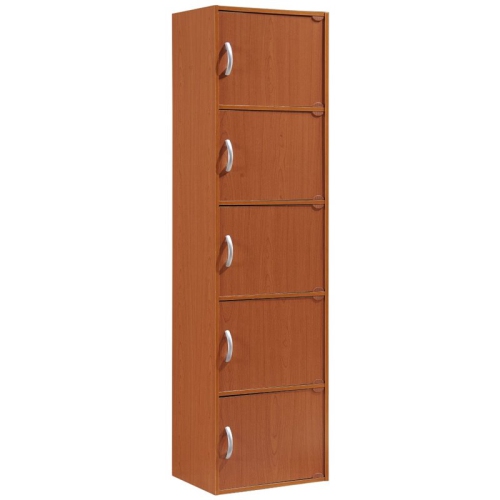
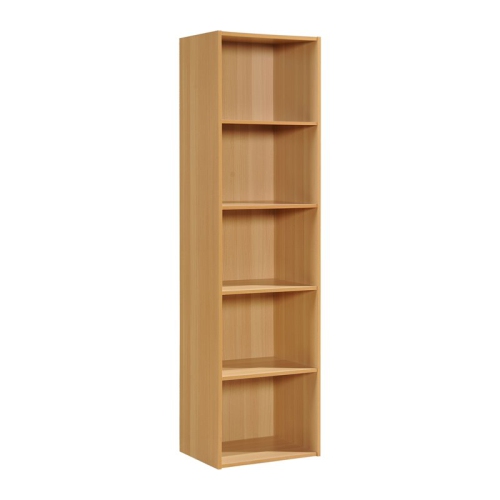
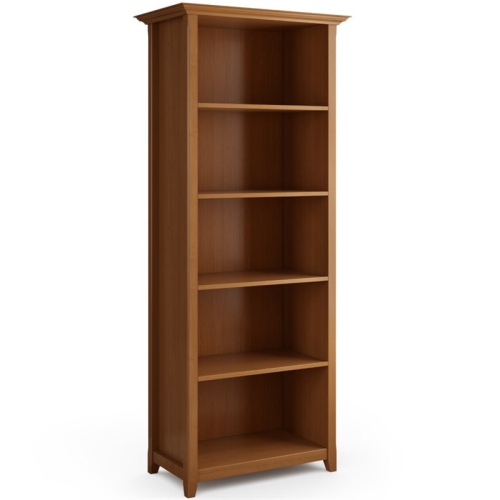
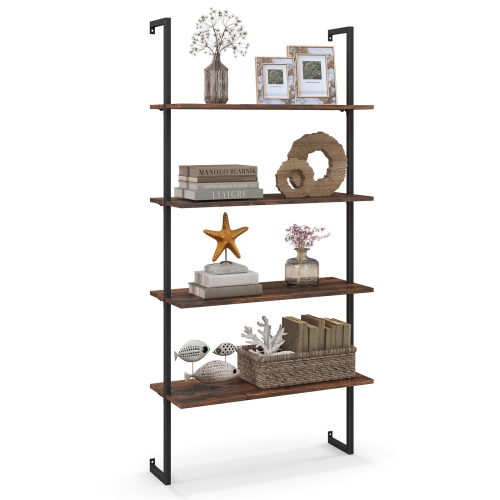
Making the most of a compact bedroom, apartment closet, dorm room, or shared dressing area often comes down to choosing clothing storage that works with the space you have rather than trying to fit a full-size wardrobe into it. A narrow room can feel considerably more organised when storage moves upward, underneath furniture, or into overlooked corners. Vertical shelving makes use of wall height for folded shirts, sweaters, jeans, handbags, and neatly labelled boxes, while hanging shelves add extra compartments to a closet rod without taking up valuable floor space. These soft-sided shelves are particularly useful for stacking lighter garments, pyjamas, scarves, and accessories that might otherwise become lost in a deep closet. A second clothing rod can create two levels of hanging space for shorter items such as shirts, skirts, and trousers, provided there is enough clearance for garments to hang without brushing the floor or shelves below. For renters or anyone who prefers a less permanent arrangement, freestanding racks and modular storage can offer flexibility when furniture needs to be moved or a room’s layout changes. A slim open rack near the bedroom door can hold frequently worn outfits, while a compact shelving unit can be arranged around a tight corner or beside a dresser. When selecting clothing storage for small spaces, measure the available width, depth, and height first, including baseboards, door swings, closet trim, and the clearance needed to open drawers. A few extra centimetres can make the difference between a practical fit and a cramped arrangement that is difficult to use every day. Explore the broader selection of Clothing Storage to find options suited to different rooms, routines, and storage needs.
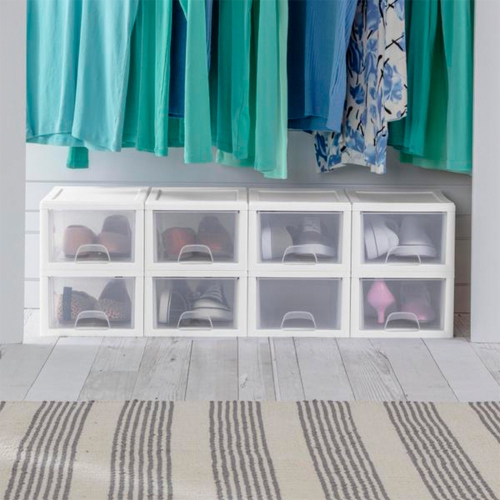
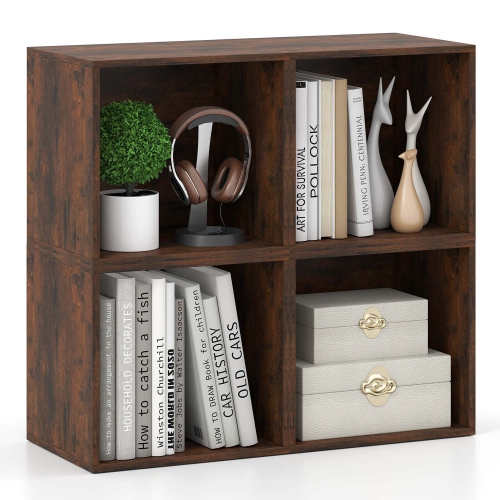
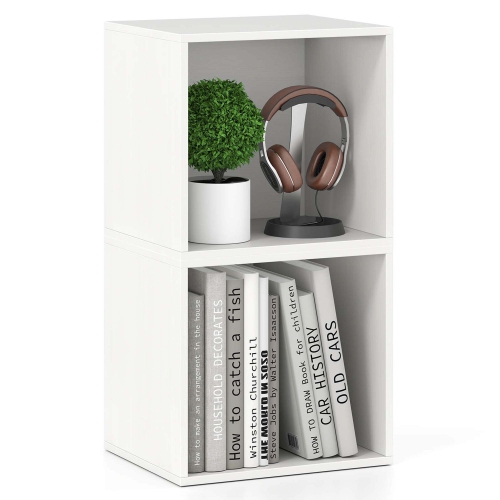
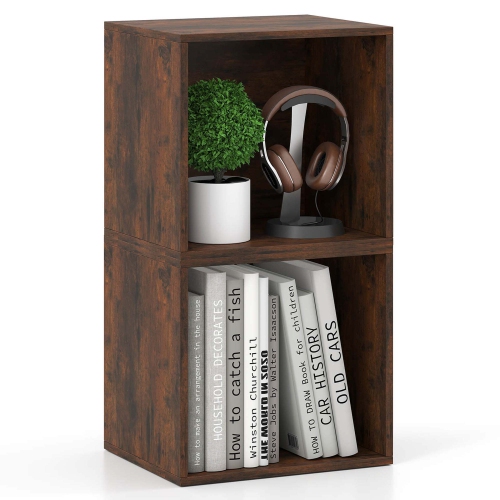
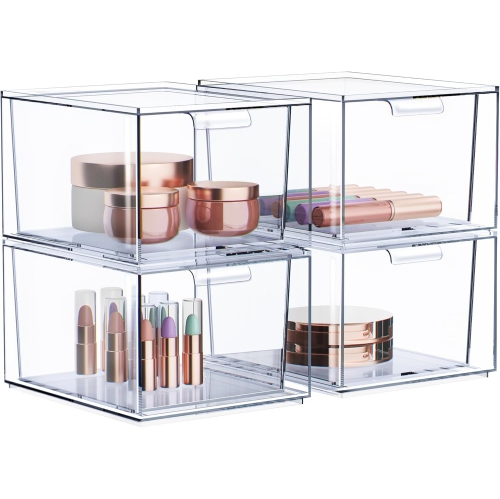
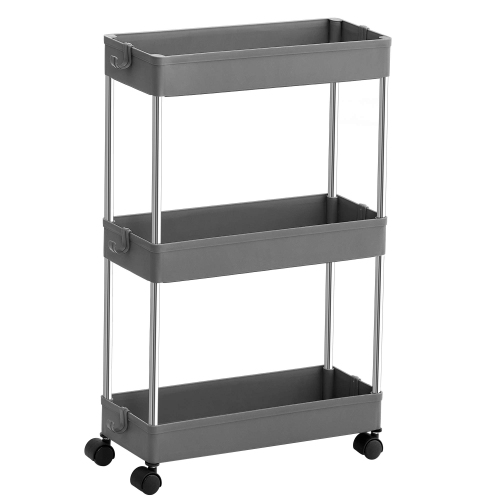
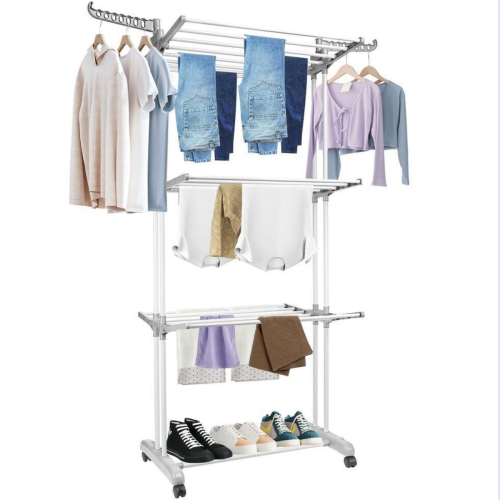
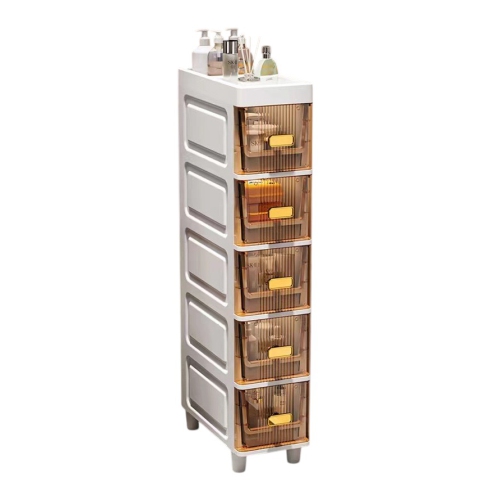
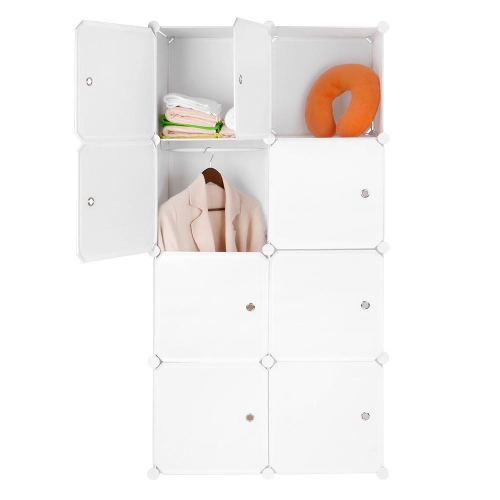
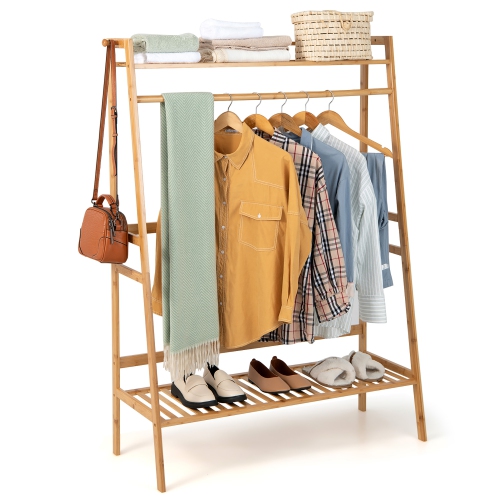
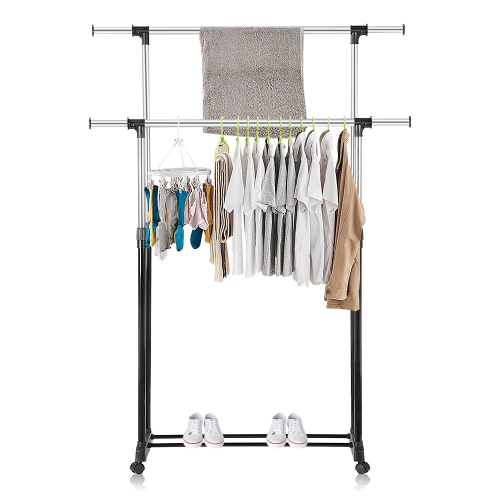
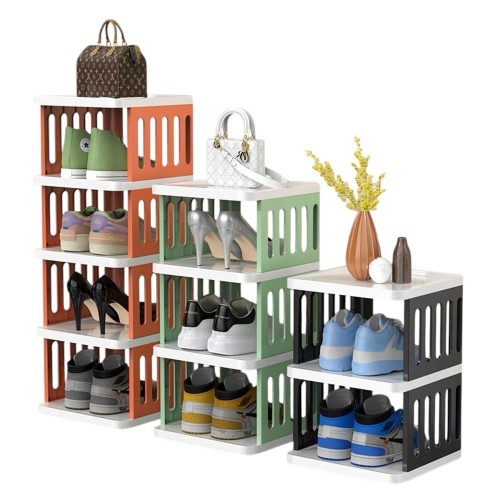
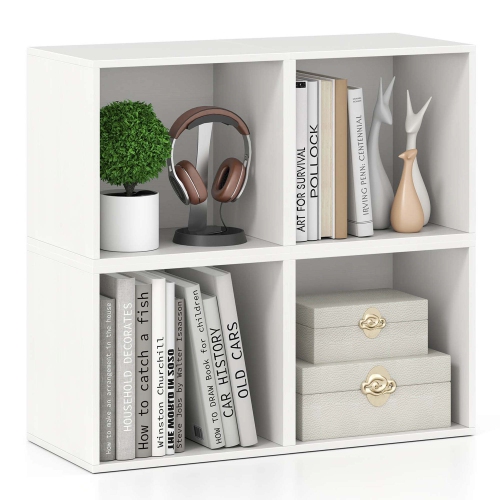
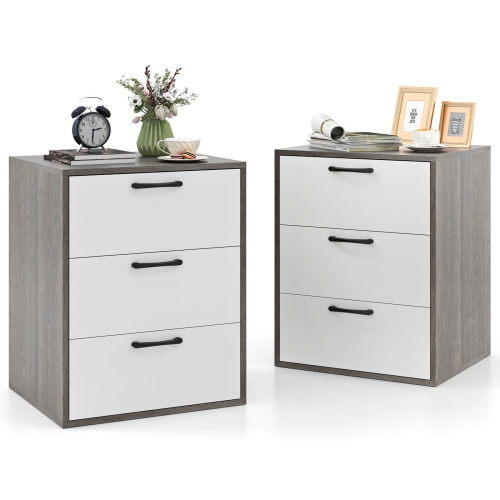
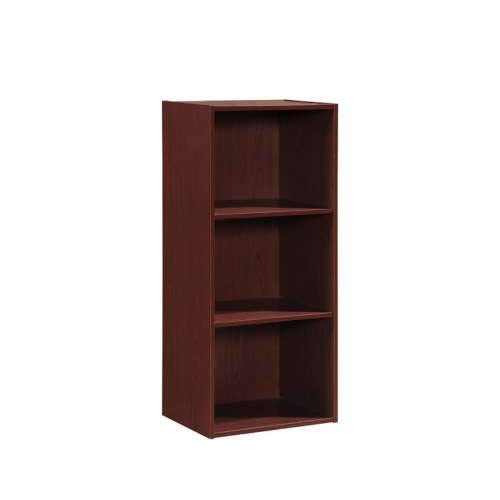
Small items are often the first source of clutter, so compartments and drawer organisers can make a small wardrobe feel much easier to manage. Drawer inserts separate socks, underwear, tights, belts, and other accessories so they remain visible instead of gathering in a single tangled pile. Small bins can also be placed on shelves or inside larger drawers to group seasonal items, workout clothing, baby garments, or travel essentials. Collapsible organisers are especially handy when storage needs change, since they can be folded flat when empty and brought back out when a new clothing rotation begins. Cube-style storage offers another adaptable solution for compact rooms. Individual compartments can hold folded clothing, shoes, purses, linens, or fabric baskets, and multiple units can be arranged in a low configuration beneath a window or built upward along a wall where floor space is limited. Open cubes make everyday items easy to see, while baskets or covered bins create a tidier appearance for pieces that are used less often. A rolling clothing rack can serve as an accessible overflow area for workwear, costumes, freshly laundered clothing, or outfits being prepared for the week. Casters allow it to be moved for cleaning or repositioned when guests arrive, although heavier garments should be balanced evenly to help keep the rack stable. For children, accessible low shelves and clearly designated bins can make it easier to put clothing away independently. Students, first-time renters, and anyone furnishing a smaller home may appreciate storage that does more than one job, such as a rack with shelves or a cube arrangement that can separate clothing from books and personal items. These practical pieces can also make thoughtful gifts for someone setting up a dorm, nursery, guest room, studio apartment, or new home, particularly when the design is simple enough to suit changing décor.
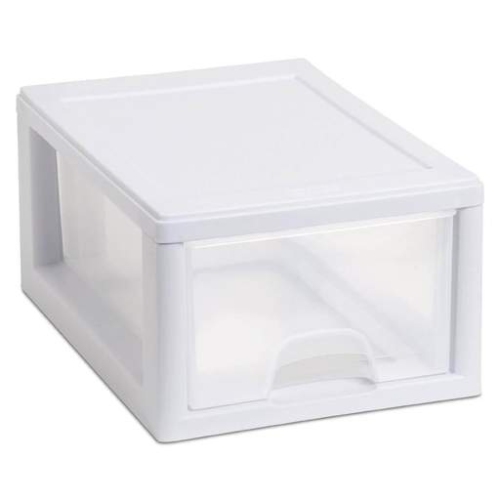
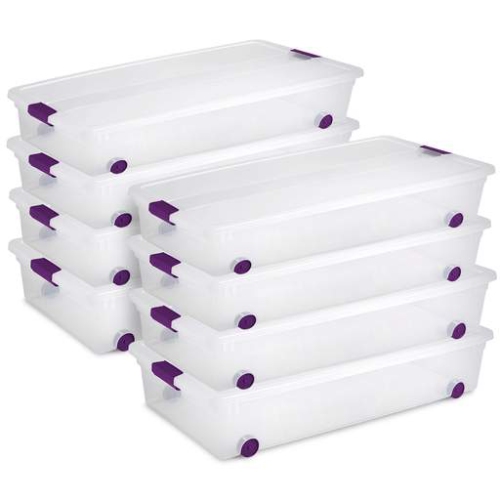
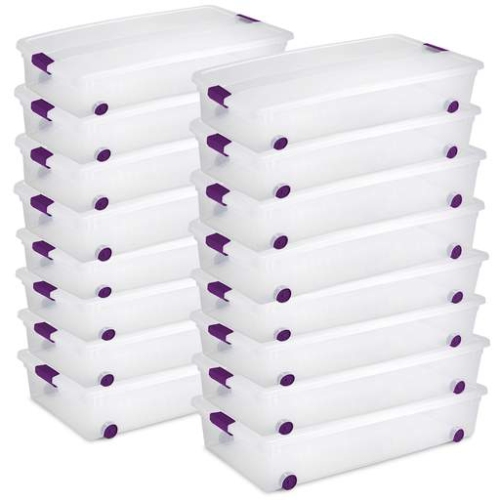
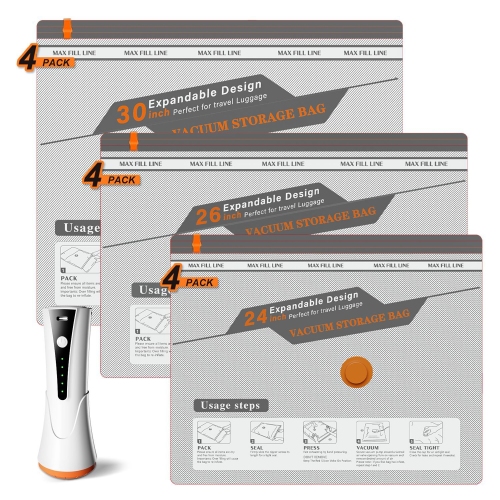
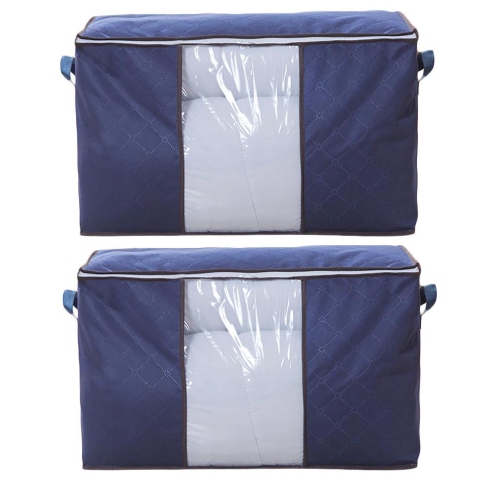
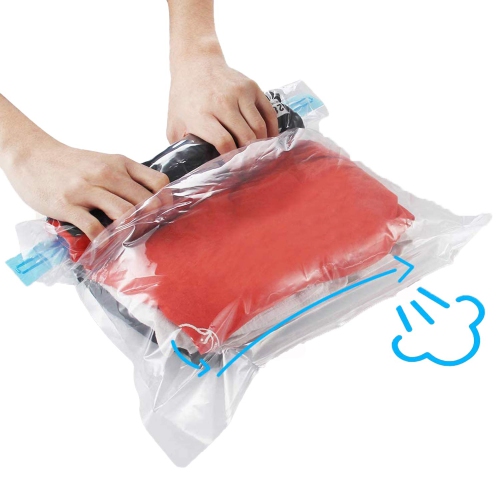
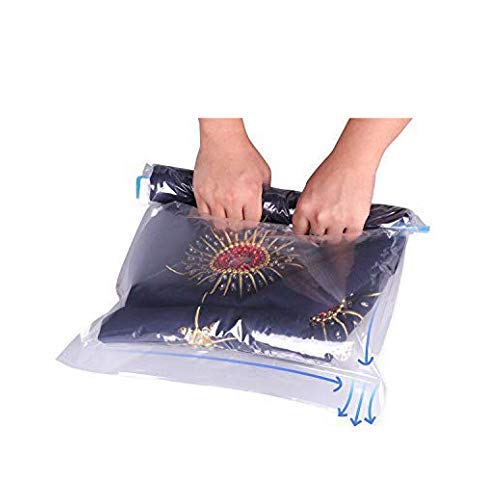
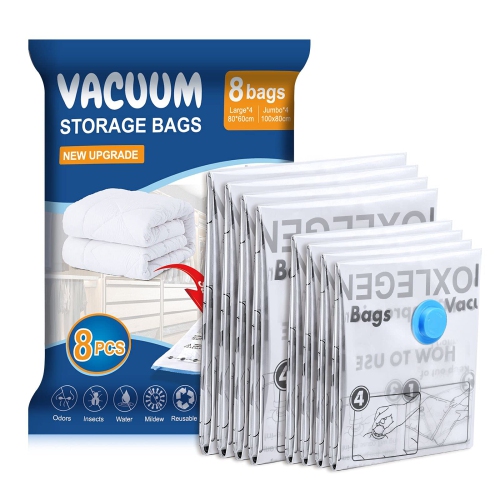
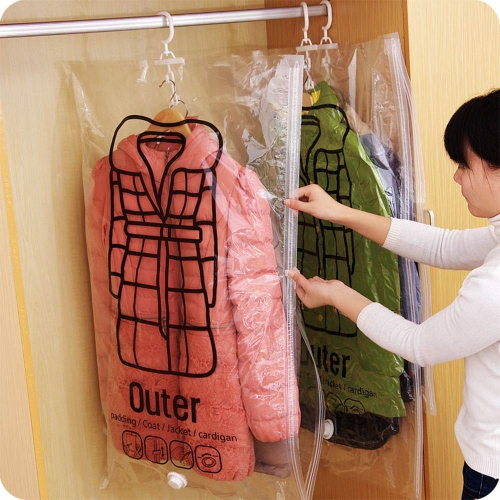
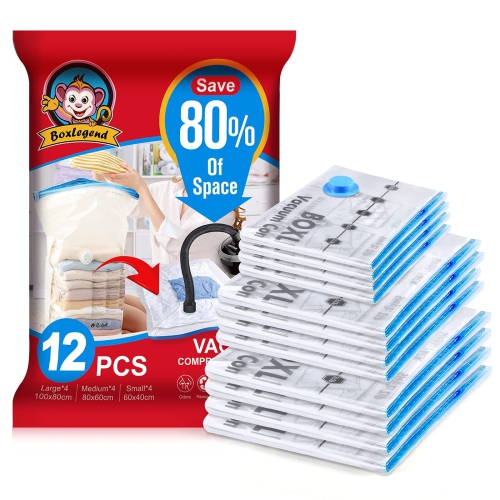
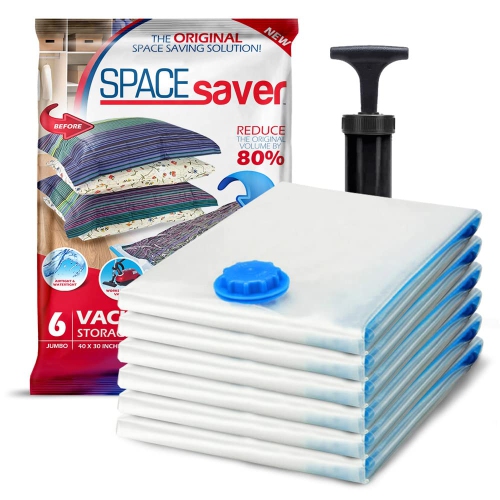
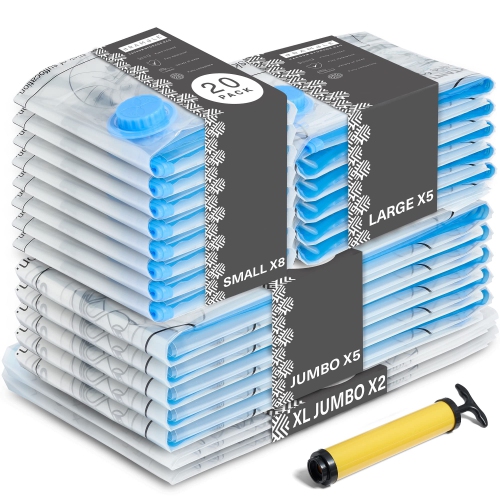
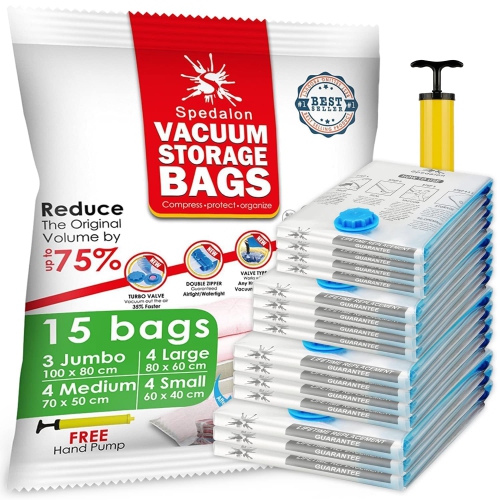
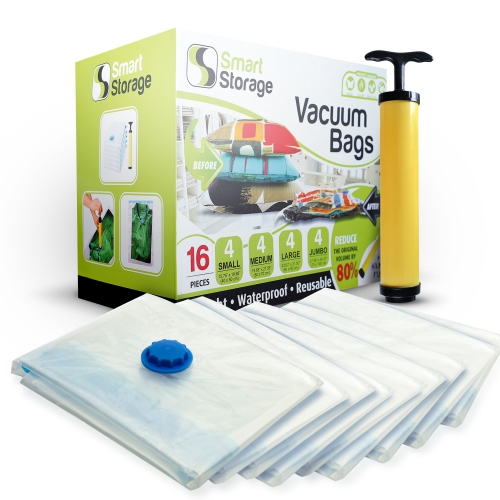
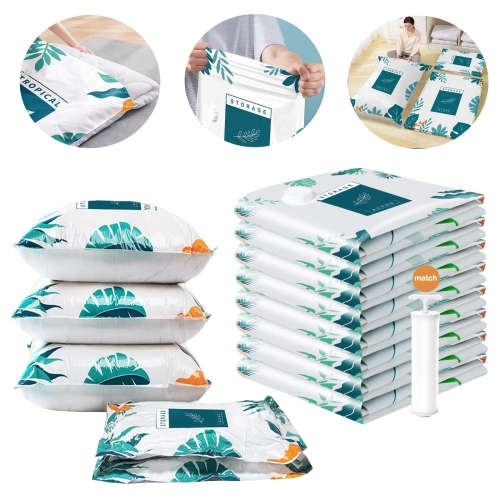
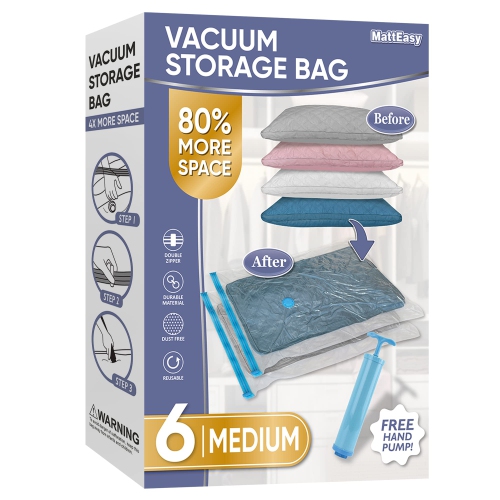
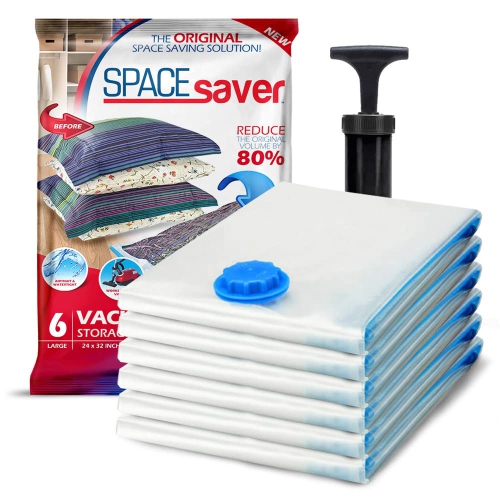
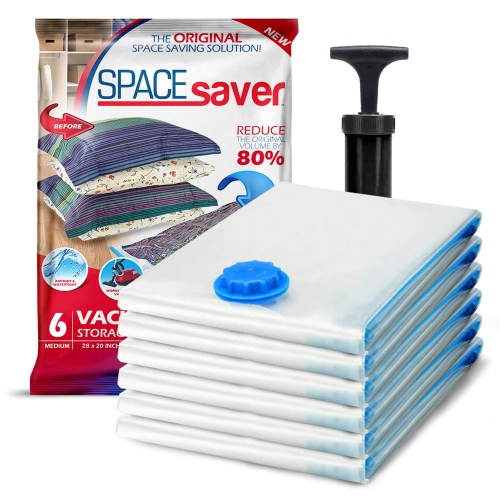
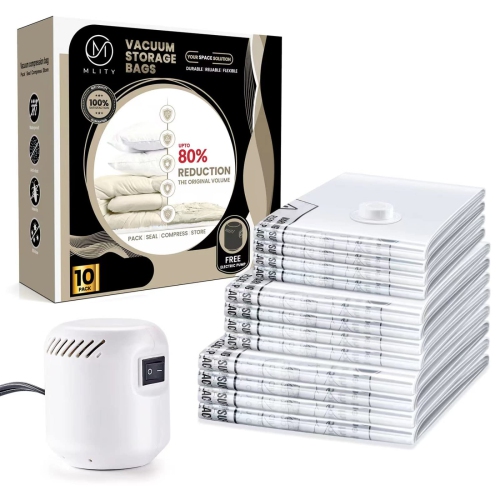
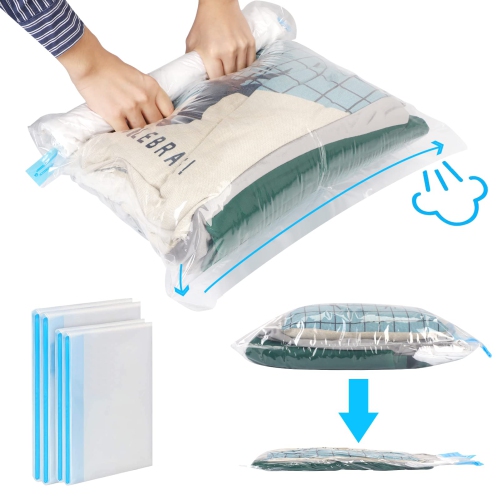
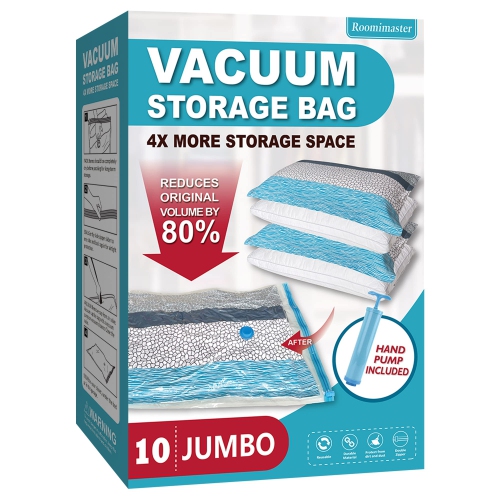
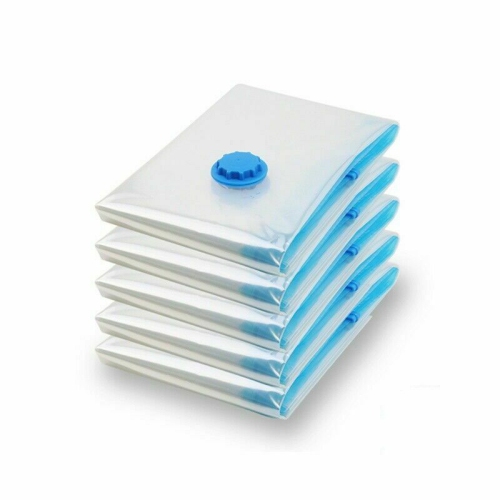
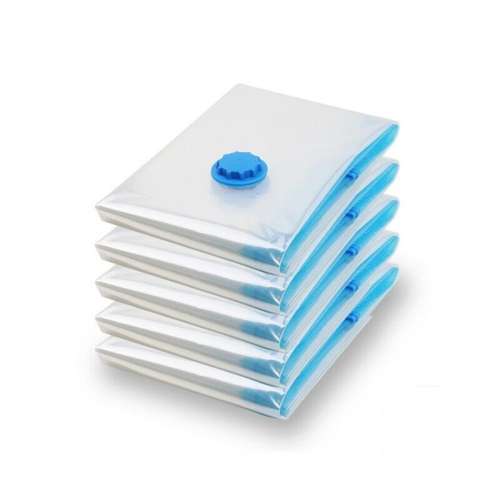
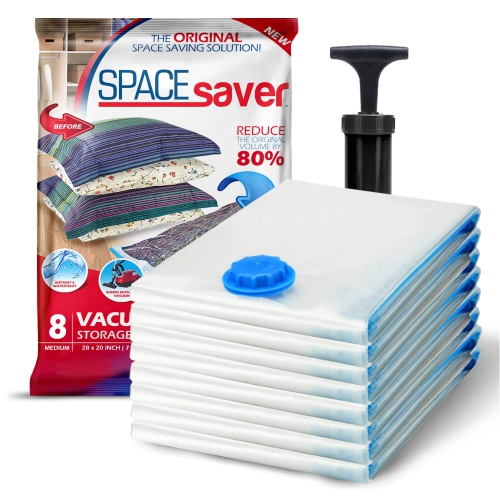
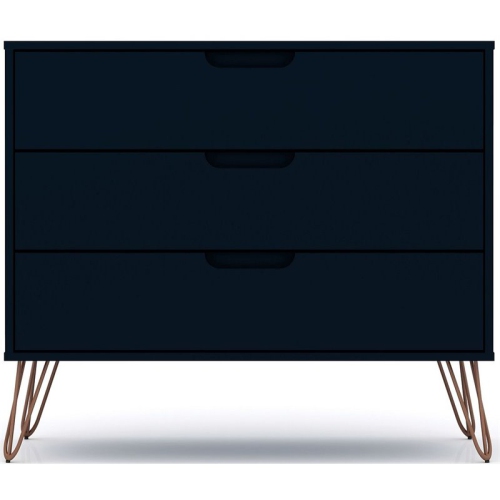
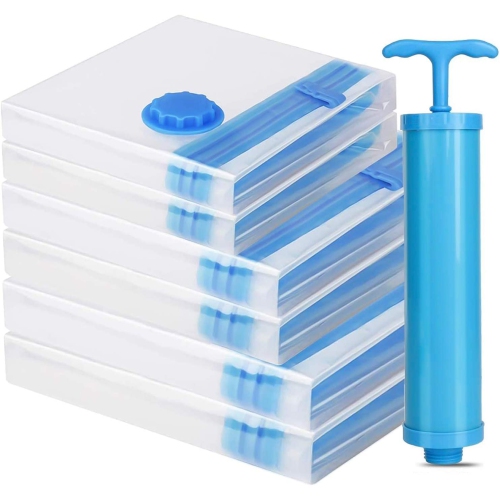
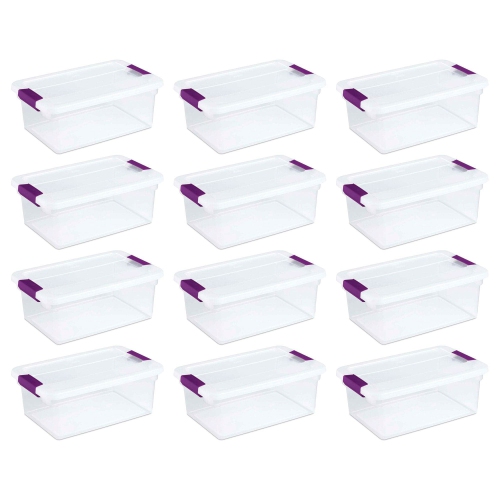
Under-bed storage is one of the most effective ways to reclaim unused space, especially for clothing that does not need to be reached every morning. Low-profile containers can hold warm-weather clothing during the cooler months, or thicker sweaters, coats, and accessories when the weather warms. Look for dimensions that suit the clearance beneath the bed, and consider containers with handles, wheels, lids, or zippered openings depending on how often the contents will be accessed. Clear sides or a label on the end can save time when several containers are lined up beneath a bed. Fabric options are lightweight and easy to lift, while plastic containers can provide a more structured enclosure for folded garments and help protect them from dust. Vacuum storage bags can compress bulky coats and other lofty clothing, making them useful when closet and under-bed space is particularly limited; garments should be clean and completely dry before storage, and delicate materials should be checked against their care instructions before compression. To keep a small wardrobe manageable, group clothing by type, owner, or season and leave enough room to remove one item without unpacking an entire container. Heavier pieces are best placed on lower shelves or stable racks, while frequently worn garments should stay within easy reach. Avoid overfilling drawers, bins, and hanging compartments, since compressed clothing is harder to find and can strain zippers, seams, or shelving. With a combination of vertical storage, divided drawers, modular compartments, open racks, and low containers, even a compact room can support a well-ordered wardrobe that feels calm and practical through changing routines and the cooler months.
Small items are often the first source of clutter, so compartments and drawer organisers can make a small wardrobe feel much easier to manage. Drawer inserts separate socks, underwear, tights, belts, and other accessories so they remain visible instead of gathering in a single tangled pile. Small bins can also be placed on shelves or inside larger drawers to group seasonal items, workout clothing, baby garments, or travel essentials. Collapsible organisers are especially handy when storage needs change, since they can be folded flat when empty and brought back out when a new clothing rotation begins. Cube-style storage offers another adaptable solution for compact rooms. Individual compartments can hold folded clothing, shoes, purses, linens, or fabric baskets, and multiple units can be arranged in a low configuration beneath a window or built upward along a wall where floor space is limited. Open cubes make everyday items easy to see, while baskets or covered bins create a tidier appearance for pieces that are used less often. A rolling clothing rack can serve as an accessible overflow area for workwear, costumes, freshly laundered clothing, or outfits being prepared for the week. Casters allow it to be moved for cleaning or repositioned when guests arrive, although heavier garments should be balanced evenly to help keep the rack stable. For children, accessible low shelves and clearly designated bins can make it easier to put clothing away independently. Students, first-time renters, and anyone furnishing a smaller home may appreciate storage that does more than one job, such as a rack with shelves or a cube arrangement that can separate clothing from books and personal items. These practical pieces can also make thoughtful gifts for someone setting up a dorm, nursery, guest room, studio apartment, or new home, particularly when the design is simple enough to suit changing décor.
Under-bed storage is one of the most effective ways to reclaim unused space, especially for clothing that does not need to be reached every morning. Low-profile containers can hold warm-weather clothing during the cooler months, or thicker sweaters, coats, and accessories when the weather warms. Look for dimensions that suit the clearance beneath the bed, and consider containers with handles, wheels, lids, or zippered openings depending on how often the contents will be accessed. Clear sides or a label on the end can save time when several containers are lined up beneath a bed. Fabric options are lightweight and easy to lift, while plastic containers can provide a more structured enclosure for folded garments and help protect them from dust. Vacuum storage bags can compress bulky coats and other lofty clothing, making them useful when closet and under-bed space is particularly limited; garments should be clean and completely dry before storage, and delicate materials should be checked against their care instructions before compression. To keep a small wardrobe manageable, group clothing by type, owner, or season and leave enough room to remove one item without unpacking an entire container. Heavier pieces are best placed on lower shelves or stable racks, while frequently worn garments should stay within easy reach. Avoid overfilling drawers, bins, and hanging compartments, since compressed clothing is harder to find and can strain zippers, seams, or shelving. With a combination of vertical storage, divided drawers, modular compartments, open racks, and low containers, even a compact room can support a well-ordered wardrobe that feels calm and practical through changing routines and the cooler months.
Top selling and popular products
-
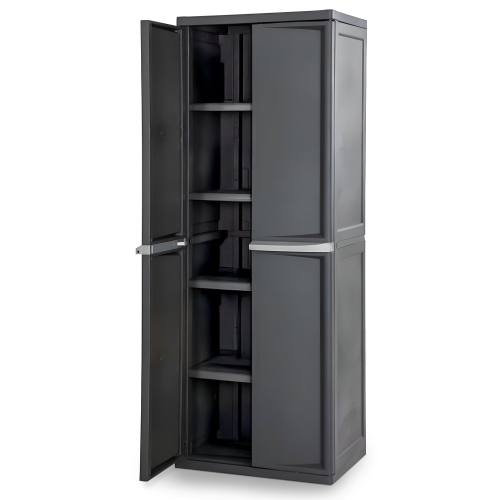 Your price for this item is $772.99
 -
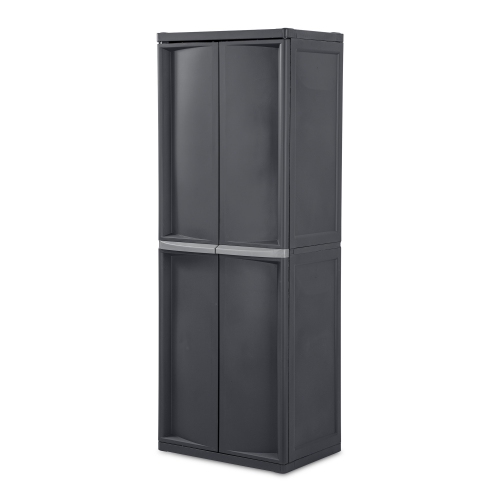 Your price for this item is $1522.99
 -
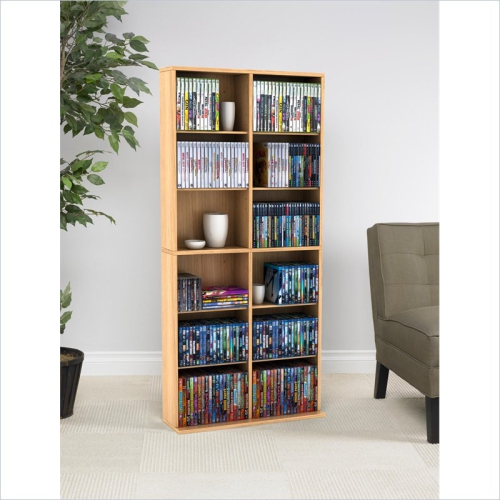 Your price for this item is $234.68
 -
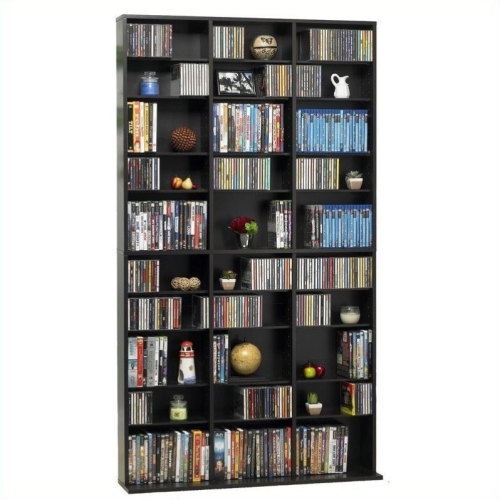 Your price for this item is $365.38
 -
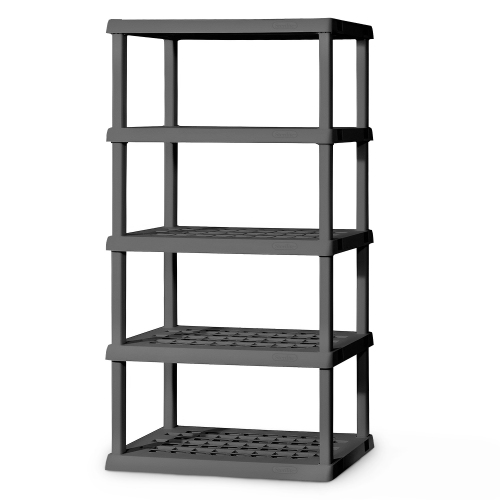 Your price for this item is $468.99
 -
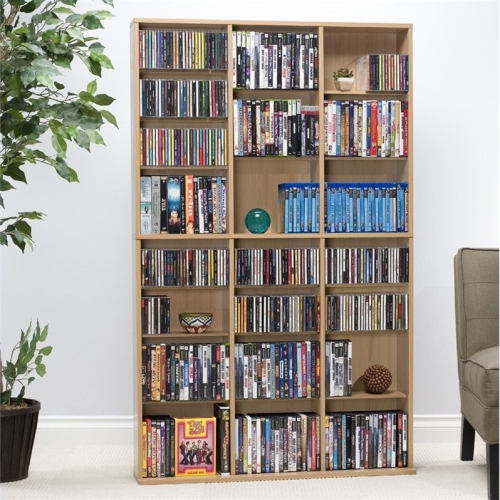 Your price for this item is $295.84
 -
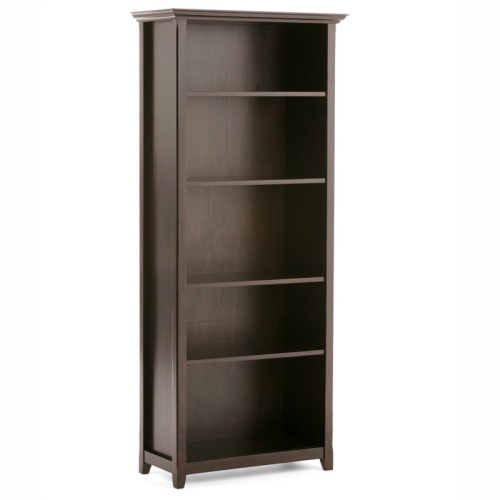 Your price for this item is $999.77
 -
 Your price for this item is $998.43
Discover more categories related to Clothing Storage for Small Spaces
Top Collections:
Pokemon Centers, Kindle Devices, Best Budget Office Chairs, Apple iPhones 16, Best Laptops for Writers, iPhone 15 Apple, Canon G7X Cameras, Refurbished Apple Laptops, Alarm Clock, Motorola Razr Phones
Some products may be subject to Environmental Handling Fees
(EHF) depending on your province.
Learn more about EHFs.