Storage Solutions for Clothes
Looking to declutter your wardrobe and maximize your closet space? Look no further than our comprehensive selection of storage solutions for clothes. Whether you're dealing with limited space in a small apartment or simply want to organize your garments more efficiently, we have the perfect options to suit your needs. From versatile hanging organizers and space-saving vacuum bags to stylish storage bins and collapsible shelves, our collection offers a range of innovative solutions to keep your clothes tidy and easily accessible. Discover the possibilities and transform your closet into a clutter-free haven with our top-notch storage solutions for clothes.
Sort
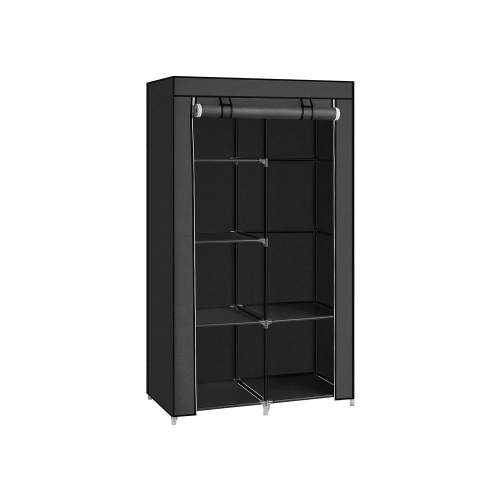

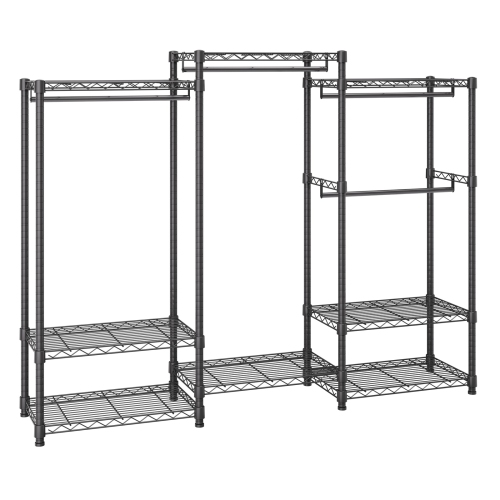
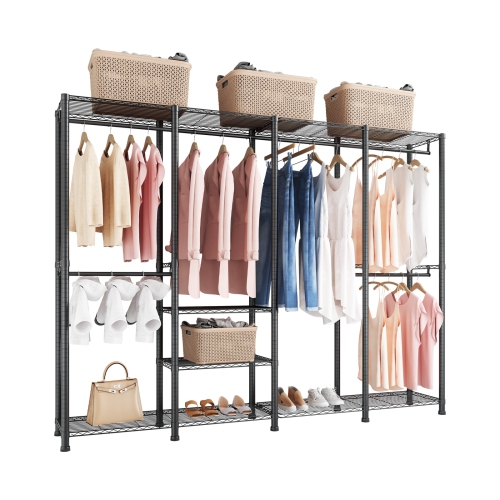
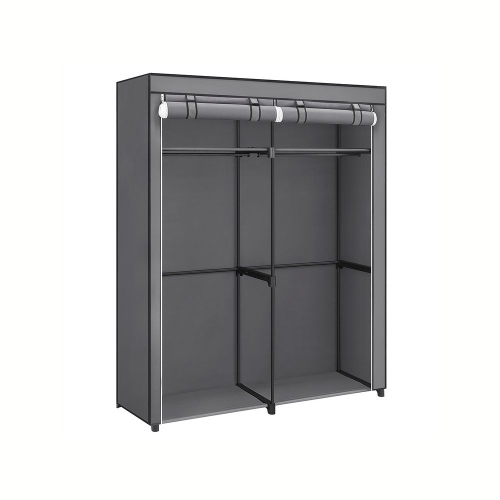
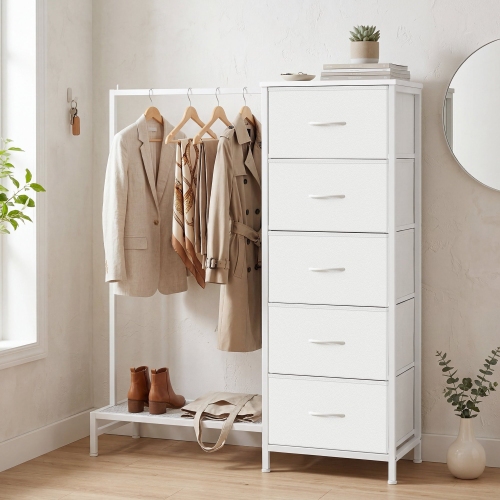
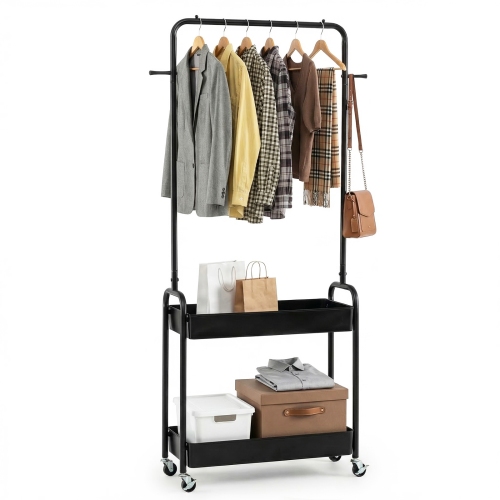
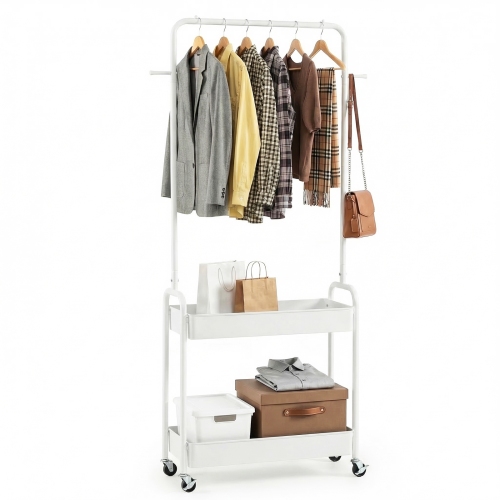
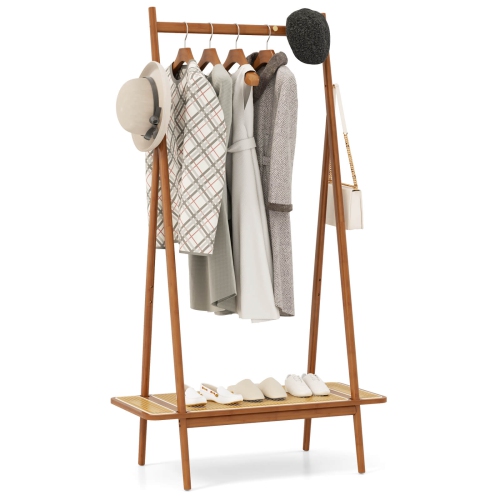
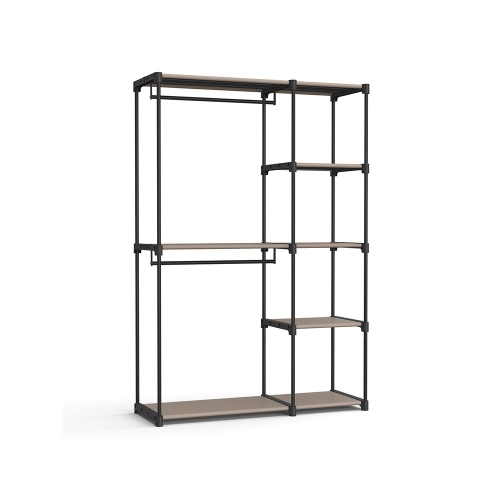
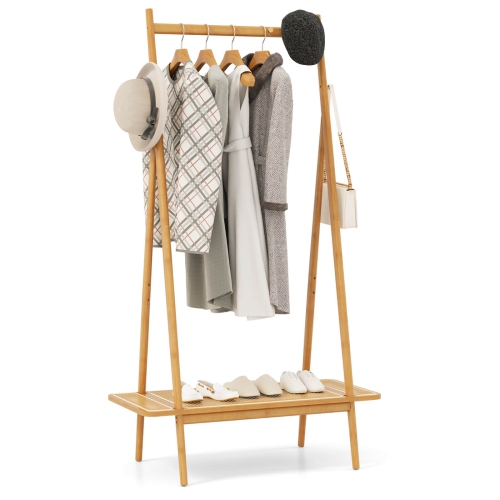
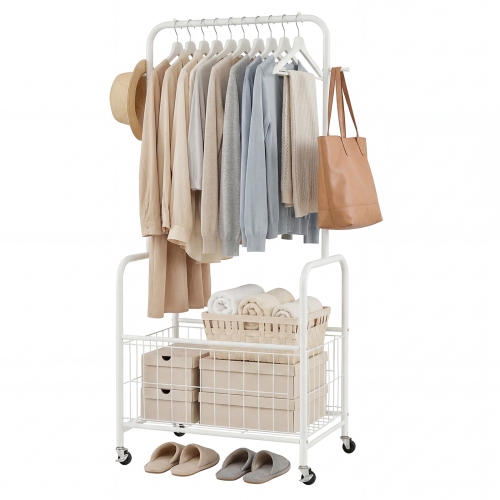
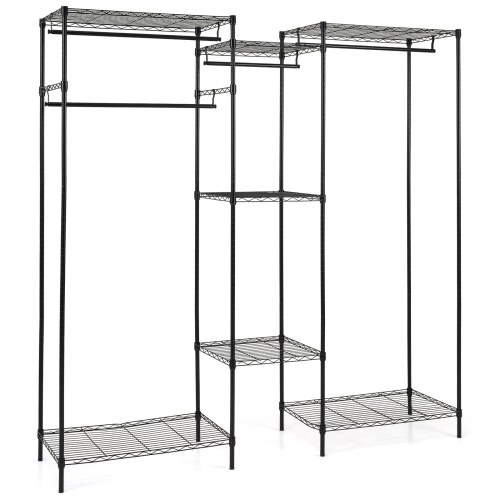
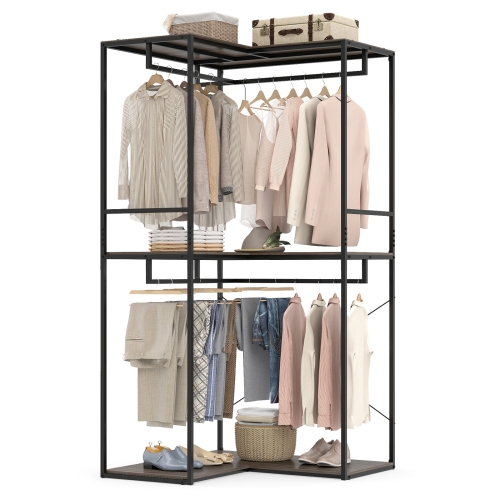
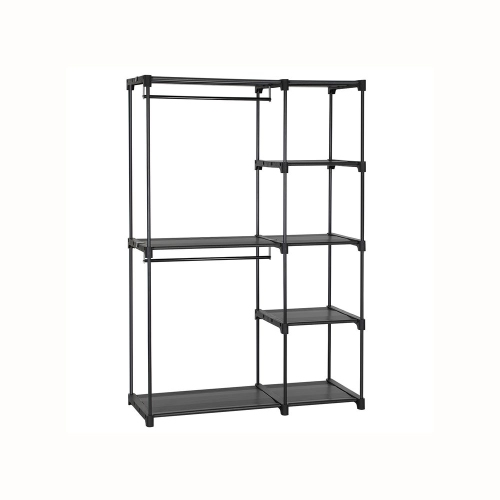

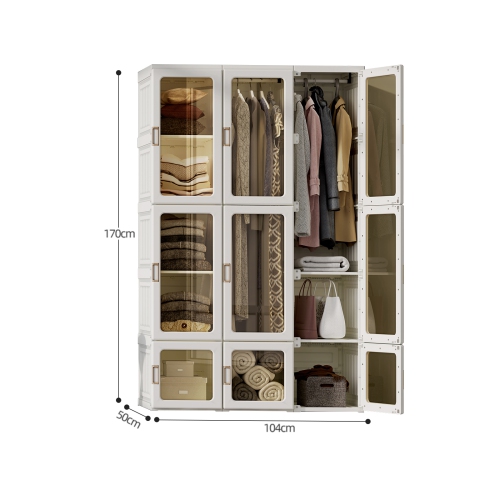
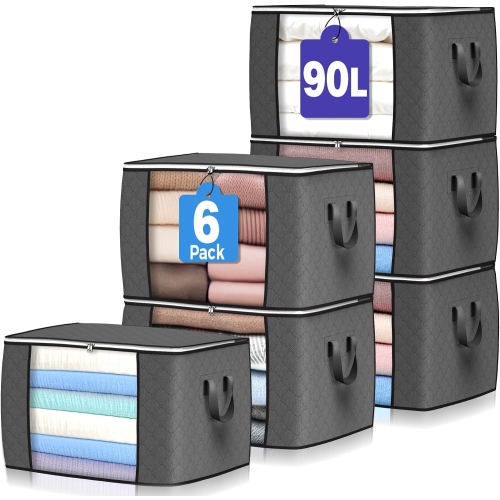
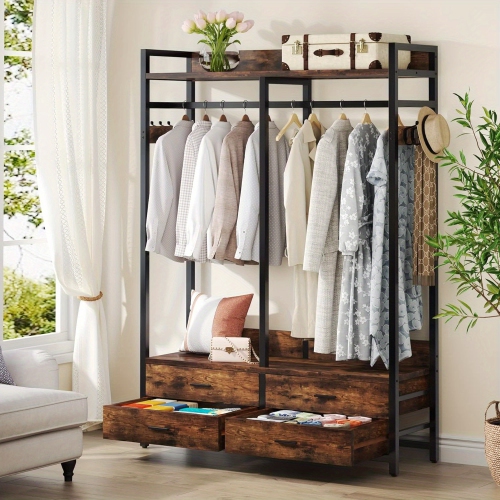
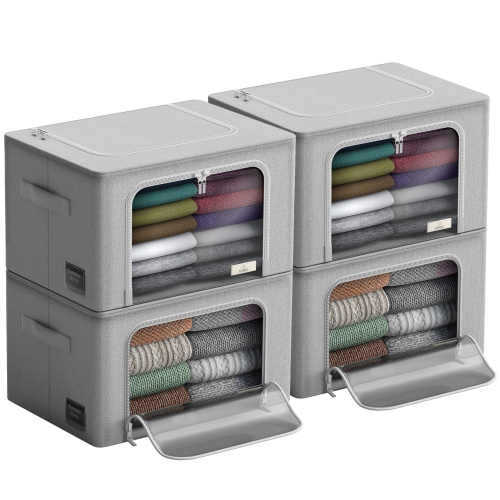
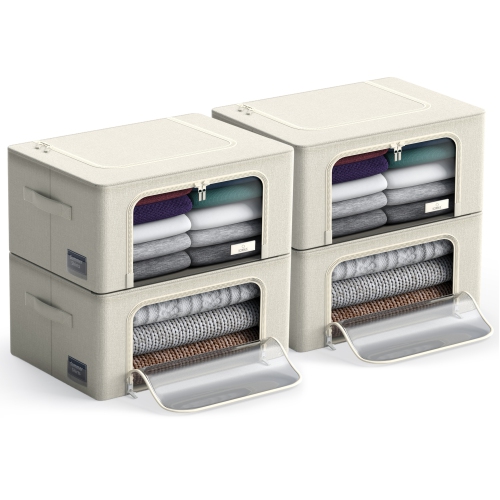
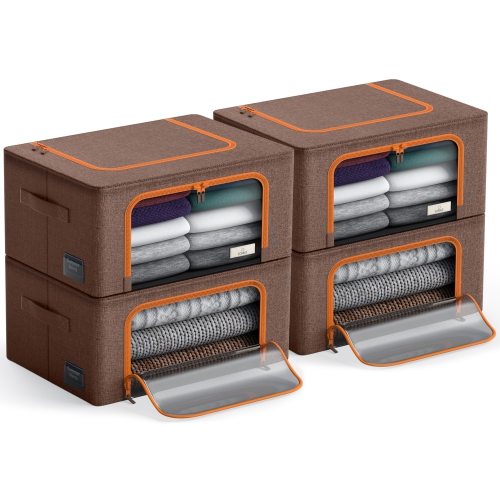
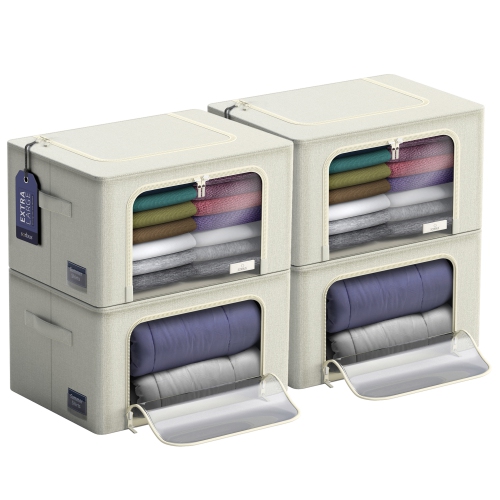
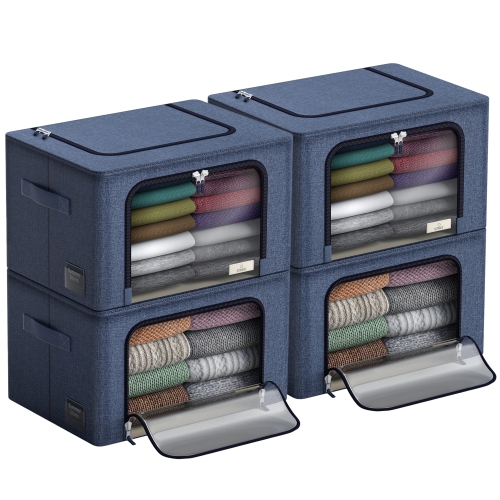
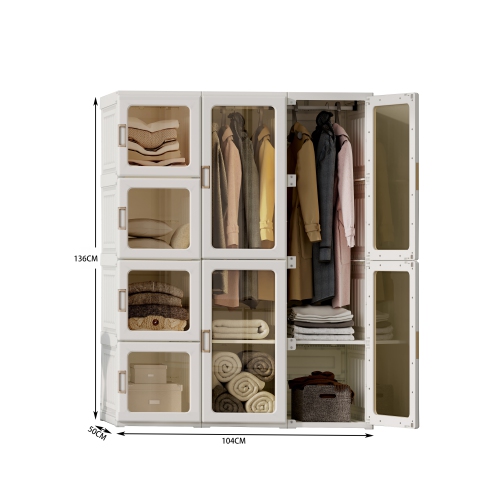
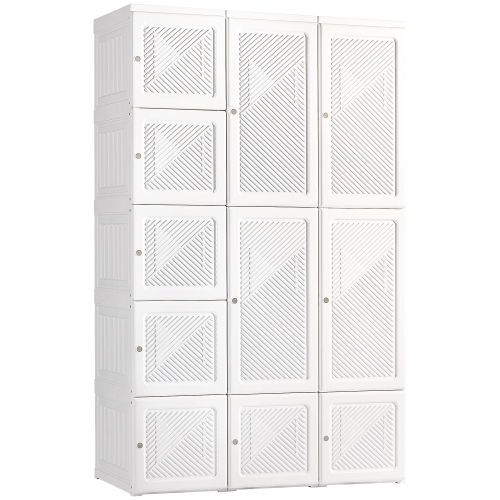
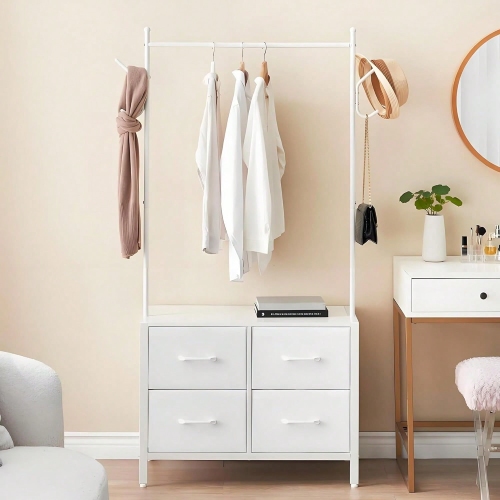
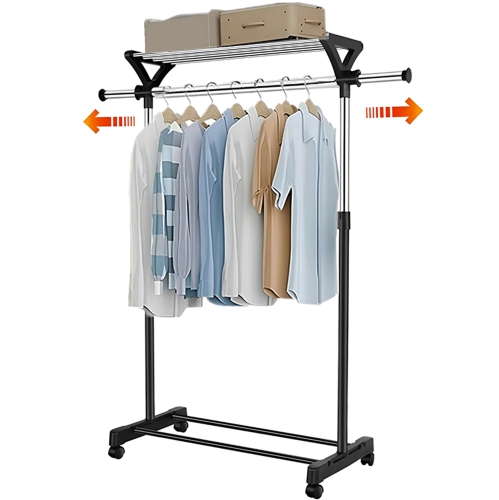
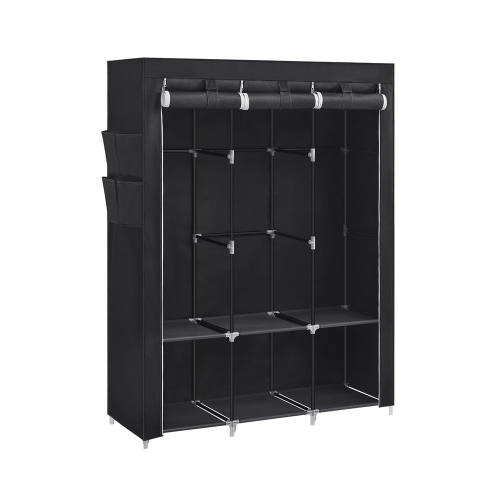
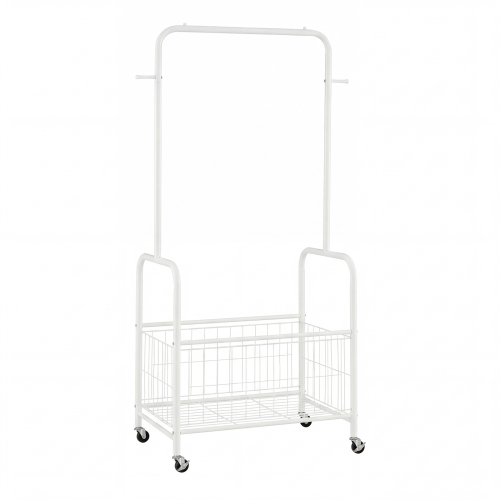
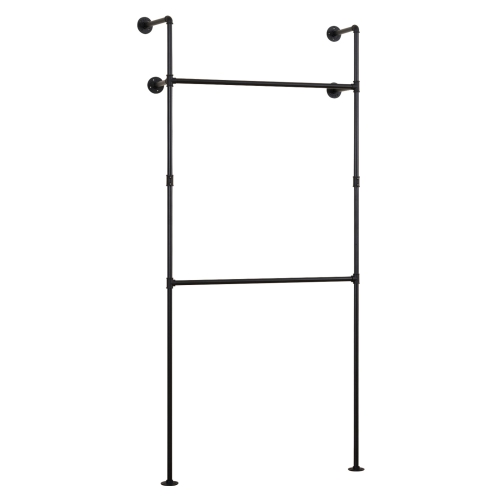
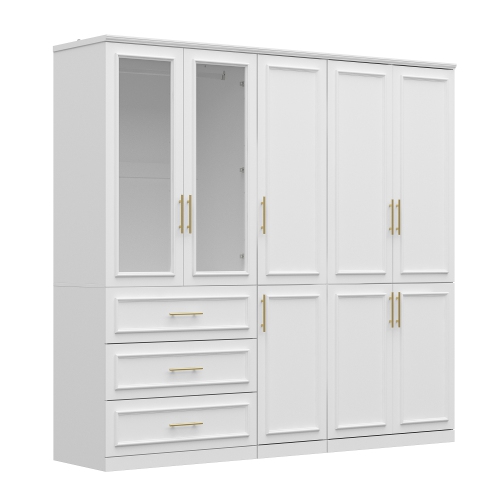
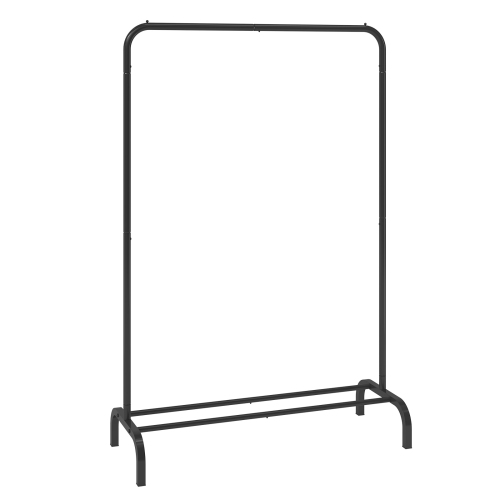
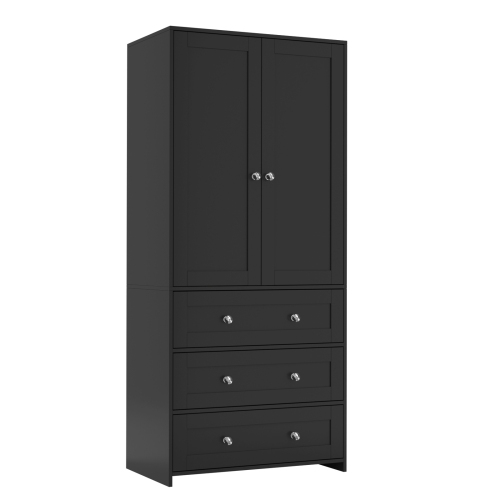
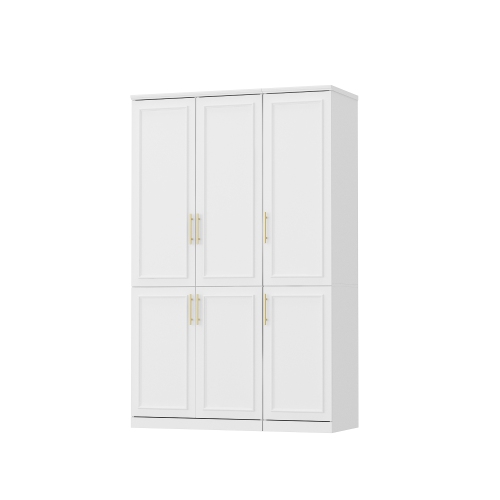
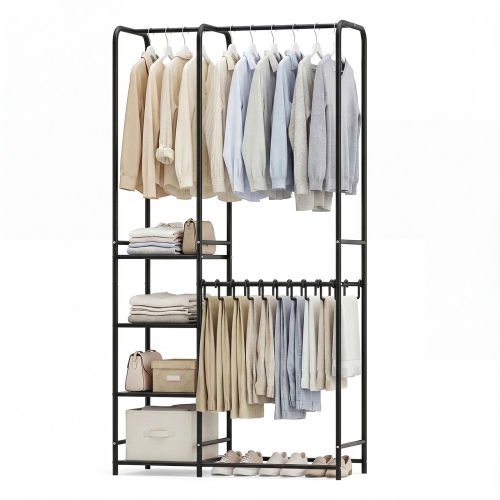
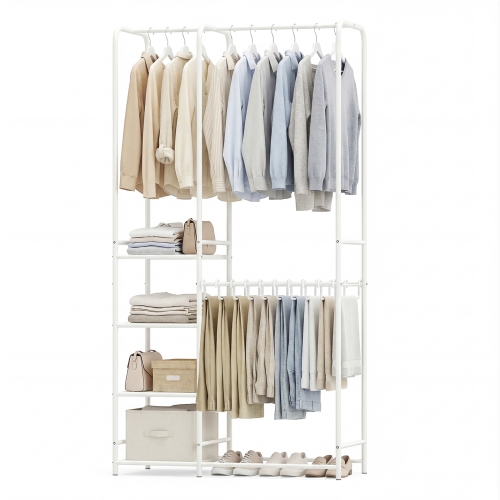
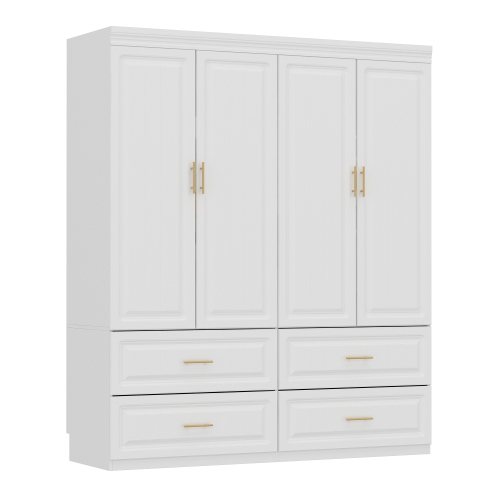

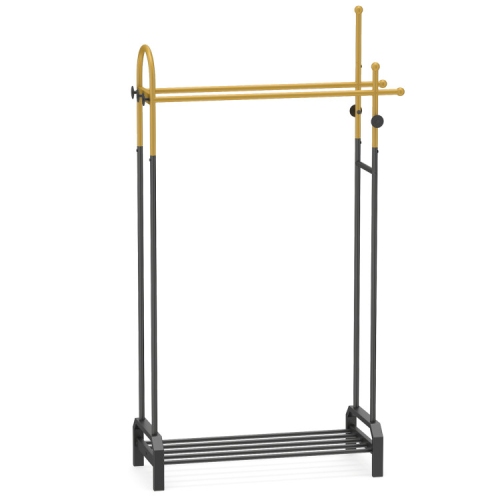
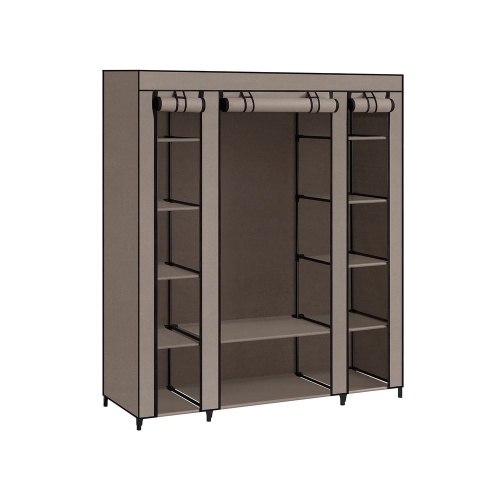
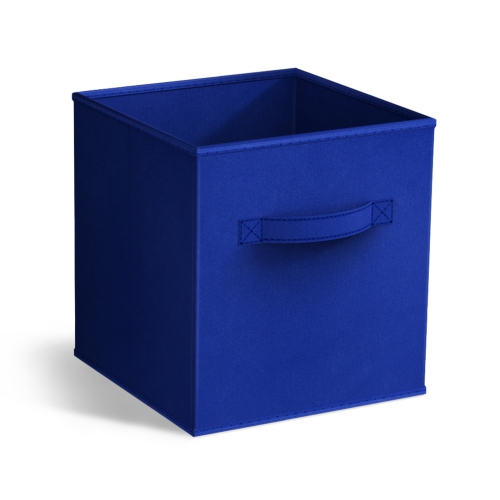
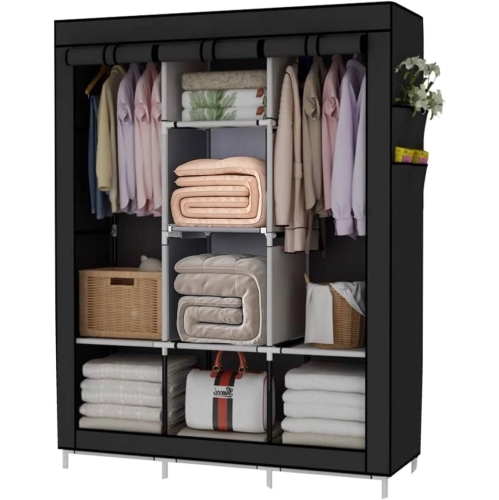
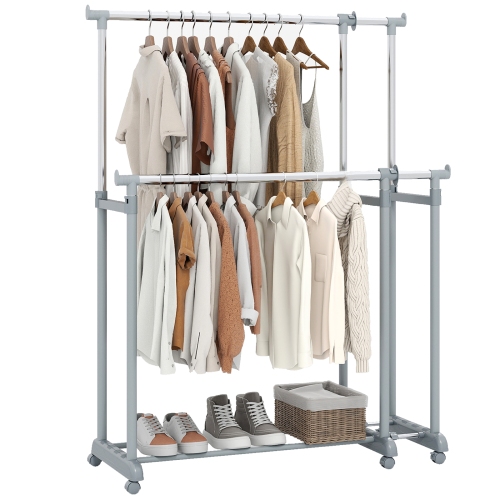
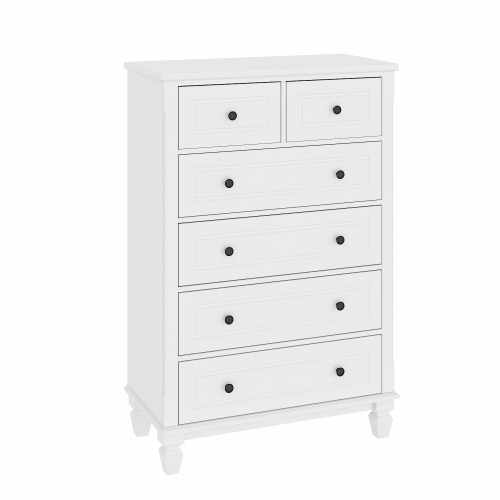
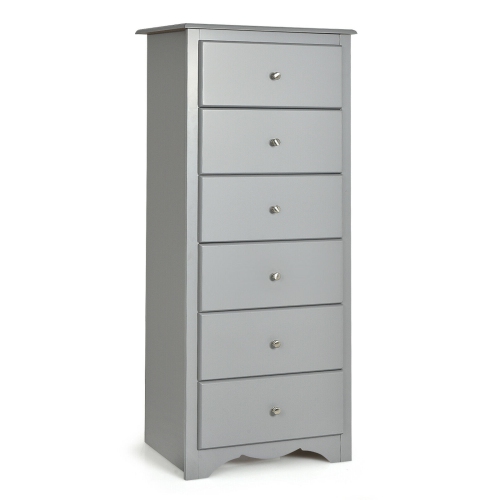
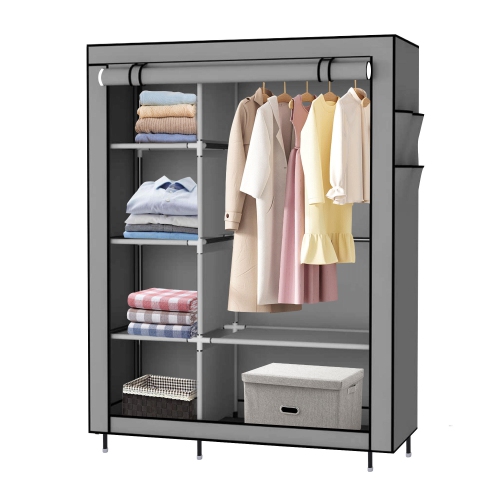
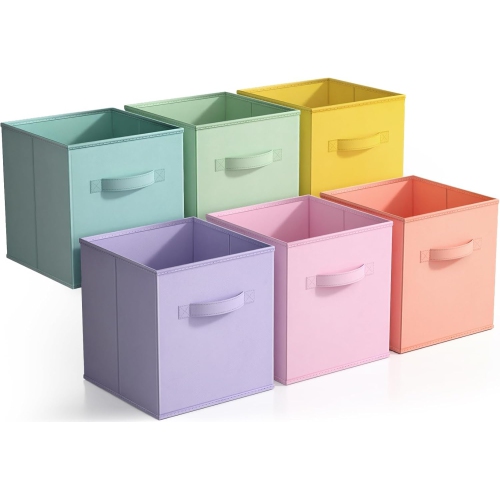
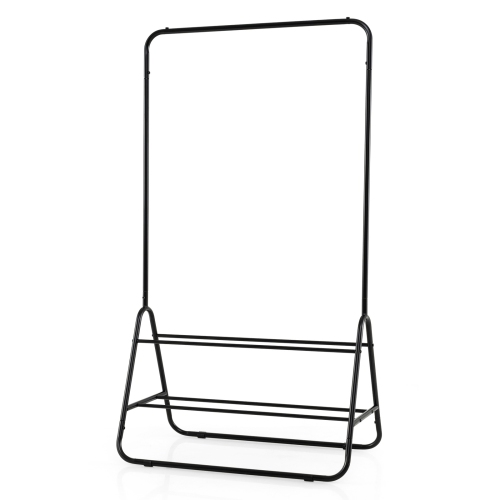
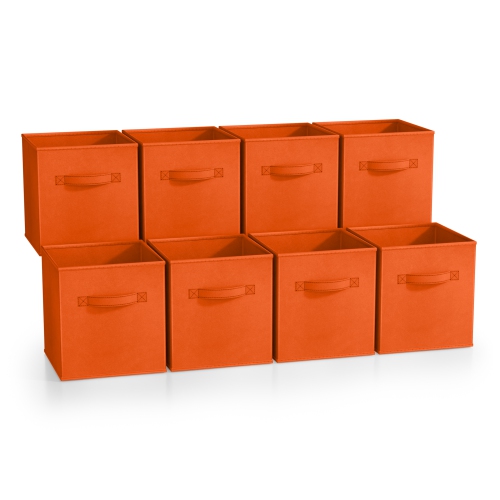
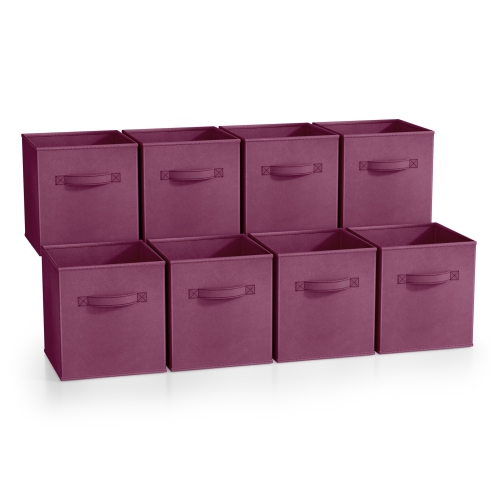
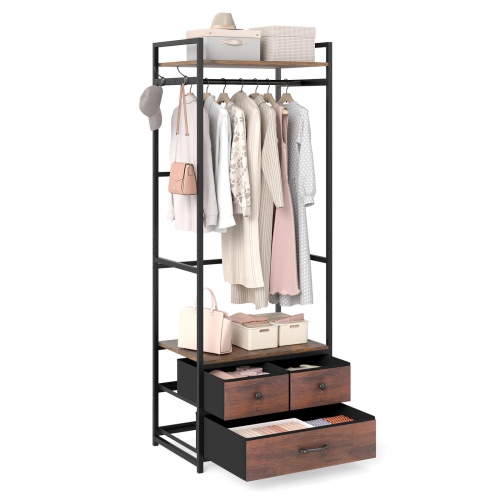
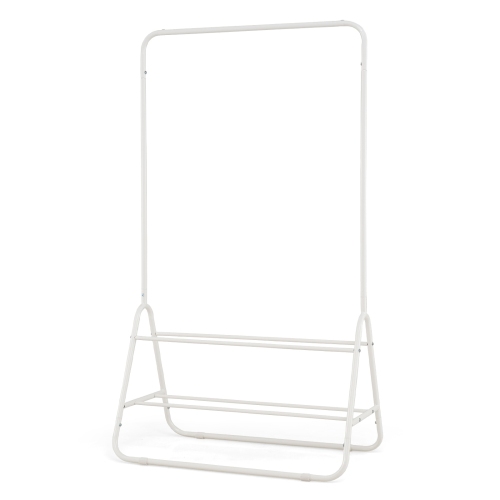



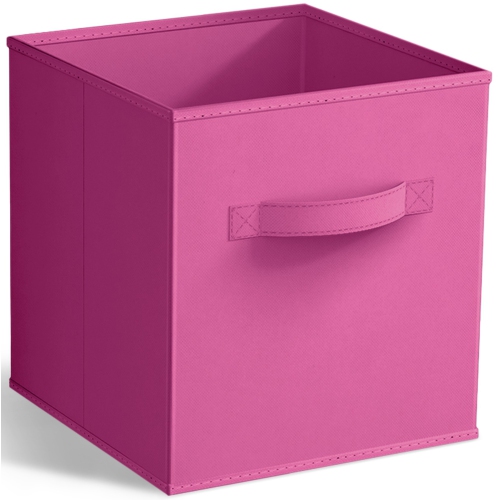
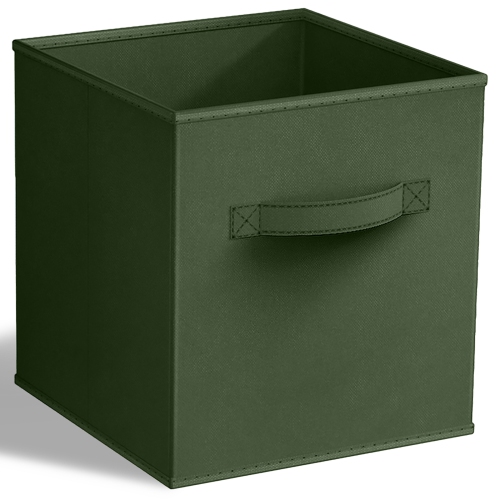
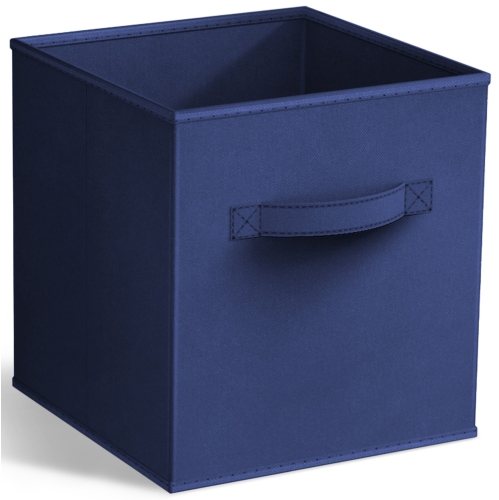
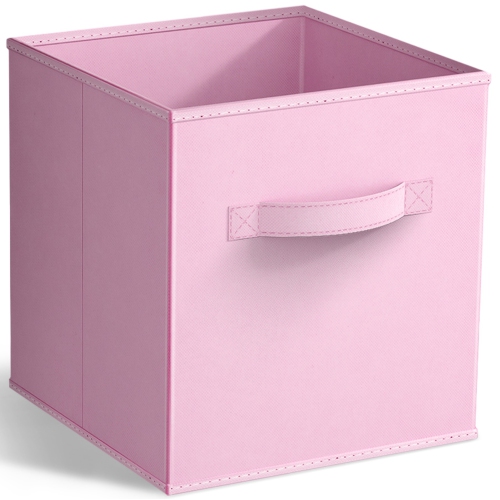

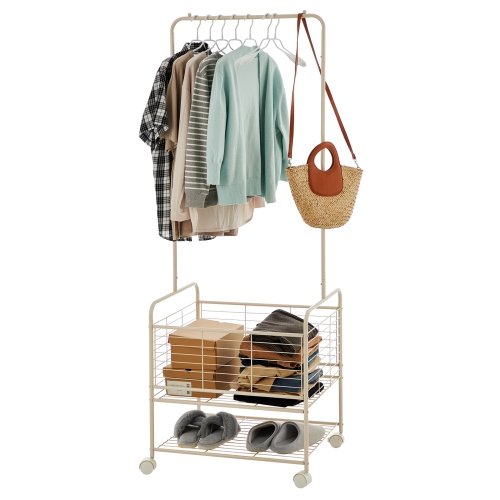
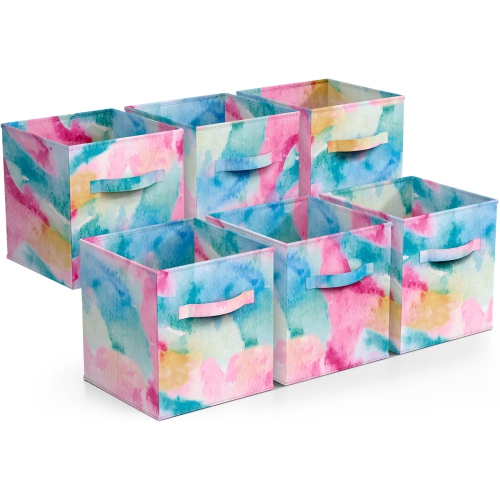
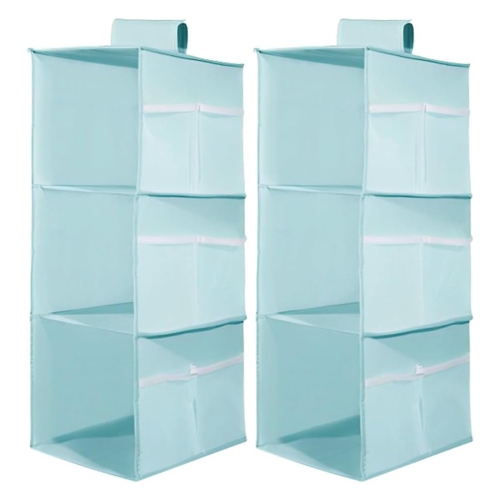

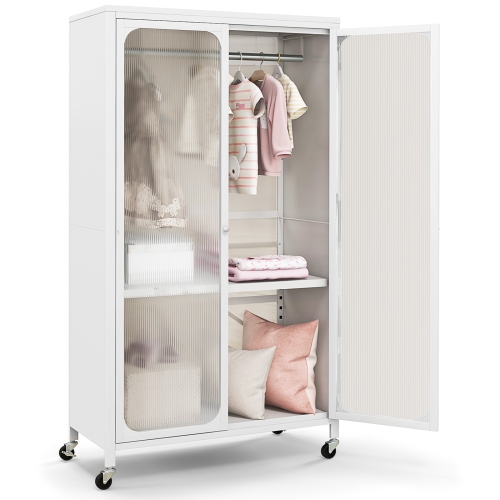
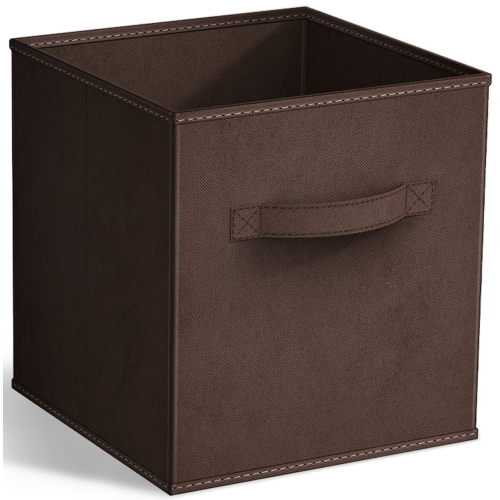
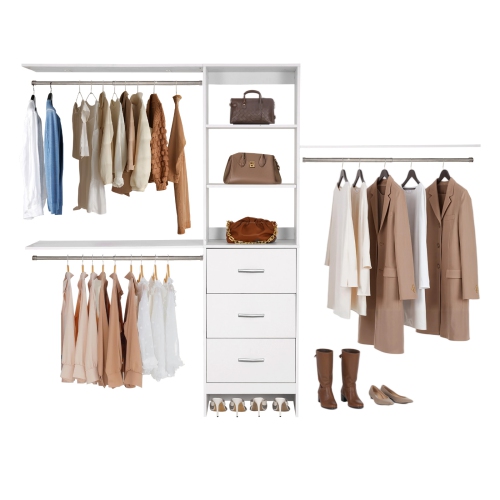
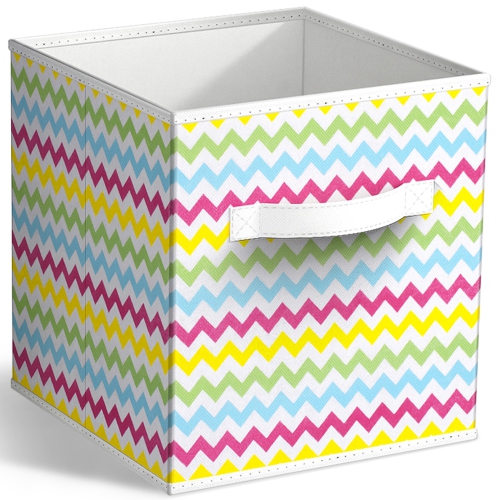
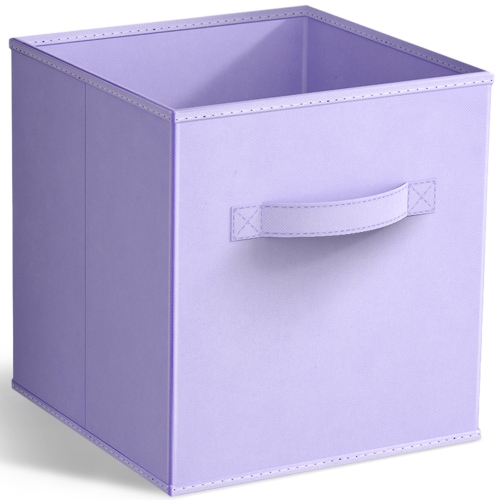
Hanging space is only part of the equation
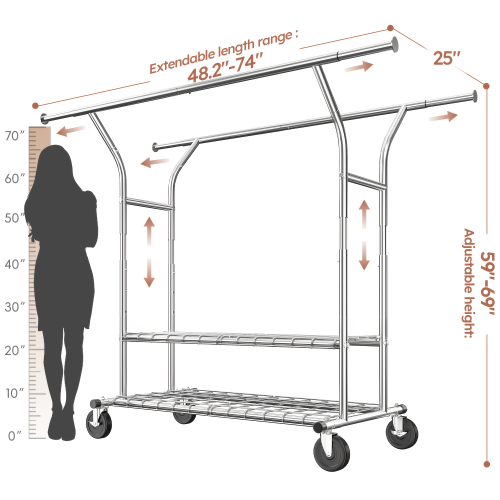
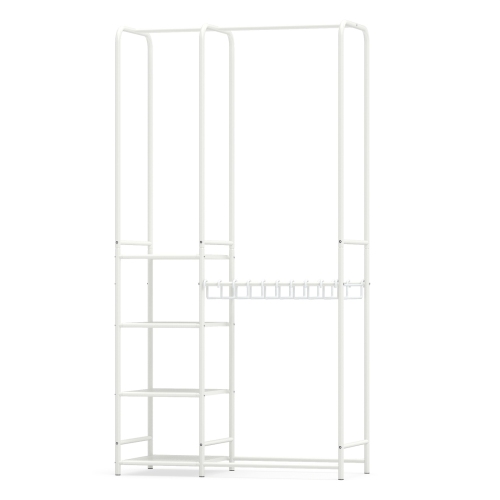
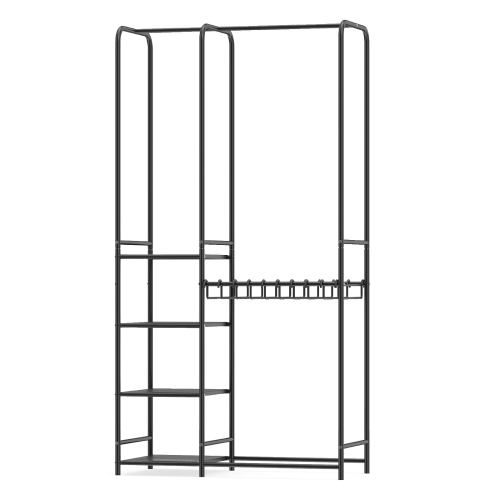
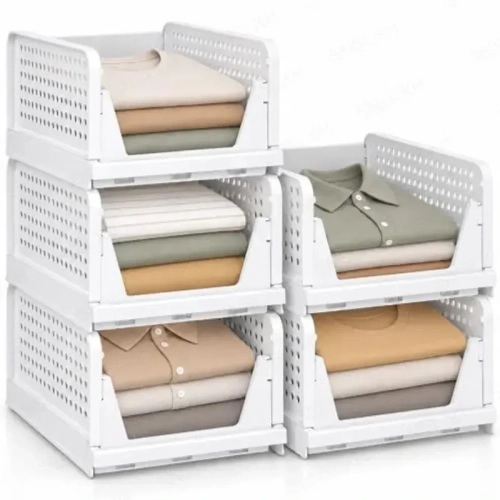
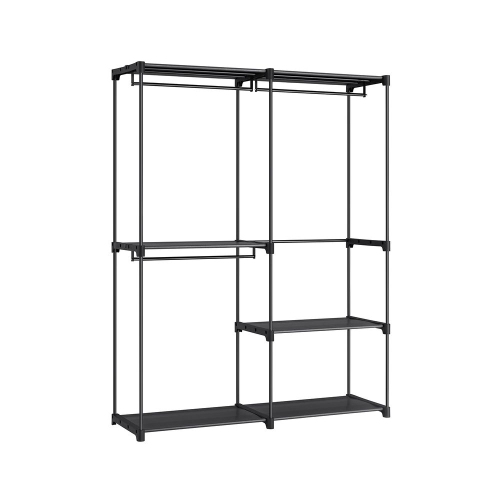
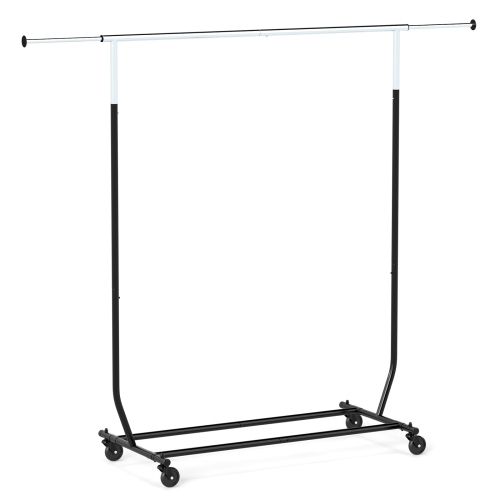
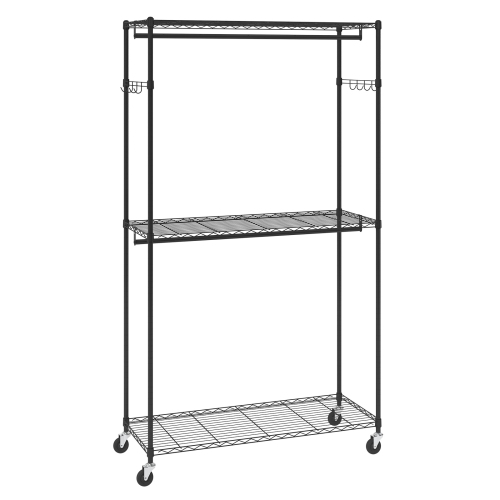
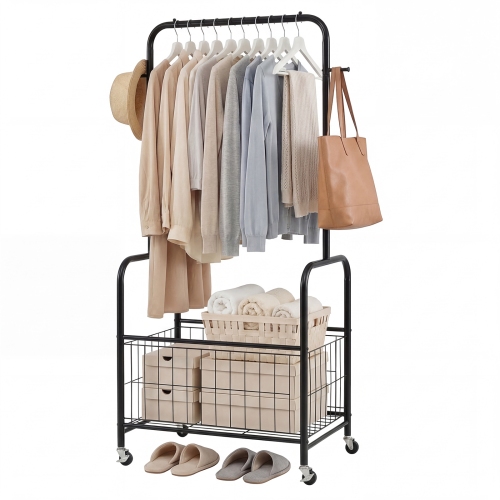
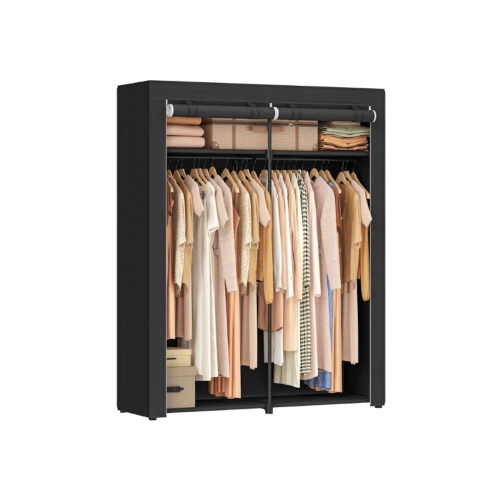
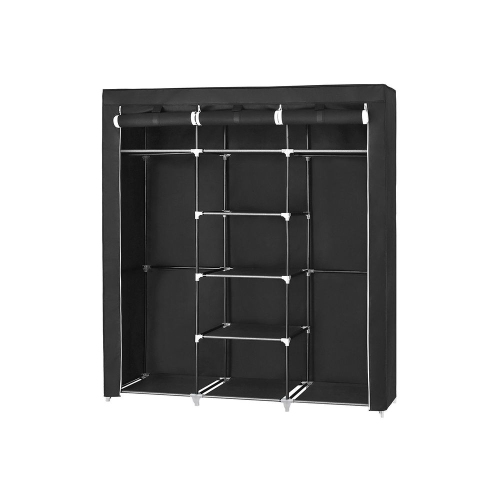
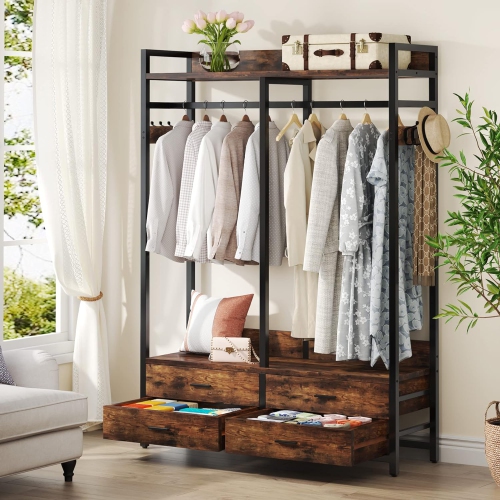
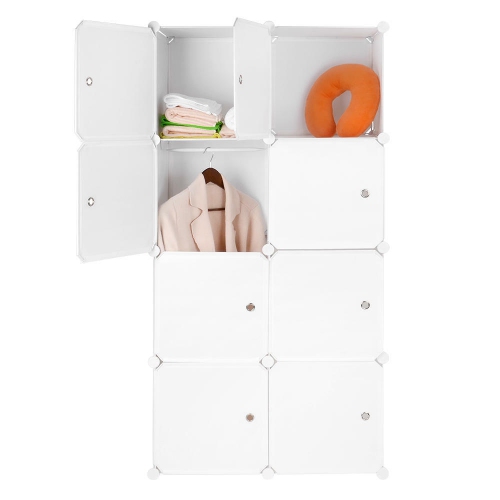
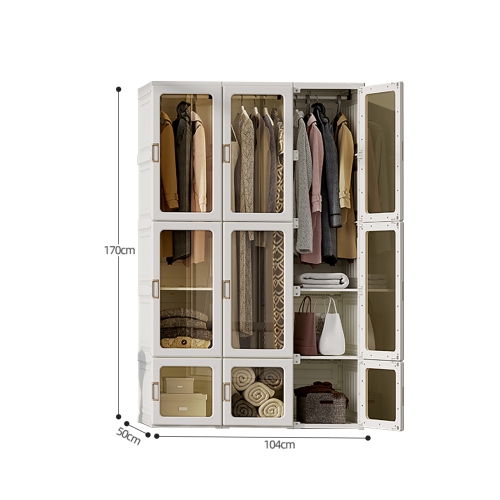
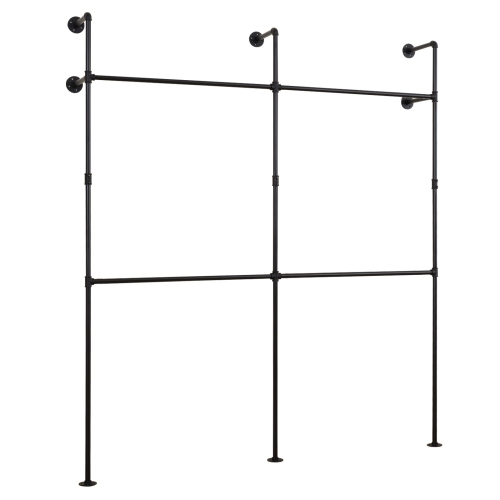
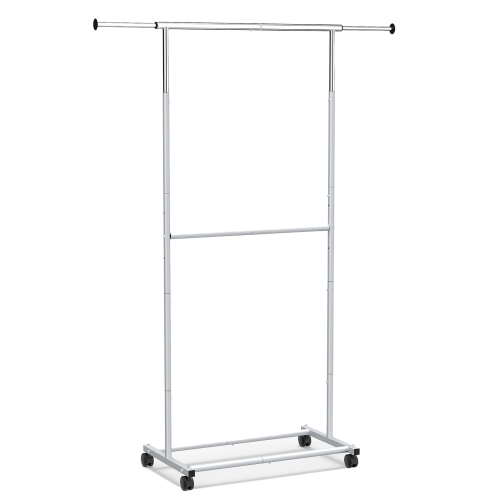
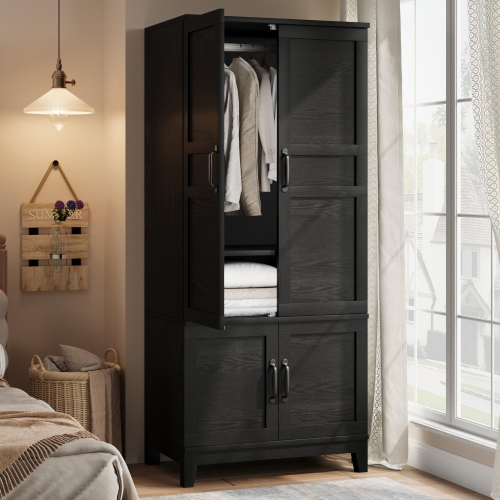
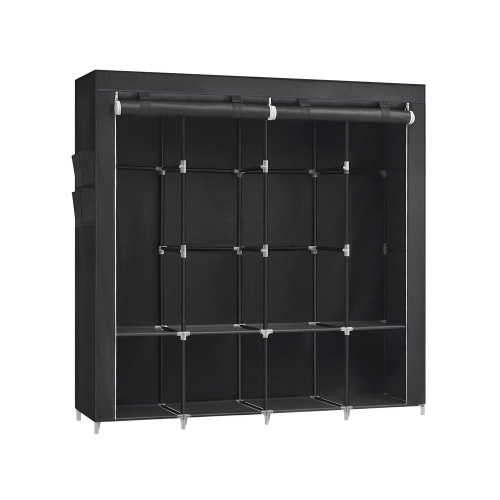
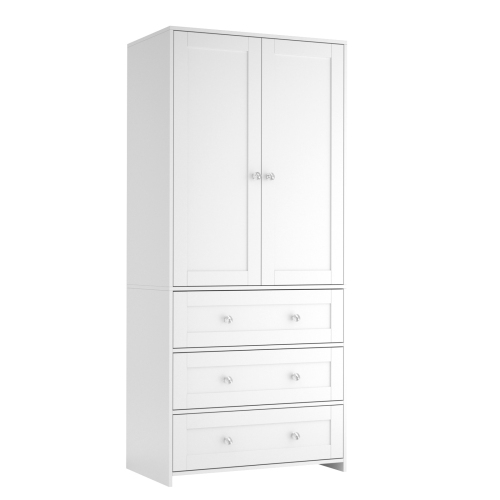
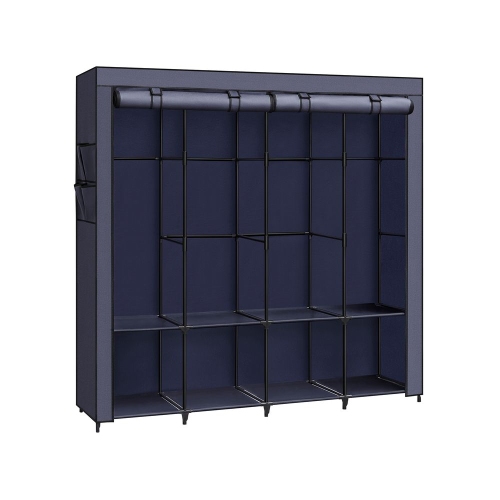
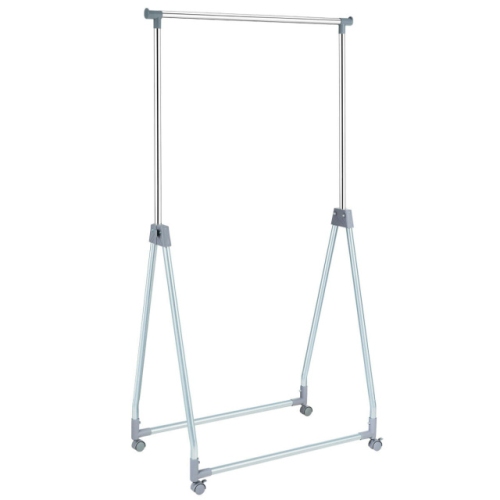
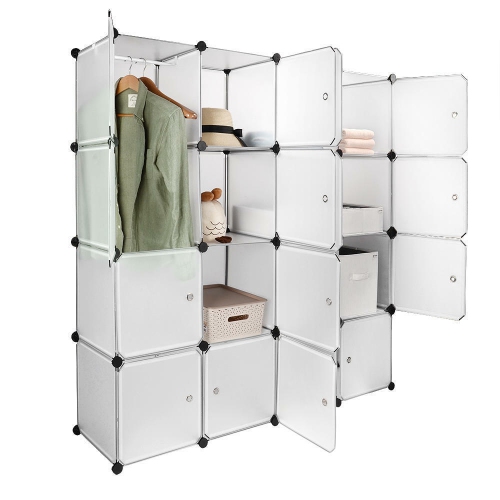
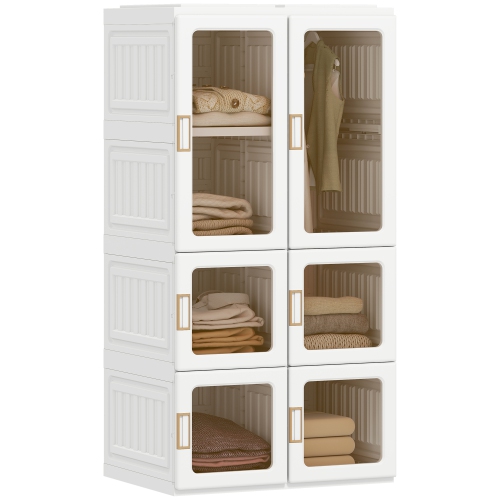
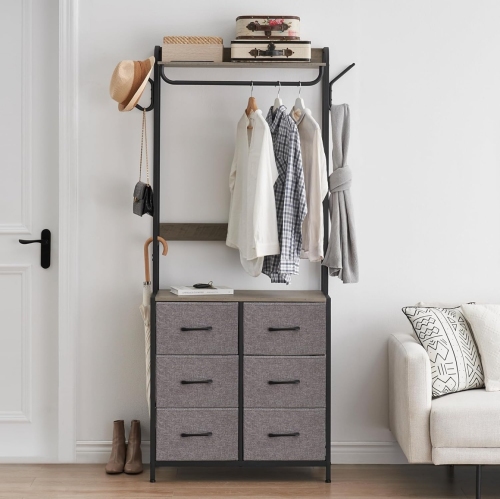
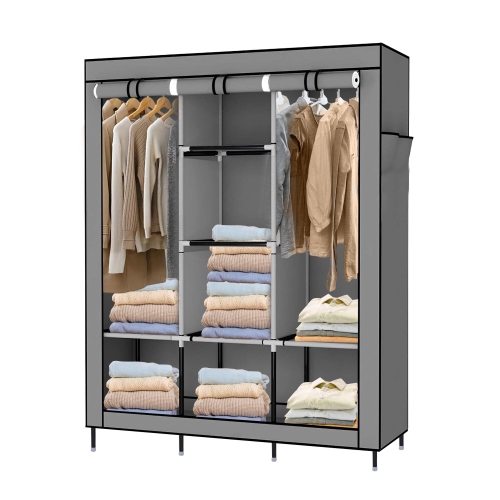
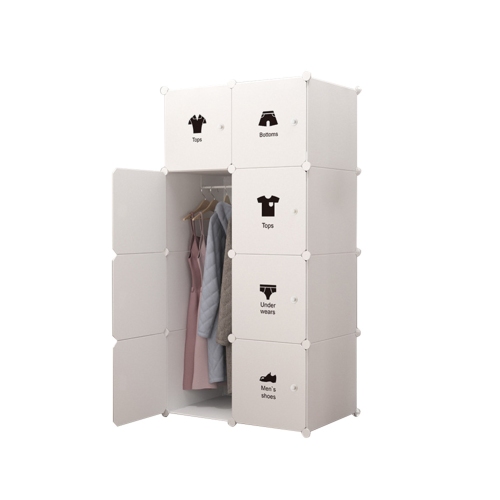
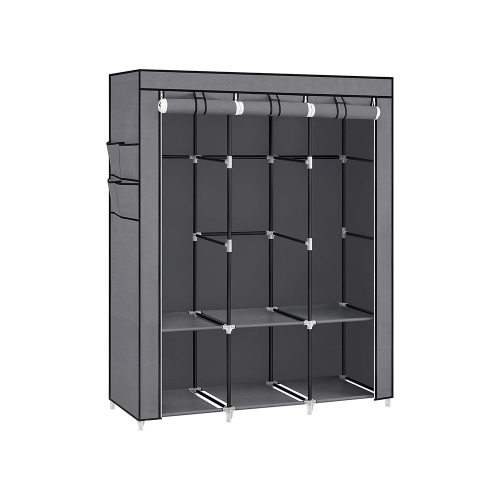
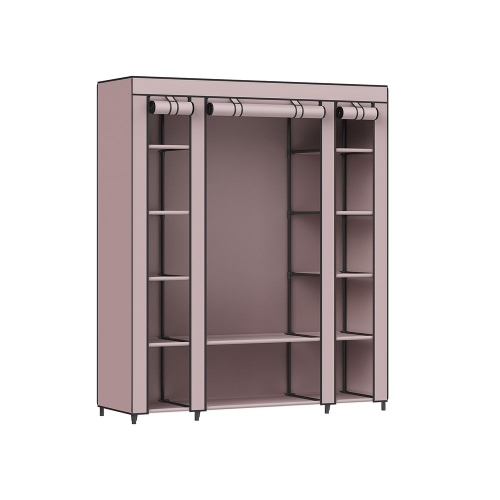
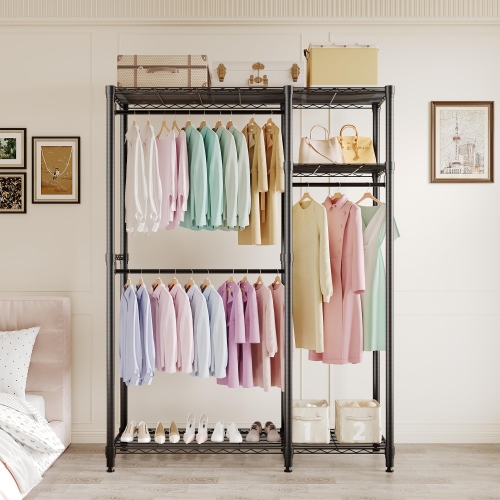
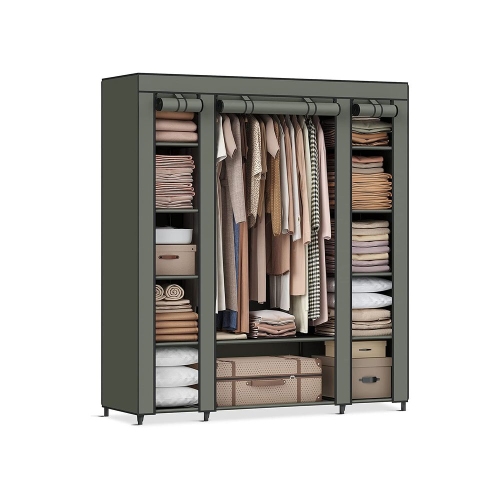
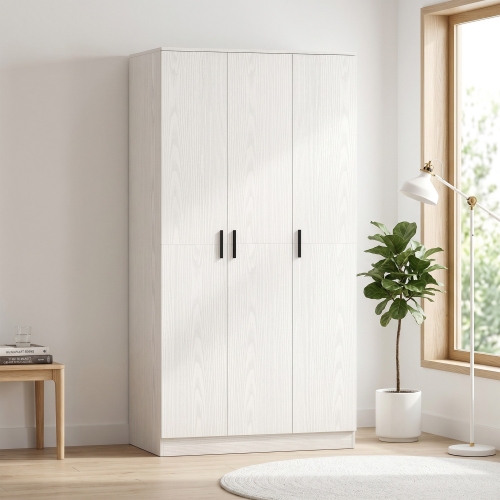
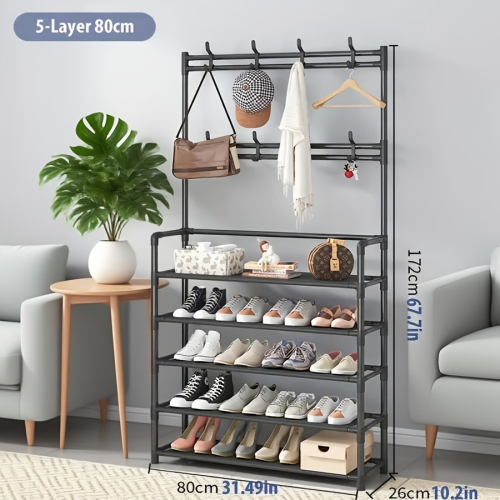
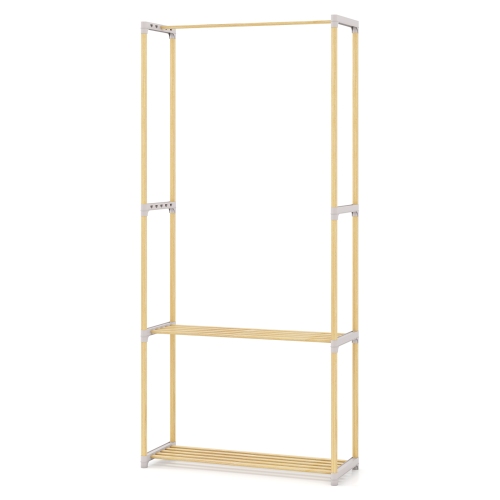
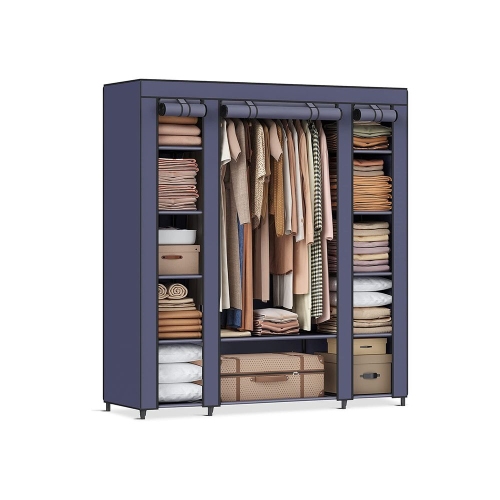
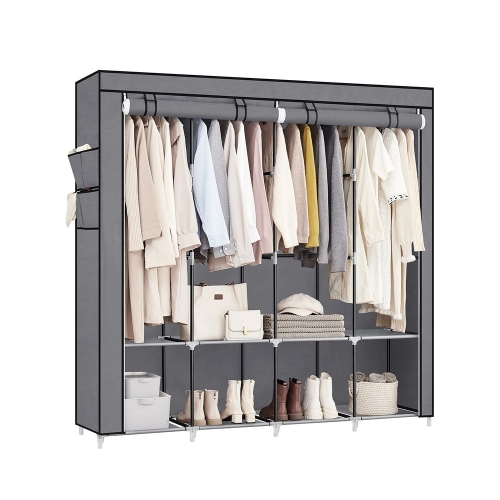
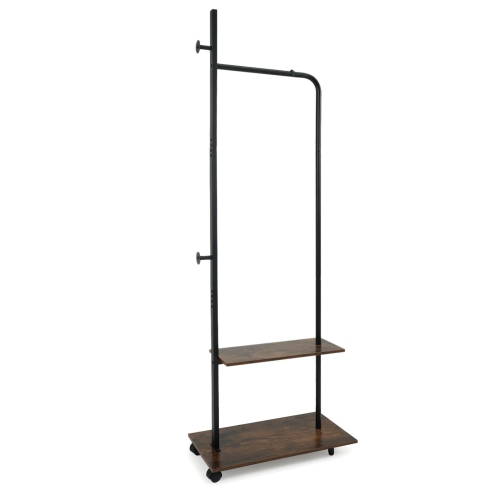
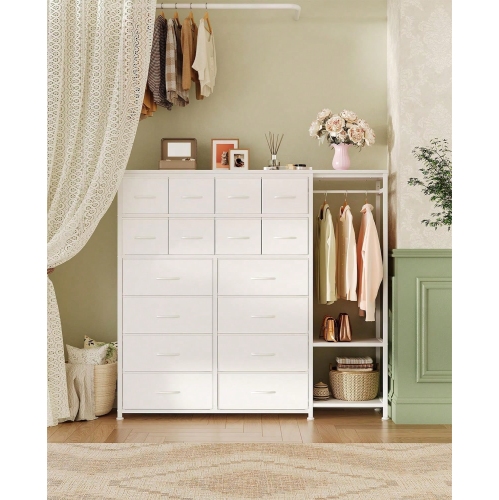
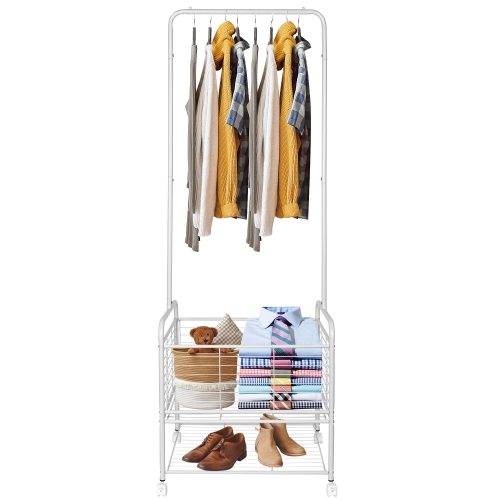
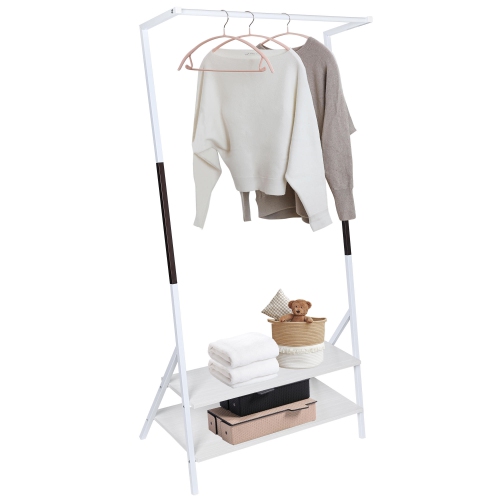
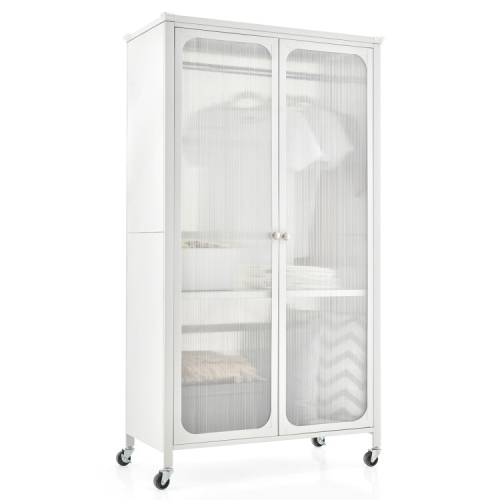
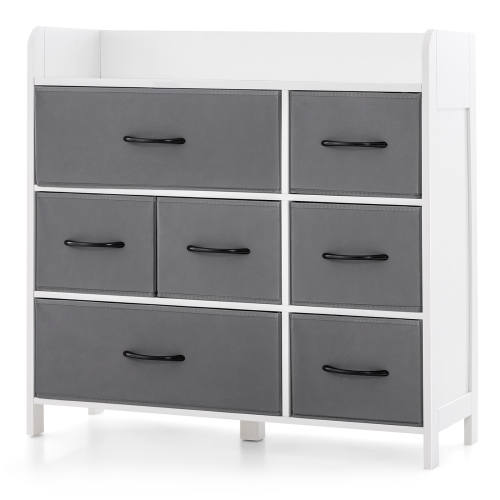
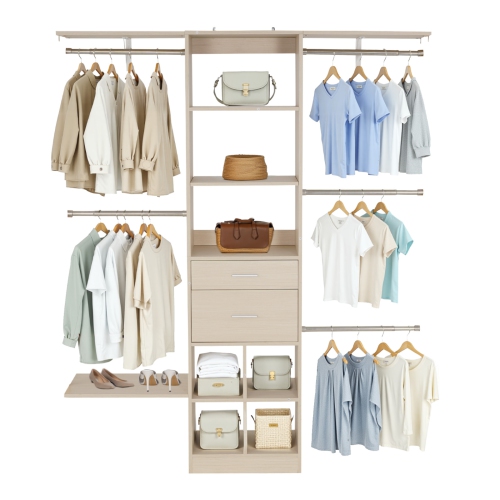
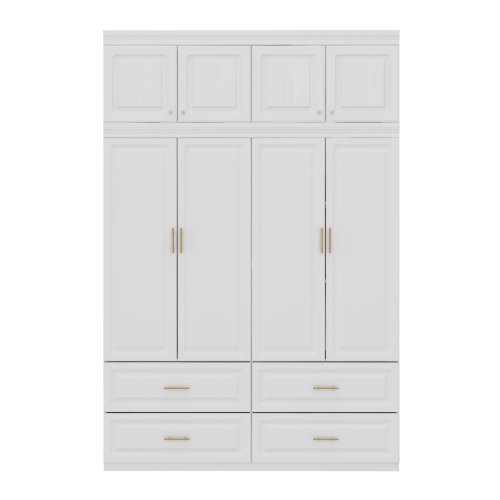
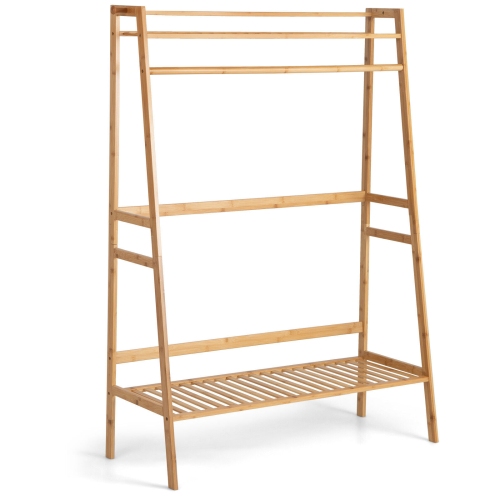
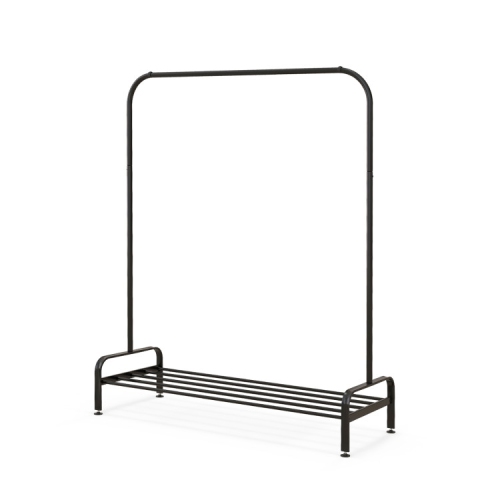
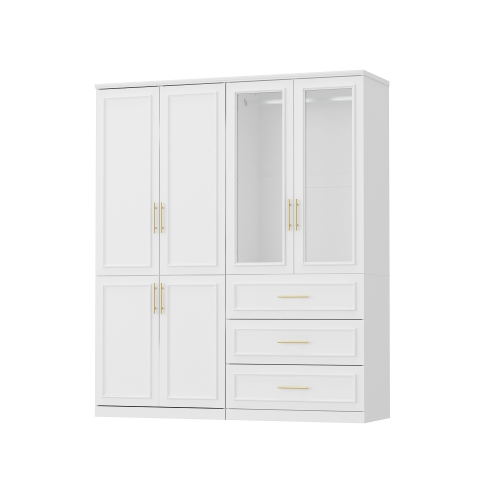
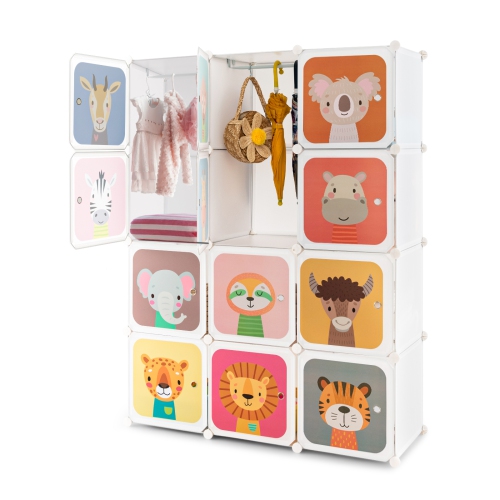
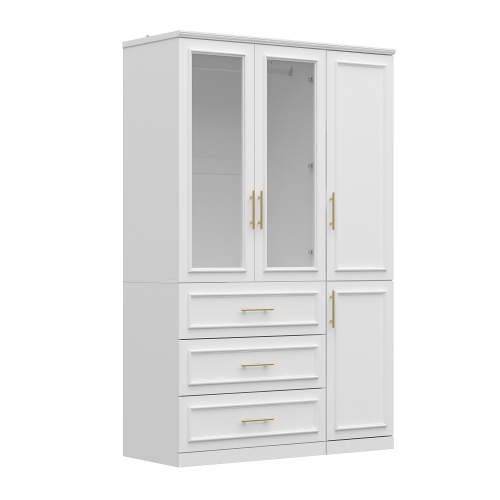
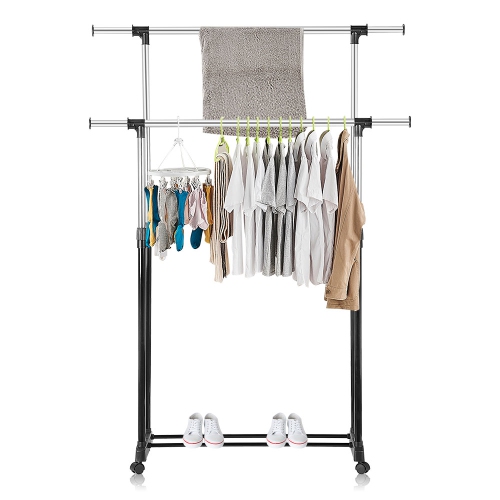
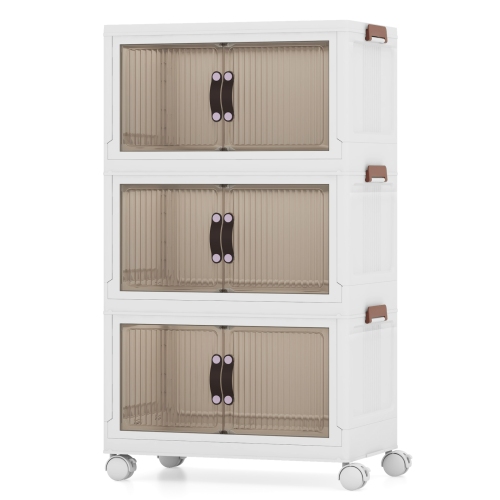
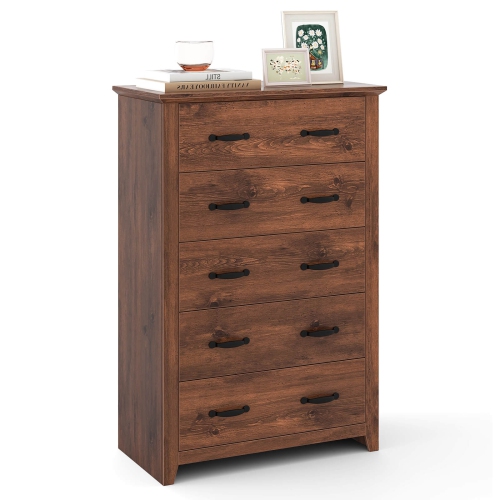
Storage solutions for clothes include wardrobes, garment racks, closet organizers, drawer dividers, hanging shelves, and containers that keep garments accessible while making better use of the space around them. The right arrangement depends on what needs hanging, what can be folded, and where clothing is used each day. Shirts, dresses, and tailored jackets generally need hanging room, while knitwear and everyday basics often fit neatly on shelves or in drawers. A bedroom with a shallow closet has different requirements from a shared dressing area or a room without built-in storage. Freestanding wardrobes provide enclosed storage, open garment racks keep frequently worn clothing visible, and modular systems combine hanging rails with shelving to accommodate different garment lengths. Fit involves more than checking the width of an empty wall: depth, ceiling height, baseboards, door swings, and clearance around nearby furniture all affect how comfortably a storage unit works. A drawer needs room to extend, and a wardrobe door should open without catching the bed or blocking a walkway. Inside a closet, the distance between the hanging rail and the shelf below determines whether longer garments can hang without bunching. Double hanging rails can make good use of vertical space for shorter clothing, while a full-height section leaves room for dresses and longer outerwear. Adjustable shelving is useful when stacks of folded clothing vary in height, although deep shelves can hide garments at the back. Shallower compartments or pull-out storage can make those spaces easier to use. For shared closets, separate sections help keep different sizes and routines organized without requiring identical storage on both sides. Comfortable reach matters, too. Everyday clothing belongs where it can be retrieved without stretching, while less frequently used garments can occupy higher shelves. A well-proportioned setup leaves enough room to lift hangers off the rail, slide containers out, and put clean laundry away without rearranging everything around it.
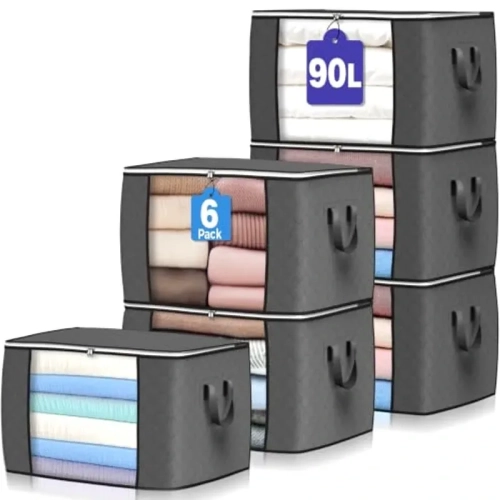
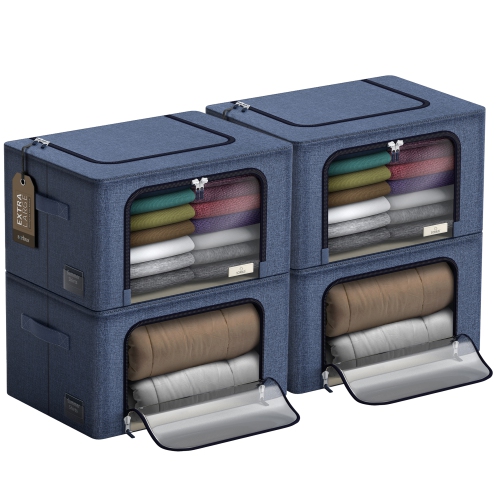
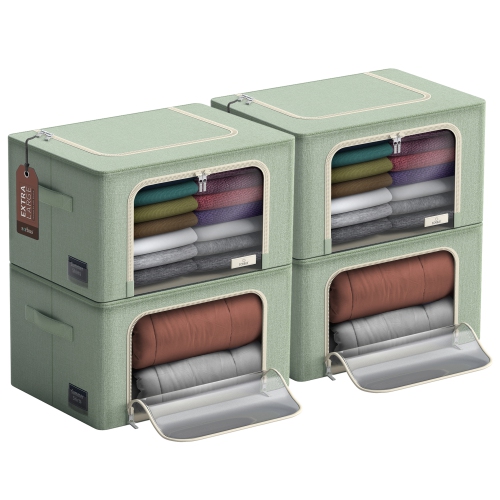
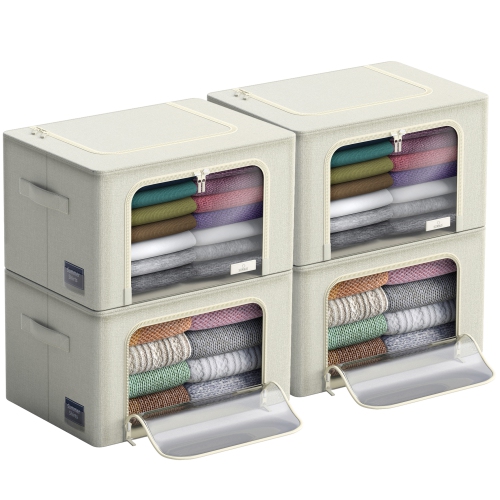
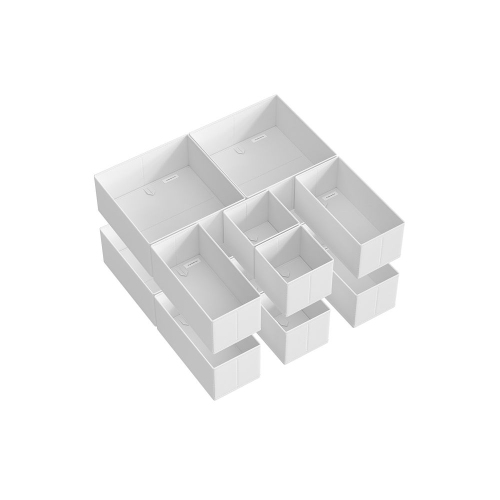
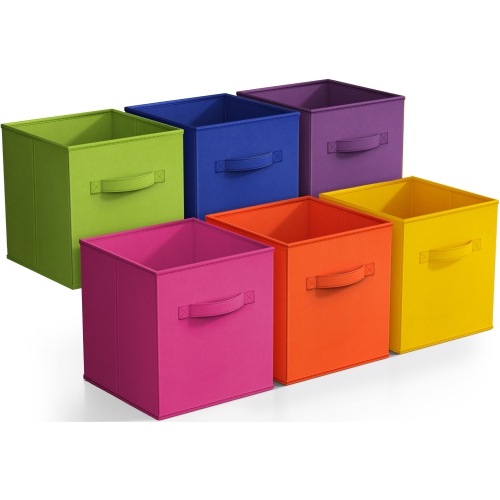
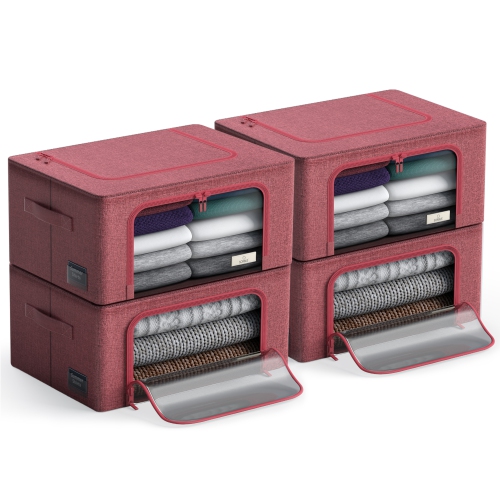
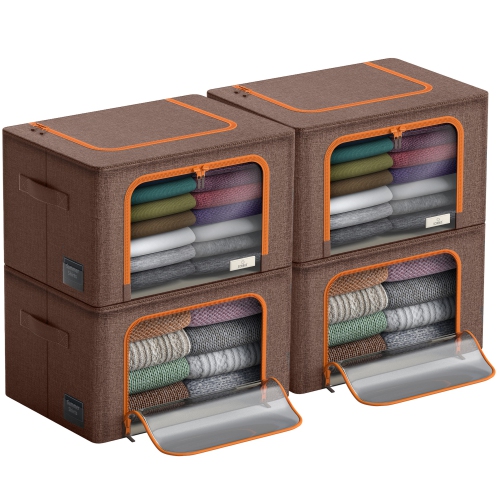
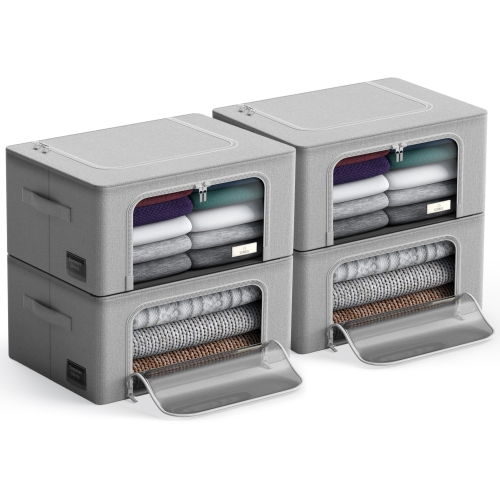
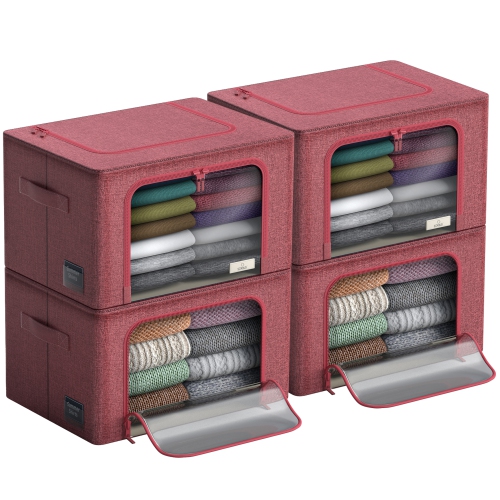
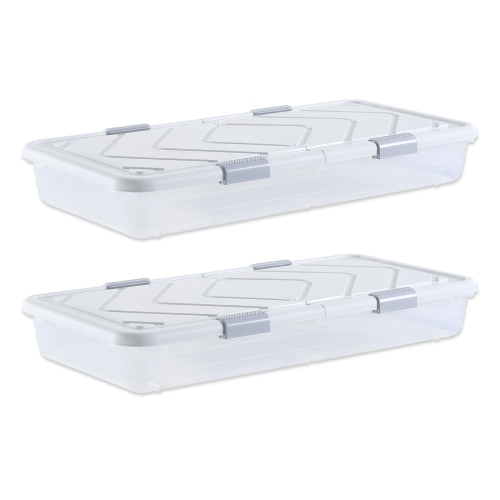
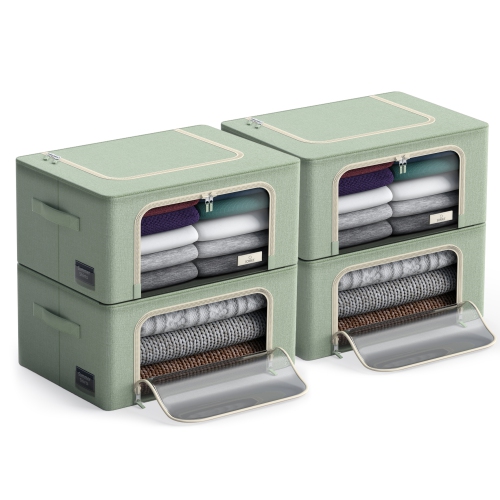
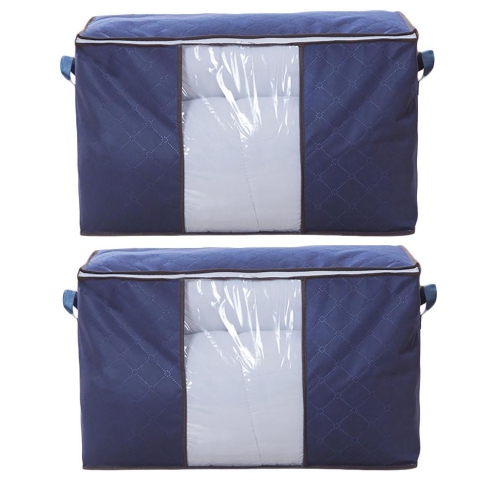
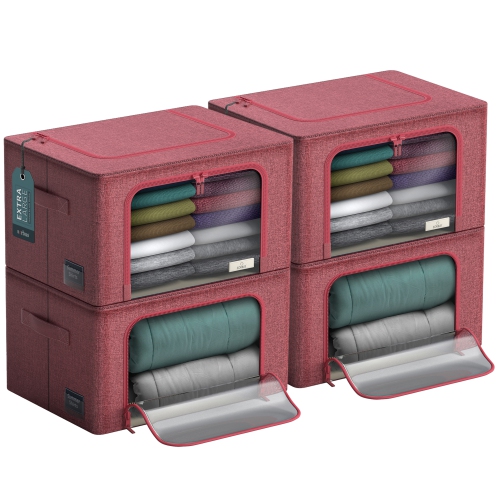
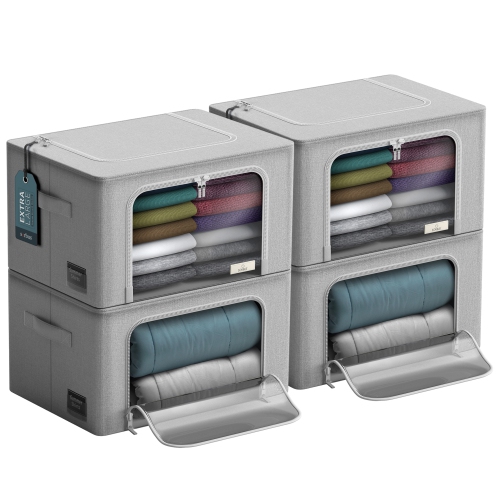
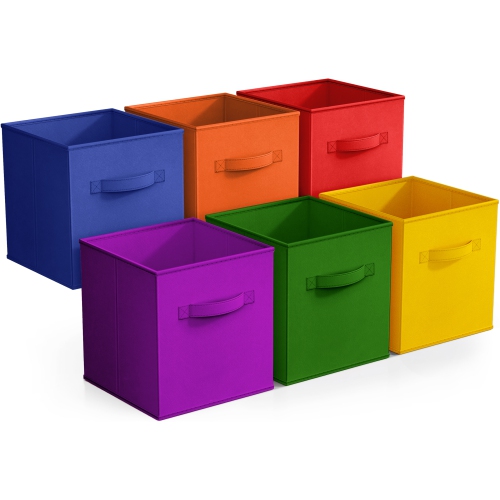
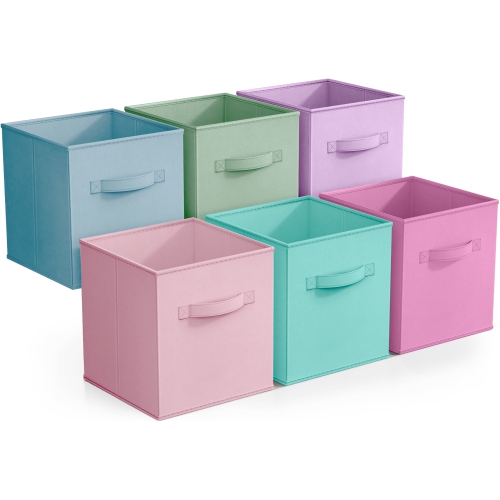
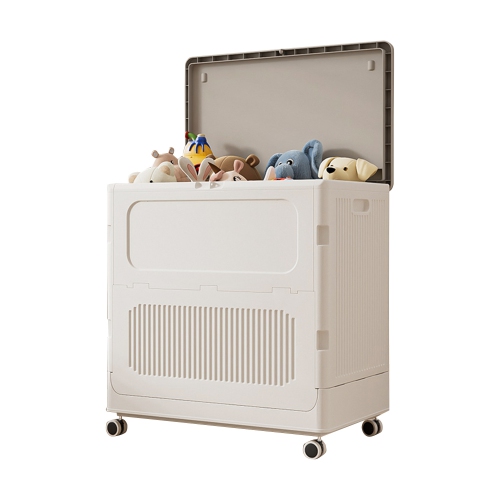
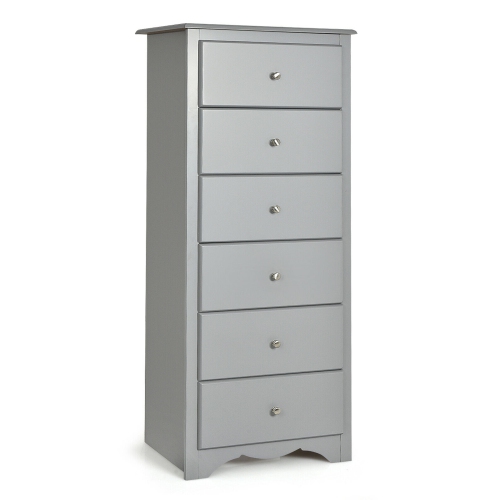
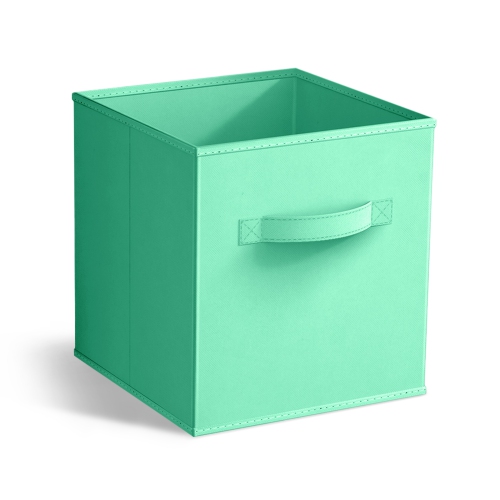
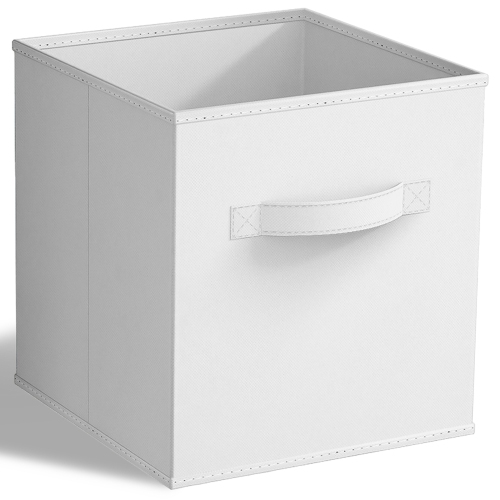
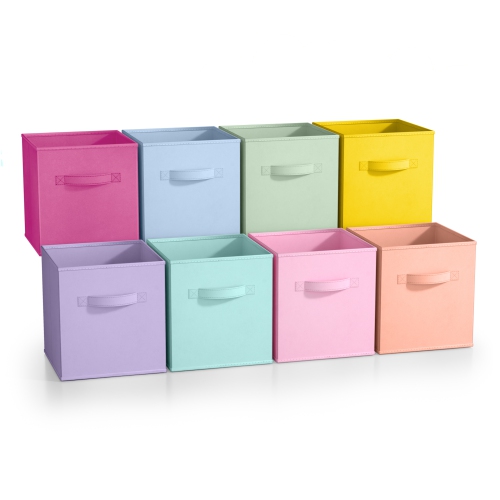
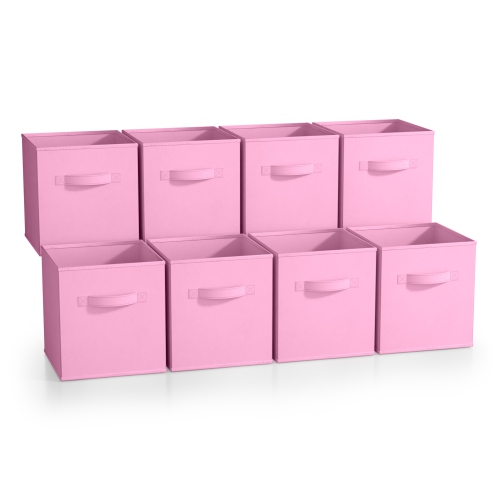
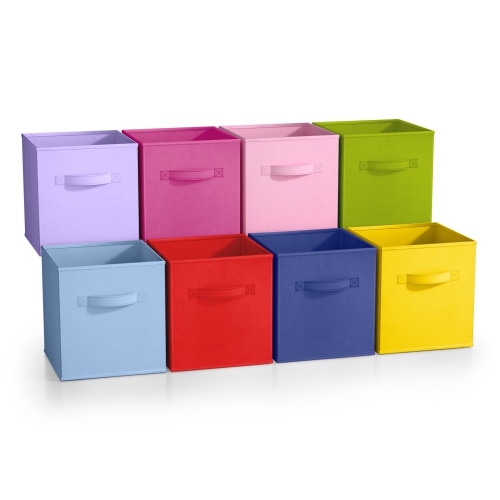
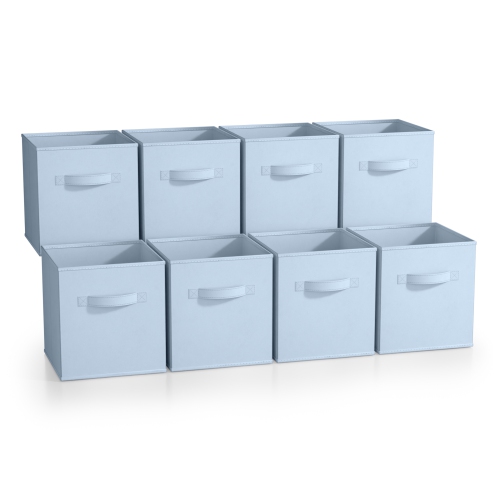
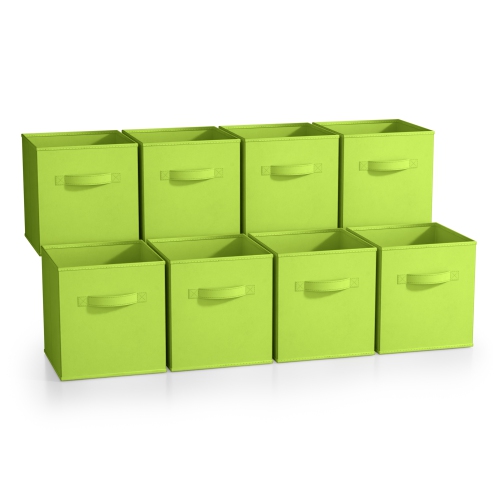
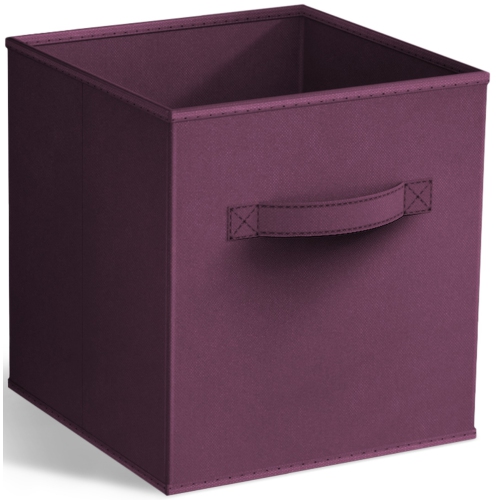
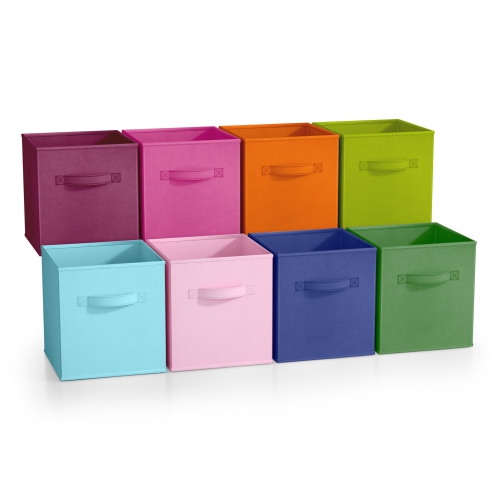
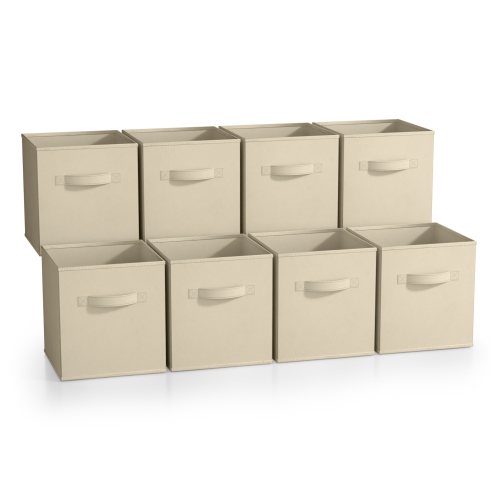
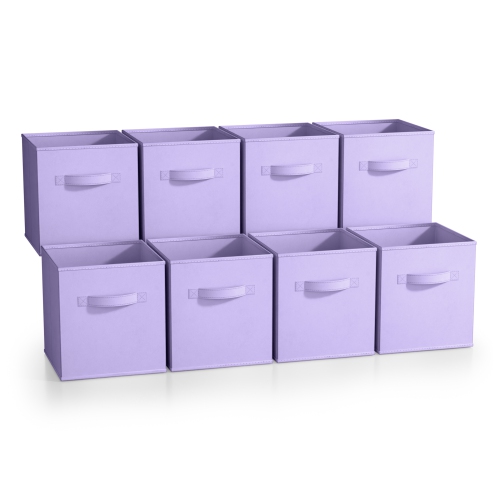
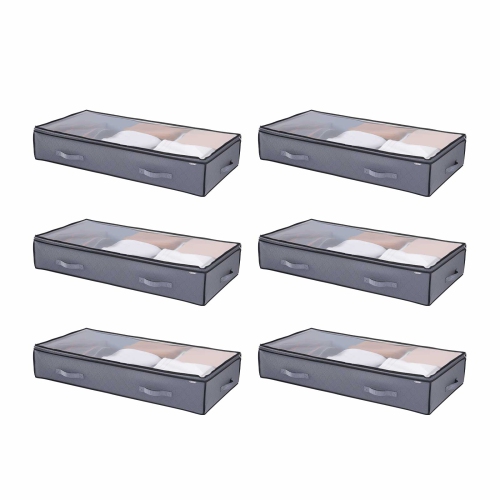
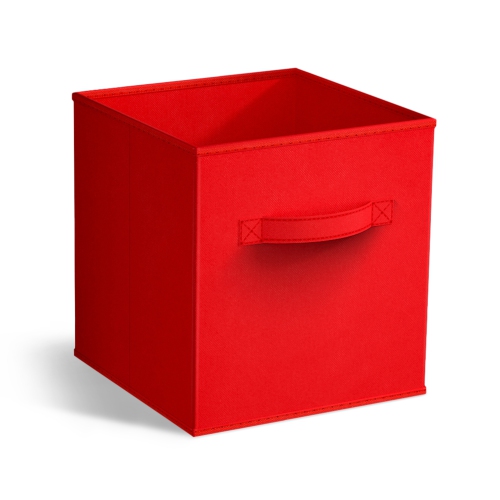
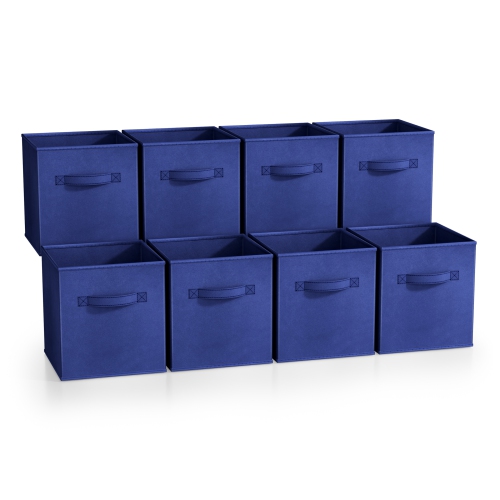
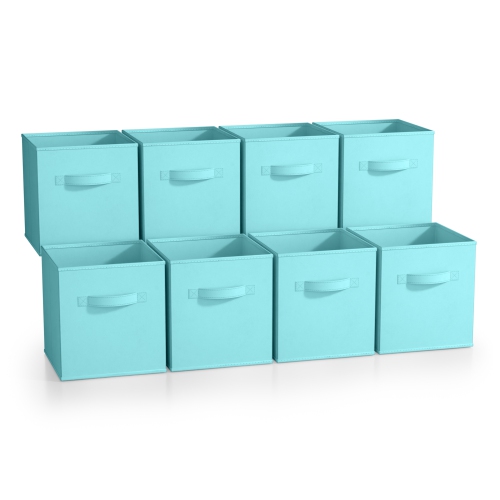
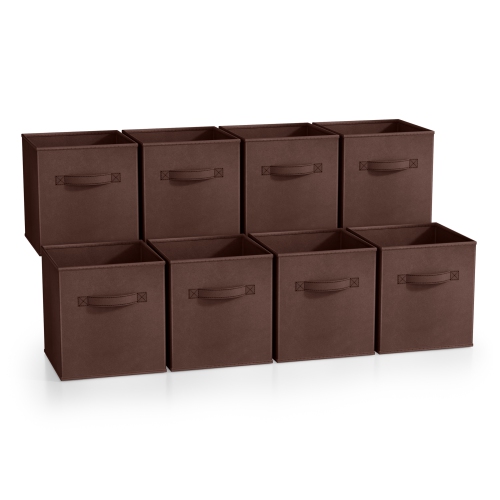
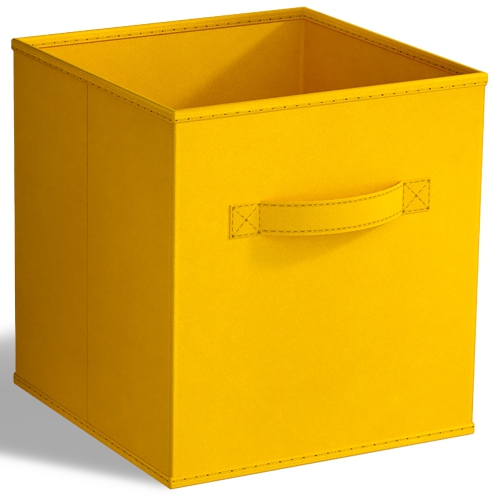
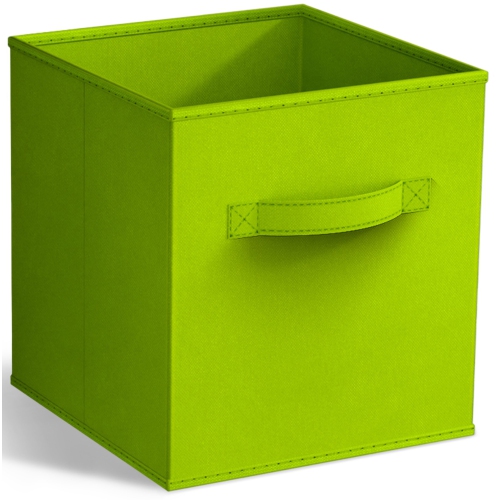
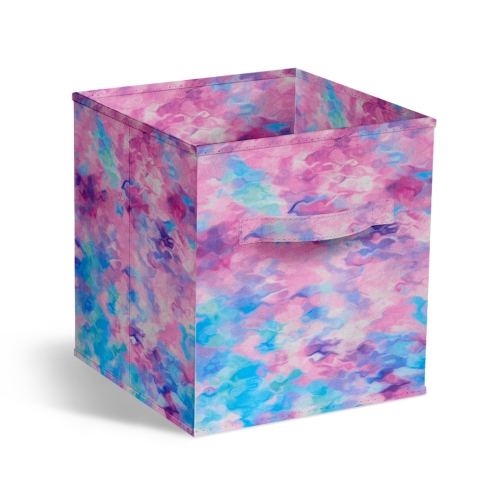
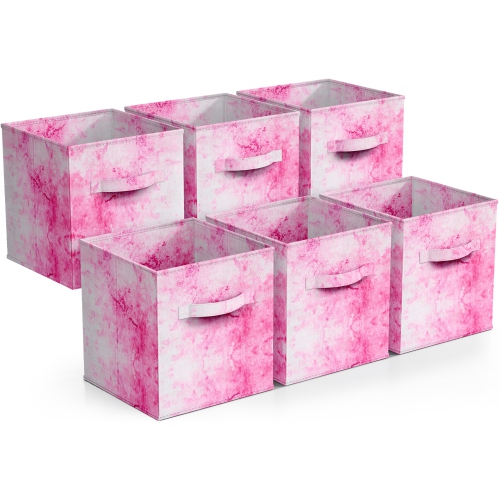
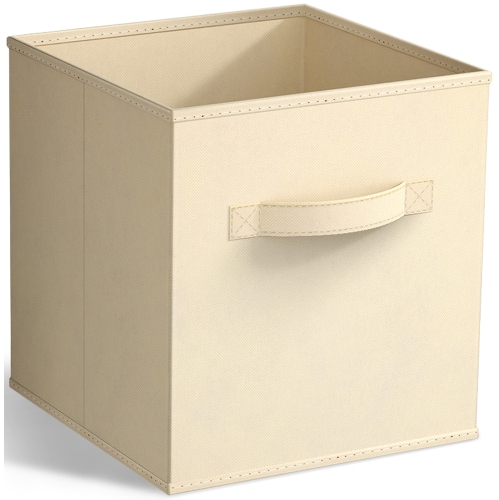
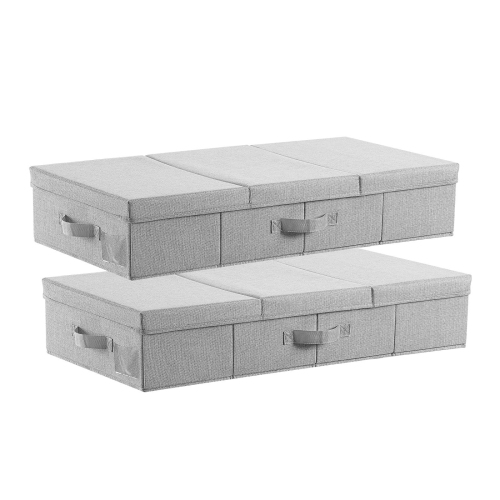
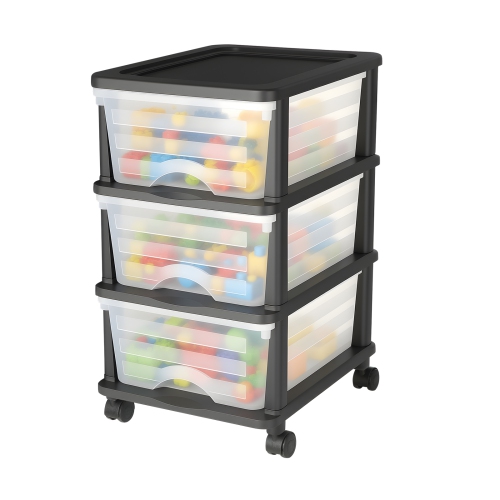
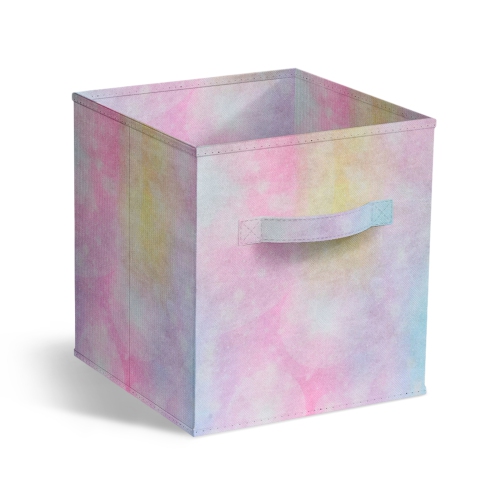
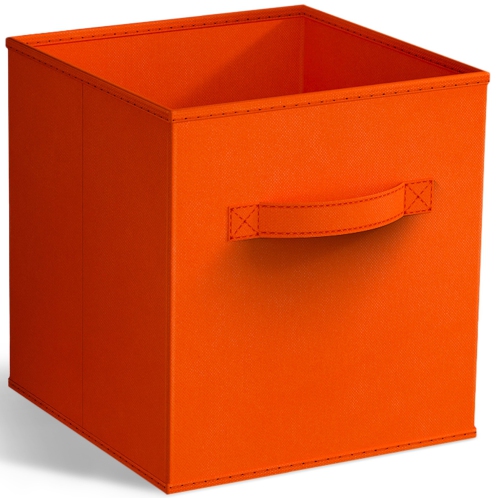
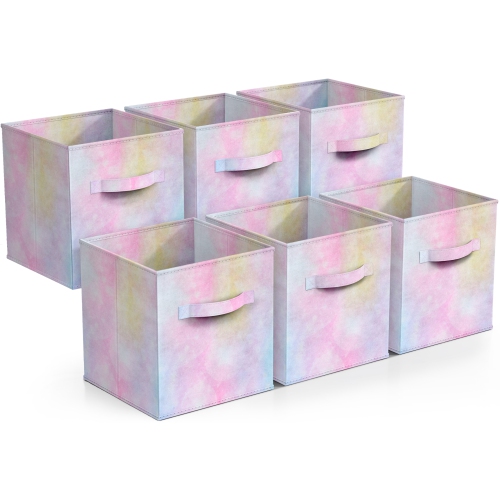
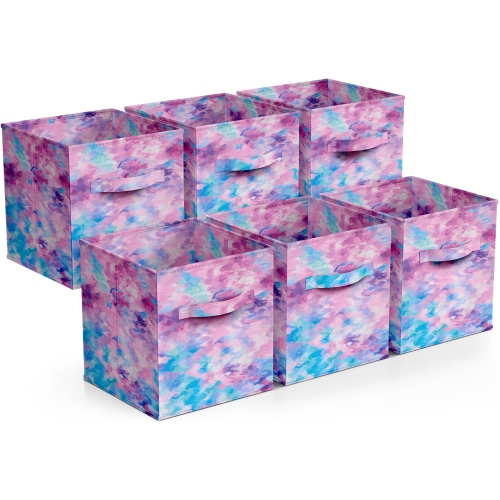
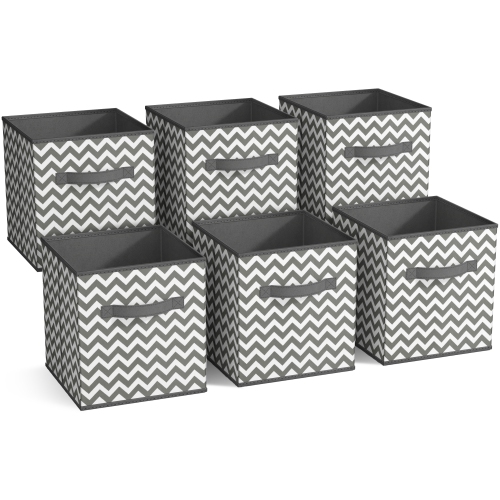
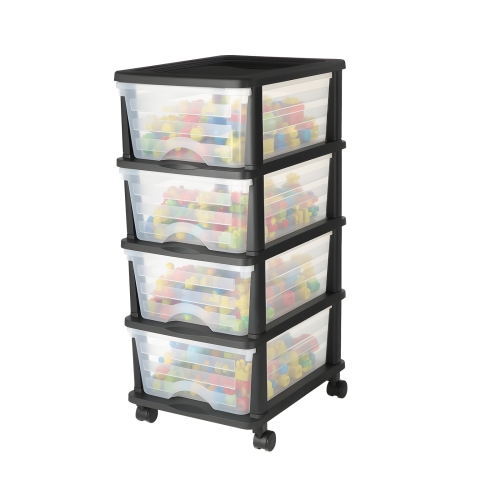
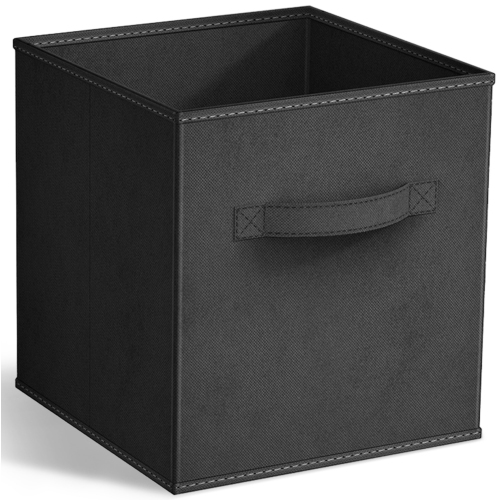
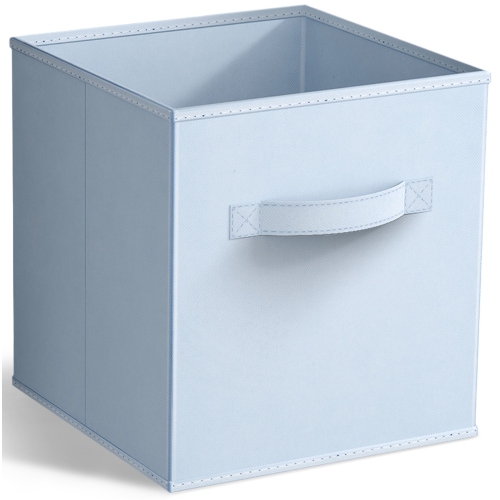
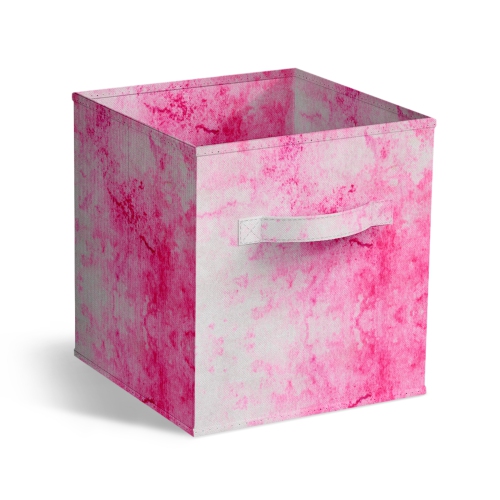
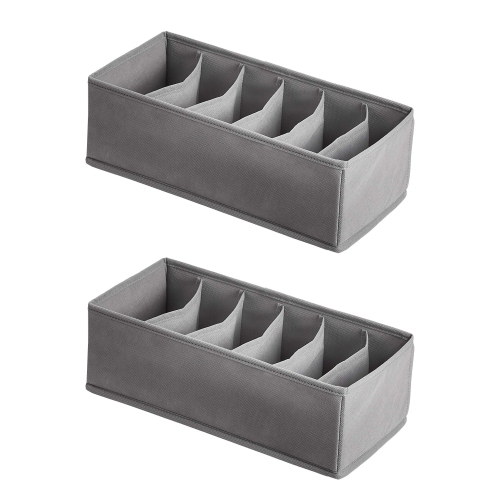
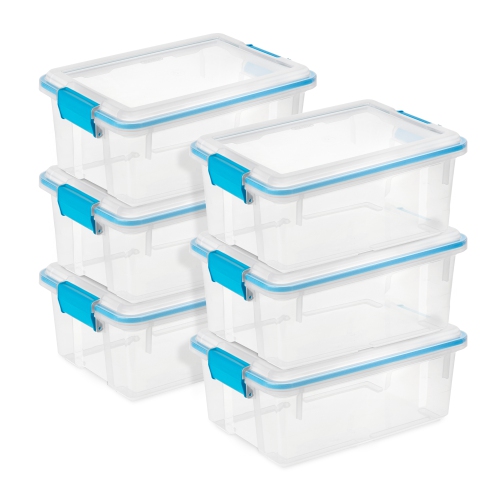
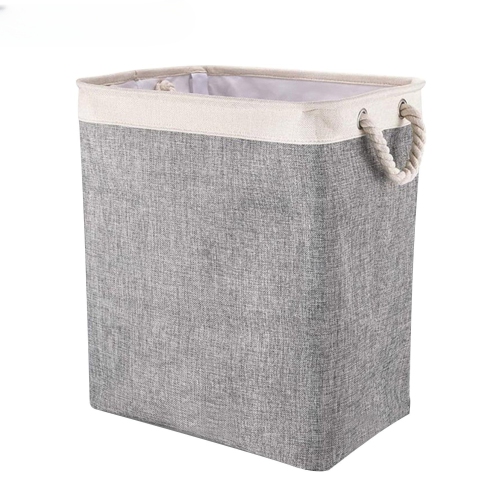
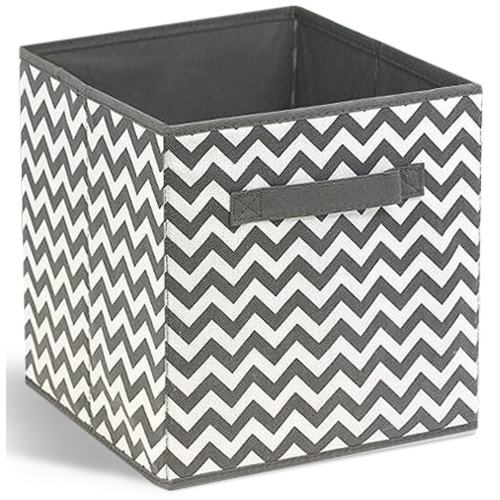
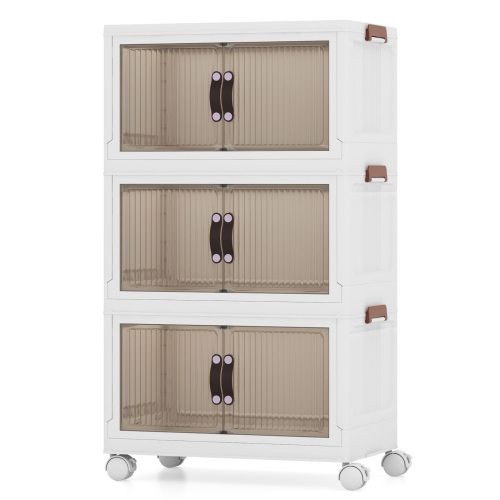
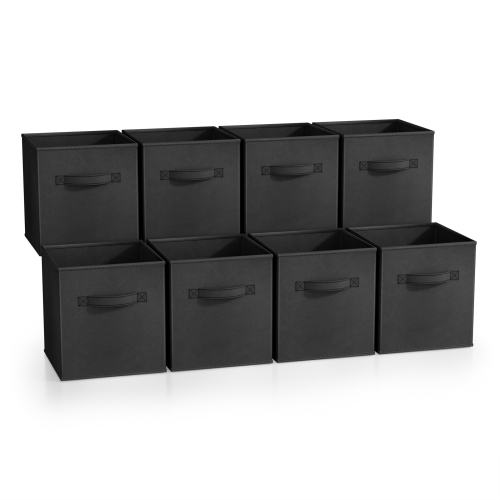
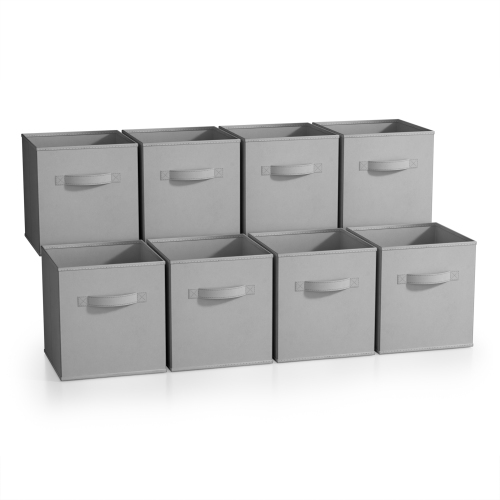
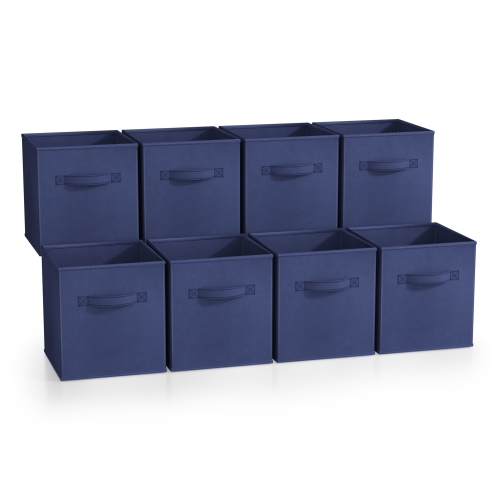
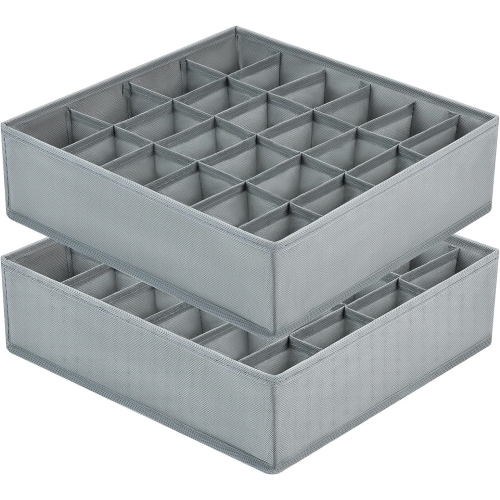
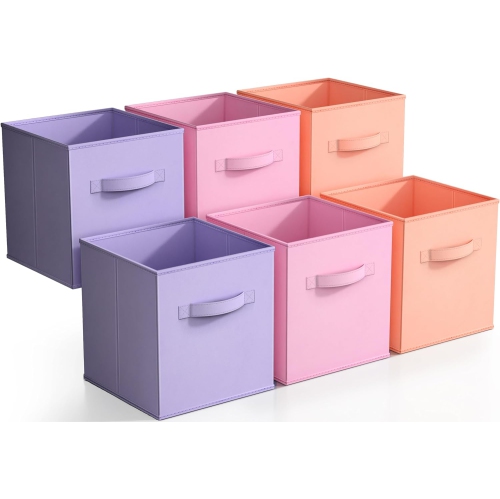
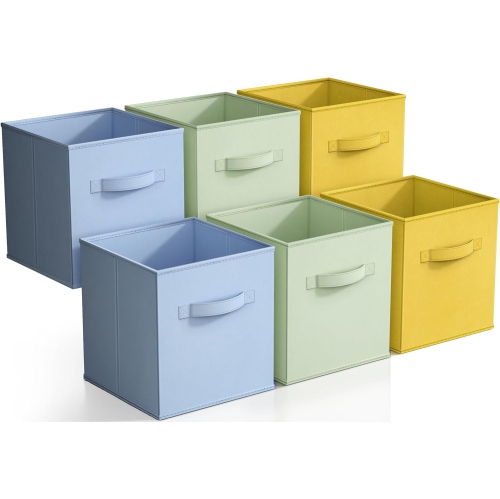
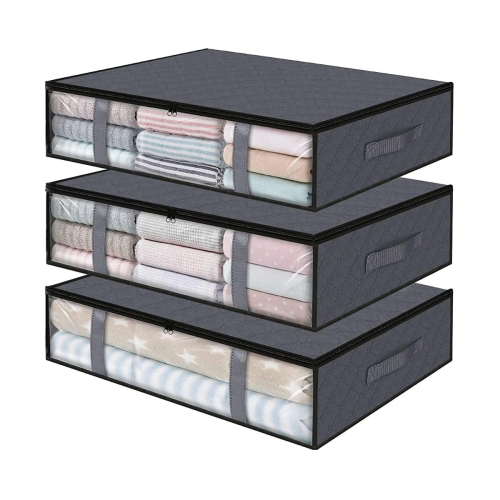
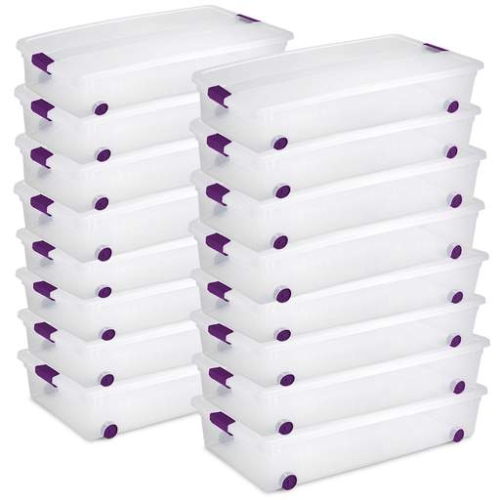
Folded clothing benefits from storage that supports the fabric and keeps stacks from collapsing into one another. Drawer dividers separate socks, underwear, and accessories, while shelf dividers can keep folded jeans or knitwear upright. Folding clothing into rows rather than piling it in deep stacks makes individual garments easier to see, particularly in drawers where the contents are viewed from above. The compartments should suit the folded dimensions of the clothing rather than force fabric into tight bundles. Babies’ clothing, adult denim, and bulky sweatshirts each call for a different amount of space. For a more enclosed arrangement, Storage Boxes for Clothes can group garments by wearer, size, or type while keeping shelves and closet floors more orderly. Clear sides allow quick identification, while opaque containers create a more uniform appearance on open shelving. Labels are helpful when containers look alike or sit above eye level. Under-bed storage makes use of a low, otherwise awkward space, but its height should account for the lid, handles, and any wheels, not just the container body. Enough clearance is needed to pull it out without dragging it against the bed frame. On carpet, a rigid base may move more easily than an unsupported fabric bag. Materials also influence everyday handling. Fabric storage is lightweight and often folds down when empty, though its shape depends on the construction and internal supports. Rigid plastic holds its form and can be wiped clean according to its care directions. Woven materials add texture but may need a smooth lining to keep delicate fabrics from catching. Reinforced handles, supported bases, smoothly operating zippers, and lids that sit securely are useful details when containers are moved regularly. Stackable storage should be designed for stacking, with heavier contents kept lower down. Handles and closures should also remain accessible once containers are in place, so reaching a single garment does not mean dismantling an entire stack.
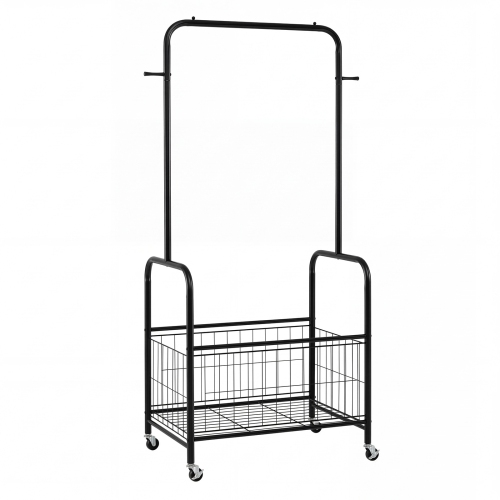
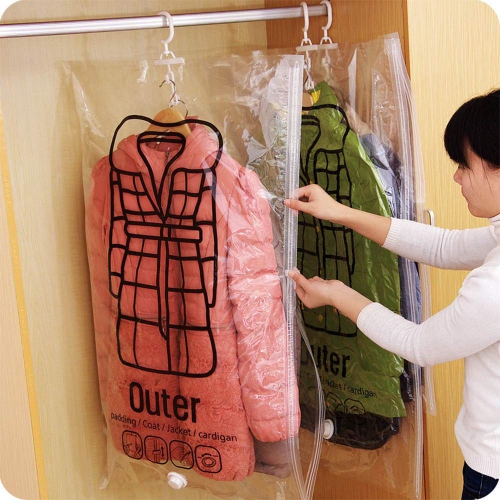
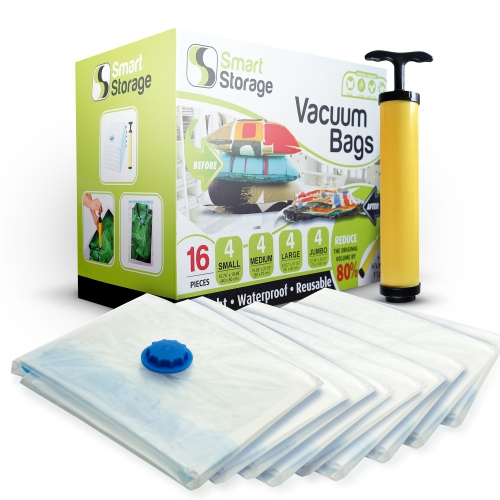
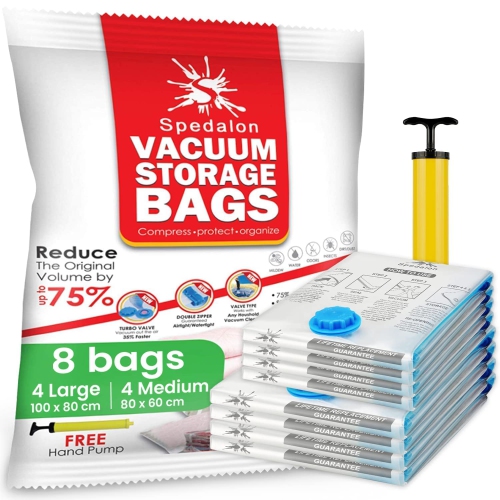
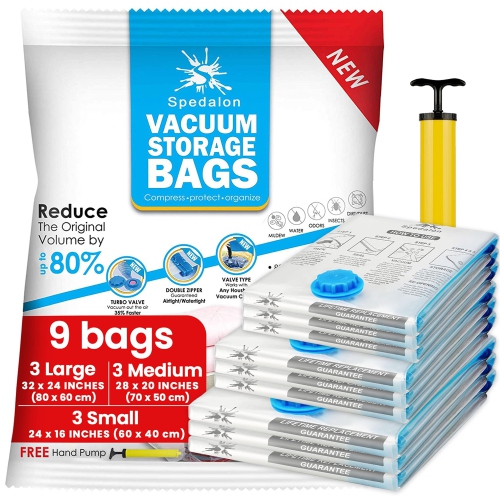
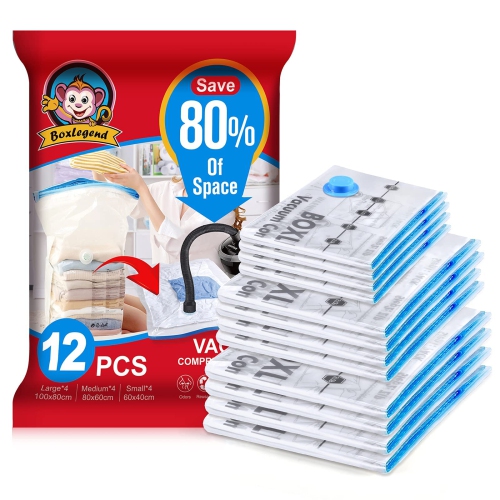
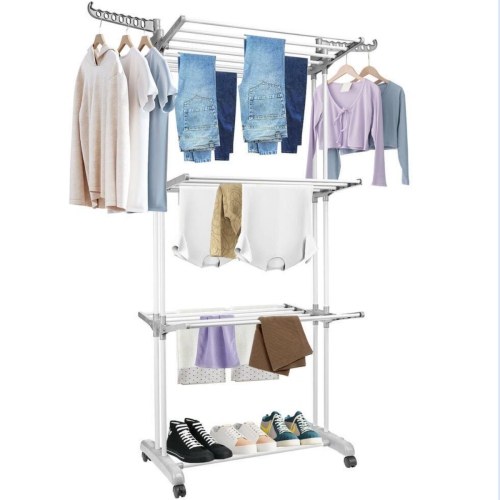
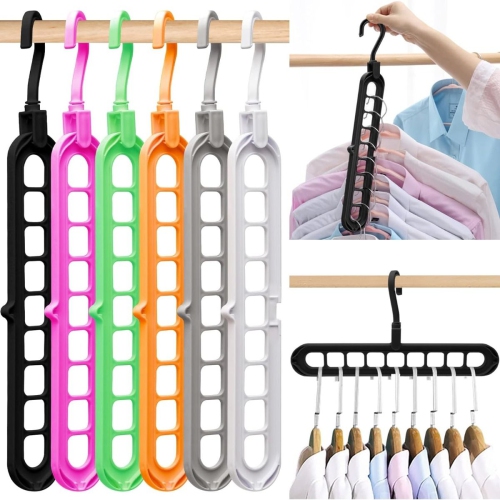
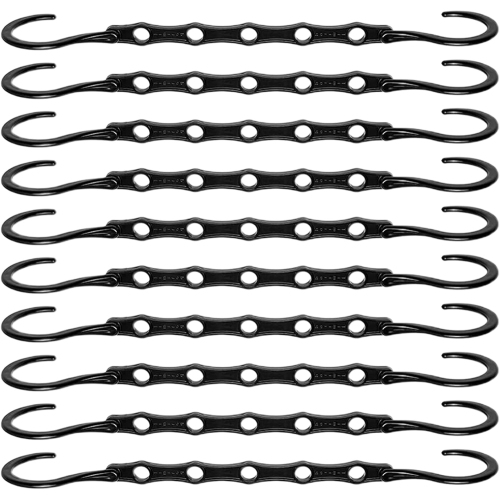
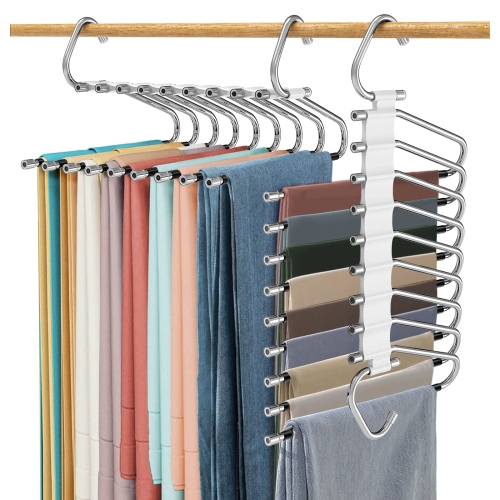
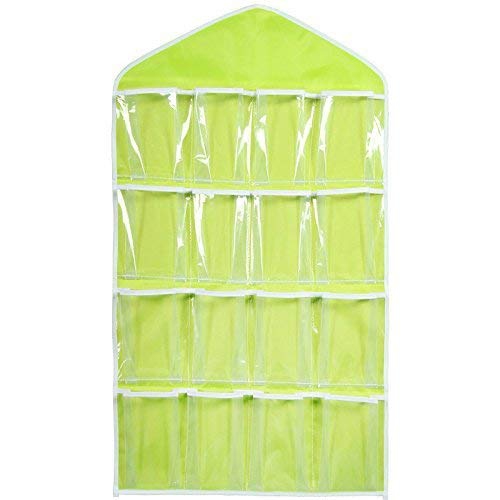
Clothing care and storage construction work together to determine how well an arrangement holds up over time. Metal frames can provide sturdy hanging support, but the stated weight capacity matters more than appearance alone. Solid wood and engineered wood are both used in wardrobes and shelving; the quality of the joints, hardware, finish, and shelf supports influences everyday durability. Smooth interior surfaces help avoid snags, and stable shelves are particularly important beneath dense stacks of denim. Hanging fabric organizers offer extra compartments without adding a separate cabinet, although both the organizer’s load limit and the closet rail’s capacity need to be respected. Heavy knitwear is generally better folded than left on narrow hangers, which can stretch the shoulders. Structured garments benefit from appropriately shaped hangers and enough space between them to avoid crushing. Garment covers can help limit dust exposure, with breathable options useful for clothing that should not remain tightly enclosed. Compression storage may reduce bulk for suitable textiles, but garment care labels and storage instructions take priority; structured clothing and delicate materials can lose their shape under prolonged compression. Clothing should be clean and completely dry before being packed away, and storage should be kept clear of leaks, damp surfaces, and direct sunlight that could affect fabric colour. Container cleaning also varies by material: removable liners may have separate washing directions, while frames, panels, and hardware often need only gentle surface cleaning. Practical details make a difference for different households. Students and renters may value portable or collapsible storage, families may need adjustable compartments as clothing sizes change, and anyone with limited reach may prefer lightweight drawers and easy-grip handles. Wheeled racks are useful when clothing needs to move between rooms, provided the wheels suit the flooring and lock when required. Tall wardrobes and shelving should be secured as directed by the manufacturer. With suitable dimensions, sound construction, and accessible compartments, clothes storage supports a straightforward daily routine rather than creating another space that needs constant sorting.
Top selling and popular products
-
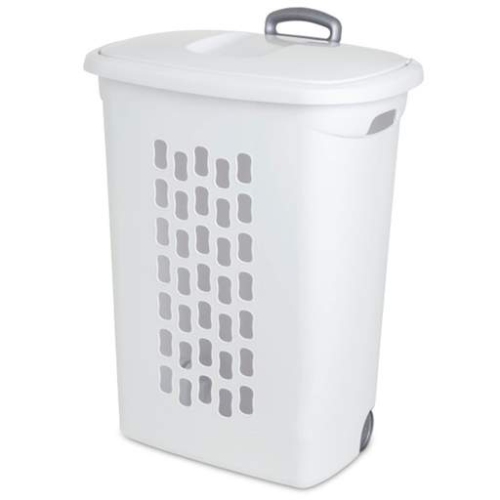 Your price for this item is $698.99
-
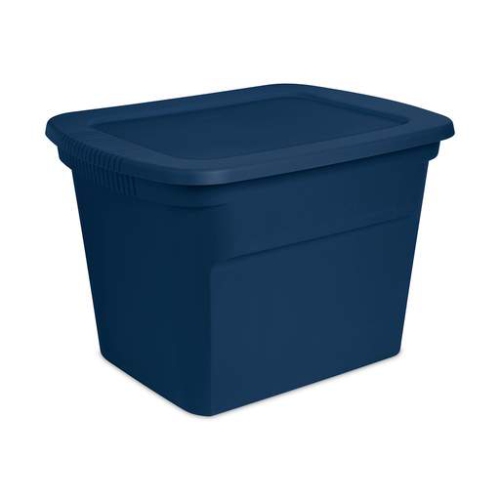 Your price for this item is $859.99
-
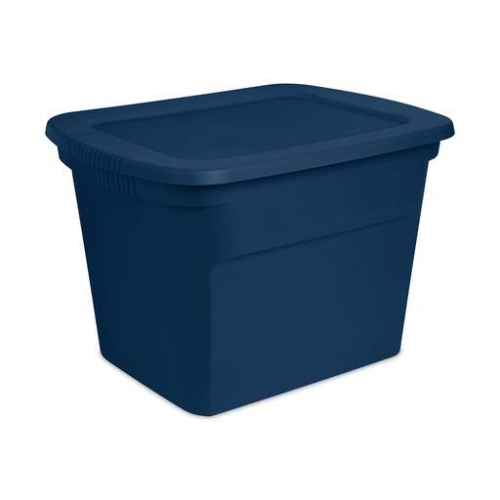 Your price for this item is $1197.99
-
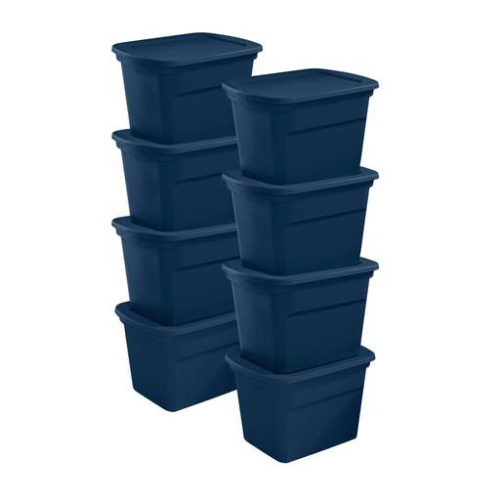 Your price for this item is $299.99
-
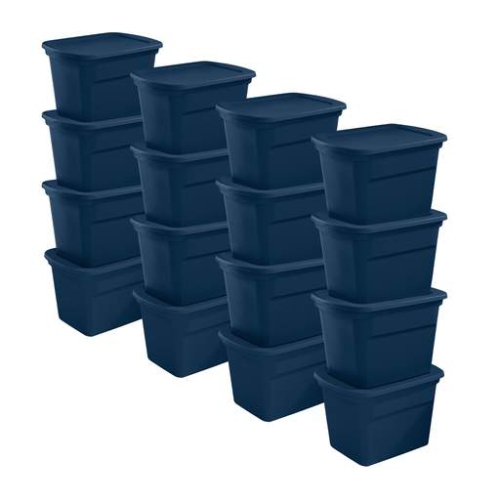 Your price for this item is $573.99
-
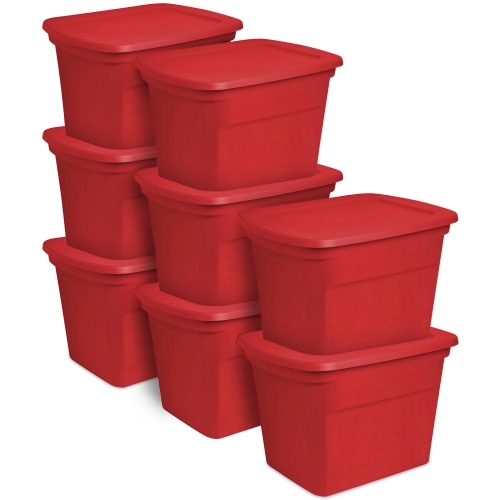 Your price for this item is $253.99
-
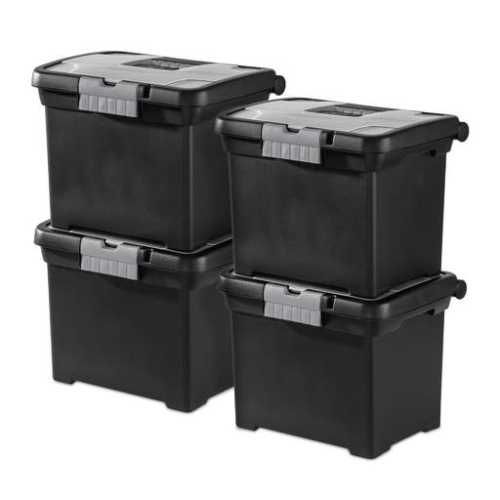 Your price for this item is $178.99
-
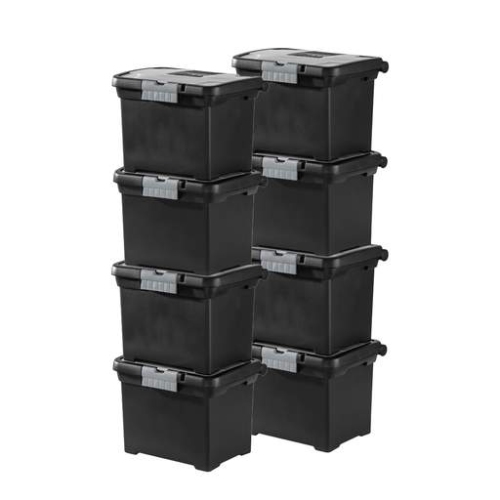 Your price for this item is $348.99
Discover more categories related to Storage Solutions for Clothes

Top Collections:
Best Black Friday Deals This Year, Best Black Friday Deals On Electronics, Kindle Devices, Dyson Airwrap, Best Cameras for Sports Photography, Best Budget Office Chairs, Canon G7X Cameras, PS5 Pro Consoles, Best Black Friday Deals On Apple Products, XBOX One S Consoles
Some products may be subject to Environmental Handling Fees
(EHF) depending on your province.
Learn more about EHFs.