Coffee Table Gold Legs
A coffee table is where you set down your drink, and where you plop down to read a book or watch TV. These tables come in different shapes and sizes, from the small table to the large table. Here are some great coffee tables with gold legs.
Sort



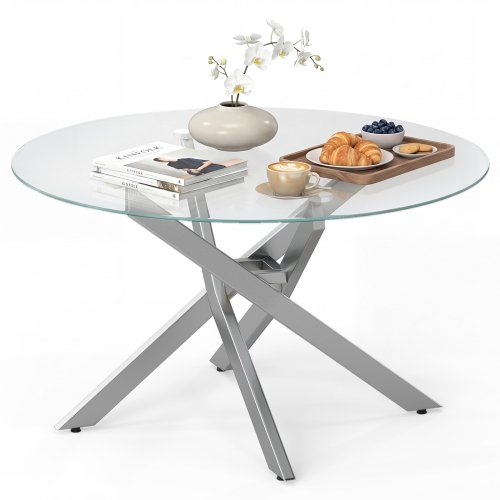
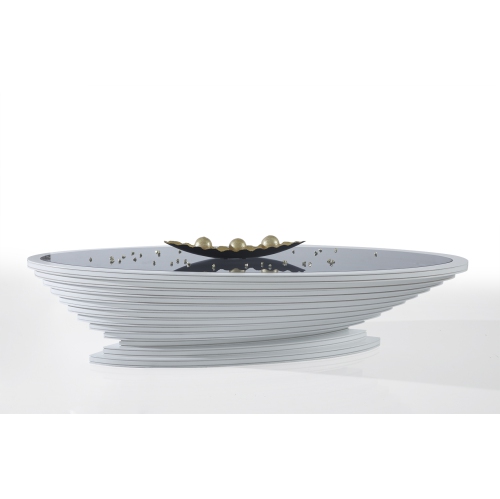

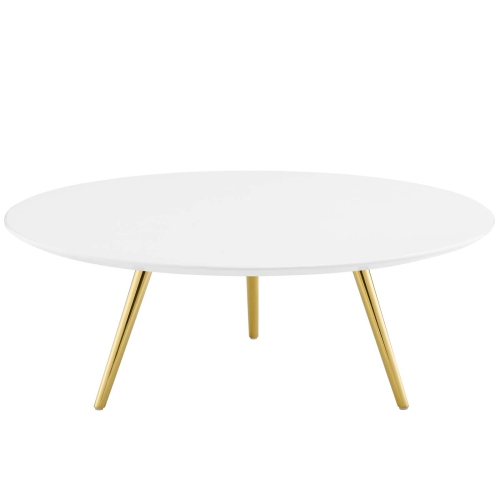
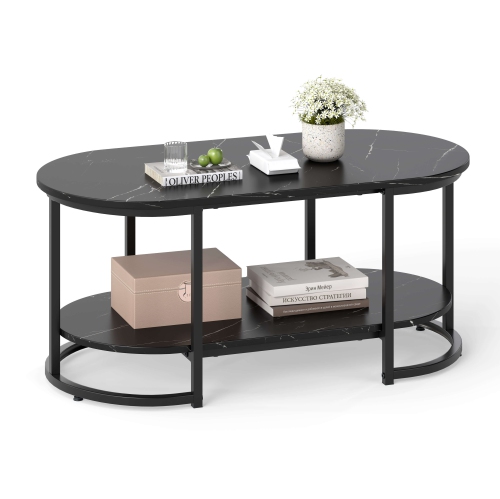


What lies beneath the gold finish matters too
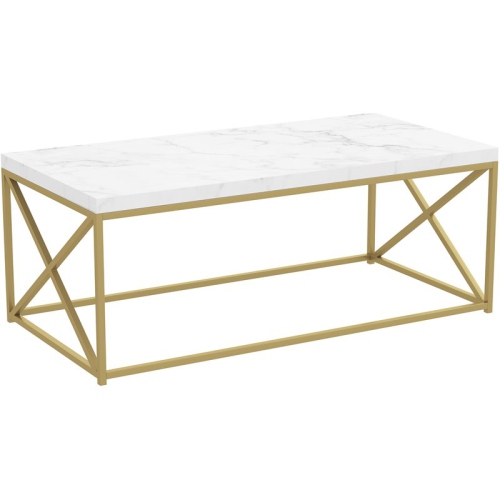
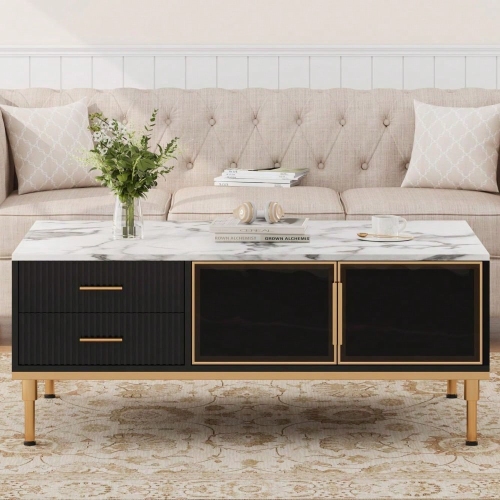
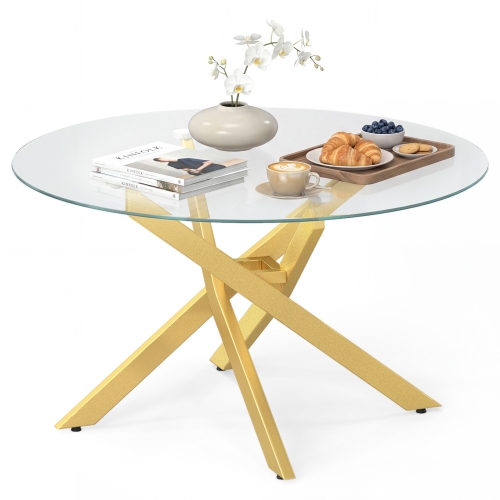
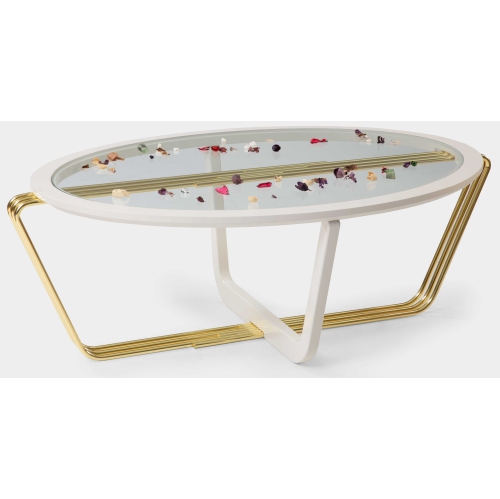
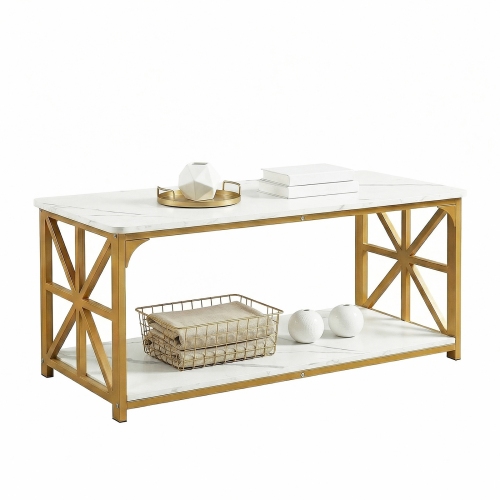
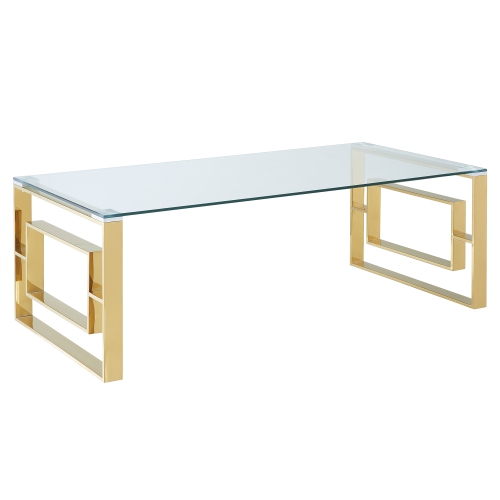
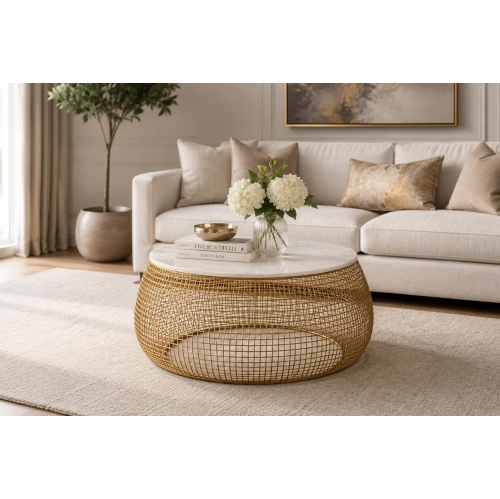
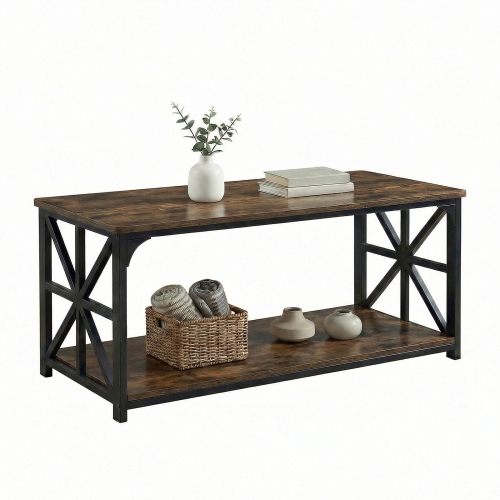
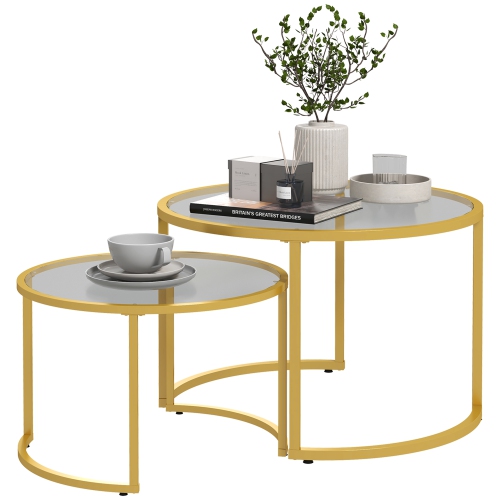
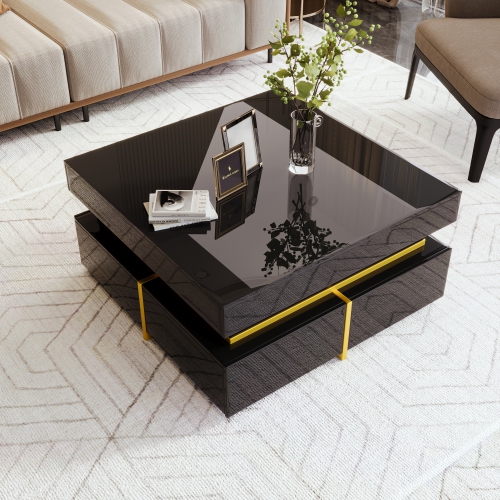
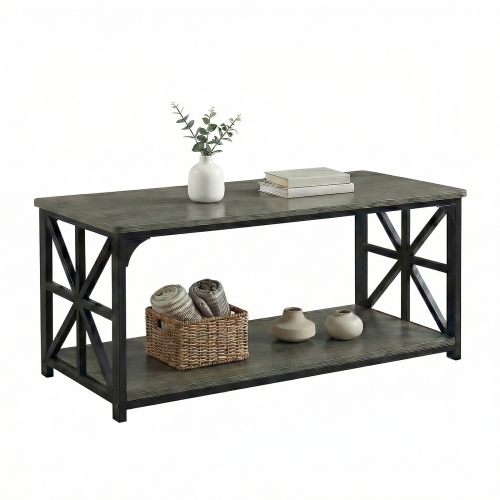
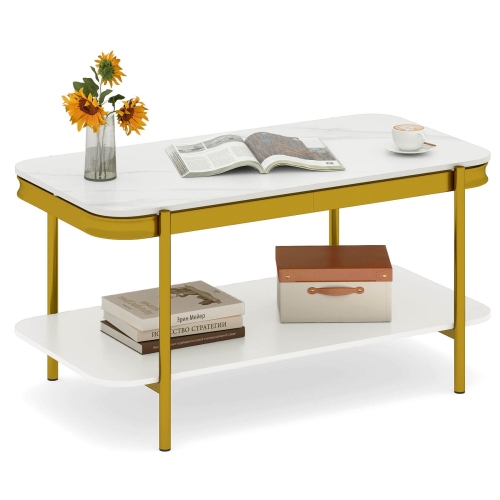
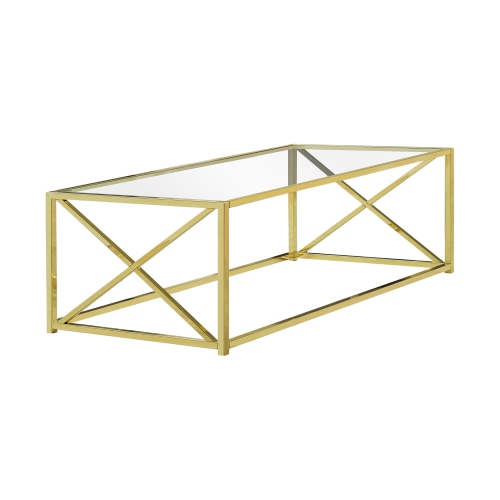
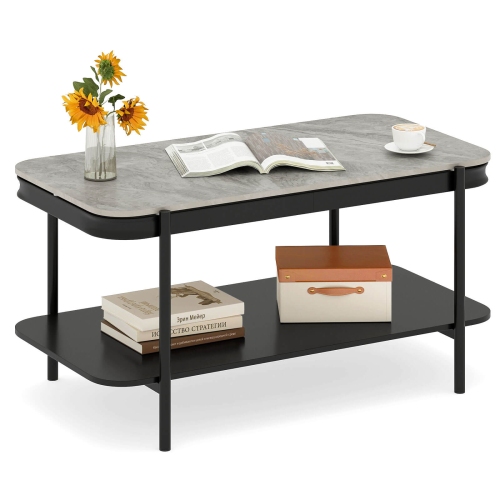
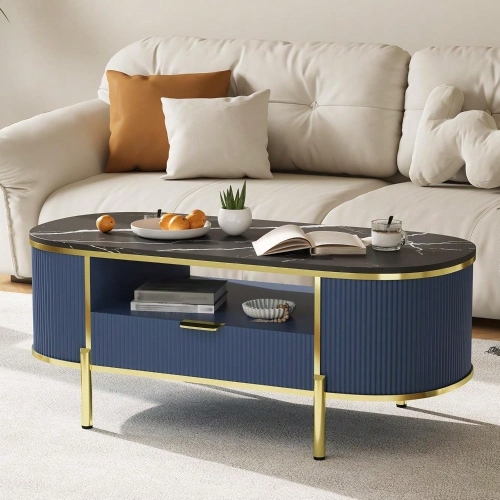
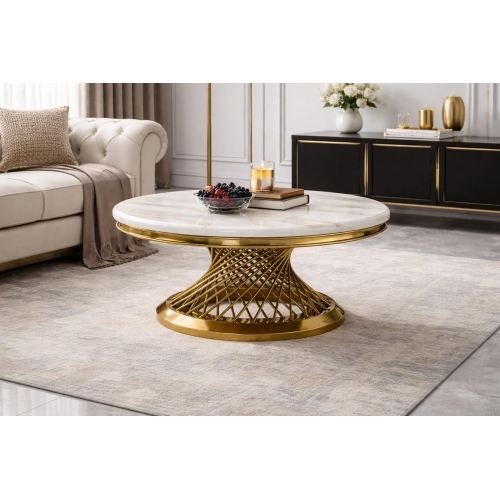
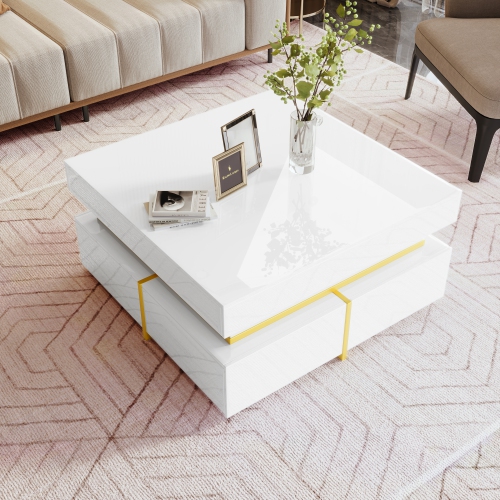
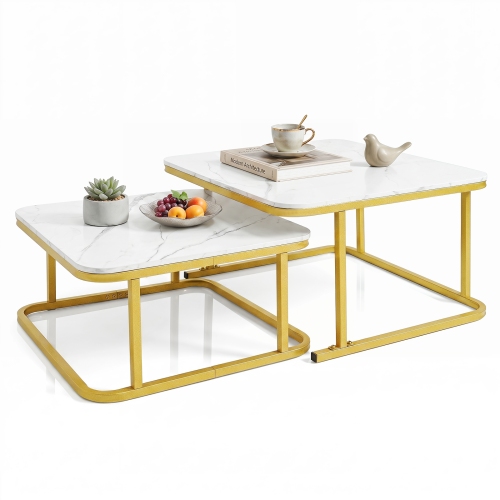
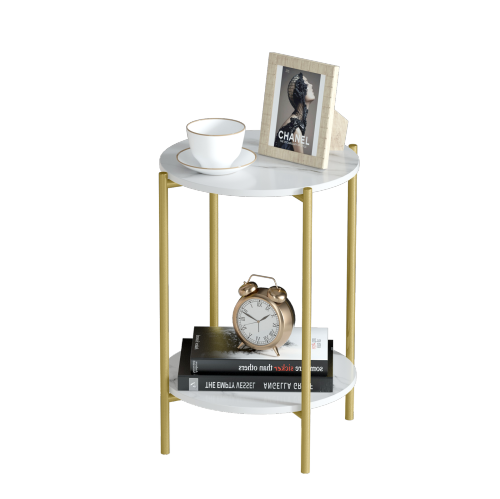
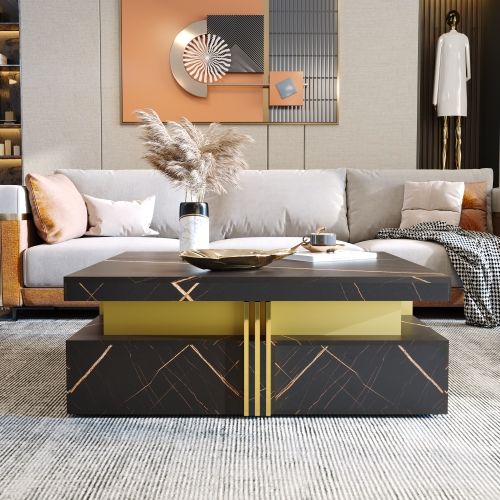
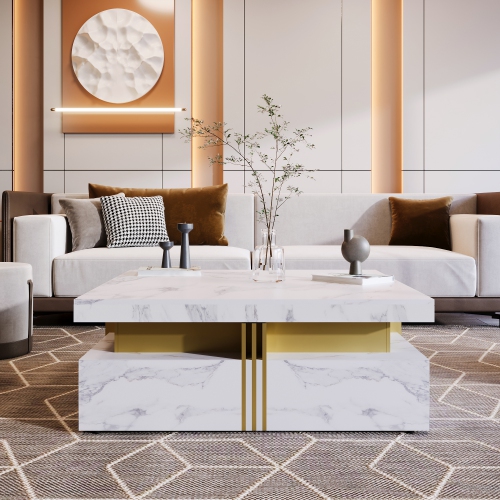
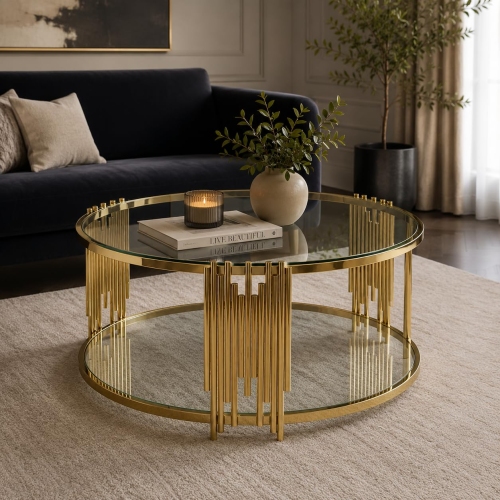
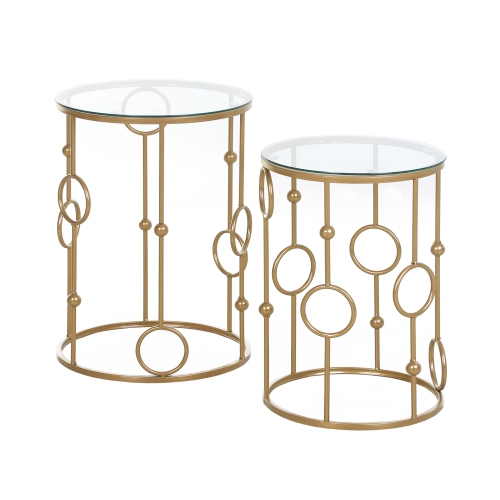
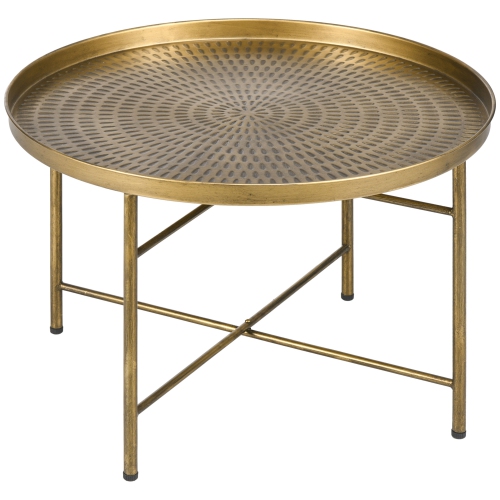
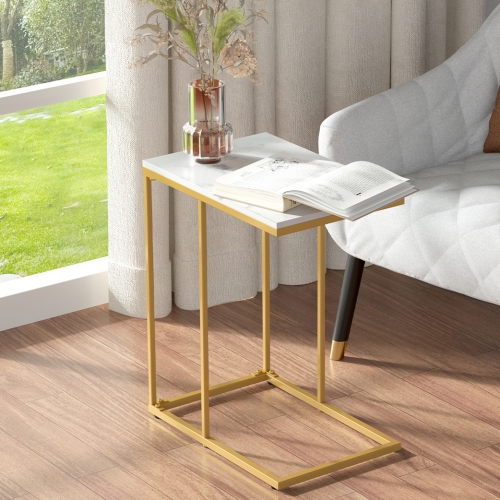
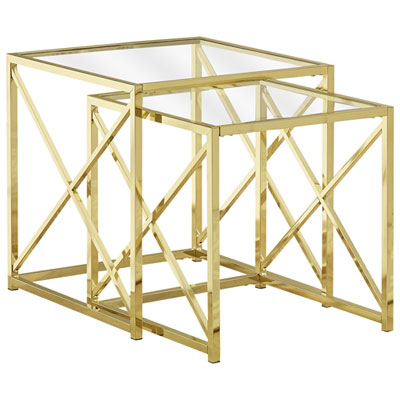
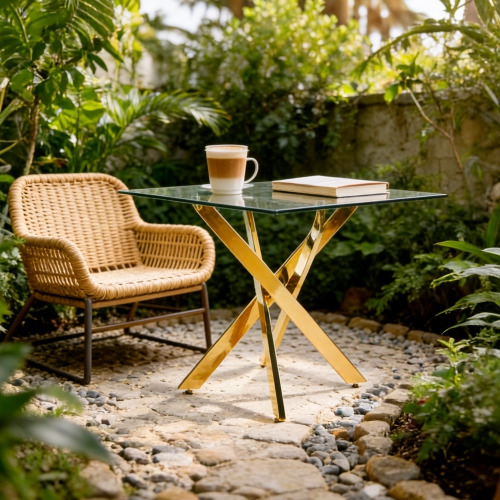
Coffee tables with gold legs combine an everyday living-room surface with a metallic accent that draws attention to the base. Common tabletop materials include glass, wood, marble, and engineered materials with a marble-look finish, while the legs may feature a polished, brushed, or satin gold tone. The gold description generally refers to the finish rather than legs made from solid gold, so the underlying material and construction matter as much as the colour. Steel legs can provide a sturdy framework, while slender profiles, curved supports, and geometric bases create distinctly different looks. A polished finish catches light and feels more decorative; a brushed finish offers a softer appearance that can blend comfortably with textured upholstery and natural wood furniture. Clear glass keeps the base visible and allows more of the rug beneath to show, making it useful where a solid tabletop would feel visually heavy. Tempered glass offers greater impact resistance than ordinary glass, though it still needs protection from hard knocks, particularly around its edges. Wood introduces grain and warmth, with the character depending on whether the surface is solid wood, veneer, or a wood-look finish. Natural marble brings distinctive veining and substantial weight, while faux-marble surfaces offer a similar visual direction with care requirements that depend on their actual material. These differences are worth considering beyond appearance: a stone top can be difficult to move, a glass surface may show fingerprints, and a veneered top requires care to avoid damage to its thin decorative layer. For a lighter colour combination, white coffee tables with gold legs pair a bright tabletop with a warm metallic base. That combination can sit comfortably beside cream seating, contrast with a charcoal sofa, or complement a patterned rug without introducing another strong colour. Gold legs also work with darker wood and black tabletops, where the contrast gives the table a more defined presence.
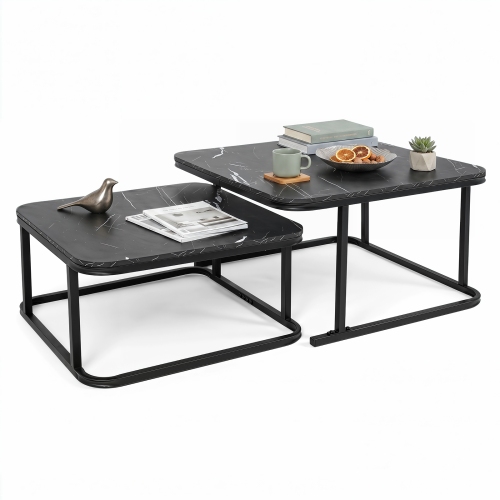
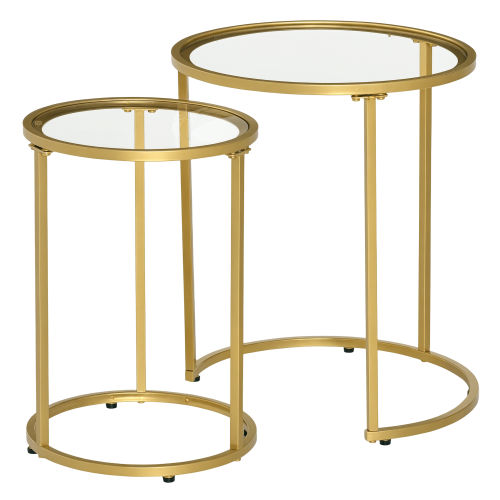
The right proportions help a coffee table feel like part of the seating arrangement rather than an obstacle in the middle of it. A tabletop roughly half to two-thirds the length of the sofa is a useful starting point, although sectional layouts, accent chairs, and available floor space can change what feels balanced. Height matters just as much: a surface close to the height of the sofa’s seat cushions is generally easier to reach for a mug or remote control than one that sits noticeably higher. Around 40 to 45 cm between the sofa and table often leaves room for knees and movement while keeping everyday essentials within reach; busy routes through the room may need more space. Rectangular tables suit many longer sofas and offer room to spread out a serving tray, books, and a small decorative arrangement. Round and oval shapes soften the layout and remove sharp tabletop corners, which can be useful near frequently used walkways, although rounded edges do not eliminate the need for care around children. Square tables can work within a generous sectional arrangement, while nesting designs provide separate surfaces that can be repositioned for guests. The base deserves attention when assessing fit, since angled gold legs may extend beyond the tabletop and take up more floor space than expected. Open-frame designs can look light without necessarily being lightweight, especially beneath glass or stone. A lower shelf offers a place for magazines, baskets, or remote controls, but its clearance and accessibility determine how useful that storage will be. Drawers can hide small essentials, provided there is enough room to open them beside the seating. Stable leg connections, a balanced footprint, and suitable floor protectors help support regular use. On a thick rug, a narrow base may sit differently than it does on a hard floor, making the room’s actual surface an important part of the fit.
Everyday durability depends on how the tabletop, gold finish, and supporting structure respond to the way the room is used. A table that mostly holds a lamp-sized decorative object and a few books has different demands from one used for snacks, board games, craft supplies, and frequent entertaining. For a busy family room, accessible storage and a surface that is straightforward to wipe clean may matter more than an intricate base. In a smaller sitting area, a simple frame can leave more visible floor space and make cleaning beneath the table easier. Gold finishes benefit from gentle handling: a soft microfibre cloth helps remove dust without the abrasion of rough pads, and metal polish is not appropriate for every plated, painted, or coated surface. Cleaning products should suit the specific finish, since products intended for bare metal may damage a decorative coating. Glass needs regular attention to fingerprints and spills, while stone generally calls for a suitable pH-neutral cleaner and prompt removal of acidic liquids that can mark the surface. Wood and wood-based tops benefit from coasters, protection beneath hot dishes, and quick cleanup so moisture does not linger around edges or joins. A tray can gather cups and small objects into one place, but a soft backing helps prevent its underside from scratching the tabletop. Protective pads beneath decorative bowls and planters serve a similar purpose. Loose fittings should be addressed according to the assembly instructions, and the table’s stated weight capacity remains important even when the base looks substantial. Coffee tables are intended to hold household objects, not to serve as seating or climbing furniture. For someone furnishing a first apartment, refreshing a living room, or receiving a housewarming gift, gold-legged designs offer a distinctive accent without requiring every metal finish in the room to match. Knowing the recipient’s seating dimensions, preferred materials, and daily habits makes a furniture gift more practical. The most successful match leaves comfortable space to move, supports familiar routines, and brings together the colours and textures already in the room.
Top selling and popular products
-
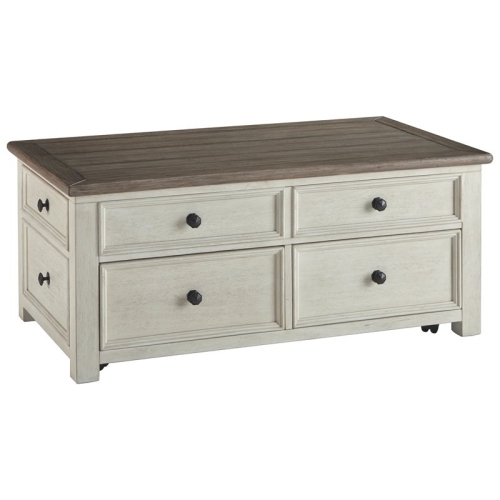 Your price for this item is $949
-
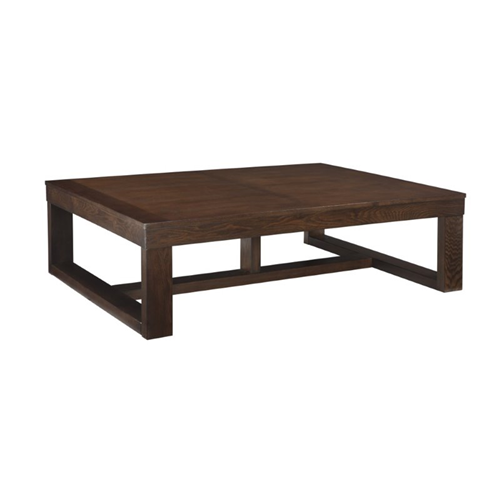 Your price for this item is $449
-
 Your price for this item is $649
-
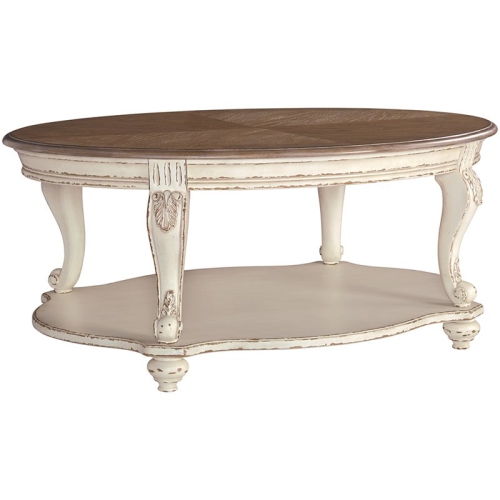 Your price for this item is $599
-
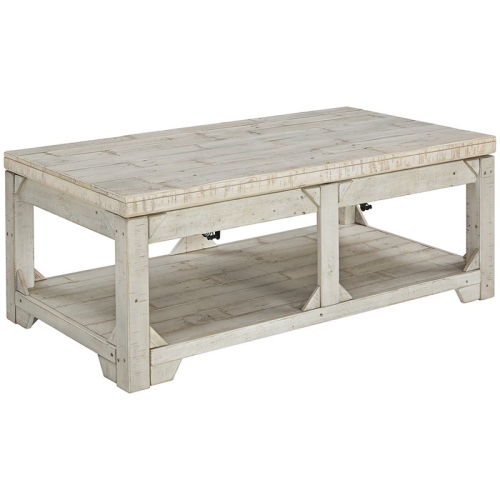 Your price for this item is $549
-
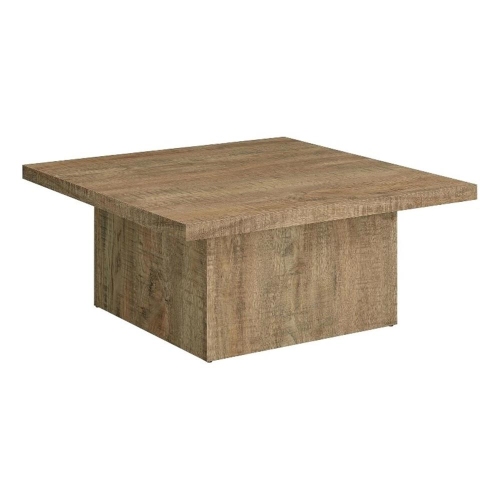 Your price for this item is $349.93
-
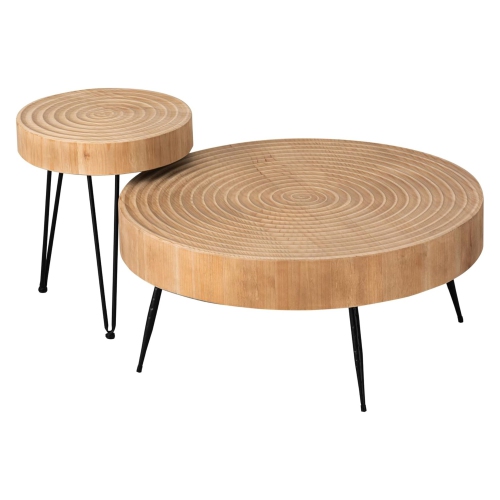 Your price for this item is $474.99
-
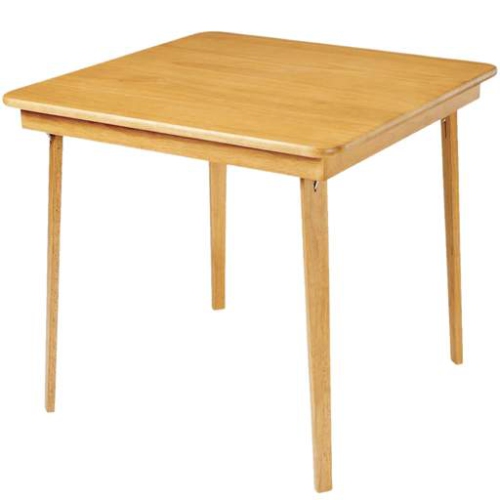 Your price for this item is $233.72
Discover more categories related to Coffee Table Gold Legs
Top Collections:
Best Black Friday Deals This Year, Best Black Friday Deals On Electronics, Kindle Devices, Dyson Airwrap, Best Cameras for Sports Photography, Best Budget Office Chairs, Canon G7X Cameras, PS5 Pro Consoles, Best Black Friday Deals On Apple Products, XBOX One S Consoles
Some products may be subject to Environmental Handling Fees
(EHF) depending on your province.
Learn more about EHFs.