Comfortable Chairs for Seniors
Finding the perfect chair that offers both comfort and support is essential for seniors looking to relax and unwind. At Best Buy, we understand the importance of providing a wide range of options to cater to different needs and preferences. Our collection of comfortable chairs for seniors is thoughtfully curated, taking into consideration factors such as ergonomic design, cushioning, and adjustability. Whether you're looking for a plush recliner, a supportive lift chair, or a stylish accent chair, our selection has something to suit every taste and budget. Experience the ultimate in relaxation with our assortment of comfortable chairs designed specifically with seniors in mind.
Sort
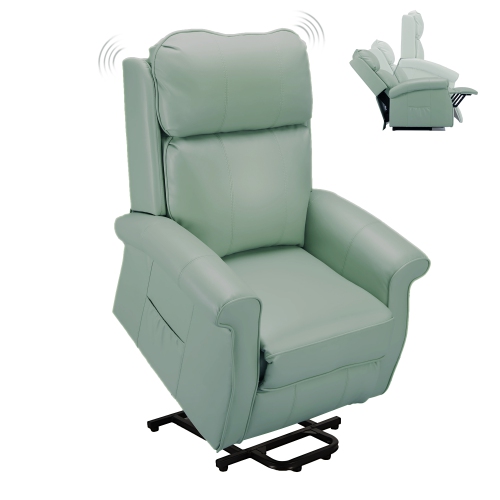
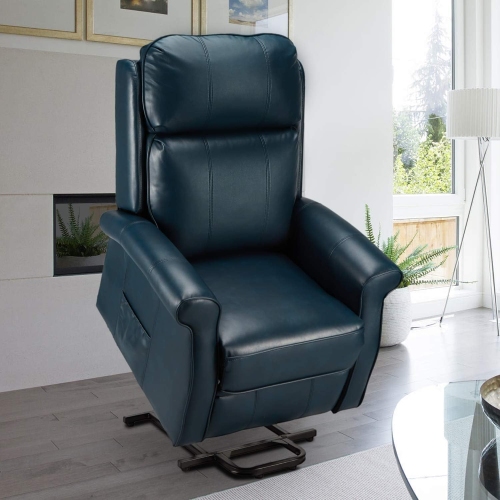
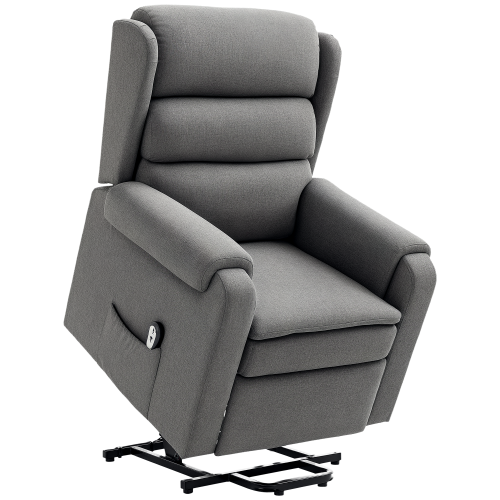
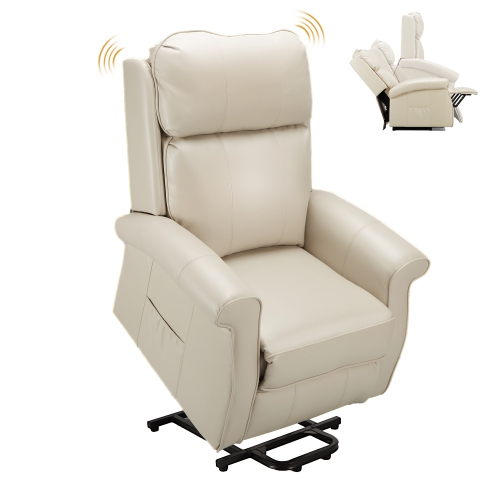
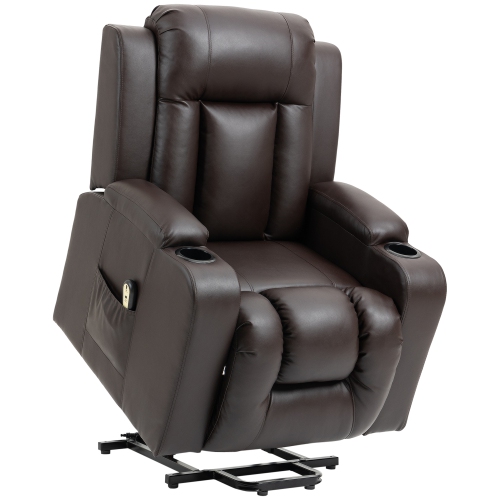
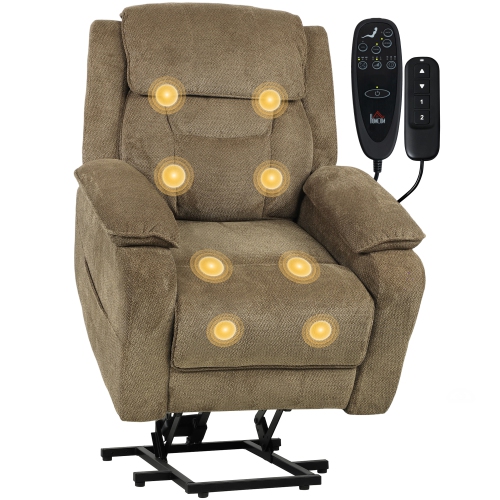
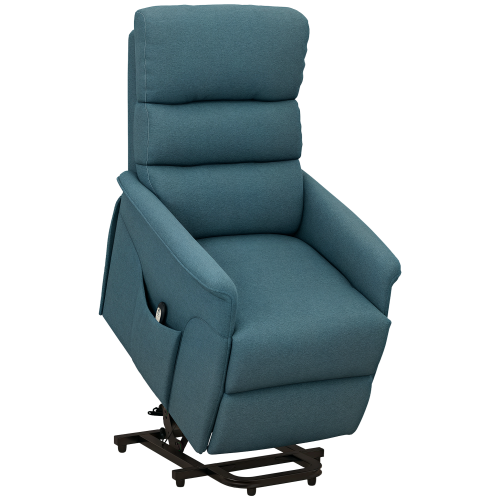
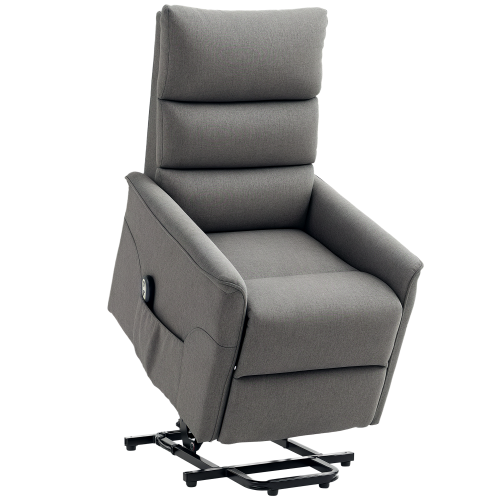
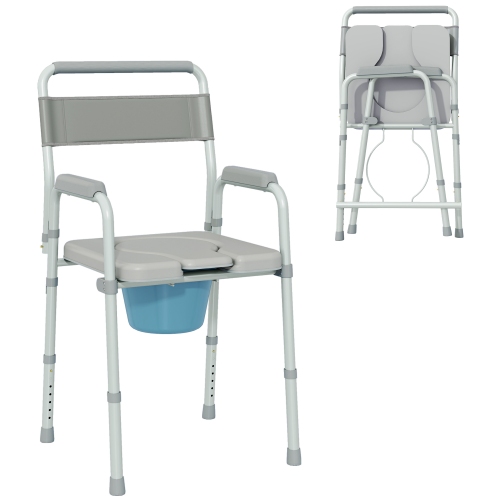







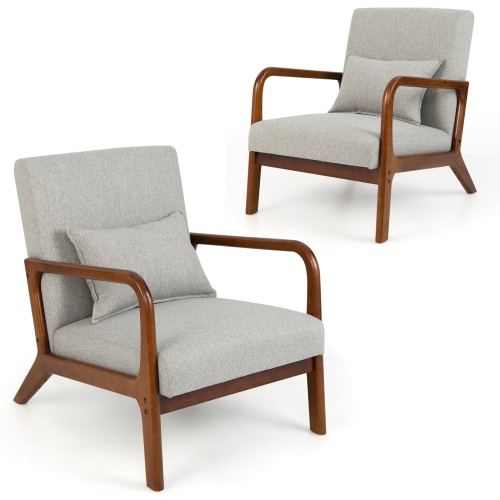

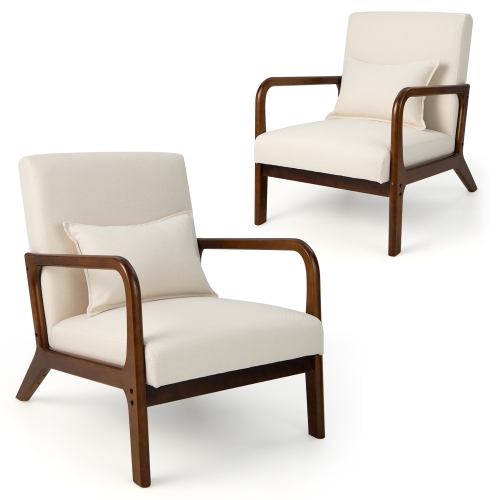
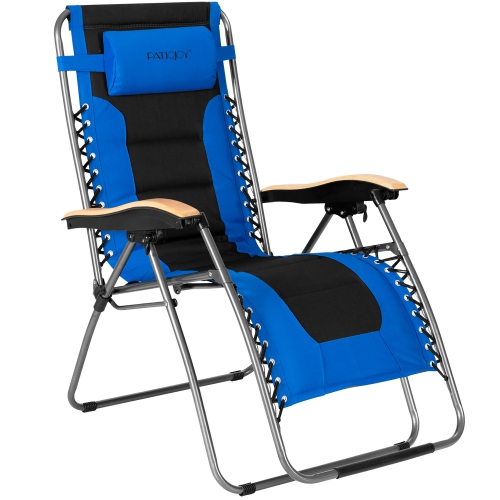
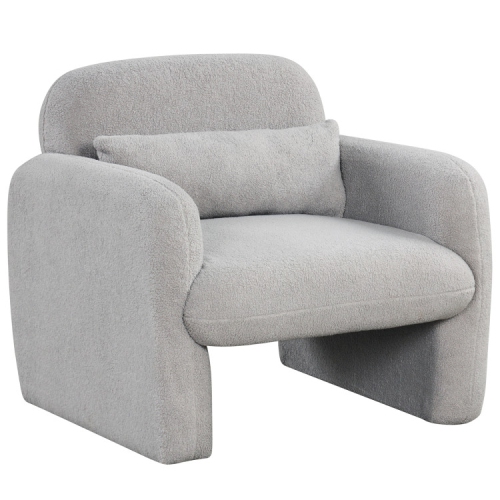
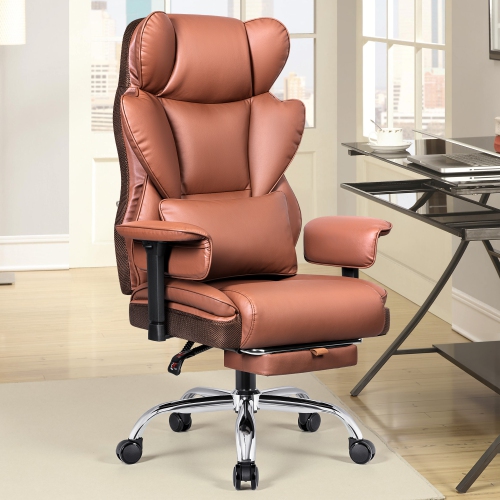
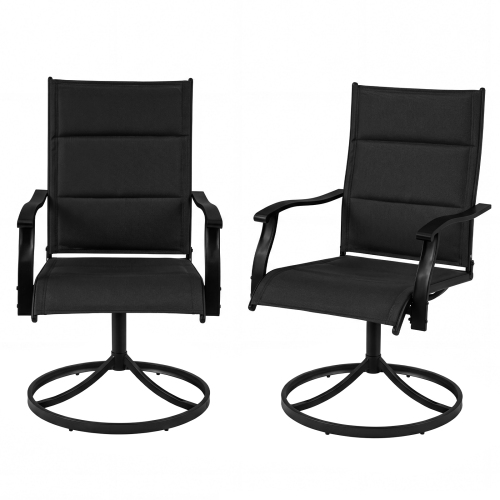
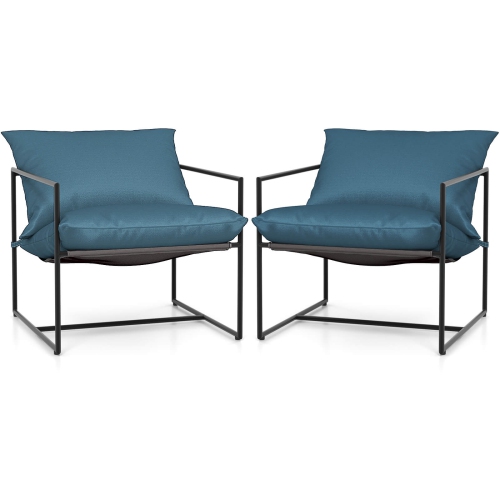
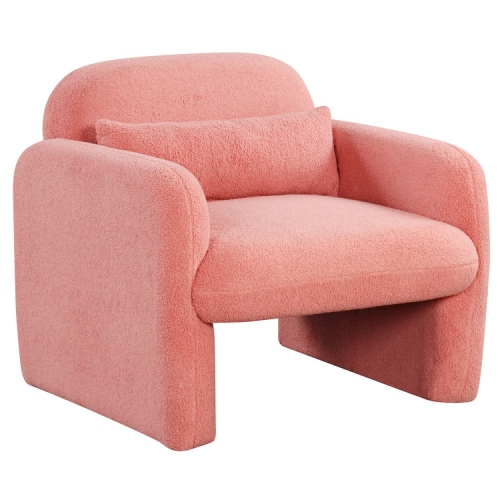
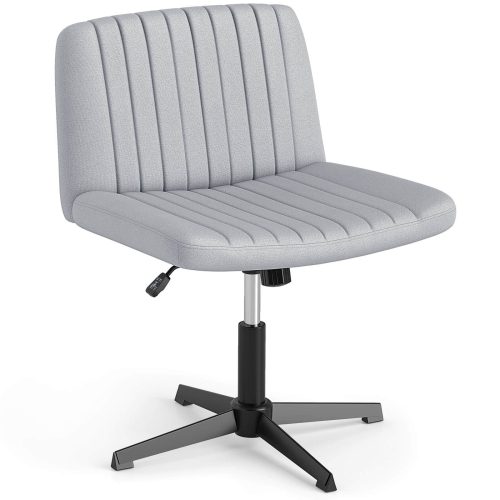
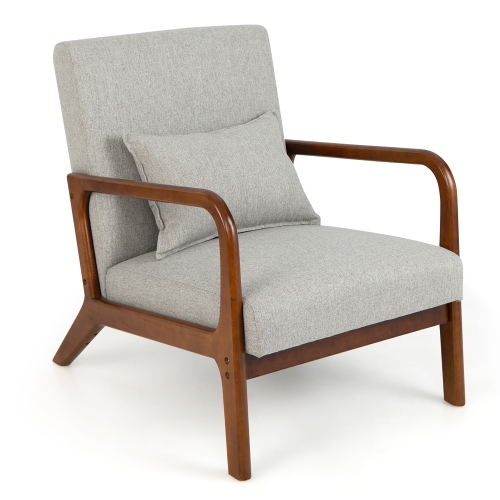
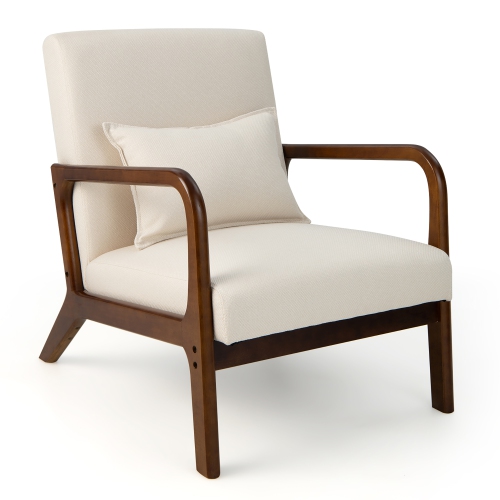


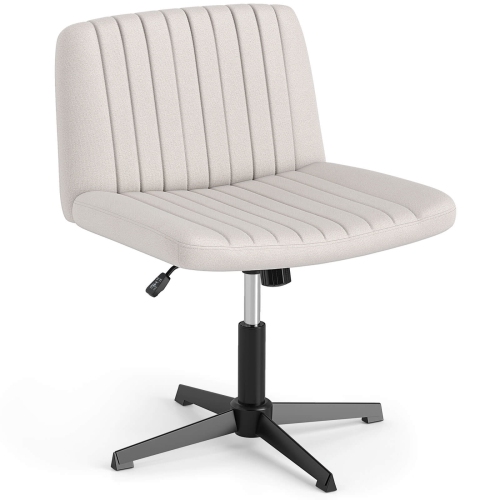

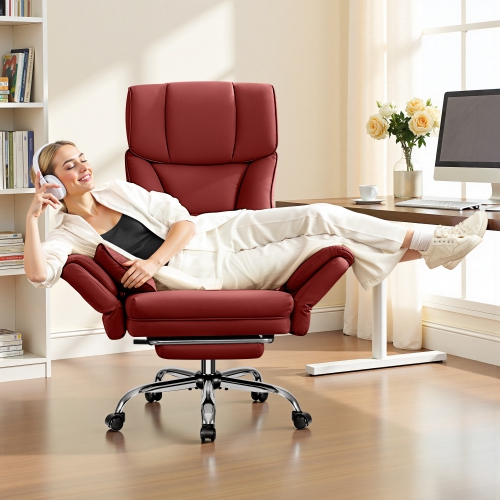
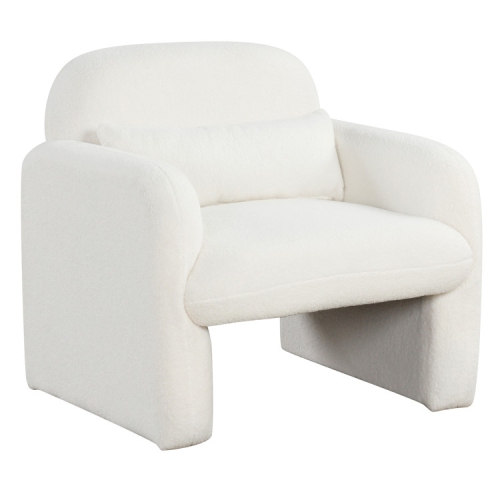
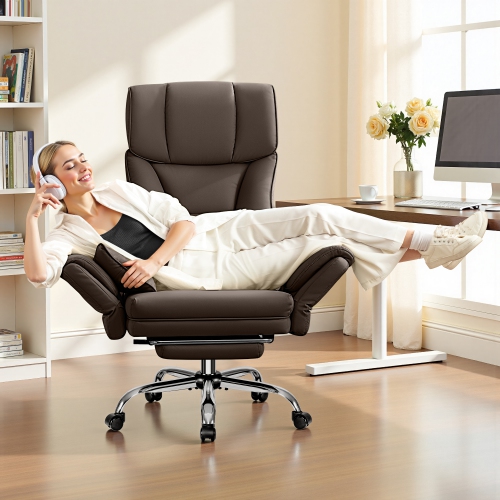

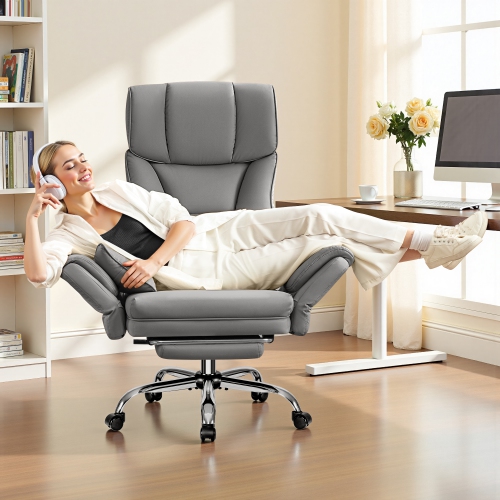




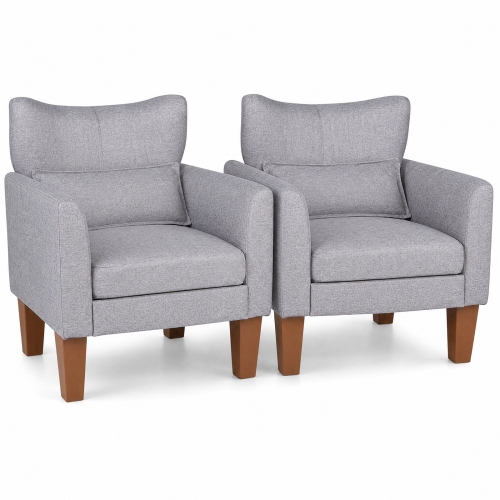
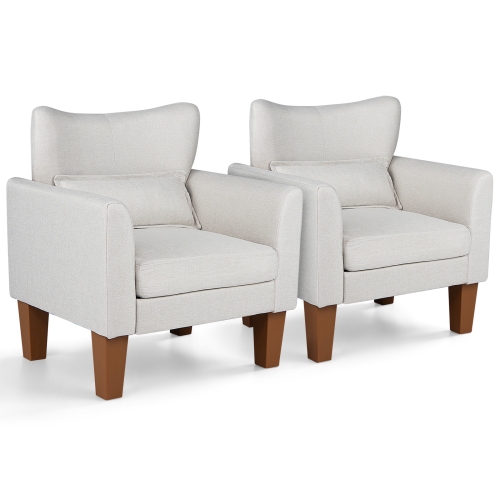


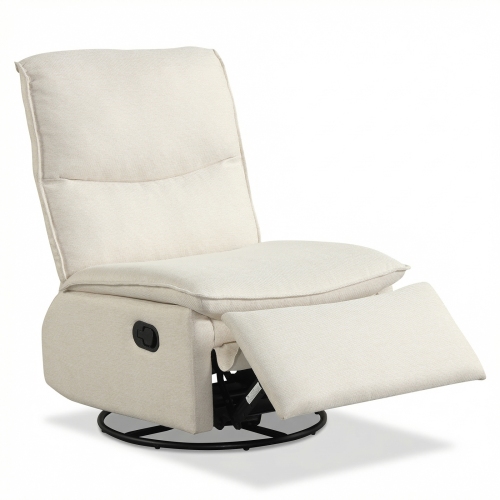


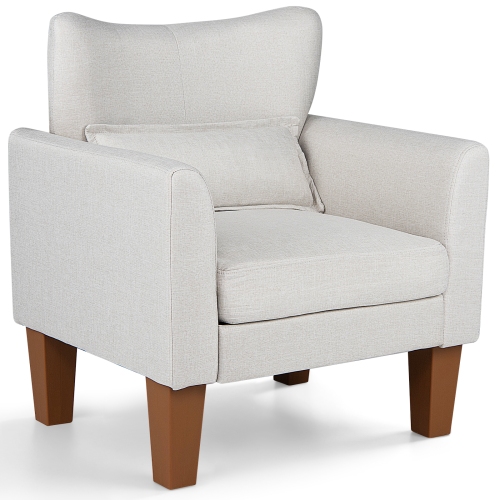

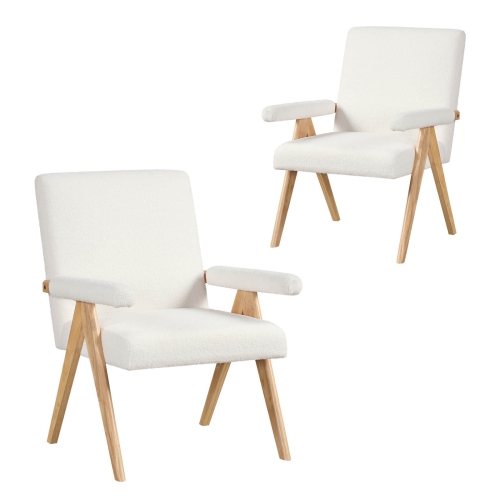
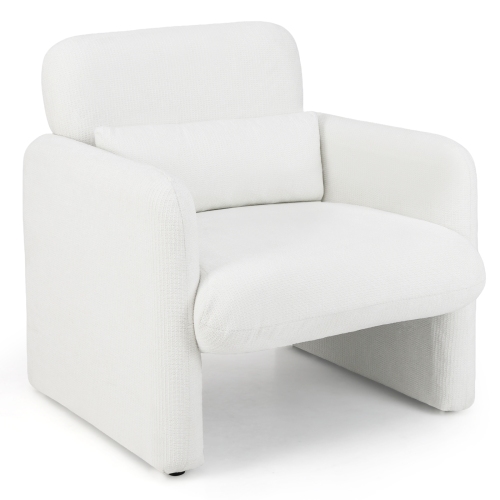
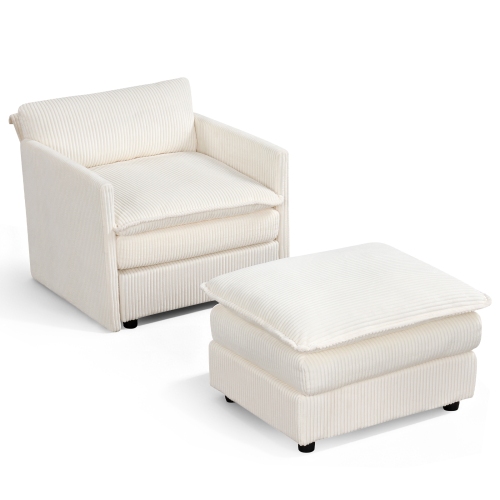

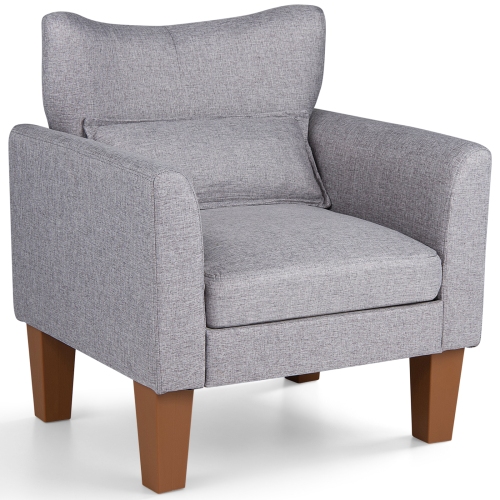





















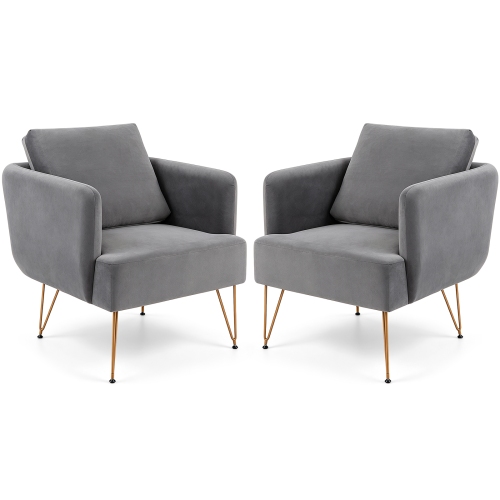


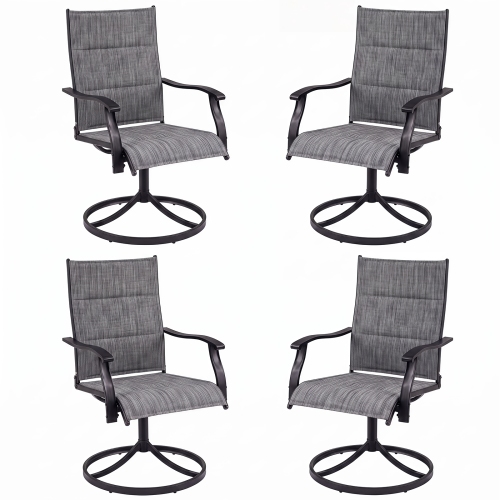
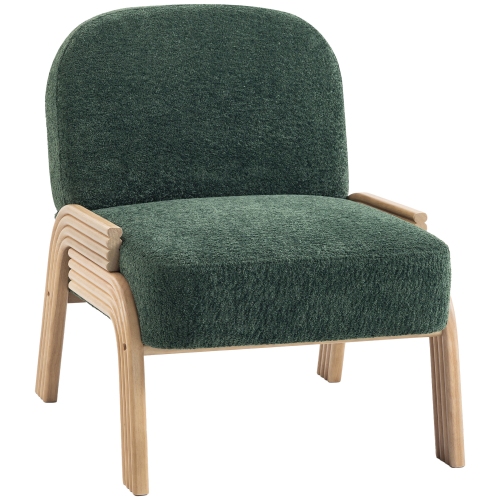
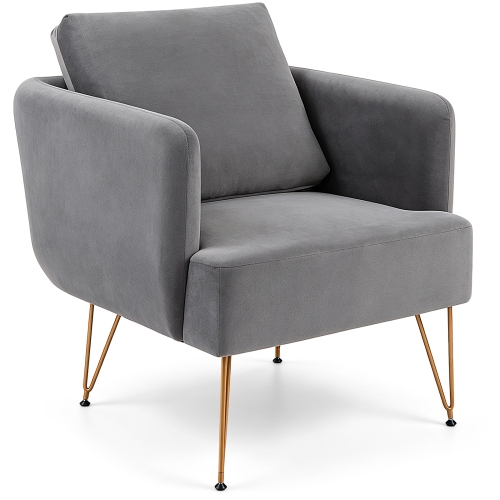
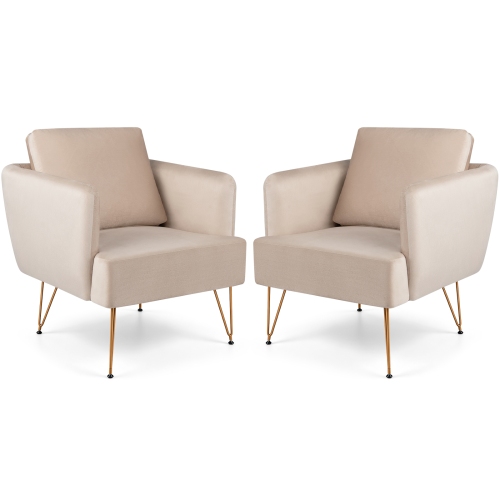


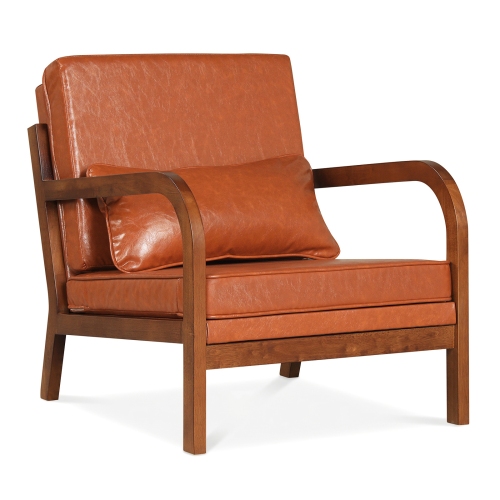
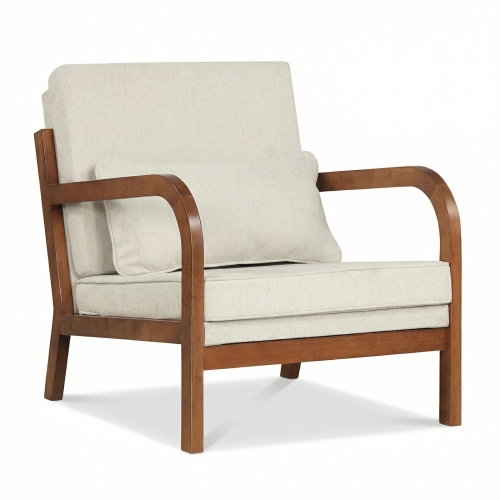


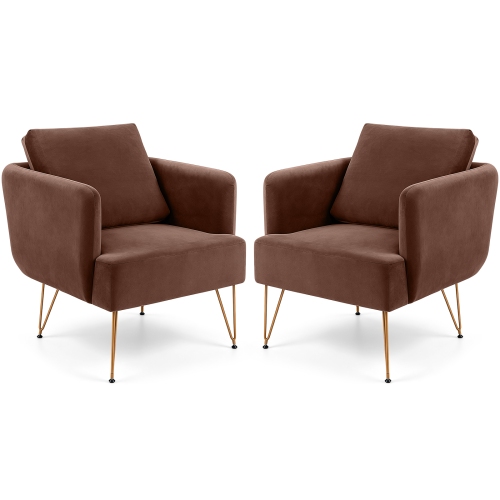


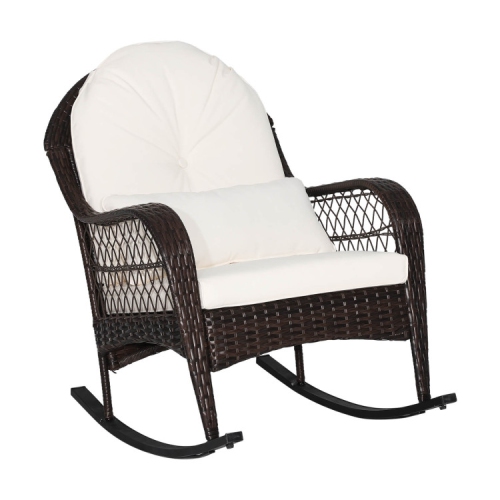


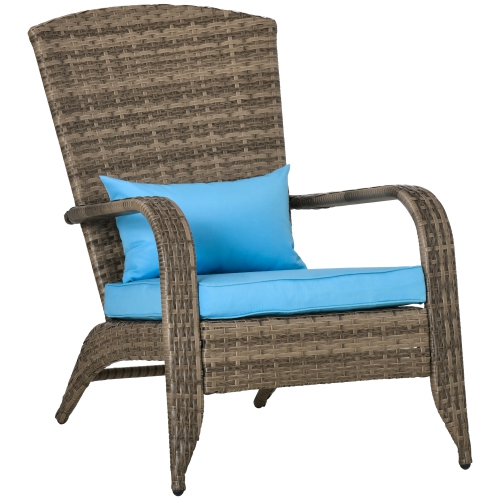

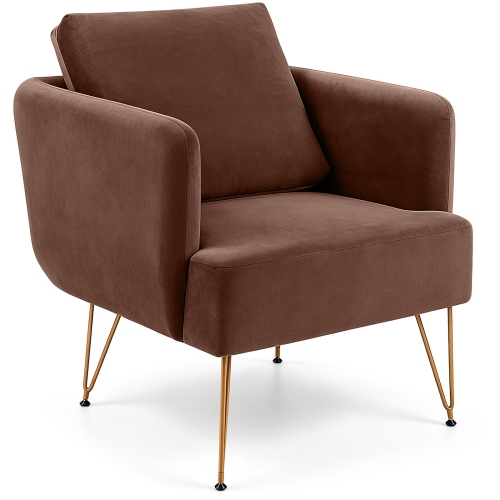
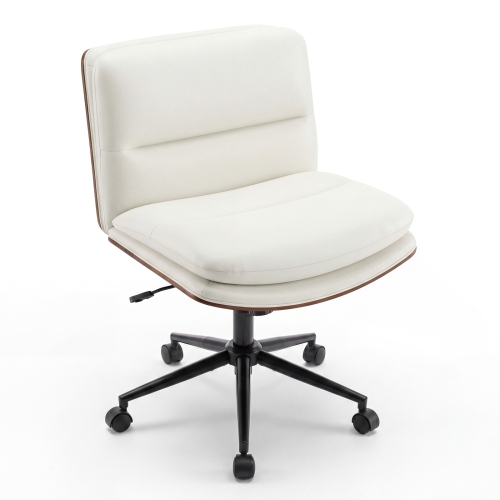


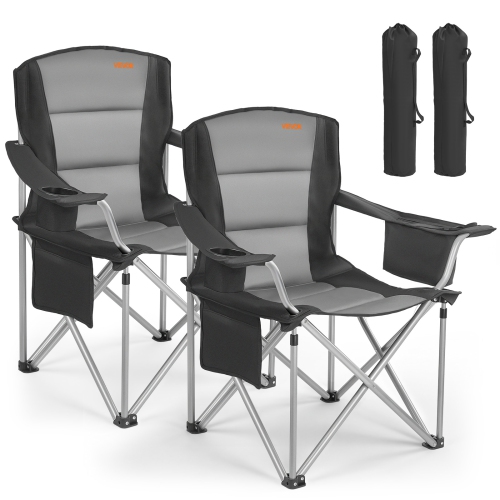

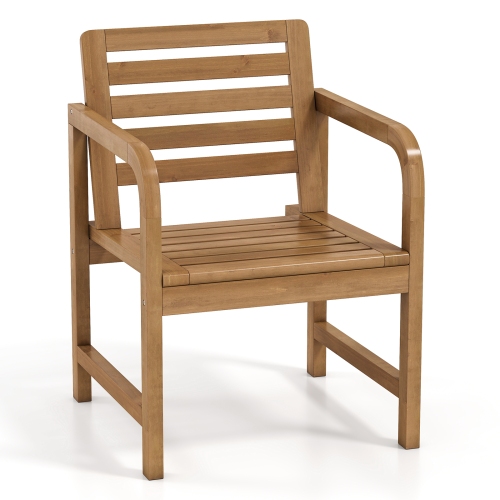

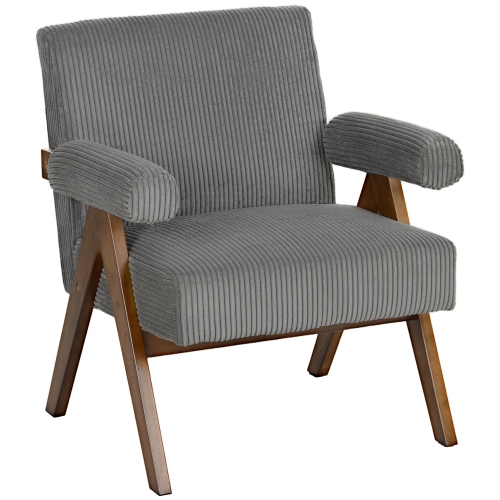
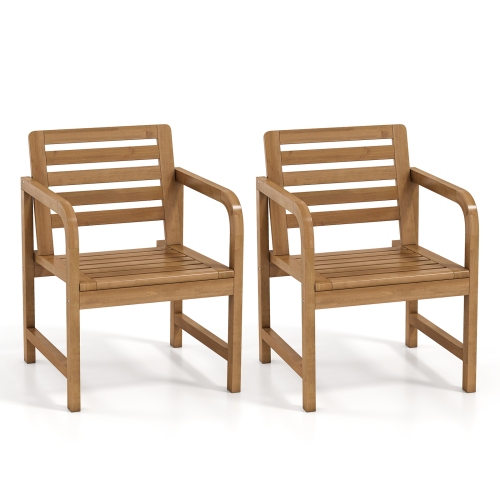
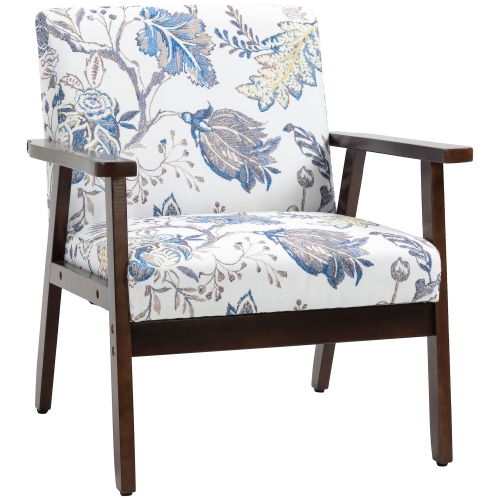
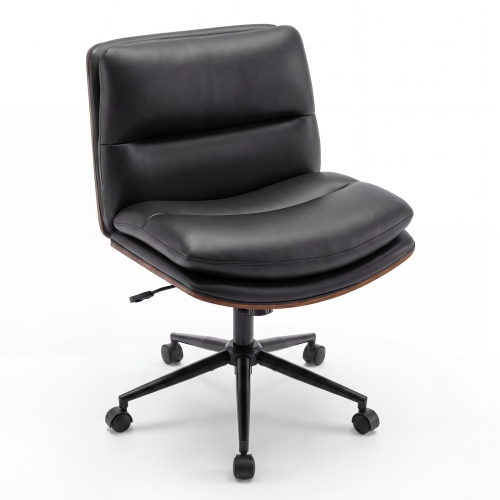
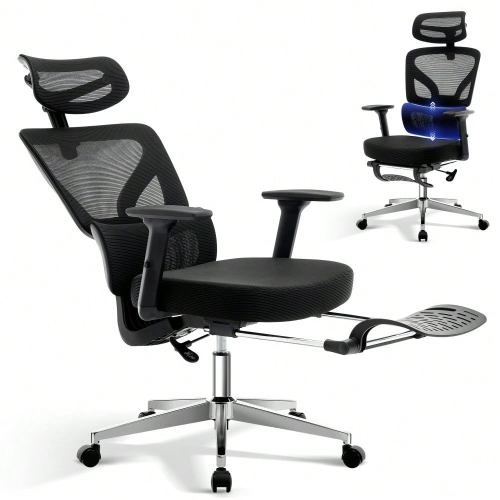
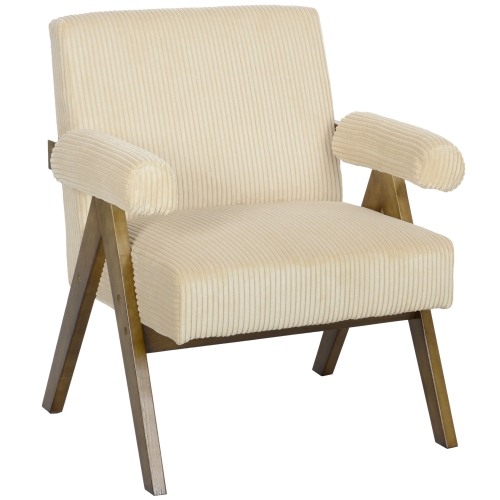

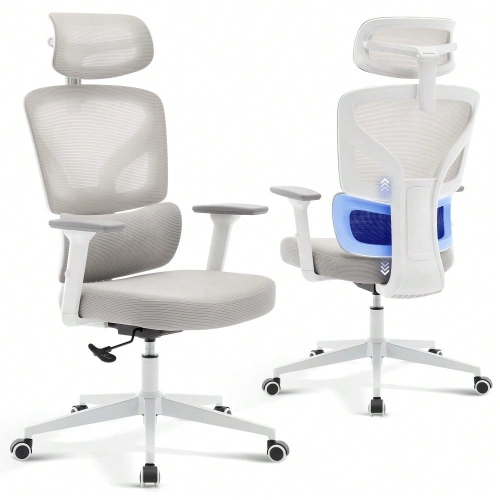
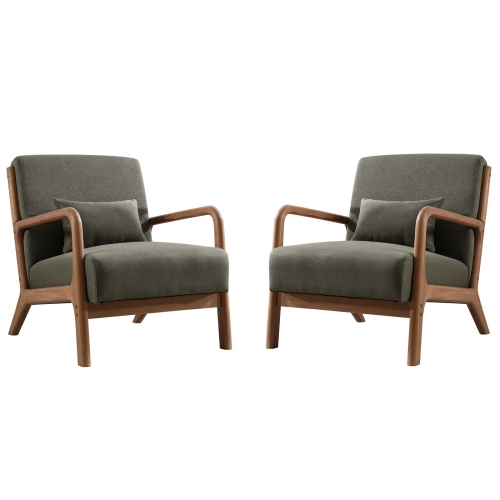
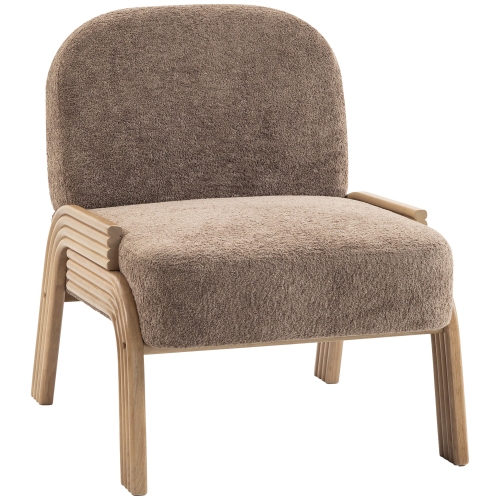

Why seat fit matters more than extra cushioning
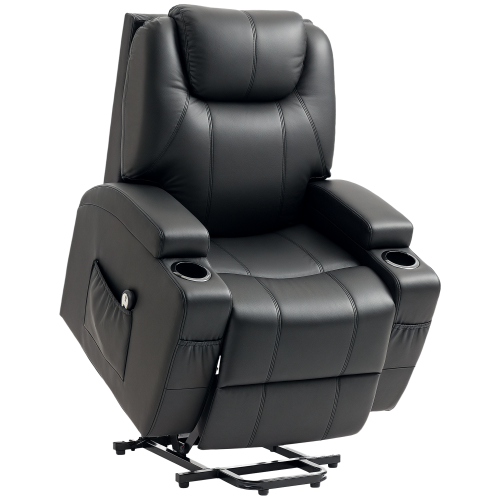
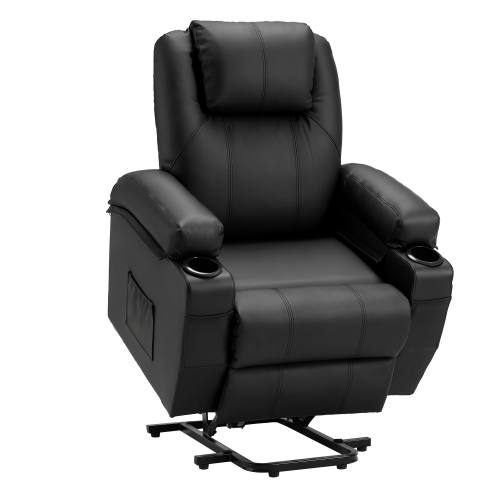
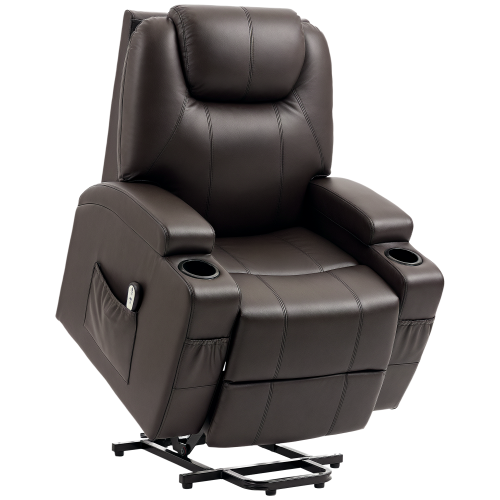
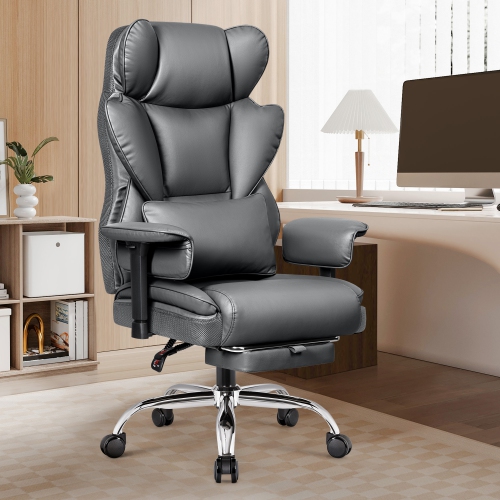
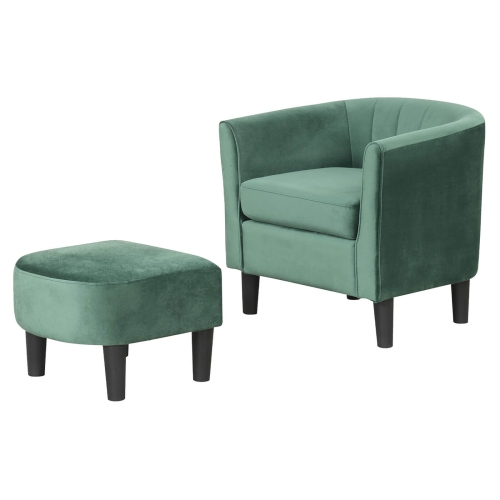
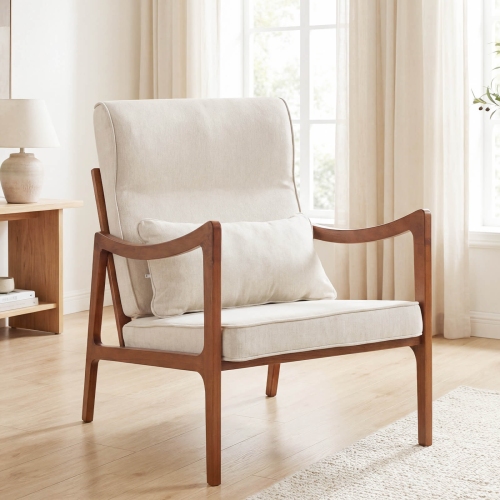
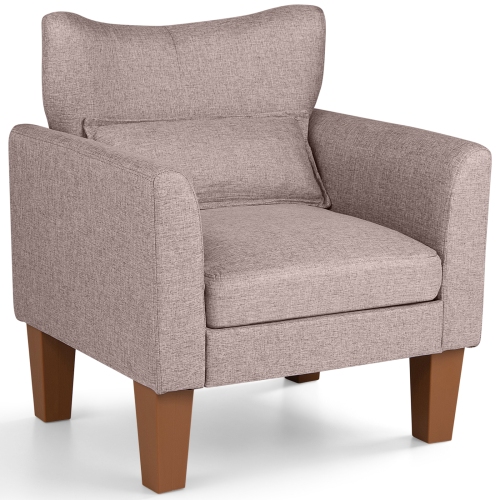
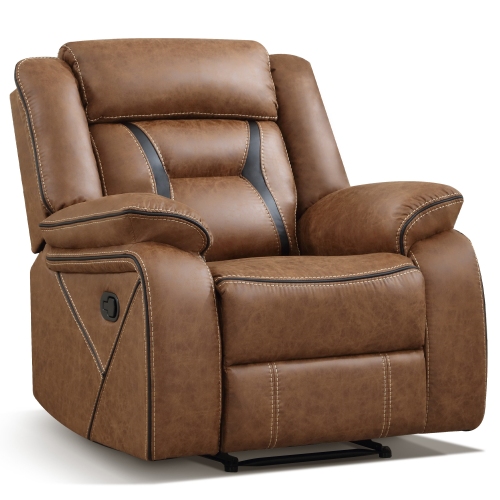
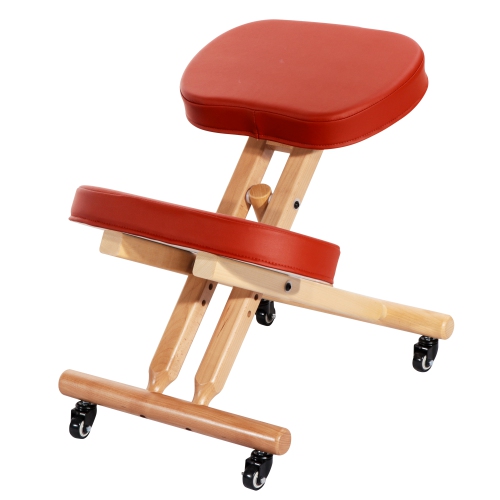
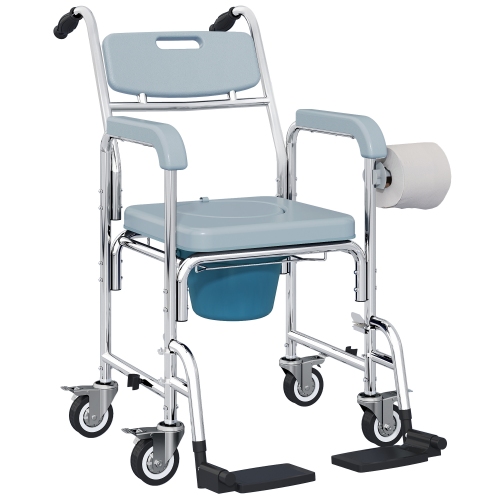
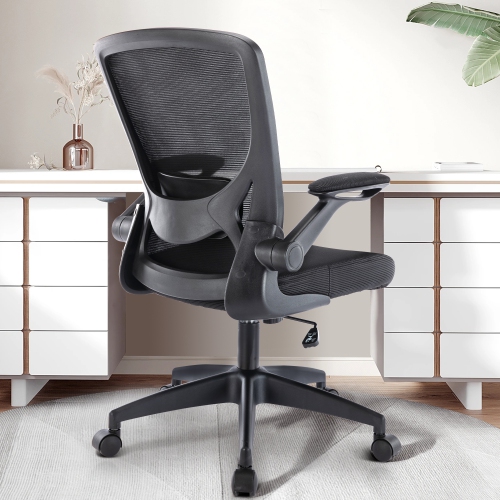
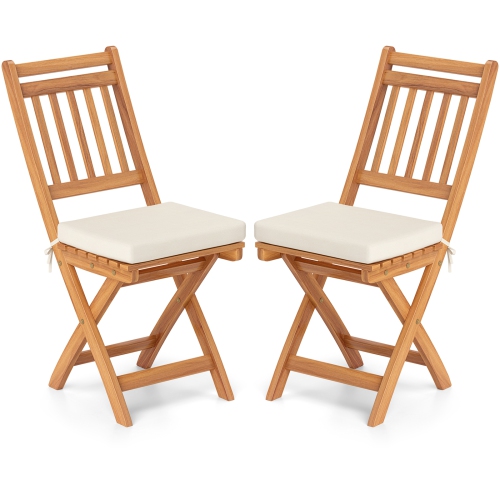
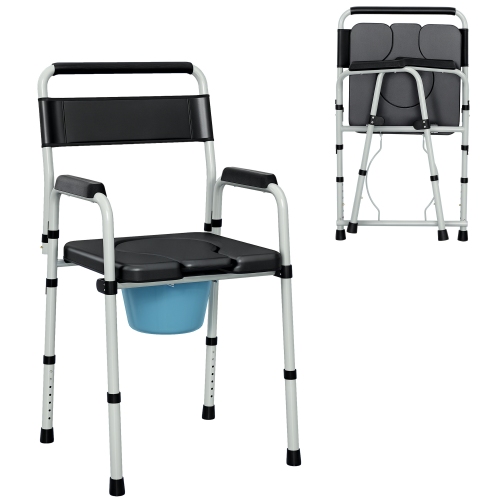
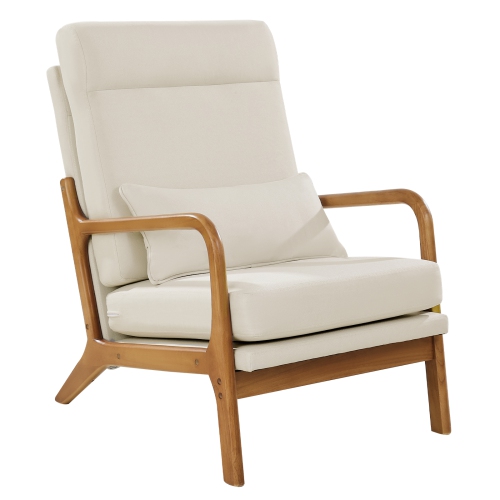
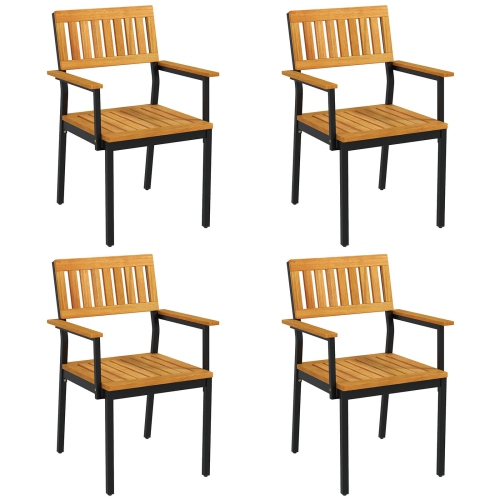
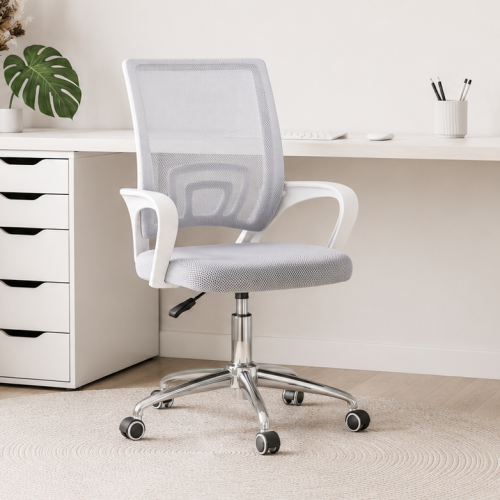
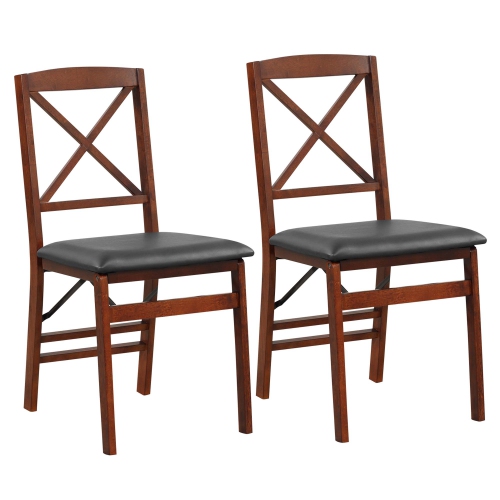
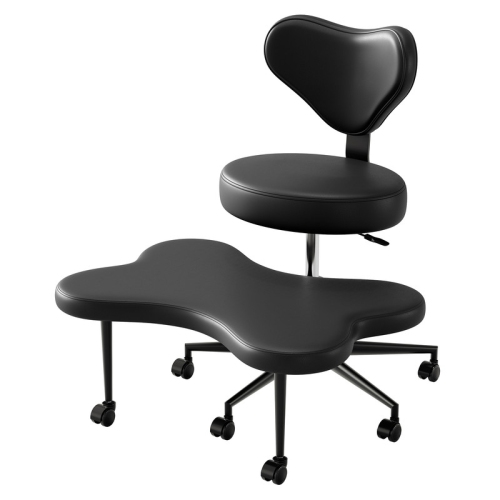
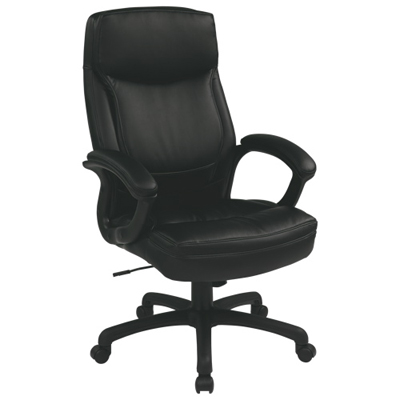
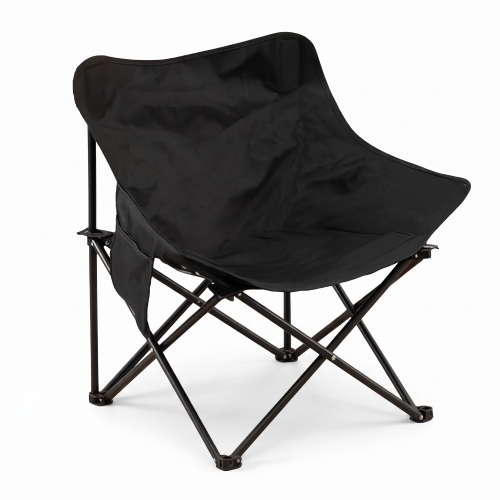
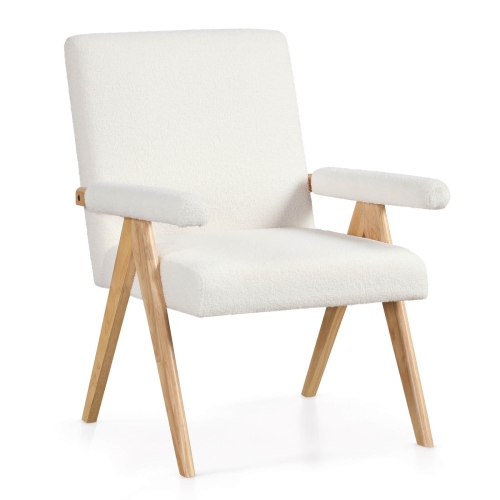
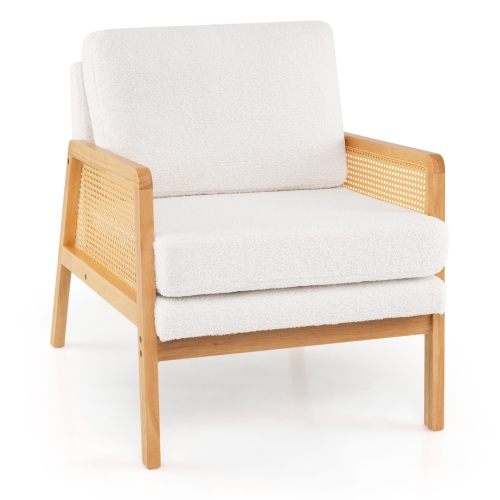
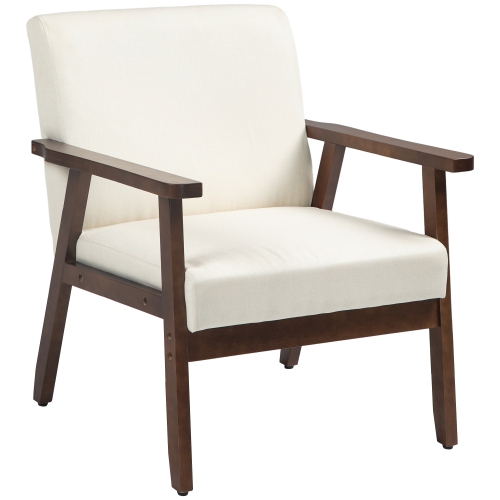
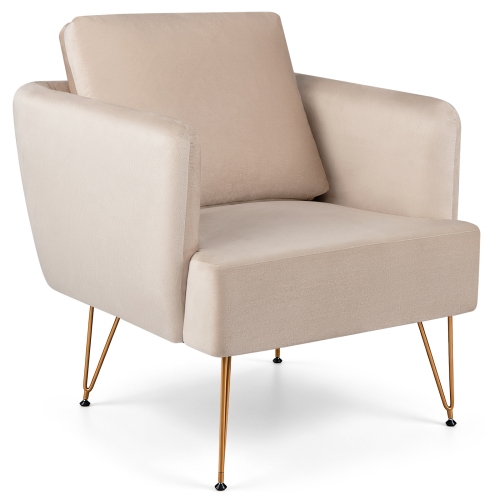
Comfortable chairs for seniors combine supportive cushioning, a well-proportioned seat, sturdy armrests, and a stable base. High-seat armchairs and power lift recliners are common choices, but the most comfortable design depends on the person’s height, mobility, and everyday routine. A chair for reading beside a bookcase may need an upright back and supportive arms, while seating used for watching television may benefit from an adjustable backrest and footrest. Seat height is particularly important: feet should rest flat on the floor when sitting upright, rather than dangling or reaching forward to find support. A higher seat can make standing easier for some people, but a seat that is too high can leave a shorter person feeling perched rather than settled. Seat depth matters just as much. With the back comfortably supported, there should be a little space between the front edge of the cushion and the backs of the knees. An overly deep seat may encourage sliding forward or placing several cushions behind the back, which changes how the chair fits. Medium-firm cushioning often provides a useful balance of comfort and support, holding its shape without feeling unyielding. Very soft padding can feel inviting at first yet allow the hips to sink lower than expected, making the transition to standing more demanding. Full-length, securely attached armrests provide a steady place for the hands during sitting and standing, while their height should allow the shoulders to remain relaxed. A high back can support the upper body during longer periods of sitting, provided the headrest does not push the head forward. These details matter more than an oversized silhouette or thick-looking cushions. For an older adult who enjoys conversation, knitting, or the daily crossword, a supportive armchair can offer a comfortable place to settle without needing multiple adjustments. For someone who changes position frequently, adjustable seating may better suit the rhythm of the day. Neither style is automatically the better choice; fit and ease of use make the difference.
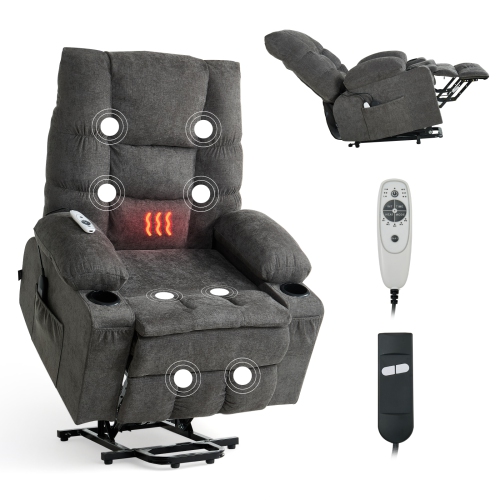
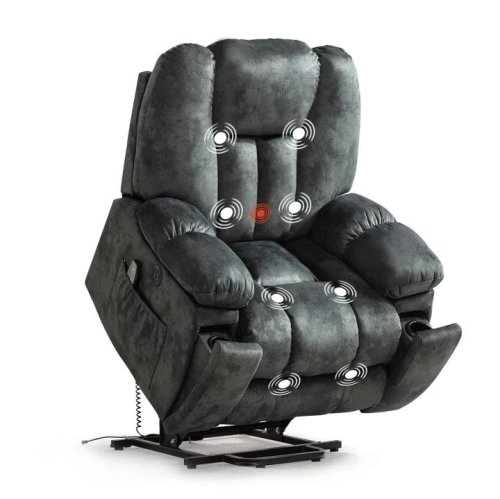
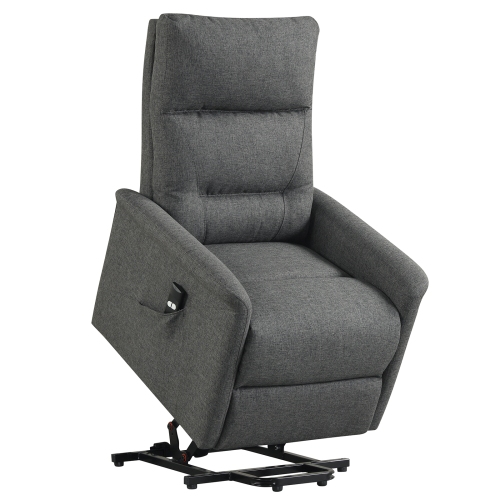
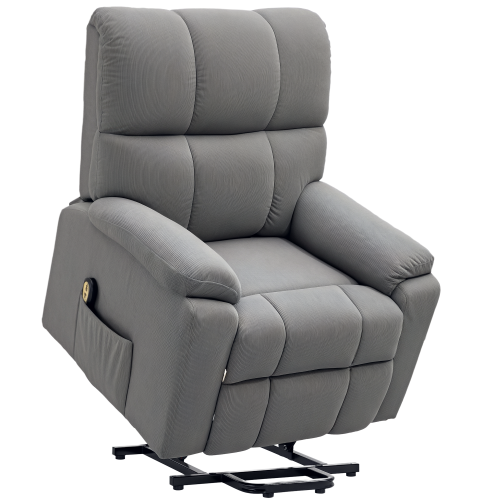
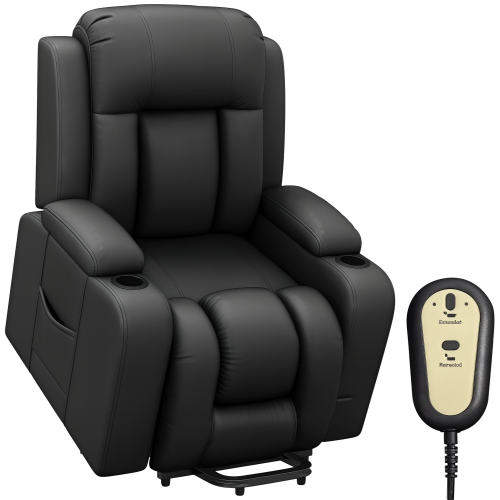
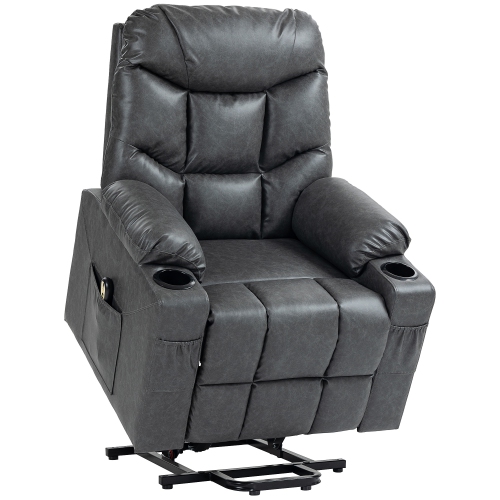
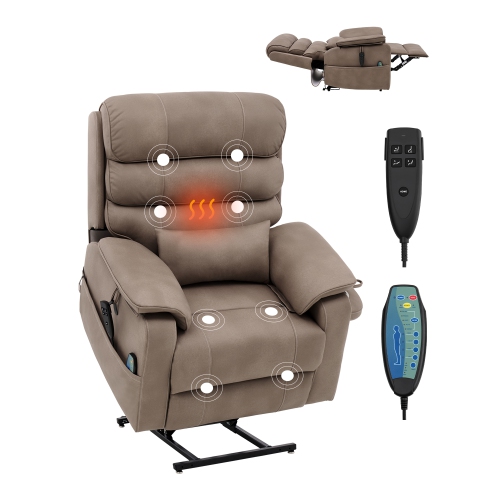
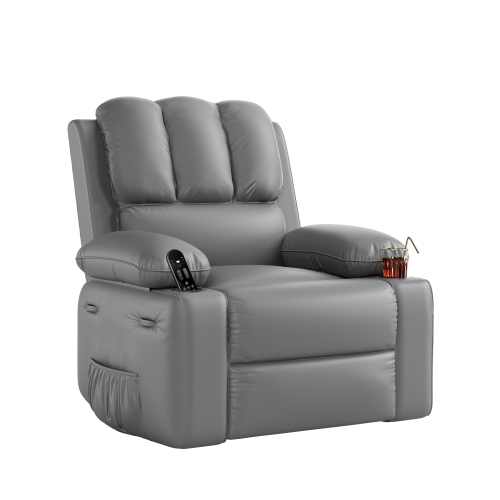
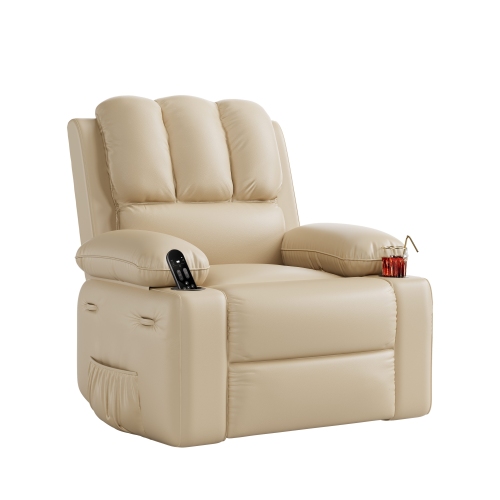
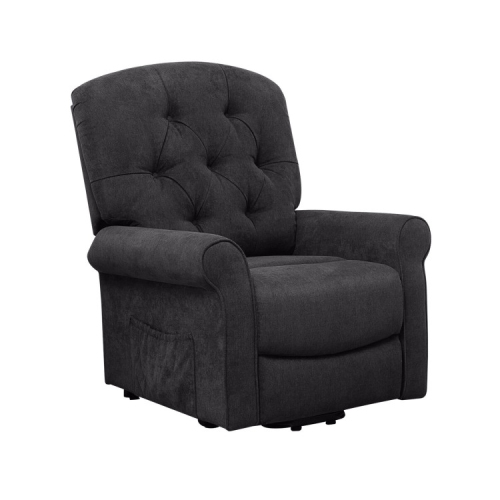
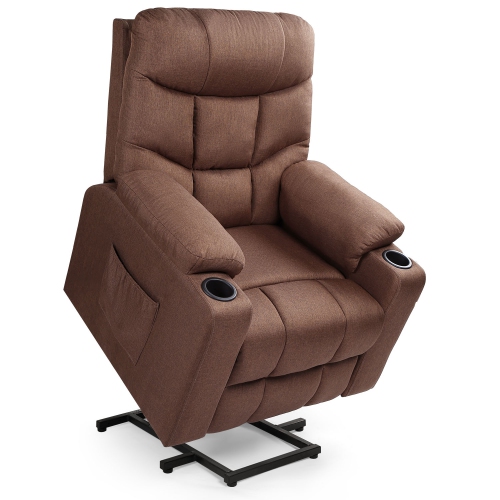
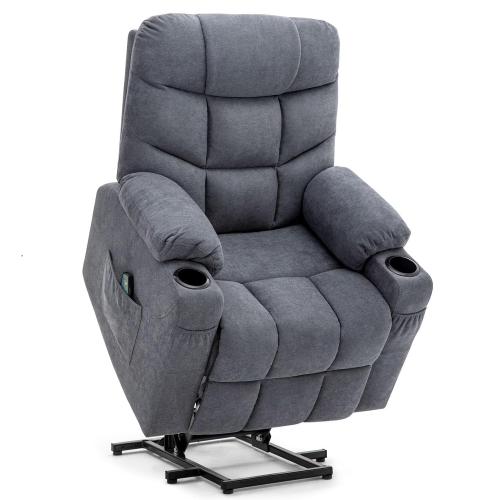
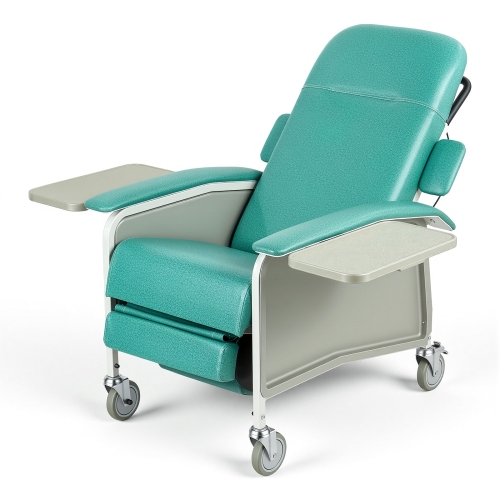
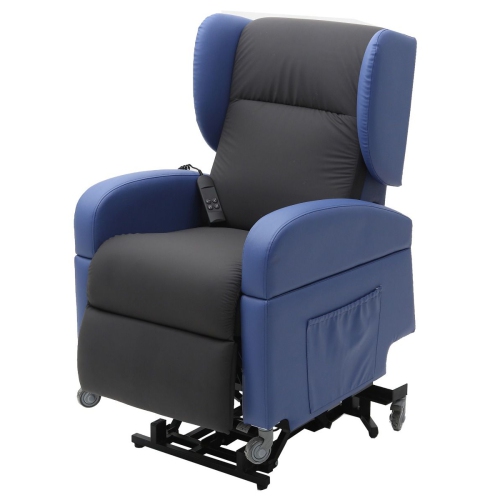
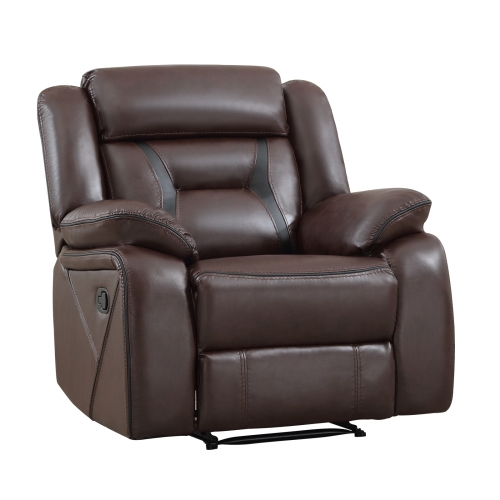
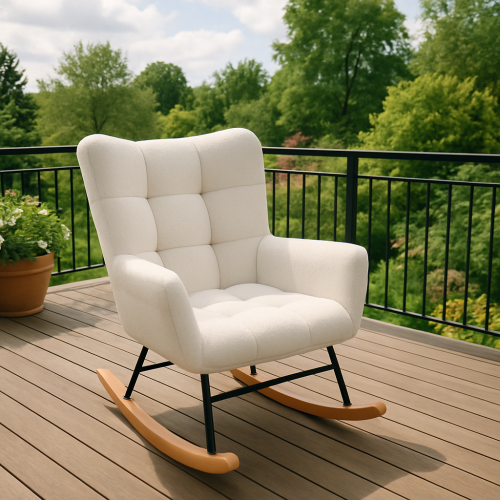
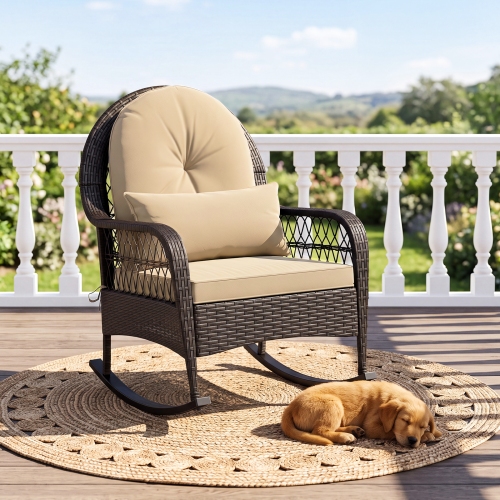
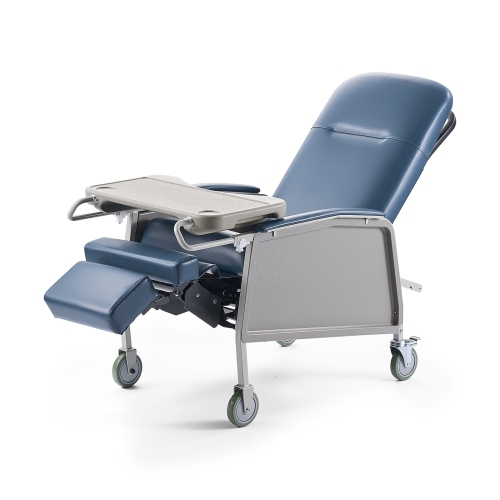
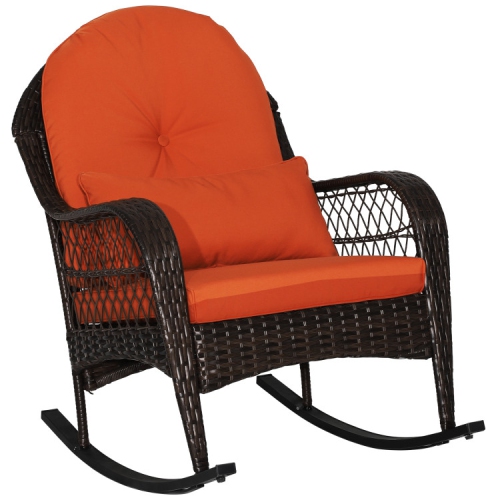
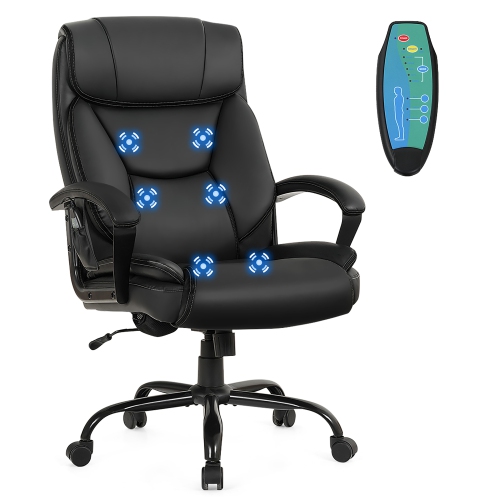
Power lift recliners add a motorized mechanism that raises and tilts the seat to assist with moving towards a standing position. They can be helpful for some seniors who find low seating difficult to get out of, although they do not replace the balance or assistance a person may need when standing. Reclining and lifting are separate functions, and a power recliner does not necessarily include a lift feature. Some designs move the backrest and footrest together, while others allow them to be adjusted independently, offering more flexibility for reading upright with the legs supported or leaning back to rest. Straightforward controls are an important part of everyday comfort. Large, clearly marked buttons, an easy-to-grip handset, and a reachable storage pocket can be more useful than a complicated range of settings. Manual recliners also deserve attention, since their levers and footrests may require grip strength or leg effort that does not suit every user. The chair’s movement needs to work with the room as well as the person. Recliners require clearance behind the back and in front of the footrest, with enough open floor space to approach the seat and stand without navigating around a coffee table. Even wall-hugging designs need the clearance specified by the manufacturer. Powered seating also needs a suitable outlet and a cord position that does not cross a walking route. A side table within comfortable reach can keep glasses, a telephone, and a drink close without requiring an awkward stretch. Swivel and rocking chairs offer a different kind of movement, but that movement may be less suitable for someone who needs a stationary surface when sitting down or getting up. For those interested in additional relaxation features, massage chairs for seniors offer another seating category to consider alongside supportive armchairs and recliners. Massage and heat functions are optional comforts rather than substitutes for a well-fitting seat, and their suitability depends on individual health needs and the manufacturer’s guidance. Where mobility limitations, reduced sensation, or persistent pain affect chair use, advice from an occupational therapist or another qualified health professional can help establish appropriate seating requirements.
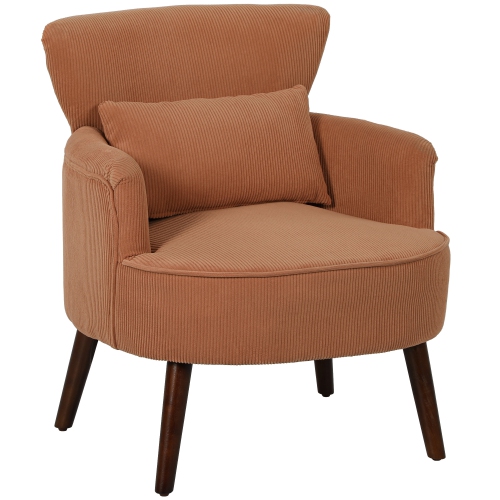
Upholstery, construction, and care requirements shape how comfortable a chair remains after months of daily use. Woven fabrics offer varied textures and colours, from smooth, tightly woven surfaces to softer finishes that feel pleasant against the hands and forearms. A close weave may be easier to keep free of crumbs than a heavily textured fabric, although cleaning methods depend on the upholstery’s care label. Leather and leather-look coverings can offer a smooth, wipeable surface, but they differ in composition, feel, and maintenance needs. A slippery finish may not suit someone who has difficulty maintaining a steady seated position. Removable cushion covers can simplify care when the manufacturer permits washing, while fixed upholstery may require spot cleaning or professional attention. Absorbent cloths and prompt attention to spills help with routine upkeep; harsh cleaners and excessive moisture can damage some coverings. An added throw or loose seat pad should not bunch beneath the user, slide during standing, or obstruct a reclining mechanism. Beneath the upholstery, a sturdy frame, secure joints, and a stable base contribute to lasting support. The stated weight capacity and seat dimensions should suit the intended user, with enough width for comfort and armrests close enough to reach naturally. Cushions that retain their shape help preserve the original seating position, while accessible replacement parts and clear care information can matter over a chair’s working life. Practical placement is equally valuable in a shared living room, a smaller apartment, or a dedicated reading corner: the chair should leave walking routes clear and allow space for any mobility aid used nearby. When comfortable seating is a gift for a parent, grandparent, or partner, involving the recipient in decisions about fit, controls, and upholstery helps make it a genuinely personal choice. A familiar colour, comfortable arm height, and room for a favourite activity can turn supportive seating into an inviting part of the home without making the room feel clinical.
Top selling and popular products
-
 Your price for this item is $13.3
-
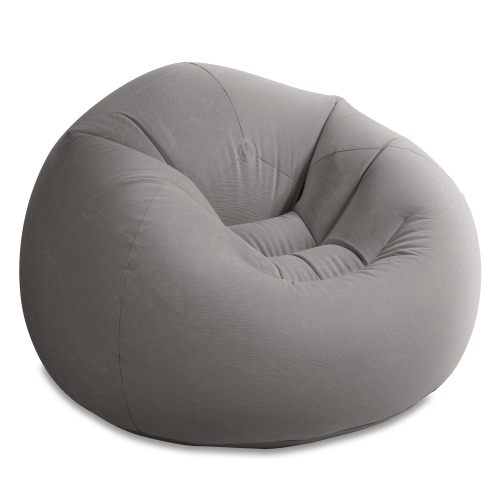 Your price for this item is $102.99
-
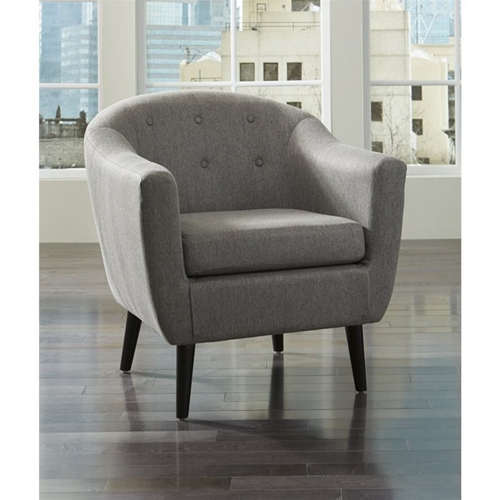 Your price for this item is $544.85
-
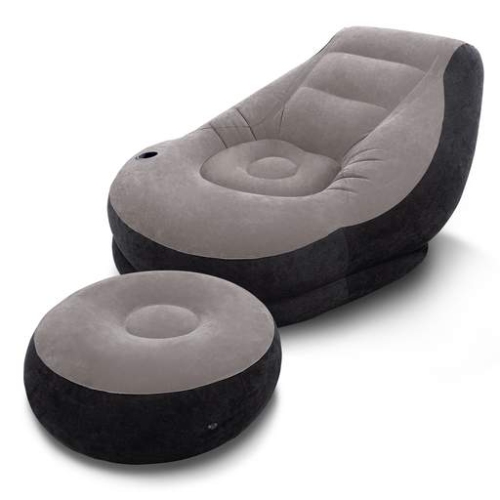 Your price for this item is $274.99
-
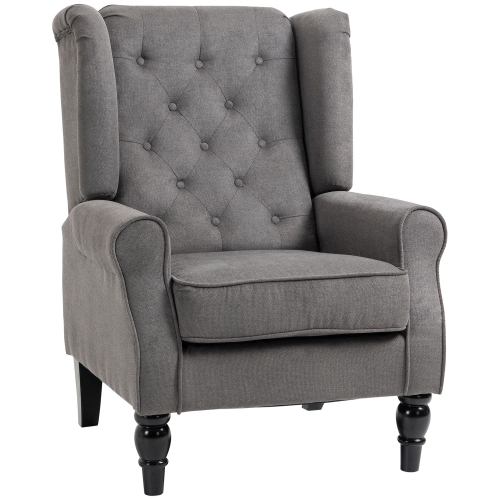 Your price for this item is $234.99
-
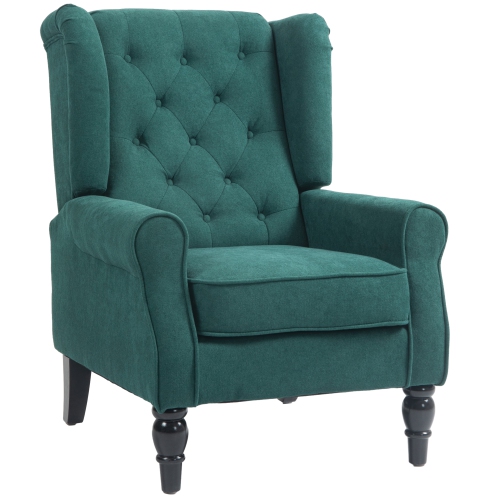 Your price for this item is $247.19
-
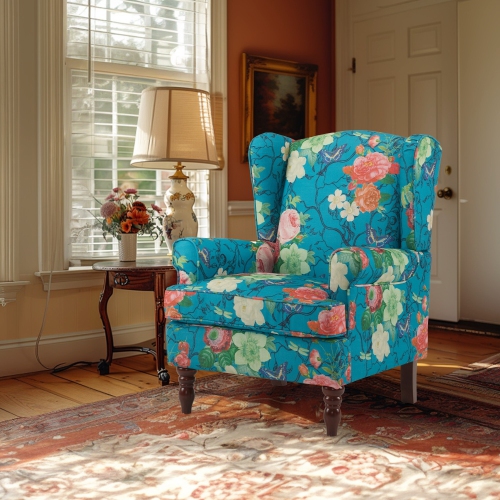 Your price for this item is $289.99
-
 Your price for this item is $167.99
Discover more categories related to Comfortable Chairs for Seniors
Top Collections:
Pokemon Centers, Best Cameras for Sports Photography, Kindle Devices, Samsung Galaxy Phones, Canon G7X Cameras, Pokémon 30th Celebration Cards, Refurbished Apple Laptops, iPhone 15 Apple, Laptops for Students, Budget Smartphones
Some products may be subject to Environmental Handling Fees
(EHF) depending on your province.
Learn more about EHFs.