Massage Chairs for Seniors
Massage chairs for seniors offer a relaxing way to unwind and enjoy comfort at home. Designed with ease of use in mind, these chairs provide a soothing experience tailored to meet the needs of older adults. Whether looking to enhance relaxation or add a touch of luxury to your living space, massage chairs for seniors make an excellent addition to any home. Explore a variety of styles and options to find the perfect fit for your lifestyle and preferences.
Sort
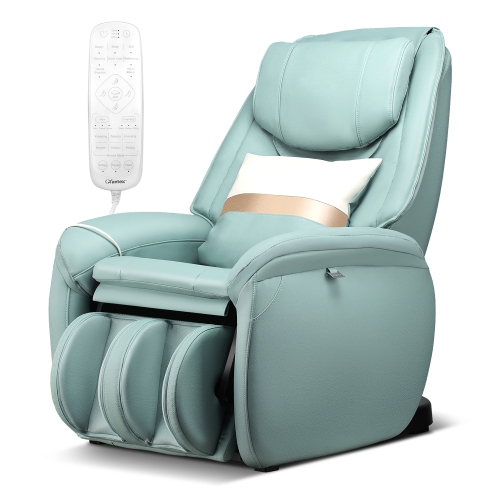
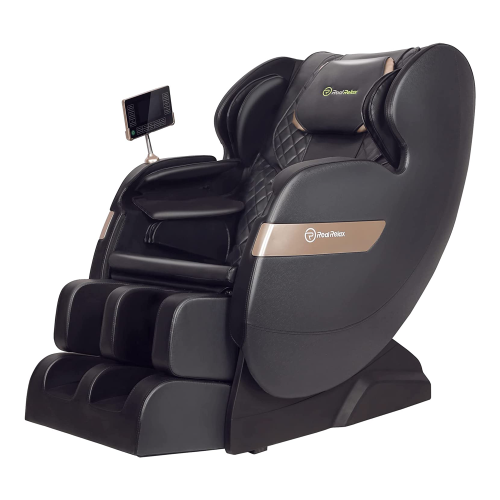

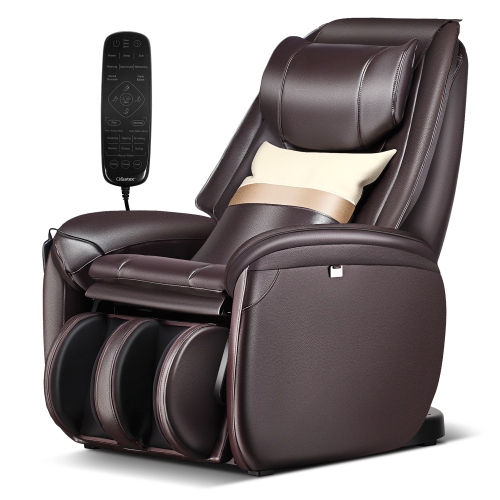


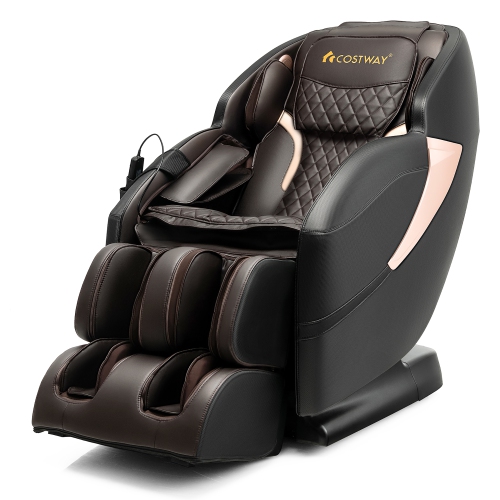


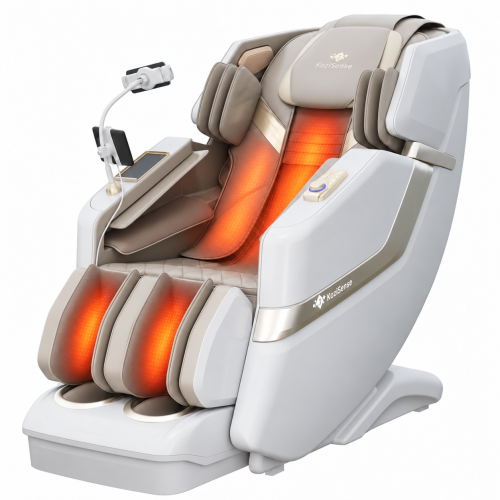
The right fit matters as much as the massage
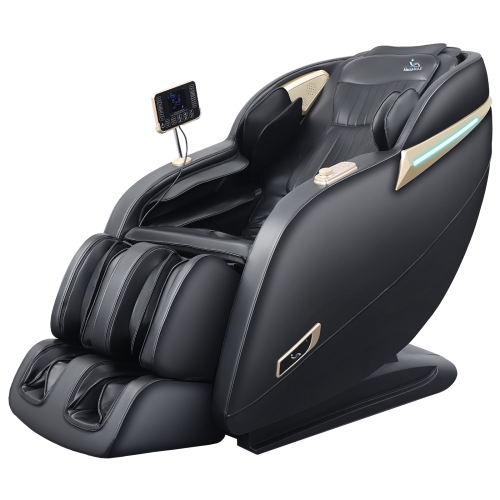
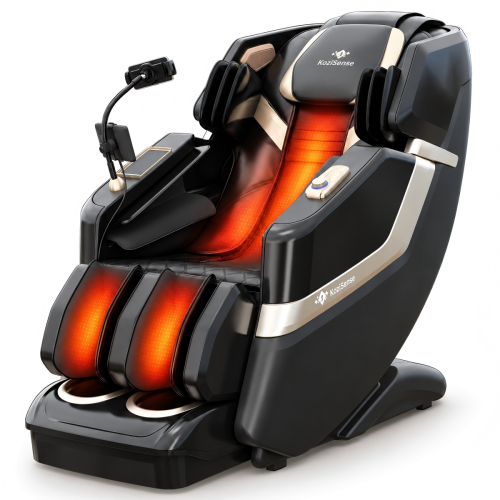
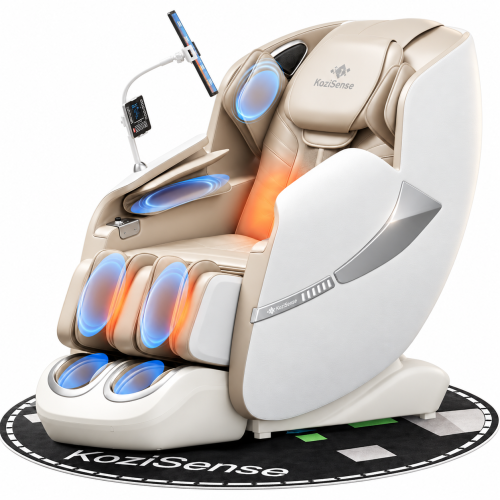
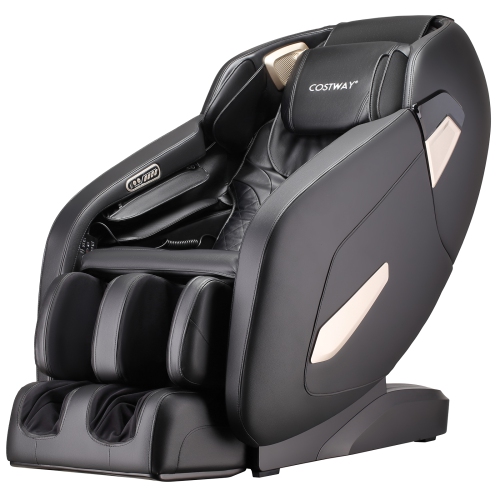
Massage chairs for seniors bring together supportive seating and at-home massage, with the most useful features depending on the person’s comfort preferences, mobility, and daily routine. Adjustable massage intensity, a comfortable seat height, straightforward controls, and an easy way to get into and out of the chair are important considerations. For someone who needs assistance standing, a power-lift recliner with massage may be more suitable than a full-body massage chair. These are different types of seating: a lift mechanism raises and tilts the seat to assist with standing, while a massage system provides movement or pressure through vibration, rollers, or air-filled cushions. Some chairs combine these functions, but massage capability does not automatically include lift assistance. Vibration generally produces a buzzing sensation through the cushions, while rollers create more concentrated movement along areas such as the back. Air compression applies a squeezing sensation around supported areas, depending on the design. The strongest or most elaborate massage is not necessarily the most comfortable choice. Someone who prefers a light touch may appreciate gentle vibration, while another person may enjoy adjustable roller movement with the option to avoid sensitive areas. Fit matters just as much as massage style. A seat that is too deep can leave a shorter person sitting forward without back support, and a seat that is too high can make it difficult to place both feet securely on the floor when upright. Armrests should offer comfortable support without crowding the shoulders, and the backrest should support a relaxed posture rather than push the head forward. Check the recommended user height range and weight capacity, as these affect both fit and operation. For shared seating, adjustable settings can help accommodate different preferences, although they cannot make an unsuitable seat size comfortable for everyone. A chair used for a short break with an audiobook may call for different features from one that will also serve as a favourite everyday recliner.
Easy operation can make a massage chair more enjoyable to use independently. Clearly labelled buttons, readable lettering, tactile controls, and a remote that stays within reach are often more practical than a long list of programs hidden behind several menus. A dedicated stop button is especially useful, along with separate controls for massage, reclining, heat, and lift functions where those features are included. Being able to change one setting without changing the others lets someone recline without starting a massage or switch off heat while keeping a preferred massage pattern. Timed sessions provide a defined stopping point, but the user should still be able to end a session immediately if it feels uncomfortable. For a first session, a brief period at the lowest intensity offers a sensible way to judge the sensation before increasing it within the manufacturer’s directions. Massage should feel comfortable rather than something to endure; stop if it causes pain, dizziness, numbness, or other unusual symptoms. Optional heat may add comfort, but it deserves particular care for anyone who has difficulty sensing temperature. Seniors with osteoporosis, a history of blood clots, recent surgery, reduced sensation, or another condition that could make pressure or compression unsuitable should ask a qualified healthcare professional whether chair massage is appropriate. Those with implanted medical devices should also check relevant device and chair guidance before use. Massage seating is intended for comfort and relaxation, not to diagnose or treat a medical condition or replace prescribed care. With lift seating, smooth movement and an accessible control are important, but the mechanism does not replace another person’s assistance when that assistance is needed. The user should be able to position their feet securely and follow the chair’s operating instructions throughout the movement. For anyone who uses a walker or needs help transferring, an occupational therapist can offer advice about seating height, positioning, and whether a particular style suits their needs.
A massage chair also needs to work in the room where it will be used. Measure the chair’s footprint when fully reclined, including the extended footrest, rather than relying only on its upright dimensions. Leave the clearance specified by the manufacturer behind the backrest and enough space for an unobstructed route past the chair. Check doorways, corners, and any stairs along the delivery route, since these chairs can be bulky and heavy. Position power cords away from walking paths, keep moving sections clear of blankets and other objects, and keep children and pets away from the mechanism during operation. Upholstery affects everyday comfort and care as well as appearance. Leather, faux leather, and fabric each have different care requirements; the particular finish and construction matter more than the material name alone. Smooth upholstery may be easy to wipe, while textured fabric may feel more inviting against bare arms. Seams, cushion support, and the finish around frequently touched armrests deserve attention because those areas receive repeated use. Follow the manufacturer’s cleaning directions, remove spills promptly, and avoid letting moisture reach controls or electrical components. Do not add thick cushions or covers over massage sections unless the manufacturer permits them, as extra layers can affect fit and operation. Service support and warranty terms for the frame, motor, upholstery, and massage components are also worth checking, since coverage can differ between parts. For a parent, partner, or other loved one, a massage chair can be a thoughtful gift when the recipient helps choose the fit and functions. Their preferred sitting position and tolerance for pressure matter more than a surprise feature they may never use. Those interested mainly in a comfortable place to unwind can also explore Massage Chairs for Relaxation, keeping individual fit and ease of use at the centre of the choice. The most useful chair is one that feels comfortable, suits the user’s abilities, and fits naturally into everyday life.
Top selling and popular products
-
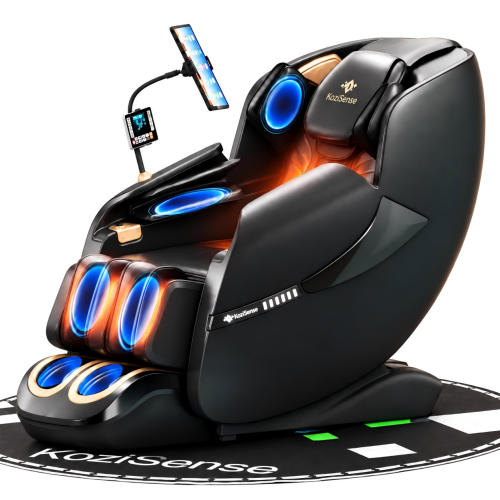 Your price for this item is $1799.99
-
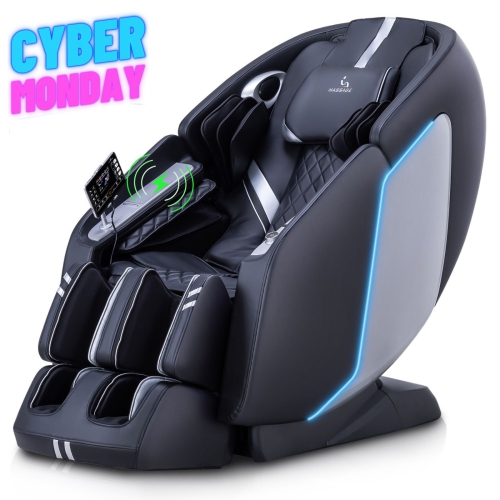 Your price for this item is $2799
-
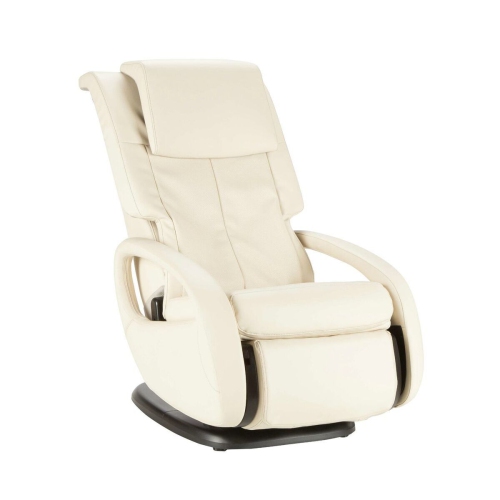 Your price for this item is $3699.99
-
 Your price for this item is $3699.99
-
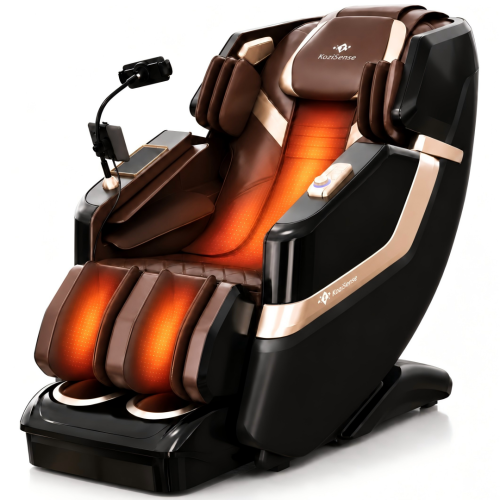 Your price for this item is $2249.99
-
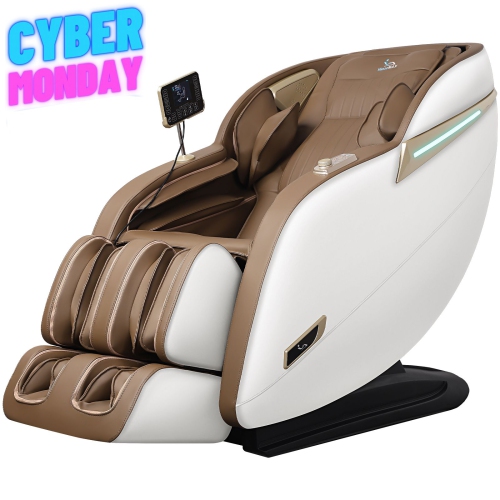 Your price for this item is $1779
-
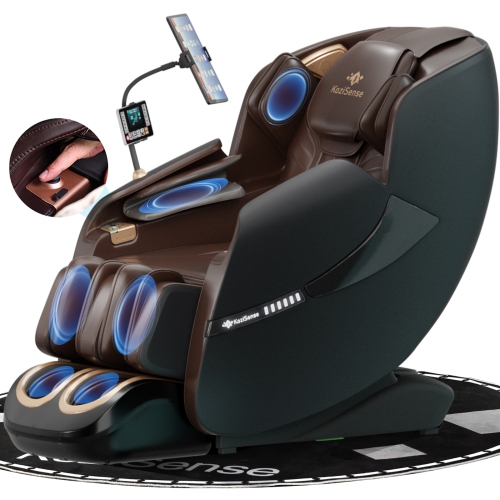 Your price for this item is $1899.99
-
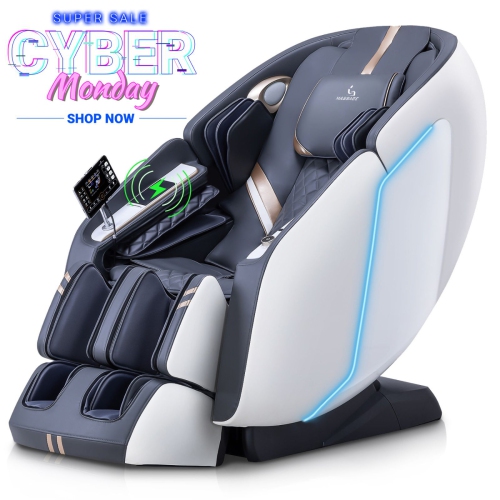 Your price for this item is $2799
Discover more categories related to Massage Chairs for Seniors


Top Collections:
Best Black Friday Deals This Year, Best Black Friday Deals On Electronics, Kindle Devices, Pokemon Centers, Best Black Friday Deals On Apple Products, Best Cameras for Sports Photography, Dyson Airwrap, Pokémon 30th Celebration Cards, Apple iPhone 17 Pro, Canon G7X Cameras
Some products may be subject to Environmental Handling Fees
(EHF) depending on your province.
Learn more about EHFs.