Comfortable Posture Brace
Comfortable posture braces are a great way to improve your posture and reduce back pain. These braces provide support for your back and shoulders while you are standing or sitting. These braces are designed to help you maintain a natural posture and can help you reduce the amount of pain and discomfort you experience when sitting or standing for long periods of time. Here are some great options available.
Sort
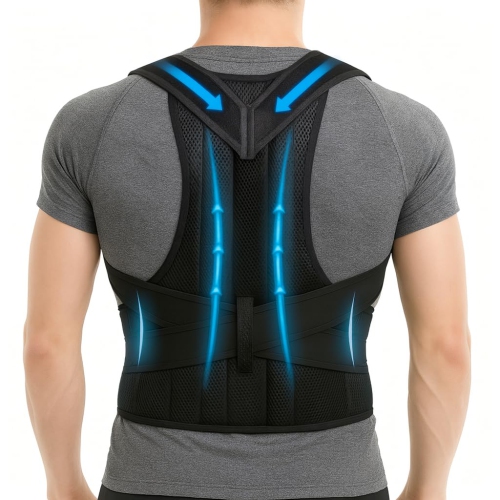
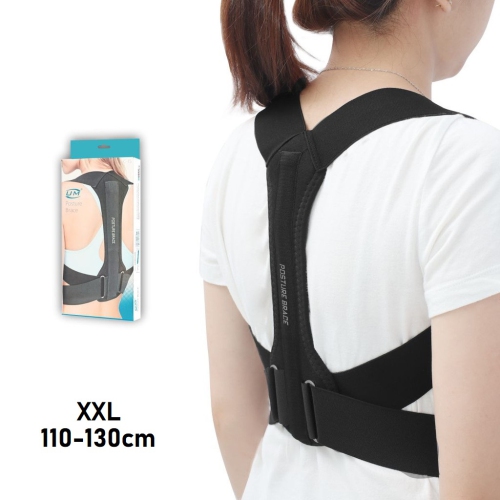
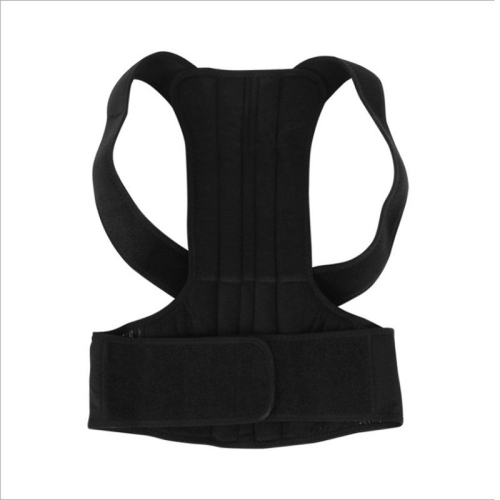
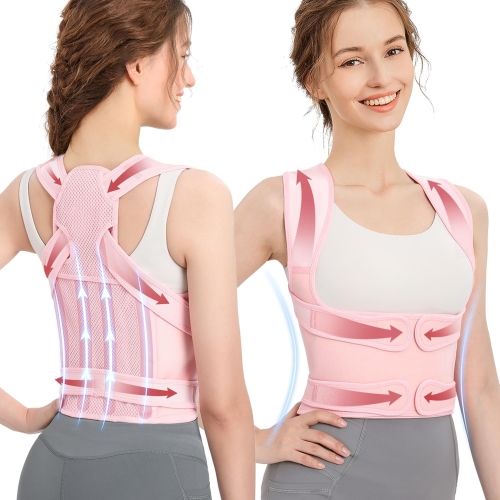
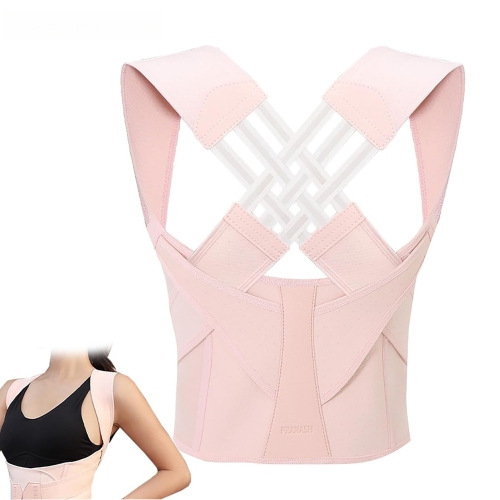
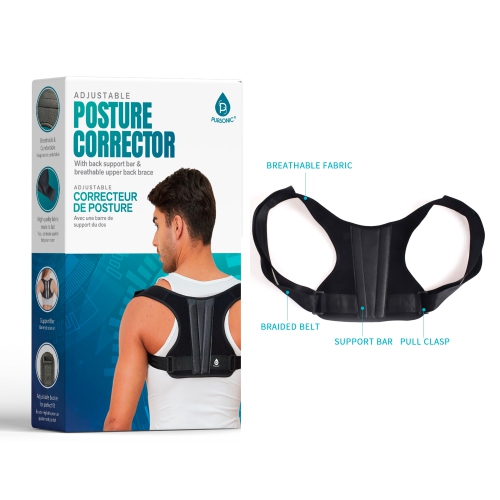
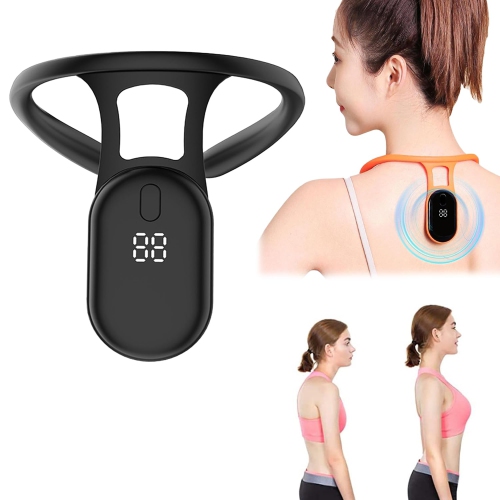
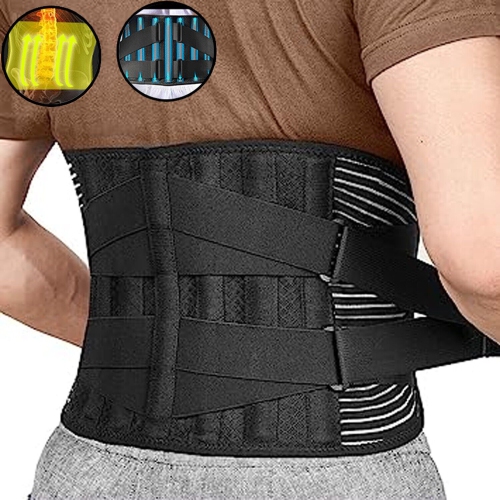
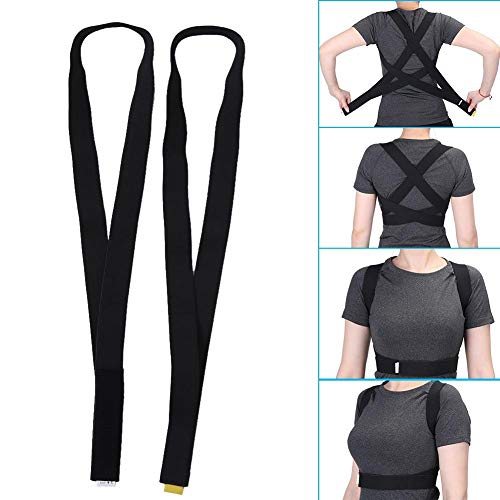
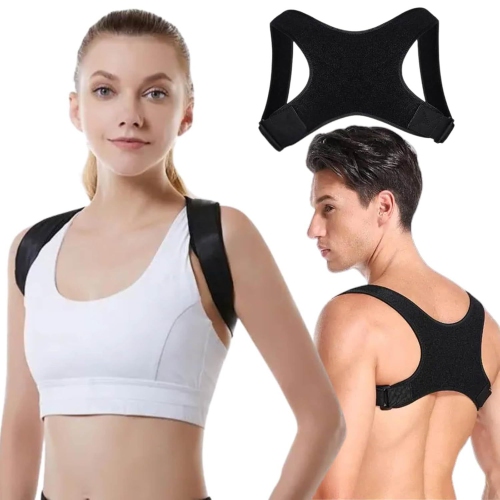
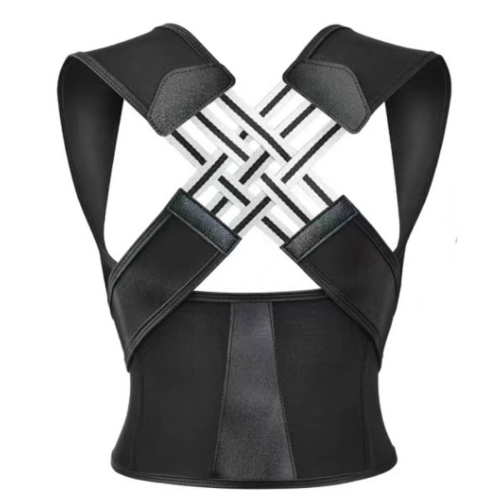
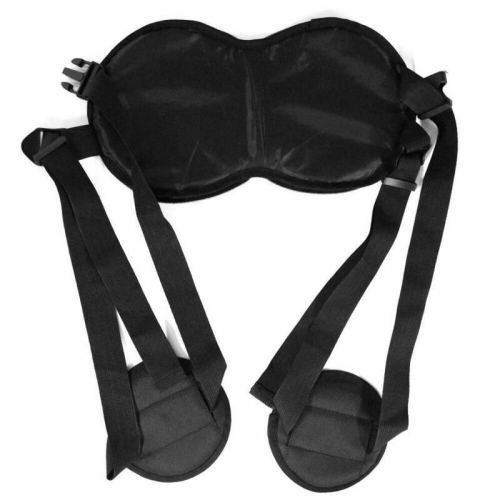
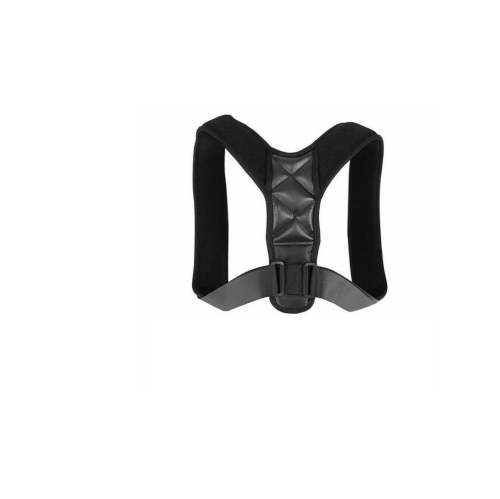
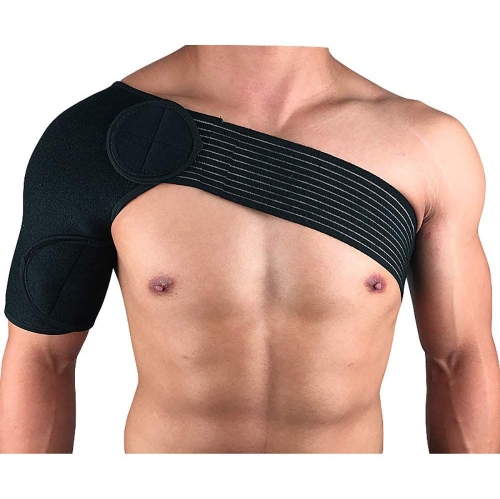
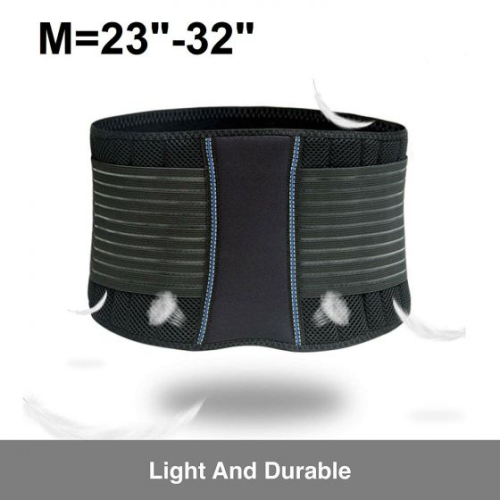
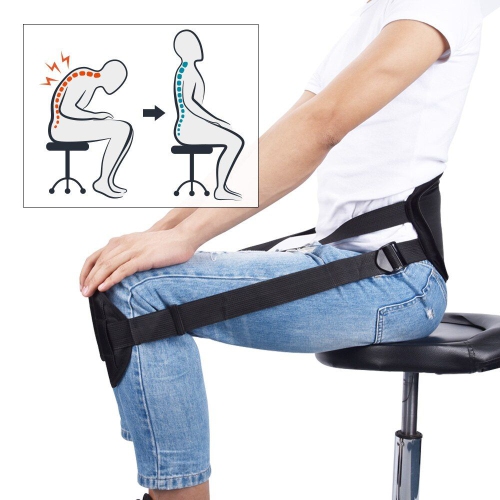
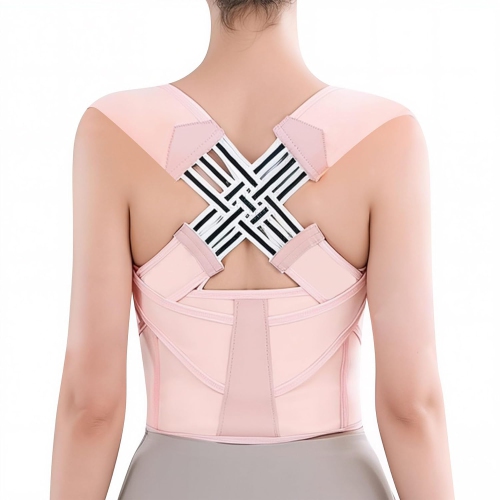
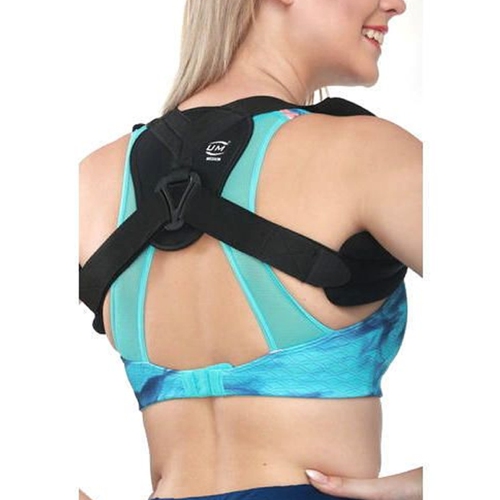
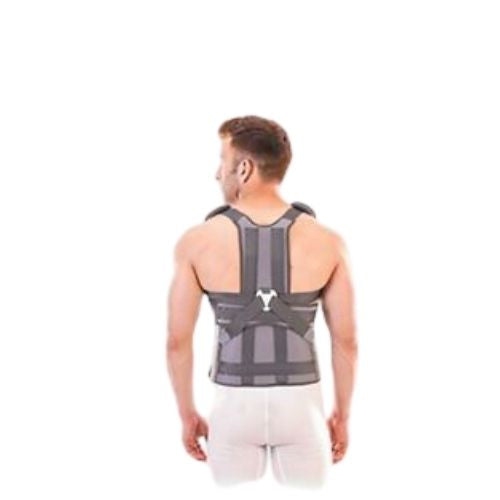
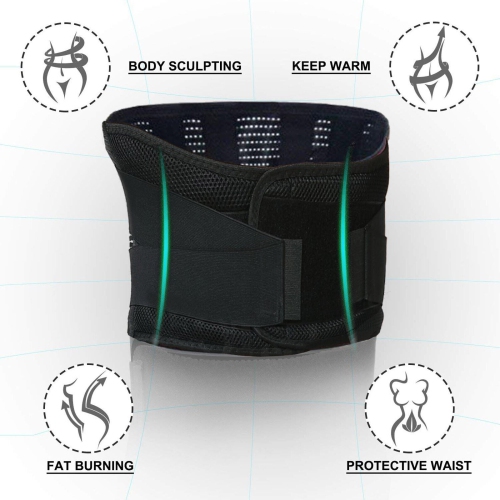
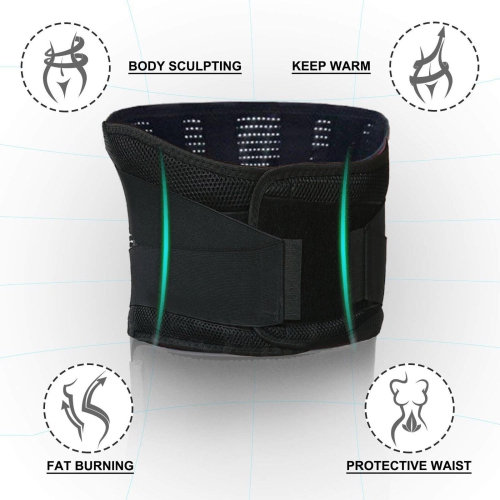
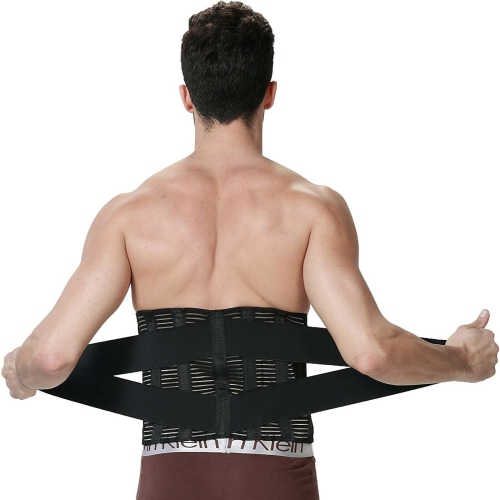
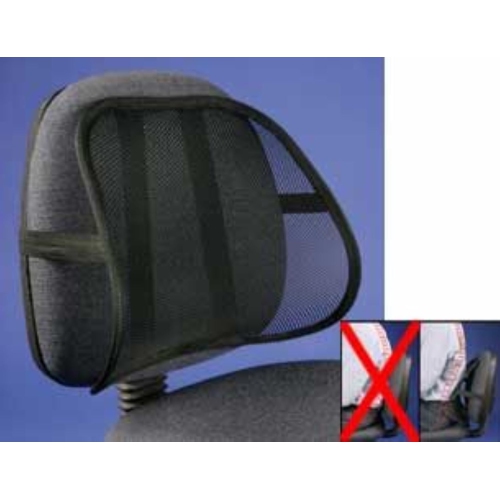
Gentle shoulder support without holding your body rigid
A comfortable posture brace offers gentle support around the shoulders and upper back, providing a physical reminder to notice a slouched position without holding the body rigidly in place. Comfort comes from the combination of a suitable size, adjustable tension, soft contact surfaces, and a shape that works with the wearer’s build. These supports are often used during seated activities, such as typing at a desk, studying, or working on a craft project, when it can be easy to lean forward without noticing. Many shoulder-focused designs use straps that pass over the shoulders and connect across the upper back, while others include a wider panel or an additional band around the torso. The difference matters in everyday use: a compact strap design may feel less bulky beneath a shirt, whereas a broader panel creates more contact with the back and can be more noticeable against a chair. Neither shape is automatically more comfortable for everyone. Shoulder width, torso length, clothing, and the position of the straps all affect how a brace feels. A well-fitting design should allow ordinary breathing and comfortable arm movement rather than force the shoulders sharply backward. Posture braces are best understood as wearable supports or positioning cues, not as a guaranteed way to correct posture permanently or treat the cause of back or neck pain. They do not replace regular movement, a suitable workstation, or exercises prescribed by a qualified healthcare professional. For someone who spends part of the day reading from a laptop or reviewing paperwork, a brace may serve as one reminder among several to change position. Bringing a screen closer to eye level, keeping frequently used objects within reach, and taking movement breaks remain useful parts of that routine. The intended activity also matters: a brace described for everyday seated use should not be assumed suitable for lifting, sports, or rehabilitation after an injury.
Materials and construction have a direct effect on how comfortable a posture support feels against the body. Depending on the design, fabrics may include nylon, polyester, elastane, mesh, or neoprene, each contributing a different balance of stretch, structure, and airflow. Mesh panels can help air circulate, while a soft lining can reduce the rough feel of webbing or fasteners against clothing and skin. Neoprene offers flexible cushioning but may feel warmer or less breathable than a lighter mesh construction. Anyone with a known sensitivity to rubber, latex, adhesives, or particular fabrics should check the material information rather than assume all padded supports are alike. Padding is especially relevant where straps cross the shoulders or sit near the underarms, although extra thickness can add bulk beneath clothing. Smooth edges, covered seams, and flat attachment points can make a noticeable difference when reaching for a keyboard or resting against a chair. Fit depends on measurements, not simply the size normally chosen for a T-shirt. Some braces are sized by chest circumference, others by waist measurements or a combination of dimensions, so the measurement location in the size chart is important. An adjustable range helps refine the fit, but it cannot always compensate for a back panel that is too long or straps that sit too close to the neck. Hook-and-loop closures allow small changes in tension, while buckles and sliding adjusters offer other ways to secure the fit. Front-accessible adjustments can be easier for someone who finds reaching behind the back difficult. A thin, smooth undershirt may provide a useful barrier against rubbing when the brace’s directions allow it. Low-profile seams and flatter straps can also sit more discreetly beneath relaxed clothing, though no design is necessarily invisible under every fabric. The useful balance is a secure fit that stays in position without digging in, bunching, restricting breathing, or making ordinary movements awkward.
Everyday practicality extends beyond the first fitting. A posture brace that is straightforward to put on, adjust, remove, and clean is easier to incorporate into a routine than one with awkward fasteners or complicated care requirements. Some designs can be hand-washed, while others have different cleaning instructions; the care label should determine the method. Sweat and skin oils can build up on contact surfaces, making regular cleaning important for comfort. Where directed, gentle washing and air-drying help protect fabric, elastic, and padding from unnecessary wear. Hook-and-loop fasteners can collect lint or catch on nearby garments, so keeping them clean and closing them before washing, when instructed, can help maintain their grip. Durable construction includes secure stitching at strap attachment points, neatly finished edges, and adjusters that hold their setting during the intended activity. Stretched elastic, frayed straps, curled edges, or closures that repeatedly slip can change the fit and signal that the support needs attention or replacement. Intended wear time varies by design and individual circumstances, so a fixed daily schedule is not appropriate for every brace. The manufacturer’s directions and any advice from a healthcare professional should guide use; tighter straps or longer sessions are not measures of better support. Numbness, tingling, increasing pain, skin irritation, or restricted breathing are reasons to remove the brace rather than continue wearing it. Persistent discomfort, a recent injury, or a diagnosed spinal condition calls for professional advice before choosing a support. It is also worth distinguishing upper-back posture cues from supports intended for a different area: Back Support Braces may include designs focused on the lower back or broader torso support, with different fitting requirements and uses. For desk workers, students, and people doing other seated tasks, the most relevant features are those that match their body and activity, not simply the firmest construction. If a posture brace is being considered as a gift, the recipient’s interest, measurements, and comfort preferences matter more than a surprise. A suitable support should fit into daily life without drawing constant attention through pressure, rubbing, or repeated readjustment.
Materials and construction have a direct effect on how comfortable a posture support feels against the body. Depending on the design, fabrics may include nylon, polyester, elastane, mesh, or neoprene, each contributing a different balance of stretch, structure, and airflow. Mesh panels can help air circulate, while a soft lining can reduce the rough feel of webbing or fasteners against clothing and skin. Neoprene offers flexible cushioning but may feel warmer or less breathable than a lighter mesh construction. Anyone with a known sensitivity to rubber, latex, adhesives, or particular fabrics should check the material information rather than assume all padded supports are alike. Padding is especially relevant where straps cross the shoulders or sit near the underarms, although extra thickness can add bulk beneath clothing. Smooth edges, covered seams, and flat attachment points can make a noticeable difference when reaching for a keyboard or resting against a chair. Fit depends on measurements, not simply the size normally chosen for a T-shirt. Some braces are sized by chest circumference, others by waist measurements or a combination of dimensions, so the measurement location in the size chart is important. An adjustable range helps refine the fit, but it cannot always compensate for a back panel that is too long or straps that sit too close to the neck. Hook-and-loop closures allow small changes in tension, while buckles and sliding adjusters offer other ways to secure the fit. Front-accessible adjustments can be easier for someone who finds reaching behind the back difficult. A thin, smooth undershirt may provide a useful barrier against rubbing when the brace’s directions allow it. Low-profile seams and flatter straps can also sit more discreetly beneath relaxed clothing, though no design is necessarily invisible under every fabric. The useful balance is a secure fit that stays in position without digging in, bunching, restricting breathing, or making ordinary movements awkward.
Everyday practicality extends beyond the first fitting. A posture brace that is straightforward to put on, adjust, remove, and clean is easier to incorporate into a routine than one with awkward fasteners or complicated care requirements. Some designs can be hand-washed, while others have different cleaning instructions; the care label should determine the method. Sweat and skin oils can build up on contact surfaces, making regular cleaning important for comfort. Where directed, gentle washing and air-drying help protect fabric, elastic, and padding from unnecessary wear. Hook-and-loop fasteners can collect lint or catch on nearby garments, so keeping them clean and closing them before washing, when instructed, can help maintain their grip. Durable construction includes secure stitching at strap attachment points, neatly finished edges, and adjusters that hold their setting during the intended activity. Stretched elastic, frayed straps, curled edges, or closures that repeatedly slip can change the fit and signal that the support needs attention or replacement. Intended wear time varies by design and individual circumstances, so a fixed daily schedule is not appropriate for every brace. The manufacturer’s directions and any advice from a healthcare professional should guide use; tighter straps or longer sessions are not measures of better support. Numbness, tingling, increasing pain, skin irritation, or restricted breathing are reasons to remove the brace rather than continue wearing it. Persistent discomfort, a recent injury, or a diagnosed spinal condition calls for professional advice before choosing a support. It is also worth distinguishing upper-back posture cues from supports intended for a different area: Back Support Braces may include designs focused on the lower back or broader torso support, with different fitting requirements and uses. For desk workers, students, and people doing other seated tasks, the most relevant features are those that match their body and activity, not simply the firmest construction. If a posture brace is being considered as a gift, the recipient’s interest, measurements, and comfort preferences matter more than a surprise. A suitable support should fit into daily life without drawing constant attention through pressure, rubbing, or repeated readjustment.
Top selling and popular products
-
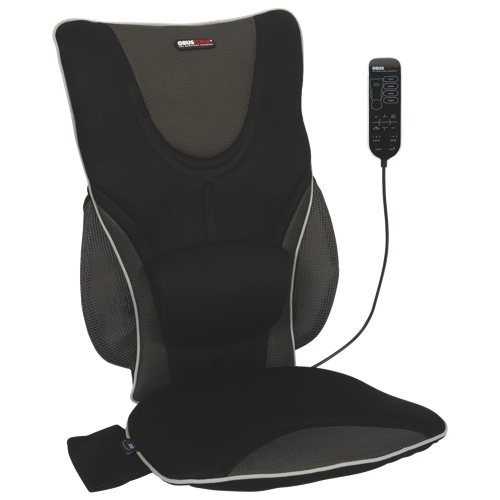 Your price for this item is $119.99
 -
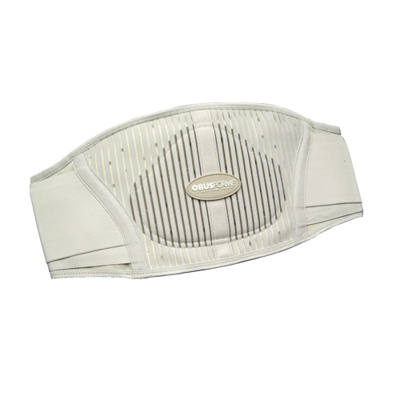 Your price for this item is $44.99
 -
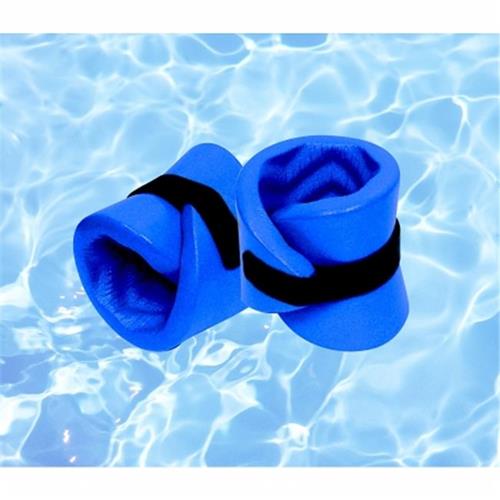 Your price for this item is $93.99
 -
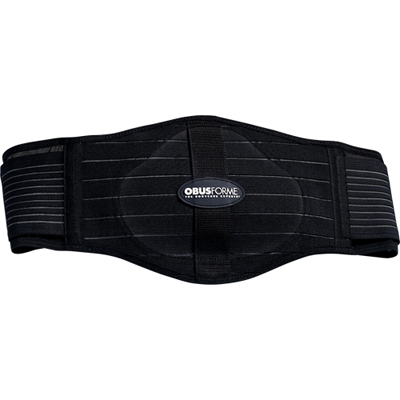 Your price for this item is $44.99
 -
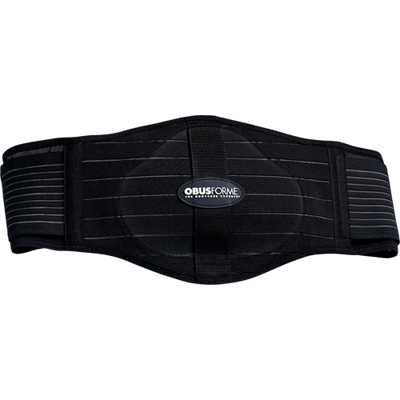 Your price for this item is $44.99
 -
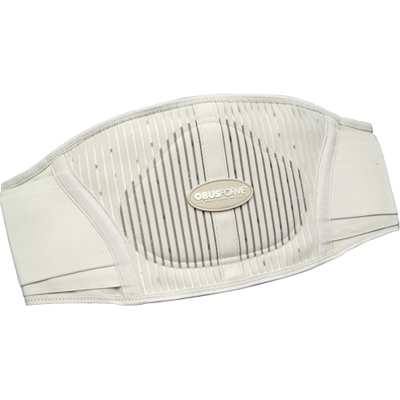 Your price for this item is $44.99
 -
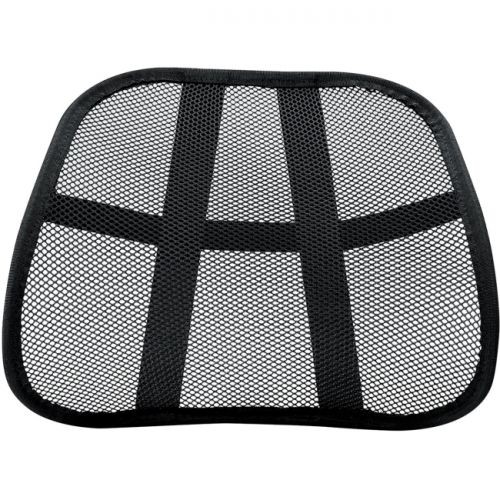 Your price for this item is $40.99
 -
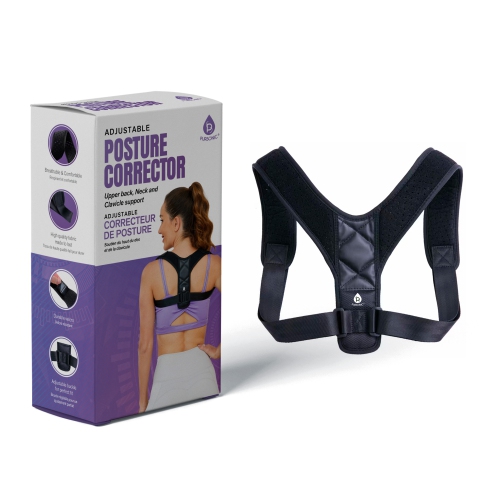 Your price for this item is $24.99
Discover more categories related to Comfortable Posture Brace
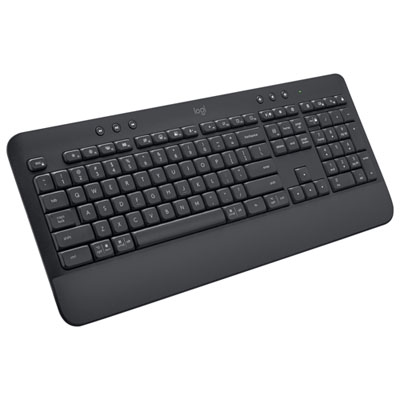

Top Collections:
Pokemon Centers, Kindle Devices, Best Budget Office Chairs, Apple iPhones 16, Best Laptops for Writers, iPhone 15 Apple, Canon G7X Cameras, Refurbished Apple Laptops, Alarm Clock, Motorola Razr Phones
Some products may be subject to Environmental Handling Fees
(EHF) depending on your province.
Learn more about EHFs.