Brace Posture Correctors
Improve your daily comfort and support with a Brace Posture Corrector. Designed to help you maintain proper alignment during work, exercise, or relaxation, these posture correctors are ideal for anyone looking to enhance their overall well-being. Explore a variety of options to find the best fit for your lifestyle and needs. With a Brace Posture Corrector, it's easy to take the next step toward a more confident and comfortable you.
Sort
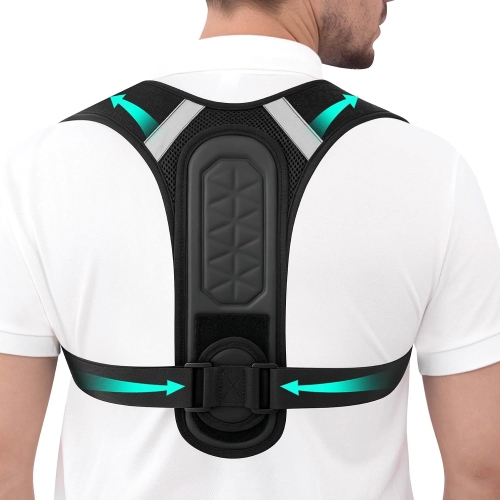
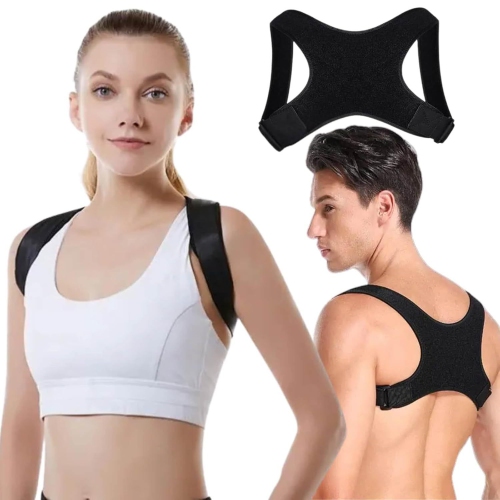
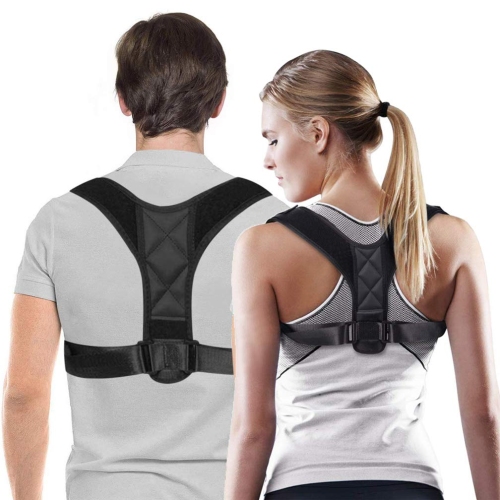
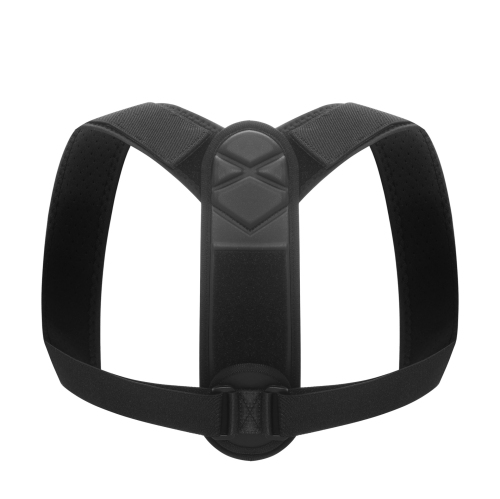
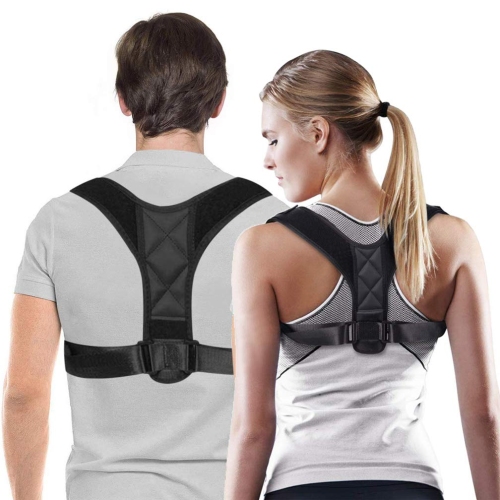
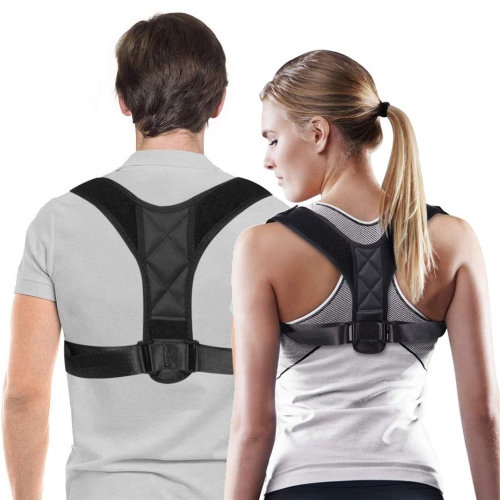
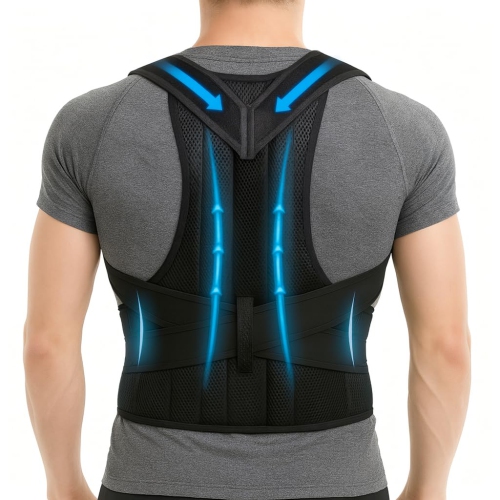
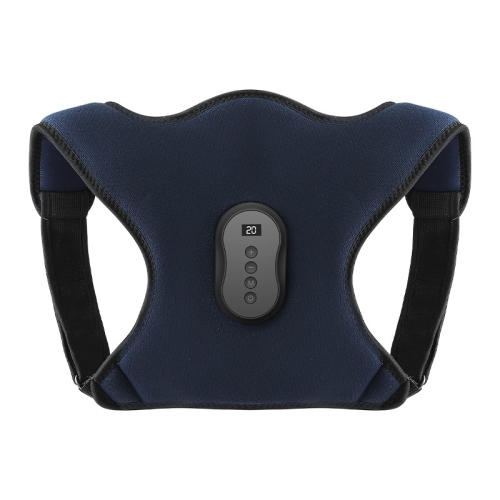
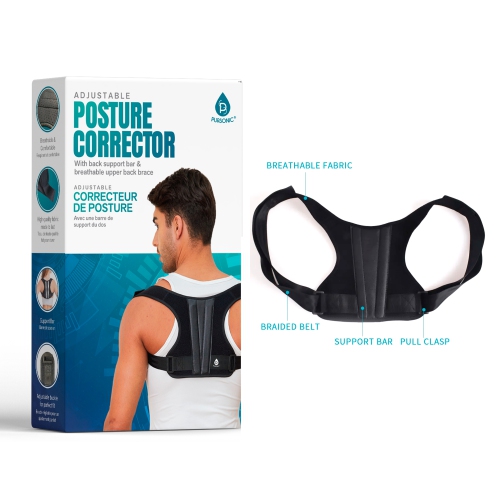
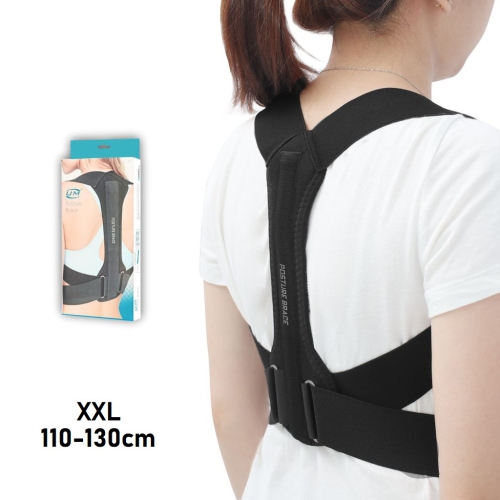
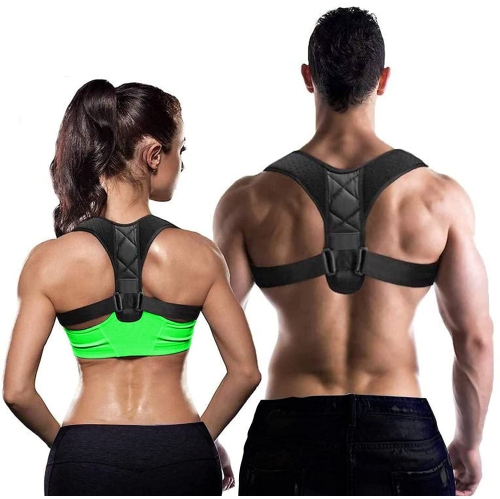
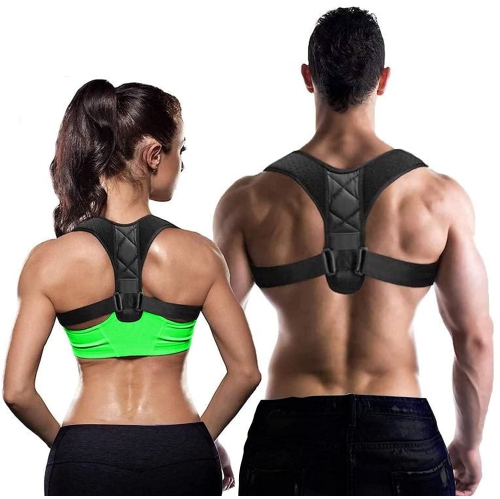
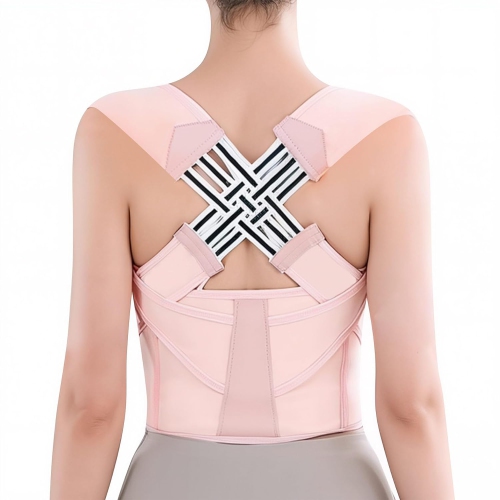
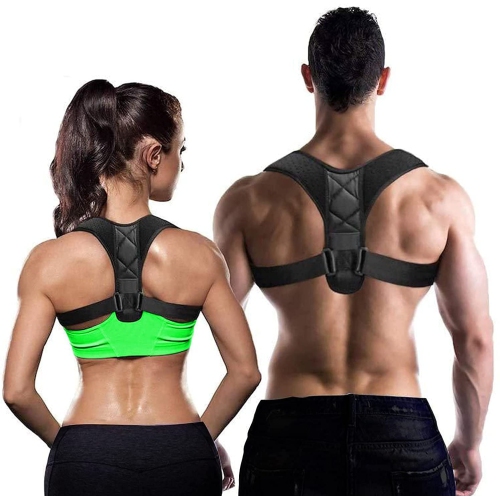
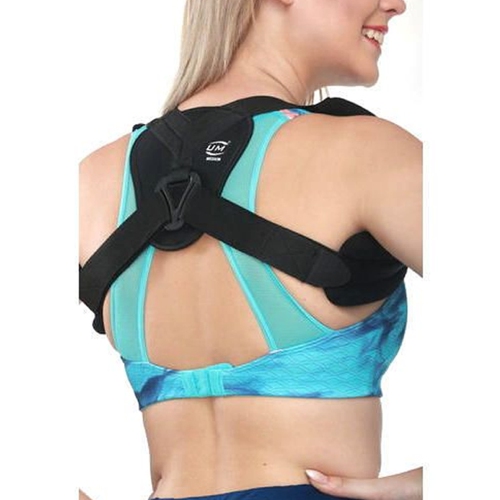
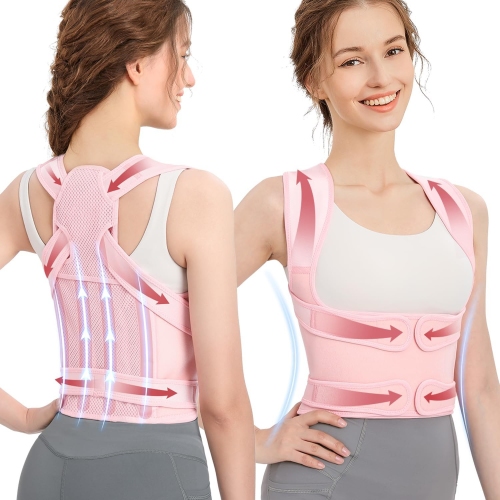
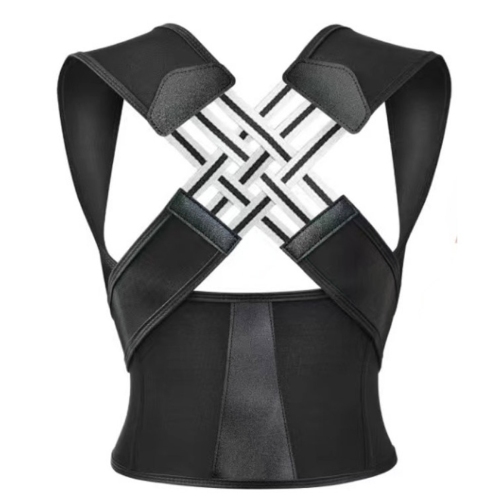
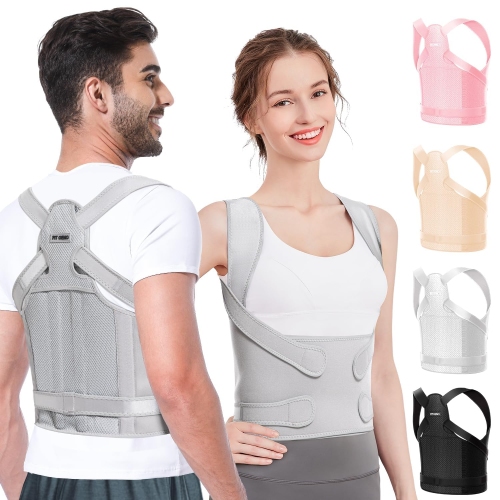
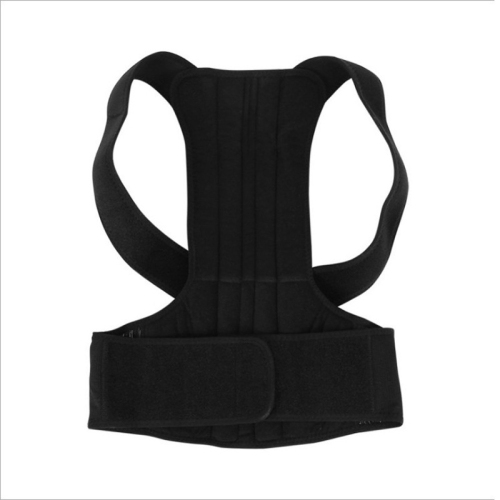
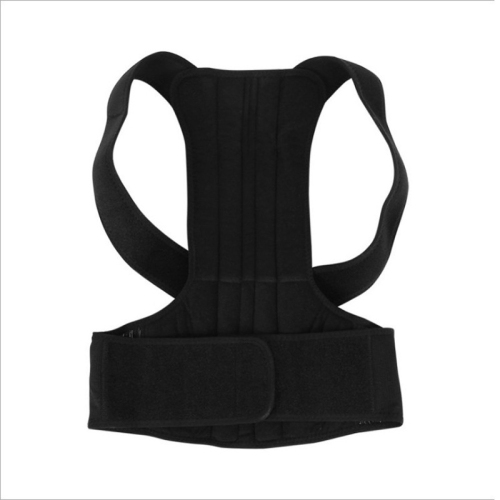
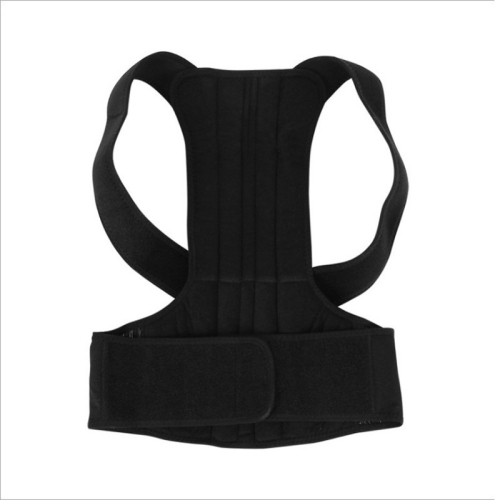
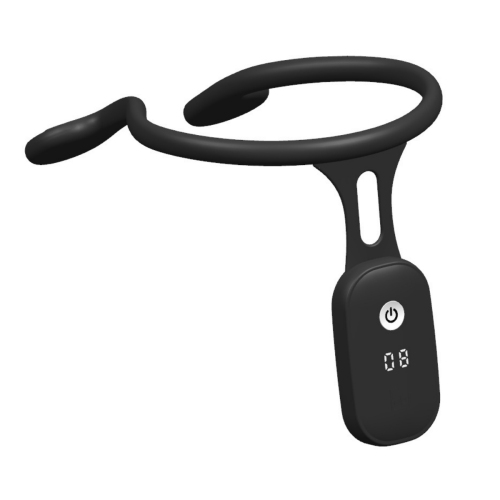
Comfortable support that makes everyday slouching more noticeable
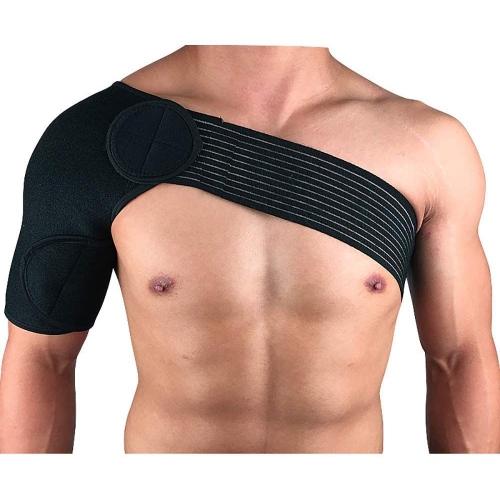
Brace posture correctors are wearable supports designed to provide a physical reminder of shoulder and upper-back position. Rather than permanently changing posture, they can help make slouching more noticeable during everyday activities, such as sitting at a computer or reading at a table. Many designs use adjustable straps that pass around the shoulders and meet across the back, while others extend farther down the torso or include a waist section for additional support. The gentle tension of a properly fitted brace can act as a cue to adjust position; it should not force the shoulders into an exaggerated backward pull. These products are best understood as temporary aids to body awareness, not substitutes for muscle-strengthening exercise, regular movement, or an appropriately arranged workspace. Someone who tends to lean towards a laptop screen may appreciate a lightweight shoulder-style design, while someone seeking broader torso coverage may prefer a longer brace, provided that its intended use matches their needs. Coverage and firmness vary, and a larger or more rigid design is not automatically a better choice. Comfortable posture also changes with the task: typing, standing, and reaching do not require the body to remain in one fixed position. A suitable corrector should allow easy breathing and ordinary movement within the limits described by its manufacturer. Adults considering a posture brace for desk work, study sessions, or other seated activities may find that adjustability and ease of putting it on matter more than how substantial it looks. The goal is a noticeable but comfortable reminder, rather than tight compression or a perfectly straight silhouette. General posture correctors are also different from prescribed orthopaedic braces, which may be fitted for a diagnosed condition or used under clinical supervision. Persistent pain, a recent injury, or an existing spinal condition calls for advice from a healthcare professional rather than relying on a general-purpose posture brace to address the cause.
Materials and construction make a considerable difference to how a brace feels against the body. Soft woven straps, flexible fabric panels, mesh sections, and cushioned edges each serve different purposes, from distributing tension to reducing direct contact with seams. Some designs use neoprene or other stretchy materials for a close fit, while others rely on webbing and adjustable fasteners to hold their shape. Breathability can be especially important when a brace sits beneath clothing or covers a larger area of the back. Fabric composition also matters for anyone with a known sensitivity to latex or other materials, so the composition should be checked rather than assumed from appearance. A smooth, low-profile design may sit more discreetly under a shirt, but narrow straps can feel quite different from wider padded ones. Fit depends on the specific sizing chart: chest, waist, or torso measurements may be required, and clothing size alone may not provide a reliable match. Adjustable straps offer room for fine-tuning, but they cannot compensate for a brace that is fundamentally too small, too large, or too long through the body. Correct placement should keep straps from digging into the underarms or pressing against the neck. For someone putting on the brace without assistance, front-access fasteners and easily reached adjustment points can make everyday handling simpler. Hook-and-loop closures should have enough overlap to stay secure without leaving rough edges exposed against skin or clothing. Durability depends on details such as reinforced stitching at strap junctions, neatly finished edges, and fasteners that continue to hold after repeated adjustment. Care requirements vary by material and construction; some braces need handwashing, while others permit a specified machine-wash cycle. Following the care label helps protect elastic sections and fastening surfaces. Where instructed, closing fasteners before washing can prevent them from catching on fabric, and allowing the brace to dry fully before wearing it helps maintain comfort. Frayed straps, distorted panels, or closures that slip are signs that the support may no longer fit or function as intended.
Everyday use works best when the brace complements, rather than replaces, comfortable movement and suitable habits. Wear time should follow the manufacturer’s directions and any advice from a healthcare professional; a posture corrector should not be assumed suitable for an entire workday or for sleeping. Short sessions may provide an opportunity to notice shoulder position without treating the brace as something that must stay on continuously. More tension is not necessarily more effective, and discomfort is not evidence that a brace is working. Numbness, tingling, skin irritation, restricted breathing, or increased pain are reasons to stop wearing it and seek advice as appropriate. For a person working at a dining table, a brace cannot make up for a screen positioned so low that looking at it requires constant neck bending. Raising the display to a comfortable viewing height, keeping the keyboard within easy reach, and using a chair that allows the feet to rest securely can address parts of that setup. Regular changes of position and appropriate exercises for the upper back, shoulders, and core support a broader approach to posture; a brace itself does not build strength. The distinction between posture reminders and other supports is also useful when comparing categories. Back Support Braces may offer different coverage, including designs focused on the lower back, so their intended use should be considered separately from that of shoulder-focused posture correctors. Neither category should be treated as an interchangeable solution for unexplained pain. For activities involving lifting, exercise, or repetitive reaching, suitability depends on the individual brace and its stated purpose, not simply whether it feels supportive while sitting. A practical choice brings together the right coverage, manageable fasteners, comfortable materials, and a fit that remains secure without excessive tightening. Those details help a posture corrector serve its intended role: providing a temporary physical cue while leaving room for movement, exercise, and attention to the everyday tasks that influence body position.
Top selling and popular products
-
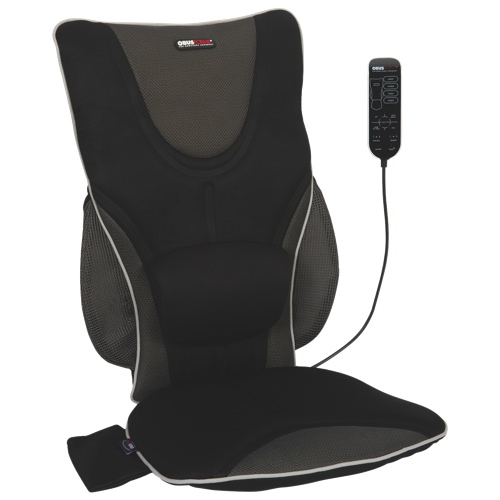 Your price for this item is $79.99
-
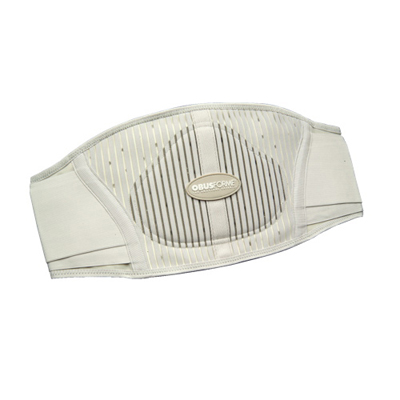 Your price for this item is $44.99
-
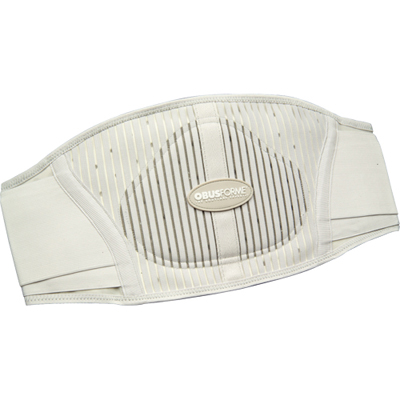 Your price for this item is $44.99
-
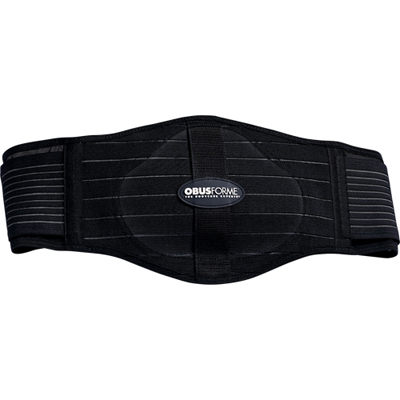 Your price for this item is $44.99
-
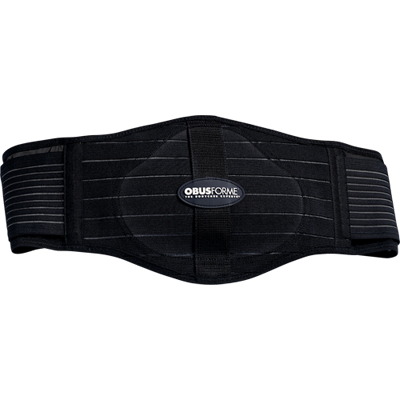 Your price for this item is $44.99
-
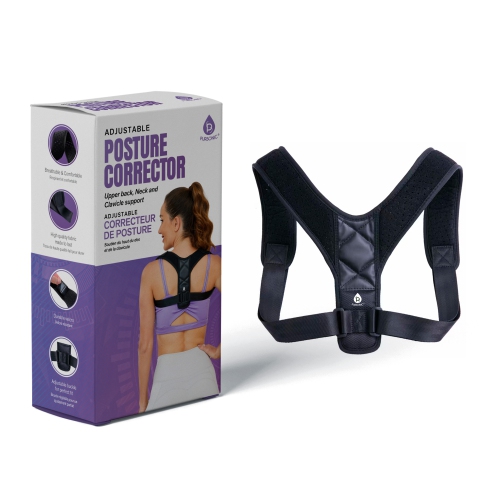 Your price for this item is $24.99
-
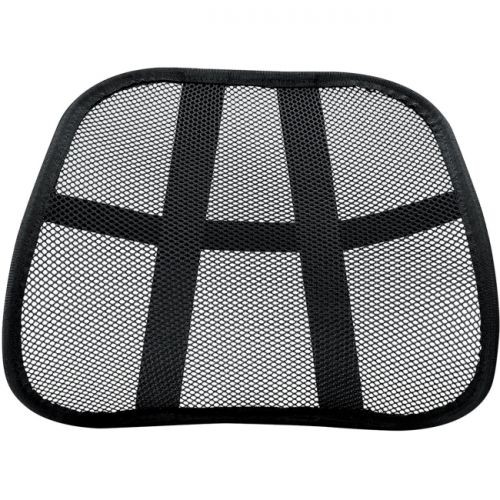 Your price for this item is $42.99
-
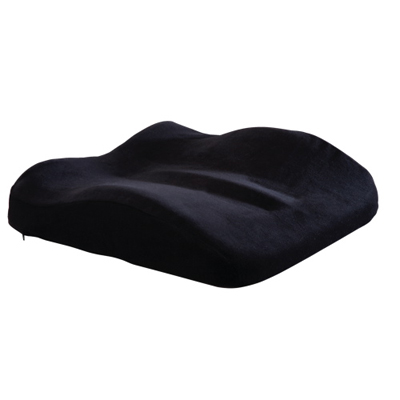 Your price for this item is $49.99
Discover more categories related to Brace Posture Correctors
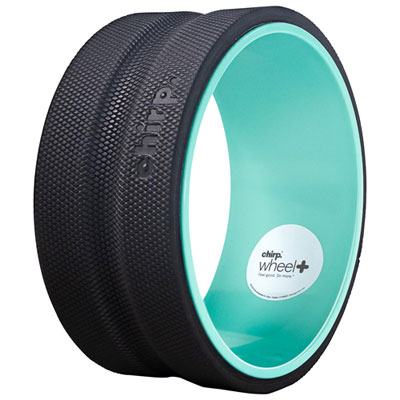
Top Collections:
Best Black Friday Deals This Year, Best Black Friday Deals On Electronics, Kindle Devices, Pokemon Centers, Best Black Friday Deals On Apple Products, Best Cameras for Sports Photography, Dyson Airwrap, Pokémon 30th Celebration Cards, Apple iPhone 17 Pro, Canon G7X Cameras
Some products may be subject to Environmental Handling Fees
(EHF) depending on your province.
Learn more about EHFs.