Comfortable Sofas for Small Apartments
Comfortable Sofa For Small Apartments offers stylish seating solutions designed to fit perfectly in compact living spaces. Whether you’re looking to create a cozy spot for relaxing or need versatile options for entertaining guests, these sofas combine comfort and functionality without taking up too much room. Explore a variety of designs, colors, and configurations to find the ideal addition to your apartment’s layout and décor.
Sort

Why a compact footprint doesn't guarantee a comfortable seat
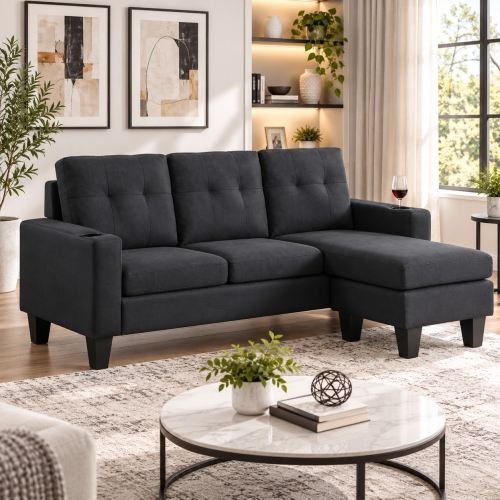
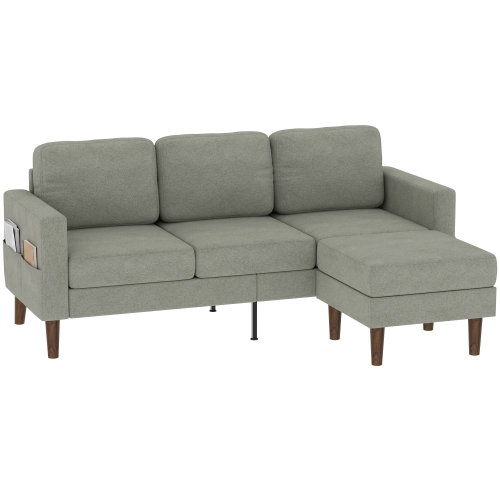
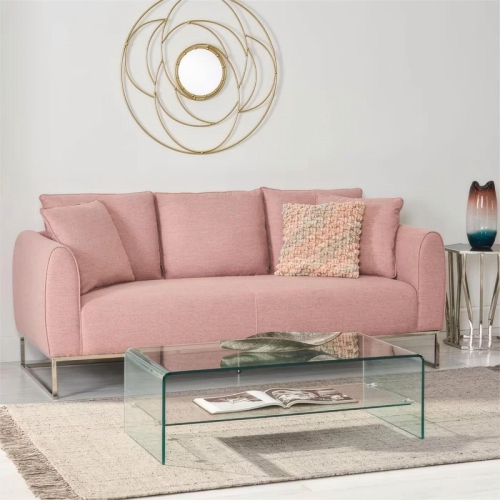
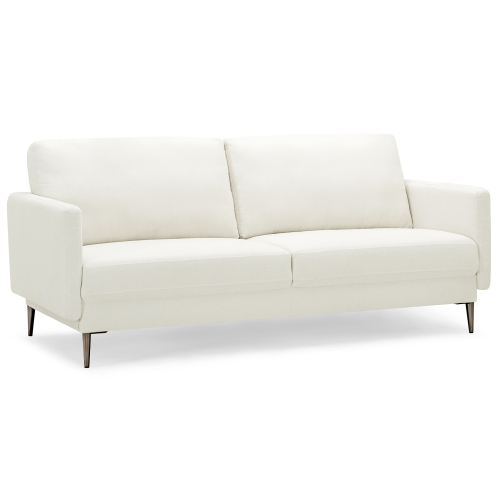
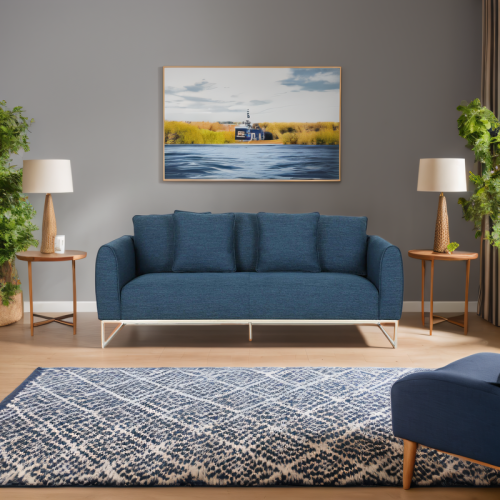
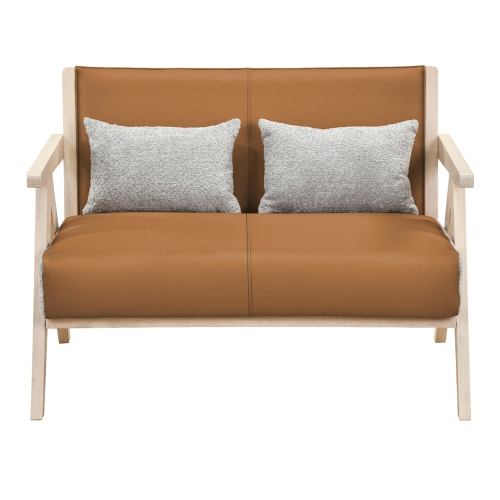
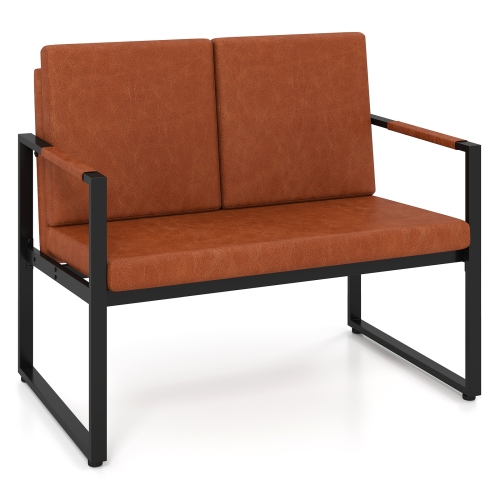
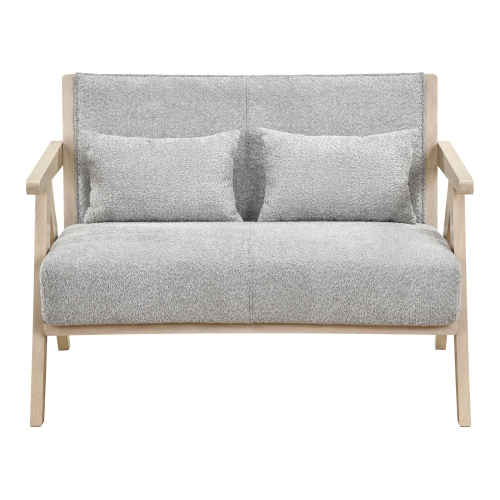
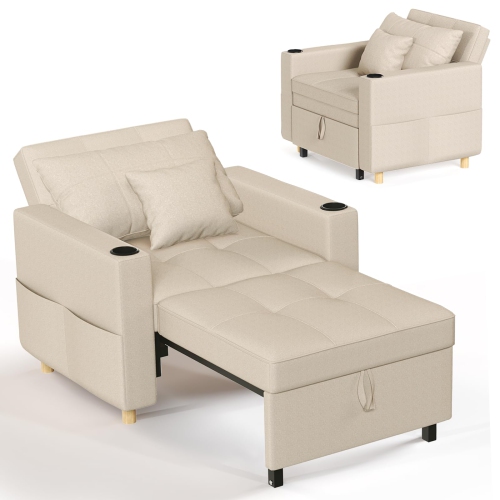
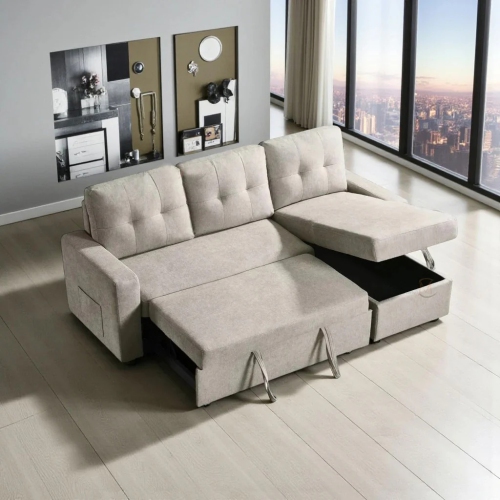
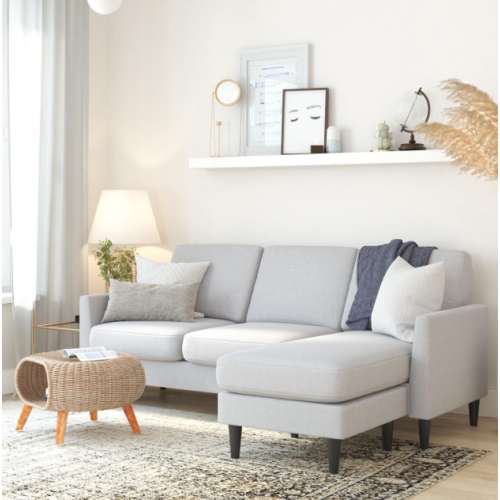
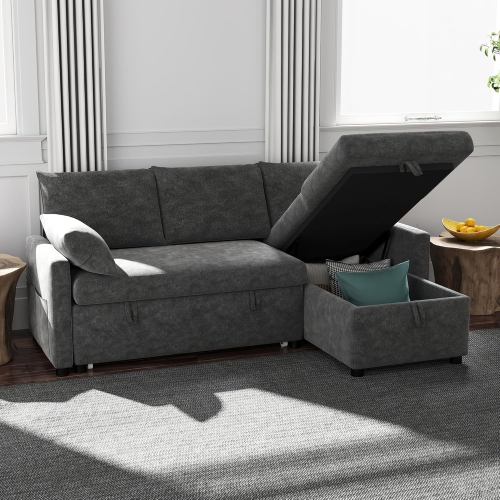
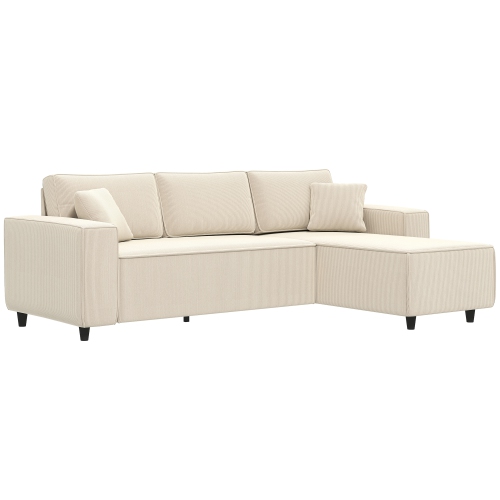
Comfortable sofas for small apartments combine supportive seating with proportions that leave room for everyday movement. A compact footprint matters, but so do usable seat width, cushion depth, arm shape, and the way a sofa fits beside doors, windows, and other furniture. A loveseat can suit one person who likes to stretch out or two people sitting upright, while a small three-seat sofa may provide more useful lounging space without requiring a much deeper frame. Comparing Small Apartment Sofas by both overall dimensions and seating dimensions helps distinguish a sofa that looks compact from one that actually feels comfortable. Wide, padded arms can be pleasant for leaning against, but they also take up width that could otherwise become seating space. Slim arms or armless ends can make better use of a narrow wall, though an armless design offers less support for someone who likes to curl up in a corner. In a studio apartment, the sofa may also help separate the sleeping area from the living area, making its back height and finished rear upholstery relevant when it sits away from a wall. The fit extends beyond the spot where the sofa will stand. Door openings, elevator interiors, stair turns, and hallways all affect whether a frame can reach the room. Packaged dimensions matter as well, since a protective carton can be larger than the assembled furniture. Removable legs or a frame that arrives in sections may simplify access, depending on the design. Within the apartment, space is needed to open nearby drawers, pull out dining chairs, and walk past the sofa without turning sideways. Floor measurements marked with removable tape can make these relationships easier to picture. A sofa that leaves a comfortable path through the room often works better than a larger style that fills every available centimetre, even when both technically fit along the same wall.
Comfort depends on how the seating supports the activities that happen there most often. Someone who reads upright may prefer a shallower seat, a supportive back, and enough seat height to rest both feet on the floor. Someone who spends evenings stretched out watching a film may appreciate deeper cushions and a padded arm that supports a pillow. Deep seating is not automatically more comfortable for everyone: a shorter person may need a back cushion to avoid sitting with their feet unsupported. Likewise, very soft cushions can feel inviting at first but make standing up more difficult, particularly for people who prefer a stable sitting surface. Foam cushions generally provide a more defined shape, while fibre-filled cushions tend to have a softer, more relaxed feel and may need regular fluffing. Layered cushions can combine a supportive core with a softer surface. Foam density can contribute to durability, but density alone does not indicate how firm a seat will feel. Frame construction, joints, and the suspension beneath the cushions also influence support over time. For upholstery, tightly woven fabrics can offer a practical surface for everyday sitting, while chenille, velvet, and corduroy add distinct textures. Raised piles may show changes in shading as the fabric is brushed in different directions, which is part of their appearance rather than necessarily a stain. Smooth leather and coated upholstery have different care needs, so their cleaning requirements should not be treated as interchangeable. In homes with children or pets, cleaning instructions and fabric construction deserve as much attention as colour. Looped textures may catch on claws, and a pale, loosely woven cover may need more careful upkeep than its appearance suggests. Removable covers can be useful, but removable does not always mean machine washable. The care label remains the reference for washing, spot cleaning, and drying, including whether cushion covers can be cleaned separately.
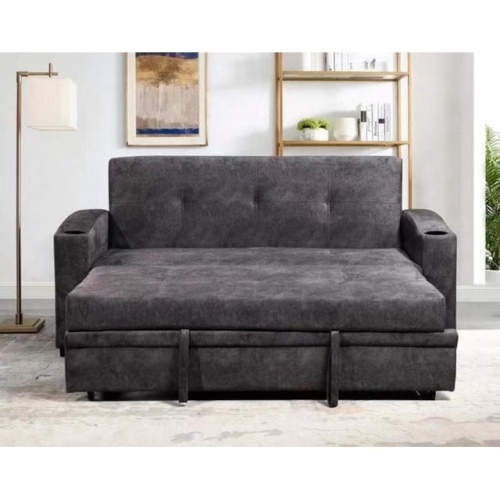
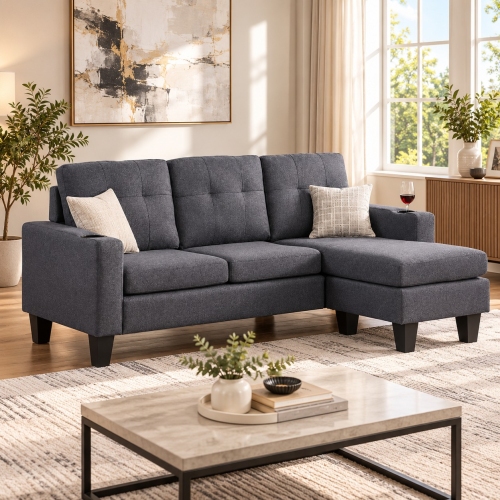
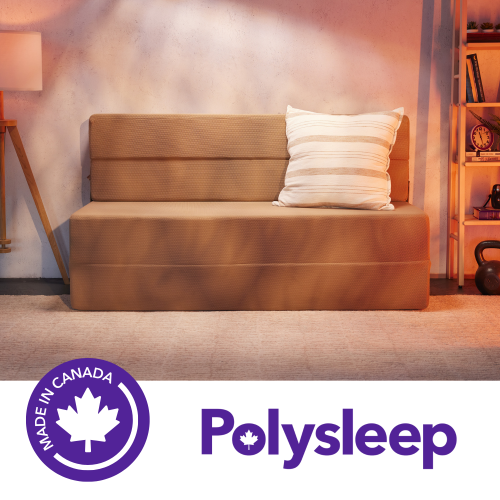
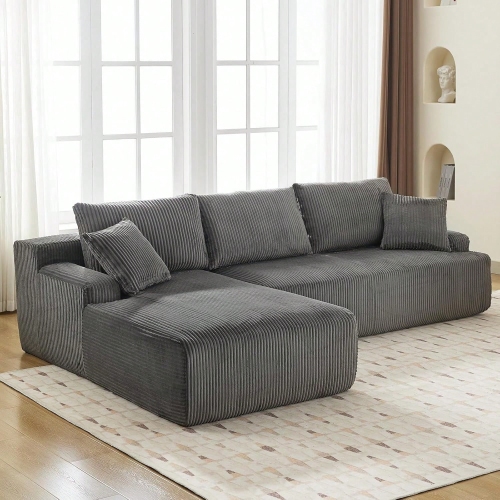
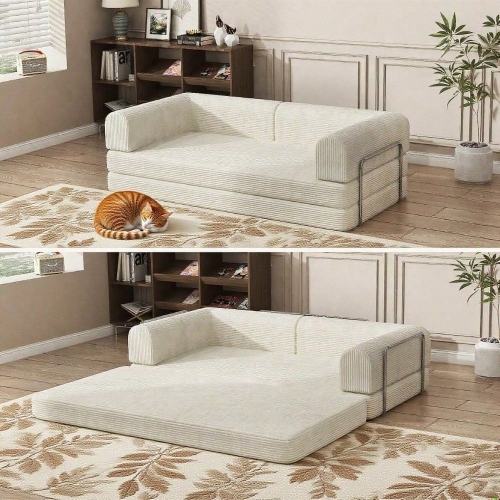
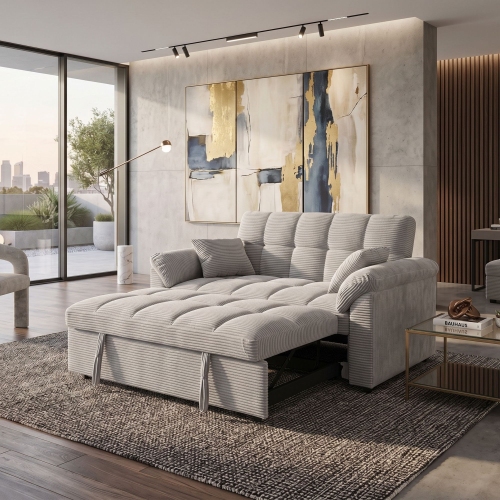
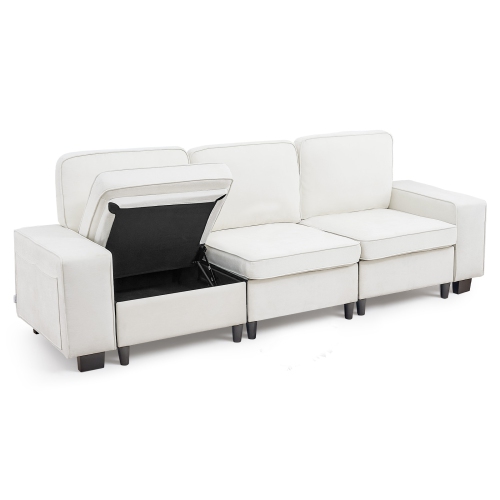
Small-space sofas often serve more than one purpose, especially when a living room also functions as a guest room or a place to unwind after working at a desk. A compact sleeper sofa can provide an occasional overnight sleeping surface, but its open dimensions matter just as much as its closed footprint. There needs to be room for the extended bed and a practical route around it, without relying on moving heavy furniture each time. A fold-flat design may have a different sleeping feel from a pullout mattress, and neither should be assumed to feel identical to the sofa in its seated position. A chaise offers space to put feet up without a separate ottoman, although its projection into the room can interrupt a walkway. Reversible layouts may help when furniture arrangements change, provided the design supports moving the chaise to the other side. Modular seating can also adapt to a new layout, but individual sections still need secure connections and suitable dimensions for the room. Storage beneath a seat or inside a chaise can hold throws and spare bedding, with sufficient clearance needed to lift the lid or open the compartment. Visual details contribute to the overall fit, too. Exposed legs reveal more floor beneath the sofa, while a lower back can preserve sightlines across an open-plan apartment. Neutral upholstery can sit quietly beside patterned cushions, and a richer colour can give a compact seating area a clear focal point. Neither approach replaces the importance of supportive construction and manageable care. Regular vacuuming with an appropriate attachment, prompt attention to spills, and cushion rotation where permitted can help maintain the sofa’s appearance and distribute everyday wear. For renters, couples furnishing a first apartment, or people moving into a smaller home, the most useful sofa is one that suits familiar routines: sitting comfortably with a book, sharing a conversation, or settling in for a film without making the rest of the room difficult to use.
Top selling and popular products
-
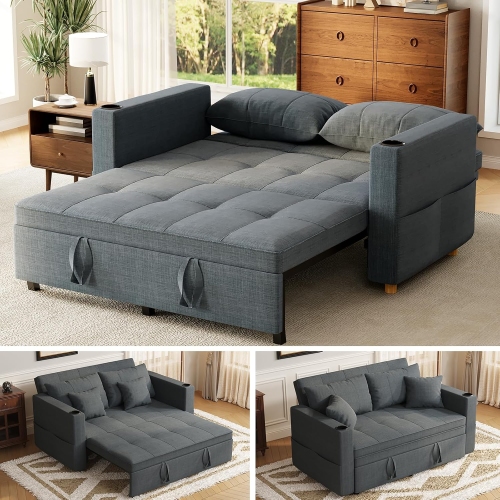 Your price for this item is $549.99
-
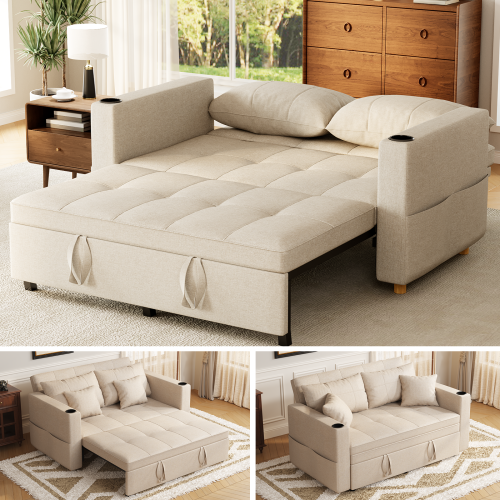 Your price for this item is $559.99
-
 Your price for this item is $599.97
-
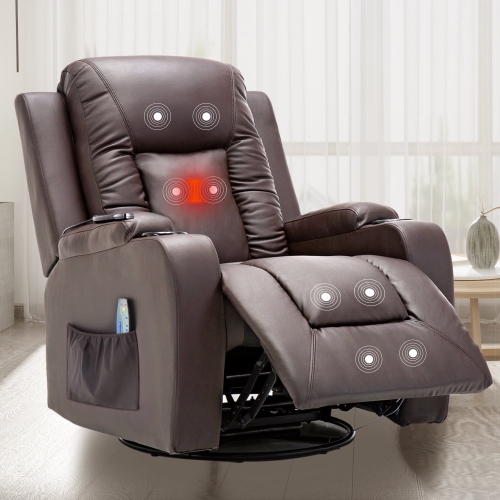 Your price for this item is $599.99
-
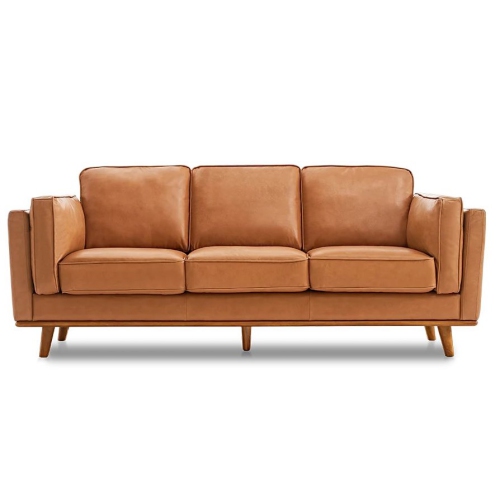 Your price for this item is $1949.99
-
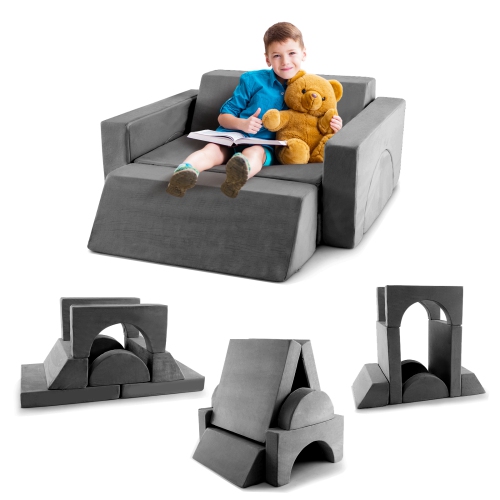 Your price for this item is $167.99
-
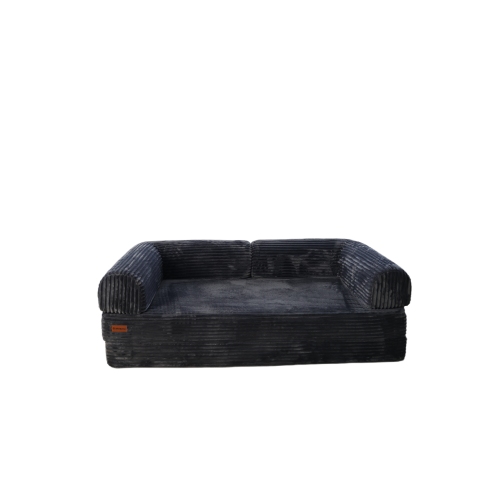 Your price for this item is $599.97
-
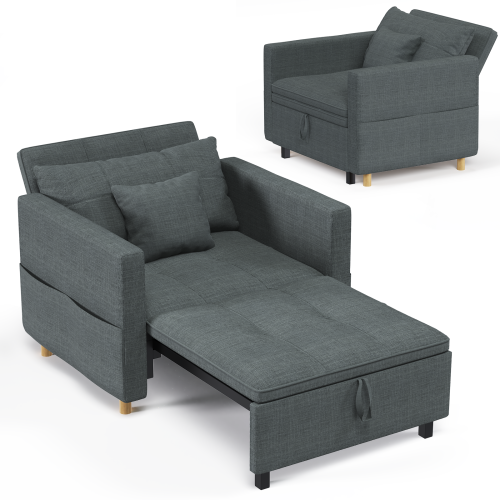 Your price for this item is $289.99
Discover more categories related to Comfortable Sofas for Small Apartments

Top Collections:
Pokemon Centers, Best Black Friday Deals This Year, Best Black Friday Deals On Electronics, Kindle Devices, Best Budget Office Chairs, Best Black Friday Deals On Apple Products, Best Cameras for Sports Photography, Pokémon 30th Celebration Cards, Dyson Airwrap, Canon G7X Cameras
Some products may be subject to Environmental Handling Fees
(EHF) depending on your province.
Learn more about EHFs.