Comfortable Wood Dining Chairs
Elevate your dining space with Comfortable Wood Dining Chairs, designed to blend timeless style with everyday comfort. Perfect for family gatherings or casual meals, these chairs offer a classic look that complements a variety of home décor styles. Whether you're furnishing a cozy breakfast nook or a spacious dining room, explore options that bring warmth and character to your table setting. Discover the ideal seating solutions to enhance both the aesthetic and functionality of your dining area with Comfortable Wood Dining Chairs.
Sort
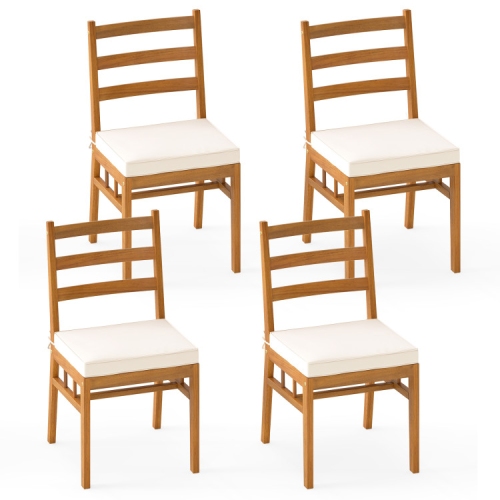
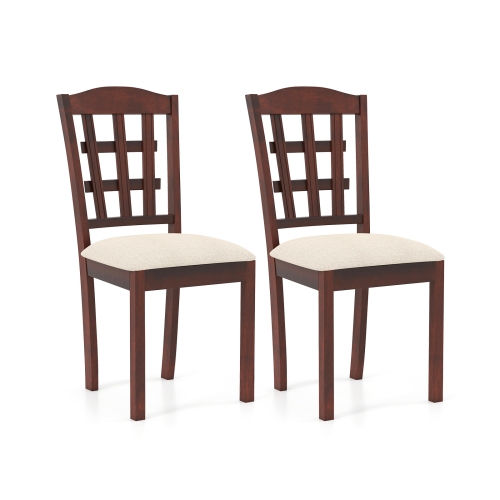
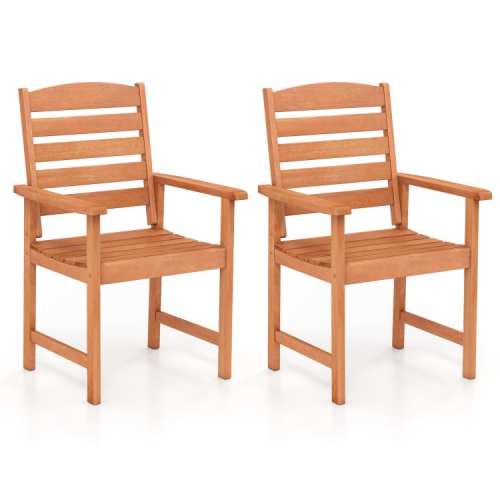
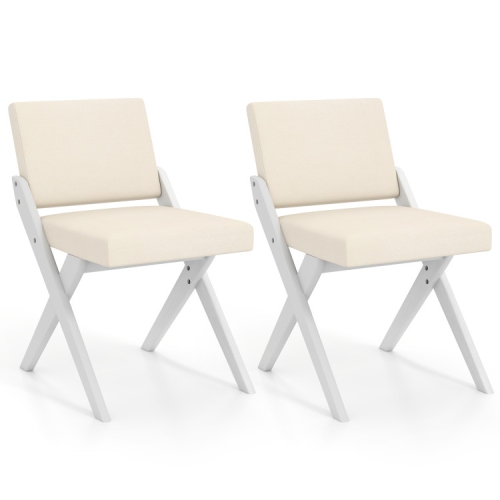
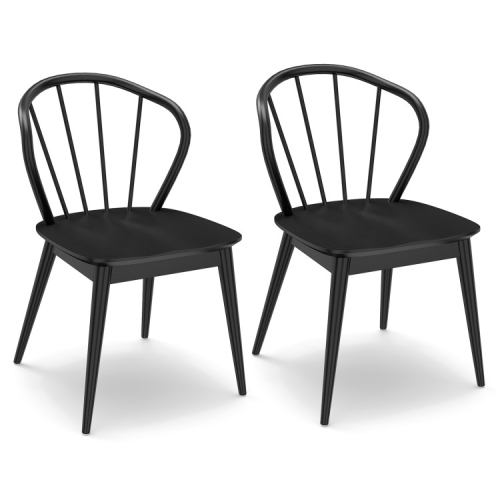
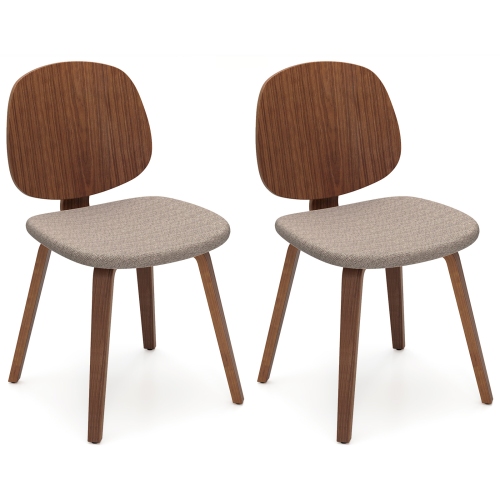
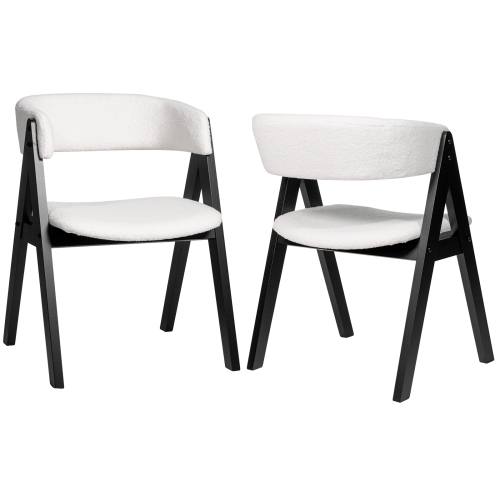
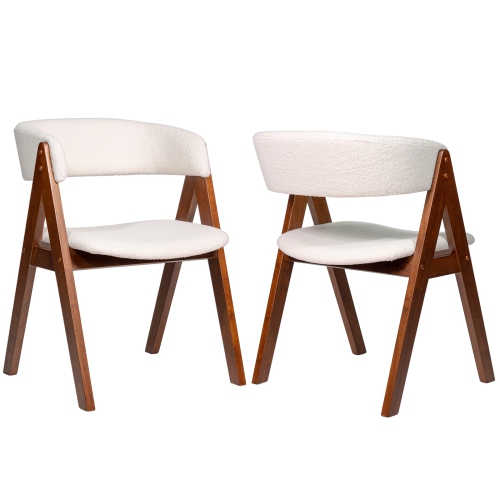
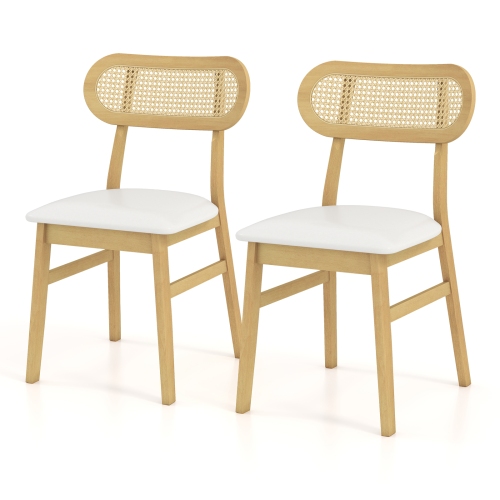
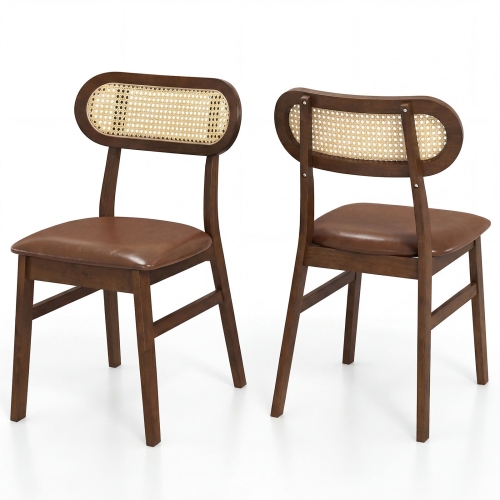
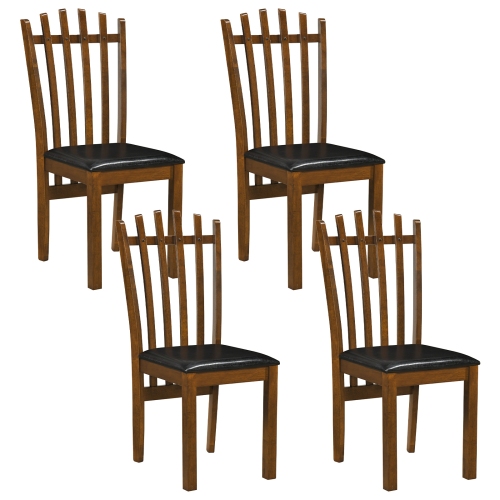
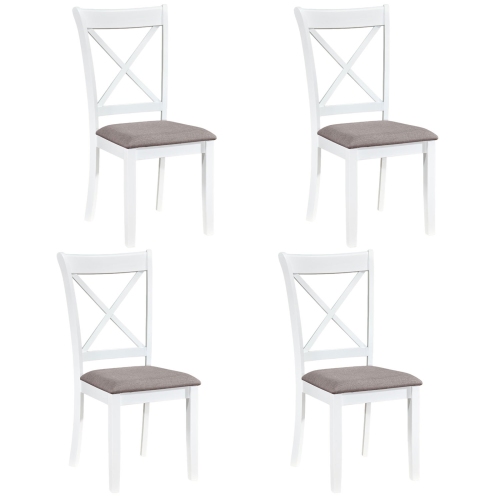
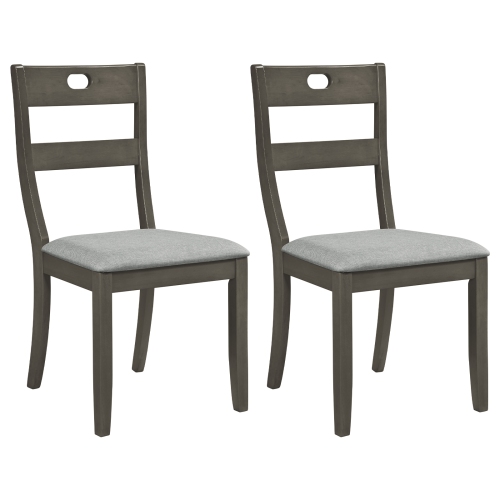
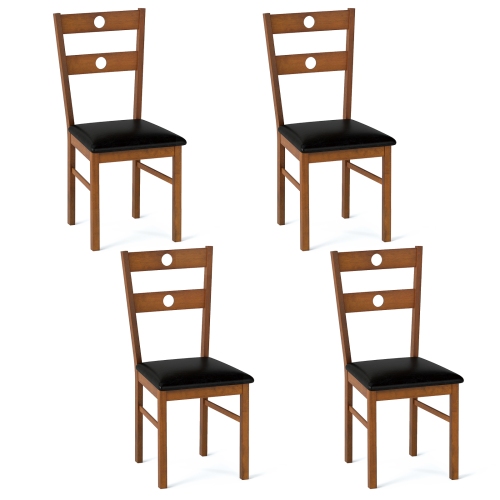
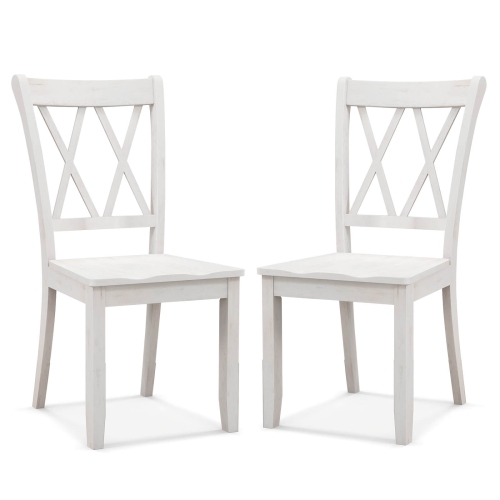
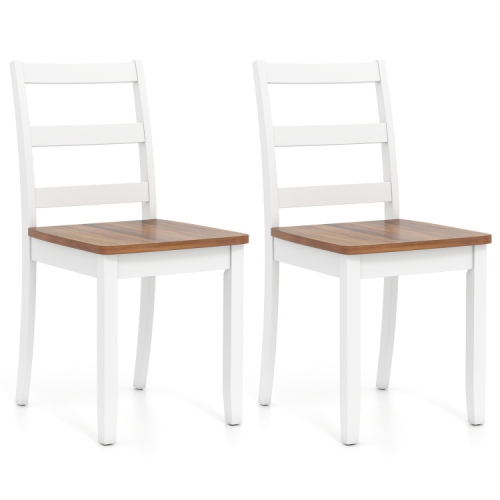
How seat shape and table fit influence comfort
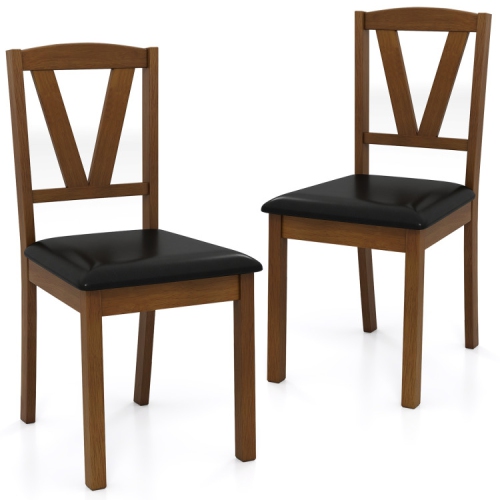
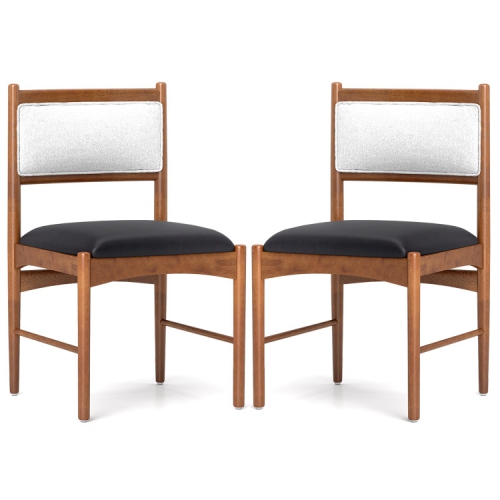
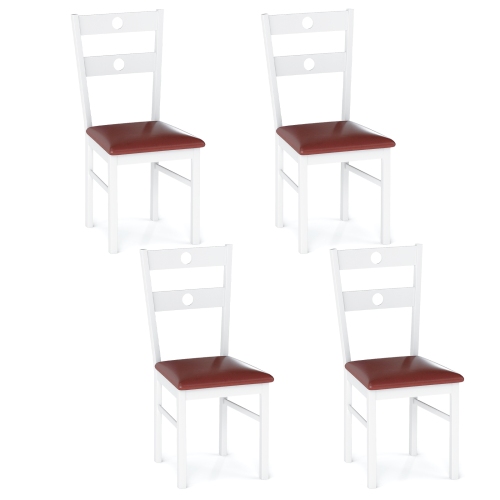
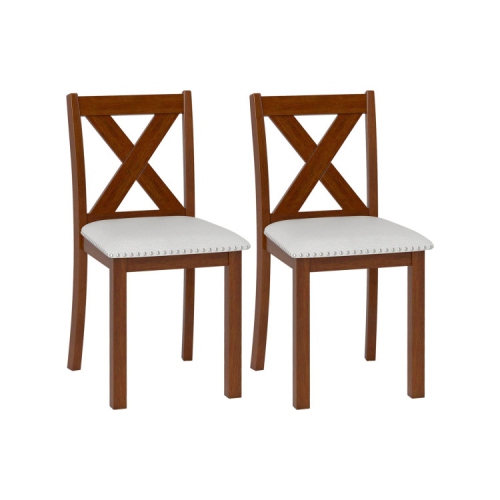
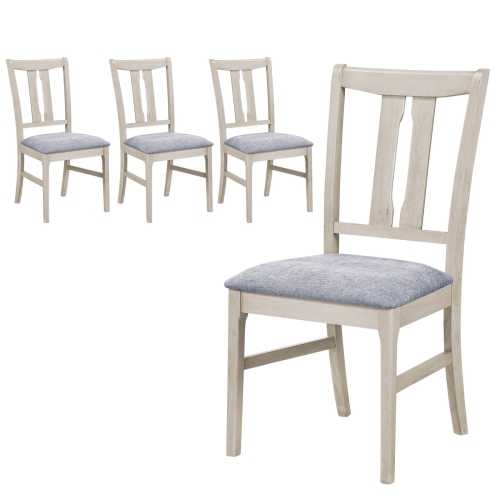
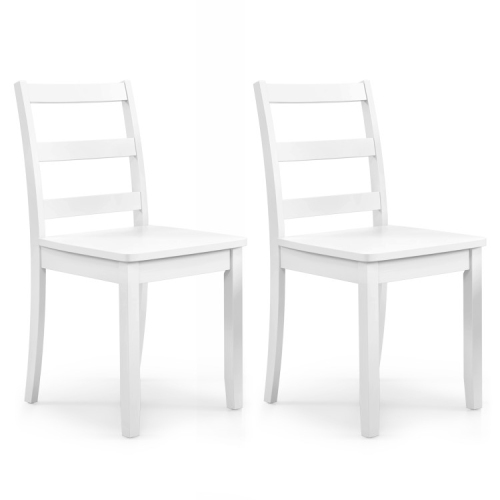
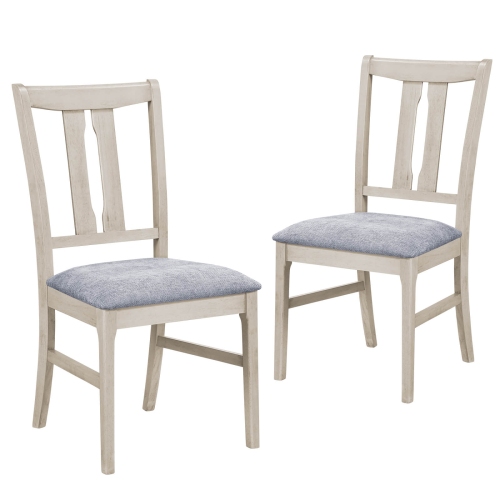
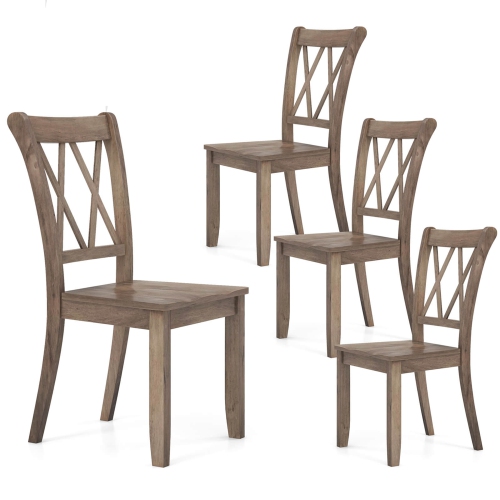
Comfortable wood dining chairs combine a supportive seat, a well-shaped backrest, and proportions that suit both the person sitting and the table they use. Wood brings visible grain and a natural warmth to a dining space, but comfort depends on more than appearance. A sculpted solid-wood seat can distribute weight more comfortably than a flat board, while a rounded front edge helps reduce pressure behind the knees. A gently angled backrest supports a relaxed sitting position without placing the diner too far from the table. Spindle-back designs can feel open and light, with comfort influenced by the spacing, curve, and placement of the spindles. A broad, curved back may offer more continuous contact across the back, particularly during longer meals. Upholstered seats add cushioning, and upholstered backs can soften the feel further for people who linger over conversation or use the dining table for puzzles and paperwork. Cushion thickness alone does not establish comfort: the firmness of the padding, the support underneath it, and the shape of the seat all matter. Very soft padding may compress noticeably, changing the sitting height and making a chair feel less supportive over time. Solid oak, maple, beech, and rubberwood are among the woods used in dining furniture, each bringing different grain patterns and visual character. Bentwood components offer curved profiles, while wood veneers over a stable core can provide a consistent surface appearance. The material description is useful, but construction quality and seat design deserve equal attention. A chair with a wood frame and fabric seat creates a different experience from an all-wood design, even when their silhouettes are similar. For a household that eats at the table every day, the most useful balance is often supportive shaping, manageable weight, and a surface that suits everyday routines. For a separate dining room used for extended gatherings, back support and cushioning may carry more weight in the decision.
The relationship between chair and table has a direct effect on how comfortable the whole dining area feels. Standard dining chairs often have a seat height around 17 to 19 inches, but the important measurement is the distance between the seat and the underside of the table, including any apron beneath the tabletop. Roughly 10 to 12 inches of clearance is a common starting point, although body proportions, cushion compression, and table construction can change what feels right. A comfortable position allows feet to rest securely on the floor while leaving enough room for the thighs. Seat depth matters as well: a deep seat may suit a taller adult but leave a shorter diner perched forward without back support. The front edge should not press into the backs of the knees when the sitter rests against the backrest. Armchairs provide a place to rest the forearms and can make a seat feel more settled, but their arms need enough clearance to slide beneath the table. Armless chairs generally tuck away more easily and allow people to turn sideways when getting up. Around a compact table, a narrow frame can preserve elbow room without making the seat itself feel cramped. Allowing approximately 24 inches of table edge per person is a useful starting point, with more space needed for wider chairs or generous armrests. Space behind each chair also affects daily use, especially where someone needs to walk past a seated diner. A chair that looks proportionate in an empty room may feel cumbersome beside a kitchen island or in a busy route through the home. Visually, matching wood finishes can create a quiet, coordinated setting, while contrasting tones make individual shapes more noticeable. Light finishes reveal grain subtly, darker stains give the frame a stronger outline, and painted wood can introduce colour. Matching every finish is not essential; a repeated curve, similar proportions, or a shared upholstery colour can connect different chairs around one table.
Durability and care are especially important when dining chairs are pulled out, shifted, and wiped down several times a day. Well-fitted joints, secure seat attachments, and a stable frame contribute to a reassuring feel, while stretchers between the legs can add structural support. A substantial appearance does not necessarily mean a chair is stronger, and a lighter chair can be easier to move for someone who finds heavier furniture awkward. Manufacturer weight limits and intended-use information are more useful than judging capacity by appearance alone. Any movement at a joint deserves attention, and accessible fasteners may need occasional checking according to the care instructions. Felt pads suited to the flooring can help reduce scuffs, provided they are kept clean and replaced when worn. For everyday cleaning, finished wood generally benefits from a soft cloth and prompt attention to spills, with excess moisture avoided around joints and seat edges. The appropriate cleaner depends on the finish, so abrasive pads, harsh chemicals, and furniture treatments should not be used without checking compatibility. Upholstery introduces its own considerations: textured fabric can soften the look of a wood frame, while tightly woven surfaces may be easier to keep free of crumbs. Removable seat pads are practical only when their fastening and cleaning instructions suit the household; not every cushion cover is machine washable. For a different upholstered look, Comfortable Leather Dining Chairs offer another seating style to consider alongside exposed wood and fabric-covered seats. In homes where the table also serves as a homework station or a place for crafts, easy-to-clean surfaces and supportive backs may be particularly useful. Chairs intended for indoor dining should stay within that intended use, even if their wood finish resembles outdoor furniture. With the right proportions and construction, wood dining chairs can feel equally at home beside a small breakfast table, around a family dining table, or in an open-plan space where the seating remains visible throughout the day.
Top selling and popular products
-
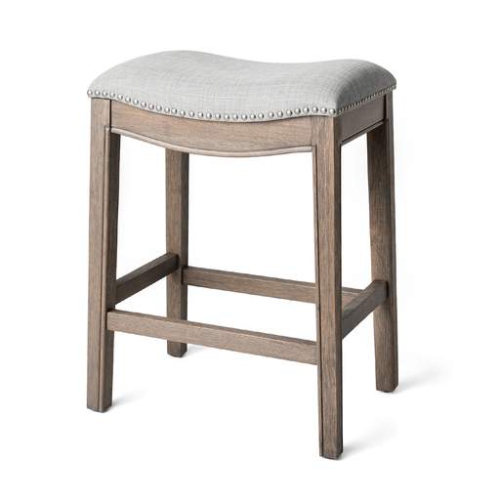 Your price for this item is $227.99
-
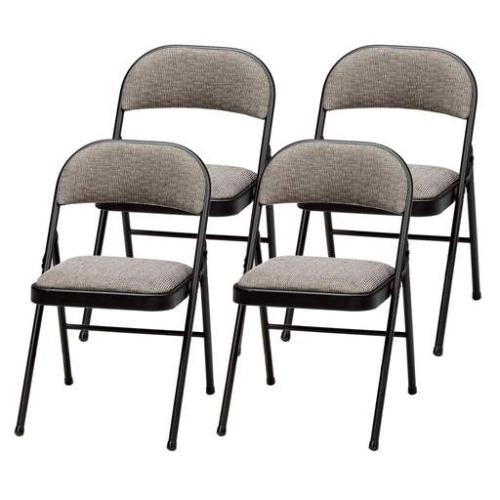 Your price for this item is $363.99
-
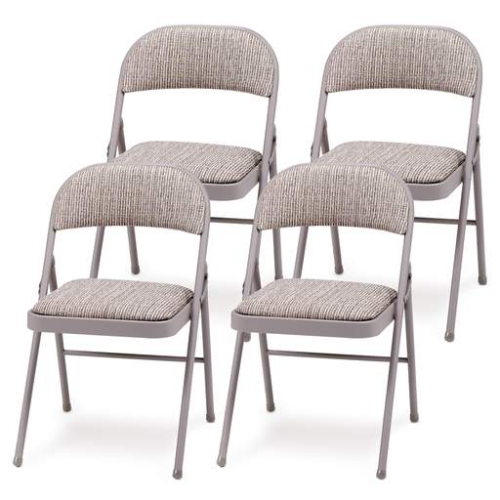 Your price for this item is $398.99
-
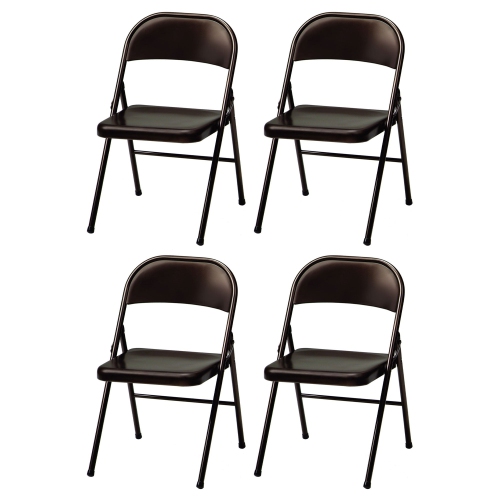 Your price for this item is $212.99
-
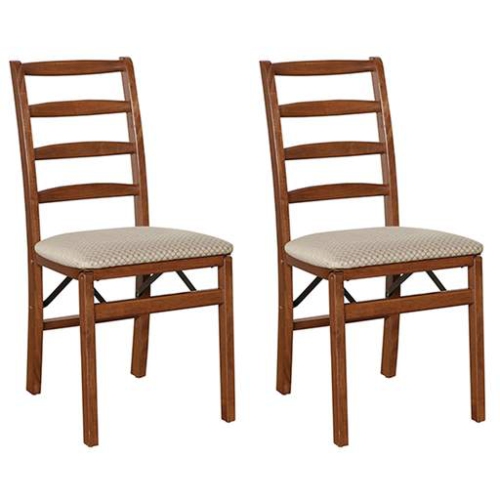 Your price for this item is $364.99
-
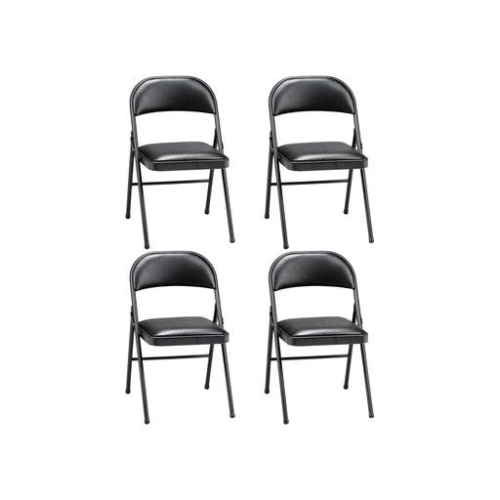 Your price for this item is $376.99
-
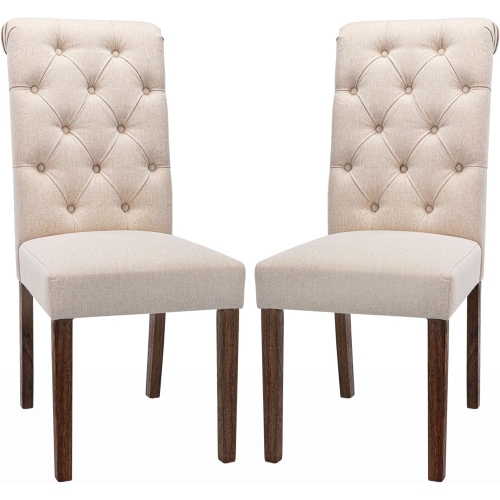 Your price for this item is $210
-
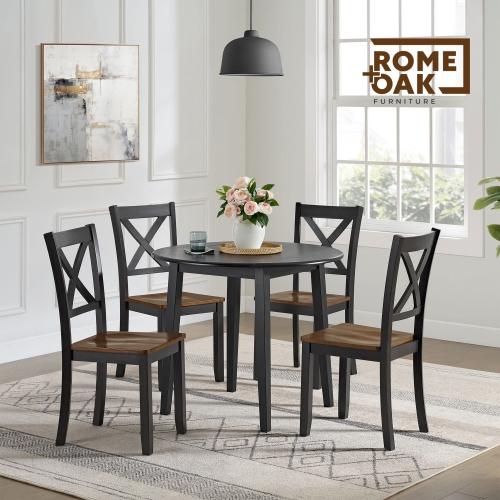 Your price for this item is $423.99
Discover more categories related to Comfortable Wood Dining Chairs
Top Collections:
Best Black Friday Deals This Year, Best Black Friday Deals On Electronics, Kindle Devices, Pokemon Centers, Best Black Friday Deals On Apple Products, Best Cameras for Sports Photography, Dyson Airwrap, Pokémon 30th Celebration Cards, Apple iPhone 17 Pro, Canon G7X Cameras
Some products may be subject to Environmental Handling Fees
(EHF) depending on your province.
Learn more about EHFs.