Comfy Bedroom Mattresses
Transform your bedroom into a haven of relaxation with the perfect mattress designed for ultimate comfort. Whether you're seeking support for a restful night's sleep or a plush surface to sink into after a long day, a comfy bedroom mattress can make all the difference. Explore options that cater to various sleep styles and preferences, ensuring you wake up refreshed and ready to tackle the day. With innovative materials and thoughtful construction, these mattresses offer an inviting blend of softness and support, making bedtime something to look forward to every night. Elevate your sleep experience and discover how a well-chosen mattress can enhance your overall well-being.
Sort



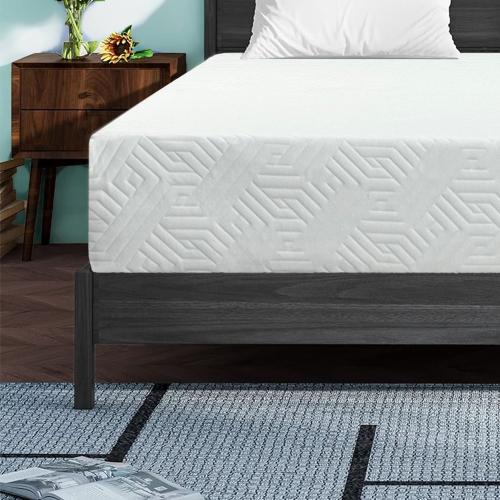
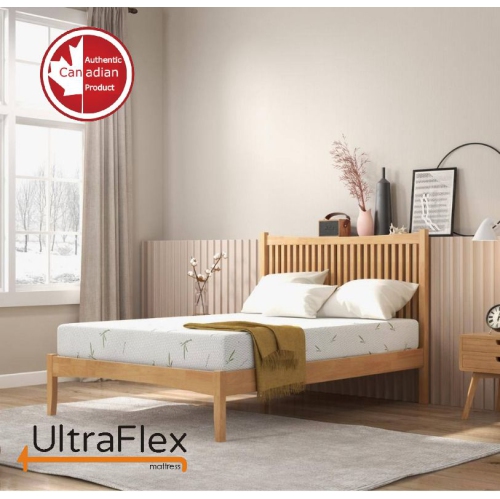















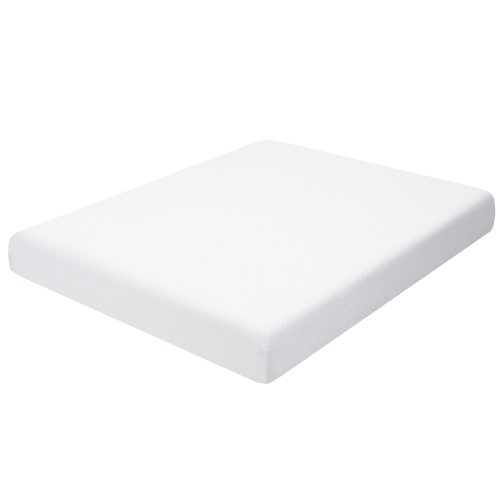
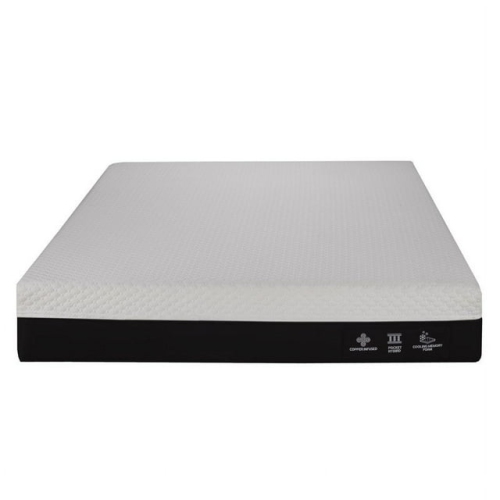
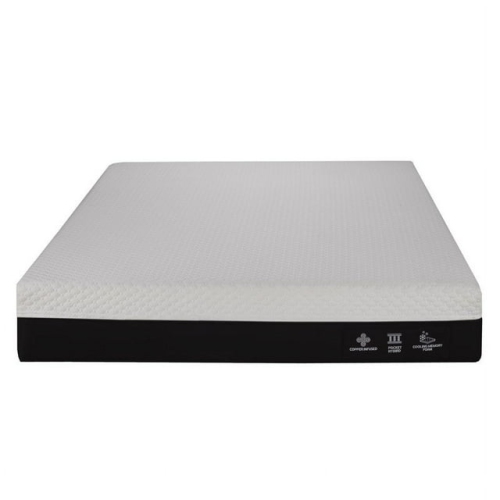
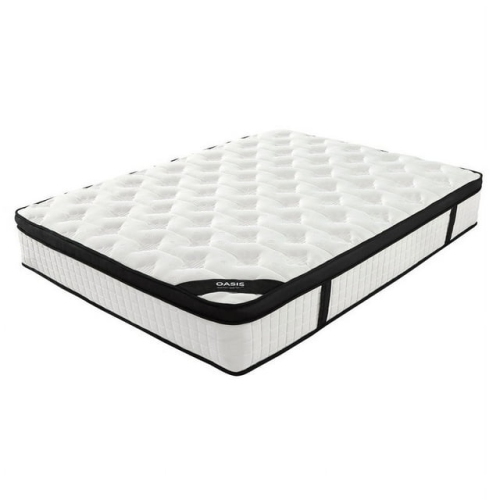
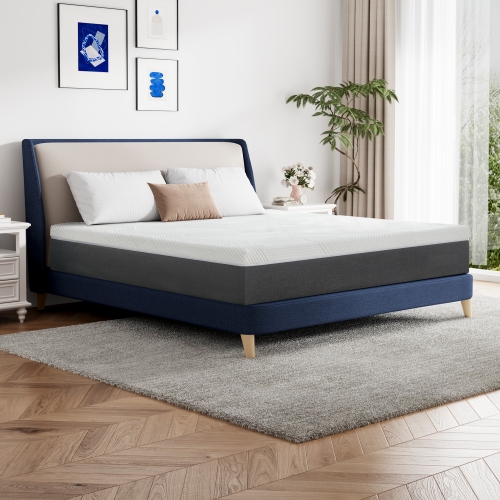
![VISCOLOGIC [] Opal Deep Feel Pillow Top Memory Foam Mattress (Twin Size)](https://multimedia.bbycastatic.ca/multimedia/products/500x500/141/14194/14194089.png)
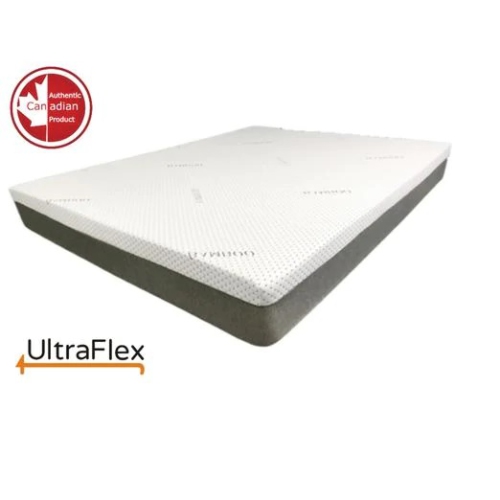
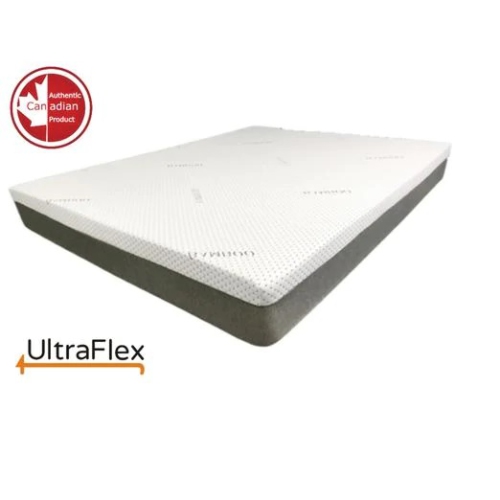
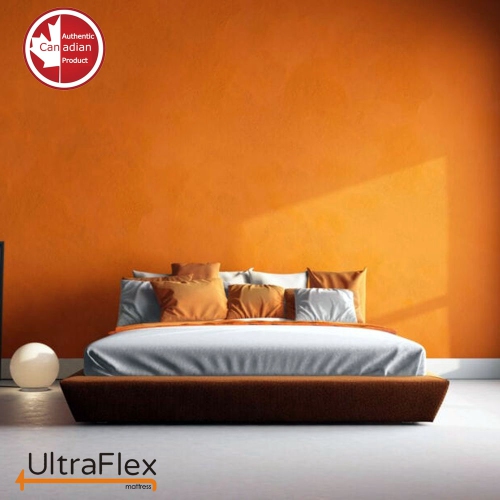
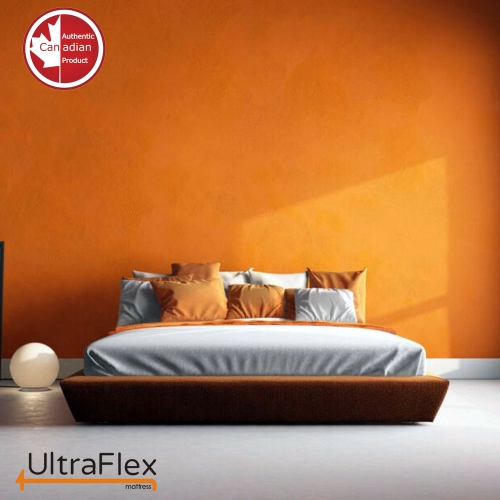
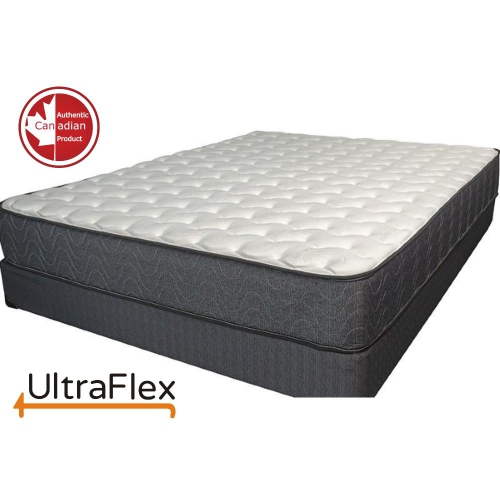
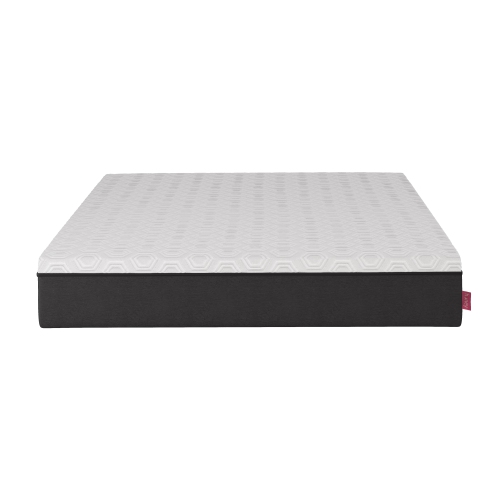
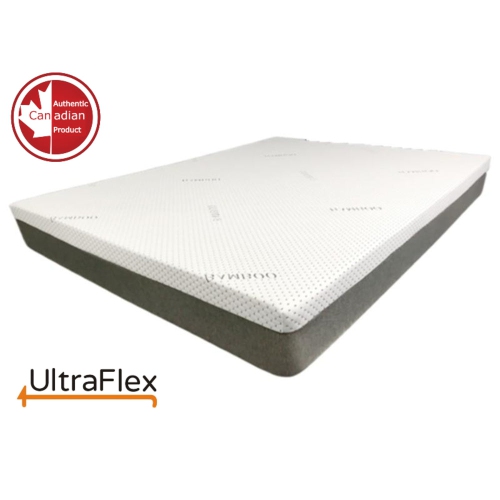
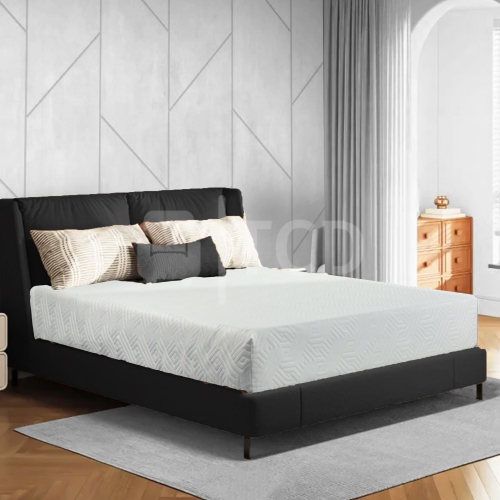
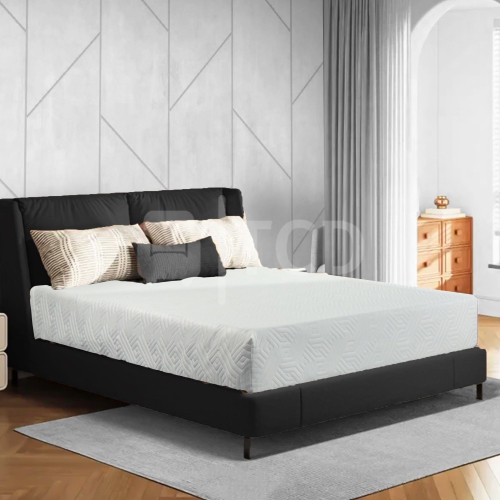
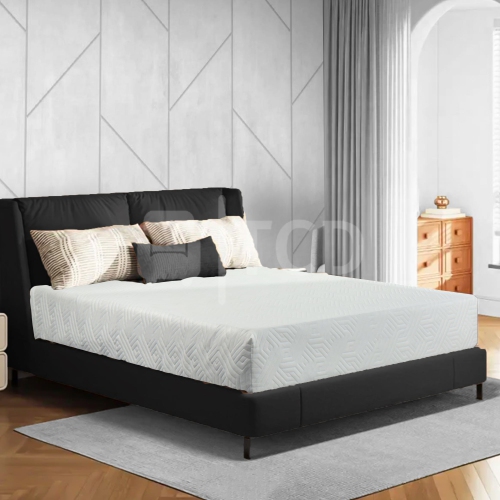
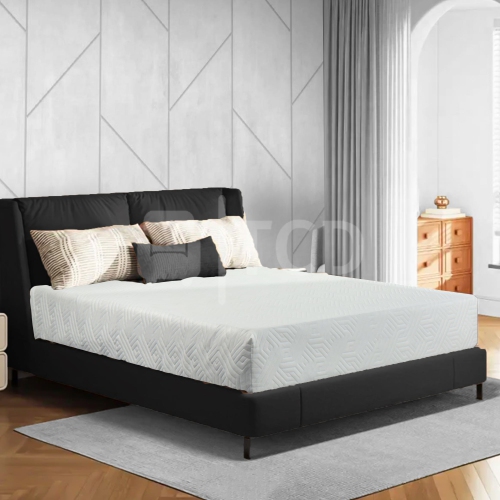
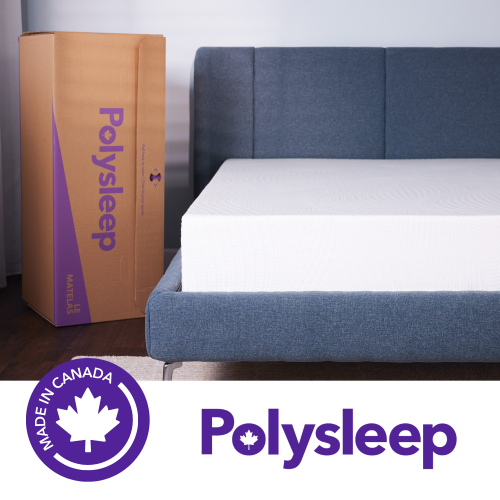
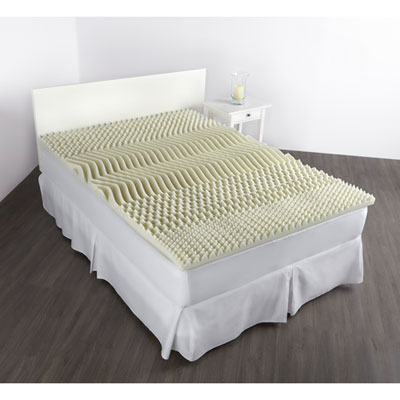

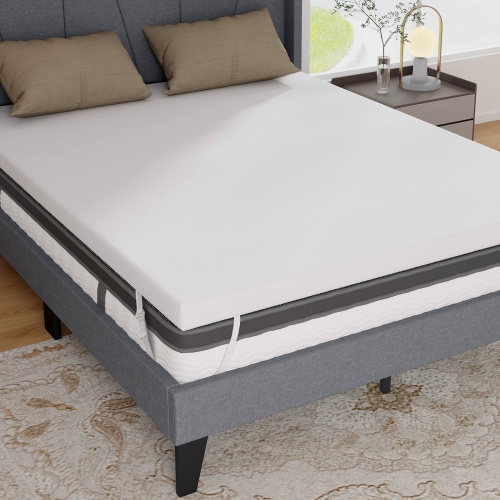
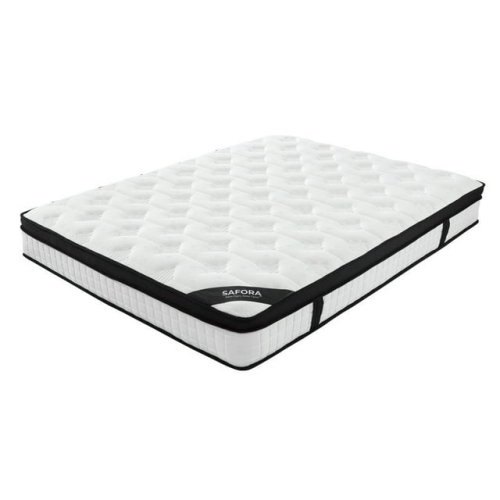
Mattress comfort goes deeper than a soft surface
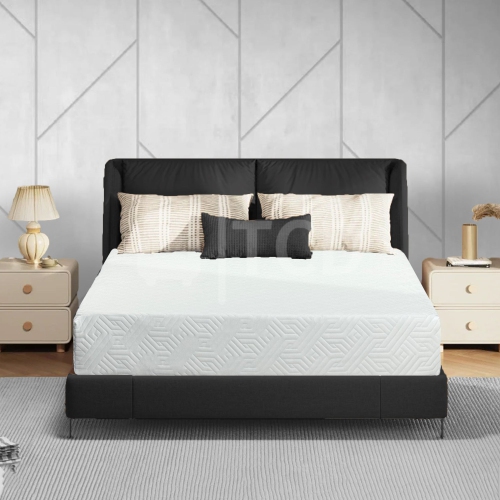
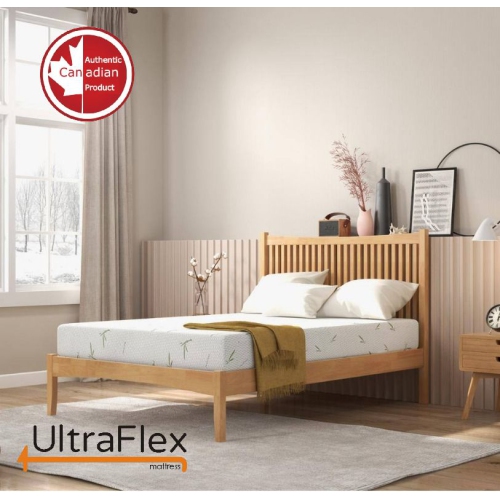
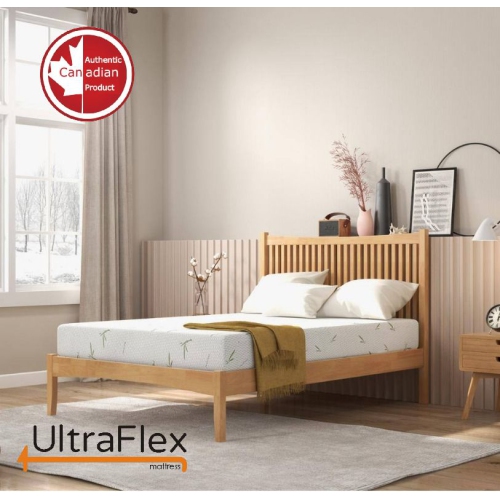
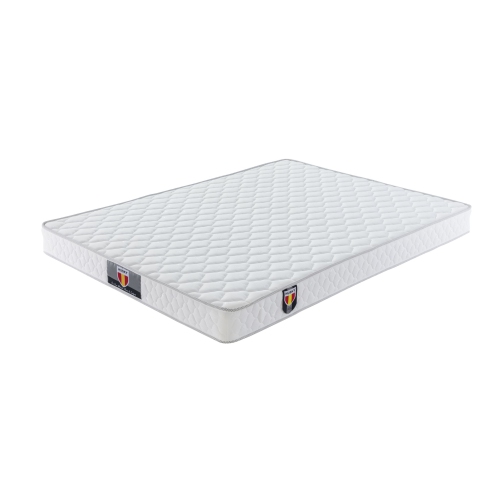
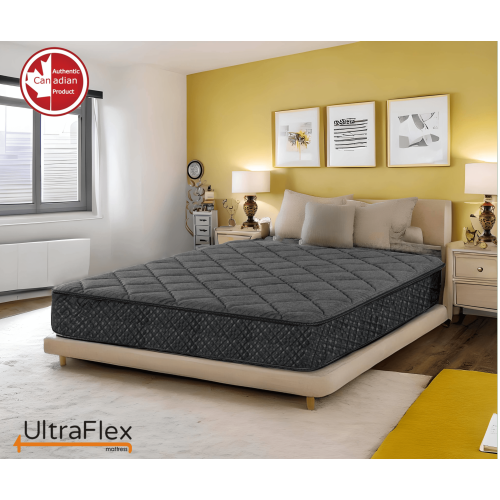
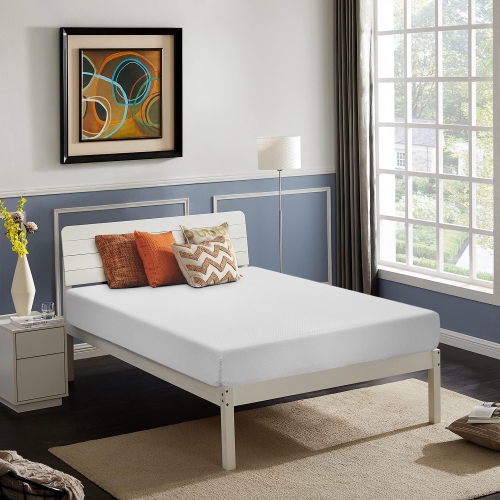
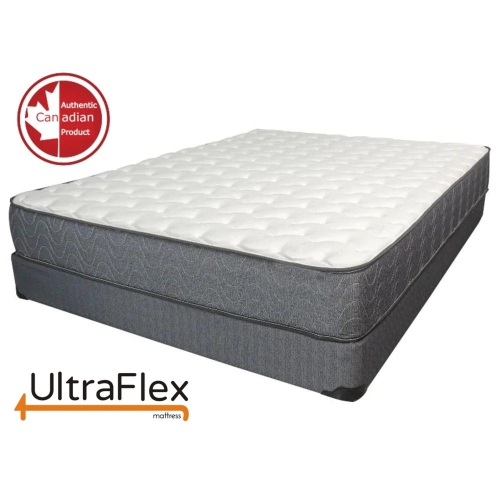
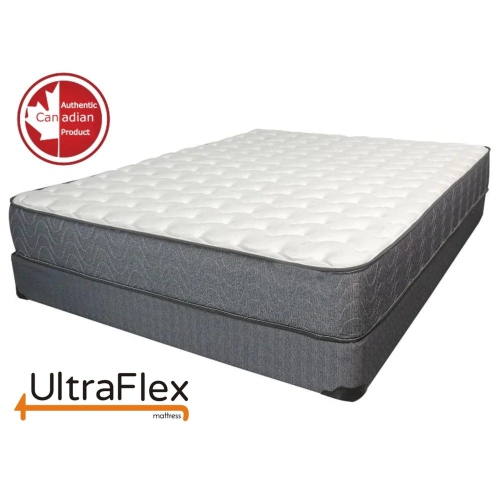
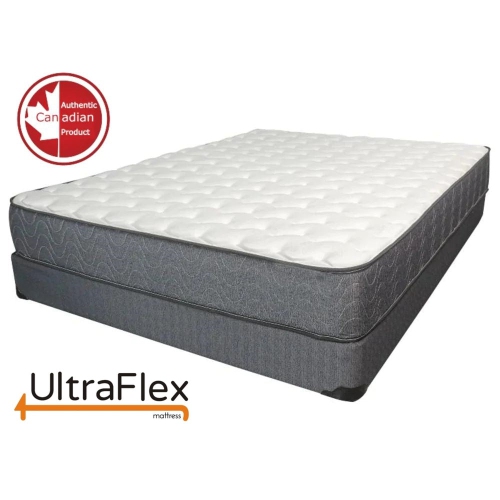
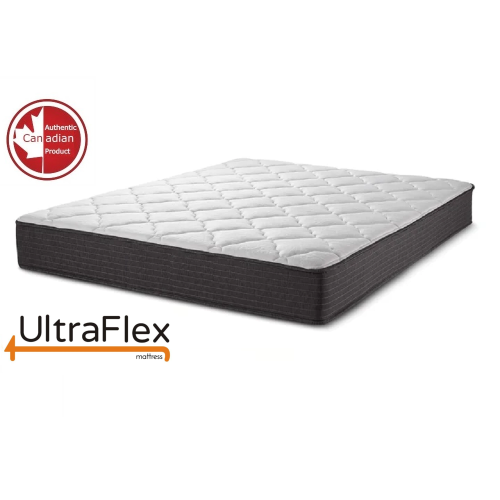
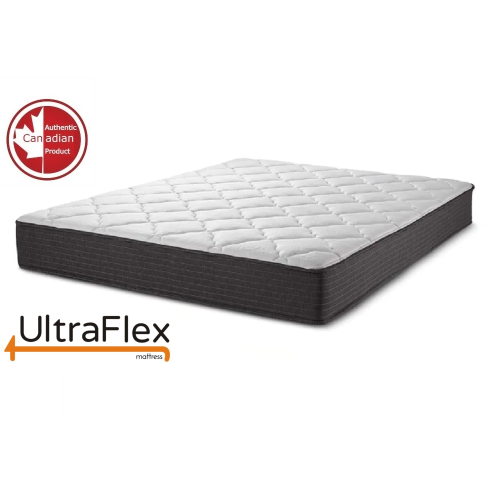
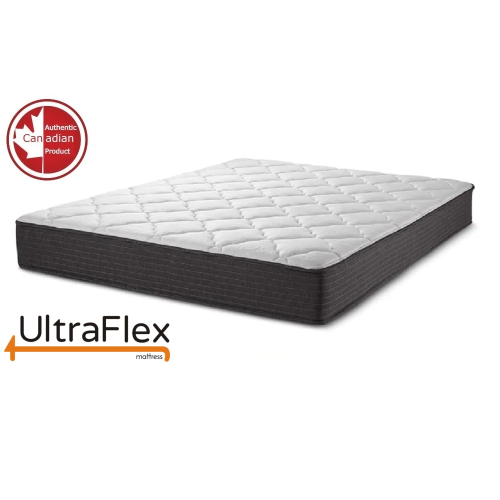
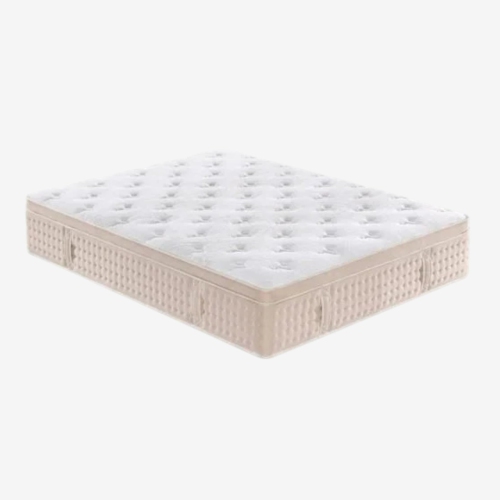
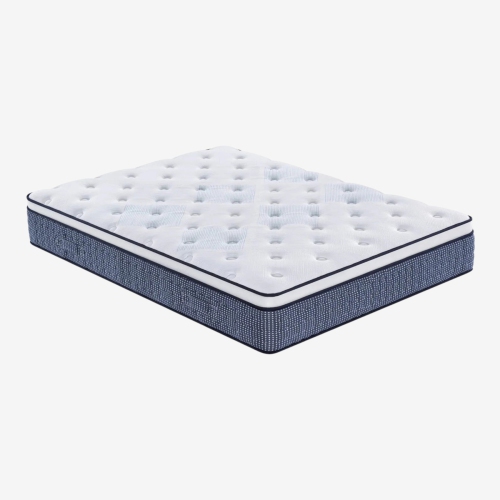
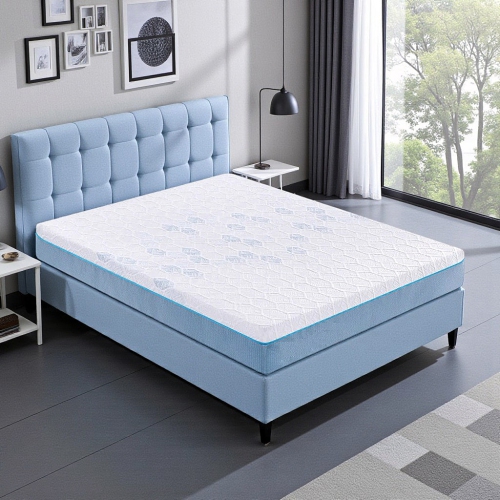
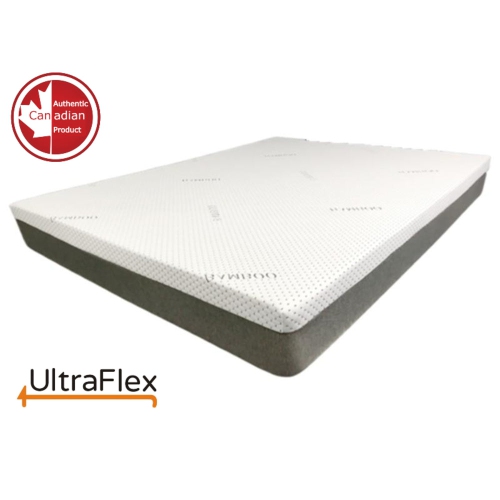
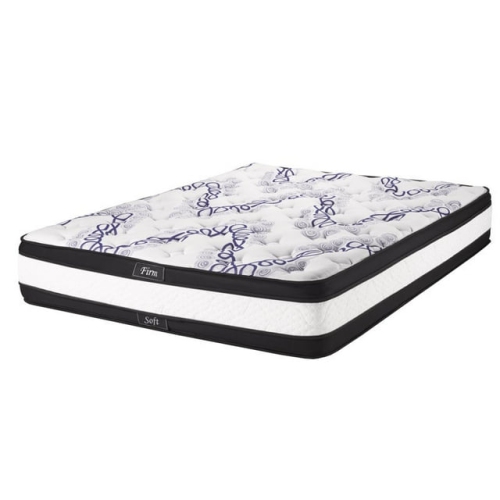
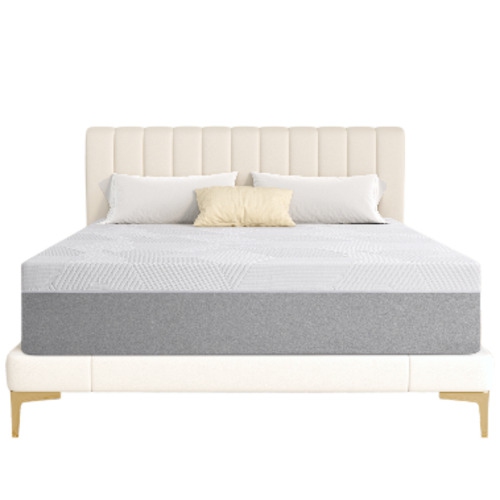
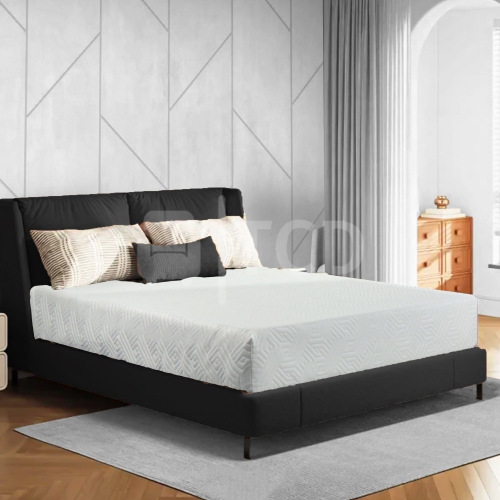
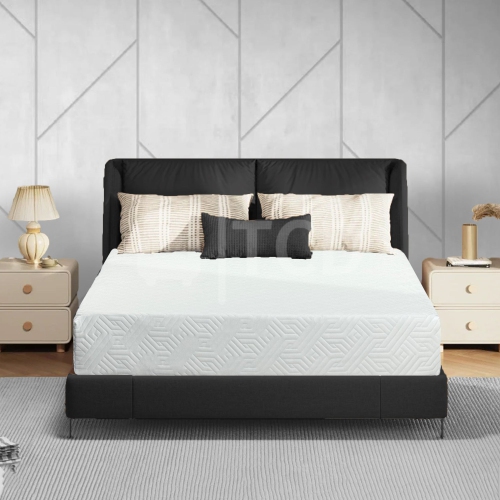
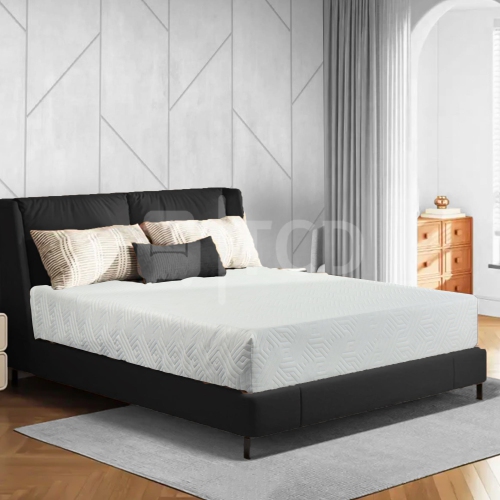
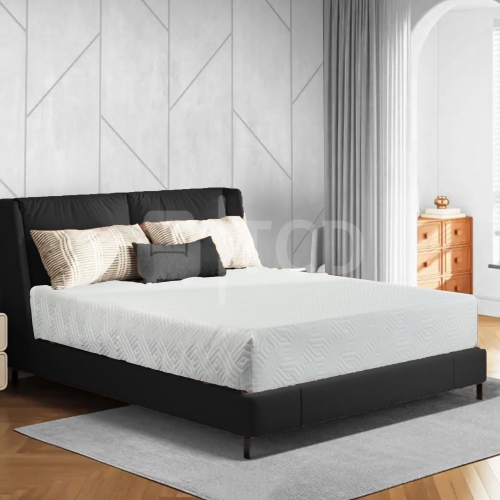
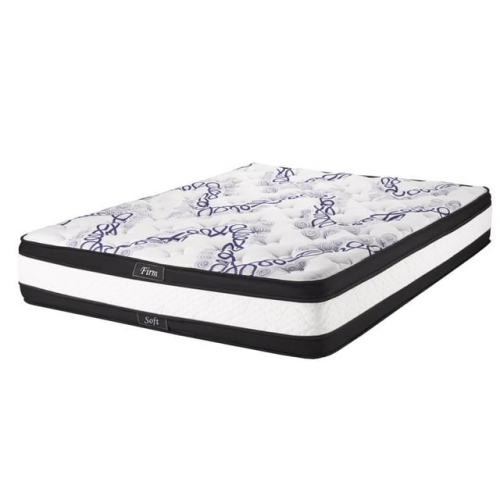
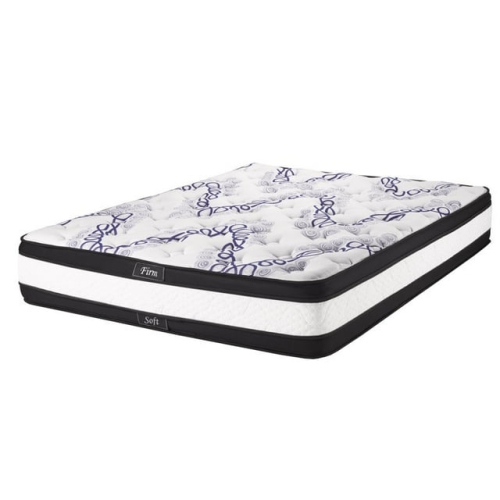
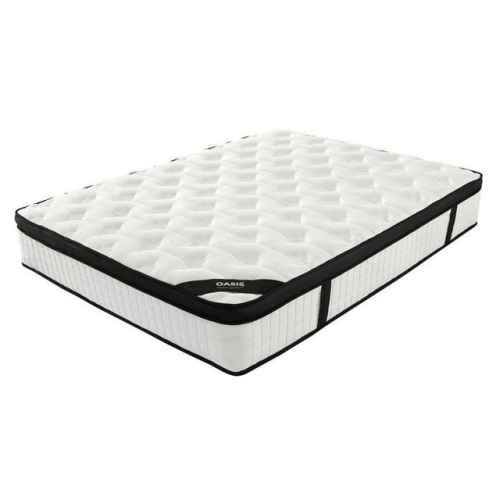
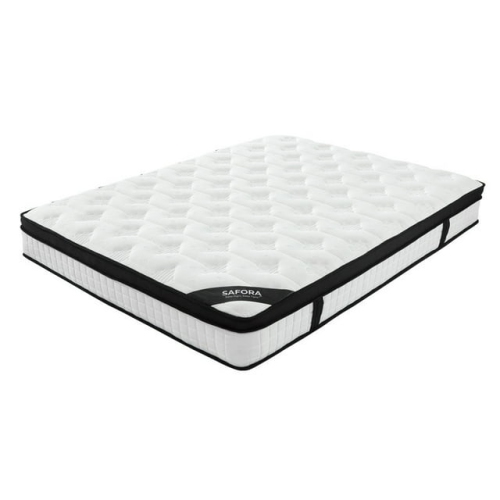
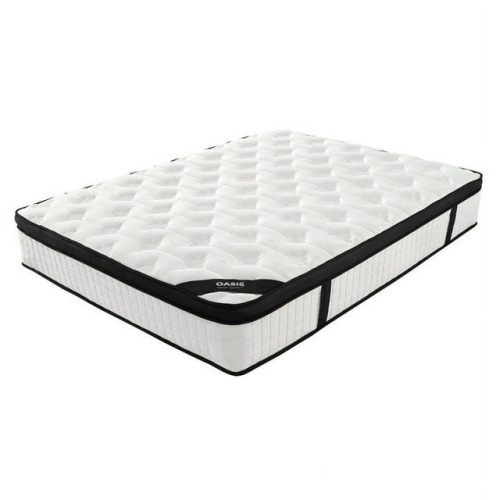
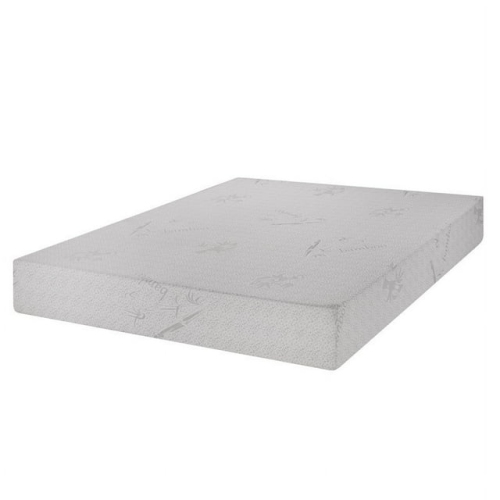
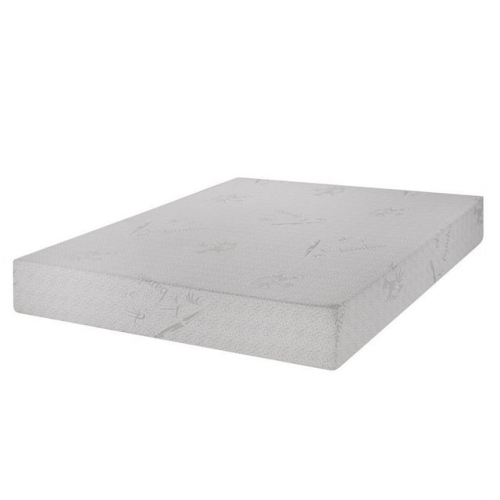
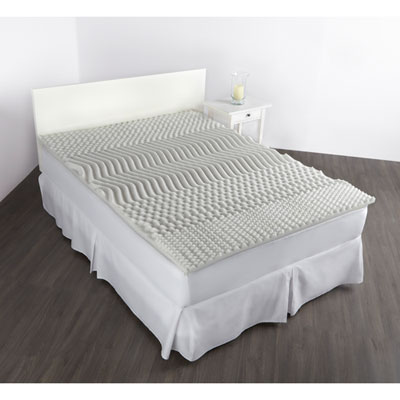
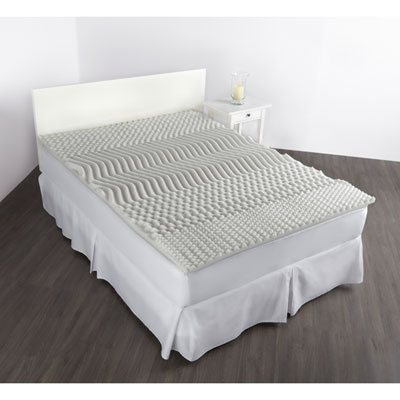
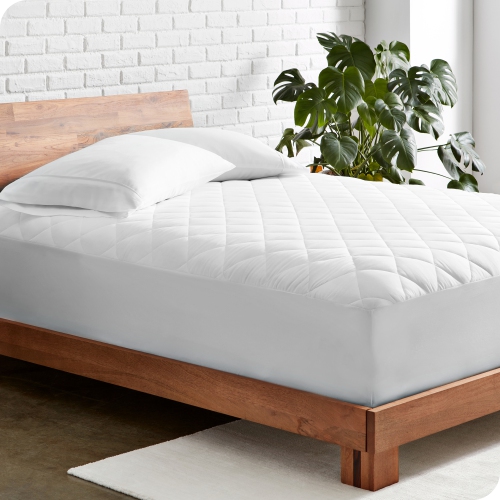
Comfy bedroom mattresses combine cushioning at the surface with support underneath, creating a bed that feels inviting without allowing the body to sink too deeply. Comfort is personal: a mattress that feels gently cradling to one sleeper may feel too soft to another, depending on body size, sleeping position, and preference. Firmness describes how soft or resistant the surface feels, while support describes how well the mattress holds the body in a comfortable resting position. A plush mattress can still be supportive, and a firm mattress does not automatically provide a better night’s rest. For side sleepers, cushioning around the shoulders and hips can help distribute pressure, particularly when those areas press more deeply into the bed. Back sleepers often appreciate a balance of contouring and steadiness through the middle, while stomach sleepers may prefer a firmer feel that limits sinking around the hips. People who change positions frequently may find a responsive surface easier to move across than one with a deep, slow-moving hug. Body weight also affects the experience: the same mattress can feel firmer to a lighter person and softer to someone who compresses its comfort layers more fully. For couples, comfort includes what happens on the other side of the bed. Motion isolation helps reduce the movement felt when a partner turns over or gets up, while stable edges can make the usable sleeping area feel more generous. Edge support is also worth considering for anyone who sits on the side of the bed to put on socks or needs a steady place to pause before standing. A comfortable bedroom mattress should suit everyday habits, whether that means stretching out alone, sharing a bed, or furnishing a guest room for visitors with different preferences. The Comfort Mattresses collection offers another place to explore the category with these personal comfort priorities in mind.
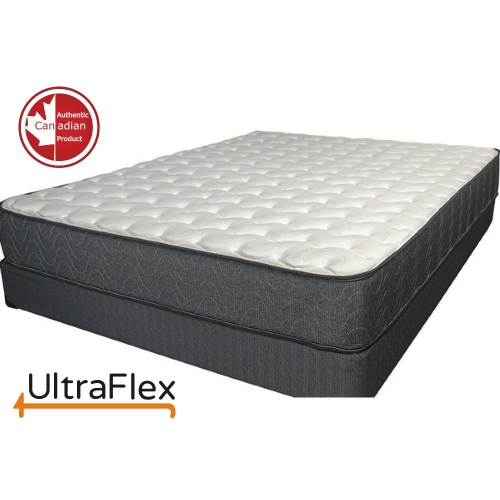
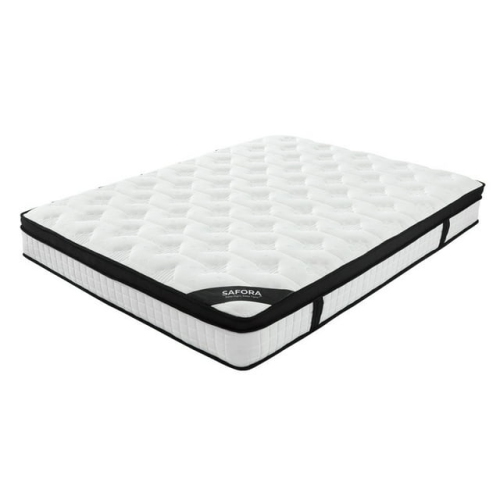
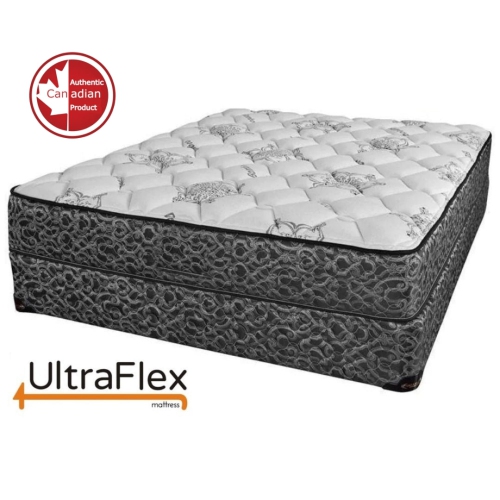
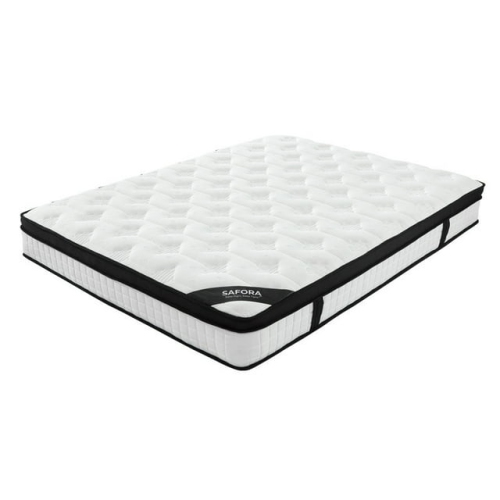
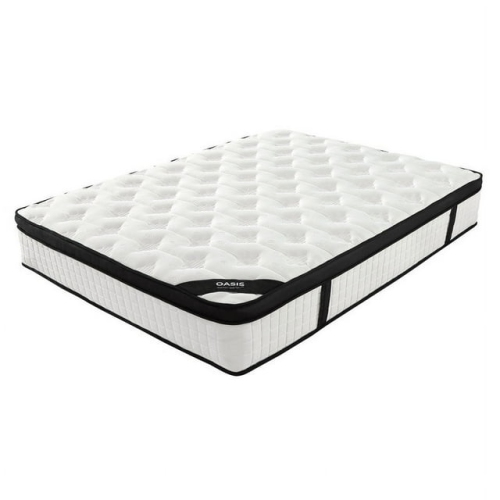
Materials and construction shape the way a mattress feels as much as its firmness label. Memory foam responds to pressure and gradually contours around the body, producing a close-fitting feel that can also help absorb movement. Other cushioning foams may feel quicker to spring back, making it easier to roll from one side to the other. Latex typically has a buoyant, responsive feel, although its firmness and contouring vary with the formulation and layer design. Innerspring mattresses use a coil system for support, with upholstery or foam layers above it to soften the sleeping surface. Individually wrapped coils can respond more independently than connected spring systems, though overall comfort and motion transfer also depend on the layers surrounding them. Hybrid mattresses pair a substantial coil support system with foam or latex comfort layers, offering a blend of cushioning and springiness. Pillow-top and Euro-top designs add a cushioned upper section; they describe the surface construction rather than a guaranteed firmness level or quality standard. Quilting, cover fabric, and the thickness of the upper layers all influence that first impression when lying down. Deeper comfort layers can create a more enveloping feel, but total mattress height alone does not establish comfort or durability. Likewise, foam density and firmness are different measurements: a denser foam is not necessarily harder, and its performance depends on its composition and use within the mattress. Zoned designs vary support across different sections, but their usefulness depends on how those sections line up with the sleeper’s body. For a shared bed, the combination of surface response, motion isolation, and edge construction often matters more than any single feature. In a guest bedroom, a balanced feel may accommodate a wider range of sleeping preferences than an especially soft or rigid surface. For someone furnishing a first apartment or updating a long-used bedroom, matching the mattress construction to familiar sleep habits can make the choice feel more grounded than relying on terms such as “luxury” or “cloud-like” alone.
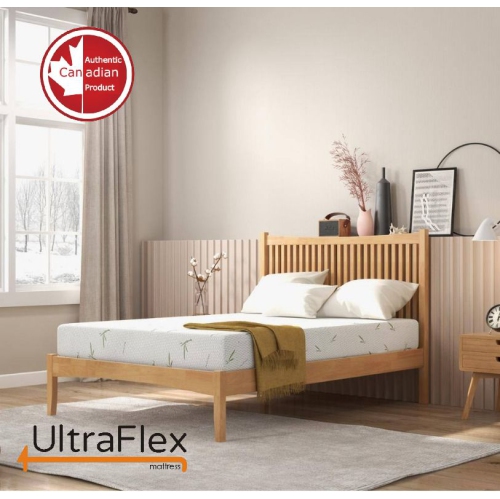
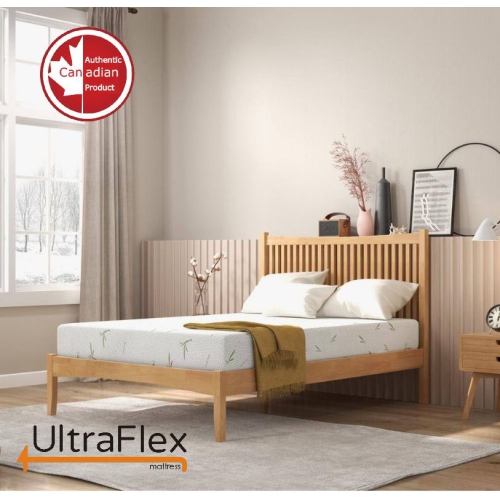
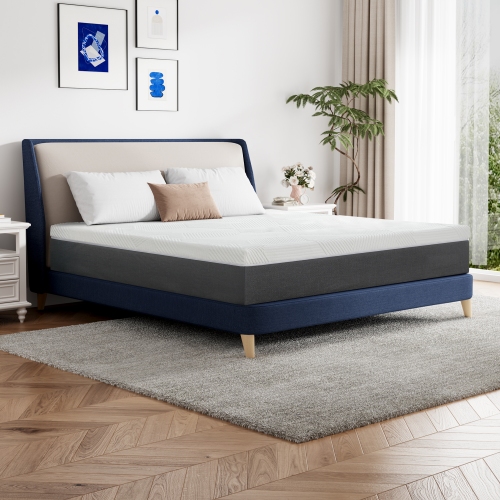
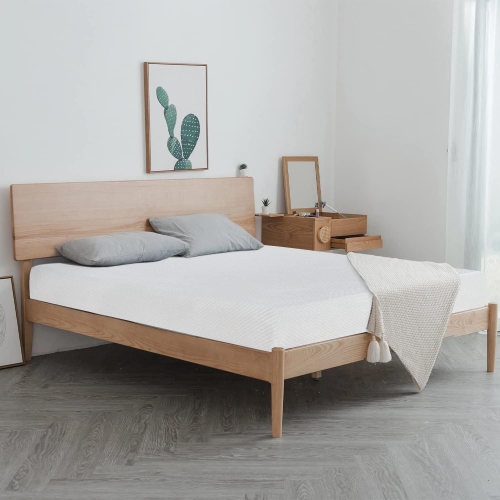
Fit extends beyond choosing a mattress size that sounds spacious. The right dimensions leave enough sleeping room while preserving practical access to drawers, bedside tables, closet doors, and the walkway around the bed. Twin and twin XL sizes suit many smaller rooms and single sleepers, with twin XL providing additional length. Full or double mattresses offer more width for one person, while queen and king sizes provide more room for a shared bed. Exact measurements still matter because frames, headboards, and upholstered edges can extend beyond the mattress footprint. Mattress thickness also affects how the finished bed works: a deep mattress on a tall base may be awkward to climb onto, while a low setup can be difficult for someone who needs an easier transition to standing. Sheets and protectors need pocket depths that accommodate the mattress and any topper without pulling free at the corners. The supporting base is equally important. Platform beds, slatted frames, foundations, and adjustable bases have different compatibility requirements, so the mattress maker’s specifications should determine suitable support, slat spacing, and any required centre support. This is especially important for bunk beds, where mattress thickness must remain within the bed manufacturer’s safety limits. Routine care helps preserve comfort and keeps the sleeping surface clean. A well-fitting washable protector adds a barrier against everyday spills and marks, while cleaning should follow the care label rather than soaking the upholstery or using harsh treatments. Rotate the mattress only as directed, and flip it only if it is designed for use on both sides. Mattresses delivered compressed may need time to reach their intended shape before use, according to their setup instructions. Over time, persistent sagging, damaged edges, or an uneven feel can signal that the mattress or its base needs attention. A topper may adjust surface cushioning, but it cannot repair a worn support system. For a mattress given as a housewarming gift, confirming the recipient’s bed dimensions, preferred feel, and base compatibility beforehand helps turn a generous gesture into something genuinely useful every night.
Materials and construction shape the way a mattress feels as much as its firmness label. Memory foam responds to pressure and gradually contours around the body, producing a close-fitting feel that can also help absorb movement. Other cushioning foams may feel quicker to spring back, making it easier to roll from one side to the other. Latex typically has a buoyant, responsive feel, although its firmness and contouring vary with the formulation and layer design. Innerspring mattresses use a coil system for support, with upholstery or foam layers above it to soften the sleeping surface. Individually wrapped coils can respond more independently than connected spring systems, though overall comfort and motion transfer also depend on the layers surrounding them. Hybrid mattresses pair a substantial coil support system with foam or latex comfort layers, offering a blend of cushioning and springiness. Pillow-top and Euro-top designs add a cushioned upper section; they describe the surface construction rather than a guaranteed firmness level or quality standard. Quilting, cover fabric, and the thickness of the upper layers all influence that first impression when lying down. Deeper comfort layers can create a more enveloping feel, but total mattress height alone does not establish comfort or durability. Likewise, foam density and firmness are different measurements: a denser foam is not necessarily harder, and its performance depends on its composition and use within the mattress. Zoned designs vary support across different sections, but their usefulness depends on how those sections line up with the sleeper’s body. For a shared bed, the combination of surface response, motion isolation, and edge construction often matters more than any single feature. In a guest bedroom, a balanced feel may accommodate a wider range of sleeping preferences than an especially soft or rigid surface. For someone furnishing a first apartment or updating a long-used bedroom, matching the mattress construction to familiar sleep habits can make the choice feel more grounded than relying on terms such as “luxury” or “cloud-like” alone.
Fit extends beyond choosing a mattress size that sounds spacious. The right dimensions leave enough sleeping room while preserving practical access to drawers, bedside tables, closet doors, and the walkway around the bed. Twin and twin XL sizes suit many smaller rooms and single sleepers, with twin XL providing additional length. Full or double mattresses offer more width for one person, while queen and king sizes provide more room for a shared bed. Exact measurements still matter because frames, headboards, and upholstered edges can extend beyond the mattress footprint. Mattress thickness also affects how the finished bed works: a deep mattress on a tall base may be awkward to climb onto, while a low setup can be difficult for someone who needs an easier transition to standing. Sheets and protectors need pocket depths that accommodate the mattress and any topper without pulling free at the corners. The supporting base is equally important. Platform beds, slatted frames, foundations, and adjustable bases have different compatibility requirements, so the mattress maker’s specifications should determine suitable support, slat spacing, and any required centre support. This is especially important for bunk beds, where mattress thickness must remain within the bed manufacturer’s safety limits. Routine care helps preserve comfort and keeps the sleeping surface clean. A well-fitting washable protector adds a barrier against everyday spills and marks, while cleaning should follow the care label rather than soaking the upholstery or using harsh treatments. Rotate the mattress only as directed, and flip it only if it is designed for use on both sides. Mattresses delivered compressed may need time to reach their intended shape before use, according to their setup instructions. Over time, persistent sagging, damaged edges, or an uneven feel can signal that the mattress or its base needs attention. A topper may adjust surface cushioning, but it cannot repair a worn support system. For a mattress given as a housewarming gift, confirming the recipient’s bed dimensions, preferred feel, and base compatibility beforehand helps turn a generous gesture into something genuinely useful every night.
Top selling and popular products
-
 Your price for this item is $1195
 -
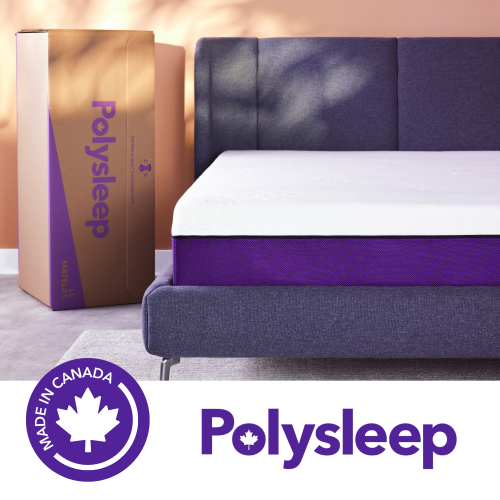 Your price for this item is $1395
 -
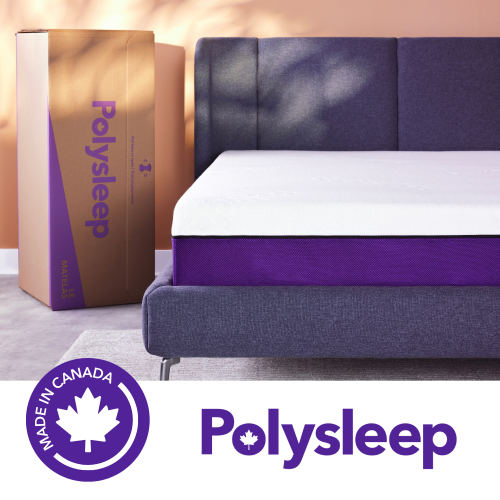 Your price for this item is $945
 -
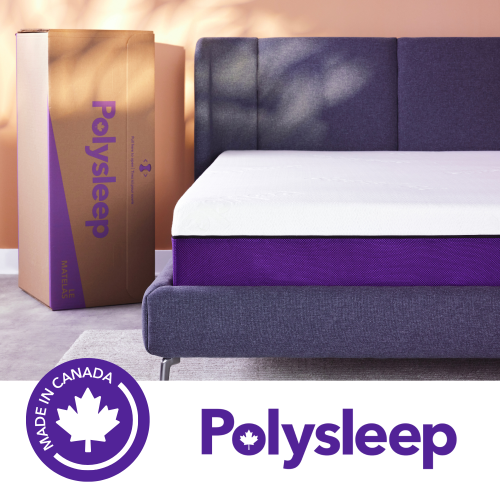 Your price for this item is $1095
 -
 Your price for this item is $1199
 -
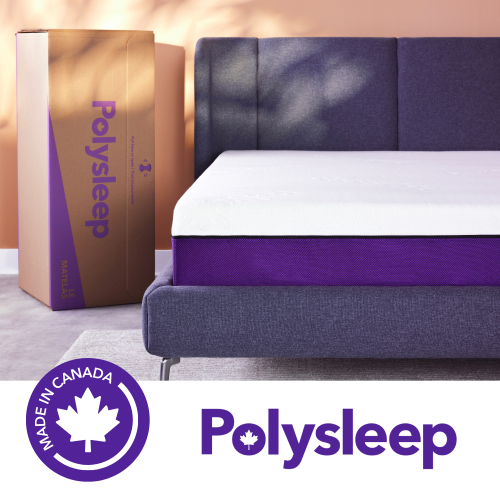 Your price for this item is $1395
 -
 Your price for this item is $895
 -
 Your price for this item is $920
Discover more categories related to Comfy Bedroom Mattresses
Top Collections:
Pokemon Centers, Kindle Devices, Best Budget Office Chairs, Apple iPhones 16, Canon G7X Cameras, iPhone 15 Apple, Alarm Clock, Refurbished Apple Laptops, Flip Phones, Best Laptops for Writers
Some products may be subject to Environmental Handling Fees
(EHF) depending on your province.
Learn more about EHFs.