Commercial Electric Heaters
Stay warm and cozy in any commercial space with our selection of high-quality commercial electric heaters. Designed to provide efficient heating solutions for businesses, warehouses, offices, and more, these electric heaters offer reliable performance and customizable settings to suit your specific needs. With a range of sizes and styles available, you can find the perfect electric heater to keep your workplace comfortable during the colder months. Browse our collection now to discover the ideal heating solution for your commercial environment.
Sort





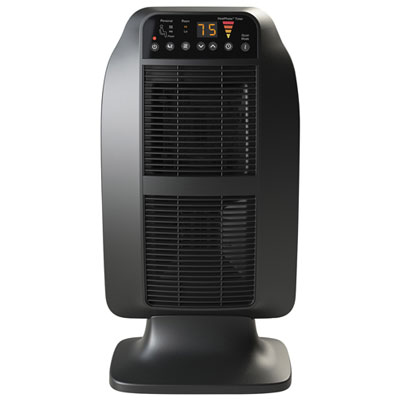
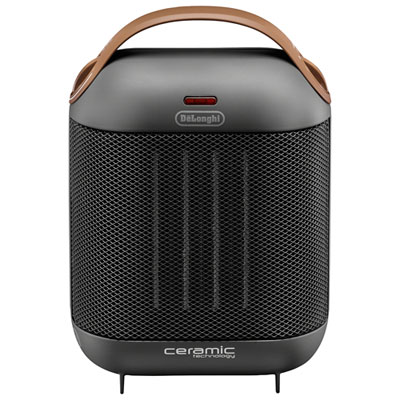
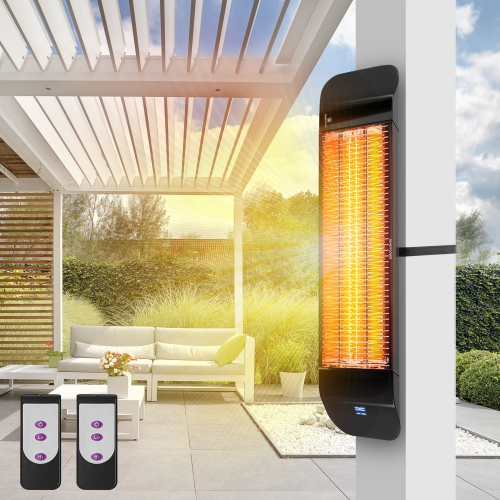
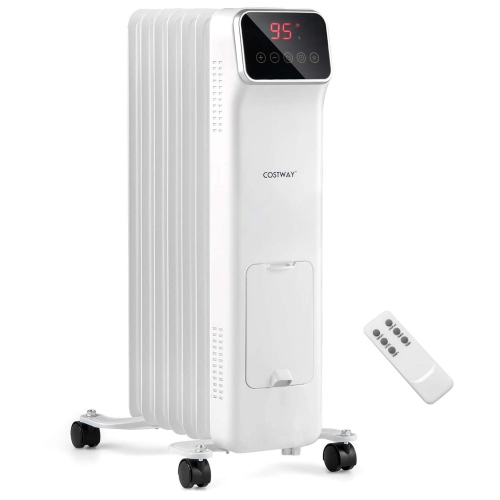

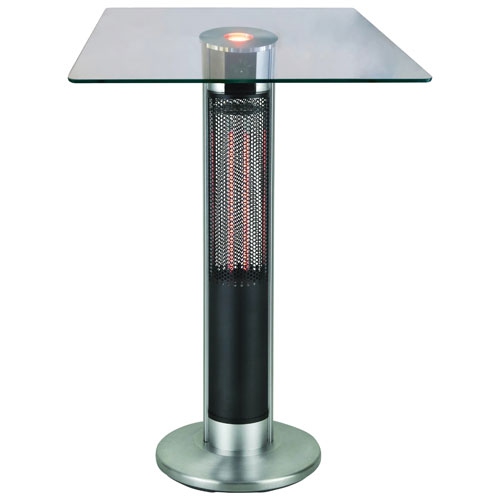
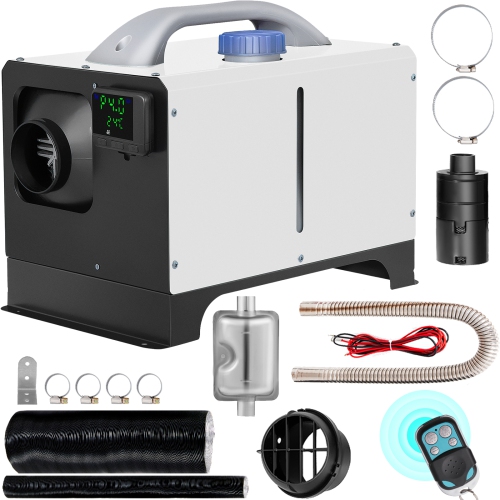
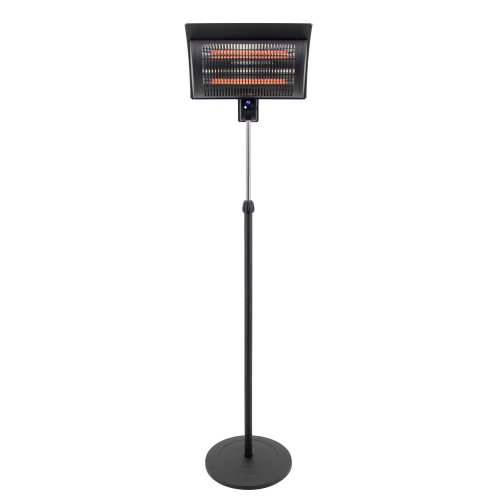
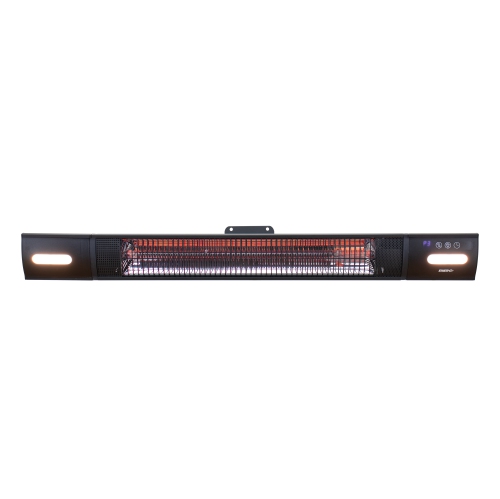
Why workspace heating needs more than the right wattage
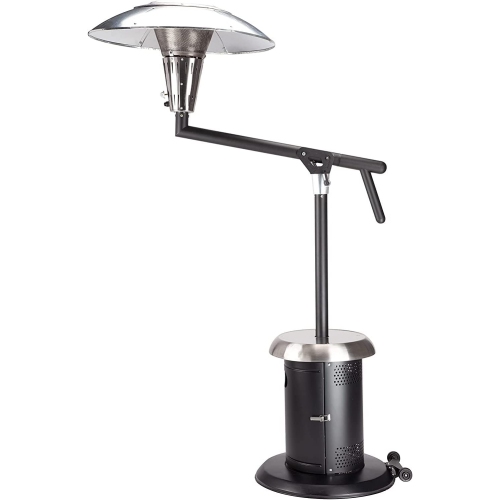
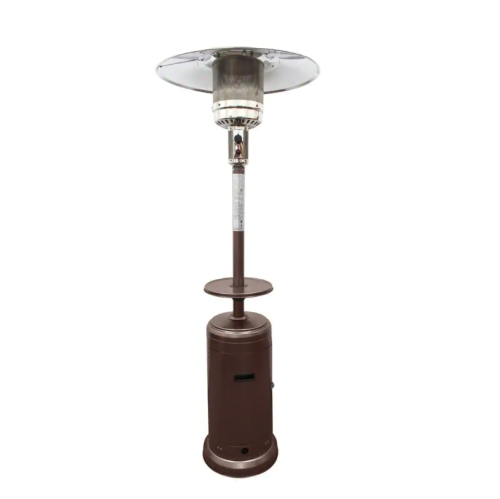
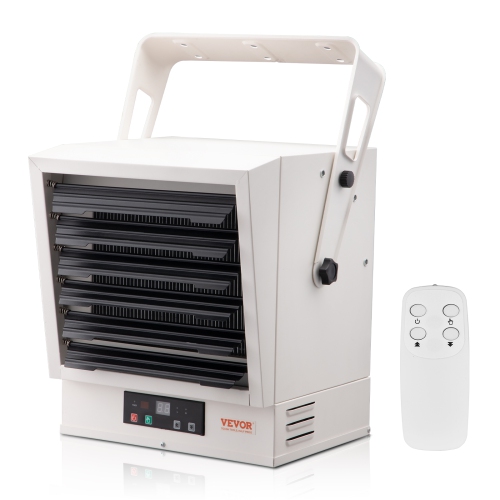
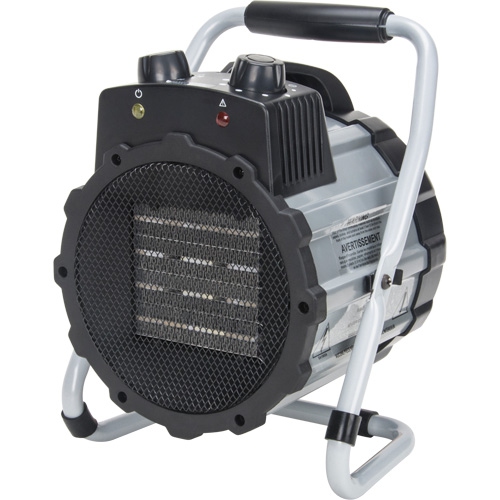
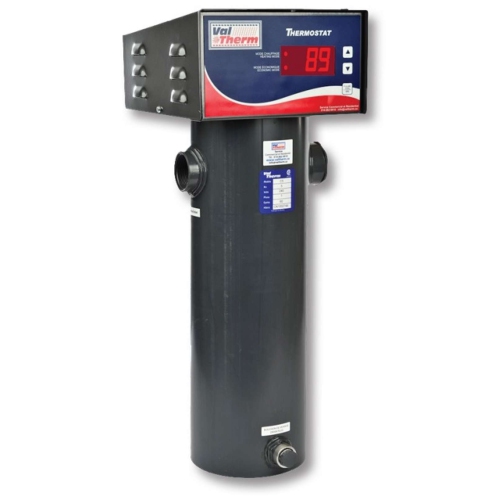
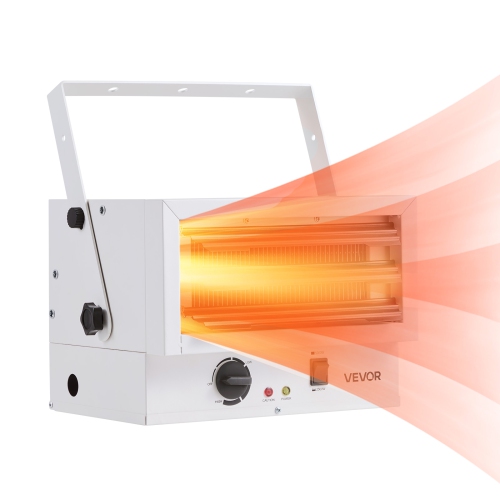
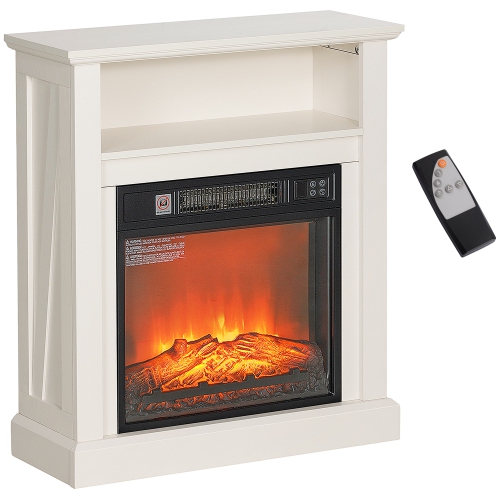
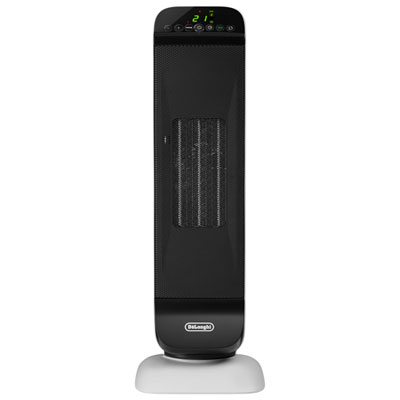
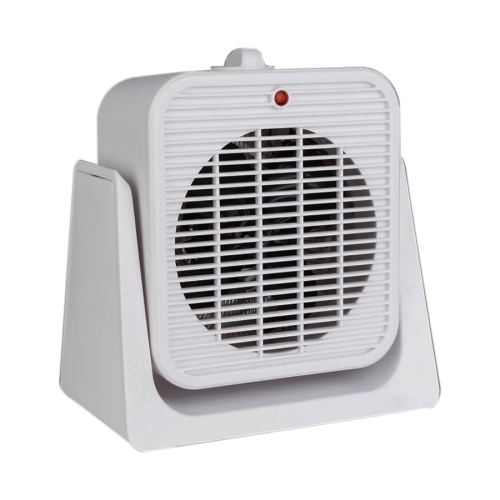
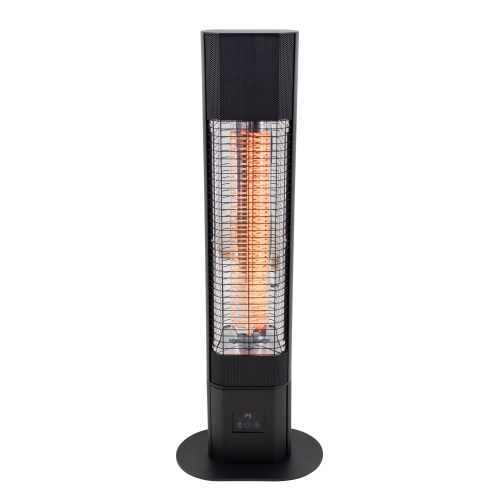
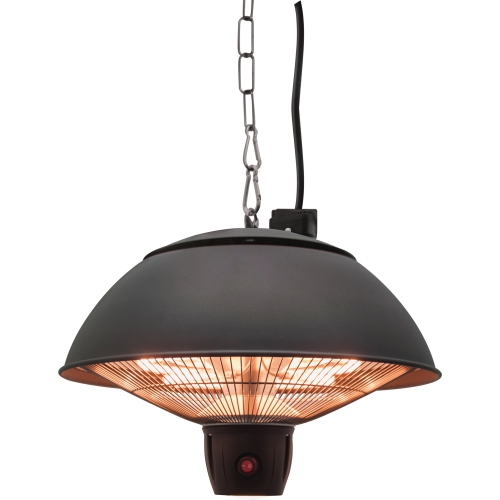
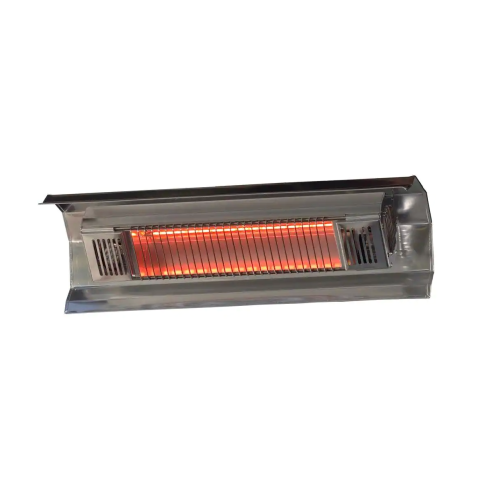
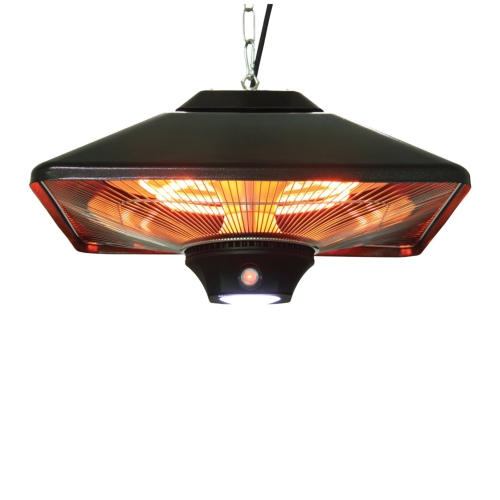
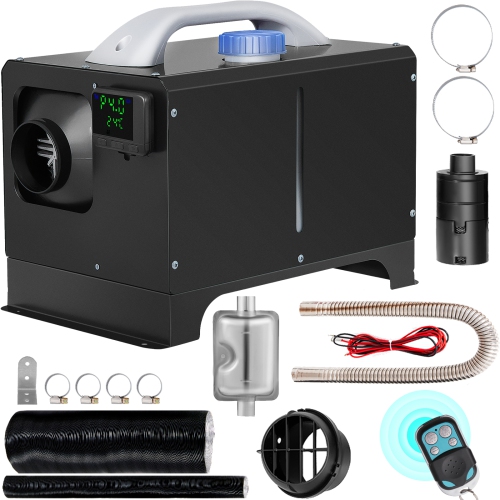
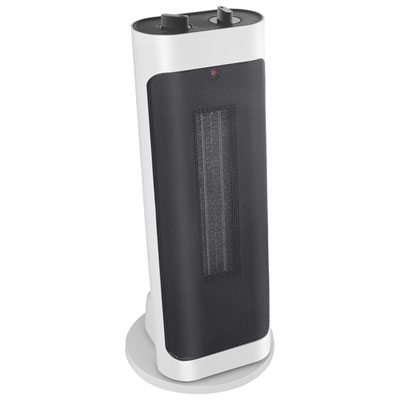
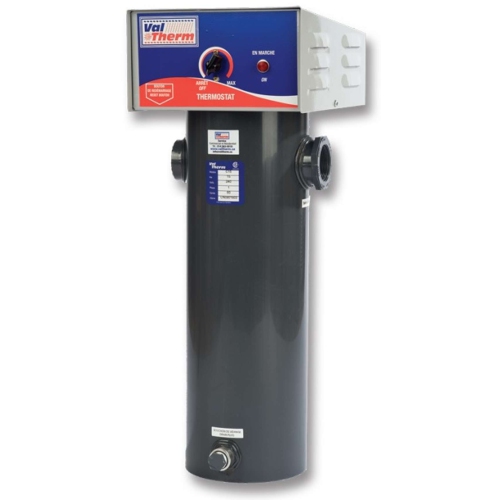
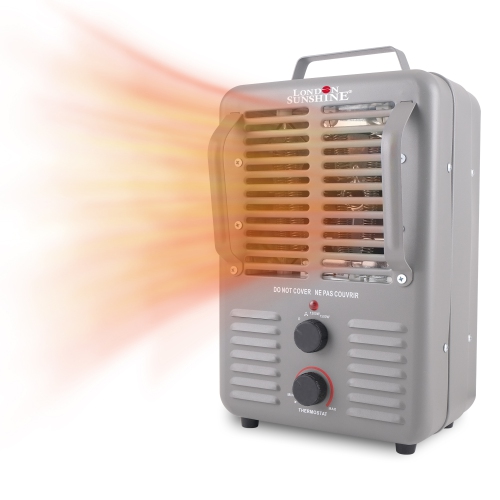
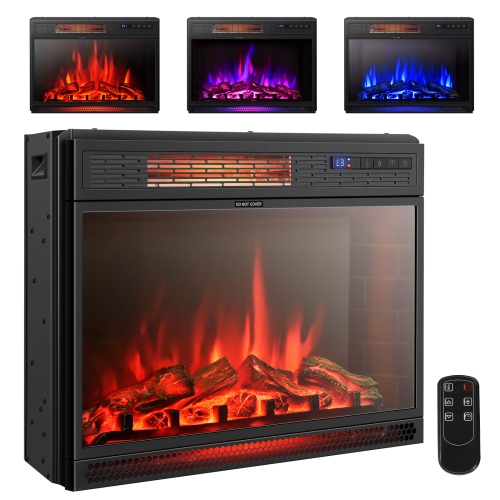
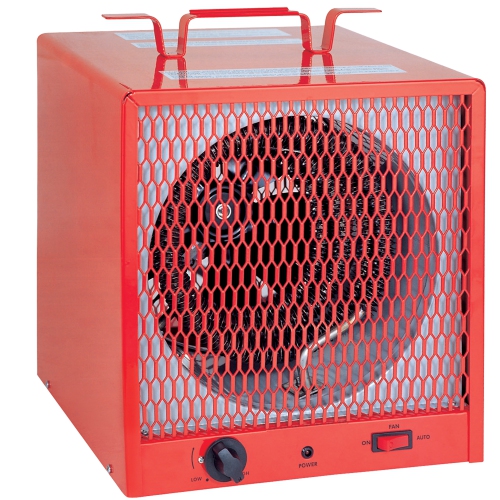
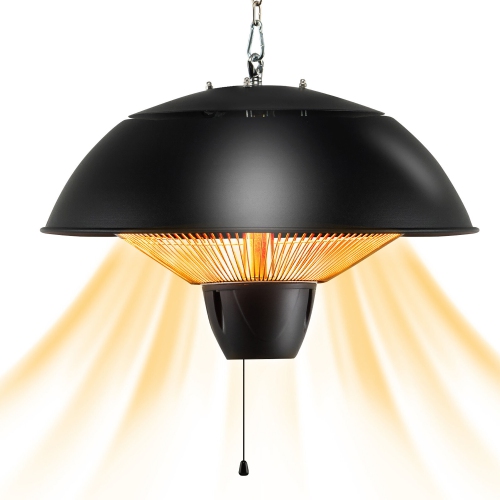
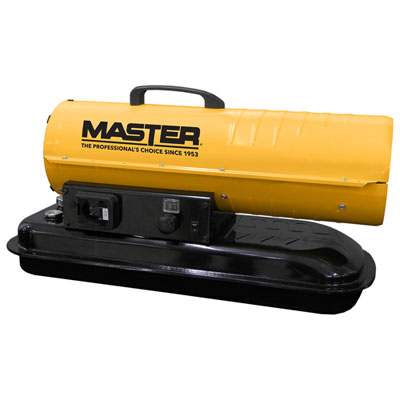
Commercial electric heaters deliver heat to workspaces, business premises, and other areas where heating equipment needs to suit the building layout and daily activity. They use electrical resistance elements to produce warmth without burning fuel at the point of use, making them a flameless heating option for appropriately equipped warehouses, workshops, retail spaces, offices, and job sites. The main categories include fan-forced unit heaters, portable industrial heaters, and infrared radiant heaters. Each serves a different purpose: a suspended unit heater circulates warm air through a work area, a portable heater supports temporary heating where its electrical supply permits, and a radiant heater directs warmth towards people and surfaces within its coverage area. In a service bay, for example, a ceiling-mounted heater can keep equipment off the floor while directing airflow towards the working space. In a receiving area with frequently opened doors, the layout and heat loss deserve particular attention because incoming air can quickly affect comfort. Commercial electric heating can supplement an existing system or provide primary heat when the equipment and installation are properly sized for that role. Building owners, facility managers, contractors, and small-business operators often compare these heaters by heat output, mounting style, controls, and power requirements rather than by physical size alone. A compact housing does not necessarily mean a low electrical demand, and a larger cabinet does not automatically mean better coverage. Heating capacity is commonly expressed in watts, kilowatts, or British thermal units per hour. One kilowatt equals 1,000 watts and produces approximately 3,412 BTU per hour of heat, so a 5 kW resistance heater provides roughly 17,060 BTU per hour. That figure describes heat output, not a guaranteed room size. Floor area, ceiling height, insulation, windows, door openings, and the desired indoor temperature all influence how much heating a space requires. A tall storage building and a well-insulated office of the same floor area can have substantially different heating needs.
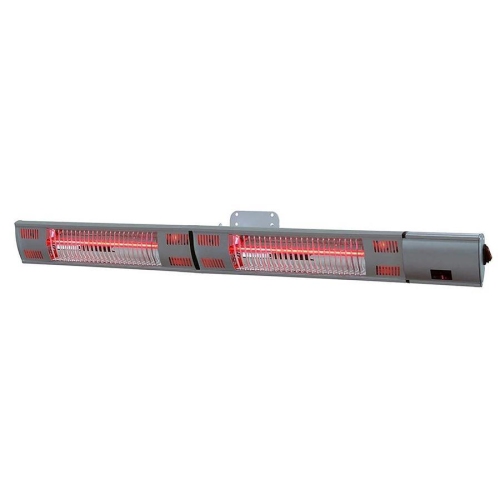
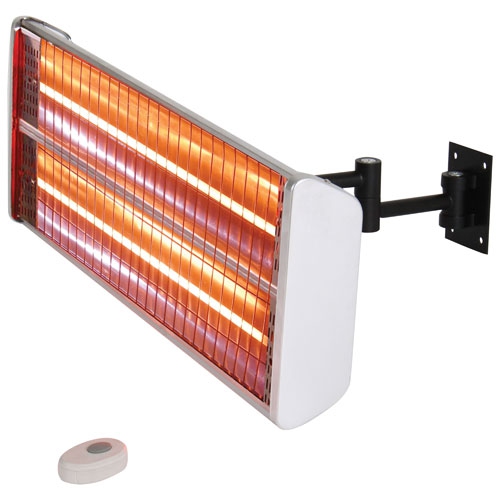
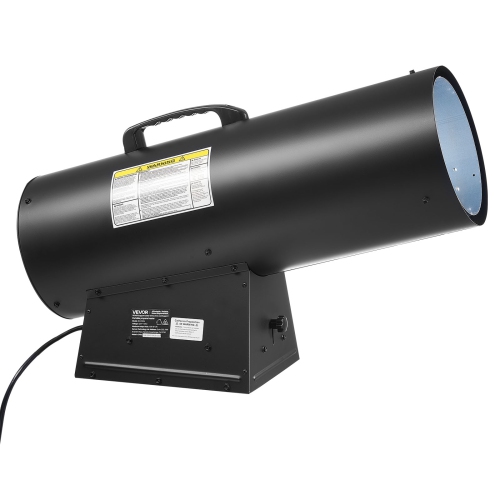
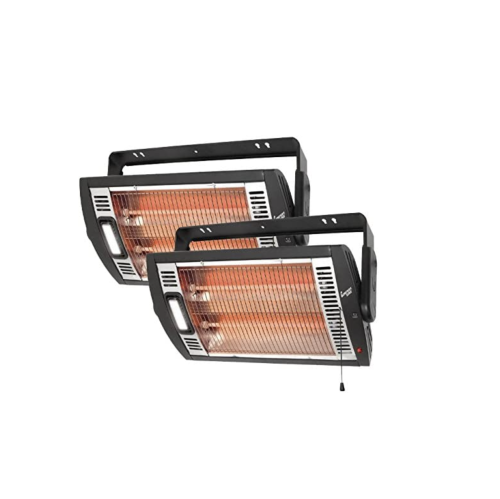
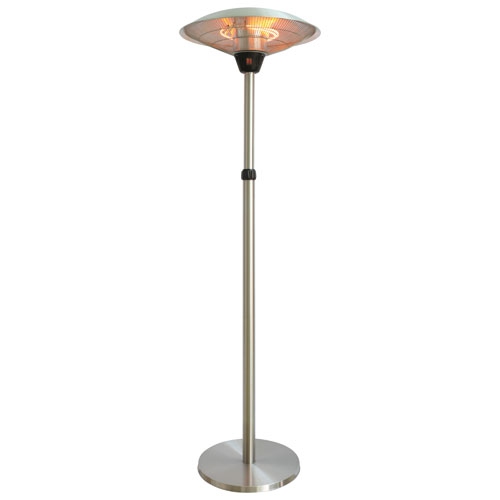
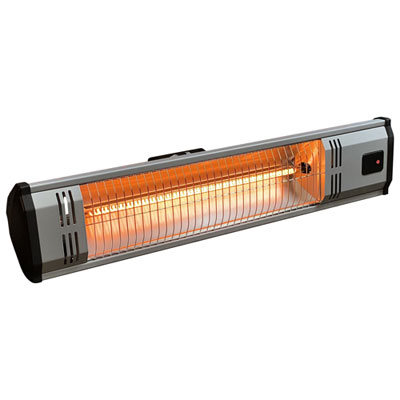
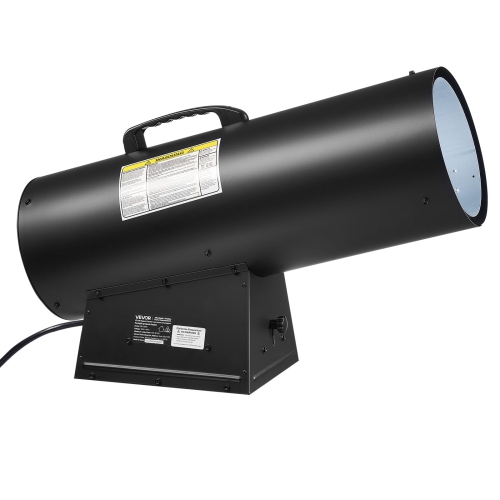
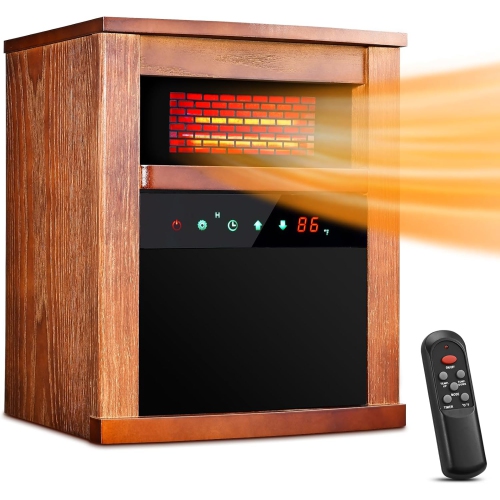
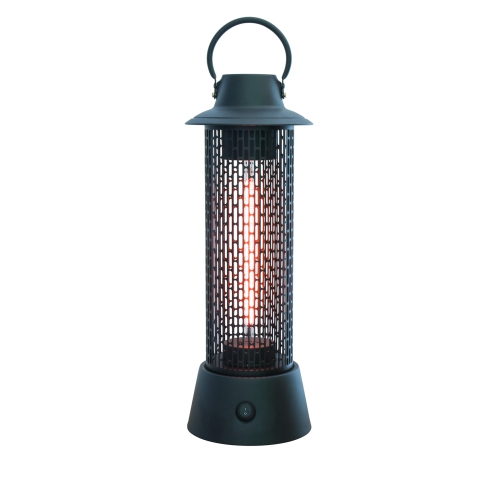
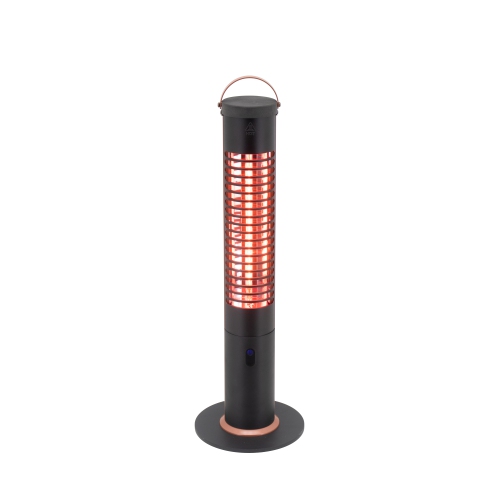
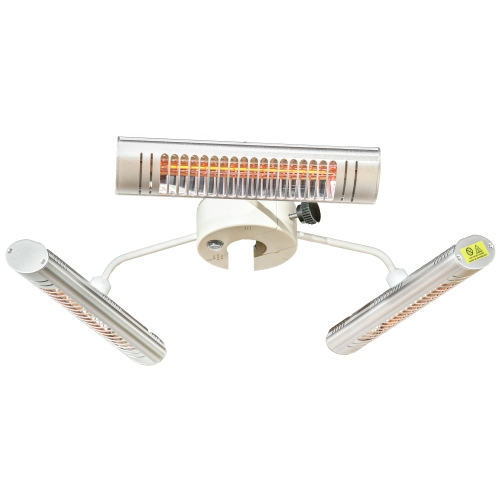
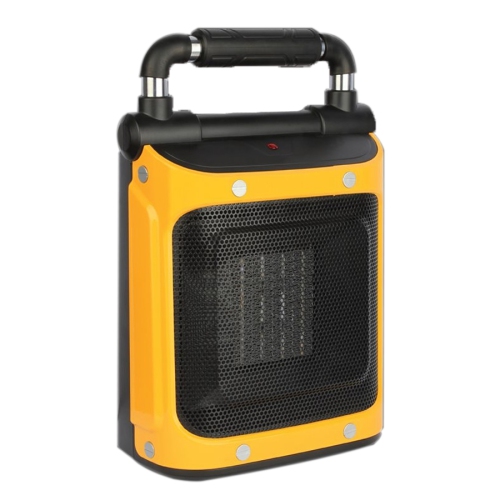
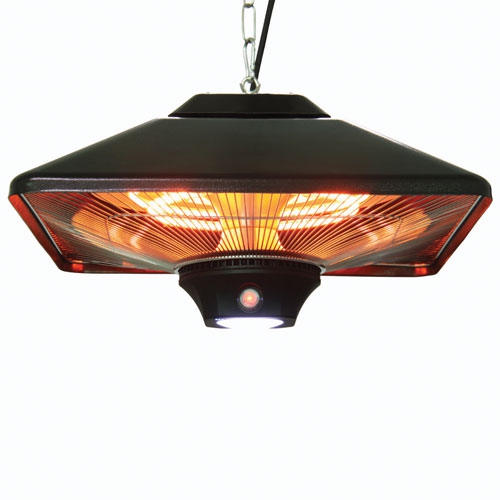
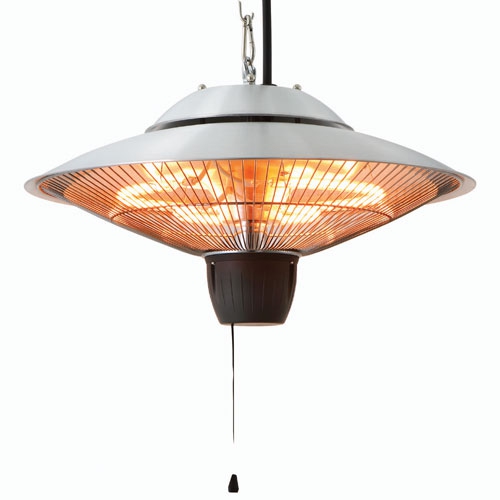
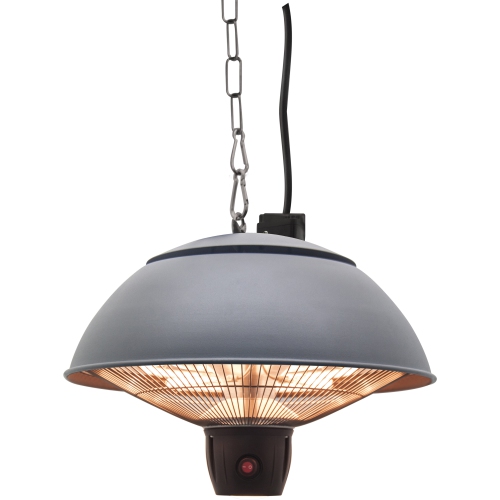
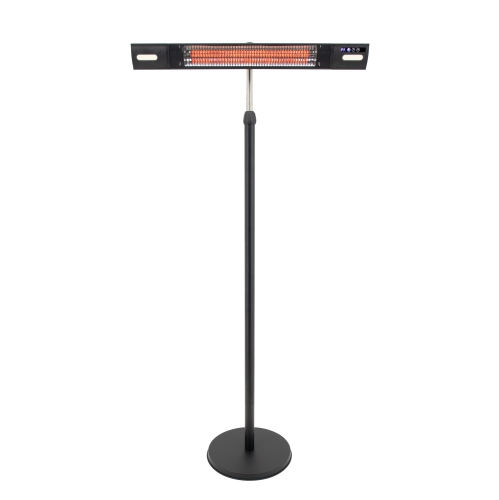
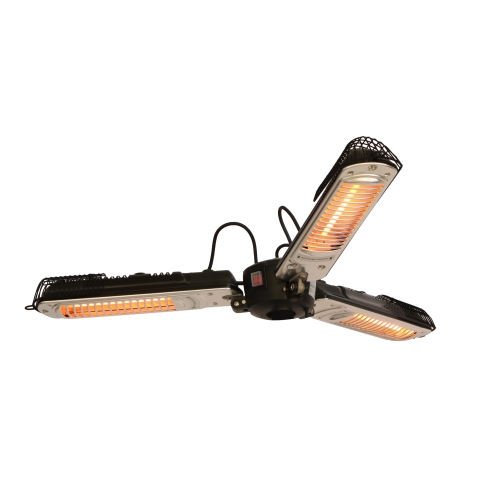
The construction and placement of commercial electric heaters affect how well they fit into a working space. Many fan-forced units have steel cabinets, protective grilles, and adjustable louvers that help direct heated air. Powder-coated finishes can help protect the exterior against everyday wear, while stainless steel or specially treated components may be appropriate where moisture or corrosion is a concern, provided the heater carries the necessary rating. Ceiling-mounted and wall-mounted designs free up floor space, which can be useful around packing benches, shelving, and busy walkways. Their brackets, mounting height, discharge direction, and required clearances determine where they can be installed safely. Warm air needs an unobstructed path; a unit positioned behind tall racking or aimed into a nearby wall may not distribute heat as intended. Portable industrial heaters offer flexibility for temporary work areas, with handles, sturdy frames, or wheels helping support movement between suitable locations. Portability does not mean compatibility with an ordinary wall outlet, however, and these heaters still need a suitable supply and safe placement away from traffic and combustible materials. Radiant designs offer a different approach by transferring heat directly to people and objects in their line of sight rather than relying primarily on circulating warm air. For targeted warmth near a workstation, entrance, or suitably sheltered patio, Electric Infrared Heaters represent a related category with distinct coverage and mounting considerations. Their effectiveness depends on distance, angle, obstructions, and the conditions for which they are rated. Outdoor use requires an appropriate outdoor rating; an indoor heater should not be treated as suitable for a covered patio simply because it is protected from direct rain. Similarly, ordinary commercial heaters are not substitutes for purpose-built equipment in washdown areas or locations with combustible dust, flammable vapours, or other hazardous conditions. These applications require equipment specifically approved for the location. Across heater types, the practical fit includes noise as well as dimensions: fan operation may be unobtrusive in a busy workshop but more noticeable beside a reception desk or quiet office.
Electrical compatibility, control options, and routine care are central to the long-term usefulness of commercial electric heaters. Commercial buildings may have different supply voltages and either single-phase or three-phase service, and a heater must match the actual electrical supply specified for its installation. Voltage alone is not enough to establish compatibility; wattage, current draw, circuit capacity, wiring, and connection requirements also matter. Higher-output equipment commonly requires a dedicated circuit or a hardwired connection, with installation assessed and completed by a qualified electrical professional in accordance with applicable requirements. A plug-in design likewise needs the correct receptacle and circuit, not an improvised adapter or an extension cord used to reach a convenient outlet. Recognized Canadian electrical certification is an important consideration alongside the manufacturer's installation instructions. Built-in thermostats, compatible wall controls, and staged heat settings can help match operation to the way a space is used. A wall-mounted thermostat may provide more representative temperature sensing when positioned away from direct heater discharge, draughts, and other heat sources. Where fitted, fan-delay controls allow the fan to continue running after the elements switch off, helping remove residual heat from the unit. Overheat protection and, on some portable designs, tip-over shutoffs provide additional safeguards, but they do not replace correct positioning or clearances. Durable performance also depends on keeping air inlets, outlets, and accessible surfaces free of dust and debris according to the care instructions. In a woodworking shop or packing area, airborne particles can accumulate more quickly than in an office, making the prescribed inspection and cleaning schedule especially relevant. Cleaning generally requires the heater to be switched off, isolated from its electrical supply as directed, and allowed to cool; internal servicing belongs with qualified personnel. Cords, plugs, mounting hardware, and visible damage also warrant attention during routine checks. With suitable capacity, approved placement, compatible power, and manageable maintenance requirements, a commercial electric heater can support everyday comfort without interfering with the work taking place around it.
The construction and placement of commercial electric heaters affect how well they fit into a working space. Many fan-forced units have steel cabinets, protective grilles, and adjustable louvers that help direct heated air. Powder-coated finishes can help protect the exterior against everyday wear, while stainless steel or specially treated components may be appropriate where moisture or corrosion is a concern, provided the heater carries the necessary rating. Ceiling-mounted and wall-mounted designs free up floor space, which can be useful around packing benches, shelving, and busy walkways. Their brackets, mounting height, discharge direction, and required clearances determine where they can be installed safely. Warm air needs an unobstructed path; a unit positioned behind tall racking or aimed into a nearby wall may not distribute heat as intended. Portable industrial heaters offer flexibility for temporary work areas, with handles, sturdy frames, or wheels helping support movement between suitable locations. Portability does not mean compatibility with an ordinary wall outlet, however, and these heaters still need a suitable supply and safe placement away from traffic and combustible materials. Radiant designs offer a different approach by transferring heat directly to people and objects in their line of sight rather than relying primarily on circulating warm air. For targeted warmth near a workstation, entrance, or suitably sheltered patio, Electric Infrared Heaters represent a related category with distinct coverage and mounting considerations. Their effectiveness depends on distance, angle, obstructions, and the conditions for which they are rated. Outdoor use requires an appropriate outdoor rating; an indoor heater should not be treated as suitable for a covered patio simply because it is protected from direct rain. Similarly, ordinary commercial heaters are not substitutes for purpose-built equipment in washdown areas or locations with combustible dust, flammable vapours, or other hazardous conditions. These applications require equipment specifically approved for the location. Across heater types, the practical fit includes noise as well as dimensions: fan operation may be unobtrusive in a busy workshop but more noticeable beside a reception desk or quiet office.
Electrical compatibility, control options, and routine care are central to the long-term usefulness of commercial electric heaters. Commercial buildings may have different supply voltages and either single-phase or three-phase service, and a heater must match the actual electrical supply specified for its installation. Voltage alone is not enough to establish compatibility; wattage, current draw, circuit capacity, wiring, and connection requirements also matter. Higher-output equipment commonly requires a dedicated circuit or a hardwired connection, with installation assessed and completed by a qualified electrical professional in accordance with applicable requirements. A plug-in design likewise needs the correct receptacle and circuit, not an improvised adapter or an extension cord used to reach a convenient outlet. Recognized Canadian electrical certification is an important consideration alongside the manufacturer's installation instructions. Built-in thermostats, compatible wall controls, and staged heat settings can help match operation to the way a space is used. A wall-mounted thermostat may provide more representative temperature sensing when positioned away from direct heater discharge, draughts, and other heat sources. Where fitted, fan-delay controls allow the fan to continue running after the elements switch off, helping remove residual heat from the unit. Overheat protection and, on some portable designs, tip-over shutoffs provide additional safeguards, but they do not replace correct positioning or clearances. Durable performance also depends on keeping air inlets, outlets, and accessible surfaces free of dust and debris according to the care instructions. In a woodworking shop or packing area, airborne particles can accumulate more quickly than in an office, making the prescribed inspection and cleaning schedule especially relevant. Cleaning generally requires the heater to be switched off, isolated from its electrical supply as directed, and allowed to cool; internal servicing belongs with qualified personnel. Cords, plugs, mounting hardware, and visible damage also warrant attention during routine checks. With suitable capacity, approved placement, compatible power, and manageable maintenance requirements, a commercial electric heater can support everyday comfort without interfering with the work taking place around it.
Top selling and popular products
-
 Your price for this item is $179.99
 -
 Your price for this item is $549.99
 -
 Your price for this item is $41.99
 -
 Your price for this item is $100.99
 -
 Your price for this item is $219.95
 -
 Your price for this item is $64.98
 -
 Your price for this item is $68.99
 -
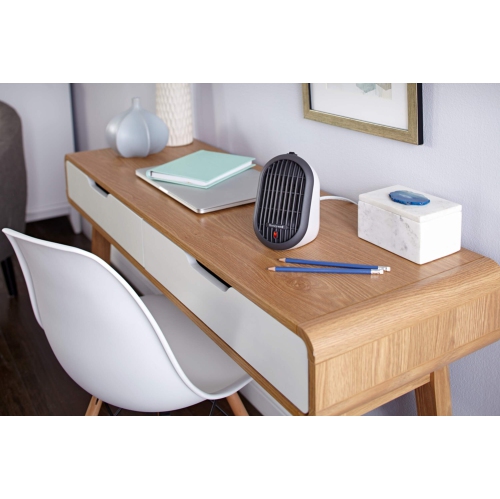 Your price for this item is $50
Discover more categories related to Commercial Electric Heaters
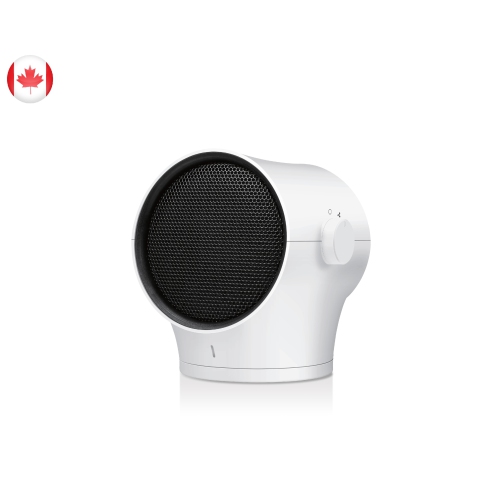
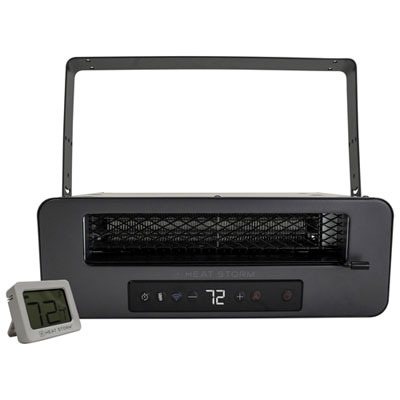
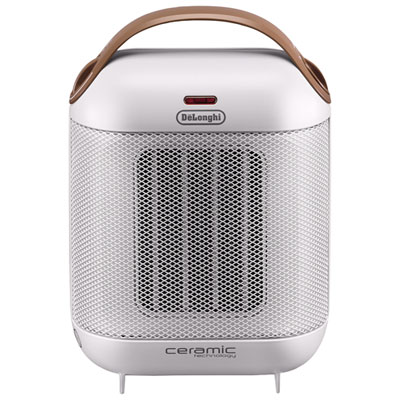
Top Collections:
Pokemon Centers, Kindle Devices, Best Budget Office Chairs, Apple iPhones 16, Best Laptops for Writers, iPhone 15 Apple, Canon G7X Cameras, Refurbished Apple Laptops, Alarm Clock, Motorola Razr Phones
Some products may be subject to Environmental Handling Fees
(EHF) depending on your province.
Learn more about EHFs.