Compact Drills
Compact drills are essential tools for both DIY enthusiasts and professional contractors who need power and precision in tight spaces. These versatile devices offer the perfect balance of performance and convenience, making them an ideal choice for a wide range of projects around the home or on the job site. Whether you're assembling furniture, installing shelves, or tackling more intensive construction tasks, compact drills provide the maneuverability and ease of use necessary to get the job done efficiently. Explore our selection to find the perfect compact drill that fits your needs and enhances your toolkit.
Sort
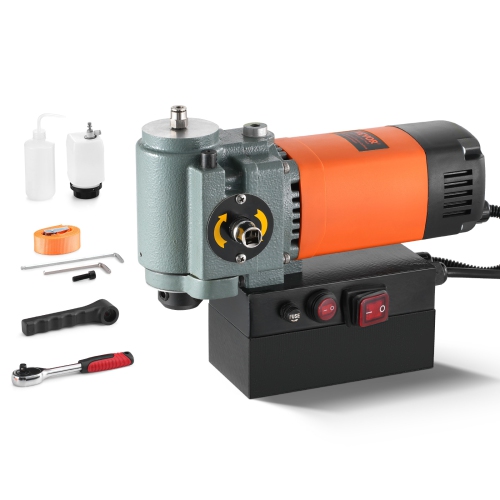

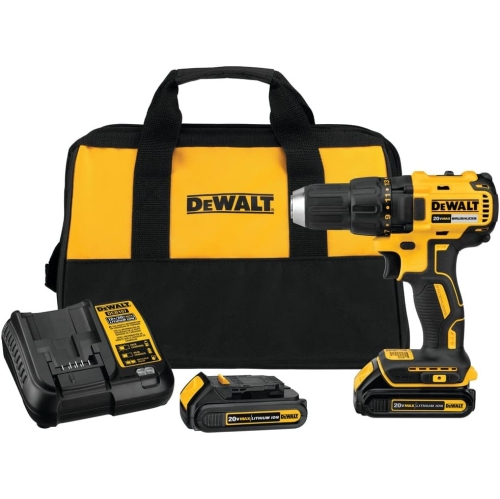

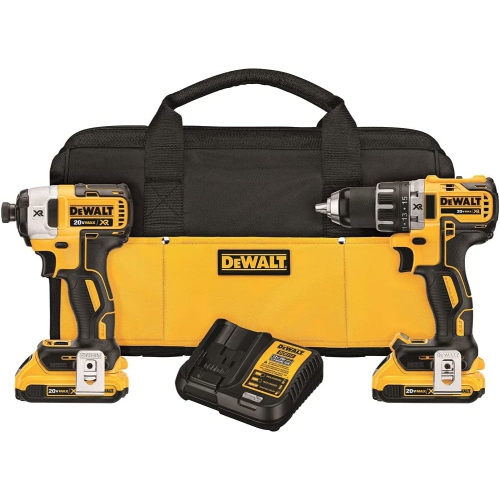


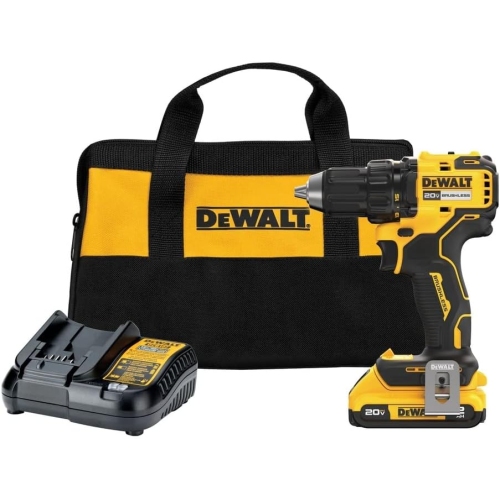
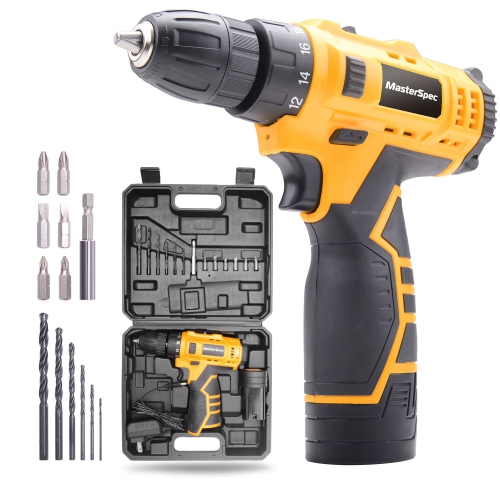

Less bulk for drilling and fastening in tight spaces
Compact drills combine a shorter tool body with manageable weight, making them useful for drilling holes and driving screws where a larger drill can feel awkward. Their main advantage is access: a short distance from the back of the motor housing to the chuck can make a noticeable difference inside a cabinet, between shelf supports, or beneath a workbench. Lightweight handling also helps with repeated fastening and work above shoulder height, although the weight with a battery attached is more meaningful than the weight of the bare tool. These drills suit furniture assembly, cabinet hardware installation, small woodworking projects, and many household repairs. They can also serve tradespeople who need a smaller tool for finishing work or service calls. Compact does not necessarily mean low powered, but size alone does not establish capability. Motor design, gearing, torque, drill bit size, and the material being drilled all influence performance. A drill that feels comfortable when assembling flat-pack furniture may face very different demands when boring a wide hole through thick timber. For everyday tasks, the most useful balance is often enough power for the material without unnecessary bulk in the hand. Cordless designs allow movement from a workshop bench to a cupboard or stair landing without managing a power cord, while a well-positioned work light can help illuminate a screw head in a shadowed corner. Visibility still depends on where the light sits, since a chuck or hand can cast a shadow across the work. Head length, grip shape, and balance are therefore worth considering together rather than treating any single specification as the defining feature. A compact drill should feel controllable when held in the positions a project requires, including close to a wall or at the back of a drawer opening. Even a short drill needs room for its bit, so usable clearance depends on the complete setup, not just the tool body.
The features that matter most become clearer in the details of the work. An adjustable clutch helps limit driving torque when fastening screws, reducing the chance of sinking a screw too deeply into soft wood or damaging delicate hardware. It is different from the drilling setting, which is intended for making holes rather than controlling screw depth. Variable-speed triggers offer a gentler start when positioning a bit, while a two-speed gearbox typically provides a lower range for controlled fastening and more demanding drilling, plus a higher range for smaller holes. Neither replaces the need for a suitable bit and an appropriate speed for the material. Wood, metal, tile, and masonry require different accessories and techniques; a standard compact drill is not automatically suitable for concrete simply because it has a strong motor. A hammer function can broaden suitability for some masonry tasks when the manufacturer specifies that use, but repeated drilling into hard concrete may call for a different tool category. Chuck capacity also affects versatility. A 3/8-inch chuck accepts smaller shanks, while a 1/2-inch chuck accommodates a wider range of shank sizes; neither measurement describes the largest hole the drill can safely make in every material. Brushless motors can offer efficient operation and less routine motor maintenance, though overall performance still depends on the complete design. Durable housings, secure battery connections, and a chuck that holds bits firmly matter during repeated use. Rubberized grip areas can improve comfort, particularly when the handle fits the user's hand without forcing an awkward reach to the trigger or direction switch. A balanced drill can be easier to guide accurately than a lighter one that feels noticeably top-heavy. For cabinetry and visible joinery, that control helps keep pilot holes positioned cleanly and screw heads seated neatly. Properly securing the workpiece and wearing eye protection remain important, even when the job involves only a few small holes.
Battery choice has a direct effect on how a compact drill handles throughout a project. A smaller battery can preserve the short, light feel that makes the tool appealing, while a higher-capacity battery may extend working time at the cost of extra weight and bulk. Amp-hour ratings describe battery capacity rather than drilling strength on their own, and runtime varies with the load, material, accessory, and frequency of use. For someone who already owns cordless tools, compatibility with an existing battery platform can be especially useful, but the exact tool, battery, and charger combination must be confirmed; similar-looking connections or matching voltage labels do not guarantee compatibility. Package contents deserve attention as well, since a tool-only configuration requires a suitable battery and charger separately. Beyond the battery, everyday durability depends on sensible use and care. Sharp bits cut more cleanly and place less strain on the motor than dull ones, and clear ventilation openings help the tool operate as intended. Removing the battery before changing accessories or carrying out maintenance reduces the risk of an accidental start. Dust and debris should be removed according to the manufacturer's directions, and the drill, charger, bits, and batteries benefit from organized storage that protects their contacts and cutting edges. A case or tool bag also makes it easier to keep the correct accessories together for small repairs. Compact drills can be thoughtful gifts for someone setting up a first toolbox, furnishing a home, or spending more time on woodworking, especially when the grip and battery system match the recipient's needs. For frequent large-diameter drilling, sustained work in dense materials, or applications beyond a compact tool's rated capacity, Heavy Duty Drills may be a more appropriate category. The appeal of a compact drill remains its balance of access, control, and practical capability for the jobs that do not require a larger tool.
Top selling and popular products
-
 Your price for this item is $59.99
-
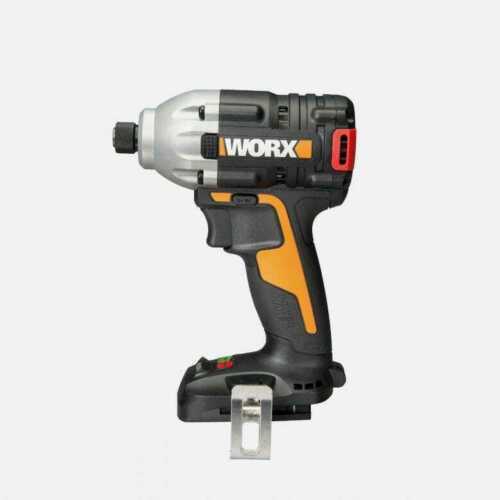 Your price for this item is $199.99
-
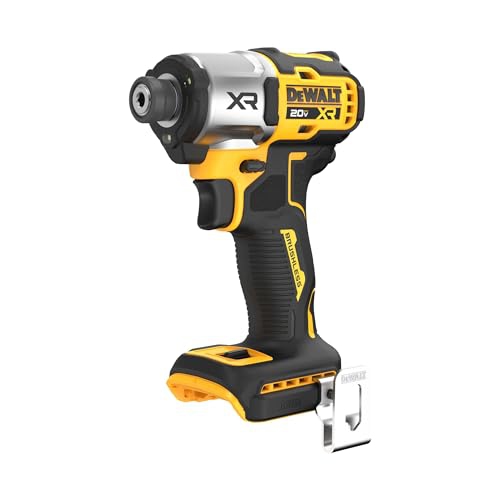 Your price for this item is $159.99
-
 Your price for this item is $139.99
-
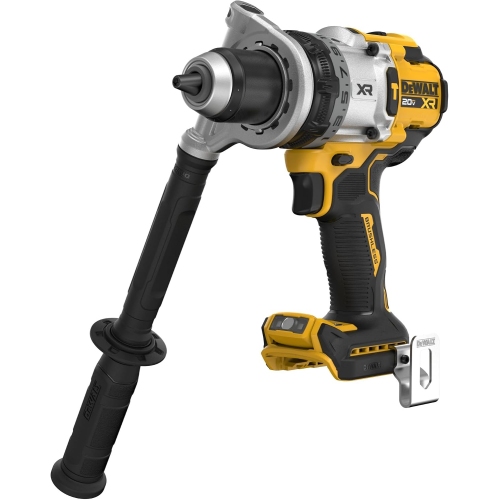 Your price for this item is $339
-
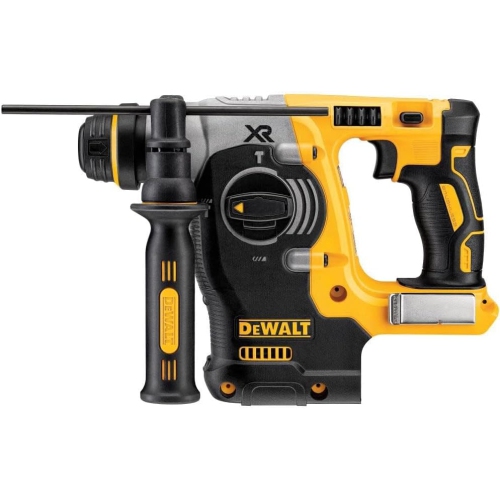 Your price for this item is $549.99
-
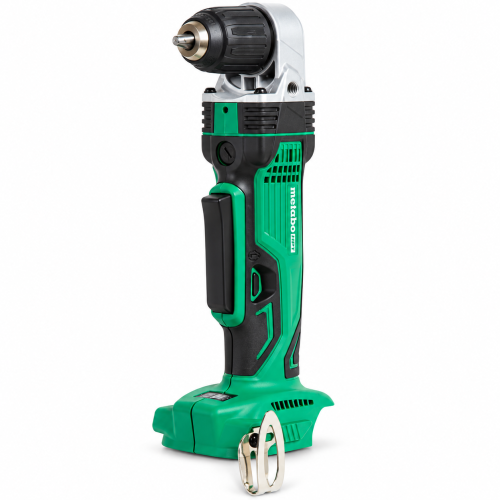 Your price for this item is $135
-
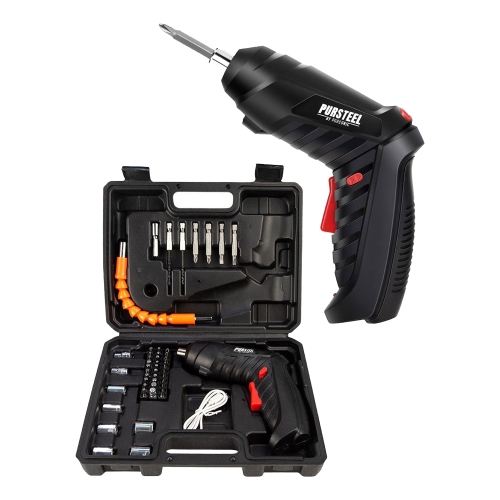 Your price for this item is $47.99
Discover more categories related to Compact Drills
Top Collections:
Best Black Friday Deals This Year, Best Black Friday Deals On Electronics, Kindle Devices, Pokemon Centers, Best Black Friday Deals On Apple Products, Best Cameras for Sports Photography, Dyson Airwrap, Pokémon 30th Celebration Cards, Apple iPhone 17 Pro, Canon G7X Cameras
Some products may be subject to Environmental Handling Fees
(EHF) depending on your province.
Learn more about EHFs.