Computer Desk Natural Wood
Enhance your workspace with the timeless elegance of a natural wood computer desk. Crafted with both style and functionality in mind, our selection of computer desks in natural wood finishes offers a sleek and sophisticated solution for almost any home or office. Whether you're looking to create a cozy corner for studying or need a spacious surface to accommodate multiple monitors, these desks are designed to meet your specific needs while seamlessly blending into your existing decor. Here are some great options available.
Sort
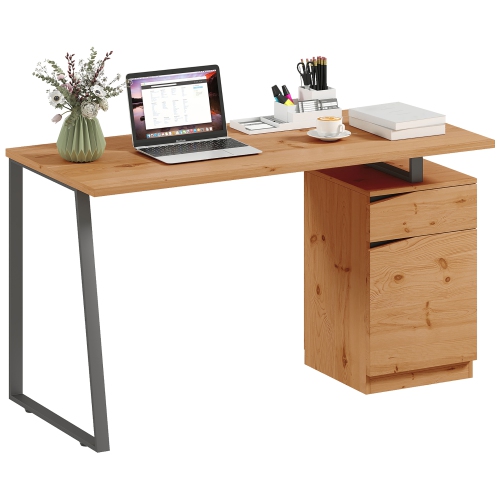
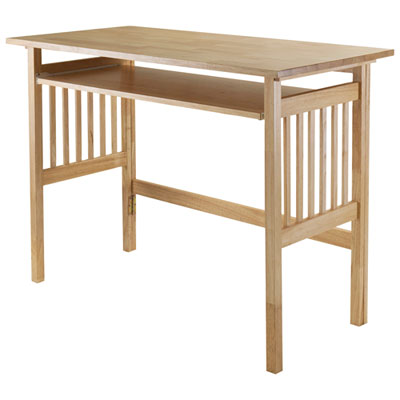
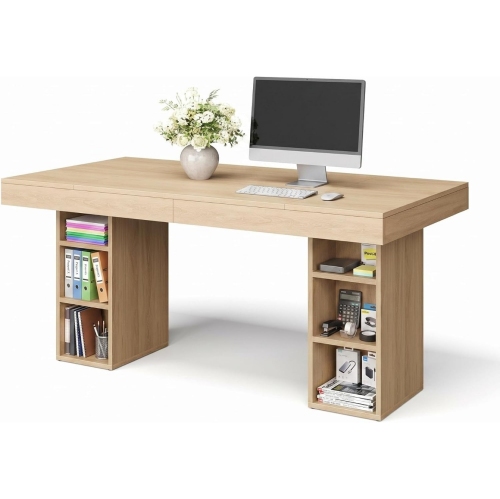
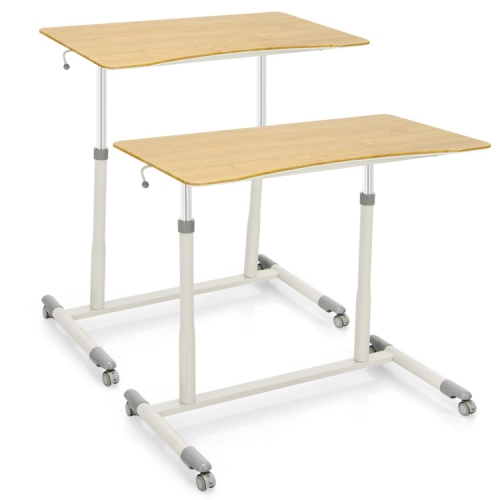
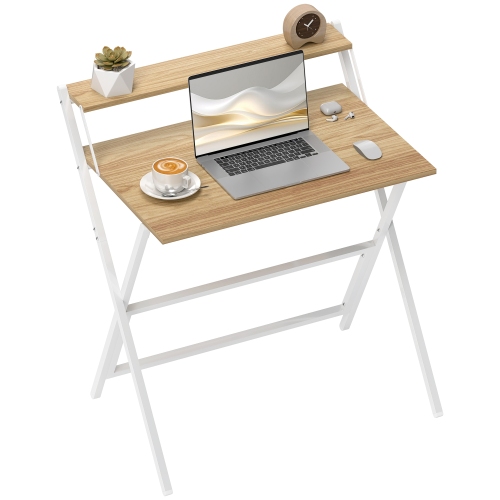

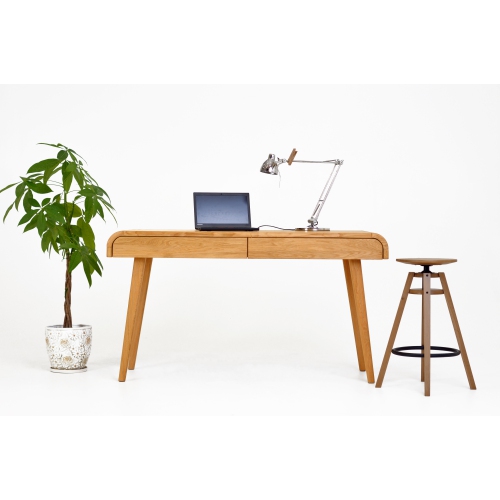
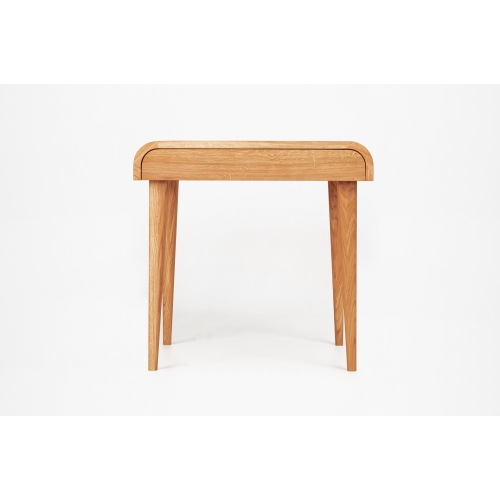
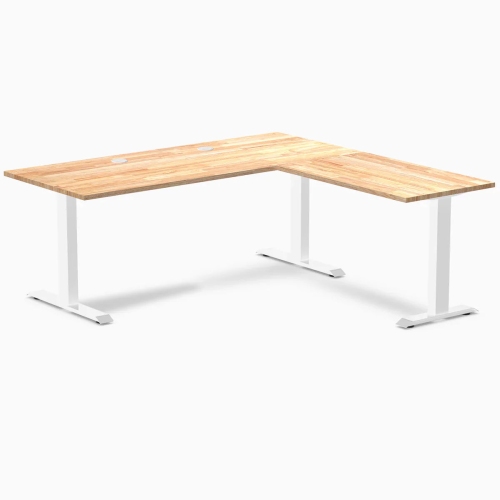
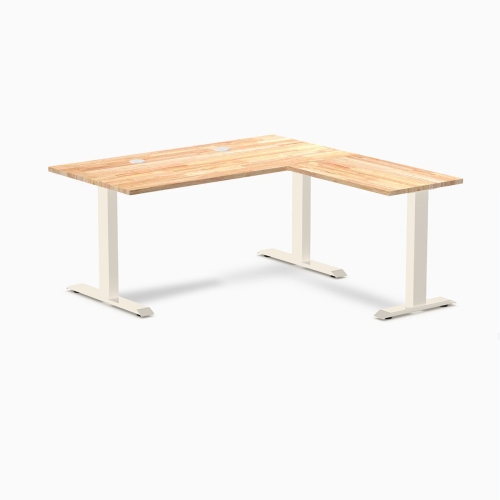
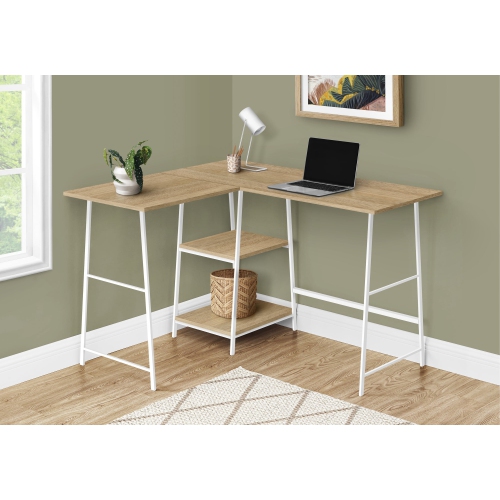
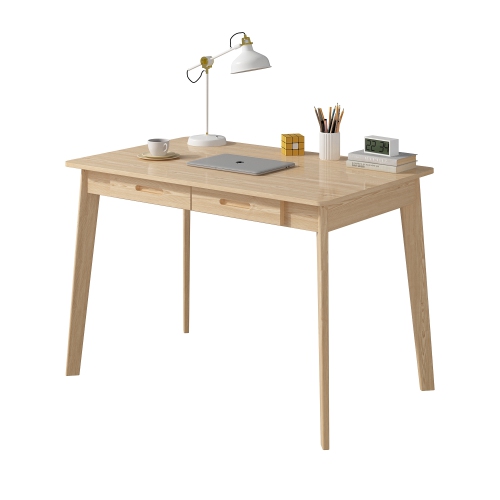
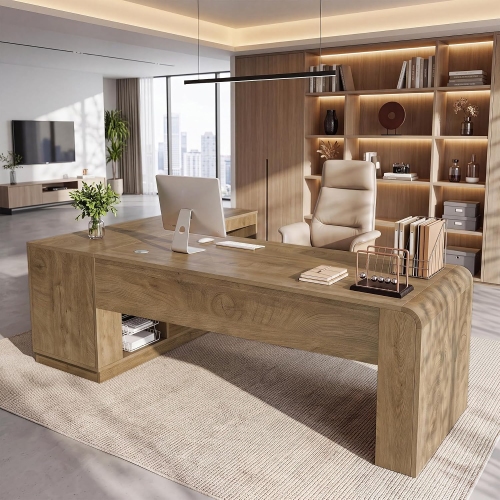
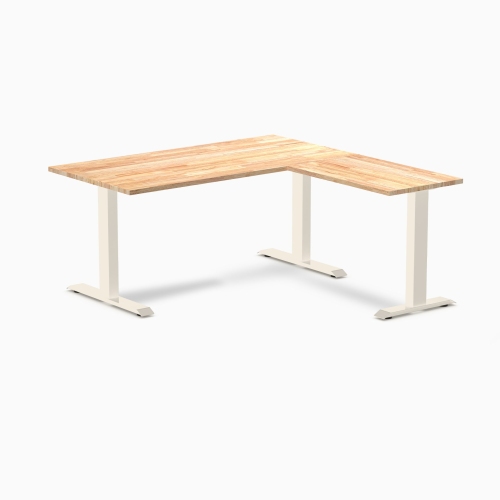
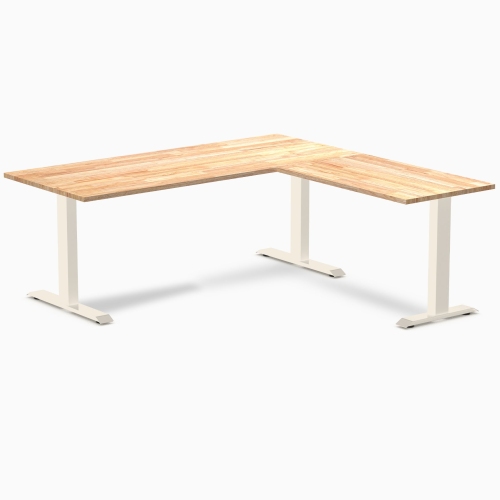

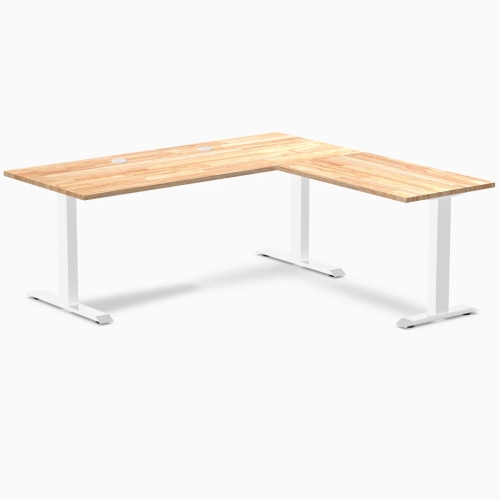
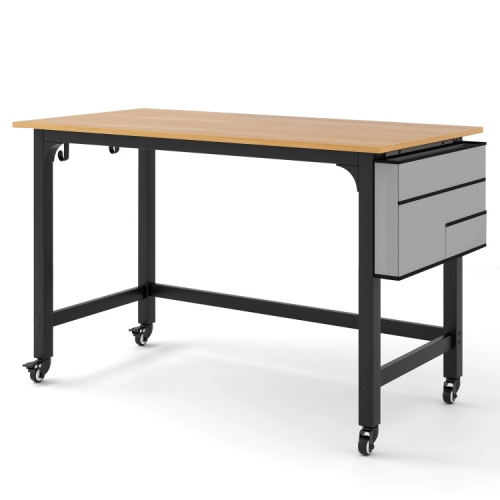
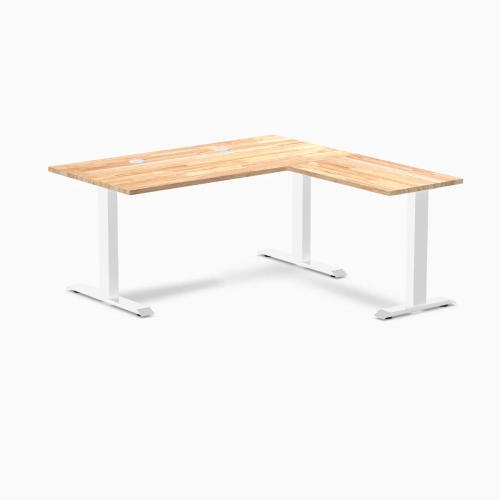
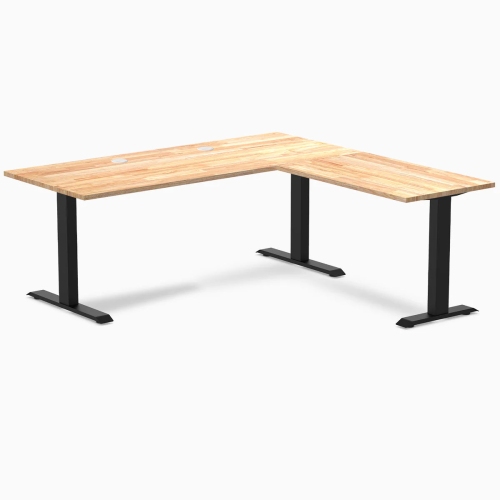
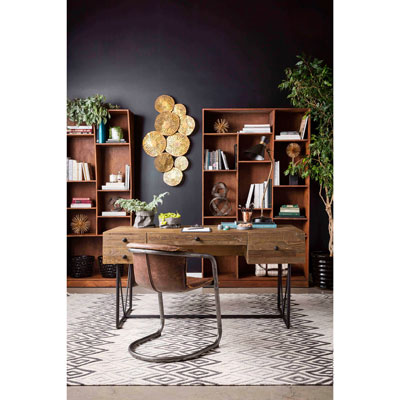
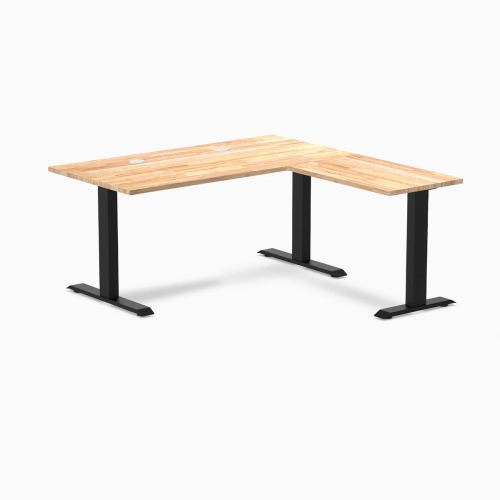
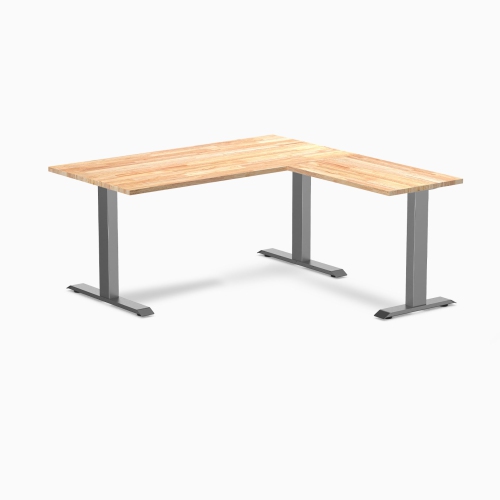
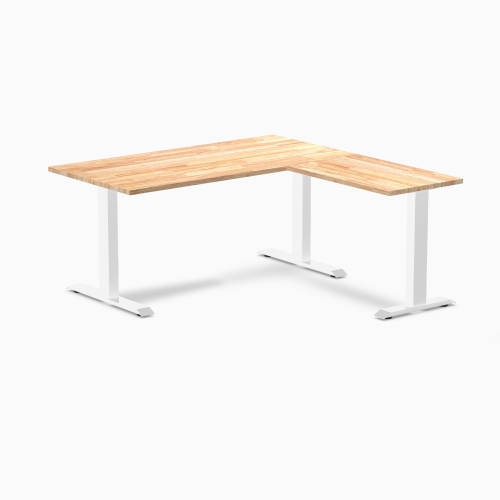
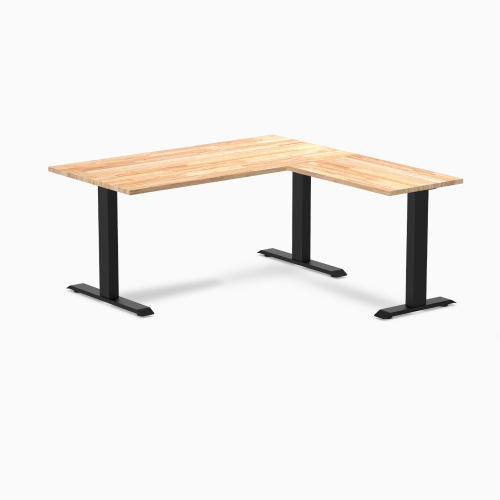
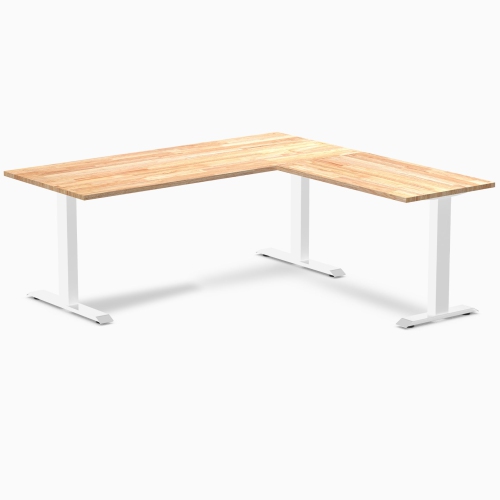
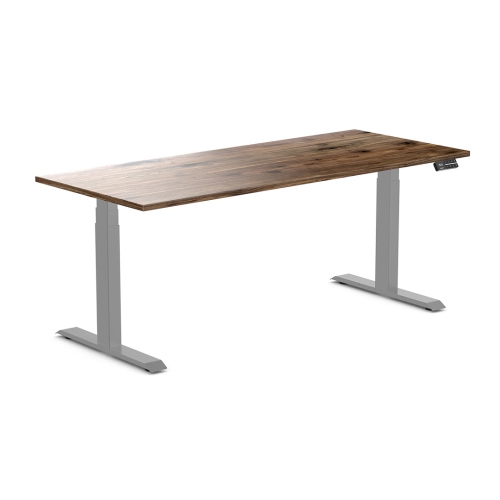
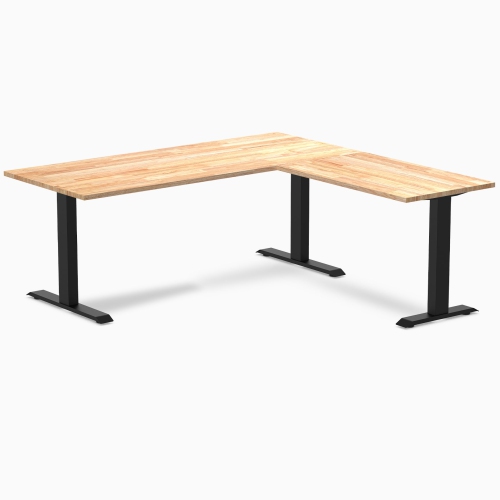
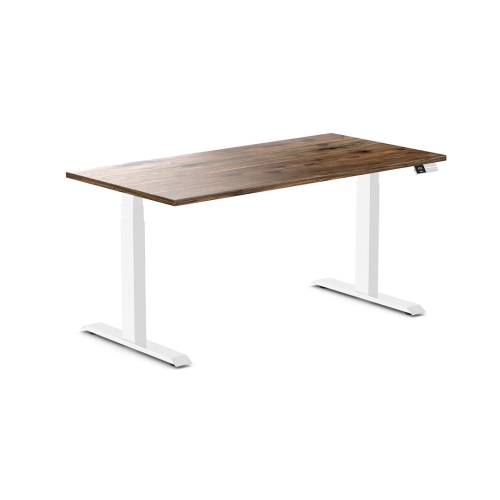
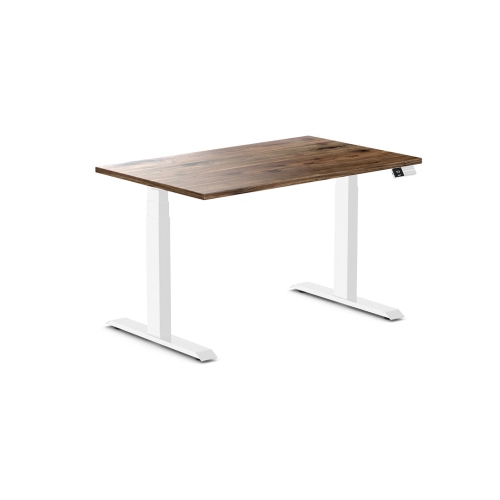
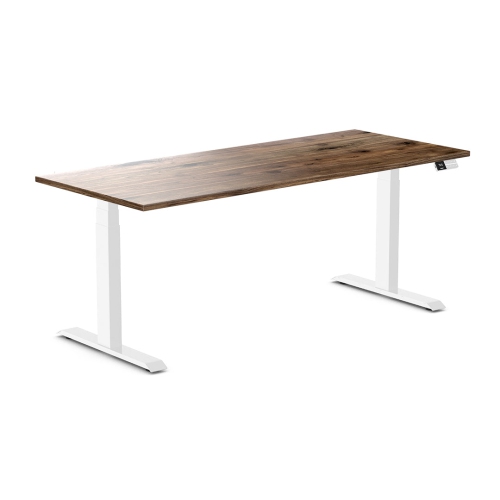
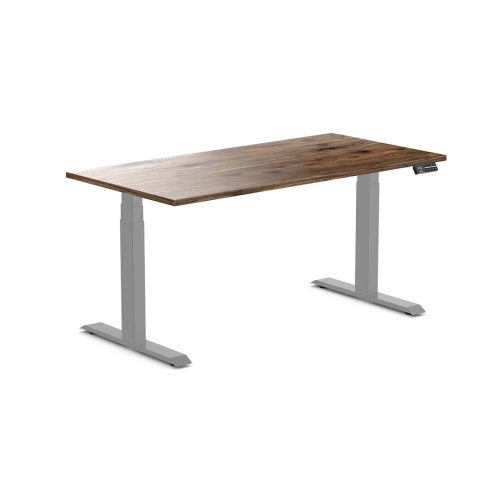
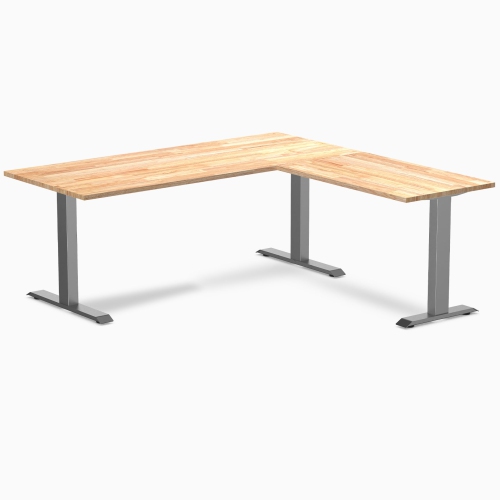
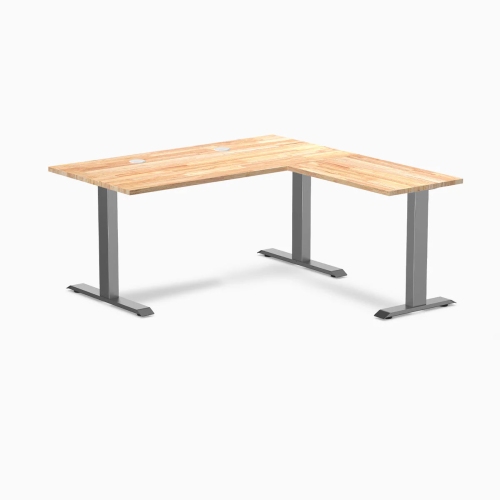
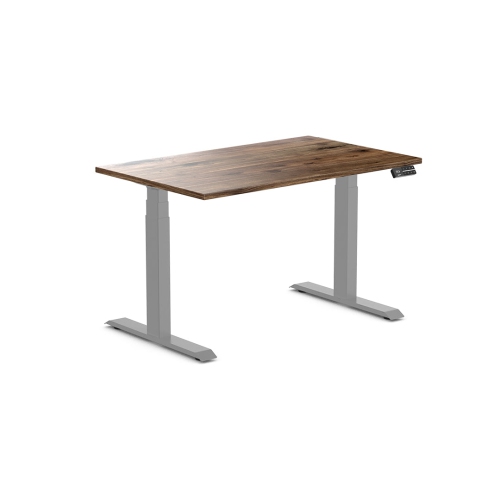
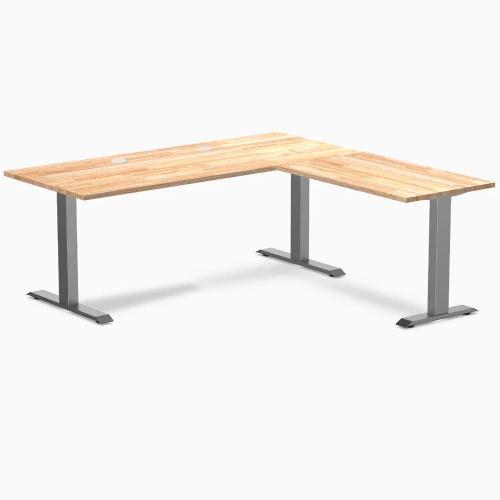
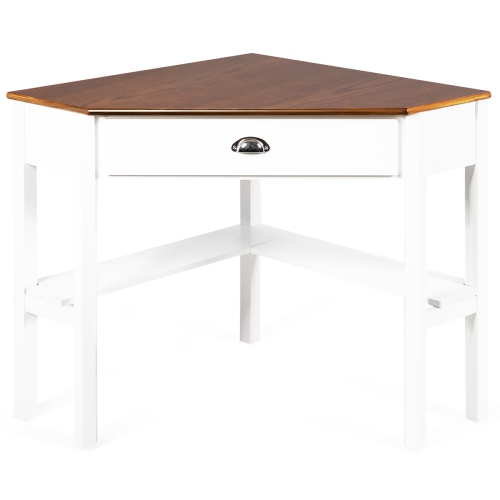
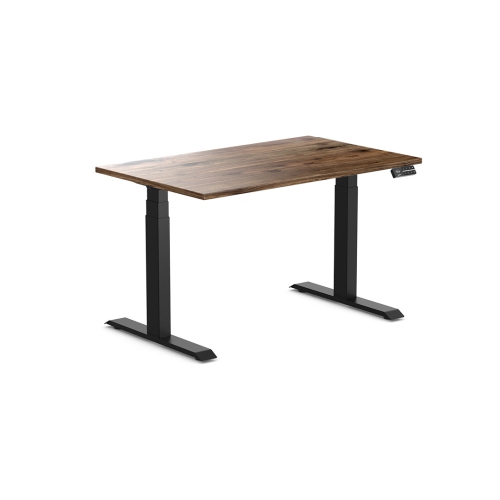
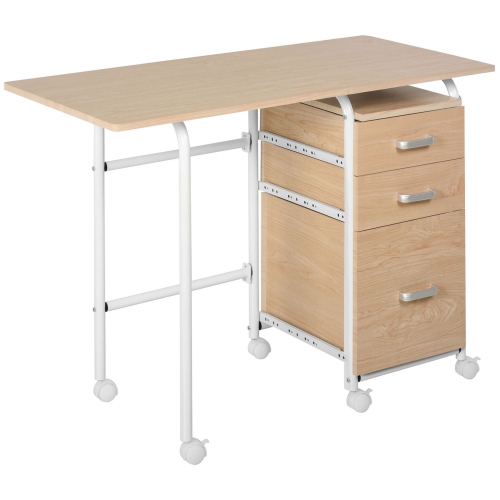
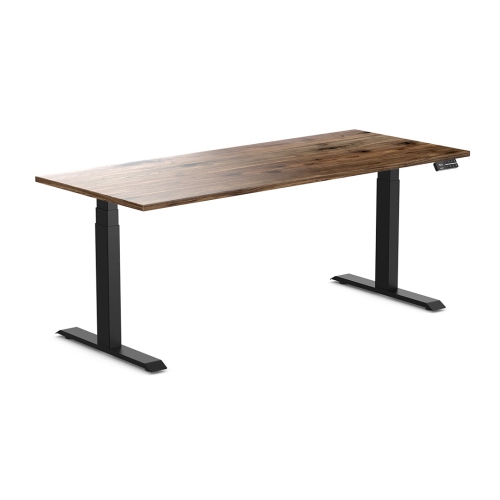
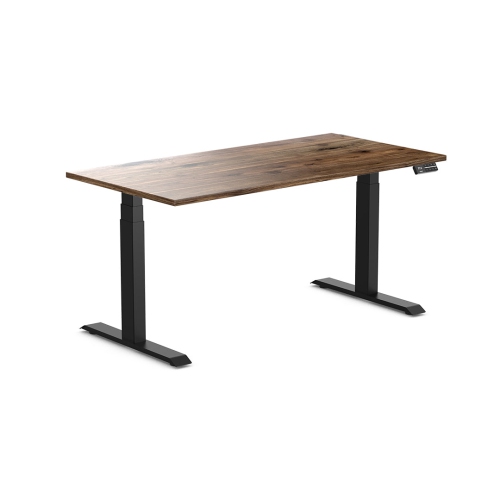
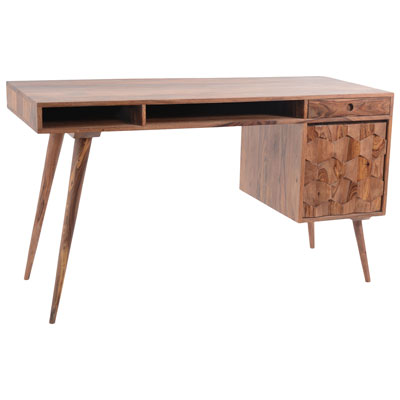
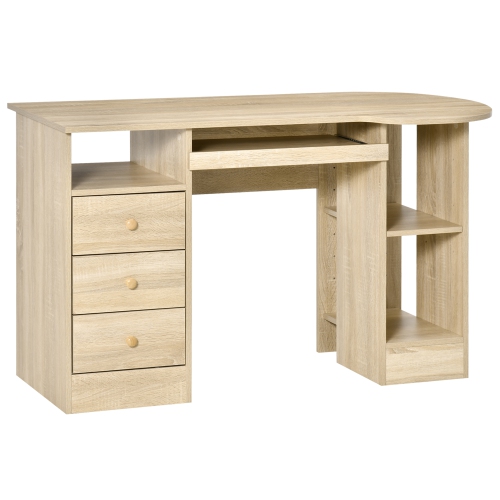
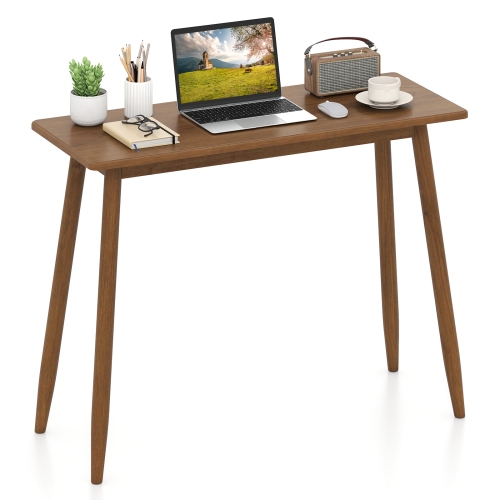
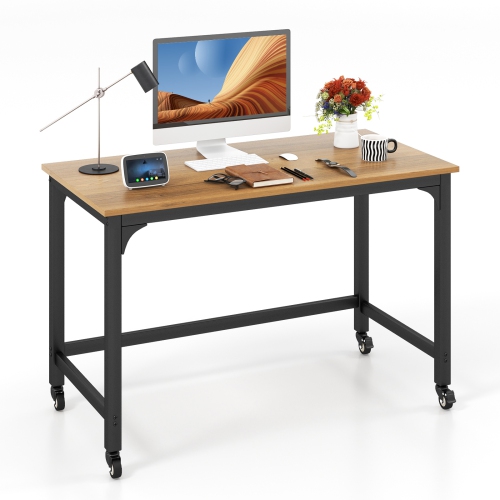

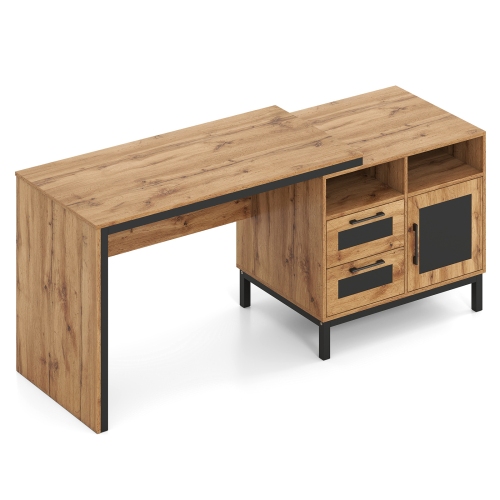
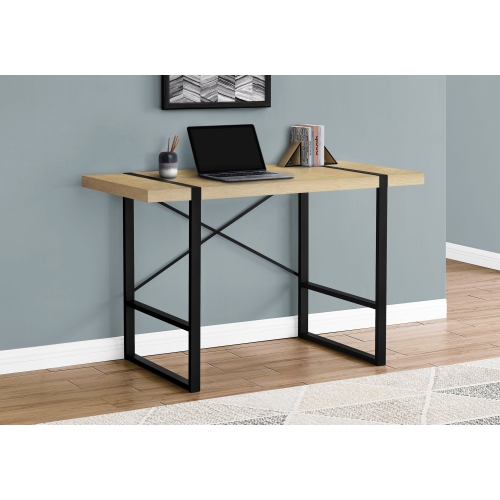
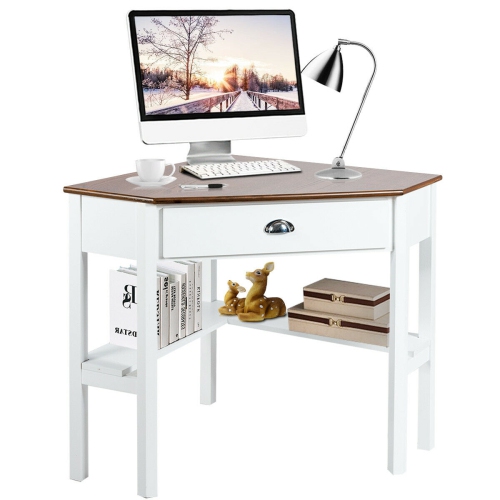
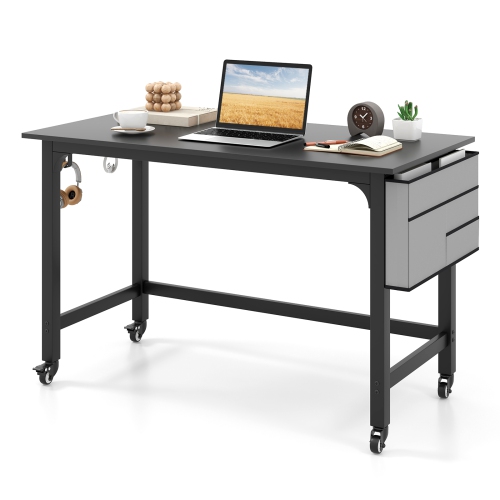

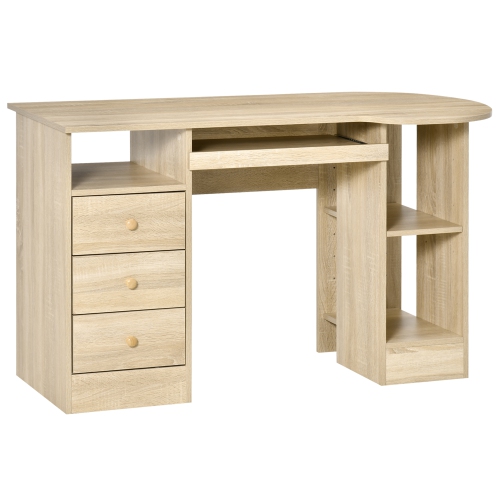
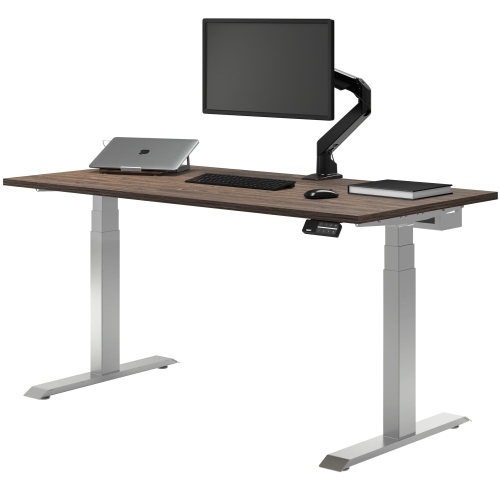
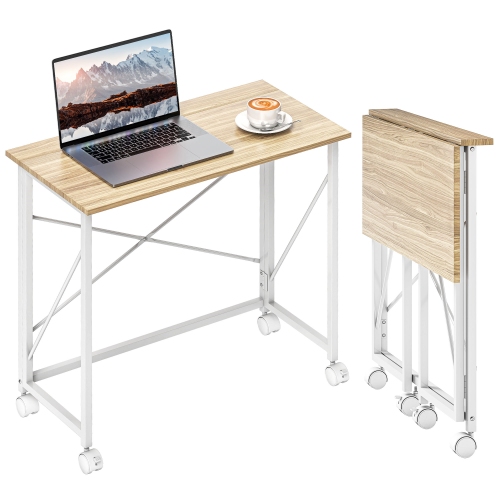
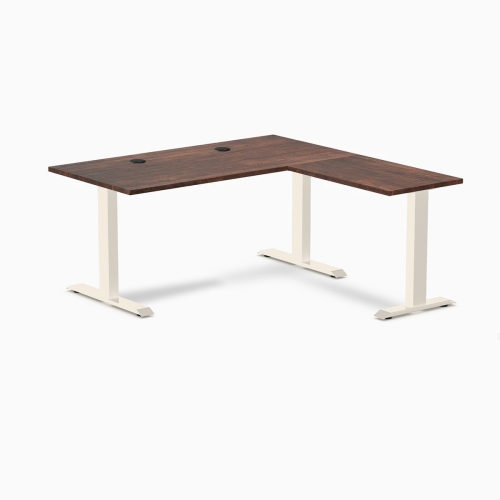
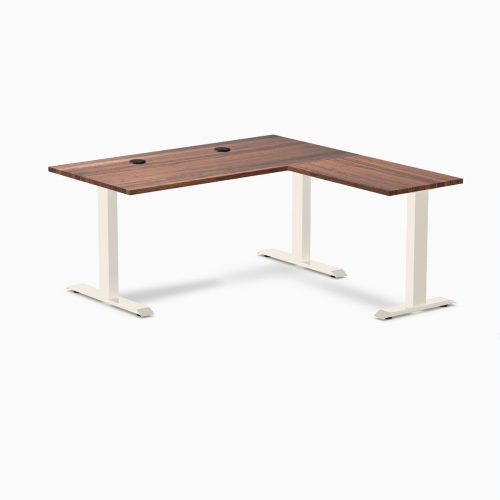
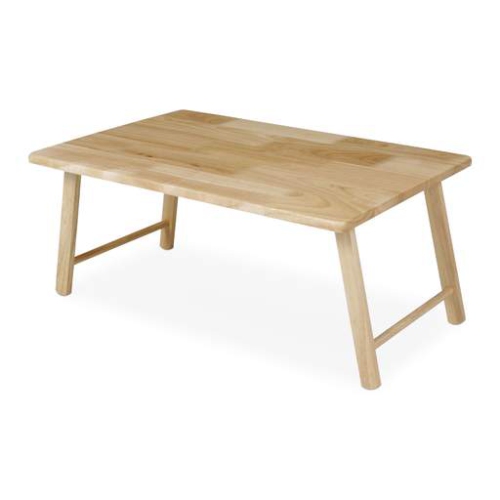
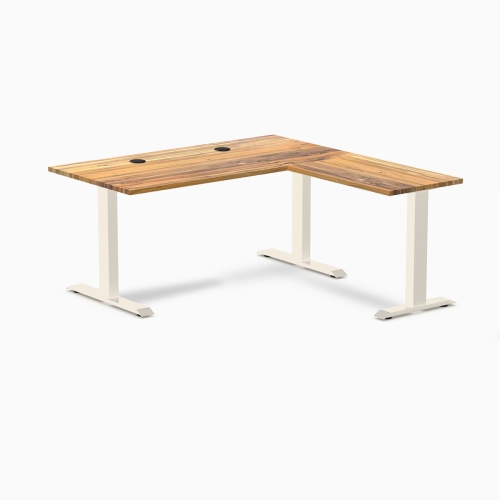
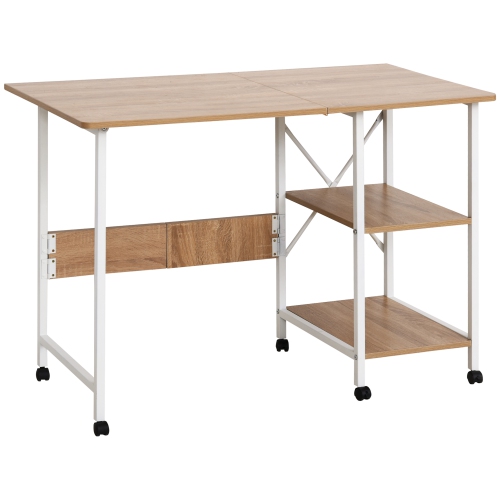
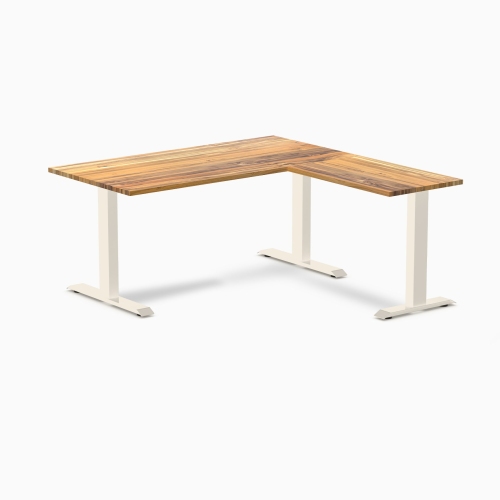
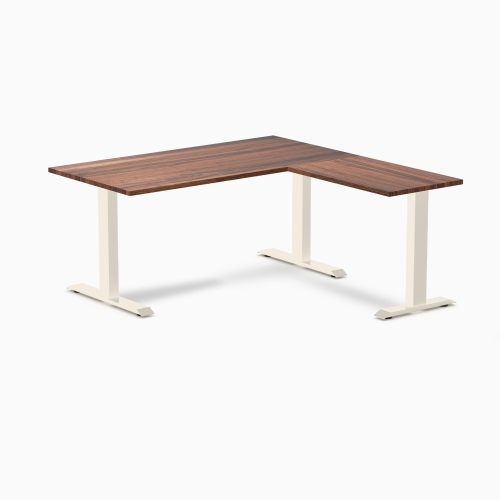
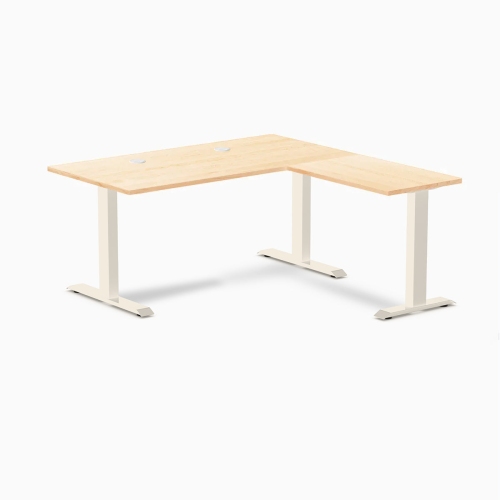
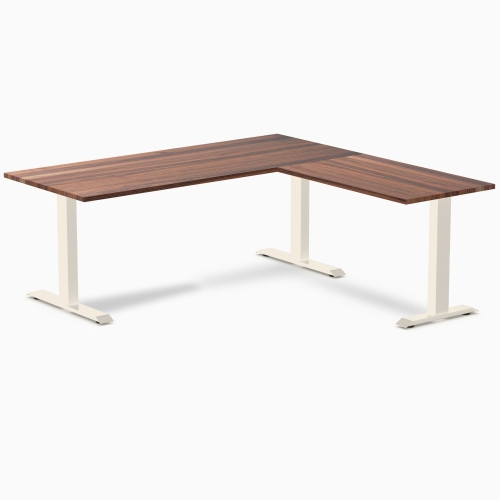
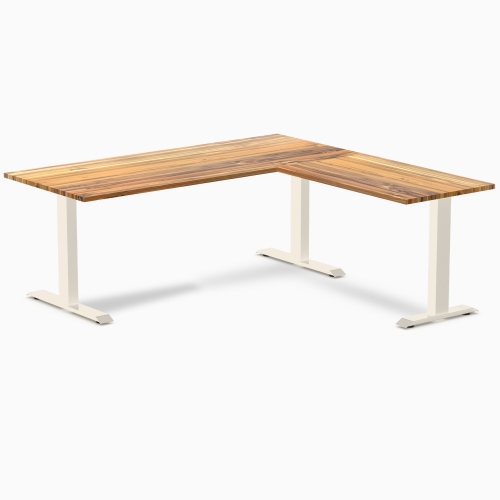
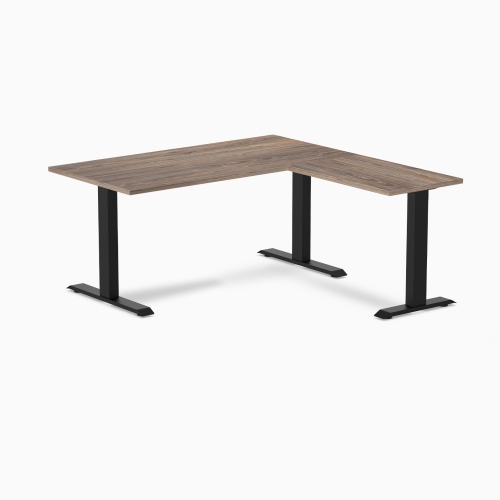
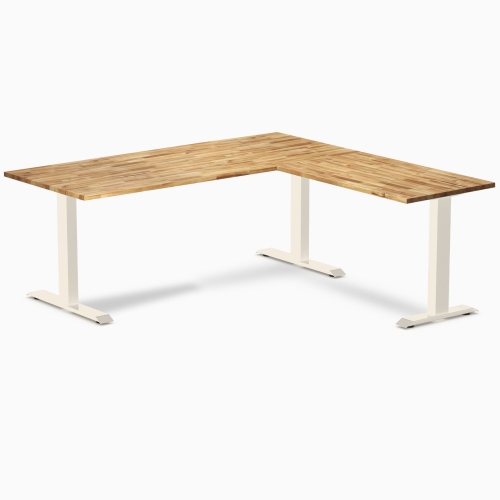
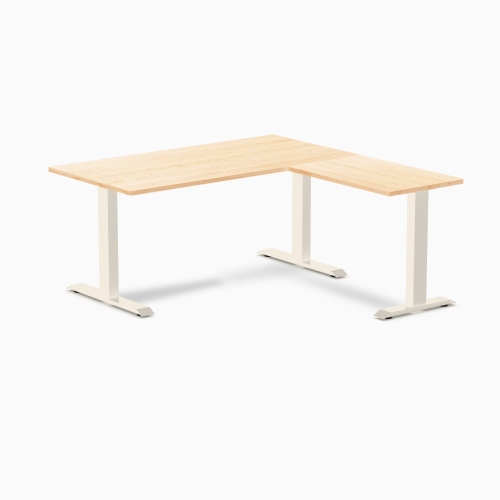
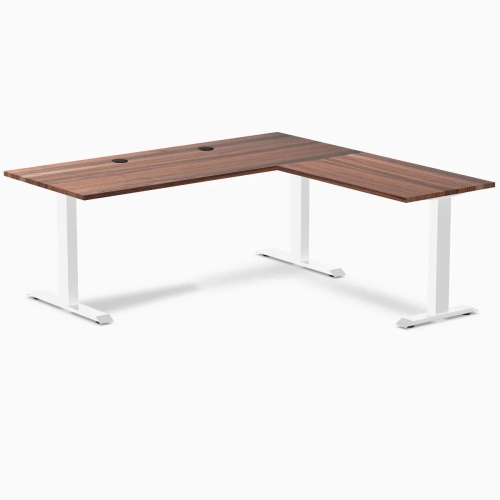
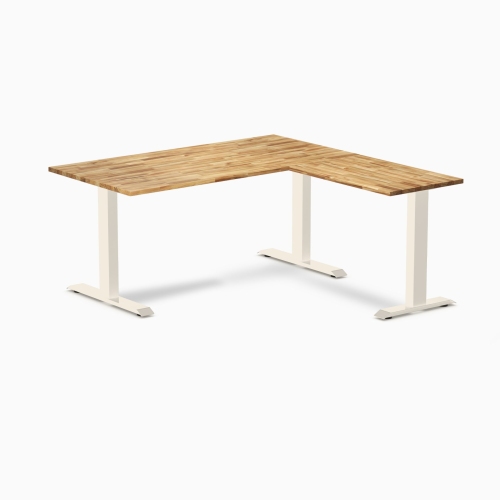
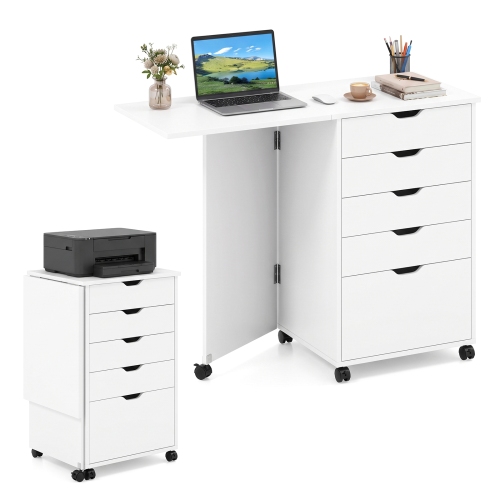
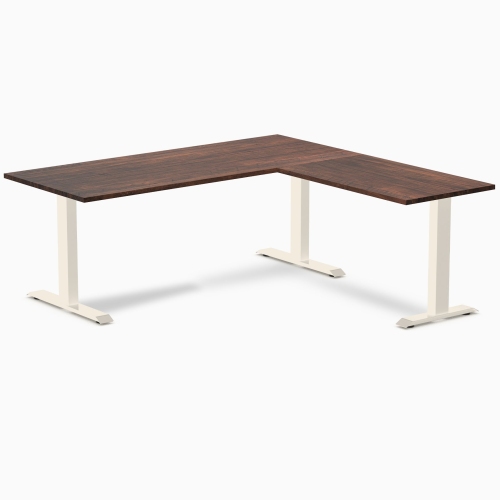
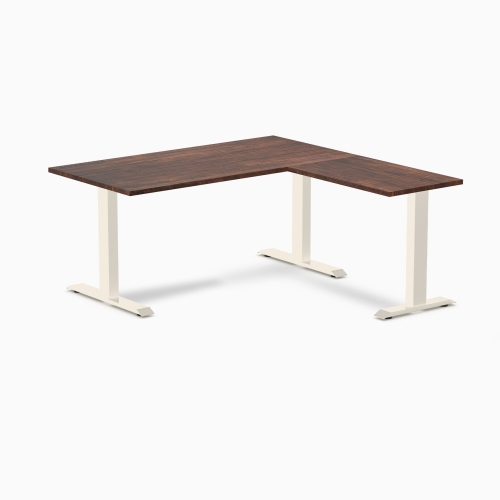
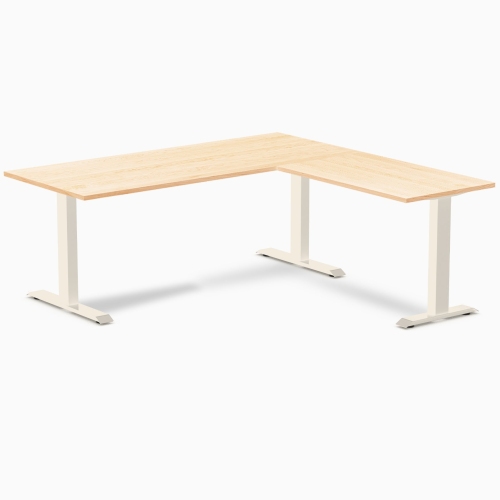
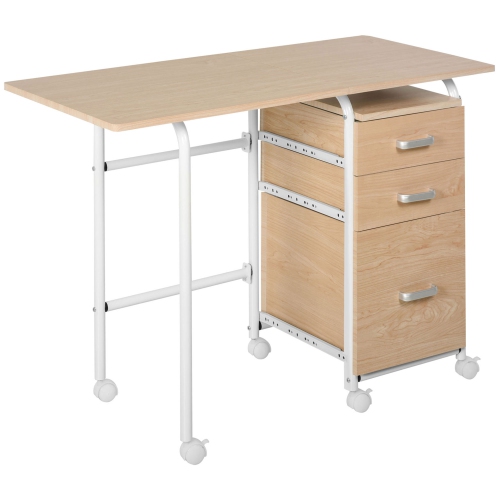
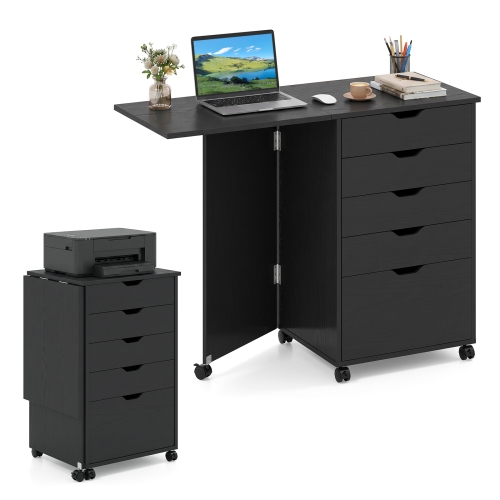
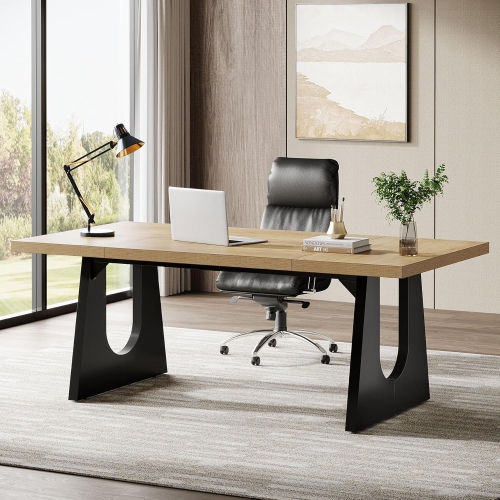
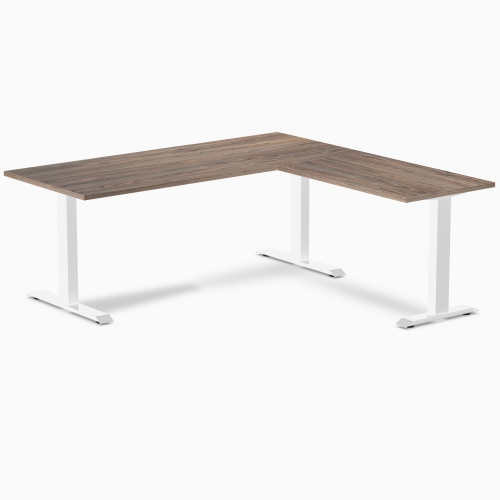
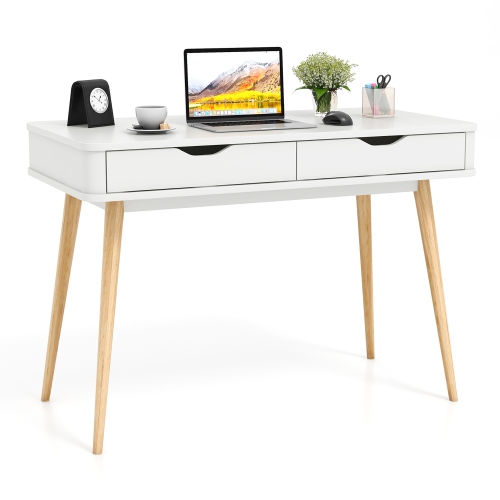
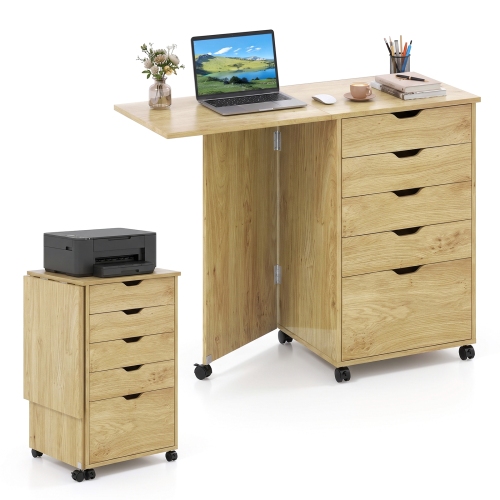
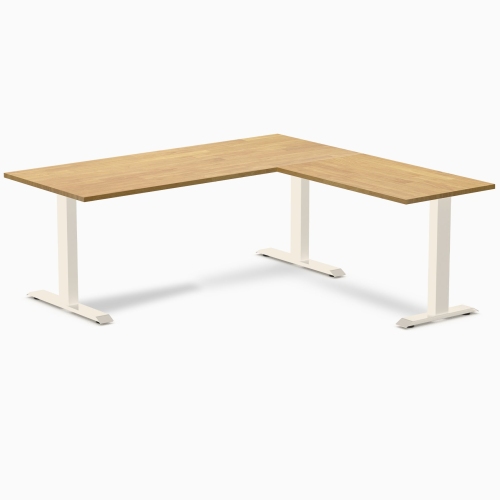
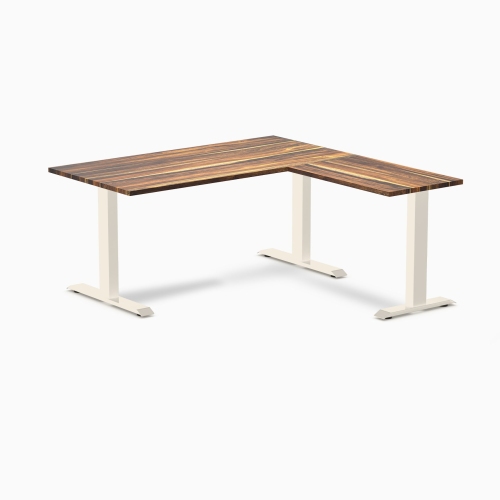
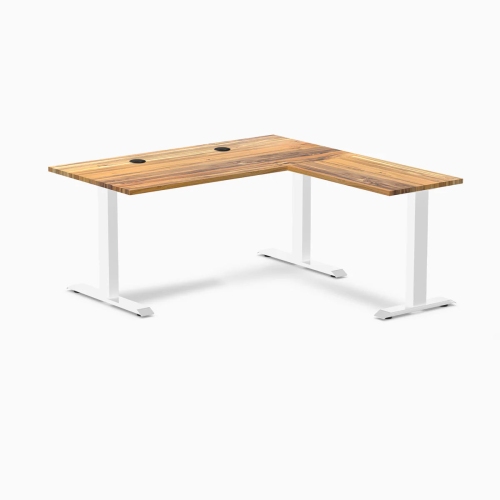
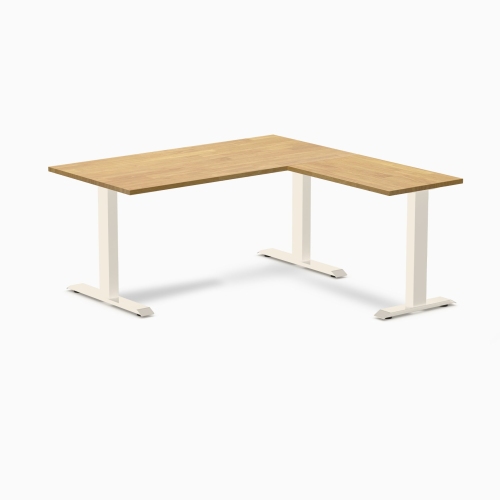
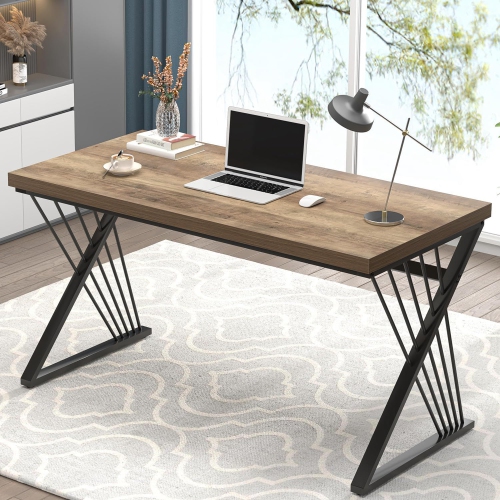
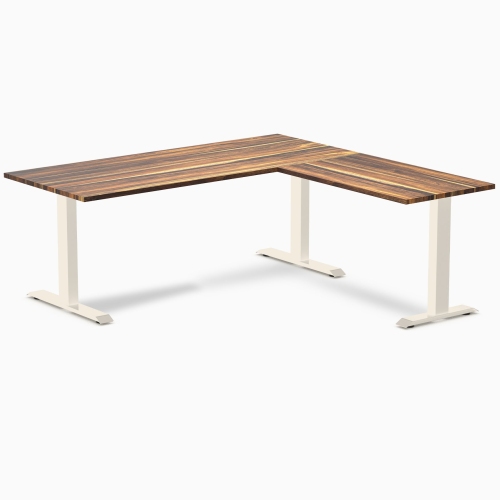
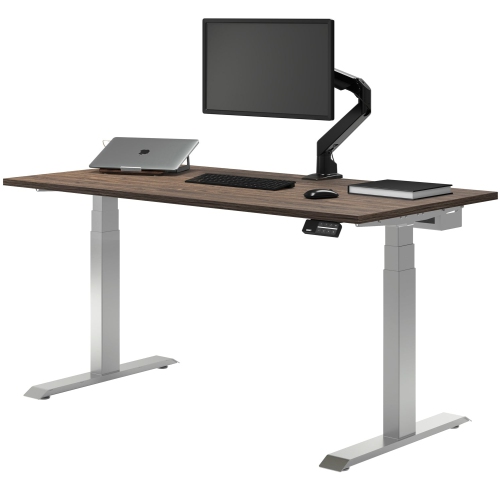
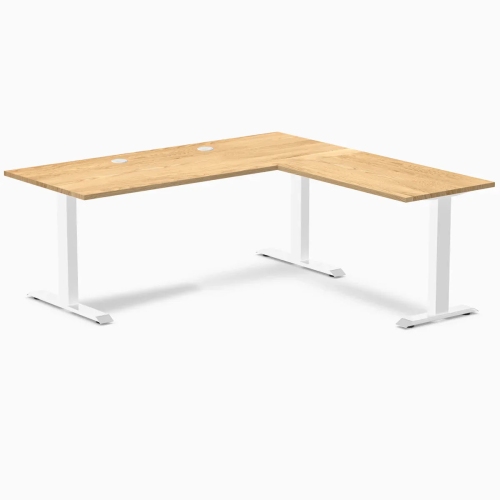
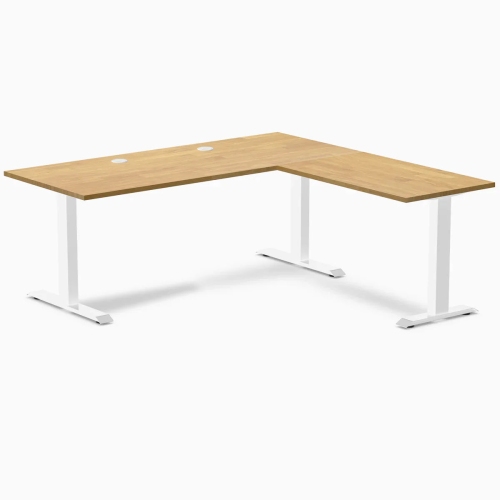
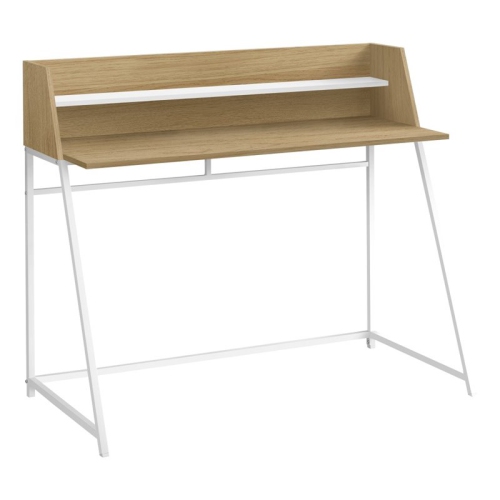
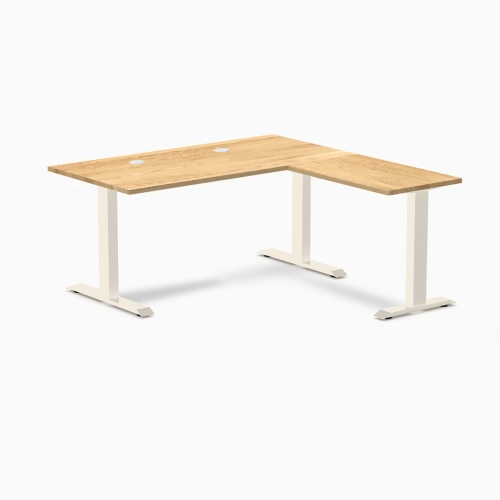
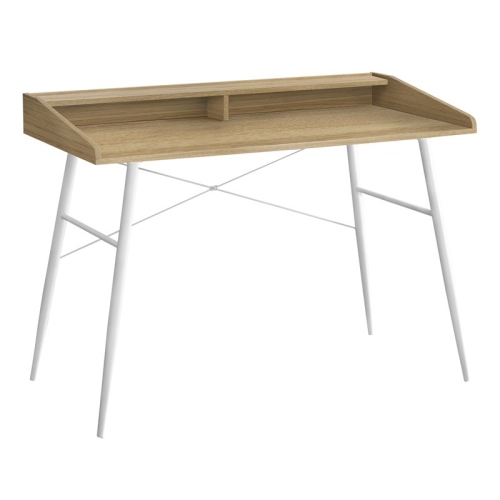
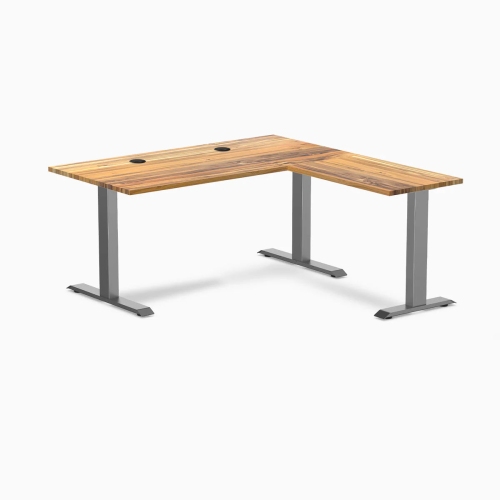
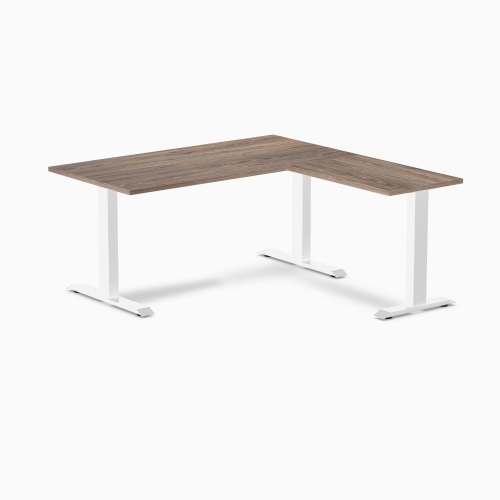
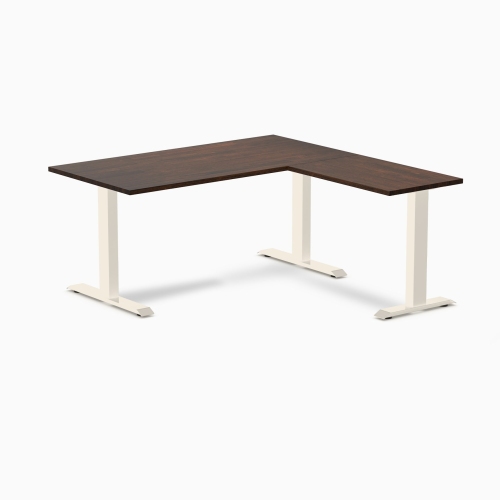
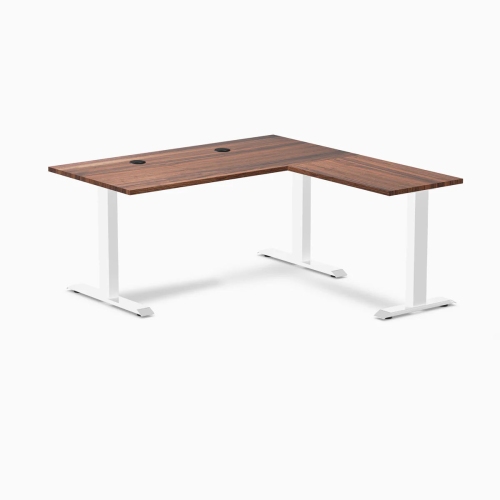
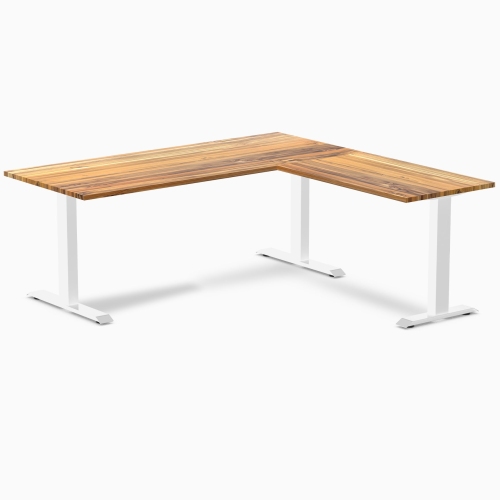
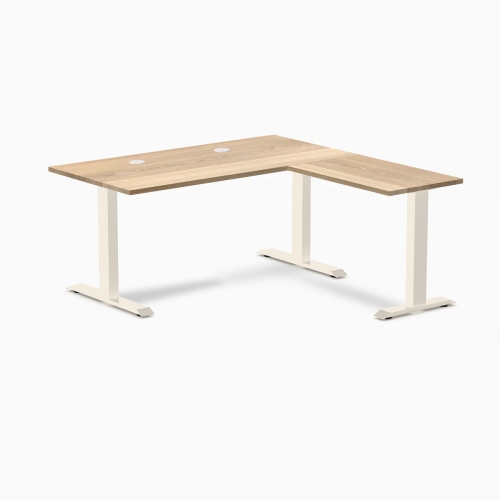
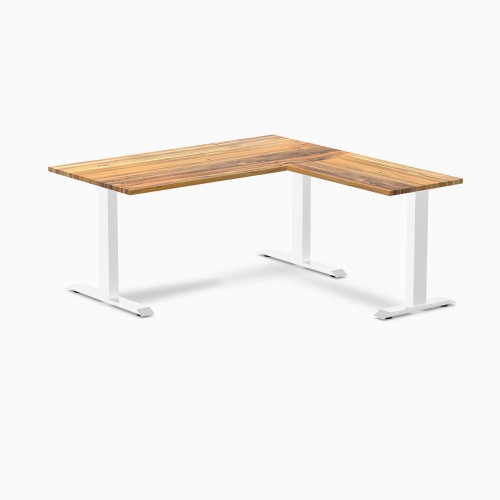
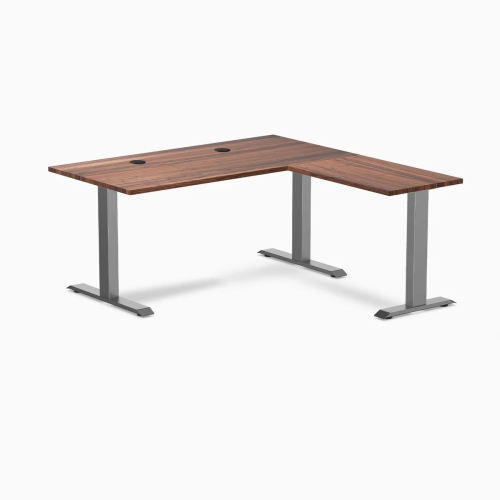
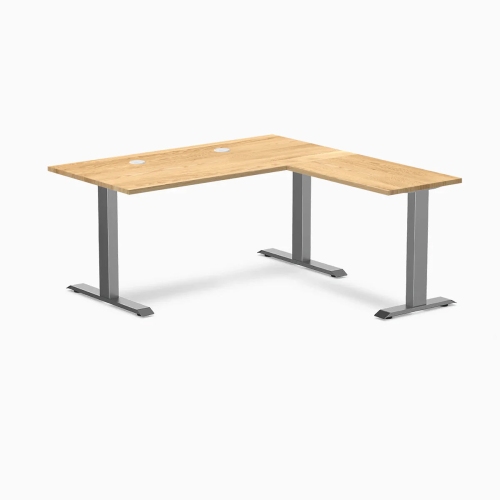

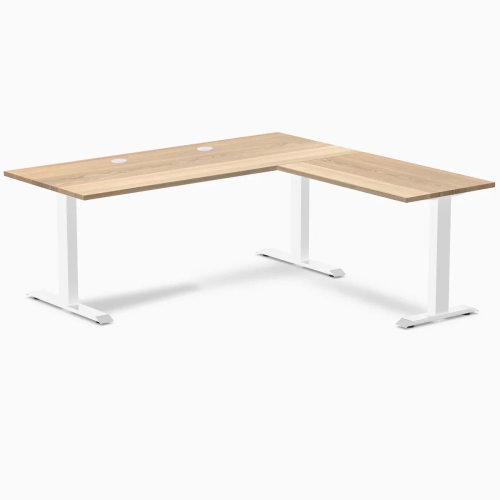
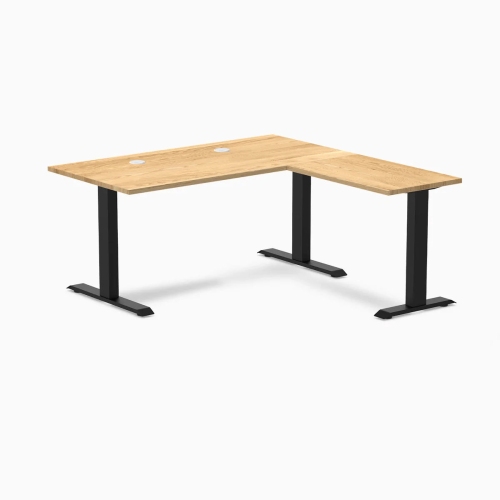
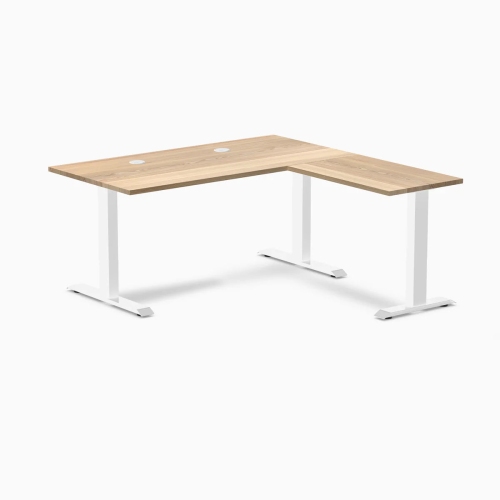
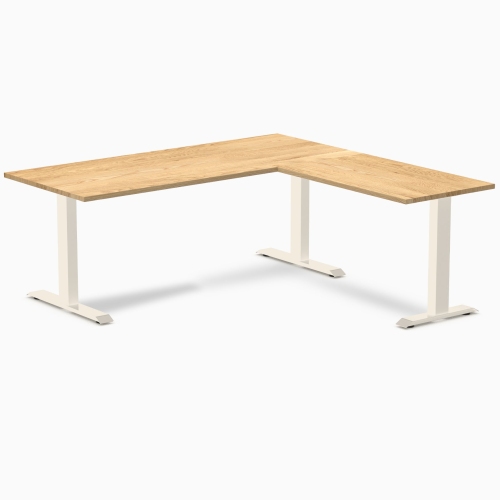
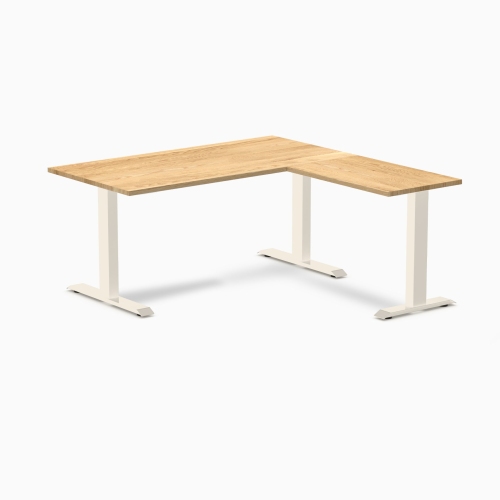
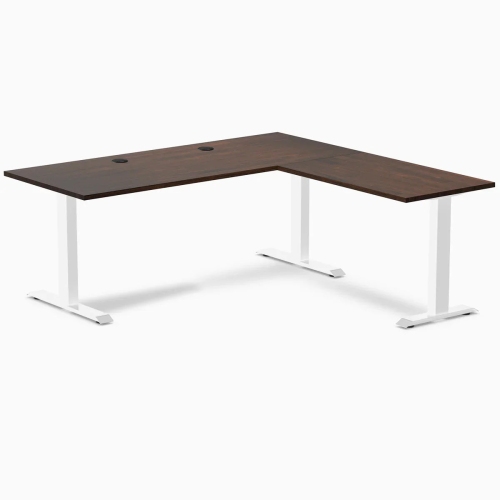
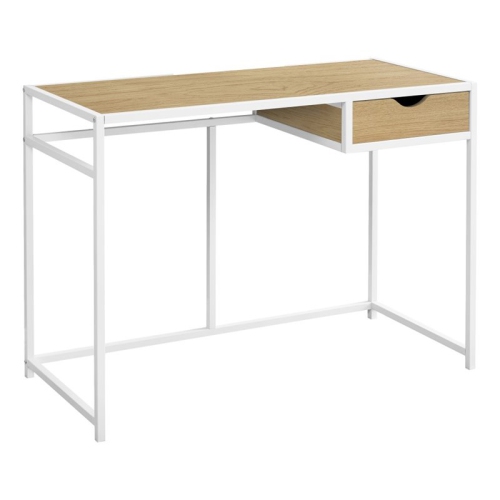
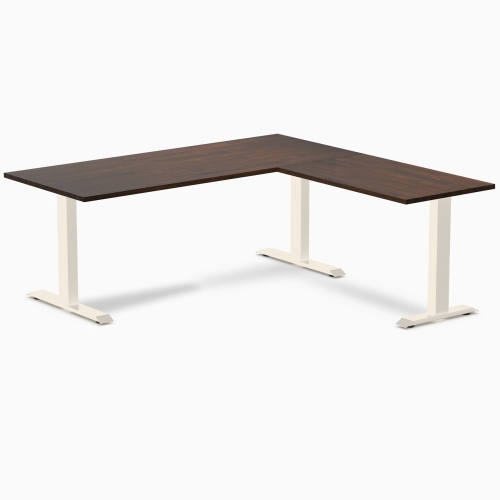
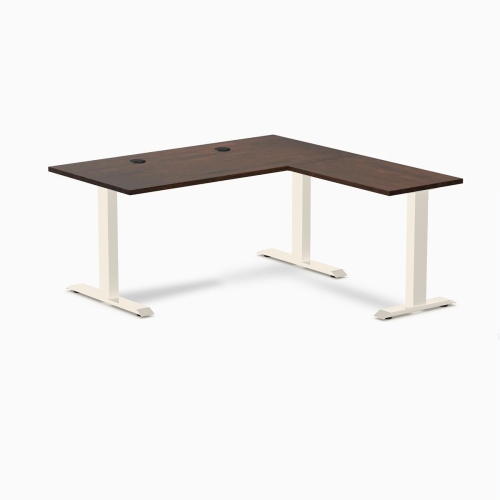
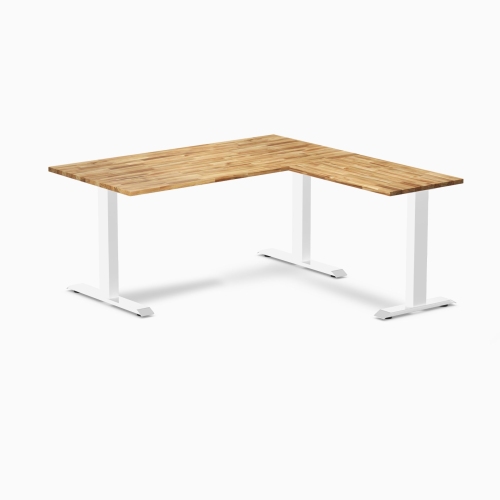
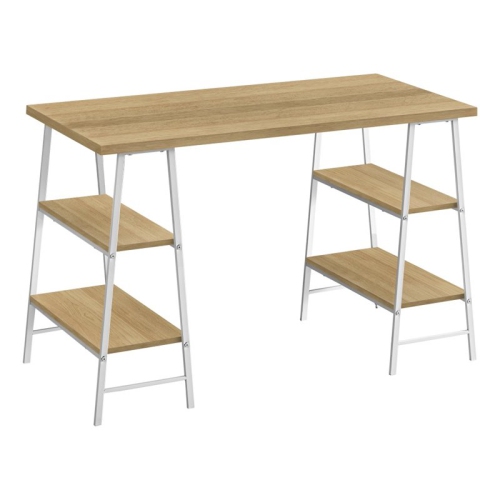
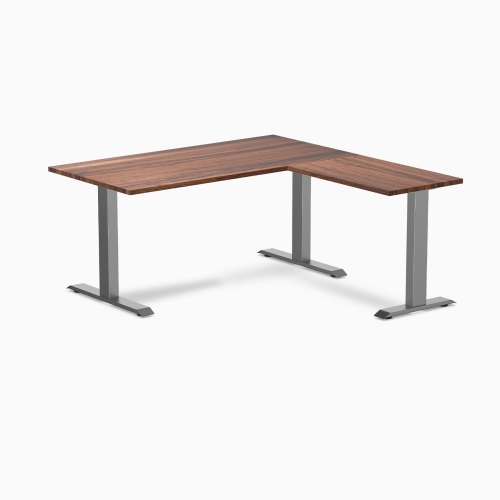
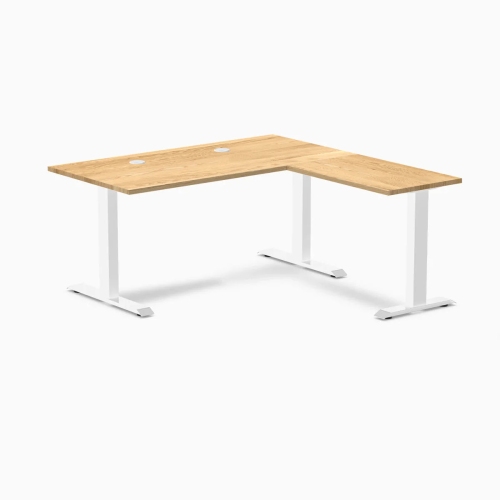
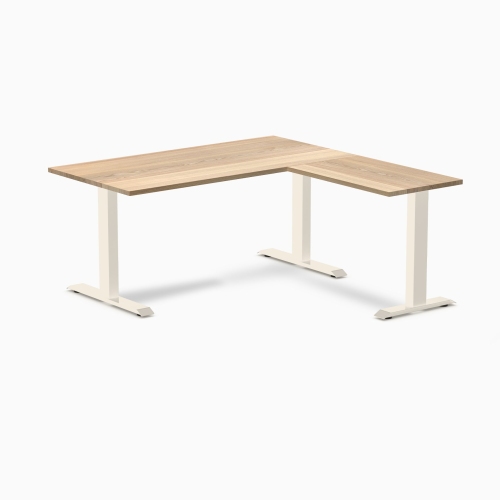
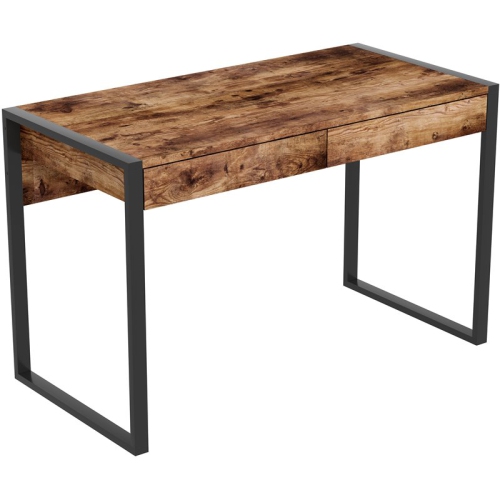
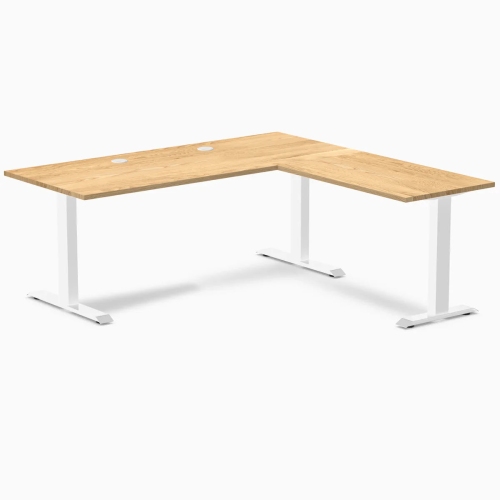
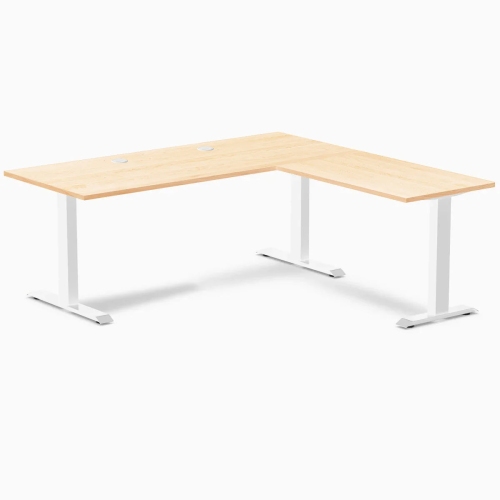
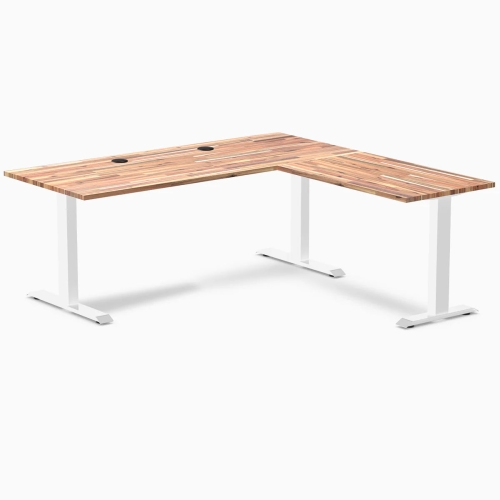
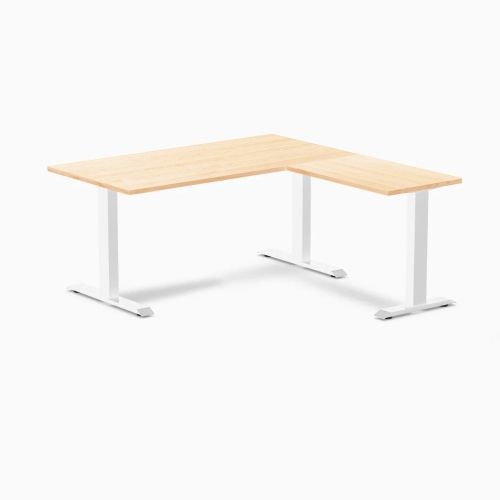
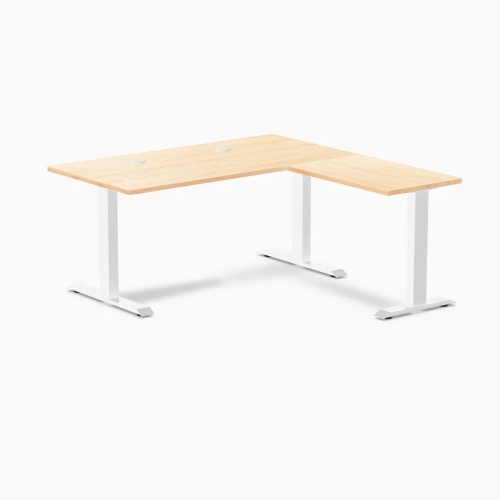
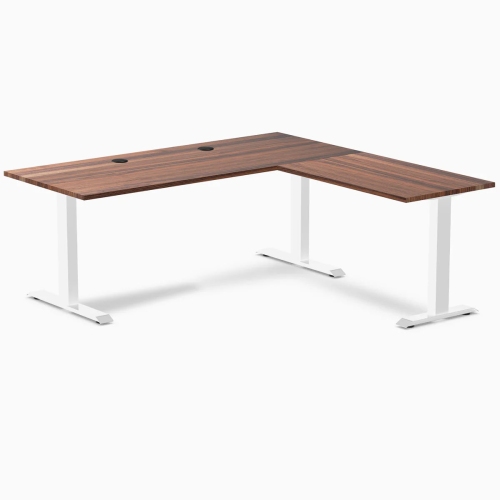
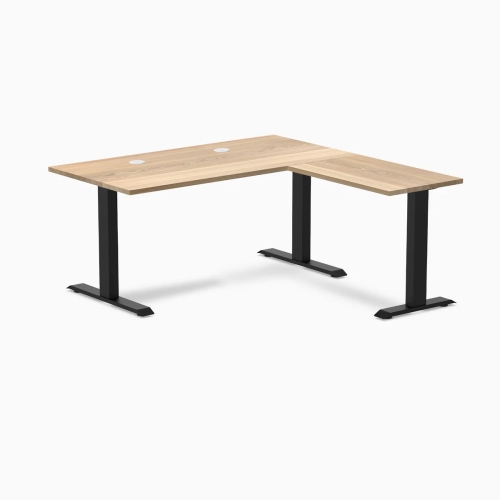
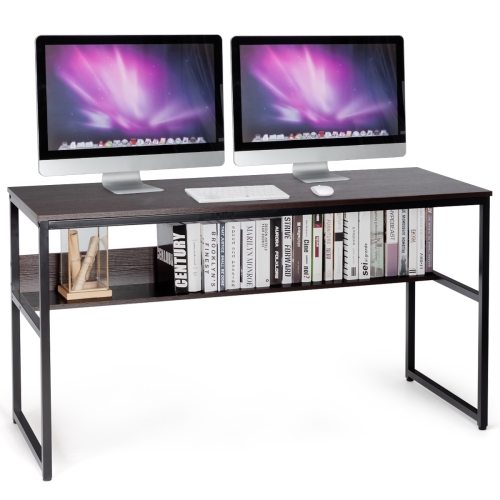
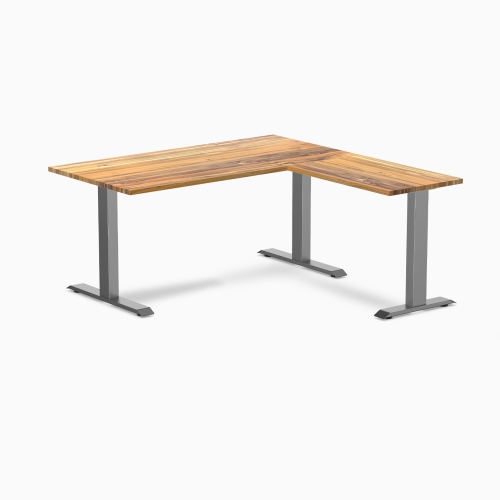
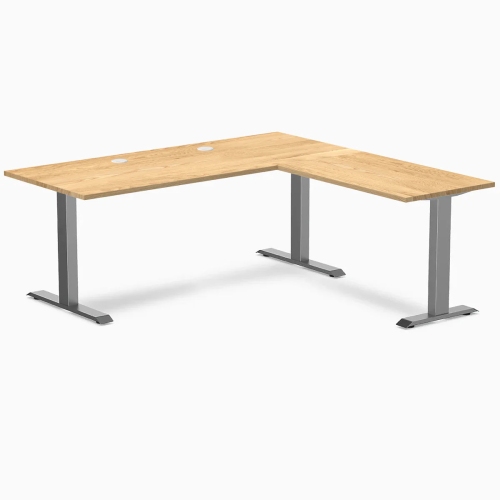

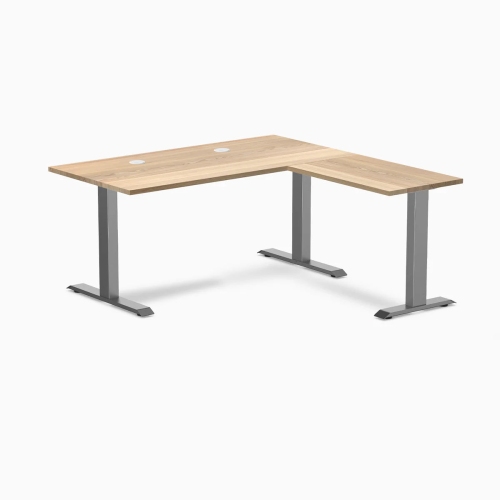
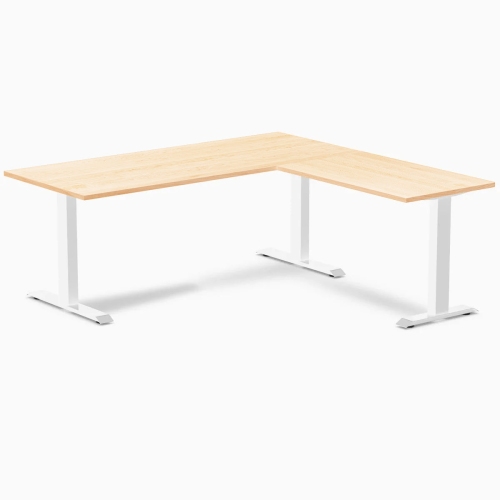
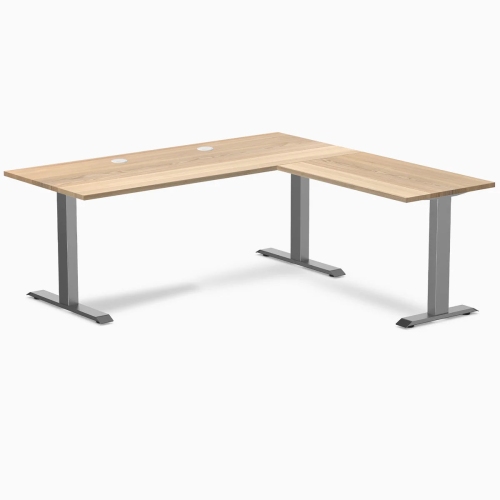
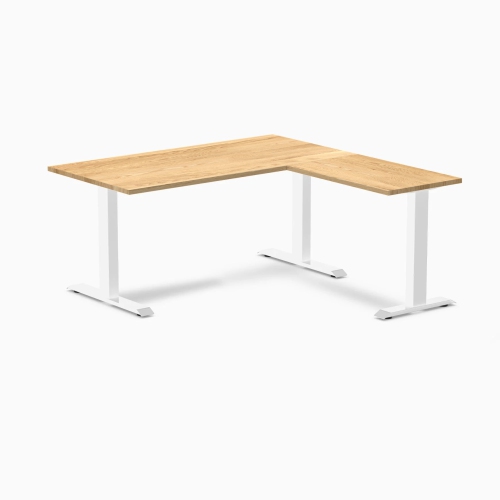
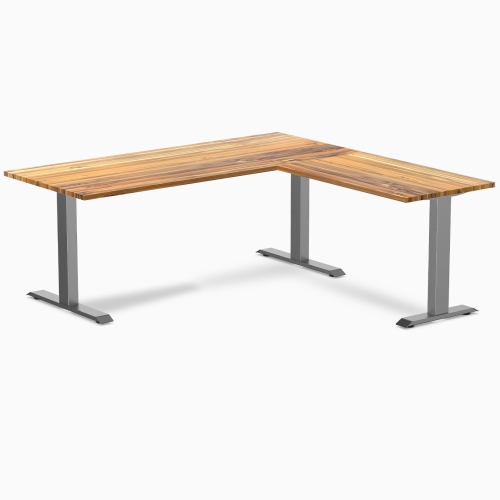
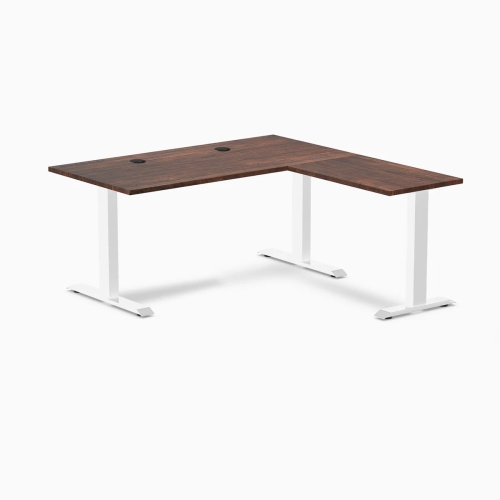
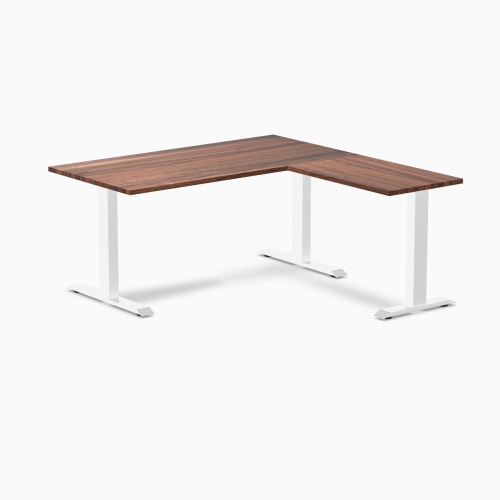
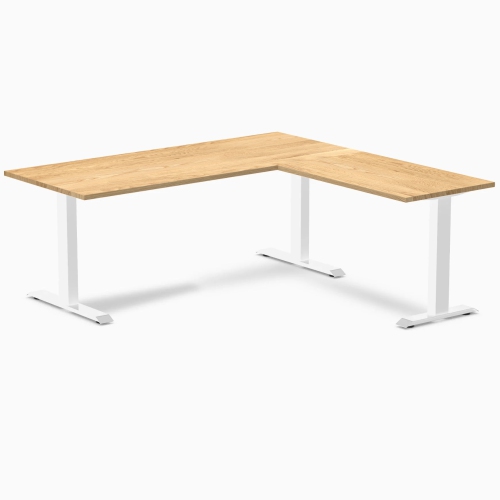
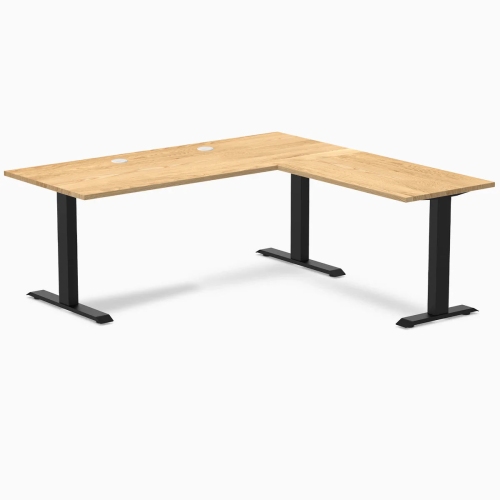
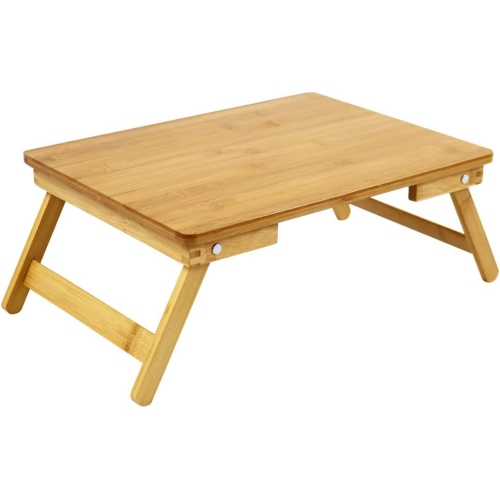
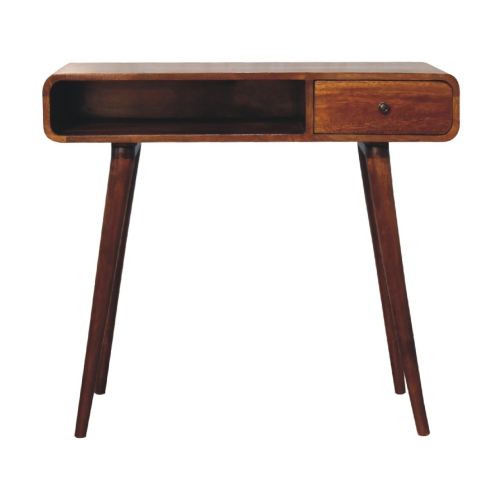
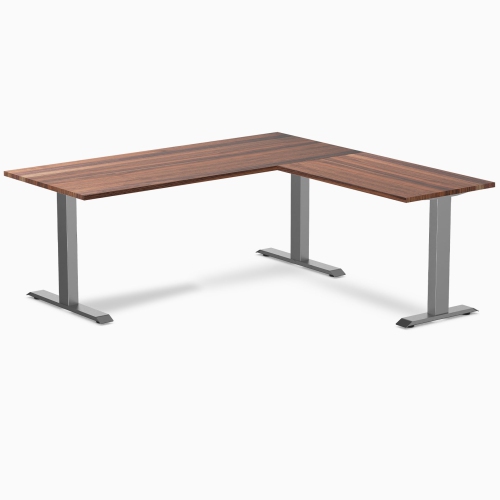
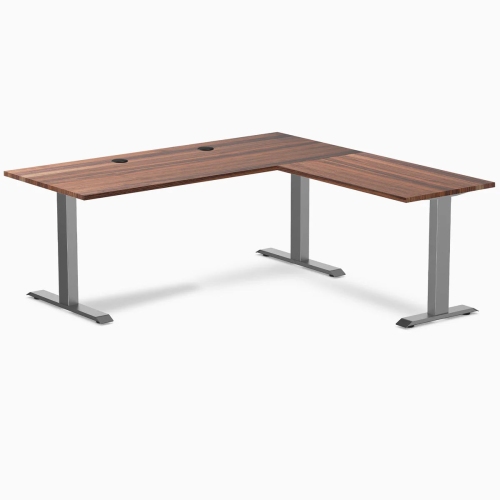
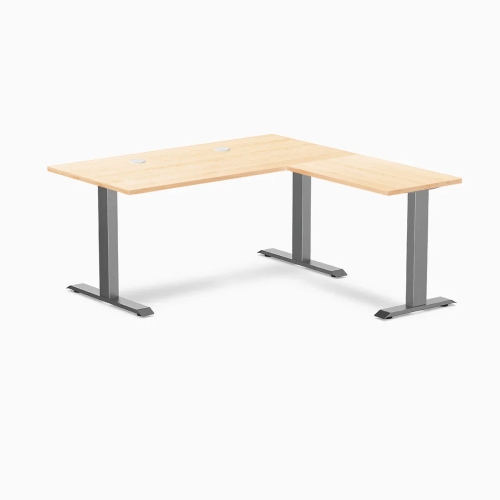
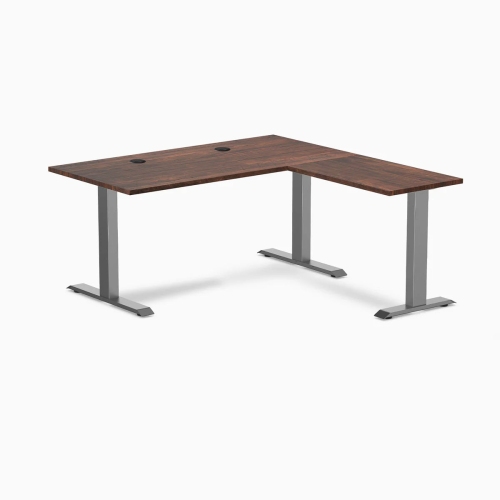

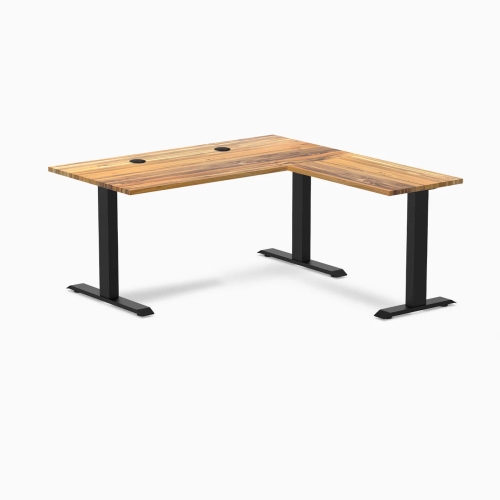
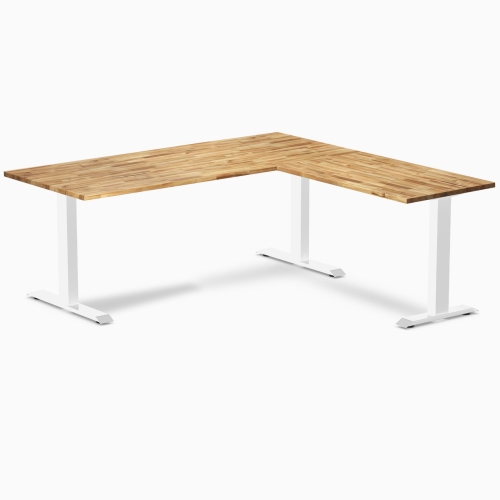
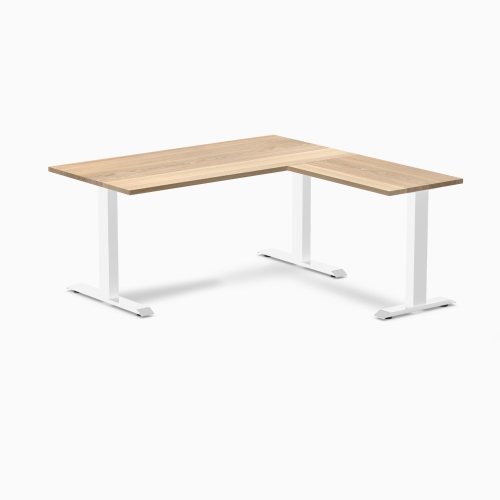
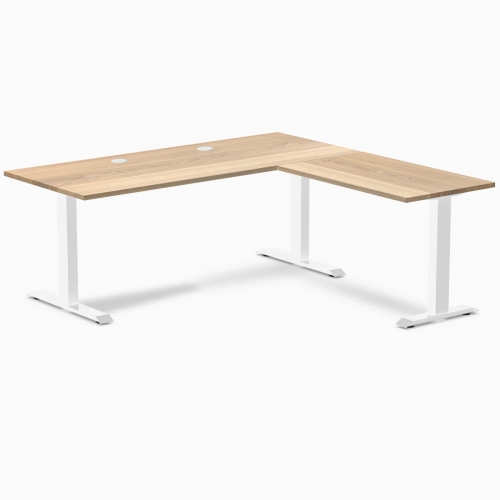
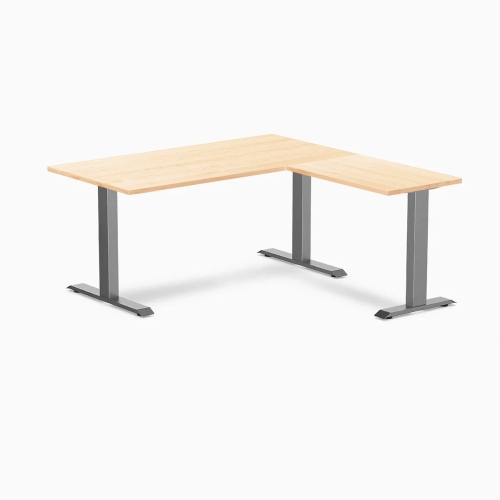
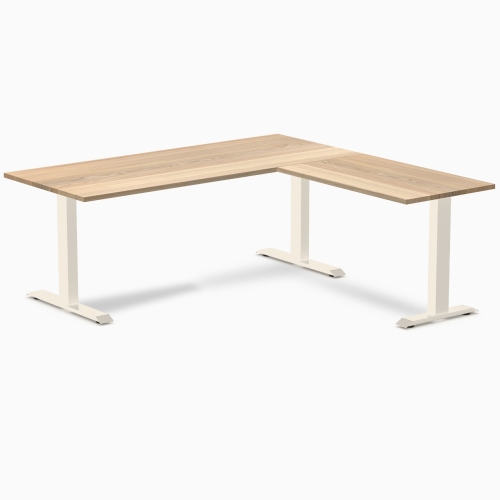
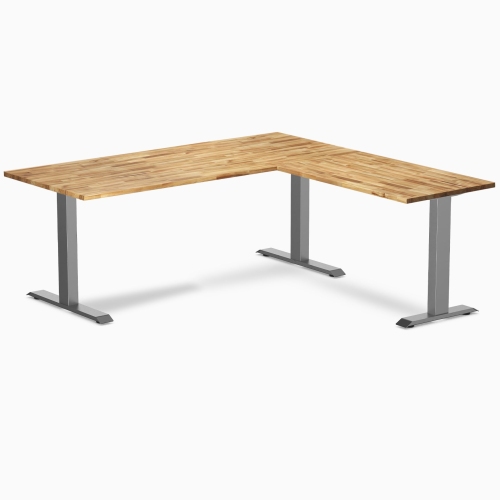
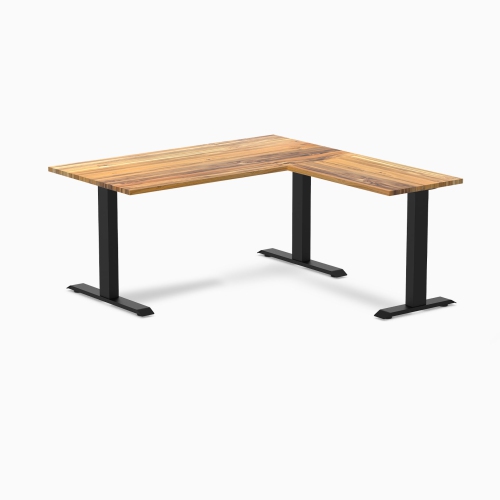
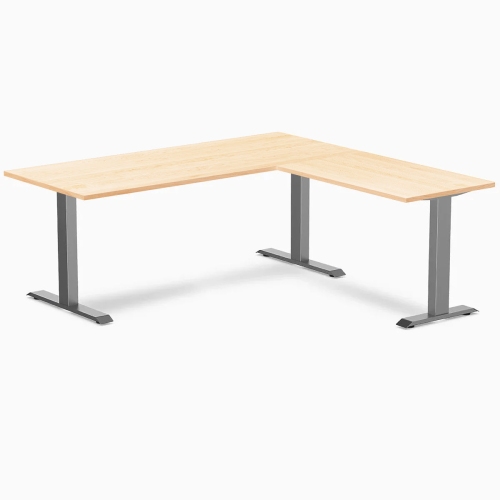
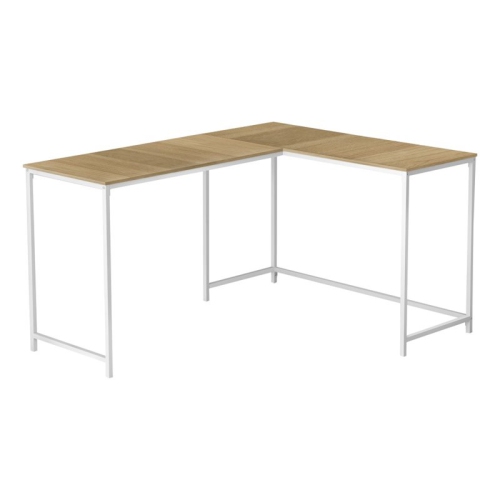
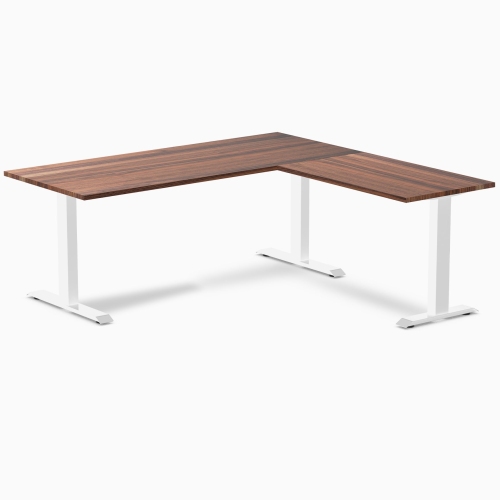

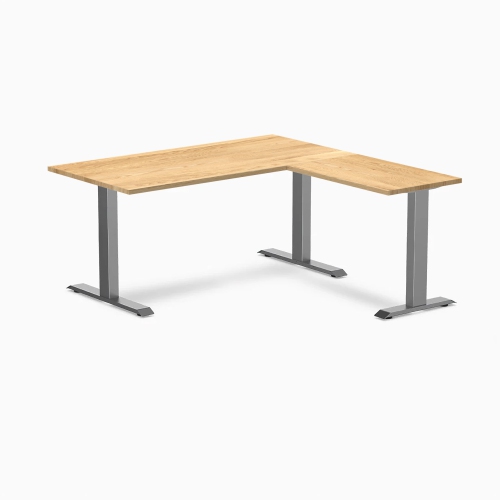
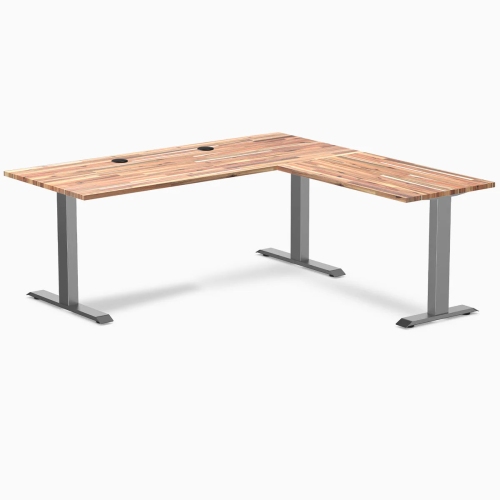
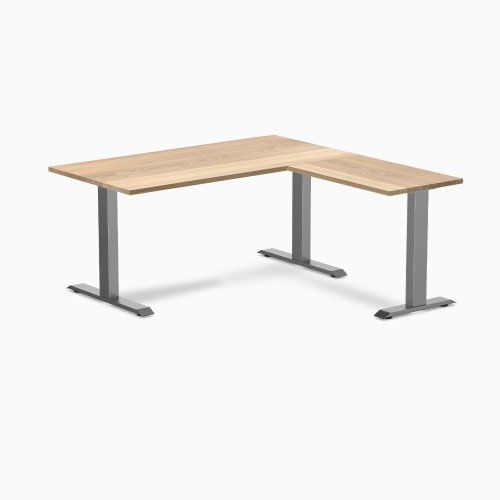
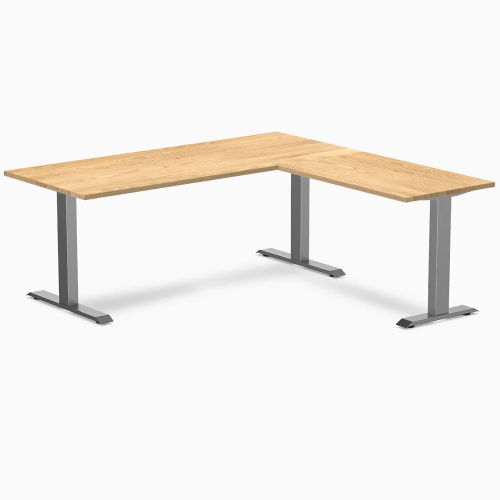
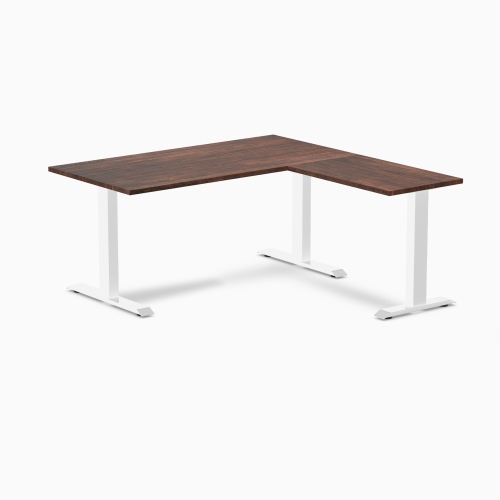
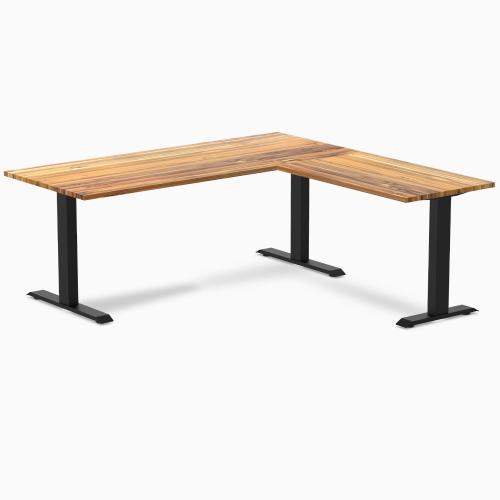
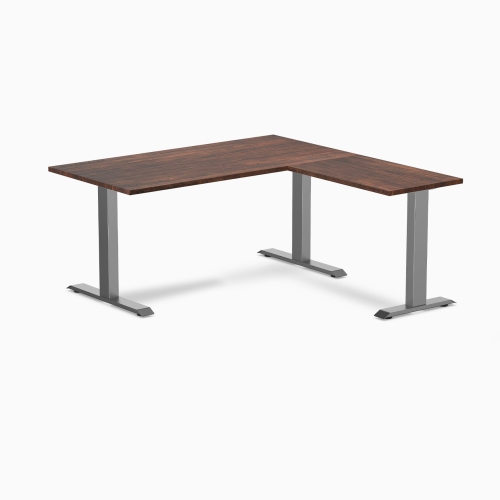
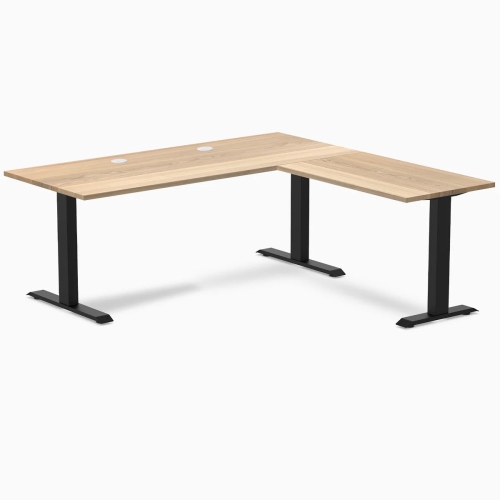
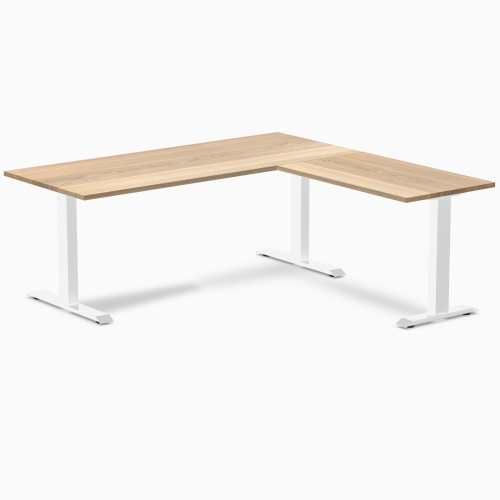
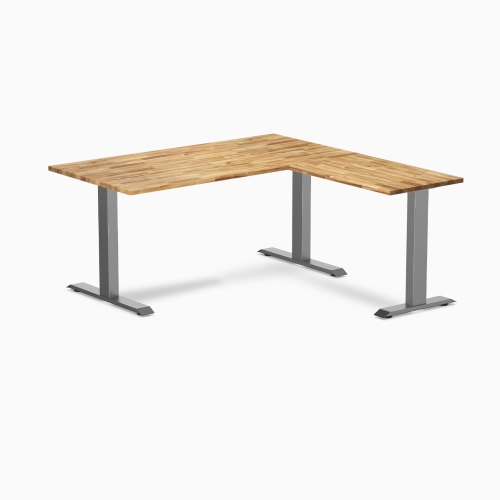
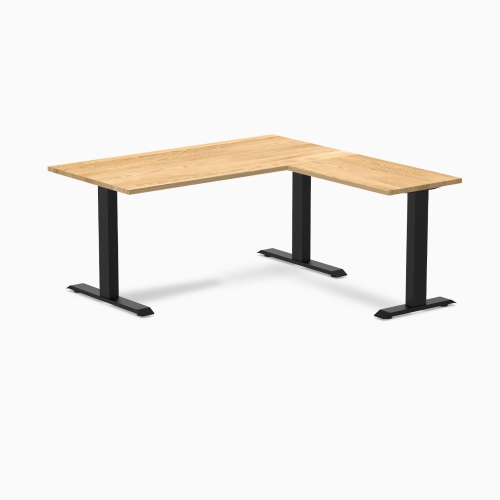
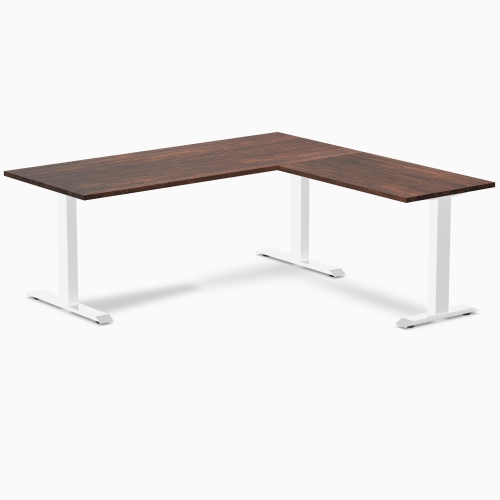
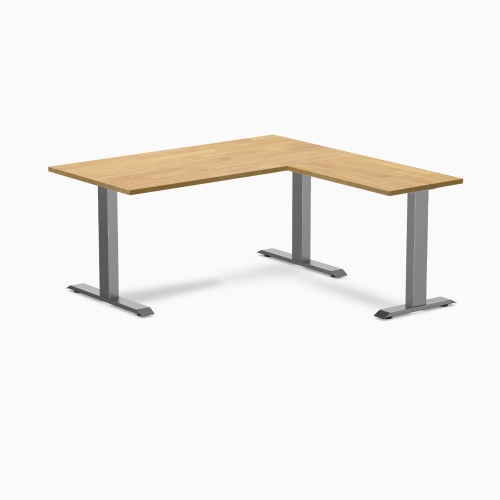
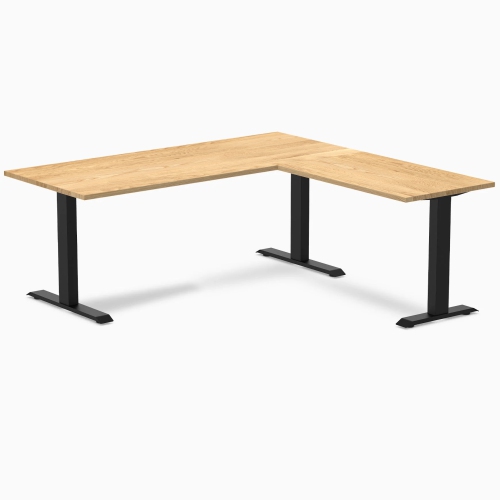
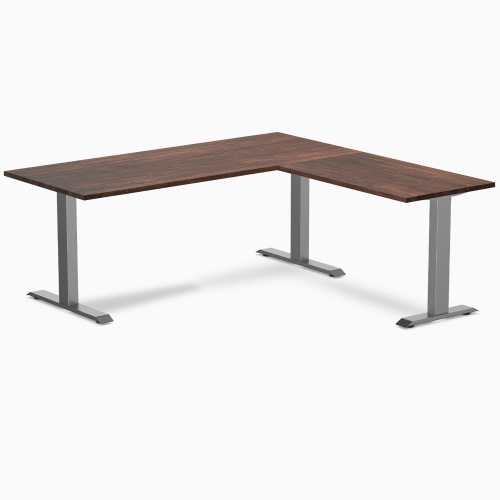
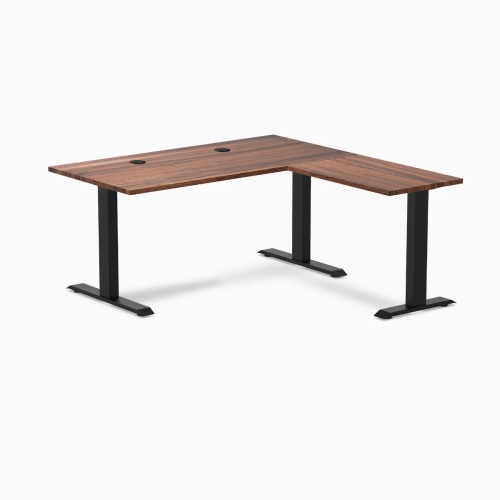
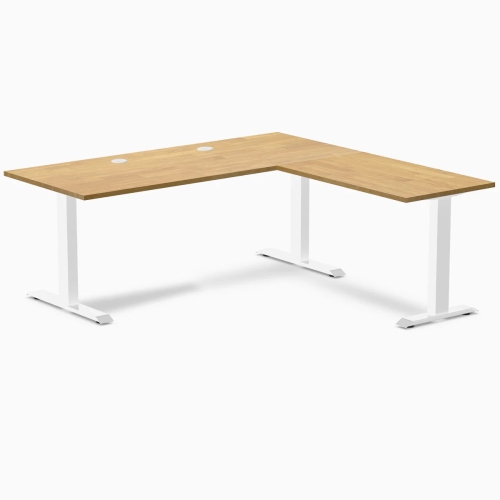
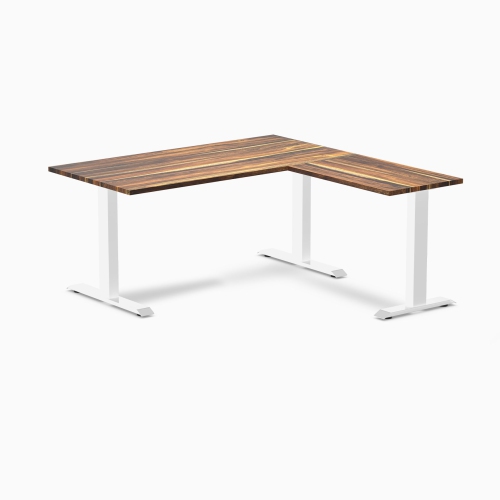
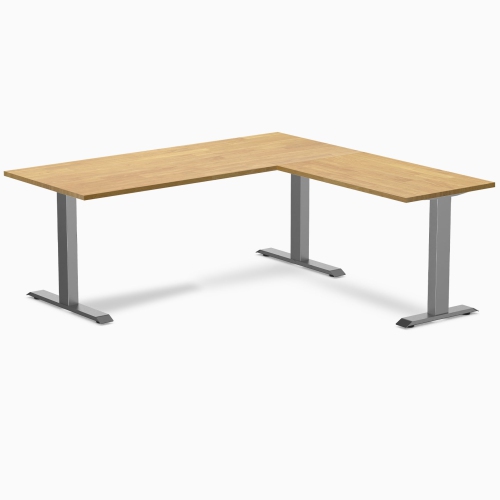
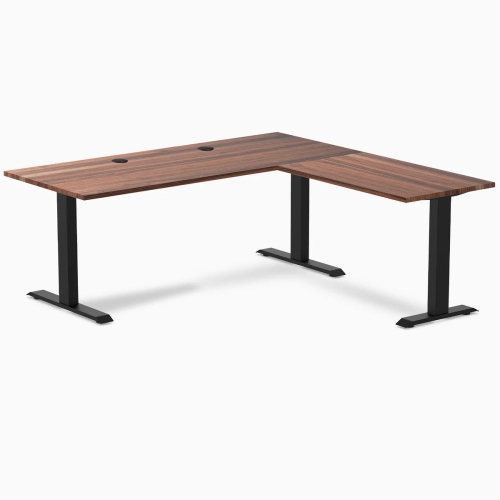
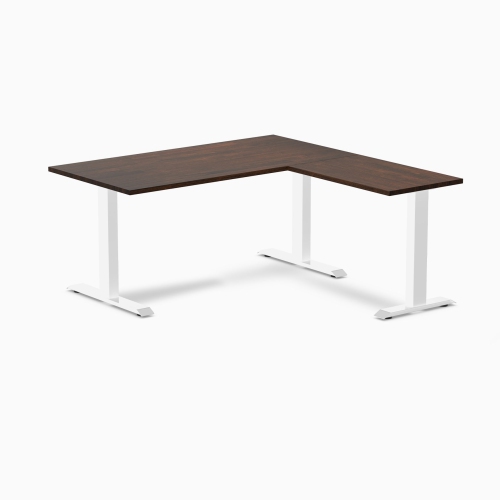
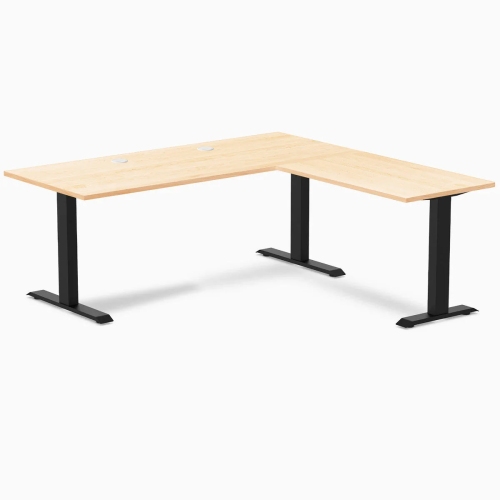
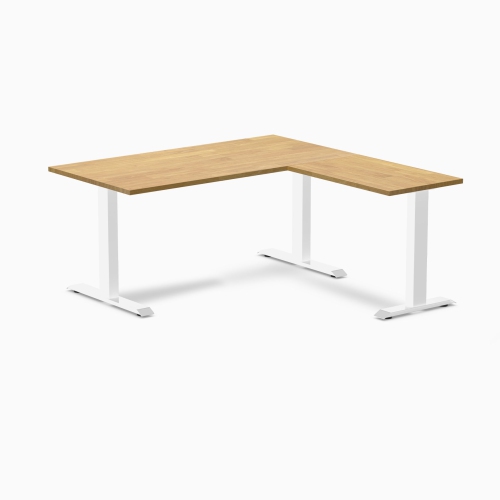

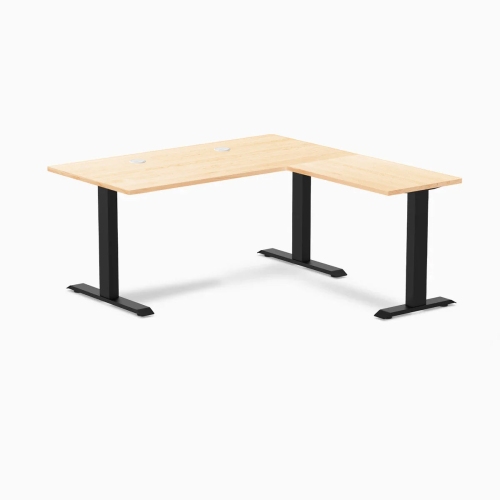
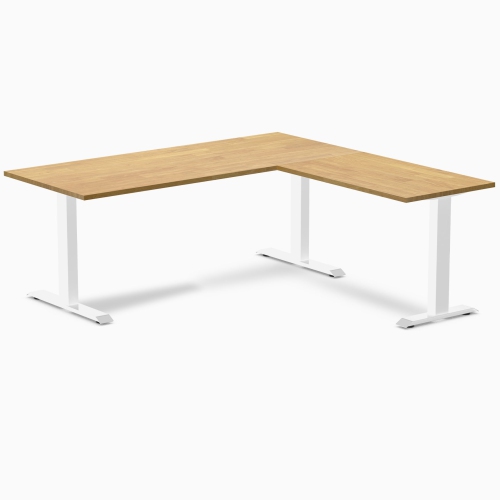
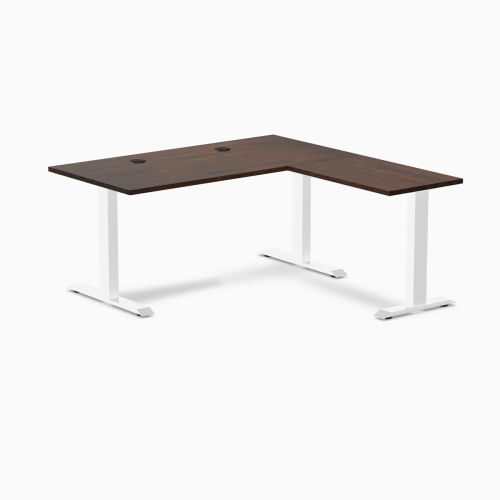
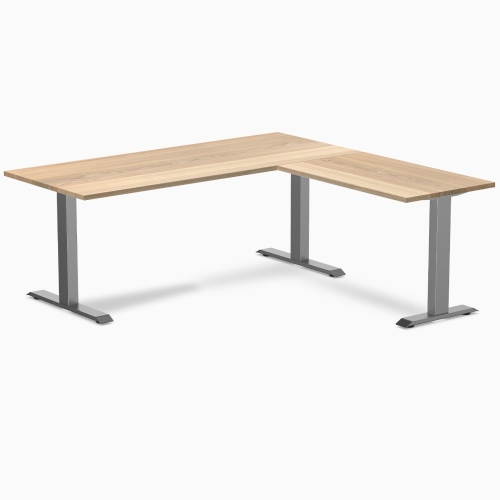
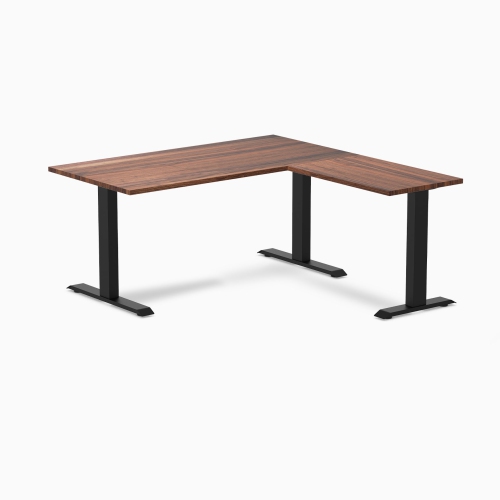
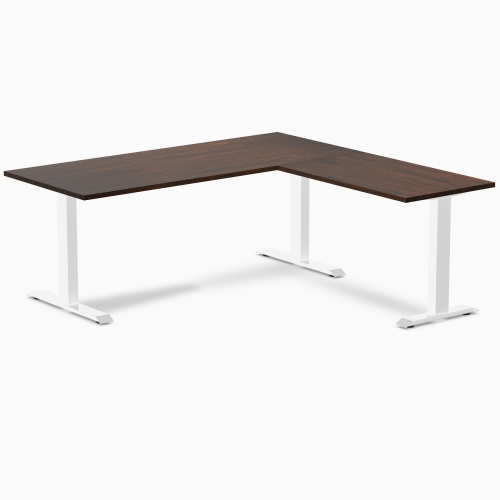
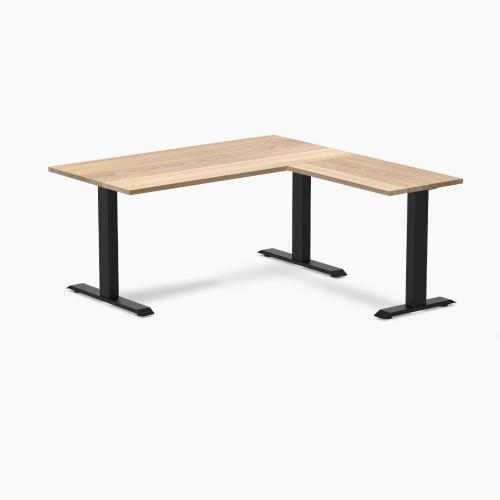
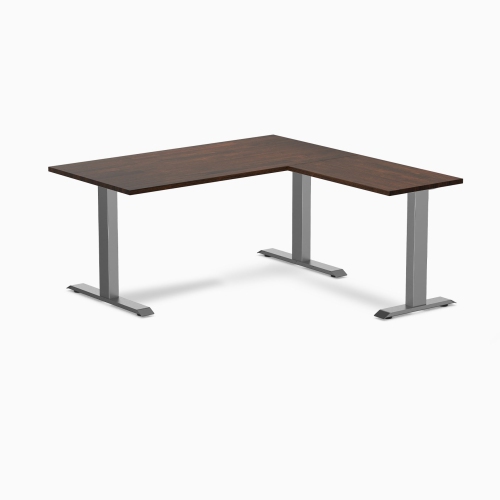
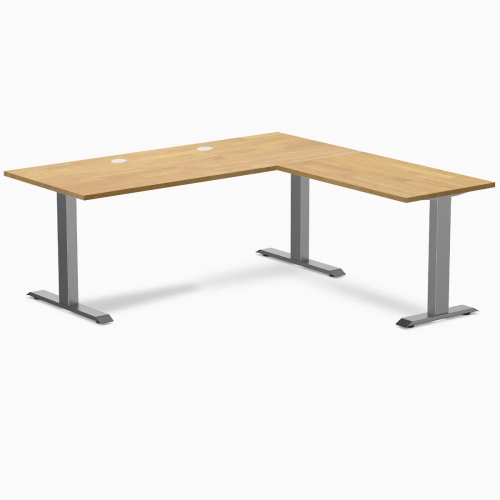
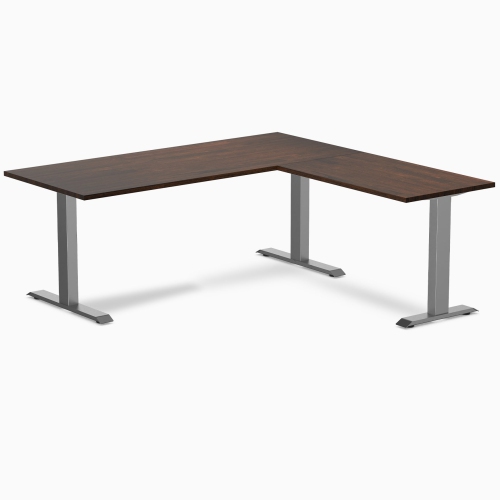
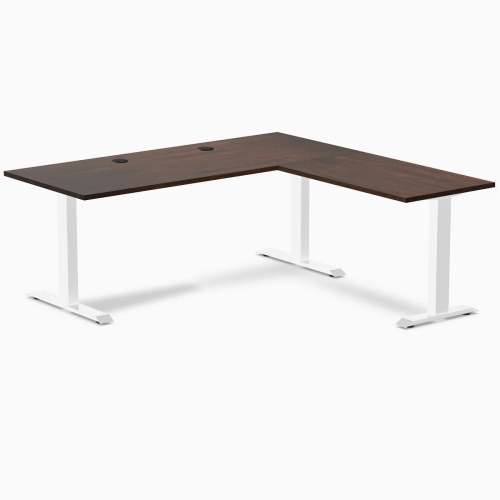
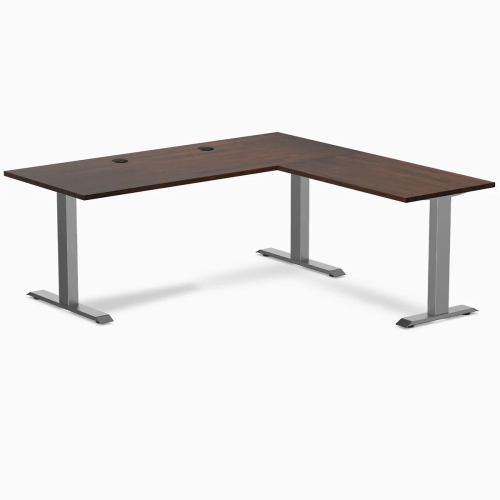
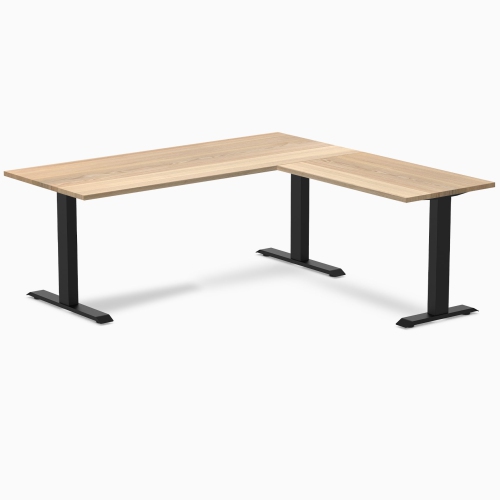
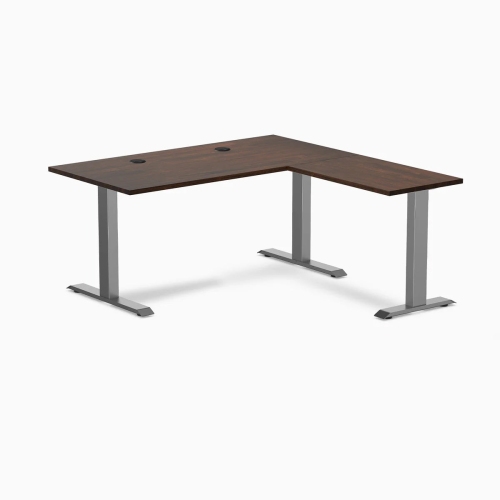
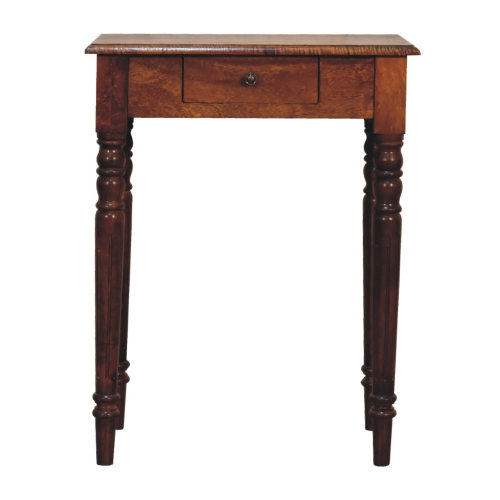
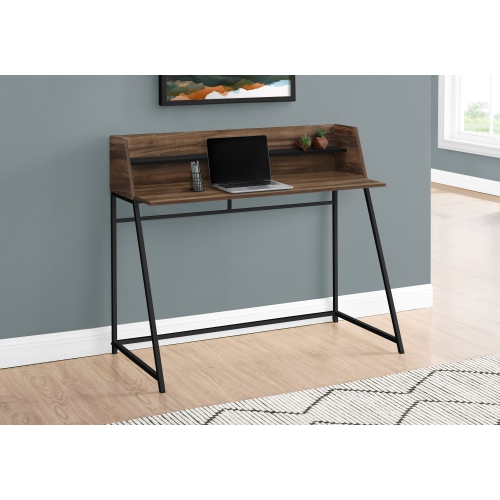
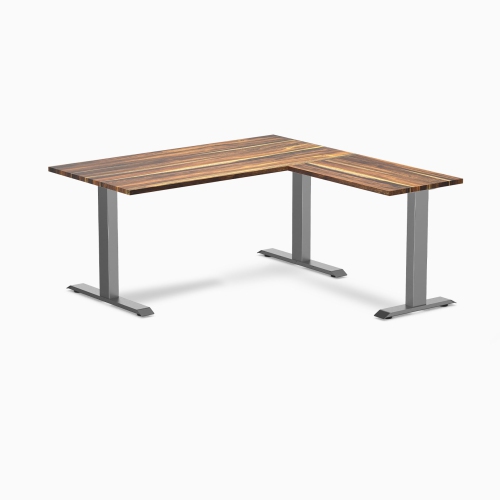
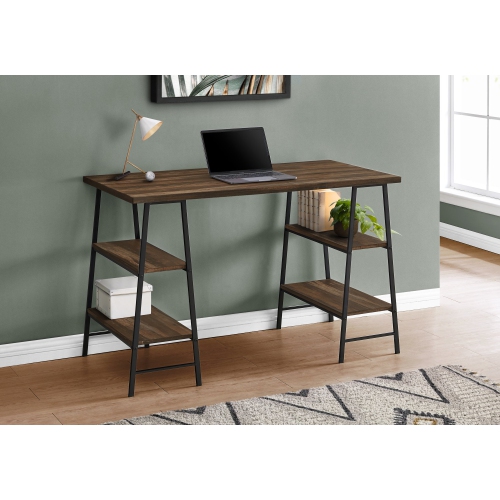
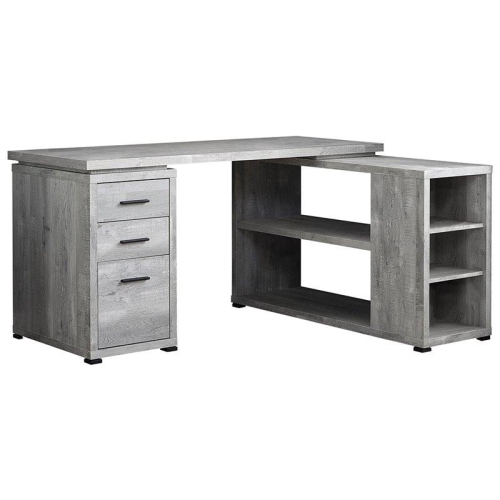
Where wood grain character meets everyday work
Natural wood computer desks combine a practical work surface with the warmth and character of visible wood grain. They suit dedicated home offices, bedroom study areas, and living spaces where a desk needs to sit comfortably alongside other furniture rather than look like separate office equipment. Oak, maple, and walnut are familiar choices, each with a distinct appearance. Oak often has pronounced grain and a substantial look, maple typically has a finer grain and a lighter tone, and walnut brings rich brown colour with varied markings. Pine can offer a lighter, more casual style, although its softer surface may show dents more readily than many hardwoods. These differences affect appearance and everyday wear, but the wood species alone does not determine how well a desk will perform. Construction, surface protection, and the strength of the frame also matter. Solid wood desktops have natural variation throughout the material, while wood veneer provides a thin layer of real wood over a supporting core. Both can show genuine grain, but their construction and care requirements differ. A wood-look finish is not necessarily real wood, so material descriptions help distinguish appearance from composition. Clear finishes can preserve the visible character of the grain, while tinted finishes alter the overall tone. A natural finish does not always mean pale wood; it may describe a treatment that allows the wood’s original colour and markings to remain visible. Lighter tones can keep a compact workspace visually open, while deeper brown tones can complement upholstered seating, bookcases, and traditional cabinetry. Matching every wood surface exactly is not essential: repeating a similar undertone or balancing a prominent grain with simpler furniture can make a room feel cohesive. For a more defined contrast, Black And Natural Wood Desks combine the character of wood with darker elements that can coordinate with monitor stands, lighting, and other workspace accessories. The result can feel equally at home in a streamlined office or a multipurpose room.
The most useful natural wood computer desk is one that fits both the room and the equipment used every day. A laptop and notebook need less surface area than a desktop setup with two monitors, a full-size keyboard, speakers, and paperwork. Width determines how easily those items can sit side by side, while depth affects the space between the screen and the person seated at the desk. A shallow desktop may fit neatly into an alcove but leave little room for a keyboard in front of a monitor base. A deeper surface can accommodate equipment more comfortably, provided it does not crowd the room or leave frequently used objects out of reach. Measuring the desktop footprint is only part of checking the fit: a chair needs room to pull back, drawers need space to open, and nearby doors should remain unobstructed. Legroom also deserves attention, particularly when storage pedestals or crossbars sit beneath the work surface. Desk height and underside clearance should work with the chair so that shoulders remain relaxed and feet can rest securely on the floor or a footrest. A keyboard tray changes the working height and can reduce knee clearance, making its position just as important as the desktop dimensions. For shared spaces, a compact rectangular desk may keep circulation simple, while a corner or L-shaped layout can separate computer work from writing or other tasks. Storage should reflect the routine: shallow drawers suit stationery and small accessories, while larger compartments may accommodate documents or equipment if their dimensions allow. Cable openings and accessible routing space can keep charging leads from spreading across the wood surface. Monitor arms introduce another consideration, since their clamps need a suitable desktop thickness, edge shape, and clear underside. The desk’s stated load capacity should account for all equipment, and clamp compatibility should be confirmed rather than assumed. A stable base and well-supported top help the workspace feel steady during typing, video calls, and focused study.
Natural wood desks can handle everyday use well when their finish, construction, and care match the demands of the workspace. A desk used for occasional email has a different routine from one that supports a full working day, school assignments, and evening gaming. Smooth drawer movement, secure connections, and support beneath a wider desktop all contribute to lasting usability. Small variations in grain, knots, and colour are part of real wood’s character, although the amount of variation depends on the material and finish. Over time, wood can develop marks from regular use, so simple protective habits are worthwhile. A desk mat can protect the area beneath a keyboard and provide a consistent surface for a mouse, while felt pads under accessories help reduce scratches when objects are moved. Coasters keep drink containers off the finish, and spills should be wiped up promptly rather than left around electronics or along veneer edges. For routine cleaning, a soft cloth and the care method recommended for the finish are generally more suitable than abrasive scrubbing. Excess water, harsh cleaners, and direct heat can damage some surfaces; an oiled desktop may need different treatment from one with a sealed coating. Extended direct sunlight can also change the colour of wood and its finish, making placement relevant to appearance as well as room layout. Refinishing may be possible with some solid wood surfaces, but thin veneers and certain factory finishes require particular care and should not be treated the same way. These desks can serve students writing assignments, remote workers balancing screen time with paperwork, or households that need a shared place for bills and computer use. As a gift for someone setting up a study area or home office, a desk is most practical when its dimensions, storage, and style fit the recipient’s space. Thoughtful sizing and straightforward care allow the natural grain to remain a welcoming feature without compromising the desk’s everyday purpose.
Top selling and popular products
-
 Your price for this item is $97.99
-
 Your price for this item is $89.99
-
 Your price for this item is $84.99
-
 Your price for this item is $97.99
-
 Your price for this item is $649
-
 Your price for this item is $749
-
 Your price for this item is $649
-
 Your price for this item is $649
Discover more categories related to Computer Desk Natural Wood
Top Collections:
Best Black Friday Deals This Year, Best Black Friday Deals On Electronics, Kindle Devices, Pokemon Centers, Best Black Friday Deals On Apple Products, Best Cameras for Sports Photography, Dyson Airwrap, Pokémon 30th Celebration Cards, Apple iPhone 17 Pro, Canon G7X Cameras
Some products may be subject to Environmental Handling Fees
(EHF) depending on your province.
Learn more about EHFs.