Natural Solid Wood Desks
Enhance your workspace with the timeless beauty and durability of a natural solid wood desk. Whether you're working from home or need a stylish addition to your office, natural solid wood desks offer a range of designs and finishes to suit almost any decor. From sleek and modern to rustic and charming, find the perfect desk that effortlessly combines functionality with the warmth and elegance of natural wood. Here are some great options available.
Sort



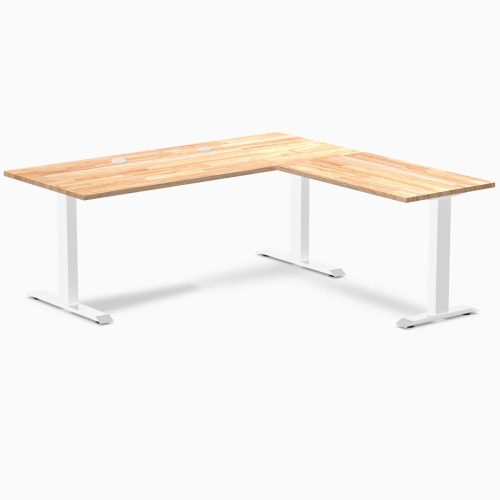
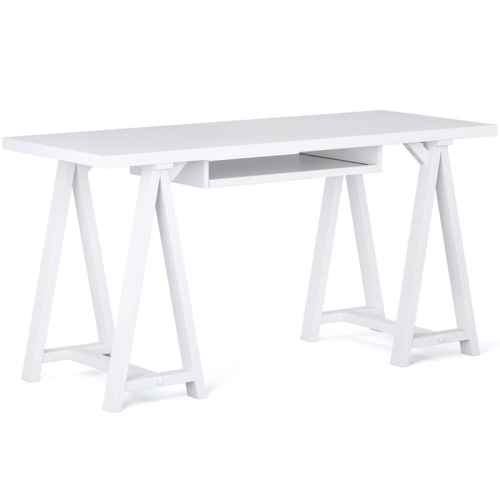
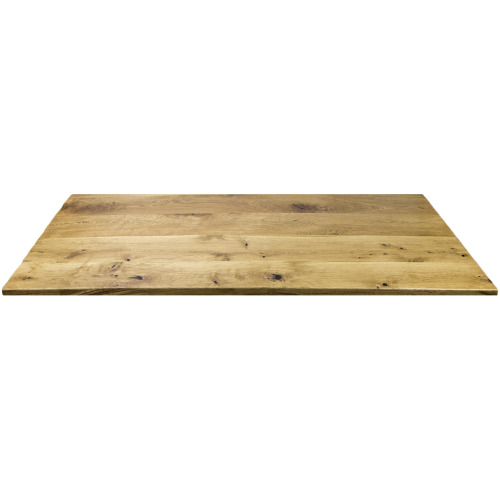
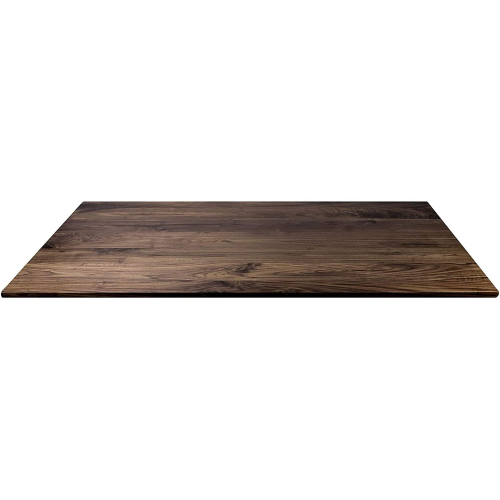


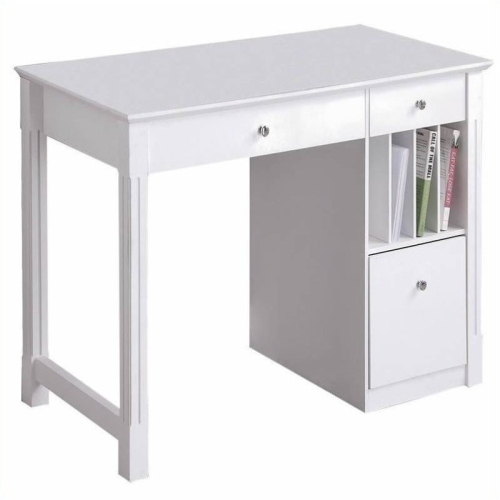
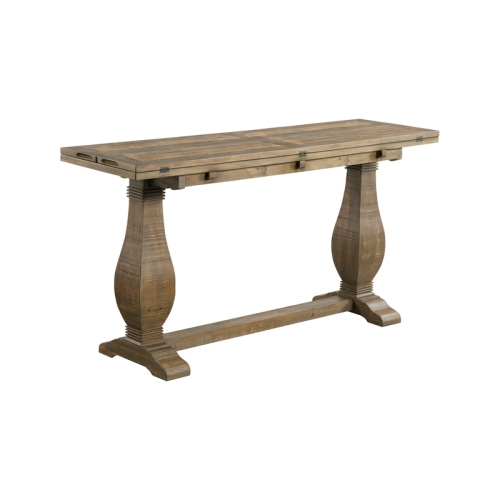
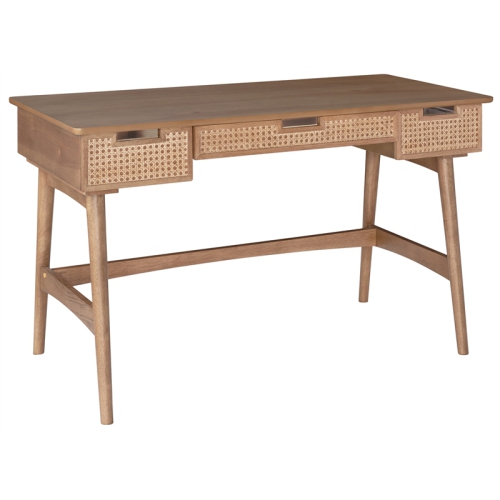

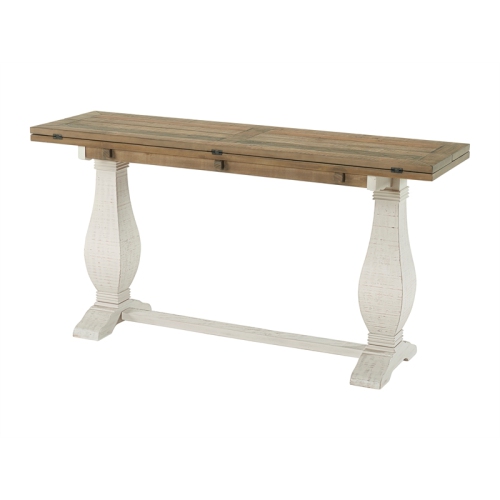
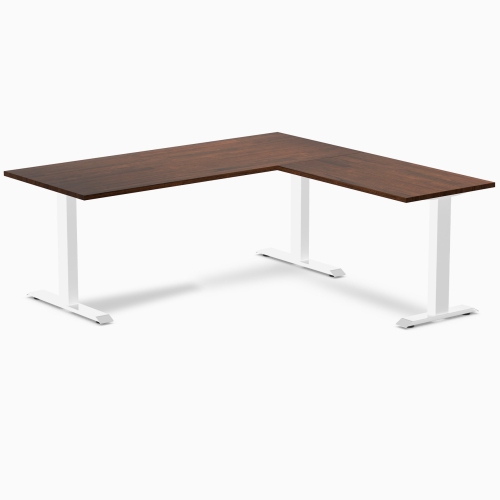
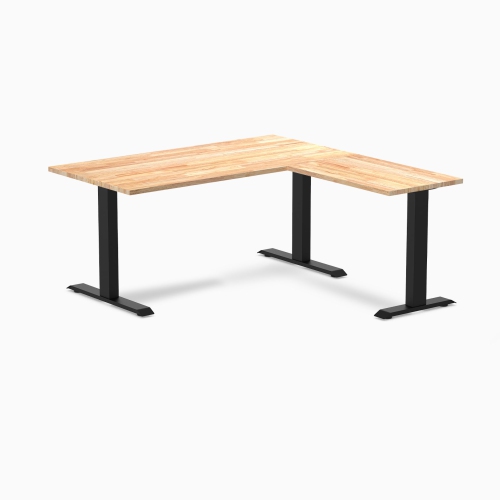
How wood type and desk design shape your workspace
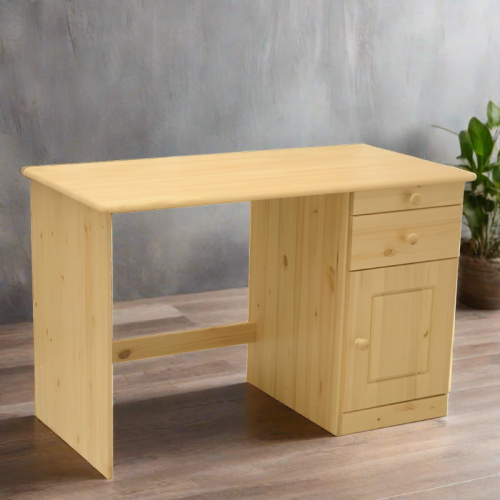
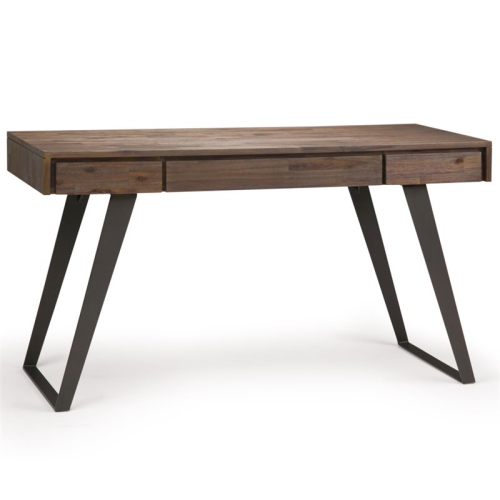
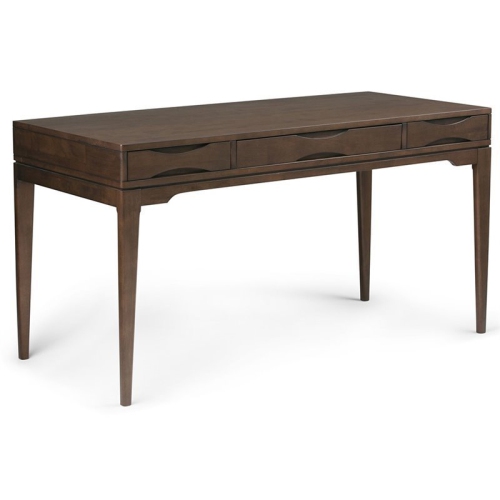
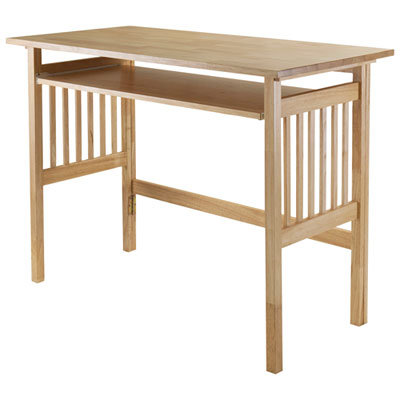
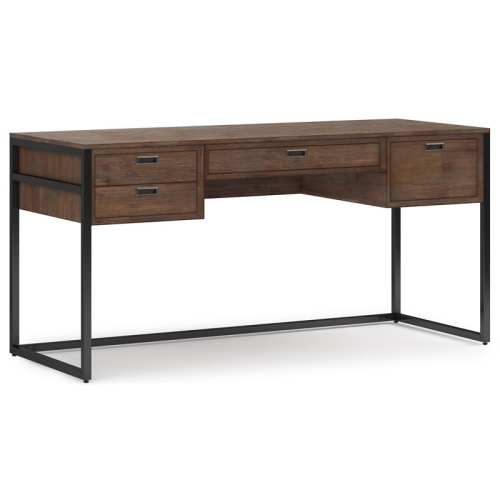
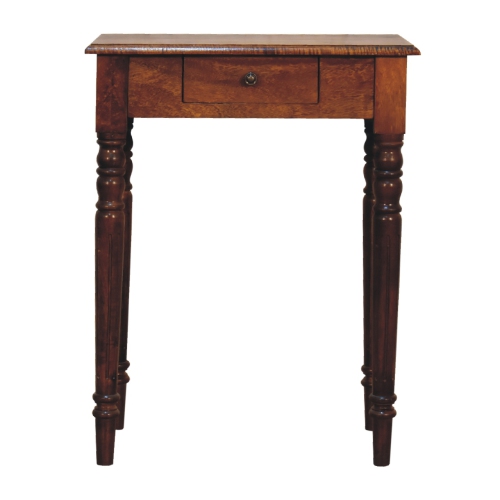
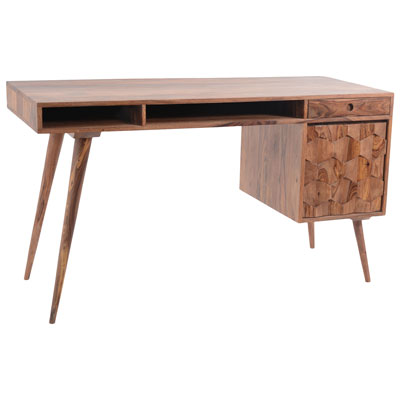
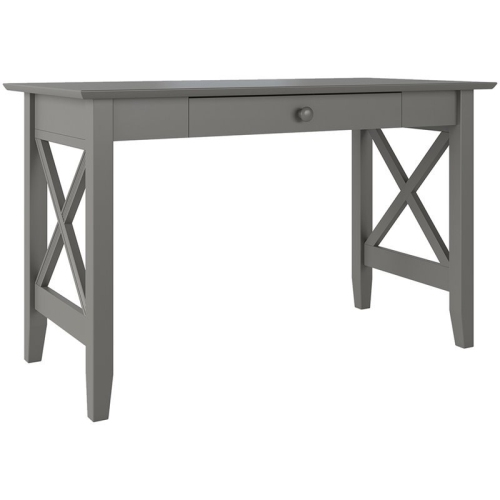
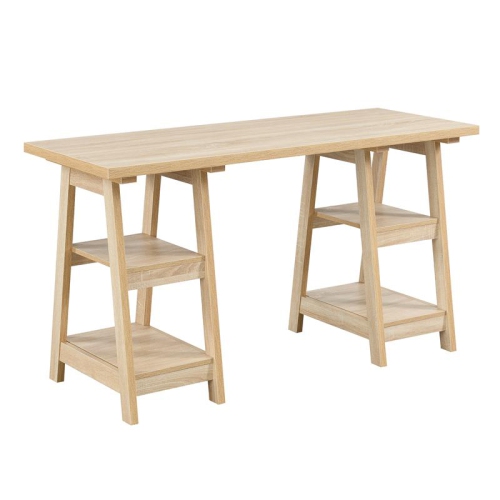
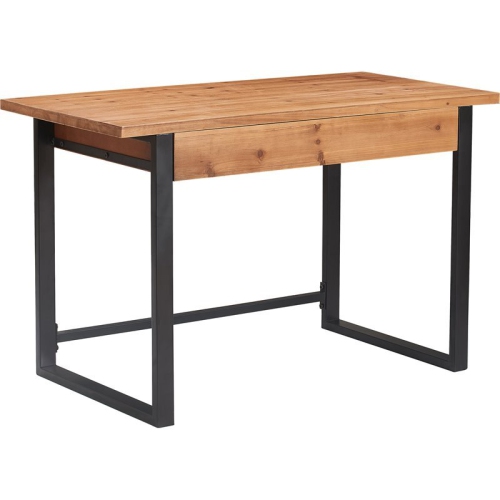
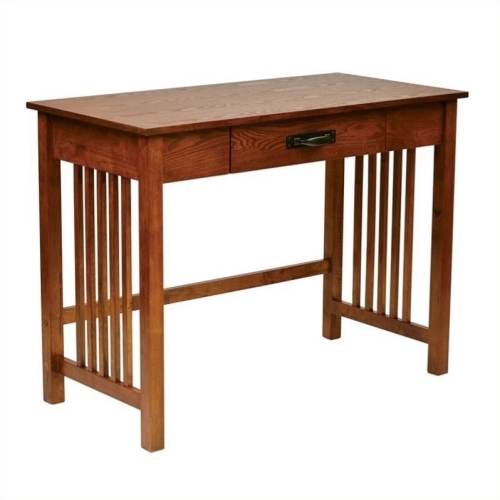
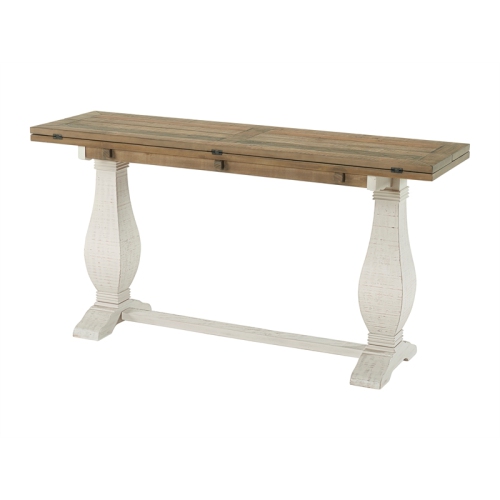
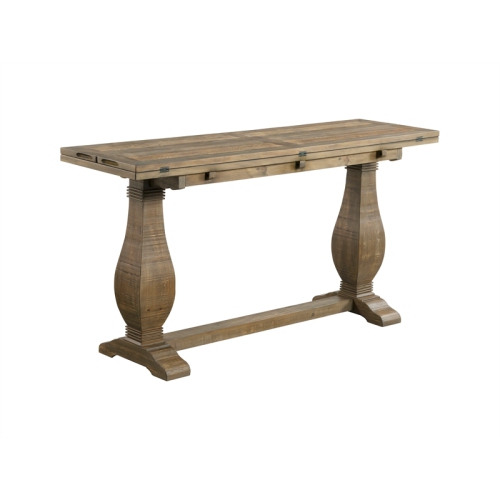
Natural solid wood desks bring warmth, texture, and a sense of permanence to a workspace. Unlike uniform laminate surfaces, solid wood has a grain pattern, tone, and character that make each desk feel distinctive, from the pale, casual appearance of pine to the pronounced grain of oak, the honeyed variation of acacia, and the deep, refined colouring of walnut. These desks can suit a dedicated home office, a compact study corner, a bedroom workspace, or a shared family area where a sturdy surface needs to look at home alongside existing furniture. A well-chosen desk can also become a long-term part of a room rather than a temporary workstation: it may hold a laptop and monitor during the day, provide a comfortable place for paperwork and creative projects in the evening, and offer a reliable surface for organizing household tasks. For a broader selection focused on work and study spaces, explore Solid Wood Office Desks. When comparing natural solid wood desks, consider the room’s available floor space first. Common desk lengths range from approximately 48 to 72 inch, while depths often fall between 24 and 36 inch, with heights typically close to 29 or 30 inch. A smaller desk can fit neatly beneath a window or along a short wall, whereas a deeper executive-style surface may be more comfortable for a monitor, keyboard, notebooks, speakers, and a desk lamp. Leave enough clearance for a chair to move in and out easily, and measure doorways, stairwells, and tight corners before delivery. In a multipurpose room, a desk with a clean profile can blend into the décor when work is finished, while open shelving or drawers can help keep cables, stationery, chargers, and documents from spreading across the surface.
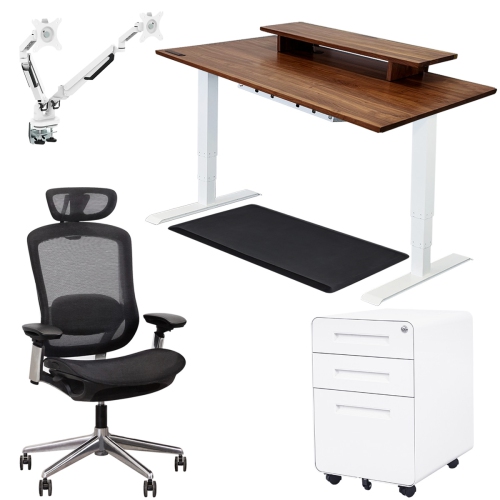
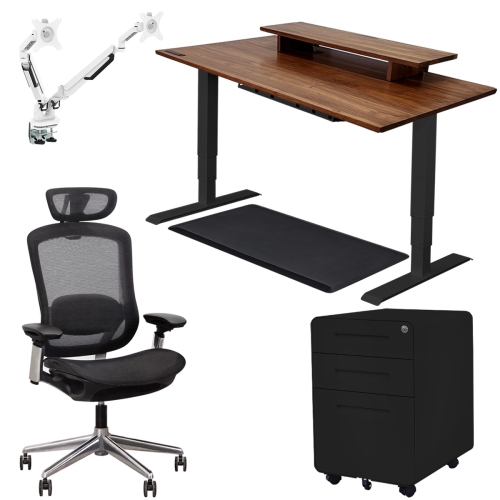
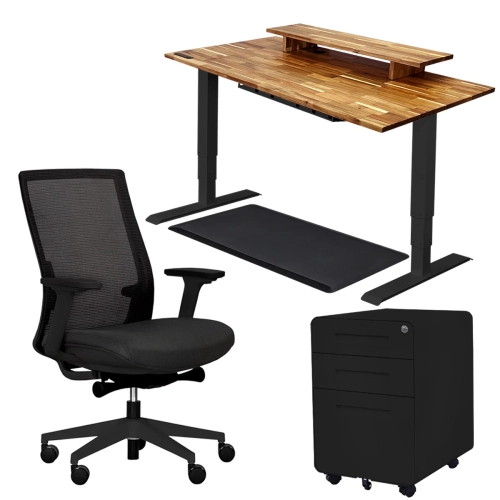
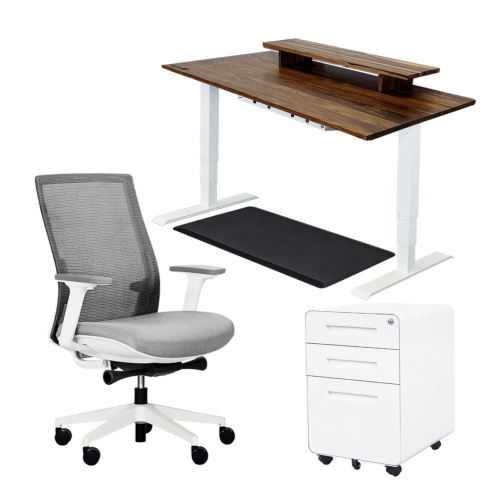
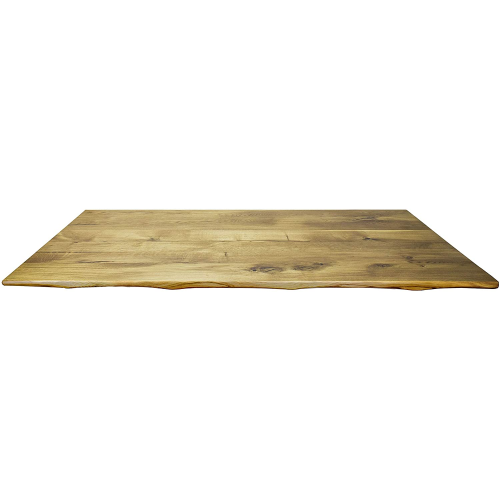
The type of wood affects the desk’s appearance, feel, and everyday character. Oak is known for a strong, dependable build and a classic grain that works well with both traditional and contemporary interiors. Walnut typically has a darker, richer appearance that can give a study or office a more polished, substantial feel. Pine tends to offer a lighter look and may be appealing for relaxed interiors, cottage-inspired rooms, or buyers looking for a more accessible price point. Acacia often features varied natural tones and expressive grain, giving the desk a more distinctive visual presence. Solid wood may show knots, colour shifts, small grain differences, or other natural markings; these details are part of what gives the furniture its individuality. Look closely at the construction details as well as the wood species. A broad work surface is useful for multiple screens and larger projects, but it also benefits from strong support underneath. Check whether the legs are fixed or adjustable, whether the frame is designed to reduce wobble, and whether the finish is smooth enough for extended writing and computer use. Drawers can keep everyday supplies close at hand, while open shelves make frequently used items easy to reach. If the desk will support a desktop computer, monitor arms, books, or heavier equipment, review the stated weight capacity and think about where the weight will sit. Cable management features can make a noticeable difference, especially when the desk is placed in a visible part of the home. A modest opening or rear pass-through can keep power cords from hanging over the front edge, leaving the workspace calmer and easier to maintain during the cooler months when more activities may move indoors.
Natural solid wood desks can be especially useful for people settling into a new home office, students creating a dependable place for assignments, remote workers who want a more comfortable daily setup, or hobbyists who need a generous surface for drawing, sewing, model building, journalling, and other hands-on activities. They can also make thoughtful gifts for someone moving into a first apartment, beginning a new course, working from home, or refreshing a room with furniture that feels personal and enduring. For a student, a compact desk with a drawer may provide space for a laptop, textbooks, and a reading light without overwhelming a bedroom. For a professional, a larger desk can support two monitors, a keyboard, reference materials, and a notebook while leaving room to write by hand. For shared households, consider how the desk will be used by different people and whether storage is needed for keeping work materials separate from family items. Placement matters as much as size. Positioning the desk near natural light can make daytime work feel more inviting, but avoid placing screens where glare makes them difficult to see. A wall behind the desk can provide a sense of focus, while a corner arrangement can make efficient use of an underused area. Use a desk mat or coaster beneath items that may mark the finish, wipe spills promptly with a soft cloth, and follow the care instructions provided for the particular wood and finish. Solid wood furniture can develop a richer appearance over time, and small changes in tone may occur as it is exposed to light. Choosing a desk with a proportionate size, practical storage, comfortable legroom, and a finish that complements the rest of the room helps create a workspace that feels natural from the first day and remains useful through changing routines.
The type of wood affects the desk’s appearance, feel, and everyday character. Oak is known for a strong, dependable build and a classic grain that works well with both traditional and contemporary interiors. Walnut typically has a darker, richer appearance that can give a study or office a more polished, substantial feel. Pine tends to offer a lighter look and may be appealing for relaxed interiors, cottage-inspired rooms, or buyers looking for a more accessible price point. Acacia often features varied natural tones and expressive grain, giving the desk a more distinctive visual presence. Solid wood may show knots, colour shifts, small grain differences, or other natural markings; these details are part of what gives the furniture its individuality. Look closely at the construction details as well as the wood species. A broad work surface is useful for multiple screens and larger projects, but it also benefits from strong support underneath. Check whether the legs are fixed or adjustable, whether the frame is designed to reduce wobble, and whether the finish is smooth enough for extended writing and computer use. Drawers can keep everyday supplies close at hand, while open shelves make frequently used items easy to reach. If the desk will support a desktop computer, monitor arms, books, or heavier equipment, review the stated weight capacity and think about where the weight will sit. Cable management features can make a noticeable difference, especially when the desk is placed in a visible part of the home. A modest opening or rear pass-through can keep power cords from hanging over the front edge, leaving the workspace calmer and easier to maintain during the cooler months when more activities may move indoors.
Natural solid wood desks can be especially useful for people settling into a new home office, students creating a dependable place for assignments, remote workers who want a more comfortable daily setup, or hobbyists who need a generous surface for drawing, sewing, model building, journalling, and other hands-on activities. They can also make thoughtful gifts for someone moving into a first apartment, beginning a new course, working from home, or refreshing a room with furniture that feels personal and enduring. For a student, a compact desk with a drawer may provide space for a laptop, textbooks, and a reading light without overwhelming a bedroom. For a professional, a larger desk can support two monitors, a keyboard, reference materials, and a notebook while leaving room to write by hand. For shared households, consider how the desk will be used by different people and whether storage is needed for keeping work materials separate from family items. Placement matters as much as size. Positioning the desk near natural light can make daytime work feel more inviting, but avoid placing screens where glare makes them difficult to see. A wall behind the desk can provide a sense of focus, while a corner arrangement can make efficient use of an underused area. Use a desk mat or coaster beneath items that may mark the finish, wipe spills promptly with a soft cloth, and follow the care instructions provided for the particular wood and finish. Solid wood furniture can develop a richer appearance over time, and small changes in tone may occur as it is exposed to light. Choosing a desk with a proportionate size, practical storage, comfortable legroom, and a finish that complements the rest of the room helps create a workspace that feels natural from the first day and remains useful through changing routines.
Top selling and popular products
-
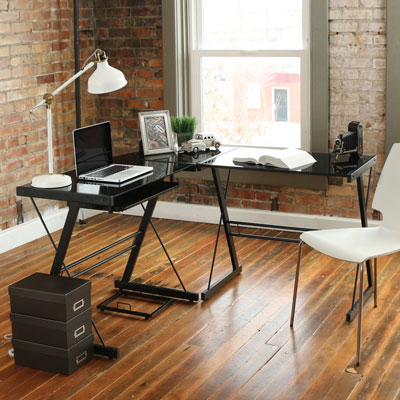 Your price for this item is $304.99
 -
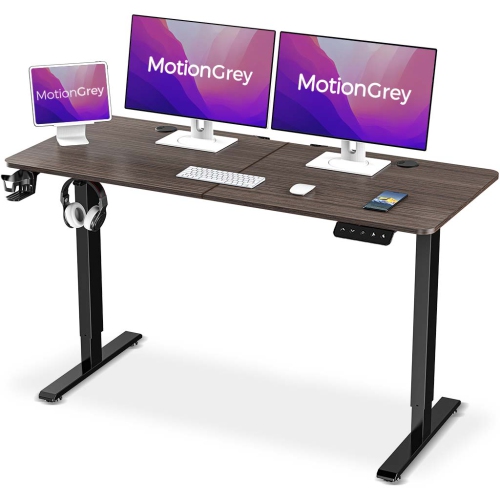 Your price for this item is $109.99
 -
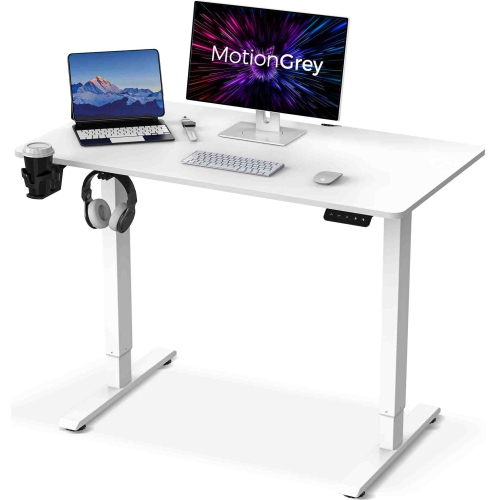 Your price for this item is $79.99
 -
 Your price for this item is $79.99
 -
 Your price for this item is $84.99
 -
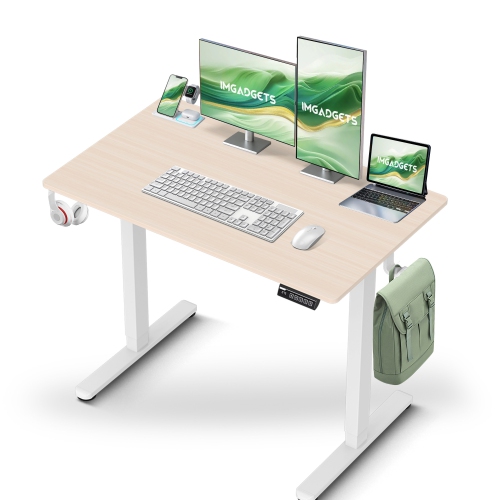 Your price for this item is $63.39
 -
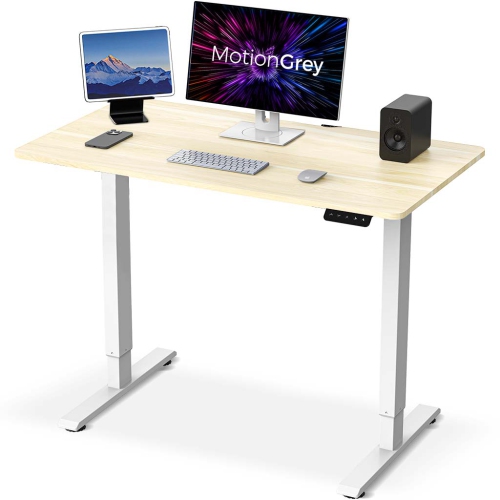 Your price for this item is $79.99
 -
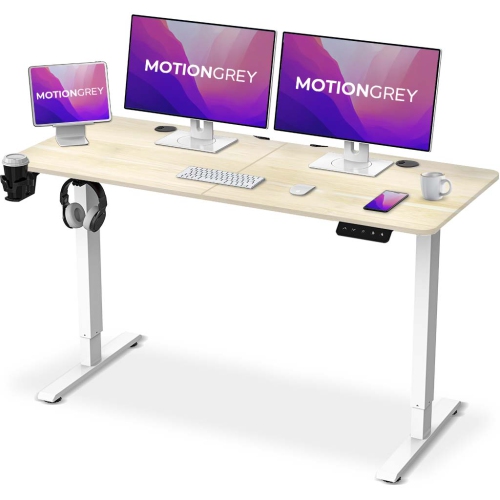 Your price for this item is $109.99
Discover more categories related to Natural Solid Wood Desks

Top Collections:
Best Laptops for Video Editing, Pokemon Centers, Samsung Z Fold, Kindle Devices, Best Cell Phones Under $300, Best Laptops for Writers, Best Budget Office Chairs, Best Cell Phones Under $500, Best Laptop Computers for Students, iPhone 15 Apple
Some products may be subject to Environmental Handling Fees
(EHF) depending on your province.
Learn more about EHFs.