Console Tables
Console tables are versatile pieces of furniture that can be used in many areas of the home. Console tables are typically narrow and tall, making them a great choice for tight spaces. These tables can be used in entryways, hallways, living rooms, and bedrooms. Here are some great options available.
Sort



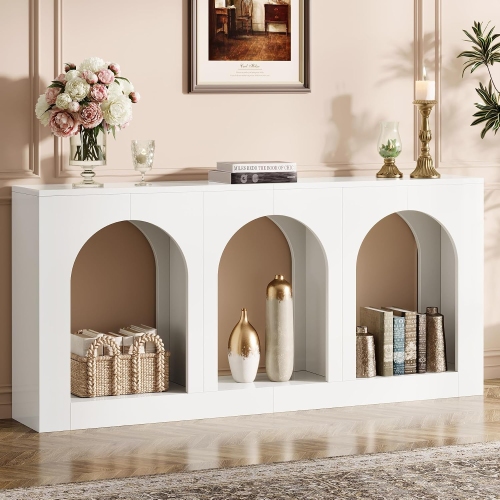


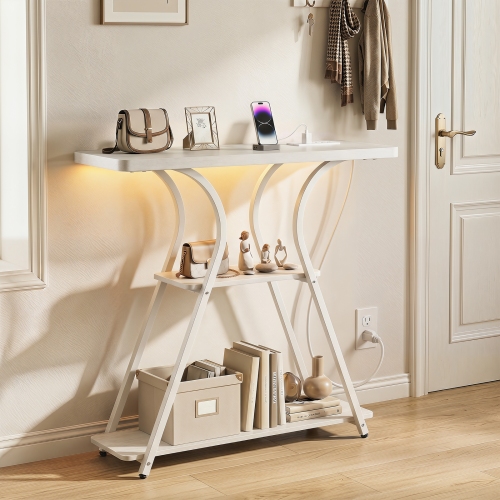
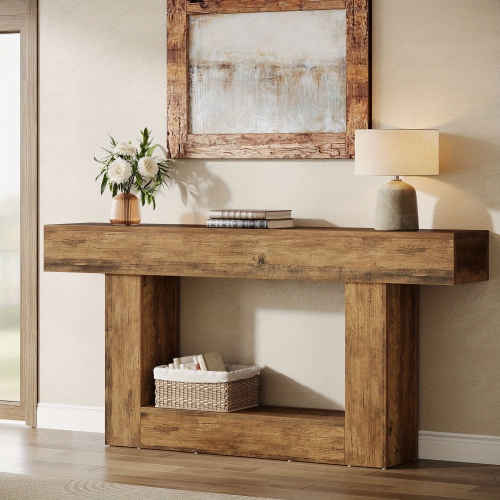


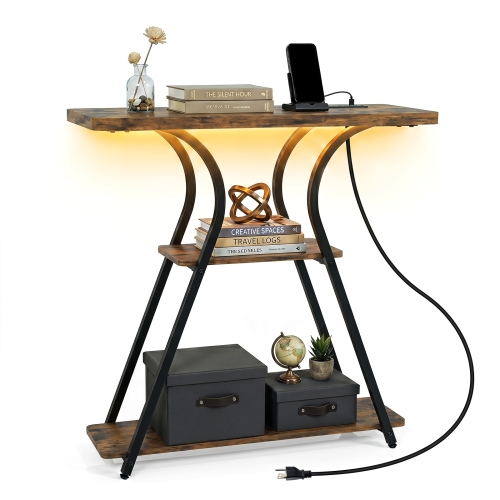
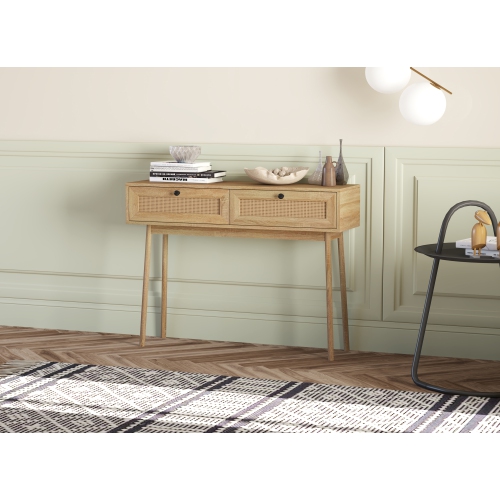


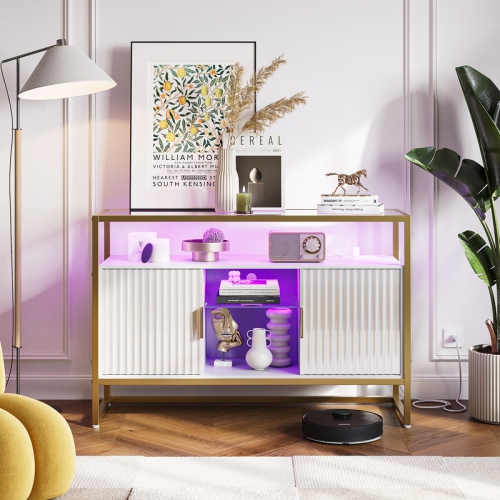
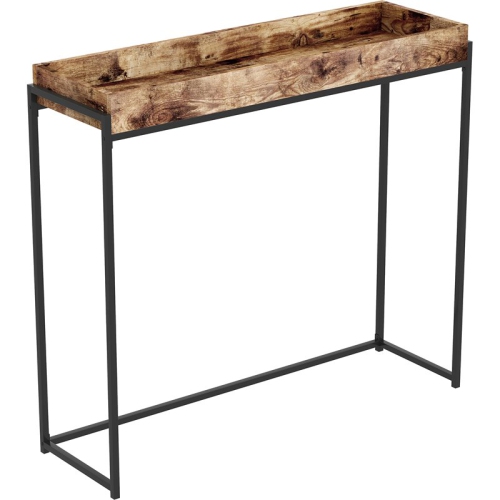


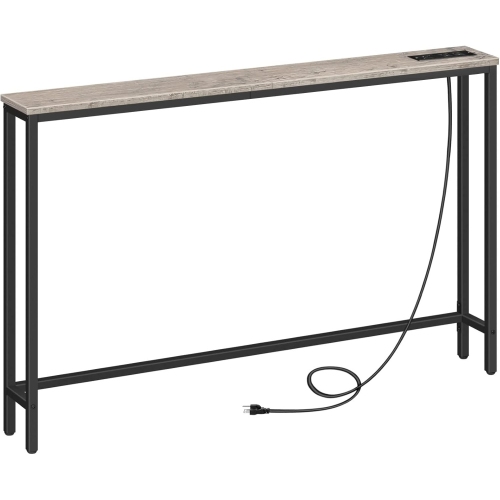


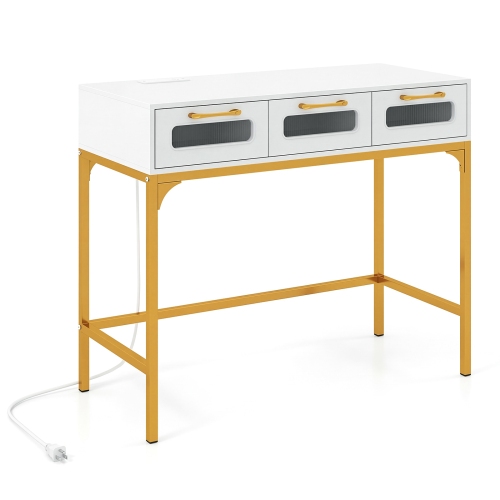
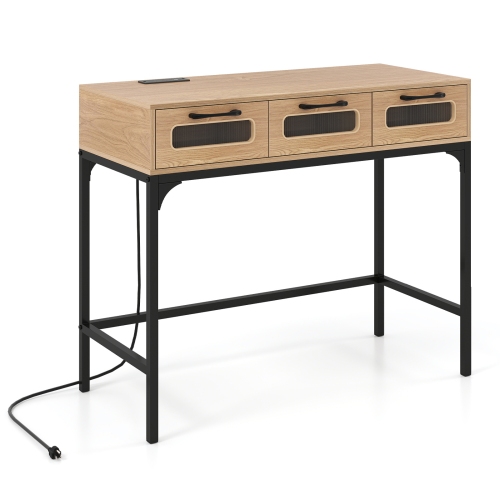

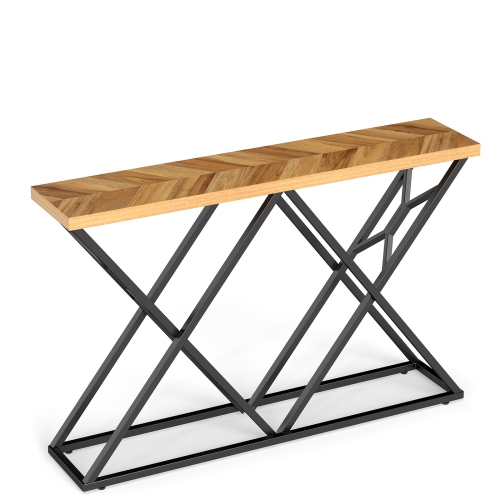
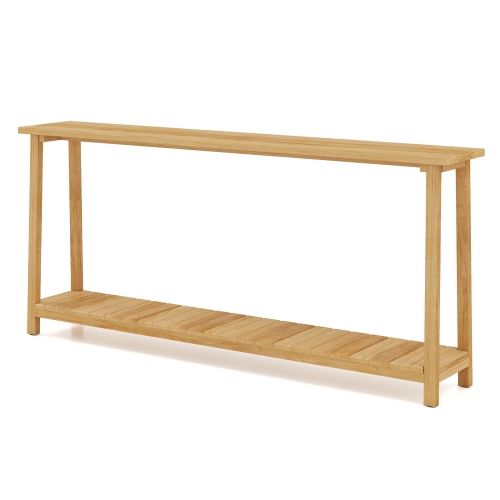

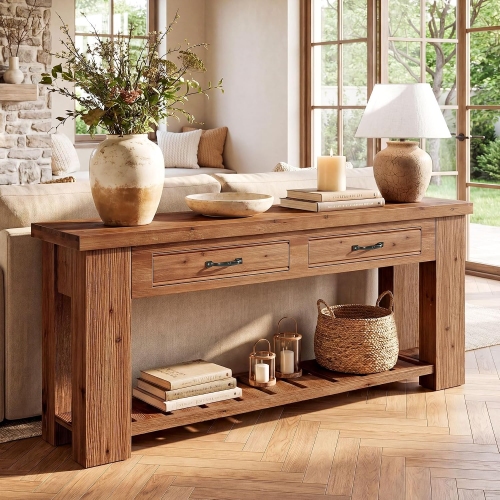
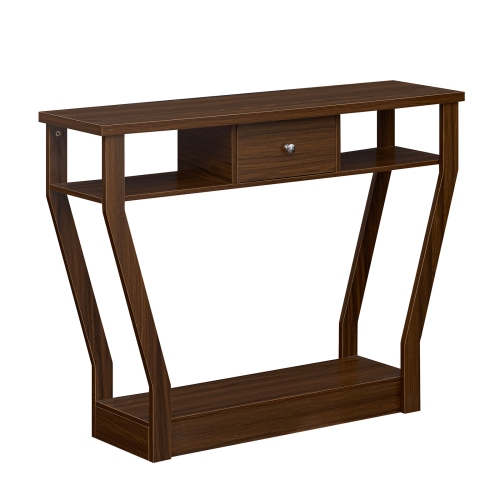

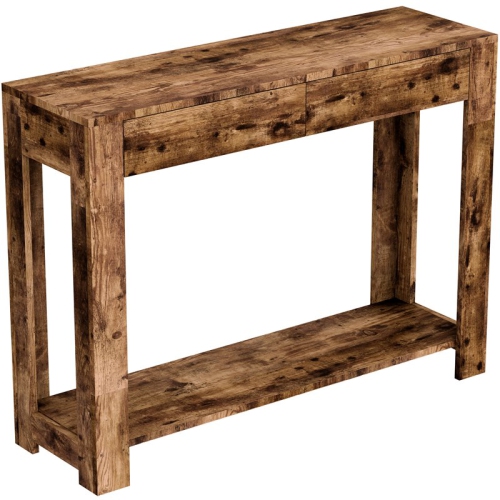


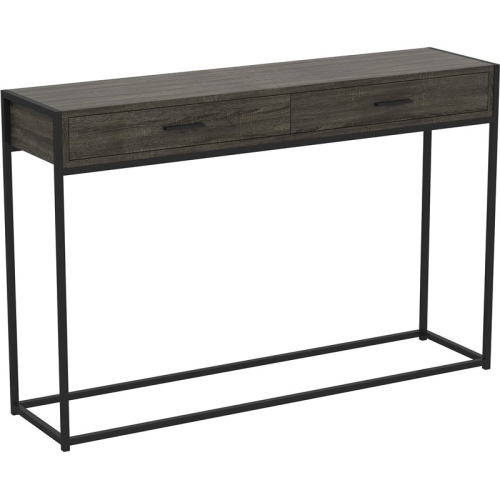
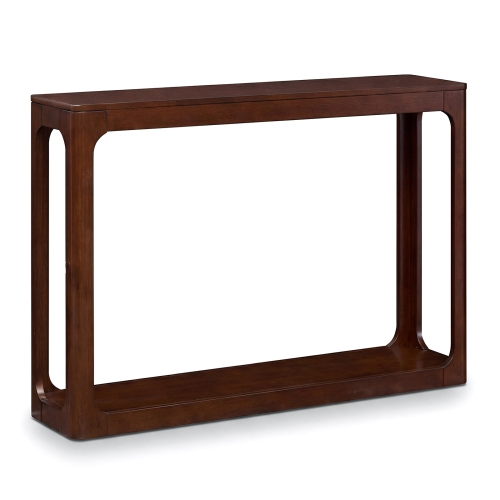


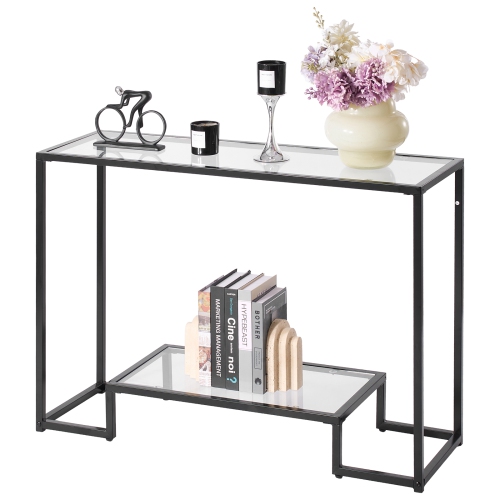
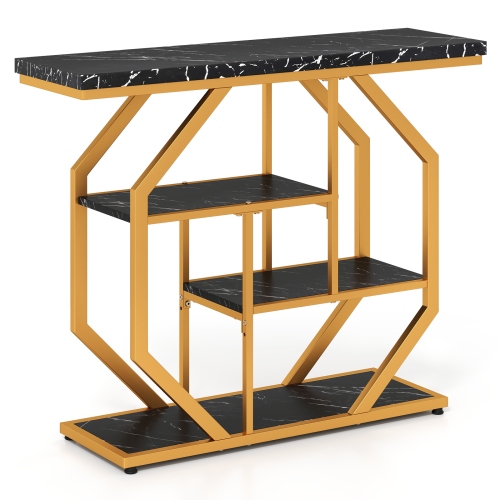

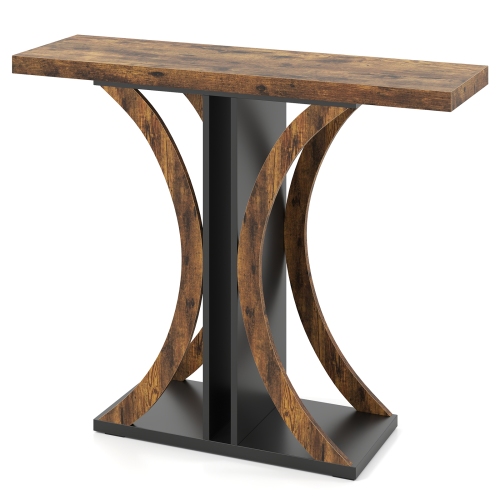

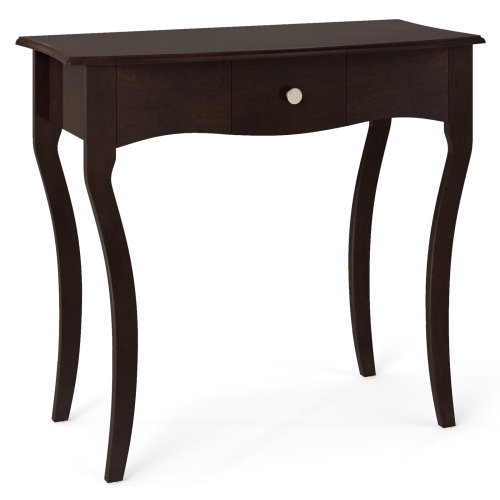
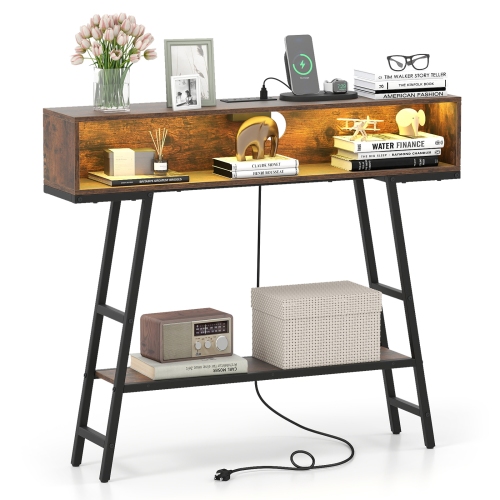
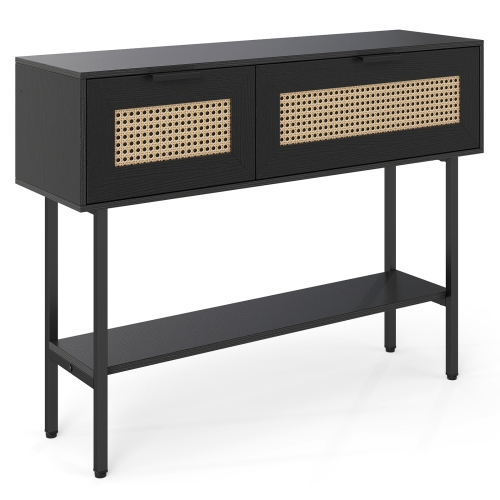


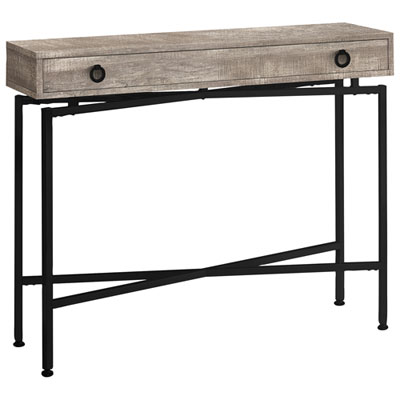
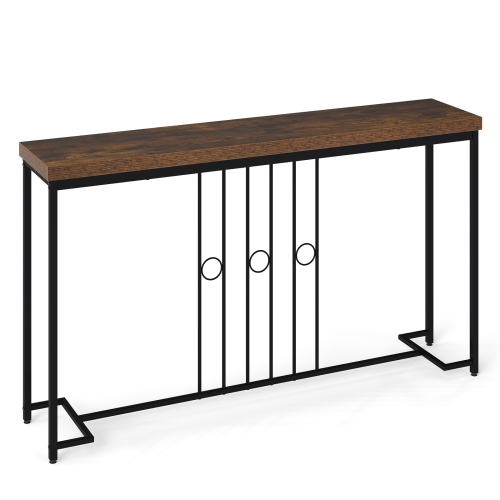


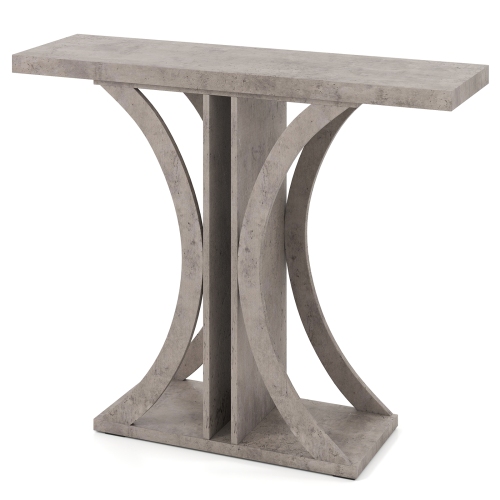


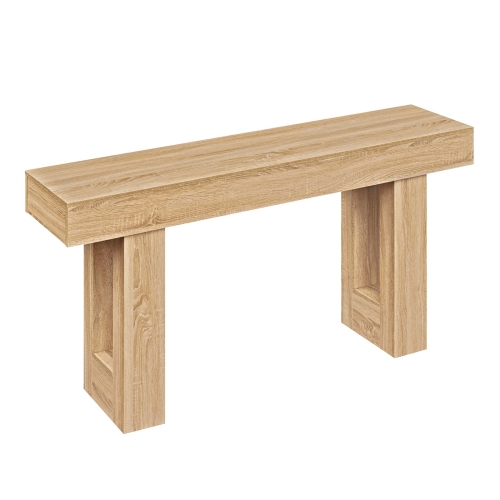
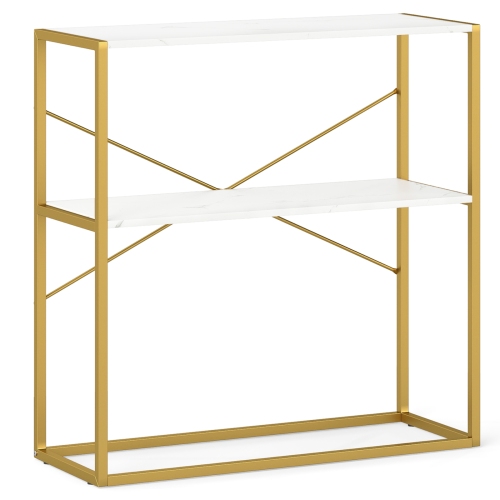
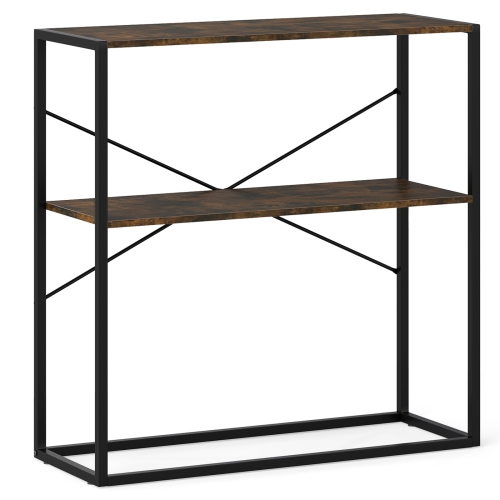


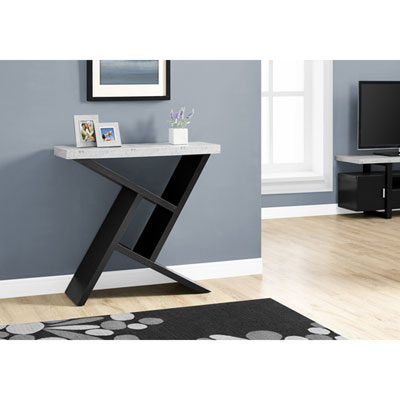


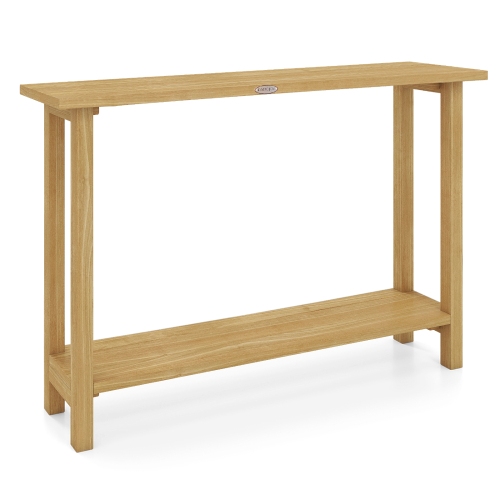

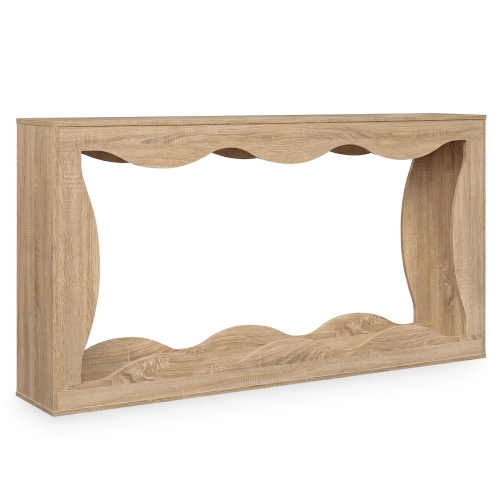

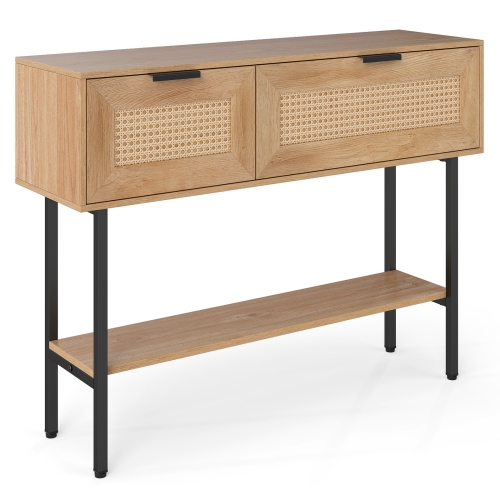

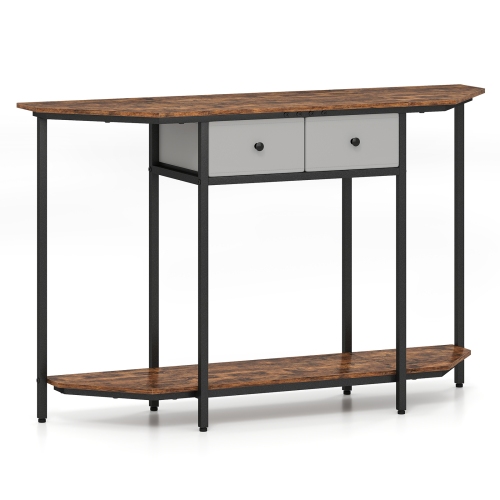
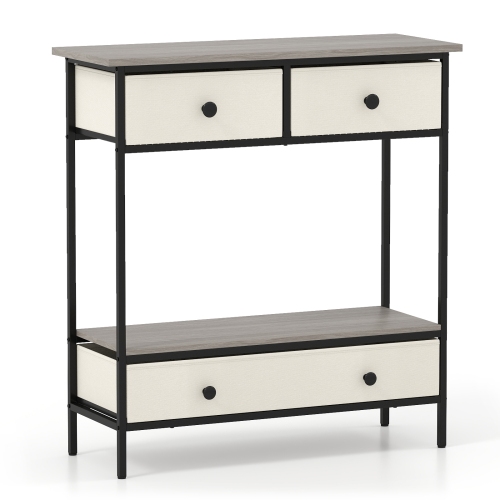


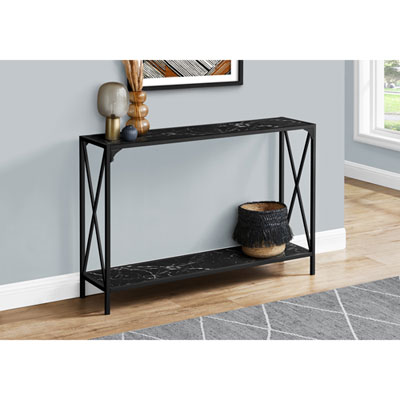

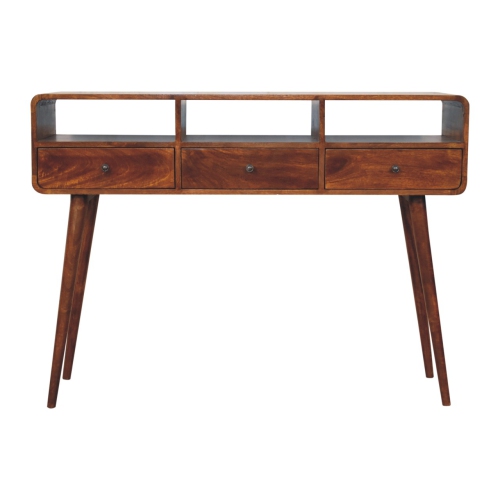

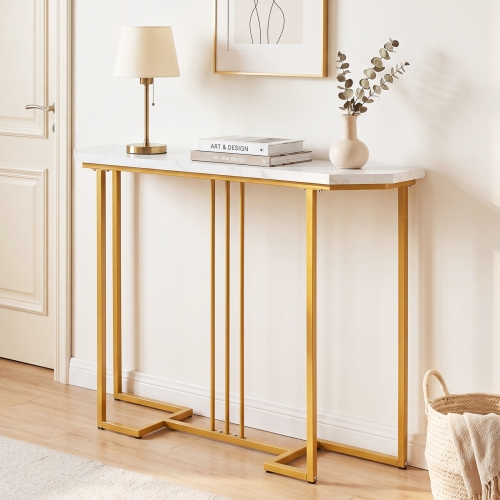
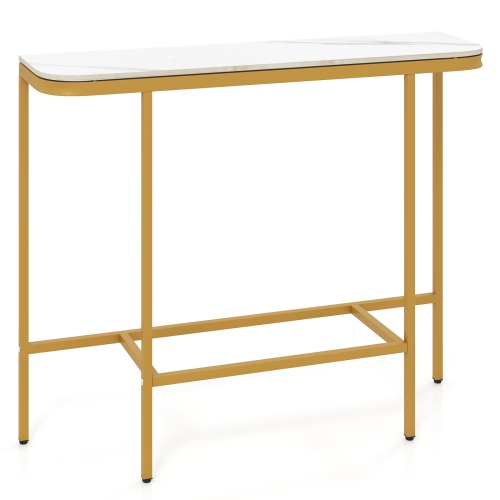
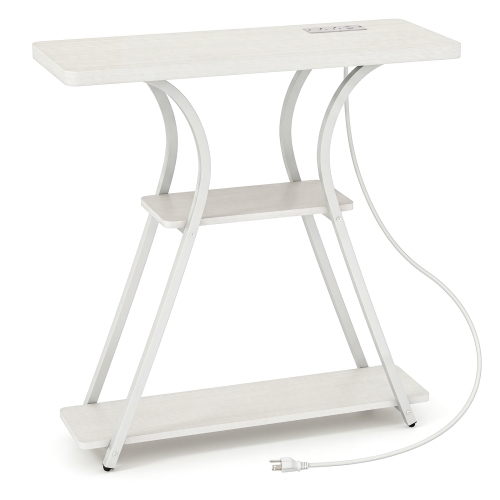


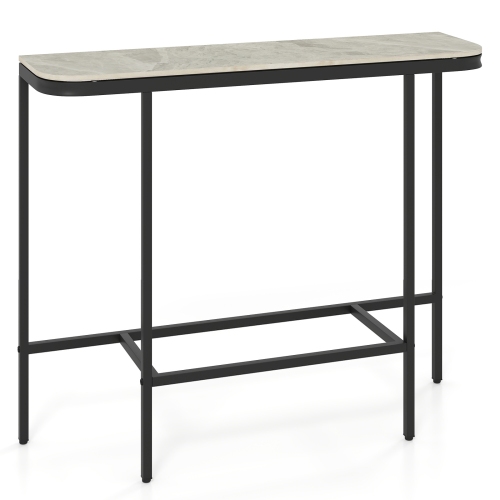
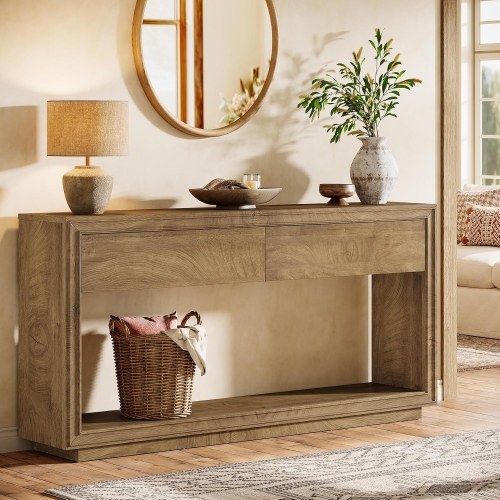


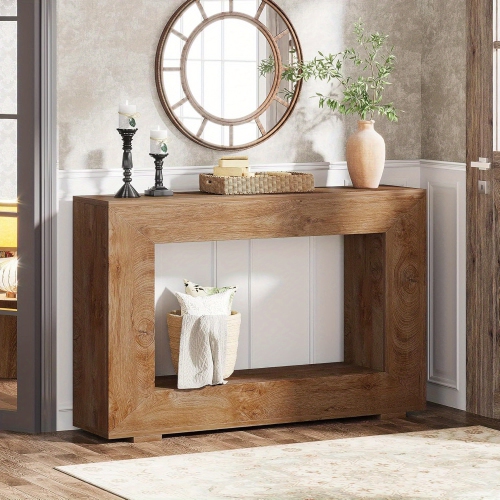

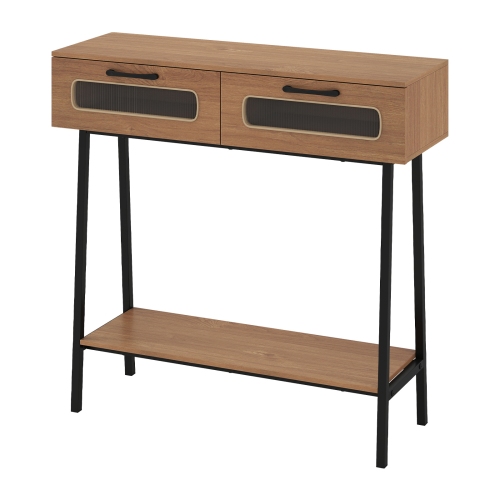


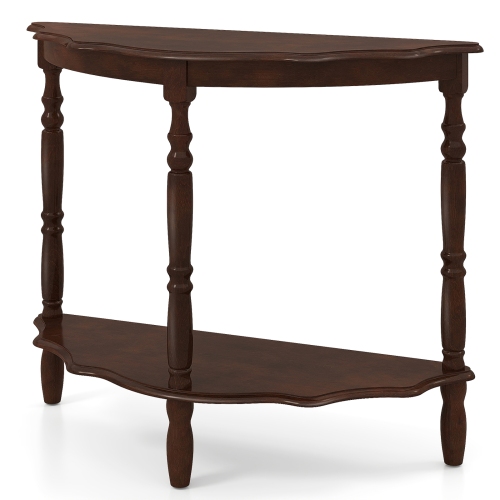


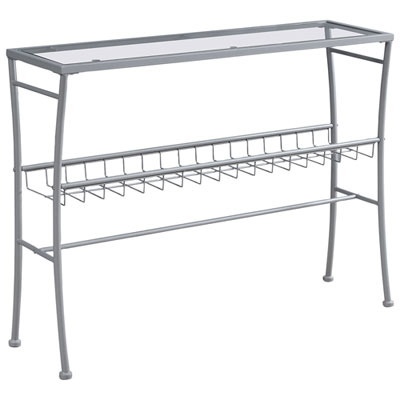
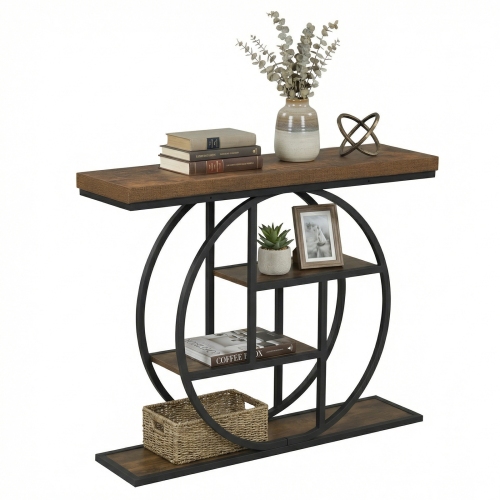

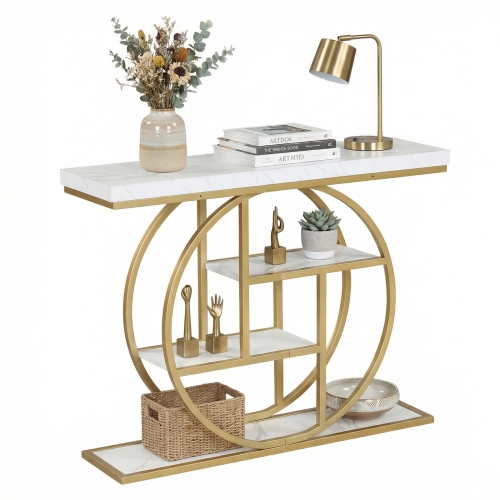

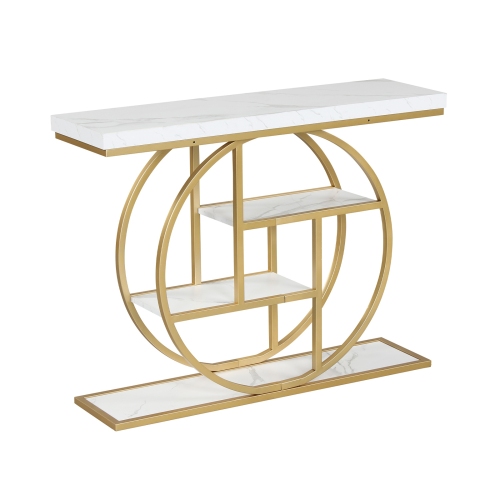


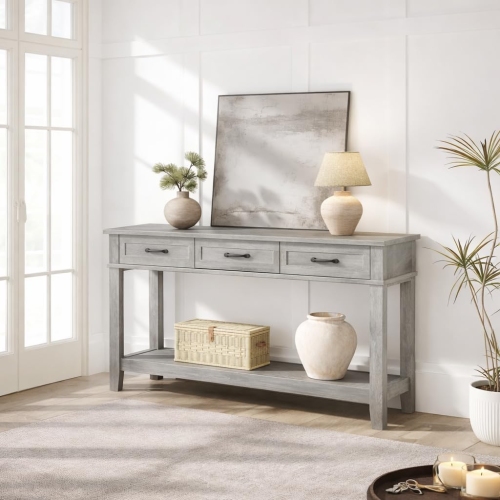
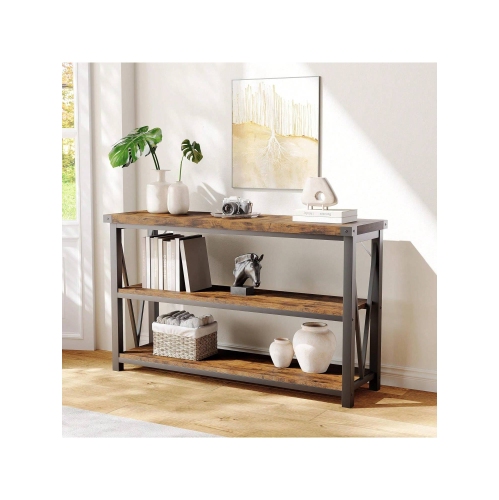


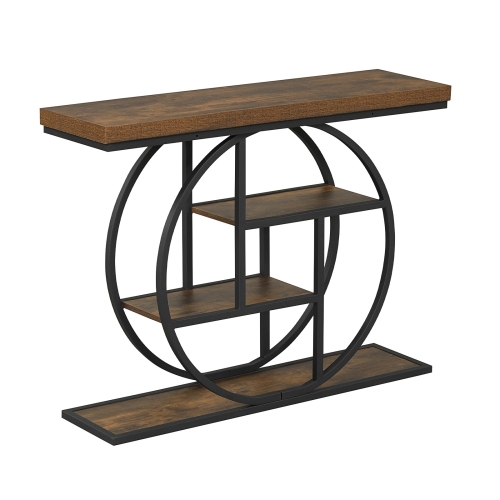


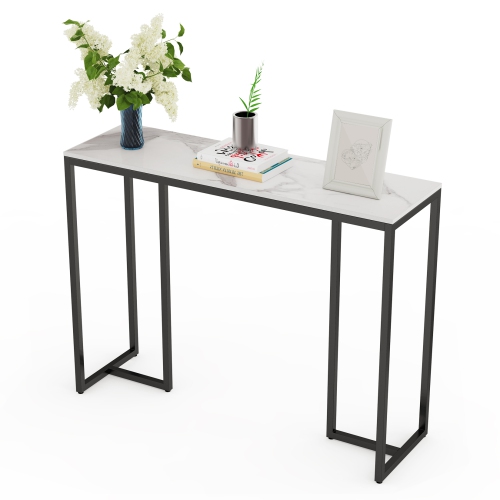
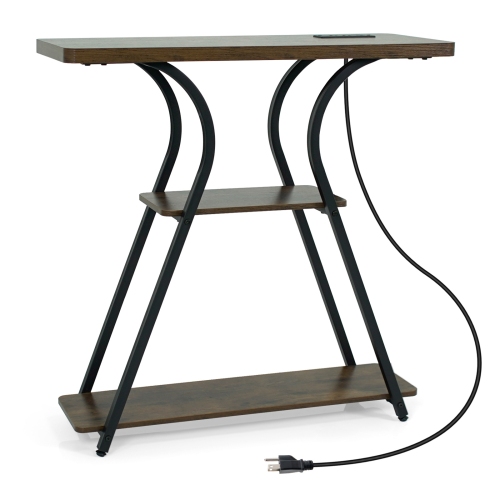
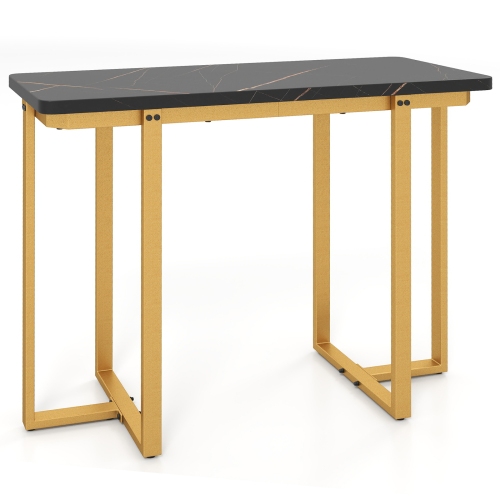


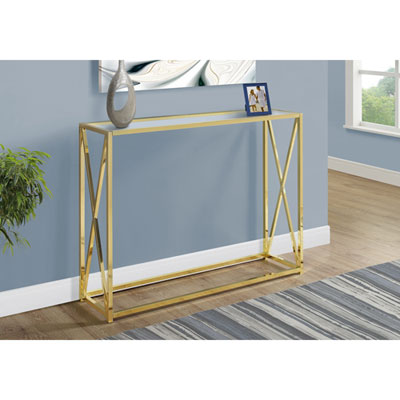

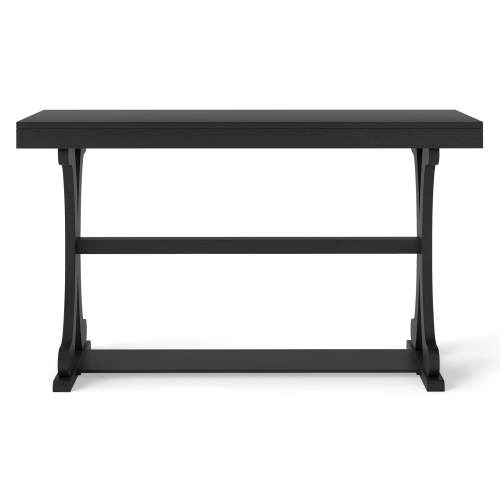
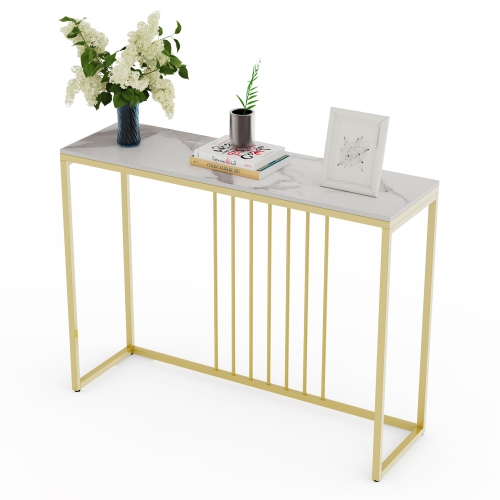


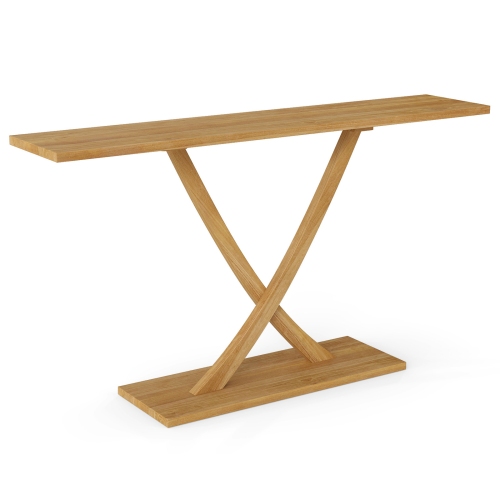
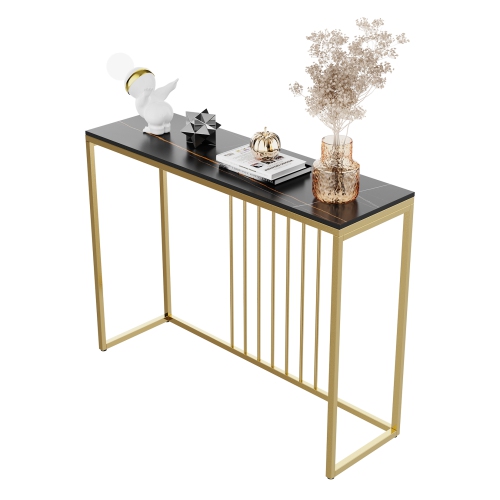


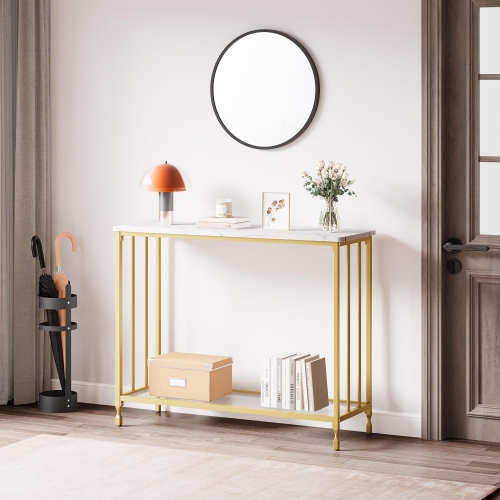


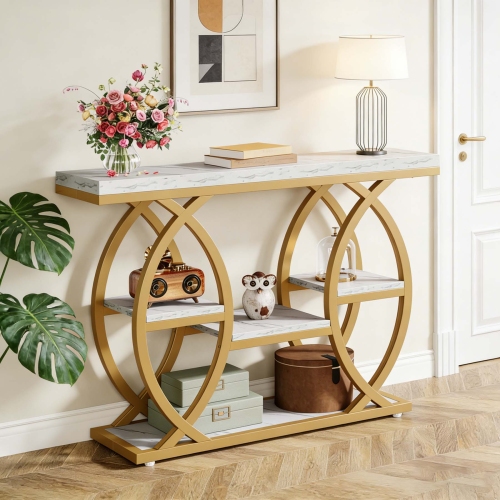
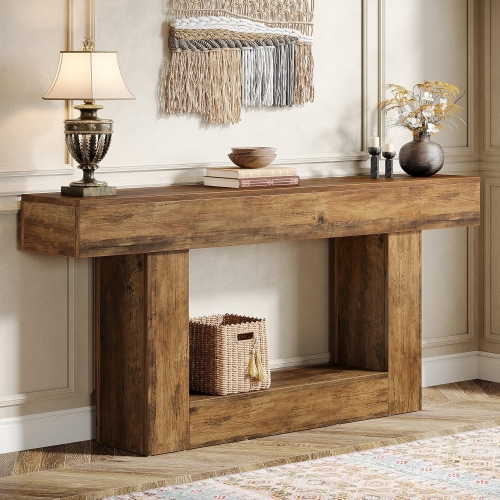


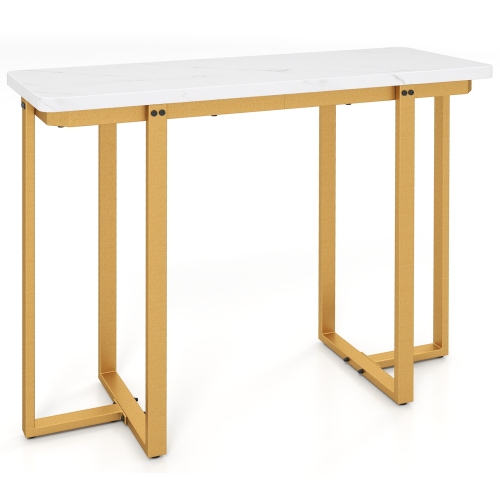

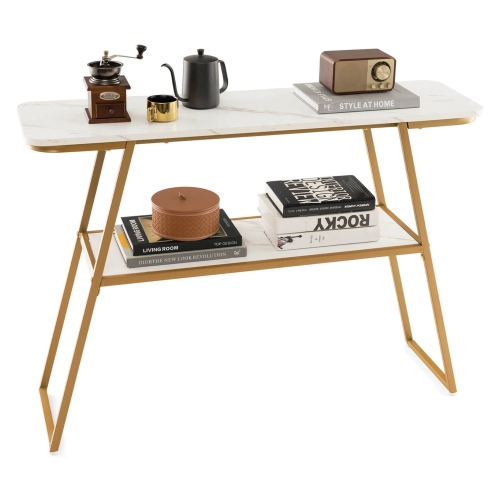


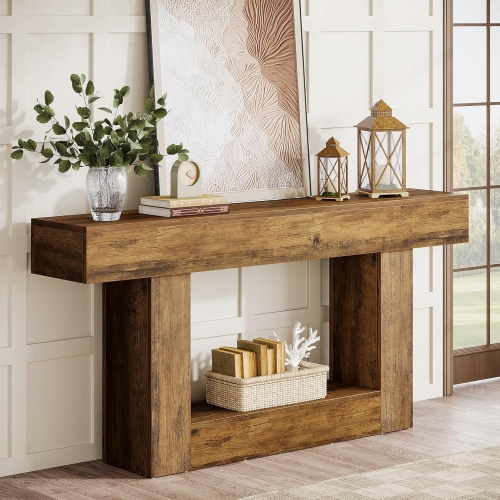

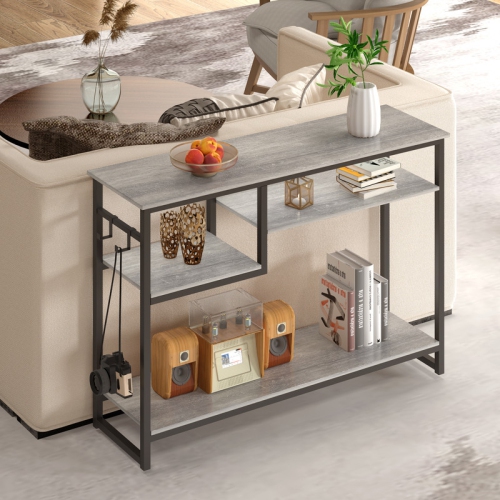

Useful surface space without crowding your busiest walkways
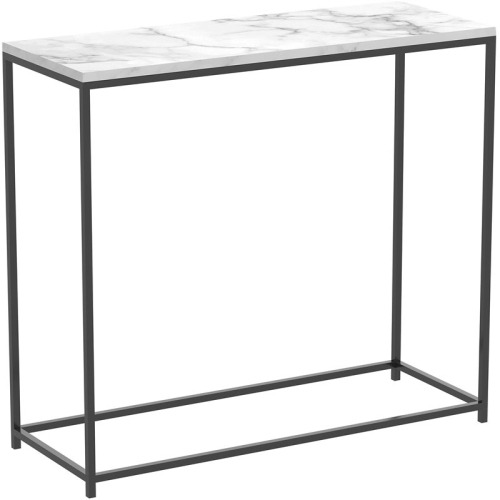
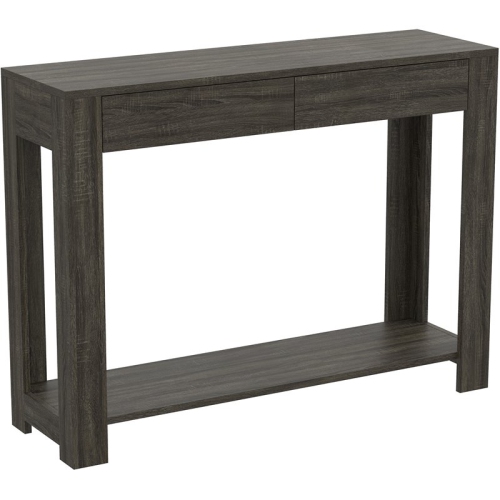
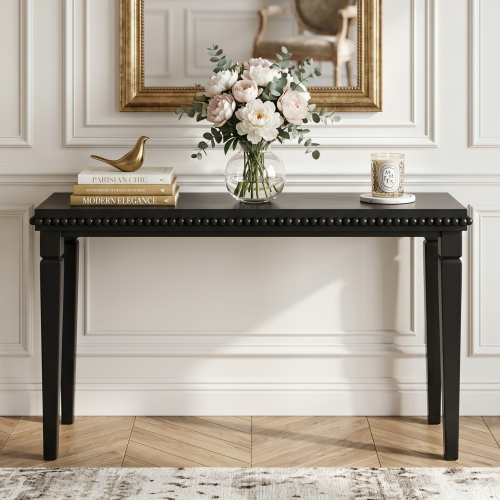
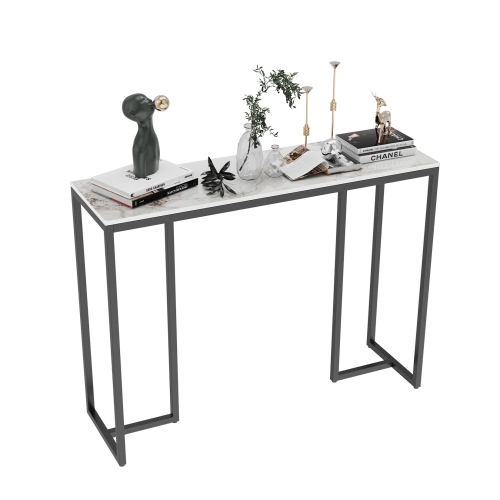
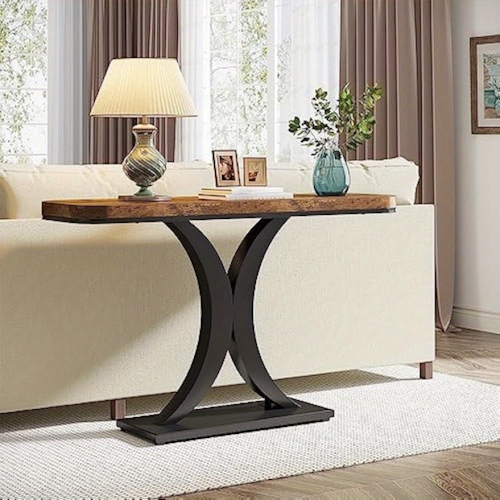
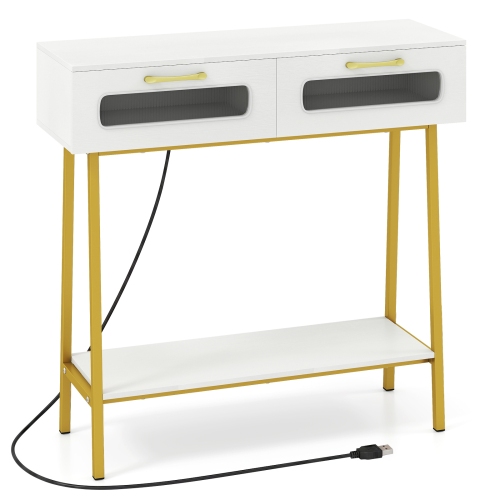
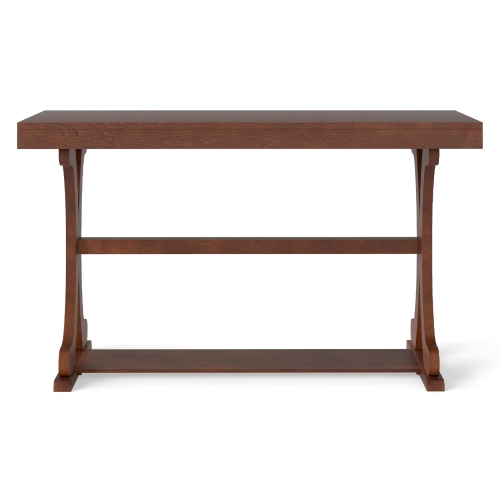
Console tables bring useful surface space to areas where a full-size desk, cabinet, or dining table would feel too bulky. Their typically shallow profile makes them a natural fit for entrances, hallways, living rooms, and the space behind a sofa, offering a place for everyday essentials without taking over the room. In an entryway, a console can hold a small tray for keys, a lamp, and the mail that needs attention, while a drawer keeps loose charging cables and other small belongings out of sight. Behind a sofa, it can provide a finished edge to an open seating area and a convenient spot for a book or a pair of reading glasses. Along a dining room wall, a console may serve as an extra surface for serving pieces, provided its finish and weight capacity suit the intended use. The right proportions depend as much on the surrounding furniture as on the wall itself. A long, narrow design can give an otherwise empty passage a sense of purpose, while a compact table may be better suited to a condo entrance or a small living room. Width, depth, and height all matter: the table should leave enough room for people to pass comfortably, doors to swing open, and nearby drawers or cupboards to operate. Baseboards, floor vents, electrical outlets, and projecting window ledges can also affect placement. For a table behind a sofa, a height at or slightly below the sofa back often creates a balanced arrangement, though the best fit depends on the sofa’s shape and how the surface will be used. Where circulation is the main concern, hallway tables offer a closely related furniture category for narrow spaces. A console works best when its footprint supports the way a household actually moves, whether that means carrying grocery bags through the entrance, making room for a stroller, or keeping a clear route between the living and dining areas. Rounded corners can also make a noticeable difference beside a busy walkway.
Materials shape both the appearance of a console table and the attention it needs over time. Solid wood brings visible grain and natural variation, with finishes ranging from pale, understated tones to deep browns that give a room more visual weight. Wood can respond to changes in indoor humidity, so placement away from direct heat sources and care suited to the finish help preserve its appearance. Engineered wood with veneer offers a real-wood surface over a manufactured core, while laminate finishes can provide a consistent colour or wood-look pattern. Performance varies by construction and finish; edges, joints, and exposed seams deserve attention, especially on a table that will be used every day. Metal frames can create a slim outline with an open feel, and their durability depends partly on the quality of the joints and protective coating. Glass tops allow more of the room to remain visible, making them an appealing option where heavy furniture would feel crowded, though fingerprints and dust may be more noticeable. Stone and stone-look surfaces bring another range of textures, but their weight, porosity, and care requirements differ considerably. A genuine stone top may need care that a printed or composite surface does not, so the manufacturer’s directions matter more than appearance alone. For most console tables, prompt attention to spills, soft cleaning cloths, and protective pads beneath lamps or planters help limit everyday marks. Coasters are useful wherever drinks might be set down, and a waterproof tray beneath a plant pot helps keep moisture away from the tabletop. Abrasive cleaners and harsh chemicals can damage some finishes, even when the surface feels sturdy. Practical durability also comes from a stable base, secure fasteners, and a load rating appropriate to what the table will hold. A console intended for a lamp and a few lightweight accents should not be assumed to support a heavy aquarium or television. Where an anti-tip restraint is supplied or required, installation according to the manufacturer’s instructions is an important part of setting up the table, particularly in homes with children or pets.
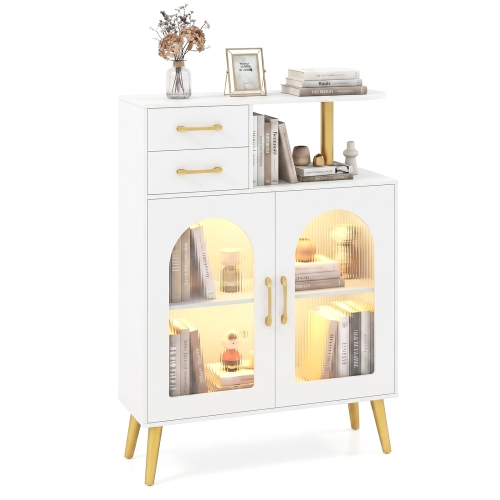
Storage and styling details determine how naturally a console table settles into daily life. An open design with little beneath the top keeps the room feeling spacious and leaves room for a basket, provided it does not obstruct the walkway. A lower shelf creates another usable level for books or neatly contained accessories, while drawers offer a more discreet home for keys, stationery, and the small objects that tend to gather near a doorway. Shelf clearance and drawer depth are worth matching to those belongings; a shallow drawer can be ideal for spare keys but unsuitable for a bulky charging adapter. Handles and knobs affect the table’s overall depth as well as its appearance, and smooth drawer movement makes a difference when the same compartment is opened several times a day. In shared homes, separate baskets or drawer sections can give each person a familiar place for everyday essentials. Style can follow the room’s existing furniture without matching every piece exactly. A wood top on a slender metal frame can sit comfortably alongside upholstered seating, while a painted console can introduce colour to an otherwise neutral entrance. Fluted fronts, curved legs, woven panels, and simple flat surfaces each create a different effect, from textured and relaxed to crisp and understated. Repeating one tone or material already present in the room often helps a new table feel connected to its surroundings. The tabletop usually works better with a little breathing room: a lamp at one end, a shallow catch-all tray, and a favourite framed photograph can look inviting while leaving space to put something down. If a lamp or charger will be used, nearby outlet access and tidy cord routing keep cables from crossing a walking route. Assembly requirements, access through doorways, and the weight of individual components also influence how easily the table can be placed. For a first apartment, a busy family entrance, or a living room needing a modest amount of extra storage, a well-proportioned console table can add useful structure without demanding much floor space.
Top selling and popular products
-
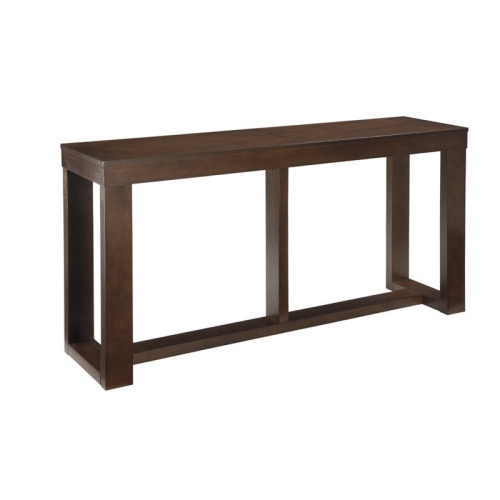 Your price for this item is $349
-
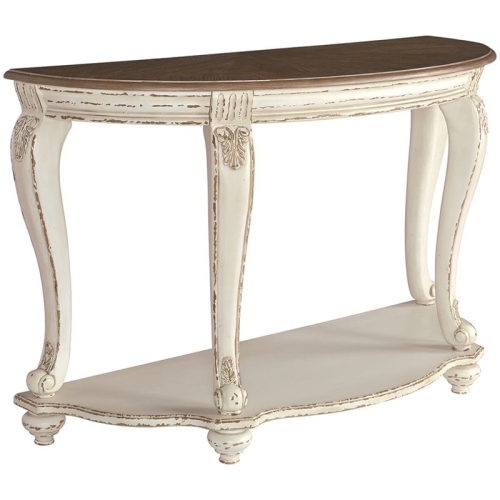 Your price for this item is $499
-
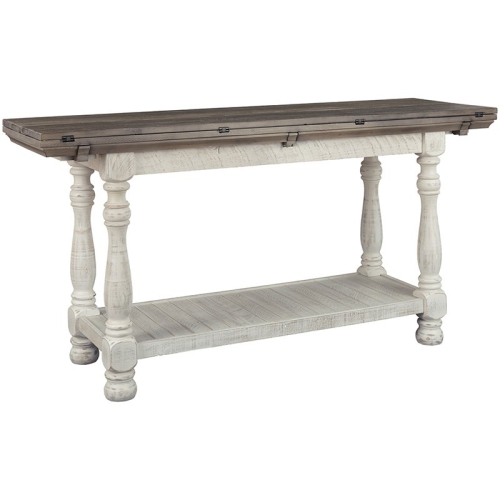 Your price for this item is $799
-
 Your price for this item is $629
-
 Your price for this item is $374.99
-
 Your price for this item is $369.99
-
 Your price for this item is $284.99
-
 Your price for this item is $284.99
Discover more categories related to Console Tables
Top Collections:
Pokemon Centers, Kindle Devices, Best Cameras for Sports Photography, Pokémon 30th Celebration Cards, Apple iPhones 16, Canon G7X Cameras, iPhone 15 Apple, Flip Phones, Samsung Galaxy Phones, Alarm Clock
Some products may be subject to Environmental Handling Fees
(EHF) depending on your province.
Learn more about EHFs.