Container Lids
Keep your kitchen organized and your food fresh with our diverse selection of container lids. Whether you're storing leftovers, preparing meals in advance, or keeping pantry essentials sealed, the right lid can make all the difference. Explore a variety of sizes and styles designed to fit a wide range of containers, ensuring that you can find the perfect match for your storage needs. From flexible silicone options to sturdy plastic designs, our collection offers durable solutions that help maintain freshness and prevent spills. Discover how the right container lids can streamline your kitchen routine and keep your food protected.
Sort
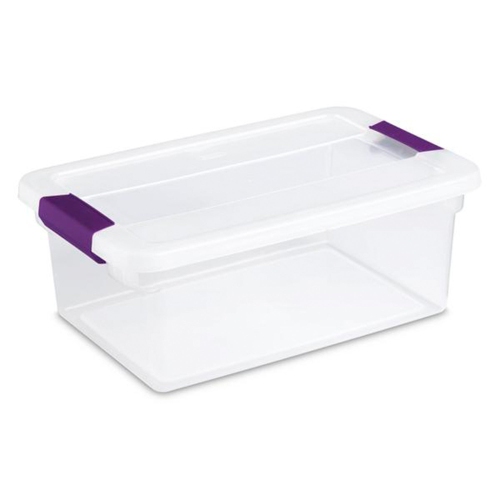
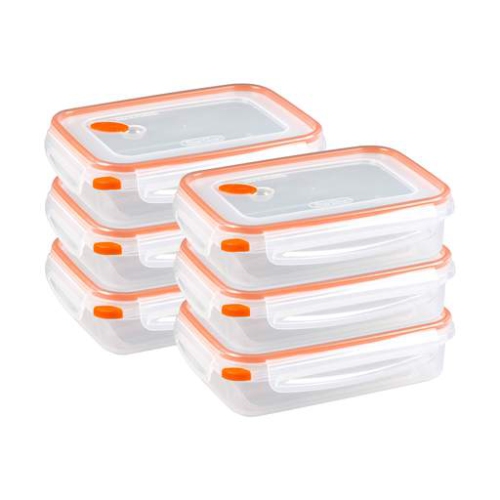
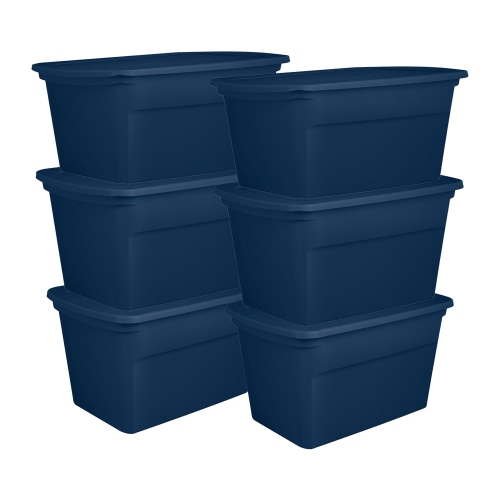
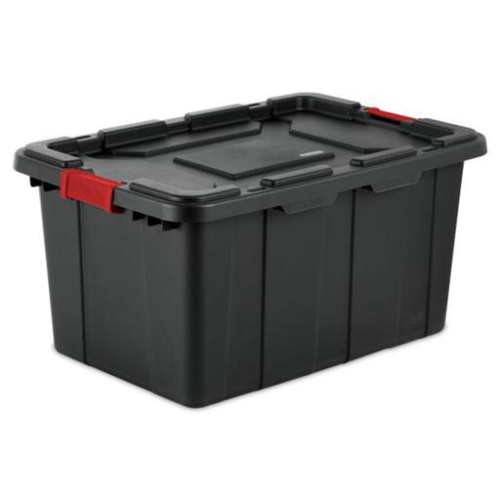
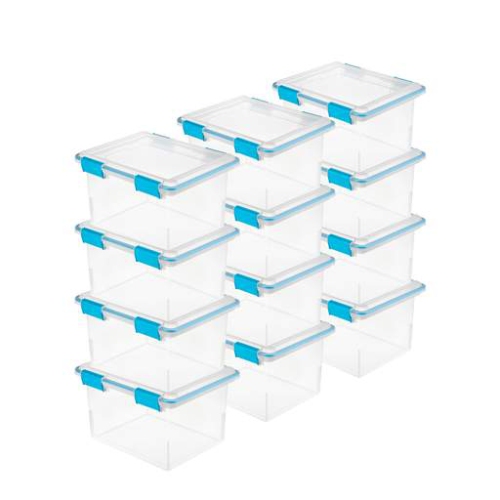
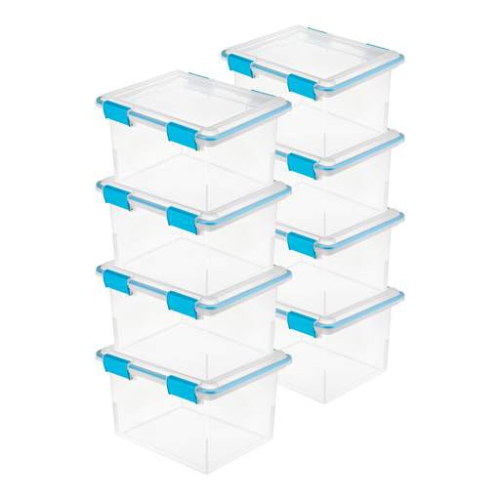
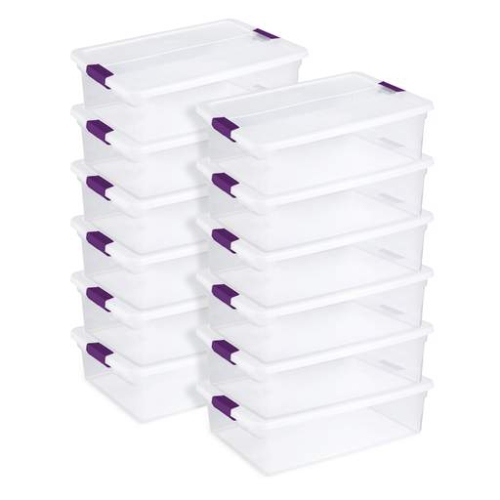
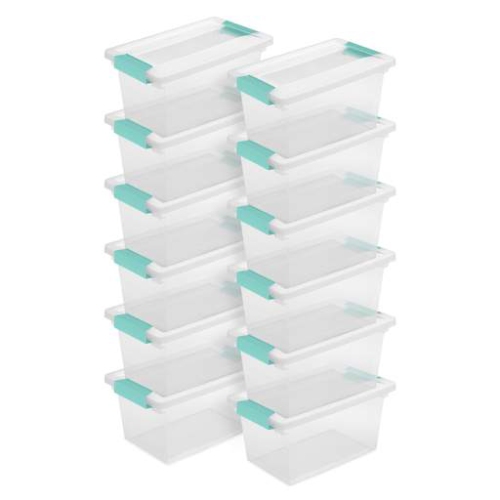
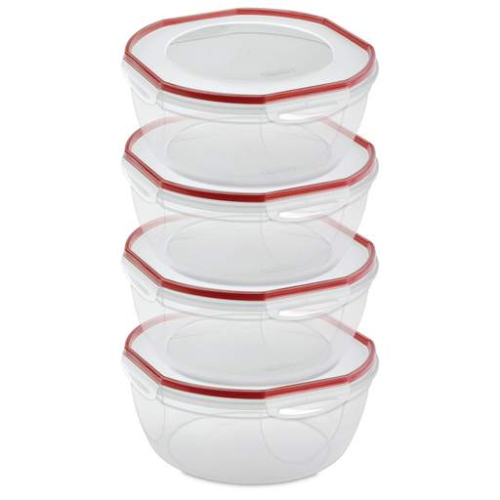
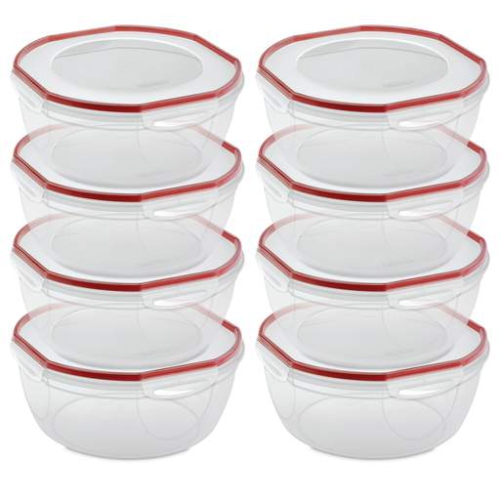
Fit, seals, materials, and closures for everyday storage
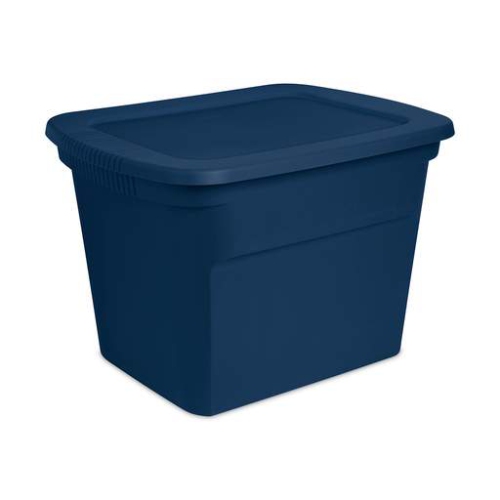
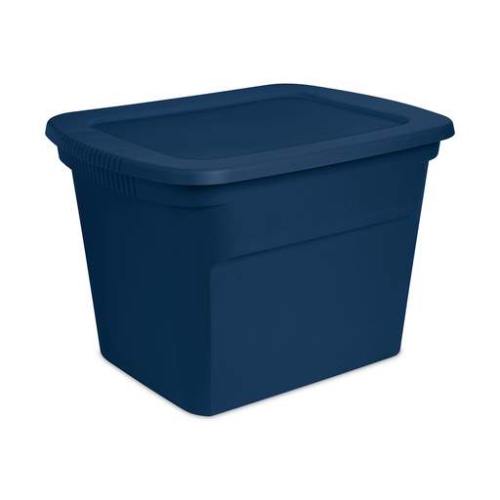
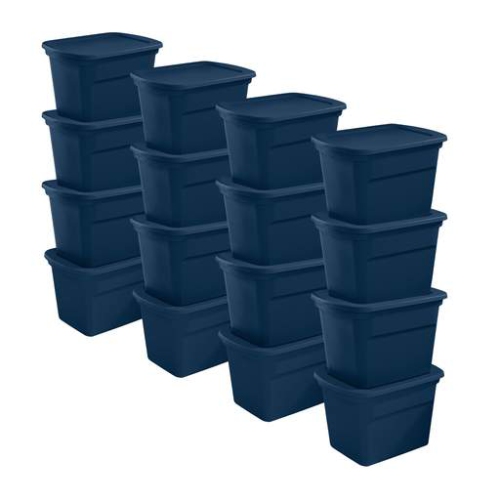
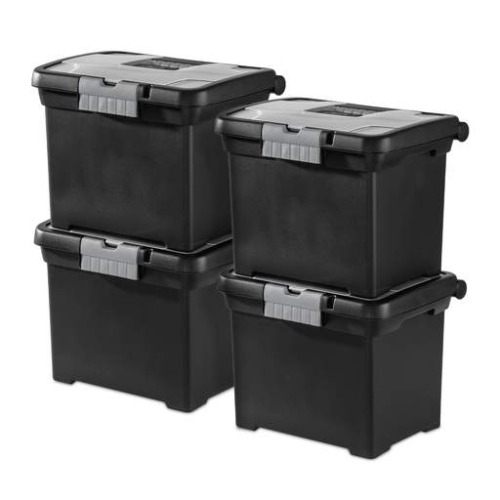
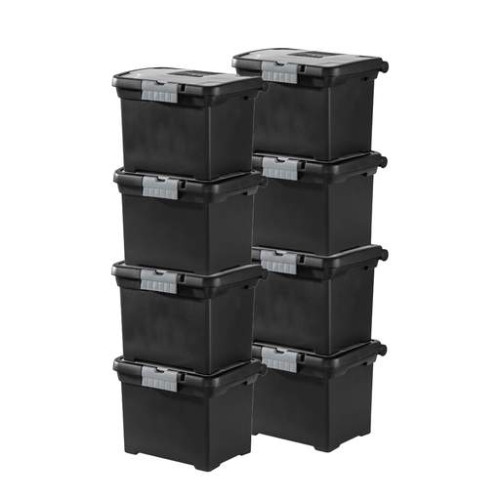
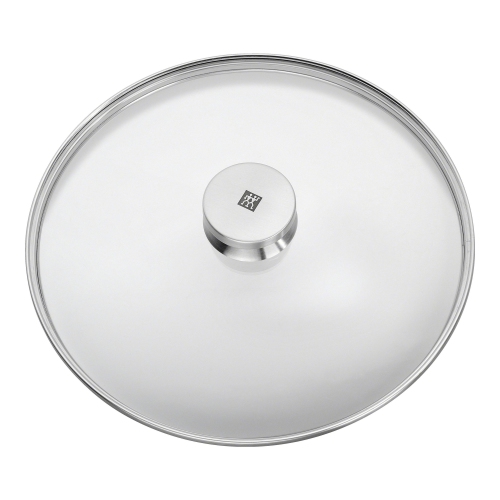
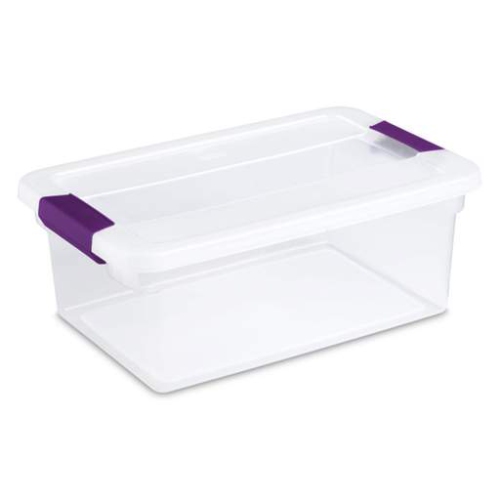
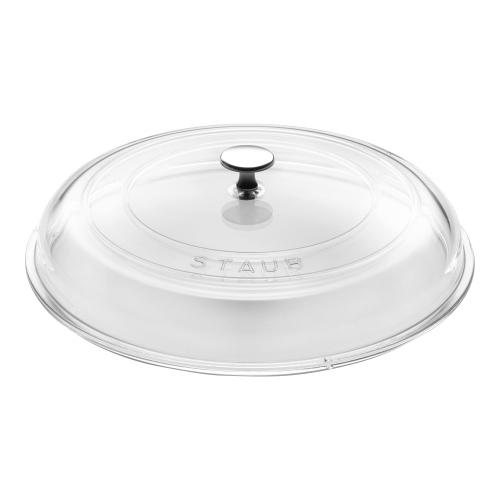
Container lids help keep everyday storage more orderly, whether they are used to cover prepared food, protect pantry ingredients, organize household supplies, or secure items in a larger storage tote. Because lids vary significantly in shape, material, closure style, and intended use, choosing the right type starts with identifying the container it needs to fit. A snap-on or press-fit lid is designed to push over a matching rim and can help protect contents from dust, splatters, and accidental spills during refrigerator or cupboard storage. These covers are often practical for bowls, meal-preparation containers, and leftovers, particularly when the lid is shaped to follow the container’s edges closely. Silicone stretch lids offer a more flexible fit across bowls and other smooth-rimmed vessels, while gasket-sealed lids use a rubber or silicone ring to create a tighter barrier against air and moisture. For pantry staples, craft materials, seasonal decorations, or household equipment, a latching tote lid with side clips can provide a more secure closure than a simple press-fit top. The most important detail is compatibility: measure the container’s rim rather than relying only on its overall capacity, and compare the diameter, length, width, corner shape, and depth of the lid. Even a small difference can prevent a cover from sitting evenly. Replacement lids can be especially useful when the original has gone missing, cracked, warped, or become difficult to close, but an exact match may require checking the container’s model information, shape, or manufacturer part number. For glass containers, a properly fitted cover can make it easier to move meals from the refrigerator to the table, while shoppers looking for a transparent option can also browse Glass Lids.
Material and closure design also affect how a container lid performs in daily use. Kitchen lids should be made from materials intended for food contact, such as food-grade plastic or platinum silicone, and shoppers may want to look for BPA-free construction when selecting plastic covers. Silicone is flexible and can be helpful when a lid needs to stretch over slightly different shapes, although it should still be matched to the recommended size for a dependable fit. Firm plastic lids can stack neatly and are often convenient for organized refrigerator shelves, lunch preparation, and storing dry ingredients in a cupboard. Lids with gaskets or locking tabs are useful when contents need additional protection from air, moisture, odours, or pests, but a secure seal depends on a clean, undamaged rim and a gasket that is seated correctly. For home organization, sturdy tote covers can help keep clothing, bedding, decorations, toys, documents, and hobby supplies enclosed between uses. Latching designs are particularly helpful in busy utility rooms, garages, closets, and moving areas where containers may be lifted or shifted. Before purchasing, check whether the lid is intended for indoor storage, food preparation, refrigeration, or another setting, and confirm any temperature guidance for dishwashers, microwaves, ovens, or freezers. High heat can warp some plastics and may stop a lid from sitting flush, while sudden temperature changes can affect certain materials. Cleaning is equally important: wash away food residue from the rim, dry the lid fully, and inspect grooves, vents, seals, and locking points for buildup. Storing covers flat or nested according to their shape can help prevent bending, and keeping each lid with its matching container can save time when preparing meals or sorting household items.
Container lids suit a wide range of households and routines. Someone preparing lunches before the school or workday may value easy press-fit covers that are simple to remove and replace, while a home cook who portions soups, sauces, grains, or chopped ingredients may prefer lids with a more secure seal for refrigerator storage. Families often use covered containers to keep leftovers organized as the weather warms, when outdoor meals and picnics make dependable food storage more convenient, and during the cooler months when batch cooking and freezer organization become part of a regular routine. A tidy lid system can also appeal to students moving into a residence, new homeowners setting up a pantry, or anyone sorting a crowded kitchen drawer. Outside the kitchen, replacement or latching lids can be a thoughtful practical gift for someone moving, renovating, creating a craft area, or preparing a storage space for seasonal clothing and decorations. When selecting a lid as a gift, an adjustable style may be suitable if the recipient uses several container sizes, while an exact replacement is the better choice when the container’s dimensions and shape are known. Consider where the lid will be used, how often it will be opened, whether the contents need protection from moisture or odours, and how much space is available for stacking. A clear lid can make contents easy to identify at a glance; an opaque cover may be preferable for items stored away from light or for keeping a shelf looking uniform. Careful attention to measurements, material, seal design, closure style, and cleaning instructions makes it easier to choose container lids that fit properly and support everyday storage, from a neatly packed refrigerator to an organized closet, garage, or pantry.
Material and closure design also affect how a container lid performs in daily use. Kitchen lids should be made from materials intended for food contact, such as food-grade plastic or platinum silicone, and shoppers may want to look for BPA-free construction when selecting plastic covers. Silicone is flexible and can be helpful when a lid needs to stretch over slightly different shapes, although it should still be matched to the recommended size for a dependable fit. Firm plastic lids can stack neatly and are often convenient for organized refrigerator shelves, lunch preparation, and storing dry ingredients in a cupboard. Lids with gaskets or locking tabs are useful when contents need additional protection from air, moisture, odours, or pests, but a secure seal depends on a clean, undamaged rim and a gasket that is seated correctly. For home organization, sturdy tote covers can help keep clothing, bedding, decorations, toys, documents, and hobby supplies enclosed between uses. Latching designs are particularly helpful in busy utility rooms, garages, closets, and moving areas where containers may be lifted or shifted. Before purchasing, check whether the lid is intended for indoor storage, food preparation, refrigeration, or another setting, and confirm any temperature guidance for dishwashers, microwaves, ovens, or freezers. High heat can warp some plastics and may stop a lid from sitting flush, while sudden temperature changes can affect certain materials. Cleaning is equally important: wash away food residue from the rim, dry the lid fully, and inspect grooves, vents, seals, and locking points for buildup. Storing covers flat or nested according to their shape can help prevent bending, and keeping each lid with its matching container can save time when preparing meals or sorting household items.
Container lids suit a wide range of households and routines. Someone preparing lunches before the school or workday may value easy press-fit covers that are simple to remove and replace, while a home cook who portions soups, sauces, grains, or chopped ingredients may prefer lids with a more secure seal for refrigerator storage. Families often use covered containers to keep leftovers organized as the weather warms, when outdoor meals and picnics make dependable food storage more convenient, and during the cooler months when batch cooking and freezer organization become part of a regular routine. A tidy lid system can also appeal to students moving into a residence, new homeowners setting up a pantry, or anyone sorting a crowded kitchen drawer. Outside the kitchen, replacement or latching lids can be a thoughtful practical gift for someone moving, renovating, creating a craft area, or preparing a storage space for seasonal clothing and decorations. When selecting a lid as a gift, an adjustable style may be suitable if the recipient uses several container sizes, while an exact replacement is the better choice when the container’s dimensions and shape are known. Consider where the lid will be used, how often it will be opened, whether the contents need protection from moisture or odours, and how much space is available for stacking. A clear lid can make contents easy to identify at a glance; an opaque cover may be preferable for items stored away from light or for keeping a shelf looking uniform. Careful attention to measurements, material, seal design, closure style, and cleaning instructions makes it easier to choose container lids that fit properly and support everyday storage, from a neatly packed refrigerator to an organized closet, garage, or pantry.
Top selling and popular products
-
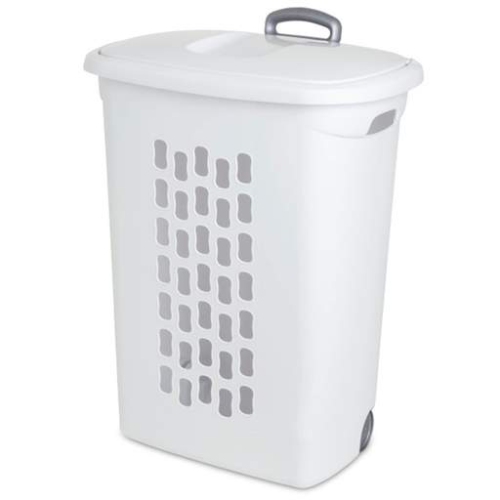 Your price for this item is $1089.99
 -
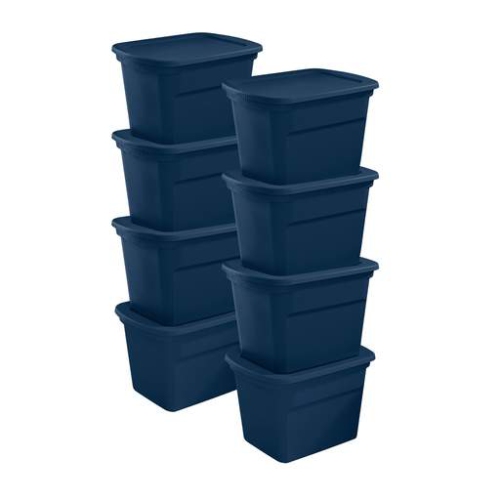 Your price for this item is $246.99
 -
 Your price for this item is $679.99
 -
 Your price for this item is $906.99
 -
 Your price for this item is $452.99
 -
 Your price for this item is $133.99
 -
 Your price for this item is $264.99
 -
 Your price for this item is $64.98
Discover more categories related to Container Lids
Top Collections:
Pokemon Centers, Kindle Devices, Best Budget Office Chairs, Apple iPhones 16, Best Laptops for Writers, iPhone 15 Apple, Canon G7X Cameras, Refurbished Apple Laptops, Alarm Clock, Motorola Razr Phones
Some products may be subject to Environmental Handling Fees
(EHF) depending on your province.
Learn more about EHFs.