Contemporary Accent Rugs
Contemporary Accent Rugs add a touch of modern style and sophistication to any room, instantly transforming your living space. With a wide selection of patterns, colors, and textures, these rugs are designed to complement a variety of décor styles. Whether you’re updating your living room, bedroom, or office, Contemporary Accent Rugs provide an easy way to enhance comfort and visual appeal. Explore options that suit your personal taste and create a fresh look in your home with the perfect rug choice.
Sort
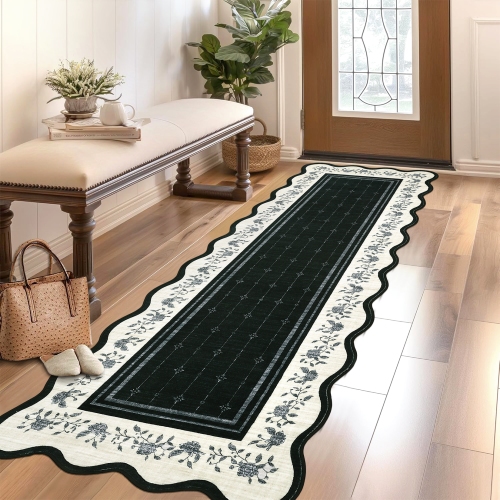
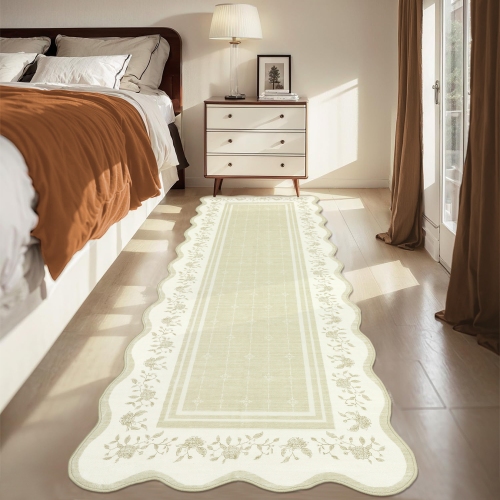
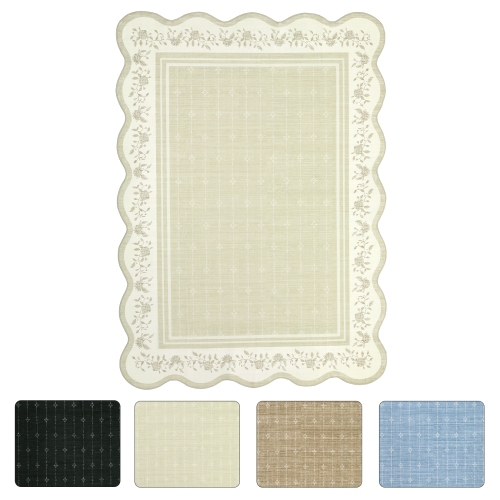
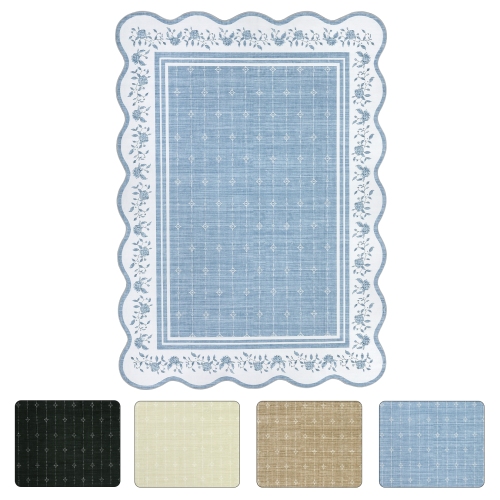
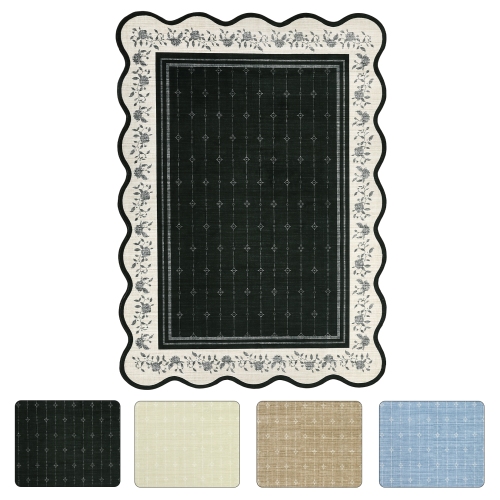
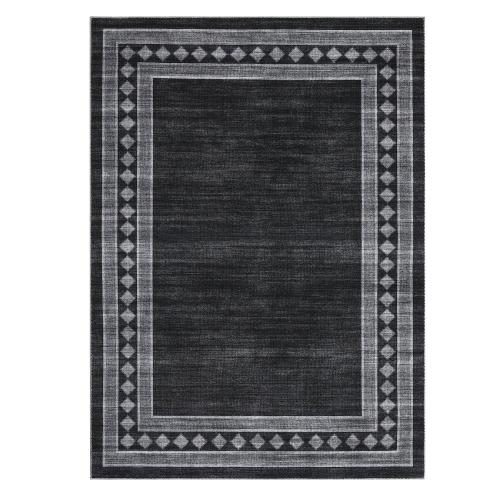
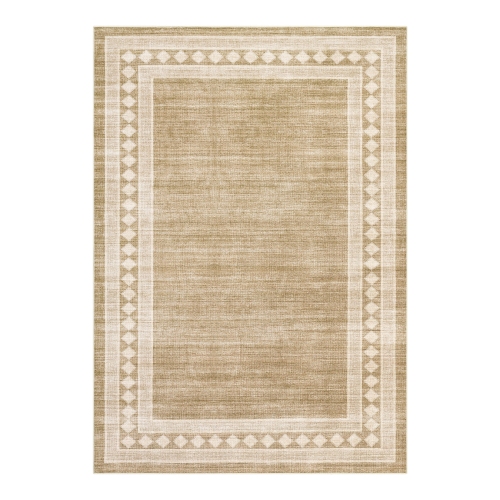
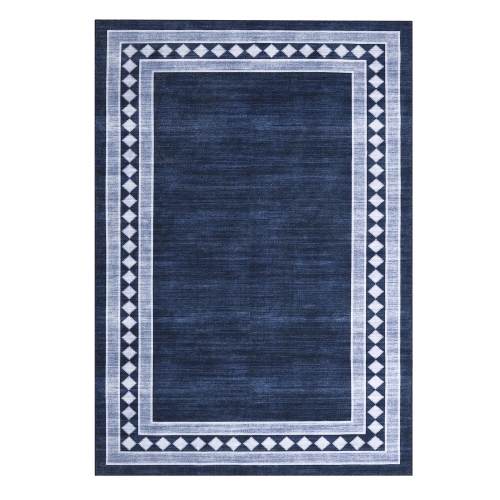
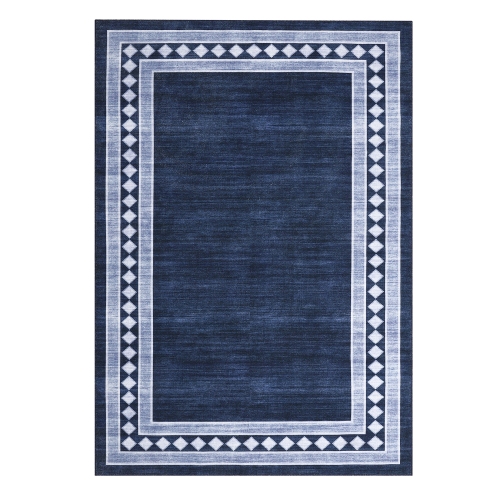
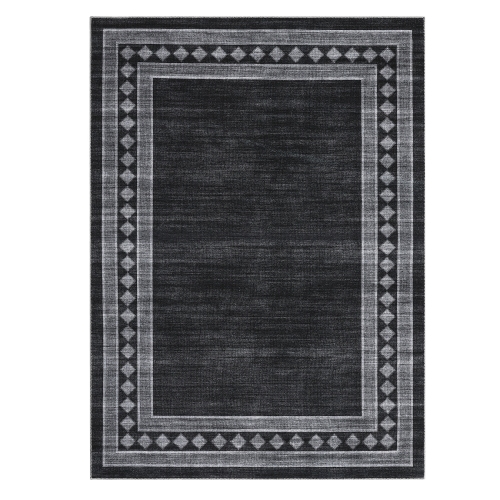
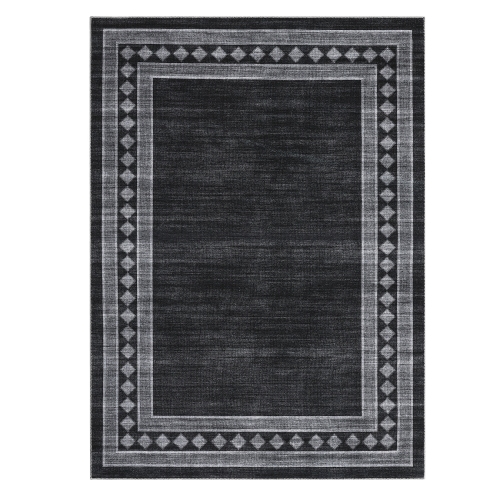
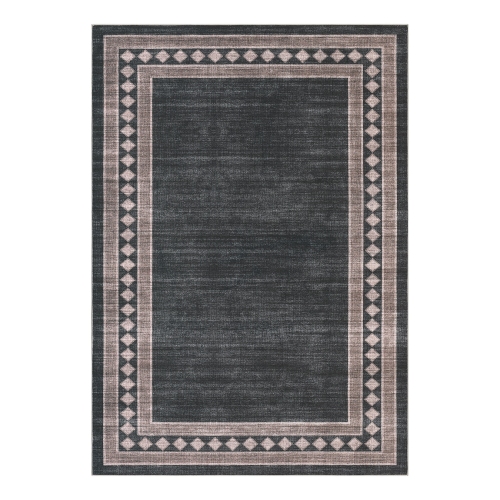
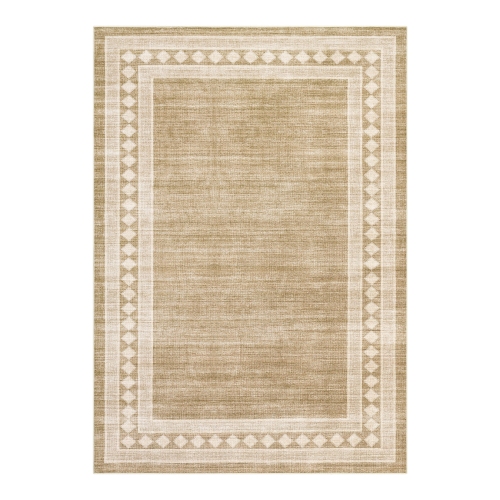
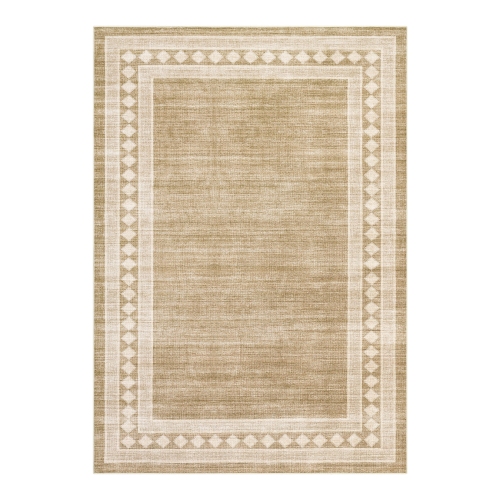
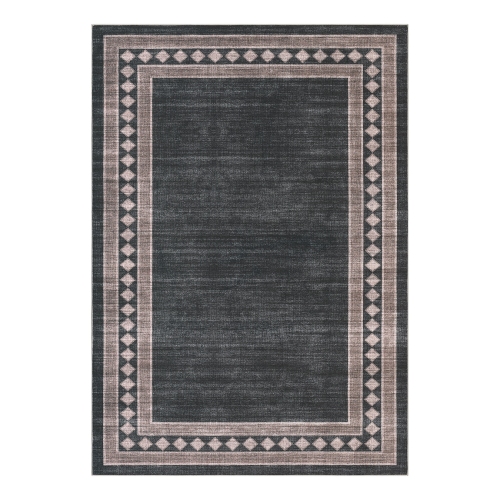
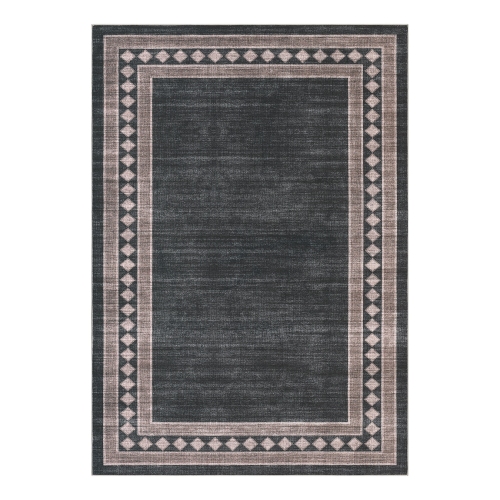
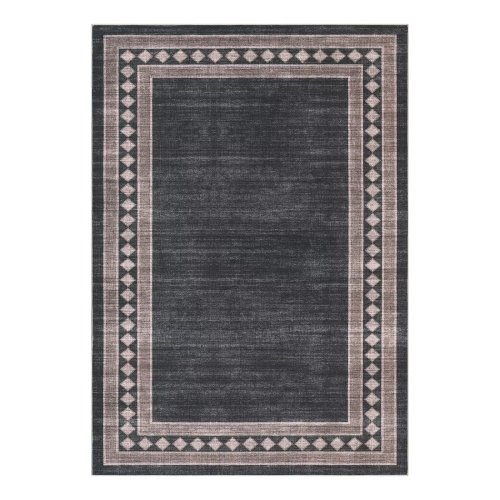
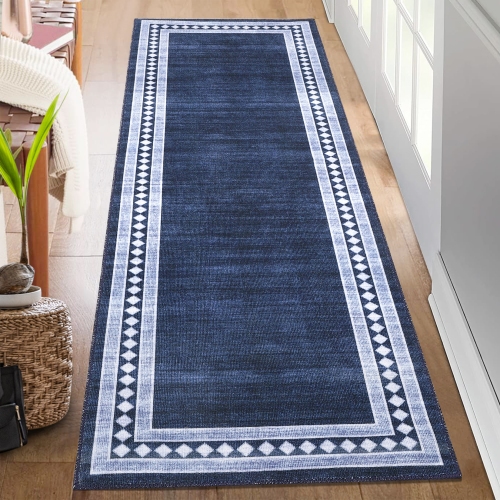
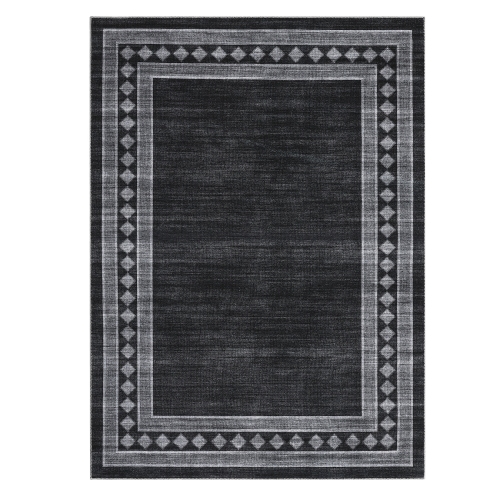
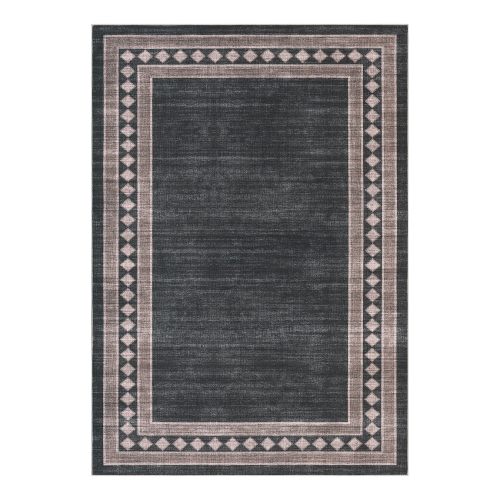
Expressive patterns that give smaller spaces a focal point
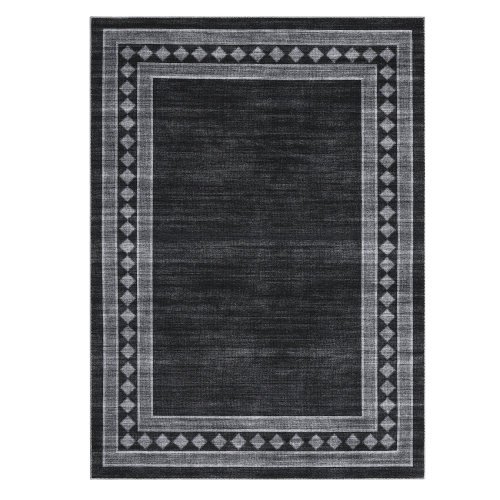
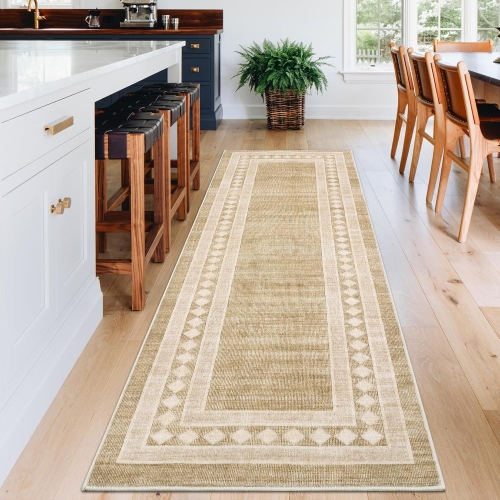
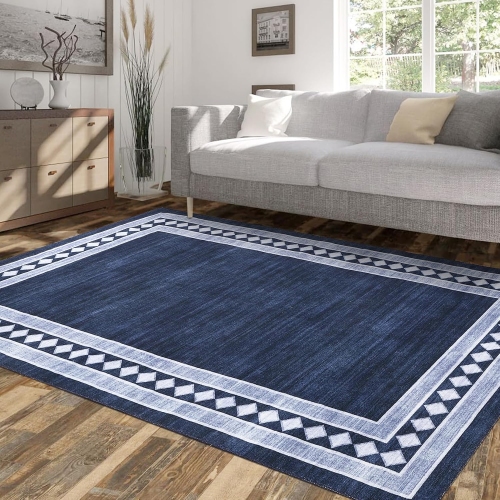
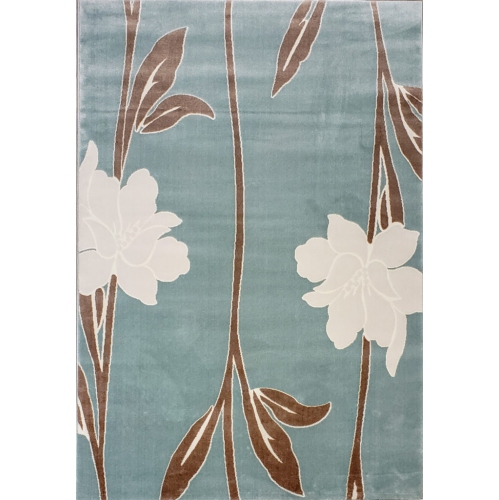
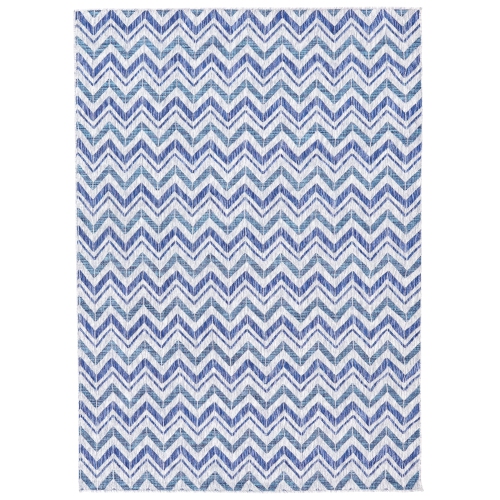
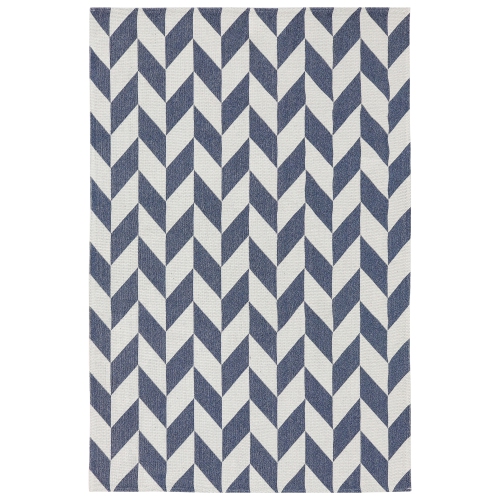
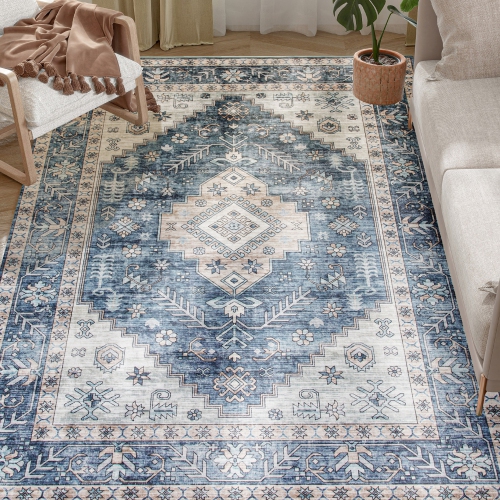
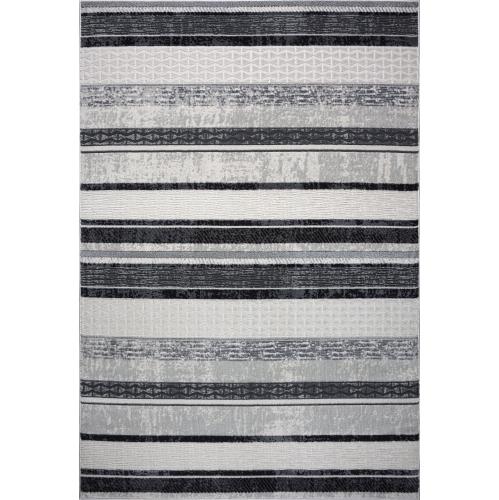
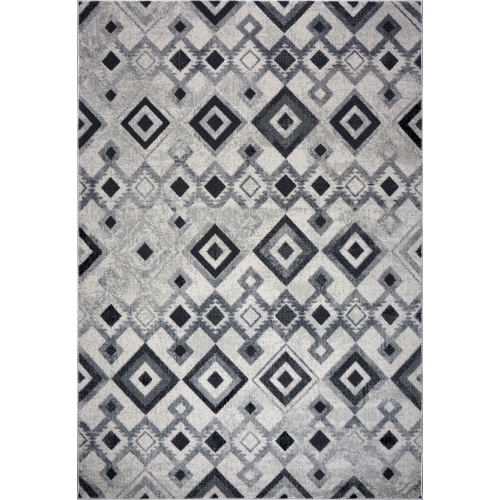
Contemporary accent rugs bring pattern, texture, and definition to smaller areas of a home without covering the entire floor. Often used beside a bed, beneath an occasional chair, or inside an entryway, they create a clear focal point while leaving surrounding flooring visible. Their contemporary character comes from simplified shapes, unexpected colour combinations, abstract markings, and textured surfaces rather than a single fixed style. A rug with charcoal lines on an ivory background can echo the dark frame of a coffee table, while soft blue curves or muted terracotta blocks can introduce colour to a room furnished in neutral tones. Some designs feel crisp and architectural; others resemble loose brushstrokes, rippling contours, or overlapping pieces of cut paper. For a closer look at expressive patterns, the Contemporary Abstract Rugs collection centres on this artistic approach to floor coverings. Shape also changes the effect. A rectangular accent rug can follow the lines of a bench or console, a round rug can soften a corner filled with angular furniture, and an irregular outline can become a decorative feature of its own. These smaller rugs suit apartments, condos, bedrooms, reading corners, and home offices where a full-size area rug might overwhelm the space. In an open-plan room, an accent rug can distinguish a quiet seating spot from an adjacent dining area without adding a physical divider. The most cohesive arrangements repeat one or two existing colours while introducing a different scale of pattern. A large, open motif gives the eye room to rest beside patterned cushions, whereas a finely detailed rug can add interest beneath a simple chair. Texture can provide that contrast even when the palette stays restrained: raised lines, loops, or a softly mottled surface give cream, grey, and beige designs more depth. An accent rug does not need to match every furnishing; a shared undertone or repeated shape can be enough to make it feel connected to the room.
Materials and construction influence how contemporary accent rugs feel underfoot, hold their shape, and respond to everyday use. Wool offers a naturally resilient fibre with a substantial feel, although some shedding can occur, particularly when a rug is new. Cotton rugs are often lighter and more flexible, making them practical where easy handling matters; whether they can be machine washed depends on their construction, backing, and care label. Polypropylene and polyester are common synthetic options that can offer practical stain resistance and clear pattern definition, but no fibre makes a rug immune to spills or wear. Nylon is known for resilience, while viscose and similar silky fibres bring a noticeable sheen but generally need more cautious cleaning and placement away from moisture. Jute and other coarse plant fibres create a textured look, though they may feel rougher on bare feet and can be less forgiving of liquid spills. Construction matters alongside fibre content. A tightly woven, low-pile rug generally allows easier movement beneath doors and furniture, while a thicker pile creates a more cushioned surface beside a bed or lounge chair. Raised patterns add dimension, but their texture can also catch crumbs, pet hair, or small debris. In a home office, a low, firm surface is usually more compatible with chair movement than a deep, plush pile, provided the rug is suitable for that use. For households with children or pets, accessible cleaning instructions and secure placement may matter more than a delicate finish. Backing deserves attention as well: a rug may need a separate pad to reduce movement, add cushioning, or protect the floor beneath it. Both the backing and the pad should be compatible with the flooring manufacturer’s recommendations, since some materials can mark or discolour certain finishes. A pad should sit slightly inside the rug’s edges so it remains concealed and does not create a raised border.
Good fit comes from measuring the usable floor area rather than judging a rug by its pattern alone. At an entry, there needs to be enough clearance for the door to swing freely without catching the pile or pushing an edge out of place. Beside a bed, the rug should reach the spot where feet naturally land while staying clear of drawers that open close to the floor. Near a reading chair, a little visible flooring around the rug helps define the arrangement, while a stable, level position beneath any furniture legs prevents rocking. Painter’s tape can outline the intended footprint before a size is chosen, making it easier to picture walkways and furniture clearance. Keeping edges out of busy paths is especially important in compact rooms and homes where mobility aids are used. Everyday care then helps preserve both appearance and function. Regular vacuuming removes grit that can work into the fibres, with the appropriate setting determined by the rug’s care instructions; fringes, loops, and raised details may require gentler handling. Spills are best blotted promptly with a clean cloth rather than rubbed, and any cleaning solution should be checked against the care label and tested in an inconspicuous area. Machine-washable designs still have limits on water settings, drying methods, and washer capacity, so washable should not be taken to mean suitable for every laundry routine. Rotating a rug periodically can distribute foot traffic and light exposure more evenly, while checking the underside helps catch trapped grit or moisture before it affects the floor. Lift furniture when repositioning it rather than dragging it across textured fibres or bound edges. For a housewarming gift or a first apartment, an accent rug can be a useful personal touch when the recipient’s measurements, preferred colours, and cleaning needs are known. A considered choice adds a comfortable landing spot, a distinct pattern, and a sense of intention to a room that may otherwise need very little decoration.
Top selling and popular products
-
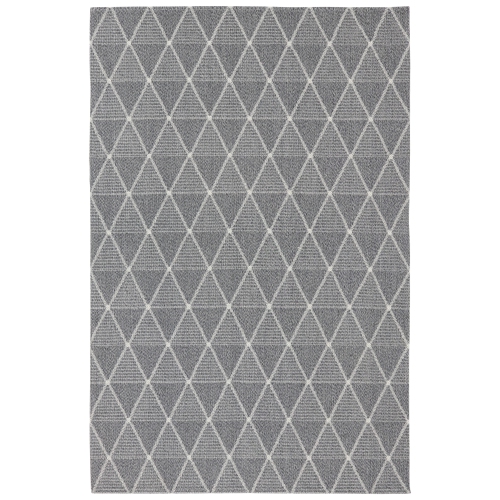 Your price for this item is $130.55
-
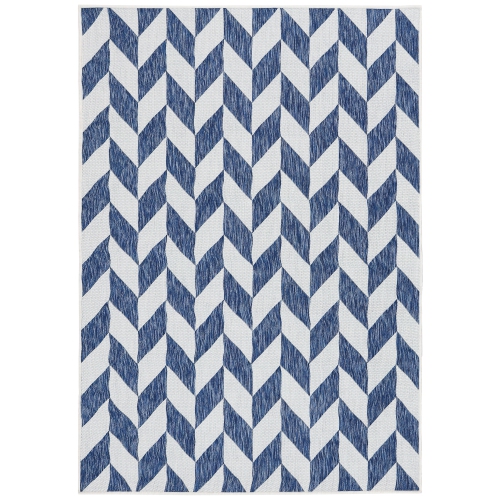 Your price for this item is $129.15
-
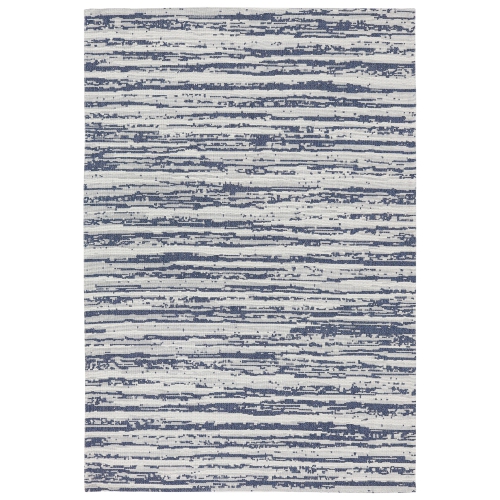 Your price for this item is $130.55
-
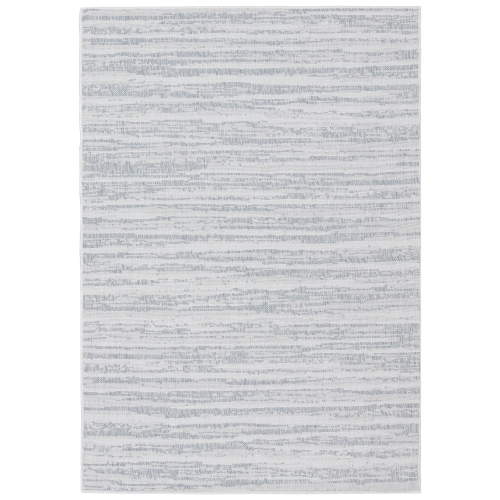 Your price for this item is $129.15
-
 Your price for this item is $129.15
-
 Your price for this item is $130.55
-
 Your price for this item is $144.99
-
 Your price for this item is $103.99
Discover more categories related to Contemporary Accent Rugs

Top Collections:
Best Black Friday Deals This Year, Best Black Friday Deals On Electronics, Kindle Devices, Dyson Airwrap, Best Cameras for Sports Photography, Best Budget Office Chairs, Canon G7X Cameras, PS5 Pro Consoles, Best Black Friday Deals On Apple Products, XBOX One S Consoles
Some products may be subject to Environmental Handling Fees
(EHF) depending on your province.
Learn more about EHFs.