Contemporary Moroccan Rugs
Elevate your living space with the striking style of contemporary Moroccan rugs. These unique floor coverings blend traditional artistry with modern design, offering a perfect accent for any room. Whether you’re looking to add a touch of global flair or create a cozy atmosphere, contemporary Moroccan rugs provide versatile options to suit your décor needs. Explore a wide selection and discover the ideal piece to enhance your home’s aesthetic.
Sort
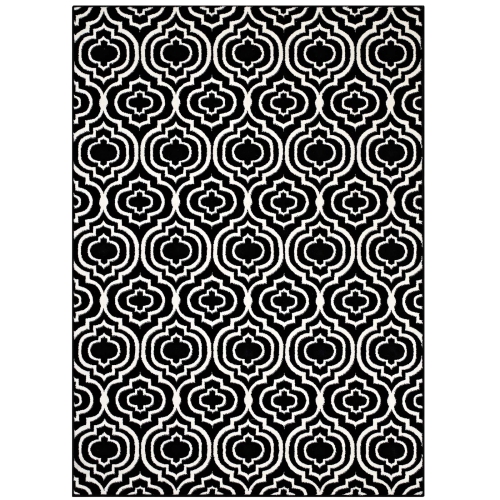
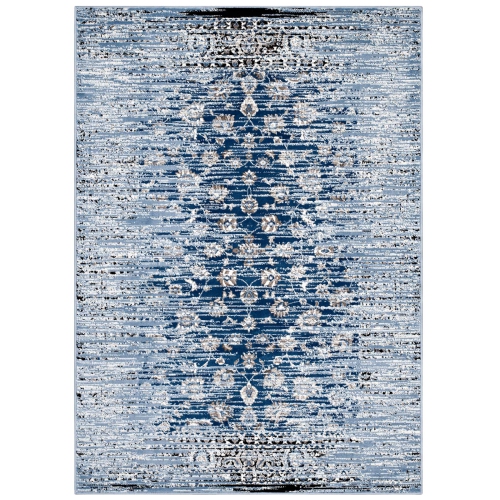
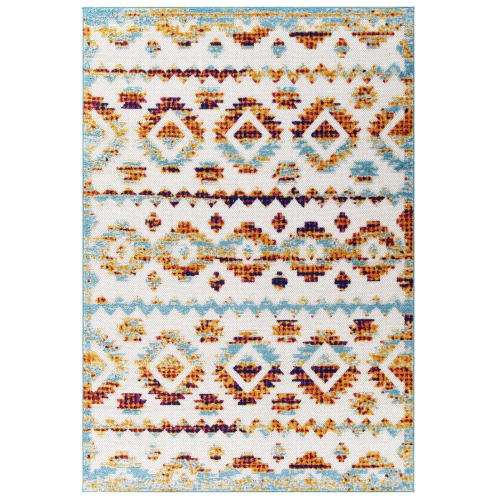
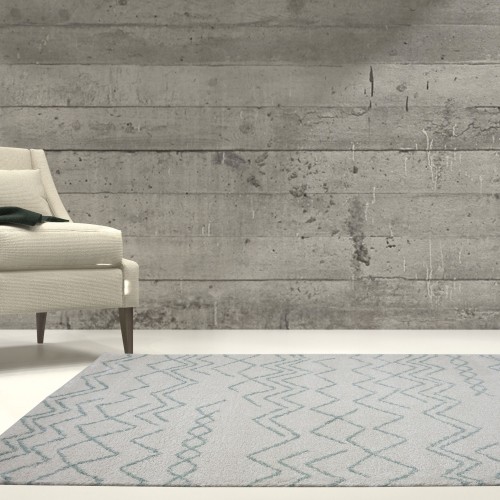
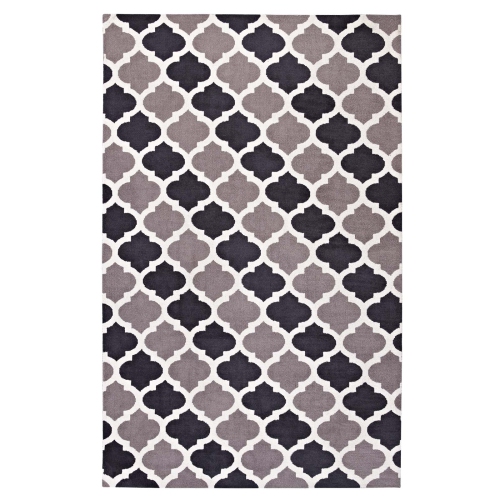
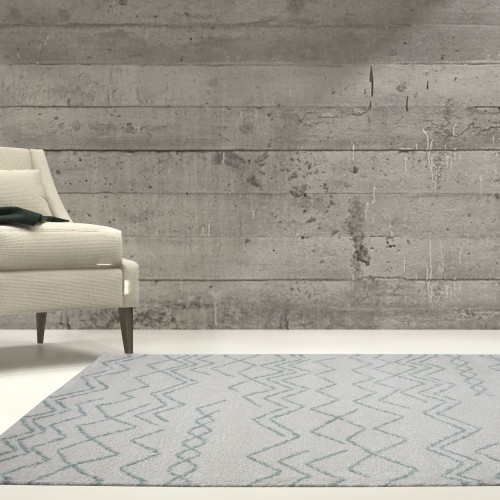
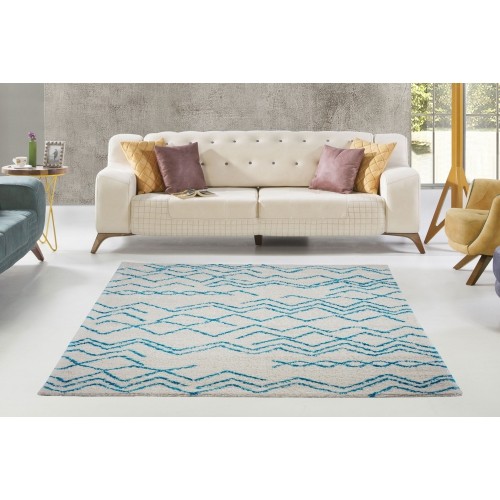
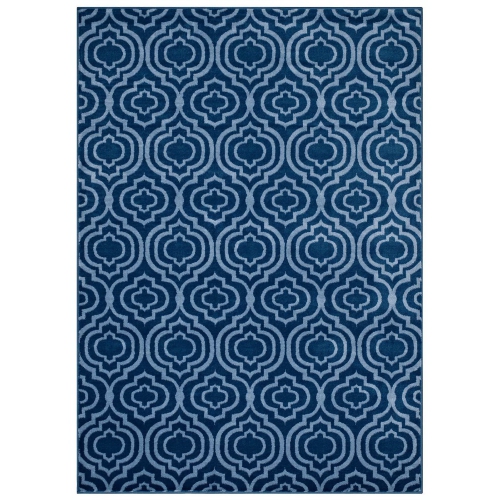
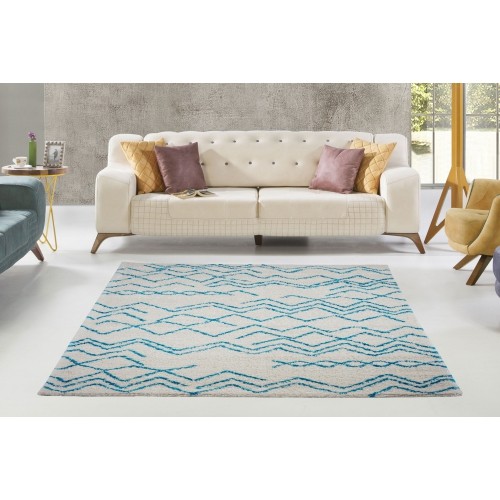
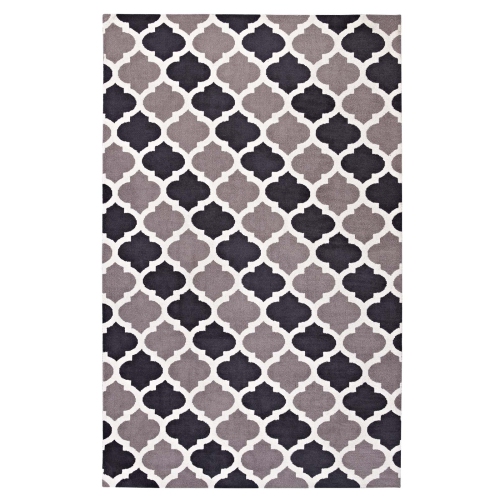
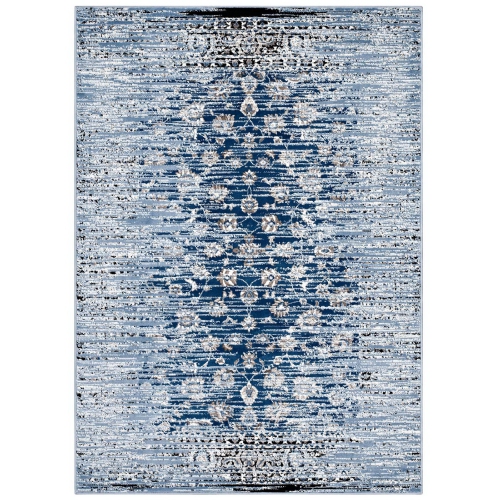
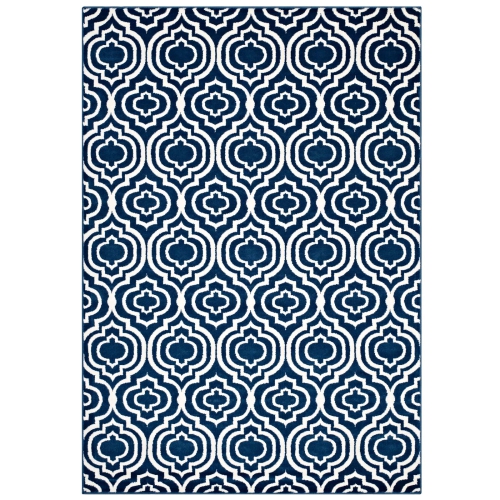
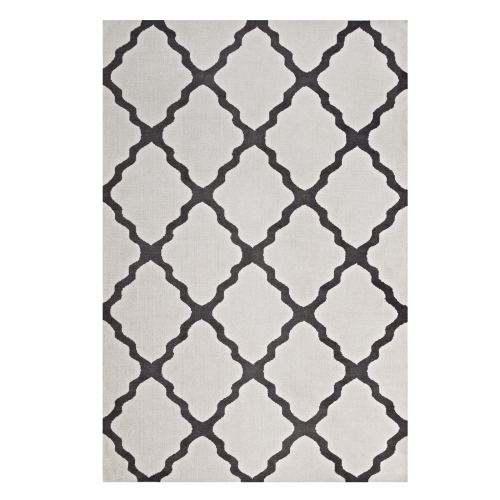
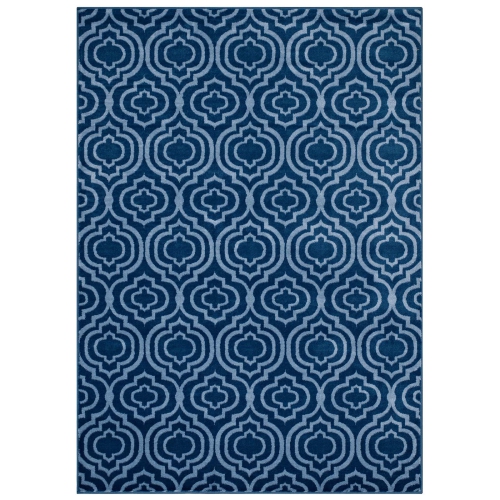
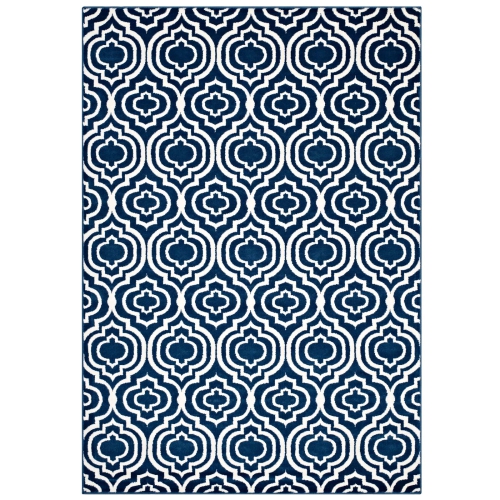
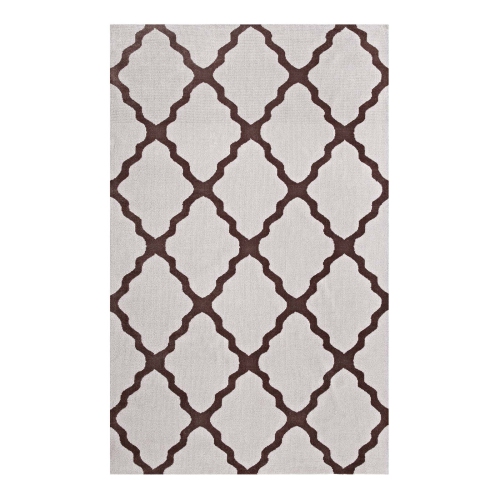
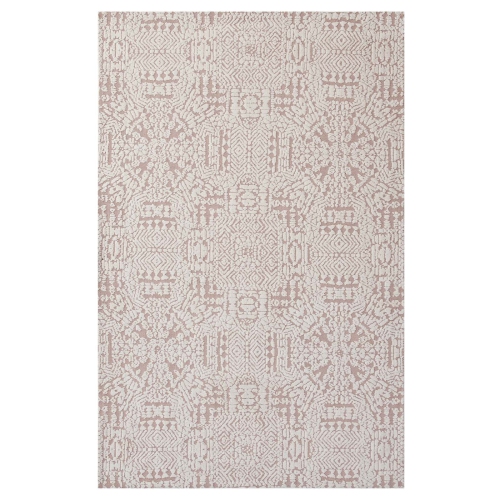
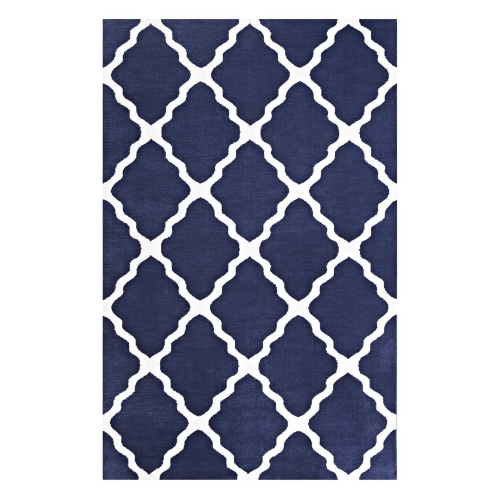
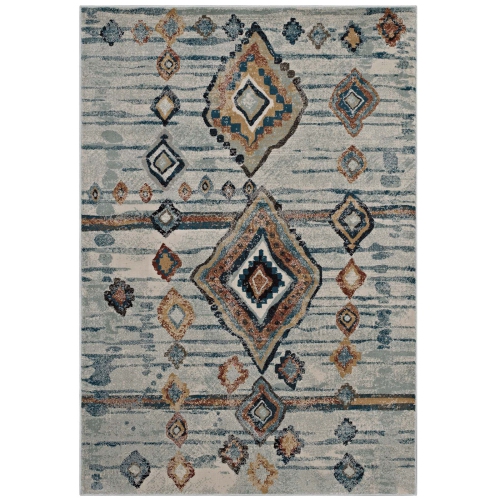
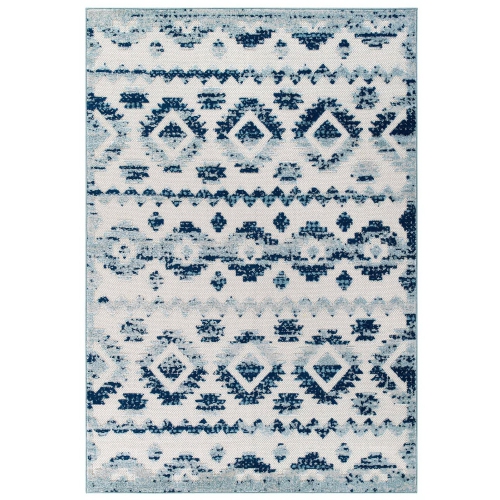
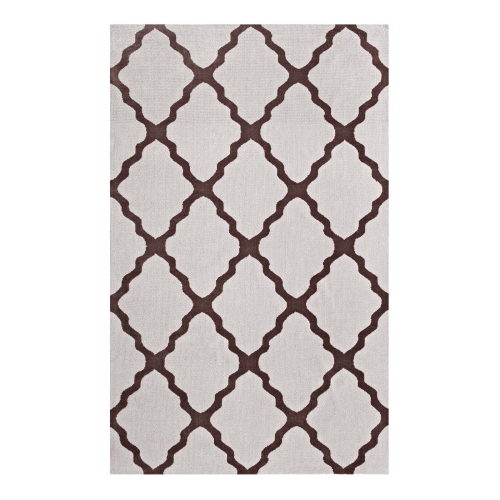
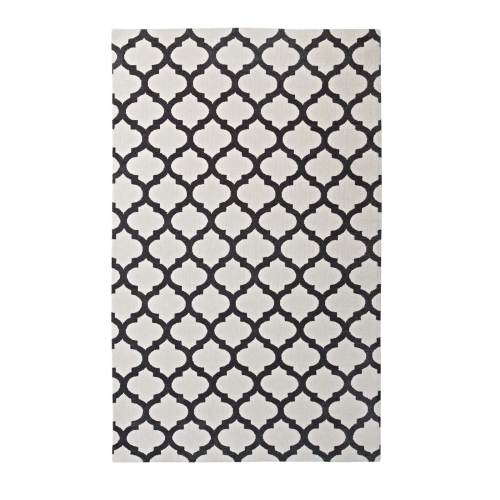
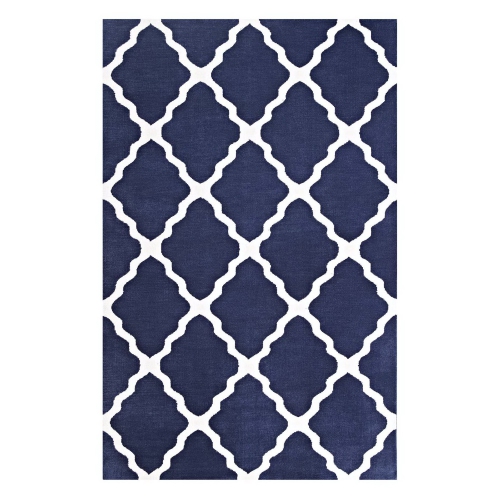
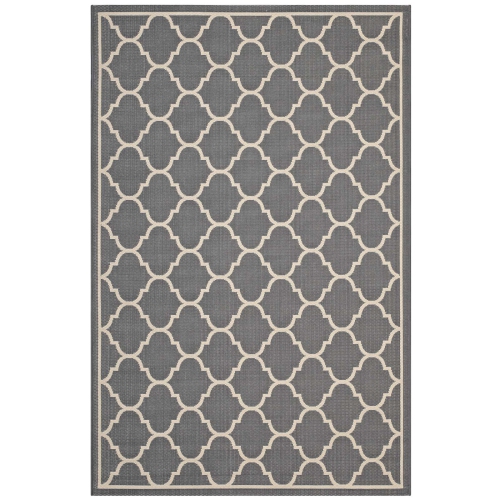
How bold diamonds and subtle textures shape a room
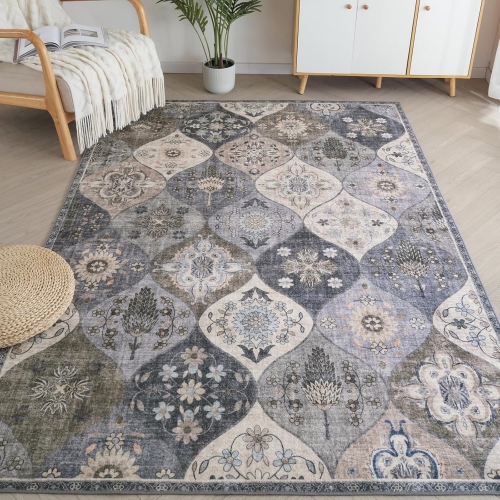
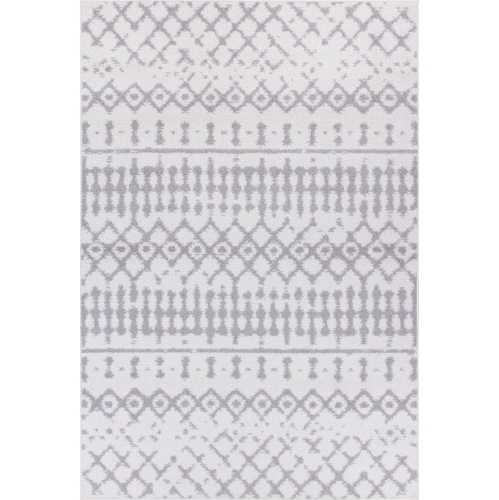
Contemporary Moroccan rugs bring motifs from Moroccan weaving traditions into patterns and colours that suit a wide range of interiors. Many draw on the work of Amazigh (also known as Berber) weavers, with elements such as open diamonds, broken lines, zigzags and asymmetrical grids. A contemporary take might enlarge a diamond so that it stretches almost the full width of the rug, set a spare black line against an ivory ground or use blocks of rust, blue and ochre in place of a repeating border. The result can be quiet or boldly graphic without losing the irregular rhythm that gives many of these patterns their character. The term describes a style rather than a single method of construction or place of origin: some rugs are woven in Morocco, while others take inspiration from Moroccan designs. Details such as fibre, weave and country of origin tell more about an individual rug than the pattern alone. The Vintage Moroccan Rugs collection offers a related look for rooms that call for a vintage feel rather than a more pared-back pattern. In a living room with a straight-lined sofa and plain cushions, a loose lattice can add movement without making the room feel busy. Where the upholstery is already patterned, a tone-on-tone design can let the texture of the rug come through without introducing another strong print. Scale matters just as much as colour. A large diamond may read as a single shape from across the room, while a tighter repeat can hold its own in a narrow hallway where most of the rug is seen lengthwise. It also helps to picture which parts of the pattern will stay visible once the furniture is in place. A border can frame a seating area even when a coffee table covers the centre, while an all-over design carries the same rhythm through the open spaces around the furniture.
Construction changes how a Moroccan-style rug looks and feels in daily use. Wool has a natural spring underfoot and works well in both dense piles and flatter weaves, though some wool rugs shed loose fibres, particularly early in use. Cotton may be used on its own or blended with other fibres, and it often has a lighter feel in a flatwoven rug. Synthetic fibres can offer a practical option for busy rooms, but ease of cleaning still depends on the rug’s construction, backing and care directions. Pile height is especially noticeable in rooms where furniture moves: a deep pile feels soft beside a bed or in a reading nook, while a low pile or flatweave usually makes it easier to slide dining chairs and clear the swing of a door. In a living room, a rug that reaches beneath at least the front legs of the sofa and chairs can make separate seats feel like part of the same arrangement. Under a dining table, the real test is whether the chair legs stay on the rug when someone pulls out a chair to sit down. A runner should leave enough exposed floor at the sides to look comfortably framed rather than wedged between walls or cabinets. Fringe counts as part of the space the rug occupies even when it is not included in the listed dimensions, so it is worth allowing for it near doors and along well-used paths. A household with pets may prefer a tighter surface with fewer raised loops for claws to catch, while an open seating area where people tend to go barefoot can make good use of a more textured pile. A rug pad suited to both the rug backing and the floor finish can help limit shifting, particularly under a light flatweave. On a hard floor, the pad can also change how firm the rug feels underfoot without adding as much height as a thicker pile.
The best place for a rug also depends on the kind of wear it will see. A pale, high-pile design can work beautifully in an upstairs sitting room with little traffic, while a close weave and a pattern with several tones may be better suited to a hallway used throughout the day. No pattern prevents wear, but flecks of colour and irregular lines can make tracked-in grit or lint less visible between cleanings. In a room where people always take the same route around the sofa, rotating the rug periodically, if the layout allows, can help spread wear more evenly. Rotation can also reduce uneven fading where one portion of the rug receives more direct sunlight. Care varies by fibre, dye and construction, so the care label is a better starting point than appearance alone. Gentle vacuuming with suction only is often appropriate for wool, fringe and raised textures when the care directions permit it; a rotating brush can pull at fringe or catch loose loops. Blotting a spill with a clean white cloth rather than rubbing helps lift liquid without working it farther into the fibres. A rug should only go in the washing machine if its label says it can, since a washable fibre does not necessarily mean the backing or the entire piece can be washed that way. For a renter, a contemporary Moroccan rug can define a dining or sitting area without changing the flooring. For someone furnishing a first home, it can give familiar furniture a different feel simply by adding a stronger pattern or a softer surface. A compact rug can also make a thoughtful housewarming gift when the recipient’s taste, room dimensions and care preferences are known. A small flatweave beside a bed calls for less guesswork than a room-sized rug that needs to fit around a sofa, doors and other furniture.
Top selling and popular products
-
 Your price for this item is $130.55
-
 Your price for this item is $129.15
-
 Your price for this item is $130.55
-
 Your price for this item is $129.15
-
 Your price for this item is $129.15
-
 Your price for this item is $130.55
-
 Your price for this item is $144.99
-
 Your price for this item is $103.99
Discover more categories related to Contemporary Moroccan Rugs
Top Collections:
Best Black Friday Deals This Year, Best Black Friday Deals On Electronics, Kindle Devices, Dyson Airwrap, Best Cameras for Sports Photography, Best Budget Office Chairs, Canon G7X Cameras, PS5 Pro Consoles, Best Black Friday Deals On Apple Products, XBOX One S Consoles
Some products may be subject to Environmental Handling Fees
(EHF) depending on your province.
Learn more about EHFs.