Moroccan Rugs
Transform your living space into a cozy oasis with our exquisite collection of Moroccan rugs. Crafted with intricate patterns and vibrant colors, these rugs add a touch of elegance and warmth to any room in your home. Made from high-quality materials by skilled artisans, each rug is a unique piece that tells a story of tradition and craftsmanship. Elevate your home decor with the timeless beauty and exotic charm of Moroccan rugs, creating a welcoming atmosphere for you and your guests to enjoy.
Sort
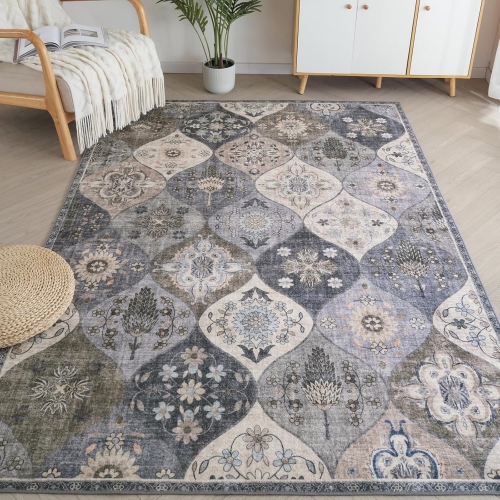
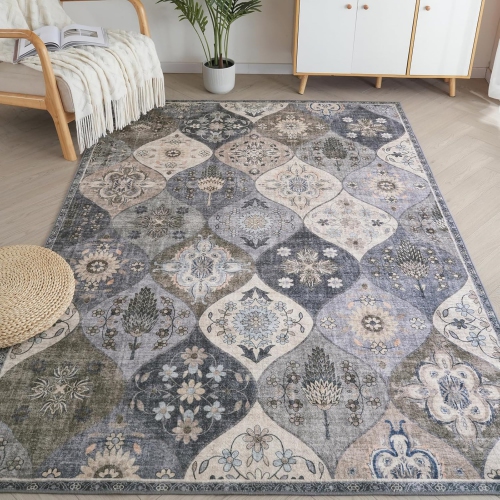
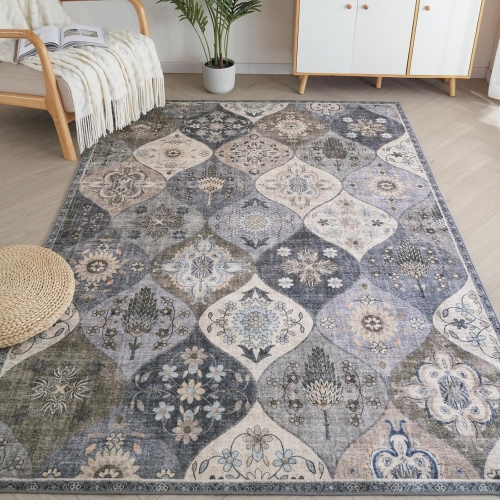
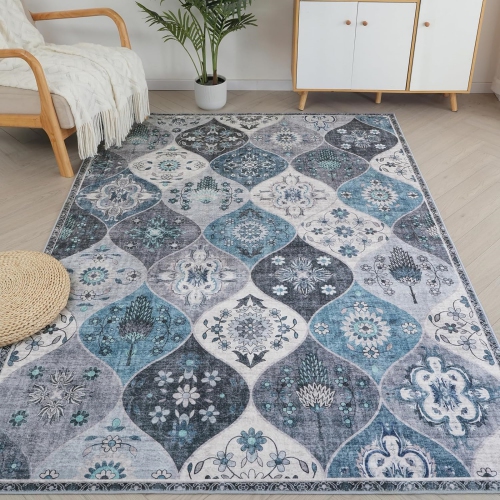
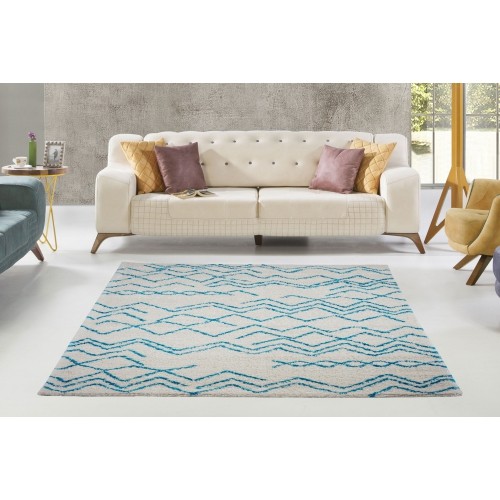

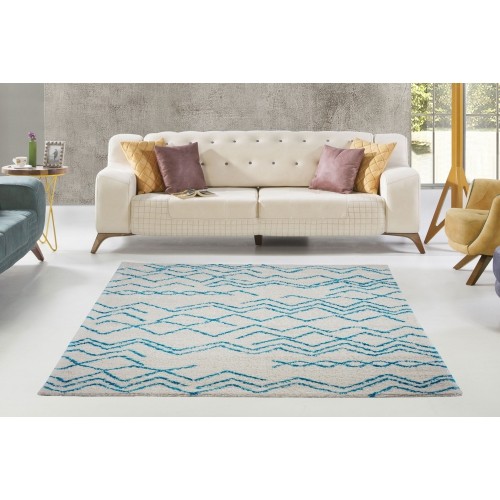

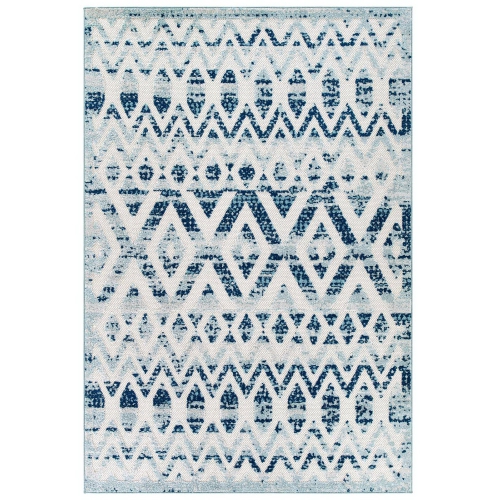
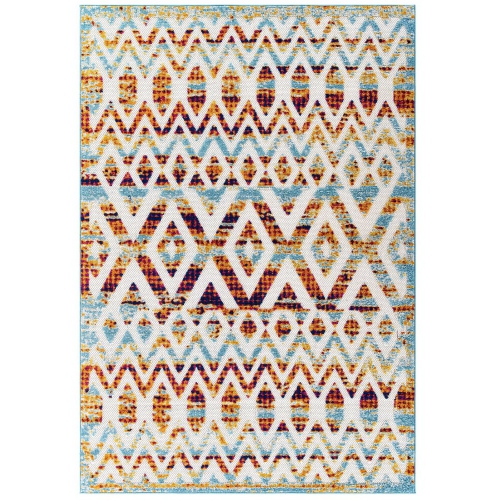
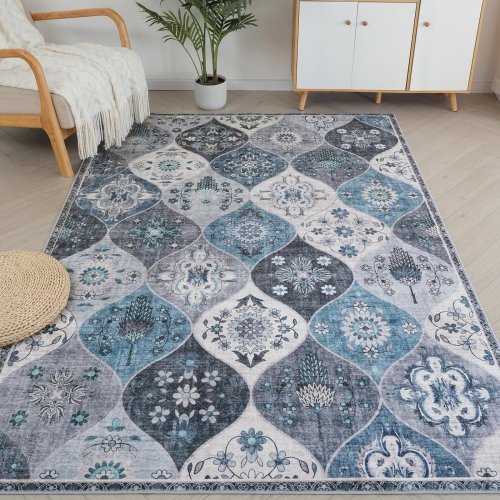
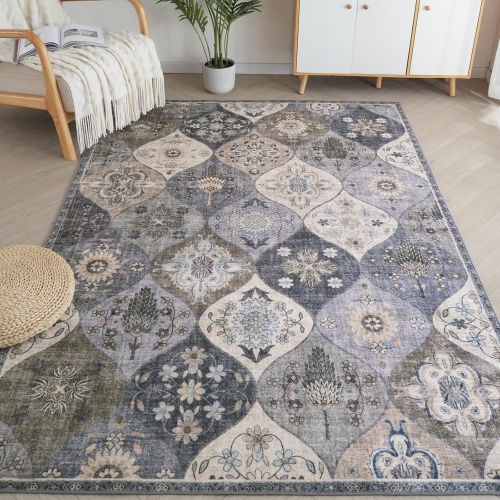
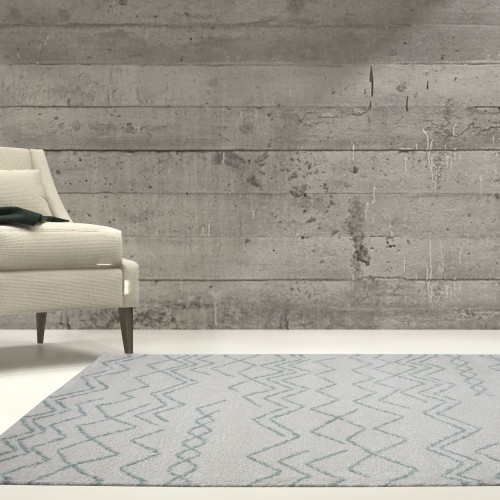

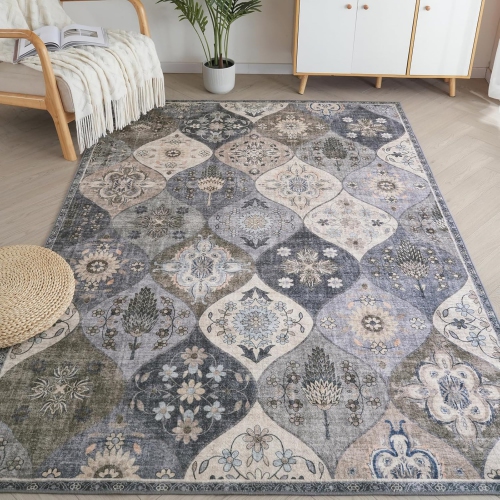
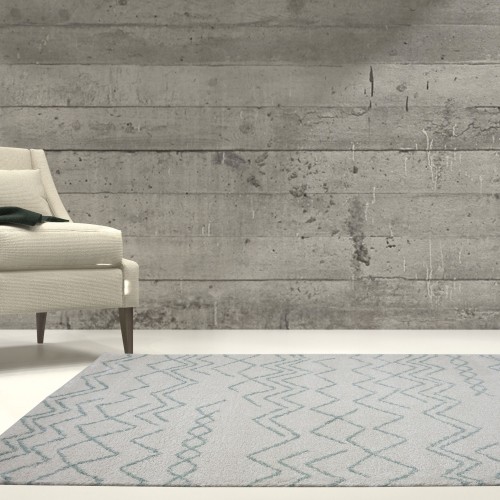


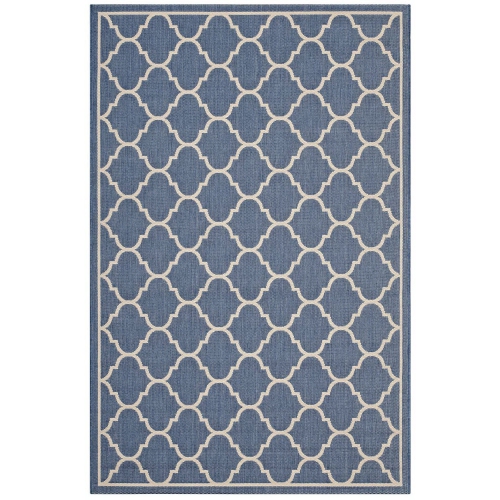
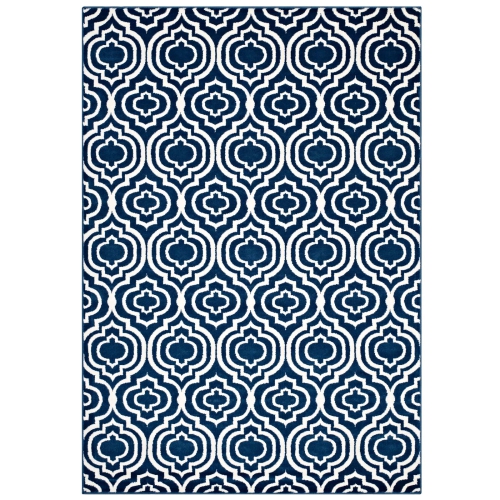
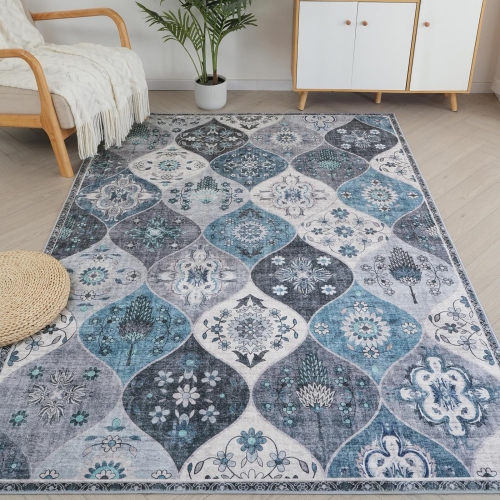
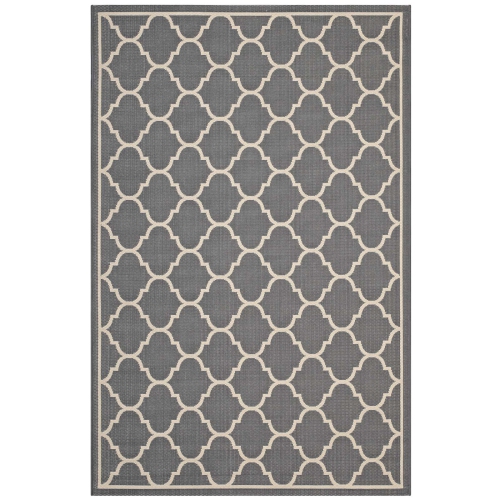
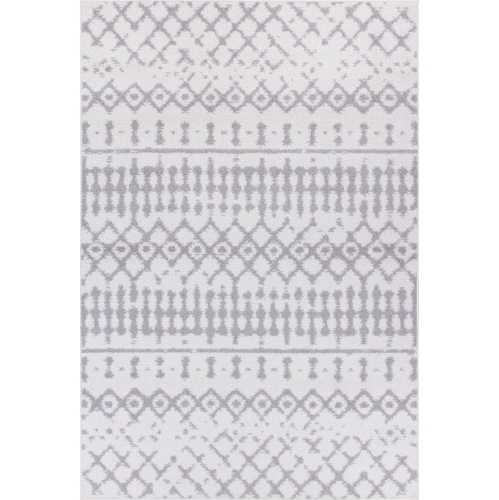
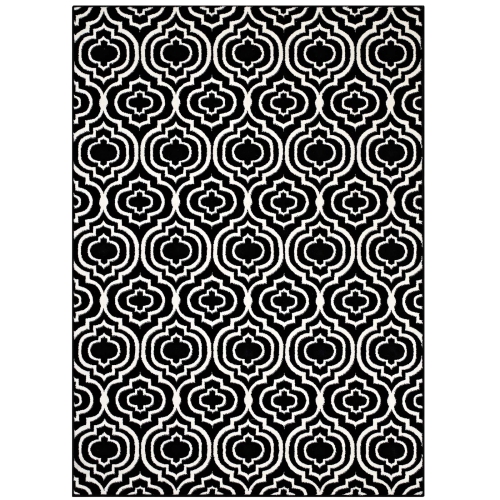
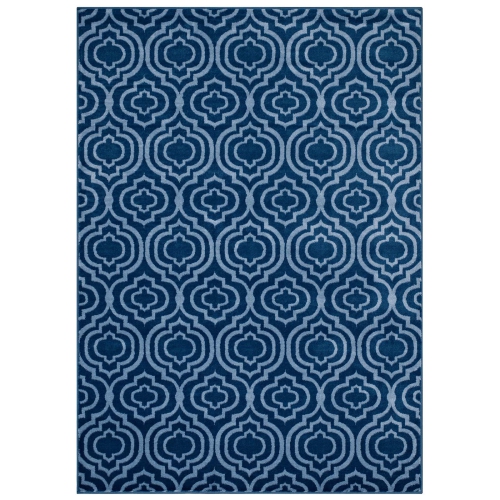

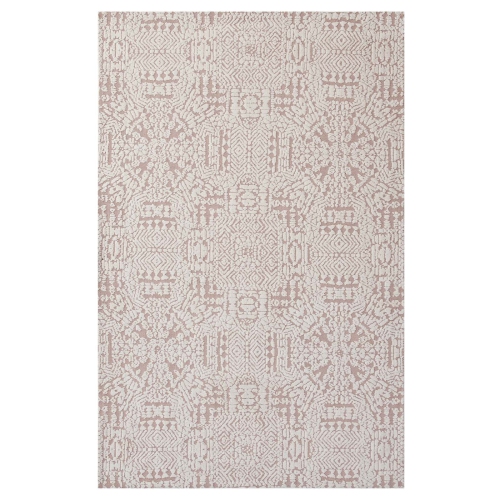
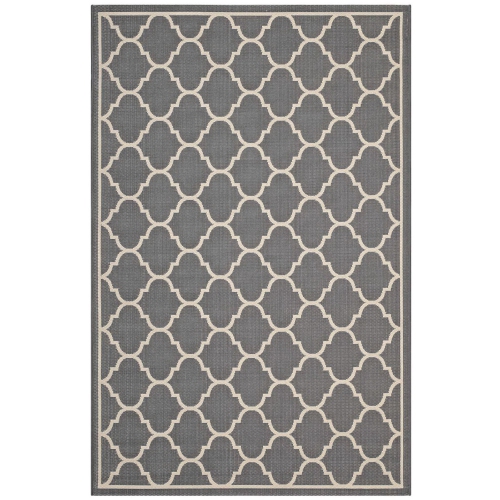
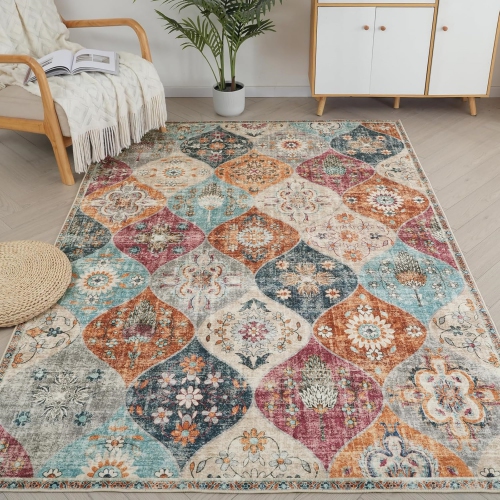
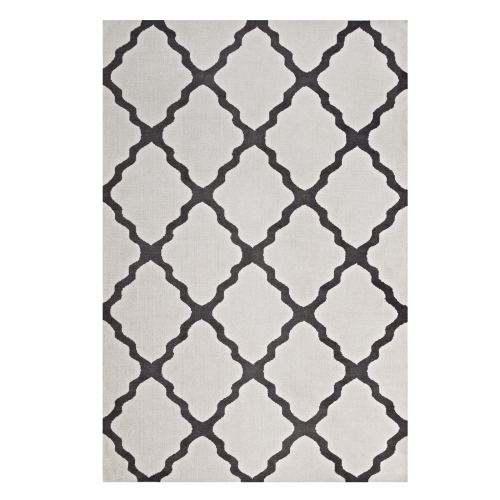
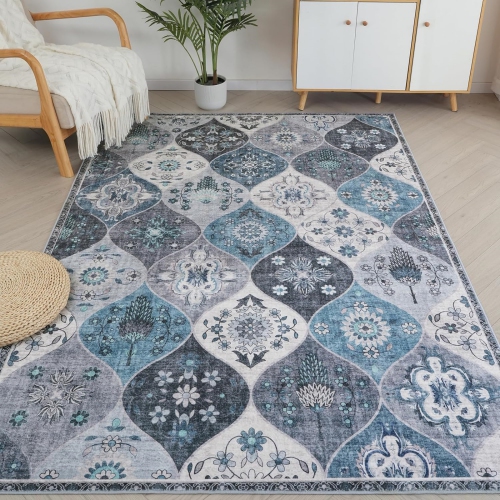

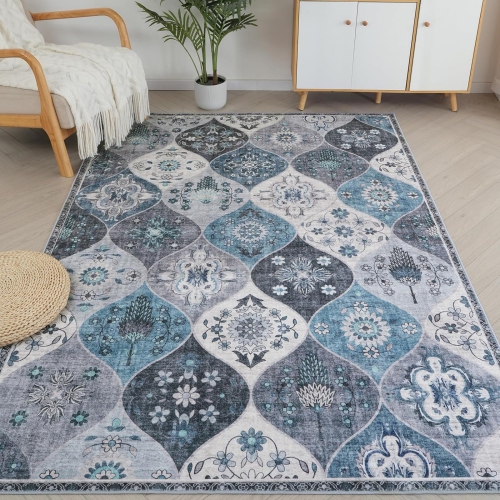
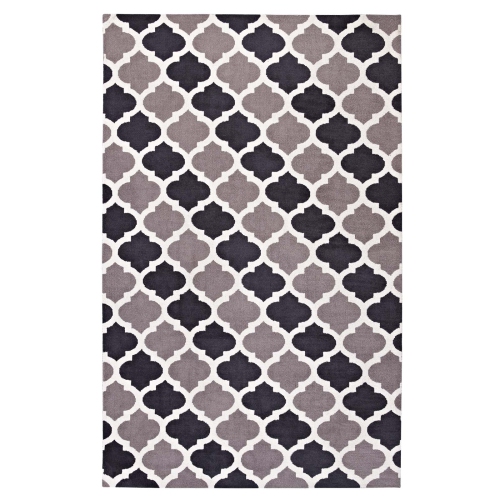
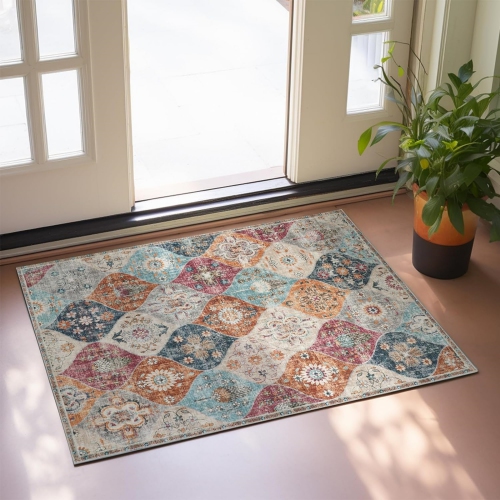
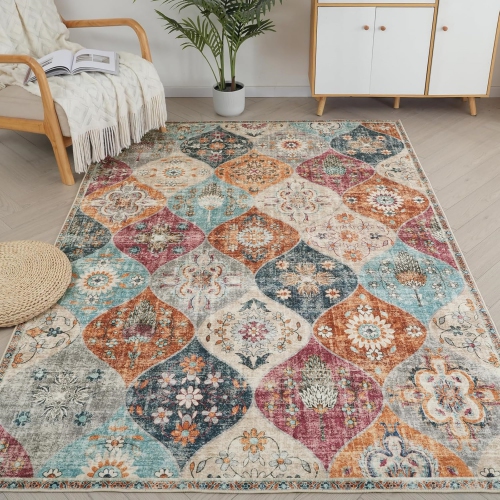
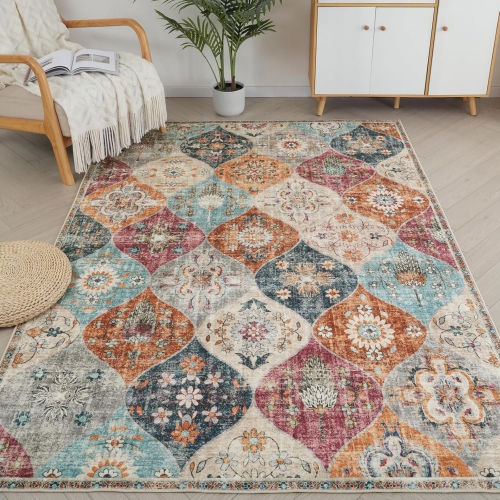
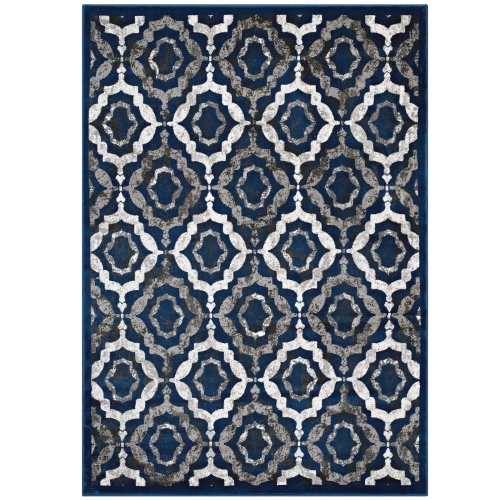
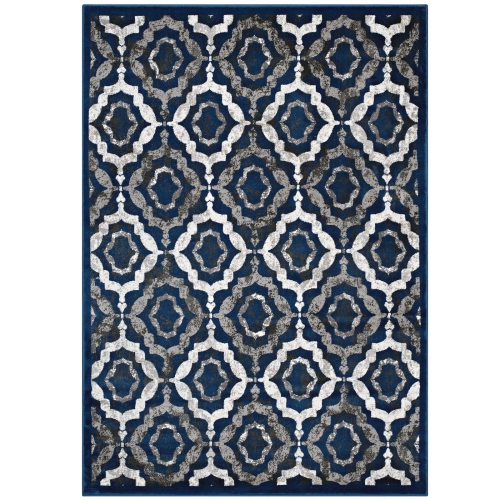
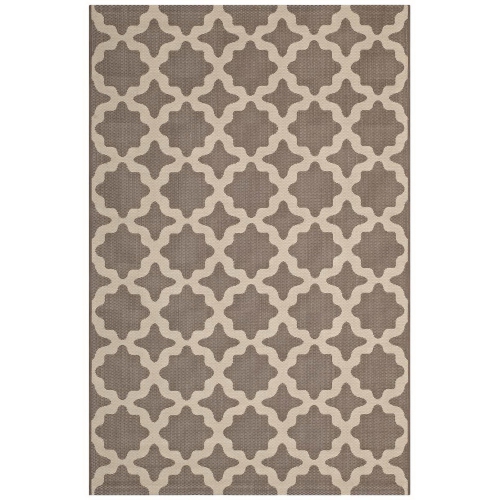
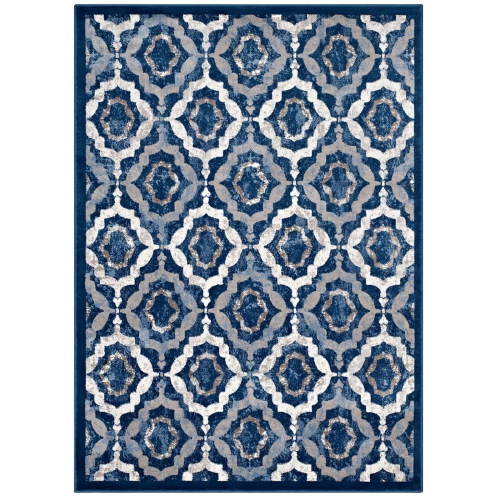
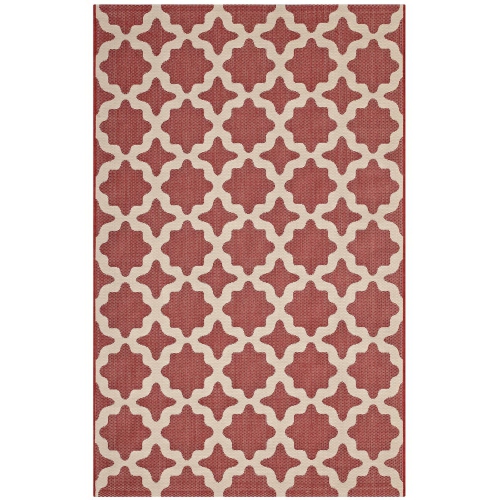
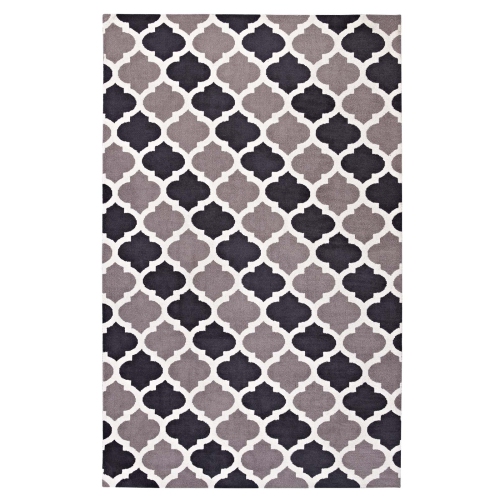
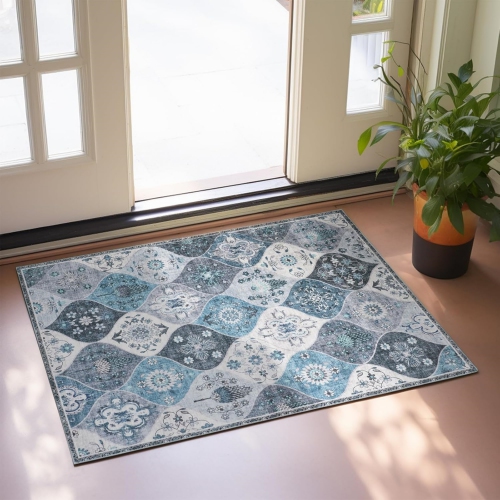
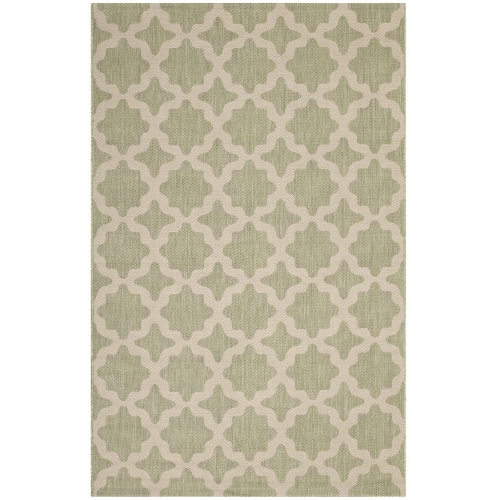
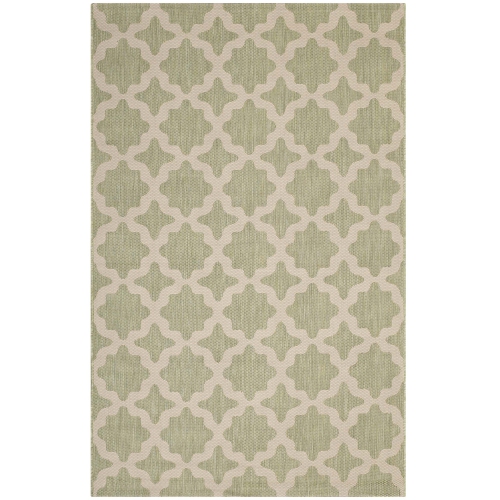
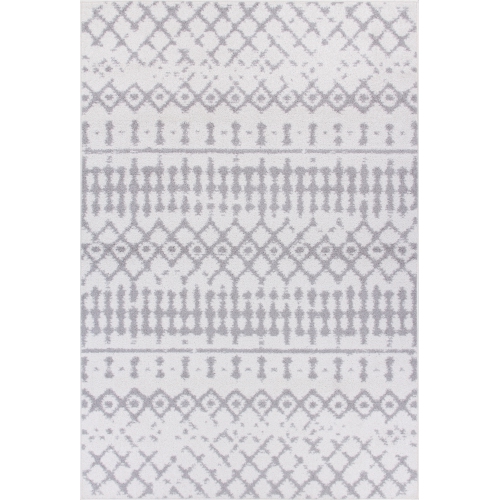
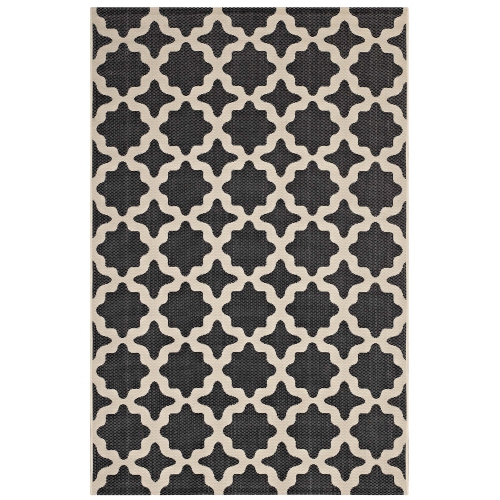
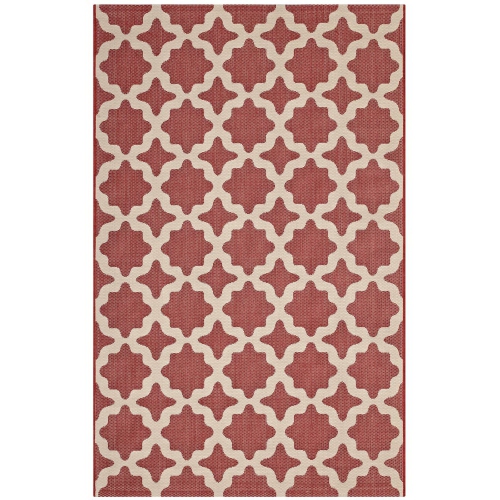
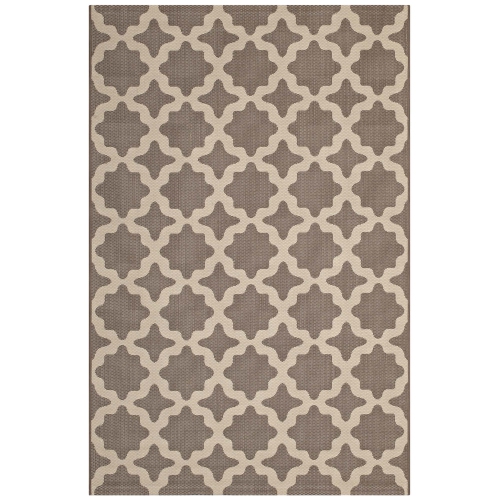
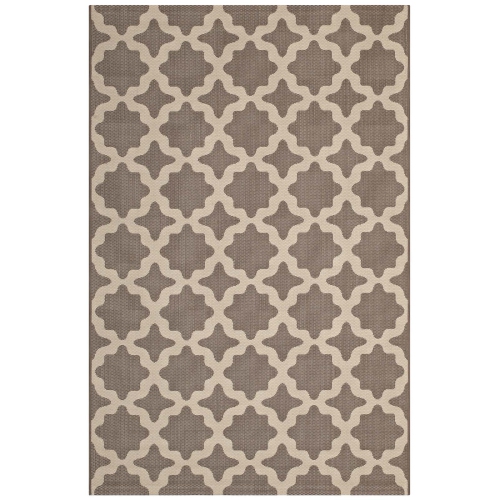
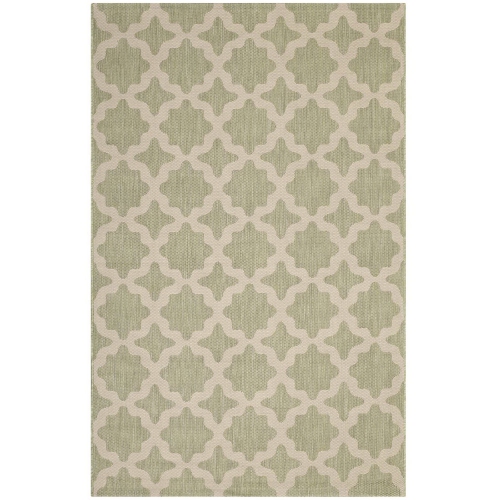
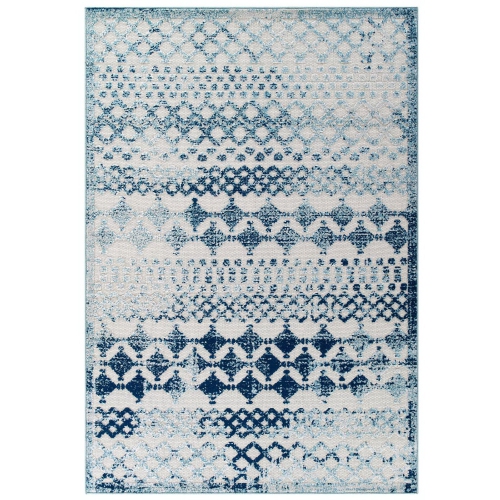
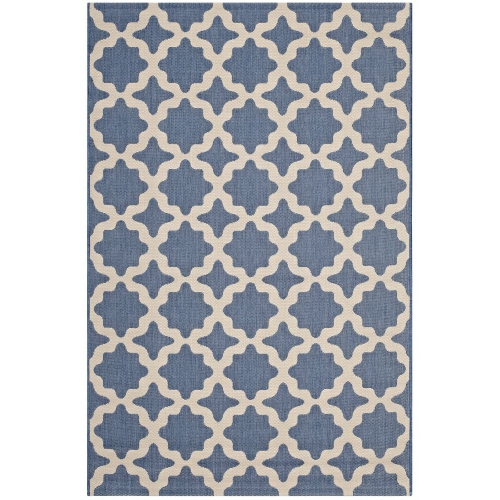
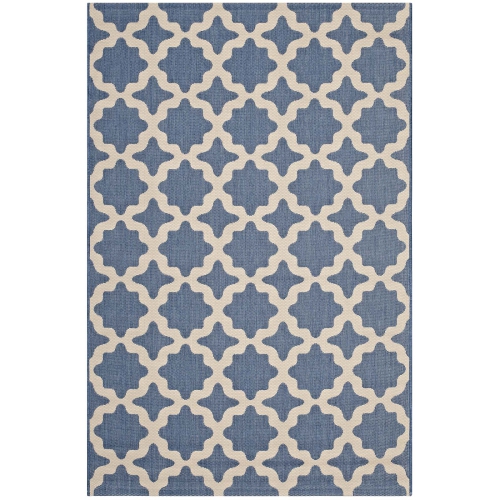
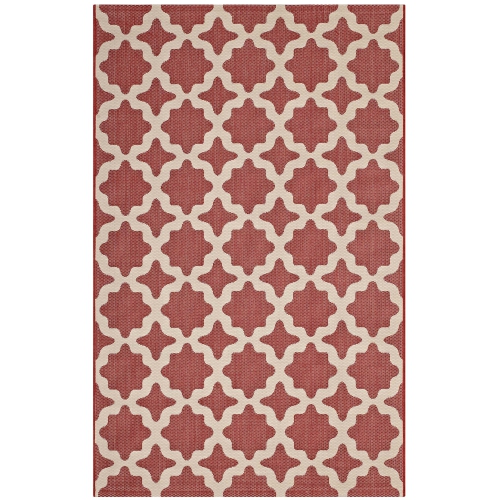
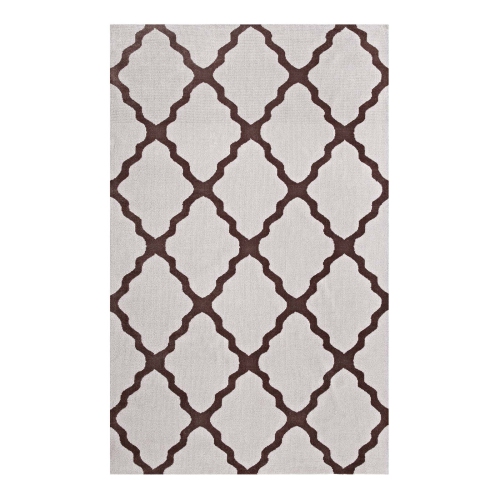
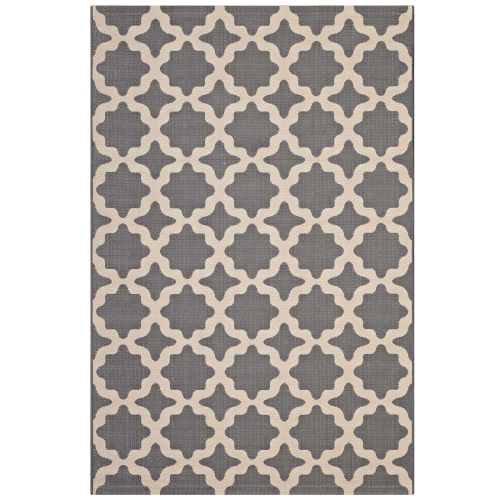
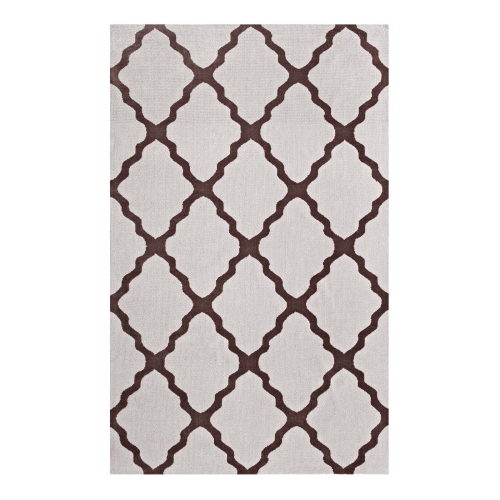
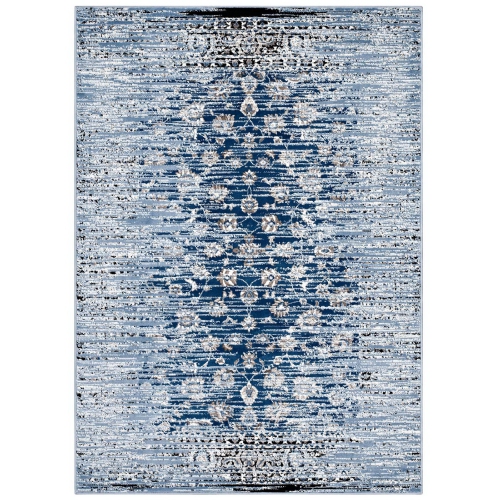
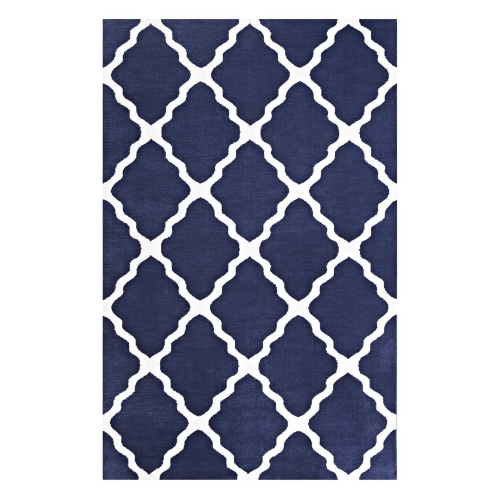
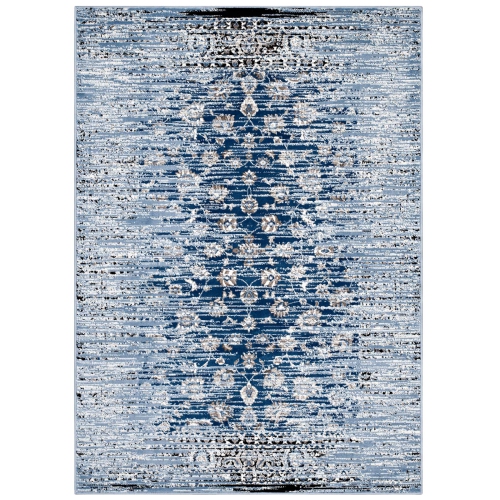
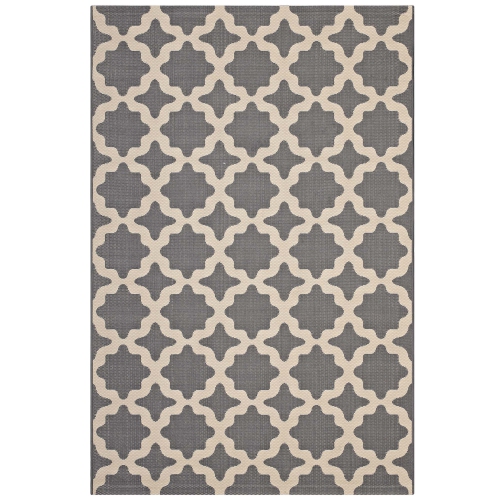
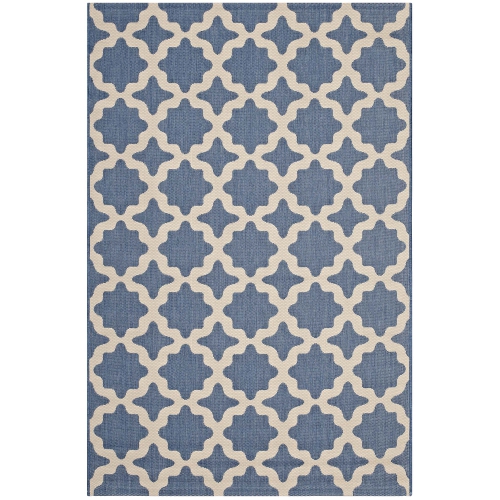
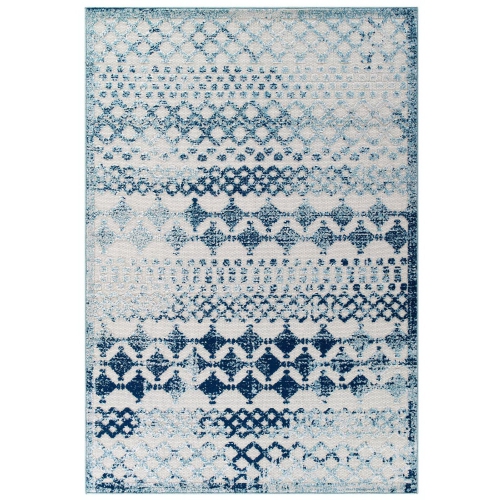
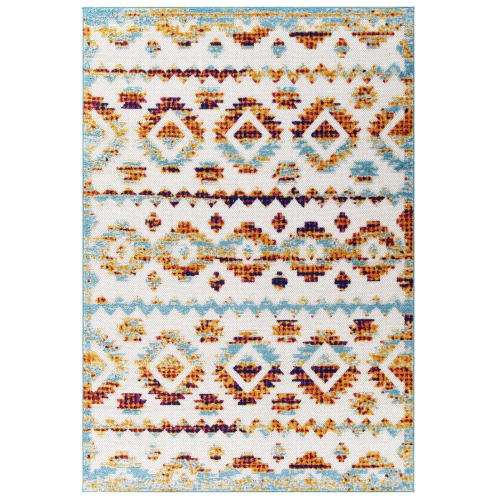
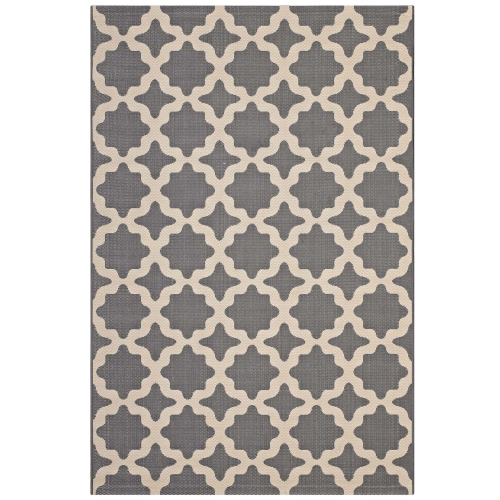
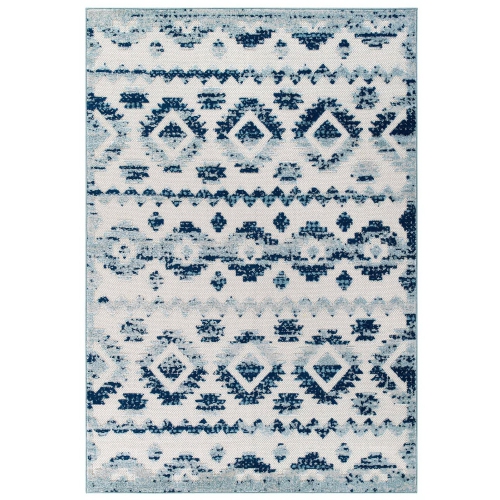
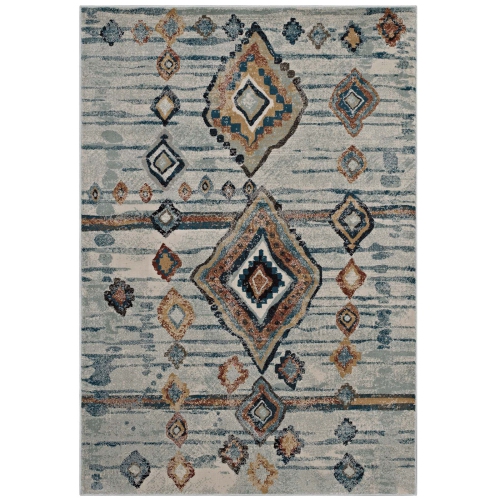
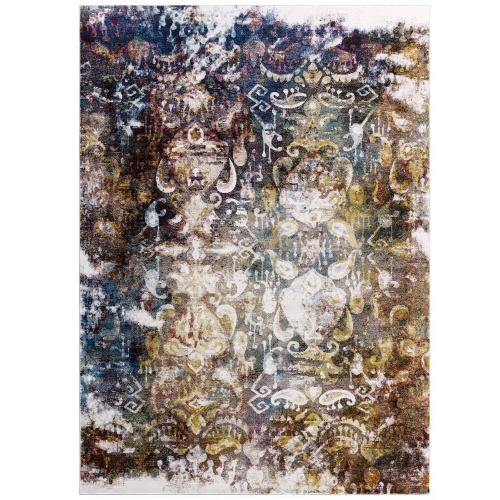
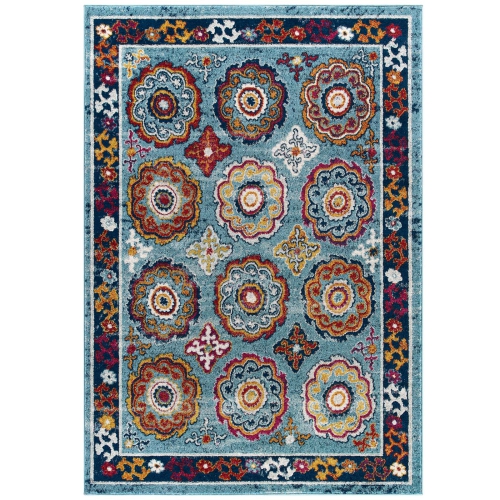
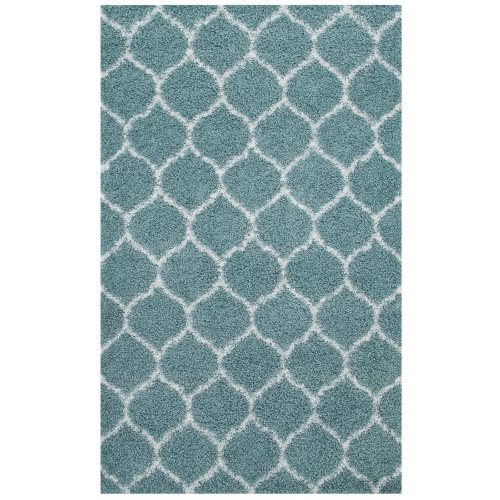
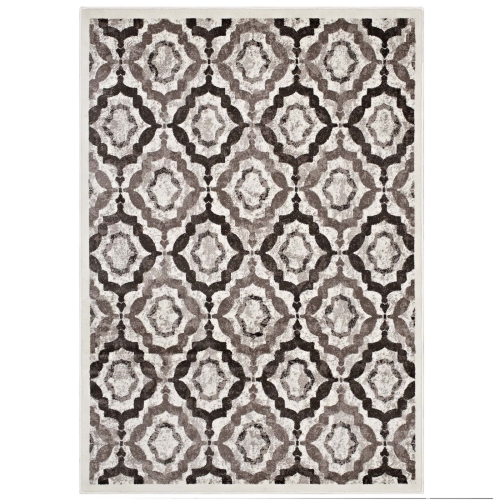
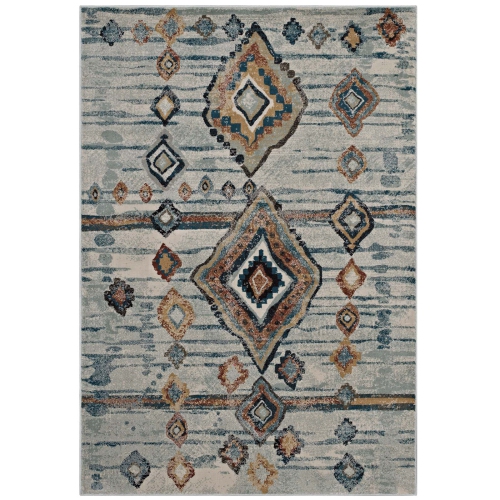

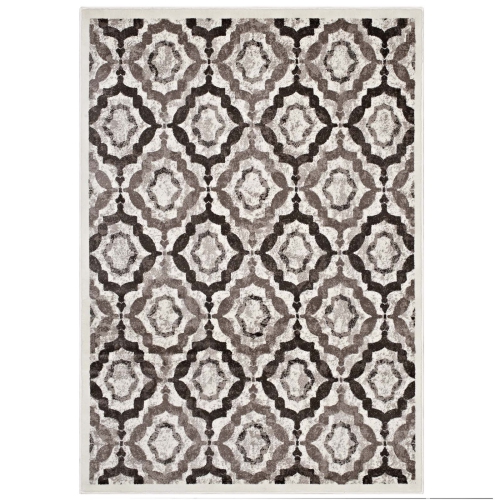
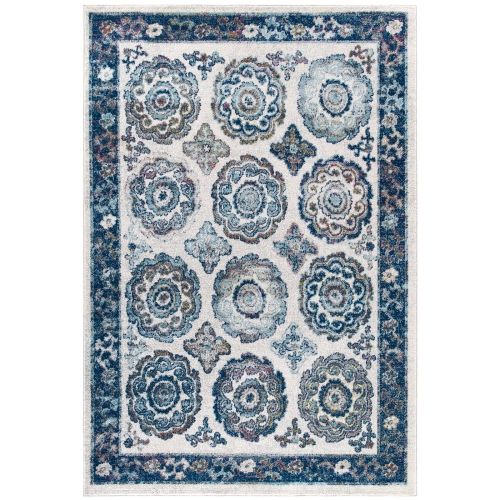
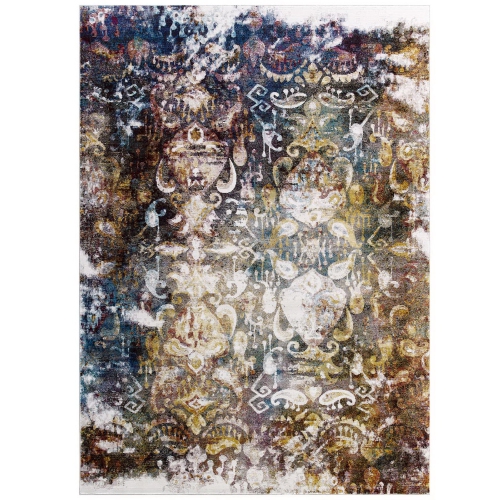
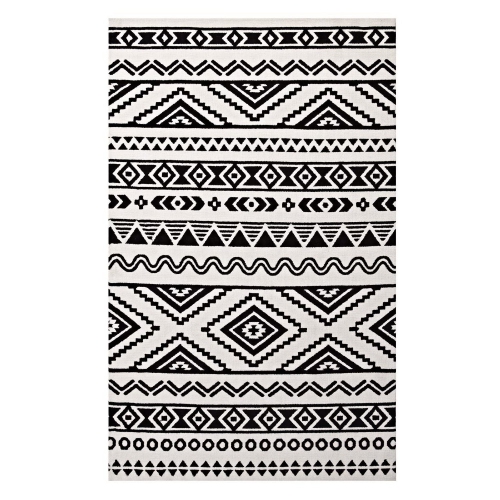
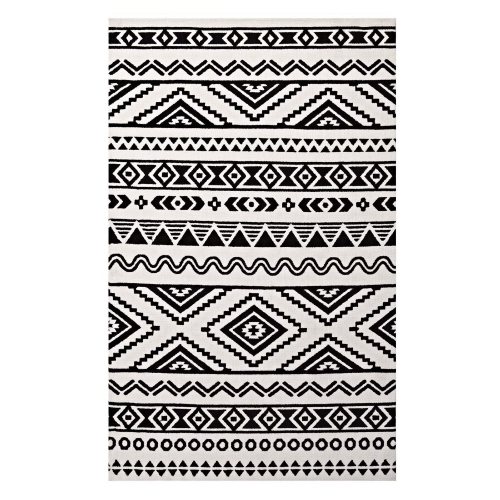
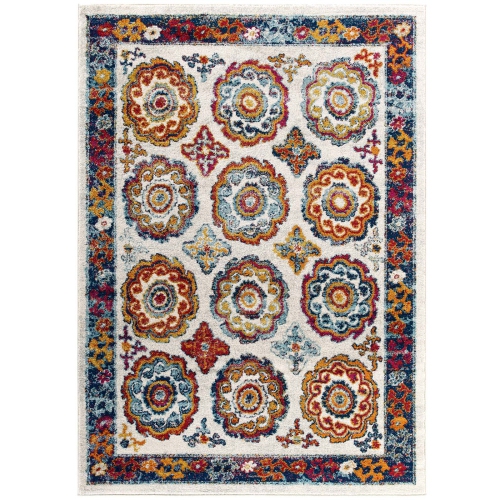
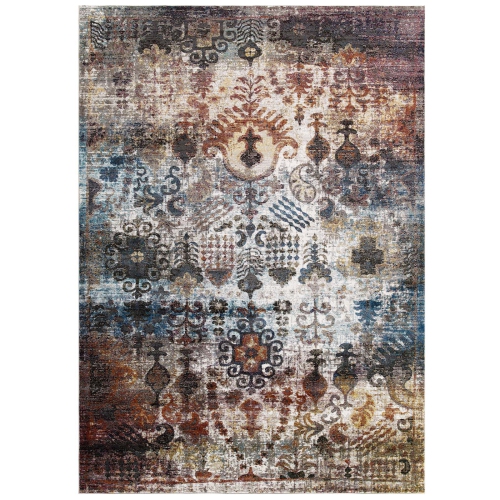
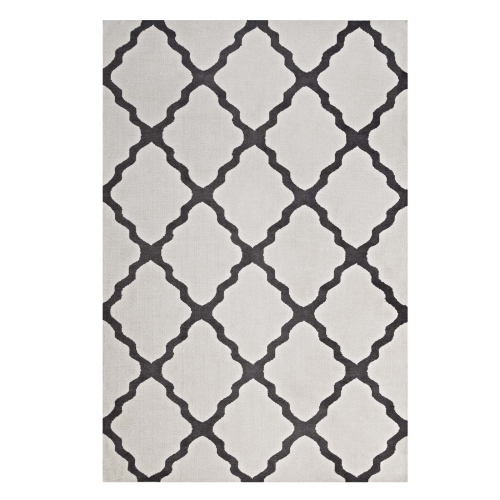

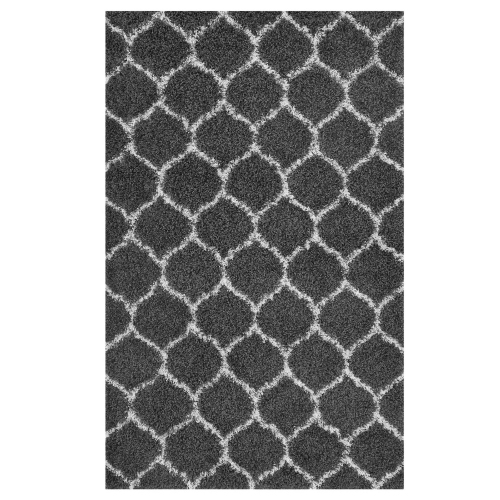
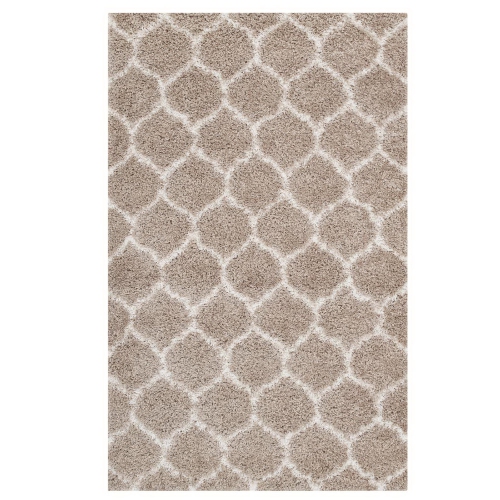
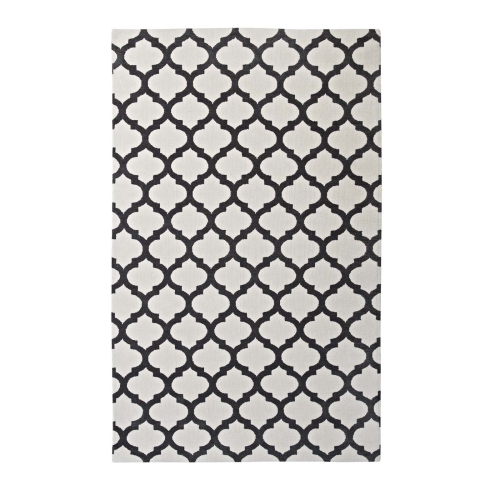
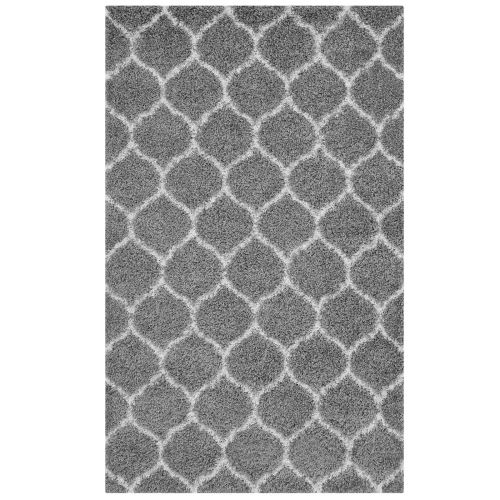
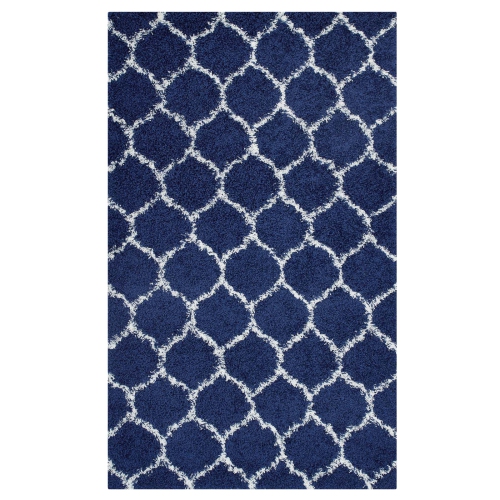
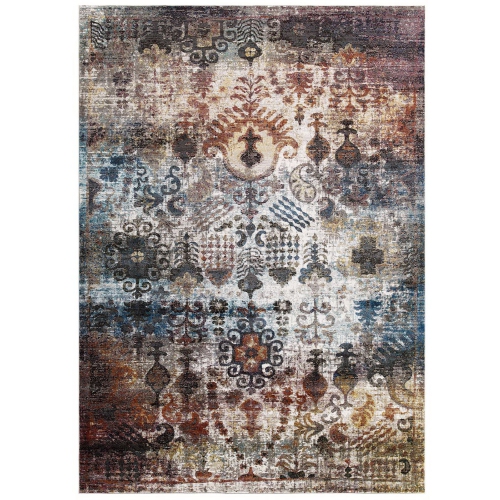
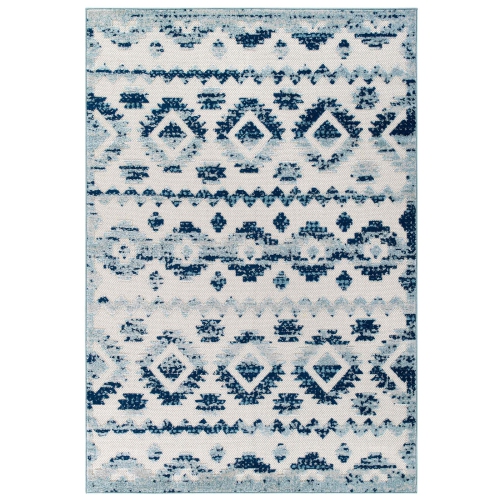
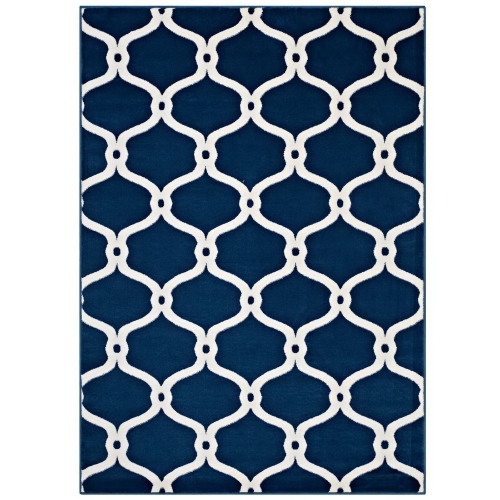
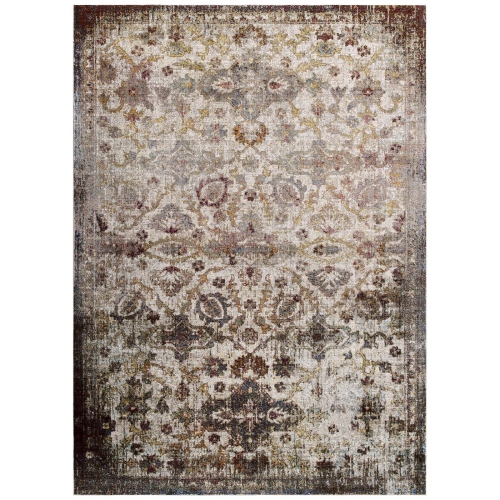
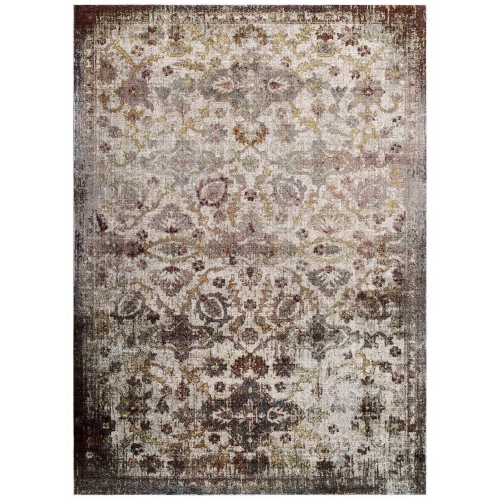
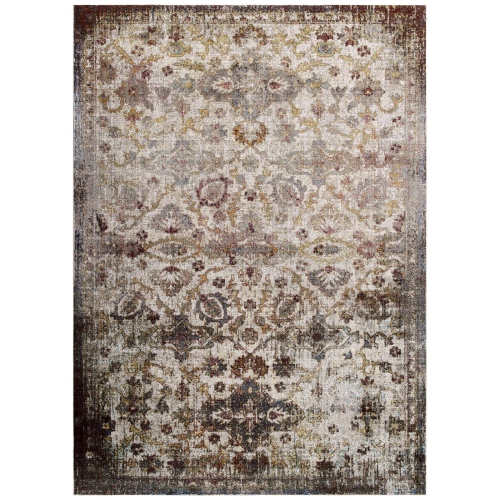

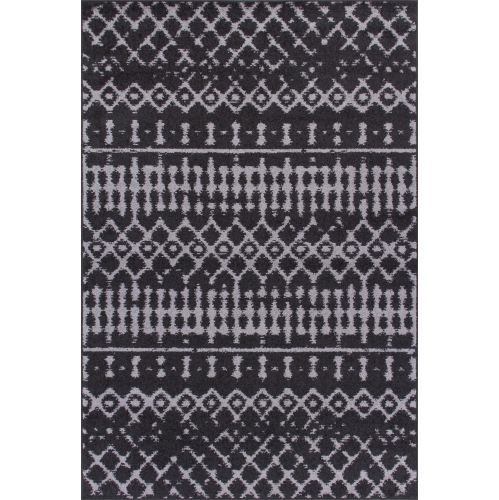


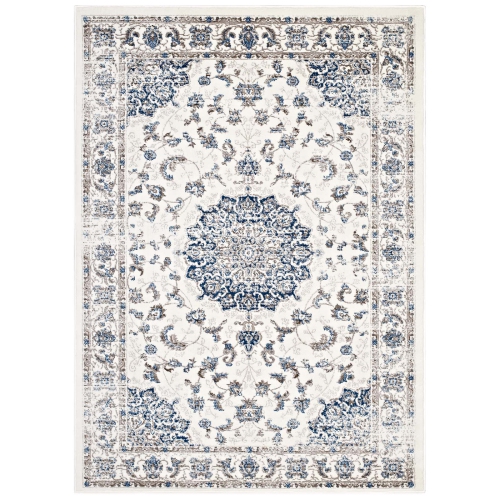
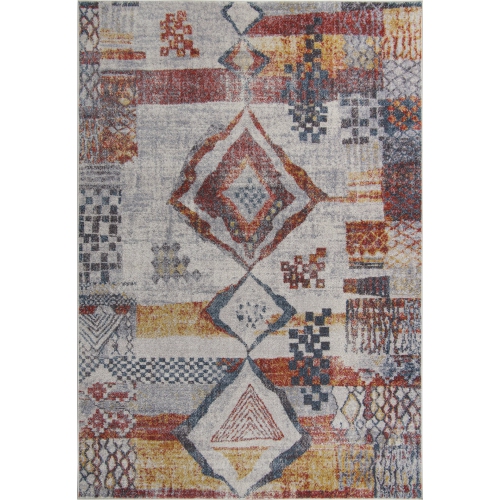
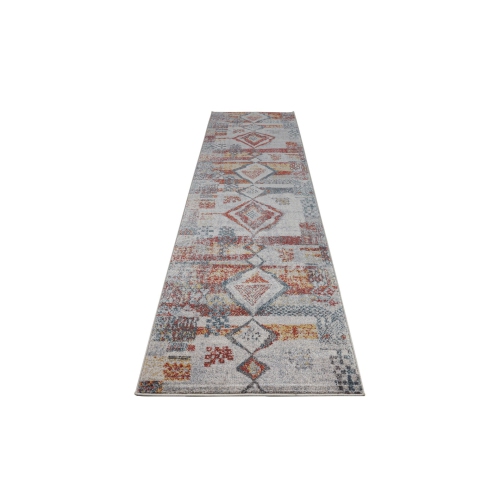
Beyond diamond patterns lies a rich weaving tradition
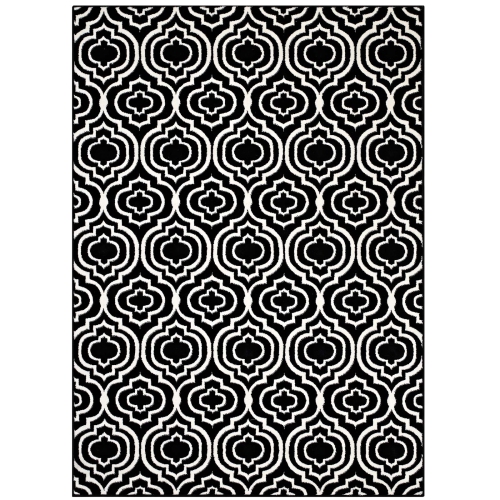
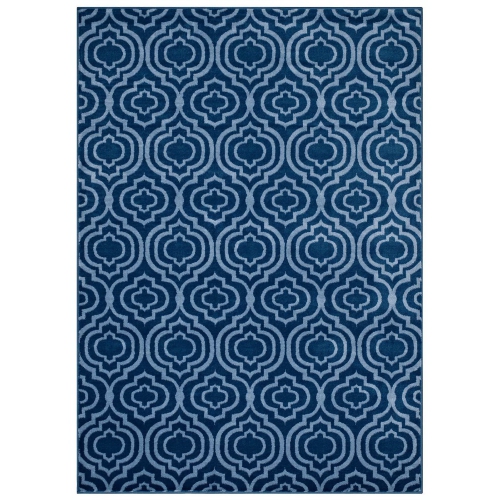
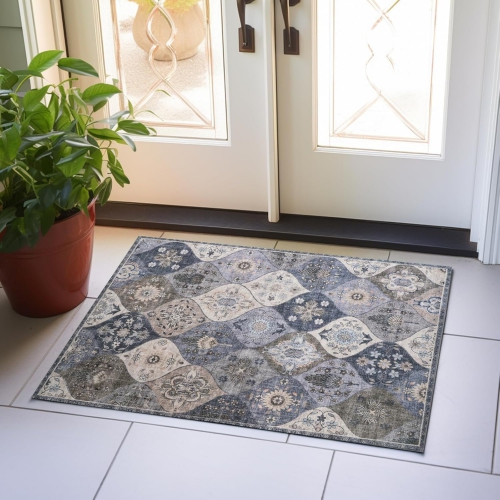
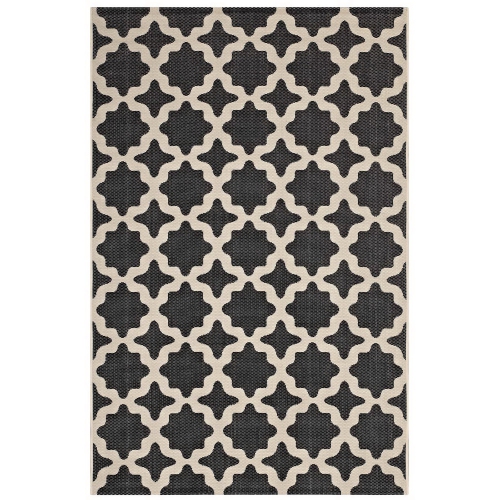
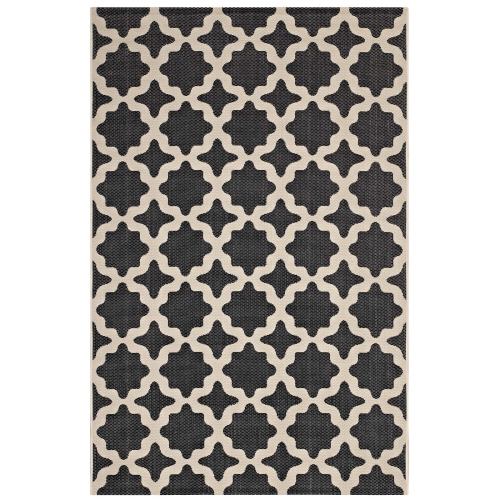
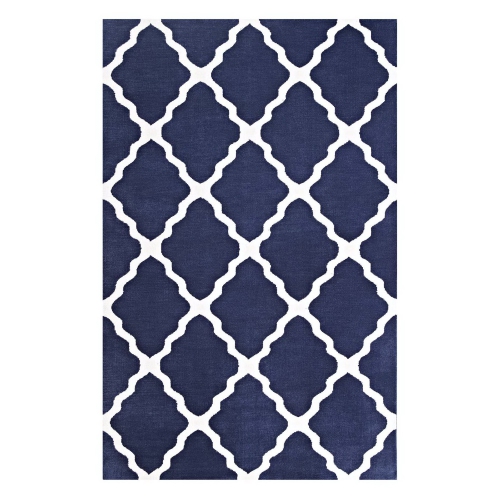
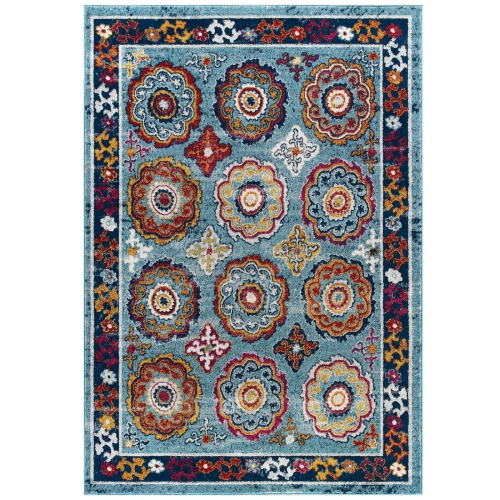
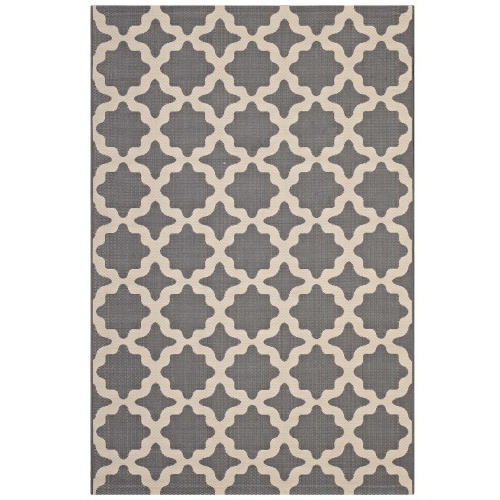
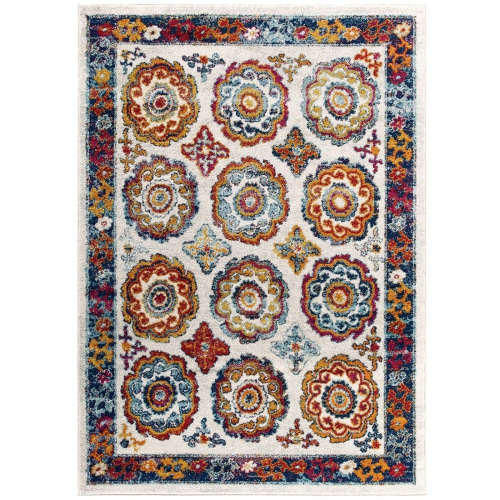
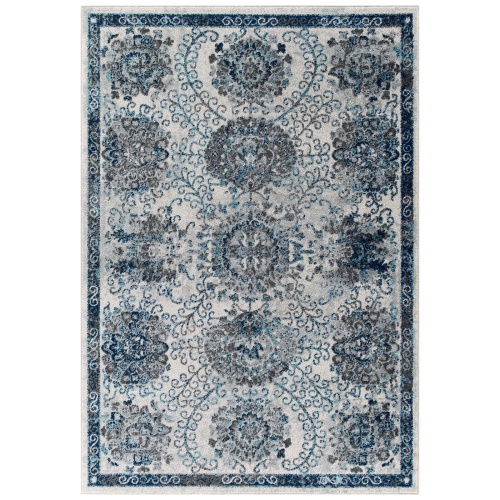
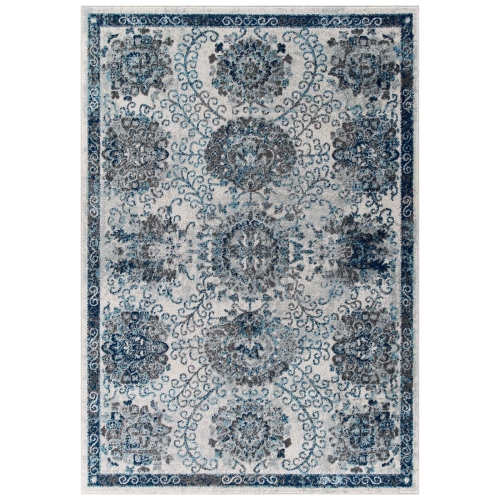
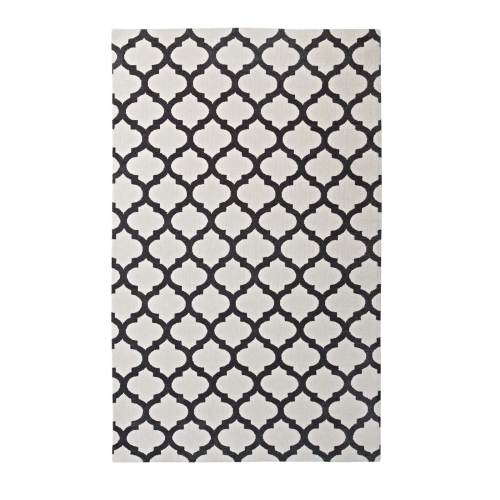
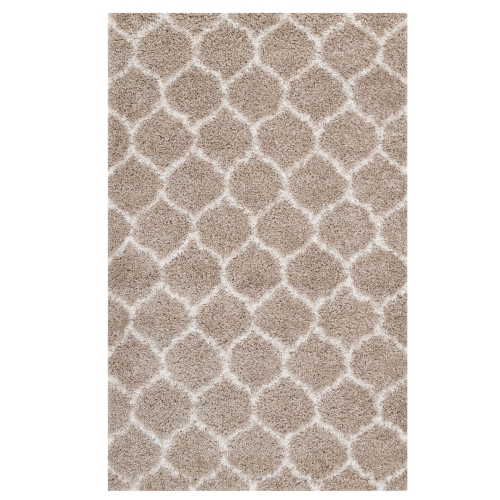
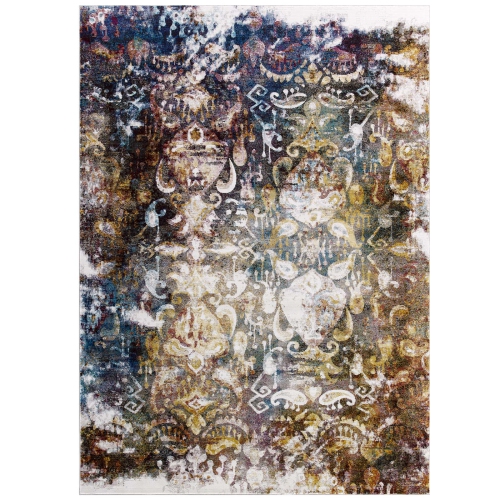
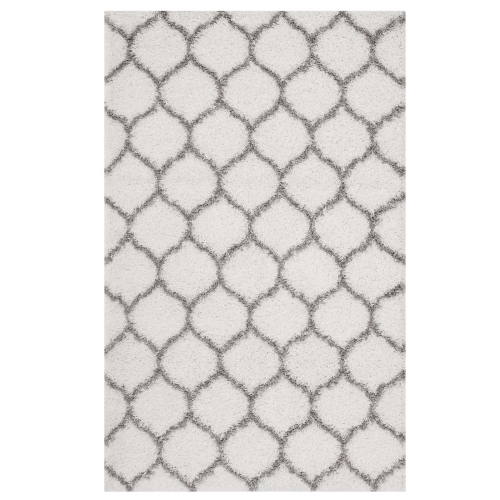
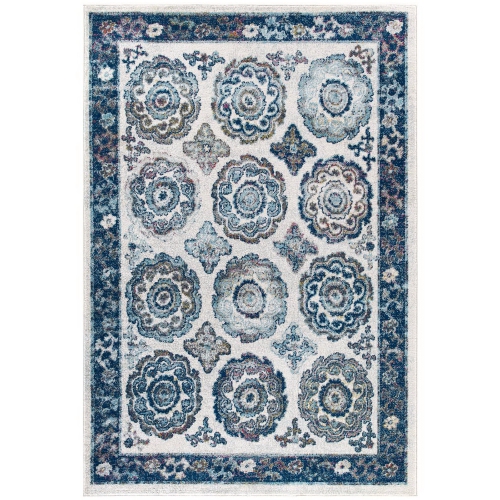
Moroccan rugs are floor coverings rooted in Morocco’s weaving traditions, particularly those of Amazigh communities in the Atlas Mountains and other regions. Traditional examples are often handwoven from wool and feature geometric patterns, expressive colour combinations, and textures that range from dense, plush pile to relatively smooth flatweaves. Their appearance varies considerably: an ivory rug traced with dark diamonds represents only one part of a much broader textile tradition. Other designs feature narrow stripes, stepped shapes, richly coloured fields, or asymmetrical arrangements that give the surface a lively, individual character. Patterns can reflect regional practices and a weaver’s creative choices, so a particular symbol should not automatically be assigned one universal meaning. In home furnishings, the term Moroccan rug can also describe a Moroccan-inspired design made outside Morocco, including machine-made styles. Country of origin, fibre content, and construction details help distinguish these different categories; appearance alone does not establish where or how a rug was made. Wool is valued for its resilient fibres, substantial feel, and ability to recover from ordinary compression, although shedding can occur, especially with newer cut-pile rugs. Cotton can create a lighter, more flexible textile, while synthetic fibres such as polypropylene and polyester offer different combinations of softness, stain resistance, and ease of care. Blended fibres bring their own characteristics, making the material description more useful than assumptions based on the pattern. Construction matters just as much as fibre: a thick pile cushions bare feet, whereas a flatwoven surface has a lower profile and may be easier to position beneath furniture. Handmade pieces can have slight variations in shape, pattern, and colour that reflect their construction, but irregularity alone is not proof of handmade origin. These distinctions give Moroccan rugs a wide range of uses, from a tactile focal point in a living room to a patterned layer beside a bed or beneath a dining table.
The right size and texture help a Moroccan rug feel connected to the room rather than isolated in the middle of it. In a living room, a rug large enough to sit beneath the front legs of the sofa and nearby chairs can visually gather the seating area, while a smaller rug may suit a reading corner with one chair and a side table. Measuring the furniture arrangement, rather than just the open floor, gives a clearer sense of proportion. Painter’s tape can mark the proposed outline before a size is selected, making door swings, walking routes, and furniture clearances easier to assess. Under a dining table, enough rug should extend beyond the tabletop to keep chair legs supported when someone pulls a chair out to sit down. A lower pile is often practical here because chairs move more easily and crumbs are less likely to settle deep into the surface. In a bedroom, a larger rug can extend beyond the sides and foot of the bed, providing a soft landing without leaving most of the pattern hidden. Narrow runners suit some hallways, but their edges should remain clear of doors and other obstacles. Colour and pattern also affect how the space comes together. Cream and charcoal geometry can introduce definition among pale upholstery and wood furniture, while rust, blue, or multicoloured motifs can connect cushions, artwork, and other accents. A busier pattern may make everyday lint or small marks less noticeable, although it does not make the rug resistant to staining. Raised patterns and long pile add texture but can complicate chair movement or cleaning. For homes with children, pets, mobility aids, or frequent foot traffic, a stable, lower-profile construction may be more practical than a deep shag. A compatible rug pad helps reduce movement and adds cushioning, provided it is suitable for both the rug backing and the floor finish. This is especially important on smooth surfaces and in spaces where rug edges sit close to regular walking routes.
Care requirements deserve the same attention as colour and size, since Moroccan rugs can differ substantially in how they respond to vacuuming, moisture, and spot treatment. The care label should determine the cleaning method, particularly for wool, delicate flatweaves, fringed edges, and pieces with mixed fibres. Routine vacuuming helps remove grit before it works deeper into the rug, but strong rotating brushes can pull at long fibres or damage fringe. Where the manufacturer permits it, a suction-only setting or a suitable attachment offers a gentler approach. Fringe is best kept clear of the vacuum head rather than repeatedly drawn through it. Spills are generally easier to address promptly: blotting with a clean, absorbent cloth lifts liquid without the friction that can spread a mark or disturb the pile. Any cleaning solution should be appropriate for the fibre and tested in an inconspicuous area first. Excess moisture can affect dyes, backing, and drying time, so a washable appearance should never be taken as evidence that a rug is machine washable. Even when machine washing is permitted, the rug’s dimensions, weight, and stated appliance requirements matter. Larger or delicate rugs may need professional cleaning by someone experienced with their materials and construction. Rotating a rug periodically can distribute wear more evenly, and furniture cups may help reduce concentrated pressure from heavy legs. For a patio, balcony, or another outdoor living area, Moroccan Style Outdoor Rugs offer a related design direction, but suitability depends on an explicit outdoor-use designation rather than the motif itself. Indoor wool rugs and outdoor-rated constructions are not interchangeable. With the intended setting and care needs understood, a Moroccan rug can suit a first apartment, an established family home, or a thoughtfully planned housewarming gift. For gifting, confirming the recipient’s preferred colours, usable floor dimensions, and cleaning preferences helps ensure the gesture fits daily life as comfortably as it fits the room.
Top selling and popular products
-
 Your price for this item is $130.55
-
 Your price for this item is $129.15
-
 Your price for this item is $130.55
-
 Your price for this item is $129.15
-
 Your price for this item is $129.15
-
 Your price for this item is $130.55
-
 Your price for this item is $144.99
-
 Your price for this item is $103.99
Discover more categories related to Moroccan Rugs
Top Collections:
Best Black Friday Deals This Year, Best Black Friday Deals On Electronics, Kindle Devices, Dyson Airwrap, Best Cameras for Sports Photography, Best Budget Office Chairs, Canon G7X Cameras, PS5 Pro Consoles, Best Black Friday Deals On Apple Products, XBOX One S Consoles
Some products may be subject to Environmental Handling Fees
(EHF) depending on your province.
Learn more about EHFs.