Contemporary Room Dividers
Looking to add a touch of style and functionality to your living space? Our collection of contemporary room dividers is here to help you create the perfect balance between privacy and open-concept design. Whether you're looking to divide a large room into separate areas, create a cozy reading nook, or simply add a decorative element to your home, our selection of modern room dividers offers a wide range of options to suit your unique taste and needs. From sleek and minimalist designs to bold and eye-catching patterns, these room dividers are not only practical but also serve as stunning statement pieces that elevate the overall aesthetic of any room.
Sort
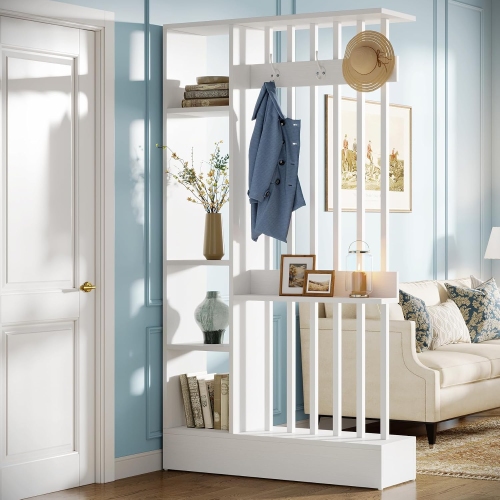
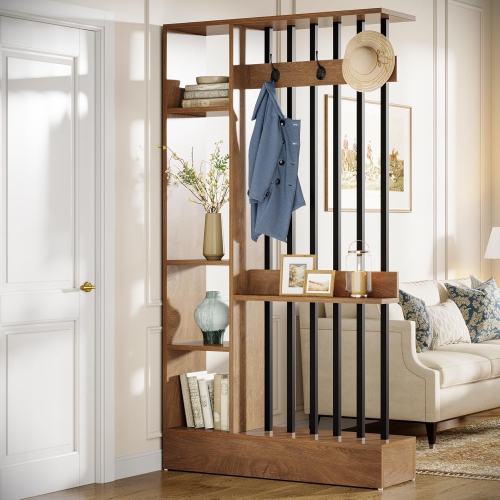
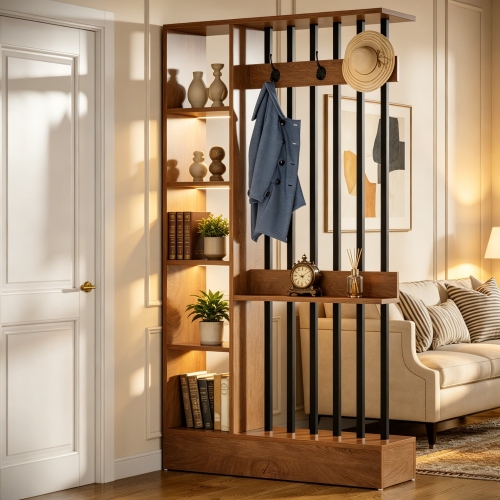
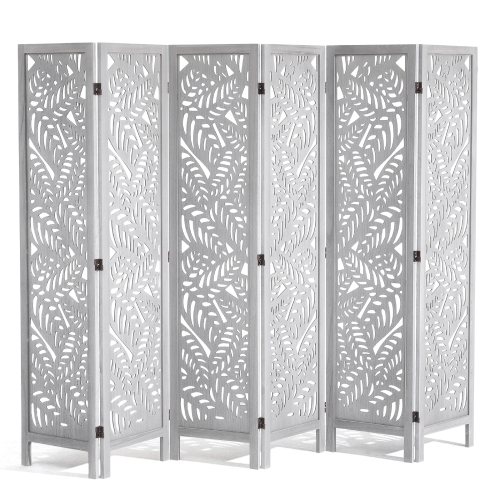

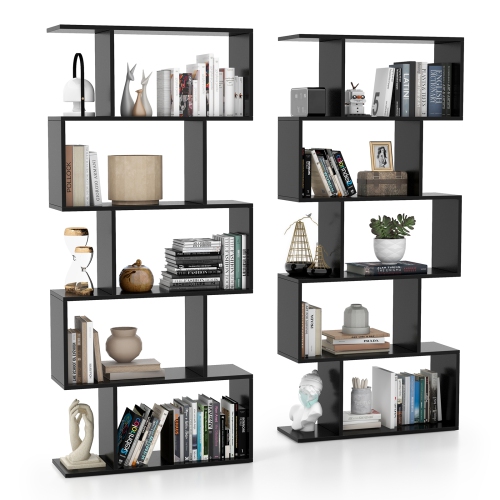

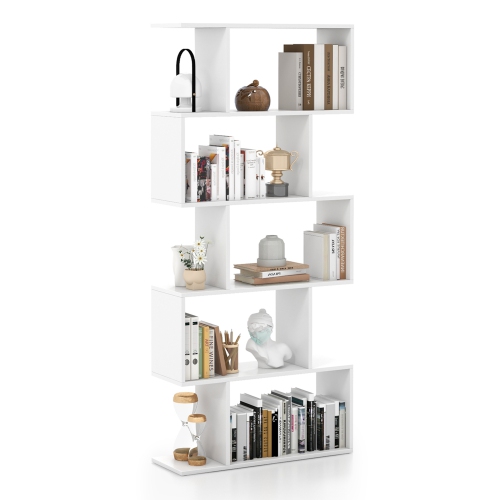
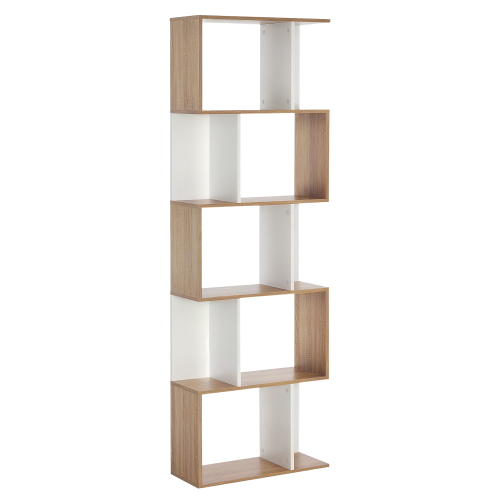
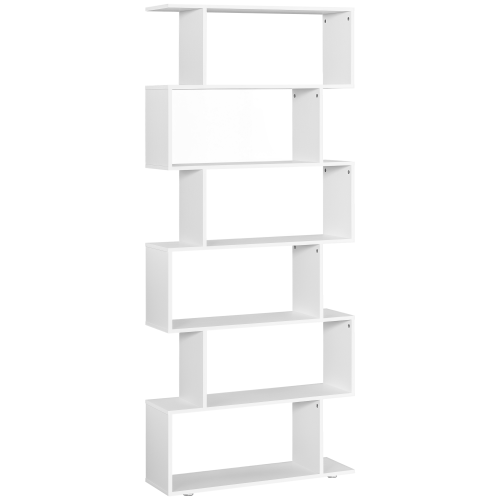
Distinct living areas without adding a permanent wall
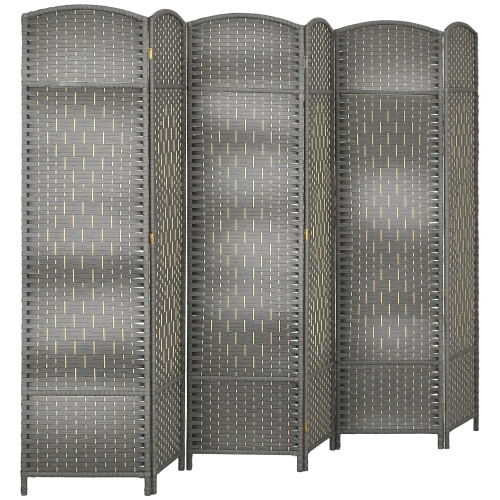
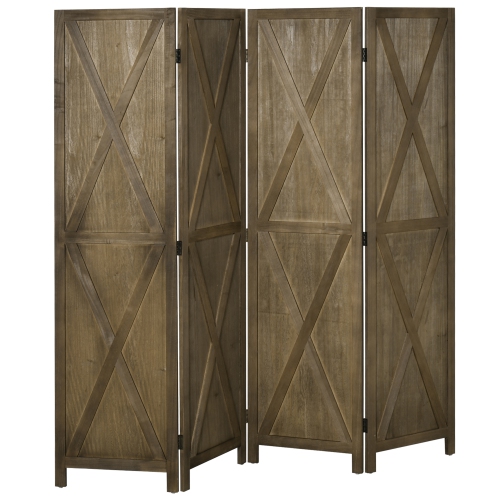
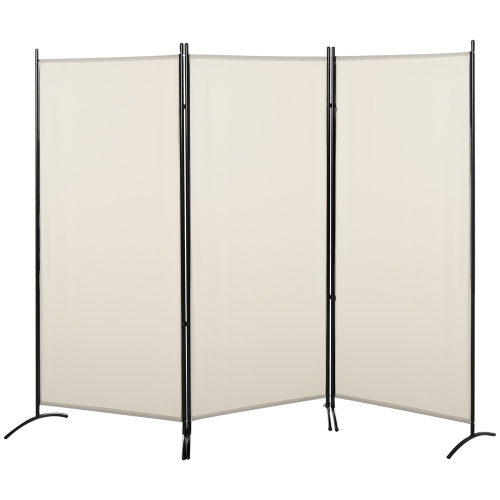
Contemporary room dividers give open spaces a sense of purpose without the permanence of a new wall. In a studio apartment, a folding screen can set a sleeping area apart from the sofa; in a shared living room, a slim partition can establish a work corner that feels separate once the laptop closes. Their appeal lies in that balance between definition and openness. Clean lines, restrained patterns, and simple frames suit contemporary interiors, while textured panels or warm wood tones keep the effect from feeling stark. A divider does not have to disappear into the room, either. A dark frame can echo the outlines of nearby shelving, and a softly coloured fabric panel can introduce contrast alongside glass tables or metal furniture. The amount of separation depends on the construction. Solid panels generally offer greater visual privacy, while slats, woven sections, and open geometric patterns allow partial views and varying amounts of light through. Translucent panels can soften the view between two areas without making either side feel entirely closed off, although silhouettes may remain visible when one side is brightly lit. That distinction matters when separating a bed from a sitting area or placing a screen behind a desk used for video calls. For a reading nook, an open design may provide enough definition while preserving a connection to the rest of the room. For a changing area, panel coverage and the gaps around the frame deserve closer attention. Contemporary styling also works well in multipurpose spaces where furniture serves more than one role: a dining area that doubles as a workspace, a guest room used for hobbies, or a basement shared by people with different routines. Rather than trying to divide every activity completely, a thoughtfully positioned screen creates a clear visual boundary. It can keep a laundry corner out of sight, give a guest a more private place to settle in, or make the view from an entryway feel less busy.
Material and construction influence how a contemporary room divider looks, how easily it moves, and how it stands up to everyday handling. Wood frames bring visible grain and warmth, with finishes ranging from pale tones to deeper browns that sit comfortably beside upholstered seating. Engineered wood can provide a smooth, uniform surface, though edges and joints should be protected from prolonged moisture. Metal frames often create a thinner outline and a more architectural look; their finish, connections, and base design all contribute to everyday durability. Fabric panels introduce softness and may be lightweight, but their opacity varies with the weave, colour, and lighting behind them. Woven plant-fibre panels add texture, while paper-style inserts create a lighter visual presence that calls for gentler handling around pets, busy walkways, and frequently moved furniture. Glass or acrylic sections can preserve brightness, with frosted finishes offering a different degree of screening than clear panels. Weight alone is not a reliable measure of stability: the footprint, panel arrangement, feet, and hardware matter as well. Folding dividers need to be positioned at the angles specified by the manufacturer rather than stretched into an unsupported straight line. Freestanding designs need sufficient floor space for their bases, and any required anchors or mounting hardware should be installed as directed. These practical details are especially important in homes with children or pets, where a partition should not be treated as a climbing surface or safety barrier. Care is usually straightforward when it follows the material’s requirements. A soft cloth or suitable vacuum attachment can lift dust from frames, slats, and textured surfaces; fabric may need spot cleaning unless its care instructions expressly allow removal and washing. Avoid soaking porous panels, and use only cleaners suited to the finish. Hinges and fasteners benefit from occasional checks, particularly when a screen is folded and moved often. Lifting rather than dragging helps protect both the divider and the floor, while keeping panel edges clear of door swings reduces the chance of knocks and chips.
Fit is about more than matching a divider’s listed width to an empty patch of floor. A folding screen’s effective span changes with its panel angles, so its fully extended measurement may not represent the space it covers when standing securely. Height affects both privacy and the proportions of the room: a lower divider can define the edge of a seating area while leaving sightlines open, whereas a taller design may better screen a desk or bed. For wider layouts, Large Room Dividers offer a related direction to explore, with overall dimensions and the required standing footprint remaining important considerations. Marking the proposed position on the floor with removable tape can help reveal whether there is still comfortable room to pull out a dining chair, open a drawer, or pass with a laundry basket. Include the depth of feet and the folded sections in that assessment, not just the panel surface. Placement should leave doors, exits, vents, and everyday routes unobstructed, and dividers should remain clear of heaters and other heat sources according to the applicable safety instructions. In a home office, a partition placed outside the movement of a desk chair can establish a tidy backdrop without making the workstation feel boxed in. In a shared bedroom, the same attention to circulation helps preserve access to storage on both sides. Renters may value freestanding designs that do not require alterations, while people who frequently rearrange a room may prefer a manageable weight and a compact folded profile. Storage dimensions matter if the divider will spend part of its time tucked into a cupboard or beside a wardrobe. Sound expectations should also stay realistic: an ordinary room divider primarily changes views and spatial boundaries, and gaps above, below, and beside it allow sound to travel. Fabric-covered panels may soften some reflected sound, but they do not make a conversation private. With the right balance of coverage, materials, and placement, contemporary room dividers can make a shared space feel more organized while keeping it adaptable to everyday life.
Top selling and popular products
-
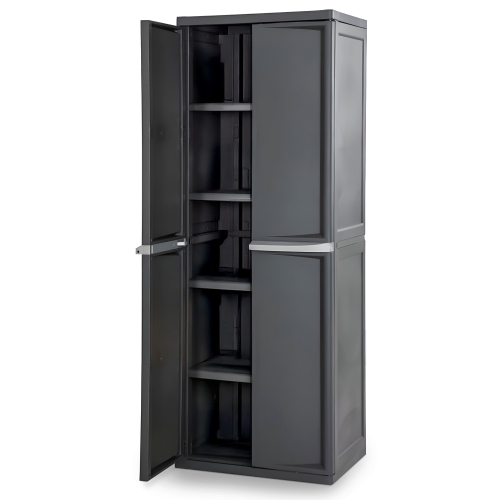 Your price for this item is $412.99
-
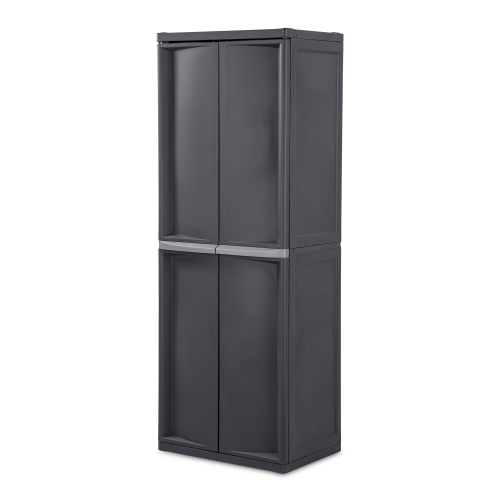 Your price for this item is $1530.99
-
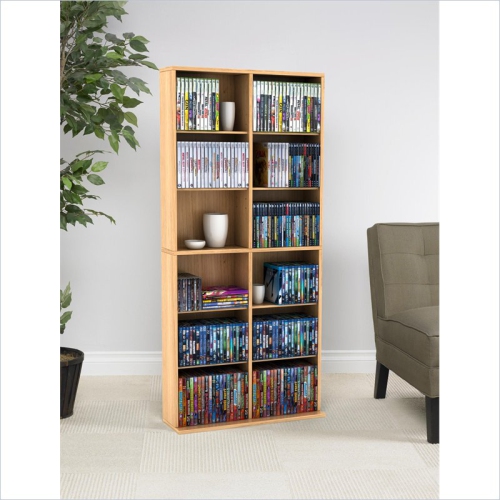 Your price for this item is $234.68
-
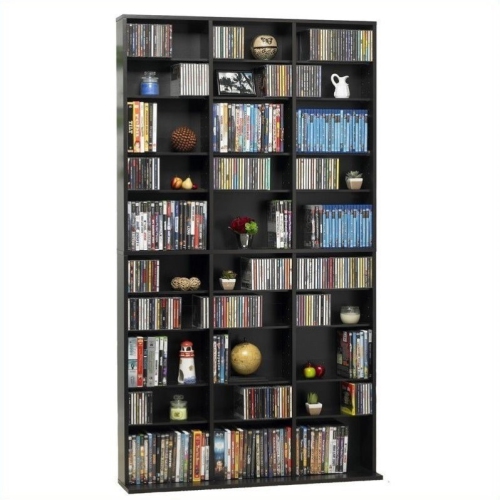 Your price for this item is $365.38
-
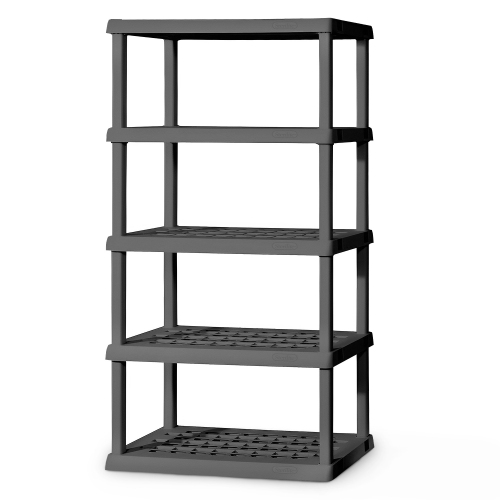 Your price for this item is $320.99
-
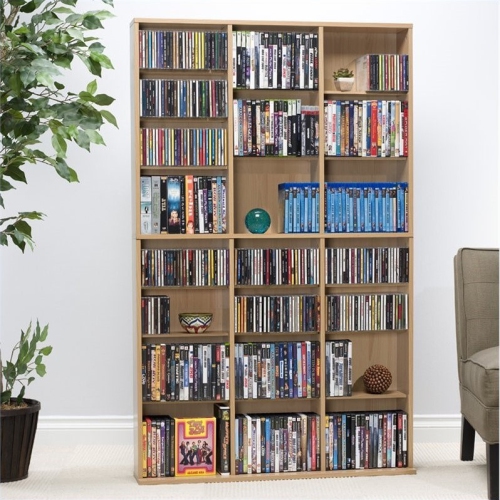 Your price for this item is $295.84
-
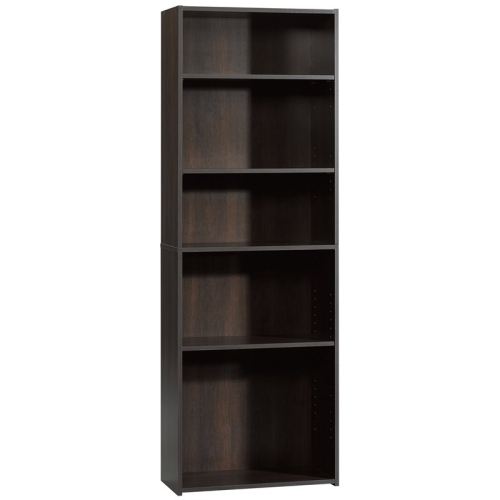 Your price for this item is $227.8
-
 Your price for this item is $127.99
Discover more categories related to Contemporary Room Dividers
Top Collections:
Pokemon Centers, Best Cameras for Sports Photography, Kindle Devices, Samsung Galaxy Phones, Canon G7X Cameras, Pokémon 30th Celebration Cards, Refurbished Apple Laptops, iPhone 15 Apple, Laptops for Students, Budget Smartphones
Some products may be subject to Environmental Handling Fees
(EHF) depending on your province.
Learn more about EHFs.