Large Room Dividers
Create privacy and redefine your space with our collection of large room dividers. Whether you're looking to partition a spacious living area or add a touch of elegance to your office, our range of room dividers offers stylish solutions for any setting. These versatile pieces not only provide an easy way to divide a room but also serve as decorative accents that enhance the overall aesthetic of your space. From sleek and modern designs to classic and timeless styles, our large room dividers are designed to suit various tastes and preferences. Explore our selection today and transform your room into a functional and visually appealing haven.
Sort
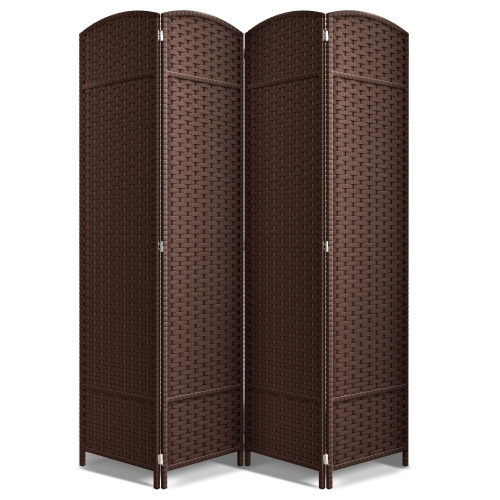
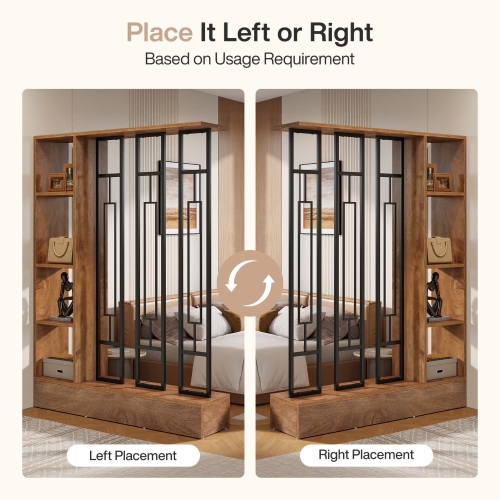

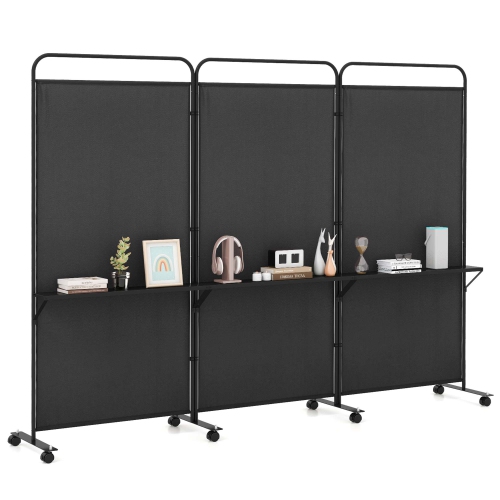

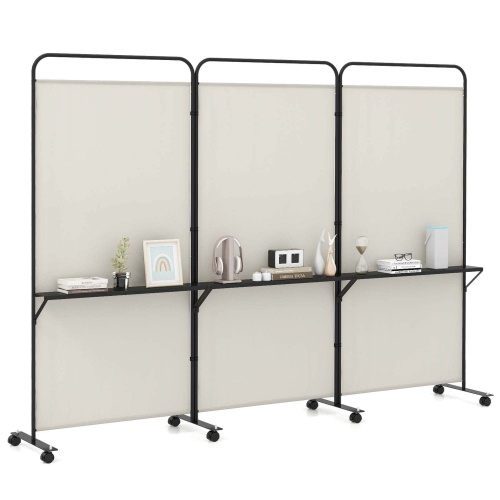
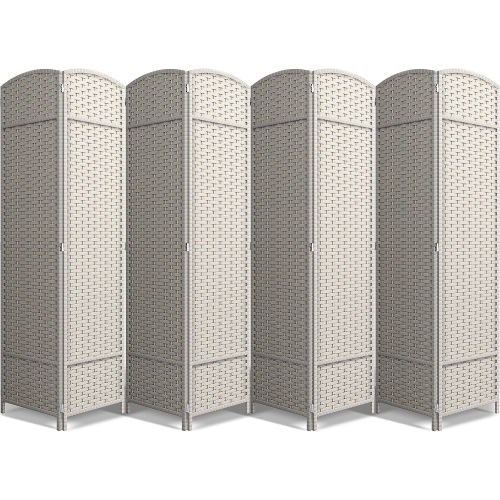
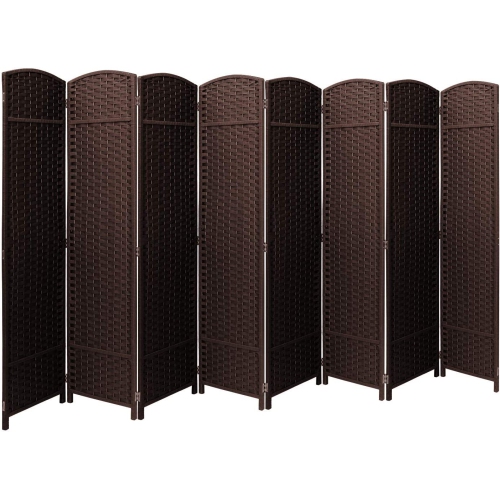
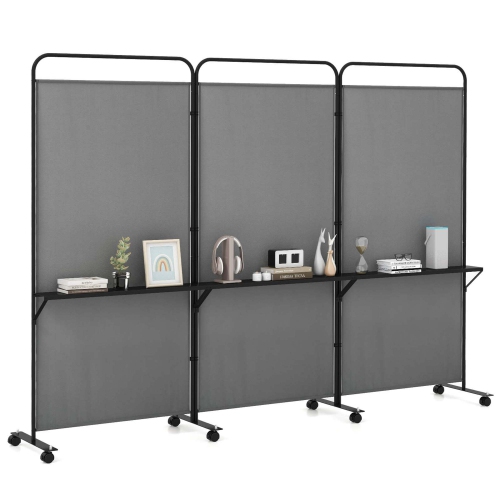
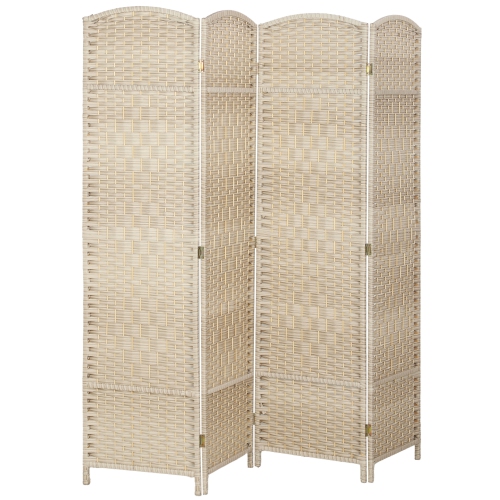

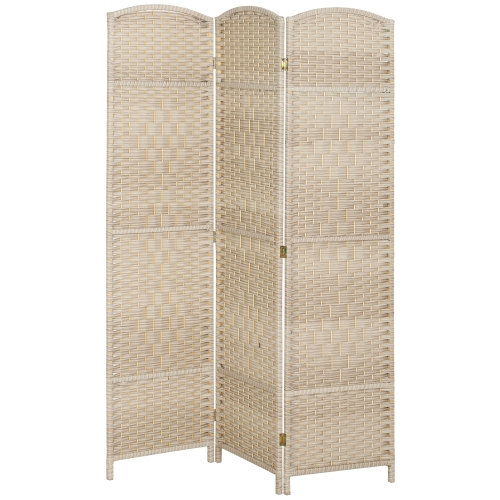
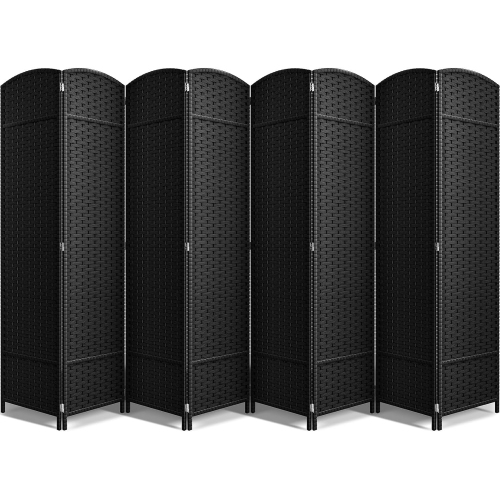

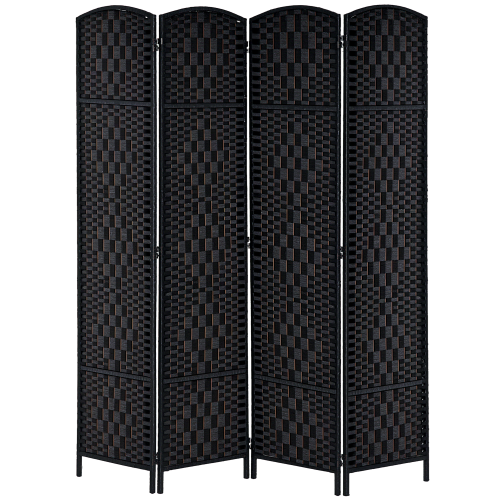

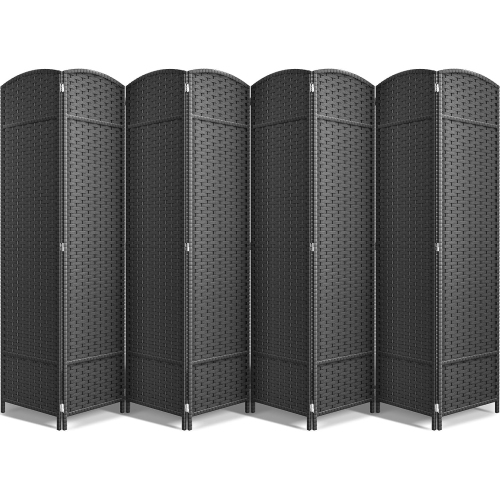
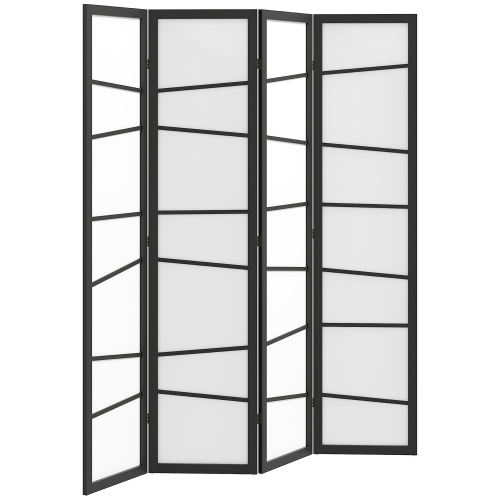
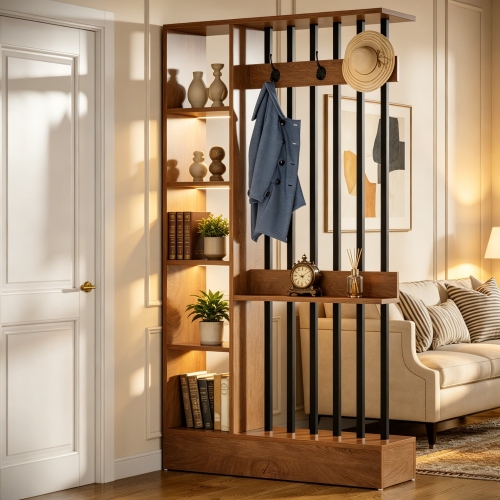
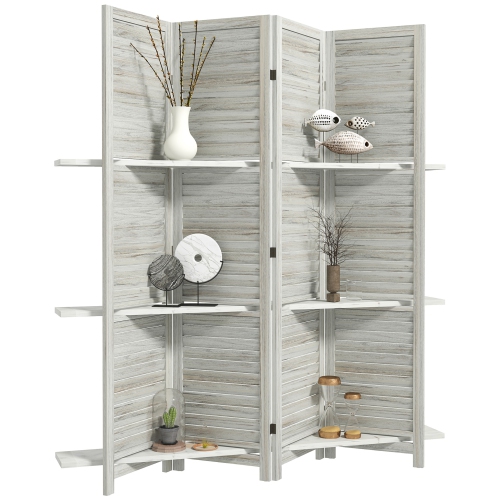
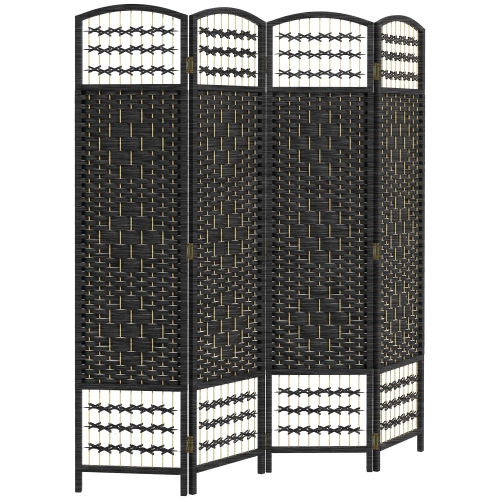
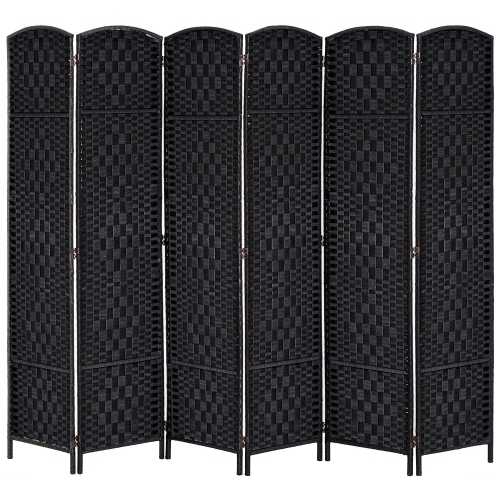
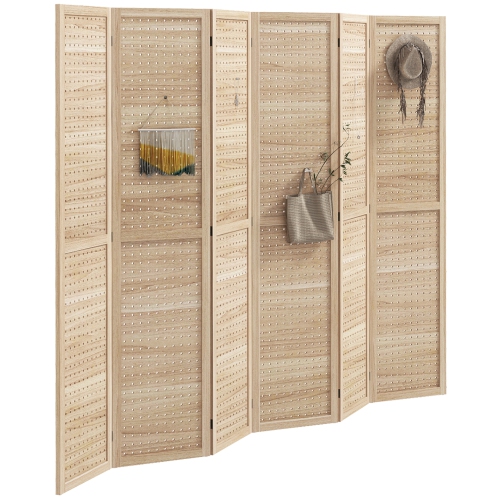
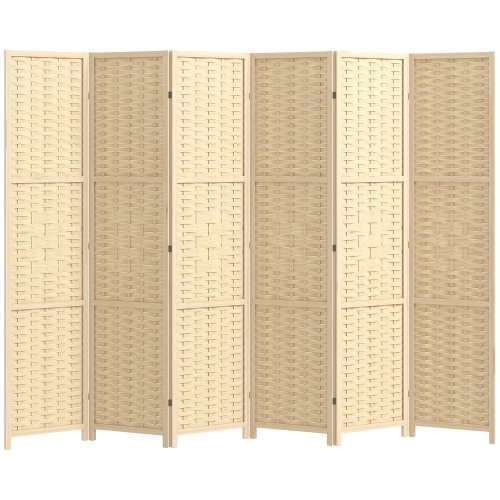
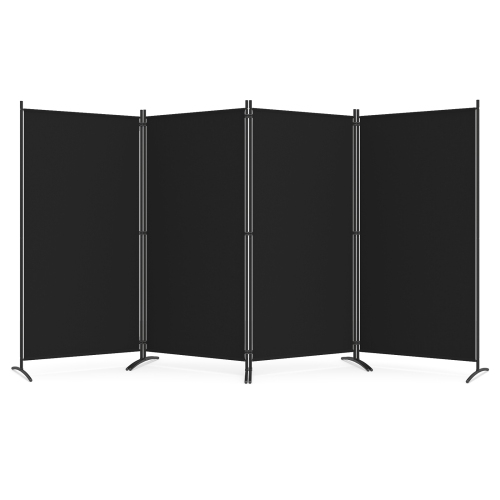
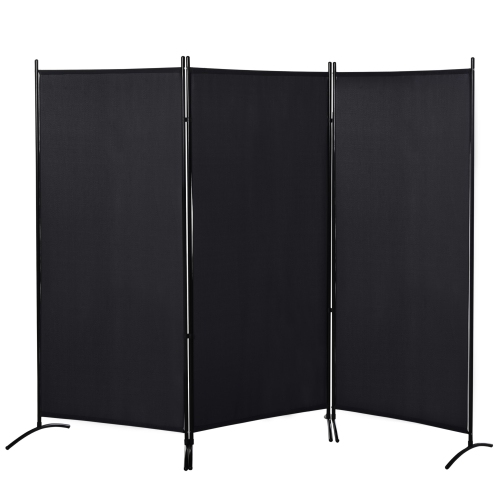

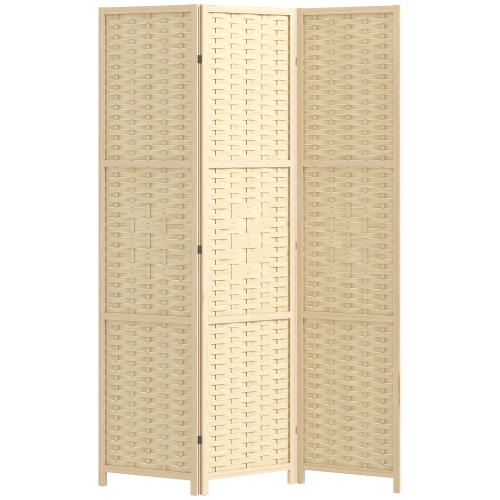
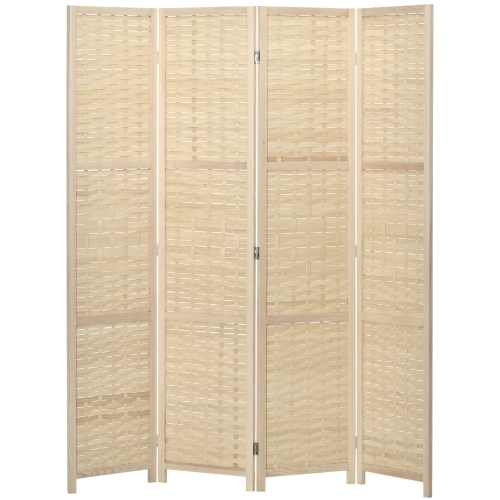
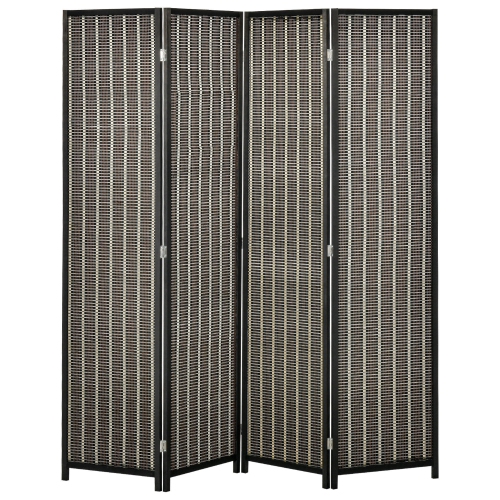
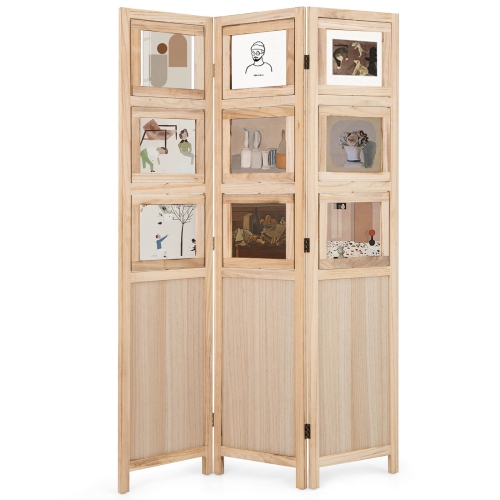
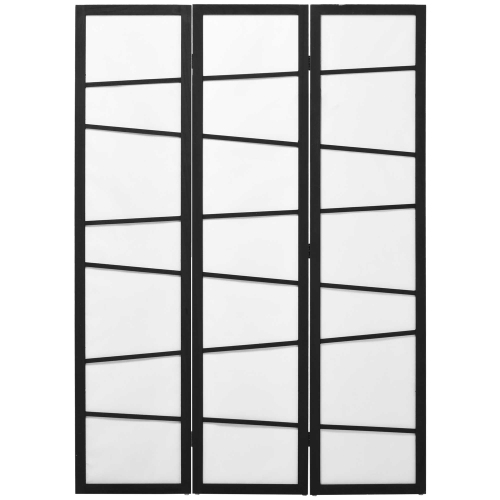
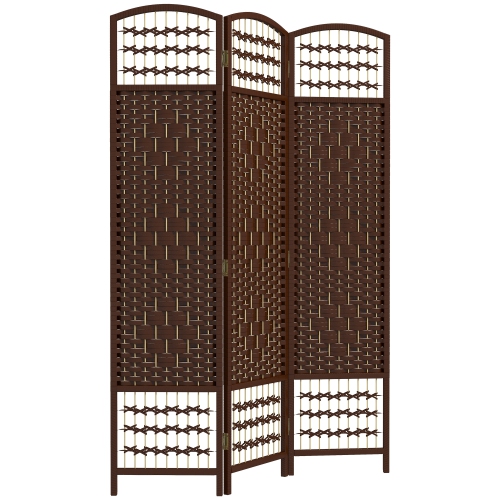
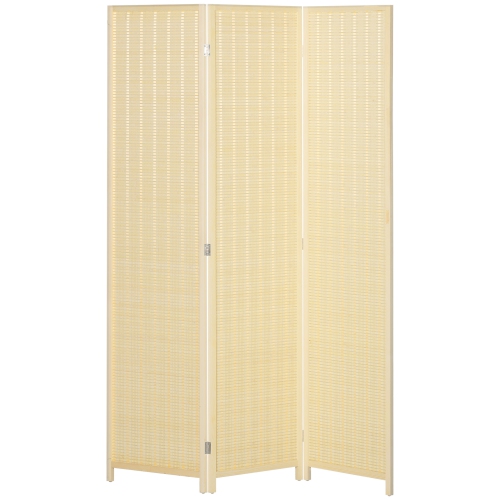
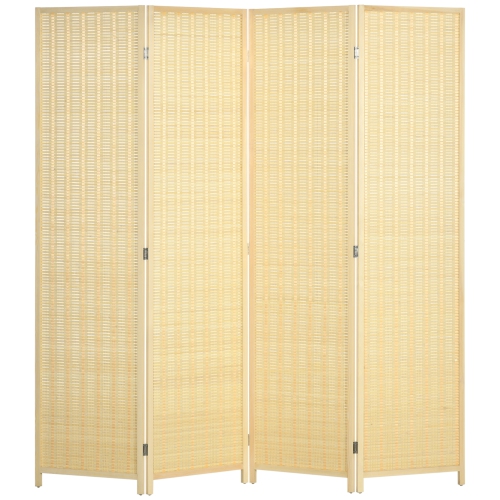
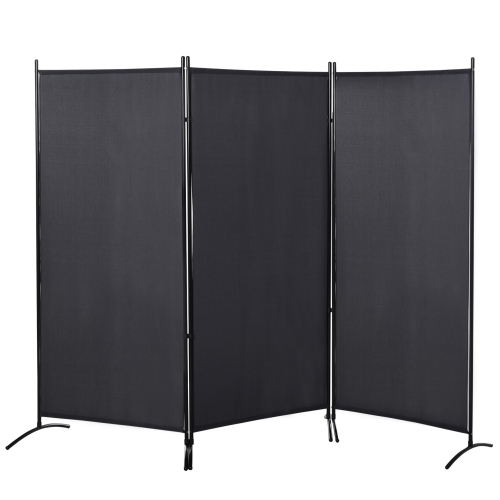
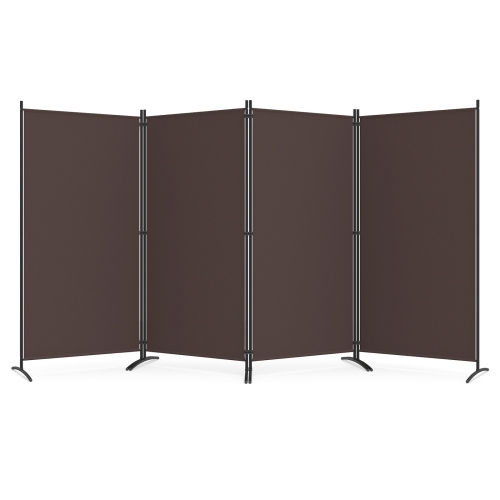

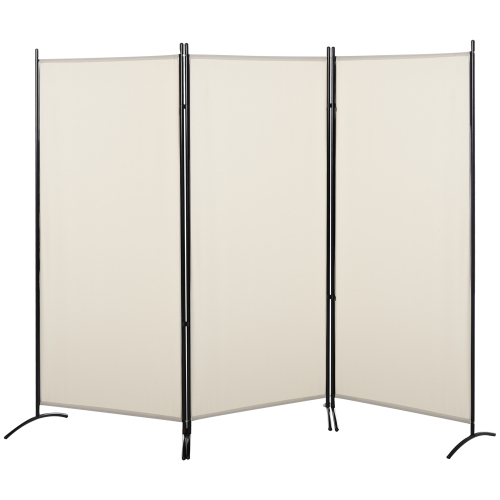
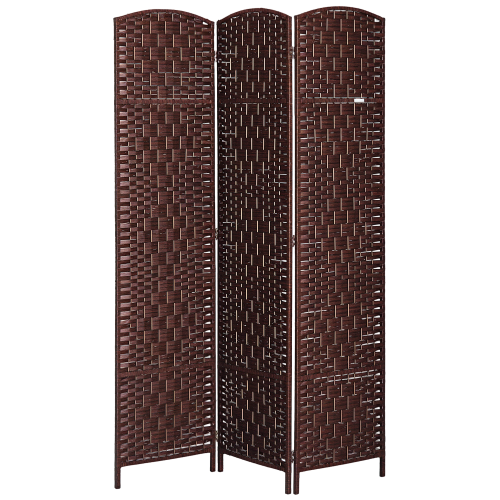
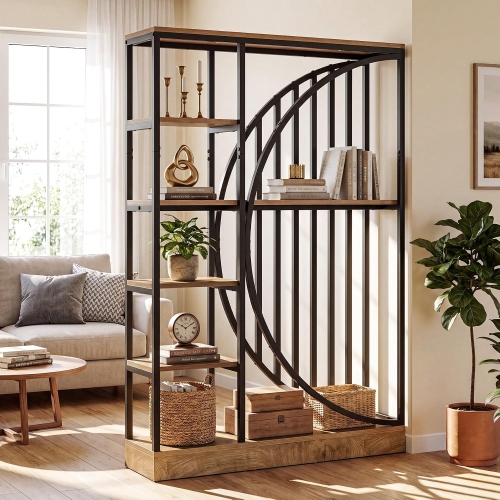
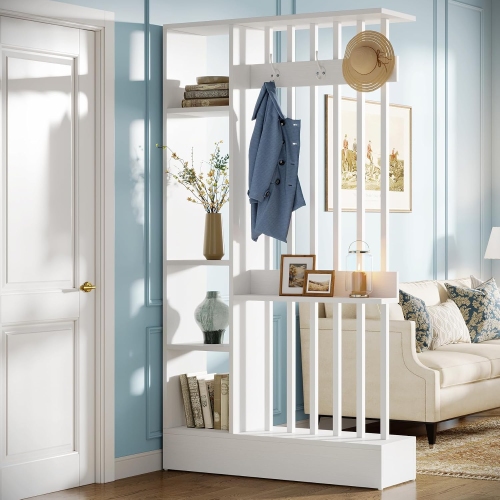
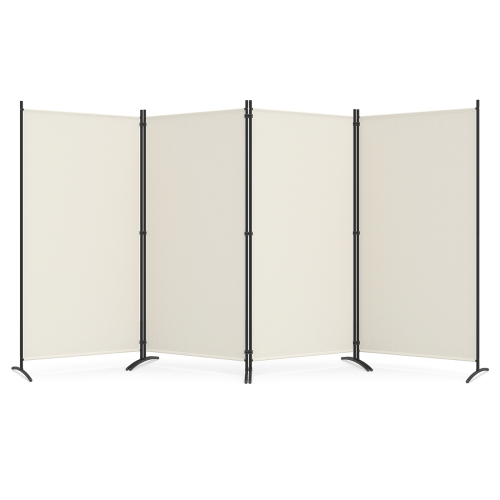
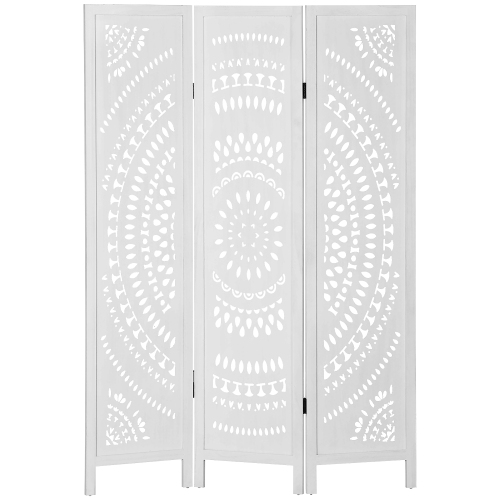
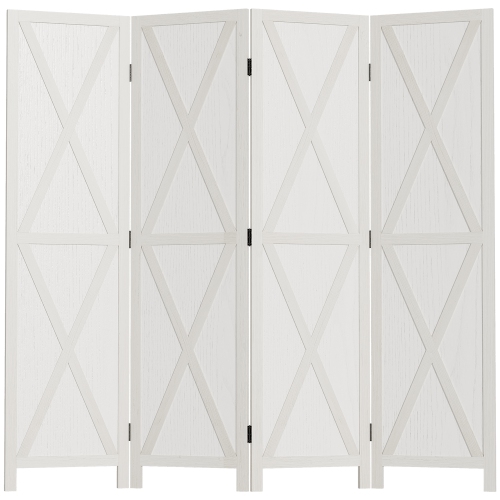
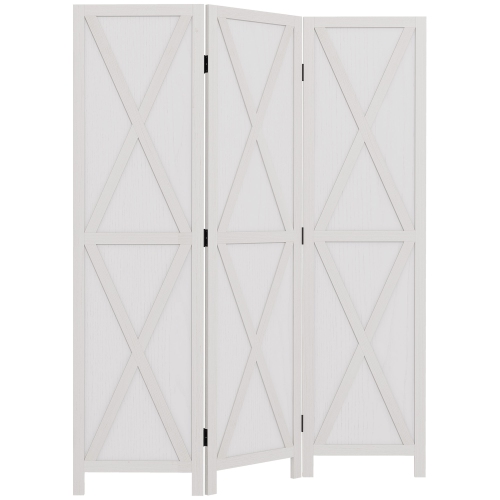
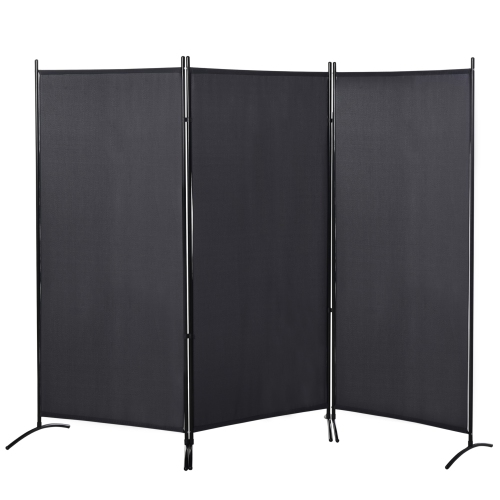

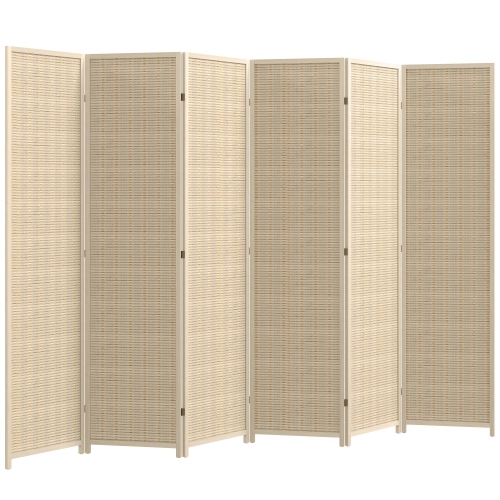
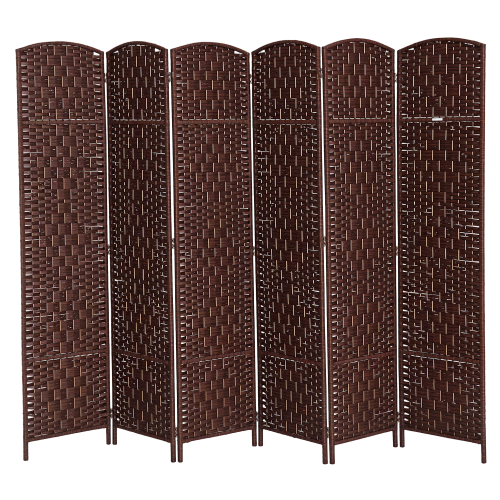
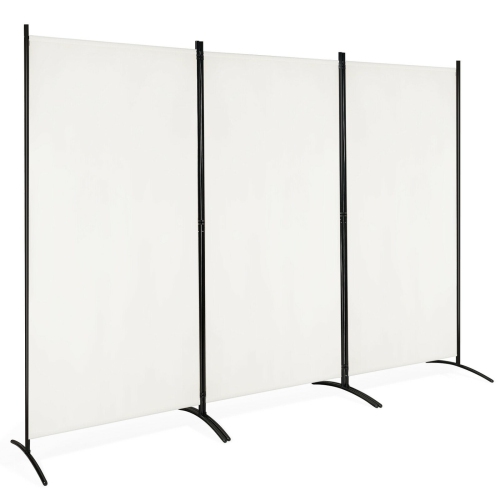
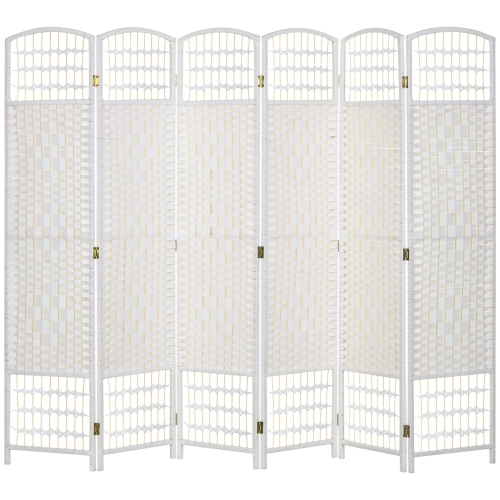
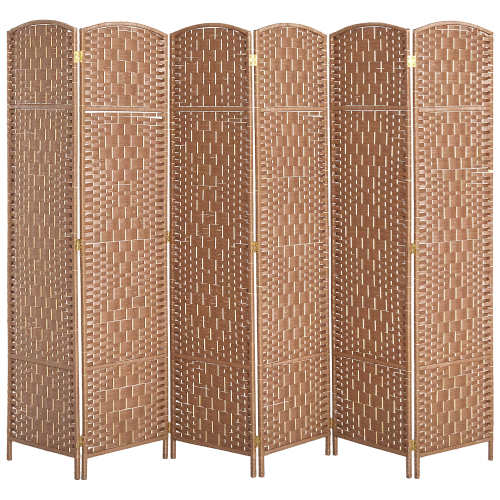
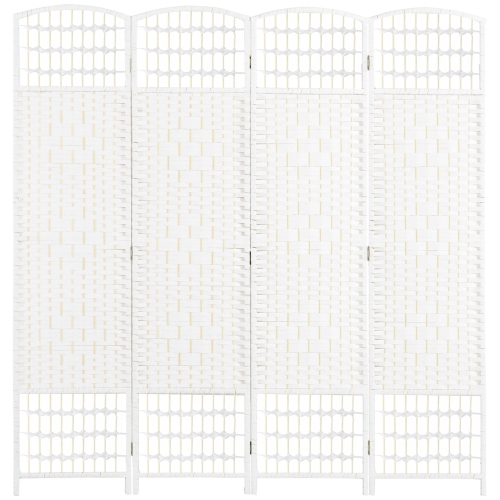
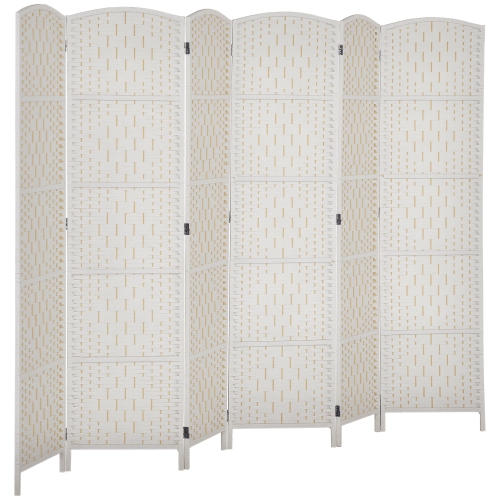
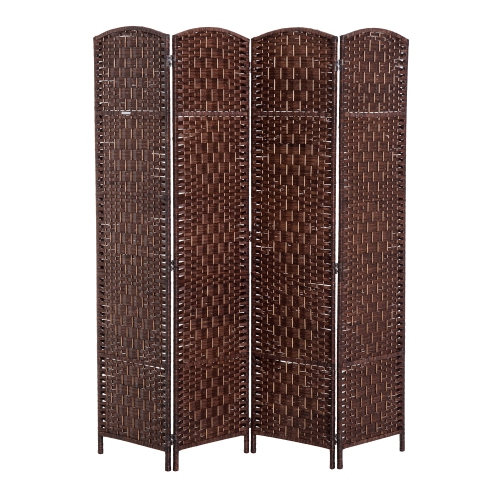
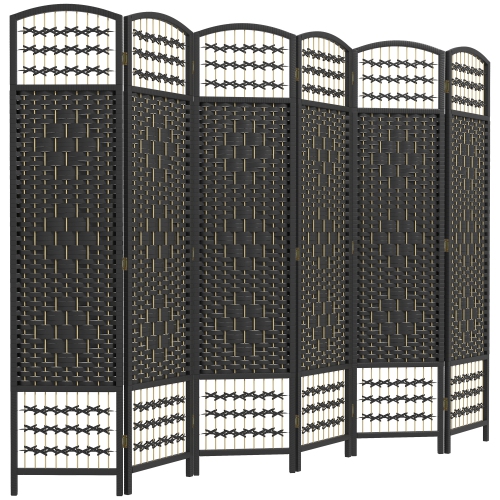
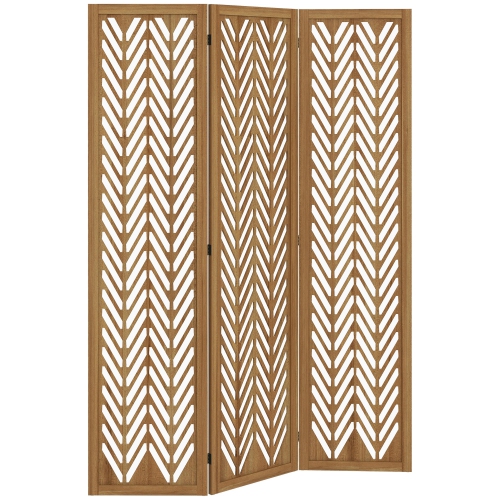
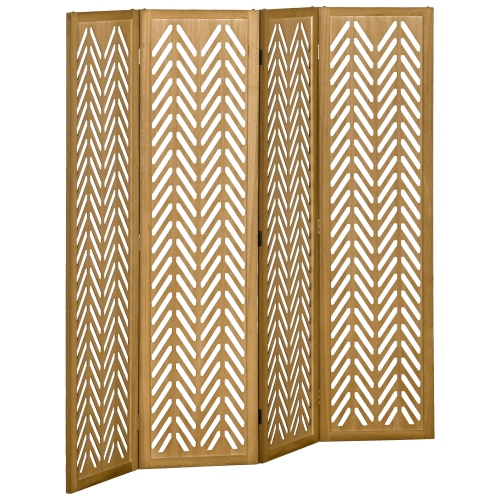
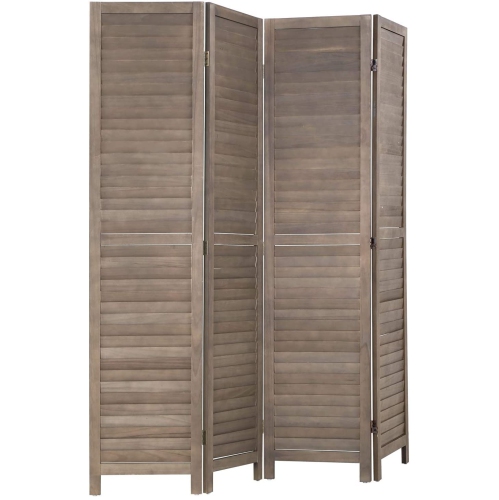
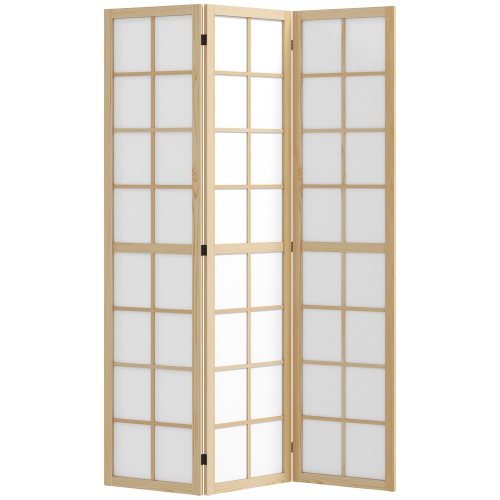
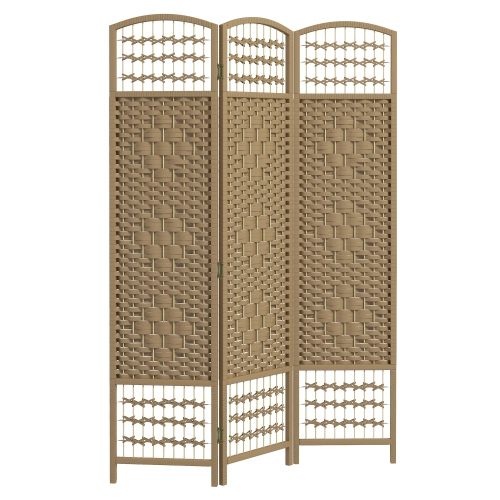
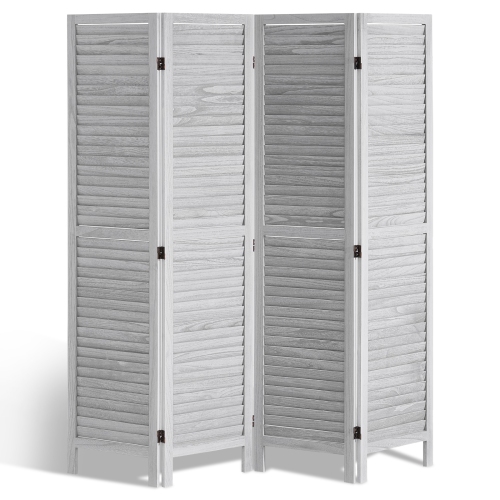
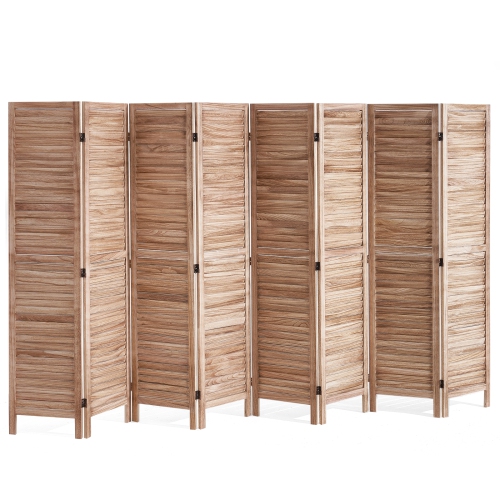
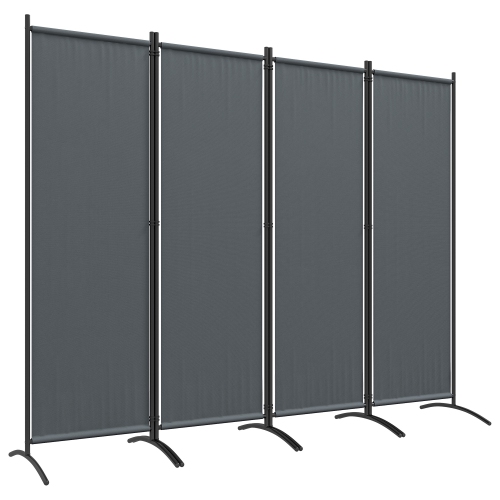
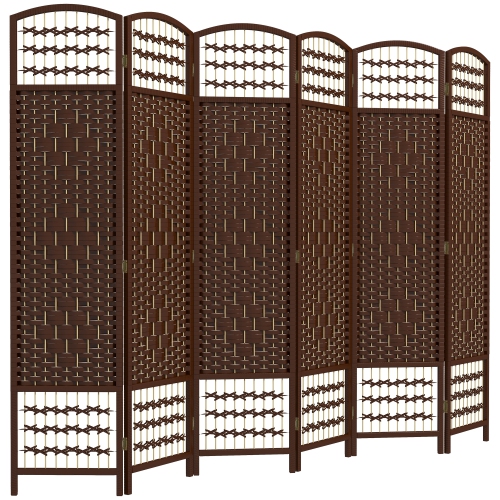
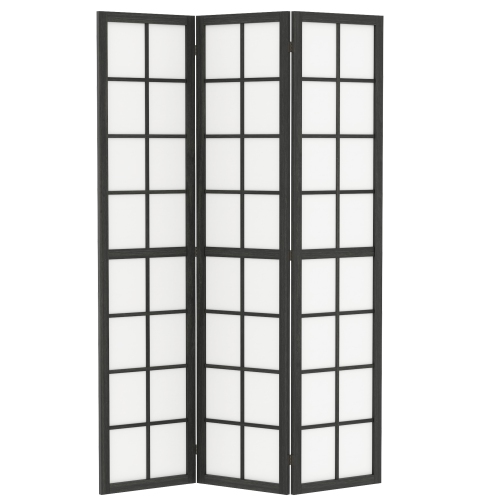
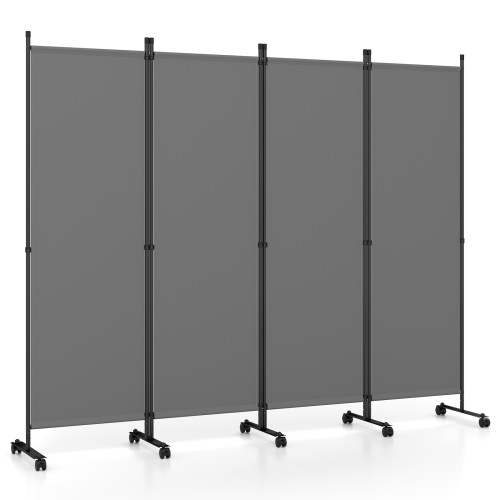
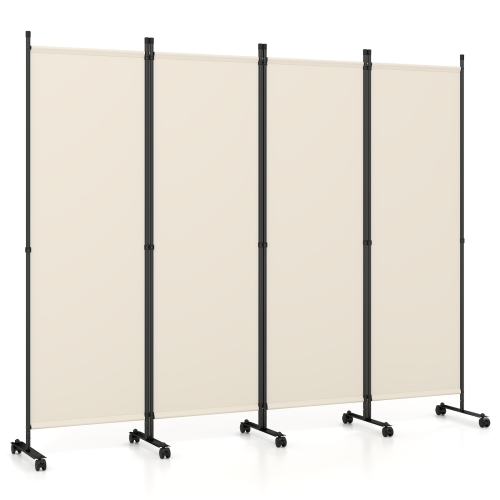
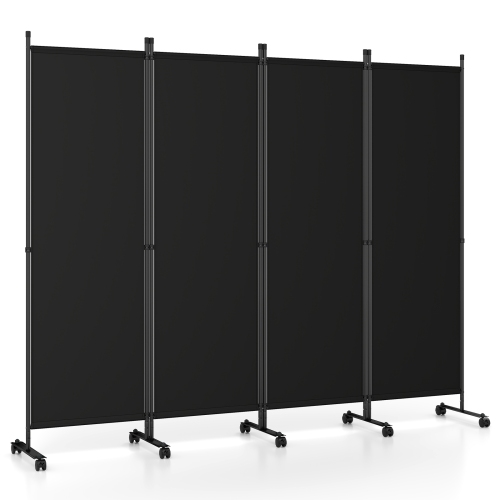
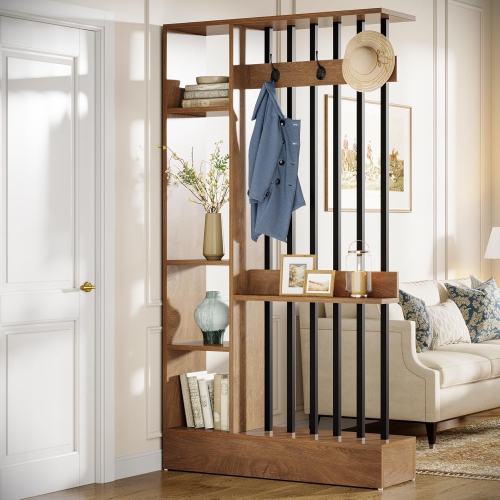


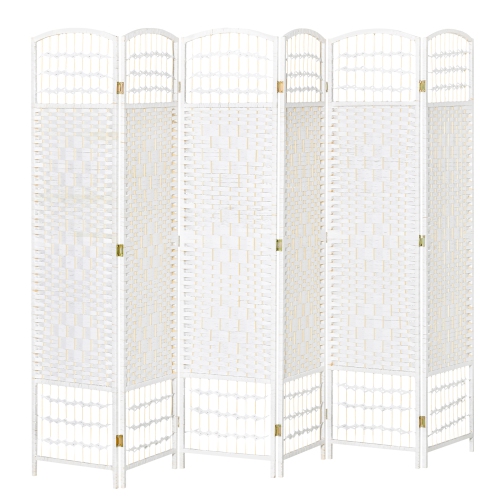

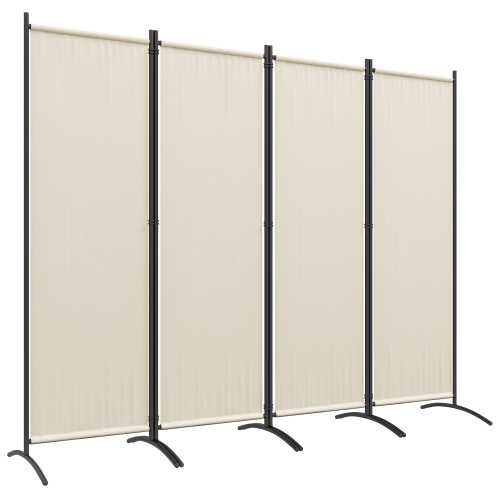
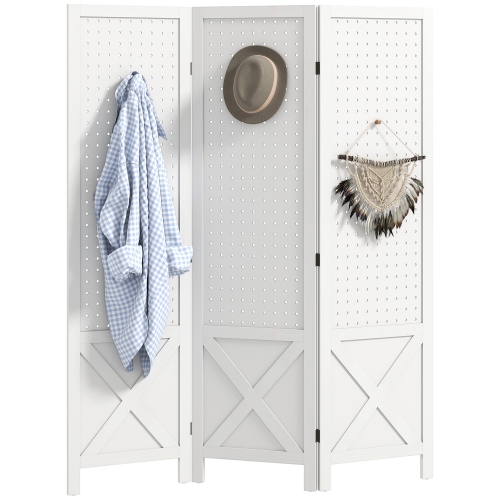
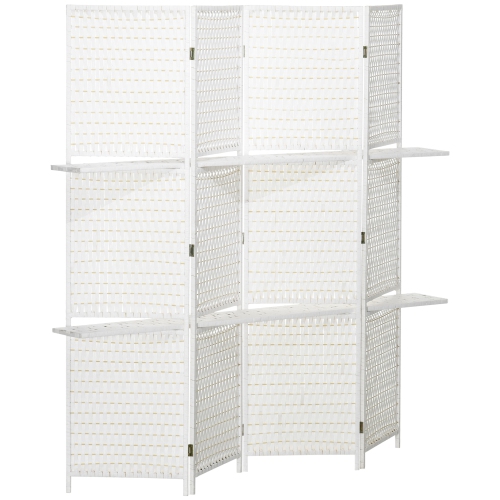

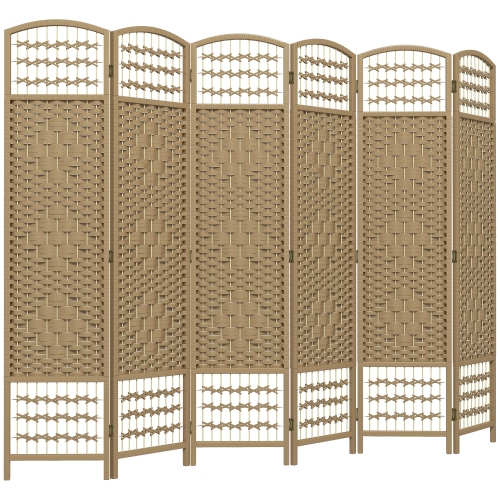
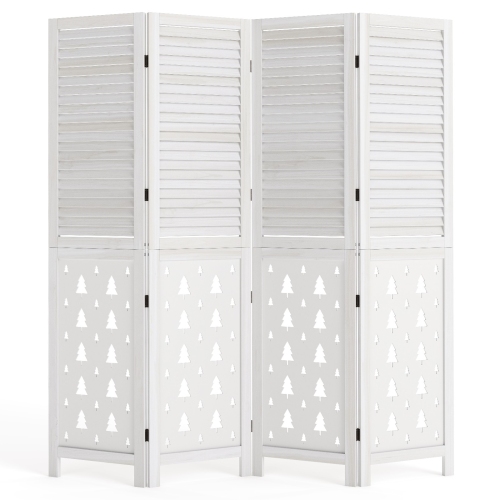
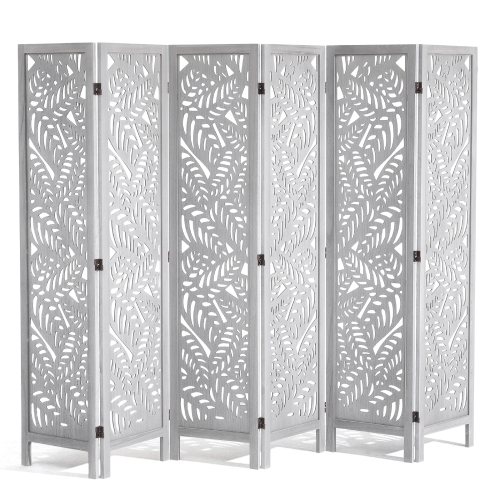

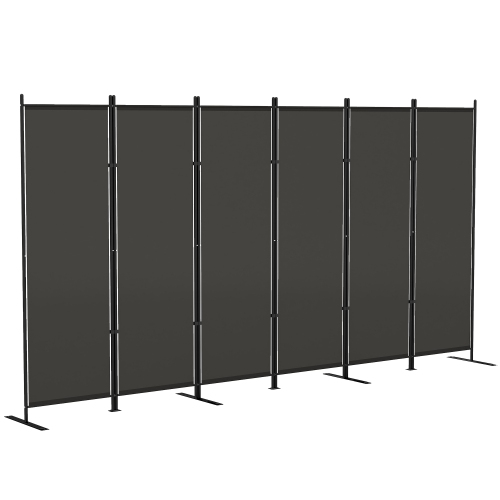
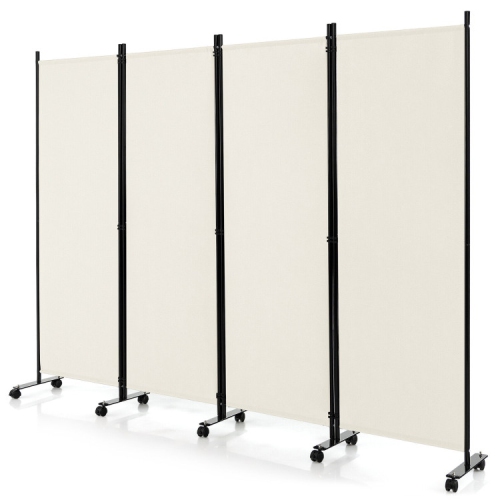
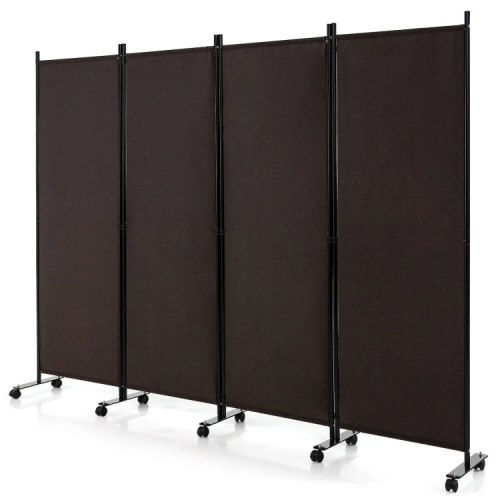
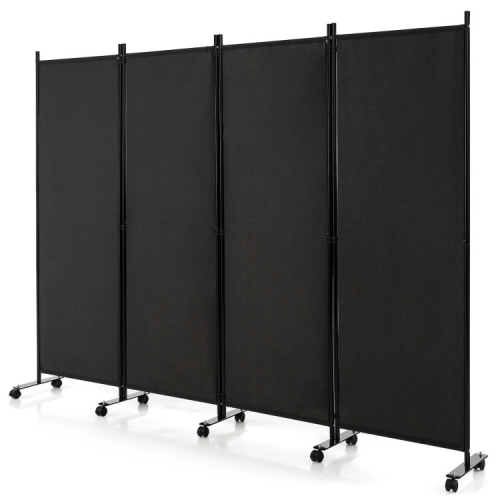
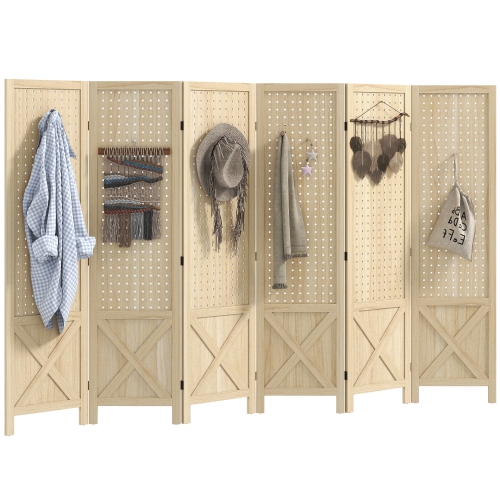
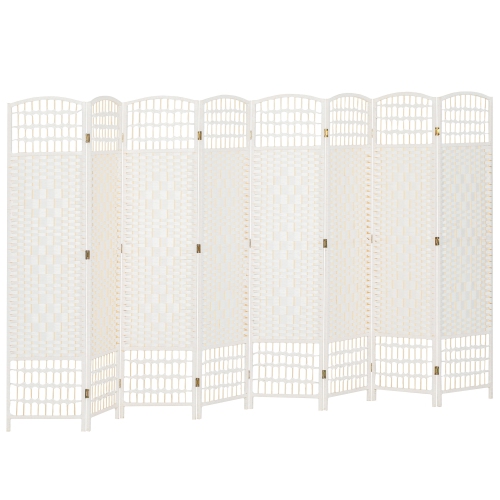
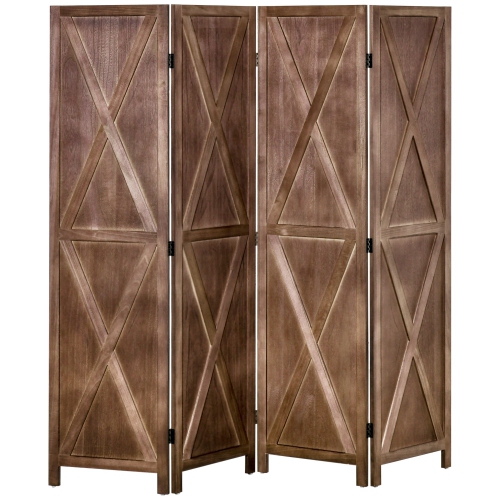
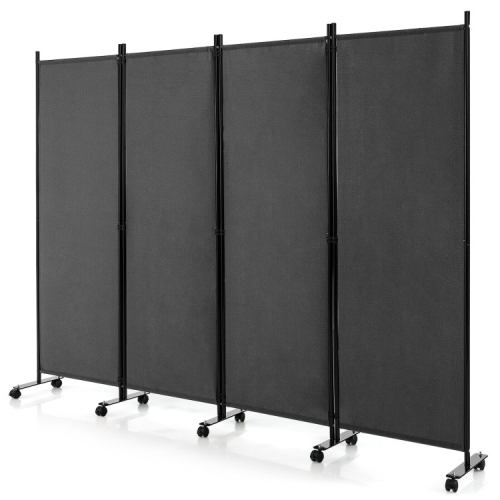
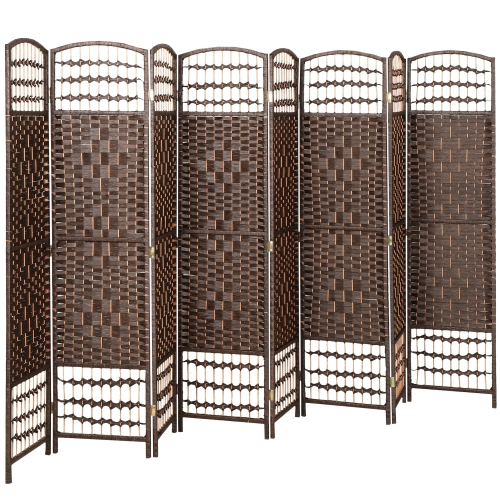
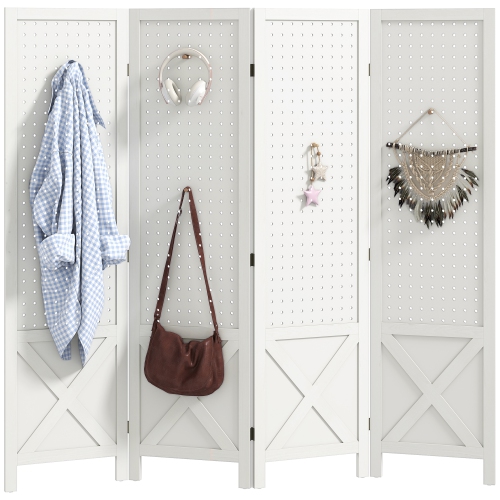

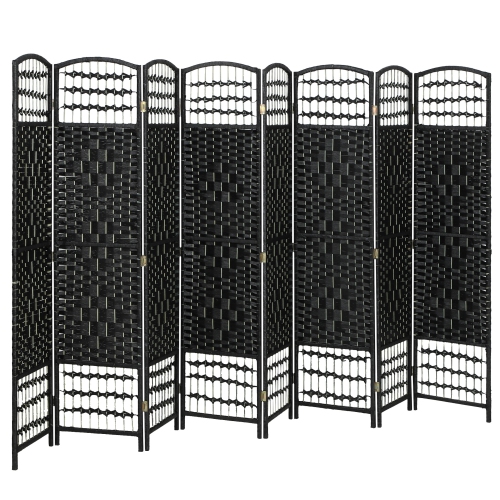
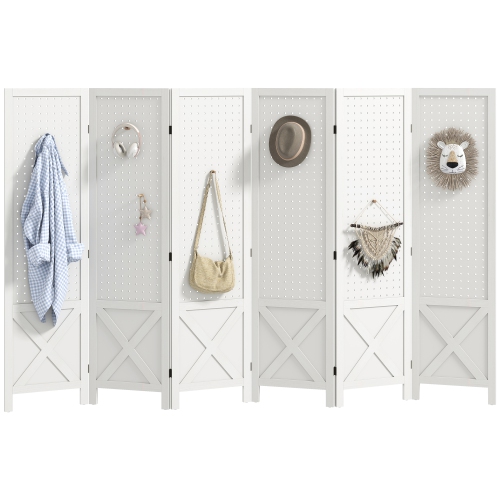

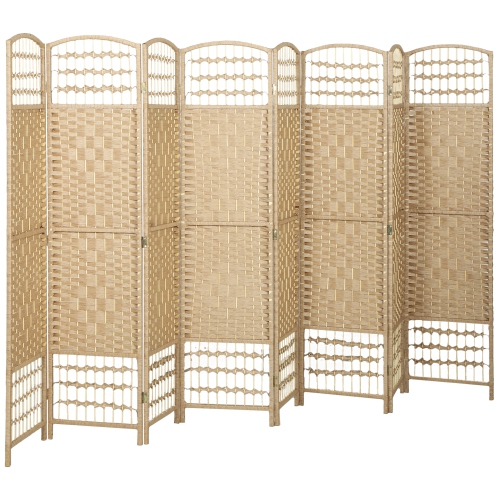
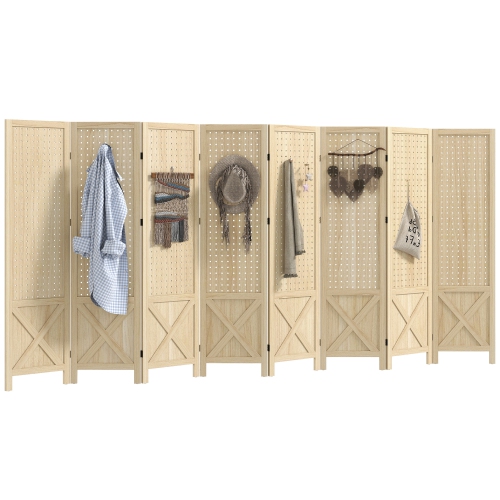

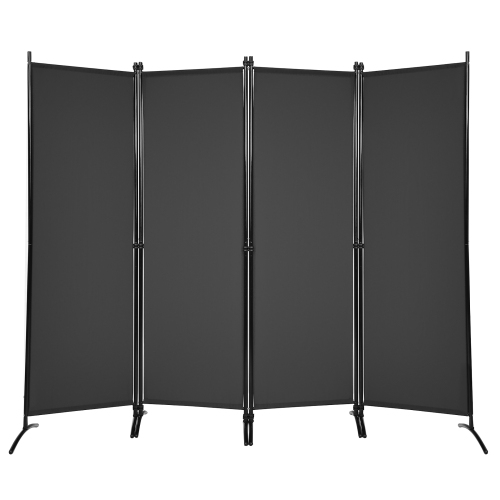
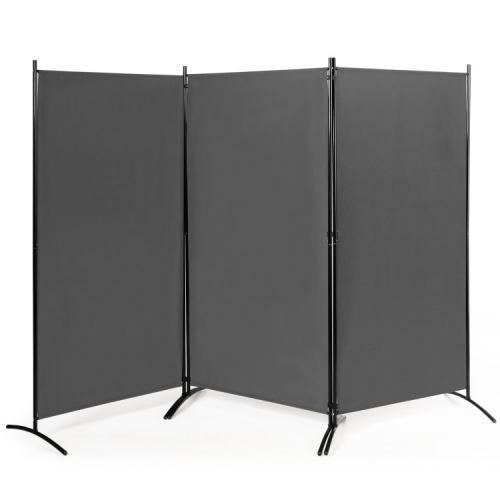
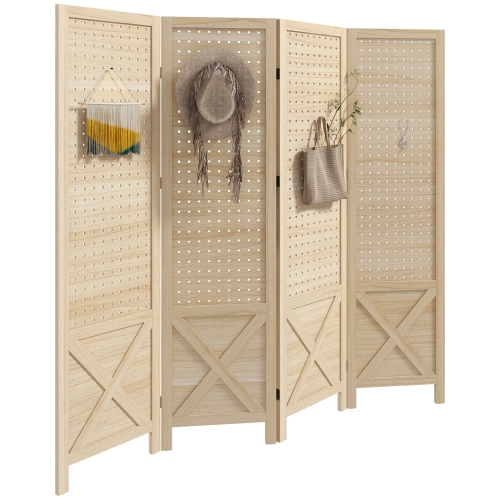
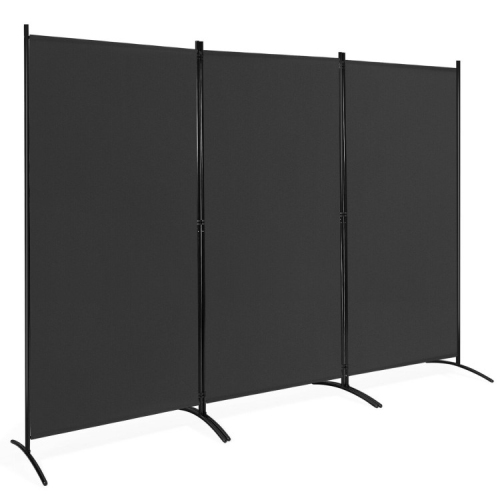
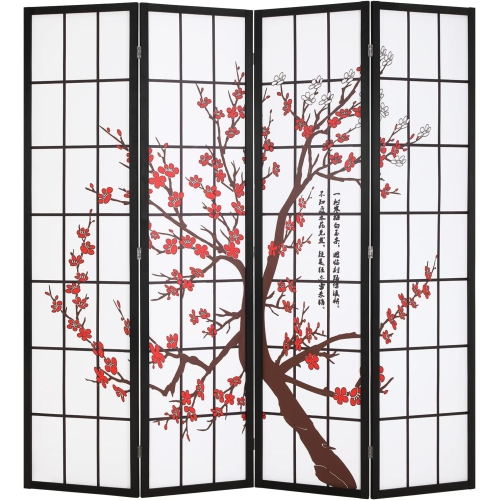


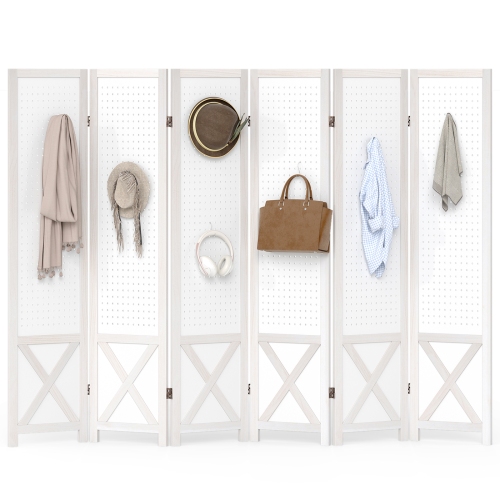
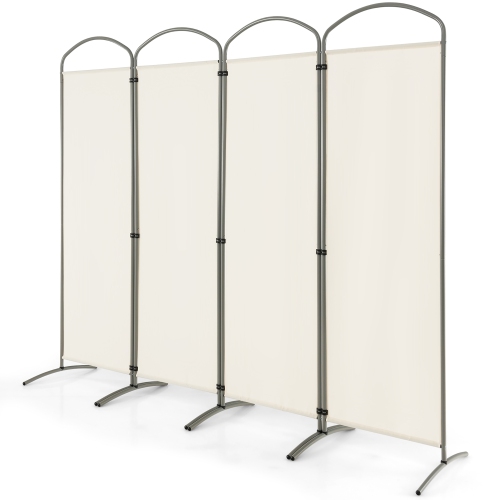


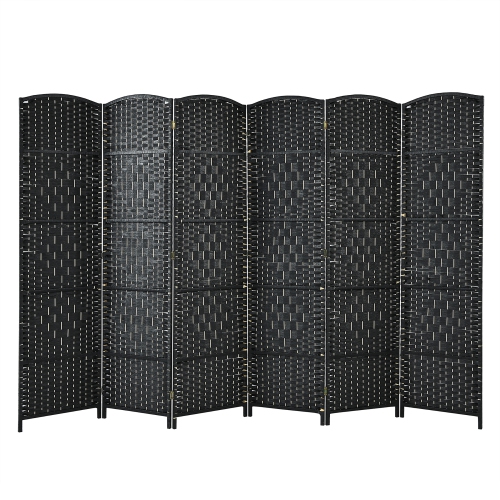
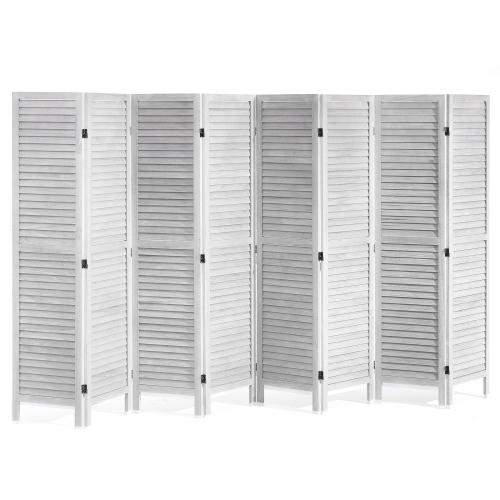
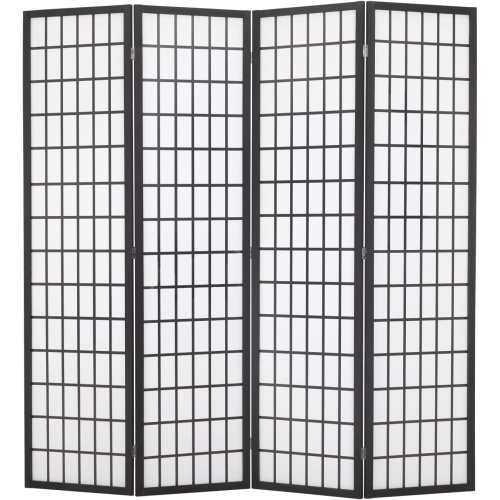
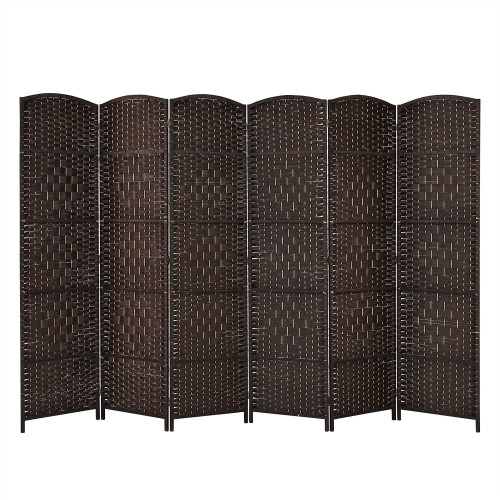
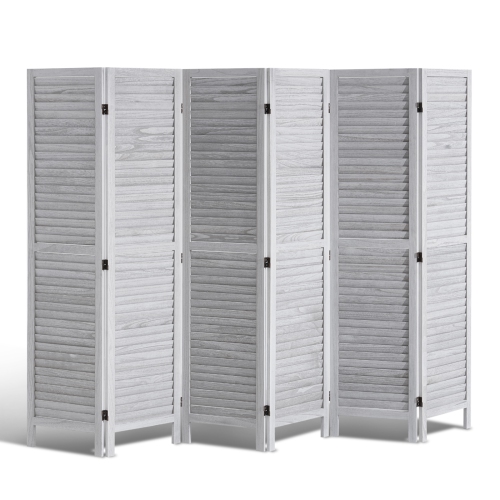
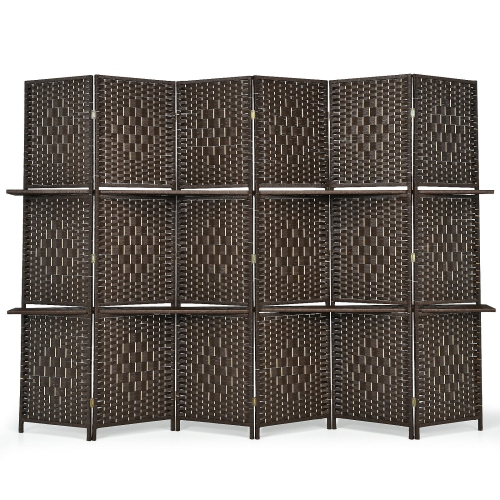
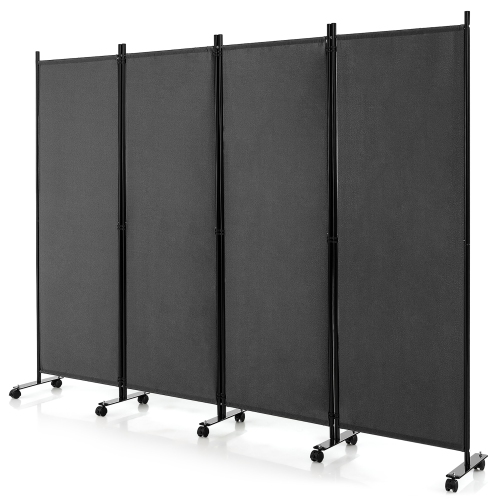
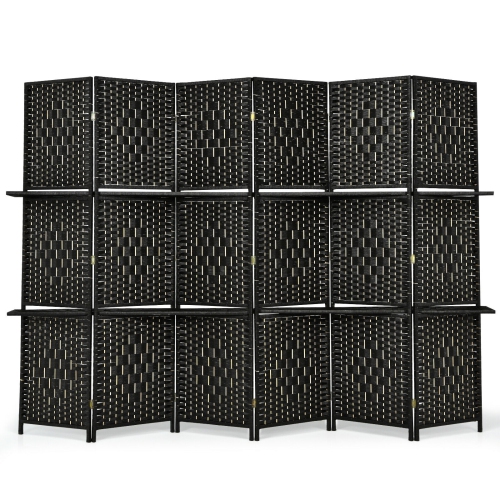
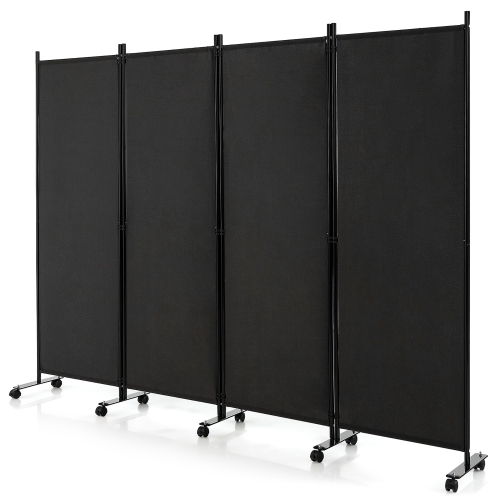
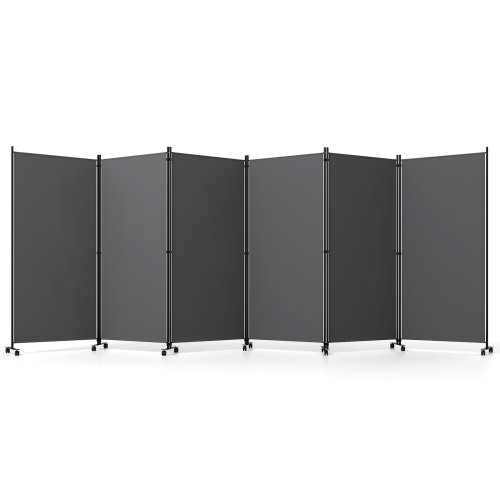
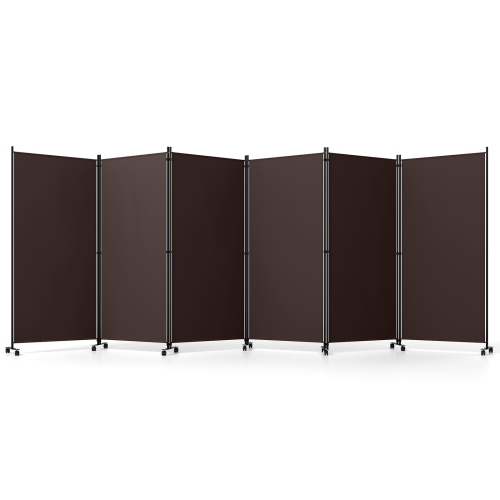

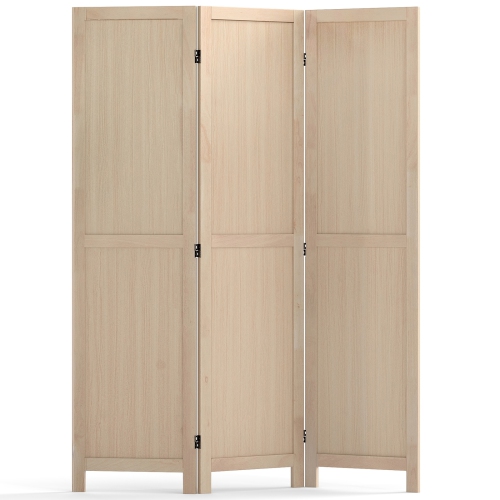
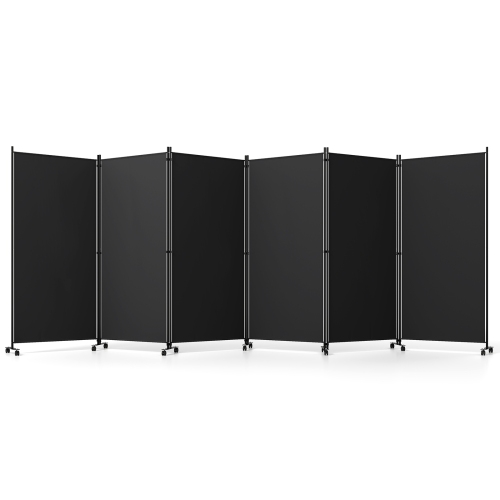

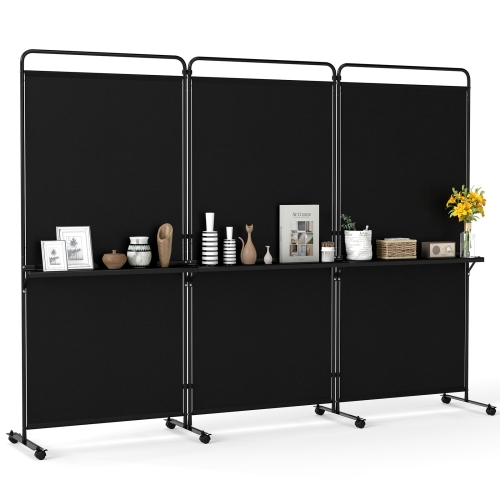
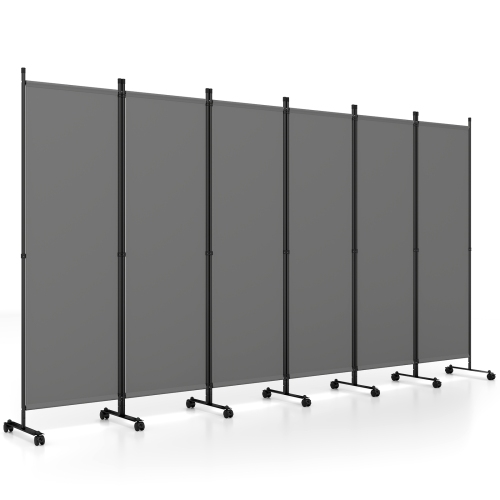
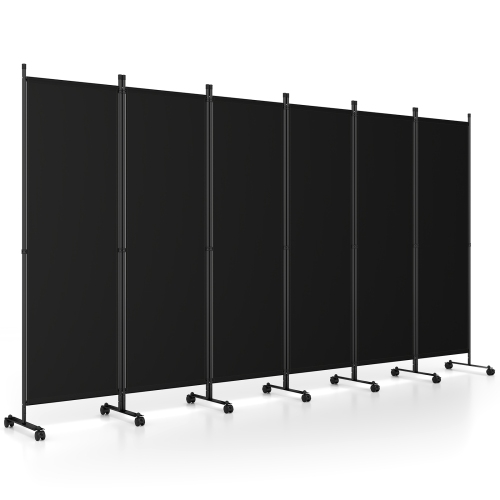
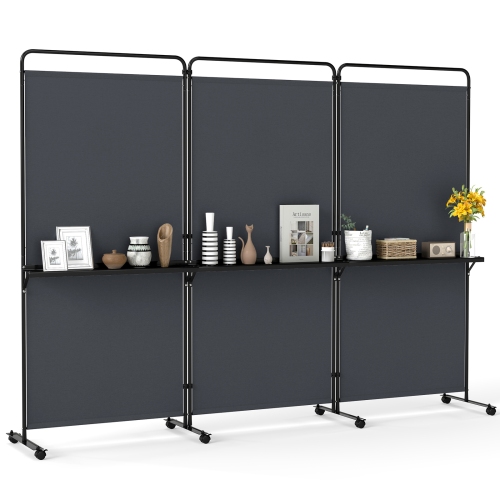
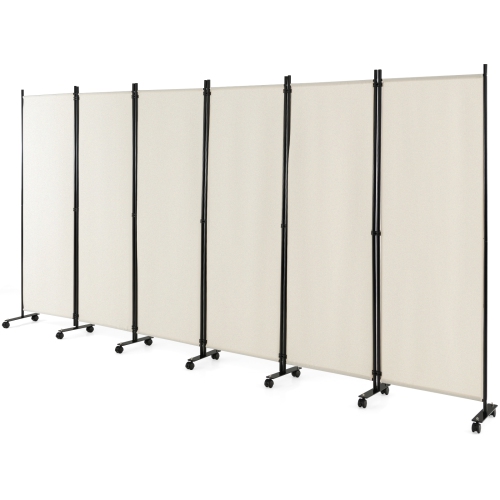
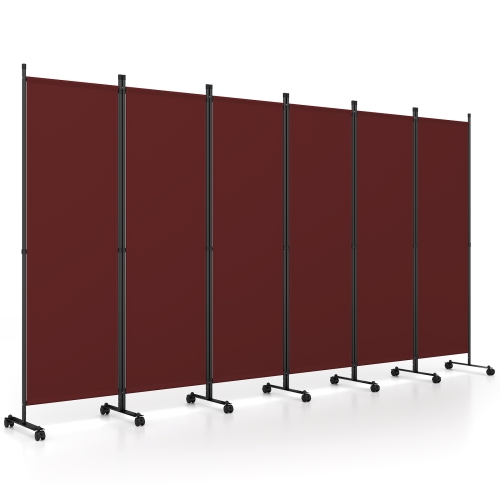
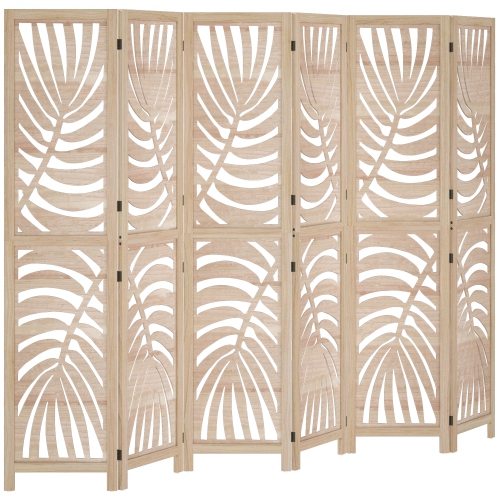
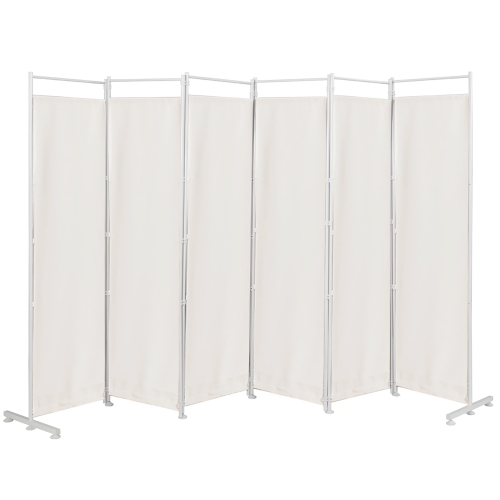


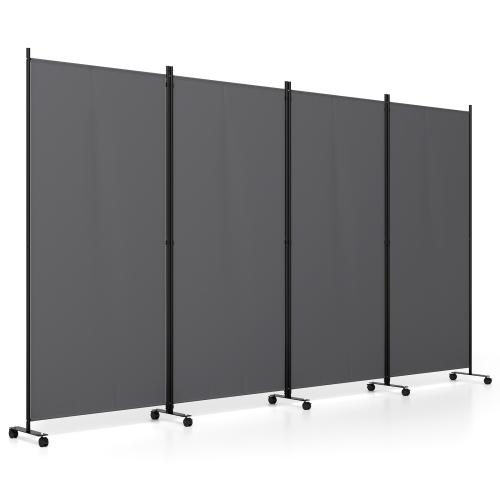
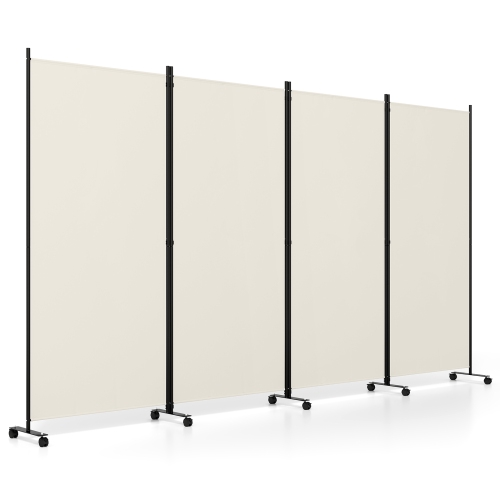
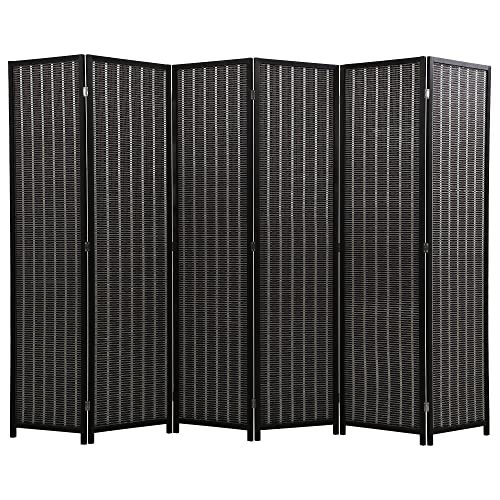
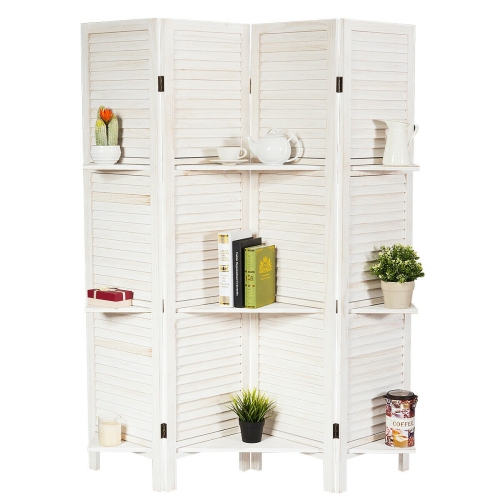
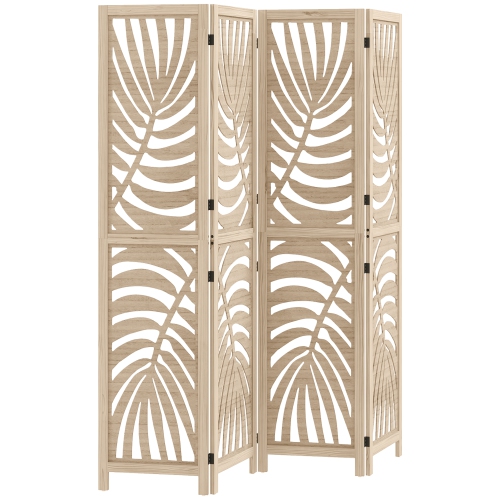
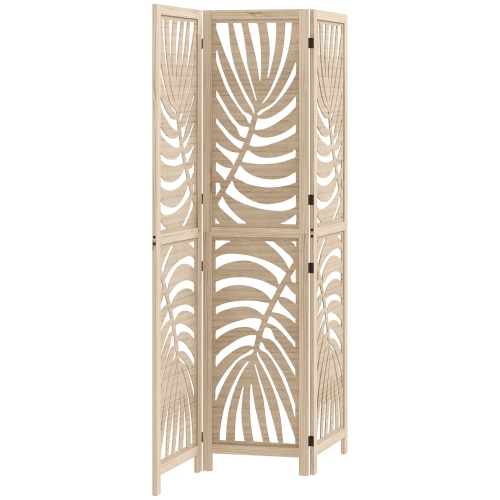
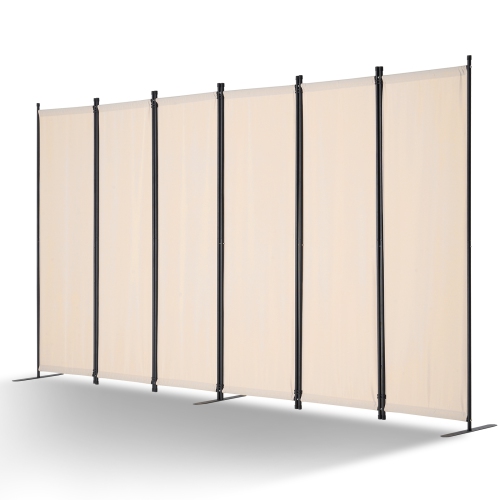
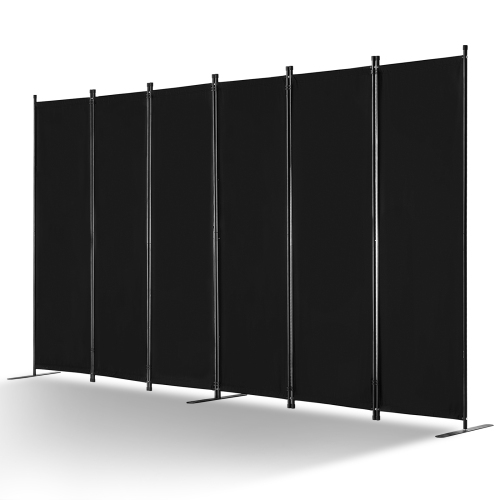
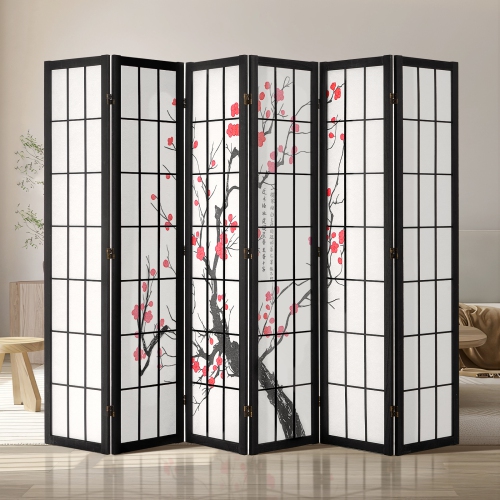
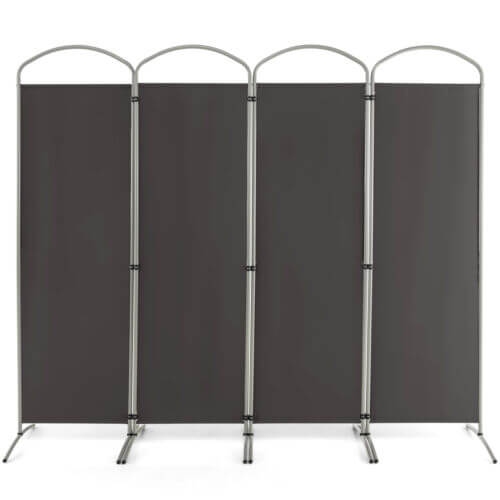
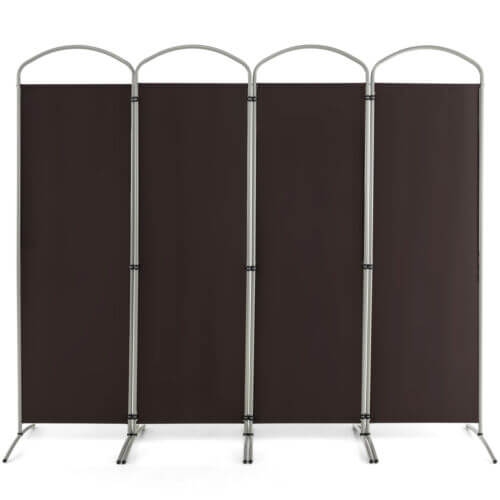
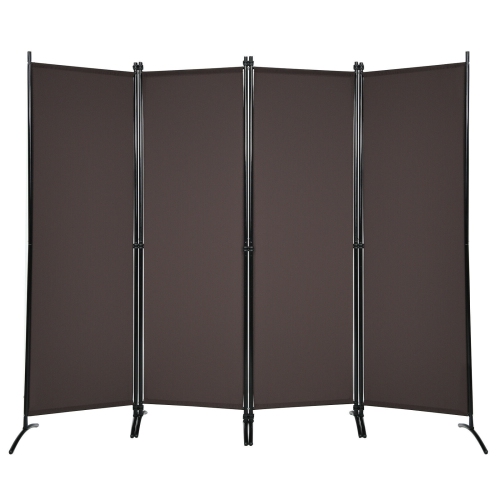

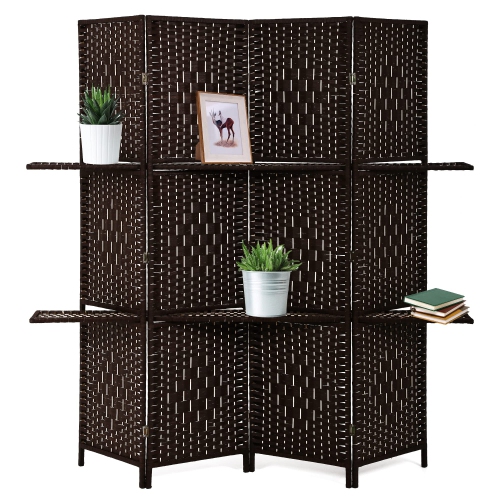
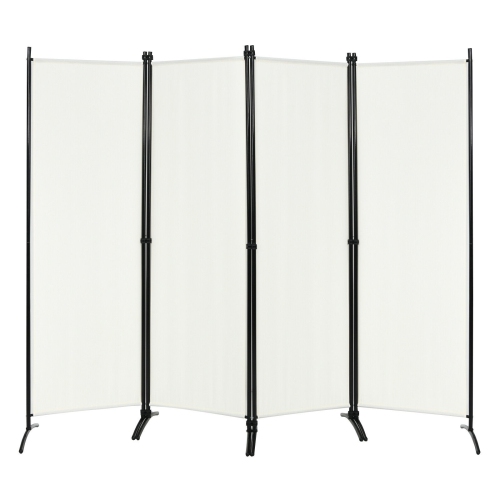


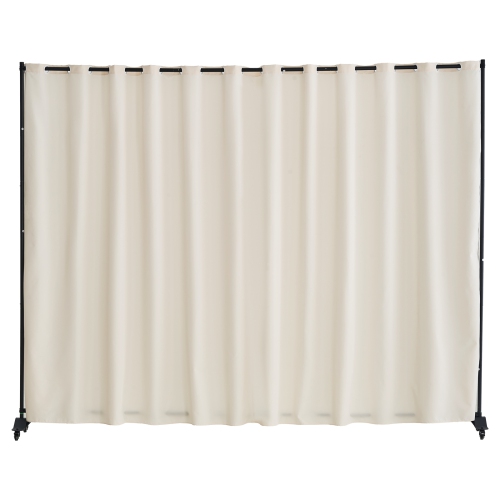
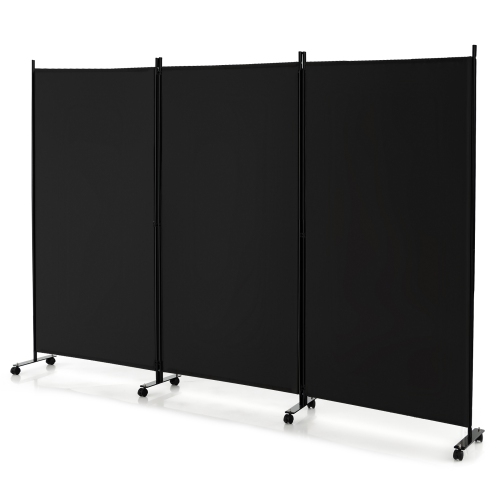


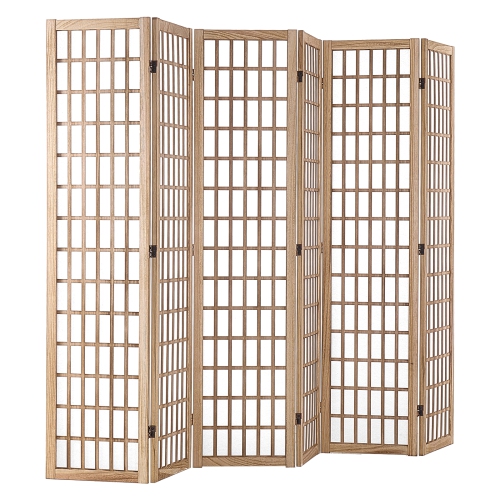
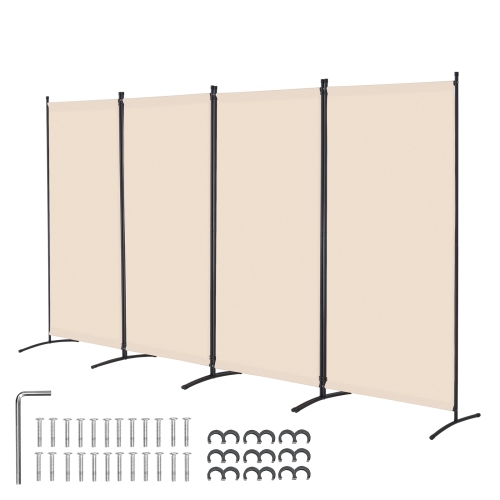
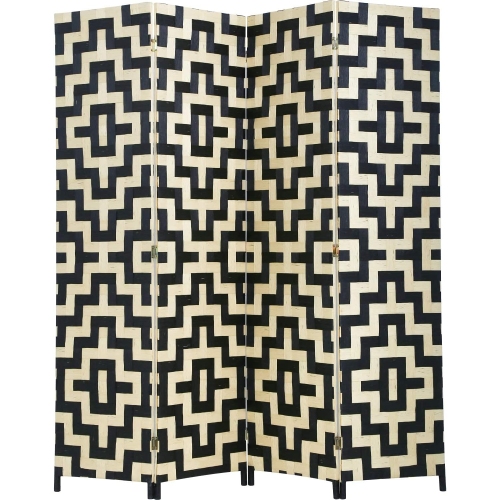
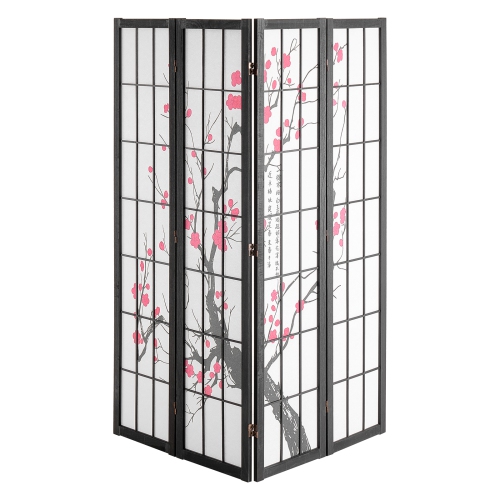
More privacy and purpose without adding a wall
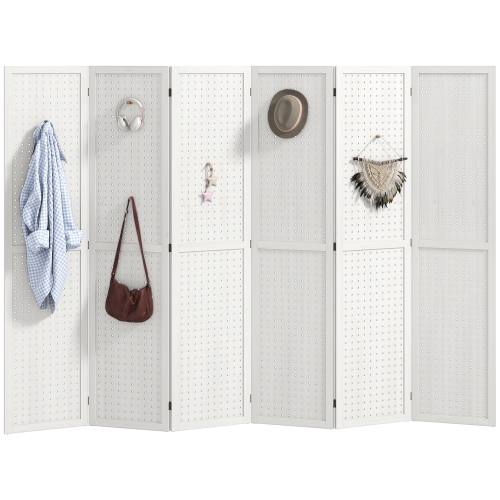
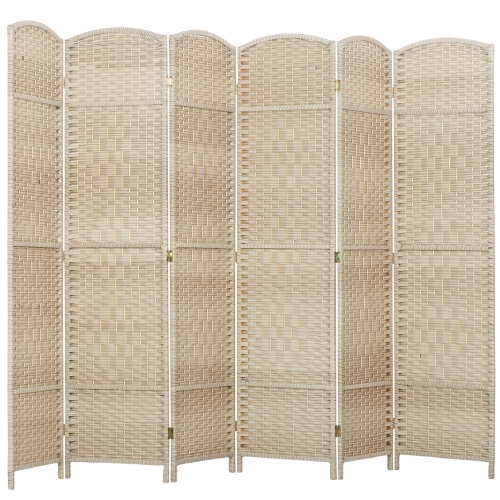
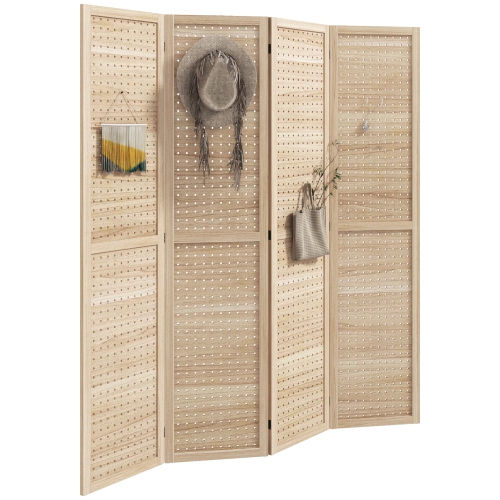
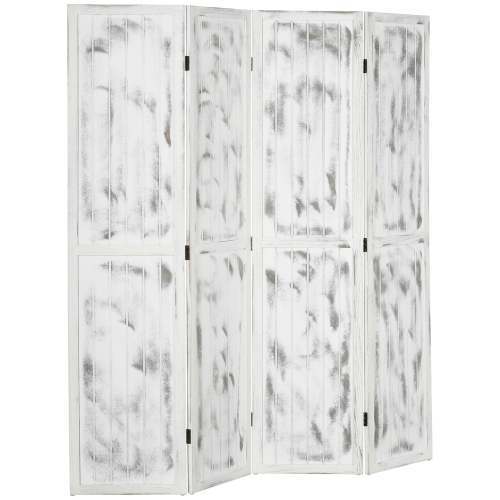
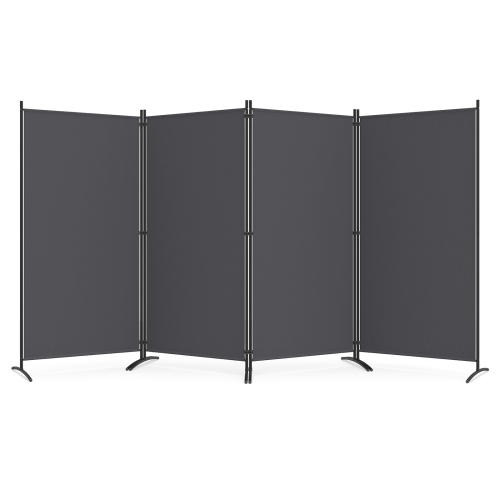
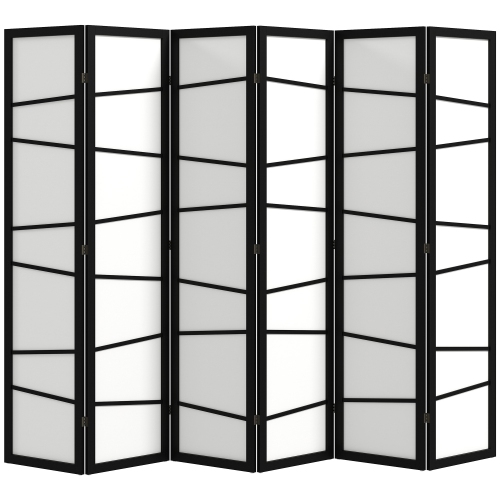
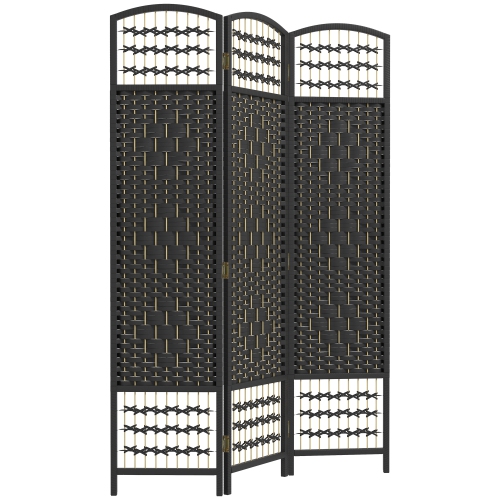
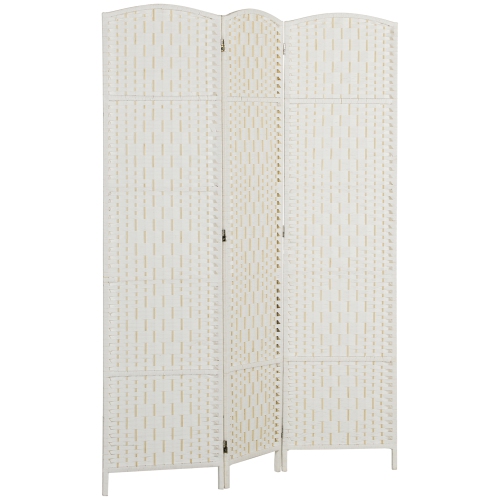
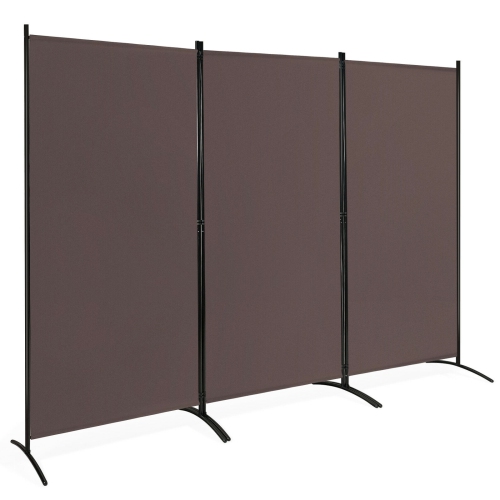
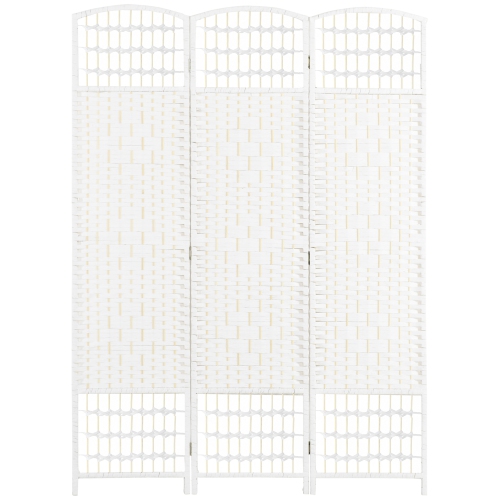
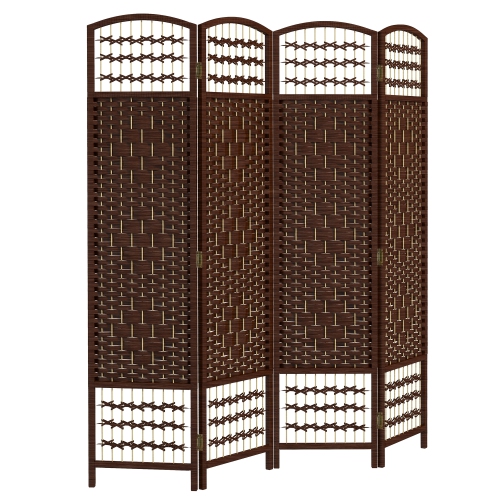
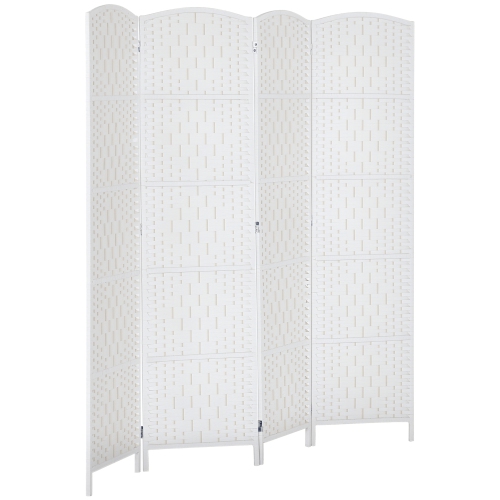
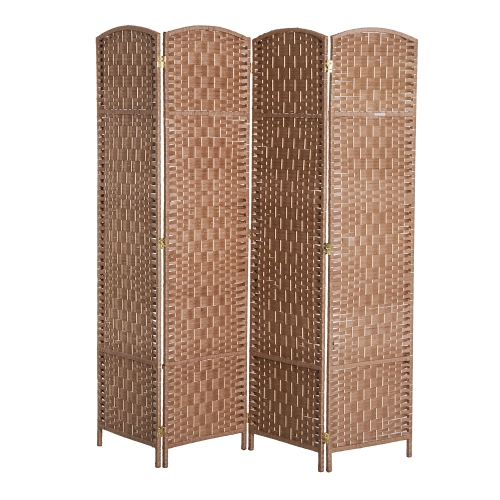
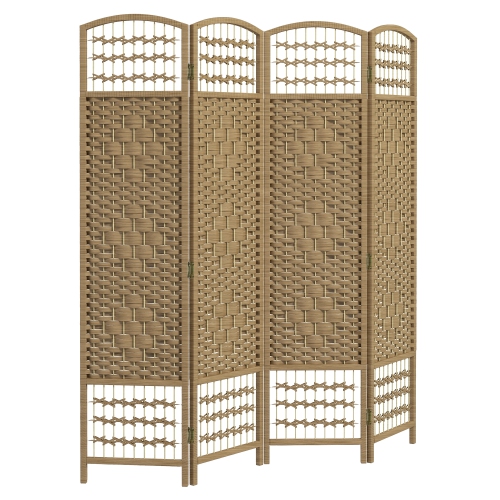
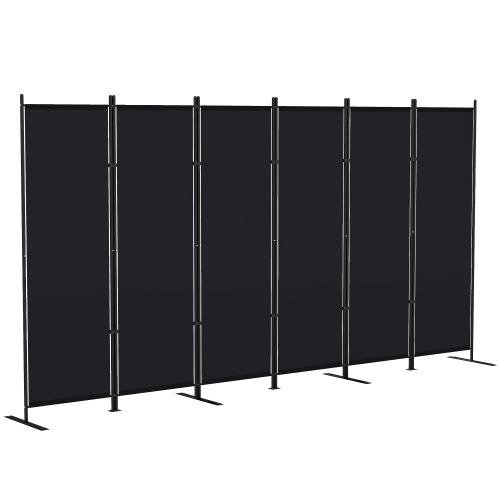
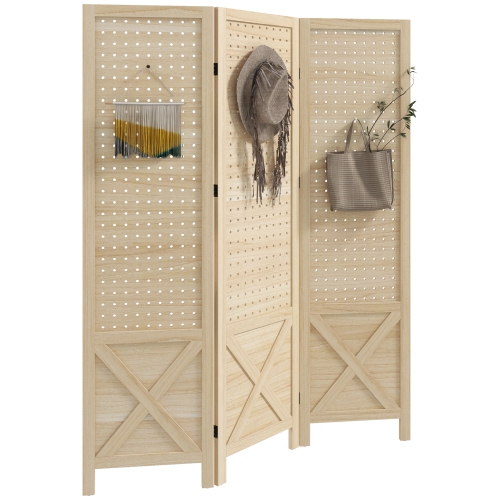
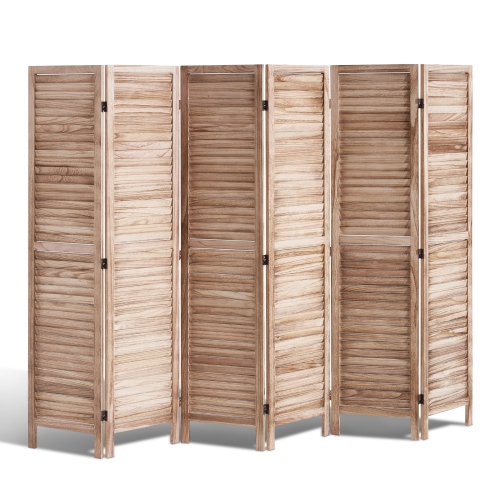
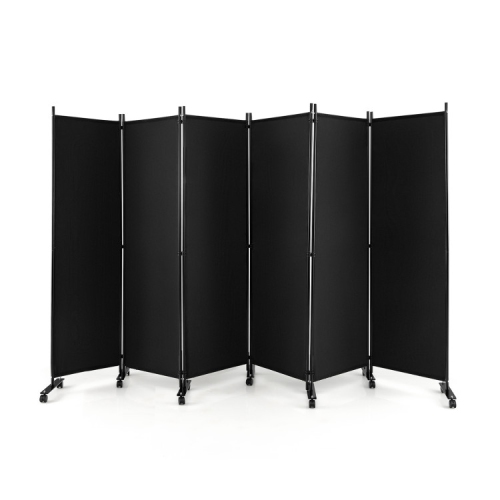
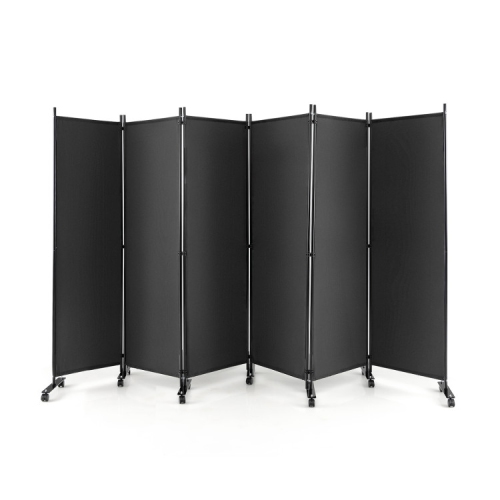
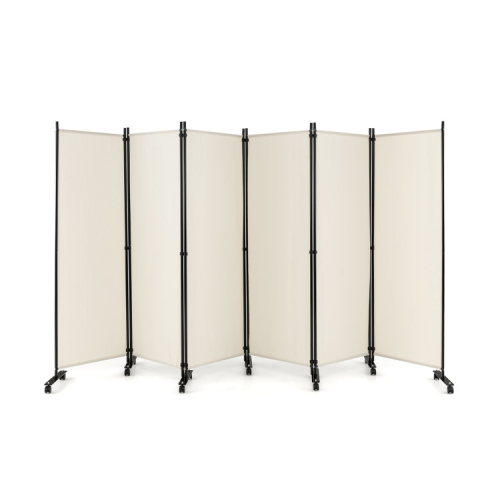
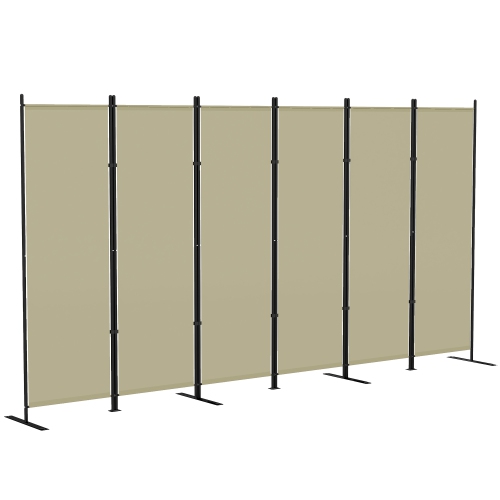
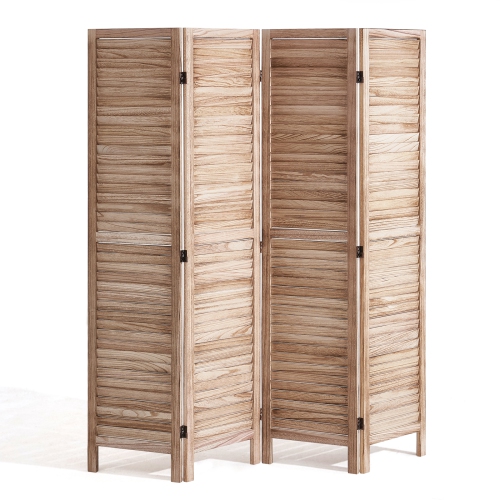
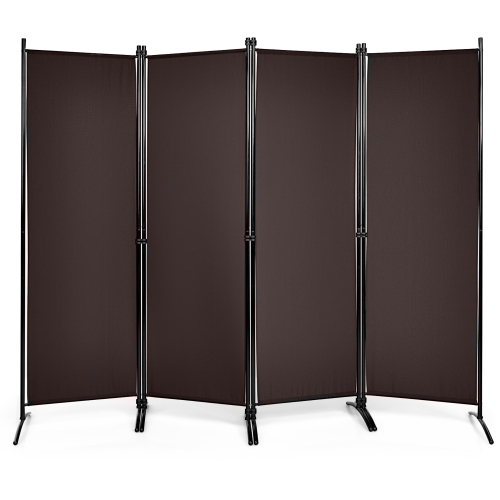
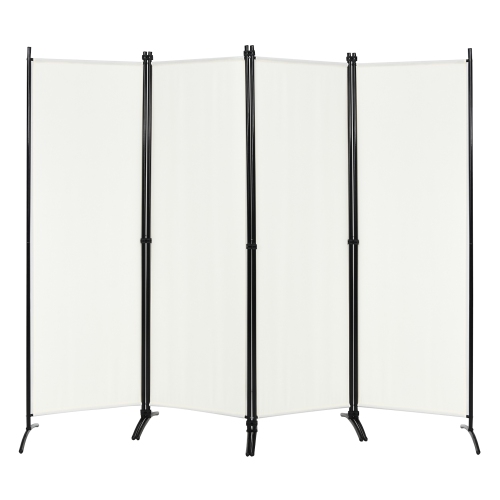
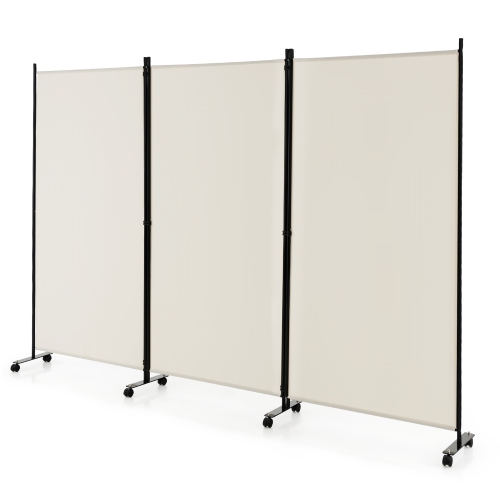
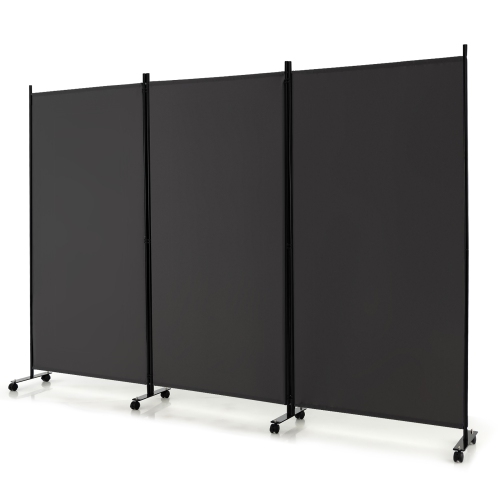
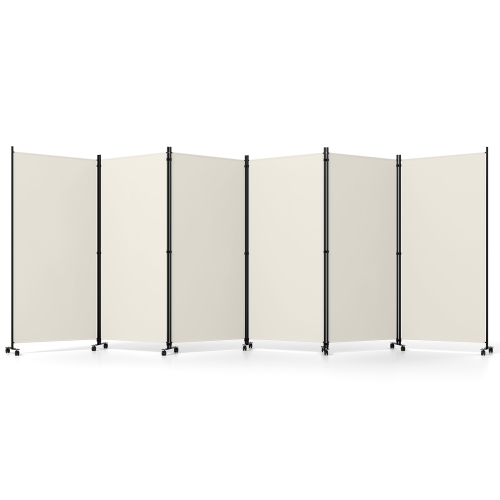
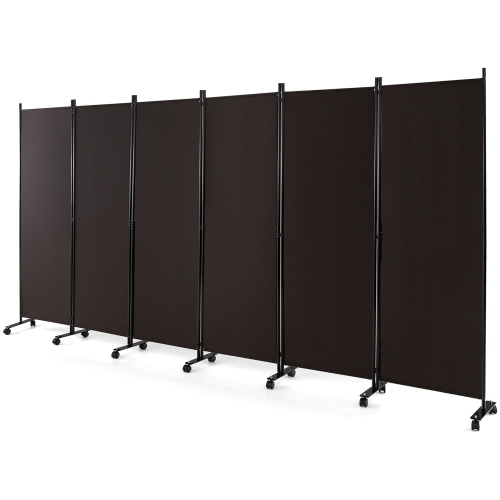
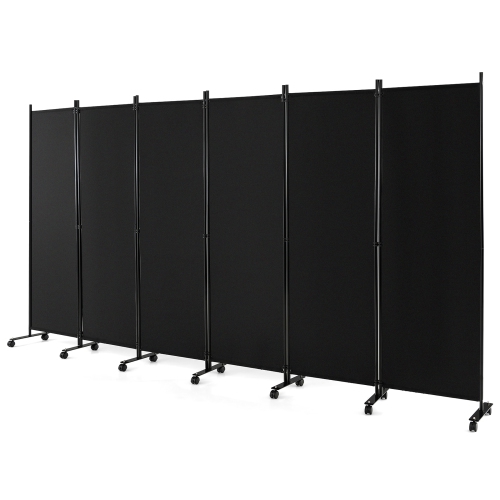
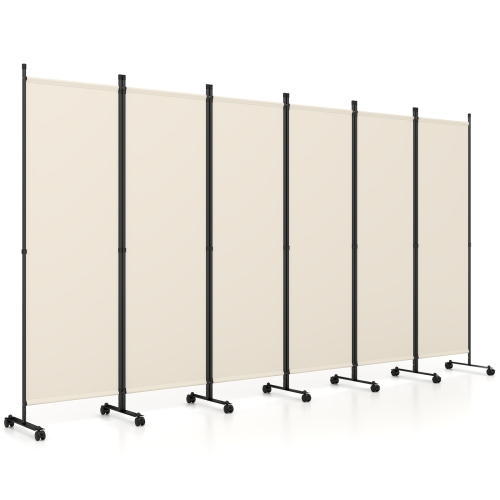
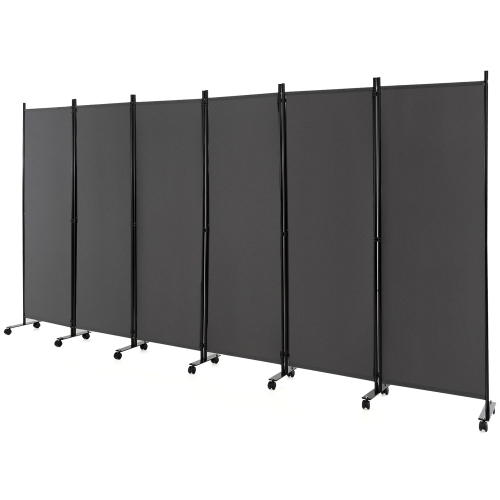
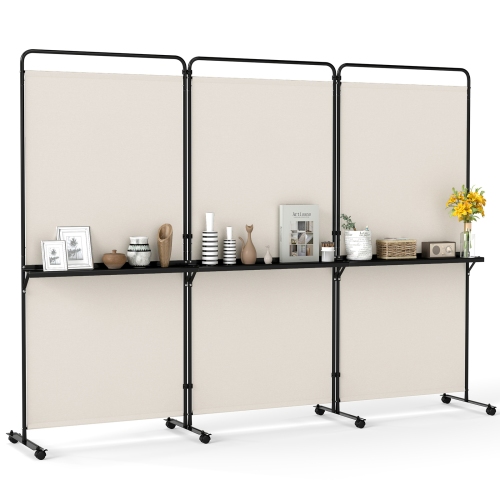
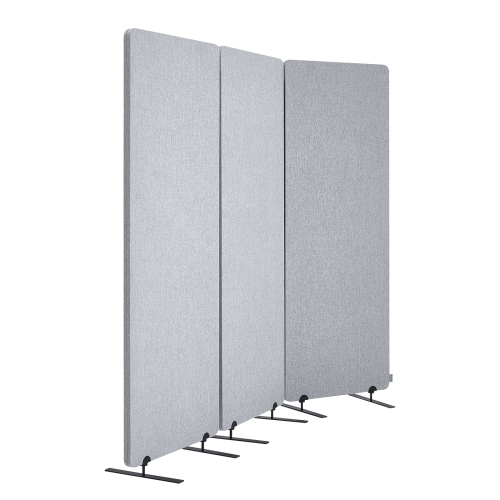
Large room dividers separate open areas into smaller, more purposeful spaces without necessarily adding a wall. They include freestanding folding screens, wide panel partitions, and hanging designs that create anything from a subtle visual boundary to a more enclosed corner. In an open-plan living area, a divider can distinguish the dining table from the sofa while keeping a clear route between them. In a studio apartment, it can screen a bed from the entrance or give a home office a more defined place within the room. Larger designs are particularly useful where a small screen would leave too much of an area exposed, although their proportions matter as much as their overall size. A tall, opaque divider provides greater visual privacy, while a lower or open-patterned design marks a boundary without hiding the rest of the space. Width also needs a little interpretation: the stated width of a folding screen may describe its panels laid flat, rather than its usable span when arranged at angles for support. The space it occupies includes that folded footprint, not just the line it appears to draw across the floor. A generous room can accommodate a gently curved arrangement around a reading chair, whereas a narrower living area may suit a more compact zigzag beside a desk. For renters, shared households, and people whose rooms serve several purposes, movable designs make it possible to adjust the layout without committing to construction. They can conceal a work surface after the day ends, provide a calmer background for video calls, or separate a hobby area from the main seating space. Visual privacy should not be confused with sound isolation, however. Most standard room screens leave gaps above, below, or between panels and are not soundproof barriers. Their strongest role is organizing sightlines, reducing visual distractions, and helping different activities feel less crowded together.
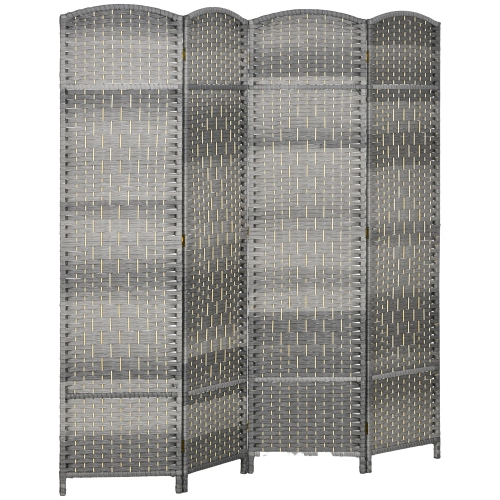
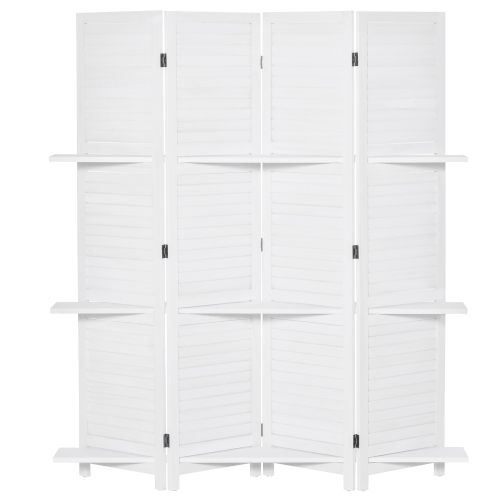
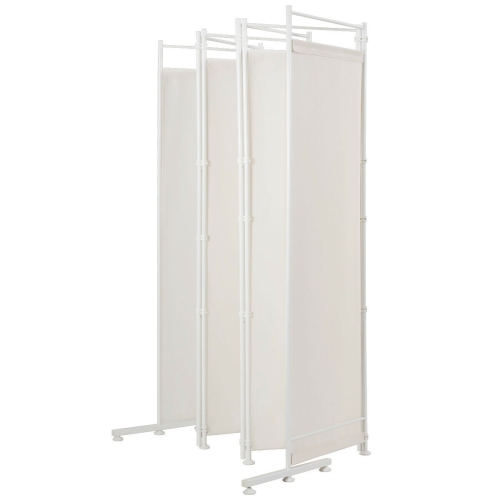
Materials influence how a large divider looks, how much light passes through it, and how it holds up to everyday handling. Solid wood and wood-framed panels can bring warmth and a substantial presence to a room, with finishes that range from pale and understated to deep, furniture-like tones. Engineered wood offers a different construction, and its weight, surface finish, and edge protection are worth considering where panels will be moved frequently. Metal frames can create a slim outline around fabric, mesh, or other inserts, although the overall weight depends on the complete design rather than the frame material alone. Woven bamboo, rattan, and similar textured panels introduce an airy appearance, but the openness of the weave affects how clearly shapes remain visible behind them. Slatted screens offer a related balance: they define an area while allowing some light and views through, with privacy changing according to the viewing angle. Fabric-covered panels can feel softer beside upholstered furniture, while translucent inserts diffuse light rather than fully concealing everything beyond them. An opaque surface is generally better suited to screening a bed or a storage corner, especially when a lamp behind the divider could reveal silhouettes through thinner material. Colour and pattern have a practical effect, too. A light, restrained finish can keep a broad partition from dominating a compact room, while a darker frame or pronounced texture can make it a deliberate focal point. Care requirements vary across these surfaces. Smooth panels are often straightforward to dust, woven sections can collect debris in their gaps, and fabric may need gentle vacuuming or spot cleaning according to its care instructions. Removable fabric should only be washed when the manufacturer permits it. In busy households, durability also comes down to details such as secure panel connections, neatly finished edges, and hinges designed for repeated folding. A heavier screen is not automatically more stable; panel arrangement and base design remain important.
The best fit for a room depends on how the divider will be used between rearrangements, not simply how it looks when first positioned. A screen that stays behind a sofa can be more substantial than one moved each evening to open up a dining area. Folding models are useful when occasional privacy matters, but their folded thickness and storage height need to suit the cupboard, wall space, or corner where they will rest. Designs with castors can simplify repositioning across a larger floor area; locking mechanisms, where included, help keep the partition in place during use. Floor surfaces matter as well, since deep carpet, uneven boards, or a rug edge can affect how securely a base sits. Protective feet may help limit marks on hard flooring, depending on their material and condition. Around desks and seating, the layout should leave comfortable room to pull out a chair, open drawers, and reach nearby outlets without stretching cables across a walkway. A divider near a window may change how daylight reaches the rest of the room, while one beside a lamp can cast a broad shadow over a workspace. Hanging panels introduce different considerations, including the mounting surface, suitable fixings, and whether installation is permitted in the space. They should not be treated as interchangeable with freestanding screens. For a wider look at styles and arrangements, Best Room Dividers offers another way to explore the category. Whatever the format, tall panels need a stable position away from busy door swings, and walkways and exits should remain clear. Homes with children or pets also call for attention to tipping risks and accessible hinges. Keeping a divider clear of heaters and other heat sources, following its placement instructions, and checking connections after moving it all support reliable everyday use. The result is a room that feels more organized while retaining the flexibility of an open layout.
Top selling and popular products
-
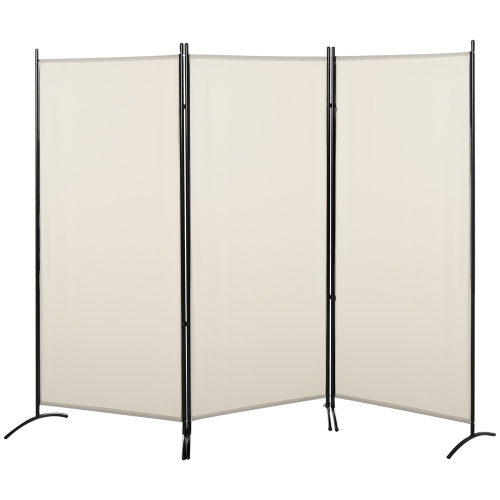 Your price for this item is $80.99
-
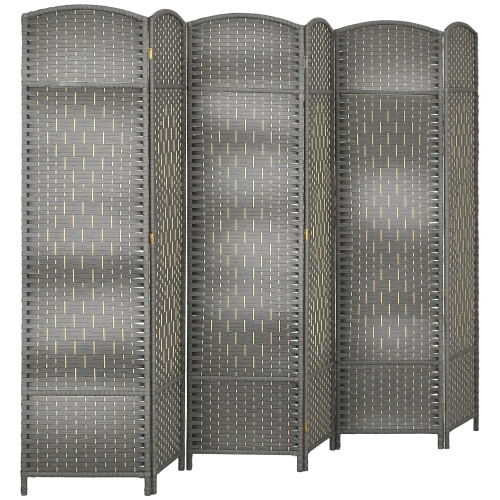 Your price for this item is $154.99
-
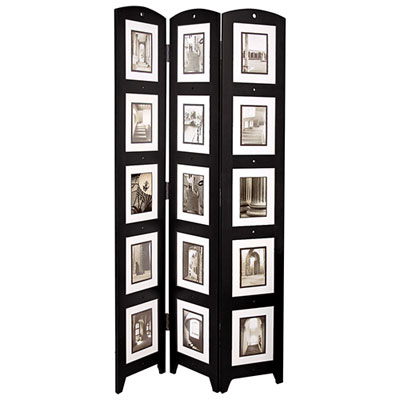 Your price for this item is $179.98
-
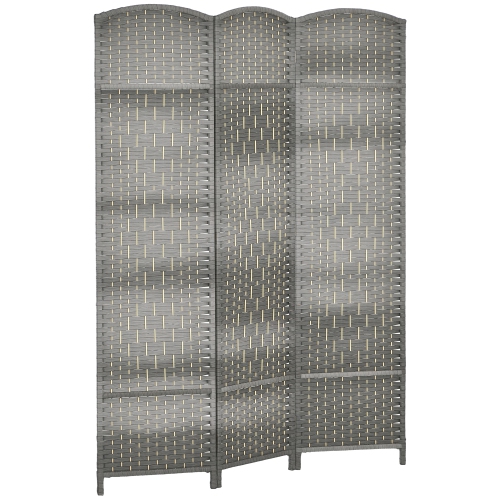 Your price for this item is $94.99
-
 Your price for this item is $106.69
-
 Your price for this item is $589.99
-
 Your price for this item is $156.99
-
 Your price for this item is $236.99
Discover more categories related to Large Room Dividers

Top Collections:
Pokemon Centers, Best Cameras for Sports Photography, Kindle Devices, Samsung Galaxy Phones, Canon G7X Cameras, Pokémon 30th Celebration Cards, Refurbished Apple Laptops, iPhone 15 Apple, Laptops for Students, Budget Smartphones
Some products may be subject to Environmental Handling Fees
(EHF) depending on your province.
Learn more about EHFs.