Contemporary Wall Art Panels
Contemporary Wall Art Panels bring a stylish and modern touch to any space, effortlessly enhancing your home or office décor. With a variety of colors, patterns, and designs, these panels offer endless possibilities for personal expression and creative arrangements. Whether you're looking to make a bold statement or add subtle elegance to your walls, Contemporary Wall Art Panels provide versatile options that complement a wide range of interior styles. Discover the perfect pieces to elevate your surroundings and reflect your unique taste.
Sort




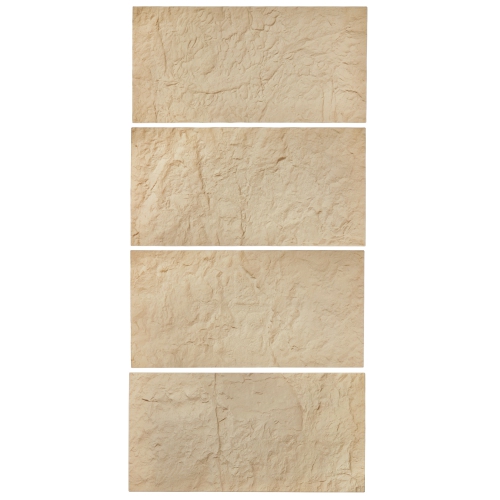
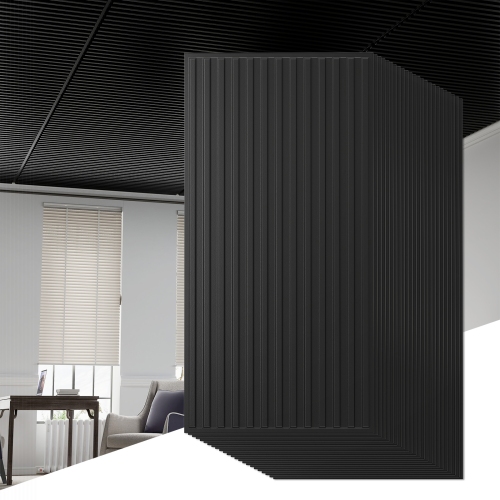
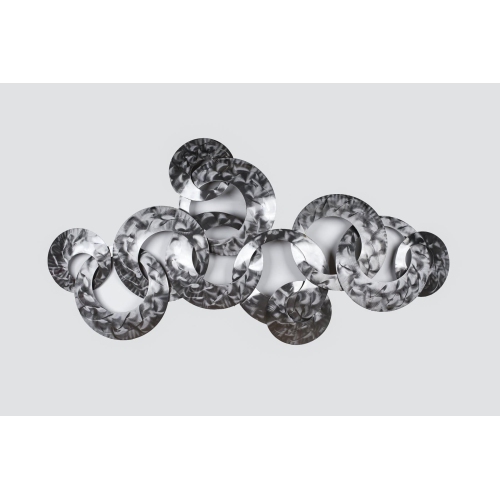

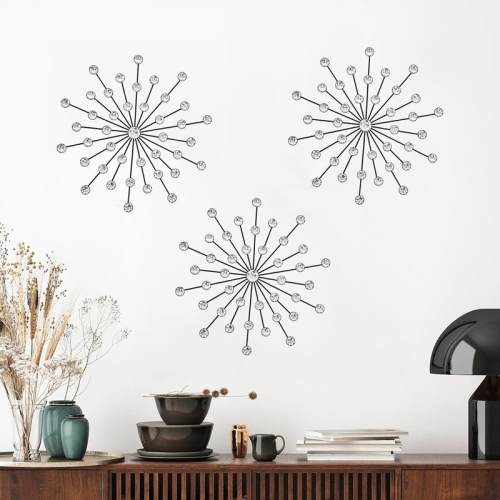
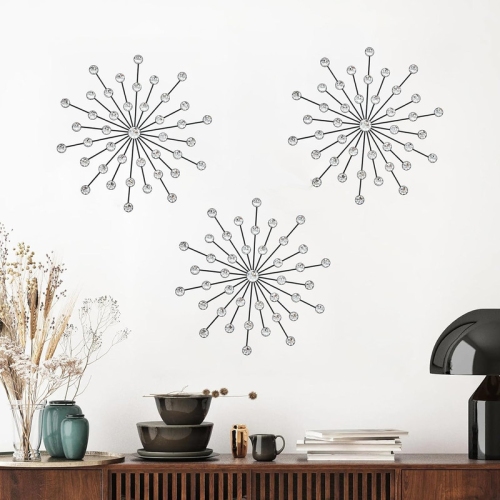
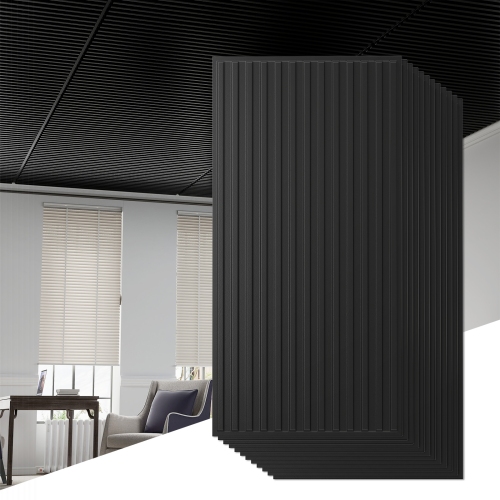
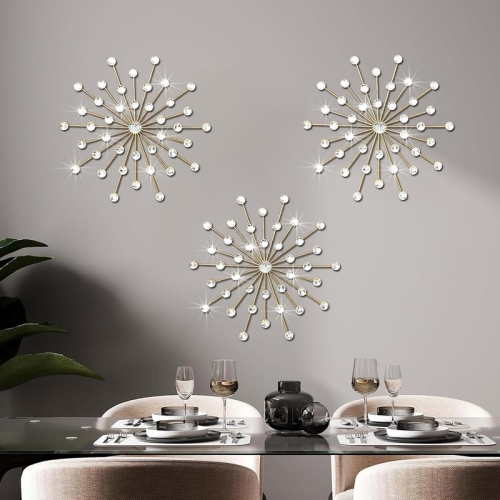
How separate panels become one striking focal point
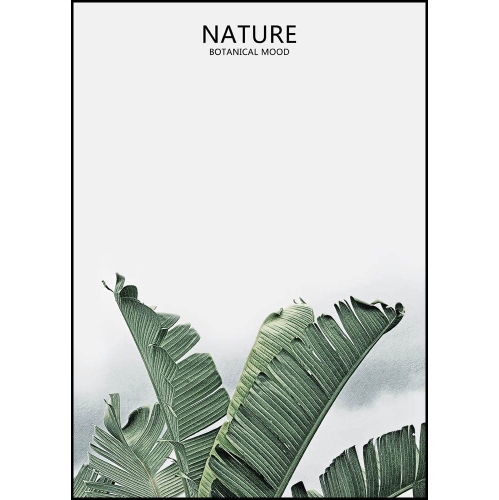
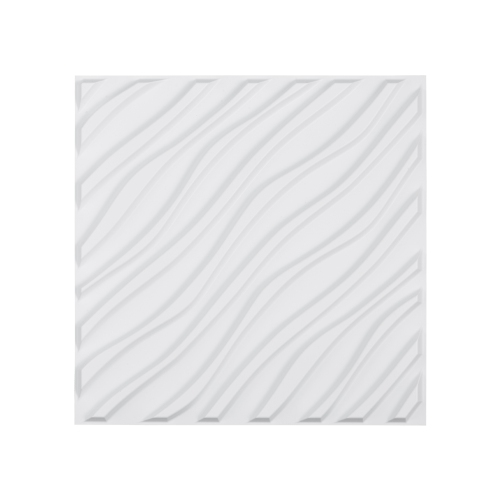
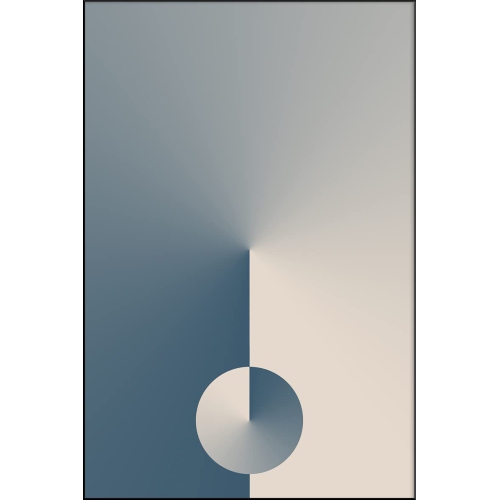
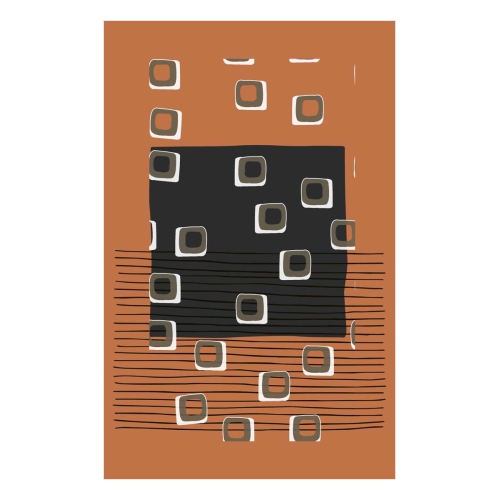
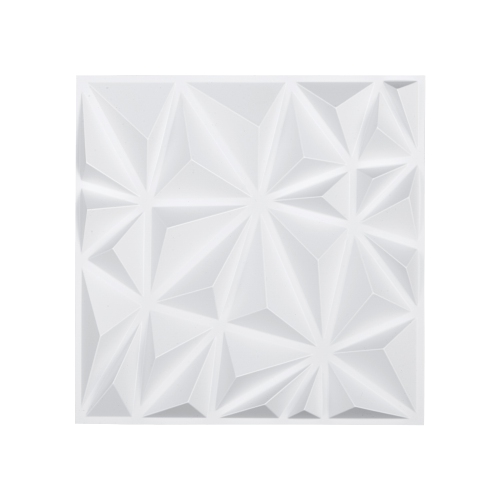
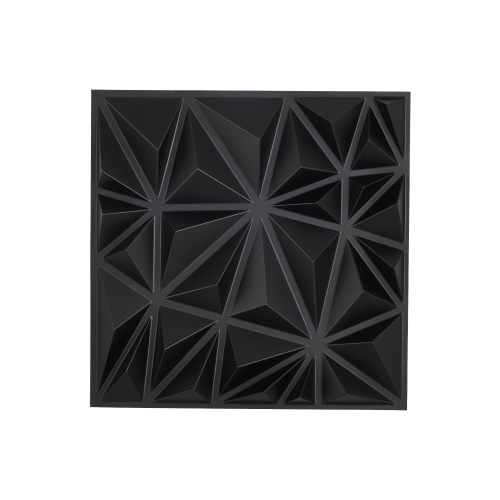
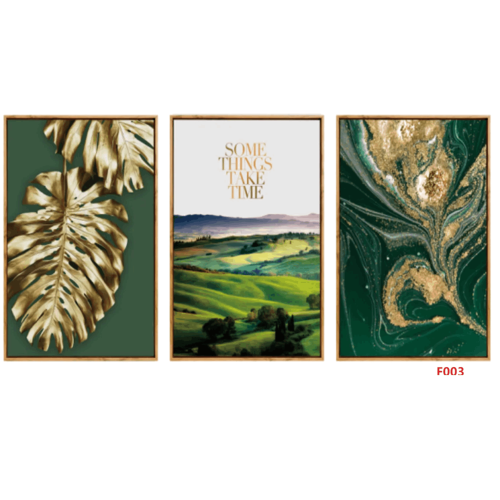
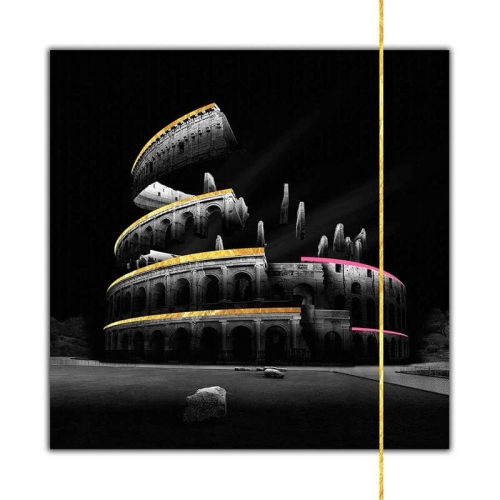
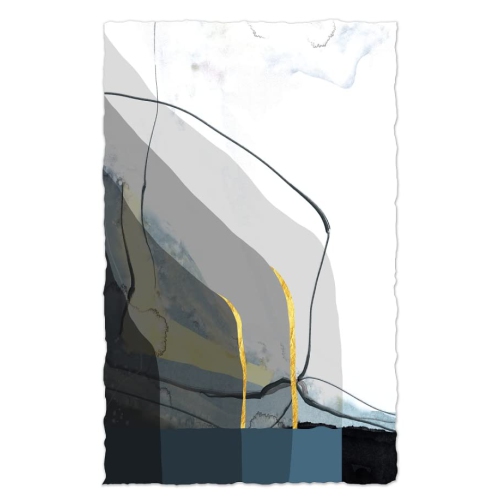
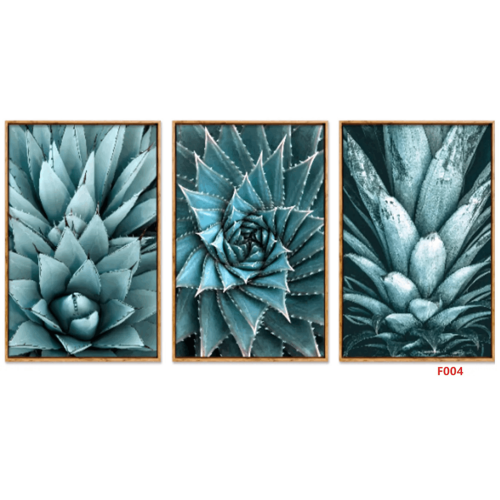
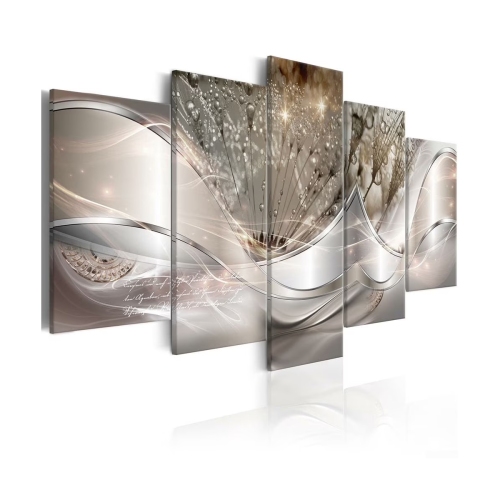
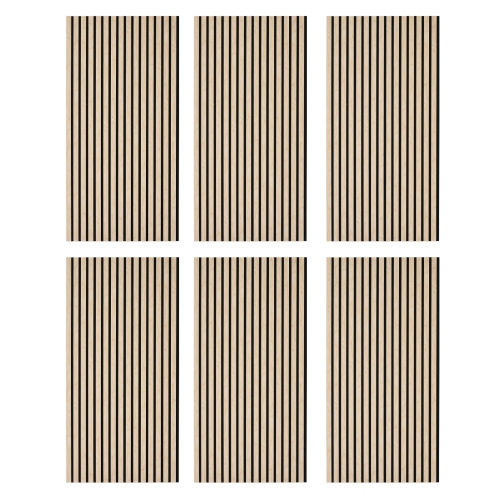
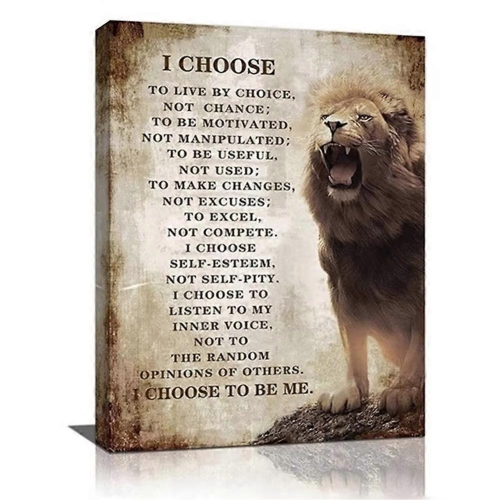
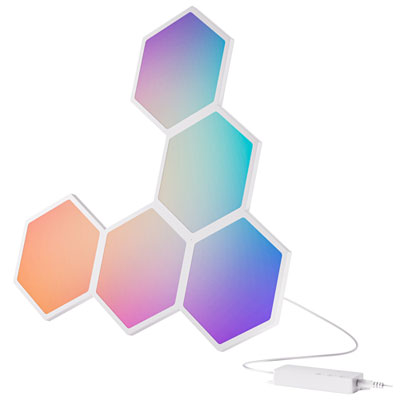
Contemporary wall art panels bring colour, texture, and dimension to a room through sculptural reliefs, geometric wood designs, and images arranged across two or more surfaces. Unlike a single framed print, a panel arrangement can create a rhythm across the wall, with repeated shapes, contrasting finishes, or a continuous image that connects separate sections. Three-dimensional designs catch light along raised edges, while multi-panel canvas art spreads a composition across a wider area without the visual weight of one oversized frame. The effect can be architectural or expressive: a series of pale wood shapes might add quiet definition above a sideboard, while an abstract triptych can introduce movement above a sofa. Contemporary styling includes crisp grids and precise angles, but also curved forms, irregular outlines, and layered textures that soften straight-lined furniture. These panels work particularly well where a wall needs a focal point without adding another piece of furniture to the floor plan. In a living room, the proportions of the sofa, shelving, and surrounding wall space help determine whether a broad horizontal arrangement or a narrower vertical piece feels balanced. Above a bed, a low, wide composition can echo the headboard; in an entryway, a compact grouping can give a previously blank wall a distinct identity. Negative space matters as much as the artwork itself, especially when several panels form one image. Even gaps help the eye read the arrangement as a whole, while breathing room around its outer edges keeps nearby lamps, curtains, and doorways from competing with it. Connections with the rest of the room can be subtle. A charcoal line might pick up the finish of a table base, or a warm neutral background might sit comfortably beside an upholstered chair. For a broader view of artwork suited to shared seating areas, Contemporary Living Room Wall Art offers a related direction beyond panel-based compositions.
Materials give contemporary wall art panels much of their character, affecting their surface, weight, depth, and care requirements. Solid wood can reveal grain variations that make a geometric pattern feel less rigid, while engineered wood can provide a smooth base for painted, printed, or layered designs. Wood-based panels may respond to moisture and should be used within the conditions specified by their maker. Metal introduces a different visual language: folded edges, cut-out shapes, and brushed or painted surfaces can create sharp silhouettes and changing shadows. A darker metal relief against a light wall often reads clearly from across the room, whereas a tone-on-tone arrangement rewards a closer look. Canvas panels tend to emphasize the image and its woven surface, with stretched constructions adding depth around the edges. Acrylic-faced artwork can give colours a glossy appearance, although reflections become part of the viewing experience. Matte finishes generally produce fewer reflections, making them worth considering opposite a window or near a television. Room lighting also changes how dimensional art appears. Light from the side can reveal ridges and recesses that look flatter under even overhead illumination; deep relief may cast stronger shadows than expected beside a reading lamp. Colour choices can either connect furnishings or provide contrast. Soft beige, cream, and muted grey suit restrained arrangements, while terracotta, deep blue, or black can give a neutral room a more defined focal point. Surface detail is equally important at close range, particularly in a dining nook or home office where the artwork sits near seated eye level. Intended use matters, too: ordinary indoor wall art is not automatically suitable for a bathroom, covered patio, or another area exposed to moisture. Decorative panels should also be distinguished from acoustic treatments. A textured face may look substantial without being designed or tested to absorb sound, so any sound-control benefit depends on the construction and stated specifications rather than appearance alone.
Scale and installation are practical parts of how wall art panels fit a home. The relevant measurement for a multi-panel arrangement is its full installed width, including the spaces between sections, rather than the width of each panel considered separately. Depth deserves attention as well, especially beside a doorway, along a narrow hallway, or behind dining chairs that move close to the wall. A shallow canvas arrangement and a projecting sculptural design can occupy the same wall area but feel quite different in daily use. Weight, wall construction, and the supplied mounting system determine the appropriate support; drywall, masonry, and other surfaces may require different hardware. Secure attachment is particularly important around children and pets, and adhesive hanging methods are suitable only when the artwork, surface, and attachment system permit them. For renters, permitted mounting methods and the possibility of wall repairs can influence the choice as much as colour or shape. Care is usually simplest when it matches the finish: a soft, dry cloth or gentle dusting tool may suit some surfaces, while printed canvas, exposed wood, and delicate relief details can require different handling. Cleaning directions take priority, since moisture, abrasive cloths, or household sprays can damage coatings or leave marks. Prolonged direct sunlight may also affect some pigments and finishes. Contemporary wall art panels can suit someone furnishing a first apartment, refreshing a home office, or bringing a more finished feeling to a dining room. They can also make a thoughtful housewarming or wedding gift when the recipient’s taste, wall space, and installation preferences are known. A dramatic abstract composition may delight someone who enjoys bold interiors, while a quieter arrangement with natural grain or restrained colour may fit a home with layered textiles and simple furniture. The most convincing result is not necessarily the largest or most intricate design. It is an arrangement whose dimensions, materials, and visual pace feel comfortable alongside the objects already used and enjoyed in the room.
Top selling and popular products
-
 Your price for this item is $399
-
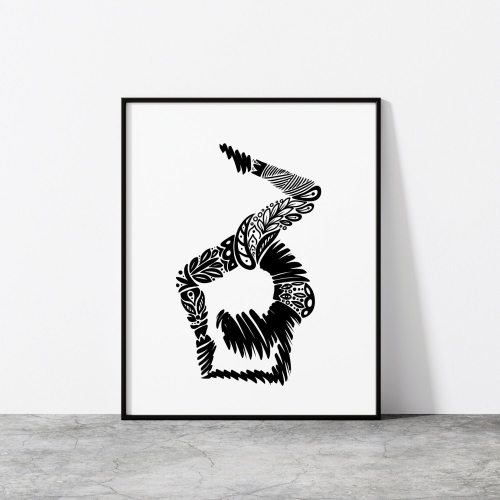 Your price for this item is $37.5
-
 Your price for this item is $124.9
-
 Your price for this item is $49.99
-
 Your price for this item is $49.99
-
 Your price for this item is $39.99
-
 Your price for this item is $34.99
-
 Your price for this item is $56.95
Discover more categories related to Contemporary Wall Art Panels

Top Collections:
Pokemon Centers, Kindle Devices, Best Cameras for Sports Photography, Pokémon 30th Celebration Cards, Canon G7X Cameras, Samsung Galaxy Phones, iPhone 15 Apple, Best Black Friday Deals On Electronics, Jackery Power Stations, Solar Generators for Home
Some products may be subject to Environmental Handling Fees
(EHF) depending on your province.
Learn more about EHFs.