Contemporary Wood Desks
A desk is a place to work, a place to study, and sometimes even a place to eat. It's the one place in your home where you can completely shut out the world and concentrate on your tasks at hand. If you're looking for a desk that will be multipurpose and stylish, consider one of these contemporary wood desks.
Sort
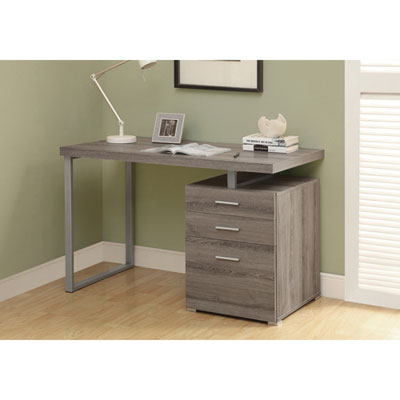
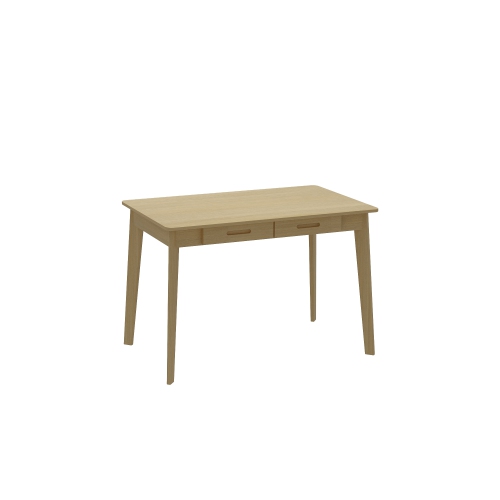
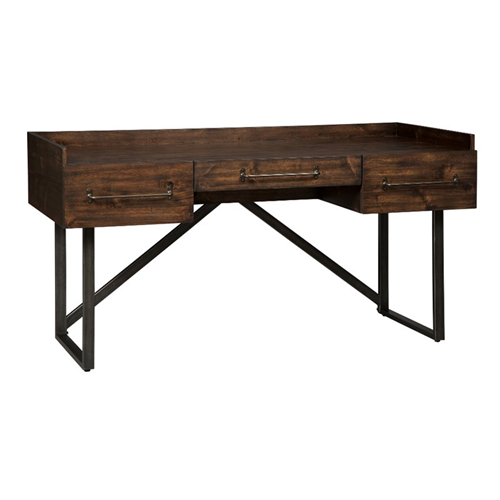
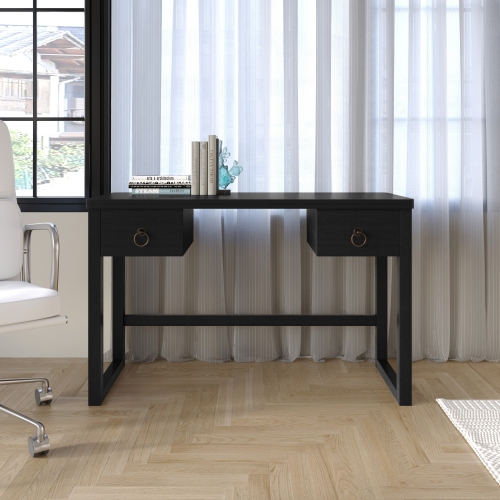
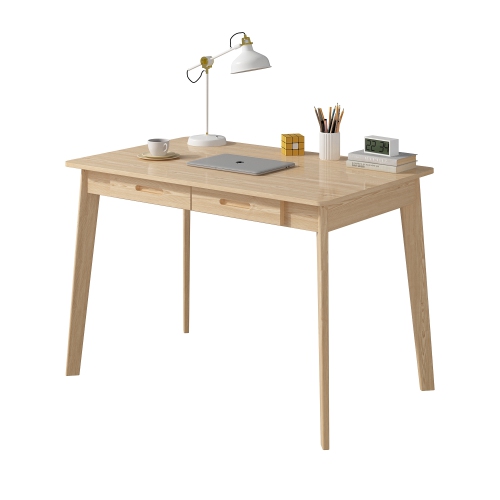
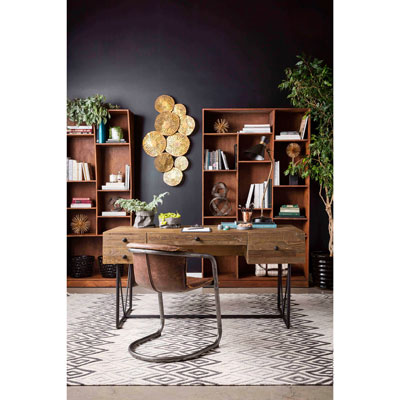
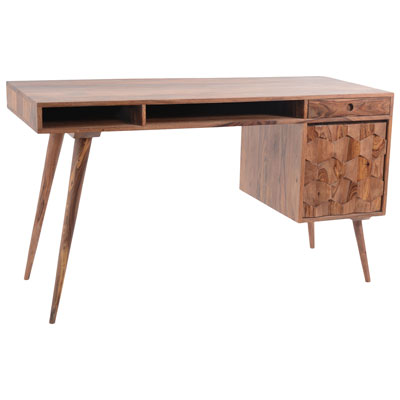

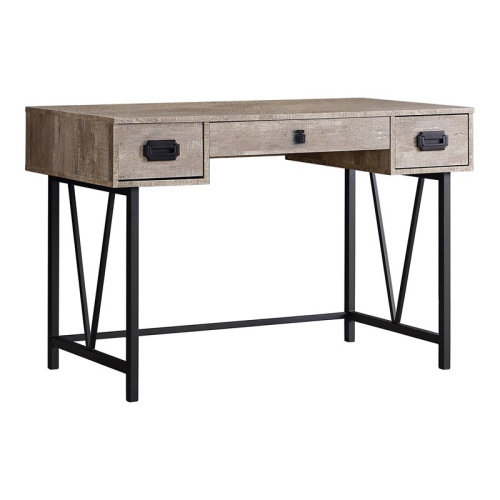
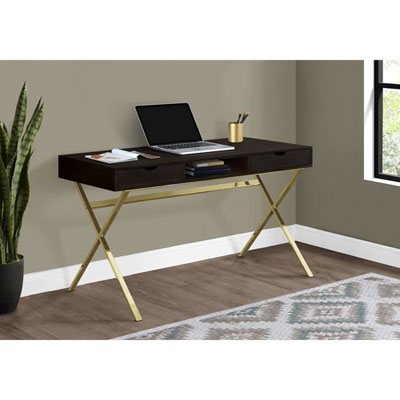
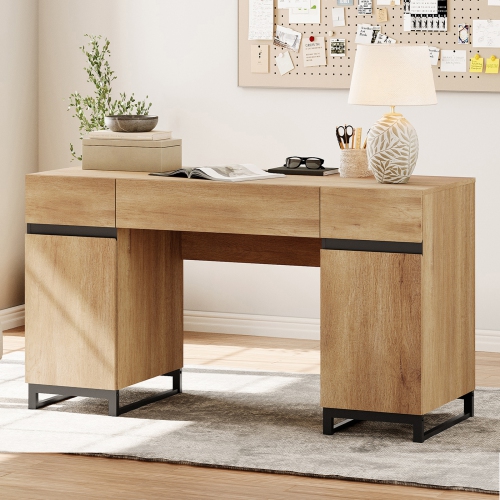
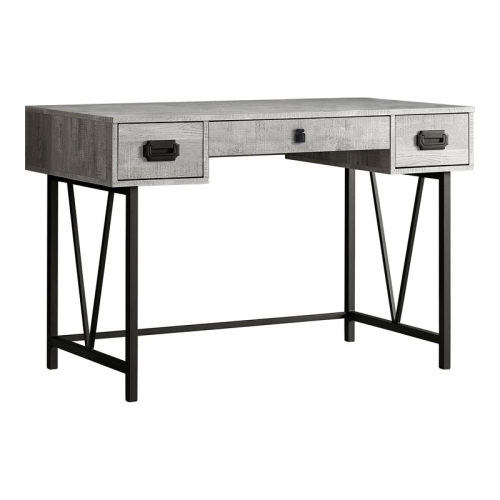
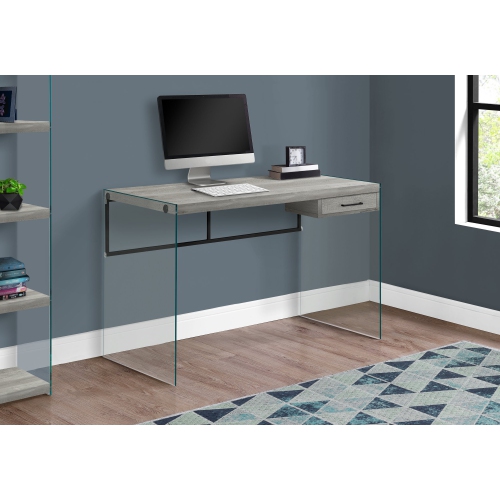
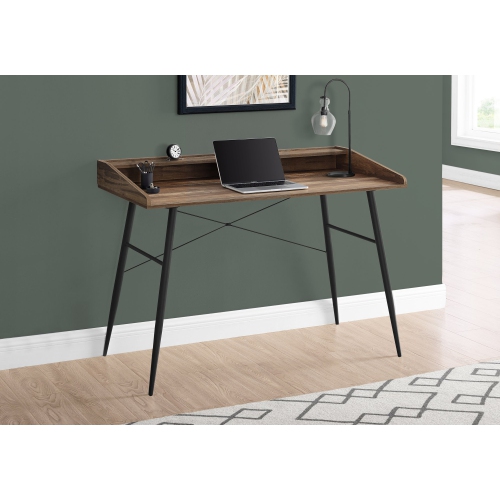
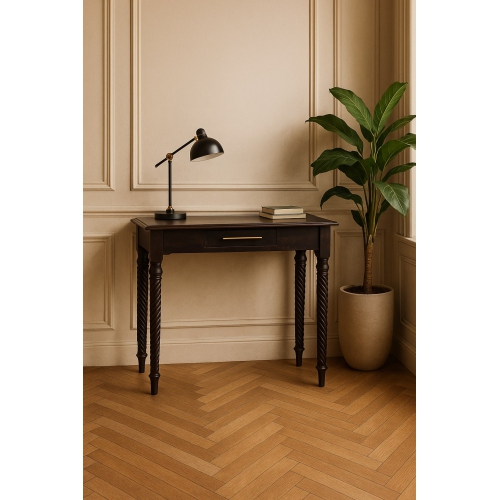
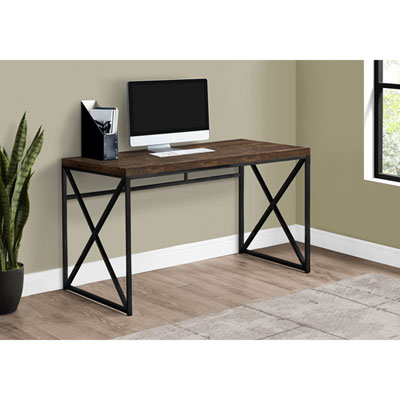
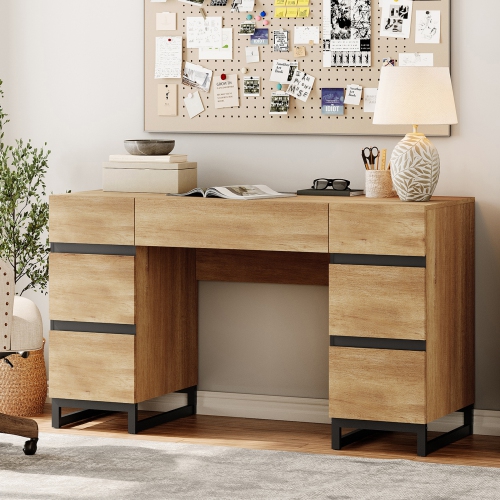
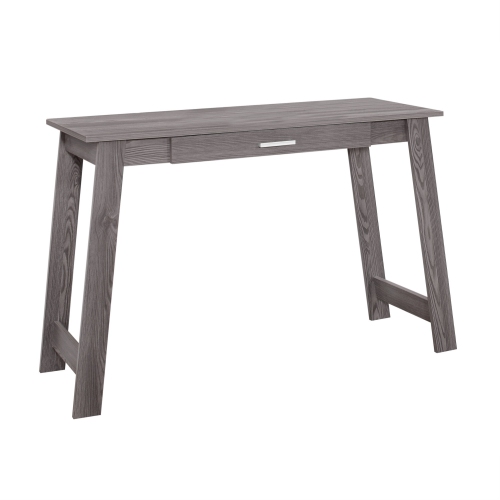
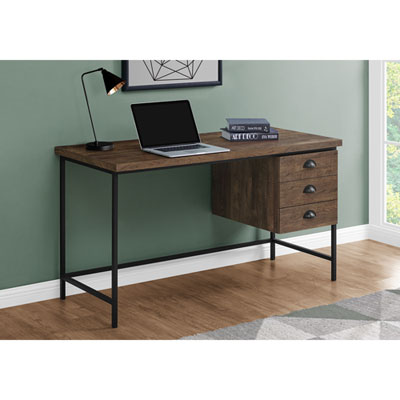

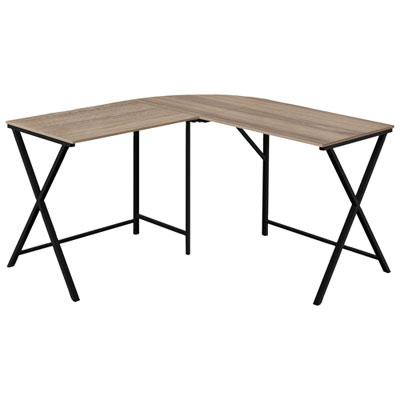
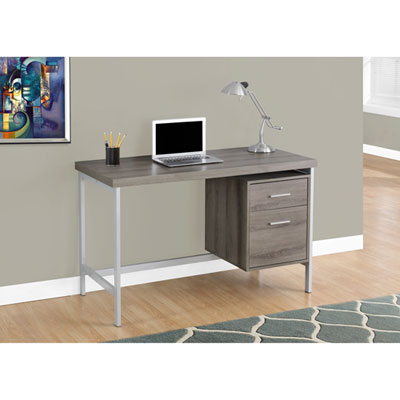
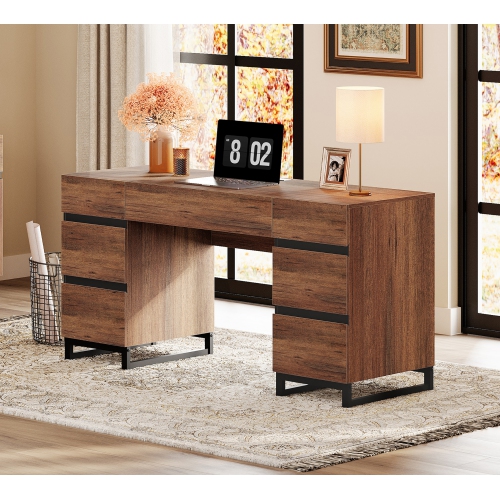
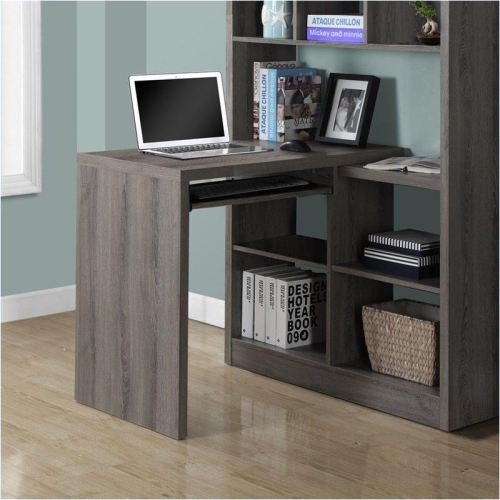
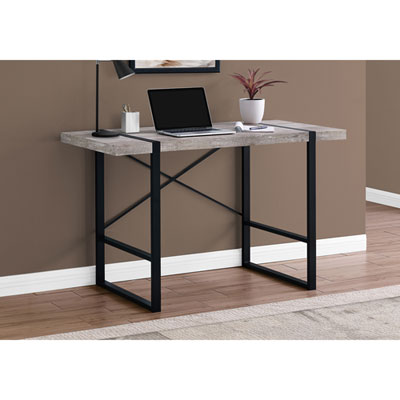
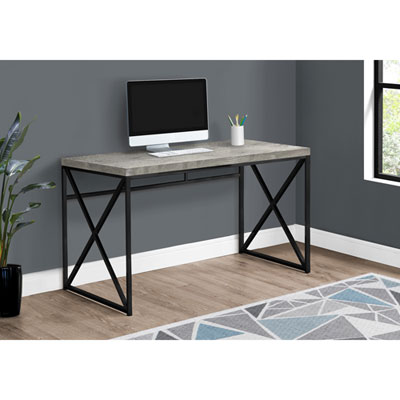
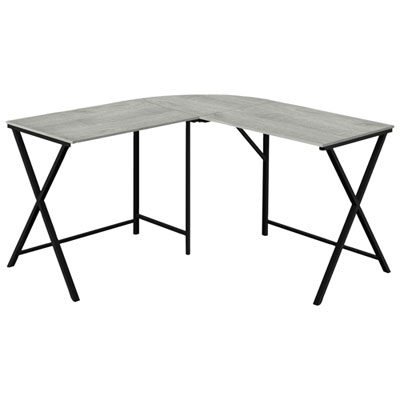
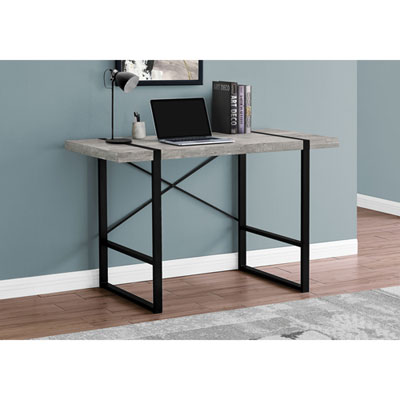
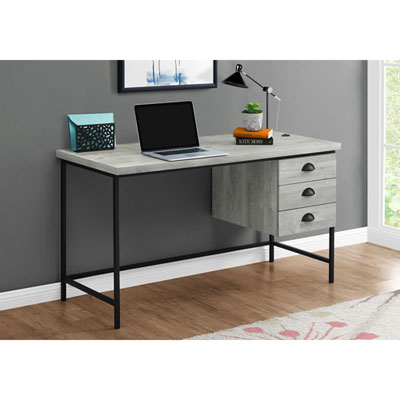
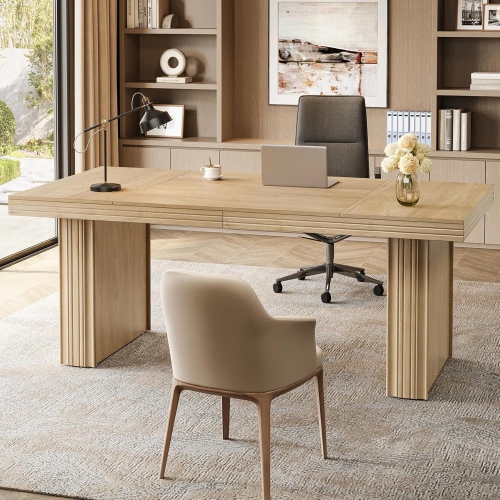
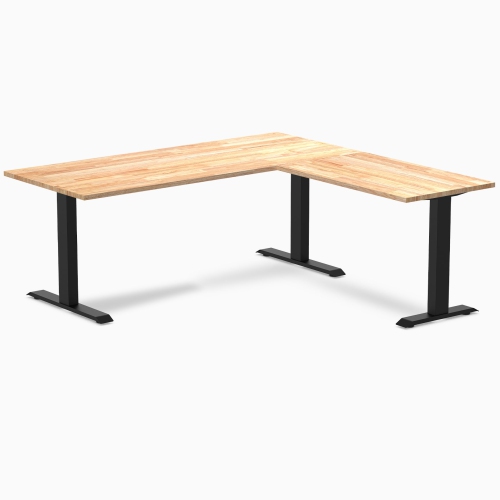

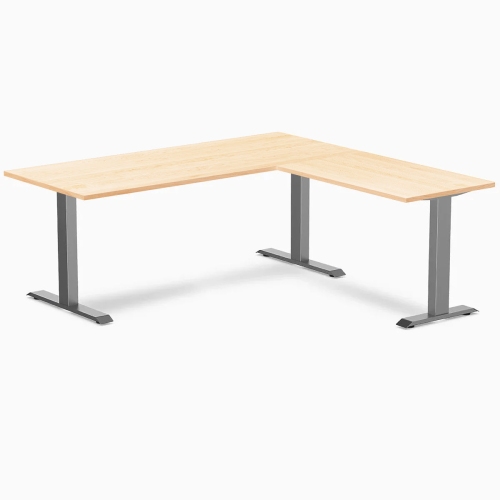
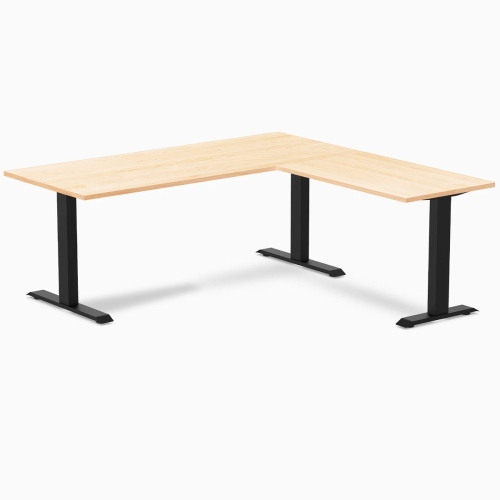
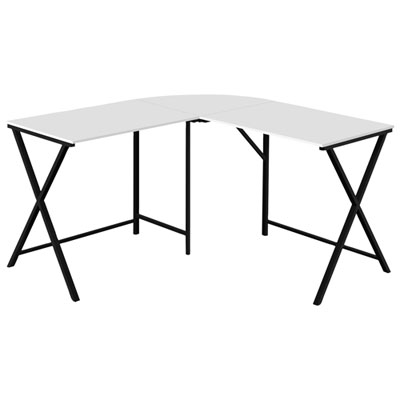
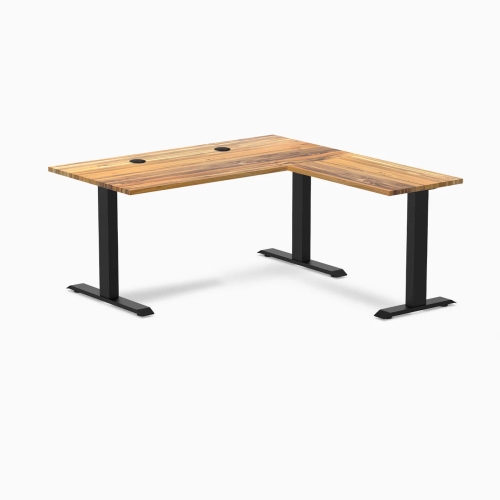
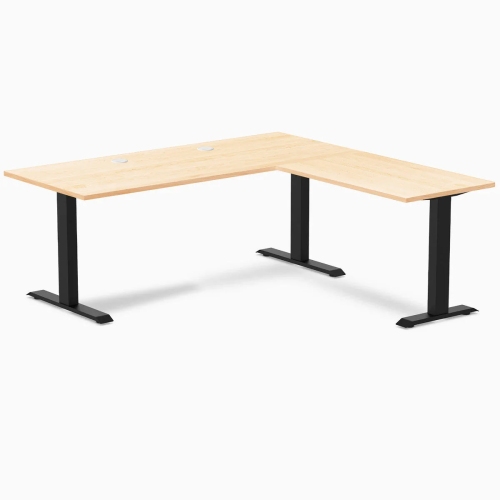
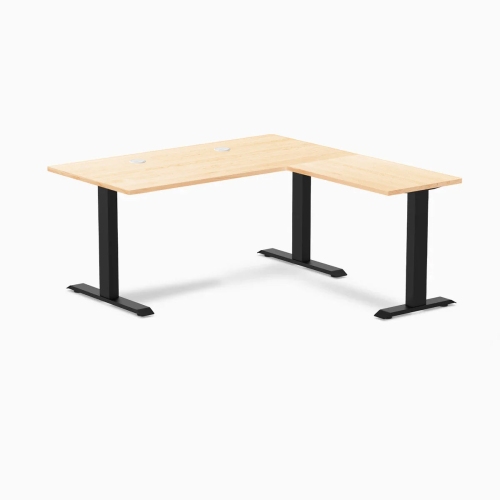
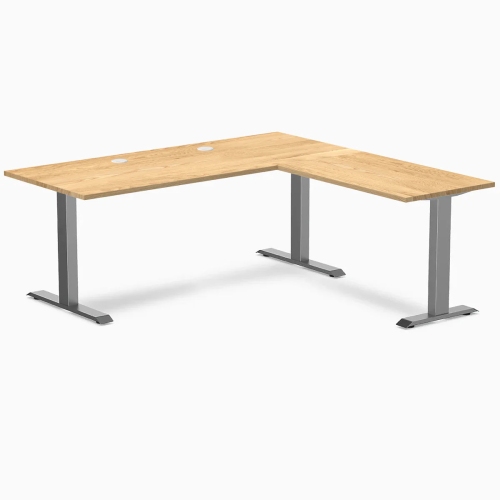
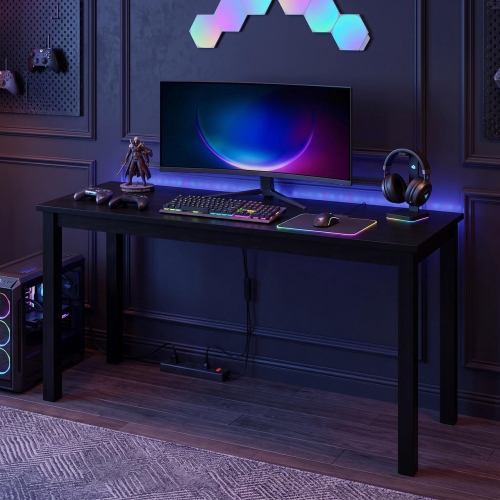
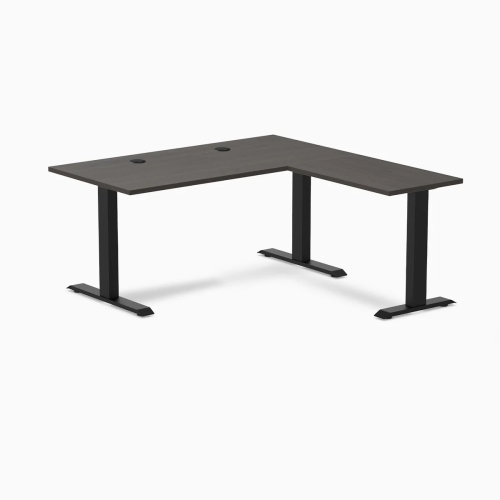
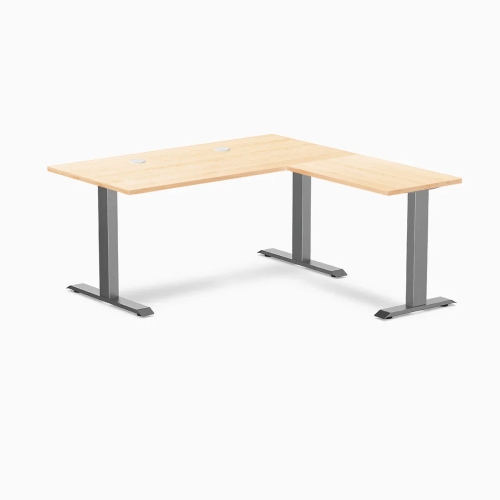
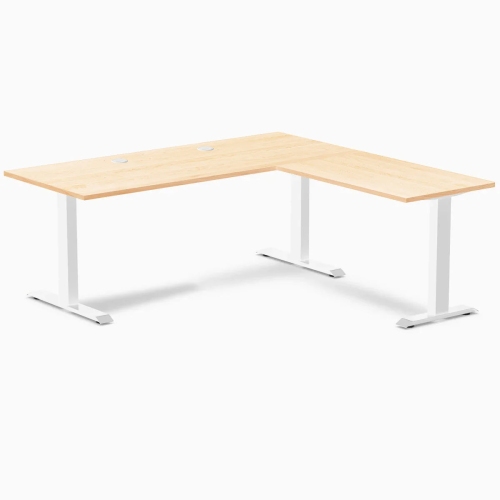
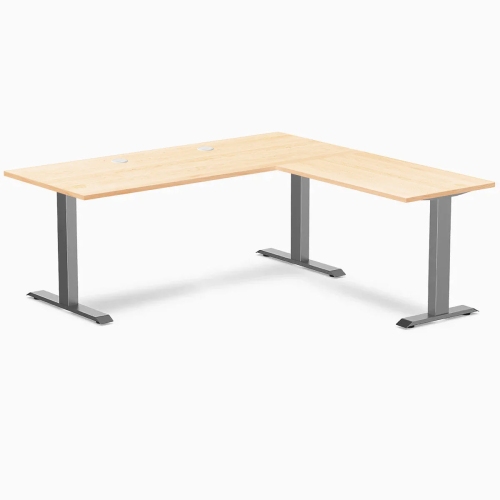
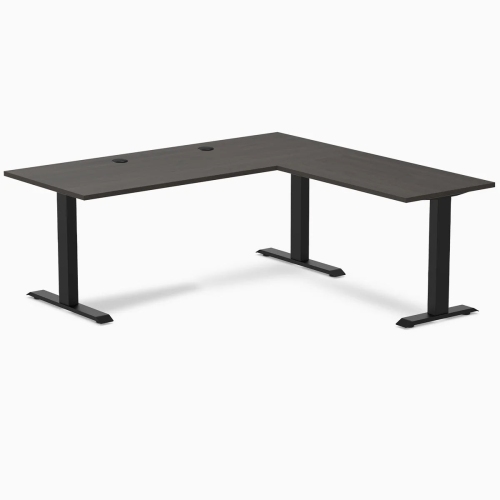
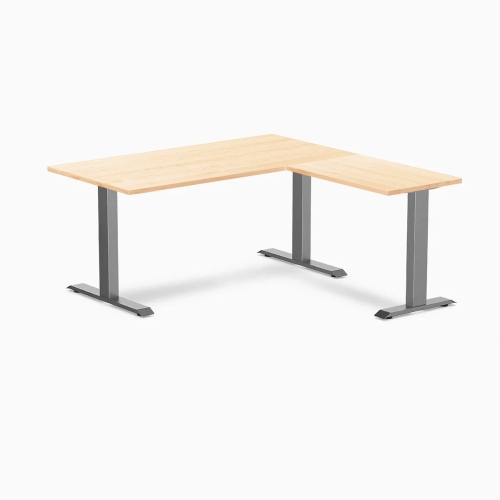
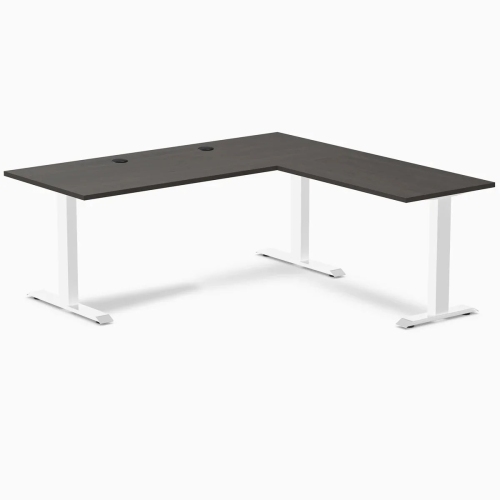
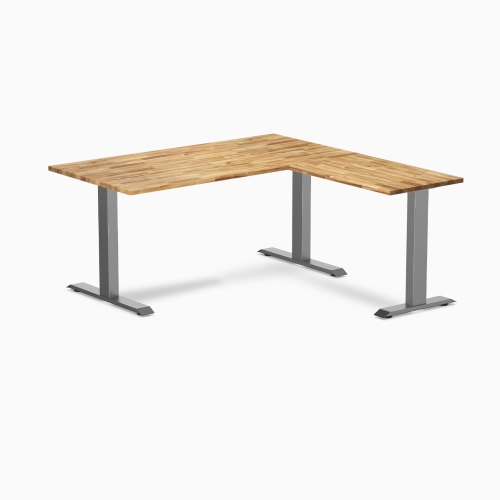
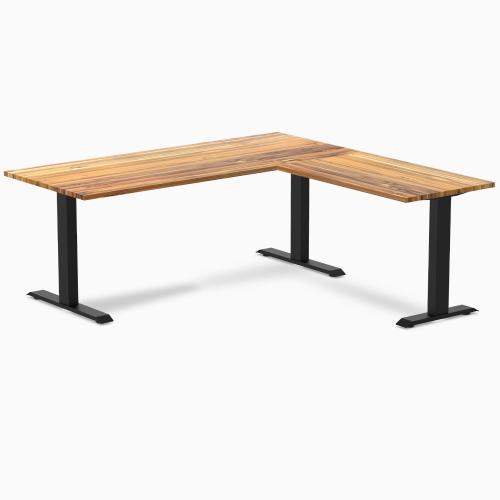
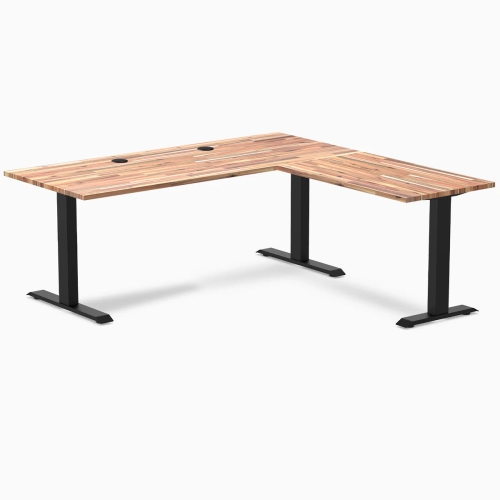
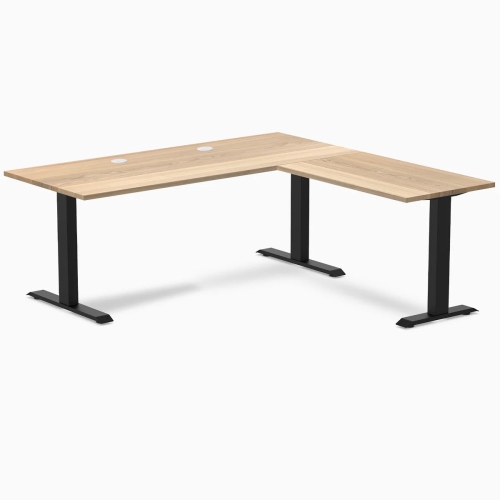
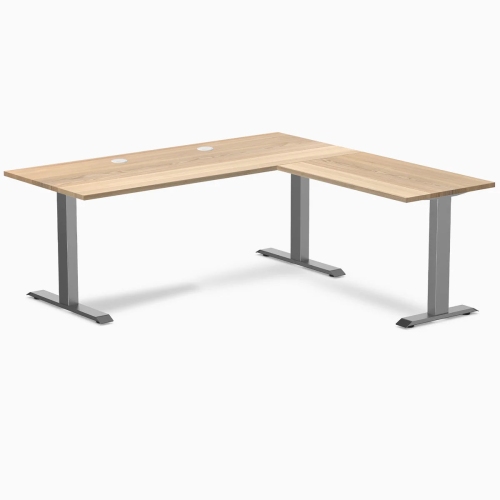
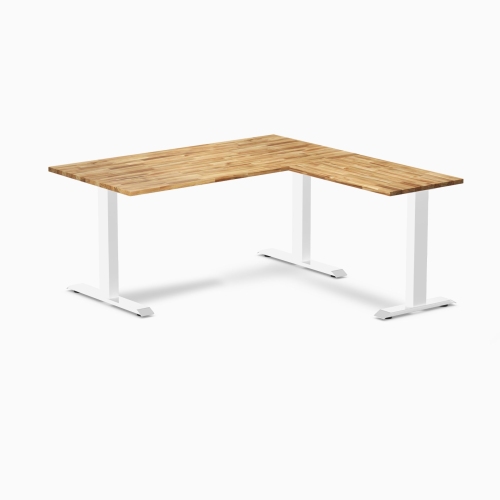
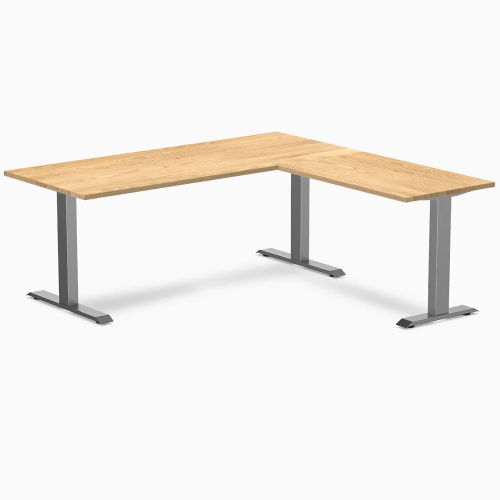
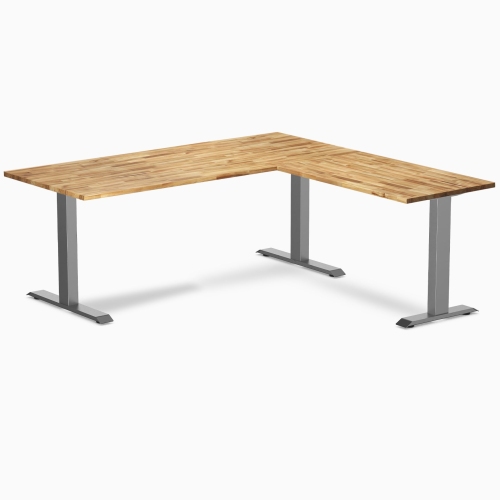
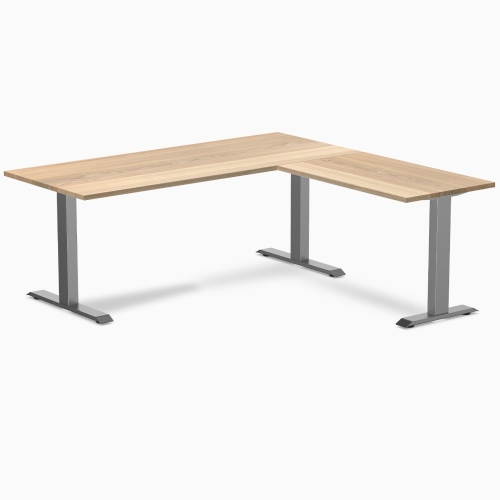
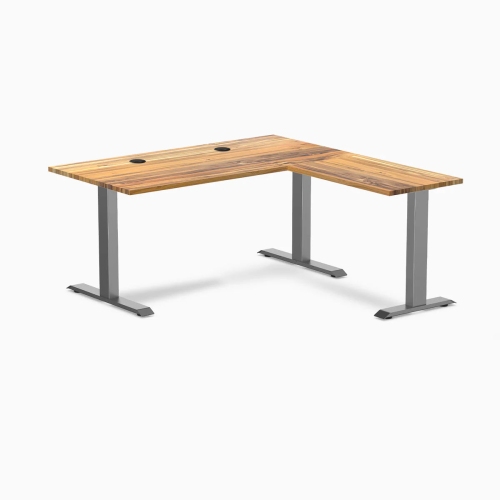
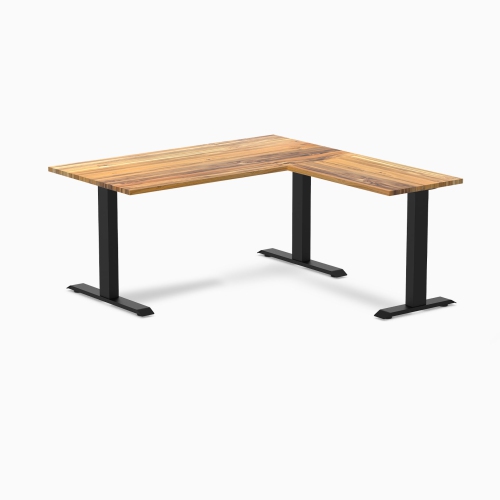
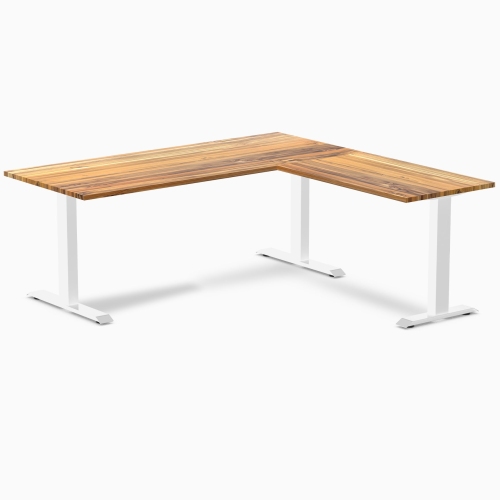
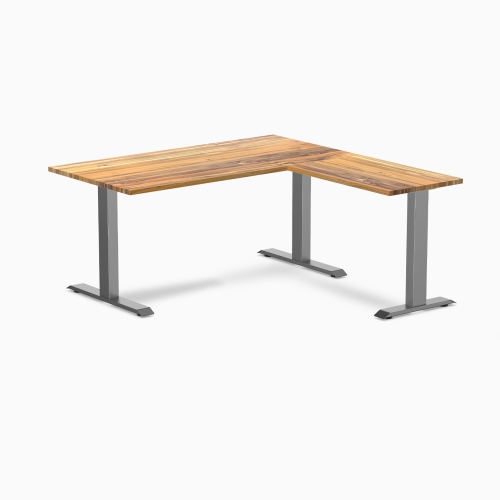
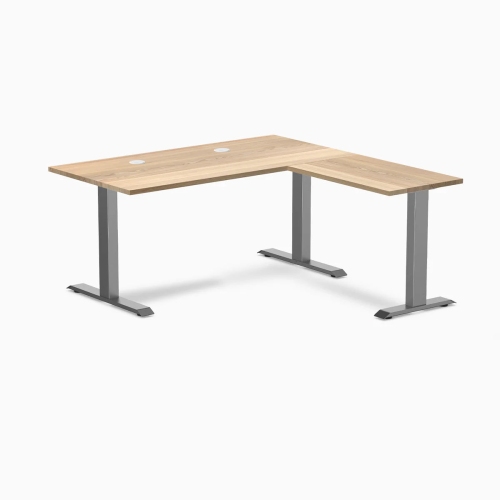
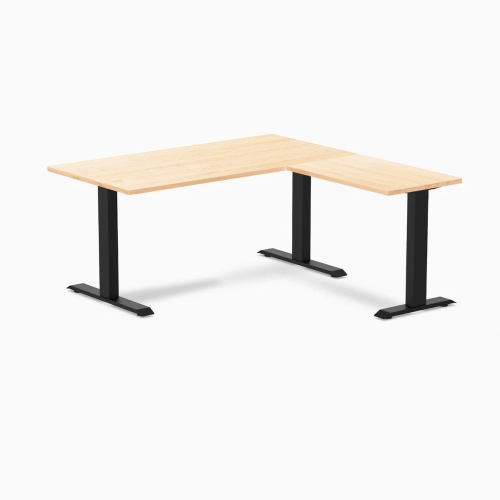
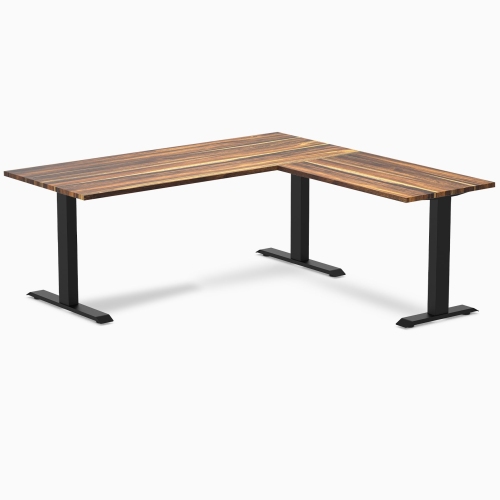
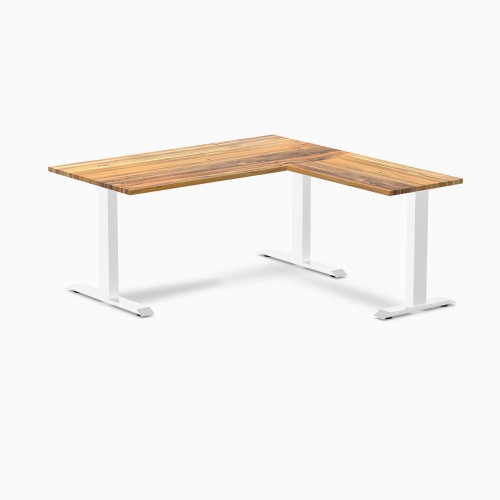
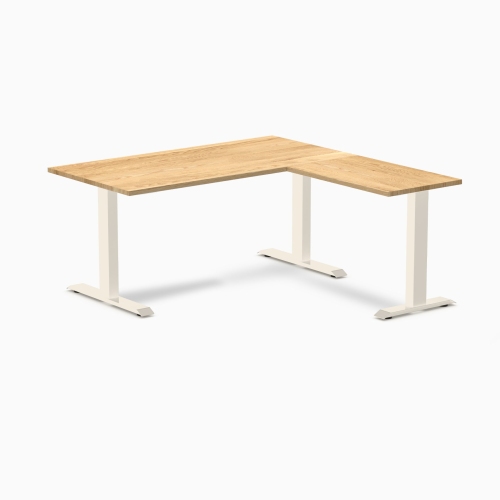
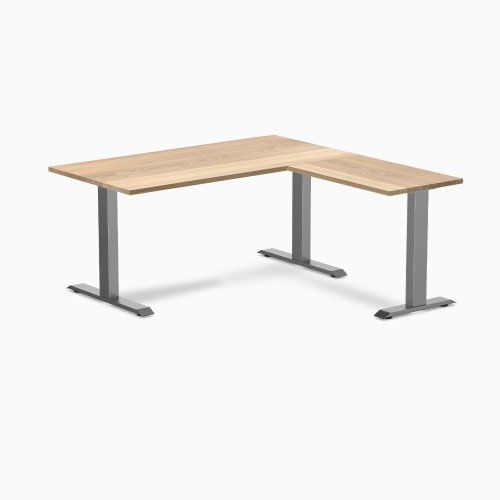
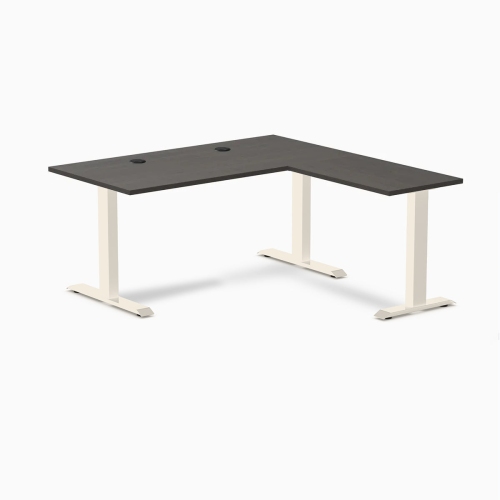
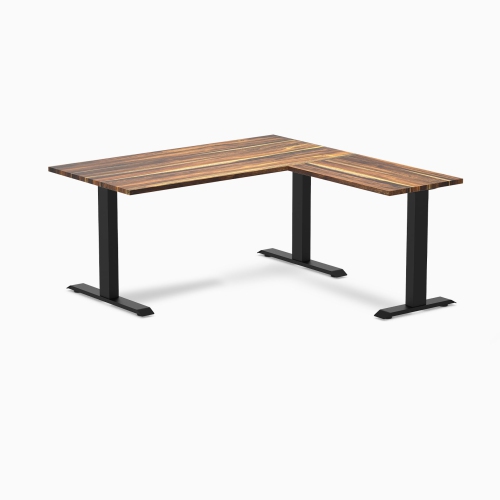
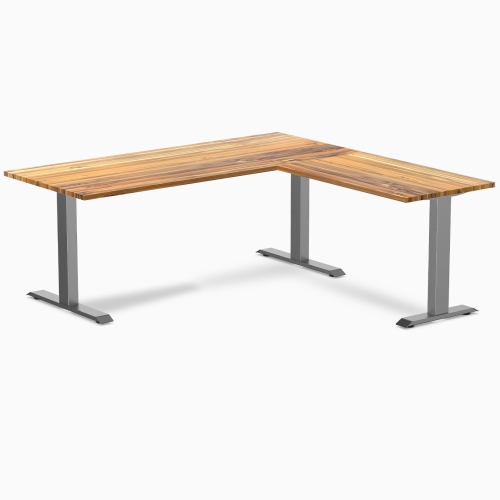
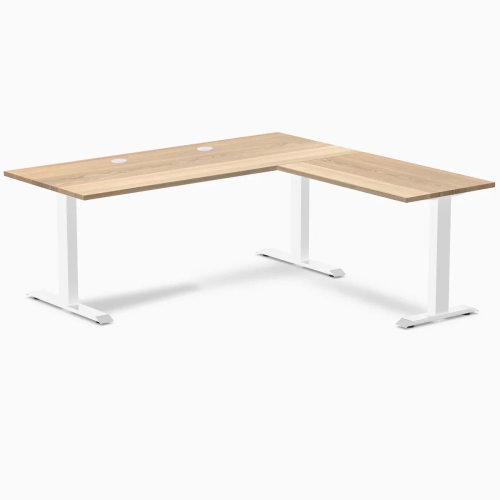
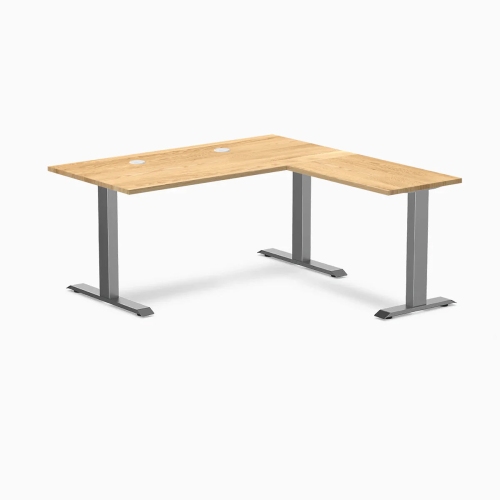
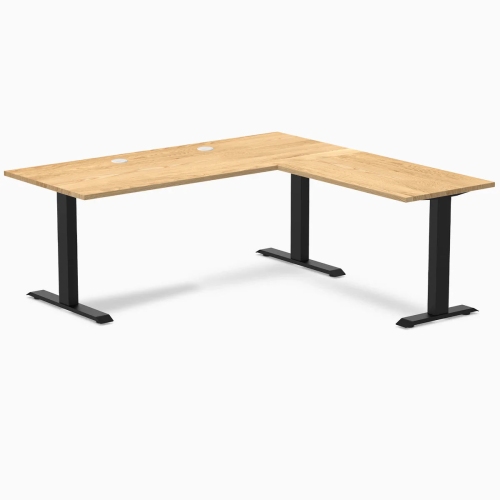
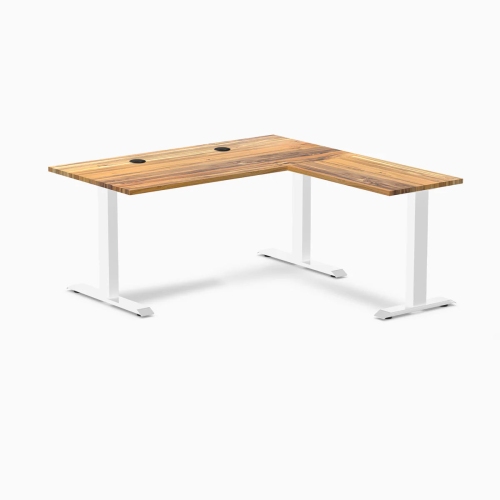
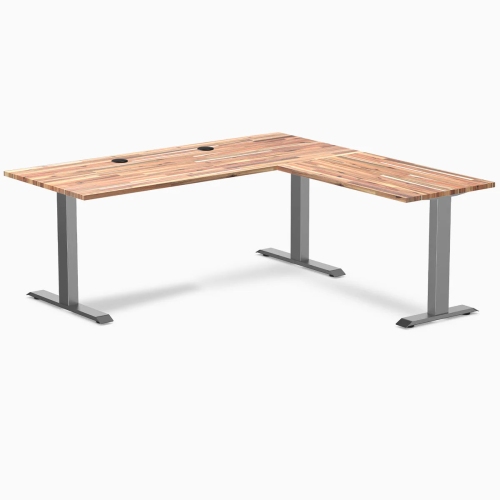
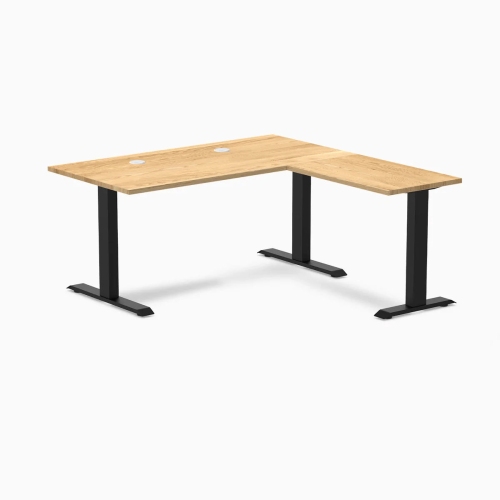
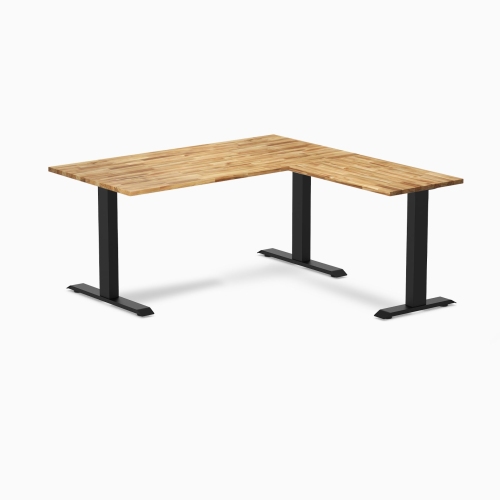
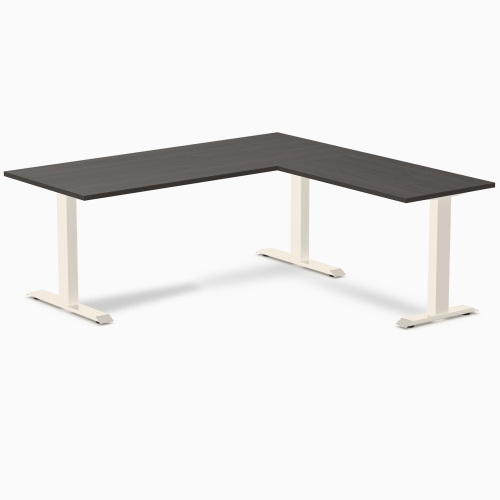
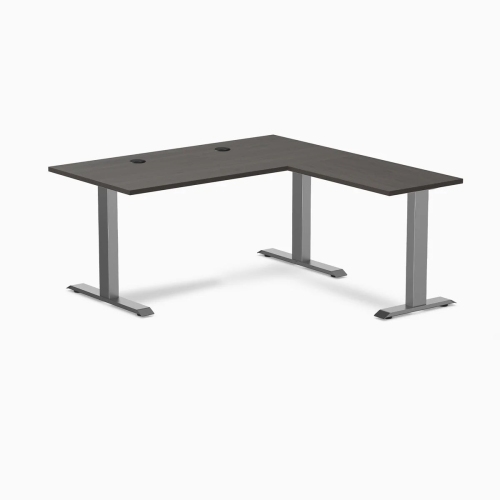
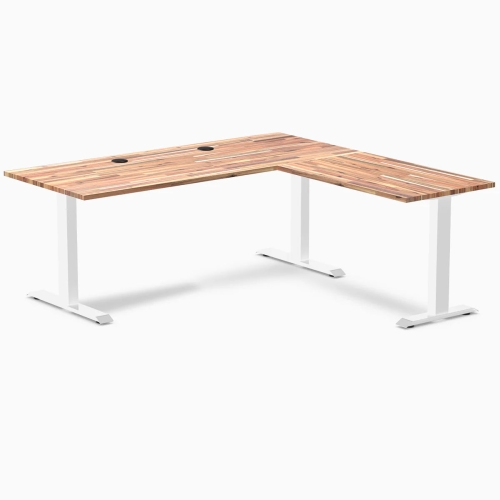
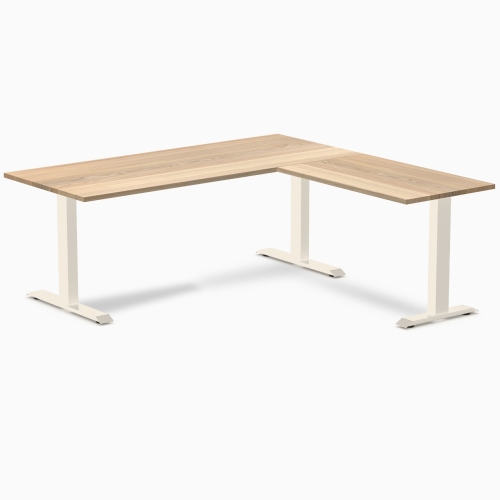
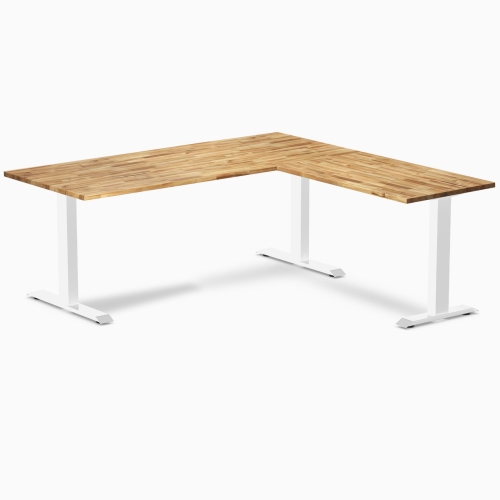
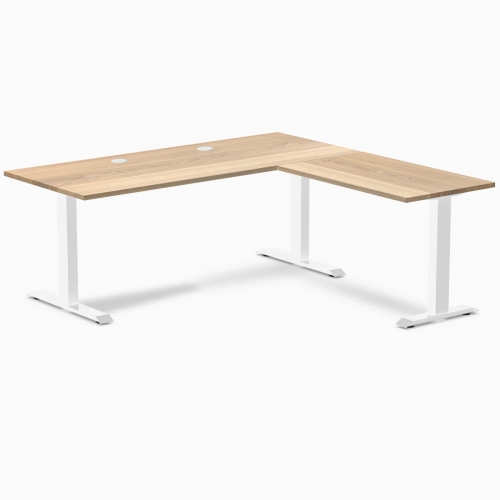
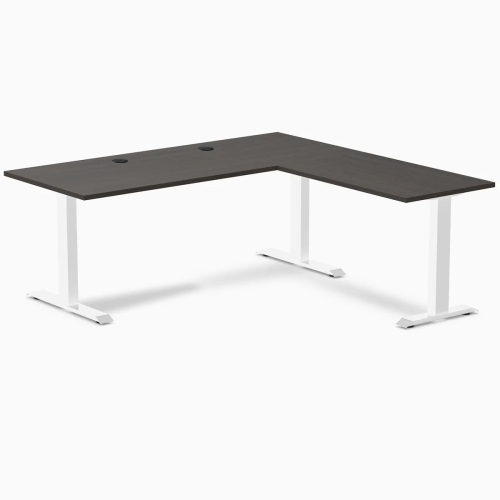
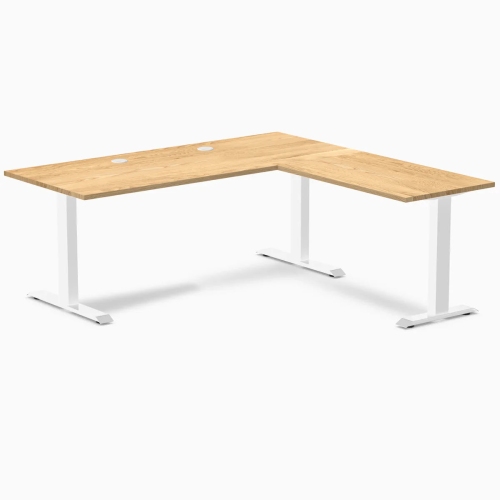
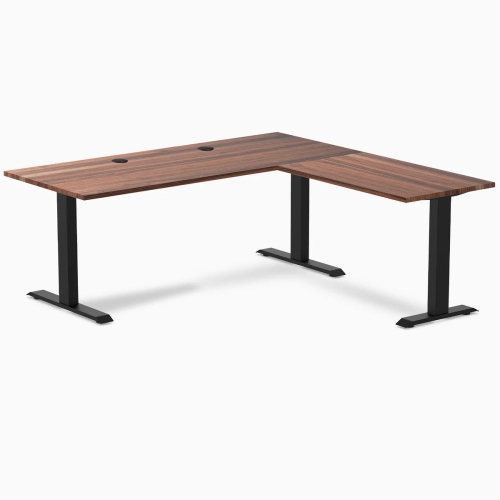
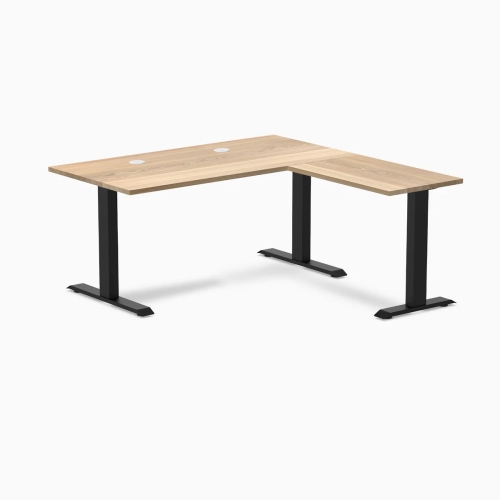
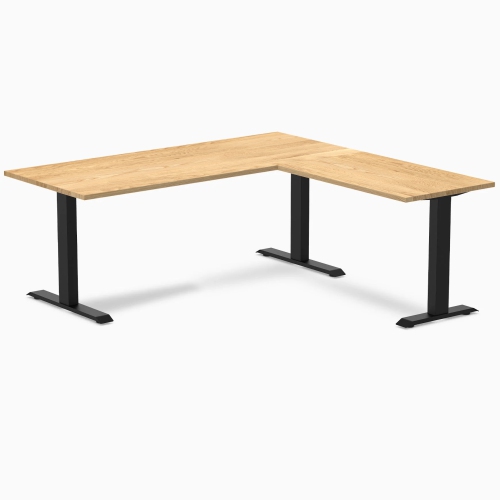
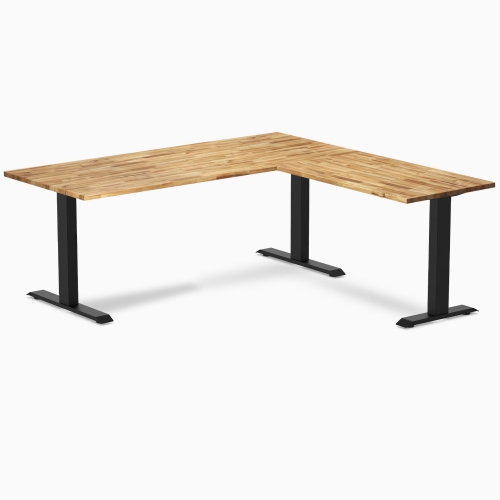
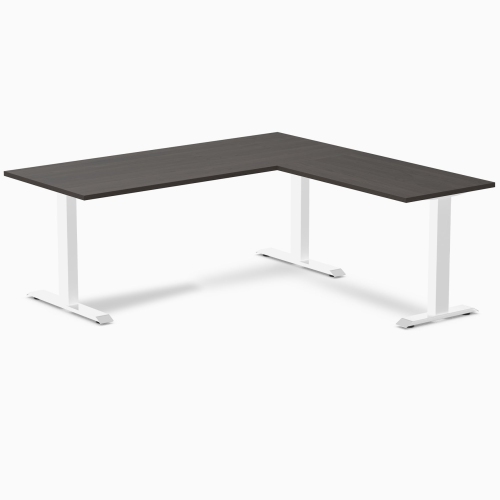
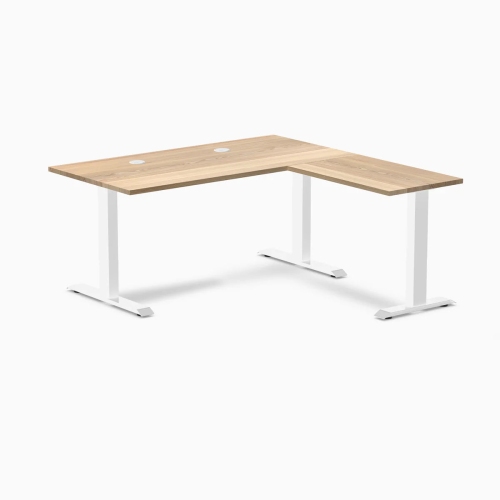
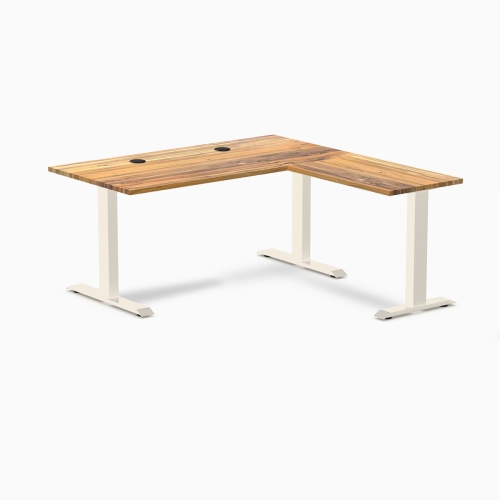
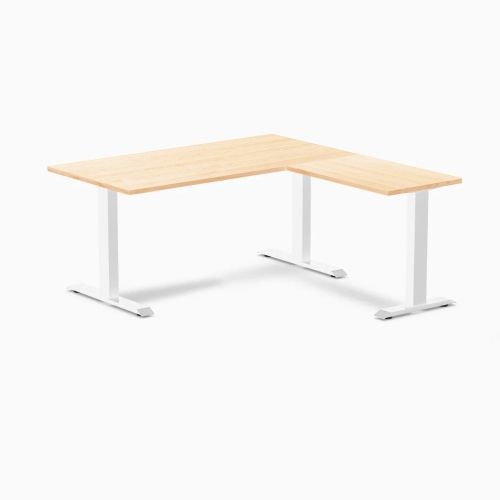
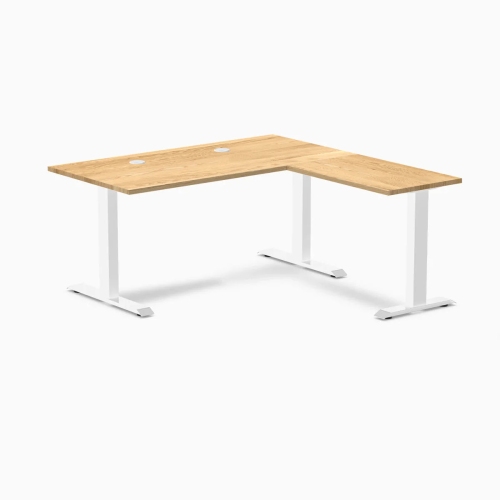
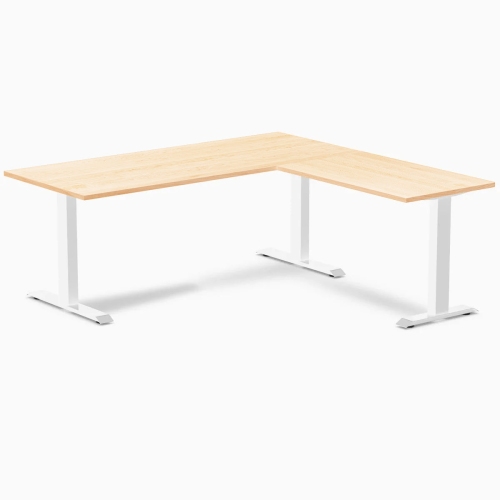
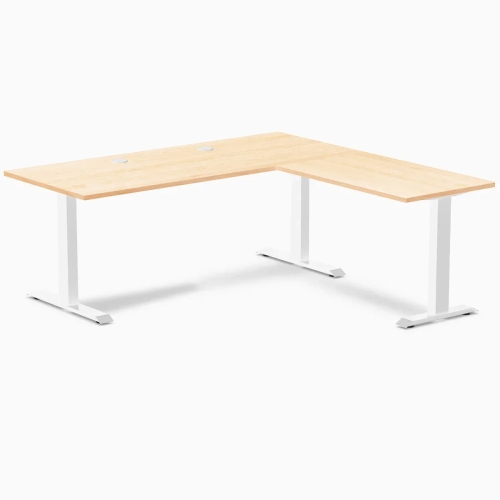
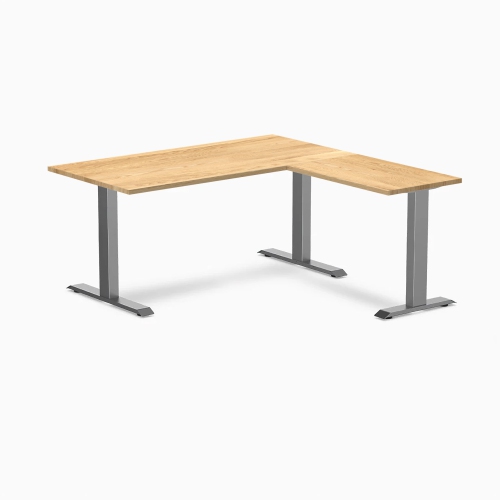
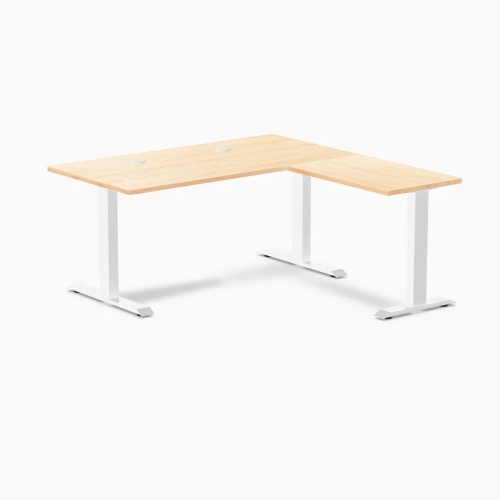
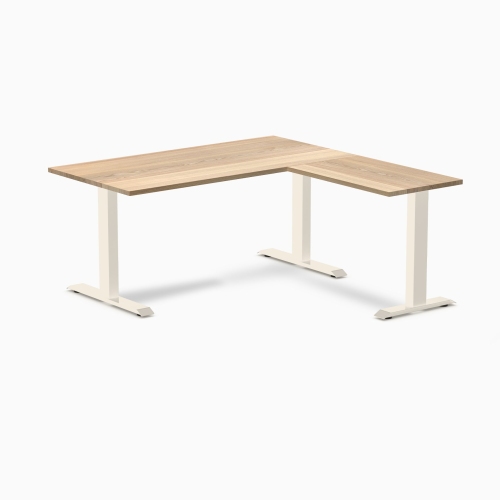
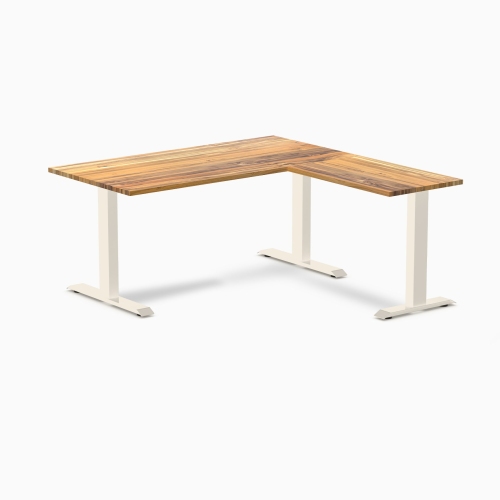
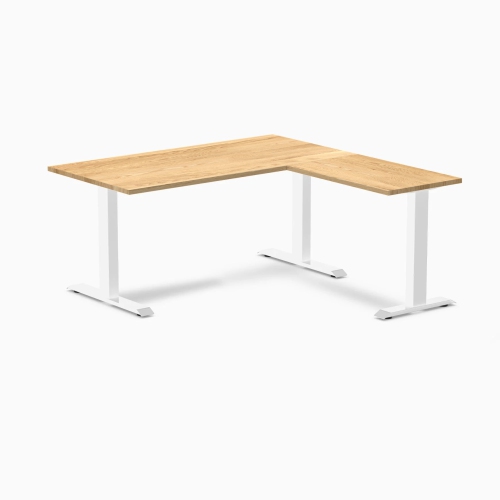
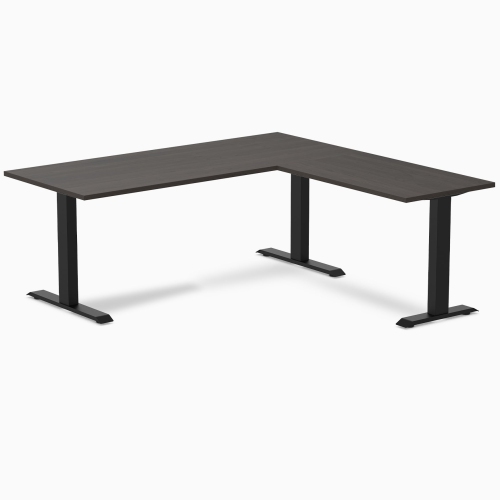
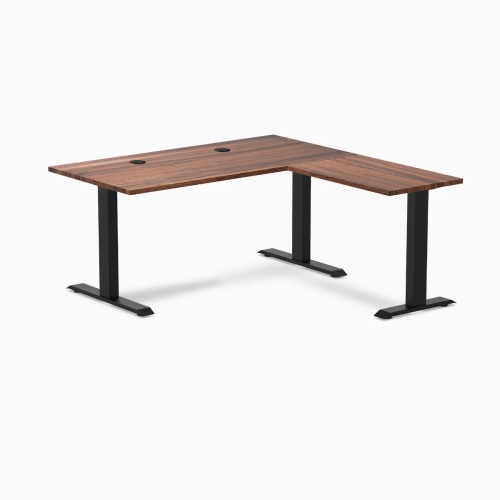
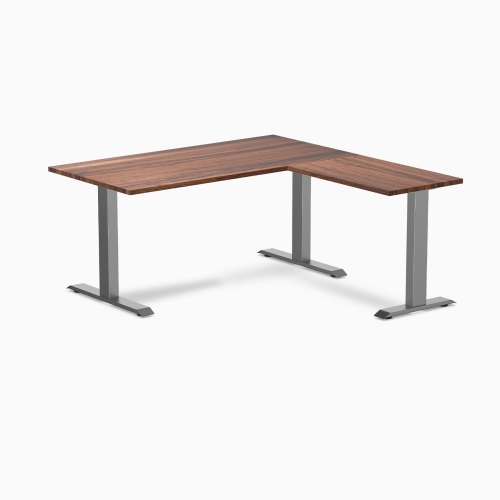
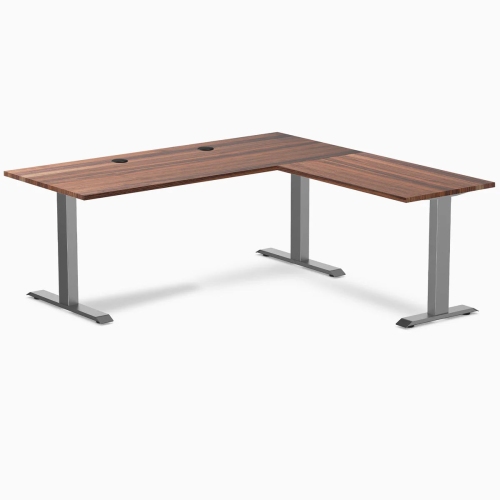
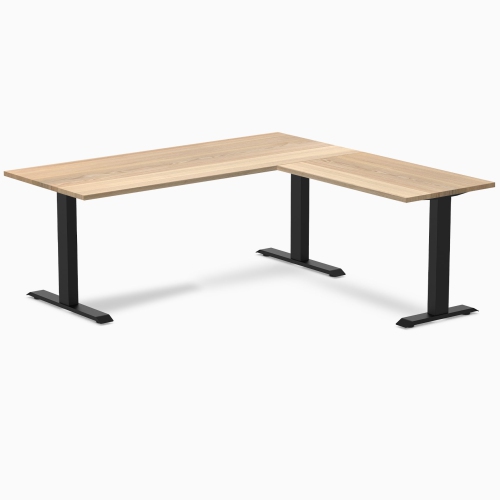
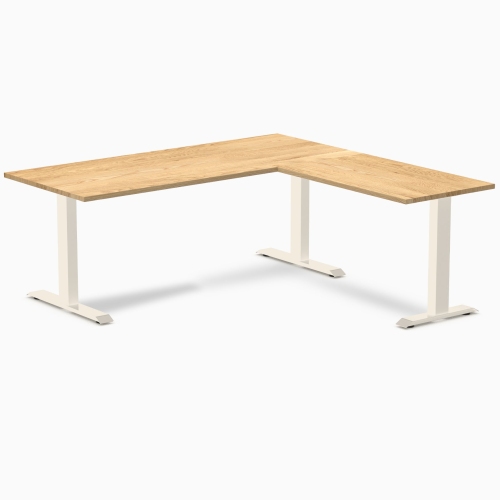
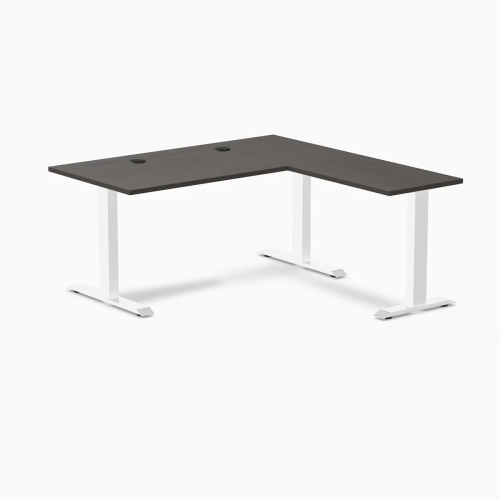
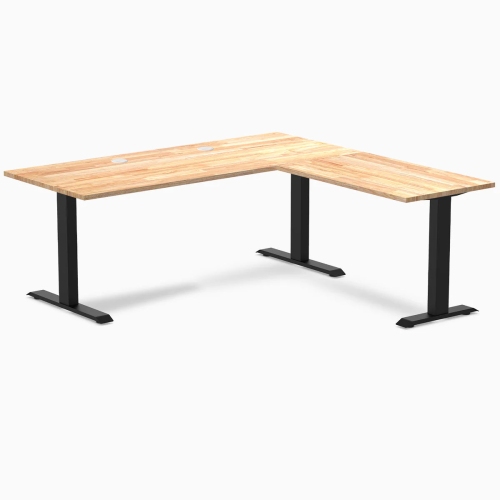
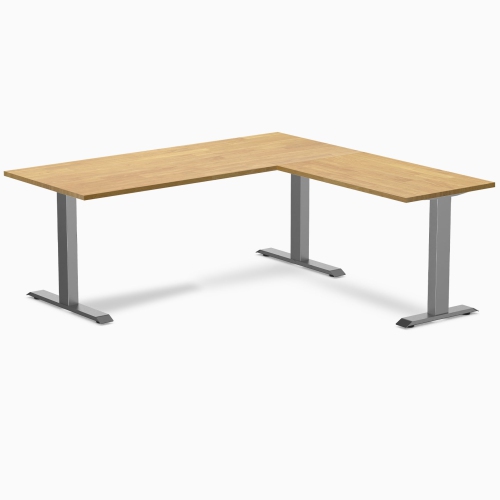
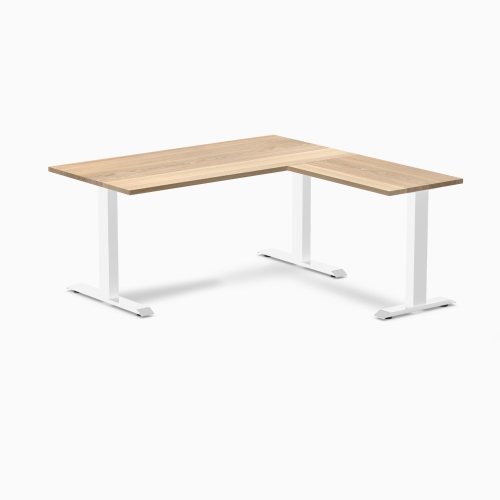
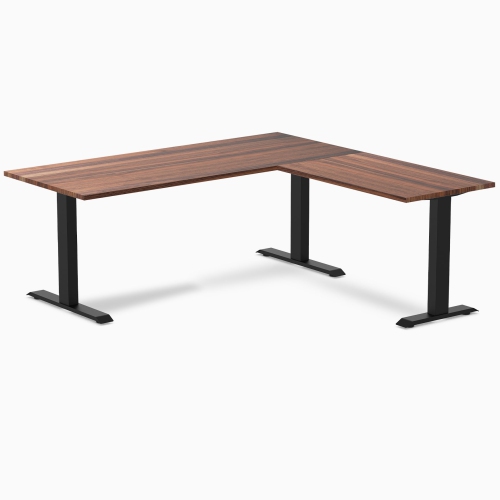
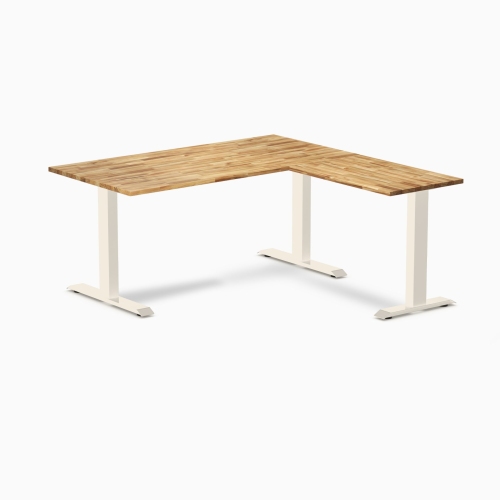
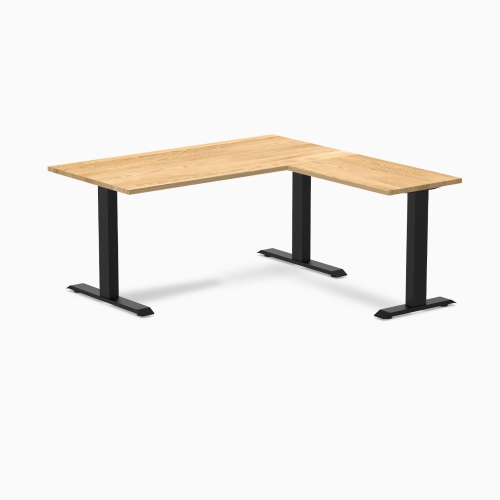

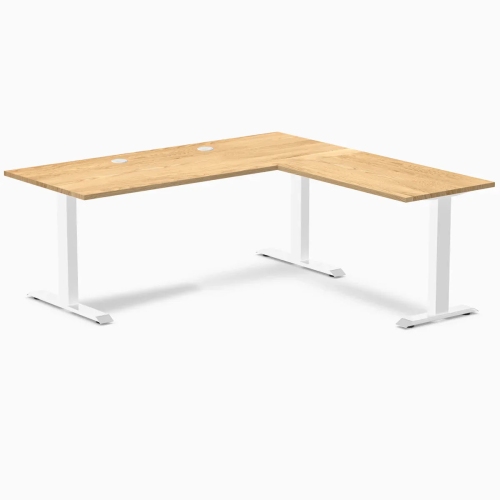
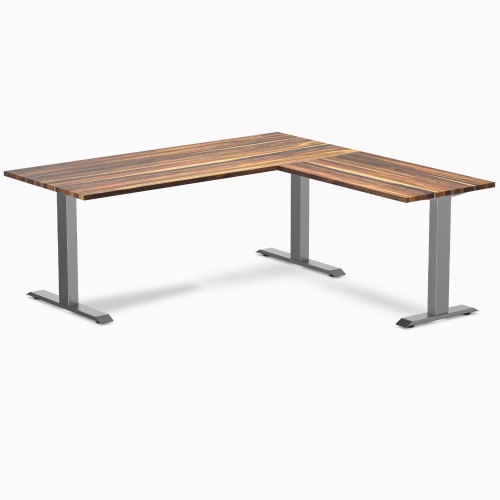
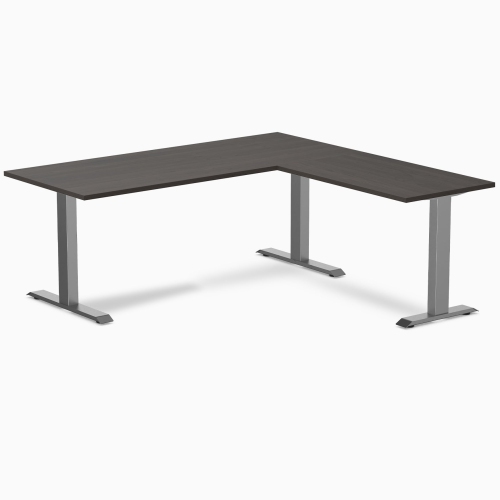
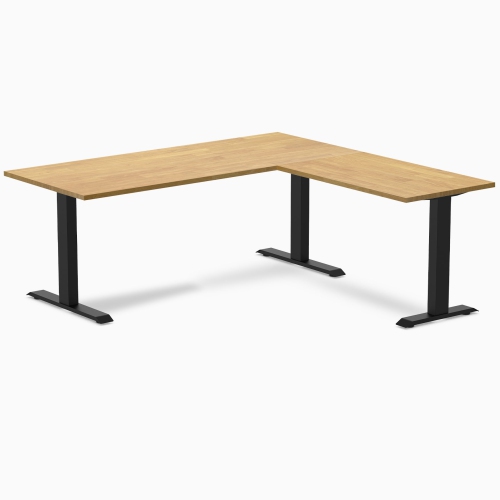
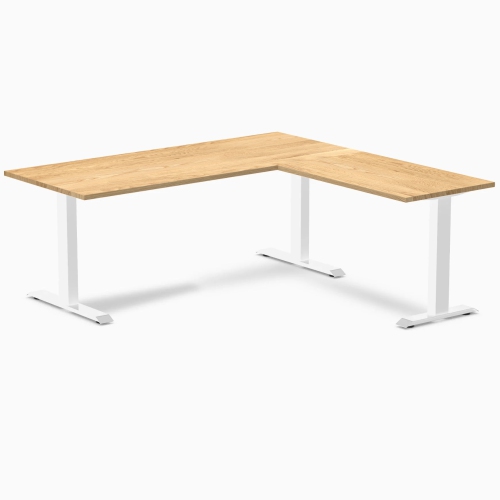
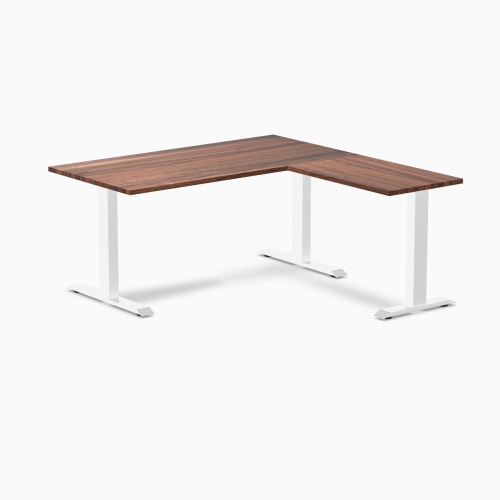
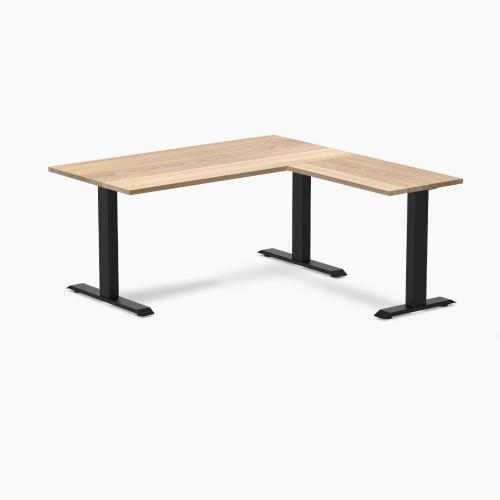
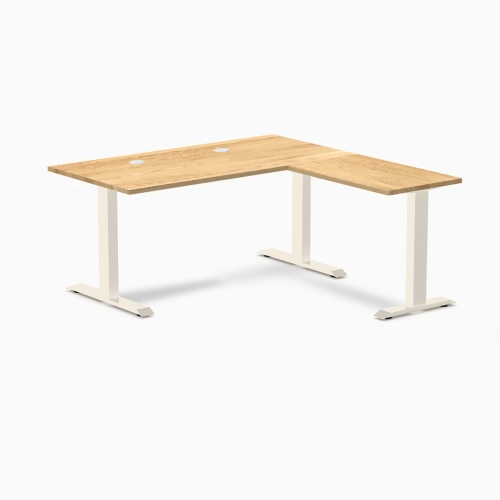
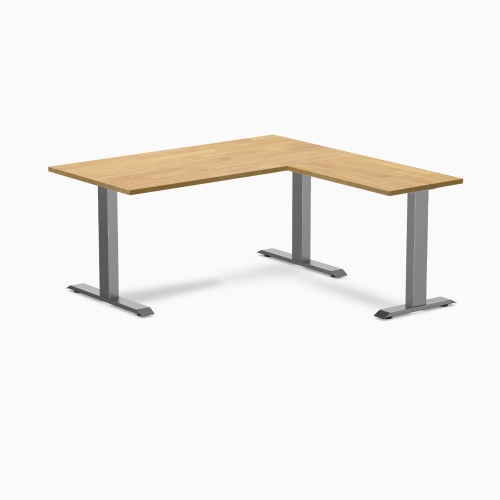
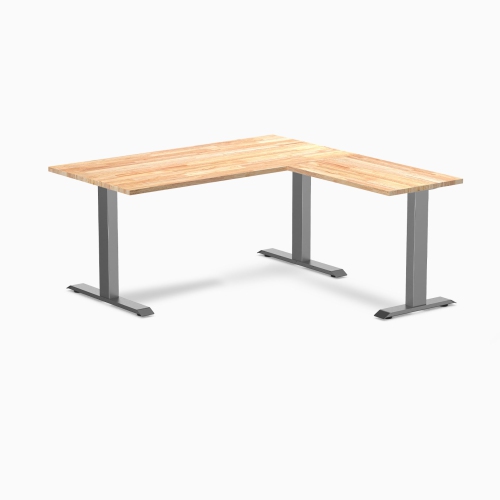
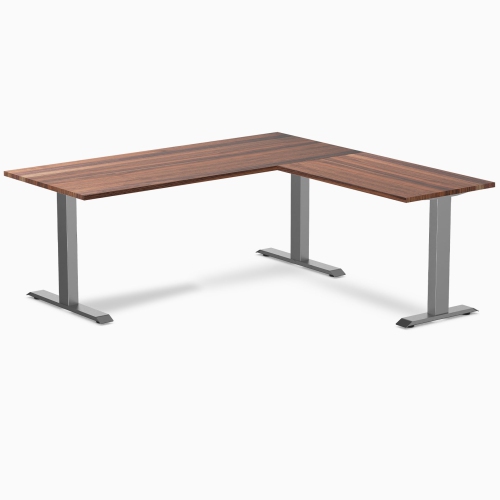
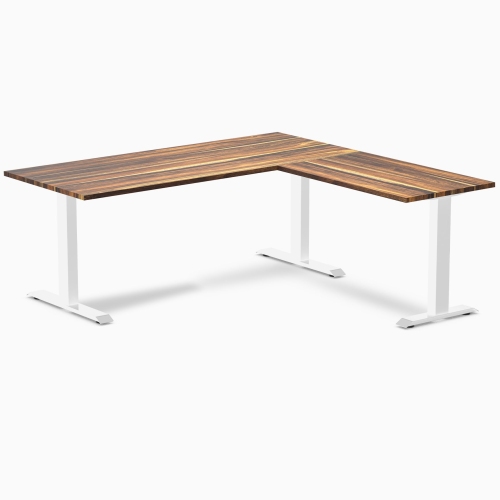
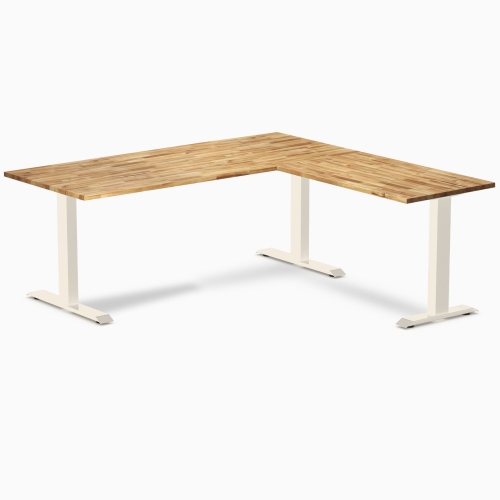
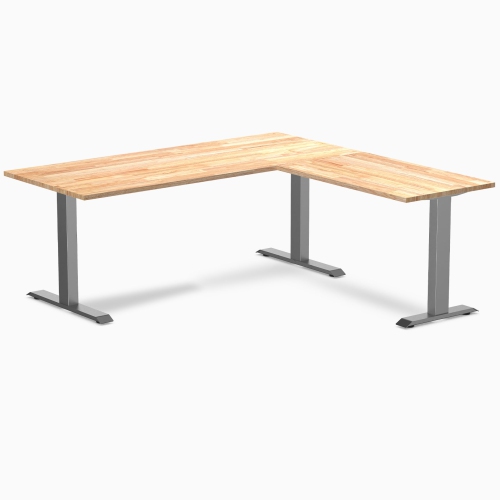
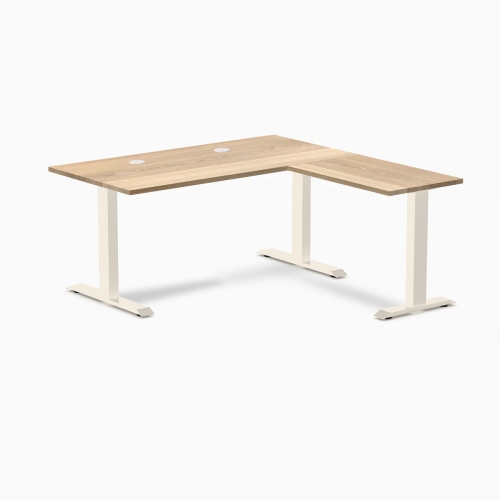
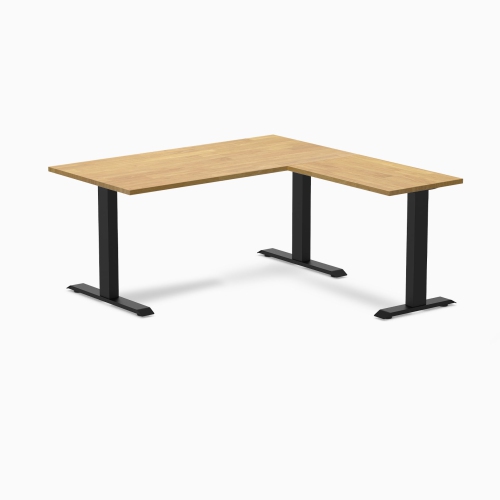
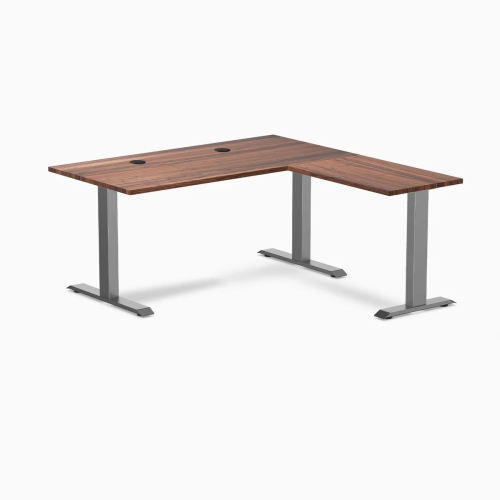
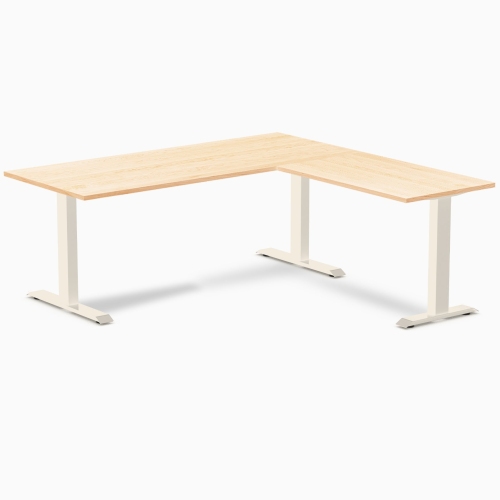
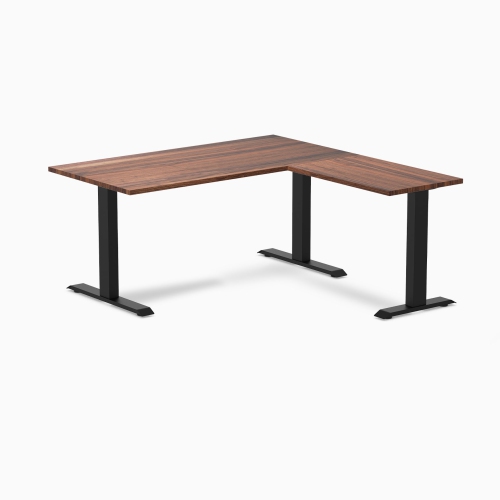
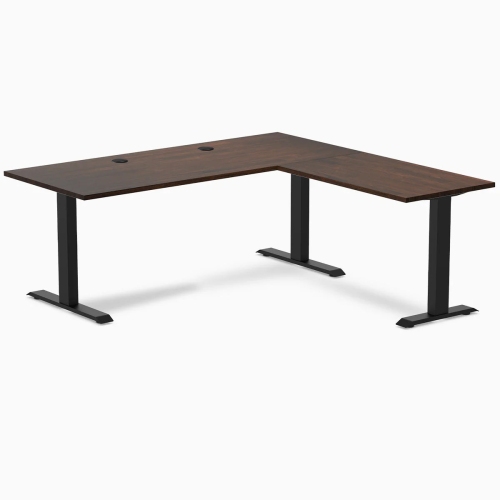
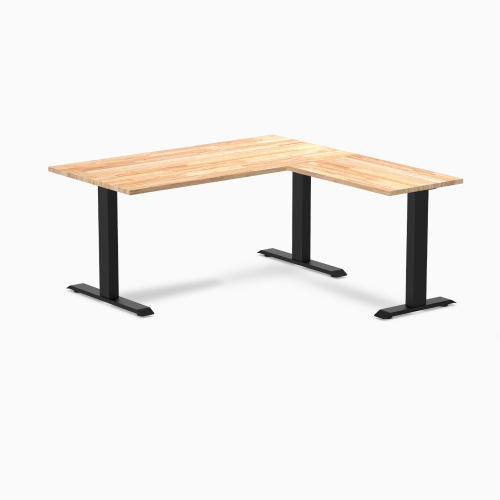
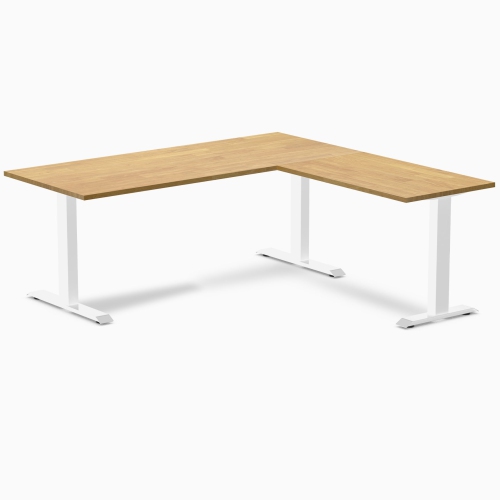
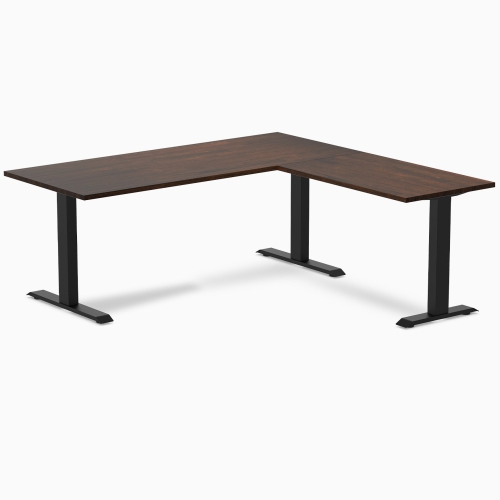
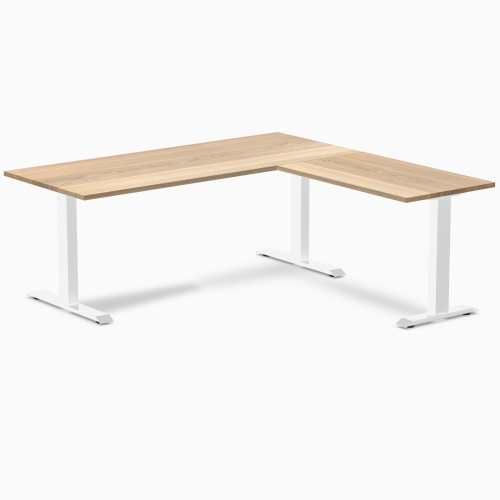
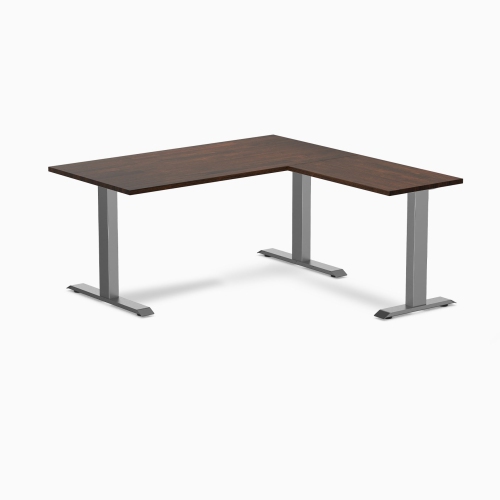
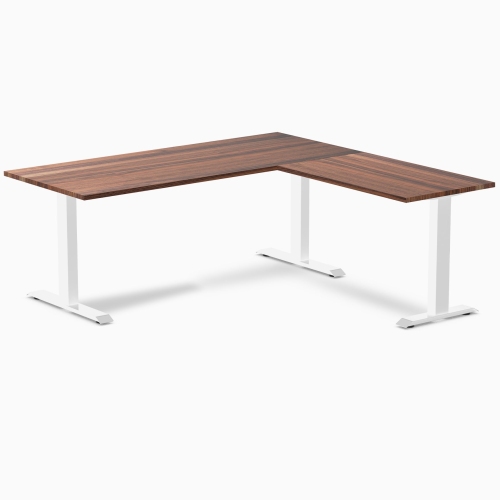
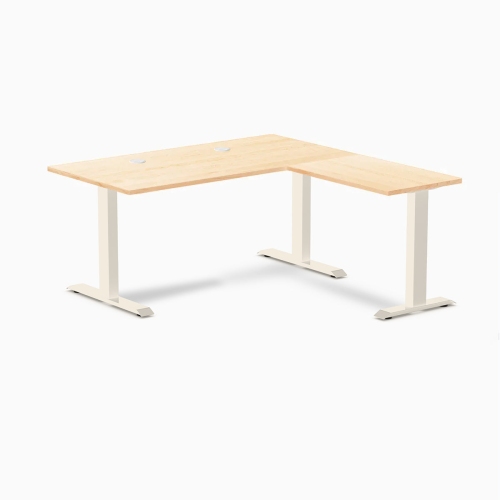
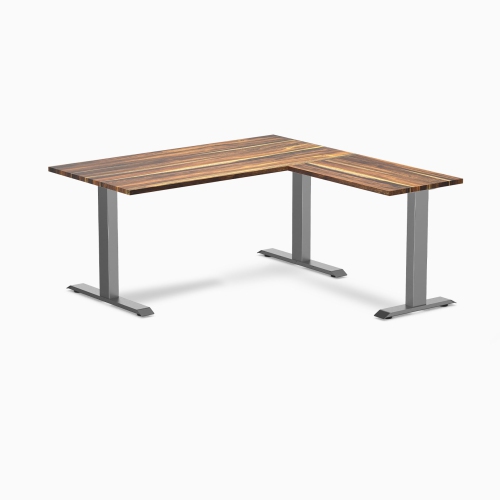
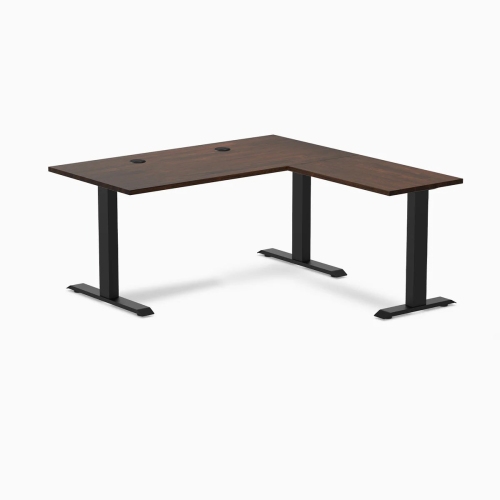
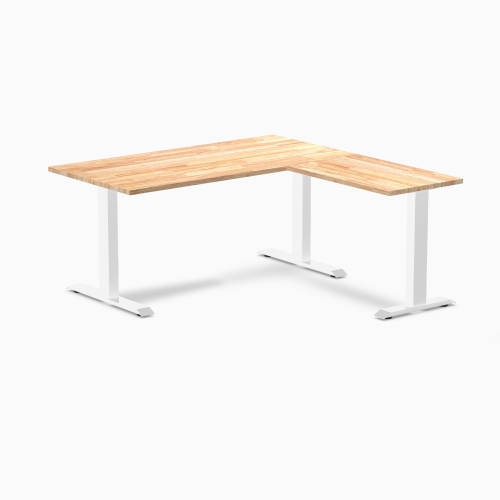
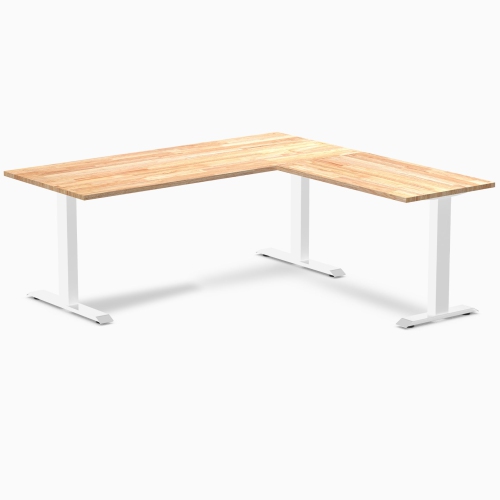
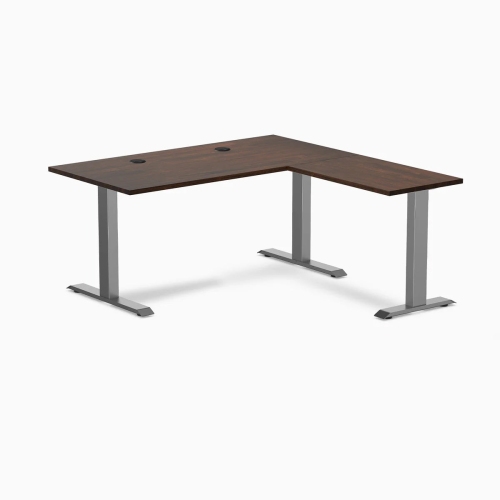
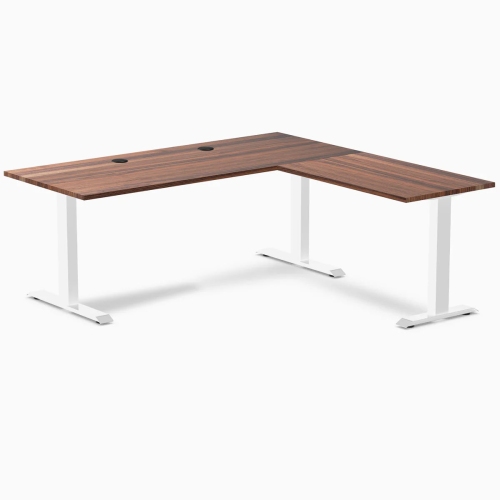
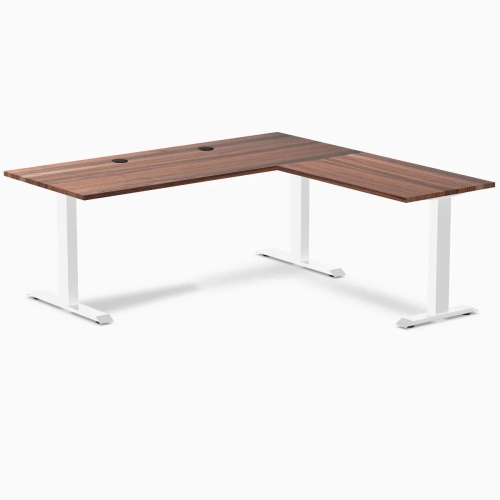
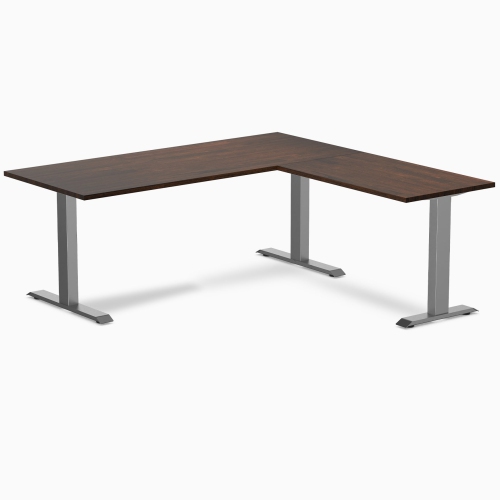
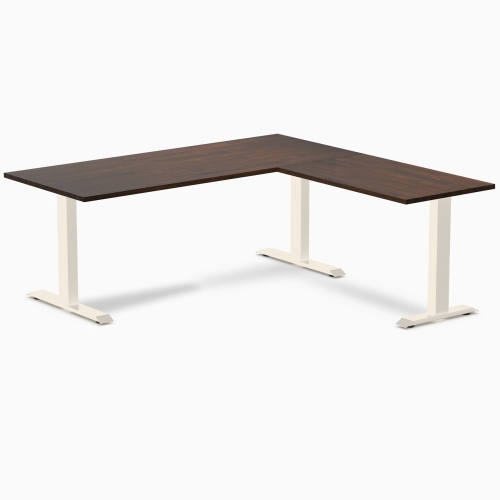
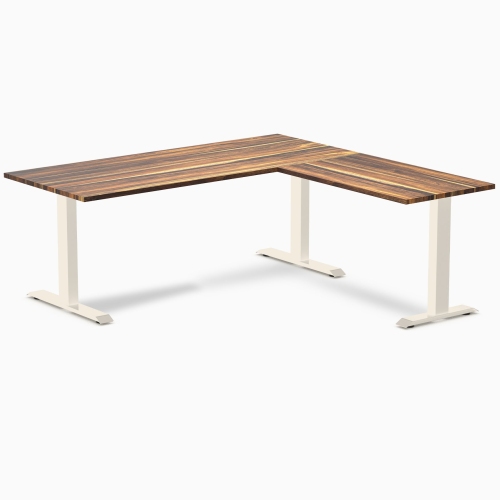
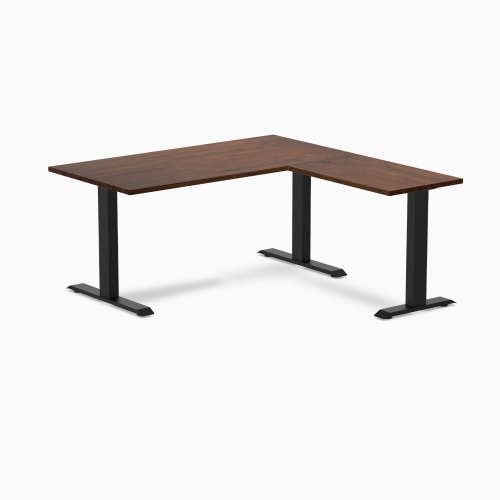
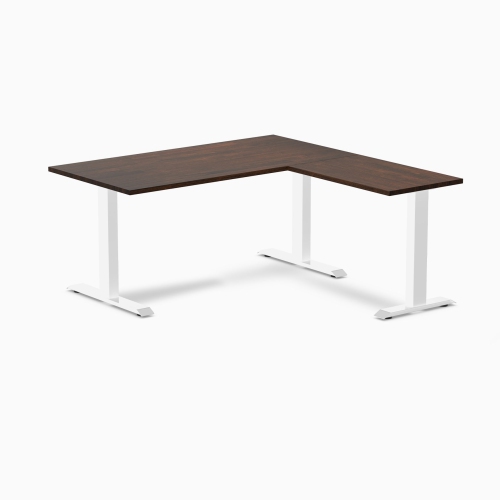
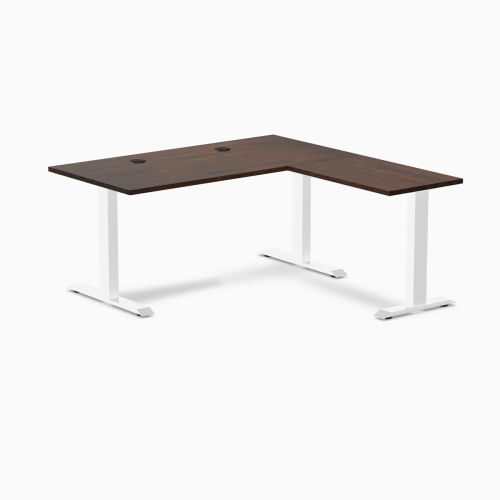
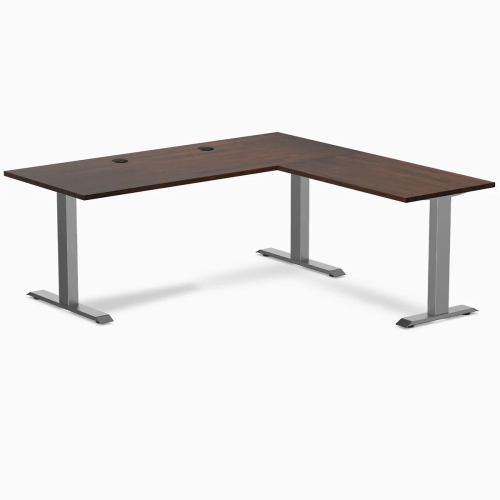
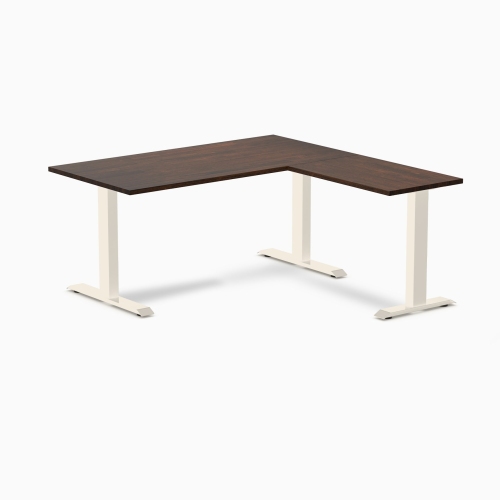
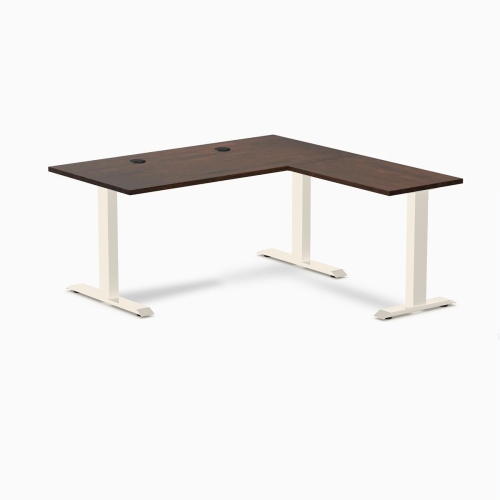
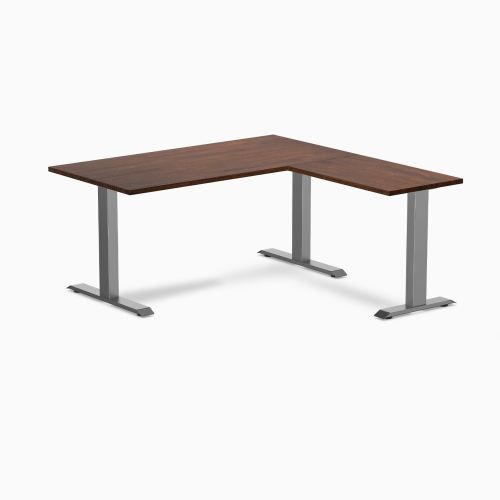
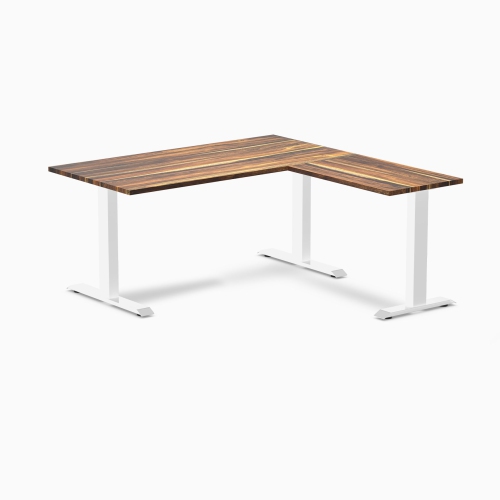
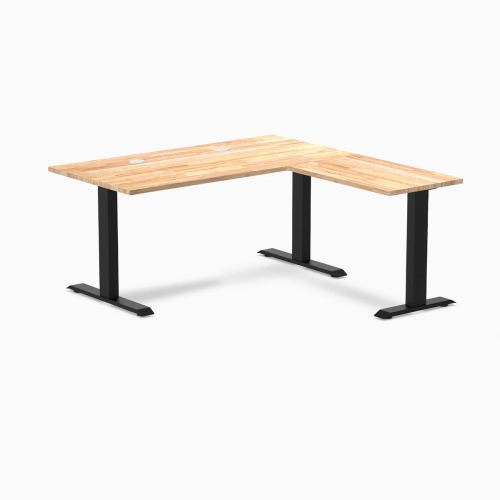
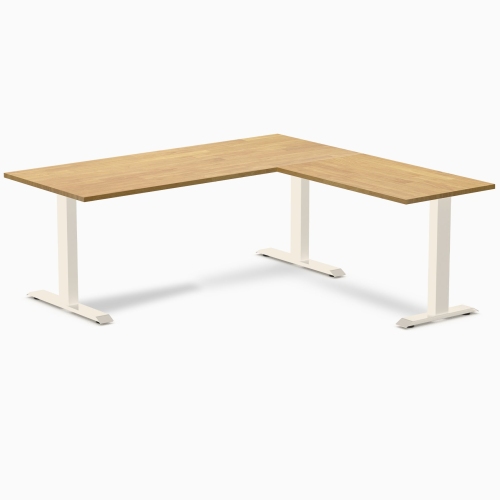
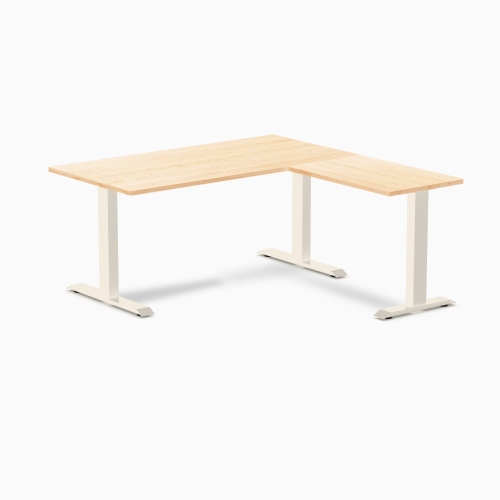
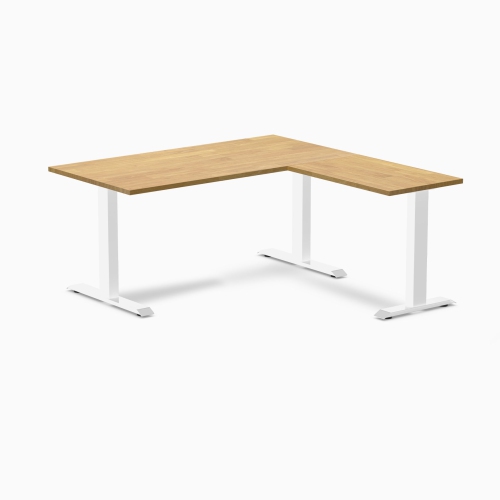
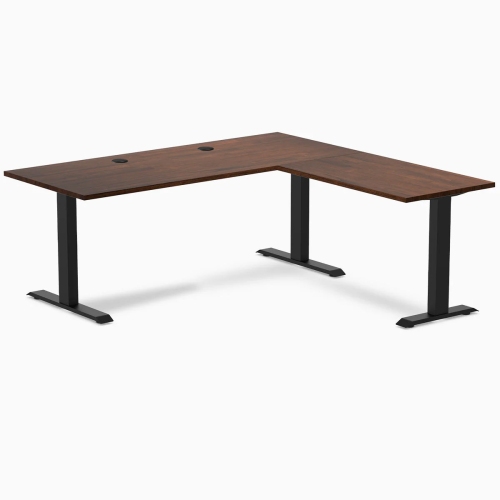
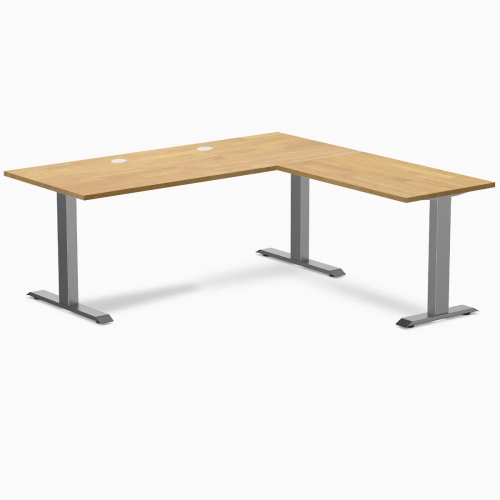
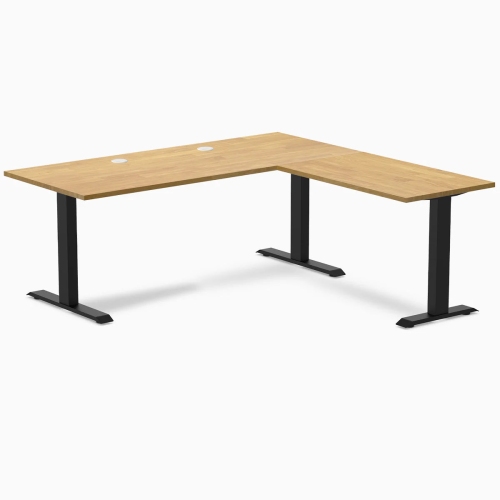
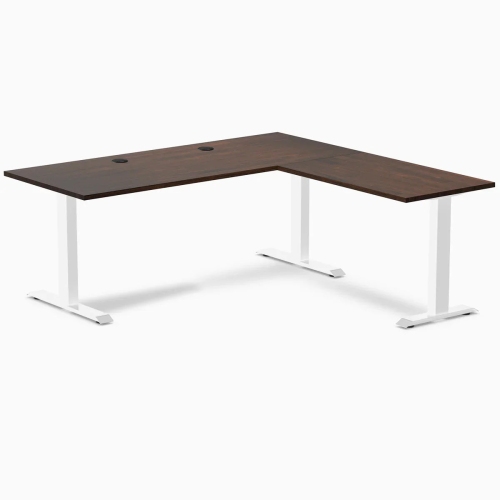
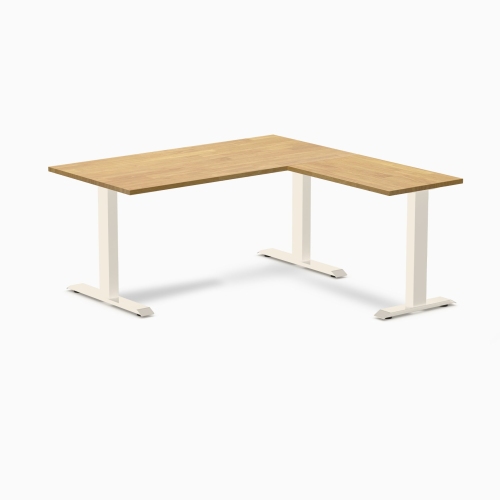
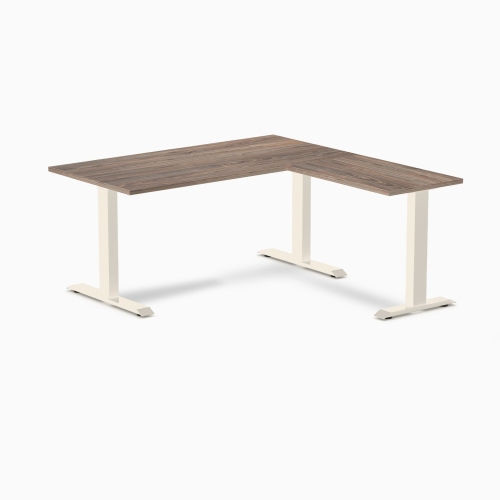
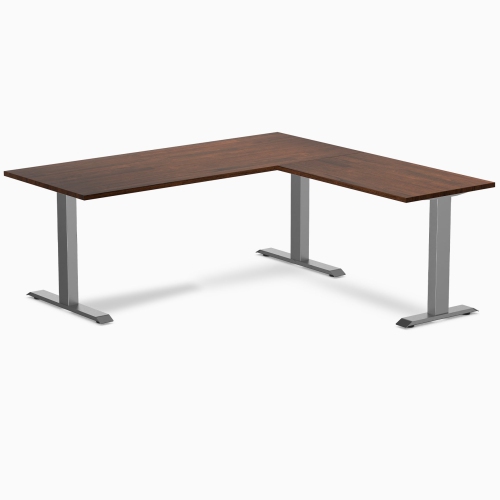
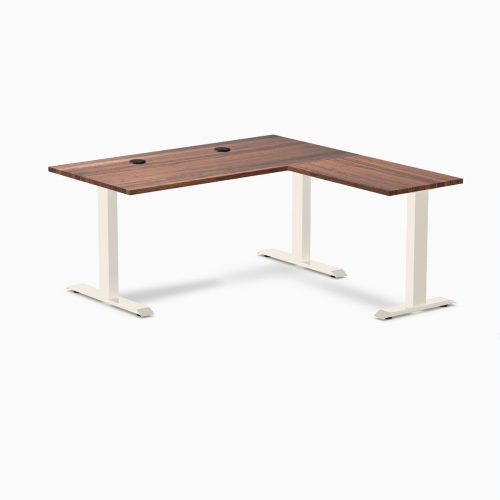
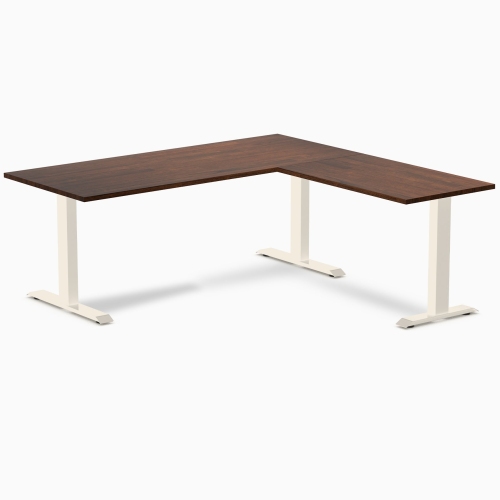
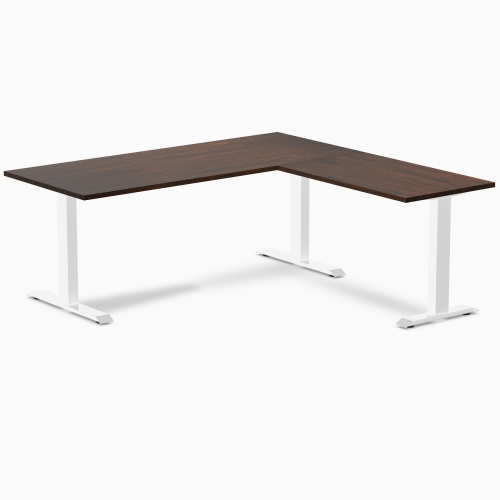
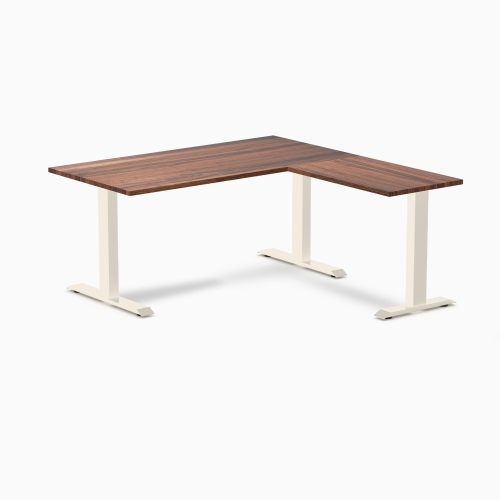
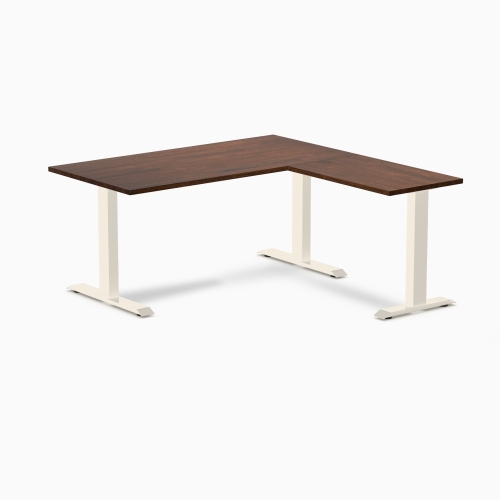
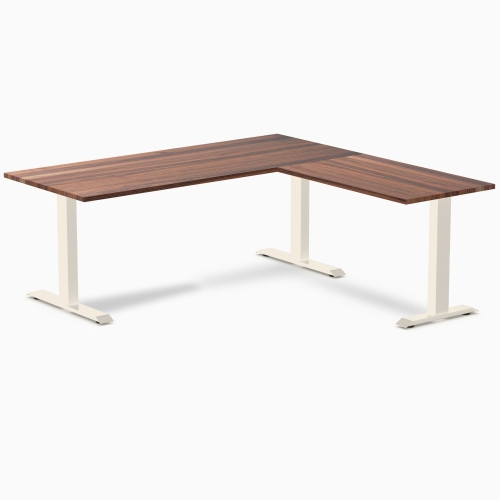
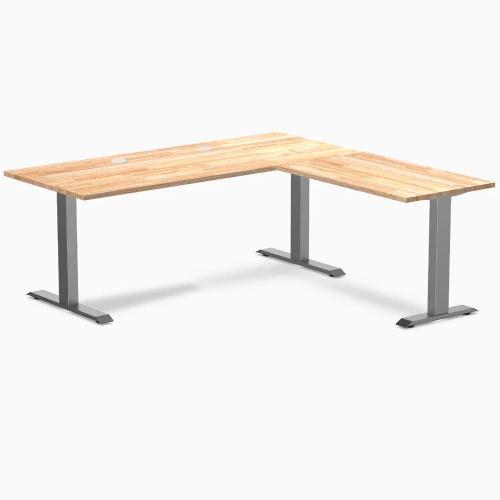
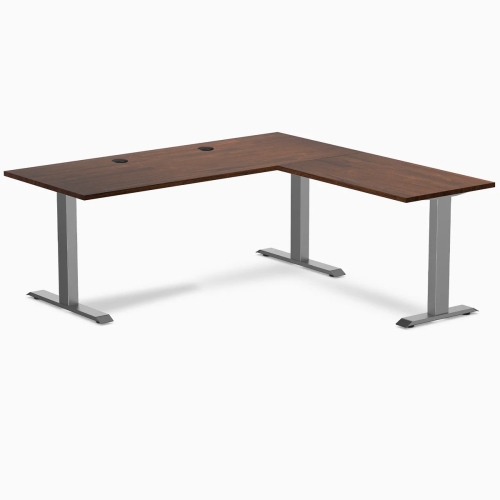
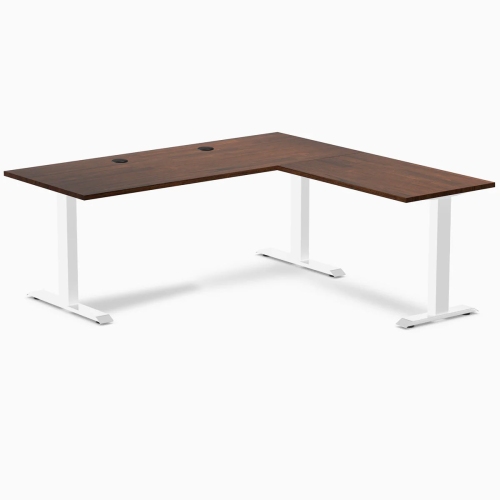
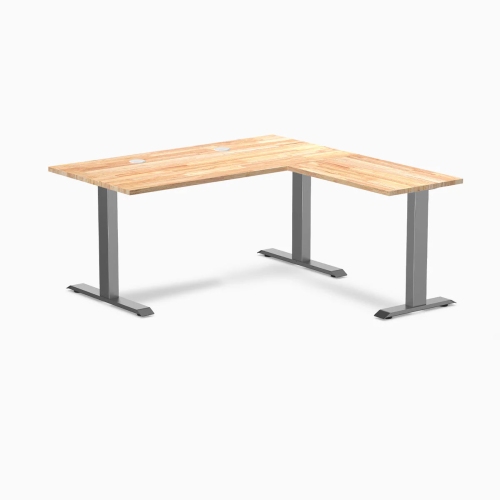
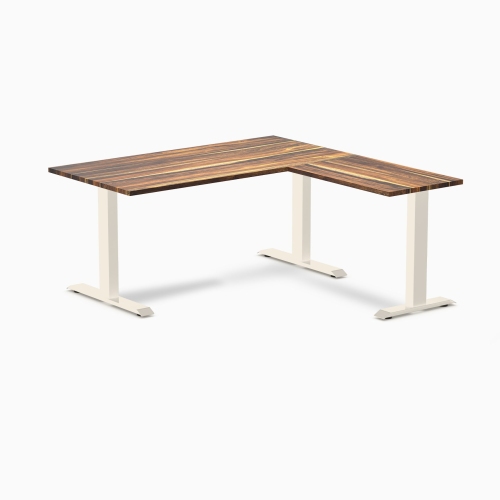
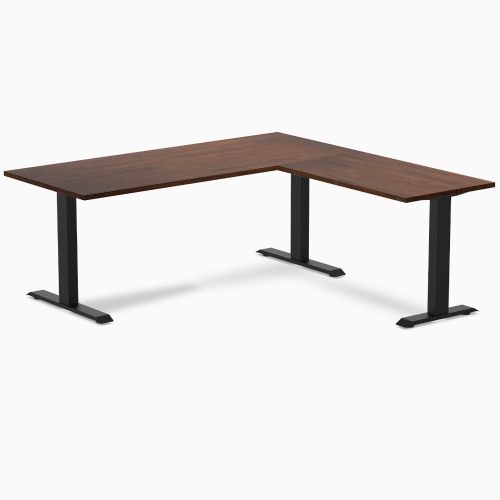
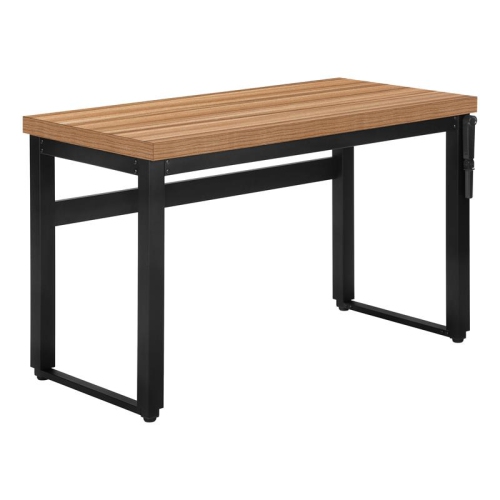
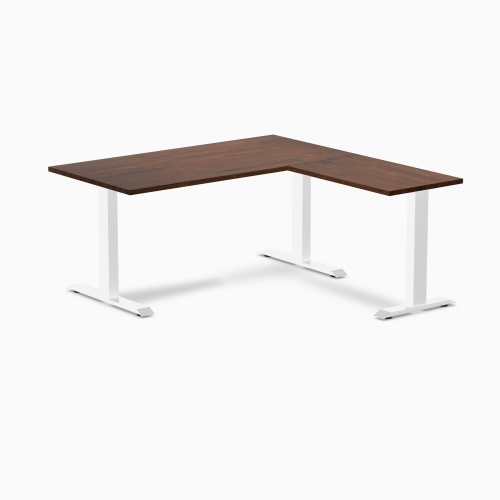
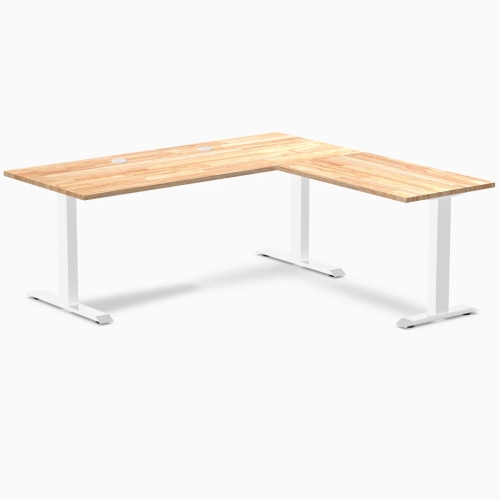
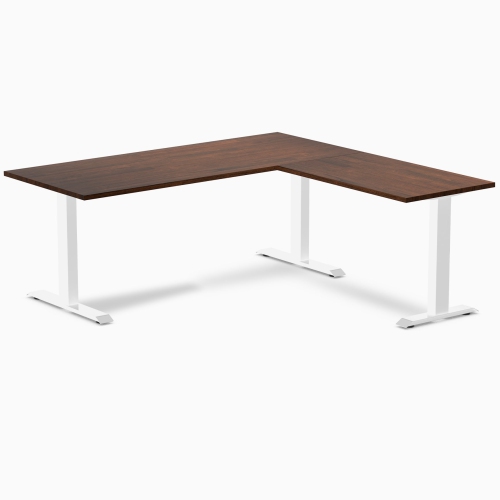
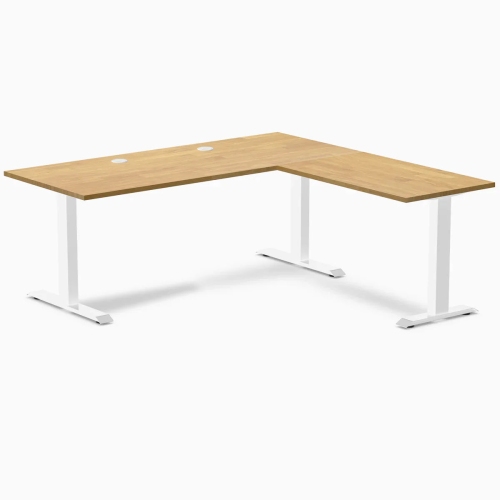
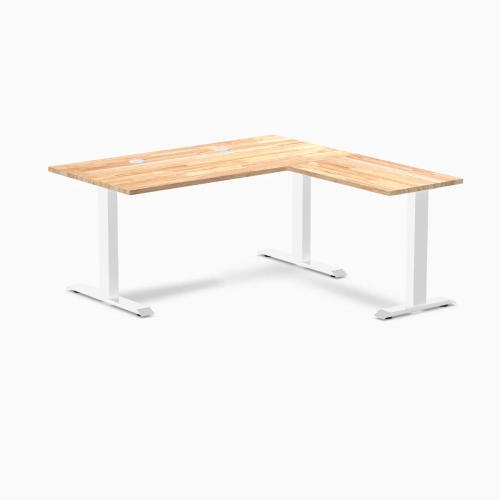
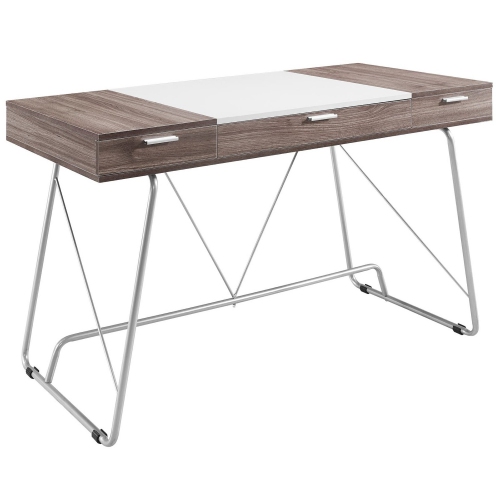
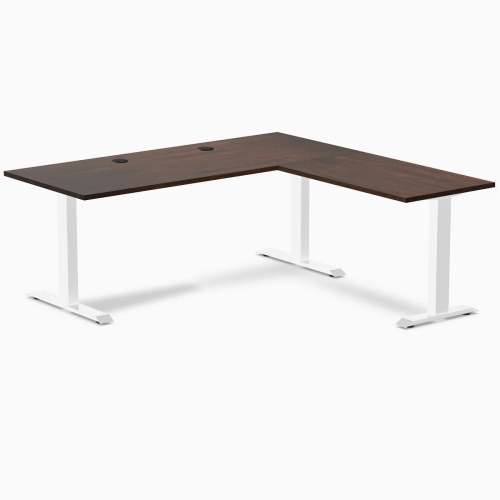
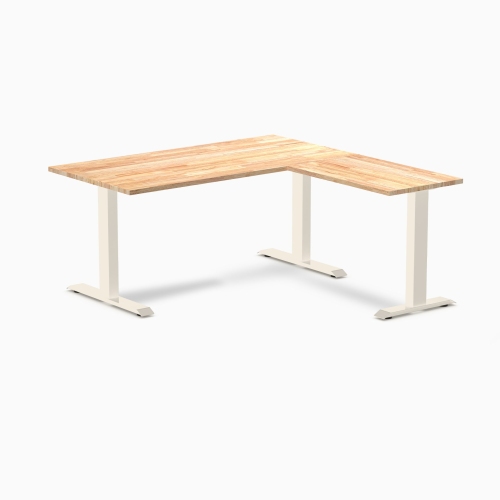
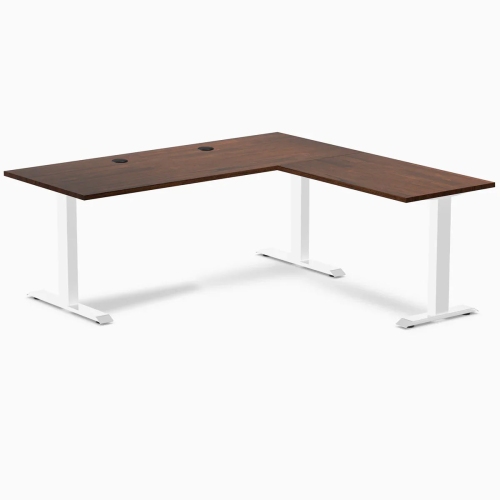
Warm wood grain meets the demands of everyday work
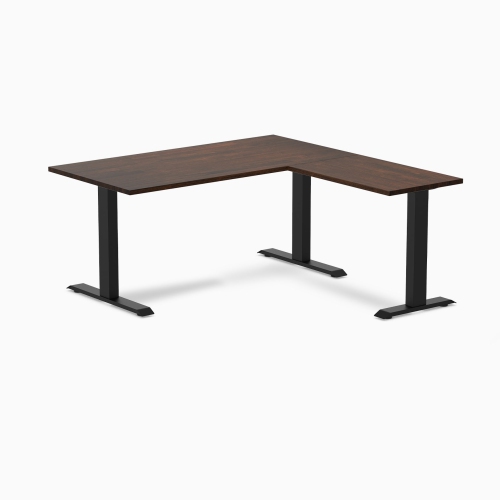
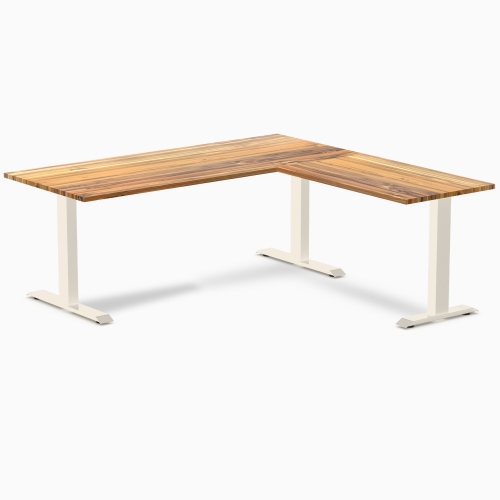
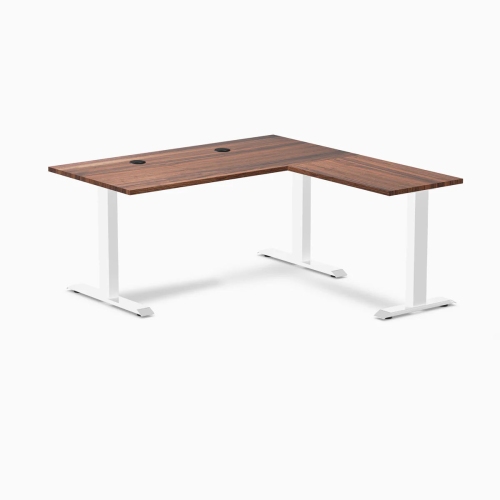
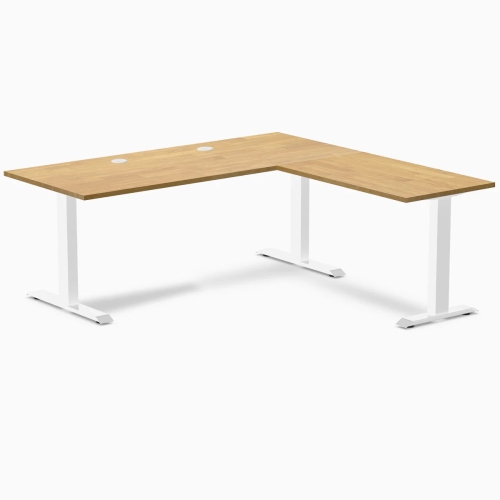
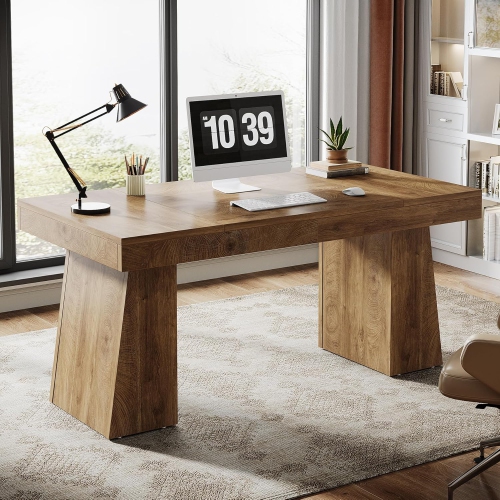
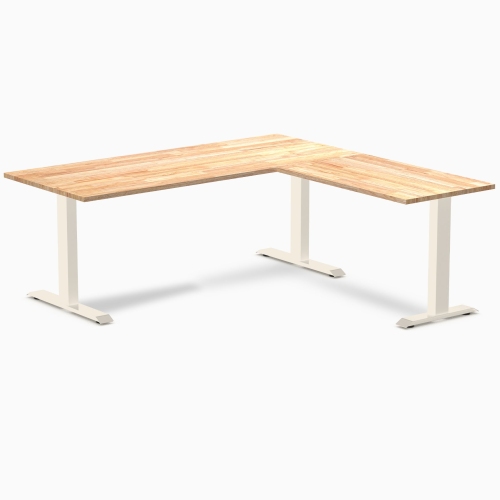
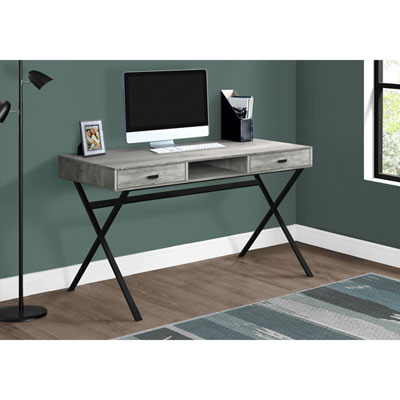
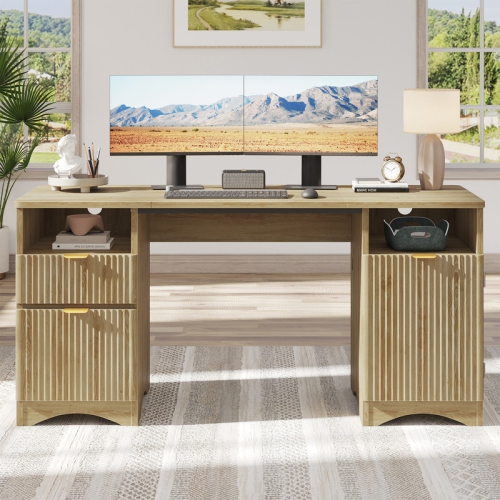
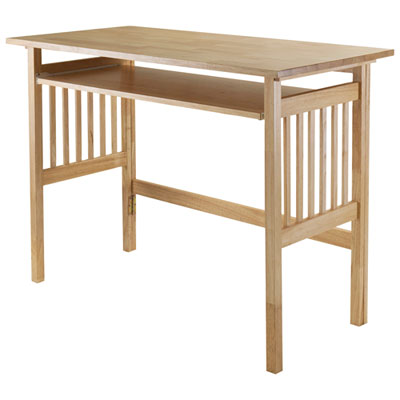
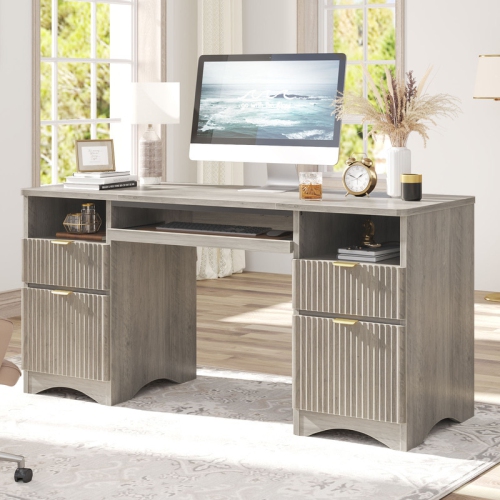
Contemporary wood desks combine the warmth and grain of wood with clean lines, practical proportions, and details suited to everyday work. Their defining features often include uncluttered desktops, slim legs, discreet handles, and storage that feels integrated rather than bulky. The result can be a substantial workstation that still looks comfortable in a living room, bedroom, or dedicated office. Wood brings visual variety to these streamlined shapes: a pale finish can keep a compact corner feeling open, while a deeper brown finish adds contrast against light walls and upholstery. Grain patterns, knots, and subtle colour variation give each surface its own character, although the appearance depends on the material and finish. A wood desk may be made from solid wood, wood veneer over a supporting core, engineered wood with a decorative finish, or a combination of materials. Solid wood can show natural variation and respond to changes in indoor humidity. Veneer provides a thin layer of real wood over a core, offering genuine grain without requiring every component to be solid timber. Engineered wood with a printed or laminated surface can create a consistent wood-look finish, with performance depending on its construction and surface treatment. These distinctions matter more than appearance alone when comparing weight, care requirements, and suitability for frequent use. Metal legs, painted drawer fronts, or contrasting handles can give a wood desk a sharper contemporary profile without losing its warmth. The Modern Contemporary Desks collection offers another way to explore this clean-lined style across different materials and configurations. Within a wood-focused workspace, a simple rectangular top might complement an upholstered chair and woven rug, while rounded corners or tapered legs can soften a room with angular shelving. Matching every wood finish exactly is not essential; similar undertones or a repeated accent colour can connect the desk with nearby furniture without making the room feel overly coordinated.
A desk’s fit depends as much on the way it will be used as on the space it occupies. A laptop used for occasional paperwork needs a different surface from a workstation with two monitors, a keyboard, a mouse, and an open notebook. Desktop depth is especially important when a screen needs to sit at a comfortable viewing distance without leaving the keyboard crowded against the front edge. Width creates room to spread out, but usable space also depends on the position of drawers, raised shelves, and other built-in features. A student moving between a textbook and a laptop may value a broad, clear surface, while someone handling household paperwork may prefer a small drawer that keeps pens and documents close at hand. For drawing, craft planning, or handwritten work, a smooth surface and room to support the forearms can be more useful than additional compartments. Underneath, clear knee space helps make the desk comfortable to sit at, particularly when a drawer unit occupies one side. The relationship between desktop height, chair adjustment, and armrest clearance deserves attention, since a chair that cannot tuck in can make even a roomy workspace feel cramped. In a shared room, the desk’s overall footprint should leave space to pull the chair back and walk past without squeezing between furniture. Wall trim, power outlets, and the route for cords can also affect how closely a desk sits against a wall. A finished back is useful when the desk faces into the room rather than towards it. For equipment-heavy setups, the stated load capacity and construction are more informative than how sturdy a desktop looks in a photograph. Monitor arms require particular care: the desktop material, thickness, edge shape, and any reinforcement must be compatible with the mounting hardware. Cable openings, trays, and concealed channels can help keep a working surface clear, but their placement should suit the equipment being used. Assembly requirements and access through doorways or stairwells also matter, especially for larger desks or rooms with tight entrances.
The details that make a contemporary wood desk pleasant to use are often easiest to notice over a full working day. A gently eased front edge can feel more comfortable against the arms than a sharp corner, while drawers that open smoothly make frequently used supplies easier to reach. Enclosed storage keeps visual clutter out of sight, although it also needs enough internal space for the objects it is meant to hold. An open shelf can accommodate a notebook or charging accessories, but it remains part of the room’s visible arrangement. For a desk in a bedroom or living area, these small decisions help the furniture shift between work and downtime: a laptop can close, loose papers can go into a drawer, and the desktop can return to a simple, tidy surface. Durability comes from the whole construction, including stable legs, secure joints, well-supported panels, sound drawer hardware, and a finish appropriate for regular contact. A thicker-looking top does not necessarily indicate solid wood or a higher load capacity. Long-term appearance also depends on everyday habits. A desk mat can reduce wear from repeated mouse movement or writing pressure, and coasters help keep drink marks away from the finish. Spills are best addressed promptly using the care method specified for the surface. Many finishes can be cleaned with a soft cloth, but excess moisture, abrasive pads, and unsuitable cleaners may cause damage. Direct sunlight can alter the colour of some wood surfaces over time, and heat from a mug or other object can leave a mark on certain finishes. Moving accessories occasionally can help reduce uneven exposure. During assembly and later moves, protecting corners and following the fastening instructions helps preserve both appearance and stability. For students, remote workers, creative hobbyists, and households that need a dependable place for everyday tasks, contemporary wood desks offer a balance of warmth, useful workspace, and understated design. The strongest fit is a desk whose proportions, materials, and storage support those daily routines while looking at home among the furniture already in the room.
Top selling and popular products
-
 Your price for this item is $97.99
-
 Your price for this item is $89.99
-
 Your price for this item is $84.99
-
 Your price for this item is $97.99
-
 Your price for this item is $649
-
 Your price for this item is $749
-
 Your price for this item is $649
-
 Your price for this item is $649
Discover more categories related to Contemporary Wood Desks
Top Collections:
Best Black Friday Deals This Year, Best Black Friday Deals On Electronics, Kindle Devices, Pokemon Centers, Best Black Friday Deals On Apple Products, Best Cameras for Sports Photography, Dyson Airwrap, Pokémon 30th Celebration Cards, Apple iPhone 17 Pro, Canon G7X Cameras
Some products may be subject to Environmental Handling Fees
(EHF) depending on your province.
Learn more about EHFs.