Modern Contemporary Desks
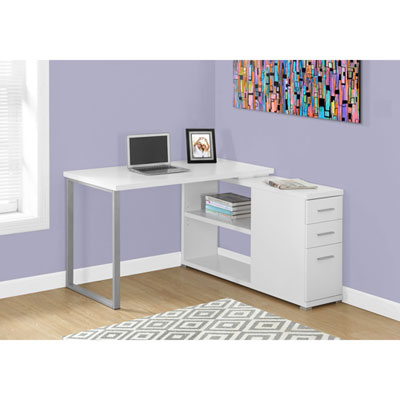
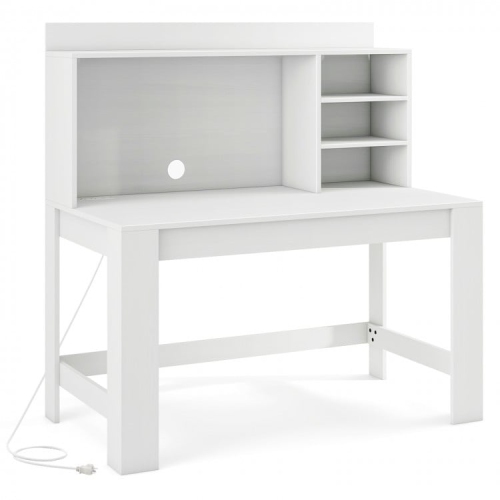
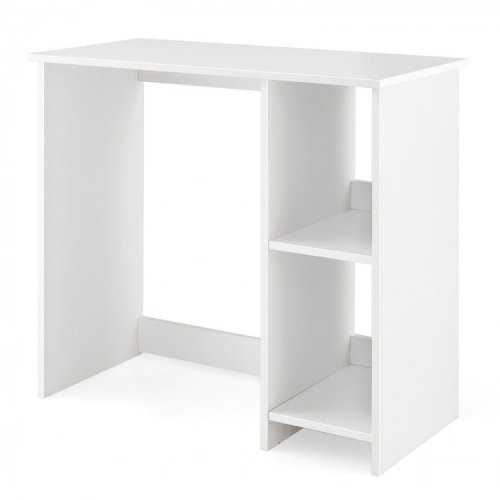
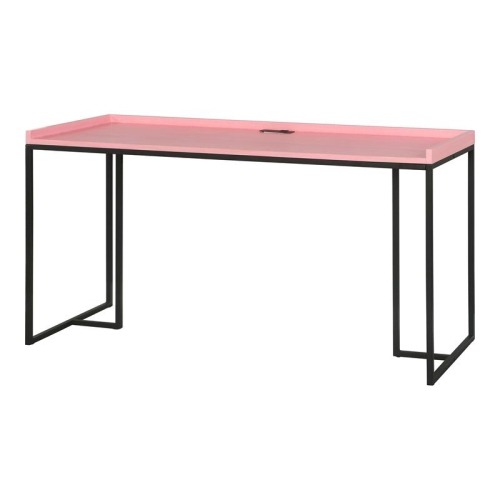
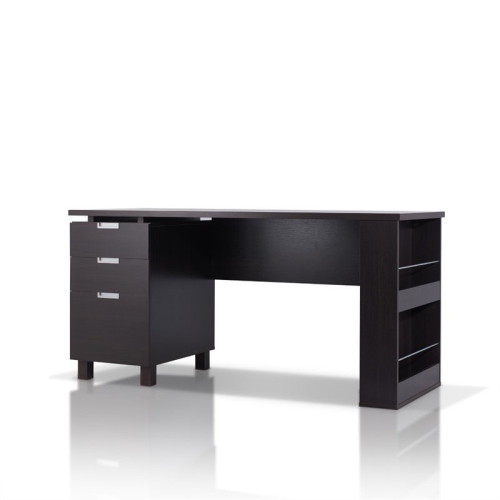
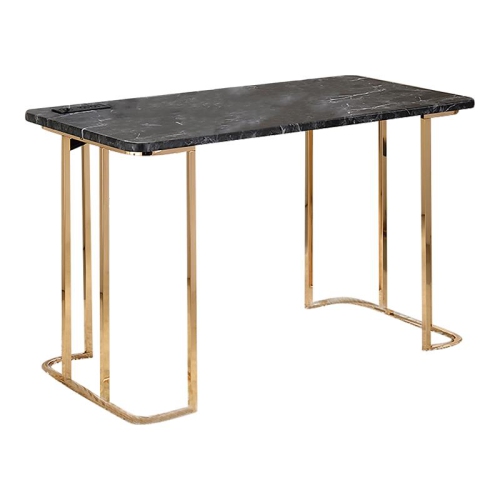
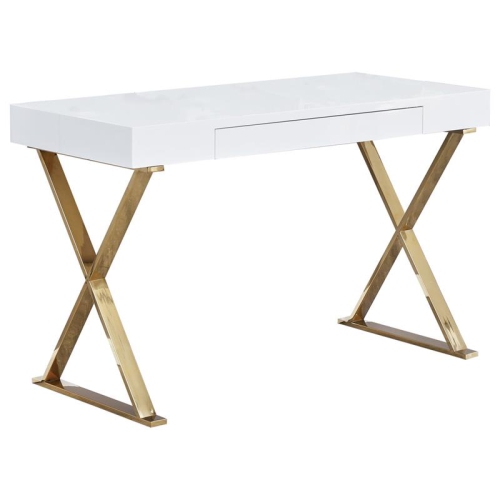
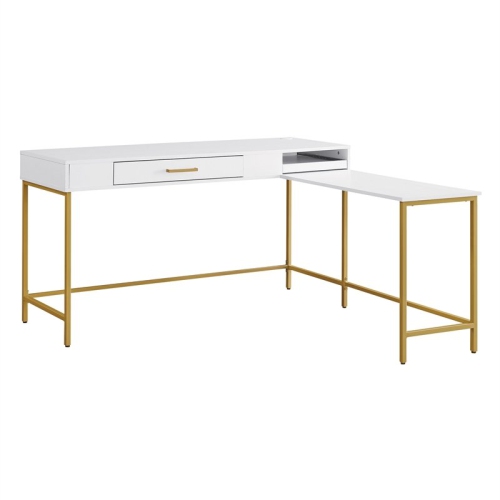
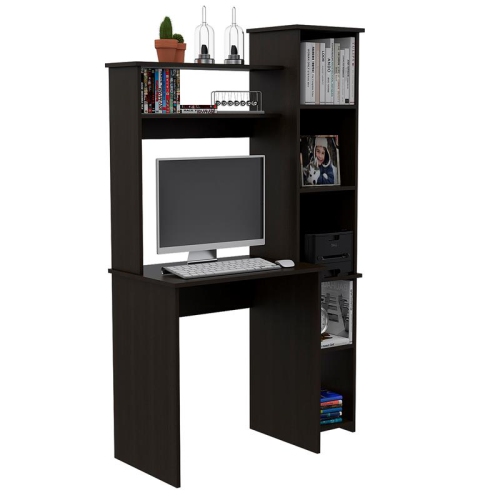
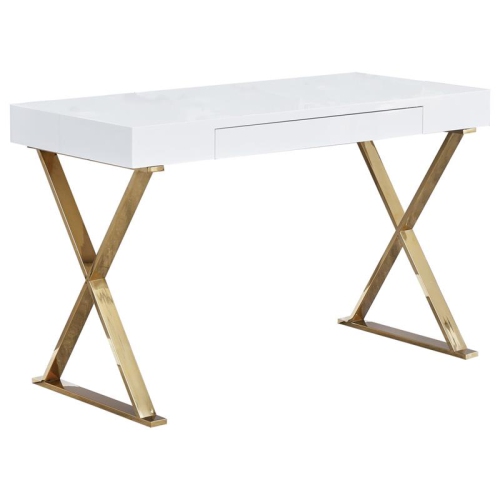
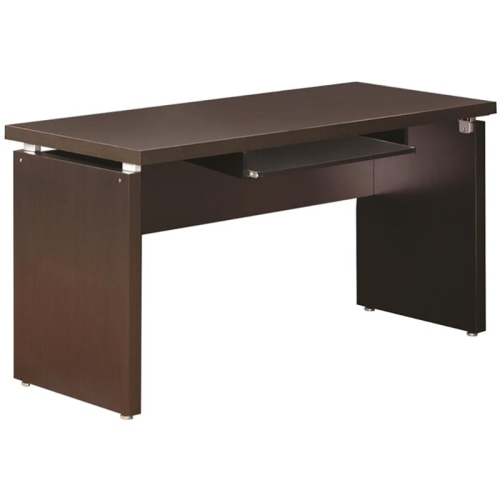
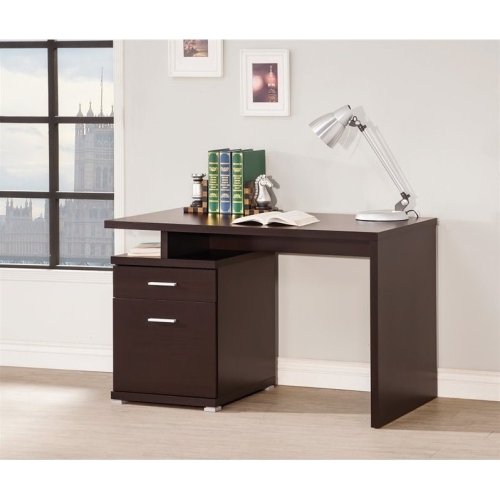
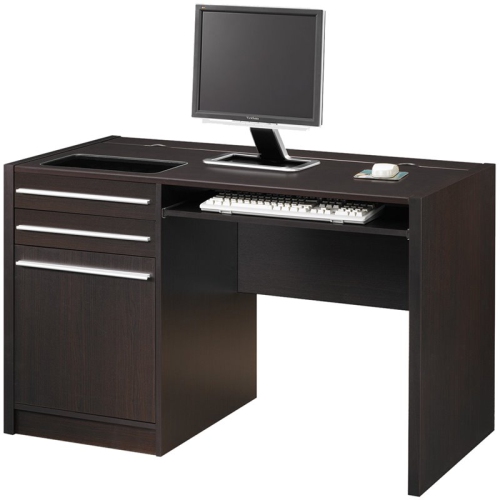
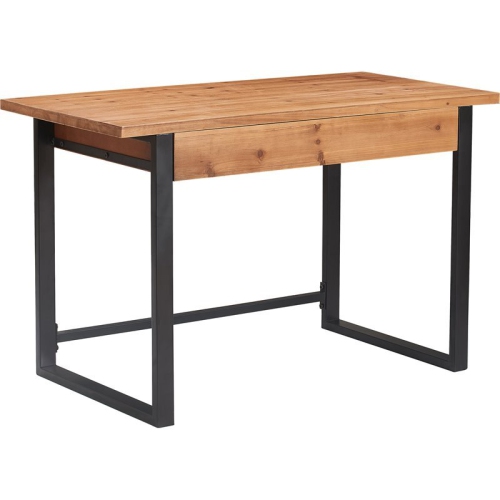
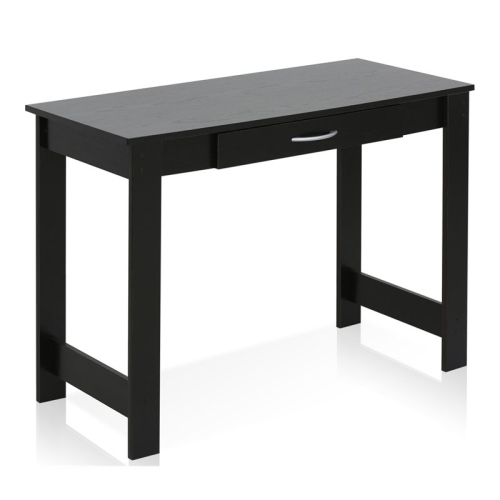
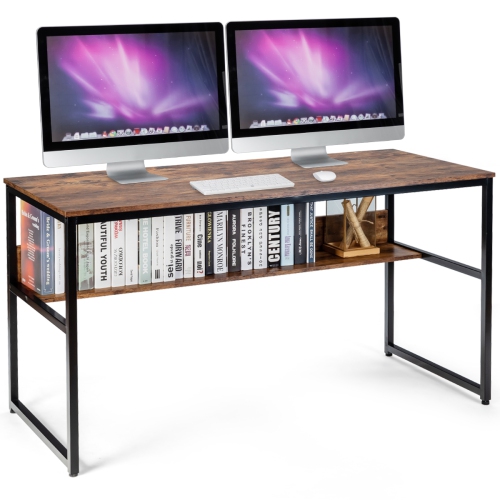
If you're looking for a desk that's both modern and contemporary, you'll find plenty of options. These desks are designed to fit in with the decor of almost any home or office, and they come in many different styles. Some have drawers and shelves for storage, while others are all surfaces. Some have an espresso finish, while others are made from wood. Here are some of our favorites.
Sort
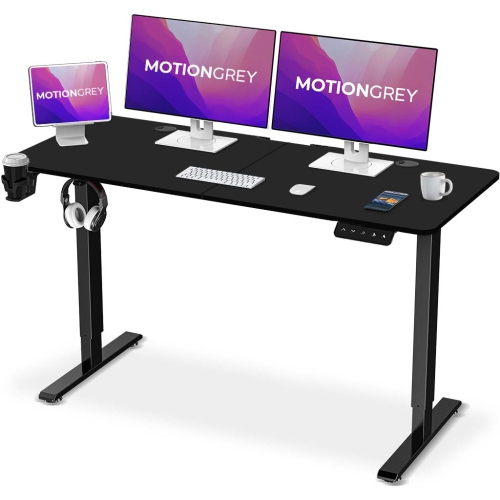
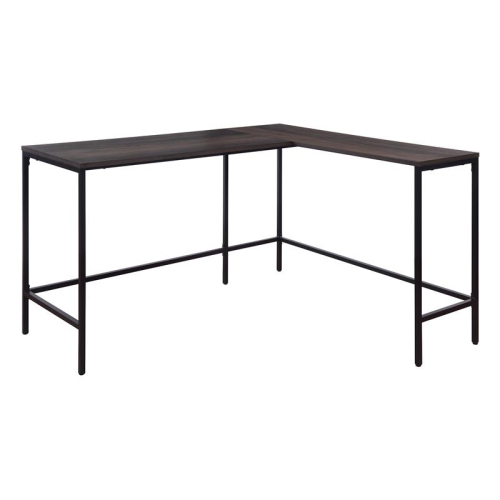
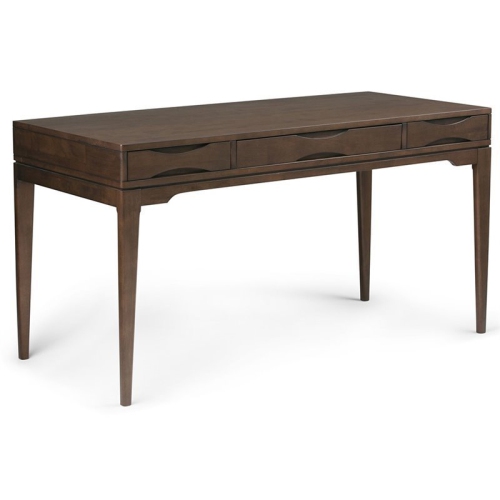
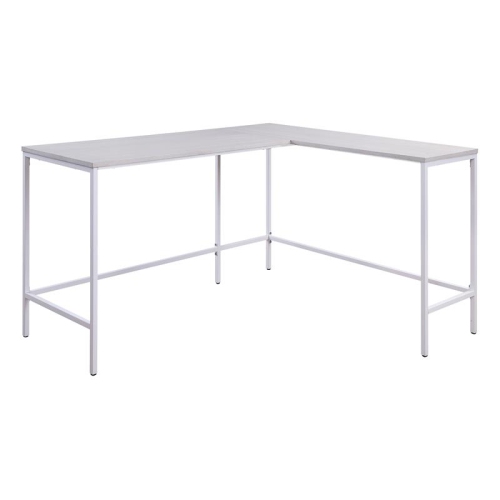
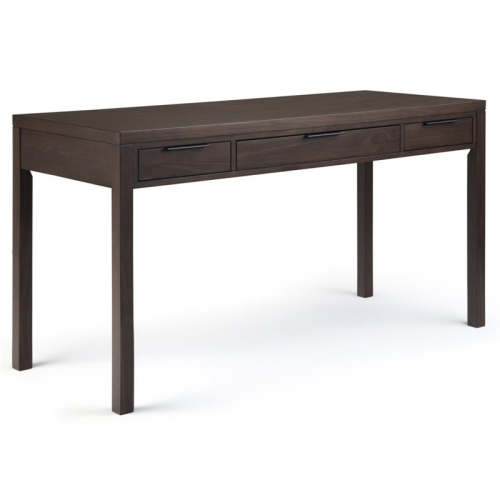
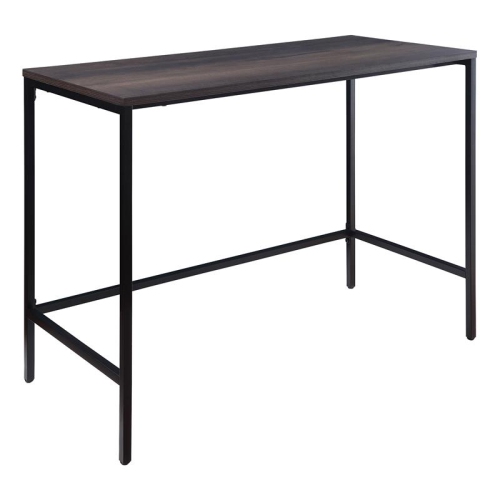
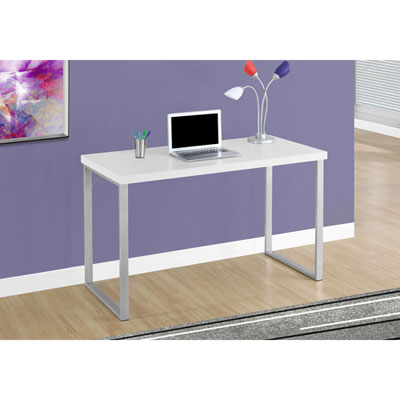
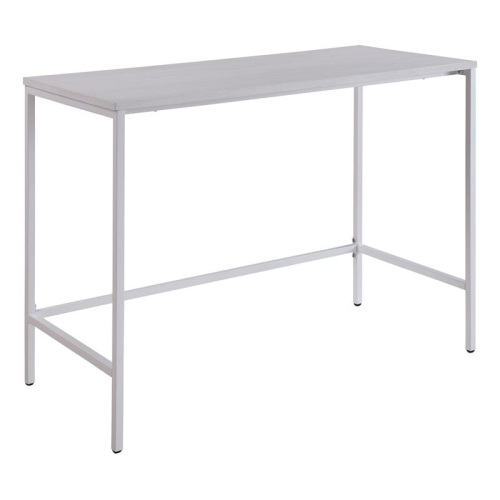


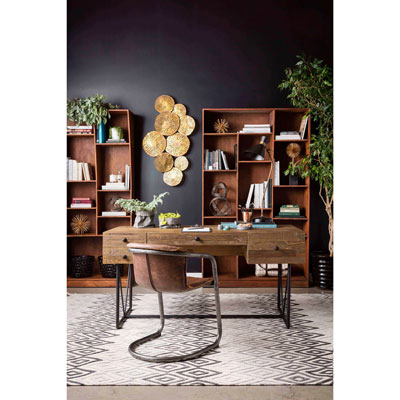
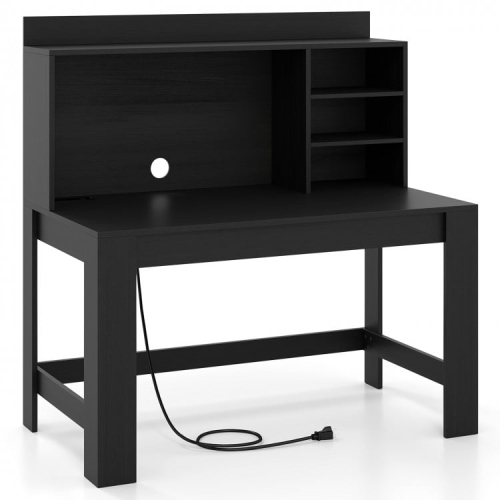
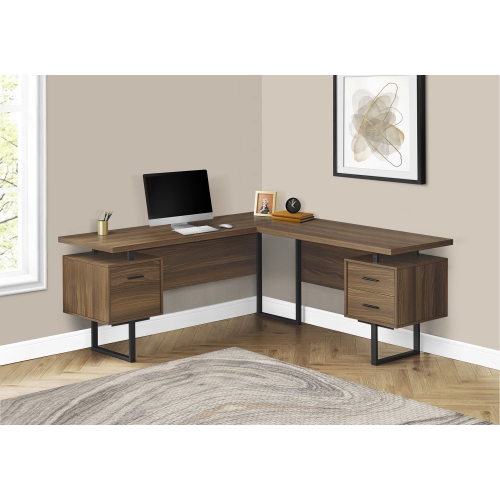
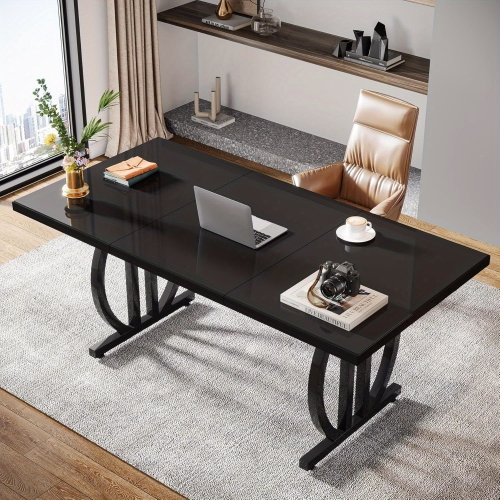
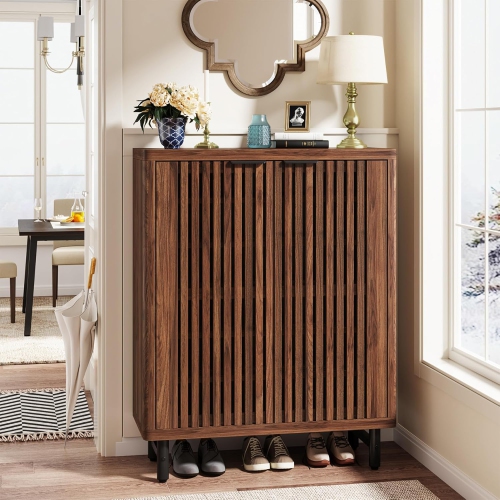
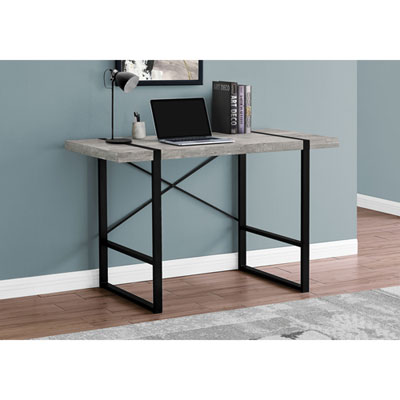
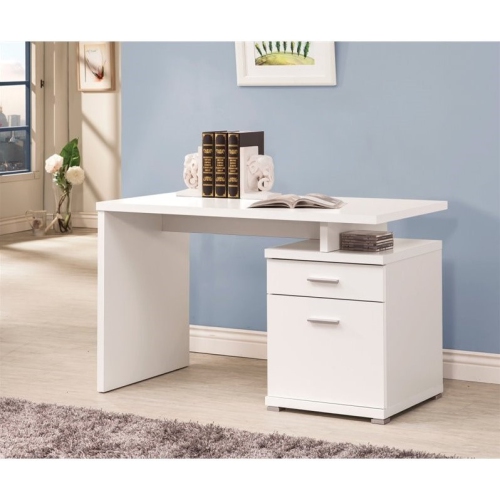
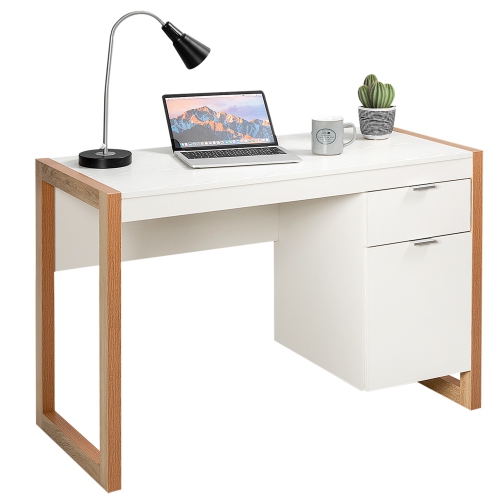
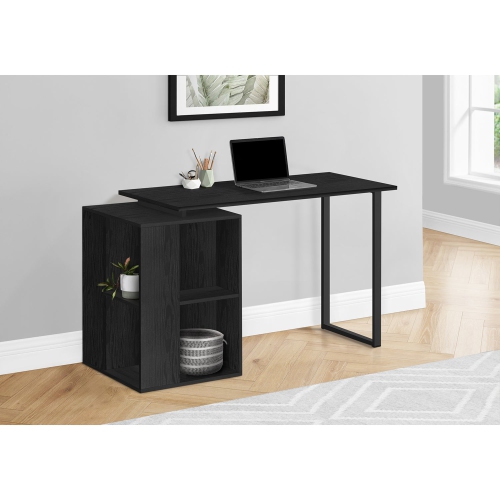
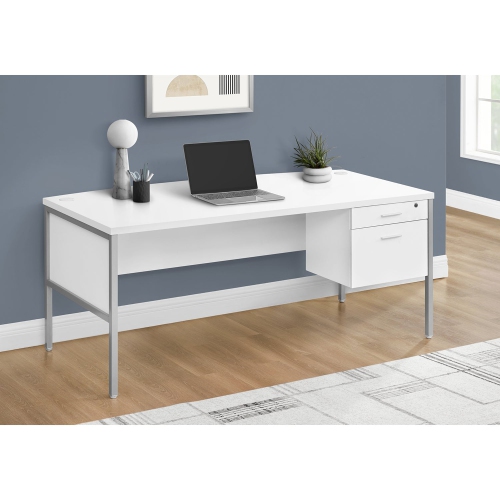
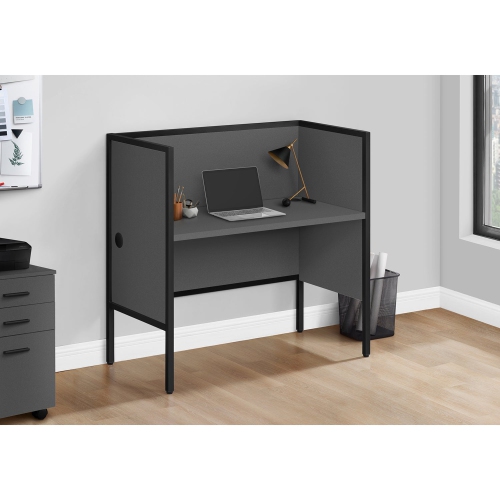
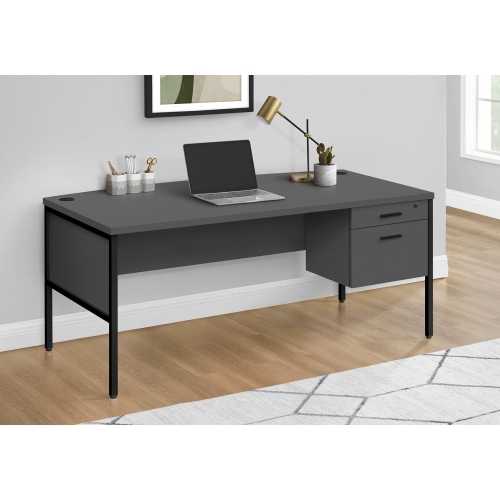
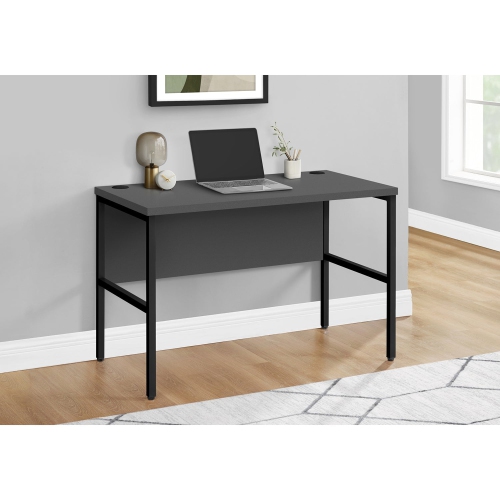
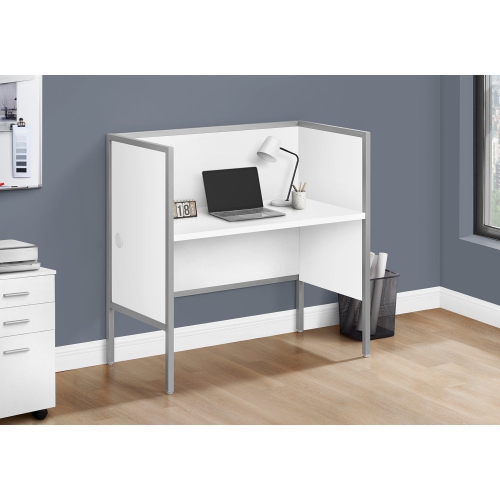
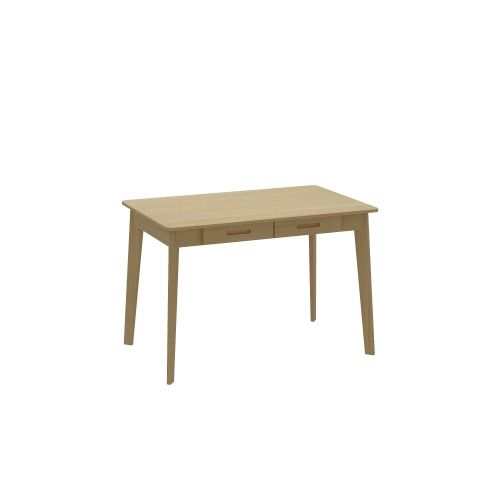
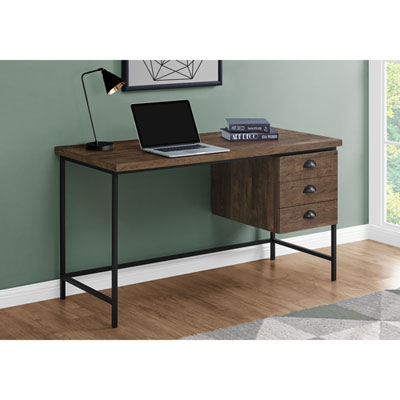
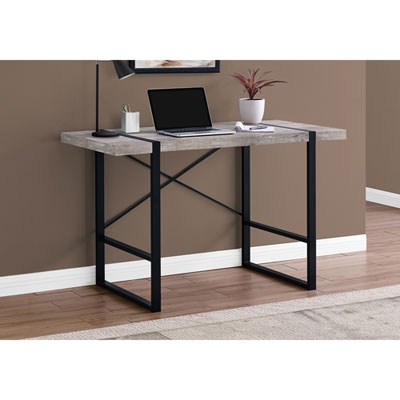
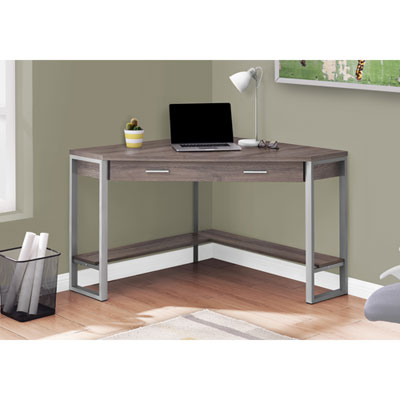
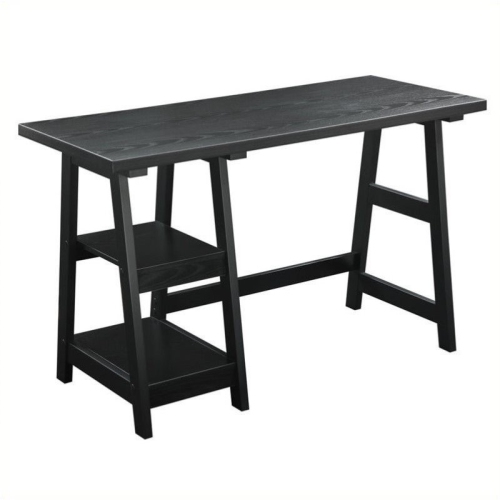
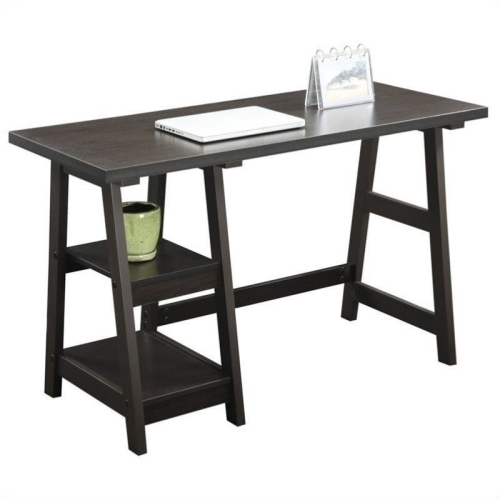
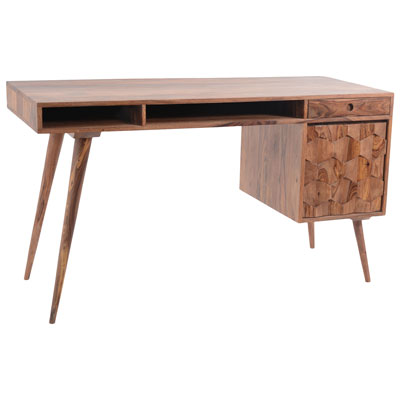
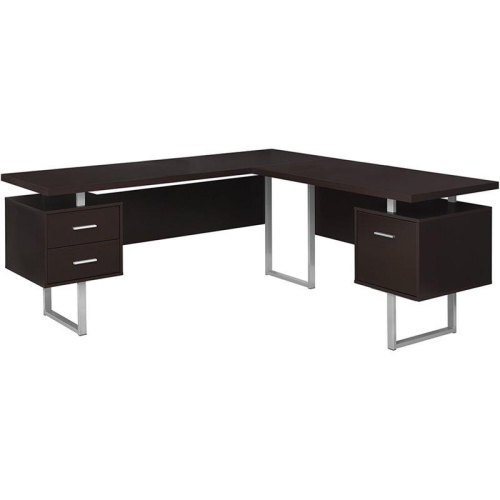
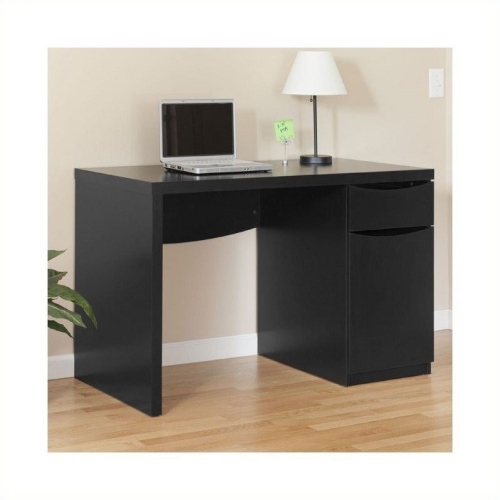
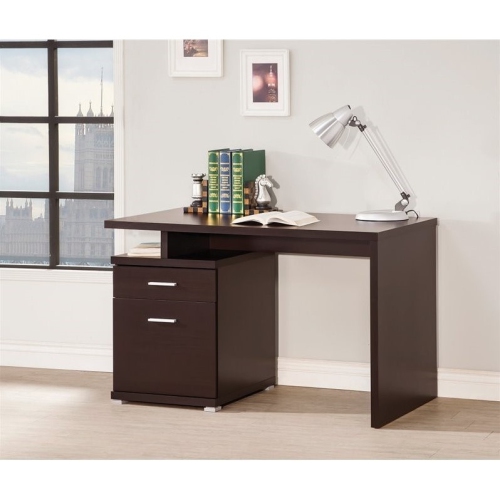
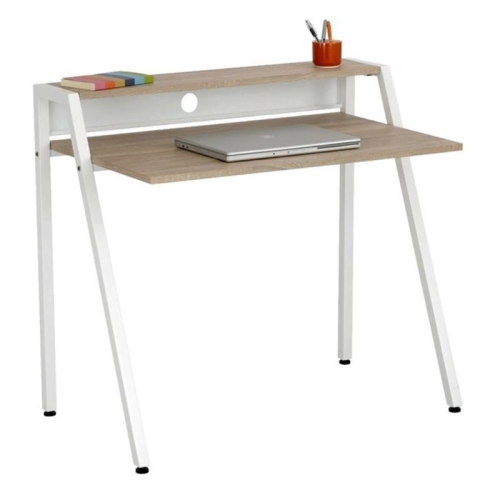
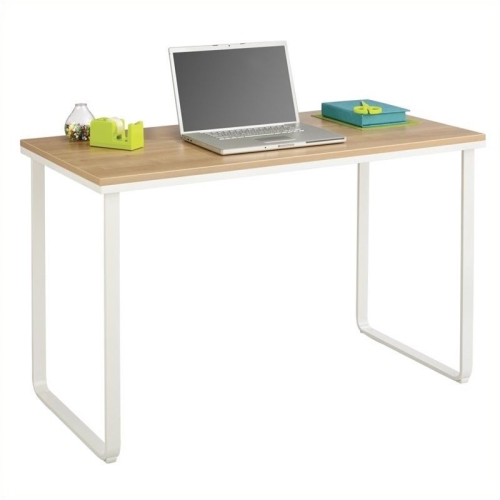
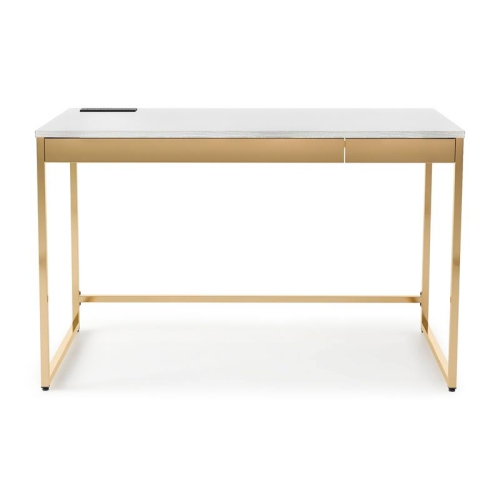
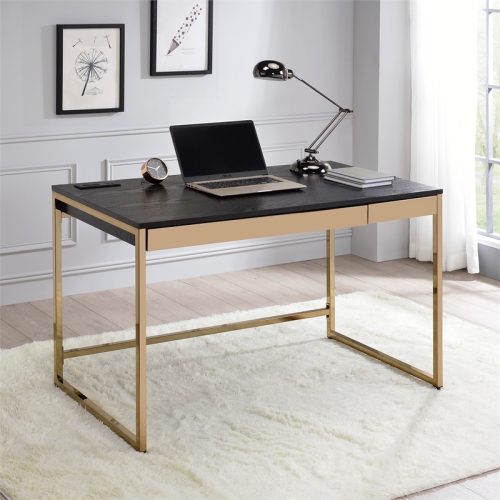
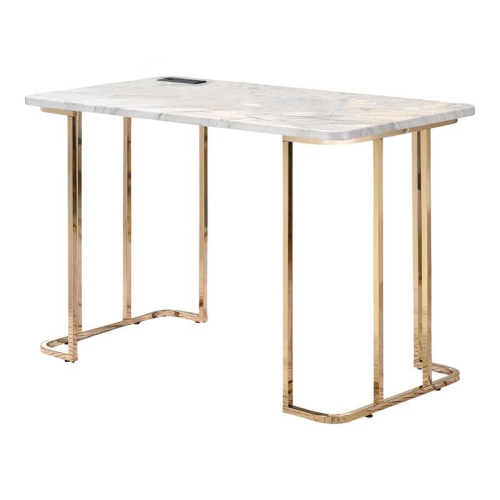
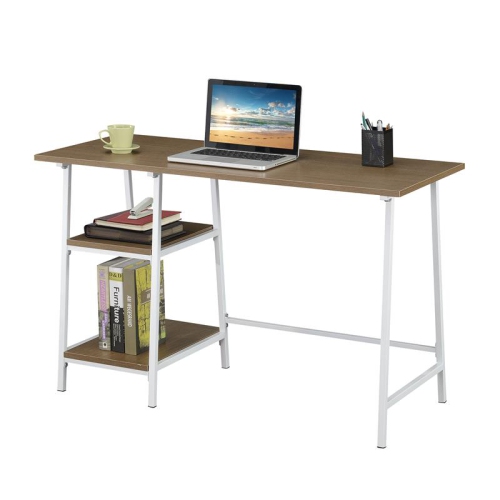
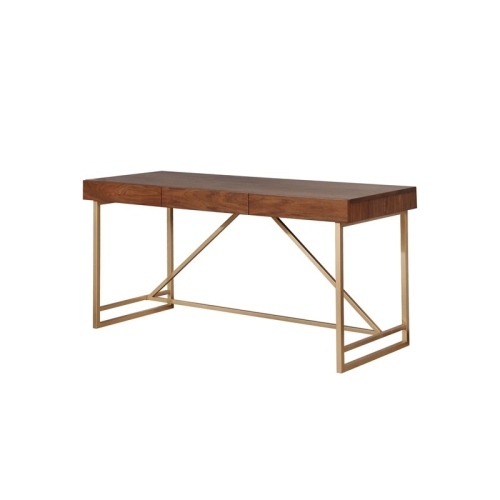

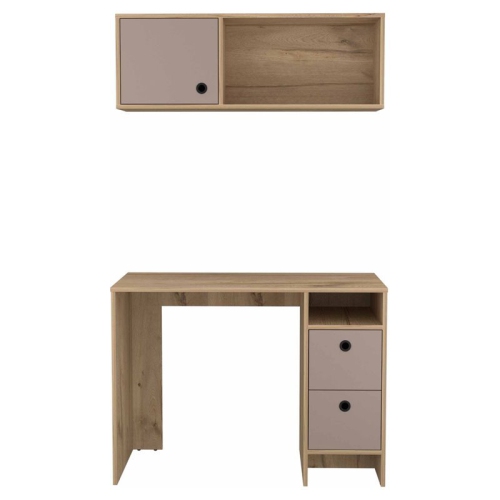
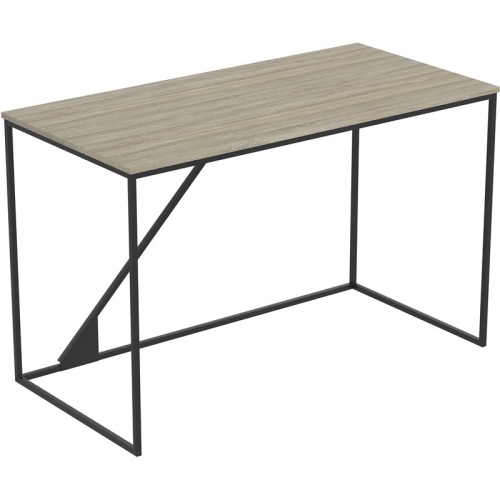

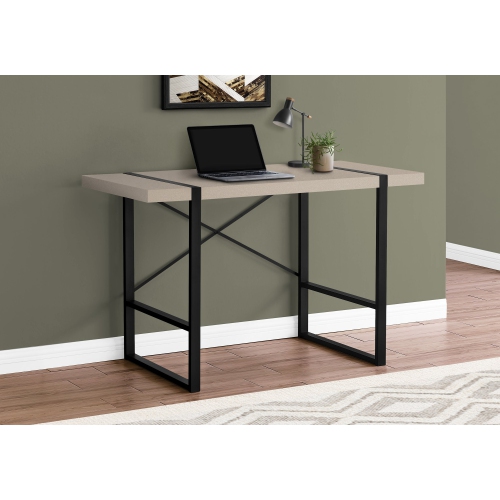
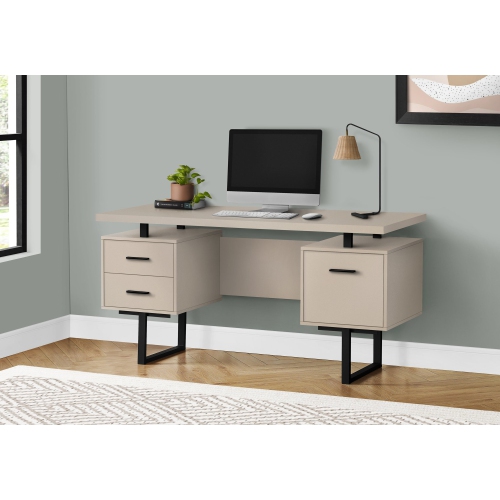
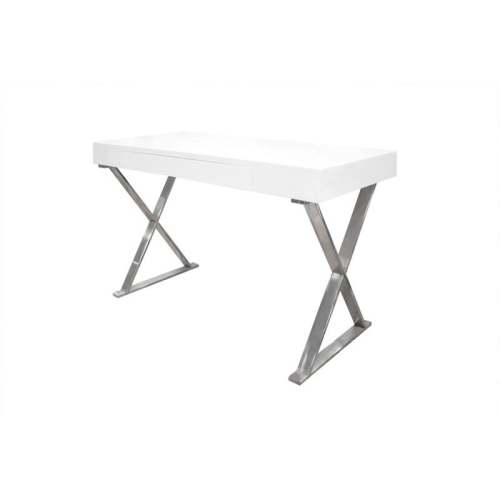
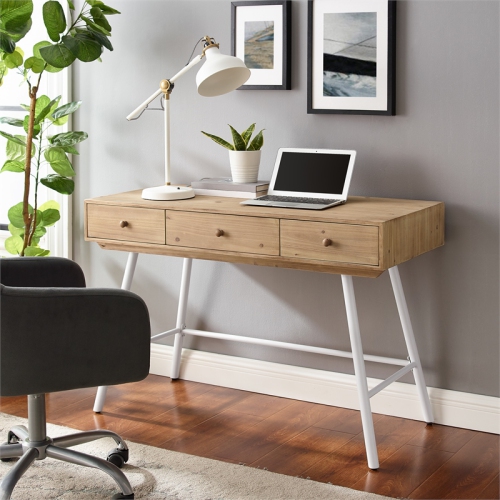
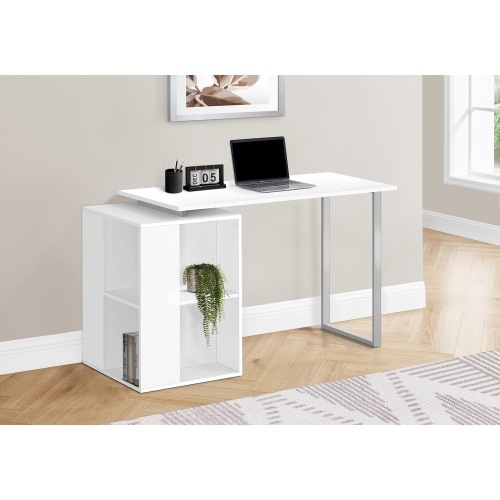

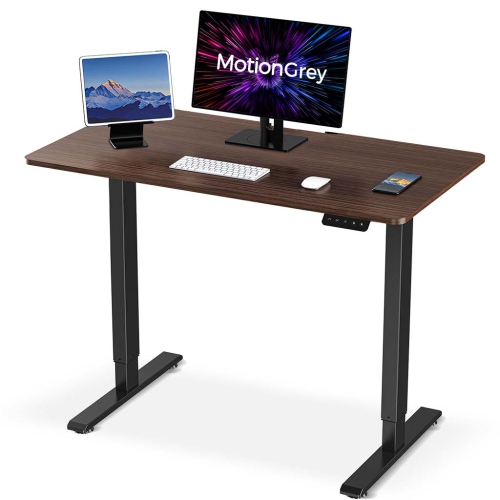
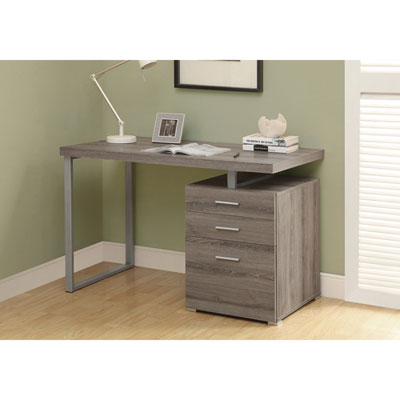
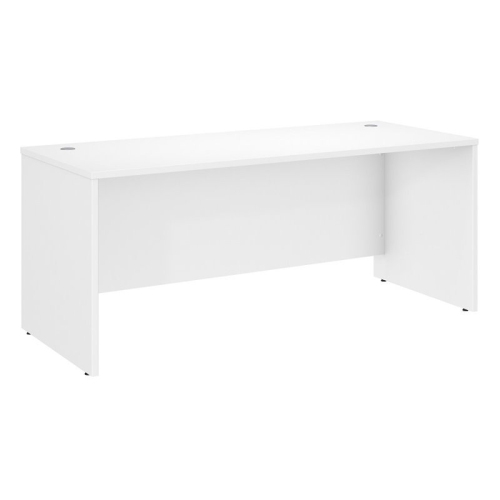
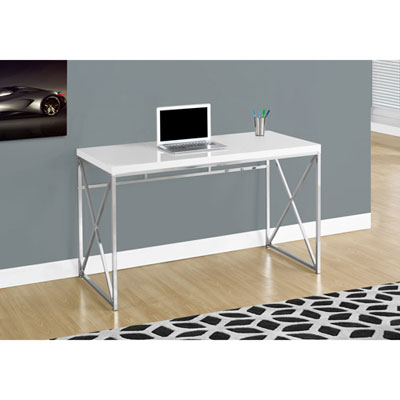
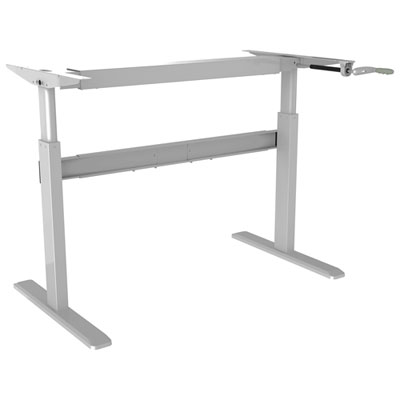
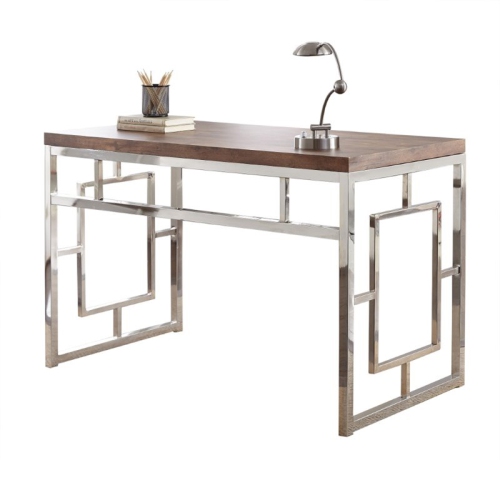
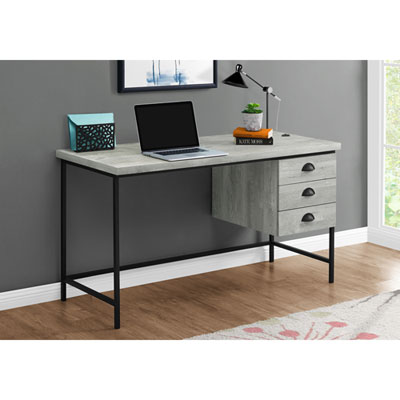
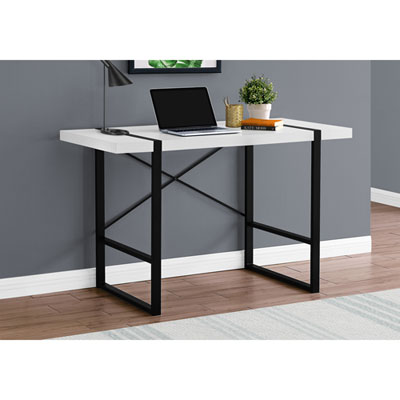
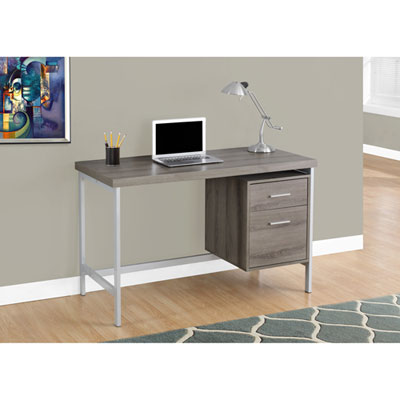
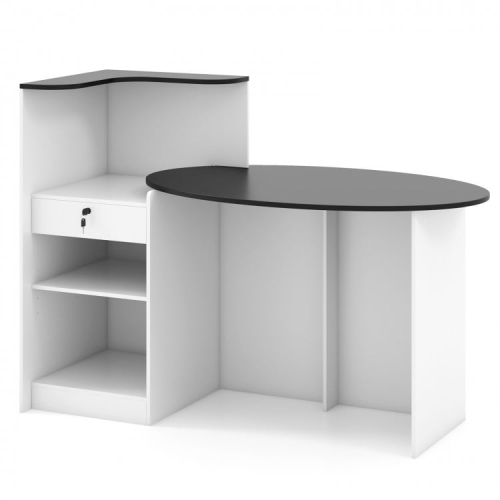
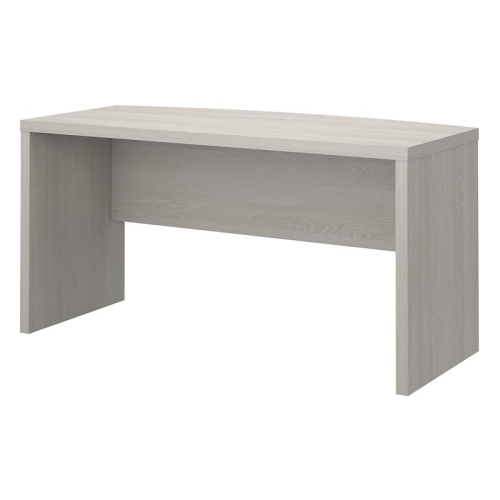
Clean-lined desks that feel at home beyond the office
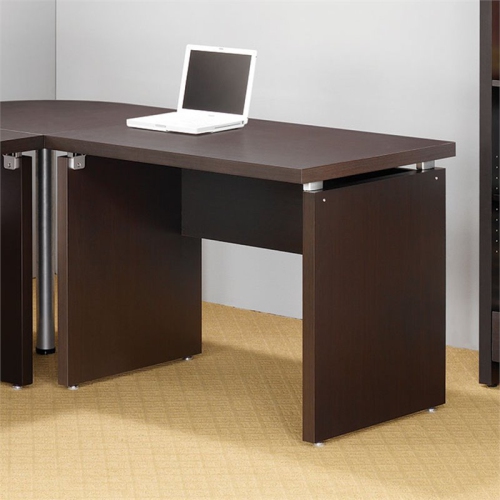
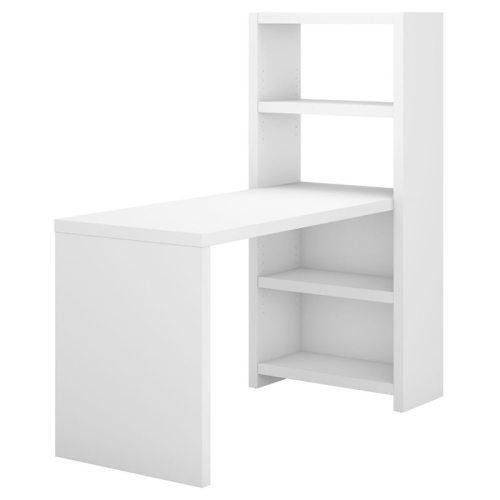
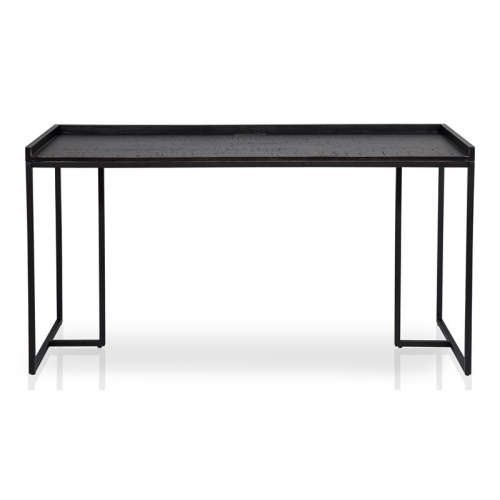
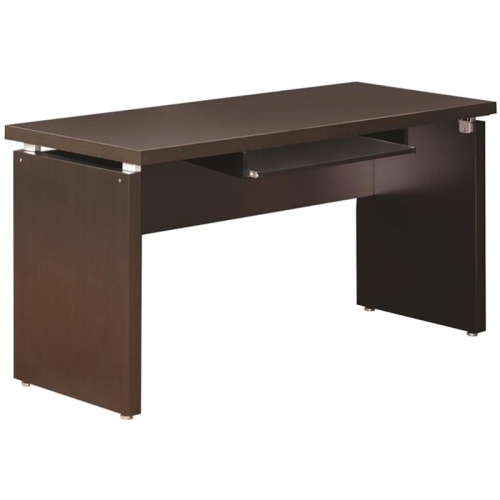
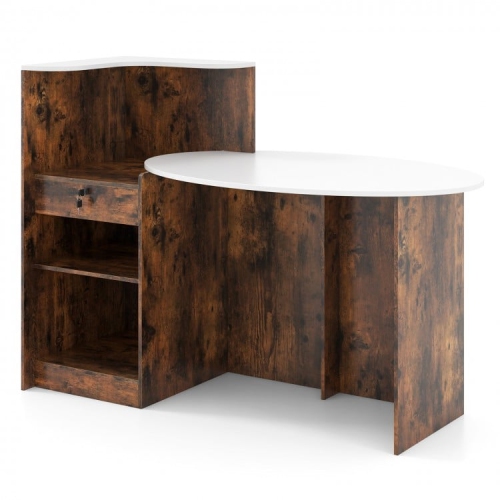
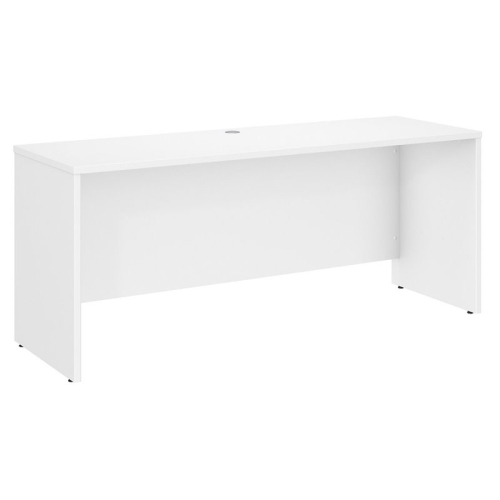
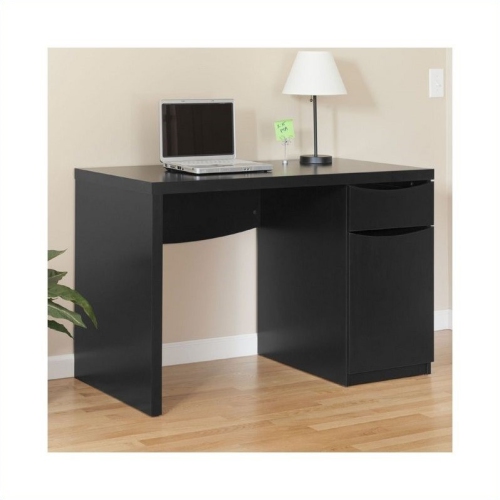
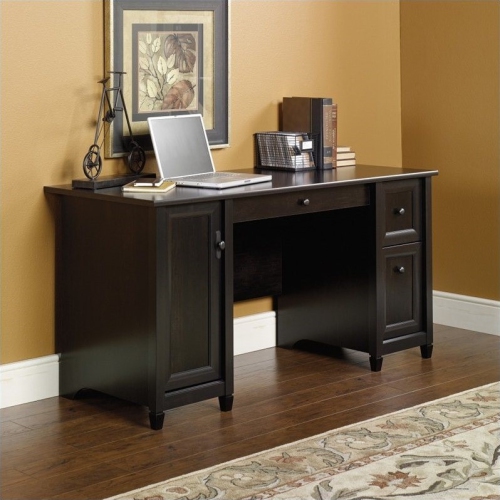
Modern contemporary desks bring clean lines, practical work surfaces, and considered proportions to home offices, study areas, and shared living spaces. The style often combines the simplicity of modern furniture with softer shapes, varied textures, and features suited to everyday technology. A slim rectangular top on an open metal frame creates a light, uncluttered look, while a desk with rounded corners, substantial legs, or an asymmetrical base makes a stronger visual statement. Neither approach needs an entire room devoted to work. A compact writing desk can sit comfortably beside a living room bookcase, and a larger workstation can anchor a dedicated office without feeling like traditional corporate furniture. Materials play a large part in that balance. Wood brings warmth and visible grain; glass offers an airy appearance; metal adds definition through slender supports or sculptural bases. Matte finishes tend to look understated, while glossy surfaces catch more light and make fingerprints more noticeable. For rooms with upholstered seating, woven rugs, or warm neutral walls, Contemporary Wood Desks can provide a natural visual connection between the workspace and the rest of the furnishings. Lighter wood tones often blend into bright, relaxed interiors, while darker finishes give pale walls and simple accessories more contrast. Painted surfaces suit spaces where a consistent colour palette matters more than visible grain. Modern and contemporary styles also overlap with mid-century influences, including tapered legs, modest drawer fronts, and gently curved edges. The result can feel polished without being austere, especially when the desk leaves room for a task lamp, a notebook, and a few personal objects alongside the computer. For remote workers, students, and people who alternate between household paperwork and creative projects, this combination of appearance and purpose makes a desk feel like part of the home rather than equipment temporarily placed in it.
The right proportions depend as much on the daily routine as on the room itself. A laptop used for occasional correspondence needs less surface area than a desktop setup with two monitors, a full-size keyboard, and space for handwritten notes. Many workstations use a depth of roughly 24 to 30 inches, but the useful distance between the screen and the seated position depends on monitor size, stand design, and how the equipment is arranged. Width matters separately: a broad top may accommodate several screens yet leave little working room if large monitor bases occupy most of it. A monitor arm can free up surface space, provided the desk's construction, edge clearance, and load rating support the attachment. In a narrow room, a shallow desk preserves walking space, though it may be better suited to a laptop than a large display. Corner and L-shaped desks offer separate zones for computer work and paperwork, while their longer footprint requires careful allowance for doors, nearby furniture, and chair movement. Legroom is equally important. A centre drawer, low shelf, or crossbar can restrict knee clearance even when the desktop looks generously sized. The most comfortable seated arrangement generally allows shoulders to stay relaxed, elbows to rest near the body, and feet to have stable support. Height-adjustable desks add the option of changing position during the day, with adjustment ranges and lifting capacities that vary by design. Their surrounding space also needs to accommodate movement, including enough cable length for the full raised position and clearance beneath wall shelves. Storage features shape how easily the surface stays usable. Shallow drawers keep pens, charging leads, and small stationery close at hand; deeper compartments may hold larger supplies, depending on their internal dimensions. Built-in grommets, rear openings, and cable trays help route cords away from the main work area, although access to wall outlets still matters. These details are especially useful where the desk is visible from a sofa or dining table, because tidy cable routing and enclosed storage allow the workspace to sit more quietly within a shared room.
Construction and care influence how well a modern contemporary desk holds up to everyday use. Solid wood can develop small marks and changes in appearance over time, and it responds to shifts in indoor humidity. Wood veneer provides a real-wood surface over a supporting core, but its thinner face calls for care around scratches, chipped edges, and prolonged moisture. Laminate and melamine surfaces are often practical for busy study spaces because they are straightforward to wipe down, although standing liquid can damage exposed seams or vulnerable edges. Glass tops have a crisp appearance and benefit from regular cleaning to remove fingerprints; their edges and surfaces still need protection from impacts and abrasive objects. Metal frames should feel stable, with joints and fasteners assembled according to the manufacturer's directions. Stability matters particularly during typing, writing, or height adjustment, when movement can make a desk distracting to use. Published weight limits apply to more than the computer alone: monitors, books, speakers, and any mounted accessories all contribute to the load. A desk mat can protect a frequently used writing or keyboard area, while coasters help prevent rings and moisture marks. Soft cleaning cloths and finish-appropriate cleaners are usually preferable to abrasive pads, with the manufacturer's care instructions taking priority. Placement also affects daily wear. Strong direct sunlight may alter some finishes, and positioning wood furniture close to a heating vent can expose it to uneven heat and dry air during the cooler months. For students, a durable surface with accessible storage supports everything from reading assignments to video calls. For someone working from home regularly, generous clearance, steady construction, and orderly cable routing may matter more than extra drawers. A desk used for sketching, journalling, or sewing benefits from an open surface that is easy to rearrange, with enough space for the tools involved. As a gift for a student or someone setting up a new home, a desk is most useful when its dimensions and style suit the recipient's space and routine. Thoughtful proportions, suitable materials, and practical details give modern contemporary desks lasting value as furniture that supports both focused work and everyday life.
The right proportions depend as much on the daily routine as on the room itself. A laptop used for occasional correspondence needs less surface area than a desktop setup with two monitors, a full-size keyboard, and space for handwritten notes. Many workstations use a depth of roughly 24 to 30 inches, but the useful distance between the screen and the seated position depends on monitor size, stand design, and how the equipment is arranged. Width matters separately: a broad top may accommodate several screens yet leave little working room if large monitor bases occupy most of it. A monitor arm can free up surface space, provided the desk's construction, edge clearance, and load rating support the attachment. In a narrow room, a shallow desk preserves walking space, though it may be better suited to a laptop than a large display. Corner and L-shaped desks offer separate zones for computer work and paperwork, while their longer footprint requires careful allowance for doors, nearby furniture, and chair movement. Legroom is equally important. A centre drawer, low shelf, or crossbar can restrict knee clearance even when the desktop looks generously sized. The most comfortable seated arrangement generally allows shoulders to stay relaxed, elbows to rest near the body, and feet to have stable support. Height-adjustable desks add the option of changing position during the day, with adjustment ranges and lifting capacities that vary by design. Their surrounding space also needs to accommodate movement, including enough cable length for the full raised position and clearance beneath wall shelves. Storage features shape how easily the surface stays usable. Shallow drawers keep pens, charging leads, and small stationery close at hand; deeper compartments may hold larger supplies, depending on their internal dimensions. Built-in grommets, rear openings, and cable trays help route cords away from the main work area, although access to wall outlets still matters. These details are especially useful where the desk is visible from a sofa or dining table, because tidy cable routing and enclosed storage allow the workspace to sit more quietly within a shared room.
Construction and care influence how well a modern contemporary desk holds up to everyday use. Solid wood can develop small marks and changes in appearance over time, and it responds to shifts in indoor humidity. Wood veneer provides a real-wood surface over a supporting core, but its thinner face calls for care around scratches, chipped edges, and prolonged moisture. Laminate and melamine surfaces are often practical for busy study spaces because they are straightforward to wipe down, although standing liquid can damage exposed seams or vulnerable edges. Glass tops have a crisp appearance and benefit from regular cleaning to remove fingerprints; their edges and surfaces still need protection from impacts and abrasive objects. Metal frames should feel stable, with joints and fasteners assembled according to the manufacturer's directions. Stability matters particularly during typing, writing, or height adjustment, when movement can make a desk distracting to use. Published weight limits apply to more than the computer alone: monitors, books, speakers, and any mounted accessories all contribute to the load. A desk mat can protect a frequently used writing or keyboard area, while coasters help prevent rings and moisture marks. Soft cleaning cloths and finish-appropriate cleaners are usually preferable to abrasive pads, with the manufacturer's care instructions taking priority. Placement also affects daily wear. Strong direct sunlight may alter some finishes, and positioning wood furniture close to a heating vent can expose it to uneven heat and dry air during the cooler months. For students, a durable surface with accessible storage supports everything from reading assignments to video calls. For someone working from home regularly, generous clearance, steady construction, and orderly cable routing may matter more than extra drawers. A desk used for sketching, journalling, or sewing benefits from an open surface that is easy to rearrange, with enough space for the tools involved. As a gift for a student or someone setting up a new home, a desk is most useful when its dimensions and style suit the recipient's space and routine. Thoughtful proportions, suitable materials, and practical details give modern contemporary desks lasting value as furniture that supports both focused work and everyday life.
Top selling and popular products
-
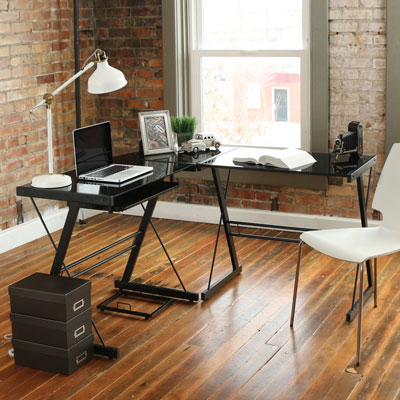 Your price for this item is $304.99
 -
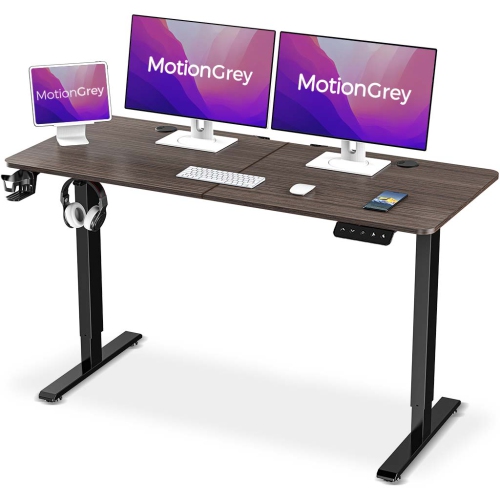 Your price for this item is $93.99
 -
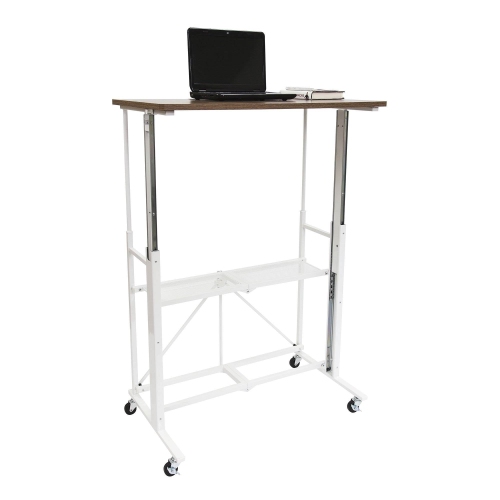 Your price for this item is $248.99
 -
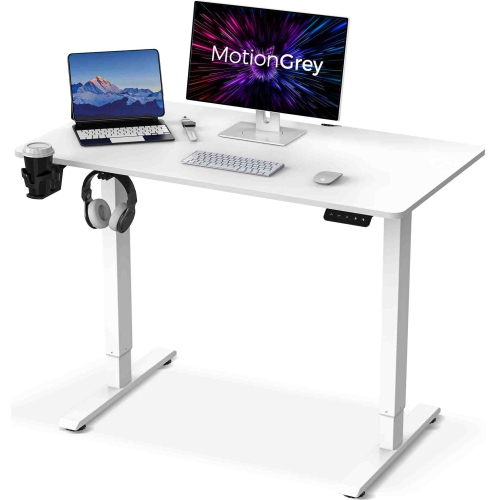 Your price for this item is $83.99
 -
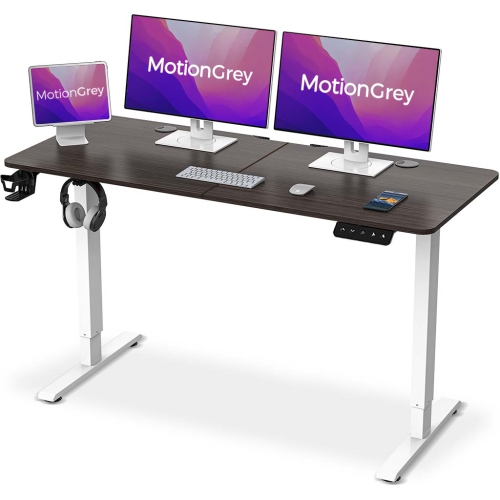 Your price for this item is $108.99
 -
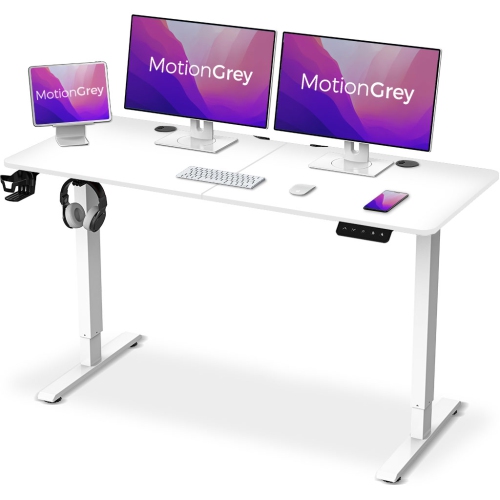 Your price for this item is $94.99
 -
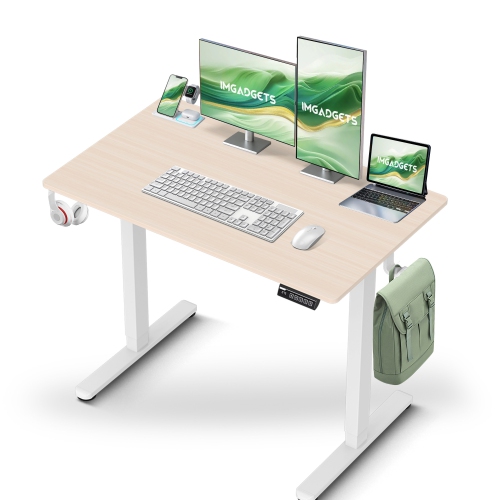 Your price for this item is $74.97
 -
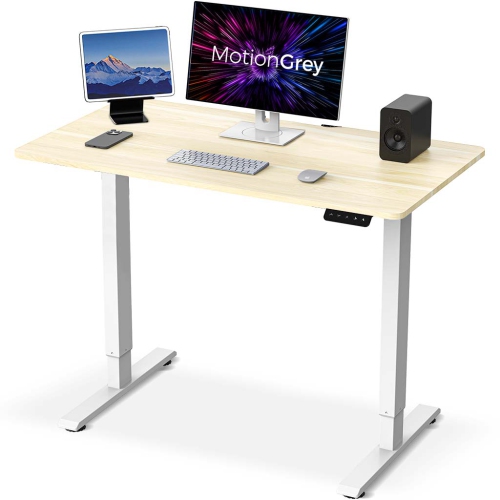 Your price for this item is $83.95
Discover more categories related to Modern Contemporary Desks
Top Collections:
Pokemon Centers, Kindle Devices, Best Budget Office Chairs, Apple iPhones 16, Best Laptops for Writers, iPhone 15 Apple, Canon G7X Cameras, Refurbished Apple Laptops, Alarm Clock, Motorola Razr Phones
Some products may be subject to Environmental Handling Fees
(EHF) depending on your province.
Learn more about EHFs.