Cordless Saws
Looking to tackle your next woodworking project with ease and precision? Look no further than our selection of cordless saws. These powerful tools offer the freedom to move around without being tethered to an outlet, making them perfect for both professional contractors and DIY enthusiasts alike. Whether you're cutting through lumber, PVC pipes, or even metal, our range of cordless saws provides the versatility and convenience you need to get the job done efficiently. From circular saws to reciprocating saws, explore our collection and find the perfect cordless saw to suit your needs.
Sort
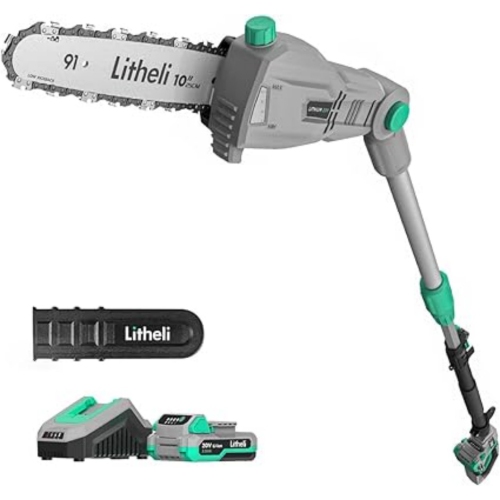
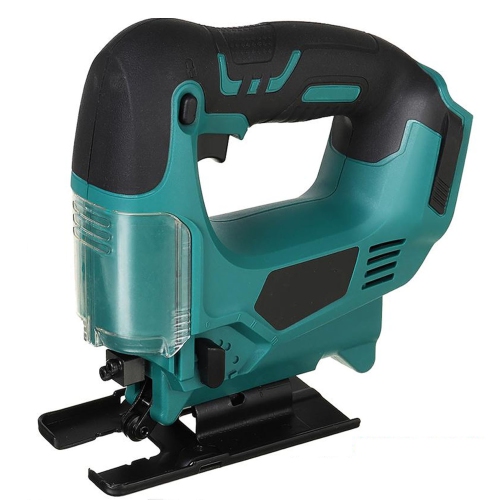
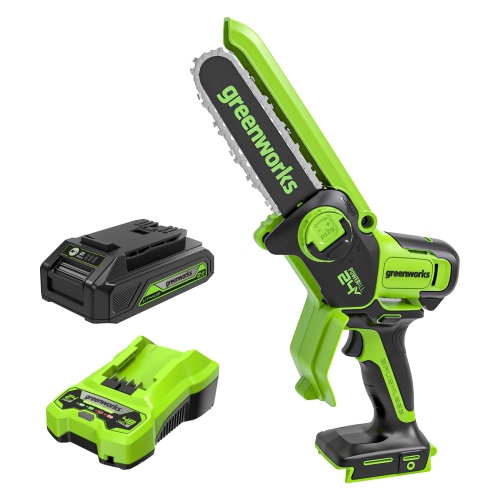
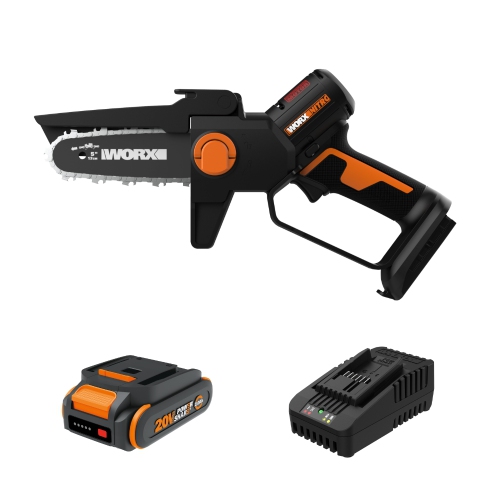
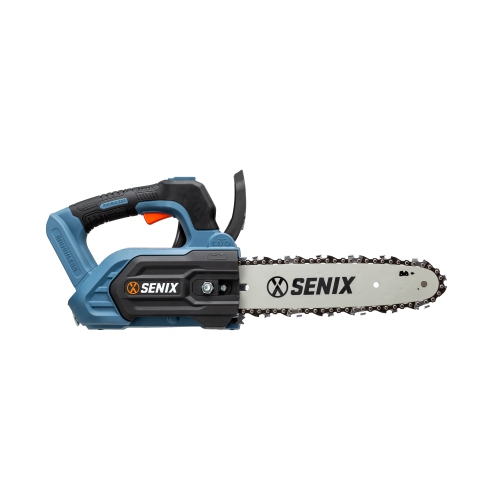
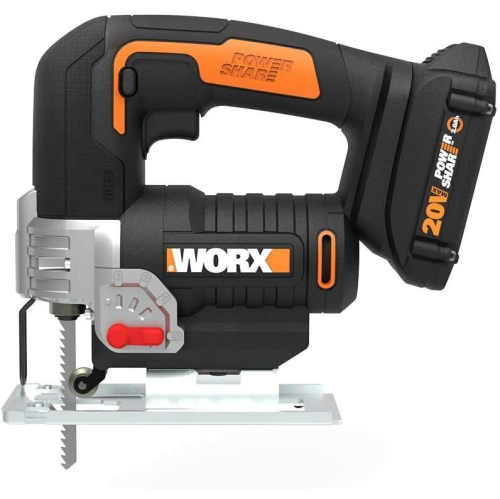
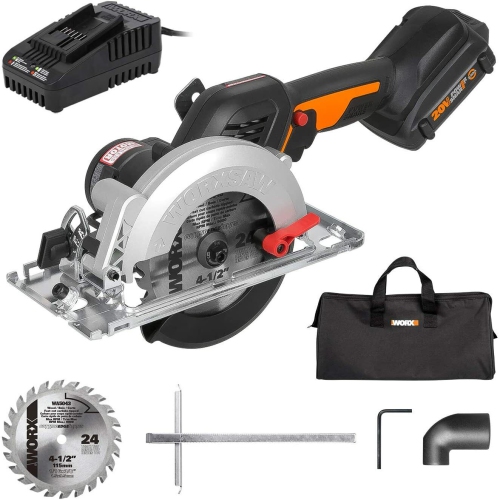
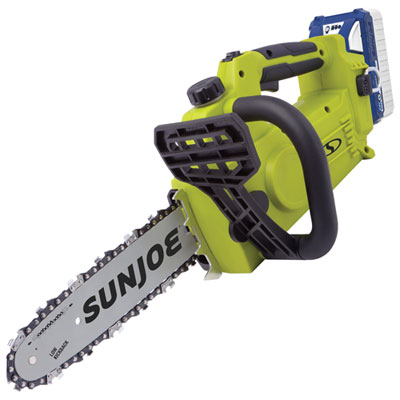
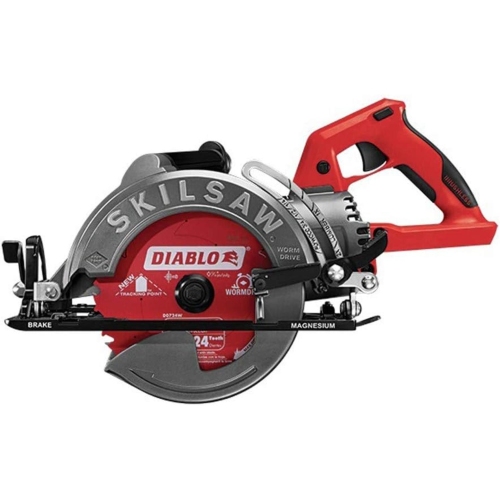
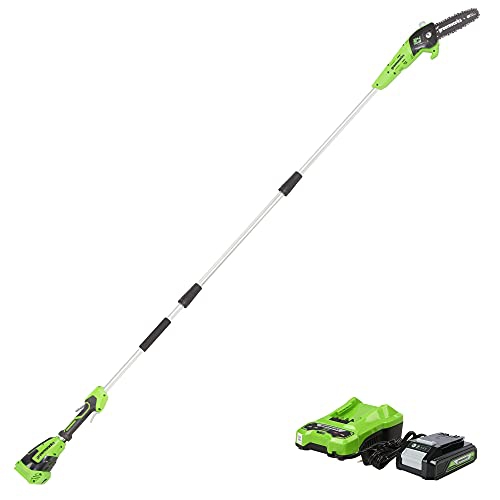
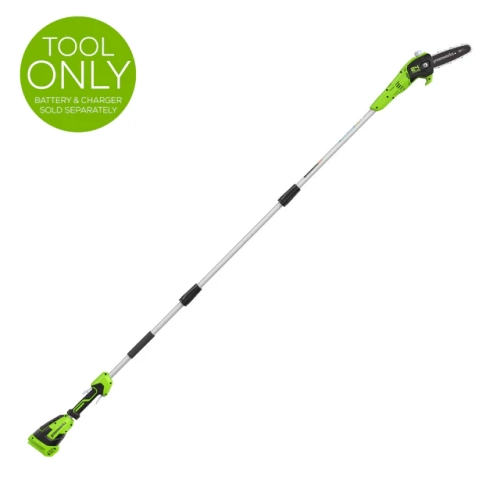
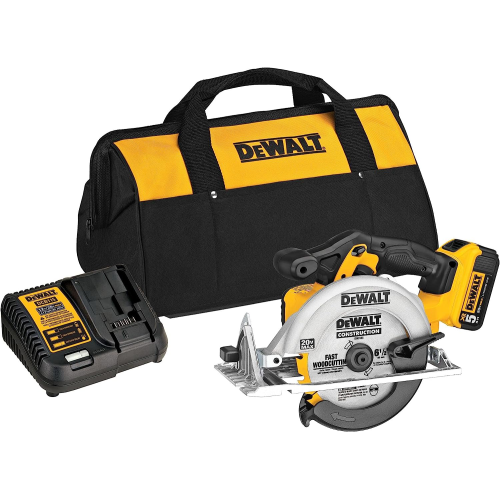
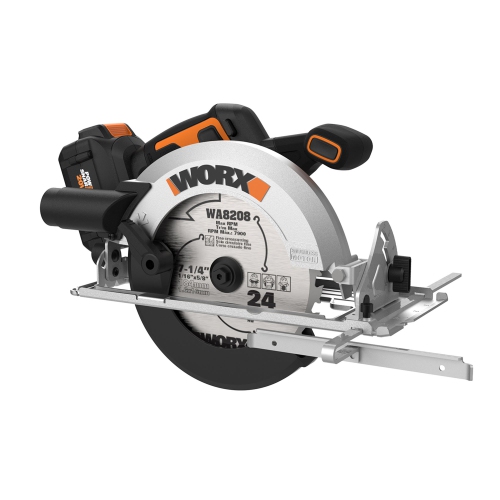

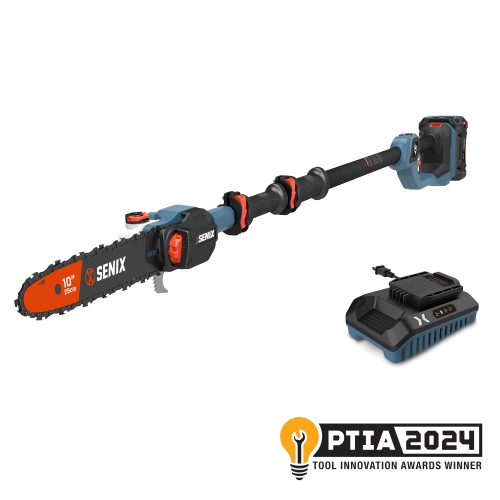
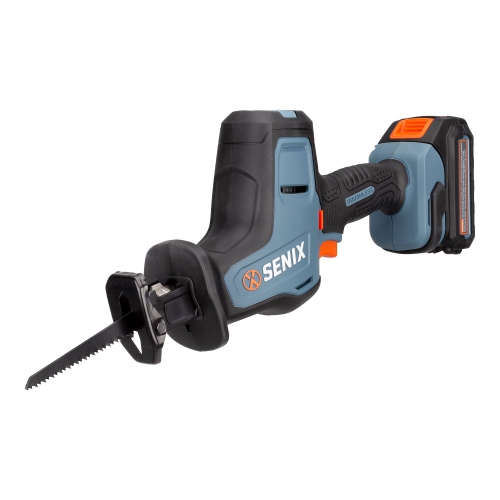
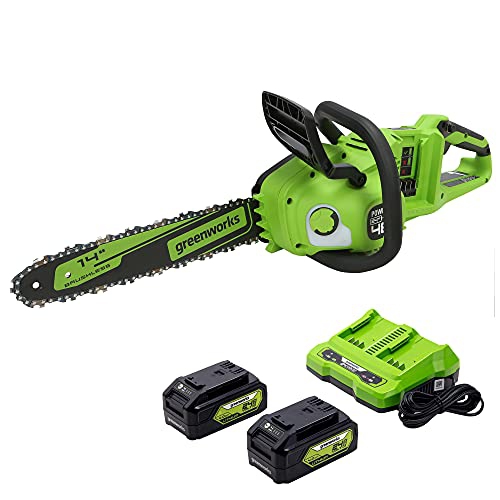
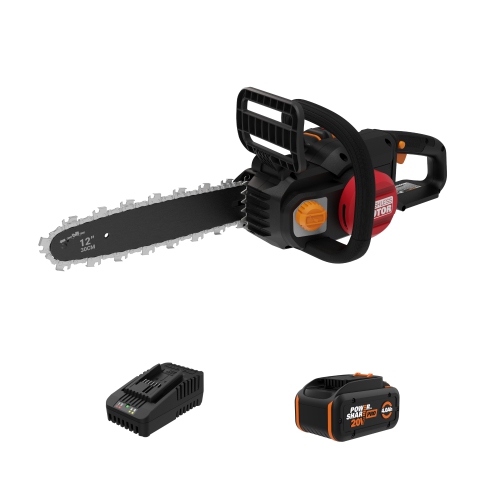
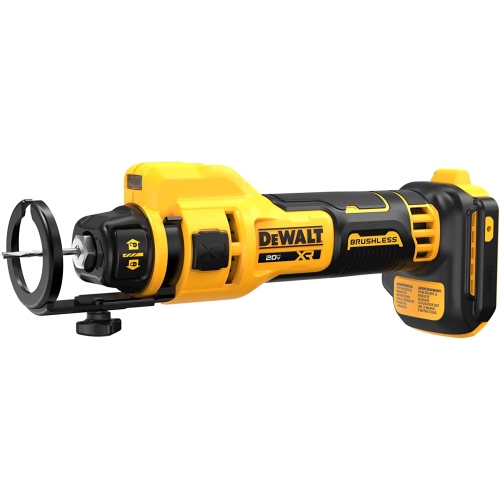
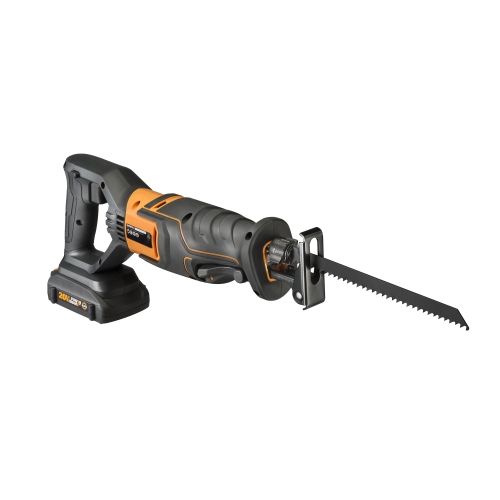
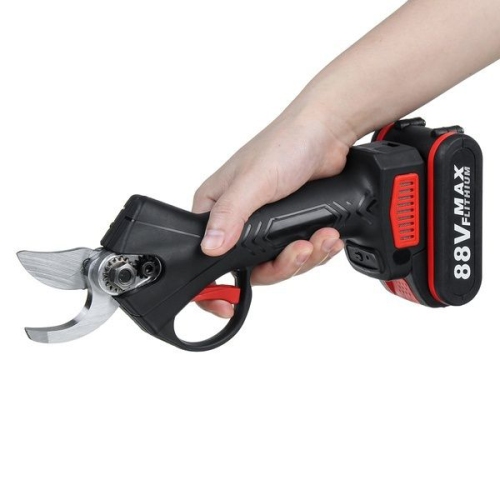
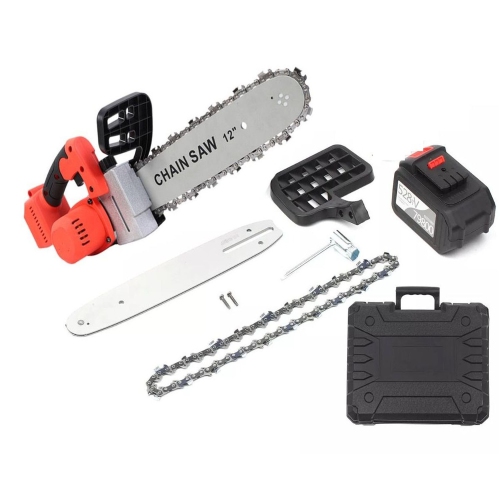
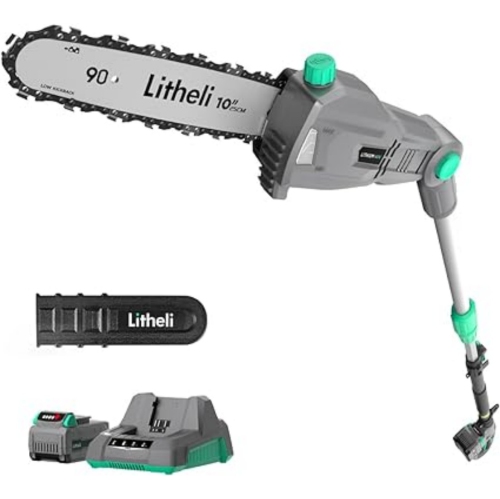
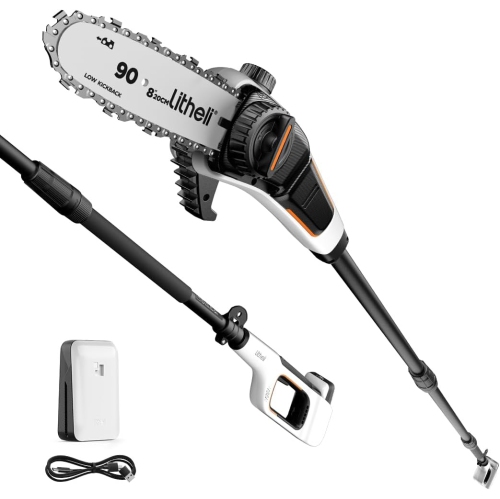
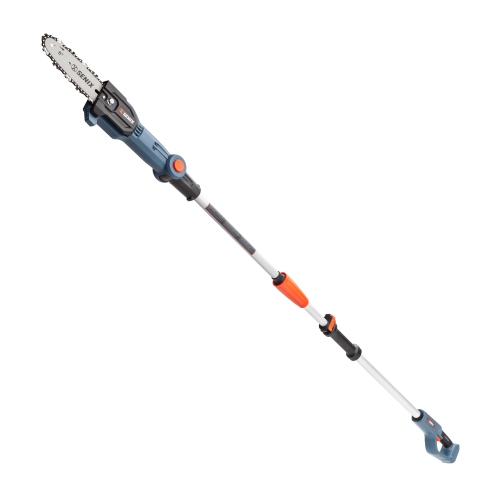
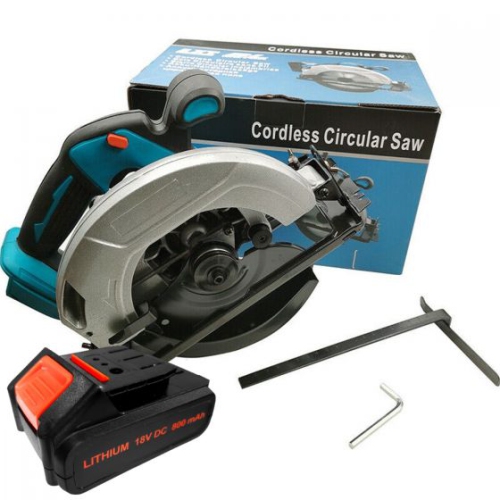
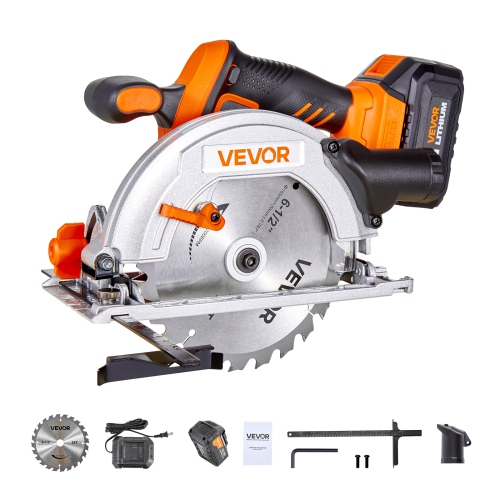
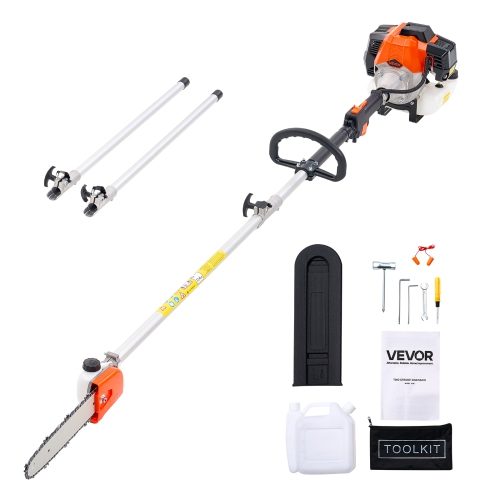
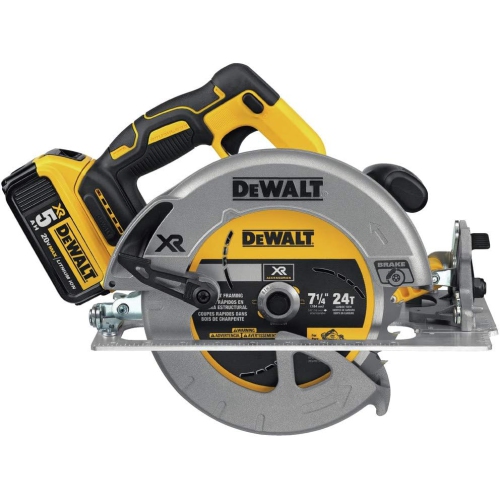
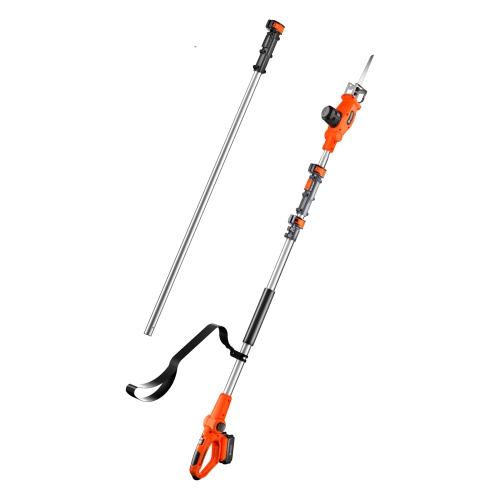
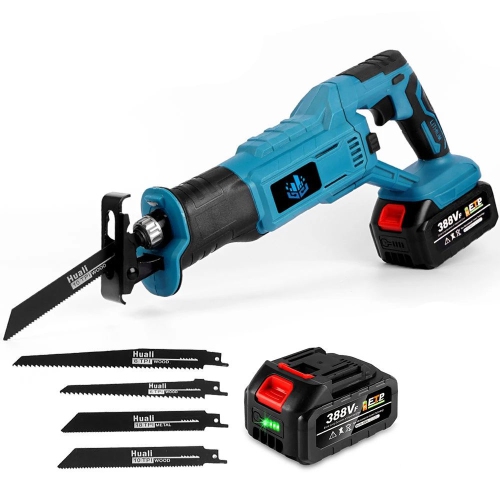
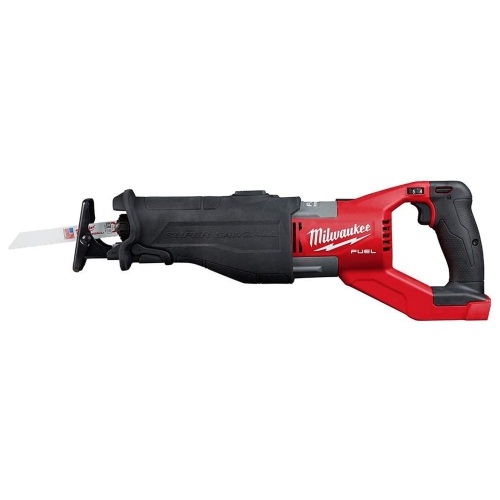
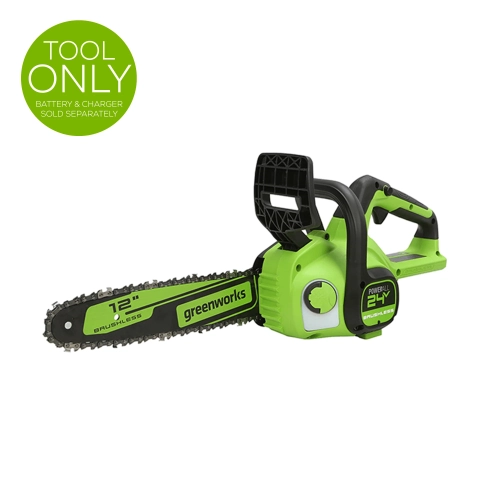
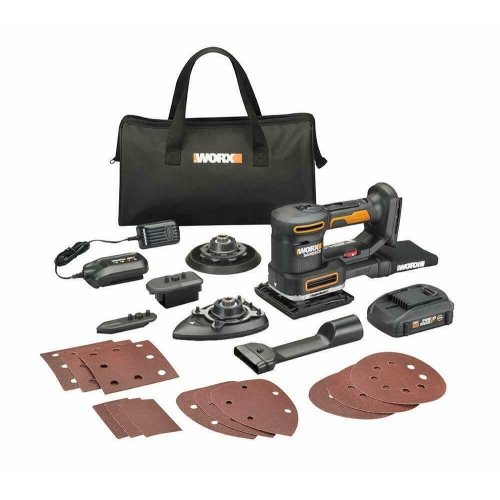
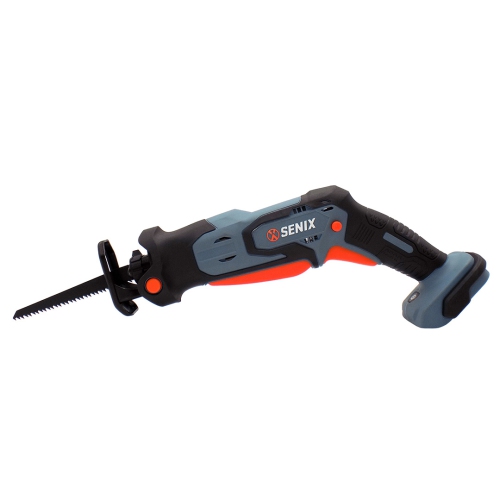
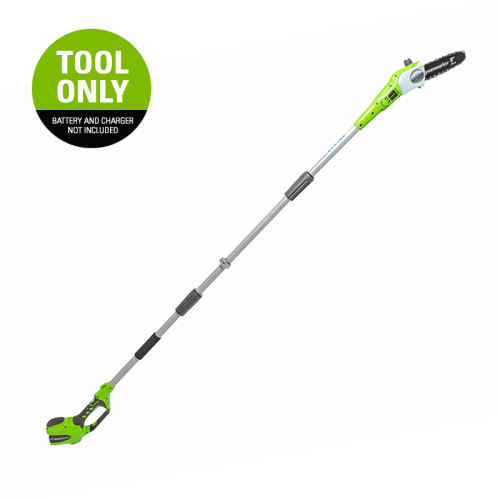
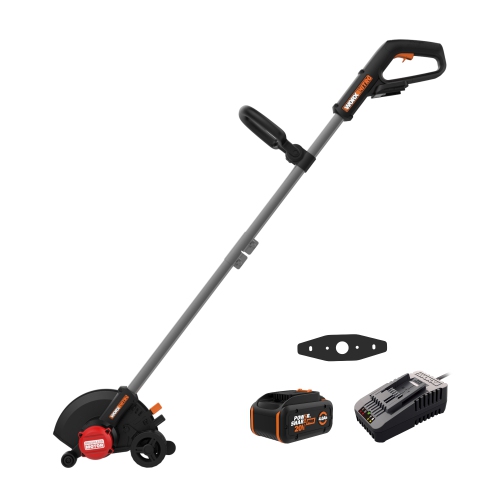
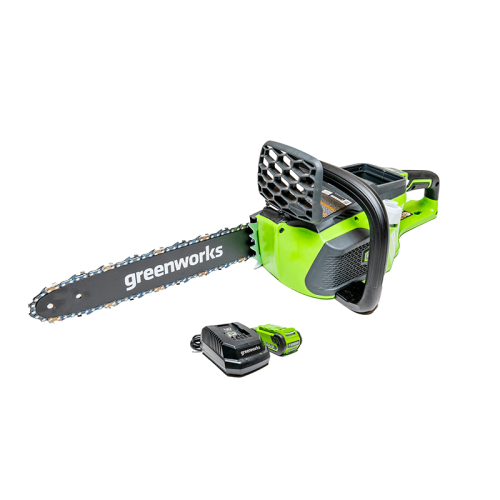
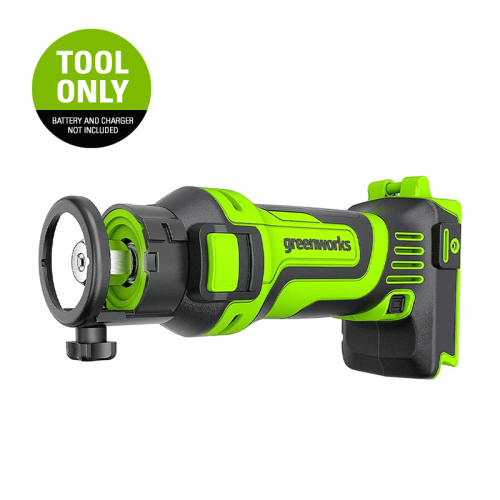
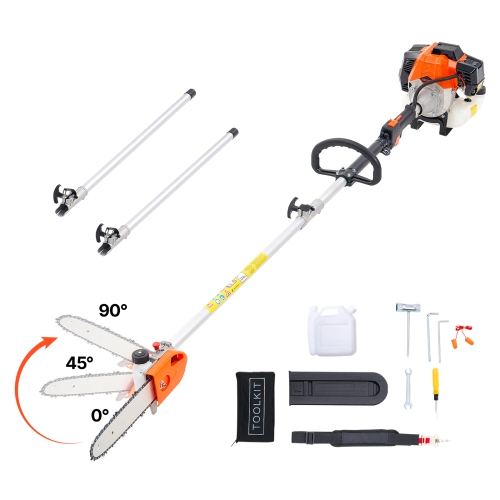
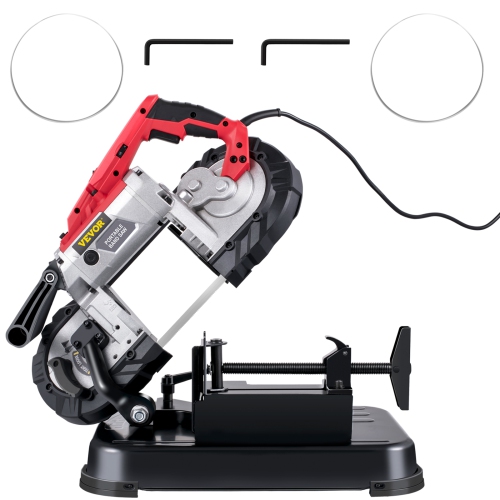
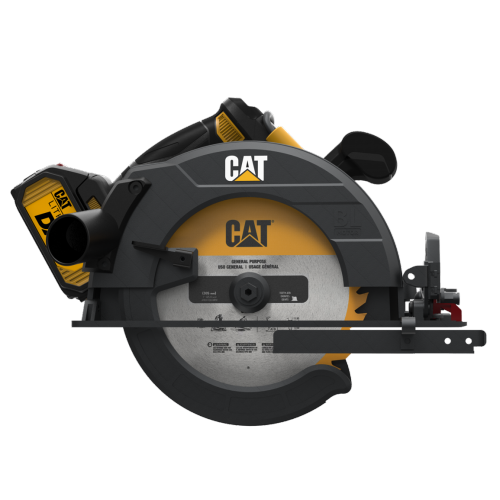
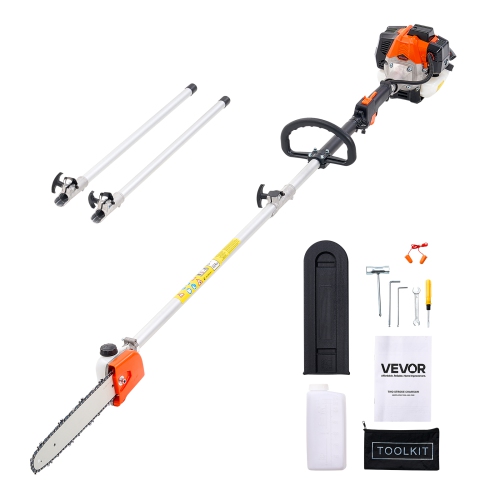
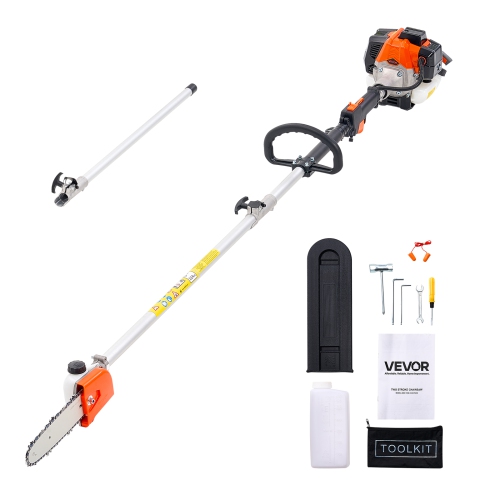
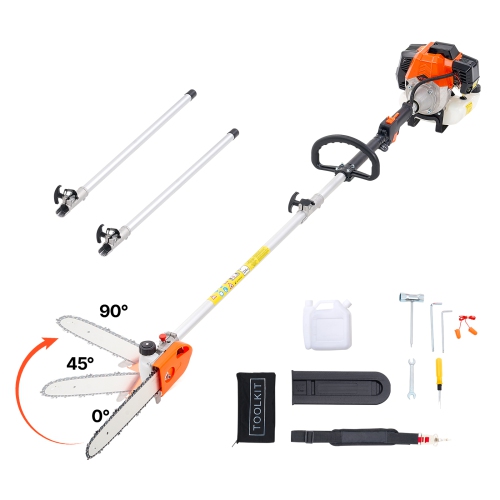
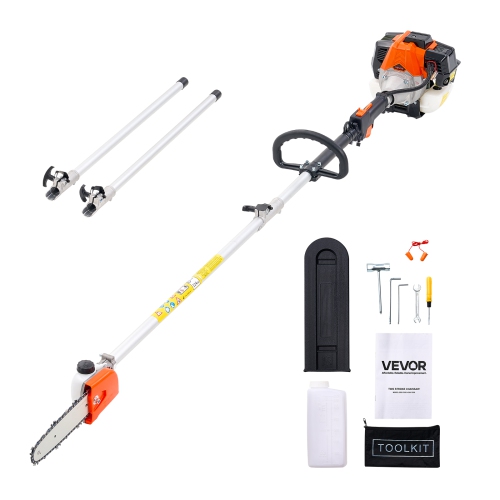
Different cuts call for different battery-powered saws
Cordless saws are battery-powered cutting tools used for woodworking, renovation, repairs, and certain metalworking or pruning tasks, depending on the saw and blade. Their main advantage is freedom of movement: there is no power cord to route around a workbench, pull across a sheet of plywood, or keep clear of the cutting path. That flexibility suits contractors moving between work areas, homeowners tackling repairs, and hobbyists building shelves, planters, or workshop storage. The category includes several distinct tool types rather than one saw that handles every cut equally well. Cordless circular saws are built primarily for straight cuts through boards and sheet materials, with adjustable cutting depths and bevel settings on many designs. Cordless jigsaws use narrow blades that make them useful for curves, notches, and shaped openings, such as a rounded corner on a plywood panel. Reciprocating saws use a back-and-forth cutting action suited to rough removal work, including cutting through exposed framing or pipe with an appropriate blade. Their strength is access and versatility rather than a furniture-ready finish. Cordless mitre saws serve projects that call for controlled crosscuts and angles, including trim, framing components, and repeated cuts to length. Compact band saws can be useful for cutting suitable metal stock, while purpose-built pruning saws address particular branch-cutting tasks. For shaping hedge faces and trimming light new growth rather than cutting individual thicker branches, cordless hedge trimmers belong to a different tool category. The distinction matters because cutting capacity, blade movement, and handling determine what a tool can do comfortably and safely. A saw for breaking down construction lumber has different demands from one used to follow a curved pencil line. Matching the saw type to the usual work helps make the tool useful beyond a single project, whether that means regular renovation work or occasional household repairs.
Battery compatibility and cutting capacity are central considerations for cordless saws. A tool-only saw generally requires a separately supplied compatible battery and charger, while a kit may include these components; the package contents establish exactly what is included. For someone with cordless tools already, compatibility depends on the manufacturer’s specified battery platform, not simply a matching voltage number or a battery that appears to fit. Batteries from different systems are not automatically interchangeable. Voltage alone also does not establish cutting performance, which depends on the motor, blade, battery output, material, and workload. Higher amp-hour capacity can support longer runtime within a compatible platform, although actual runtime varies with the cuts being made and a larger battery often adds weight. That trade-off becomes noticeable when carrying a saw between rooms or making repeated cuts at a bench. Brushless motors can offer efficient operation and reduced motor maintenance, but the complete tool design matters more than any single feature. Grip shape, trigger reach, balance with the battery installed, and the visibility of the cutting line all affect handling. A compact body can be easier to manoeuvre in confined spaces, while a larger saw may provide the depth or capacity needed for thicker material. Blade diameter is not the same as maximum cutting depth, and circular saw capacity typically decreases when the base is tilted for a bevel cut. On jigsaws and reciprocating saws, blade length and the tool’s rated capacity both need to suit the workpiece. Materials place their own demands on the blade: plywood, solid wood, laminate, plastic, and metal do not all call for the same tooth pattern or cutting speed. As a general principle, coarser teeth favour faster, rougher cuts, while finer teeth can support cleaner edges in suitable materials. Carbide-tipped blades are common for woodworking, and appropriate bi-metal or carbide blades can suit certain metal-cutting and demolition applications. Blade compatibility includes the mounting system, dimensions, and speed rating, not just the material named on the packaging. For a visible shelf edge or cabinet panel, the correct blade and firm workpiece support can matter as much as the saw itself.
Durability shows up in the parts that keep a cordless saw steady and accurately adjusted. A rigid base plate, secure depth and bevel locks, a dependable blade clamp, and well-fitted guards contribute to consistent handling. On circular saws and jigsaws, a base that sits flat on the workpiece helps maintain control as the cut progresses. Features such as an electric brake, work light, or dust-extraction connection can add convenience, though their operation and suitability vary by tool. A brake does not replace waiting for the blade to stop, and a dust port only helps when connected to compatible extraction equipment. Clean cuts also depend on a sharp, undamaged blade; forcing a dull blade through material can strain the tool and leave scorched or ragged edges. Routine care is straightforward but important: remove the battery before changing blades or making adjustments, keep ventilation openings clear as directed by the manufacturer, and check moving guards and adjustment mechanisms for proper operation. Batteries, chargers, and tools need storage and charging practices that follow their manuals, with battery contacts protected from loose metal objects. During use, secure the workpiece, support offcuts so they do not pinch the blade, and keep hands clear of the cutting path. Eye and hearing protection, along with suitable dust control and respiratory protection where required, are part of the job even for a short cut. Renovation work adds the need to check for concealed wiring, plumbing, and materials that require specialist handling before cutting. For a gift recipient, the most useful cordless saw is usually one that matches both their projects and their existing battery system, rather than the largest or most powerful option. A woodworking enthusiast may value precise adjustments and a clean finish, while someone doing repairs may place more importance on compact handling and access. Across these uses, a well-matched saw combines suitable capacity, manageable weight, compatible blades, and practical battery support for the work it is expected to perform.
Battery compatibility and cutting capacity are central considerations for cordless saws. A tool-only saw generally requires a separately supplied compatible battery and charger, while a kit may include these components; the package contents establish exactly what is included. For someone with cordless tools already, compatibility depends on the manufacturer’s specified battery platform, not simply a matching voltage number or a battery that appears to fit. Batteries from different systems are not automatically interchangeable. Voltage alone also does not establish cutting performance, which depends on the motor, blade, battery output, material, and workload. Higher amp-hour capacity can support longer runtime within a compatible platform, although actual runtime varies with the cuts being made and a larger battery often adds weight. That trade-off becomes noticeable when carrying a saw between rooms or making repeated cuts at a bench. Brushless motors can offer efficient operation and reduced motor maintenance, but the complete tool design matters more than any single feature. Grip shape, trigger reach, balance with the battery installed, and the visibility of the cutting line all affect handling. A compact body can be easier to manoeuvre in confined spaces, while a larger saw may provide the depth or capacity needed for thicker material. Blade diameter is not the same as maximum cutting depth, and circular saw capacity typically decreases when the base is tilted for a bevel cut. On jigsaws and reciprocating saws, blade length and the tool’s rated capacity both need to suit the workpiece. Materials place their own demands on the blade: plywood, solid wood, laminate, plastic, and metal do not all call for the same tooth pattern or cutting speed. As a general principle, coarser teeth favour faster, rougher cuts, while finer teeth can support cleaner edges in suitable materials. Carbide-tipped blades are common for woodworking, and appropriate bi-metal or carbide blades can suit certain metal-cutting and demolition applications. Blade compatibility includes the mounting system, dimensions, and speed rating, not just the material named on the packaging. For a visible shelf edge or cabinet panel, the correct blade and firm workpiece support can matter as much as the saw itself.
Durability shows up in the parts that keep a cordless saw steady and accurately adjusted. A rigid base plate, secure depth and bevel locks, a dependable blade clamp, and well-fitted guards contribute to consistent handling. On circular saws and jigsaws, a base that sits flat on the workpiece helps maintain control as the cut progresses. Features such as an electric brake, work light, or dust-extraction connection can add convenience, though their operation and suitability vary by tool. A brake does not replace waiting for the blade to stop, and a dust port only helps when connected to compatible extraction equipment. Clean cuts also depend on a sharp, undamaged blade; forcing a dull blade through material can strain the tool and leave scorched or ragged edges. Routine care is straightforward but important: remove the battery before changing blades or making adjustments, keep ventilation openings clear as directed by the manufacturer, and check moving guards and adjustment mechanisms for proper operation. Batteries, chargers, and tools need storage and charging practices that follow their manuals, with battery contacts protected from loose metal objects. During use, secure the workpiece, support offcuts so they do not pinch the blade, and keep hands clear of the cutting path. Eye and hearing protection, along with suitable dust control and respiratory protection where required, are part of the job even for a short cut. Renovation work adds the need to check for concealed wiring, plumbing, and materials that require specialist handling before cutting. For a gift recipient, the most useful cordless saw is usually one that matches both their projects and their existing battery system, rather than the largest or most powerful option. A woodworking enthusiast may value precise adjustments and a clean finish, while someone doing repairs may place more importance on compact handling and access. Across these uses, a well-matched saw combines suitable capacity, manageable weight, compatible blades, and practical battery support for the work it is expected to perform.
Top selling and popular products
-
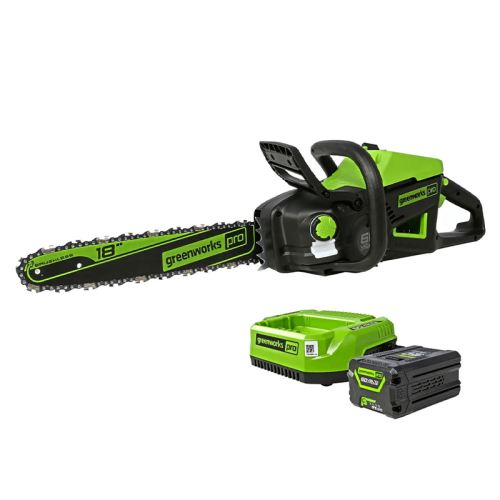 Your price for this item is $389.99
 -
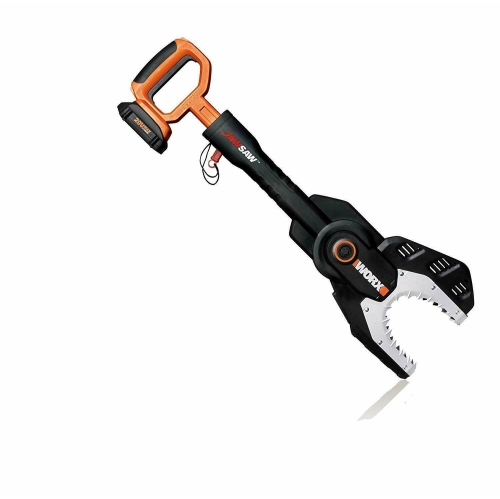 Your price for this item is $279.99
 -
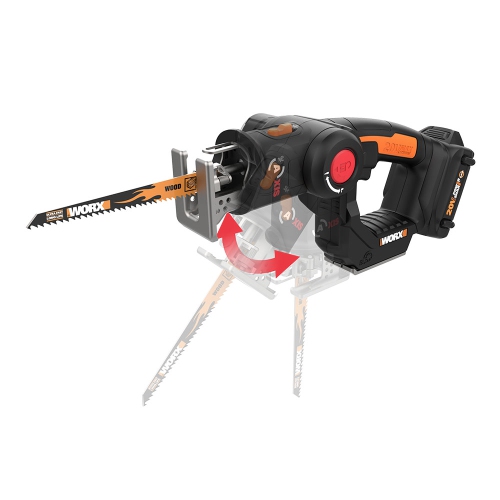 Your price for this item is $179.99
 -
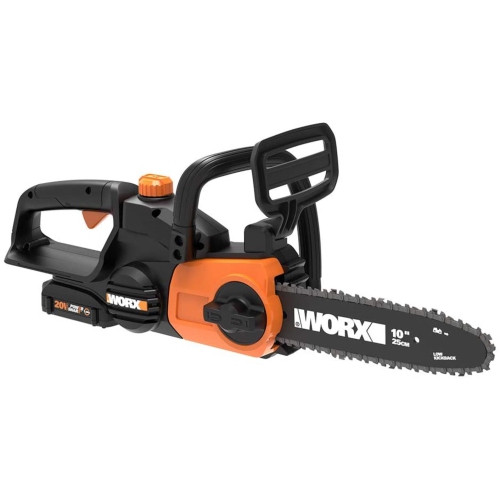 Your price for this item is $244.99
 -
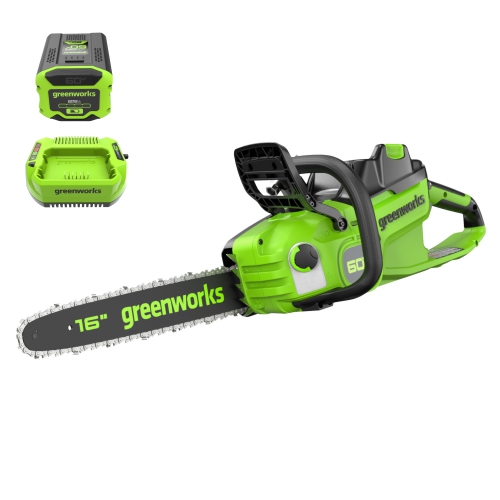 Your price for this item is $299.99
 -
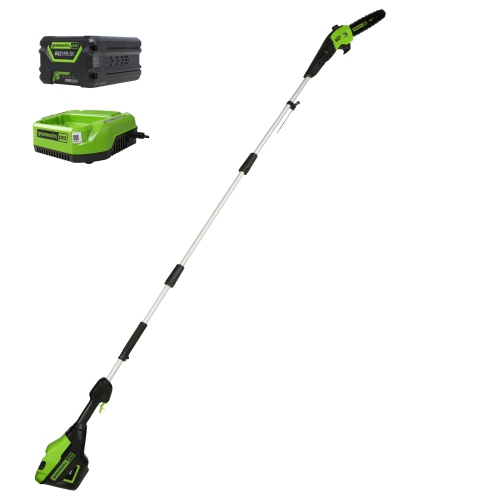 Your price for this item is $299.99
 -
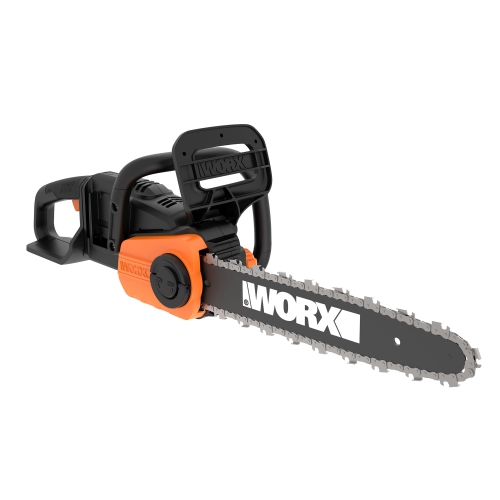 Your price for this item is $449.99
 -
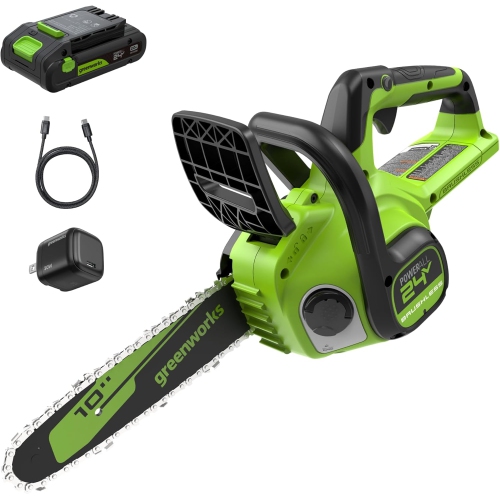 Your price for this item is $189.99
Discover more categories related to Cordless Saws
Top Collections:
Pokemon Centers, Kindle Devices, Best Budget Office Chairs, Apple iPhones 16, Best Laptops for Writers, iPhone 15 Apple, Canon G7X Cameras, Refurbished Apple Laptops, Alarm Clock, Motorola Razr Phones
Some products may be subject to Environmental Handling Fees
(EHF) depending on your province.
Learn more about EHFs.