Corner Desks Under $200
Corner Desk Under $200 options make it easy to maximize your workspace without stretching your budget. Perfect for home offices, study areas, or compact rooms, these desks are designed to fit seamlessly into corners while providing ample surface area for your essentials. Whether you need a spot for your computer, paperwork, or creative projects, you'll find a variety of styles and finishes to complement any décor. Explore affordable solutions that help you stay organized and productive with Corner Desk Under $200 selections.
Sort
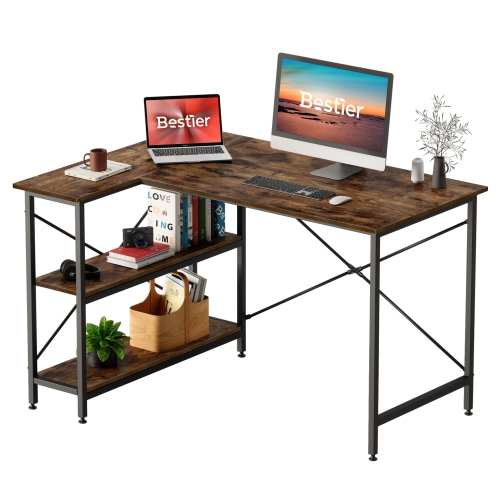
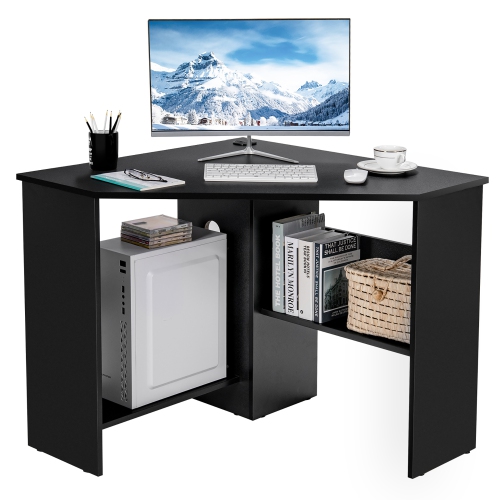
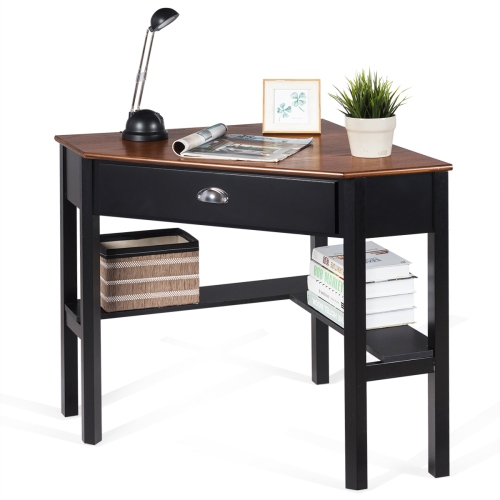
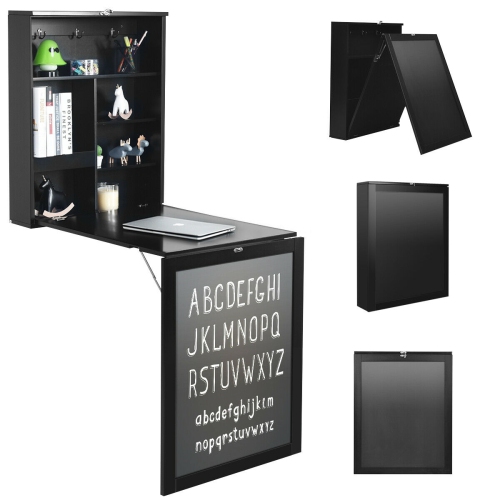

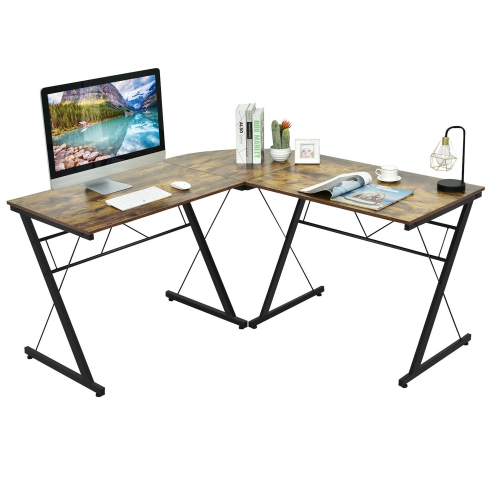
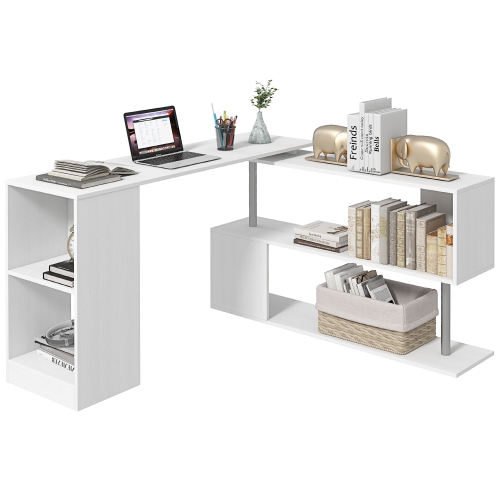
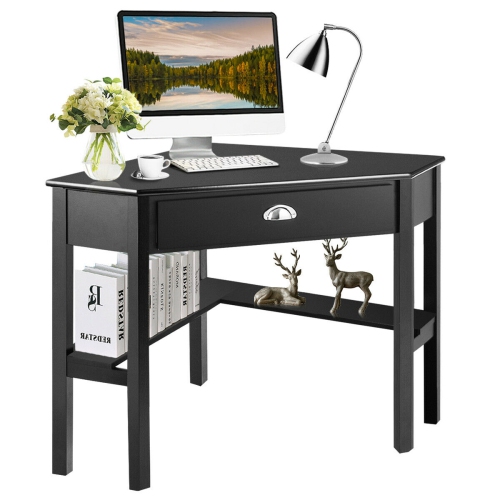
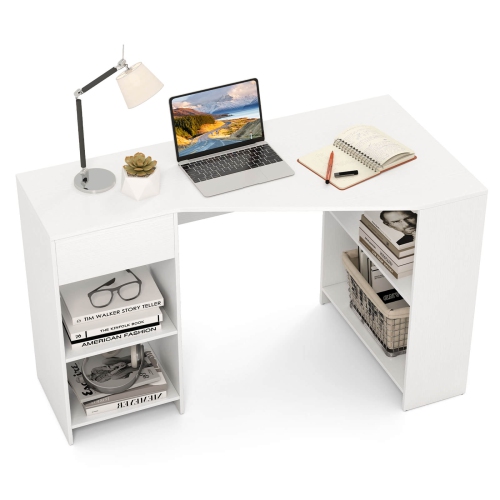
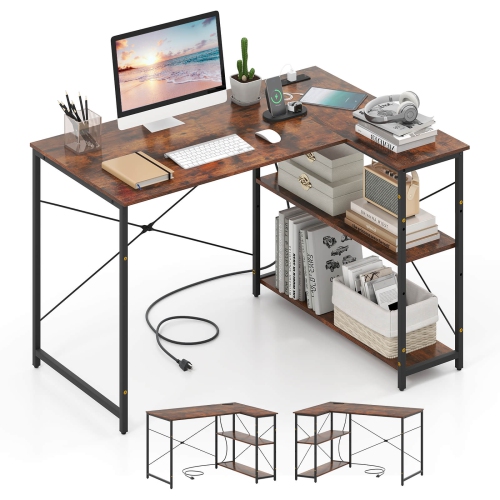
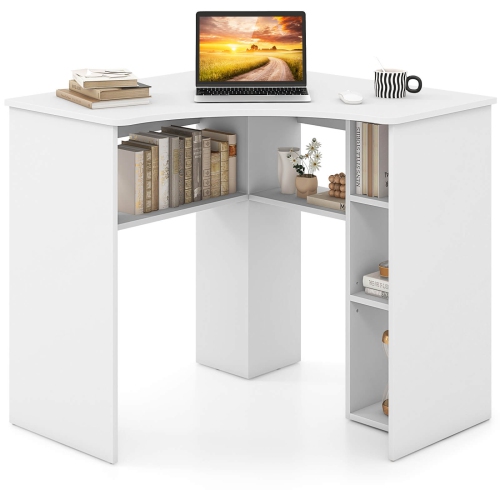
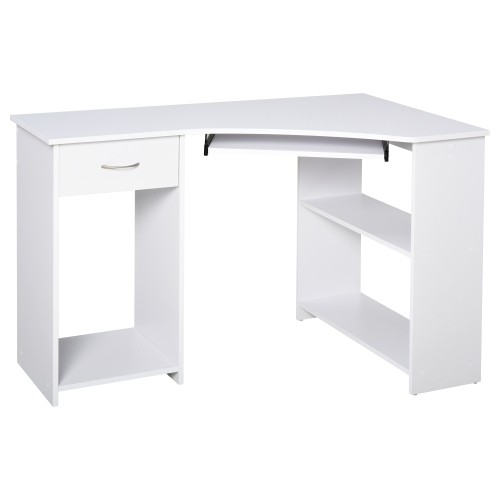
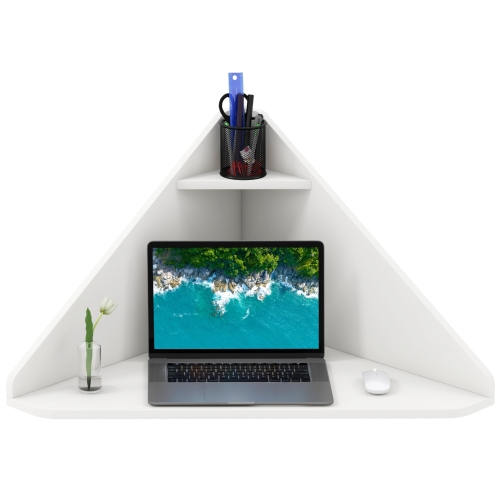
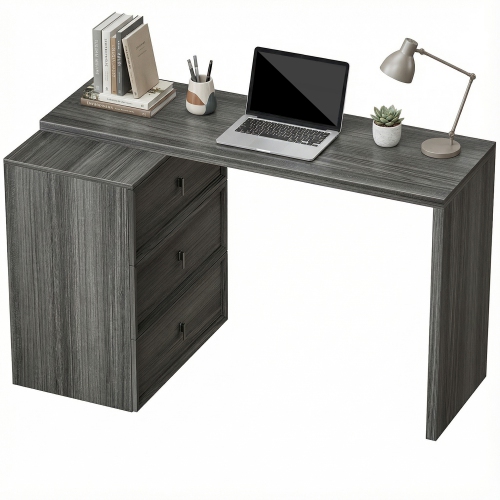
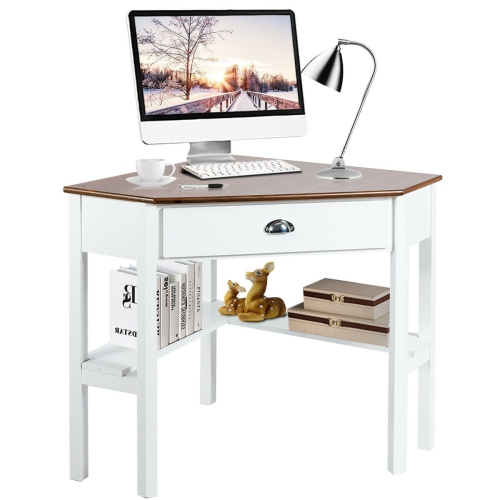
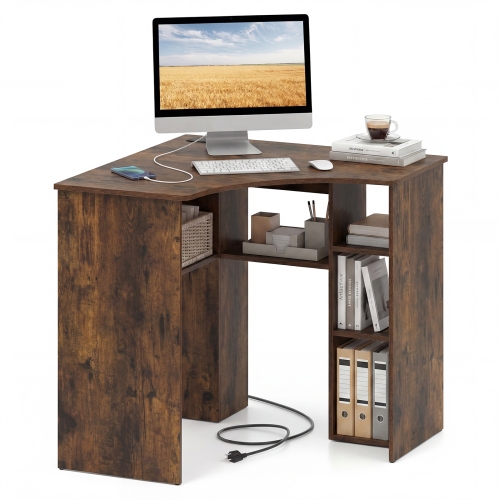
A corner workspace with room to move
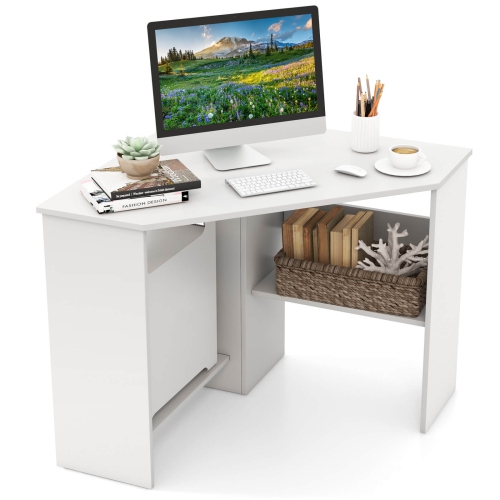
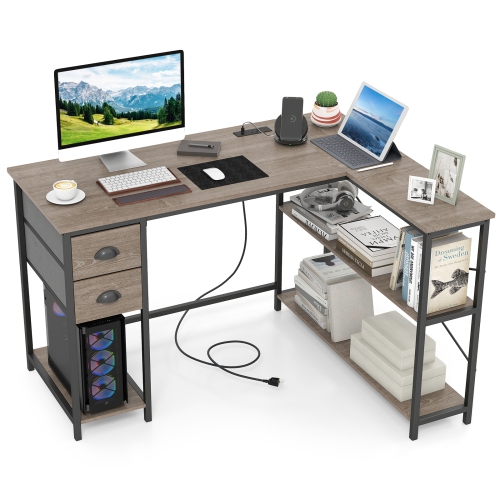
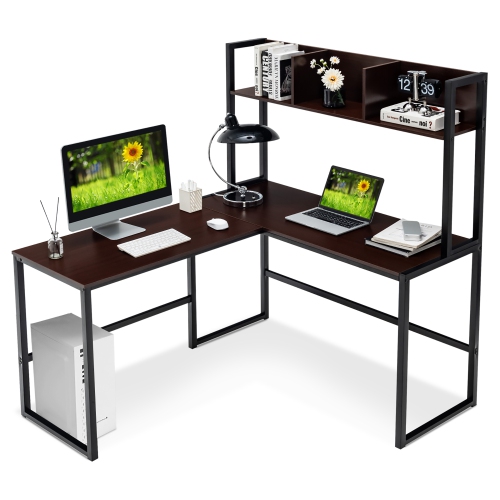
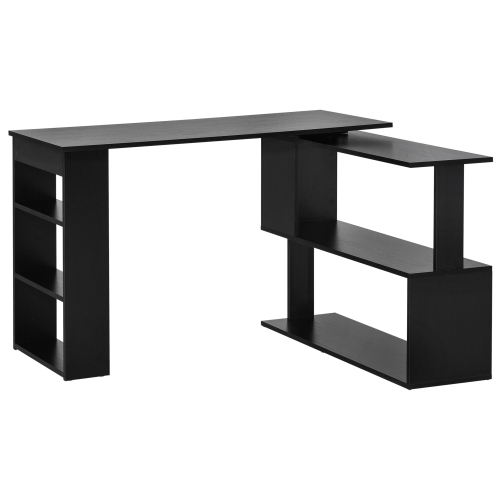
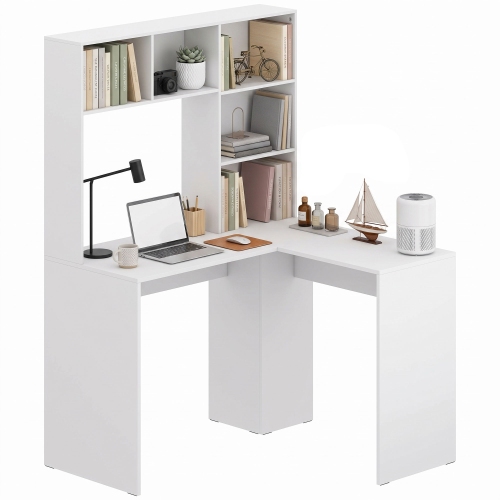
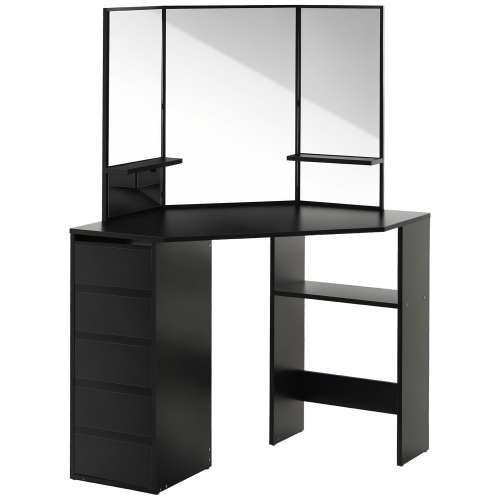
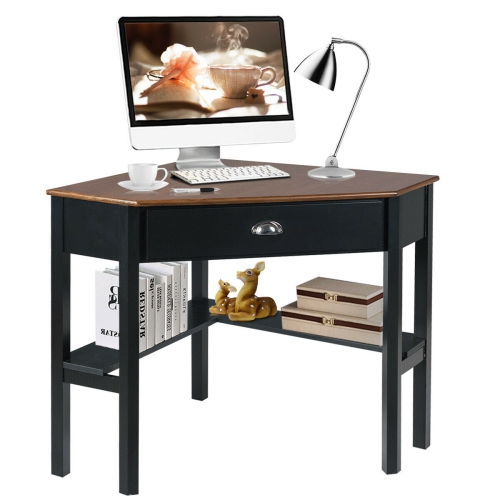
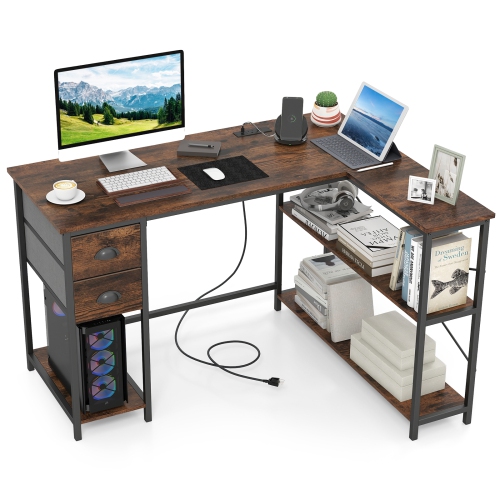
Corner desks turn an often-overlooked part of a room into a dedicated place to work, study, or play. By following the meeting point of two walls, they can leave more of the centre of a room open while providing a defined desktop for everyday tasks. The shape matters as much as the overall size: a compact triangular desk suits a laptop and a few essentials, while an L-shaped desk offers two connected work surfaces for separating screen time from paperwork. For someone working from home, that extra stretch might hold a notebook and reference materials beside a monitor. For a student, it can keep textbooks within reach without crowding the keyboard. Corner desks also suit bedrooms, apartment living areas, and multipurpose rooms where a conventional rectangular desk might interrupt a walkway. A good fit depends on more than the empty corner itself. Wall length, desktop depth, chair clearance, and the position of nearby doors all affect how comfortably the furniture sits in the room. Baseboard trim can prevent a frame from sitting flush against the wall, and electrical outlets need to remain accessible once the desk is in place. The direction of an L-shaped return is another important detail: a left-hand return and a right-hand return create different layouts, while a reversible design may allow either arrangement when assembled according to its instructions. The usable surface deserves attention, too. A deep corner can accommodate a monitor, but it should still let the keyboard and mouse sit comfortably within reach. A shallow side section may be better suited to notebooks or a charging area than a large screen. Allowing space for the chair to roll back, drawers to open, and a person to pass behind the seat helps the desk feel like part of the room rather than an obstacle. In a shared space, that clear path can matter just as much as the desktop dimensions.
Materials and construction influence how a corner desk feels in daily use and how much attention its finish needs over time. Engineered wood with a laminate or melamine surface can provide a smooth desktop with a consistent colour or wood-look pattern. These finishes are often straightforward to wipe down, although moisture should not be left sitting around seams, exposed edges, or cable openings. A metal frame can give a desk an open appearance, with the stability depending on the design of the legs, connecting hardware, and any cross-bracing. Where wood components are used, their finish and care requirements vary, so the manufacturer’s instructions remain the best reference for cleaning. A soft cloth and prompt attention to spills are sensible habits for many desk surfaces; abrasive pads and harsh cleaners can leave marks or damage a coating. A desk mat can protect the main keyboard and writing area from everyday wear, while coasters help keep drinks from leaving rings. Durability also depends on how the desk is assembled and loaded. Properly tightened fasteners, level feet, and secure connections between desktop sections help prevent movement during typing or writing. Weight limits apply to the intended loading arrangement, not simply to any object that fits on top. Heavy equipment concentrated near an unsupported edge can place different stresses on the desk than a load spread across the surface. Monitor arms require particular care because a clamp places pressure on a small area; desktop thickness, edge shape, frame position, and the desk manufacturer’s guidance all affect compatibility. The look of the desk can be practical as well as personal. A light finish may blend with pale walls, while a darker surface creates contrast in a bright room. An open frame leaves room for movement underneath, whereas built-in shelves or panels can provide storage or conceal cables, with some trade-off in legroom.
The most useful corner desk layout supports the activities that happen there every day. Someone moving between video calls and written notes may prefer a clear main surface with supplies on the return, while a student sharing a bedroom may need enough storage to put schoolwork away between sessions. A gaming setup has its own demands, including room for mouse movement, ventilation around equipment, and a comfortable viewing distance from the screen. A corner position does not automatically make a desk ergonomic: the chair, desktop height, screen placement, and available legroom still need to work together. The main screen is generally most comfortable directly in front of the seated position rather than far along one side of the L, where repeated head turning can become tiring. There should be room to keep the shoulders relaxed, the keyboard close, and the feet supported without twisting around a shelf or frame support. Storage works best when it matches the contents. An open shelf can hold reference books, a drawer can contain small stationery, and a separate organizer can keep frequently used supplies from spreading across the work surface. Cable routing makes a noticeable difference in a corner, where power cords may otherwise collect behind the desktop. Built-in openings, clips, or a compatible cable tray can help organize the run to an outlet while keeping cords clear of chair wheels and moving drawers. Access should remain straightforward enough to unplug a charger without shifting the whole desk. Lighting also affects placement: a task lamp needs a stable spot that does not crowd the keyboard, and a screen is easier to use when nearby light does not create distracting glare. When a corner layout is only one possibility, Desks Under $200 provides a broader starting point for considering other desk shapes. Whether the space supports focused work, homework, or personal projects, a well-matched corner desk gives each activity a place without asking the rest of the room to work around it.
Top selling and popular products
-
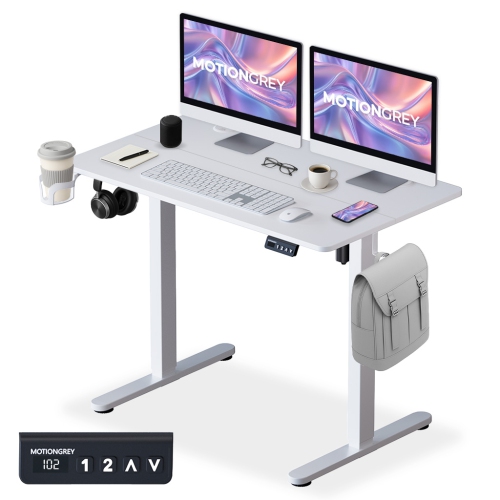
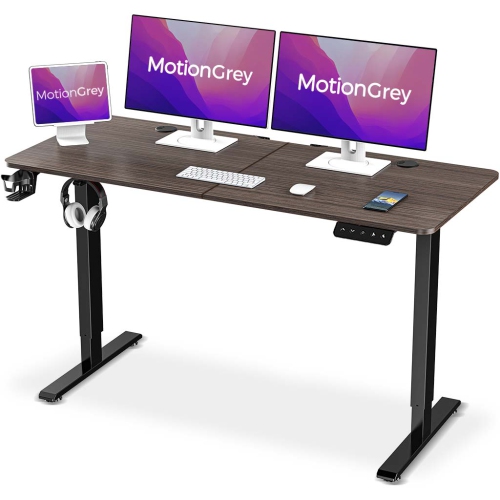 Your price for this item is $97.99
-
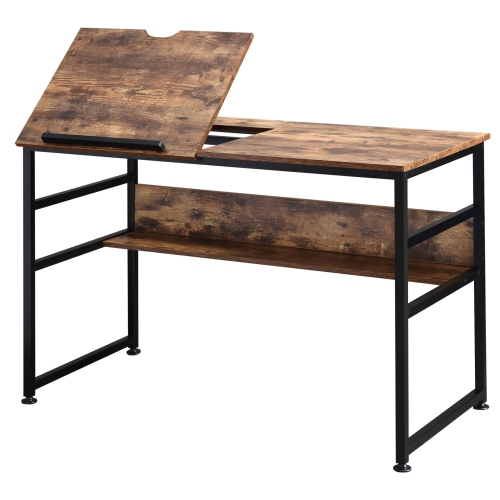
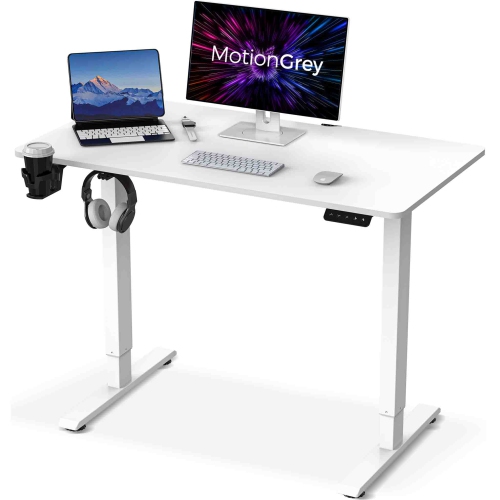 Your price for this item is $89.99
-
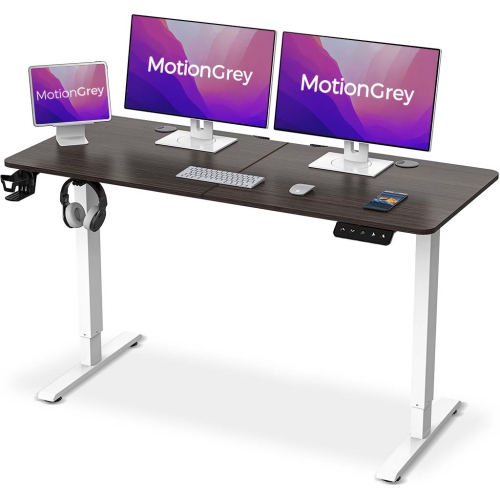 Your price for this item is $84.99
-
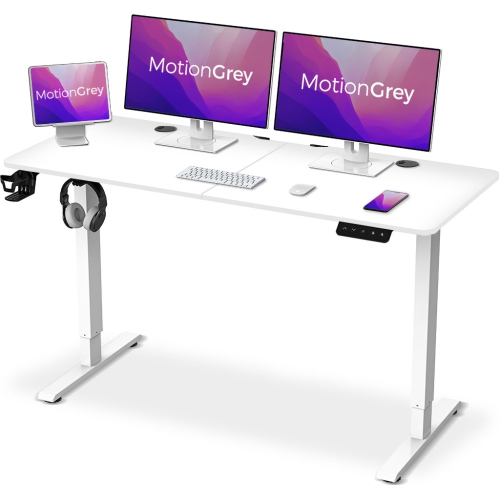 Your price for this item is $97.99
-
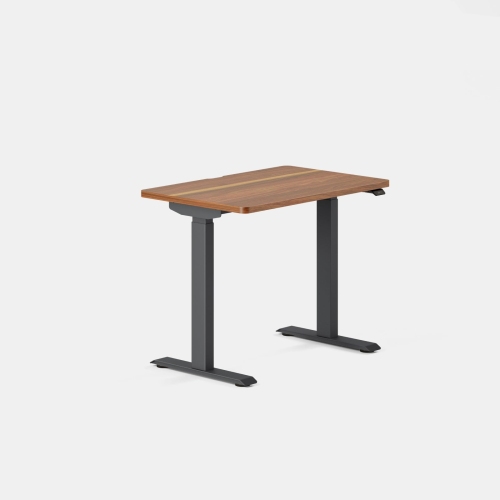 Your price for this item is $649
-
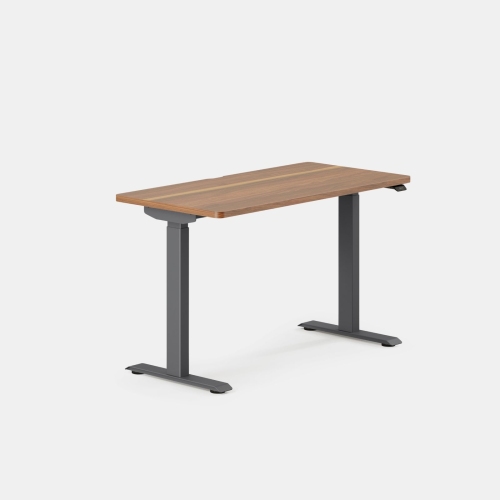 Your price for this item is $749
-
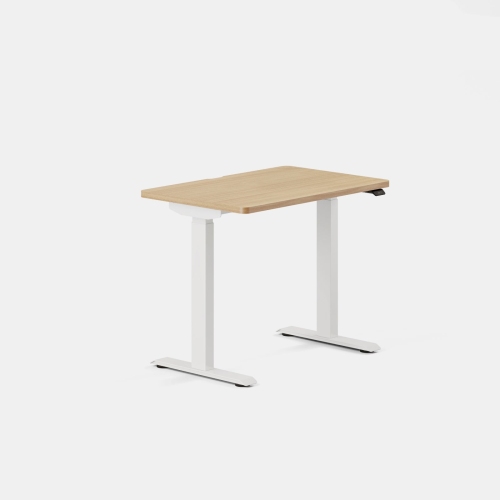 Your price for this item is $649
-
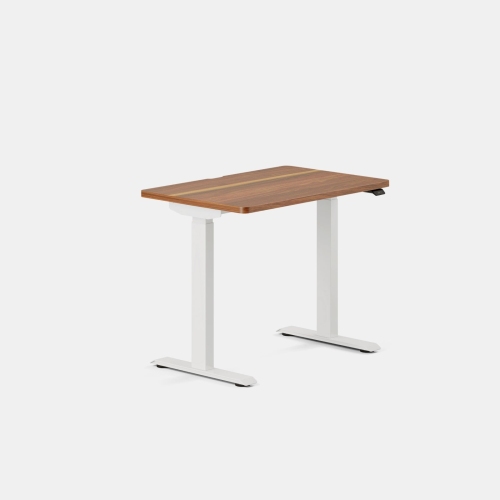 Your price for this item is $649
Discover more categories related to Corner Desks Under $200

Top Collections:
Best Black Friday Deals This Year, Best Black Friday Deals On Electronics, Kindle Devices, Pokemon Centers, Best Black Friday Deals On Apple Products, Best Cameras for Sports Photography, Dyson Airwrap, Pokémon 30th Celebration Cards, Apple iPhone 17 Pro, Canon G7X Cameras
Some products may be subject to Environmental Handling Fees
(EHF) depending on your province.
Learn more about EHFs.