Counter Stools for Small Kitchens
Counter Stools for Small Kitchens are the perfect solution for making the most of compact spaces while adding a touch of style to your home. Whether you’re enjoying a quick breakfast, catching up with friends, or creating a cozy dining nook, these stools offer versatility and comfort without taking up too much room. Explore a variety of designs and finishes to find the ideal seating that fits seamlessly into your kitchen layout and complements your décor.
Sort


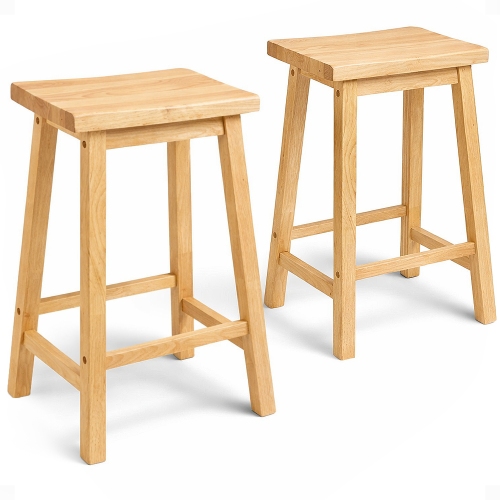
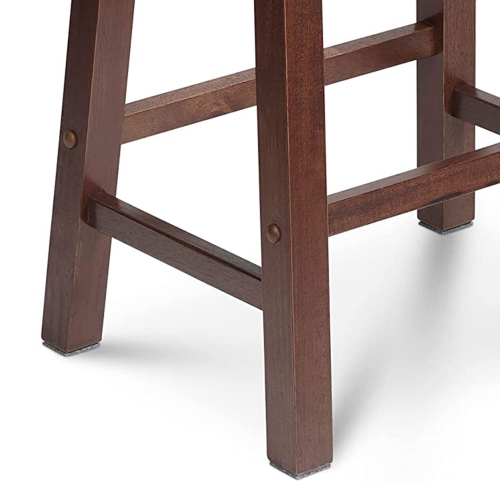


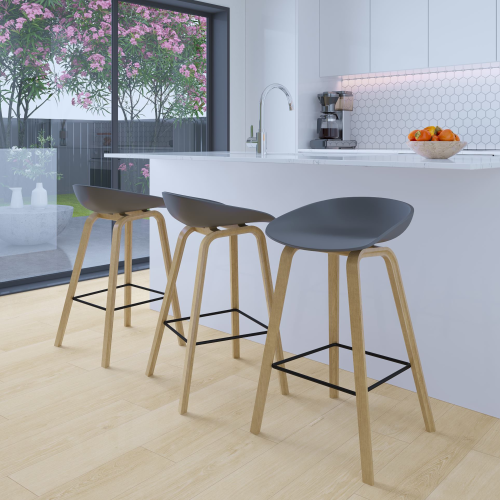
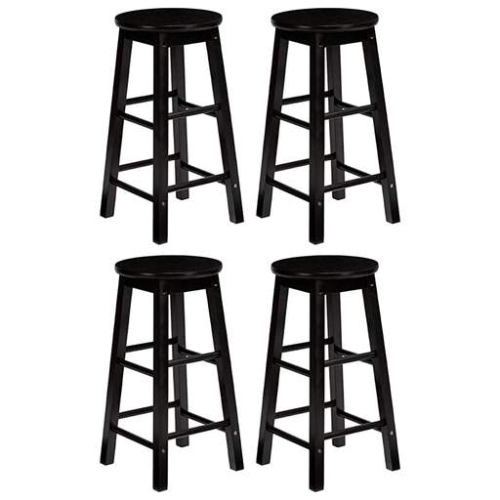


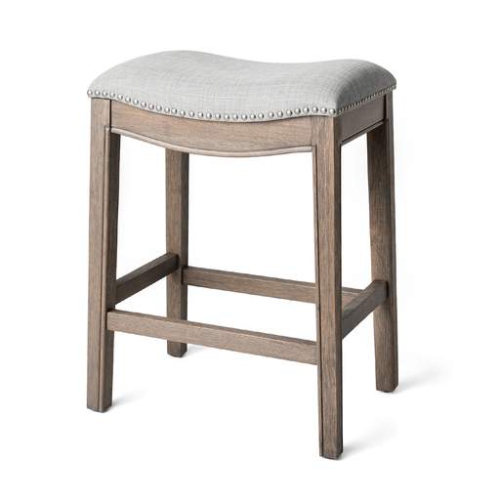
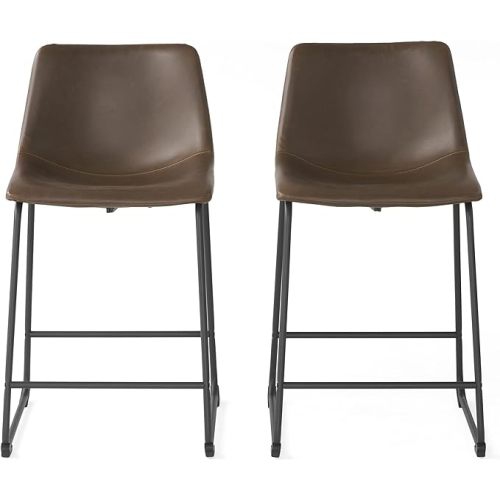


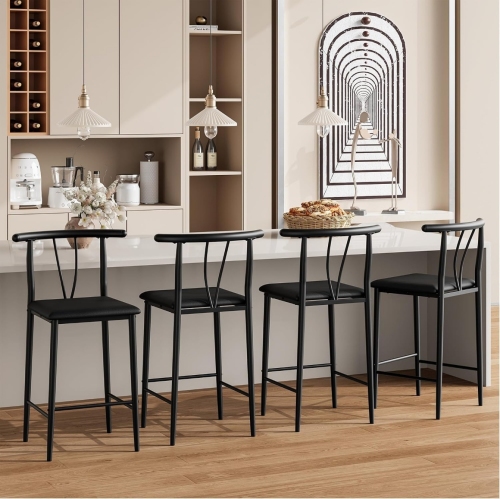
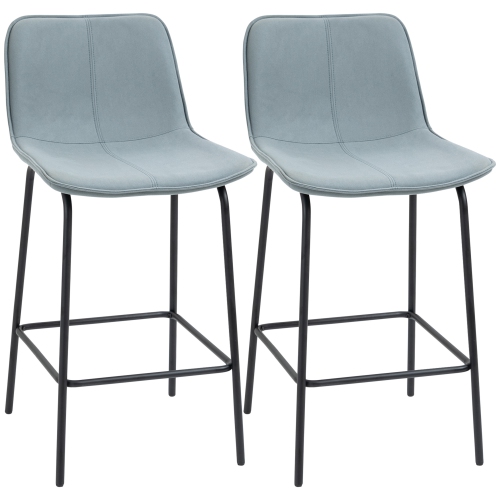
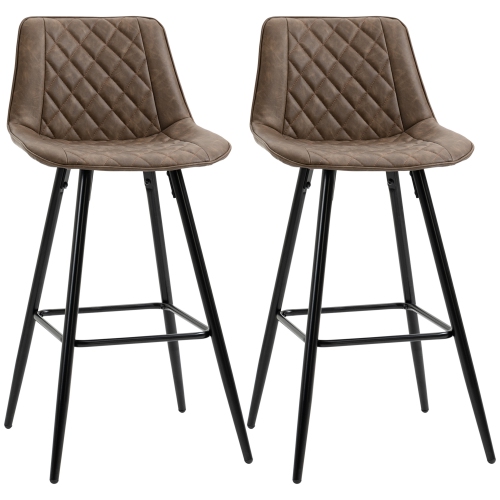

Comfortable counter seating starts with the right fit
Counter stools for small kitchens make a breakfast counter, narrow island, or peninsula useful without taking up the floor space of a separate dining set. The most space-efficient designs combine a compact footprint with a seat that fits beneath the counter overhang. Backless stools are especially practical where seating shares space with a walkway: once tucked in, they leave the kitchen looking less crowded and reduce the chance of a chair back catching someone passing through. A saddle seat adds a gentle curve for support, while a round seat has no corners to manoeuvre around in a tight layout. Folding counter stools can suit occasional seating needs, provided there is a convenient place to store them and enough room to open and secure the frame fully. For everyday use, the right height matters as much as the shape. A 24–26-inch seat height is a common match for a kitchen counter approximately 36 inches high. Measure from the floor to the counter surface, then check the underside for a thick slab, apron, drawer, or support that could reduce thigh clearance. Around 9–12 inches between the seat and the underside of the counter generally leaves comfortable space for sitting and shifting position, though individual comfort varies. Taller breakfast bars require a different seat height; bar height stools for kitchen islands suit raised surfaces rather than standard counter-height seating. Width also deserves attention. Allow roughly 24–30 inches of counter width per person, measured from the centre of one seat to the next, and leave extra room for wide seats or armrests. A pair of comfortably spaced stools is often more useful than three that leave elbows touching. Counter legs, brackets, and nearby cabinetry can shrink the usable seating area, so the full length of an island does not always equal the space available for stools.
A small footprint should still leave enough support for the way the kitchen is used. A backless stool works well for a quick breakfast, a coffee beside the counter, or a short conversation while someone prepares dinner. For longer meals, homework, or an occasional laptop session, a low backrest and a cushioned seat can make sitting more comfortable without the visual weight of a tall chair. Low backs do not necessarily slide under a counter, however; the total stool height, not just the seat height, determines whether the whole frame can tuck away. Armrests add another measurement to check because they may stop a stool at the counter edge. Seat depth matters too: a deep seat can project into the room even when the front of the stool is pushed as far forward as possible. Compare the base dimensions with the seat dimensions, particularly on designs with splayed legs, which may occupy more floor space than their slim upper frames suggest. A footrest gives feet somewhere to settle and helps prevent the dangling-leg feeling that can make elevated seating tiring. Its position should feel natural for the people using the stool most often. Swivel seats can make it easier to turn towards the room without dragging the entire frame, but they need clearance so knees, backrests, and armrests do not strike the counter or adjacent cupboards. Adjustable-height designs offer flexibility for different users, although a broad pedestal base may take up more room than expected. In a galley kitchen or condo, everyday movement provides a useful test: the fridge should open, dishwasher access should remain practical, and someone should be able to pass behind an occupied seat without squeezing sideways. Stools should rest evenly on a level floor and be used within their stated weight limits. They are seating, not substitutes for a step stool when reaching an upper cabinet, and elevated seats are not a replacement for age-appropriate seating for young children.
Materials and finishes influence both the appearance of compact kitchen seating and the effort needed to keep it looking tidy. Wood brings visible grain and a warmer visual texture to simple cabinetry, while painted finishes can blend with cupboard fronts or introduce a distinct colour at the counter. Solid wood can develop small marks through regular use, and the condition of its protective finish affects how well it handles spills. Metal frames often create a slimmer outline, making them useful where bulky furniture would dominate the room; the quality of the joints, protective coating, and footrest construction matters more than appearance alone. Upholstered seats soften the feel of firmer frames and can be comfortable for lingering over a meal, but fabric texture and cleaning instructions deserve consideration in a food preparation area. Crumbs can settle along seams, and pale upholstery may show splashes more readily than a patterned or mid-tone fabric. Smooth, wipeable seat coverings can simplify everyday cleanup, although suitable cleaners vary by material. Blot spills promptly, remove crumbs with a soft brush or an appropriate vacuum attachment, and follow the manufacturer's care directions rather than assuming every surface tolerates the same cleaning spray. Wood generally benefits from a lightly dampened cloth followed by drying, while abrasive pads can damage painted or coated finishes. On tile, vinyl, or hardwood, floor-compatible glides help limit scuffs and scraping sounds; check them periodically because trapped grit or worn pads can mark the surface. Regularly checking accessible fasteners can also help keep assembled stools steady through repeated daily use. For a cohesive small kitchen, slender legs, open backs, and colours close to the surrounding cabinetry can make seating feel less prominent. A contrasting seat or wood tone adds definition without requiring a larger frame. Matching stools create a neat rhythm along an island, while a consistent seat height and similar proportions help different finishes sit comfortably together. The most useful choice balances that visual fit with practical details: room for knees, a supportive place for feet, manageable cleaning, and enough clear floor space for the kitchen to function naturally.
Top selling and popular products
-
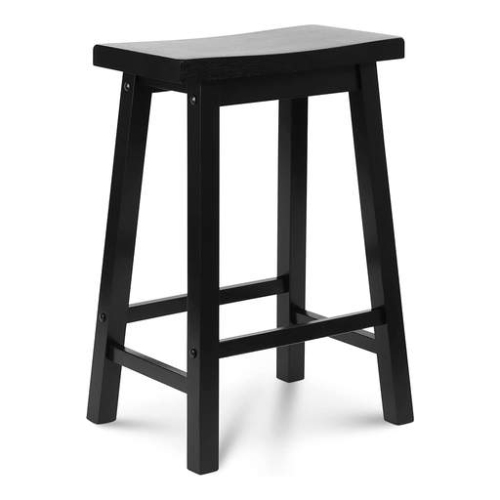 Your price for this item is $88.99
-
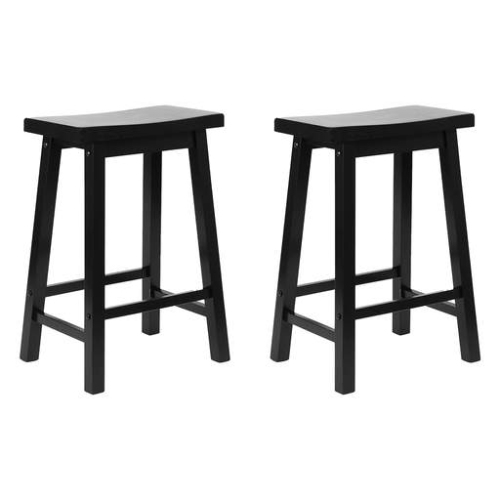 Your price for this item is $174.99
-
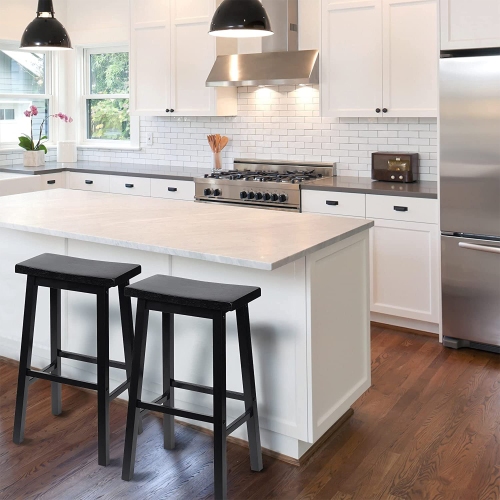 Your price for this item is $437.99
-
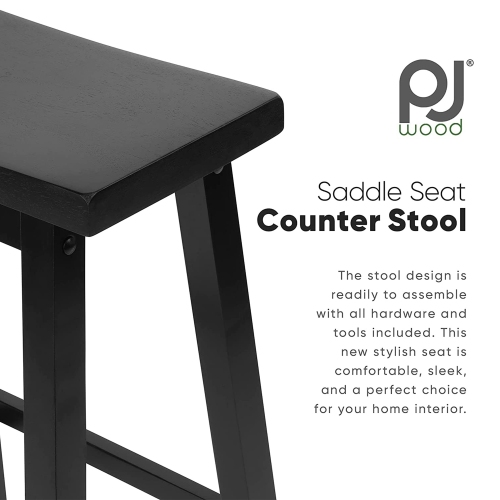 Your price for this item is $173.99
-
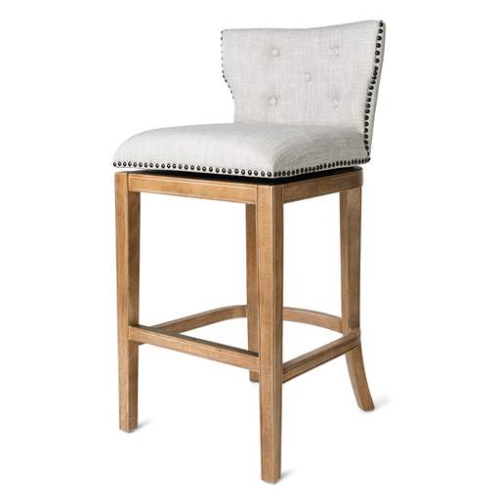 Your price for this item is $406.99
-
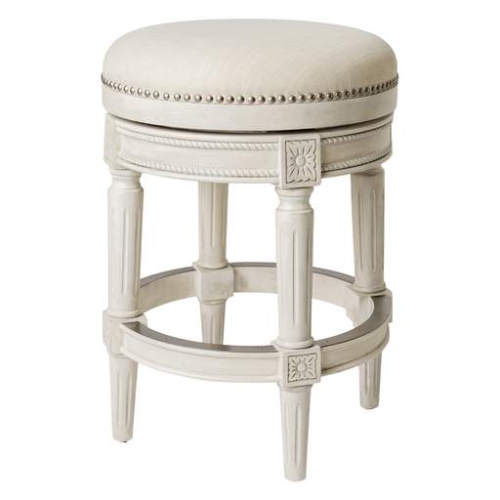 Your price for this item is $350.99
-
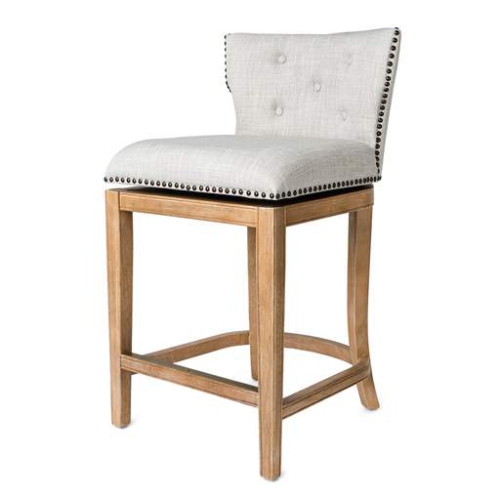 Your price for this item is $431.99
-
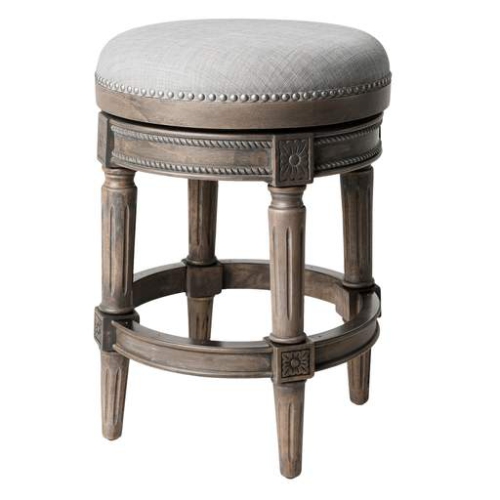 Your price for this item is $364.99
Discover more categories related to Counter Stools for Small Kitchens

Top Collections:
Pokemon Centers, Best Cameras for Sports Photography, Kindle Devices, Samsung Galaxy Phones, Canon G7X Cameras, Pokémon 30th Celebration Cards, Refurbished Apple Laptops, iPhone 15 Apple, Laptops for Students, Budget Smartphones
Some products may be subject to Environmental Handling Fees
(EHF) depending on your province.
Learn more about EHFs.