Crystal Light Fixtures
If you're looking to add a touch of elegance and sophistication to your space, these crystal light fixtures are sure to dazzle and elevate almost any room in your home. From stunning chandeliers to glamorous pendant lights, these fixtures are designed to create a captivating ambiance while adding a luxurious aesthetic. With their sparkling crystals and intricate designs, these crystal light fixtures are perfect for those who appreciate timeless beauty and want to make a statement in their interior decor.
Sort
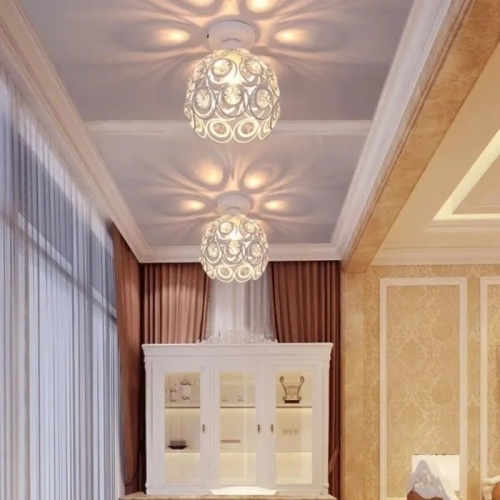

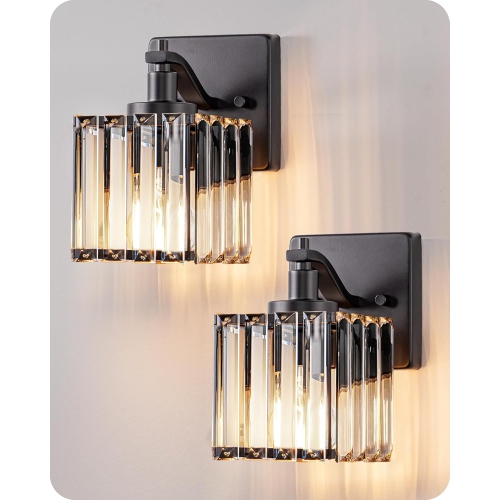
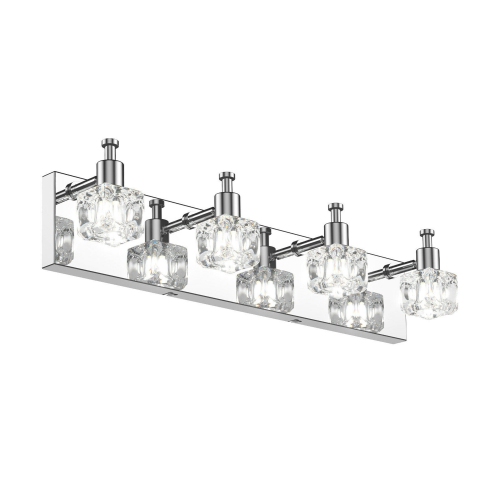
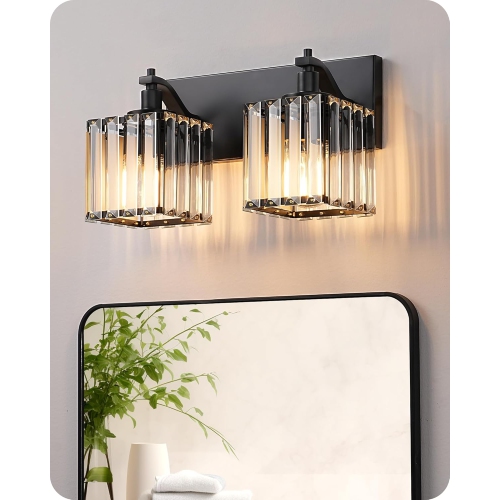
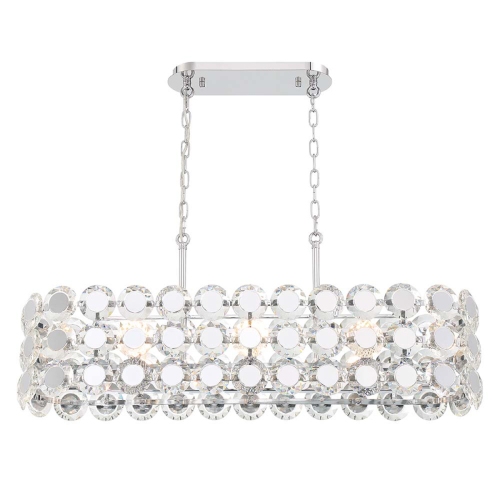
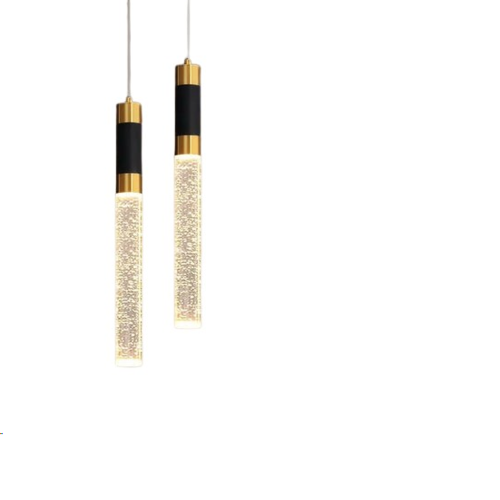
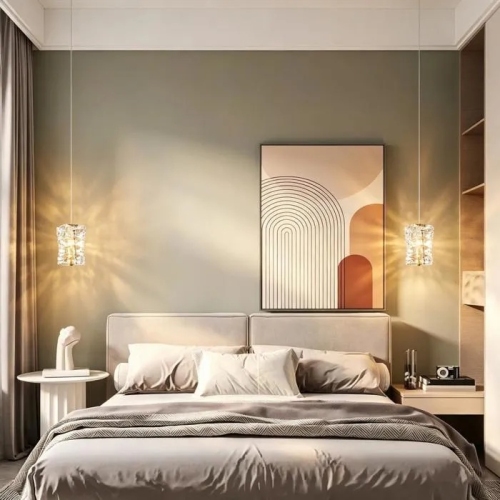
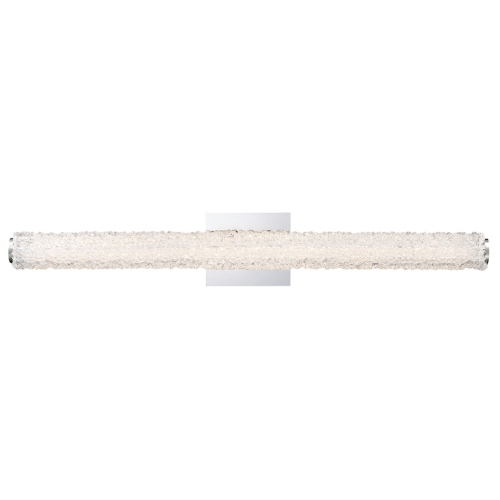
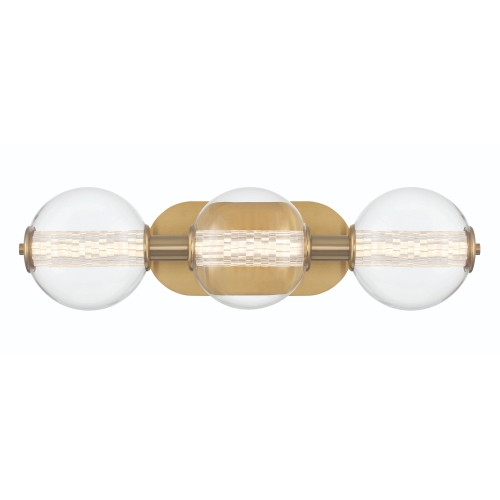
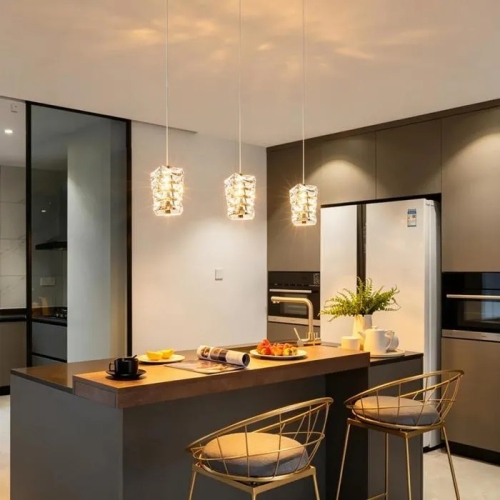

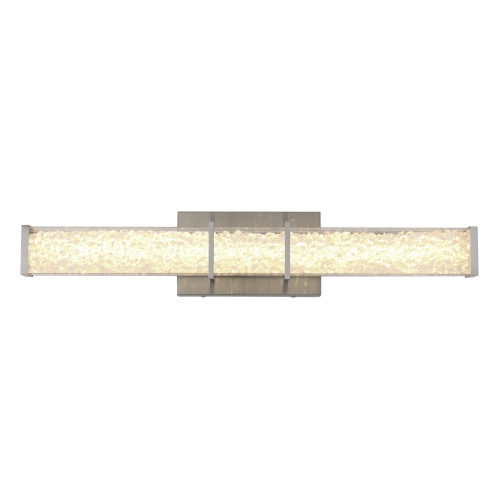
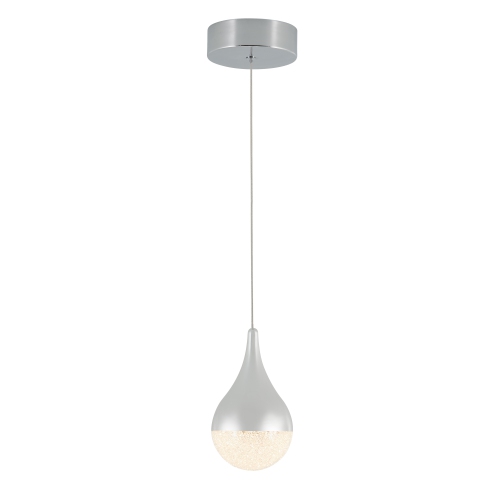
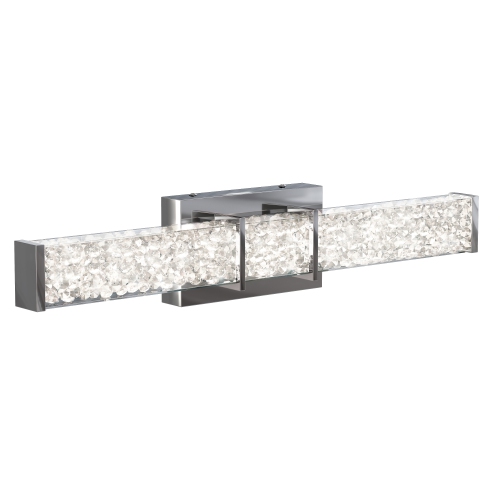
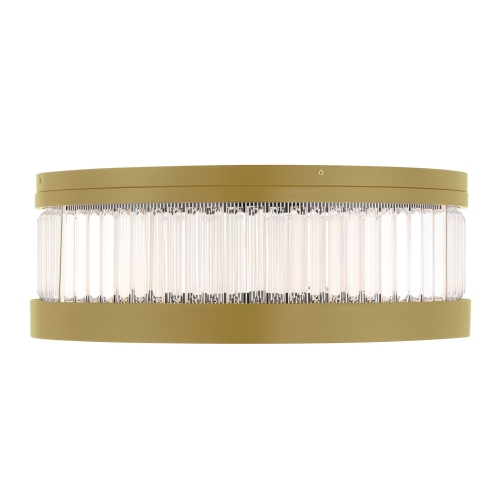
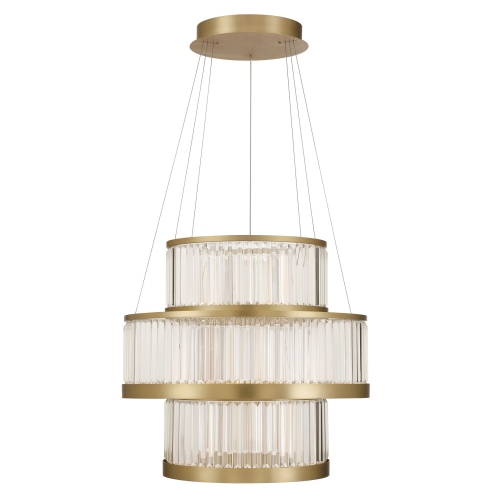
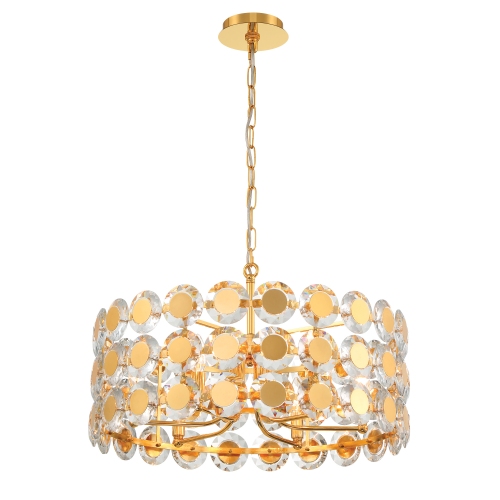

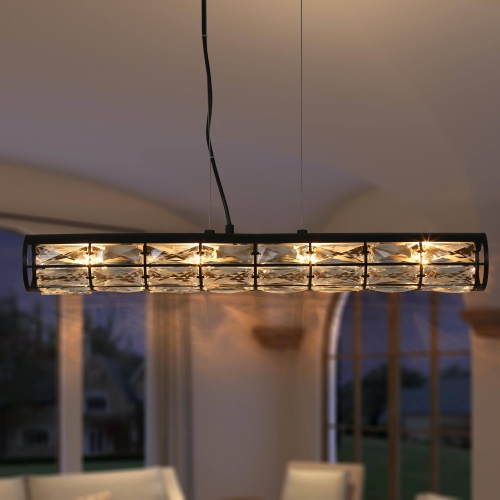
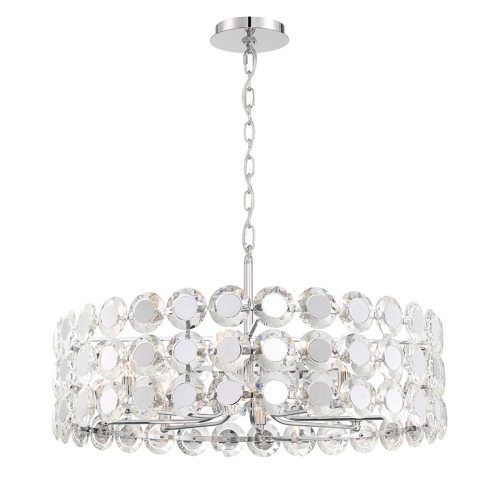
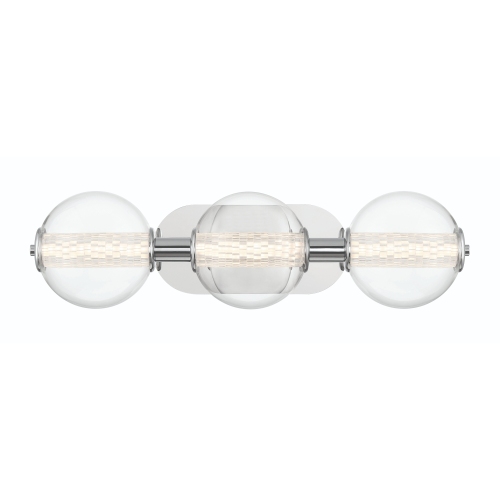

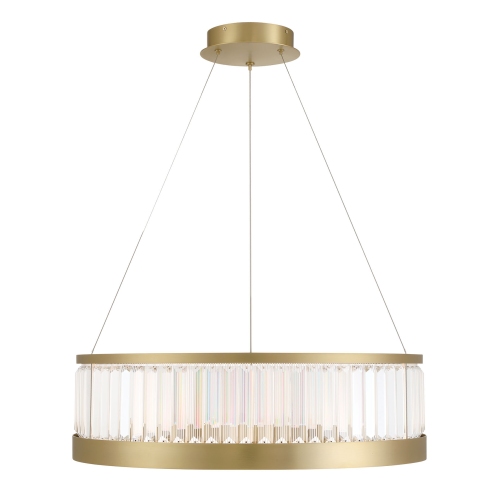

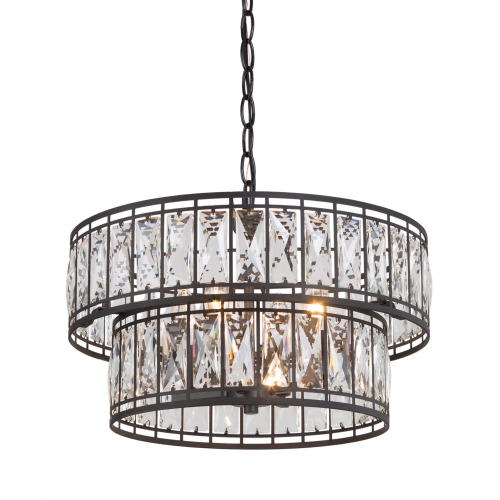
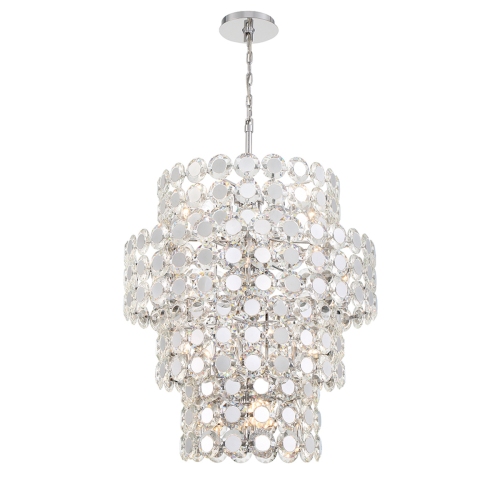
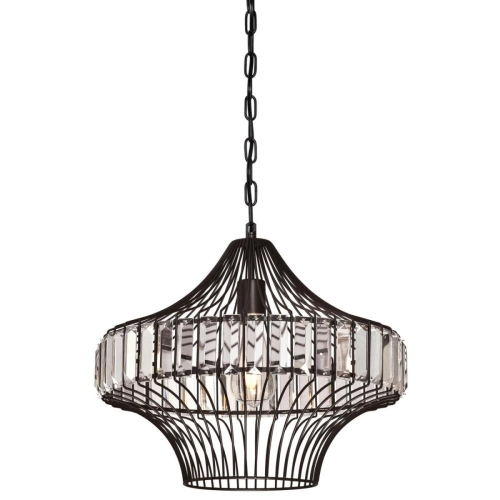
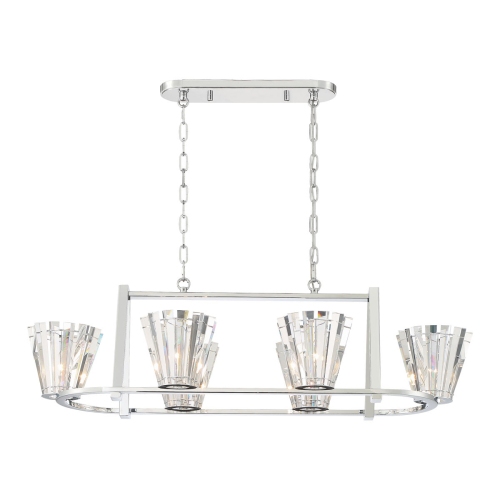
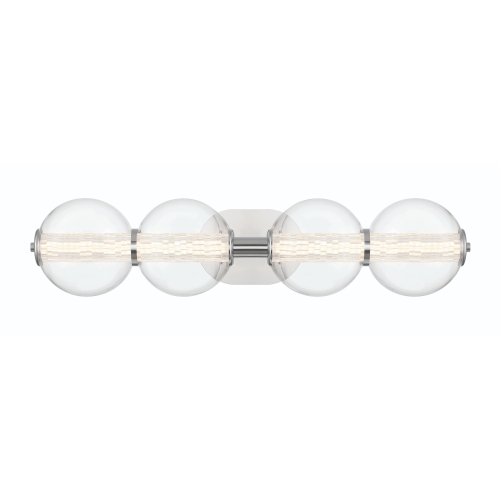
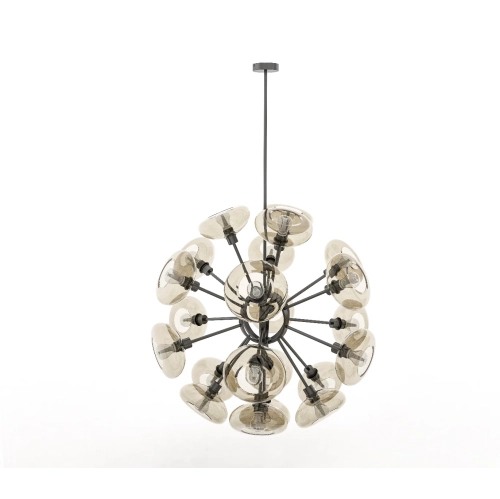
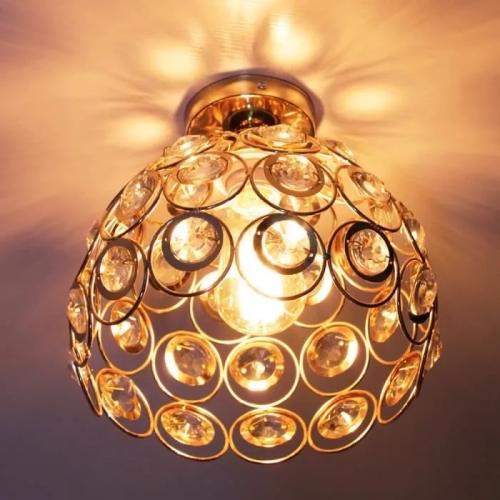

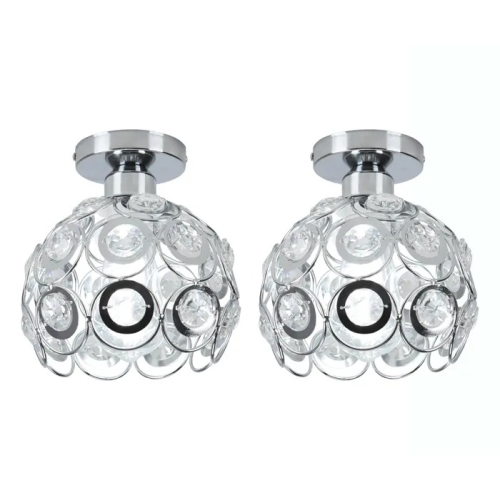
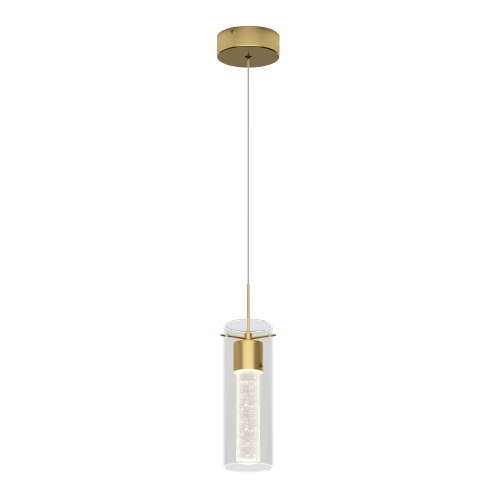
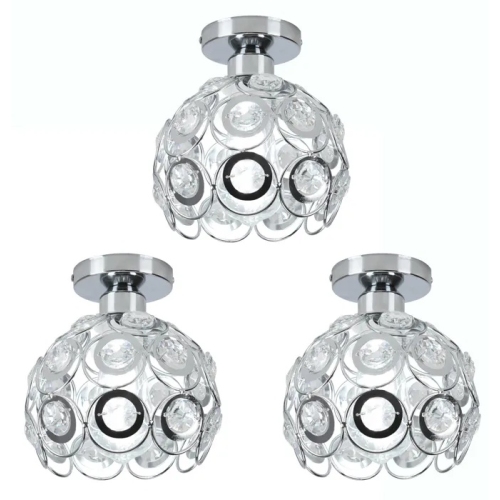
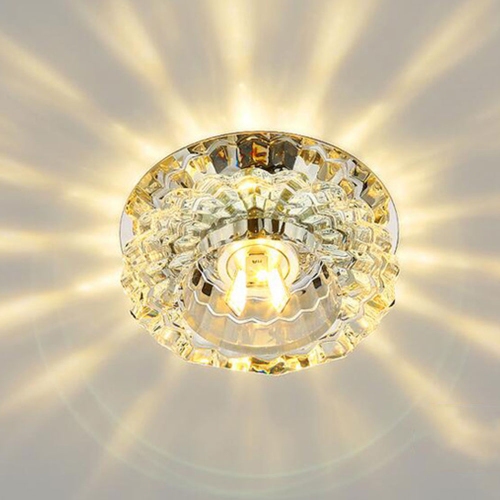
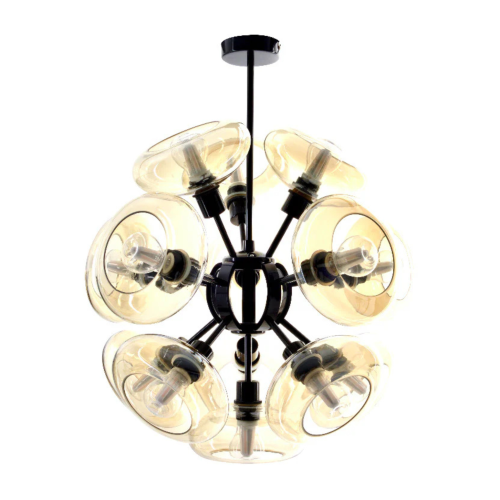
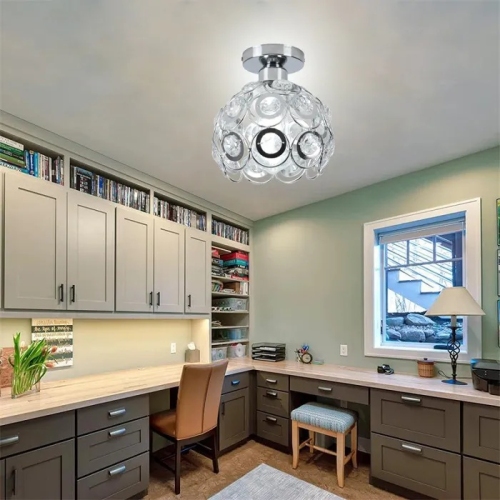
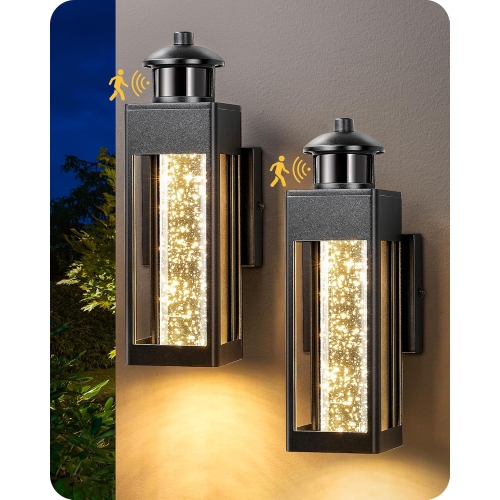
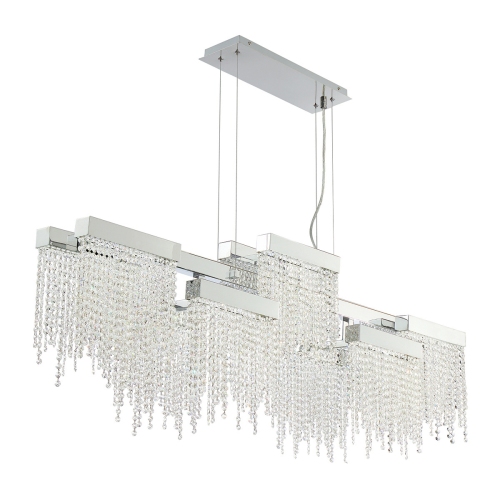
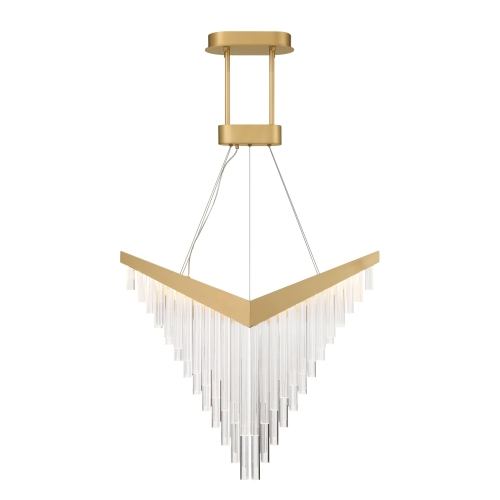
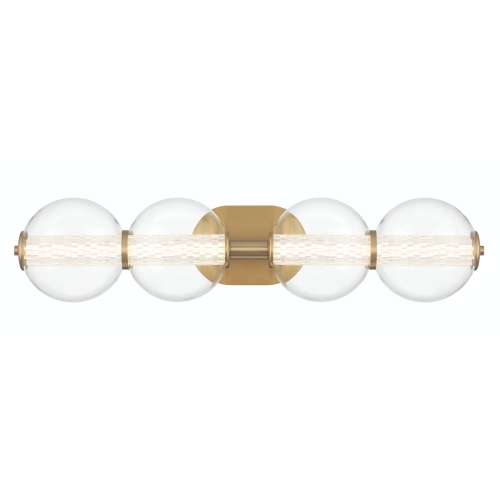
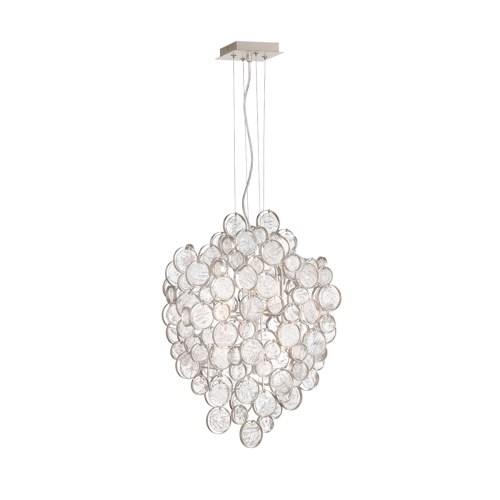
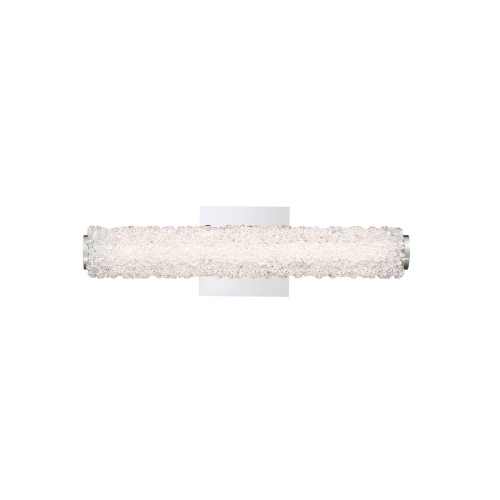
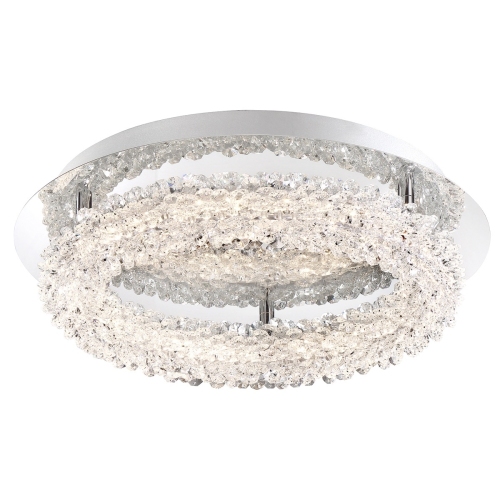
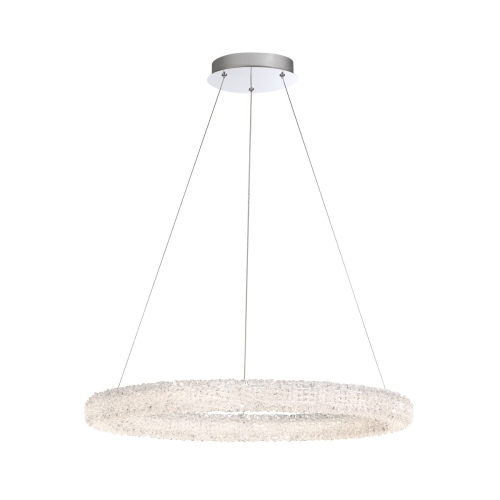
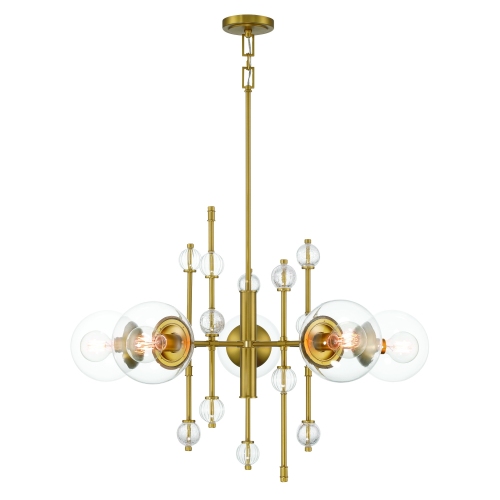
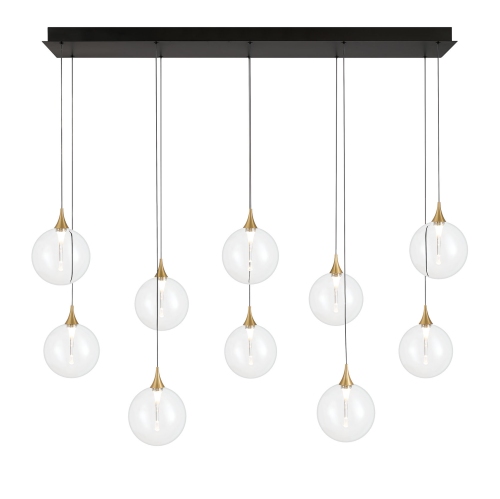
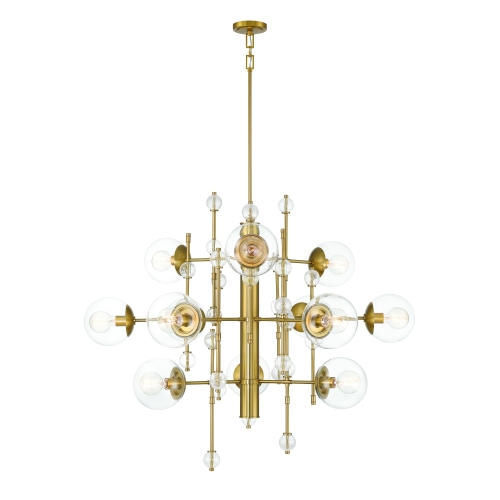
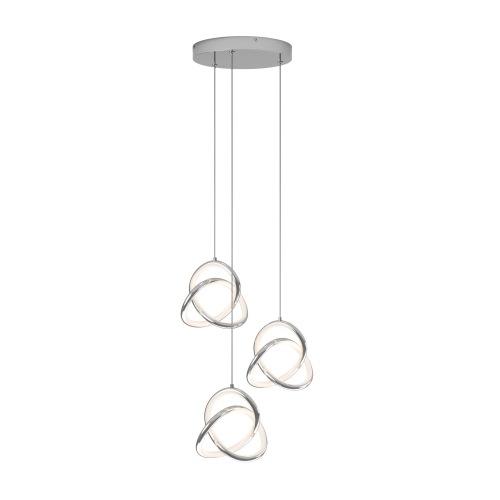
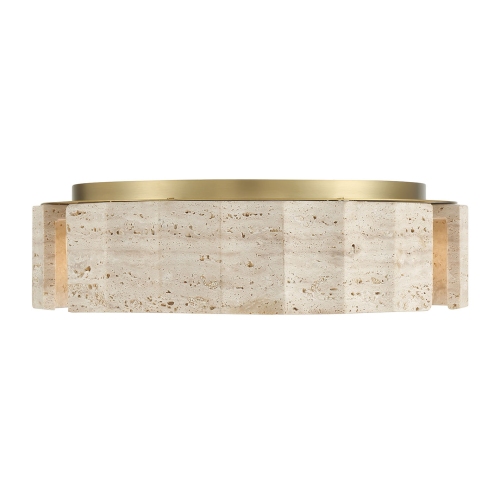
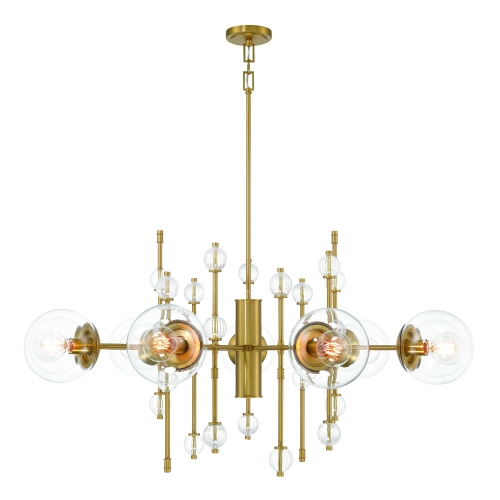
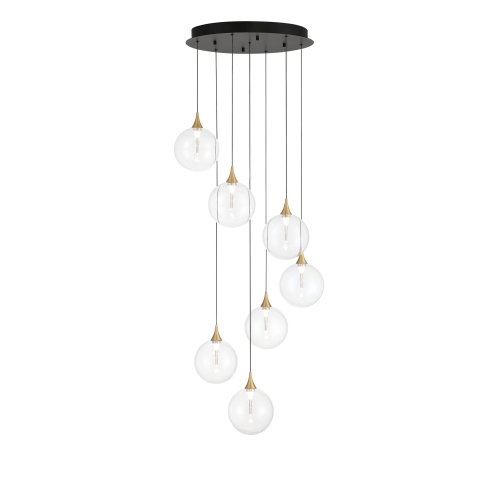
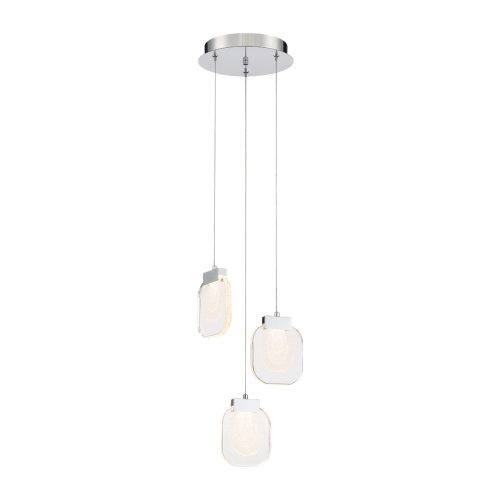
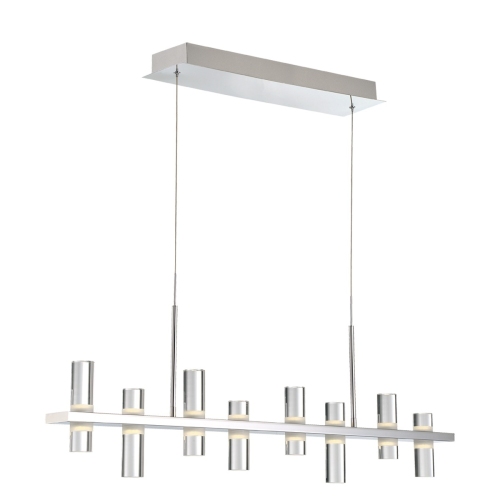
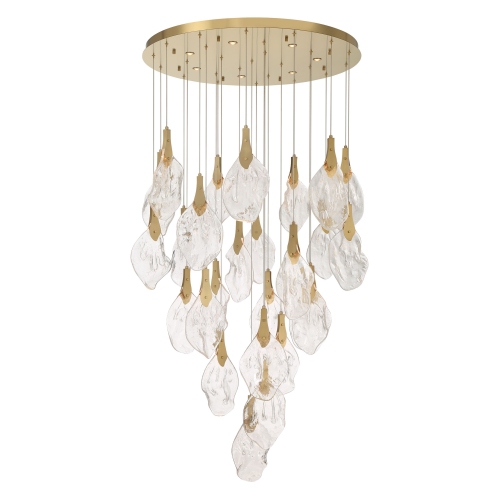
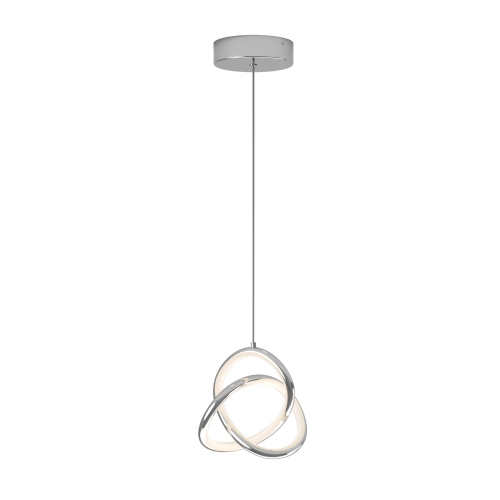
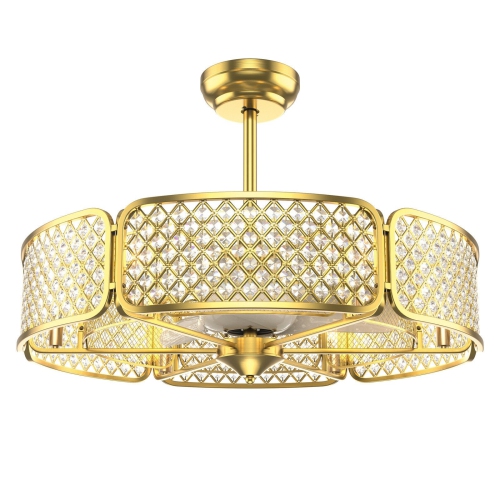
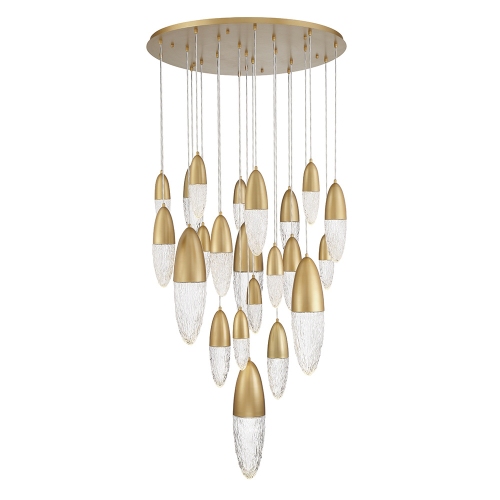
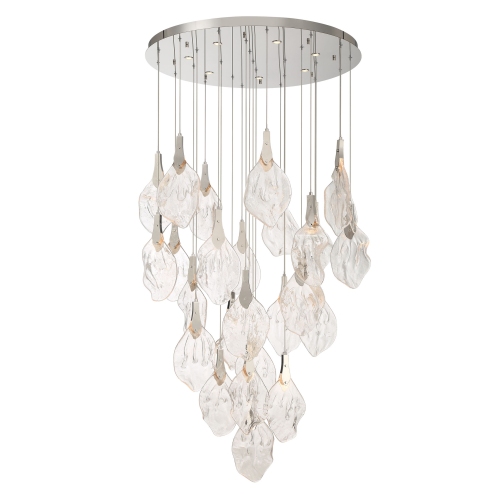
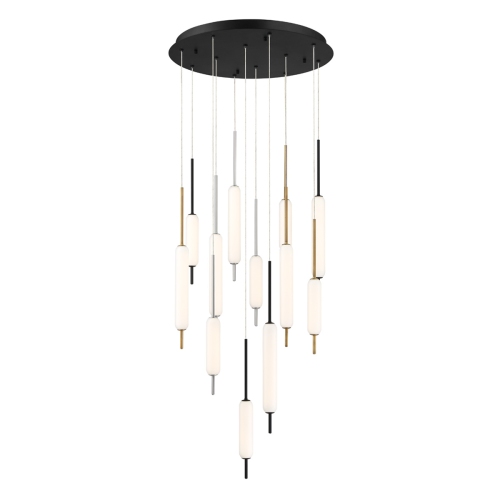
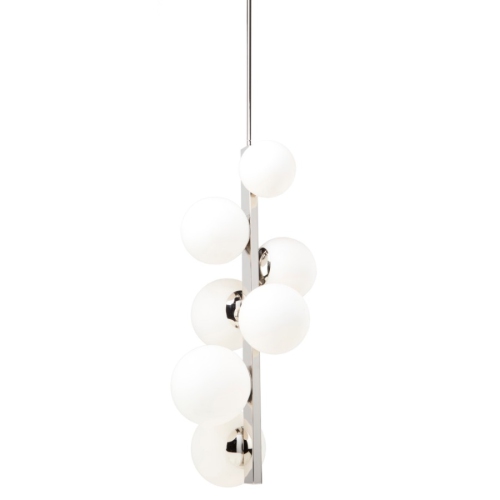
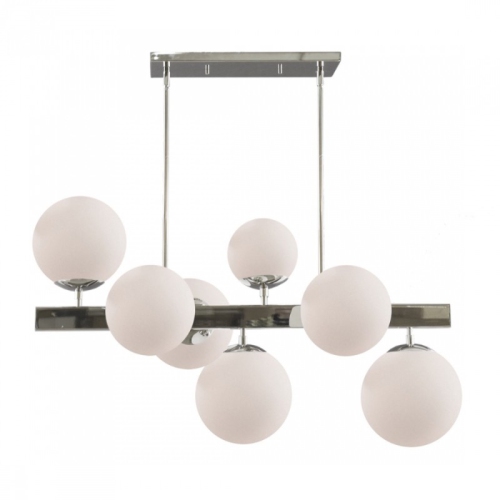
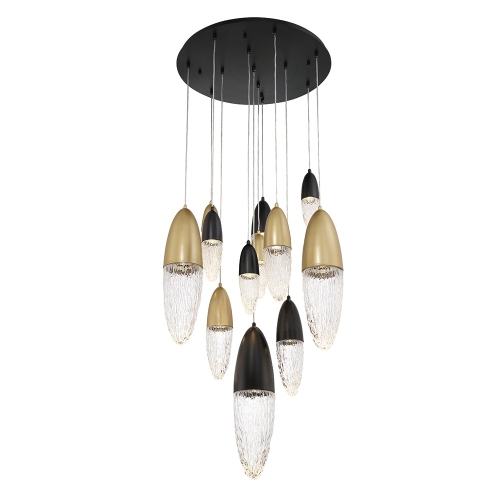
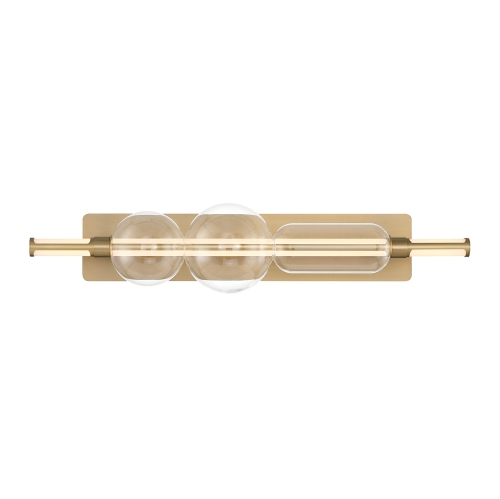
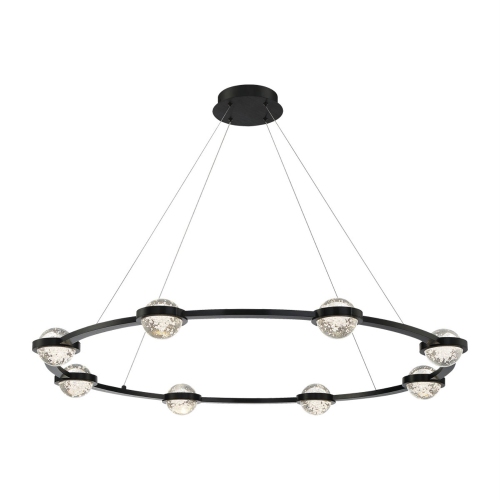
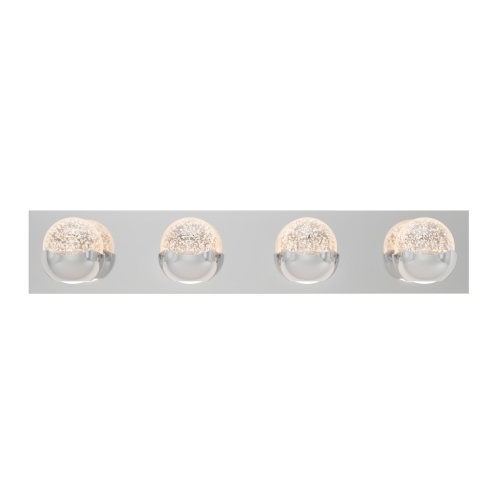
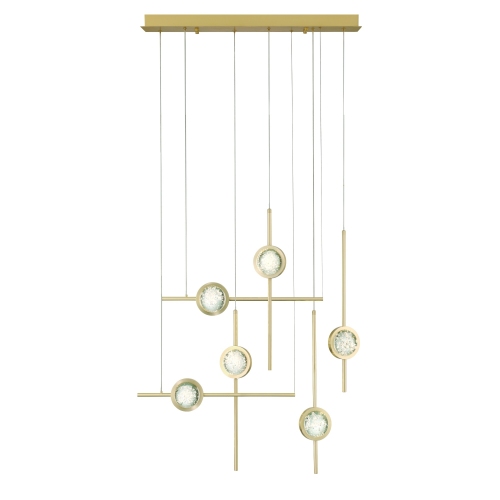
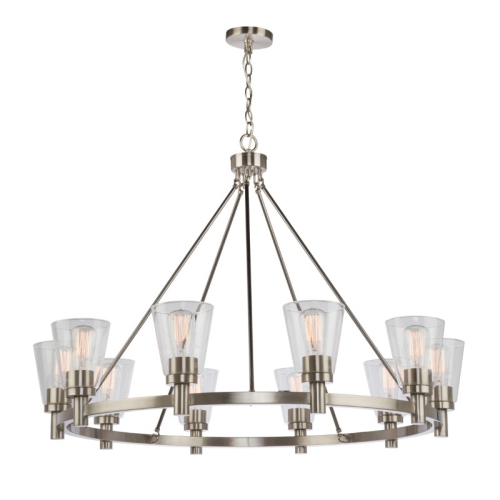
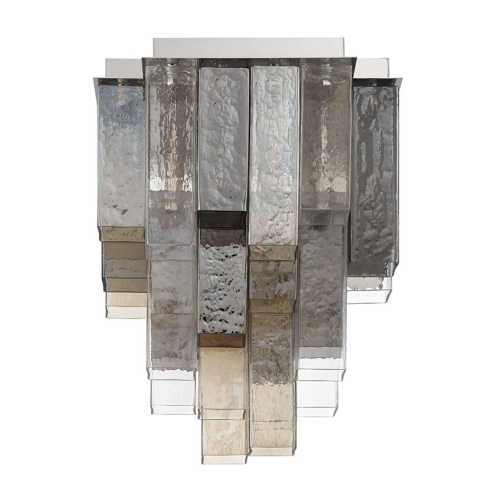
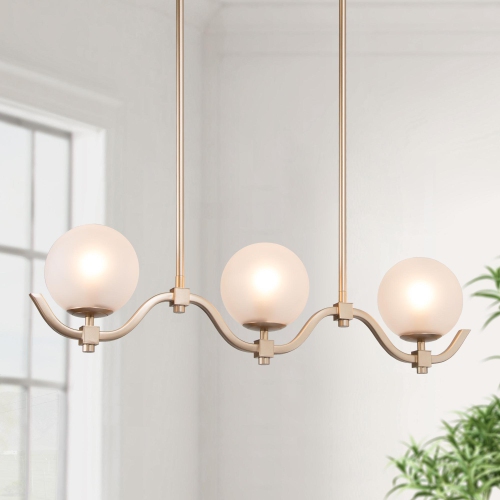
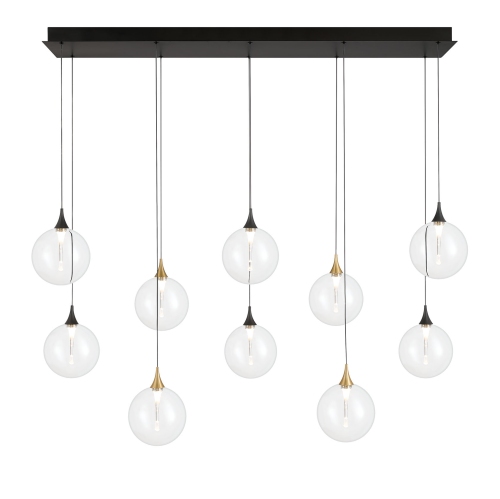
How crystal shapes light from sparkle to shimmer
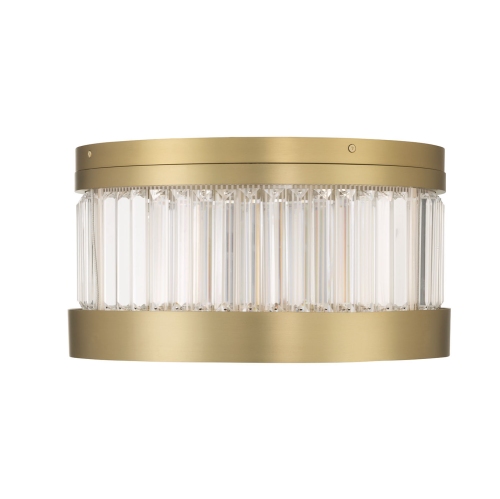
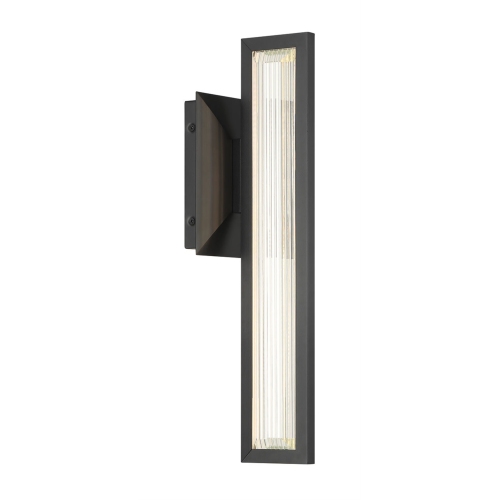
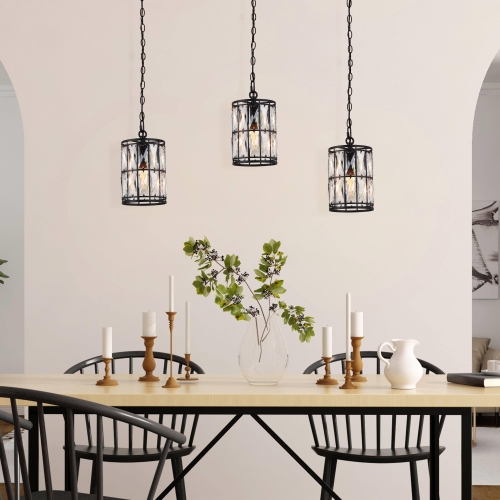
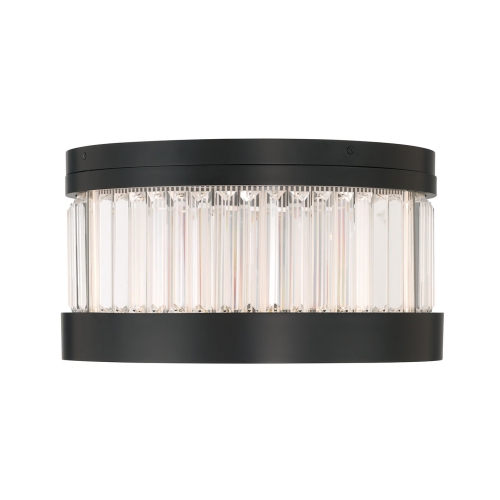
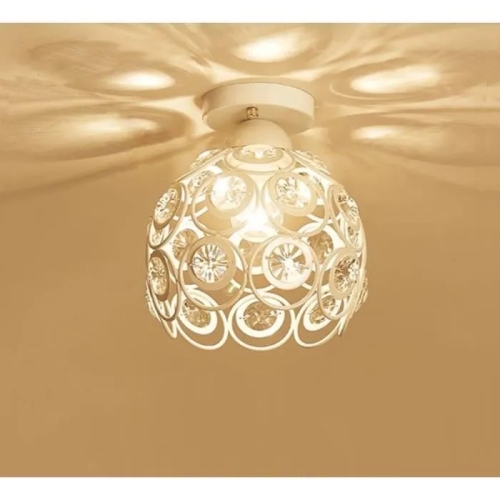
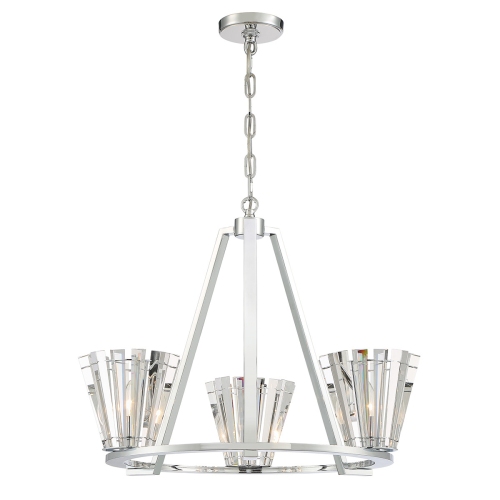
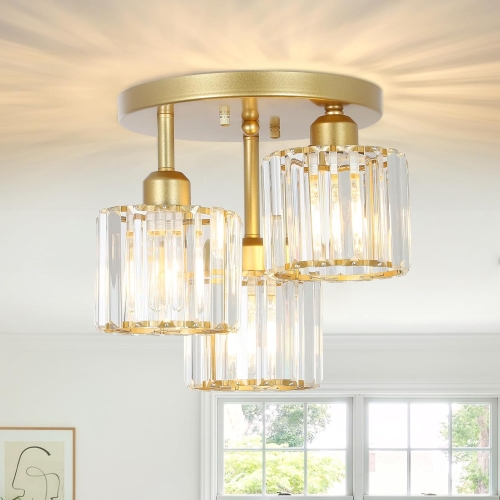
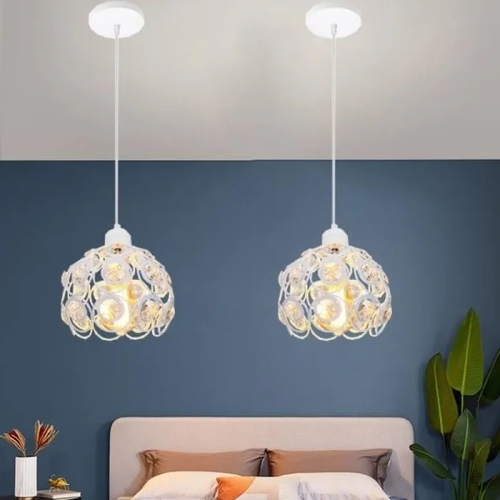
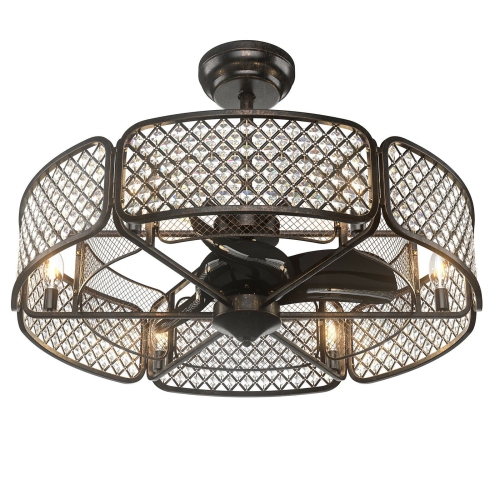
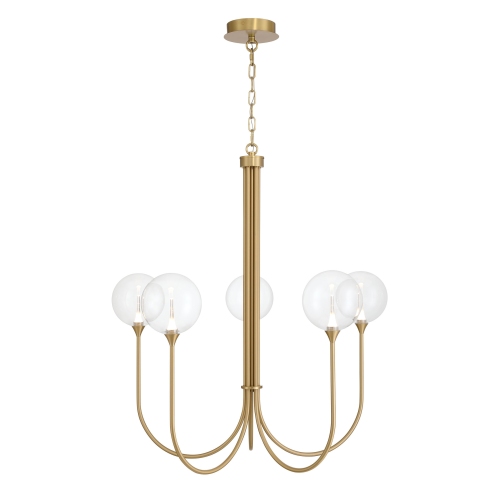
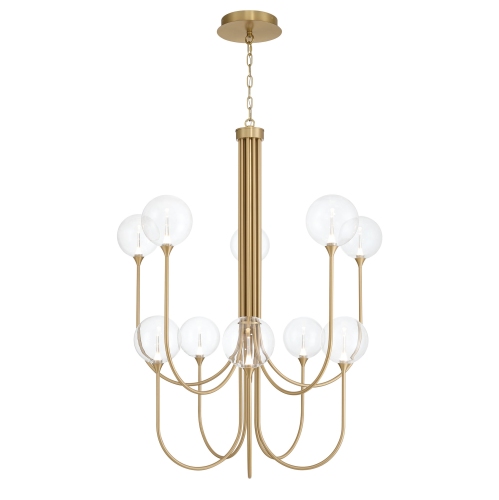
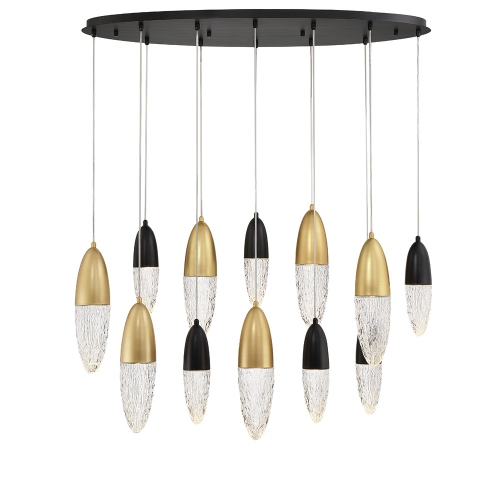
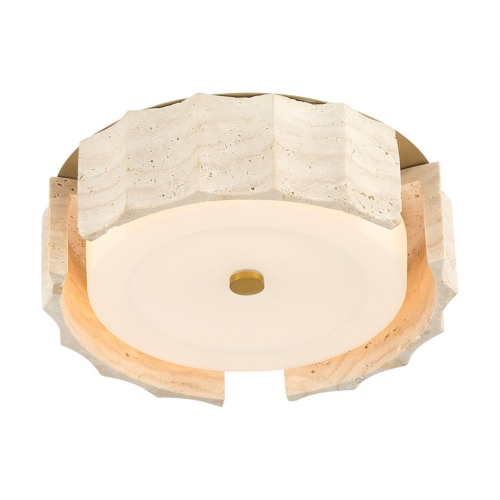
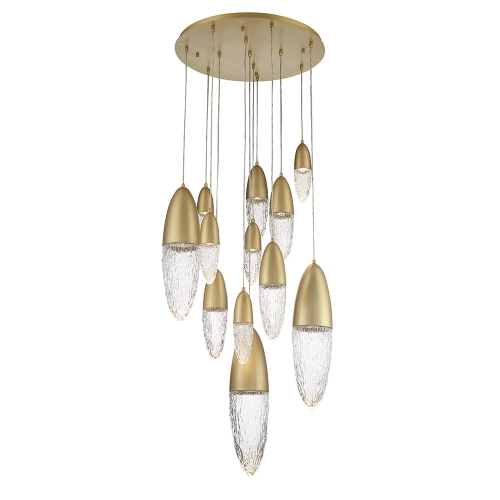
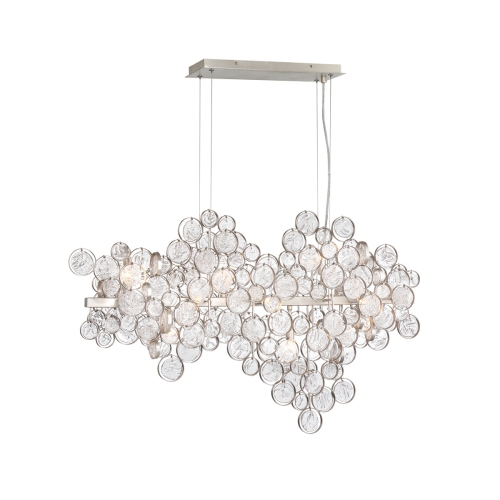
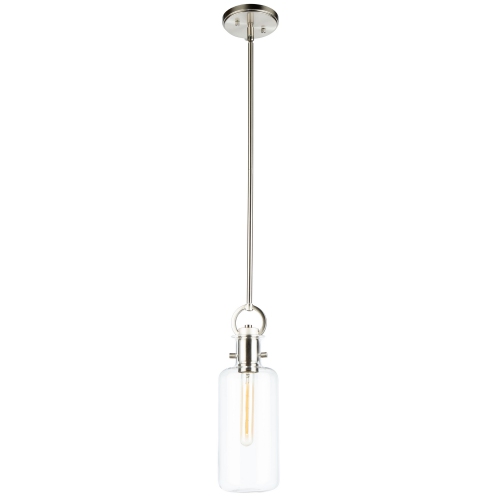
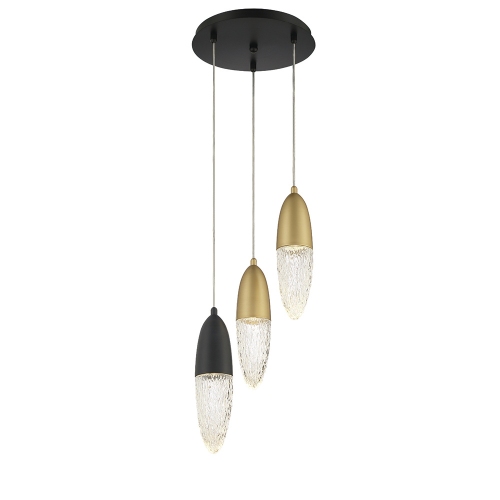
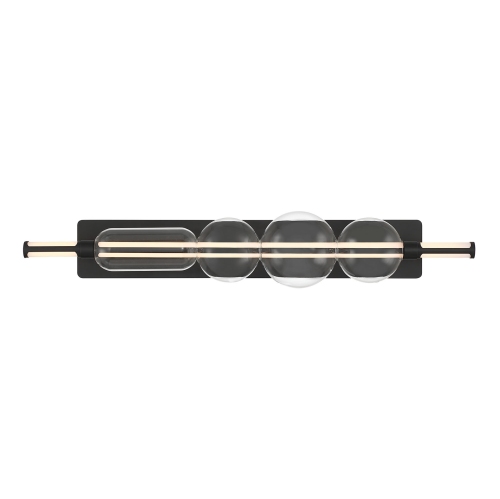
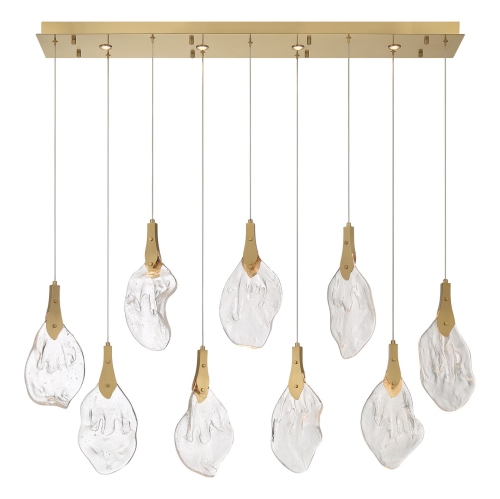
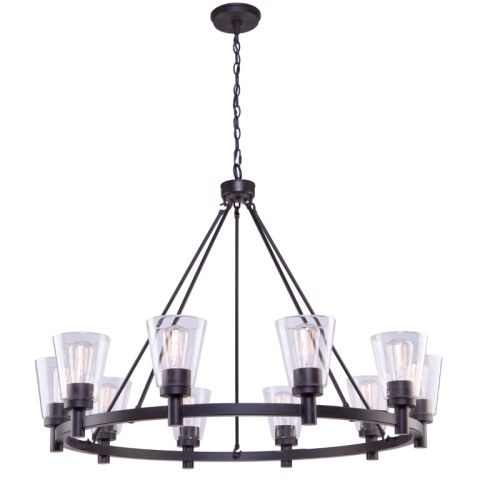
Crystal light fixtures combine practical illumination with the sparkle of faceted drops, beads, prisms, or textured panels. They range from compact ceiling lights to broad, multi-tiered chandeliers, giving this style a place in modest hallways as well as spacious dining rooms and entryways. The defining feature is the way their transparent elements interact with light: cut surfaces can create bright highlights, reflections, and small flashes of colour, while smoother or textured pieces produce a gentler shimmer. Crystal chandeliers often feature branching arms, suspended strands, or cascading tiers that make the fixture a focal point. Crystal flush mounts sit close to the ceiling, making them a practical choice where a hanging design would intrude on headroom. Semi-flush mounts leave a short gap between the fixture and the ceiling, offering some of the depth of a chandelier without the same drop. Crystal pendant lights concentrate that visual detail into a suspended form, whether a single cluster above a small table or a linear arrangement over a kitchen island. The effect depends as much on the frame as on the crystal. Curved arms and teardrop pendants bring a traditional character, while slim rings, geometric cages, and straight rows of prisms suit more pared-back interiors. Clear crystal can work with many colour palettes, allowing nearby upholstery, cabinetry, and wall finishes to remain prominent. A matte black frame gives the transparent elements a defined outline; brass-toned metal adds warmth; polished silver-toned finishes create a brighter, more reflective appearance. For a coordinated look across adjoining rooms, Silver Light Fixtures can complement crystal lighting with chrome, nickel, or other silver-toned details. Matching every fixture exactly is not essential. Repeating one finish or a similar curve can connect a dining room chandelier with simpler hallway lighting, while allowing each room to have its own character. Crystal lighting can feel formal or relaxed depending on the surrounding furniture, the scale of the fixture, and how prominently its reflective elements are displayed.
Size and placement shape how comfortably crystal lighting fits into daily life. A fixture that looks balanced above a dining table may feel crowded in a narrow passage, even when both spaces have similar floor areas. Overall width, height, and installed drop matter, along with the clearance needed for doors, tall furniture, and people moving beneath it. Above a rectangular table, a linear crystal pendant can echo the tabletop and distribute light along its length. A round chandelier often sits comfortably above a round table, creating a centred arrangement without extending too far towards the edges. Over an island, a row of smaller pendants can establish a rhythm, while a single elongated fixture creates a more continuous line. In either case, the suspended elements should leave clear sightlines for conversation and everyday kitchen tasks. Low-profile crystal ceiling lights bring detail to bedrooms, corridors, and dressing areas without the visual weight of a large hanging fixture. Taller entryways can accommodate deeper silhouettes, but ceiling height alone does not determine suitability: the fixture’s weight, mounting requirements, and accessibility for cleaning also matter. Adjustable rods or chains offer flexibility within the limits specified for the fixture, and sloped ceilings require a compatible mounting arrangement. Light output deserves equal attention. Crystal adds sparkle, but it does not replace sufficient illumination for reading, preparing food, or finding clothing. Lumens describe light output more usefully than bulb wattage alone, although shades and dense crystal arrangements can affect how much light reaches nearby surfaces. Warm white light tends to emphasize an inviting, golden appearance, while a more neutral white can give clear crystal a crisp look. Exposed bulbs may create distracting bright points when viewed from a chair or sofa, so bulb shape, finish, and position influence comfort. Compatible dimming makes it easier to move from a well-lit family meal to a softer setting for conversation. Where concentrated task lighting is needed, crystal fixtures work well alongside under-cabinet lights, reading lamps, or other dedicated sources rather than having to provide every layer of light themselves.
Materials and construction influence both the appearance and the upkeep of crystal light fixtures. The term crystal can describe different glass compositions and finishing methods, so material descriptions are useful when comparing designs. Precision-cut facets generally produce sharper highlights, while moulded, rippled, or textured elements create a different pattern of reflection. Clear glass and acrylic accents may offer a similar visual style, but they are distinct materials and should not be assumed to have the same weight, surface hardness, or optical qualities as crystal. Acrylic is generally lighter, although it can scratch more easily; glass and crystal need protection from knocks that could chip an edge. The frame, suspension points, and small connectors are just as important as the hanging ornaments. Secure fittings help keep strands aligned, while a well-applied metal finish contributes to a consistent appearance over time. Elaborate tiers and closely spaced beads provide rich detail but also create more surfaces to dust. A simpler arrangement with accessible drops can be easier to maintain, particularly above a table that sees daily use. Routine care usually starts with switching the light off, allowing bulbs to cool, and following the manufacturer’s cleaning directions. A soft, lint-free cloth can remove light dust; suitable cleaning methods vary with the crystal, protective coatings, and metal finish. Spraying liquid directly onto an assembled fixture can expose sockets and electrical parts to moisture, so cleaning instructions deserve close attention. Removable pieces should only be detached as directed, with their positions noted to make reassembly straightforward. Bulb access is another practical detail, especially when decorative panels must be opened or removed. Fixtures with integrated LEDs have different servicing requirements from those with replaceable bulbs. For hardwired installation, a qualified electrician can confirm suitable wiring, mounting support, and any special requirements for a heavy chandelier. Canadian electrical certification and the correct dry, damp, or wet location rating also matter, particularly near bathroom moisture. With these details accounted for, crystal lighting can serve as both an everyday light source and a lasting visual feature, bringing measured sparkle to a reading corner, a shared dining space, or the entrance to a home.
Top selling and popular products
-
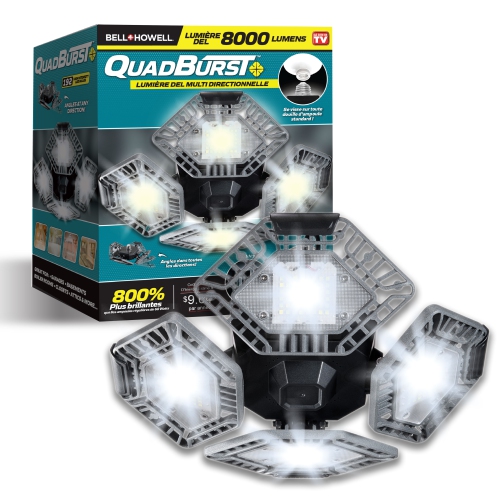 Your price for this item is $49.95
-
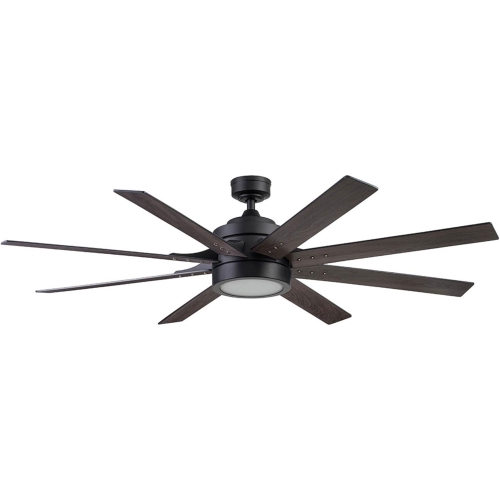 Your price for this item is $491.99
-
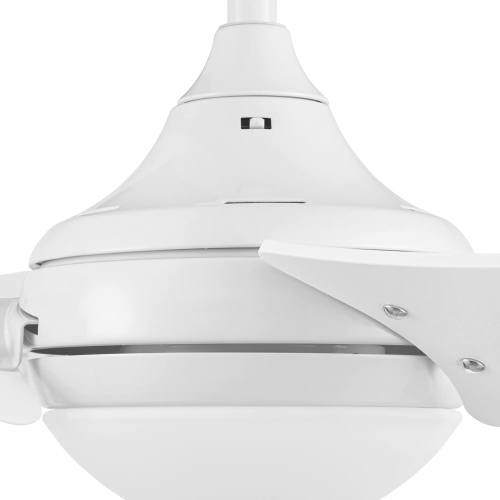 Your price for this item is $239.99
-
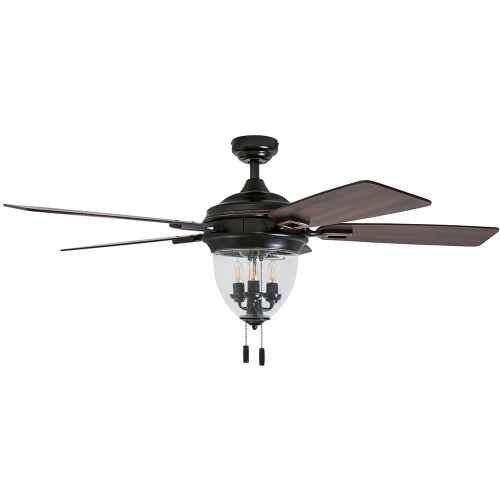 Your price for this item is $368.99
-
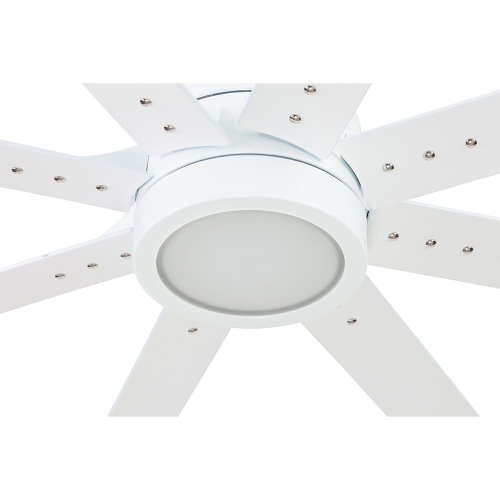 Your price for this item is $502.99
-
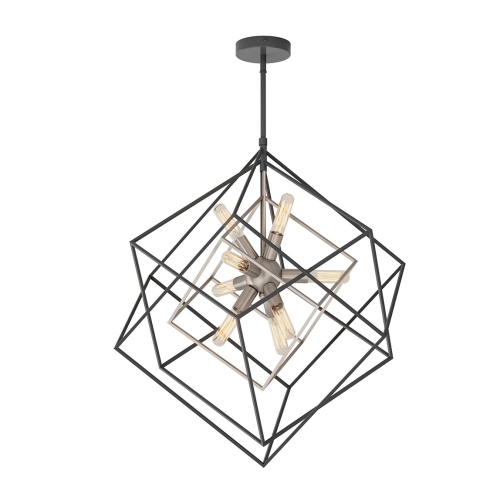 Your price for this item is $299
-
 Your price for this item is $239.99
-
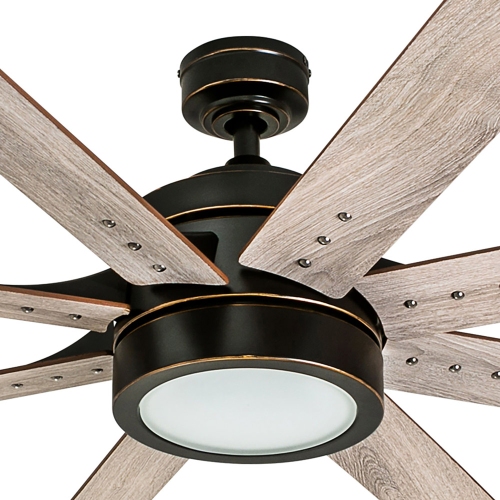 Your price for this item is $536.99
Discover more categories related to Crystal Light Fixtures
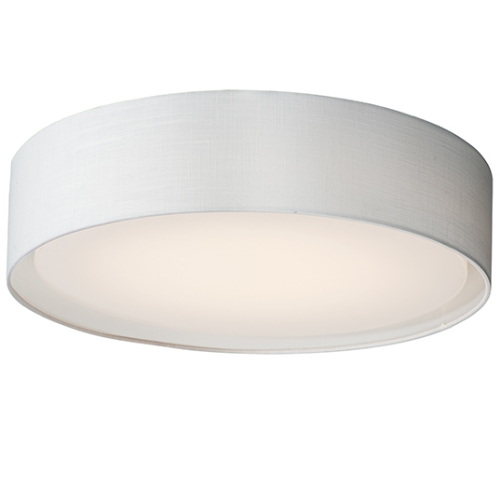
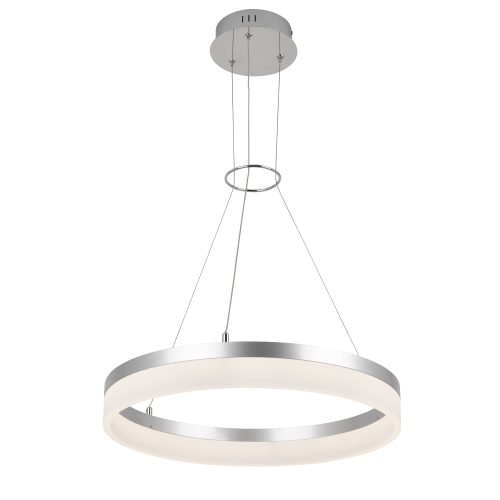


Top Collections:
Best Black Friday Deals This Year, Best Black Friday Deals On Electronics, Kindle Devices, Pokemon Centers, Best Black Friday Deals On Apple Products, Best Cameras for Sports Photography, Dyson Airwrap, Pokémon 30th Celebration Cards, Apple iPhone 17 Pro, Canon G7X Cameras
Some products may be subject to Environmental Handling Fees
(EHF) depending on your province.
Learn more about EHFs.