Fabric Light Fixtures
Create a warm and inviting ambiance in any room with our collection of fabric light fixtures. These versatile lighting solutions effortlessly blend functionality and style, making them the perfect addition to your home decor. Whether you're looking for a sleek pendant light to hang above your dining table or a chic floor lamp to brighten up your reading nook, our range of fabric light fixtures has something to suit every taste and space. With their soft and diffused glow, these fixtures add a touch of elegance and sophistication to any interior setting. Explore our selection today and find the perfect fabric light fixture to illuminate your living space with grace and charm.
Sort
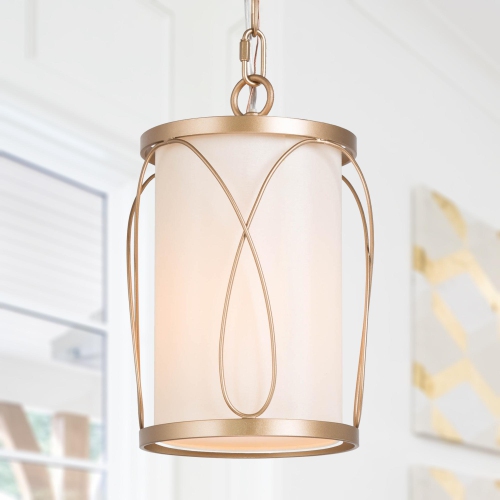
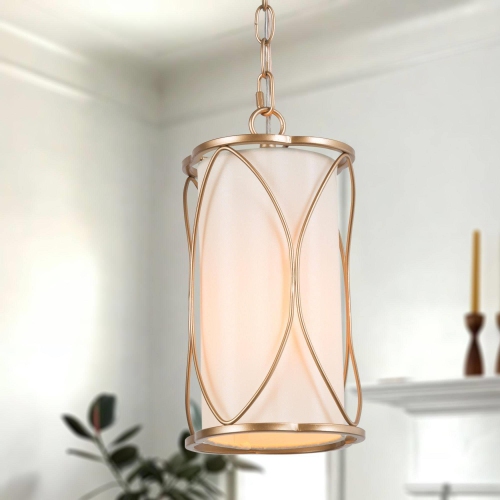
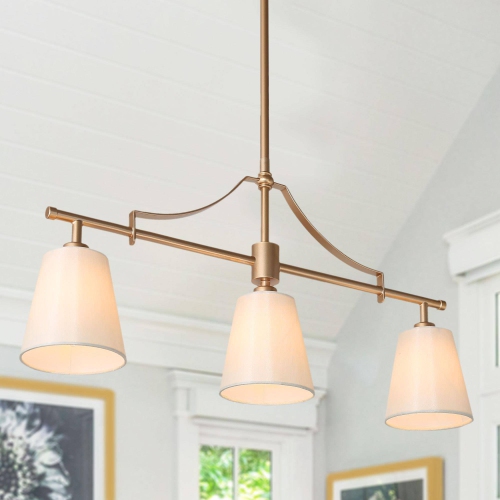

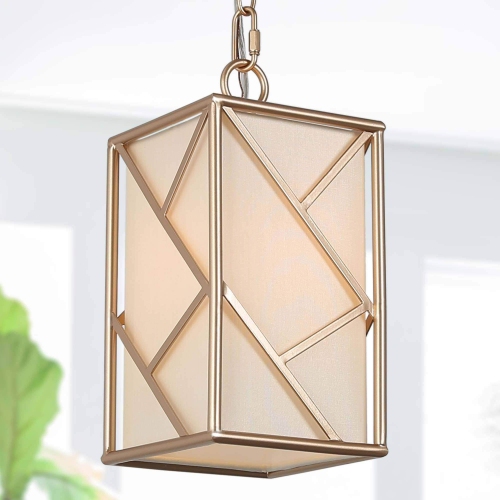
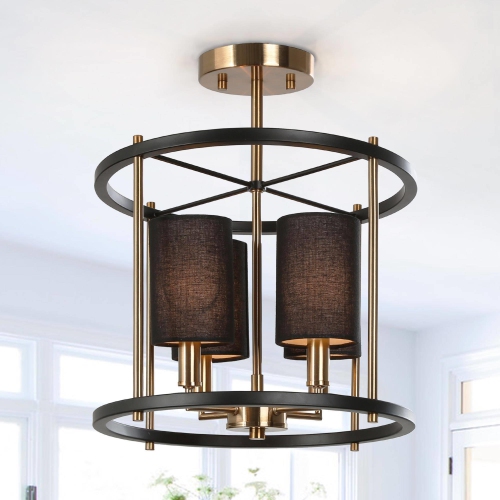
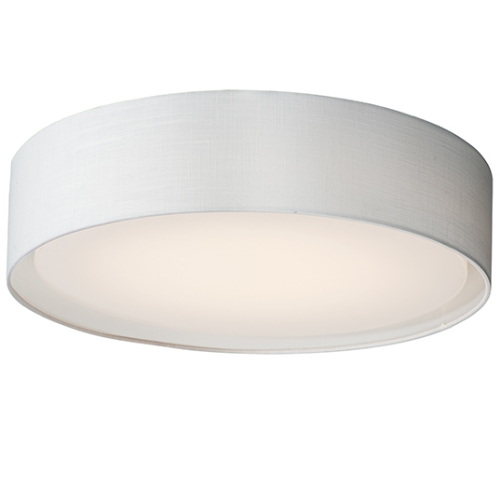
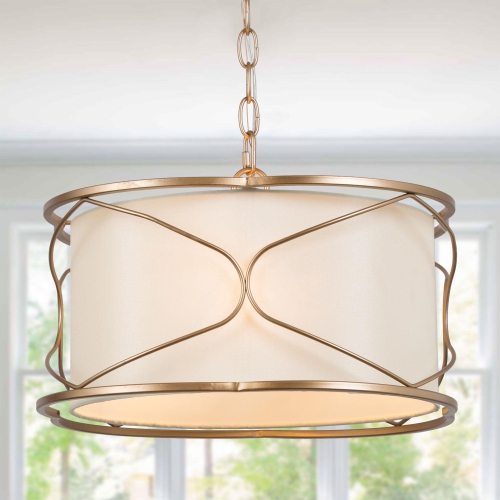

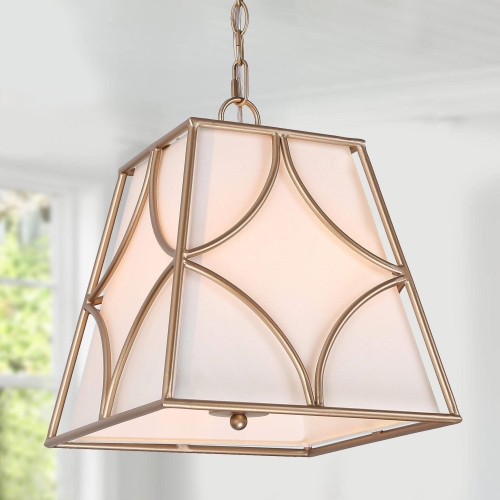
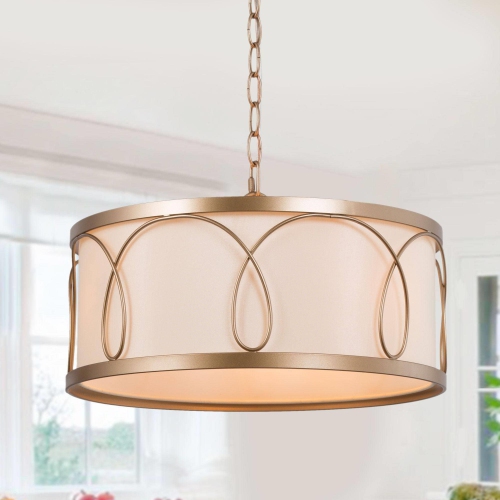
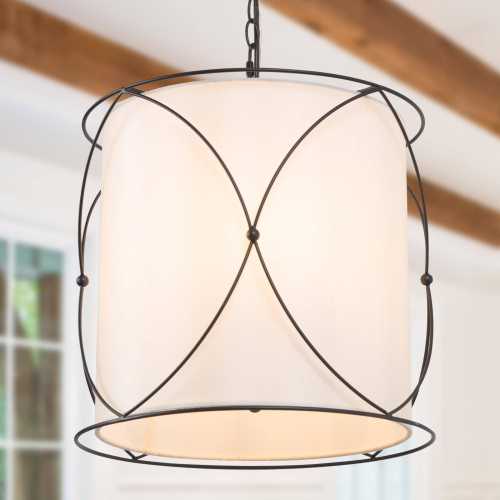
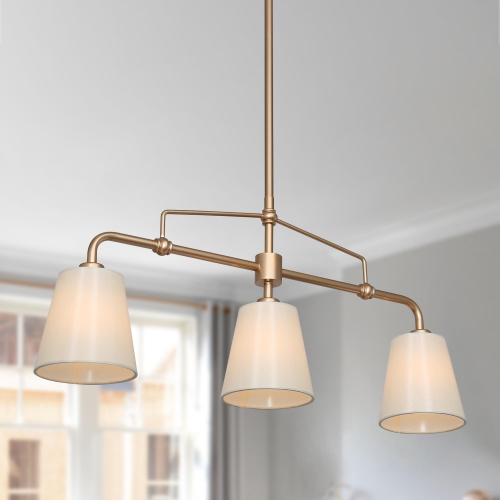
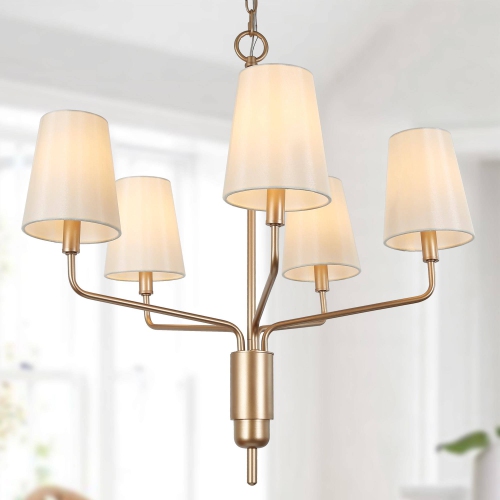
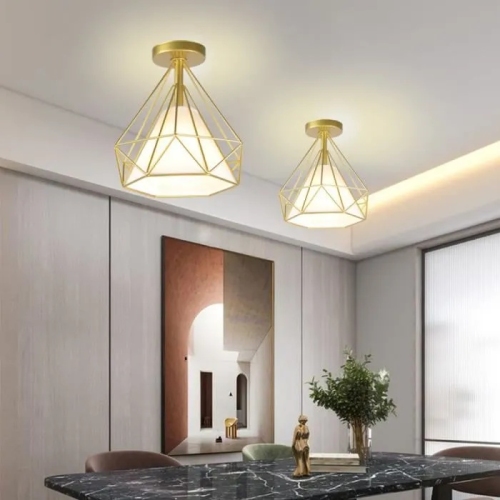
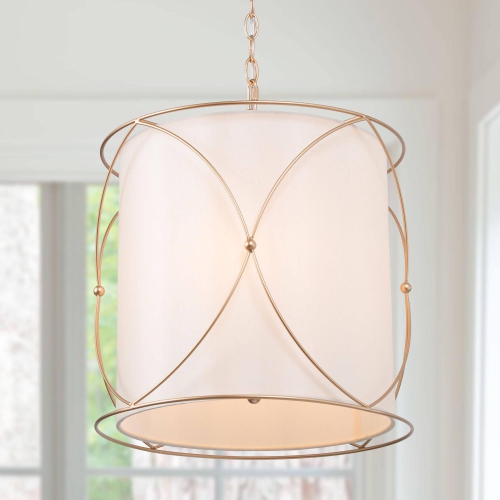
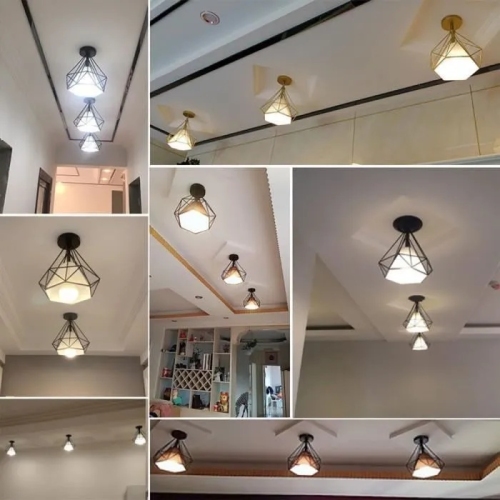
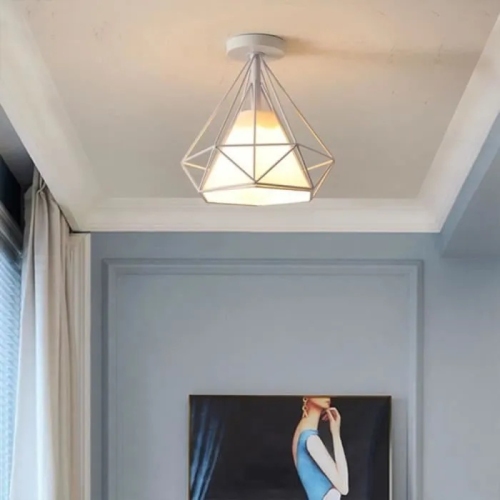
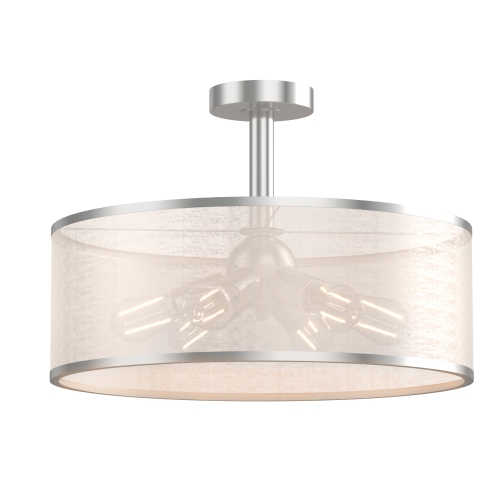
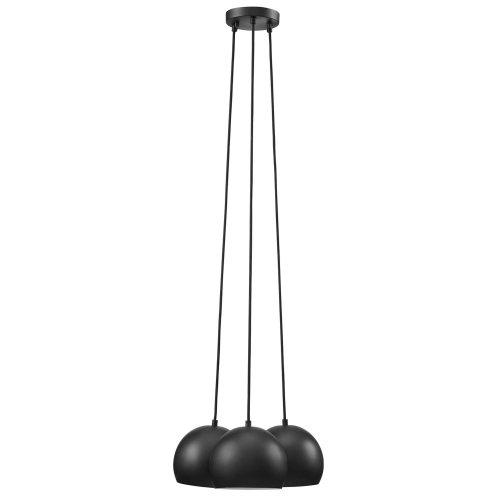
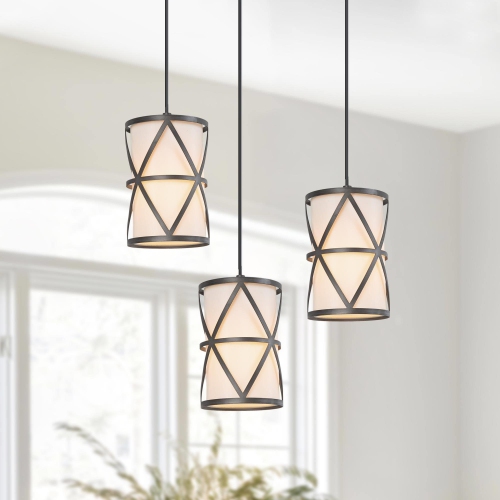
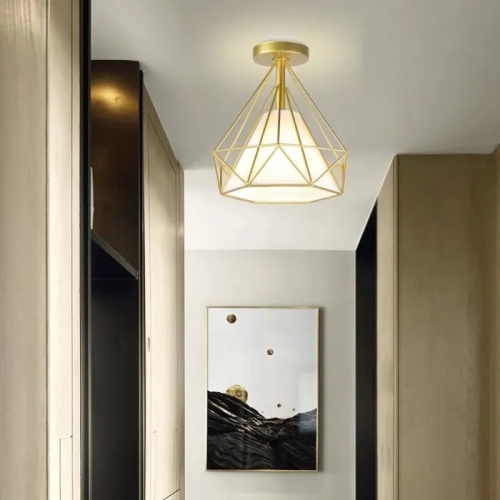
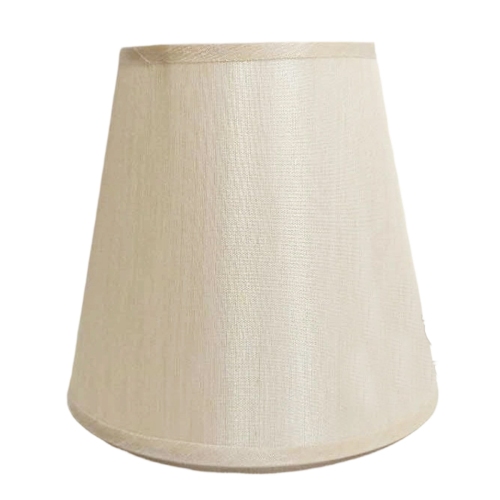
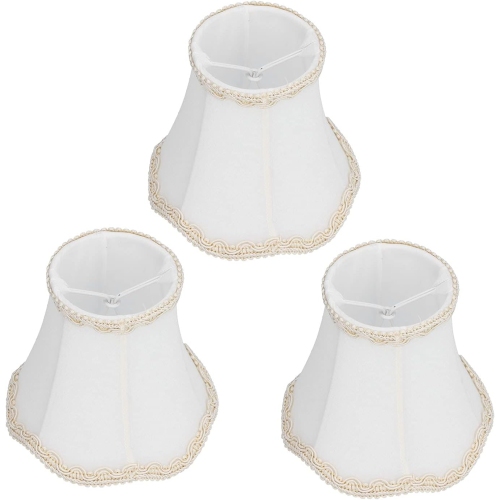
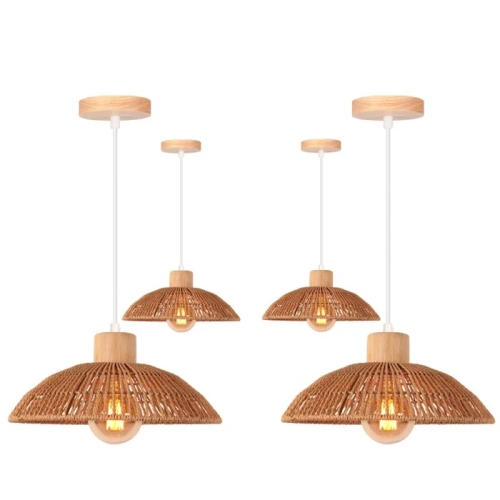
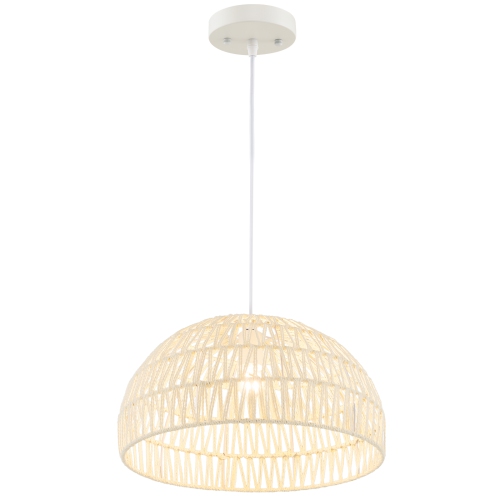
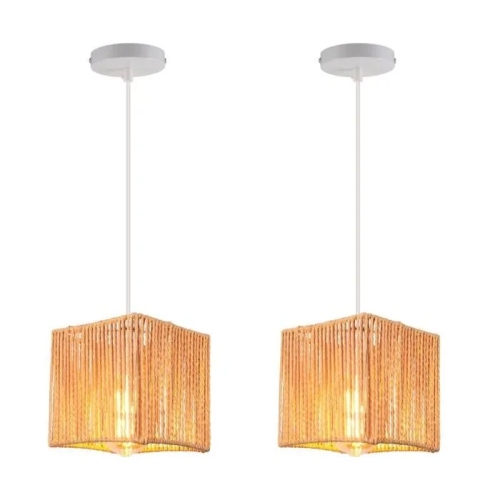
How fabric shades balance texture and useful light
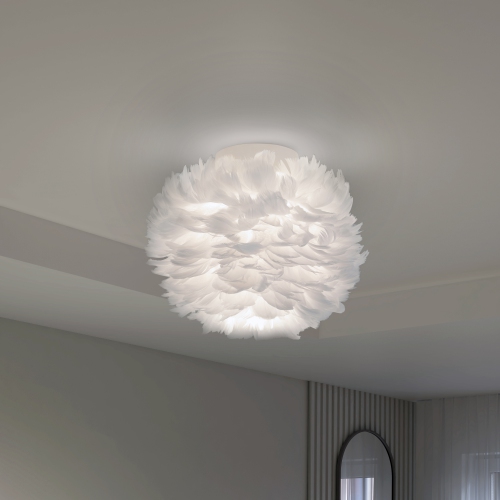
Fabric light fixtures bring textile texture into a room while softening the appearance of the light source. Their shades filter light through woven or pleated material, helping to reduce direct glare and create a more comfortable glow around seating areas, dining tables, and bedsides. The effect depends on the shade’s weave, colour, lining, and shape, as well as the bulb inside it. A loosely woven linen shade can reveal subtle threads when illuminated, while a closely woven cotton shade often has a smoother, more uniform appearance. Silk and silk-look fabrics offer a refined finish, and synthetic blends can provide consistent texture and help a shade hold its shape. These materials are generally supported by an internal frame rather than forming the fixture’s structural body. Drum shades have a clean, balanced silhouette; tapered shades draw the eye towards a narrower top; and pleated shades add depth through alternating bands of light and shadow. Rounded and sculptural textile forms can make an overhead fixture feel lighter in appearance than a solid metal fitting of similar size. White, ivory, and pale neutral fabrics typically allow more light to pass through, while darker or more densely lined shades tend to direct more illumination through their openings. Fabric does not automatically make a bulb’s light warmer: the bulb’s colour temperature remains important, with the textile adding its own subtle tint. An enclosed bottom diffuser can further conceal the bulb and spread light across the shade, whereas an open-bottom design may provide more direct illumination below. This distinction matters over a dining table or beside a reading chair, where a soft-looking fixture still needs to deliver useful light. Fabric-covered ceiling lights, pendants, chandeliers, wall sconces, table lamps, and floor lamps all offer variations on this balance between texture and illumination. Their appeal lies in the way they become part of the furnishings, echoing upholstered seating, curtains, or bedding without requiring every fabric in the room to match.
The right proportions allow fabric lighting to feel integrated rather than crowded. Flush-mount fixtures sit close to the ceiling and suit spaces where a hanging shade would interrupt movement or sightlines. Semi-flush designs leave a gap above the shade, which can allow light to reach the ceiling as well as the room below. Pendants introduce a more defined focal point over a table, while multi-light chandeliers can spread illumination across a larger area. In an open-plan living and dining space, a fabric pendant can visually distinguish the eating area without adding a solid barrier. Its diameter and hanging height should relate to the table beneath it, leaving comfortable views between people seated opposite one another. Bedrooms often benefit from shaded ceiling lighting paired with a separate reading light, so the whole room does not need to be brightly lit for one person to read. Fabric-shaded wall sconces can free up bedside surfaces, although their reach, switch placement, and mounting height affect everyday convenience. Table lamps bring light closer to a sofa or desk, and floor lamps can illuminate a chair without taking up space on a side table. A shade positioned near eye level should conceal the bulb from the usual seated viewing angle; otherwise, a fixture that looks soft from across the room may still produce noticeable glare nearby. Light output also matters, since a dense shade can absorb some of the illumination that a bare bulb would deliver. LED bulbs can work well in fabric-shaded fixtures when their base, dimensions, wattage, and enclosed-fixture suitability match the fitting’s requirements. Adjustable brightness requires compatible bulbs, fixtures, and dimming controls. For a coordinated room, fabric shades can sit alongside other Decorative Light Fixtures, with common finishes or shapes linking the different pieces. A linen drum shade beside pale wood creates a relaxed, understated look, while a pleated shade paired with brass-toned details feels more traditional. Black metal supports can give a textile fixture a crisp outline, particularly against light-coloured walls.
Construction and care influence how well a fabric light fixture keeps its appearance over time. An evenly stretched shade, neatly finished seams, and a stable frame help maintain a clean silhouette, especially when the light is switched on and small irregularities become more visible. Pleated designs have additional folds where dust can settle, while smooth shades offer fewer creases to clean. A soft brush or another cleaning method approved by the manufacturer is generally preferable to rubbing the fabric aggressively. Washing, soaking, or applying household cleaners can mark the textile, loosen adhesive, or distort the shade, so removable does not necessarily mean washable. The fixture should be switched off and allowed to cool before cleaning, with power disconnected where the care instructions require it. Placement also affects longevity: direct sunlight may fade some fabrics, and cooking residue can settle on shades near food preparation areas. Fabric fixtures are often best suited to living rooms, bedrooms, dining rooms, and other dry indoor spaces. Any fixture used where moisture may be present needs an appropriate location rating; a textile shade alone offers no assurance of bathroom suitability. Safe fit extends beyond the fabric itself. Ceiling-mounted designs need compatible mounting hardware and adequate support, while hardwired installations should be handled by a qualified electrician in accordance with local requirements. The manufacturer’s maximum wattage and required bulb clearance are essential, even when using a bulb that produces less heat than an incandescent equivalent. A replacement shade must match the lamp’s attachment system and leave the required space around the bulb. For portable lamps, a stable base, suitable cord routing, and accessible controls make daily use easier, particularly beside a frequently used chair or bed. Fabric-shaded lighting can also make a thoughtful housewarming or wedding gift when the recipient’s room size, décor, and practical needs are known. A portable lamp is generally easier to place than a hardwired fixture, allowing its soft light and tactile finish to become part of a favourite corner without a permanent installation.
Top selling and popular products
-
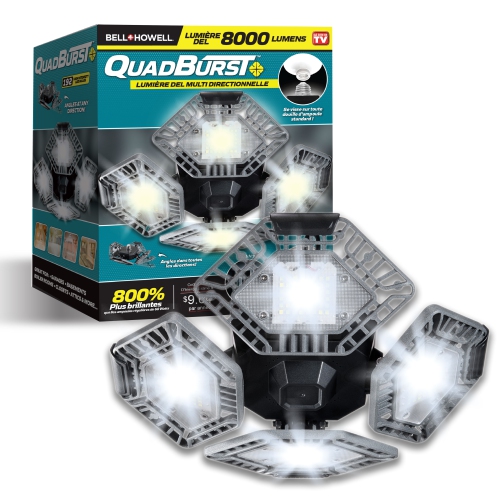 Your price for this item is $49.95
-
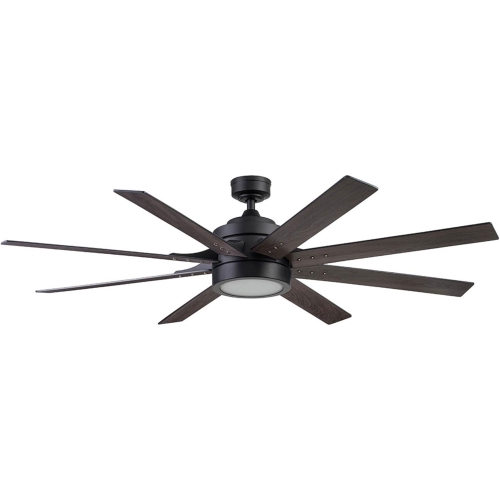 Your price for this item is $491.99
-
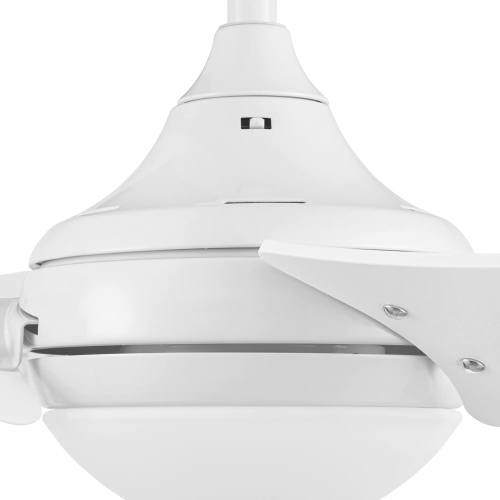 Your price for this item is $239.99
-
 Your price for this item is $368.99
-
 Your price for this item is $502.99
-
 Your price for this item is $299
-
 Your price for this item is $239.99
-
 Your price for this item is $536.99
Discover more categories related to Fabric Light Fixtures
Top Collections:
Best Black Friday Deals This Year, Best Black Friday Deals On Electronics, Kindle Devices, Pokemon Centers, Best Black Friday Deals On Apple Products, Best Cameras for Sports Photography, Dyson Airwrap, Pokémon 30th Celebration Cards, Apple iPhone 17 Pro, Canon G7X Cameras
Some products may be subject to Environmental Handling Fees
(EHF) depending on your province.
Learn more about EHFs.