Cuisinart Knife Sets
Upgrade your culinary game with a premium knife set that combines style and functionality. Crafted with precision and durability in mind, these high-quality knives are designed to enhance your cooking experience and elevate the presentation of your dishes. From slicing and dicing to chopping and mincing, this knife set is a must-have addition to any kitchen arsenal. Explore our selection of top-notch knife sets to find the perfect match for your culinary needs.
Sort
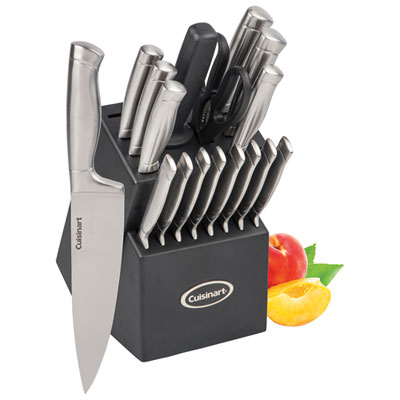
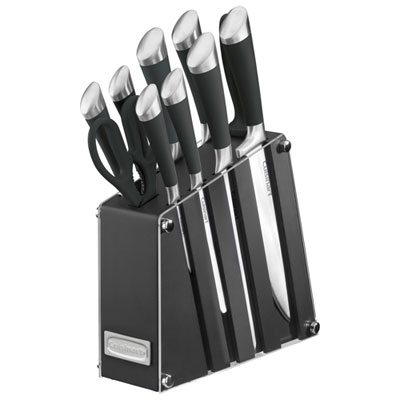
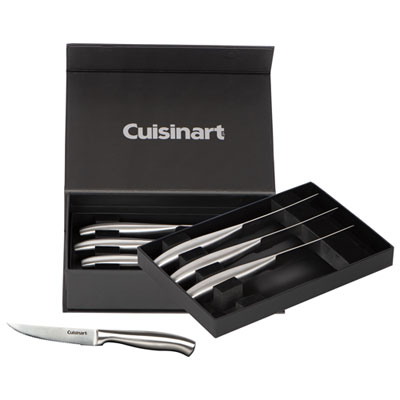
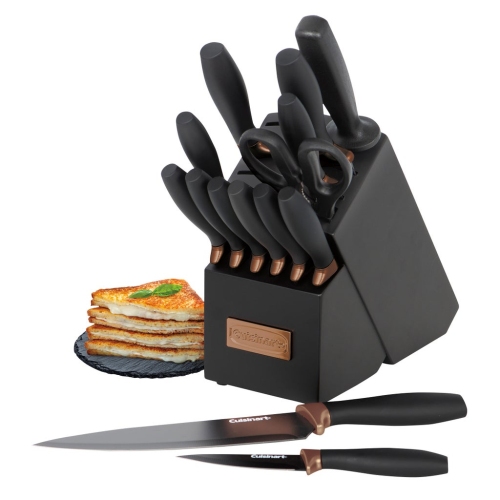
Why blade variety matters more than piece count
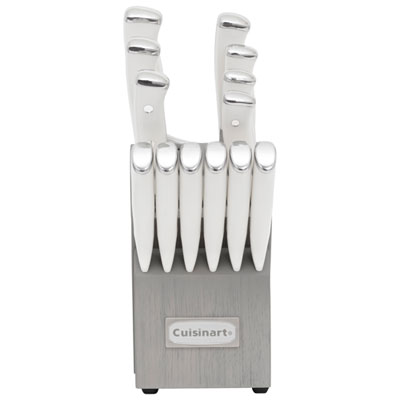
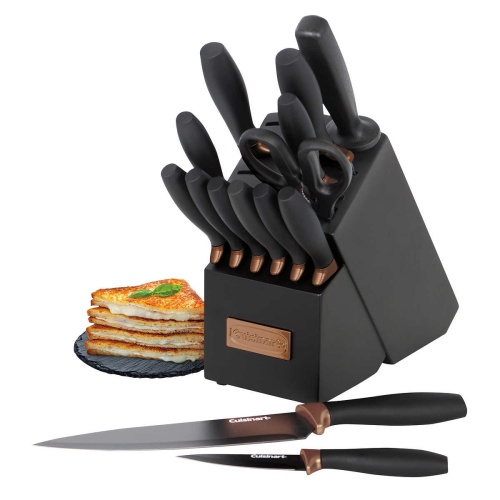
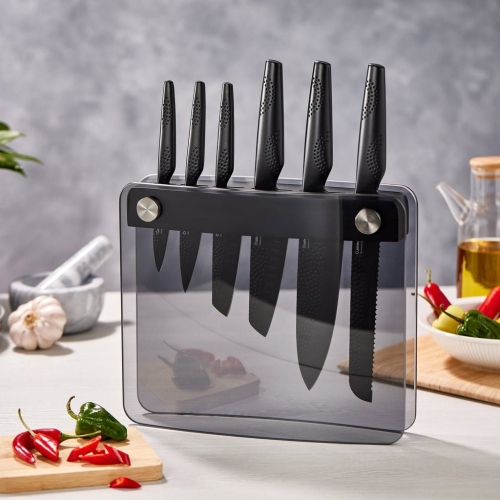
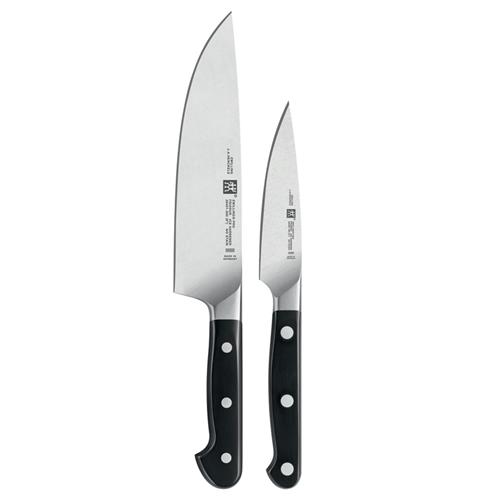
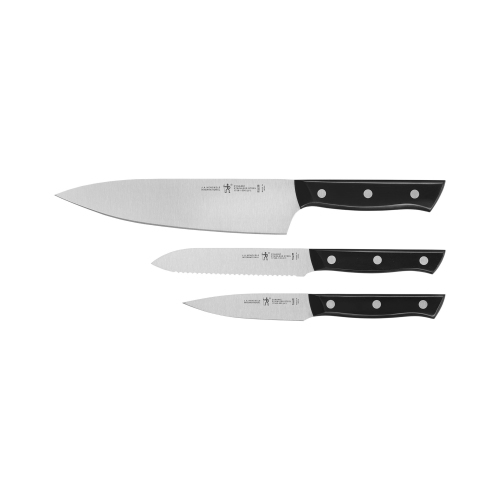
A well-matched kitchen knife set brings a sense of order to everyday food preparation, from slicing an apple for lunch to working through a cutting board full of vegetables for a family dinner. Having several blade shapes within reach makes it easier to choose a tool suited to the ingredient rather than asking one knife to do every job. A chef’s knife typically handles much of the chopping, slicing, and mincing, with enough blade height to work through onions, potatoes, and leafy herbs. A paring knife offers closer control for smaller tasks, such as trimming strawberries or peeling an apple, while a serrated bread knife cuts through a firm crust without flattening the soft centre beneath it. Depending on the set, a utility knife can fill the space between larger and smaller blades, and a slicing knife may be useful for serving roasts in thin, even portions. Some sets also include steak knives, kitchen shears, or a honing tool, so the total piece count does not necessarily represent the number of preparation knives. The mix of tools matters more than the number alone: a compact household that prepares simple meals may use a few versatile blades every day, while an enthusiastic home cook may appreciate additional shapes for more varied ingredients. For kitchens where chopping and slicing take centre stage, Chef Knife Sets offer another way to explore groupings built around food preparation. The most useful assortment reflects familiar cooking habits, whether that means finely dicing vegetables for soup, portioning sandwiches, or trimming fresh produce for snacks. During the cooler months, when squash, root vegetables, and slow-cooked meals often find their way onto the menu, an appropriate blade and a stable cutting surface make preparation more manageable. Hard ingredients still call for care, however; kitchen knives are not substitutes for tools designed to cut through bones or frozen food.
Blade material, construction, and handle fit all influence how a knife feels after more than a few cuts. Stainless steel is common in kitchen cutlery because it offers resistance to corrosion, although it can still stain or develop rust if left wet or exposed to food residue for too long. Steel described as high-carbon stainless combines carbon with corrosion-resistant alloying elements, but that description alone does not determine how long an edge will stay sharp. Heat treatment, blade geometry, and everyday care also affect performance. Forged blades are shaped from heated steel and may have a thicker section near the handle, while stamped blades are cut from sheet steel and are often lighter. Neither construction is automatically the right fit for every cook. A heavier knife may feel reassuring when slicing dense vegetables, whereas a lighter one can feel easier to manoeuvre through repeated small tasks. Handle shape is equally personal: a broad grip may suit a larger hand, while a slimmer profile may feel more comfortable to someone with smaller hands. Smooth joins, rounded edges, and enough clearance between the knuckles and the cutting board contribute to comfort during longer preparation sessions. A full tang, where the blade steel extends through the handle, can influence balance and strength, but the overall design matters more than any single feature. Handle materials also bring different care needs; moulded synthetic handles are generally straightforward to wipe clean, while wood may require additional attention according to the manufacturer’s directions. Storage deserves the same consideration as the knives themselves. A countertop block keeps tools close to the preparation area but takes up space, especially beneath low cupboards where upward clearance can be limited. Drawer storage with fitted protection can keep a smaller counter clear, provided the blades are separated and safely covered. Whatever the arrangement, knives should sit securely without loose edges contacting other utensils, and storage should remain out of children’s reach.
Good care helps preserve both the cutting edge and the finish of a knife set over years of regular use. Unless the manufacturer directs otherwise, prompt handwashing with mild dish soap and warm water, followed by thorough drying, is a sensible routine. Leaving knives submerged in a sink makes the blades difficult to see and can expose handles and metal to prolonged moisture. Dishwashers can also subject cutlery to strong detergents, heat, and contact with other utensils, even when a particular knife is described as dishwasher-safe. A wood or suitable plastic cutting board is gentler on an edge than glass, stone, or a countertop, and a damp cloth beneath a board can help prevent it from sliding during preparation. Moving chopped ingredients with a board scraper, rather than dragging the knife’s edge sideways across the surface, helps avoid unnecessary wear. Sharpness matters because a dull blade can require more force and may slip instead of cutting cleanly, although every sharp knife still needs careful handling. Honing and sharpening serve different purposes: a traditional honing steel helps realign an edge, while sharpening removes metal to form a new one. The right maintenance method depends on the blade, and serrated edges may need a different approach from straight edges. Any sharpener should be compatible with the knife’s design and used according to its directions. These practical details also matter when choosing a set as a housewarming, wedding, or shared-household gift. A recipient establishing a first kitchen may value a manageable selection of everyday tools with secure storage, while someone who cooks frequently may care more about balance, blade profiles, and how easily the handles clean up after a busy meal. Households with several cooks benefit from considering different hand sizes and levels of experience rather than choosing on appearance alone. A coordinated set can give a kitchen a tidy, finished look, but its lasting value comes from comfortable handling, appropriate tools, and care habits that keep each blade ready for the next meal.
Top selling and popular products
-
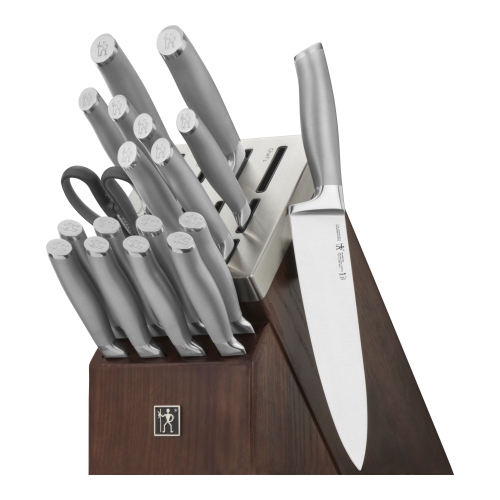 Your price for this item is $489.99
-
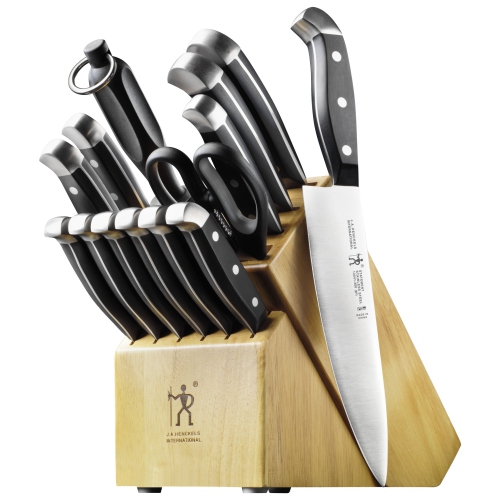 Your price for this item is $179.99
-
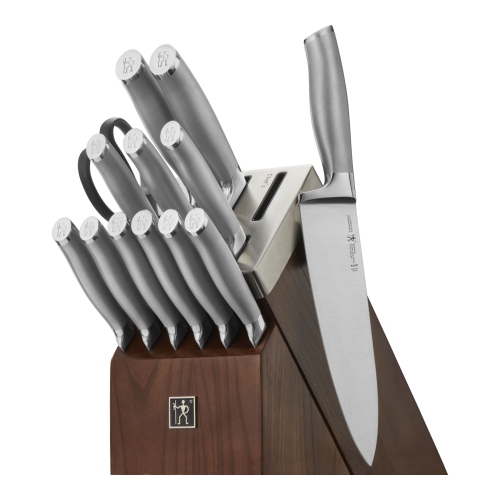 Your price for this item is $299.99
-
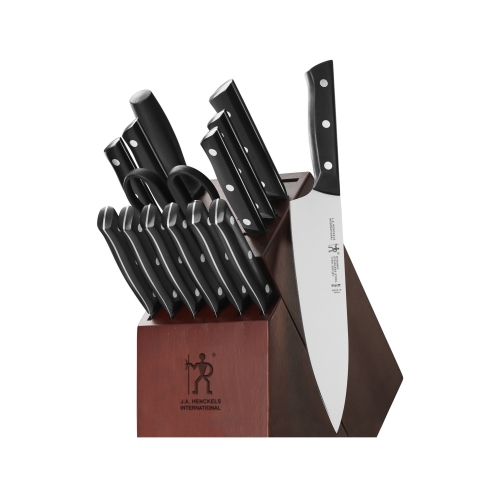 Your price for this item is $214.99
-
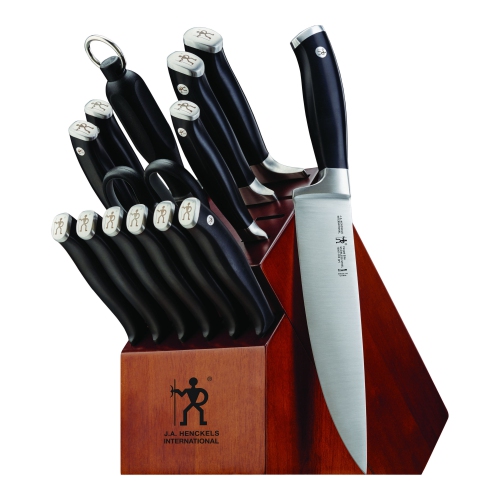 Your price for this item is $219.99
-
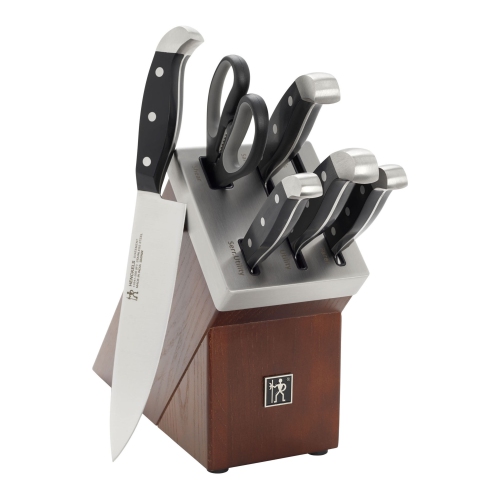 Your price for this item is $179.99
-
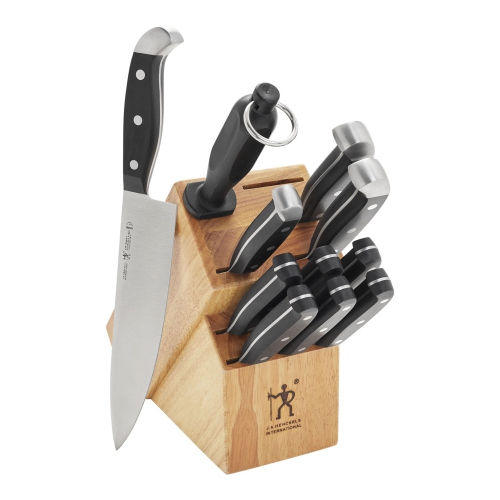 Your price for this item is $179.99
-
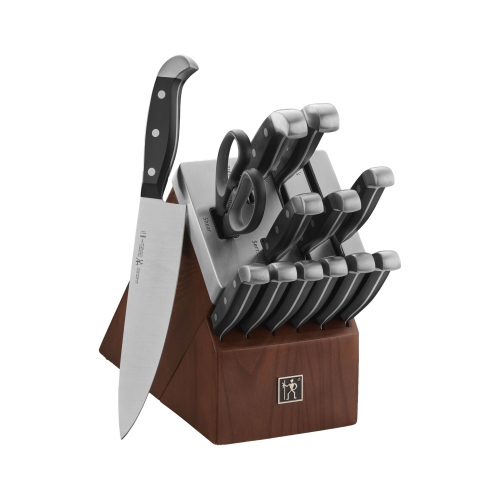 Your price for this item is $279.99
Discover more categories related to Cuisinart Knife Sets

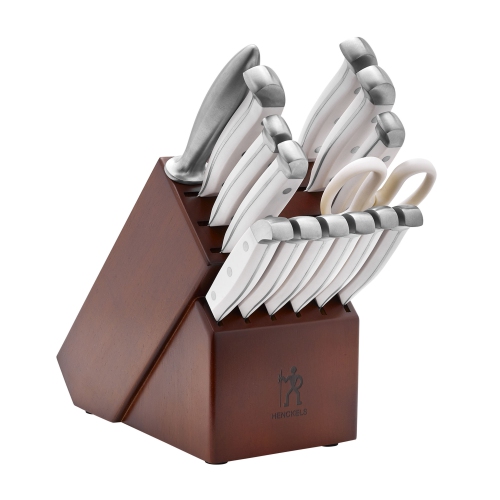
Top Collections:
Pokemon Centers, Kindle Devices, Best Budget Office Chairs, Canon G7X Cameras, Apple iPhones 16, Samsung Galaxy Phones, Refurbished Apple Laptops, Laptops for Students, iPhone 15 Apple, Budget Smartphones
Some products may be subject to Environmental Handling Fees
(EHF) depending on your province.
Learn more about EHFs.