Culinary Knives
Upgrade your culinary game with these high-quality culinary knives. Whether you're a seasoned chef or a cooking enthusiast, having the right set of knives is essential for achieving precision and efficiency in the kitchen. From versatile chef's knives to specialized slicers and paring knives, we have everything you need to tackle almost any recipe with confidence. Explore these carefully curated culinary knives, designed to deliver exceptional performance, durability, and comfort.
Sort

How knife design and care support confident cooking
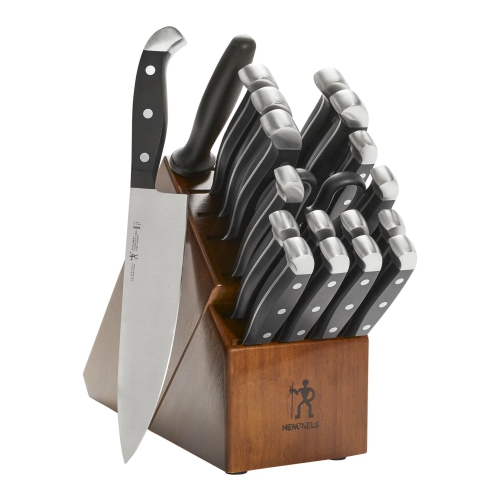
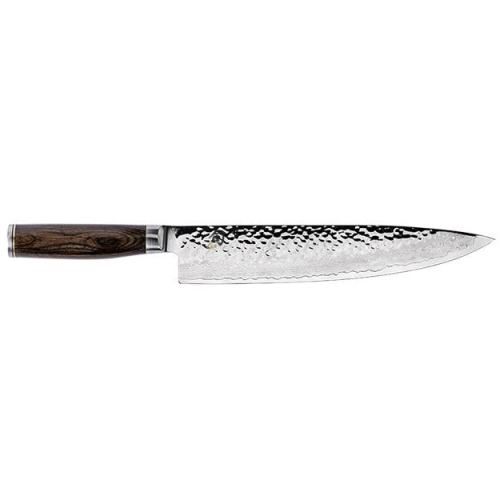
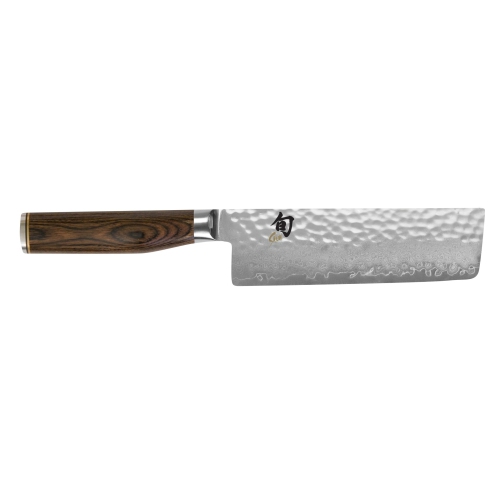
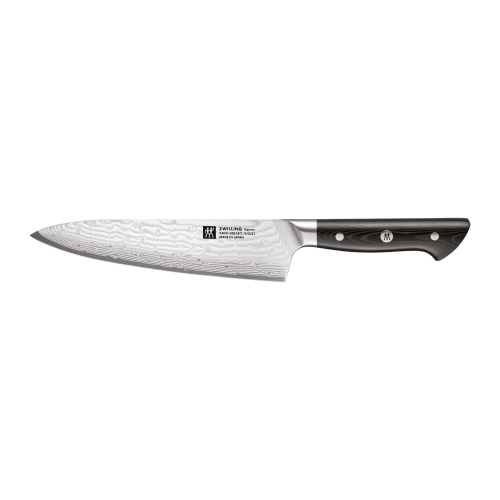
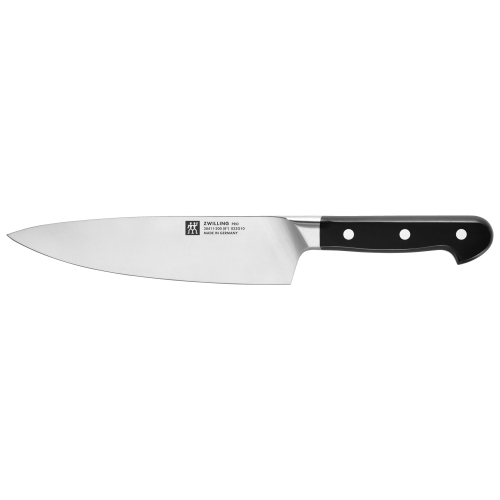
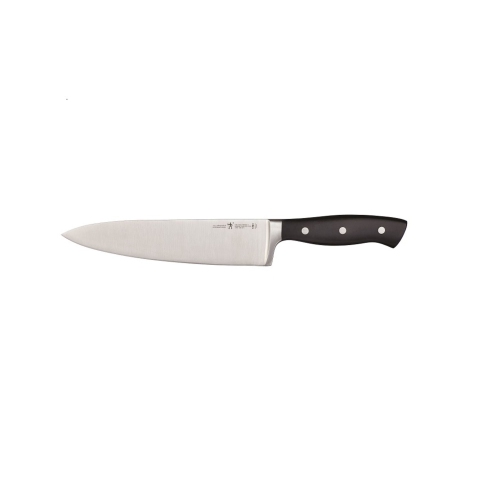
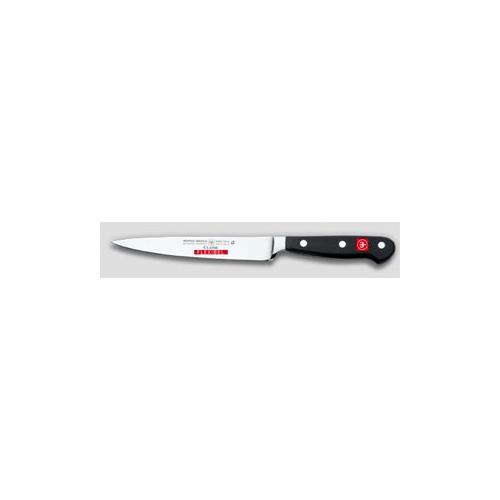
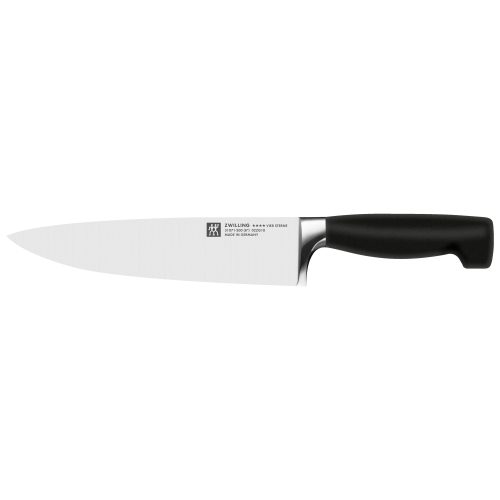
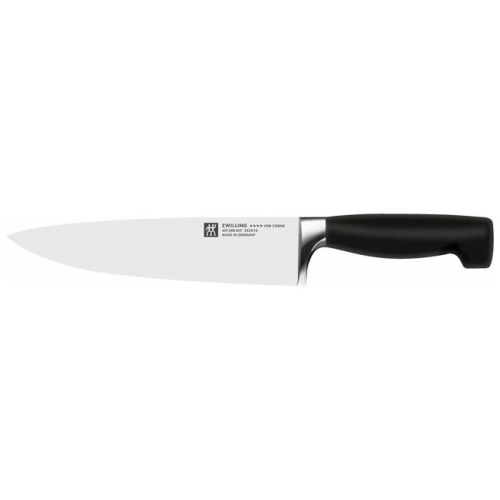
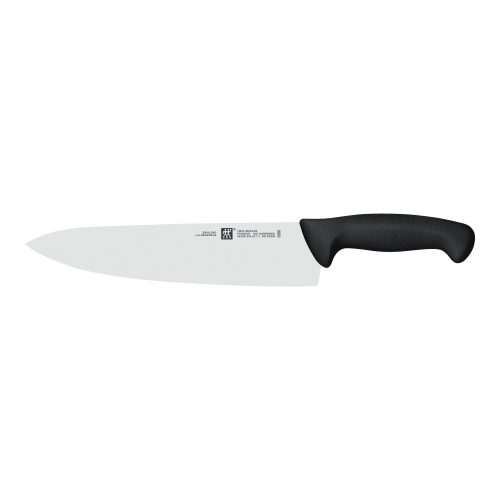
Culinary knives are among the most frequently used tools in a kitchen, whether the task is trimming vegetables for a weeknight meal, carving a roast for a family gathering, or finely slicing herbs for a finishing touch. The right knife can make preparation feel more controlled and comfortable, with a well-balanced handle, a suitably sharp edge, and a blade shape that matches the way you cook. For many kitchens, an 8-inch chef’s knife is the most versatile starting point. Its broad blade can handle chopping, slicing, mincing, and portioning a wide range of ingredients, while the curved edge supports a smooth rocking motion on a cutting board. A larger chef’s knife may provide more room for substantial produce and larger cuts of meat, while a smaller version can feel easier to manoeuvre for cooks with smaller hands or limited counter space. A paring knife is useful for peeling, coring, trimming, and other close-up work, and a utility knife can bridge the gap between a chef’s knife and a paring knife for sandwiches, fruit, and smaller portions. Serrated knives are especially helpful for foods with a firm exterior and soft interior, such as bread, ripe tomatoes, and certain cakes. A carving or slicing knife is shaped for creating even portions from cooked meats, poultry, or larger fish. When choosing culinary knives, consider the ingredients you prepare most often, the amount of control you prefer, and whether you tend to use a rocking motion, a straight downward cut, or a smooth draw across the food. A knife should feel secure rather than awkward in your hand, with a handle that provides a comfortable grip during longer preparation sessions. Balance matters as well: some cooks prefer the weight to sit toward the blade for a grounded, substantial feel, while others favour a lighter knife that moves quickly and precisely. Exploring Artisan Kitchen Knives can be a useful way to compare distinctive craftsmanship, blade profiles, and handle designs when you want a knife that feels considered as well as practical.
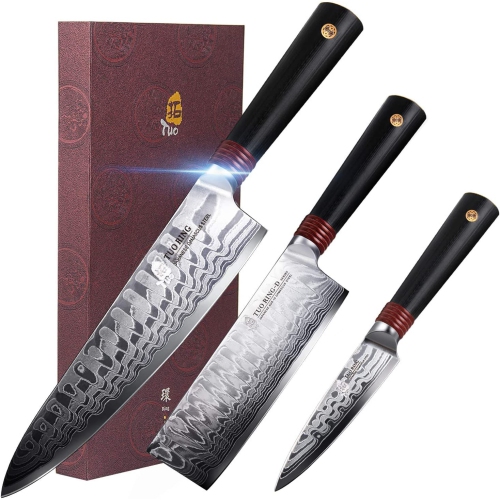
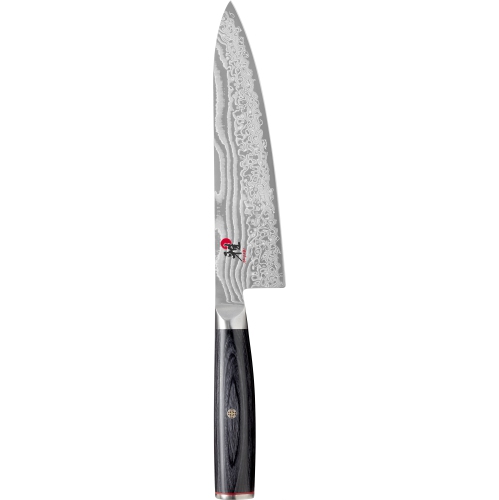
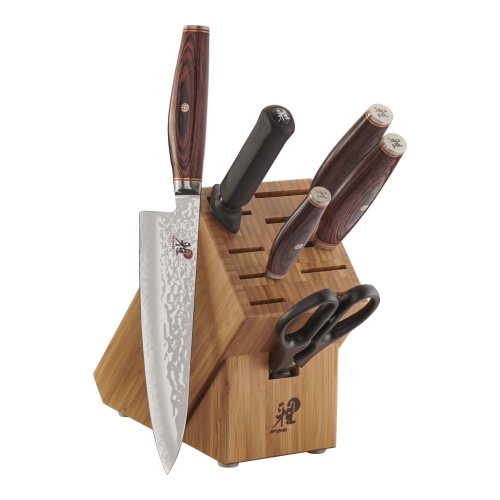
The main culinary knife styles generally reflect different cutting traditions and preferences. German-style knives are often associated with thicker, sturdier blades, a fuller bolster, and a pronounced curve near the edge. They tend to feel substantial on the cutting board and suit cooks who use a rocking technique for chopping onions, carrots, celery, and herbs. Their robust construction can also be reassuring when working with larger or denser ingredients, although no kitchen knife should be used to cut through bones, frozen food, or anything that could damage the edge. Japanese-style knives commonly feature thinner blades and a flatter cutting profile, allowing for precise slicing and clean, deliberate cuts. A gyuto offers a Japanese interpretation of the all-purpose chef’s knife, while a santoku is often chosen for its compact profile, broad blade, and versatility with vegetables, boneless proteins, and other everyday ingredients. Some Japanese-inspired knives include small hollows along the blade to help reduce sticking when slicing moist foods. Blade steel is another important consideration. Stainless steel is popular for its resistance to staining and straightforward care, making it a practical choice for busy households. High-carbon steel can provide excellent sharpness and edge retention, but it may require more attention, including prompt drying and occasional maintenance. Harder steels may hold an edge for longer, while softer steels can be more forgiving and easier to sharpen. The blade’s construction, thickness, edge angle, and heat treatment all affect how it performs, so a knife’s material name alone does not tell the whole story. Handles may be made from wood, composite materials, or synthetic polymers, each offering a different look and feel. Full-tang construction, where the blade material extends through the handle, is often valued for strength and balance. A comfortable handle is particularly important for anyone who cooks frequently, prepares large quantities of food, or experiences hand fatigue with narrow or poorly shaped grips. Culinary knives can also make thoughtful gifts for home cooks, newly independent adults, hosts who enjoy preparing meals, and anyone setting up a first kitchen. A versatile chef’s knife may be a practical choice for a housewarming or wedding gift, while a coordinated set can help bring consistency to a kitchen where every task has been relying on one multipurpose blade.
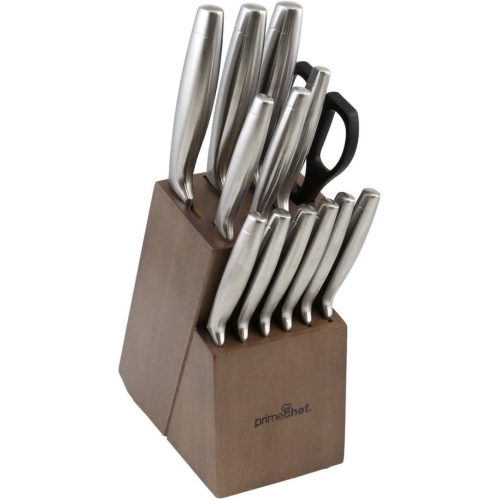
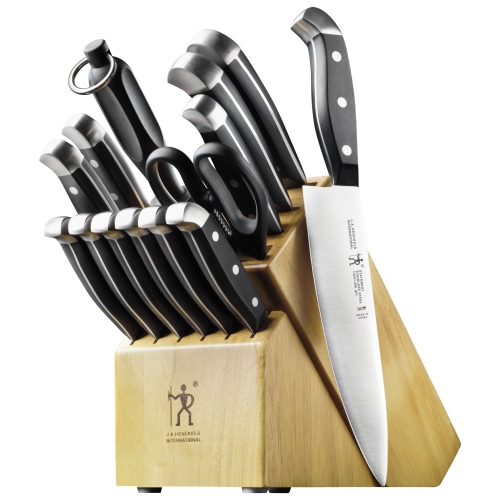
Good care helps culinary knives remain dependable through everyday use. Always use a suitable cutting board made from wood, bamboo, or a knife-friendly composite, and avoid hard surfaces such as glass, stone, or ceramic that can quickly dull an edge. Let the knife do the work by using controlled movements and steady pressure rather than forcing the blade through an ingredient. Hand washing is generally the safest approach, even when a knife is labelled dishwasher safe, because high heat, harsh detergent, rattling against other utensils, and prolonged moisture can affect the edge, finish, or handle over time. Wash the blade with mild dish soap, keep your fingers clear of the cutting edge, and dry the knife promptly before storing it. A knife block, magnetic strip, blade guard, or drawer insert can help protect the edge and prevent accidental contact with other utensils. Store knives so they do not shift loosely in a drawer, and keep them out of reach of children. Regular honing can help realign the edge between sharpenings, while professional sharpening or a suitable sharpening system can restore performance when the blade begins to feel dull. Honing and sharpening are different: honing adjusts the existing edge, whereas sharpening removes a small amount of material to create a new one. Pay attention to how the knife feels as you work. A sharp, properly maintained knife should move through food with controlled pressure; slipping, crushing, or repeated sawing may indicate that maintenance is needed. During the warmer cooking season, culinary knives are useful for preparing fresh produce, salads, grilled ingredients, and light meals, while during cooler months they become equally valuable for soups, stews, baked dishes, and holiday-style gatherings. Choosing a knife by its intended task, construction, comfort, and care requirements makes it easier to build a collection that suits your kitchen and supports confident preparation from the first slice to the final garnish.
The main culinary knife styles generally reflect different cutting traditions and preferences. German-style knives are often associated with thicker, sturdier blades, a fuller bolster, and a pronounced curve near the edge. They tend to feel substantial on the cutting board and suit cooks who use a rocking technique for chopping onions, carrots, celery, and herbs. Their robust construction can also be reassuring when working with larger or denser ingredients, although no kitchen knife should be used to cut through bones, frozen food, or anything that could damage the edge. Japanese-style knives commonly feature thinner blades and a flatter cutting profile, allowing for precise slicing and clean, deliberate cuts. A gyuto offers a Japanese interpretation of the all-purpose chef’s knife, while a santoku is often chosen for its compact profile, broad blade, and versatility with vegetables, boneless proteins, and other everyday ingredients. Some Japanese-inspired knives include small hollows along the blade to help reduce sticking when slicing moist foods. Blade steel is another important consideration. Stainless steel is popular for its resistance to staining and straightforward care, making it a practical choice for busy households. High-carbon steel can provide excellent sharpness and edge retention, but it may require more attention, including prompt drying and occasional maintenance. Harder steels may hold an edge for longer, while softer steels can be more forgiving and easier to sharpen. The blade’s construction, thickness, edge angle, and heat treatment all affect how it performs, so a knife’s material name alone does not tell the whole story. Handles may be made from wood, composite materials, or synthetic polymers, each offering a different look and feel. Full-tang construction, where the blade material extends through the handle, is often valued for strength and balance. A comfortable handle is particularly important for anyone who cooks frequently, prepares large quantities of food, or experiences hand fatigue with narrow or poorly shaped grips. Culinary knives can also make thoughtful gifts for home cooks, newly independent adults, hosts who enjoy preparing meals, and anyone setting up a first kitchen. A versatile chef’s knife may be a practical choice for a housewarming or wedding gift, while a coordinated set can help bring consistency to a kitchen where every task has been relying on one multipurpose blade.
Good care helps culinary knives remain dependable through everyday use. Always use a suitable cutting board made from wood, bamboo, or a knife-friendly composite, and avoid hard surfaces such as glass, stone, or ceramic that can quickly dull an edge. Let the knife do the work by using controlled movements and steady pressure rather than forcing the blade through an ingredient. Hand washing is generally the safest approach, even when a knife is labelled dishwasher safe, because high heat, harsh detergent, rattling against other utensils, and prolonged moisture can affect the edge, finish, or handle over time. Wash the blade with mild dish soap, keep your fingers clear of the cutting edge, and dry the knife promptly before storing it. A knife block, magnetic strip, blade guard, or drawer insert can help protect the edge and prevent accidental contact with other utensils. Store knives so they do not shift loosely in a drawer, and keep them out of reach of children. Regular honing can help realign the edge between sharpenings, while professional sharpening or a suitable sharpening system can restore performance when the blade begins to feel dull. Honing and sharpening are different: honing adjusts the existing edge, whereas sharpening removes a small amount of material to create a new one. Pay attention to how the knife feels as you work. A sharp, properly maintained knife should move through food with controlled pressure; slipping, crushing, or repeated sawing may indicate that maintenance is needed. During the warmer cooking season, culinary knives are useful for preparing fresh produce, salads, grilled ingredients, and light meals, while during cooler months they become equally valuable for soups, stews, baked dishes, and holiday-style gatherings. Choosing a knife by its intended task, construction, comfort, and care requirements makes it easier to build a collection that suits your kitchen and supports confident preparation from the first slice to the final garnish.
Top selling and popular products
-
 Your price for this item is $129.99
 -
 Your price for this item is $179.99
 -
 Your price for this item is $139.99
 -
 Your price for this item is $229.99
 -
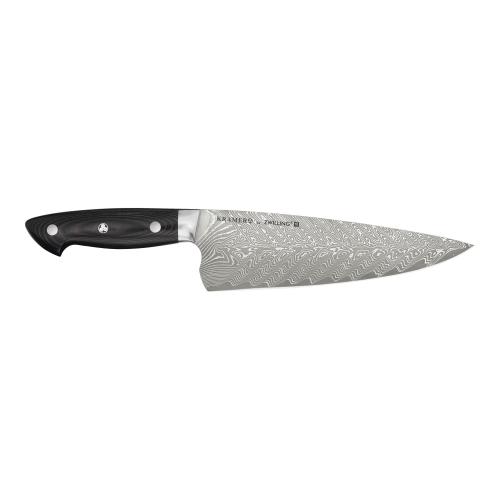 Your price for this item is $379.99
 -
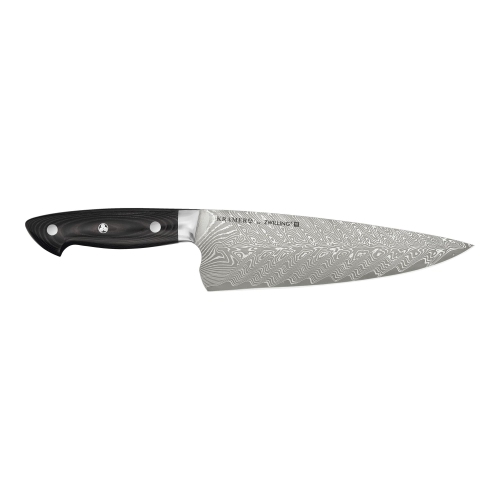 Your price for this item is $385
 -
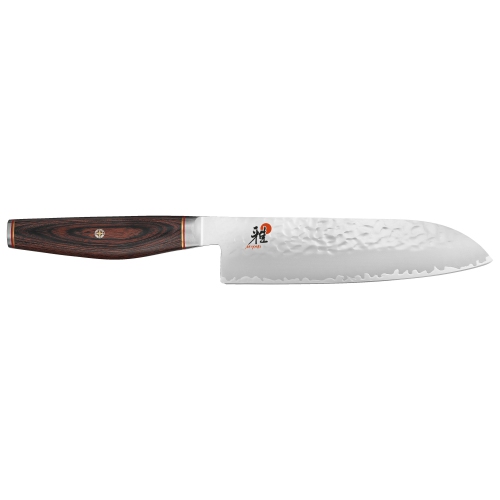 Your price for this item is $329.99
 -
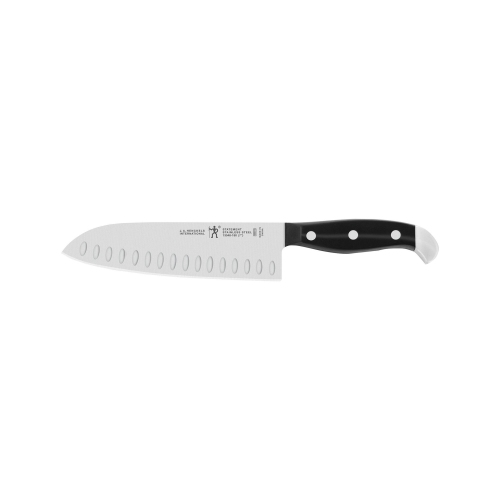 Your price for this item is $29.99
Discover more categories related to Culinary Knives
Top Collections:
Pokemon Centers, Kindle Devices, Best Cell Phones Under $500, Alarm Clock, Canon G7X Cameras, iPhone 15 Apple, Apple iPhones 16, Laptops for Students, iPhone 14 256GB, Budget Smartphones
Some products may be subject to Environmental Handling Fees
(EHF) depending on your province.
Learn more about EHFs.