Slicing Knives
Looking to upgrade your kitchen arsenal? Look no further than our collection of slicing knives. These versatile tools are a must-have for any home chef, offering precision and ease when it comes to slicing through meats, fruits, vegetables, and more. Whether you're a culinary enthusiast or simply looking to make meal prep a breeze, our selection of slicing knives has something for almost everyone. From durable stainless steel blades to ergonomic handles that provide a comfortable grip, these knives are designed to deliver exceptional performance every time. Get ready to elevate your cooking game with the perfect slicing knife for your needs.
Sort




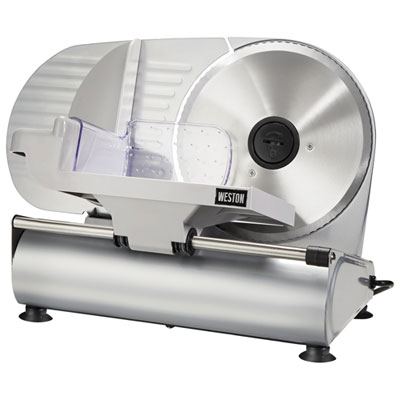
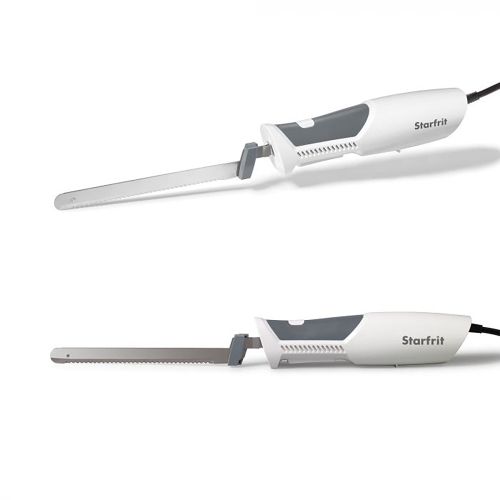

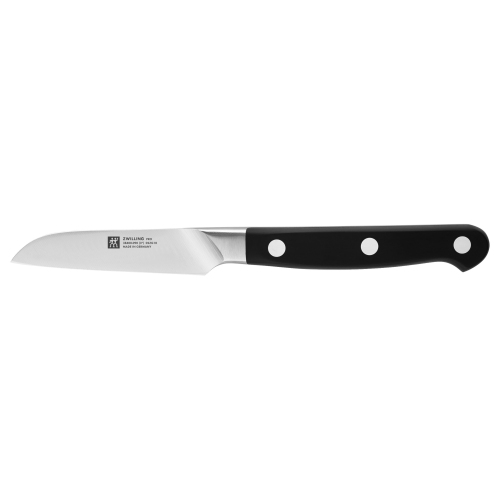
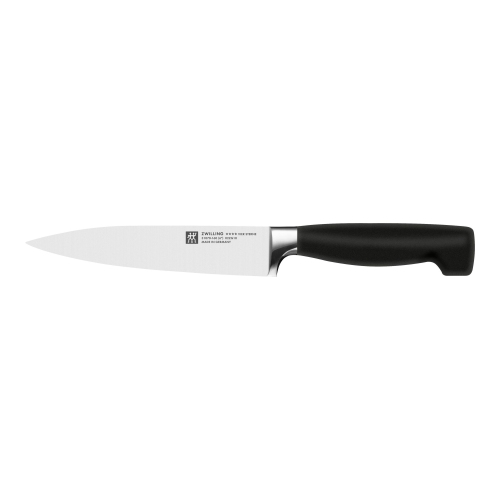
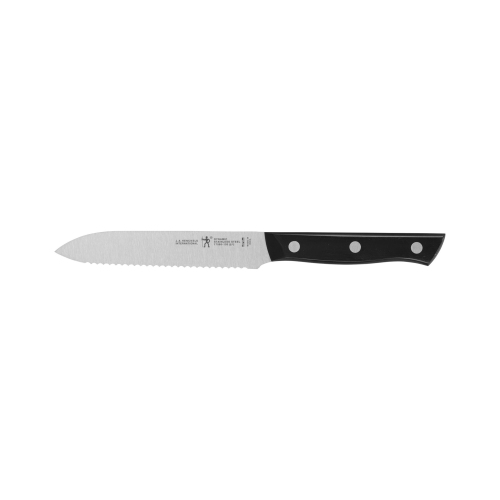
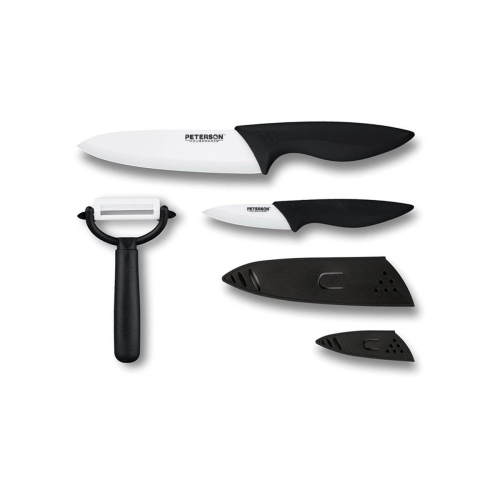

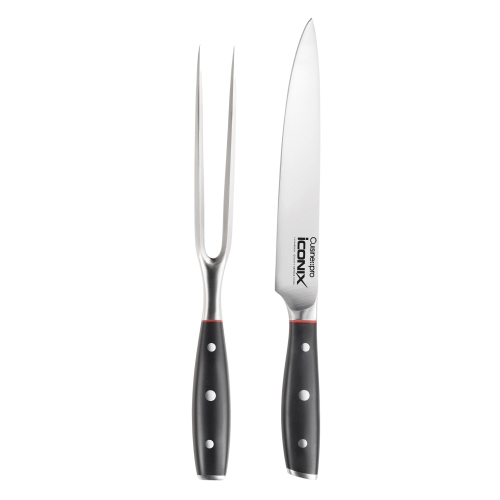
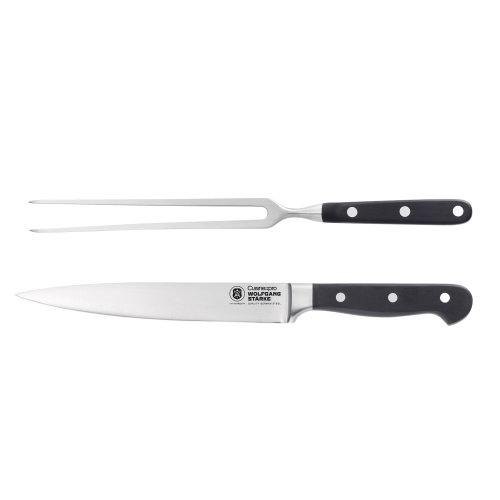
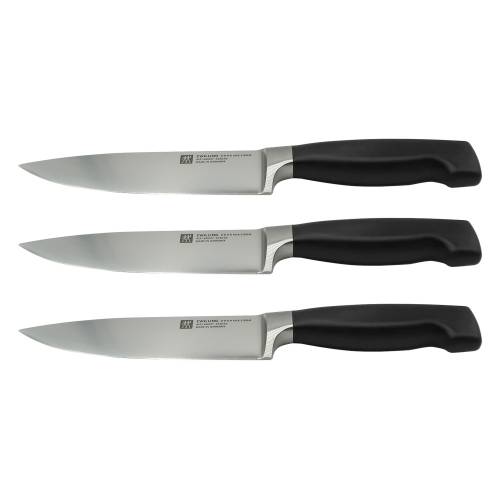
How blade length, balance and edge design shape every slice
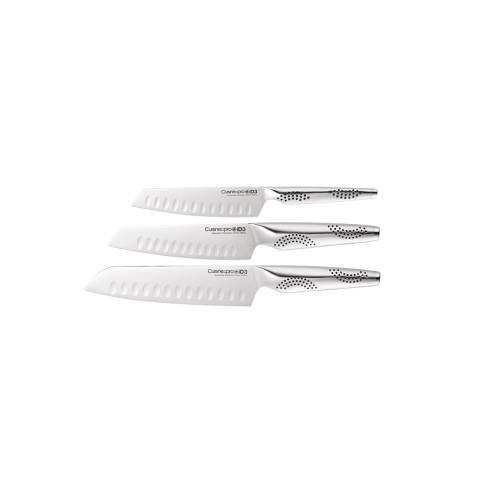
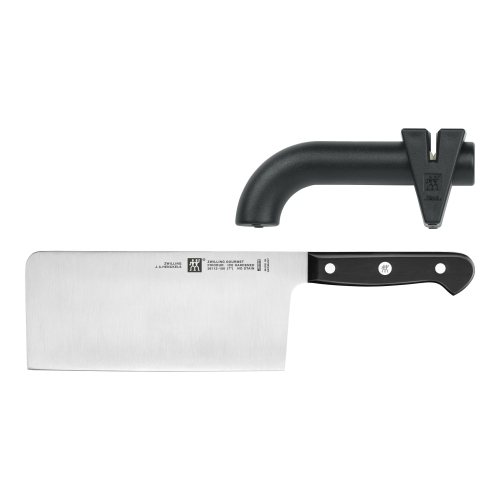
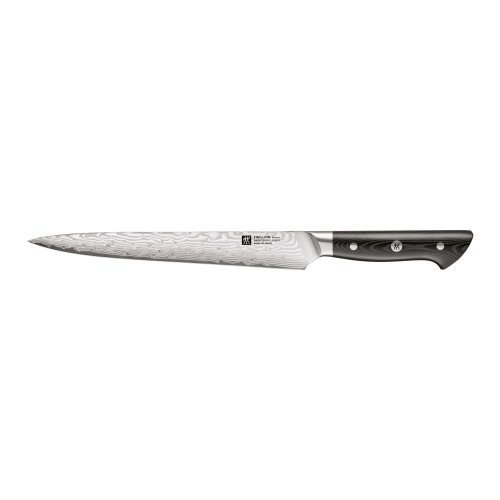
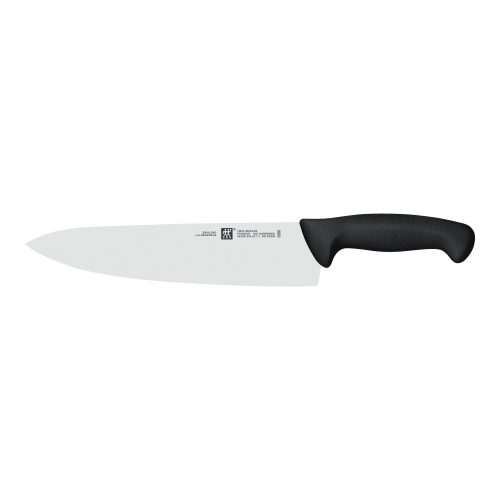
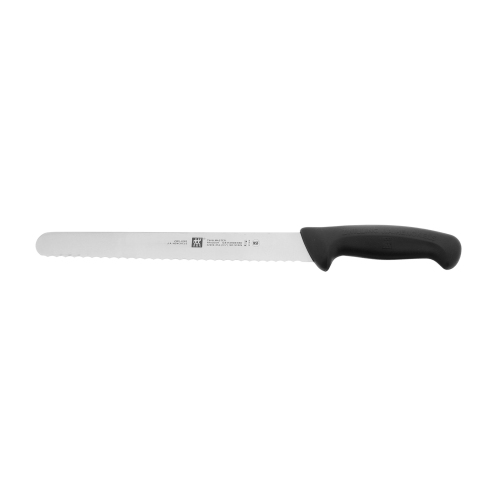
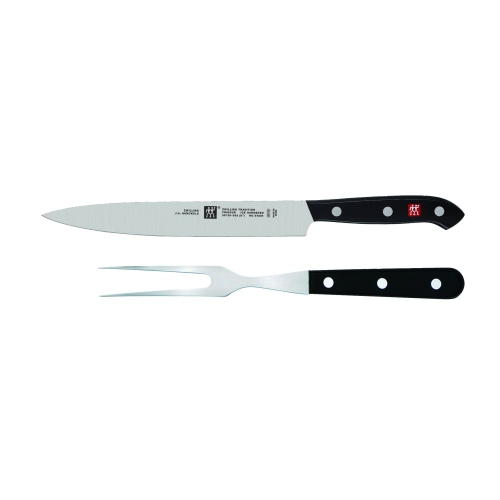
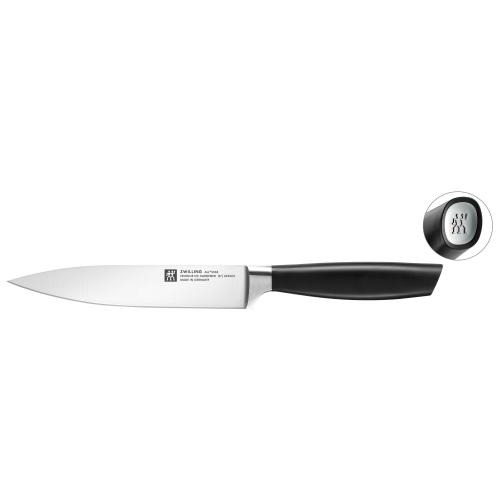
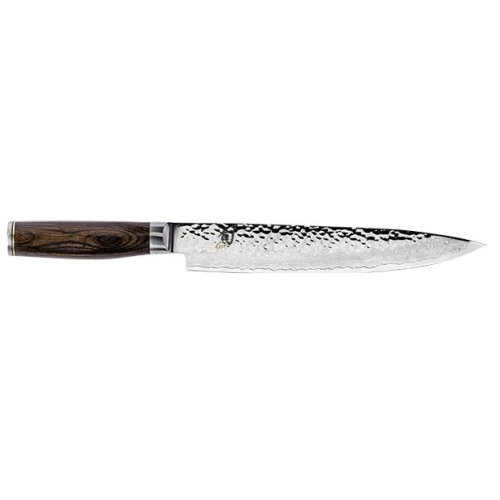
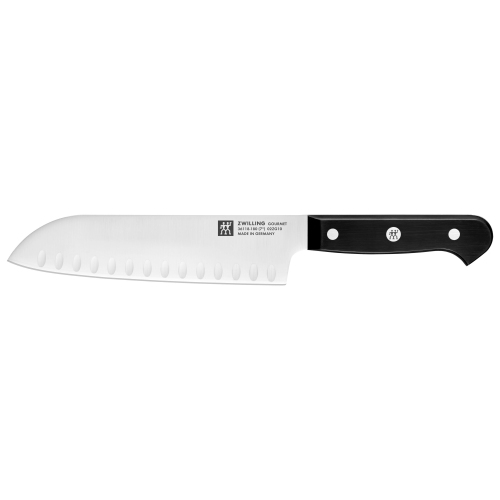
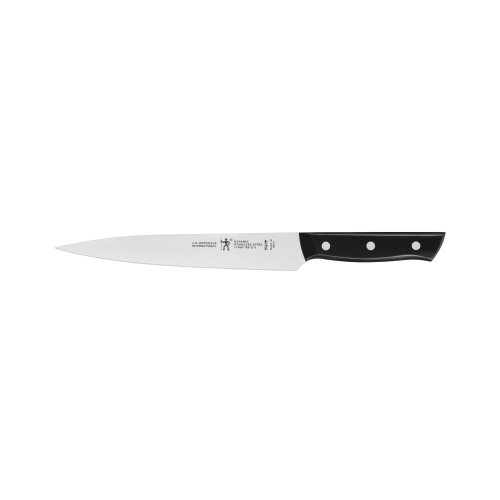
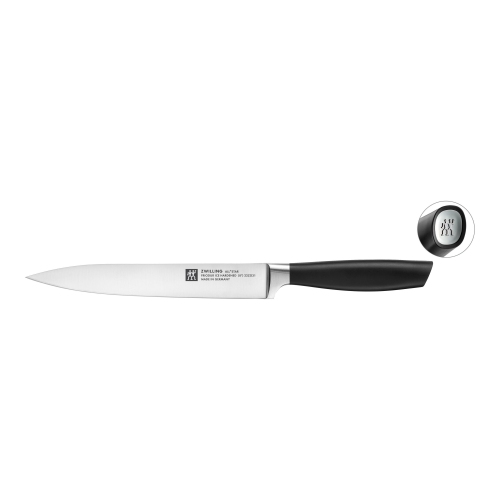
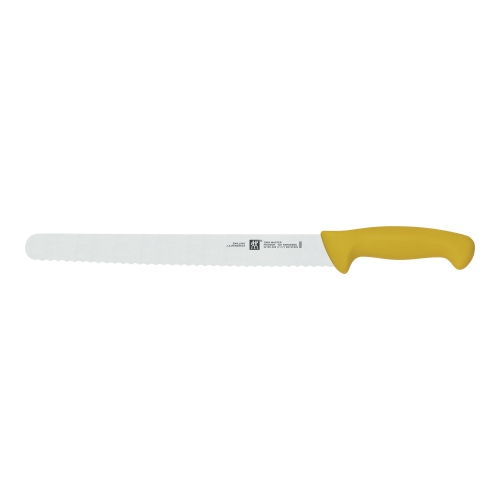
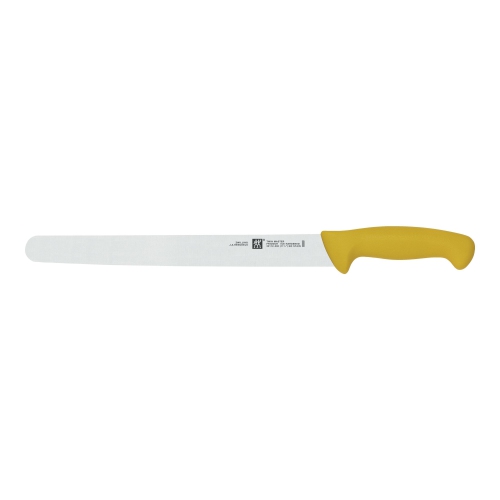
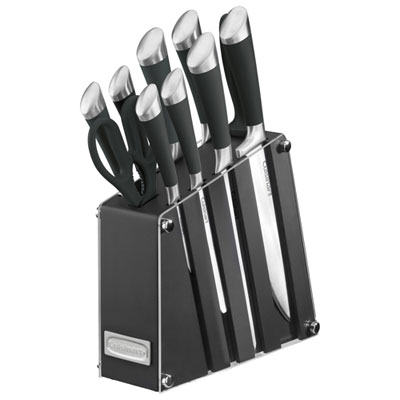
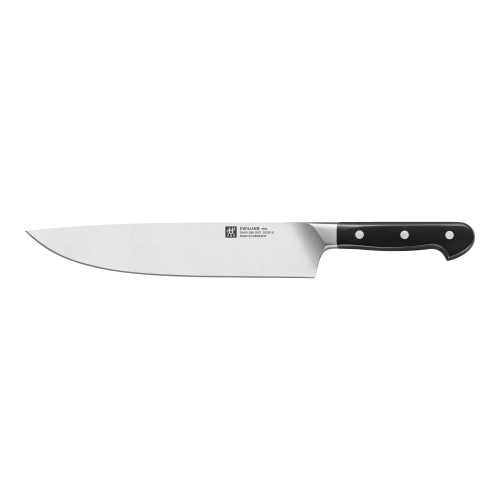
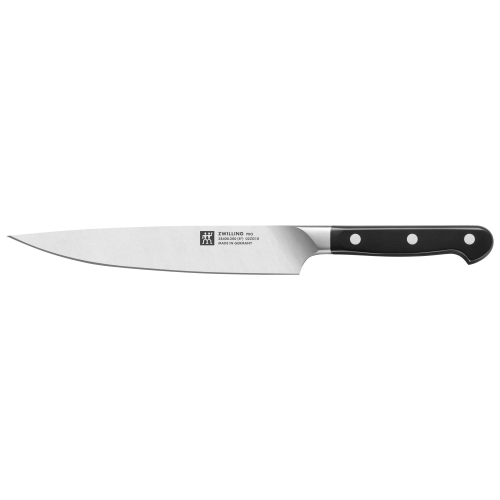
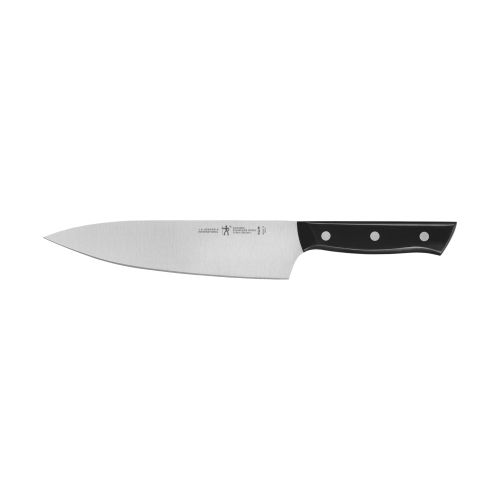
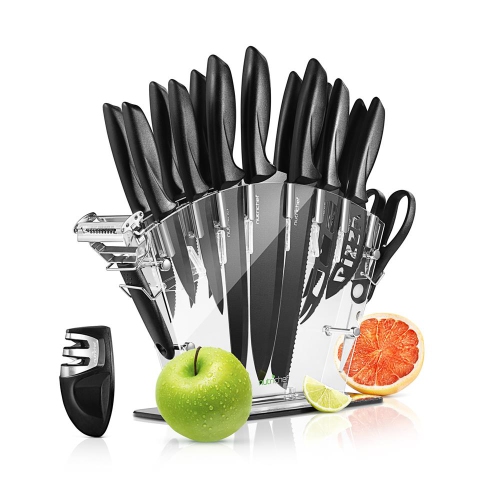
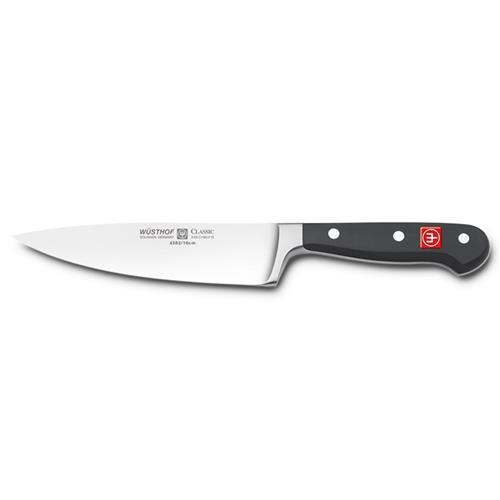
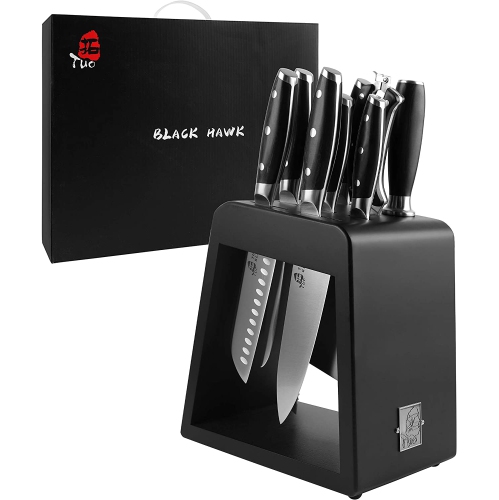
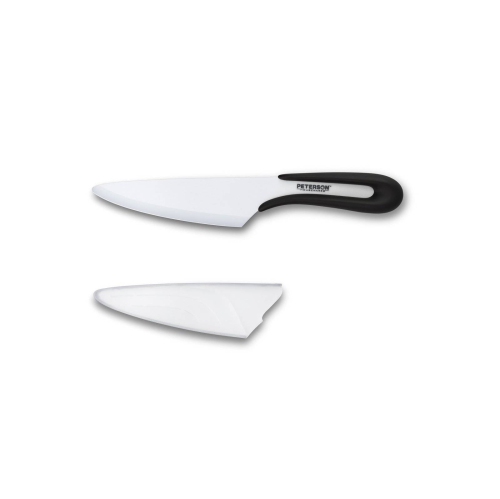
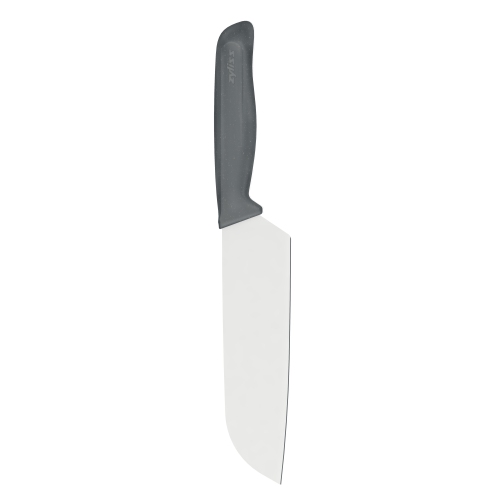
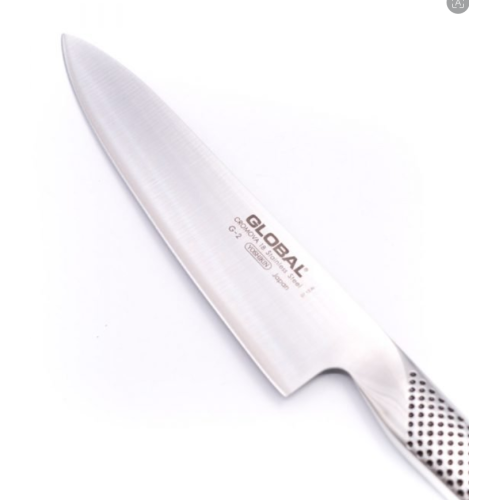
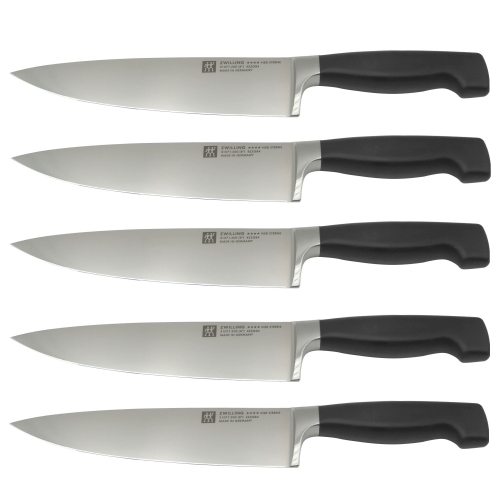
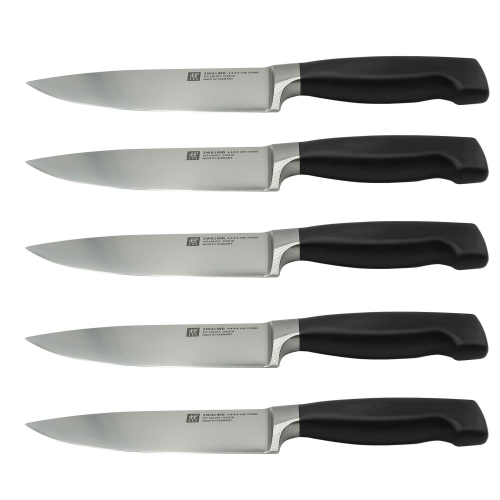
Slicing knives are long, slender kitchen knives designed to create clean, even slices from cooked meats, poultry and fish. Unlike a general-purpose chef’s knife, a slicer usually has a narrow blade with a consistent width along its length and a rounded tip, allowing the edge to move smoothly through a roast rather than chop down into it. The extended blade is especially useful for large foods such as roast beef, brisket, ham, turkey breast, smoked salmon and celebratory poultry, where a short knife can leave a ragged surface or require several overlapping cuts. Blade lengths commonly range from 8 to 14 inch, giving you the option to match the knife to the size of the food and the space available on your cutting board. An 8- or 9-inch blade can feel nimble when preparing smaller roasts, cooked chicken or fish fillets, while a 10- to 14-inch blade can make a noticeable difference when serving a broad brisket or a large holiday roast. Many slicing knives have a straight edge, which is well suited to making precise portions with a gentle forward-and-back motion. Some feature a Granton edge, also called a hollow-ground edge, with shallow oval indentations along the blade. These pockets create small air spaces between the knife and the food, helping reduce sticking when slicing moist or tender foods such as ham, roast beef and smoked fish. A Granton edge does not replace a sharp blade or proper technique, but it can make long slices feel more fluid and help delicate pieces release from the steel. A slicing knife with a pointed tip may offer additional control at the end of a cut, while a rounded tip reflects the traditional profile intended for steady, uninterrupted slicing. Looking through the available selection with these differences in mind can make it easier to choose a shape that suits the foods most often prepared in your kitchen.
The right slicing knife should feel balanced, secure and comfortable throughout a long series of cuts. Hold the handle as you would during ordinary food preparation and consider whether the grip feels stable without requiring excessive pressure. A well-balanced knife should not feel as though the blade is pulling your hand forward, particularly when working with a larger roast. The handle material and design can influence comfort, while a full tang construction, where the blade material extends through the handle, is often valued for its strength and balance. Stainless steel blades are popular for their resistance to corrosion, easy upkeep and reliable performance, but the most important feature is an edge that can be maintained properly over time. Even the finest slicer will perform poorly if it is dull. Use a suitable honing tool to help align the edge between sharpenings, and have the knife professionally sharpened or use a compatible sharpener when honing no longer restores its bite. To slice a roast, let the cooked meat rest first so its juices have time to redistribute, then place it securely on a stable cutting board. Use a long, smooth pulling motion and allow the length of the blade to do the work instead of pressing straight down or sawing aggressively. Thin, consistent slices are easier to achieve when the food is held firmly and the knife is kept relatively level. Clean the blade after use according to the care instructions, dry it thoroughly and store it where the edge will not strike other utensils. Hand washing is often preferred for quality kitchen knives because it allows you to control contact with harsh detergents, heat and movement. A protective sheath, knife block or drawer insert can also help keep the blade edge covered between uses. If your cooking involves crusty loaves, flaky pastry or foods with a firm exterior, a serrated blade may be more suitable; you can explore Serrated Knives for another style of cutting tool.
Slicing knives are useful for home cooks who enjoy preparing Sunday roasts, slow-cooked meats, barbecue favourites and oven-roasted poultry, as well as anyone who appreciates neatly presented portions at the table. They can be particularly helpful during the cooler months, when kitchens often fill with the aroma of braised beef, glazed ham, roast turkey and other substantial meals served to family and friends. A long slicer can turn the final stage of cooking into a calmer, more polished part of the meal: the blade glides through a rested roast, each slice is arranged on a platter, and guests can choose tender portions with an attractive, uniform appearance. Fish cooks may appreciate the control offered by a narrow blade when portioning cooked salmon or preparing delicate fillets, while barbecue enthusiasts often look for a long edge capable of handling brisket, pork loin and other large cuts in one smooth pass. These knives can also make thoughtful gifts for newlyweds, first-time homeowners, enthusiastic hosts or anyone building a practical kitchen collection. A slicing knife is especially fitting for someone who enjoys preparing food for gatherings, since it supports both presentation and portion control without taking up the role of an everyday chopping knife. When comparing options, think about the foods the recipient prepares most often, the typical size of their cutting board and the amount of storage space available. Consider whether a shorter blade would be easier for a compact kitchen or whether a longer blade would be more effective for large roasts and entertaining. Features such as a Granton edge, textured or contoured handle, protective storage and a durable stainless steel blade can add everyday convenience. Whether it is used for a carefully rested roast, a smoked cut prepared outdoors or a family meal shared around a busy table, a suitable slicing knife brings accuracy and confidence to the serving process while helping each portion look as good as it tastes.
The right slicing knife should feel balanced, secure and comfortable throughout a long series of cuts. Hold the handle as you would during ordinary food preparation and consider whether the grip feels stable without requiring excessive pressure. A well-balanced knife should not feel as though the blade is pulling your hand forward, particularly when working with a larger roast. The handle material and design can influence comfort, while a full tang construction, where the blade material extends through the handle, is often valued for its strength and balance. Stainless steel blades are popular for their resistance to corrosion, easy upkeep and reliable performance, but the most important feature is an edge that can be maintained properly over time. Even the finest slicer will perform poorly if it is dull. Use a suitable honing tool to help align the edge between sharpenings, and have the knife professionally sharpened or use a compatible sharpener when honing no longer restores its bite. To slice a roast, let the cooked meat rest first so its juices have time to redistribute, then place it securely on a stable cutting board. Use a long, smooth pulling motion and allow the length of the blade to do the work instead of pressing straight down or sawing aggressively. Thin, consistent slices are easier to achieve when the food is held firmly and the knife is kept relatively level. Clean the blade after use according to the care instructions, dry it thoroughly and store it where the edge will not strike other utensils. Hand washing is often preferred for quality kitchen knives because it allows you to control contact with harsh detergents, heat and movement. A protective sheath, knife block or drawer insert can also help keep the blade edge covered between uses. If your cooking involves crusty loaves, flaky pastry or foods with a firm exterior, a serrated blade may be more suitable; you can explore Serrated Knives for another style of cutting tool.
Slicing knives are useful for home cooks who enjoy preparing Sunday roasts, slow-cooked meats, barbecue favourites and oven-roasted poultry, as well as anyone who appreciates neatly presented portions at the table. They can be particularly helpful during the cooler months, when kitchens often fill with the aroma of braised beef, glazed ham, roast turkey and other substantial meals served to family and friends. A long slicer can turn the final stage of cooking into a calmer, more polished part of the meal: the blade glides through a rested roast, each slice is arranged on a platter, and guests can choose tender portions with an attractive, uniform appearance. Fish cooks may appreciate the control offered by a narrow blade when portioning cooked salmon or preparing delicate fillets, while barbecue enthusiasts often look for a long edge capable of handling brisket, pork loin and other large cuts in one smooth pass. These knives can also make thoughtful gifts for newlyweds, first-time homeowners, enthusiastic hosts or anyone building a practical kitchen collection. A slicing knife is especially fitting for someone who enjoys preparing food for gatherings, since it supports both presentation and portion control without taking up the role of an everyday chopping knife. When comparing options, think about the foods the recipient prepares most often, the typical size of their cutting board and the amount of storage space available. Consider whether a shorter blade would be easier for a compact kitchen or whether a longer blade would be more effective for large roasts and entertaining. Features such as a Granton edge, textured or contoured handle, protective storage and a durable stainless steel blade can add everyday convenience. Whether it is used for a carefully rested roast, a smoked cut prepared outdoors or a family meal shared around a busy table, a suitable slicing knife brings accuracy and confidence to the serving process while helping each portion look as good as it tastes.
Top selling and popular products
-
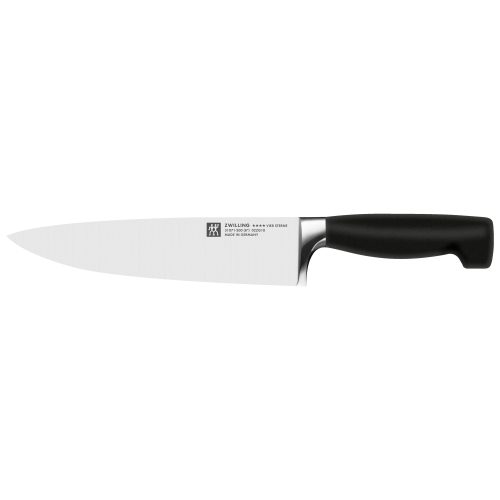 Your price for this item is $129.99
 -
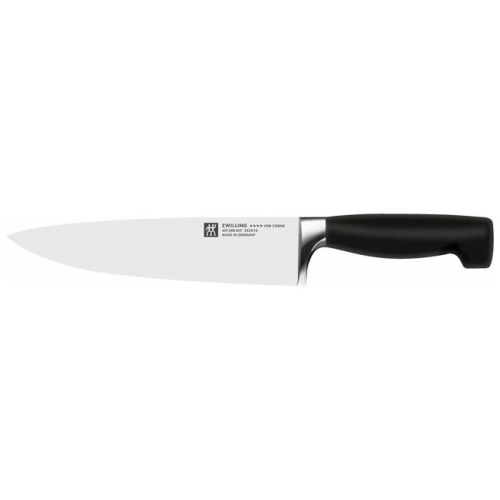 Your price for this item is $199.99
 -
 Your price for this item is $139.99
 -
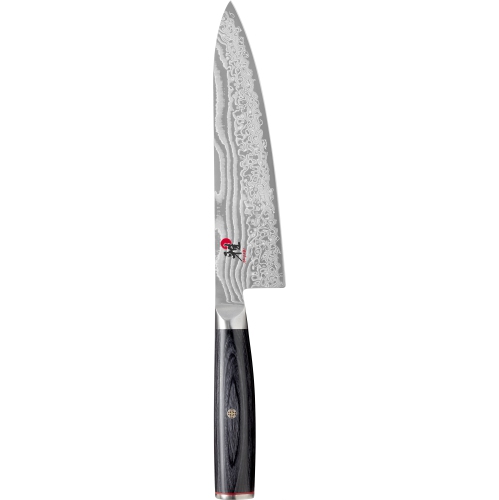 Your price for this item is $299.99
 -
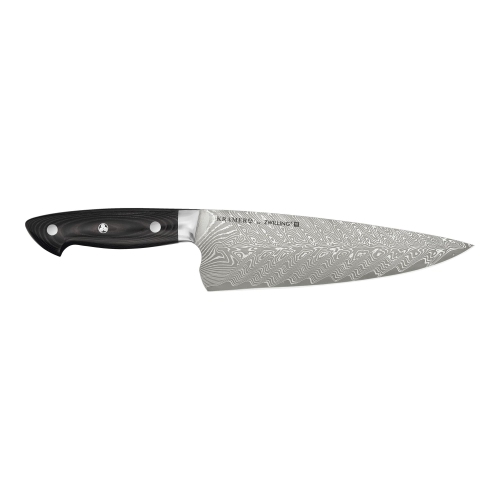 Your price for this item is $385
 -
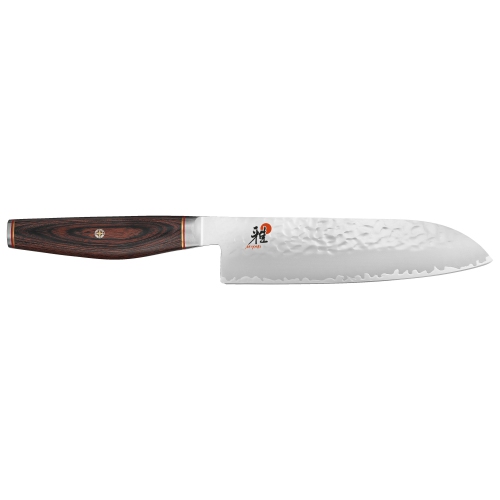 Your price for this item is $329.99
 -
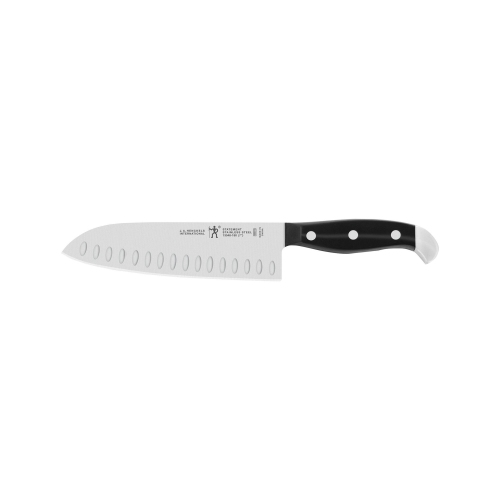 Your price for this item is $29.99
 -
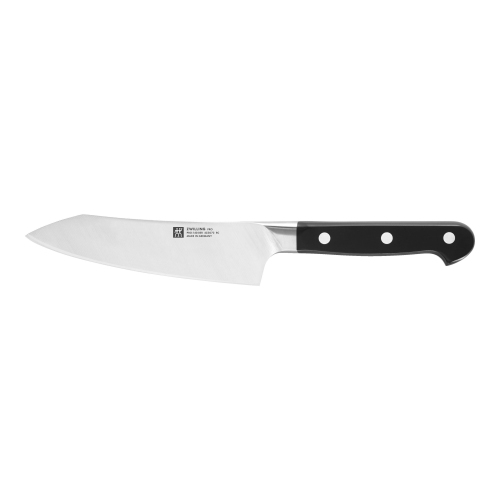 Your price for this item is $179.99
Discover more categories related to Slicing Knives
Top Collections:
Pokemon Centers, Kindle Devices, Best Budget Office Chairs, Apple iPhones 16, Canon G7X Cameras, iPhone 15 Apple, Alarm Clock, Refurbished Apple Laptops, Flip Phones, Best Laptops for Writers
Some products may be subject to Environmental Handling Fees
(EHF) depending on your province.
Learn more about EHFs.