Curved Desks
Enhance your workspace with a sleek and modern touch by adding a curved desk to your office setup. Designed to maximize both style and functionality, these elegantly contoured desks offer a refreshing departure from traditional straight-edged designs. Whether you're looking to create a more ergonomic work environment or simply want to make a statement with your office furniture, our selection of curved desks provides the perfect solution. With their seamless curves and spacious surfaces, these desks offer ample room for all your work essentials while adding a touch of sophistication to any office space. Discover the benefits of a curved desk and elevate your productivity in style.
Sort
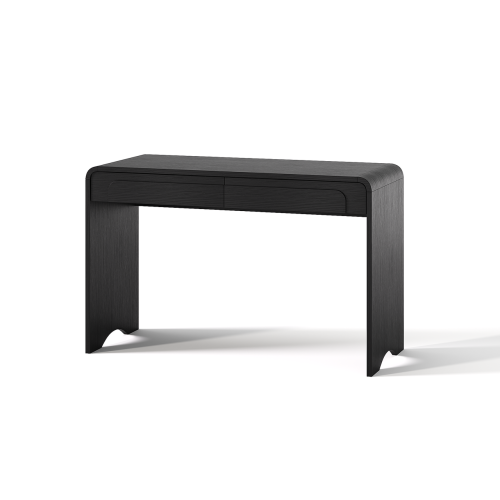
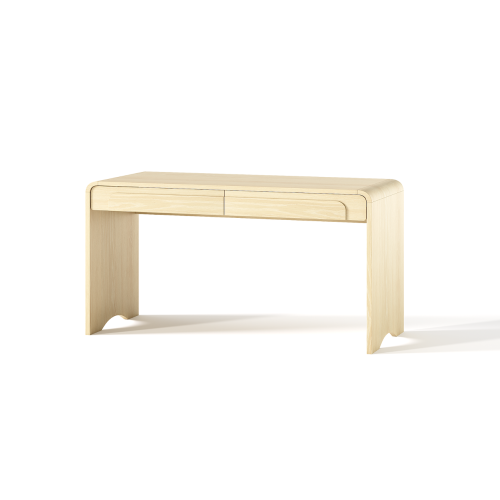
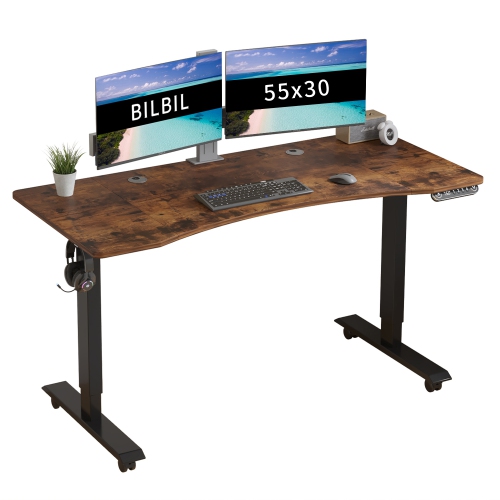
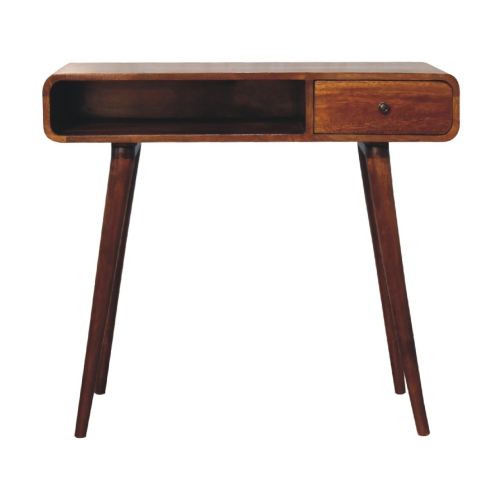

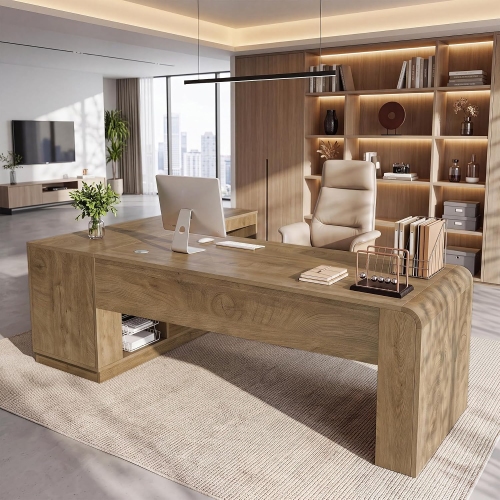
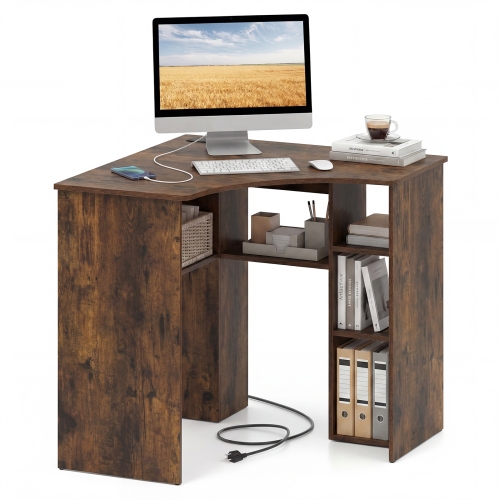
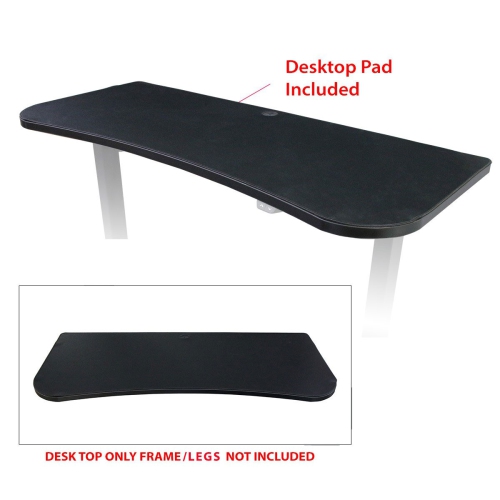
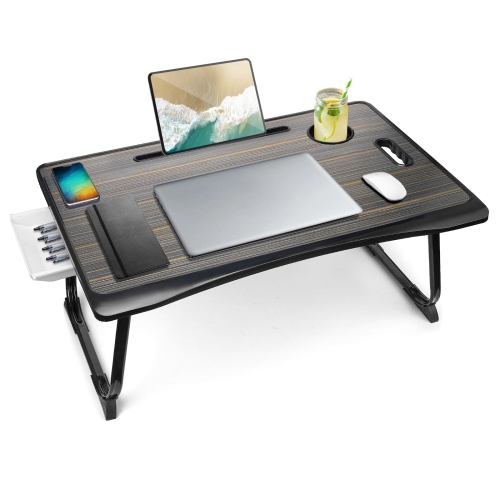
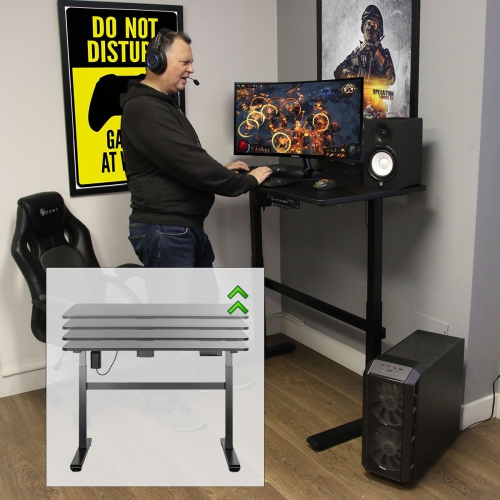
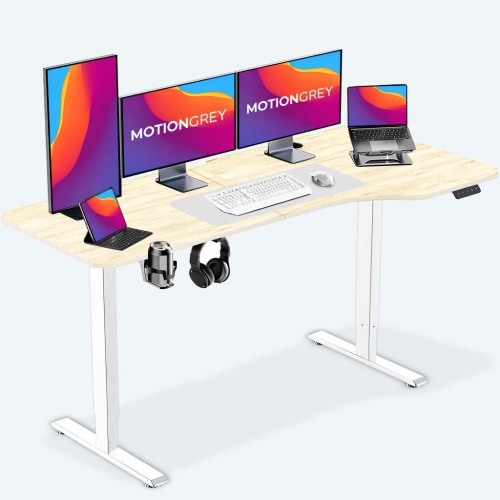
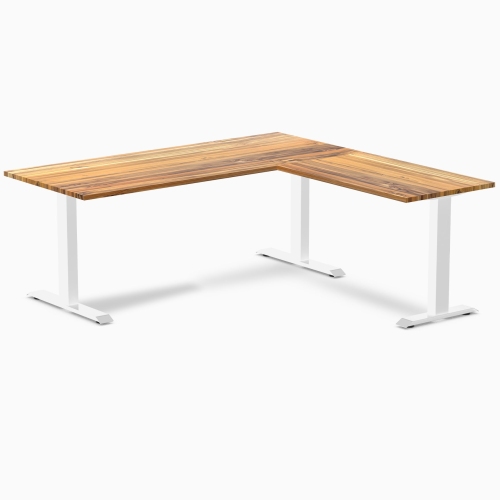
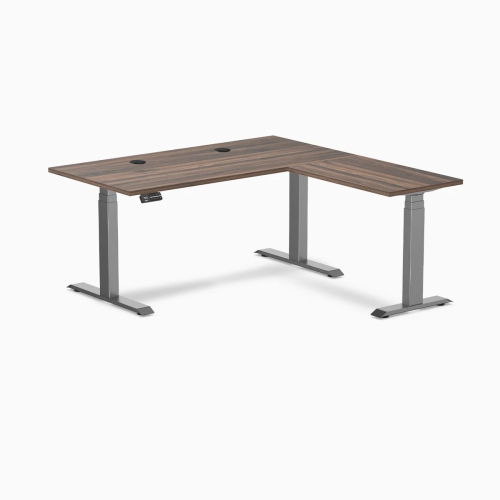
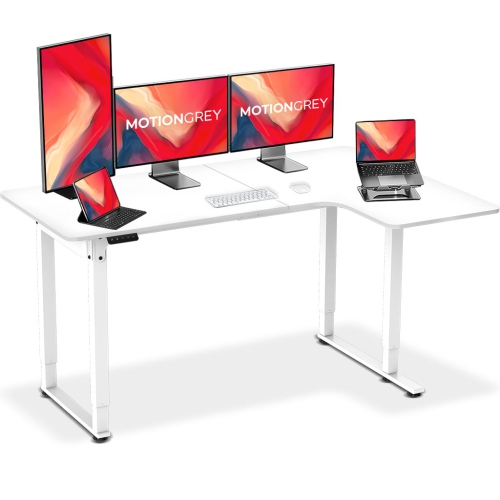
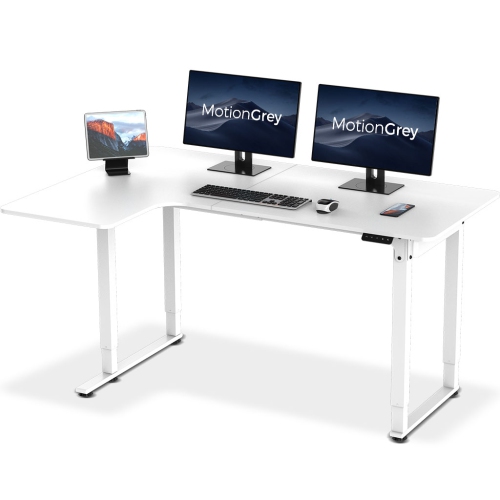
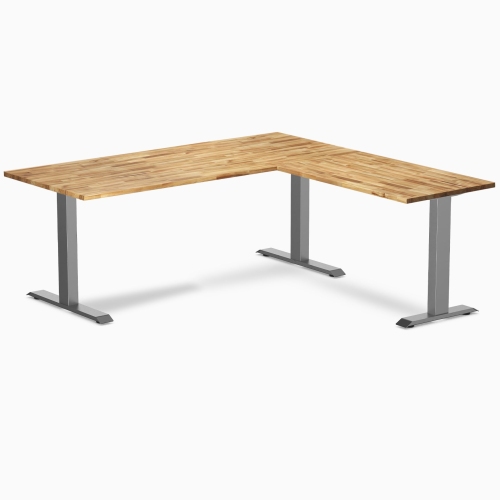
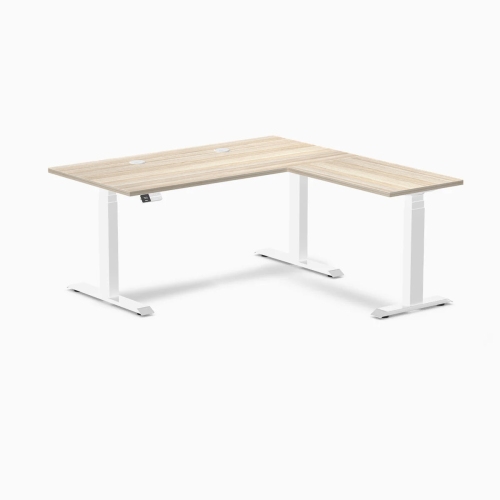
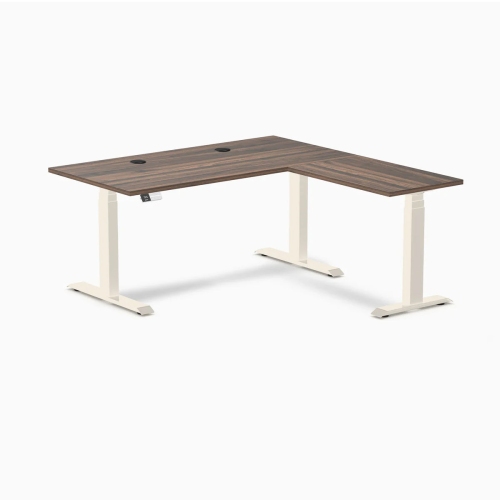
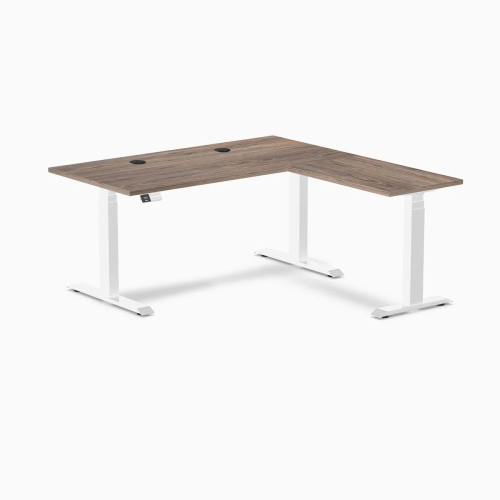
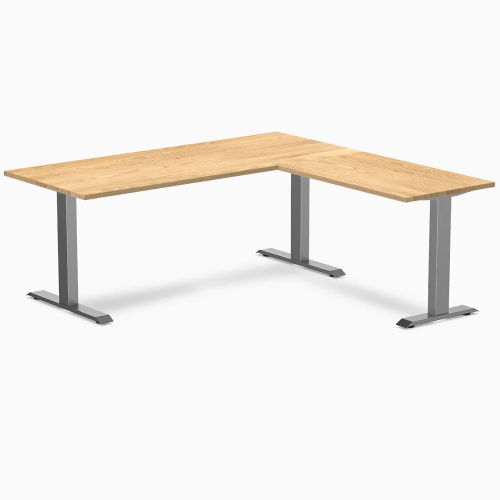
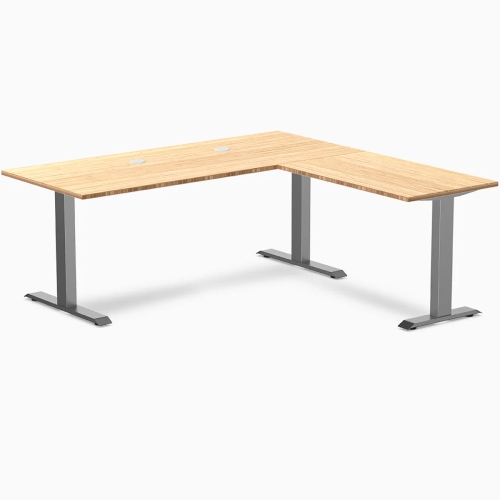
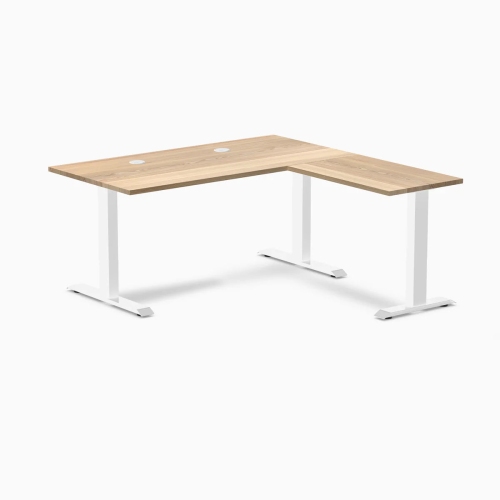
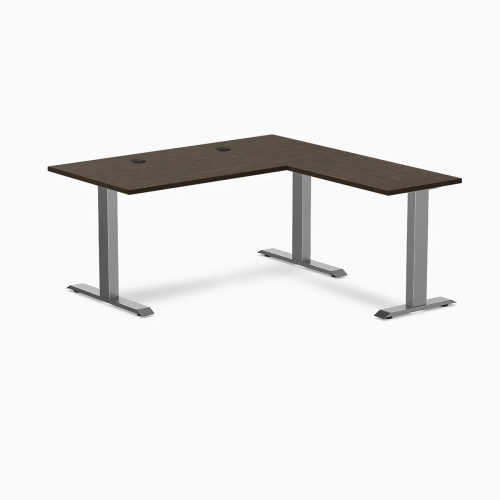
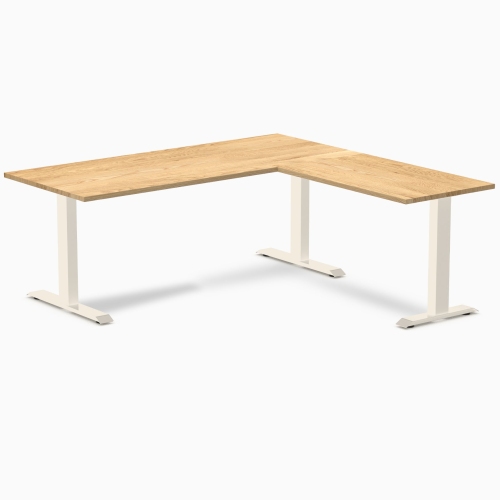
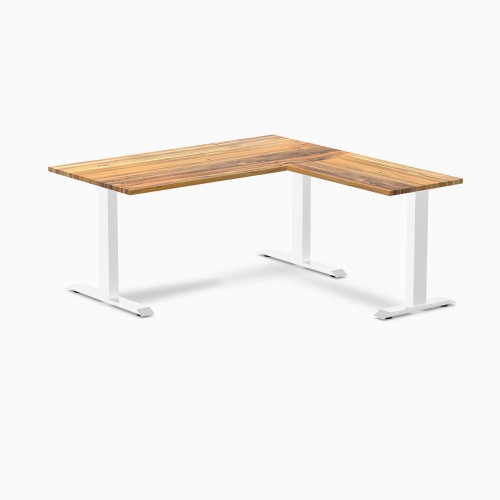
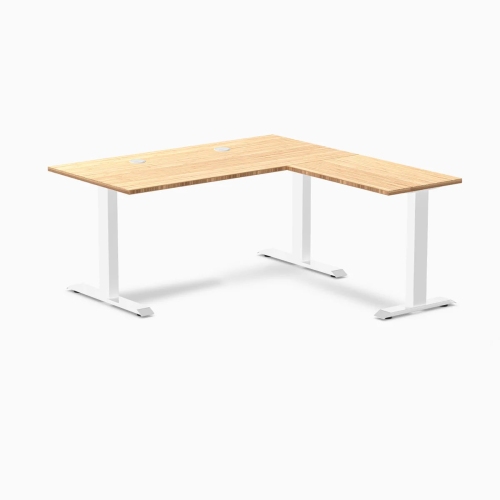
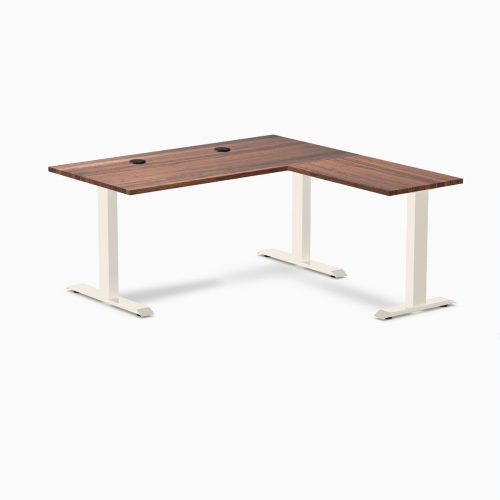
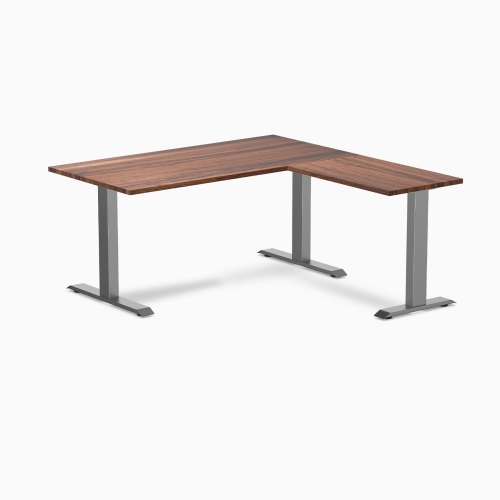
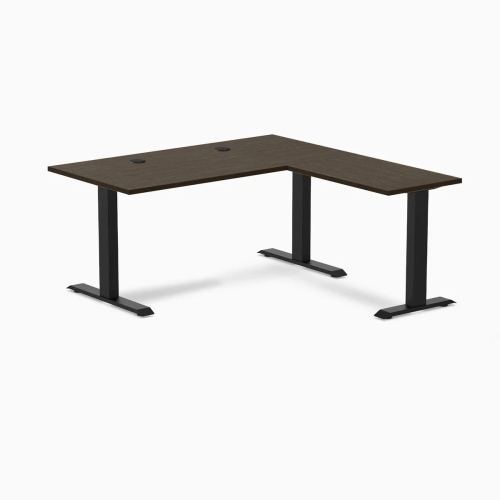
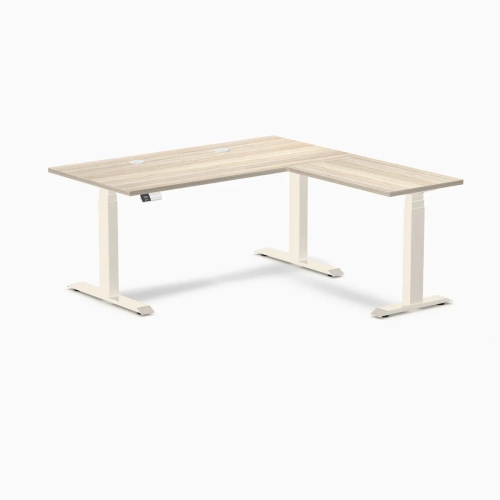
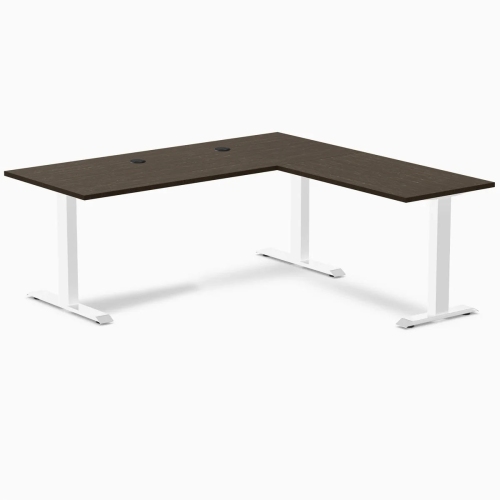
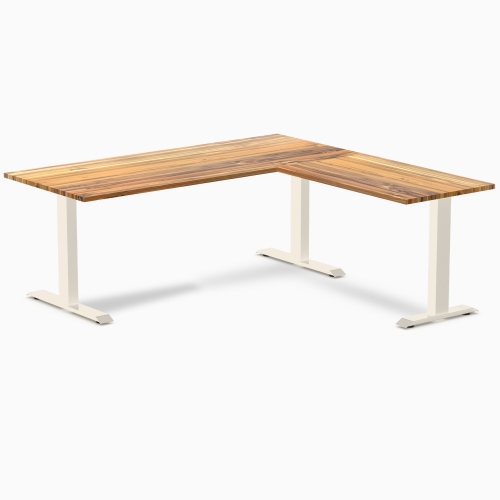
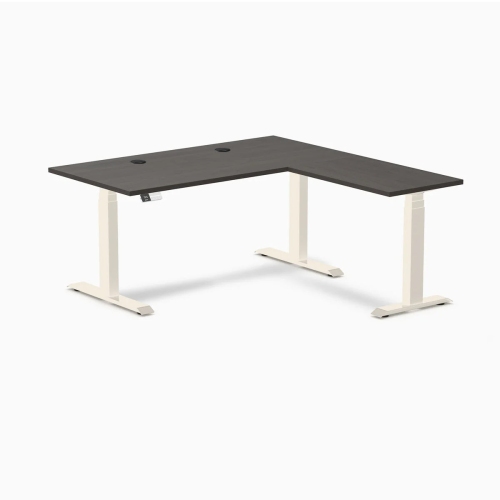
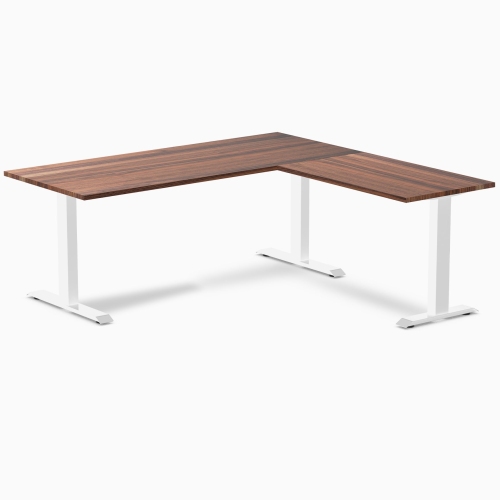
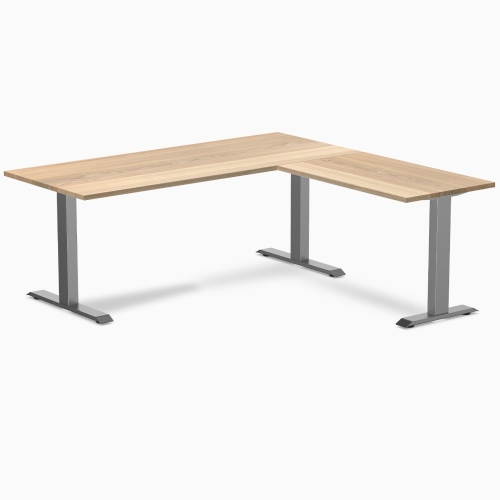
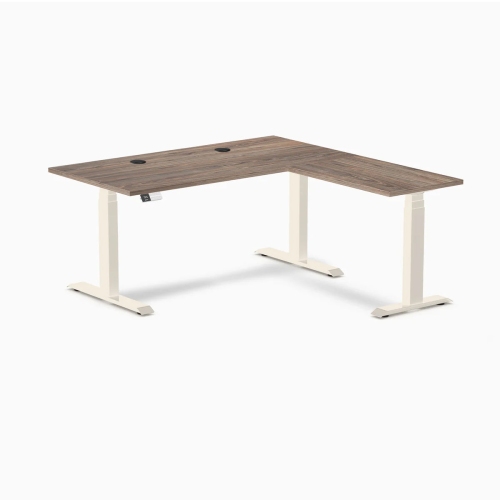
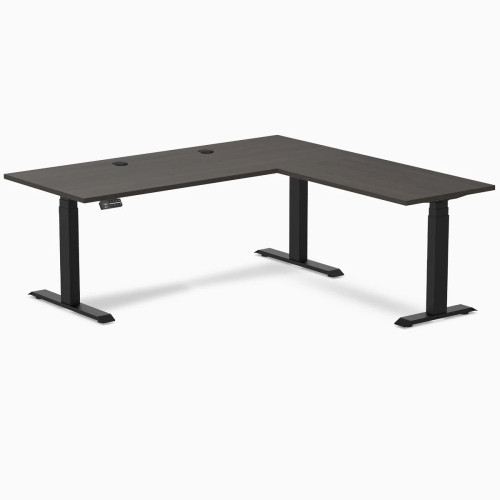
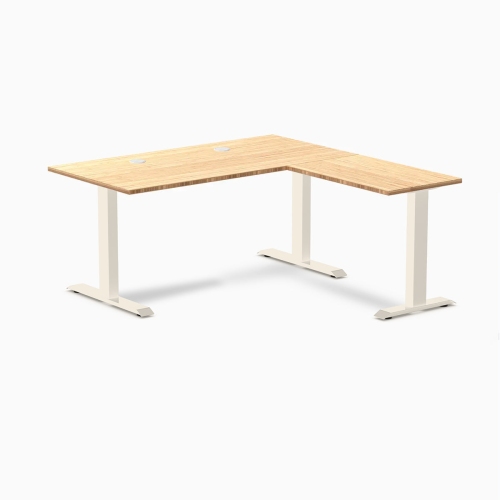
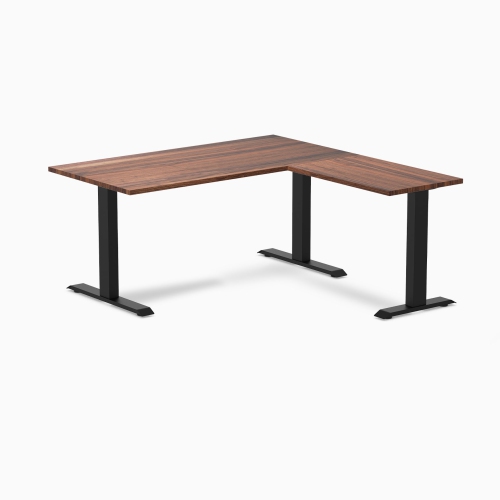
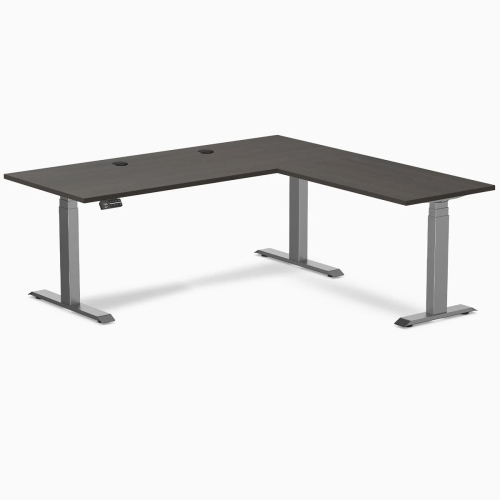
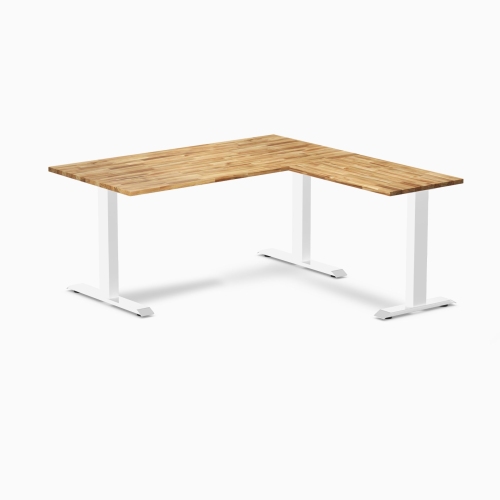
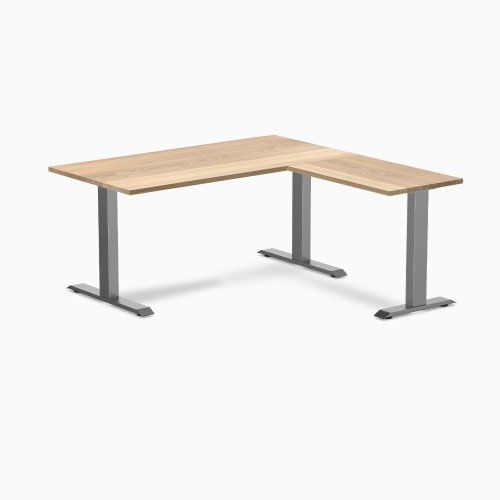
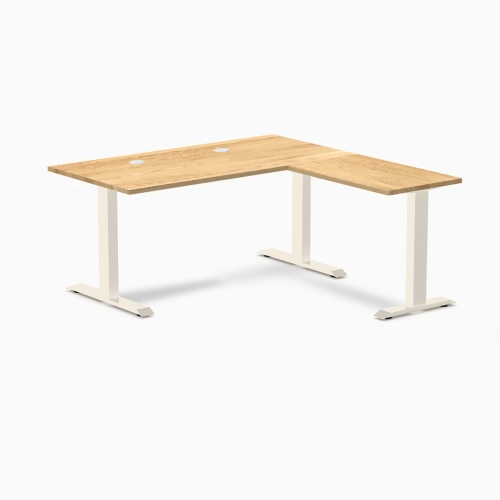
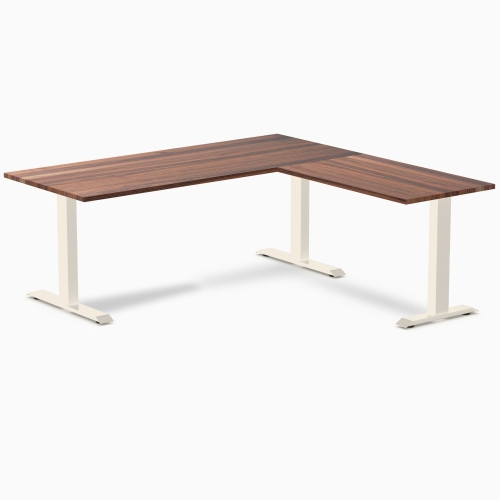
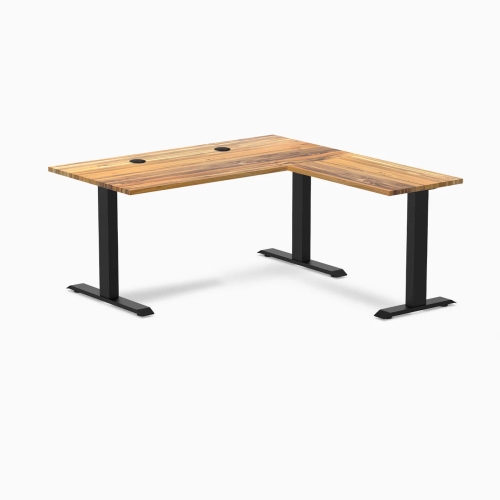
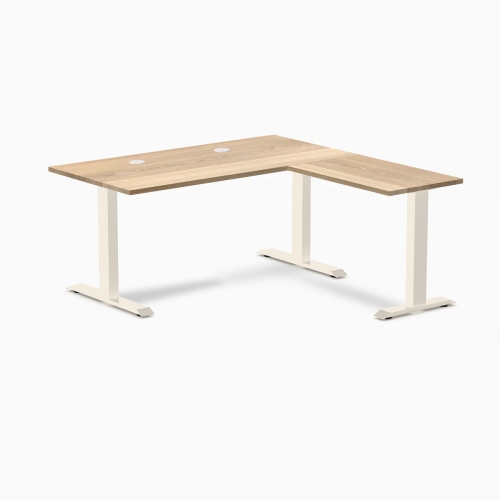
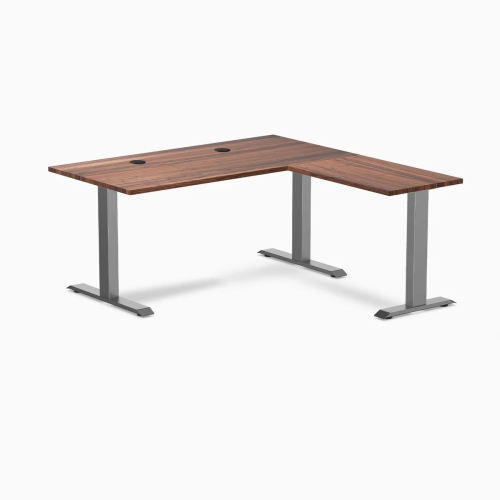
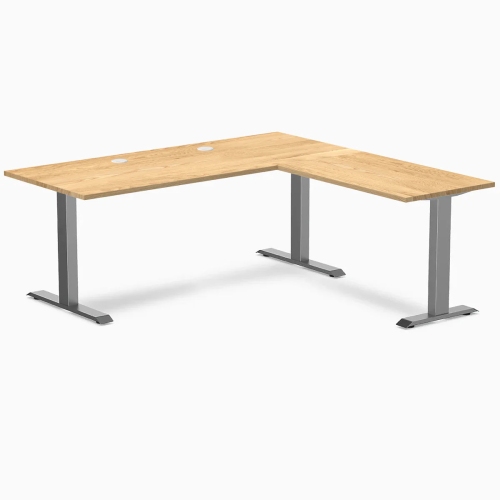
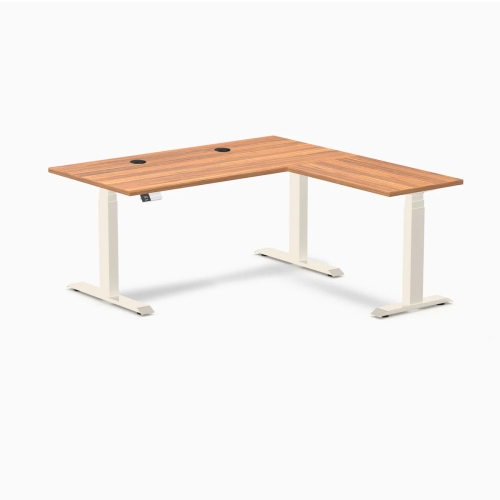
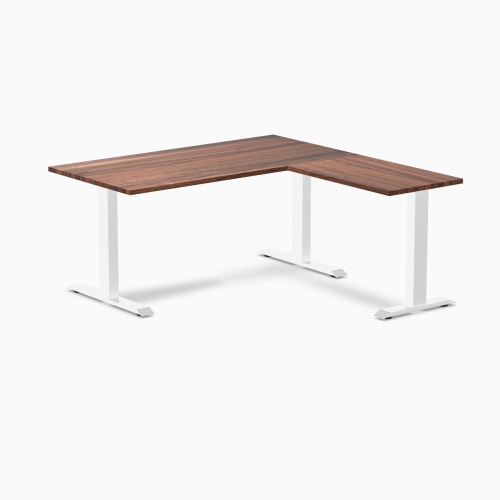
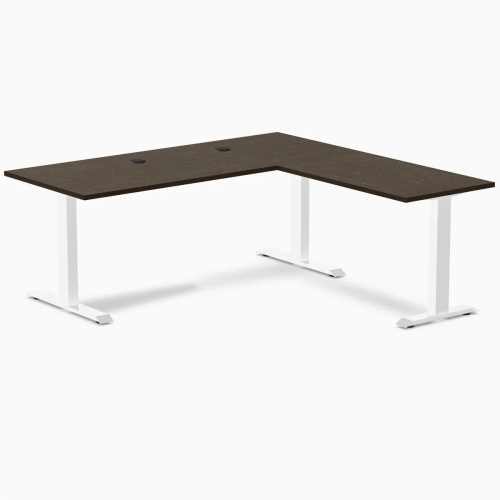
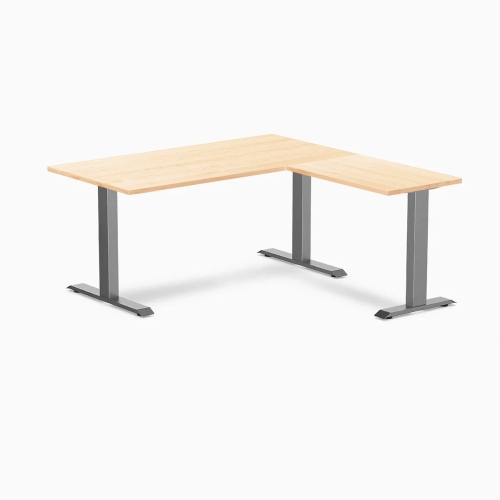
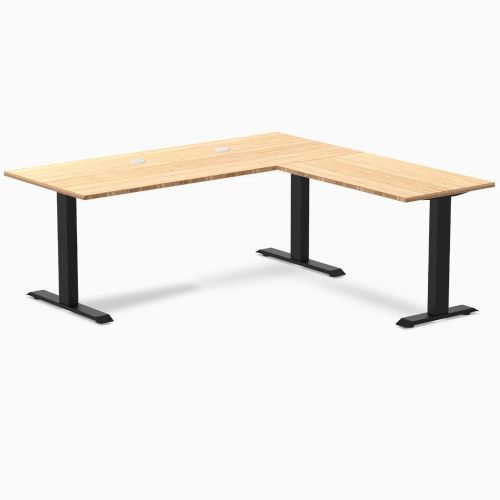
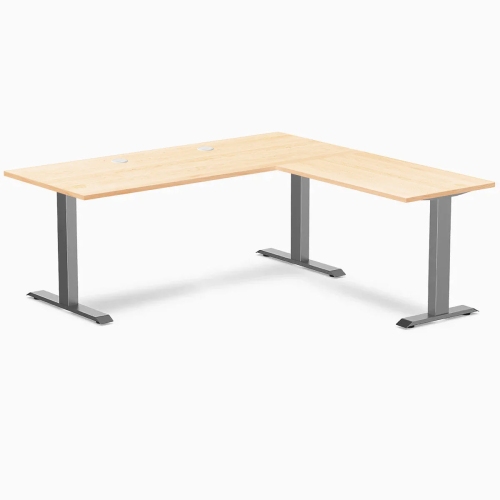
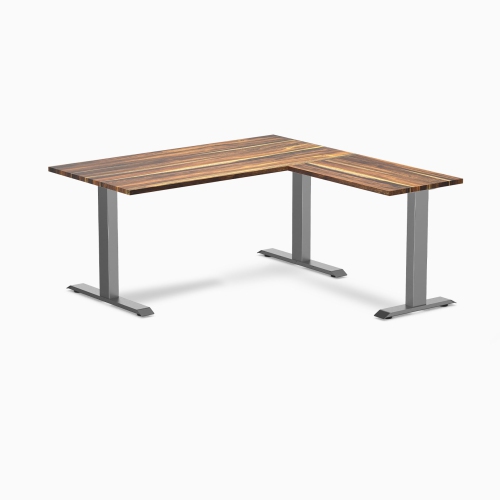
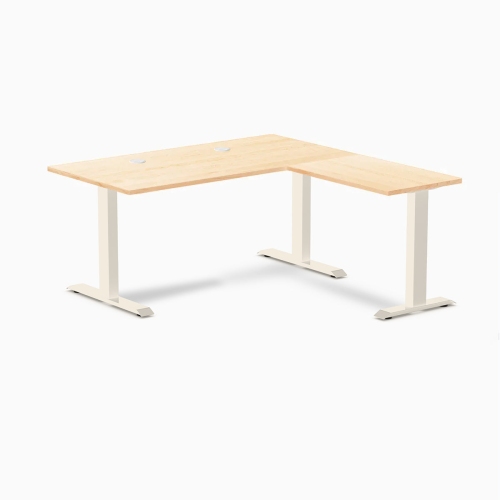
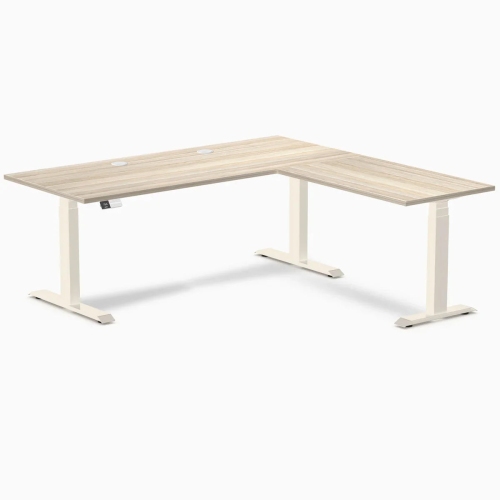
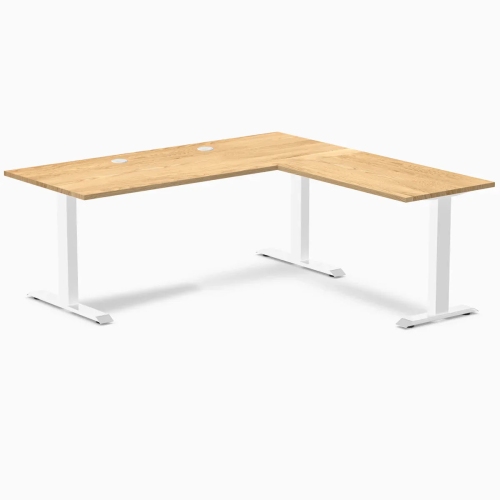
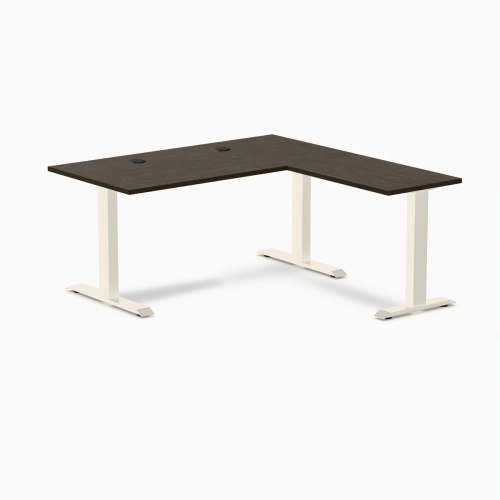
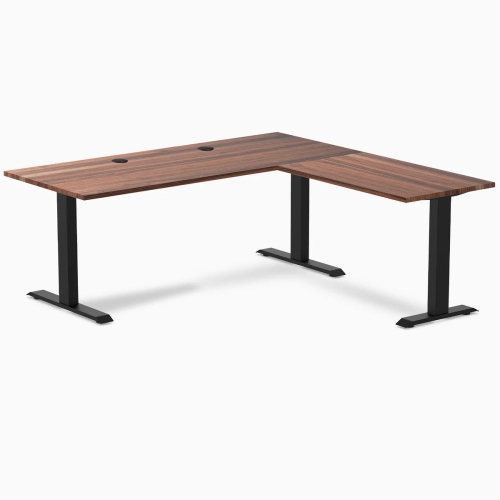
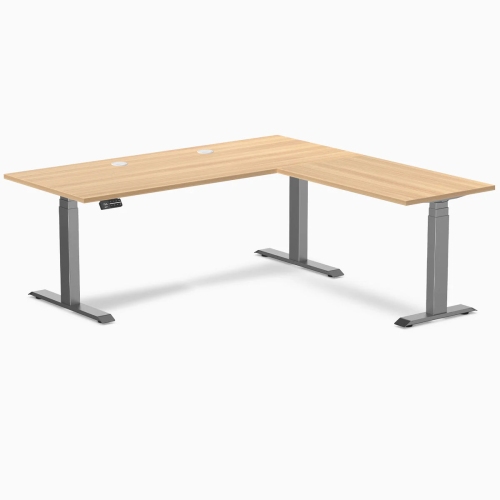
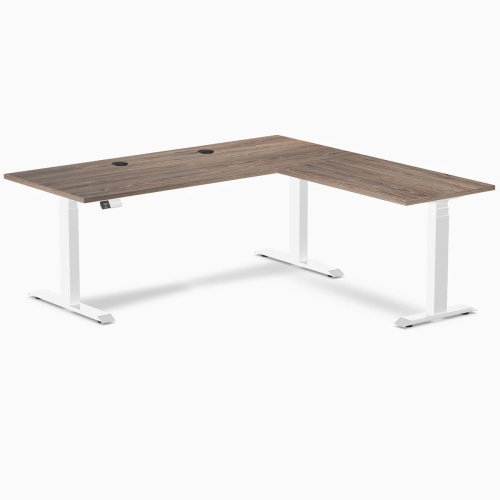
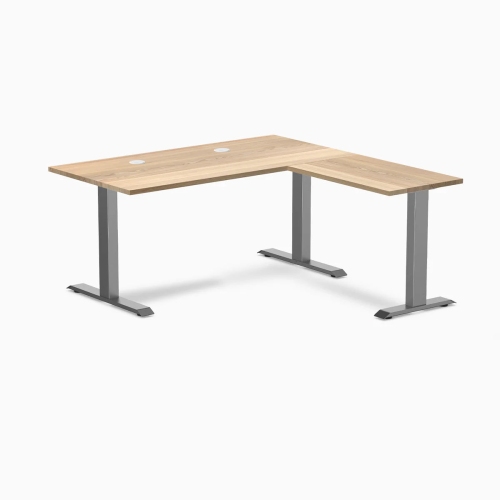
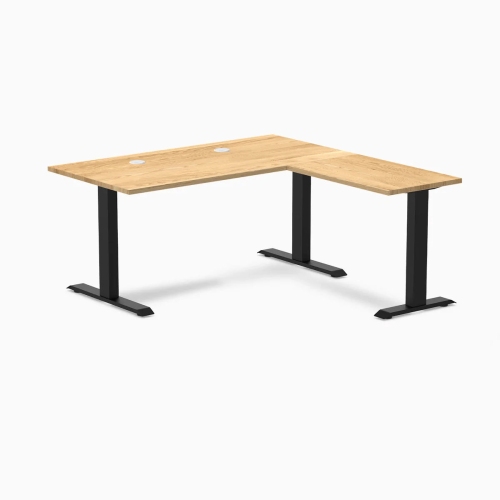
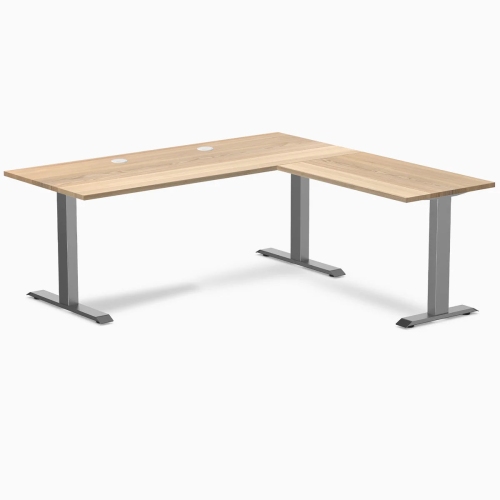
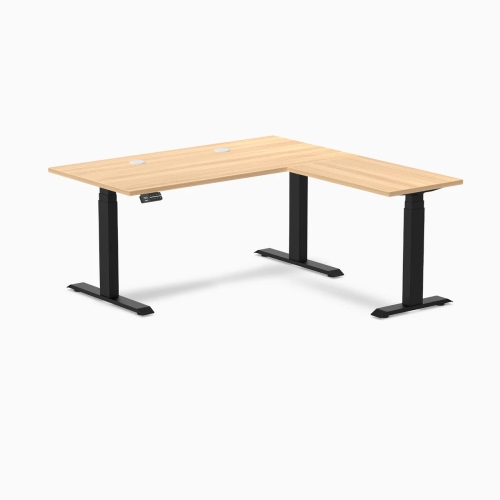
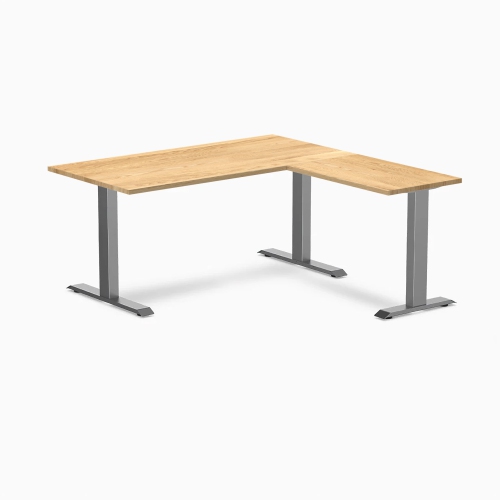
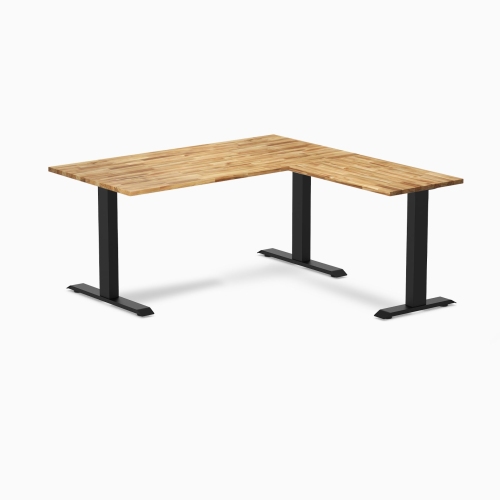
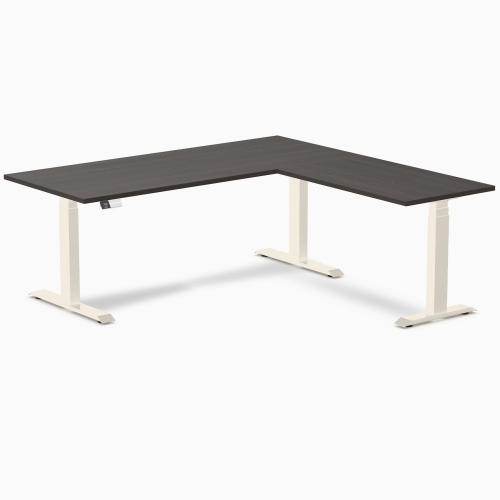
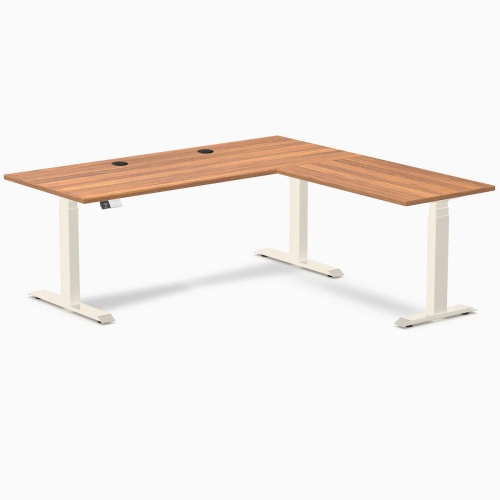
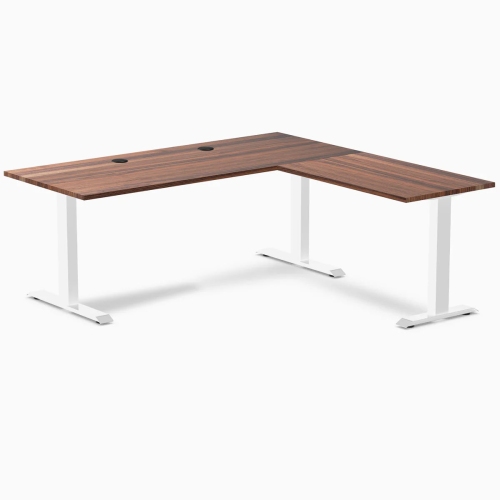
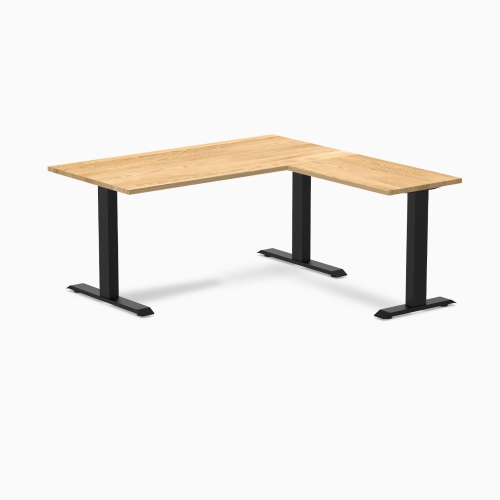
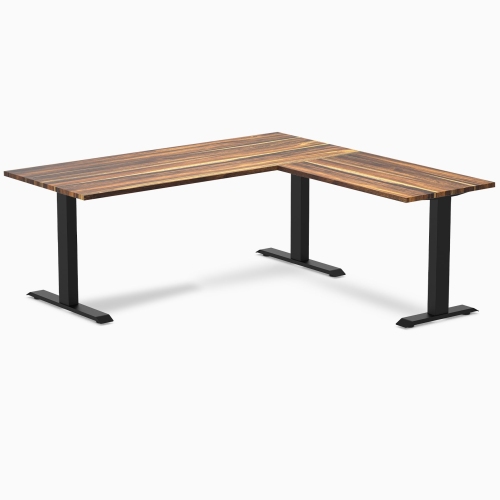
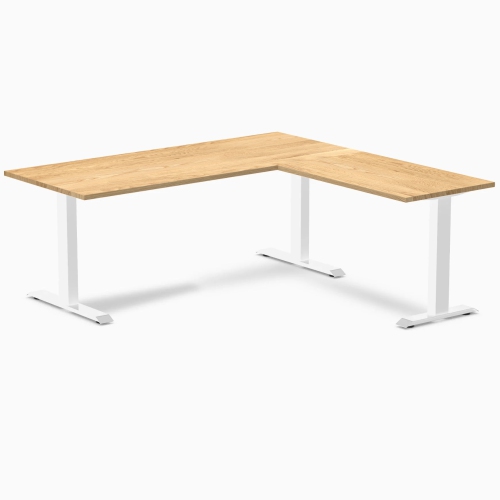
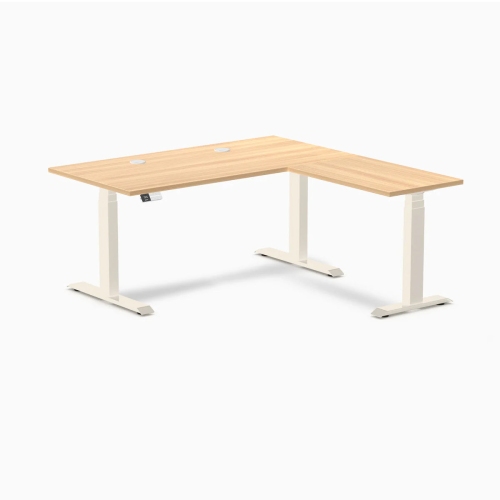
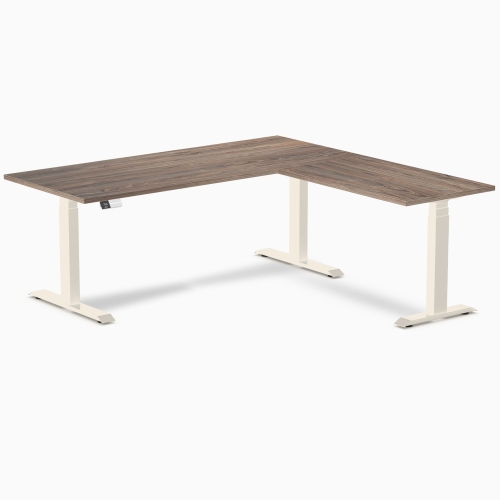
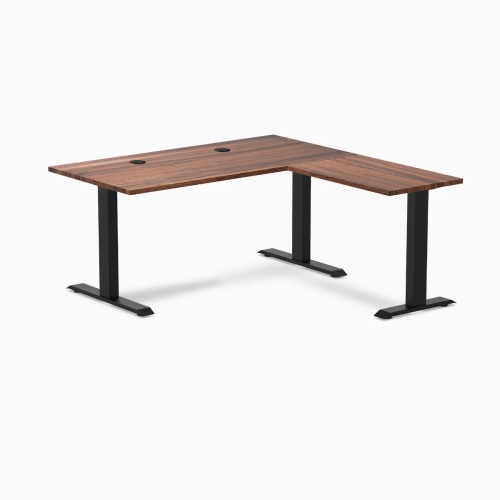
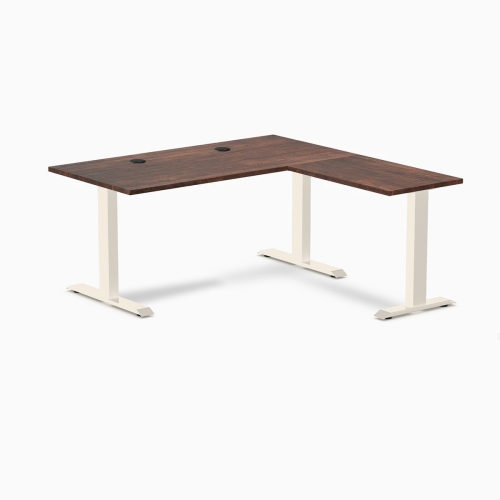
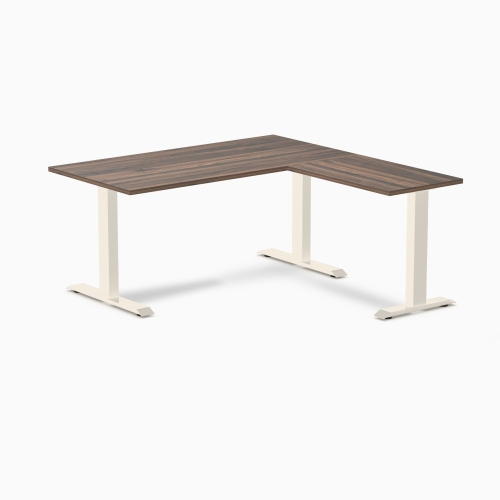
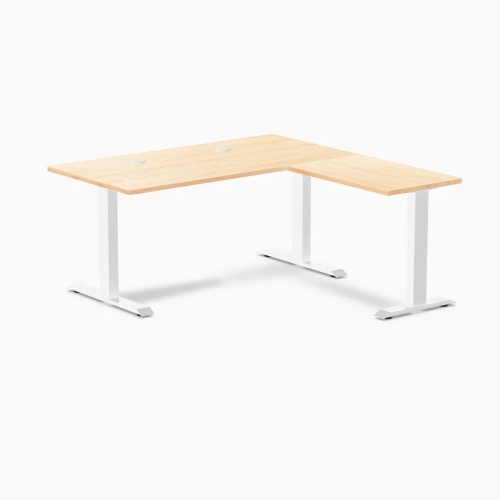
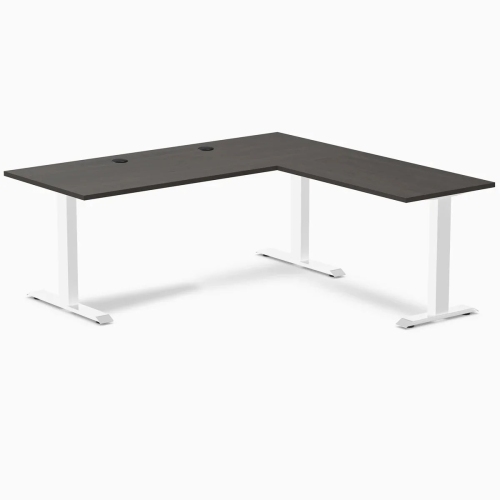
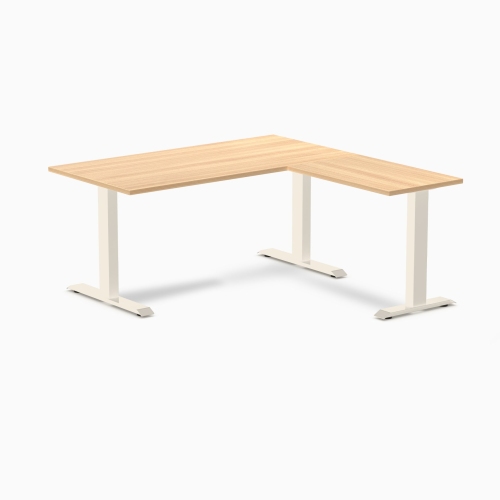
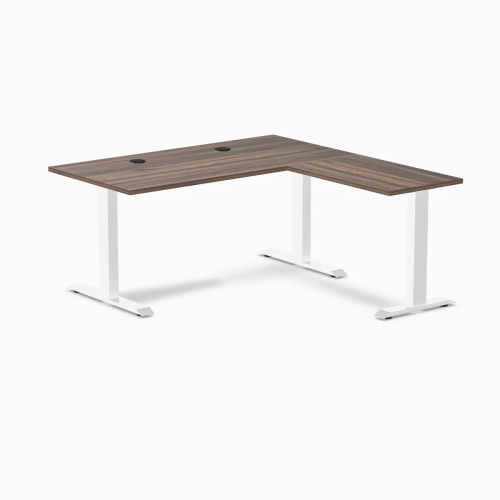
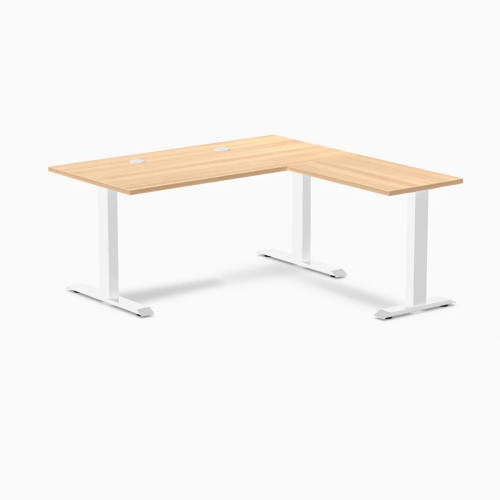
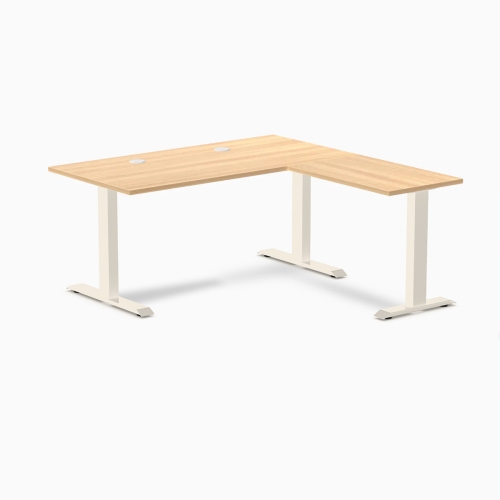
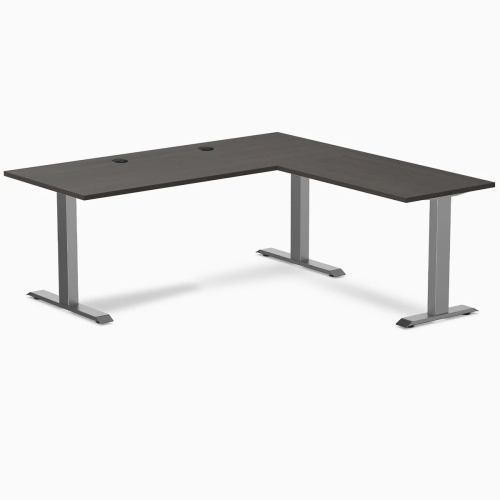
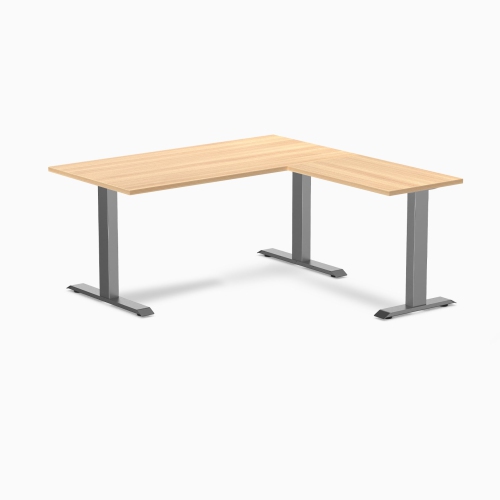
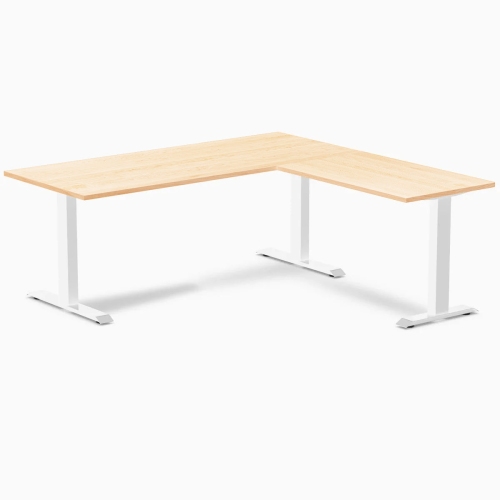
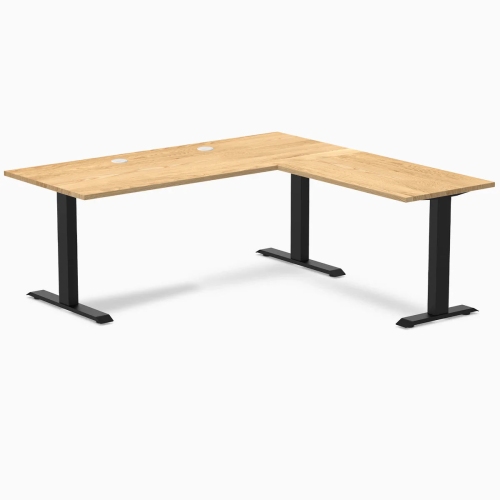
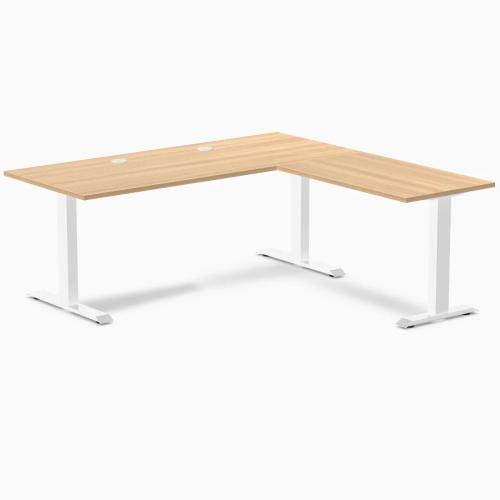
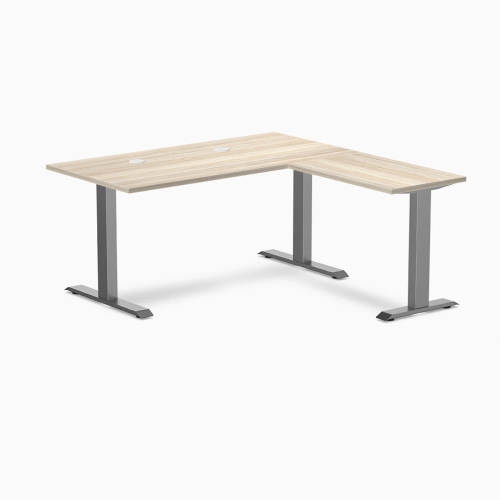
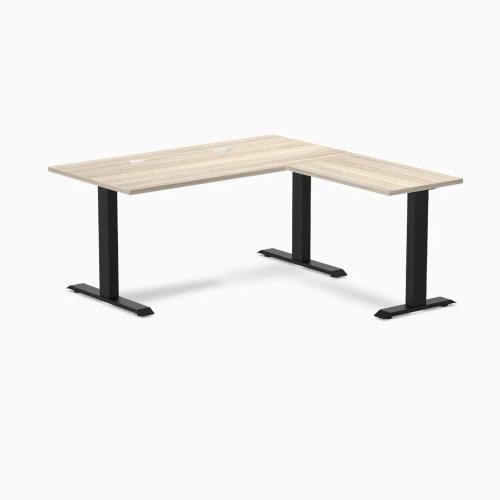
The right fit goes beyond a rounded edge
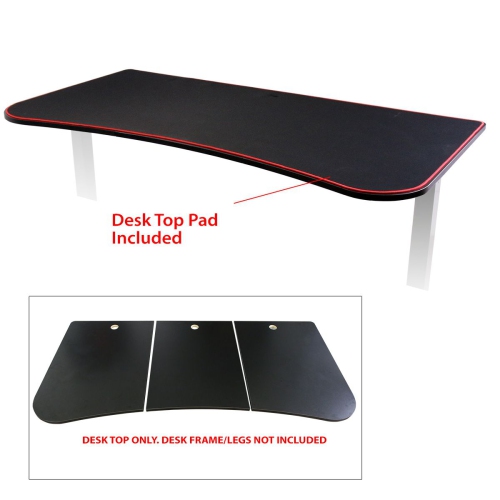
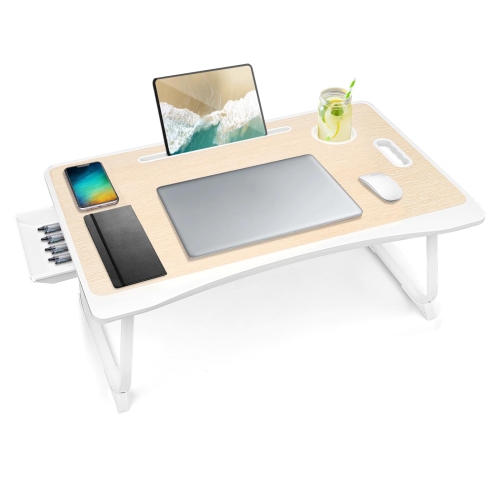
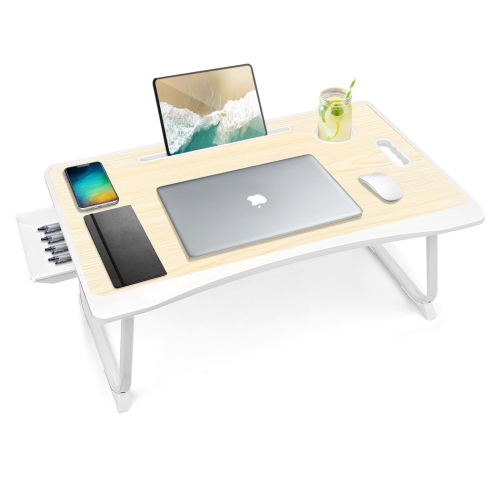
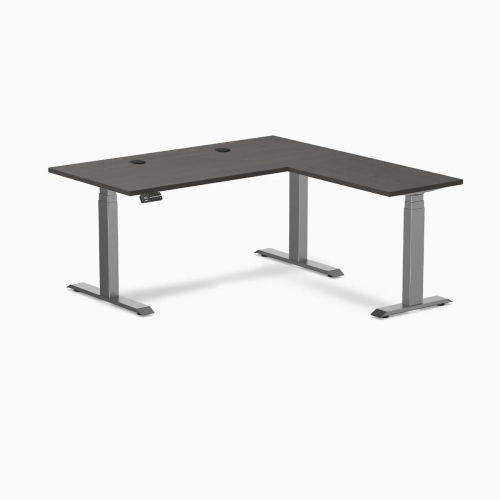
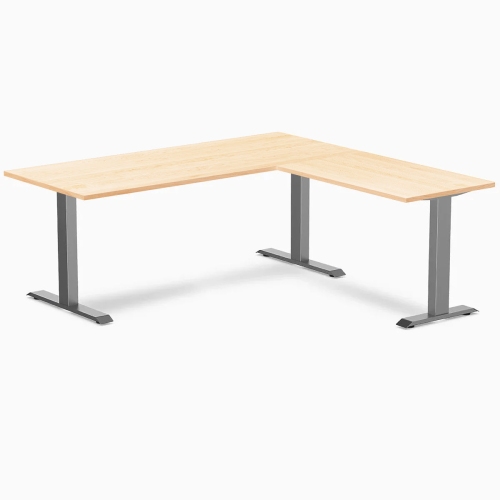
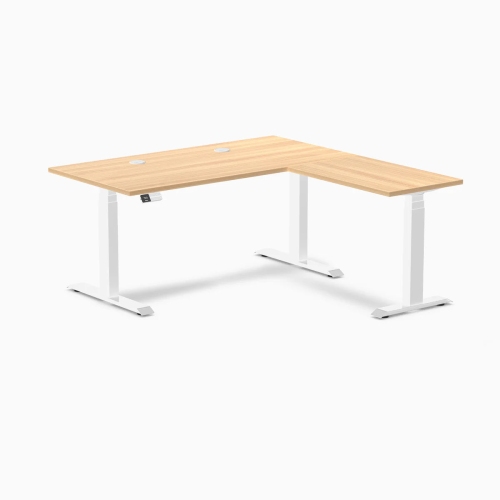
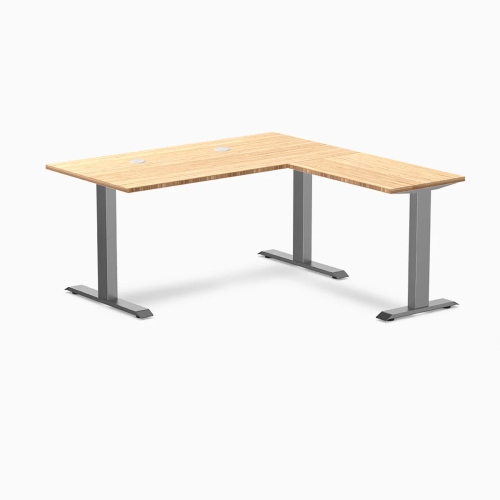
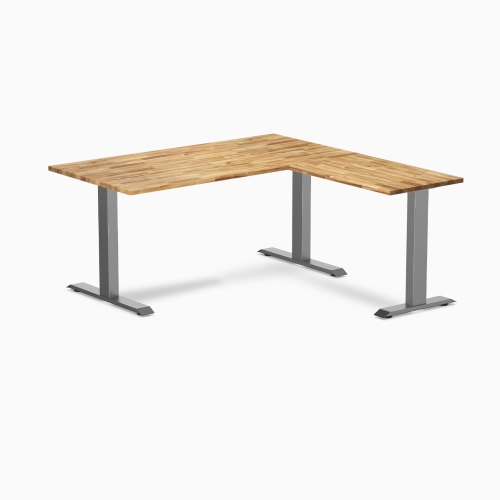
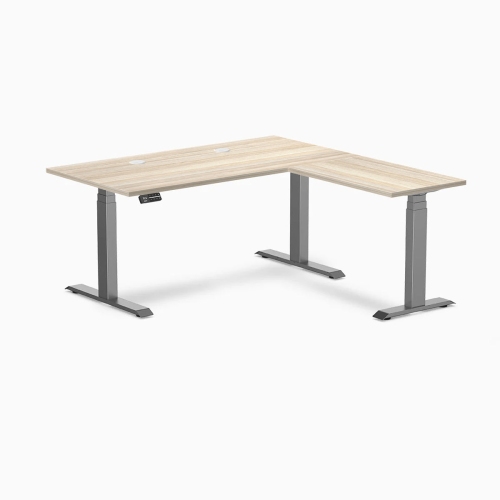
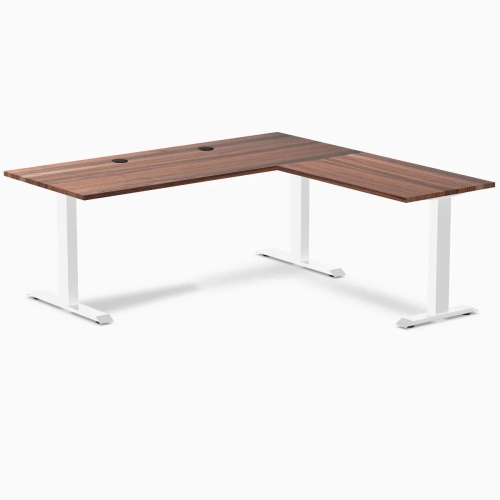
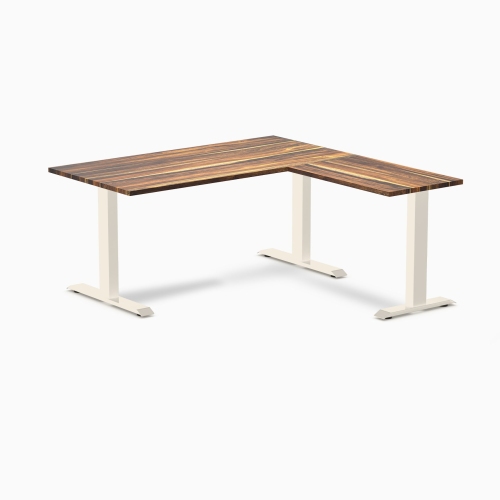
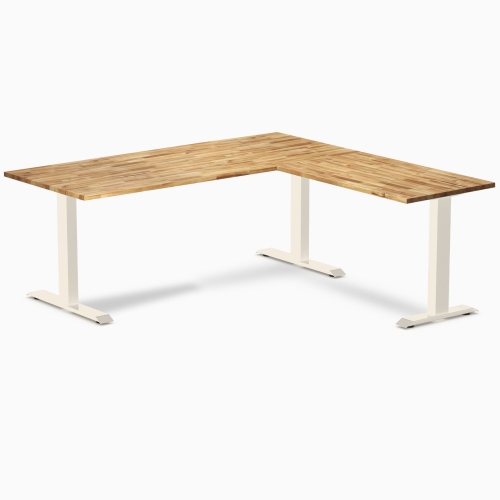
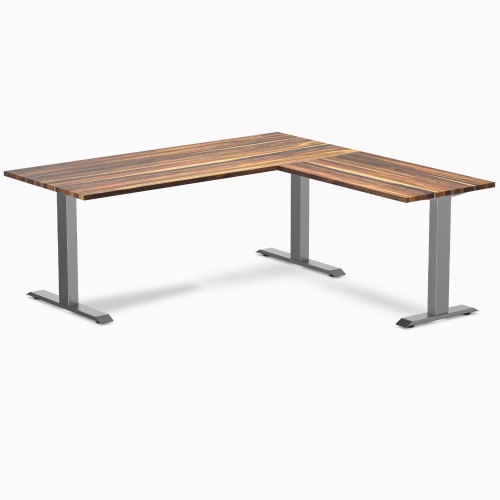
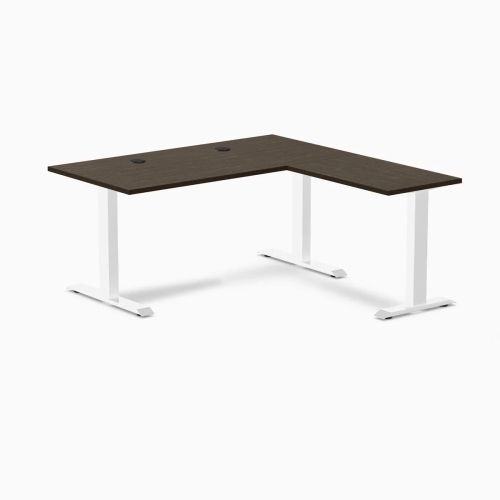
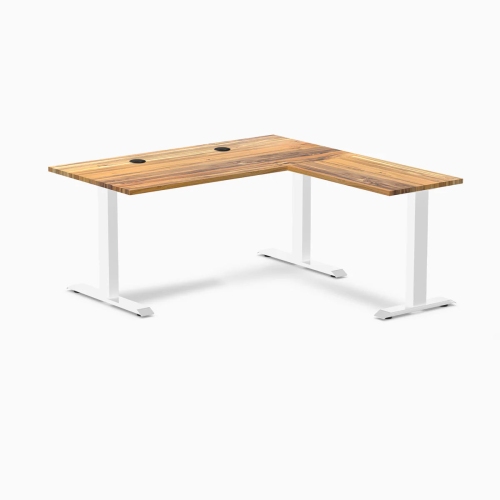
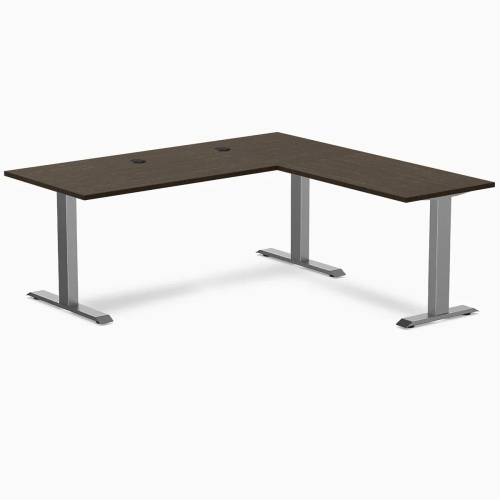
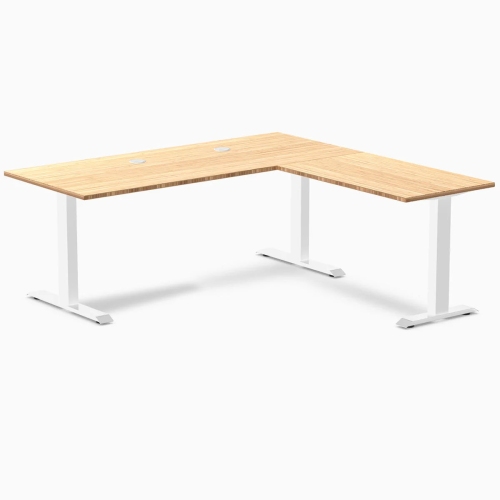
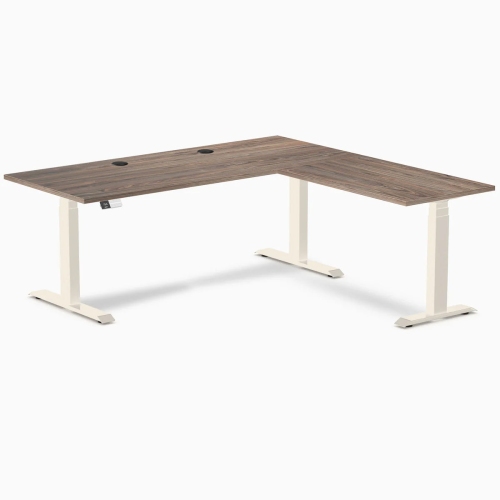
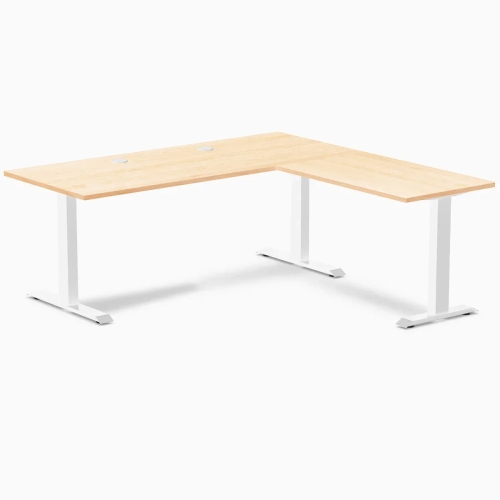
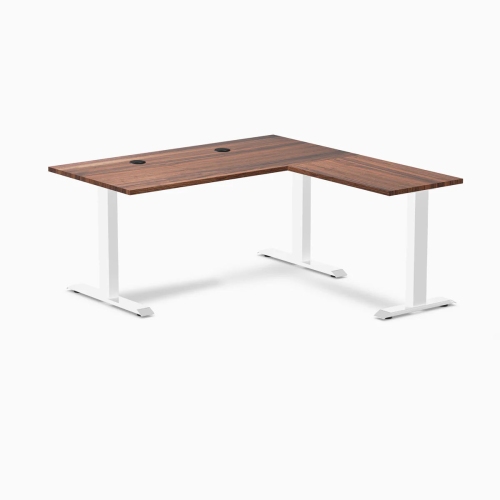
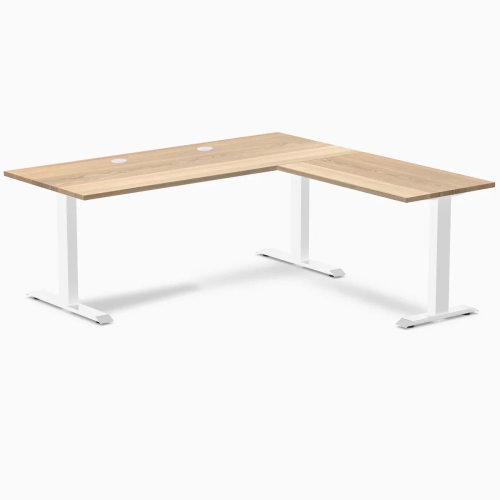
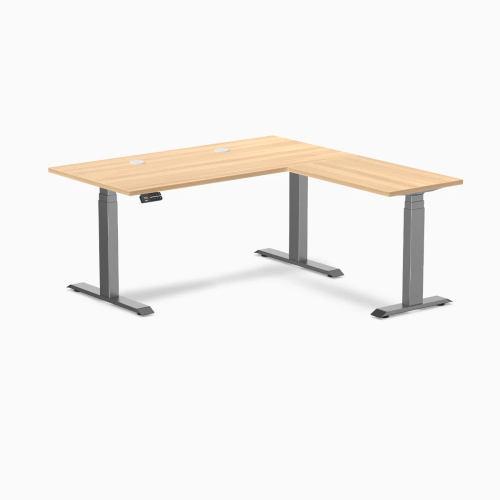
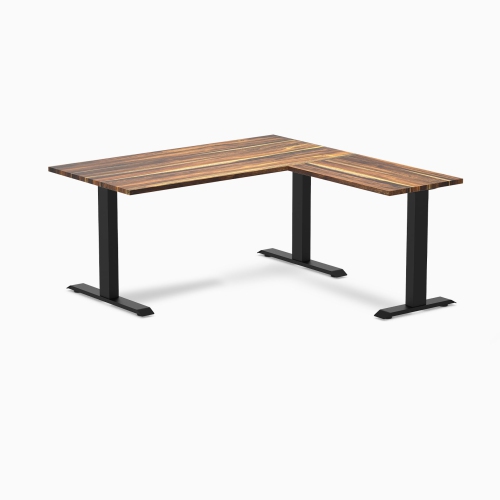
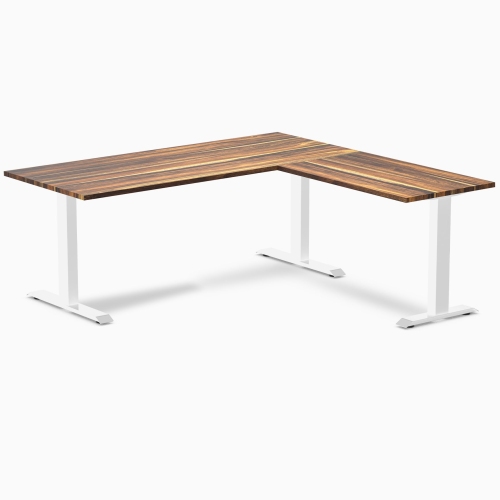
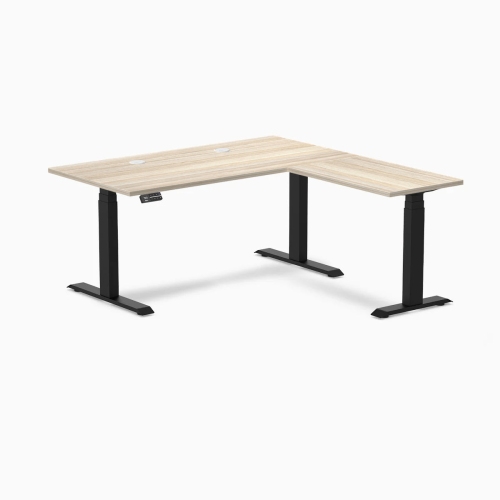
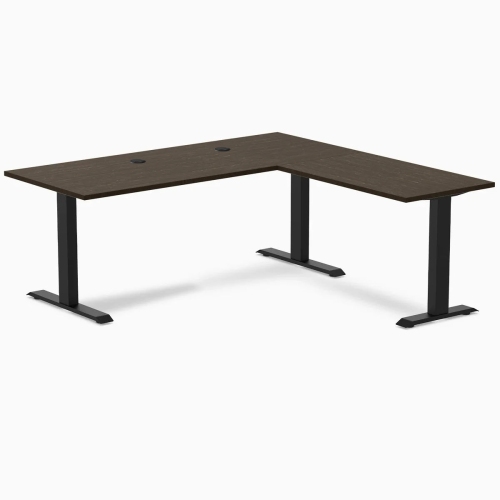
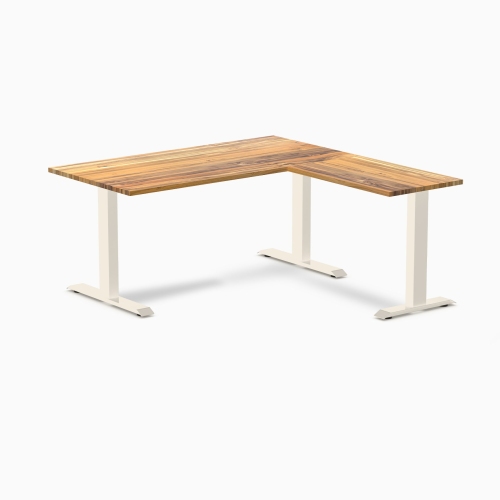
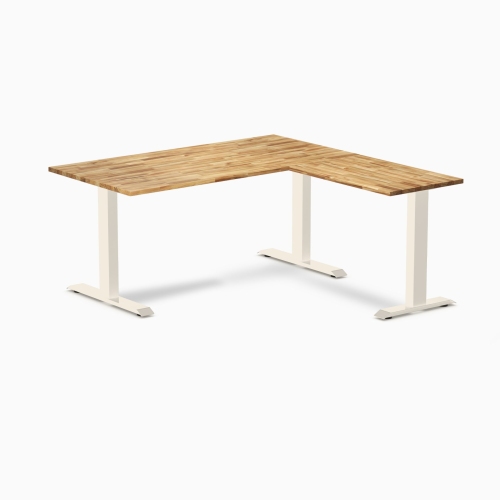
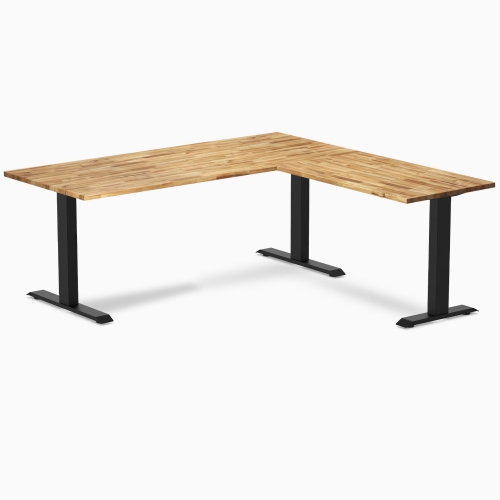
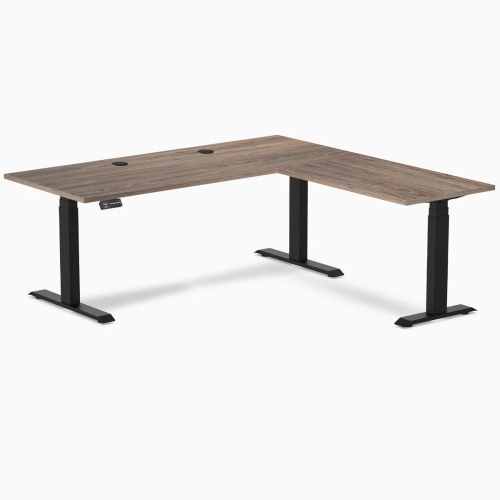
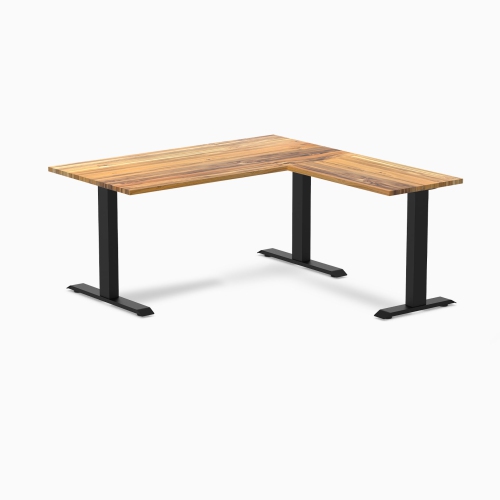
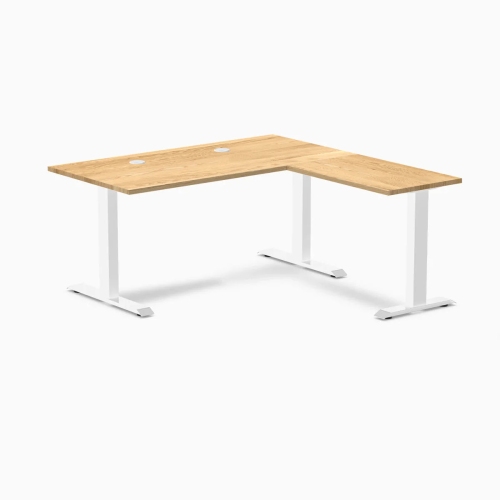
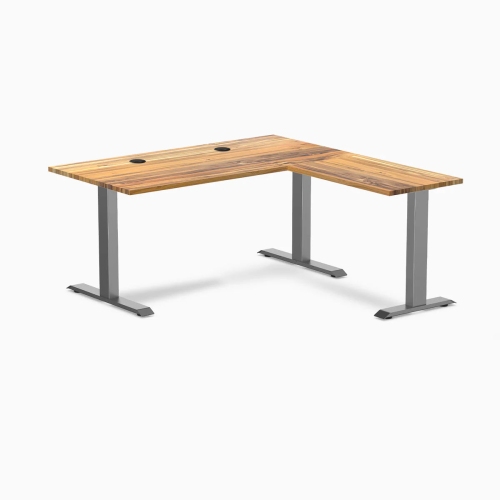
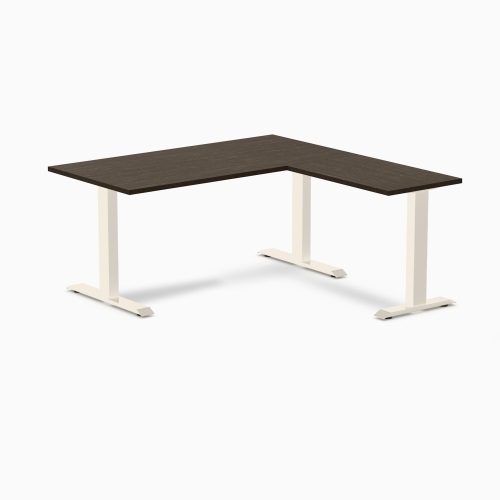
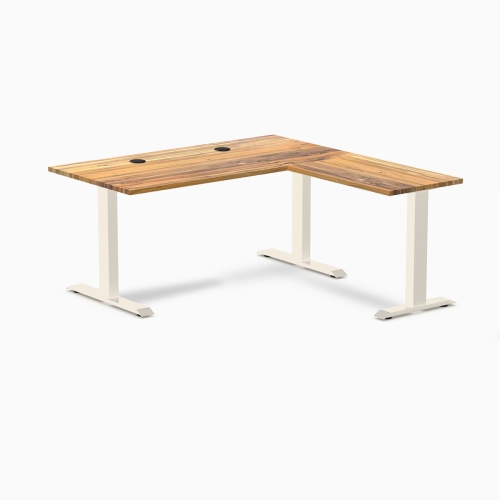
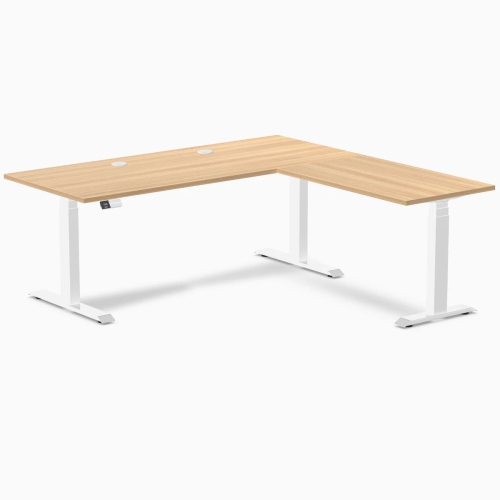
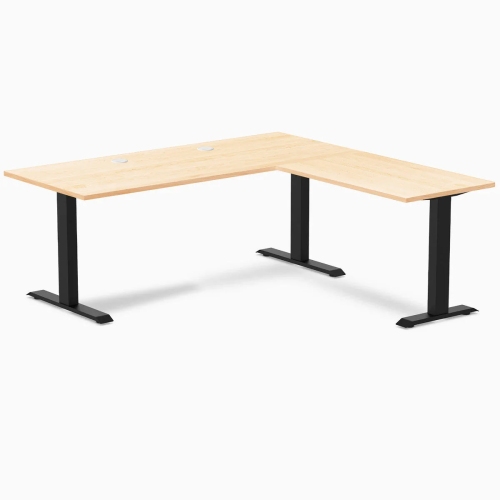
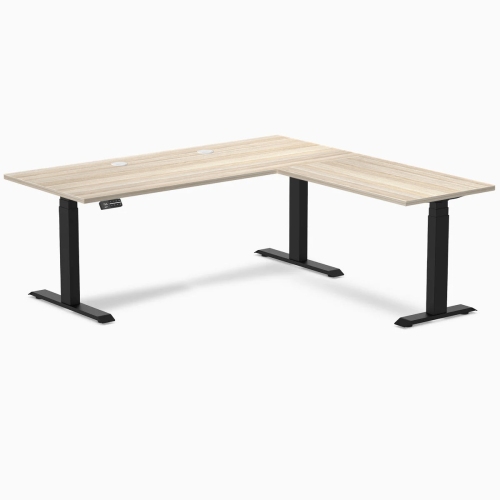
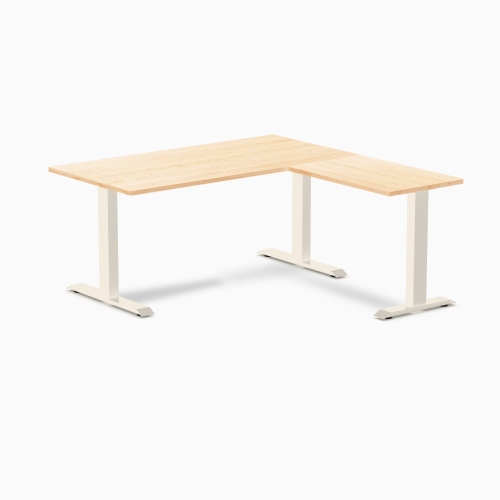
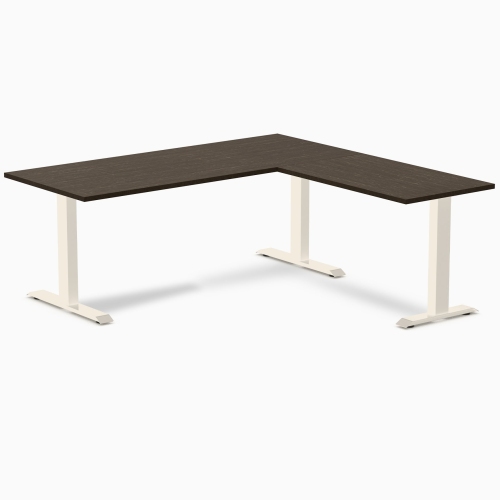
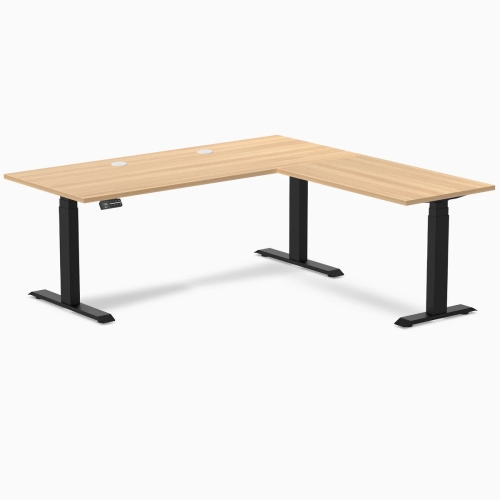
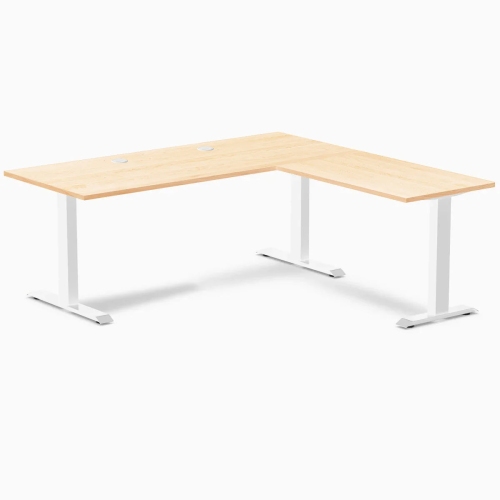
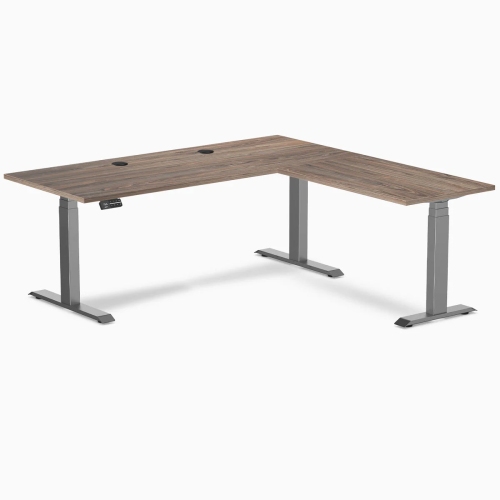
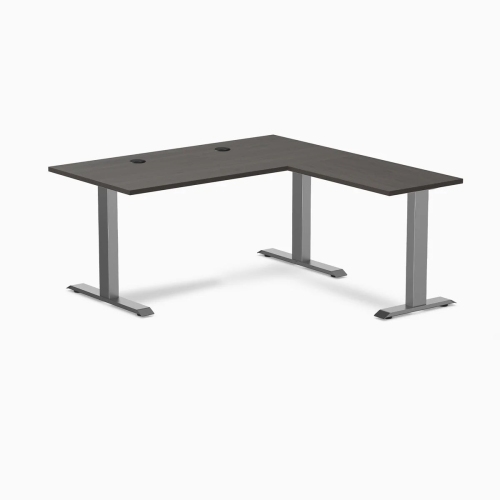
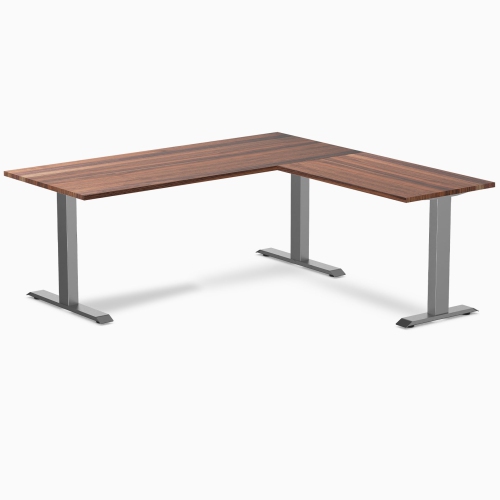
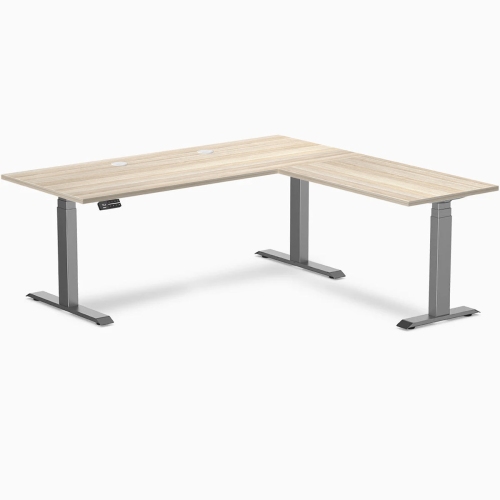
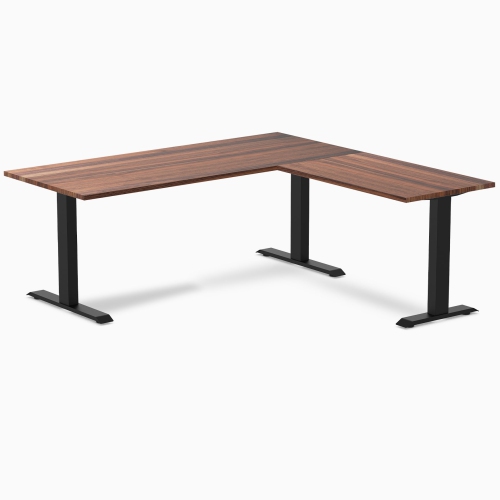
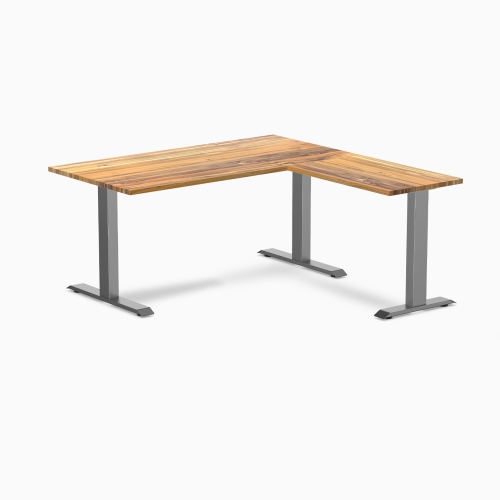
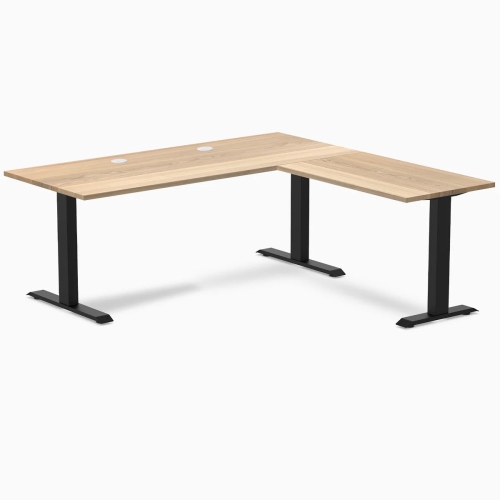
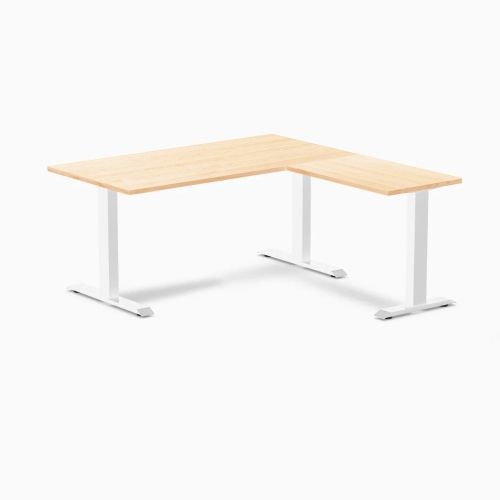
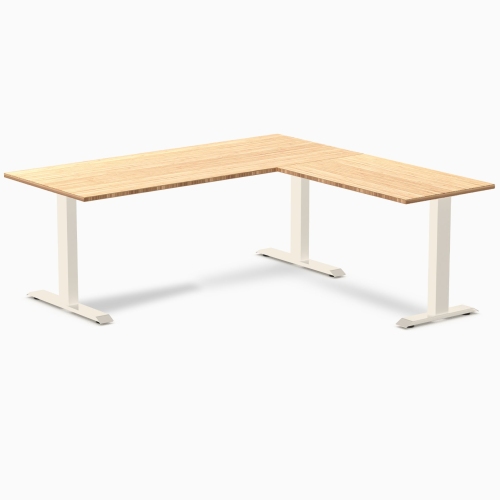
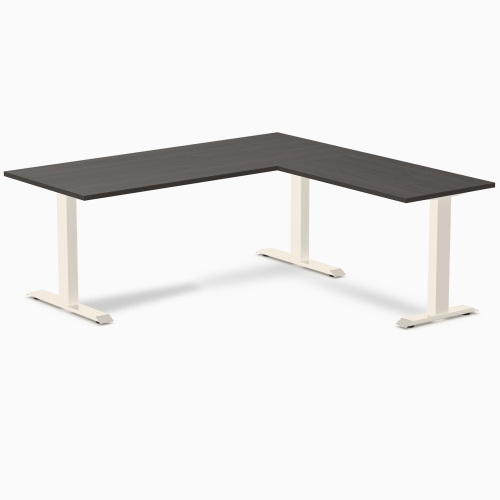
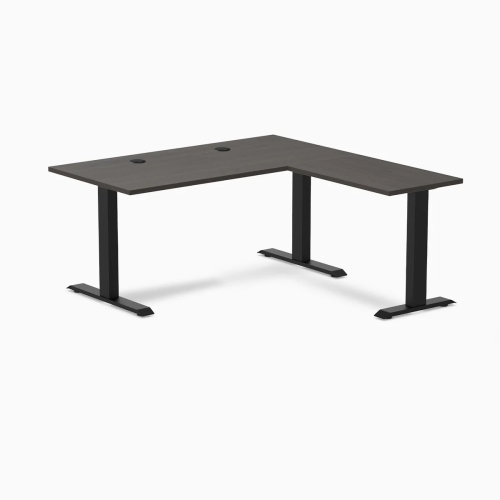
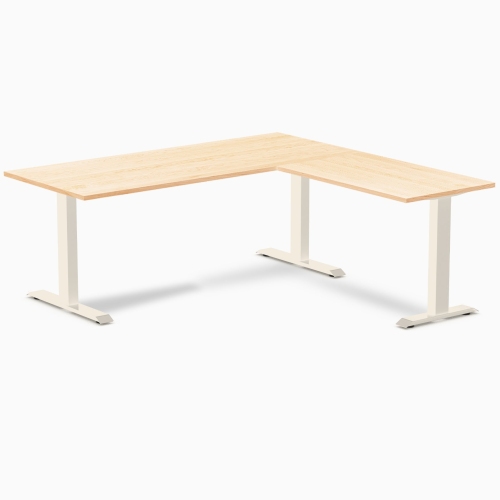
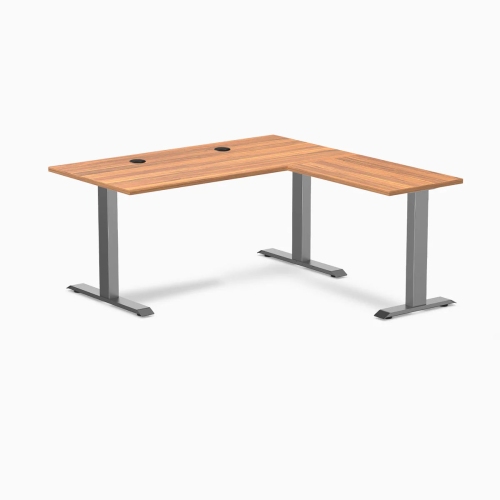
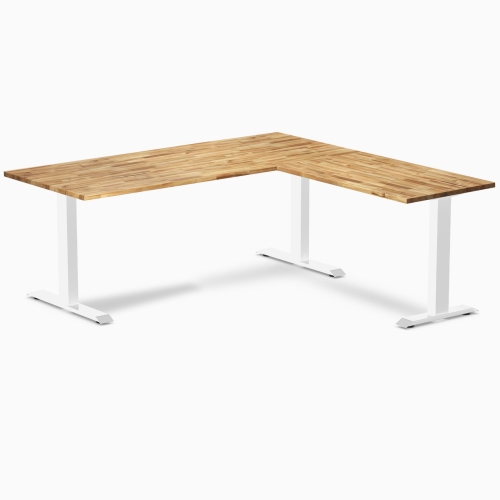
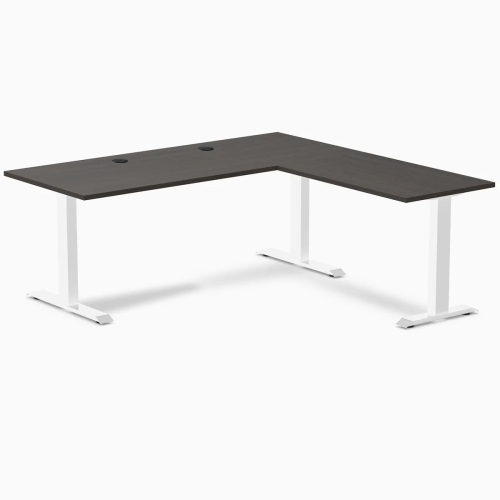
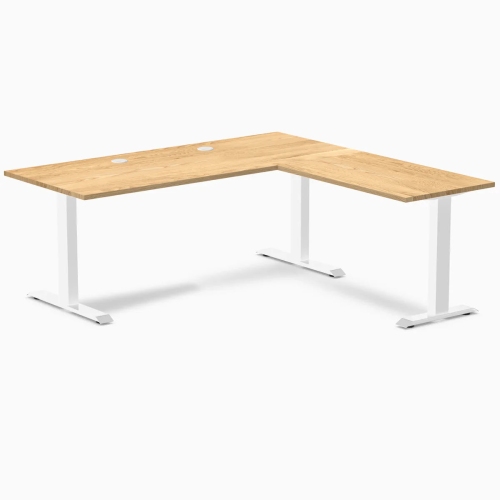
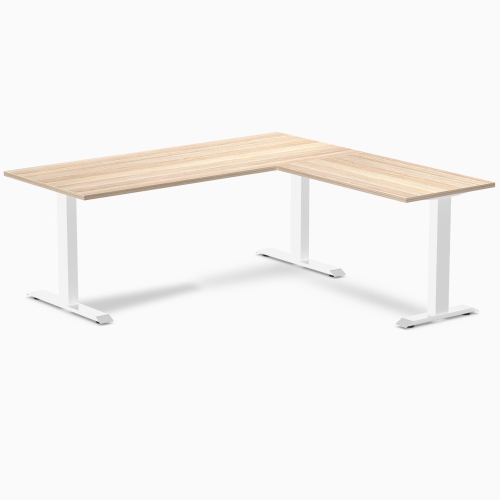
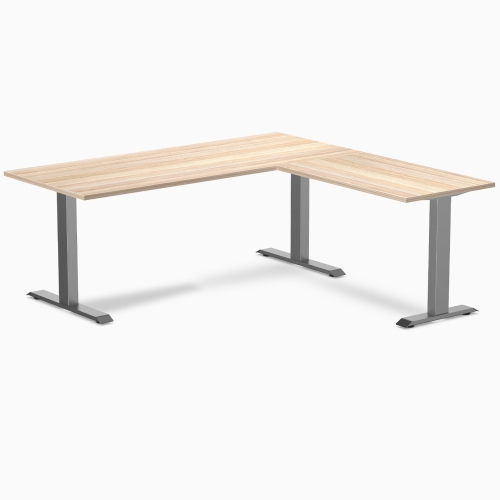
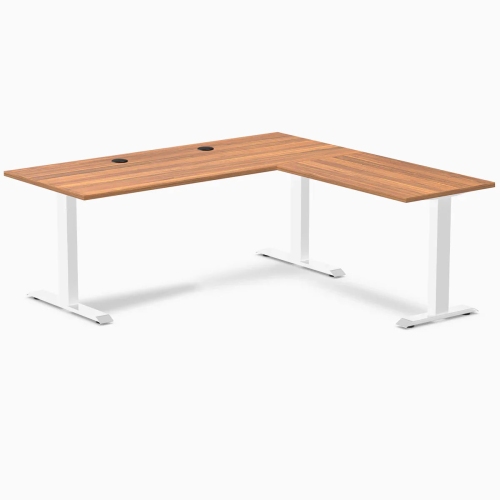
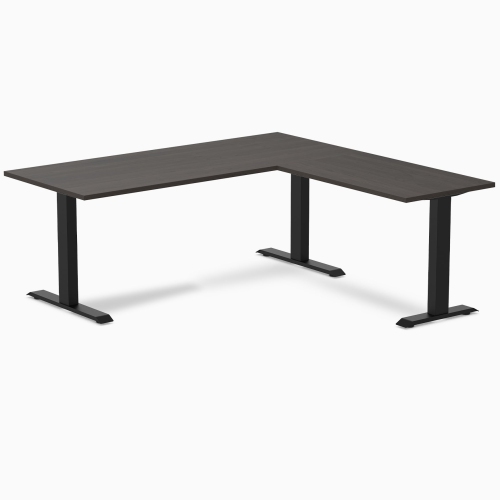
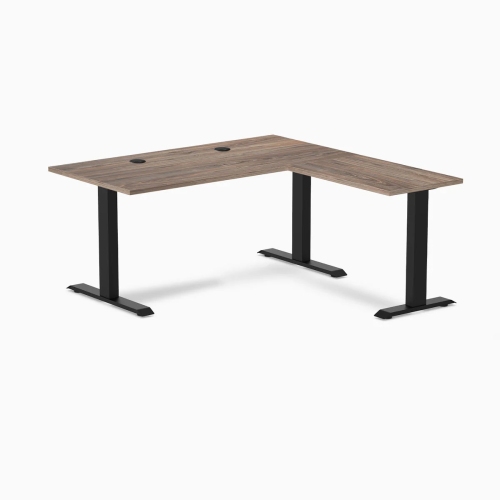
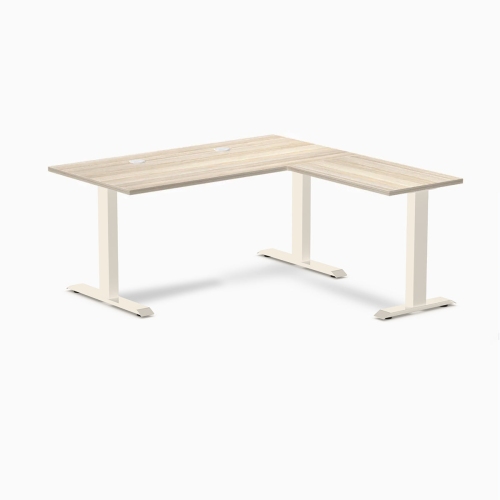
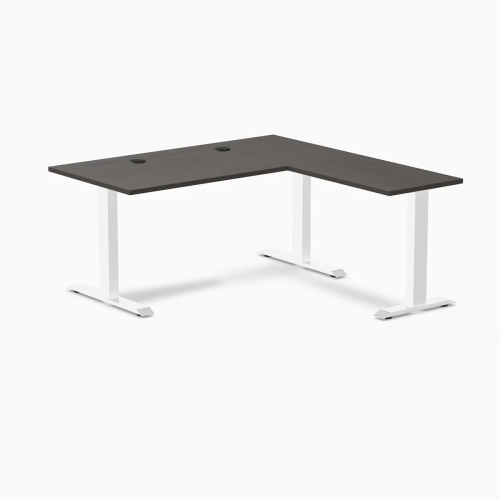
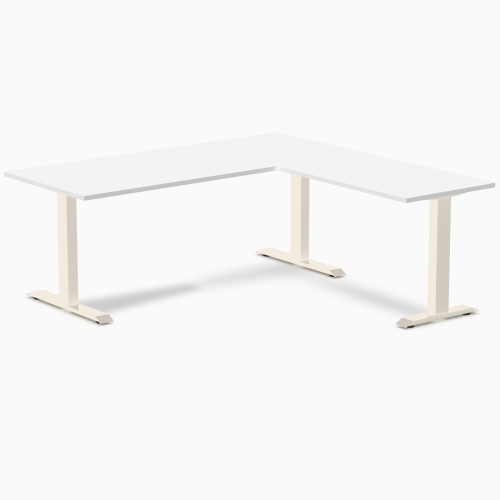
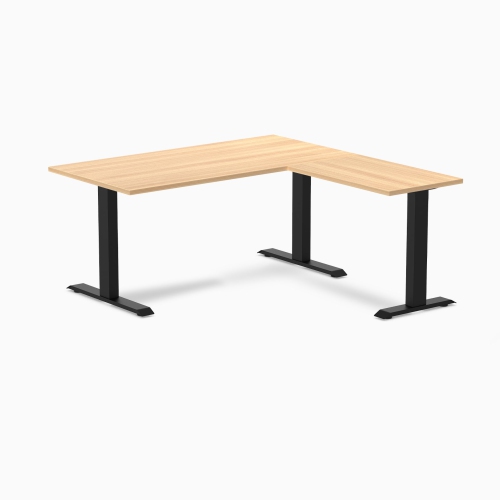
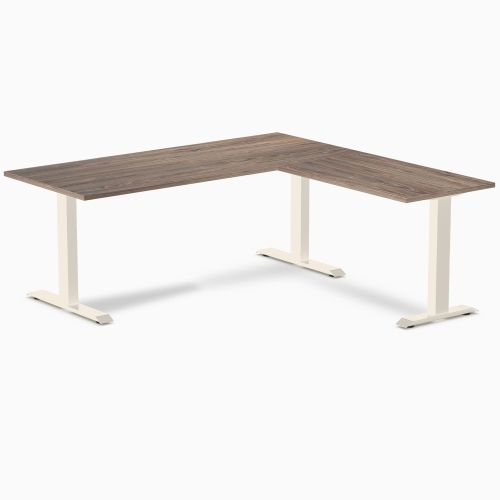
Curved desks are work surfaces with a rounded outline, a gently recessed front edge, or a wraparound shape that brings usable desktop space closer to the person sitting at it. The curve may be subtle, creating a softer alternative to a straight rectangular desk, or more pronounced, with side sections that extend around the chair. These shapes can suit home offices, study areas, creative workspaces, and gaming setups, although the way a desk fits matters more than its outline alone. A recessed front edge can make it easier to reach a keyboard, notebook, and frequently used accessories without spreading everything across a long, straight surface. Rounded outer corners can also soften the appearance of a workspace in a bedroom or living area where office furniture shares space with everyday furniture. Not every curved desk is designed to tuck into a corner, however, and a rounded edge does not necessarily mean a smaller footprint. A broad crescent-shaped surface may need considerable room behind and beside the chair, while a compact desktop with a shallow inward curve may fit comfortably along a wall. Measuring the full width and depth, including the furthest point of each curve, gives a clearer picture than judging by photographs. Chair movement, nearby drawers, door swings, and walking routes also deserve space in that plan. For someone working with a laptop and a paper planner, a modest curved surface may provide enough room without overwhelming the room. A workstation used for two monitors, a separate keyboard, and reference documents needs greater usable depth and a layout that keeps the main screen centred. Curved desks can be especially appealing where a work area needs to feel connected to the rest of the room: a rounded end beside a sofa or an open side facing a doorway can look less abrupt than a square corner, provided there is still comfortable clearance.
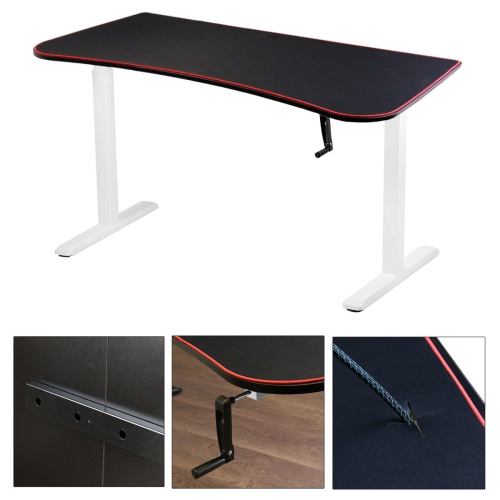
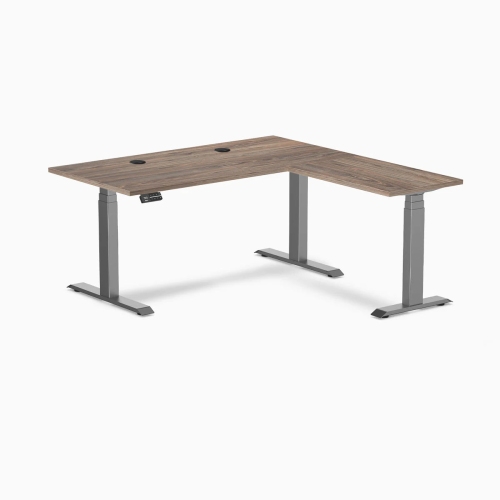
Comfort at a curved desk depends on how its shape works with the chair, screen, and daily tasks. An inward curve can allow the chair to move closer to the work surface, but a deep cutout may feel restrictive if its opening is too narrow or the desk supports interfere with legroom. The most useful measurements include the width of the seating opening, the height beneath the desktop, and the distance between any drawers or frame members. Armrests should fit beneath the surface when needed, and feet should have room to rest comfortably without pressing against a crossbar. For keyboard work, a relaxed position with shoulders down, elbows near the body, and wrists in line with the forearms is more important than choosing a particular desk shape. A gently rounded front edge may feel more comfortable against the forearms than a hard, narrow edge, though the keyboard and mouse still need to sit at a suitable height. Screen placement deserves similar attention. The main display should sit directly ahead at a comfortable viewing distance, with enough desktop depth to avoid pushing the keyboard to the very front. A curved desk does not require a curved monitor; flat displays can work well when the surface provides adequate support and space. For workspaces that alternate between seated and upright tasks, Curved Standing Desks combine a shaped work surface with height adjustment. The adjustment range needs to suit the intended user in both positions, and the lifting capacity must accommodate the equipment placed on top. Monitor arms can free up desktop space, but their clamps need a compatible edge, suitable thickness, and clearance from the frame underneath. Cable routing also matters, particularly when the surface moves: cords need enough slack to travel without pulling on connections. Even at a fixed-height desk, keeping power leads away from the seating opening helps preserve the open, easy-to-reach workspace that makes a curved layout appealing.
Materials, construction, and surface finishes influence how a curved desk feels in daily use and how much attention it needs over time. Solid wood brings visible grain and variation, while wood veneer offers a real-wood surface over a supporting core. Both benefit from protection against spills, prolonged moisture, and direct heat. Engineered wood with a laminate or melamine finish can offer a consistent colour and a surface that is straightforward to wipe clean, though durability depends on the quality of the finish, joints, and edge treatment. Along a curved front, neatly finished edging is particularly important because hands and forearms often rest there. Glass creates a visually lighter appearance and can make a compact room feel less crowded, but fingerprints are more noticeable, and compatibility with clamped accessories needs careful checking. Metal legs and frames can provide firm support without adding much visual bulk; their stability still depends on the overall design, secure fastenings, and level placement. A desk used for handwriting, drawing, or detailed mouse work should remain steady under ordinary pressure rather than shifting when someone leans on the edge. Storage should support the way the surface is used rather than crowding the seating area. A shallow drawer may keep stationery close, while a separate cabinet can hold files without narrowing legroom beneath the curve. For shared workspaces, accessible storage and an uncluttered centre make it easier to switch between computer work and paper-based tasks. Assembly deserves some planning, too, since a wide, curved desktop can be awkward to carry through a narrow doorway or turn around a tight stair landing. Once assembled, care is usually simplest with a soft cloth and cleaning methods suited to the finish, followed by prompt drying after spills. Coasters, protective pads, and occasional checks of accessible fasteners can help maintain the surface and stability. The right curved desk balances its distinctive shape with the everyday essentials: reachable equipment, room to move, dependable support, and a finish that suits the surrounding furniture.
Top selling and popular products
-
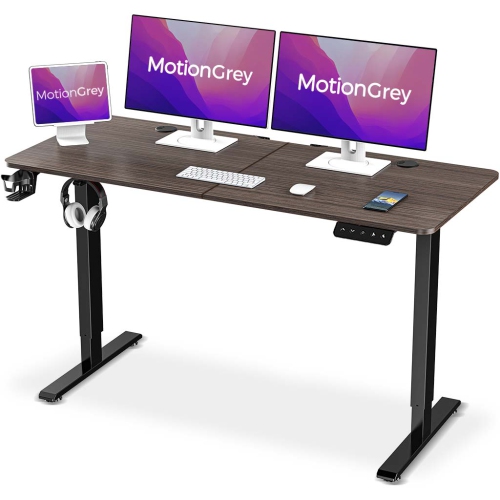 Your price for this item is $97.99
-
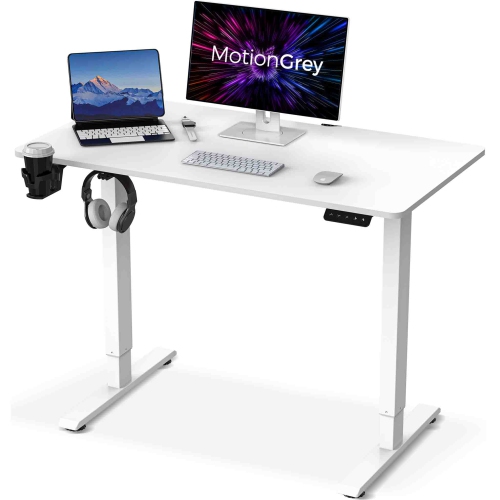 Your price for this item is $89.99
-
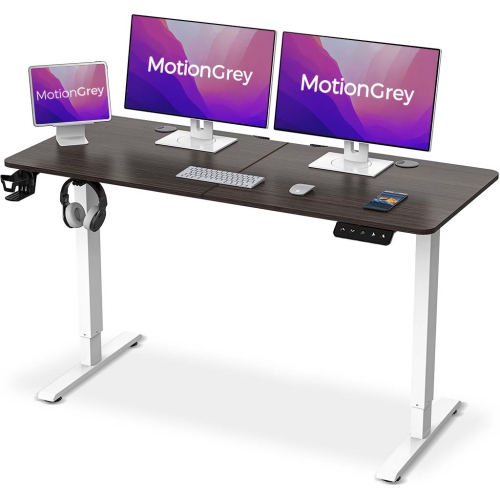 Your price for this item is $84.99
-
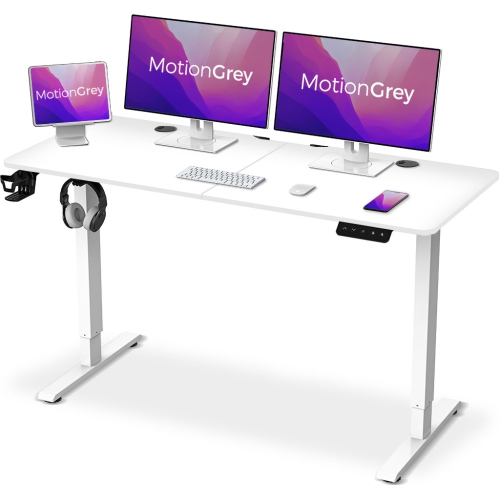 Your price for this item is $97.99
-
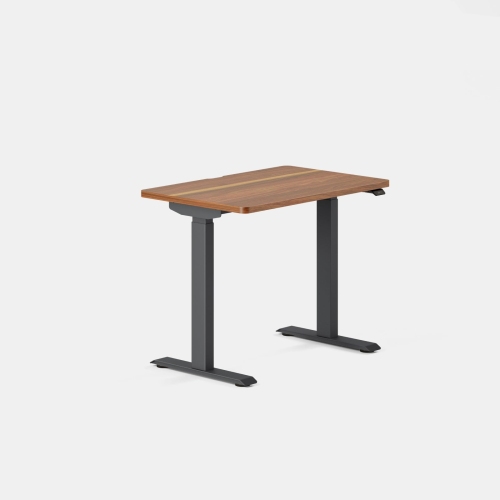 Your price for this item is $649
-
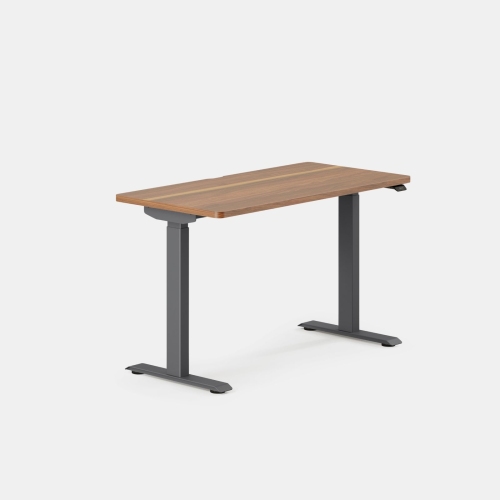 Your price for this item is $749
-
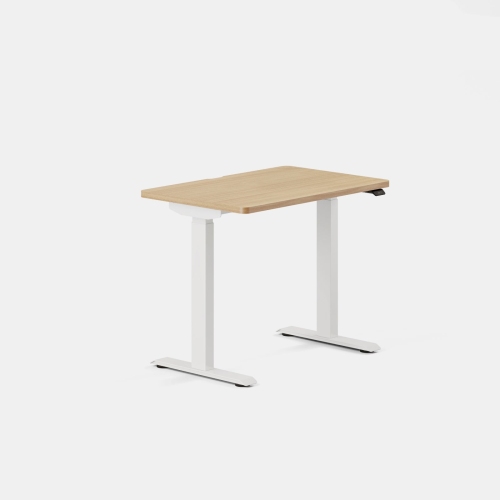 Your price for this item is $649
-
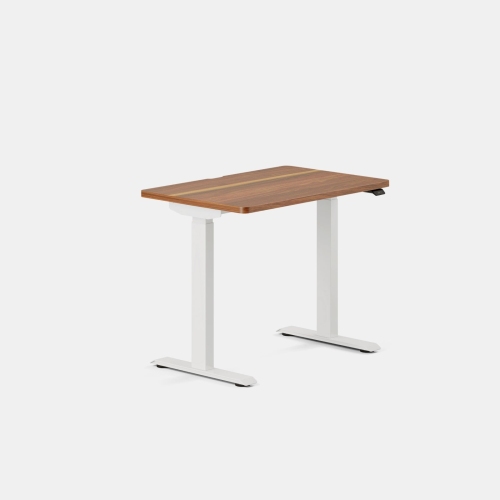 Your price for this item is $649
Discover more categories related to Curved Desks
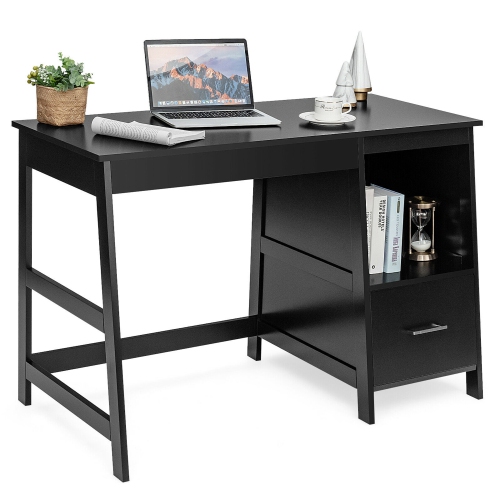
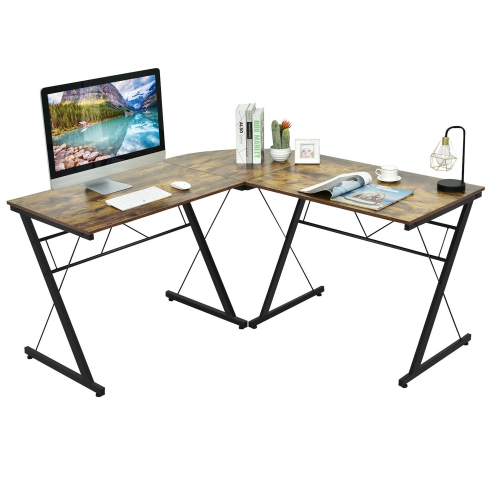
Top Collections:
Best Black Friday Deals This Year, Best Black Friday Deals On Electronics, Kindle Devices, Pokemon Centers, Best Black Friday Deals On Apple Products, Best Cameras for Sports Photography, Dyson Airwrap, Pokémon 30th Celebration Cards, Apple iPhone 17 Pro, Canon G7X Cameras
Some products may be subject to Environmental Handling Fees
(EHF) depending on your province.
Learn more about EHFs.