Curved Furniture
Looking to add a touch of elegance and style to your living space? Look no further than our collection of curved furniture. With their sleek and contemporary designs, curved furniture effortlessly combines form and function, creating a visually stunning focal point in any room. Whether you're looking for a curved sofa, chair, or table, our wide selection offers something for every taste and budget.
Sort


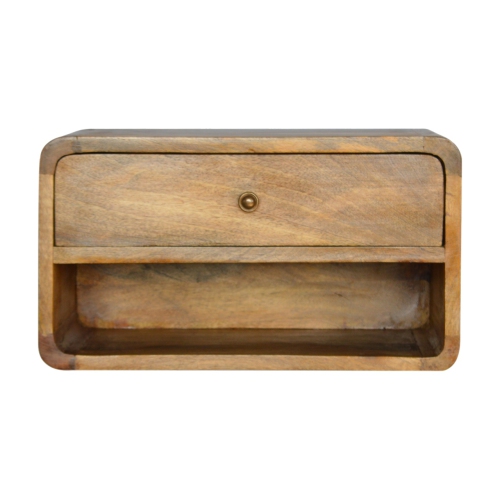
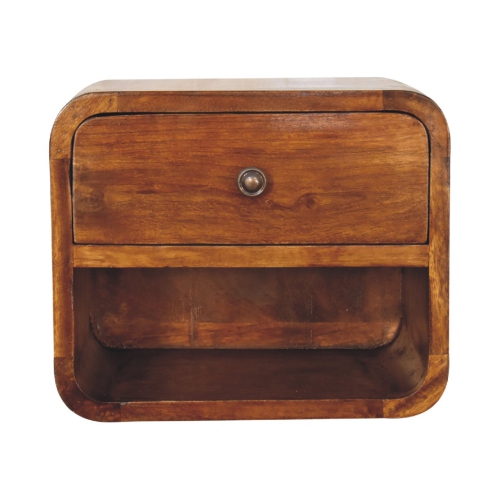

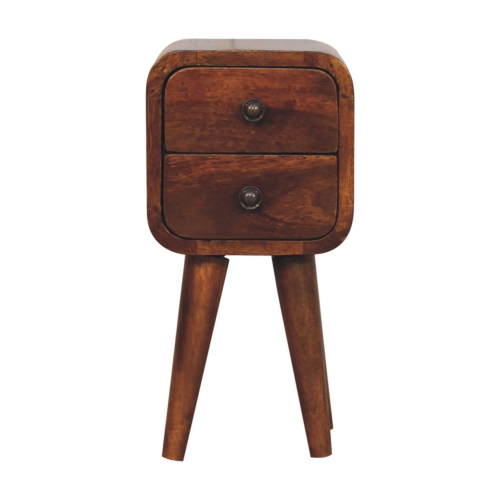
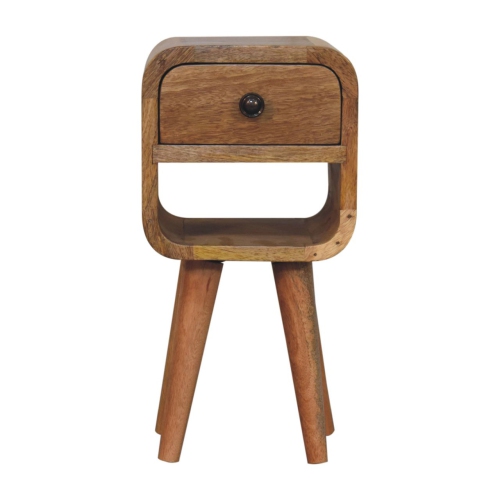
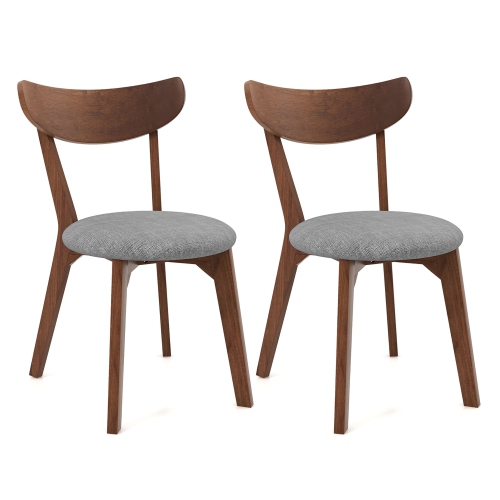
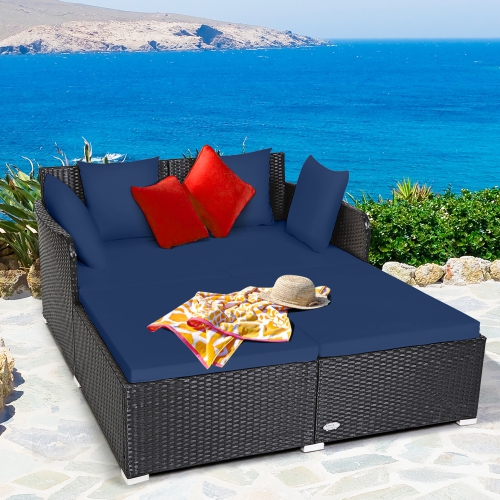
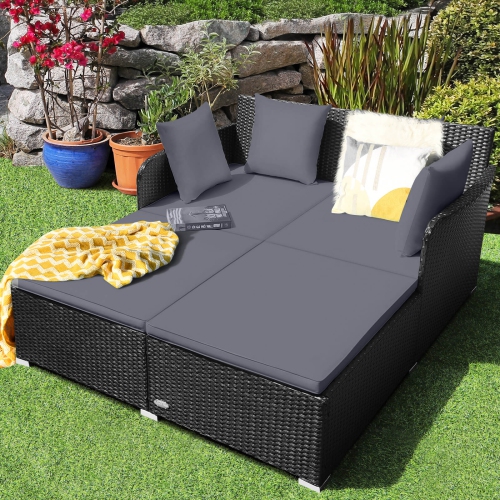

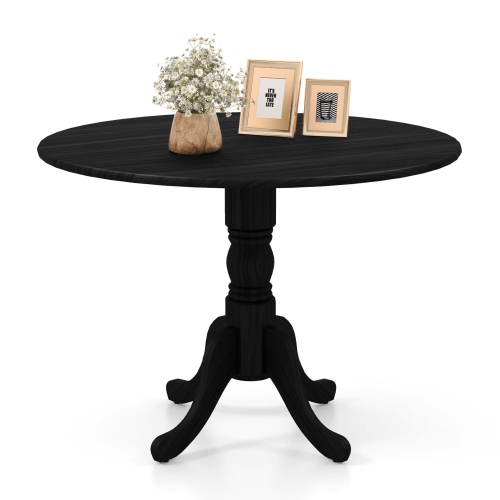
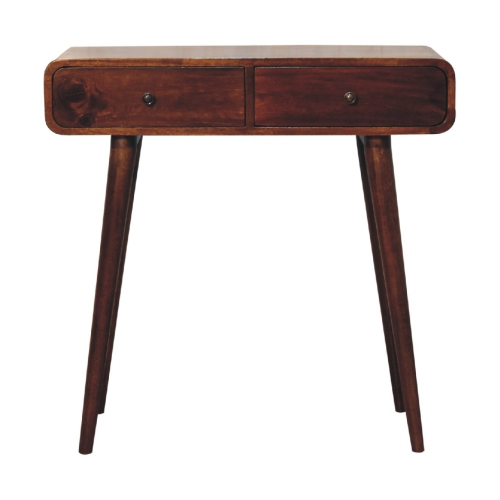
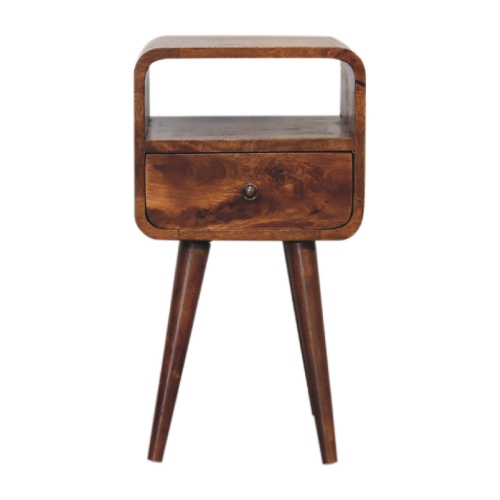
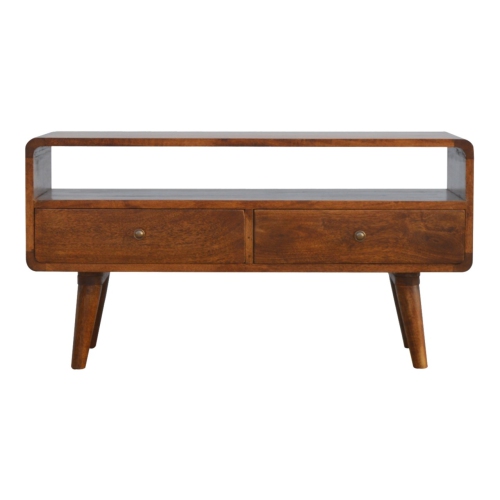
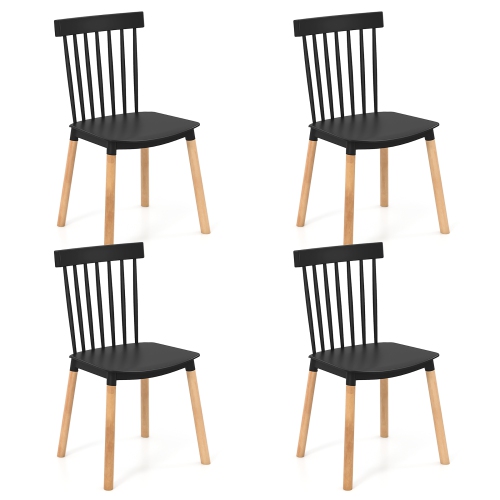
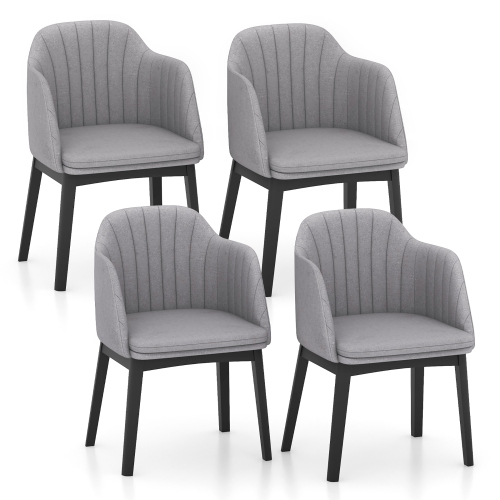
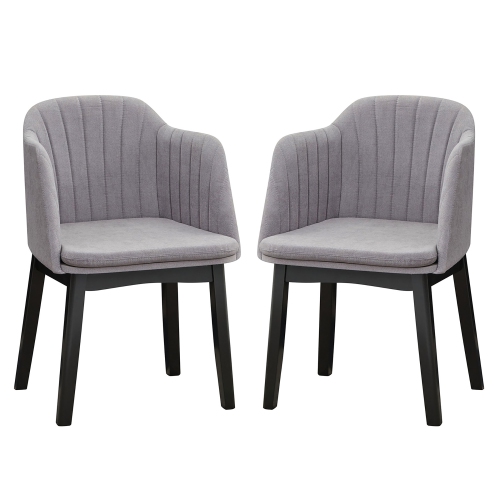
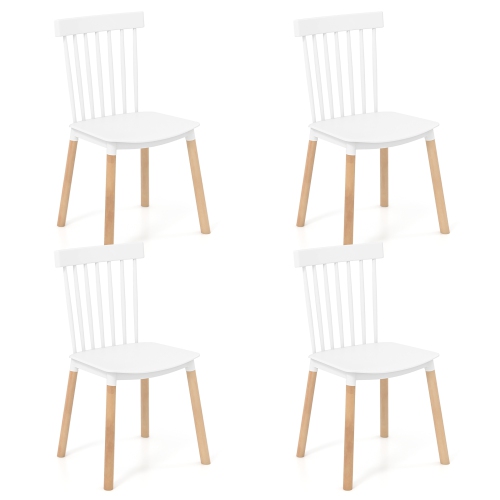
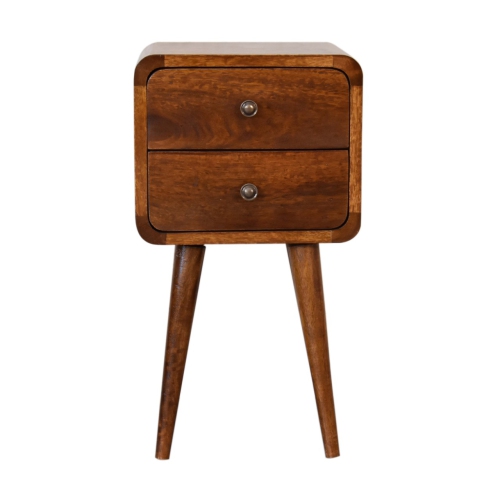
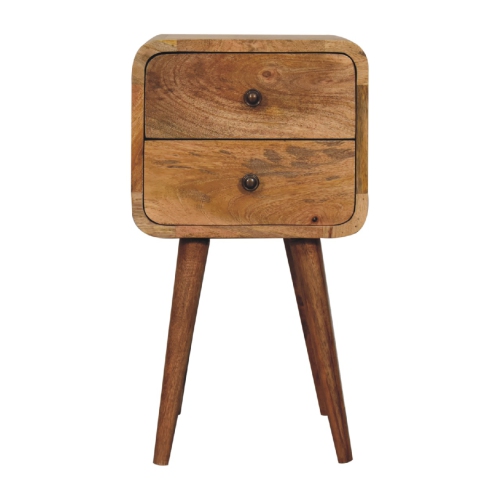
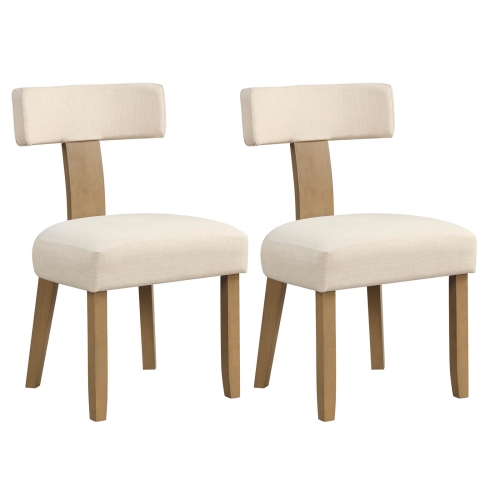
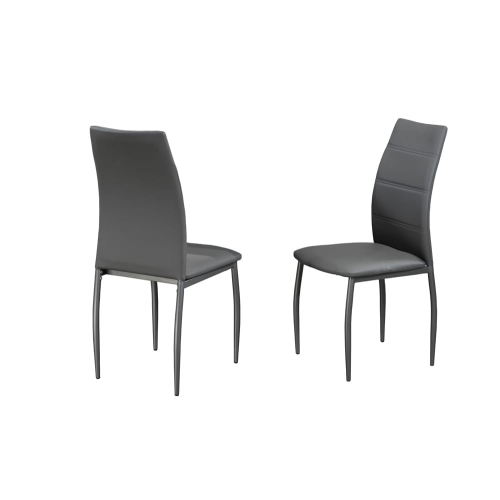
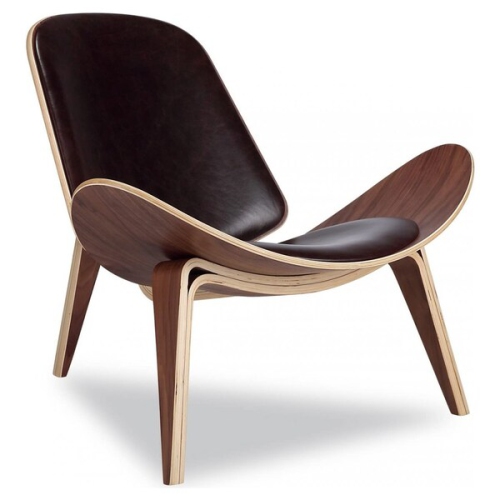
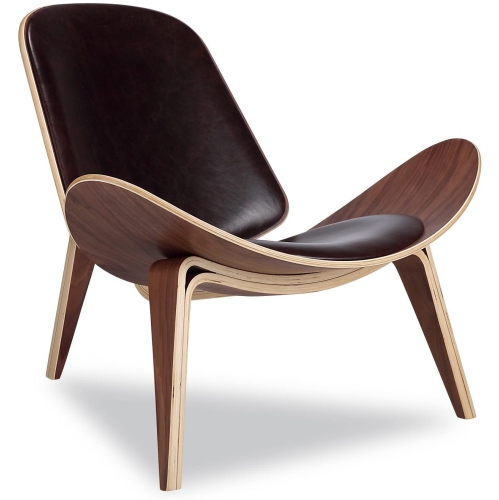
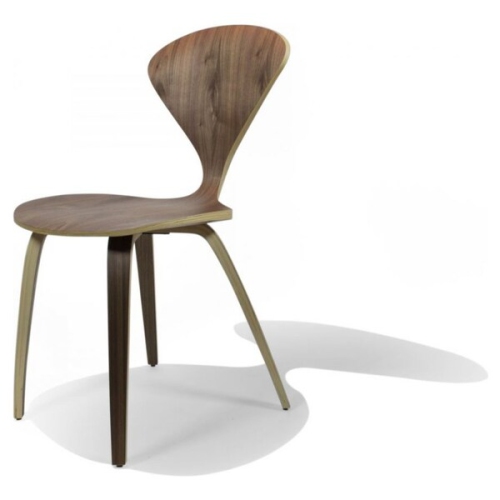
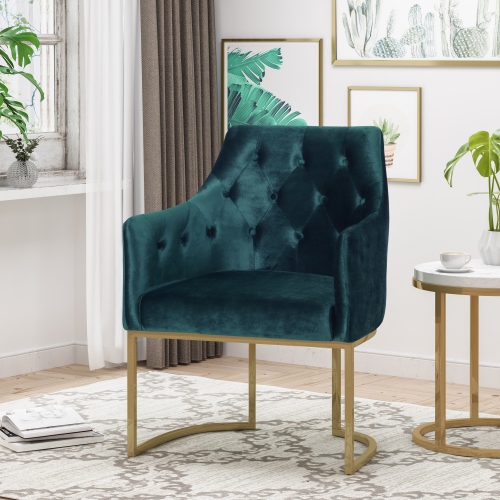
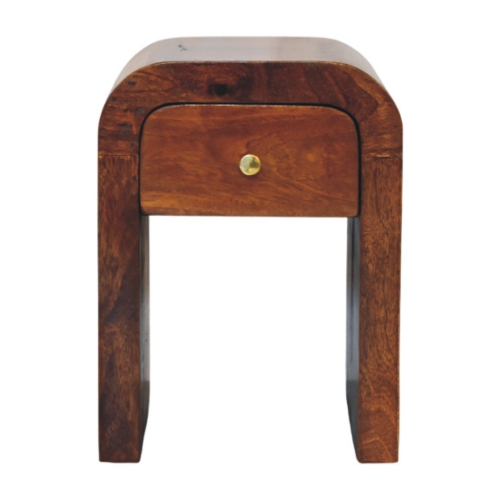
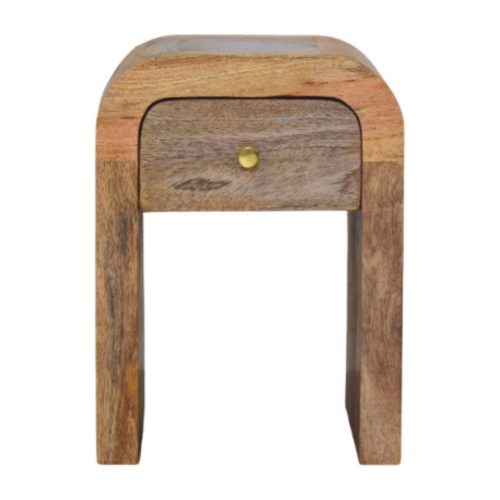
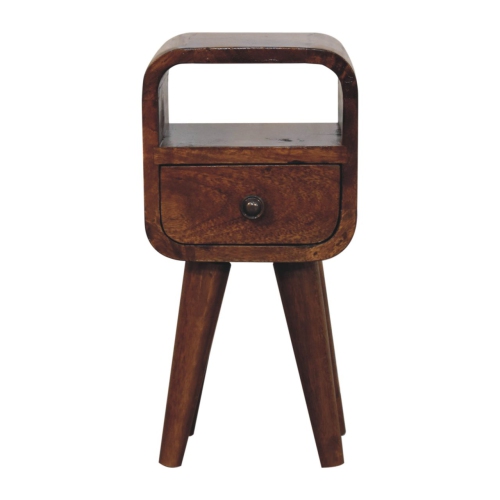

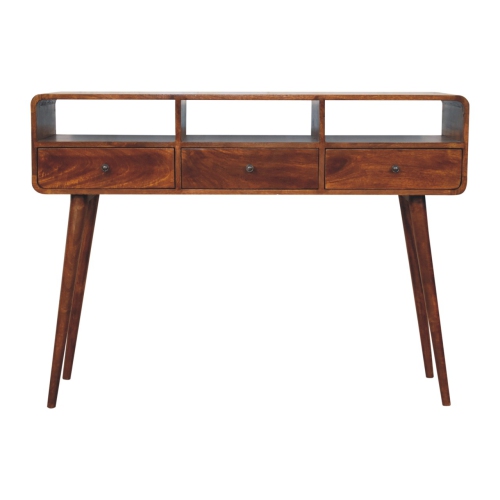
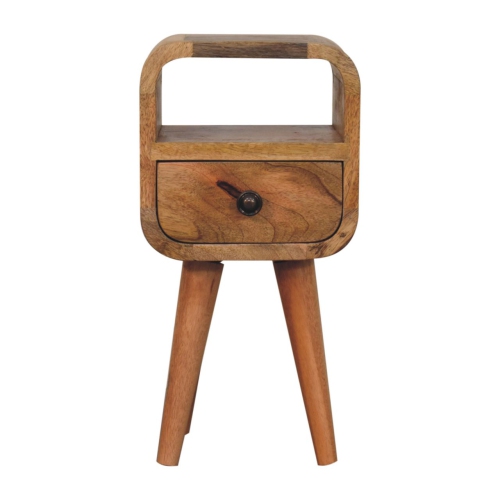
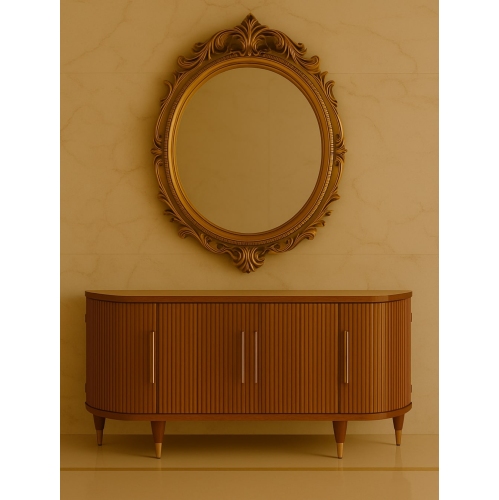
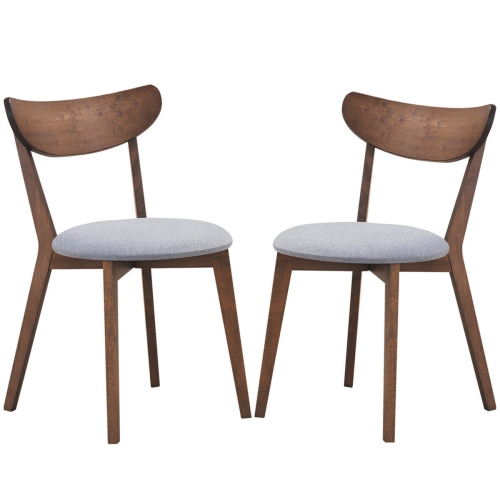
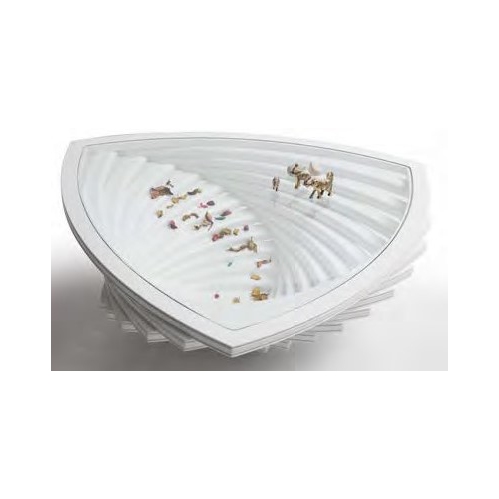
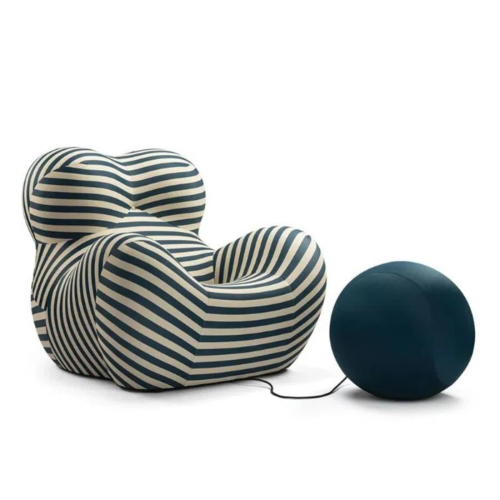
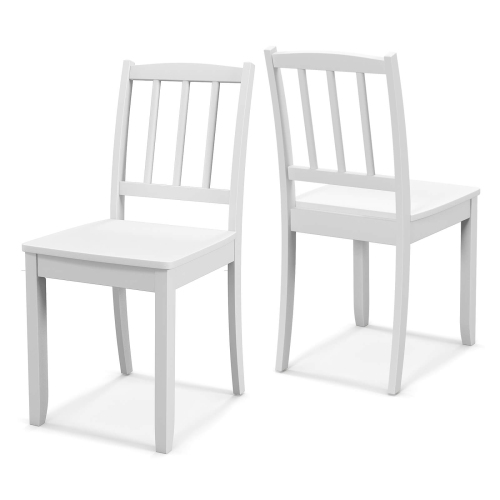
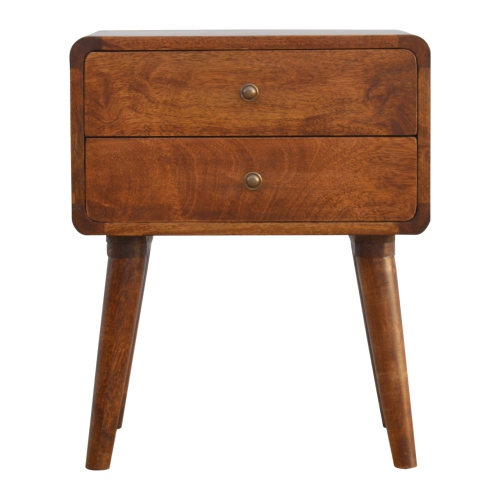
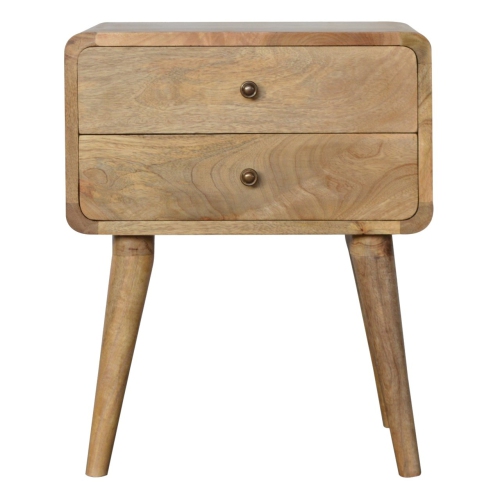
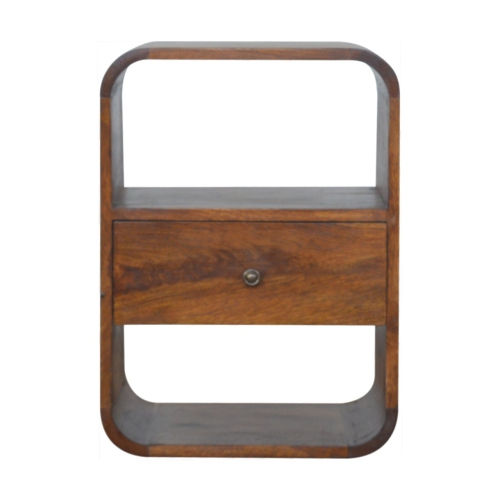
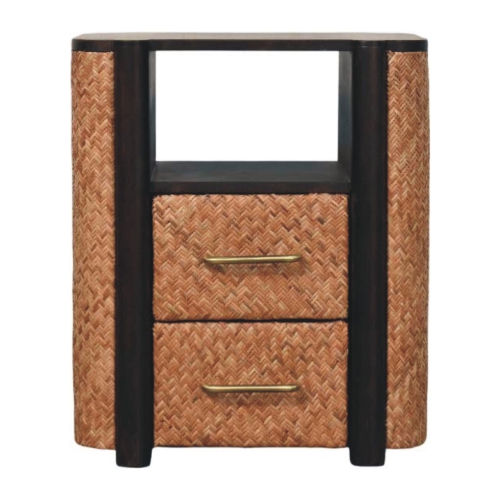
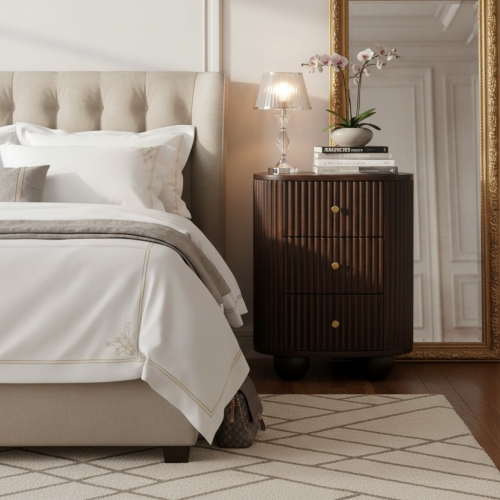
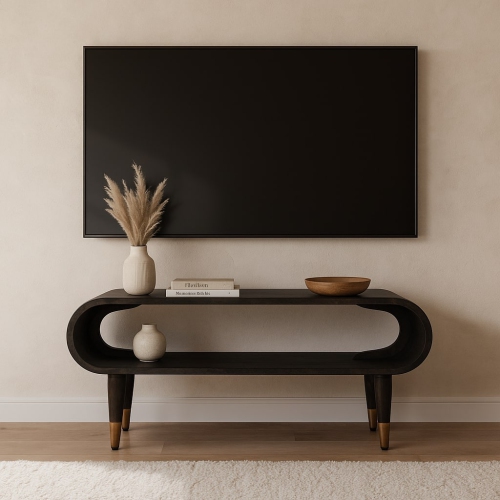
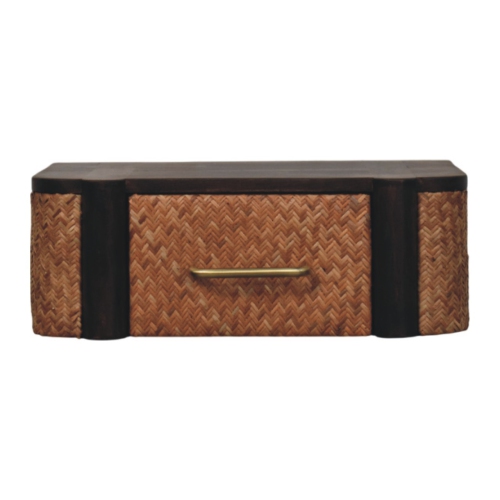
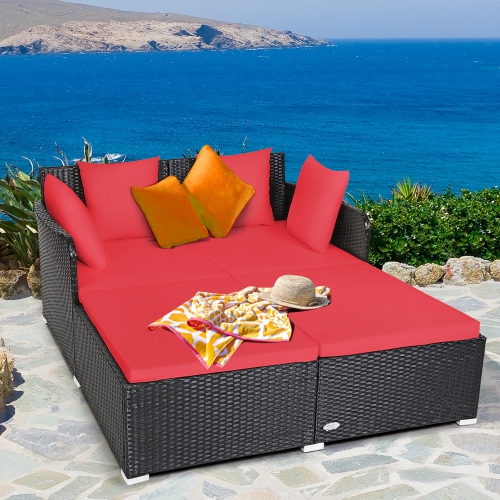
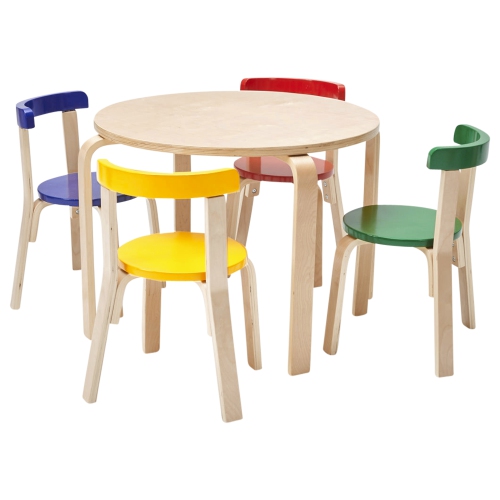
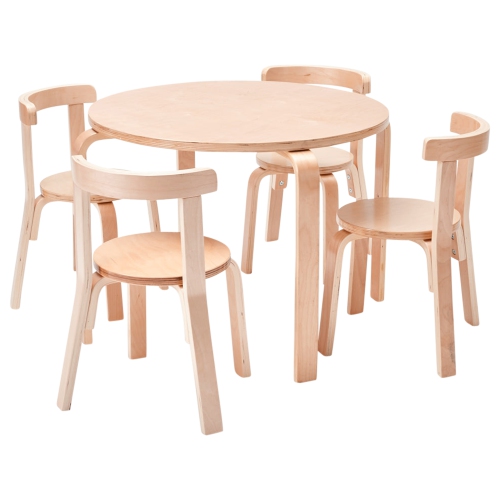
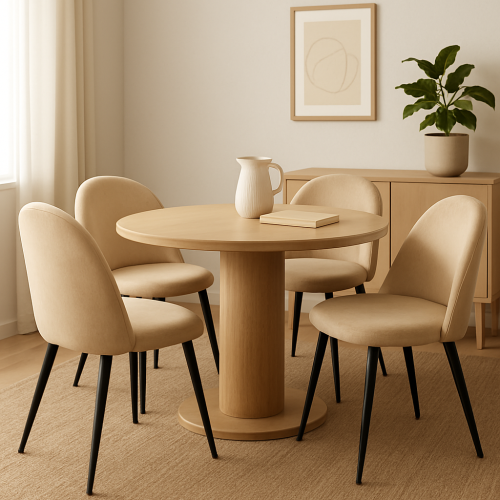
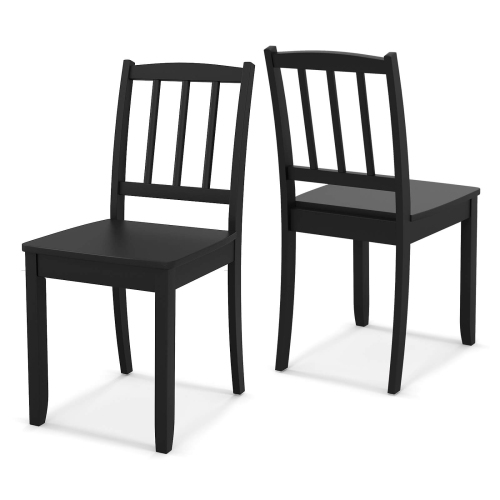
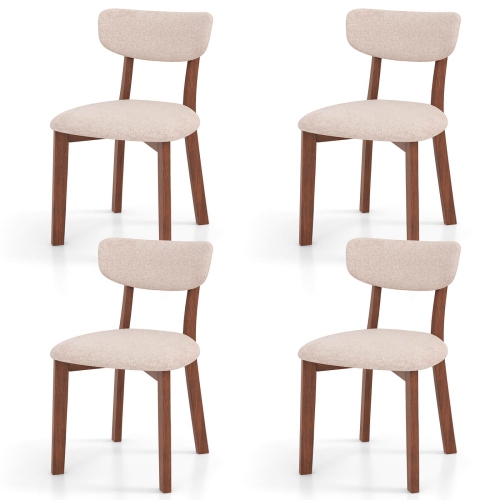
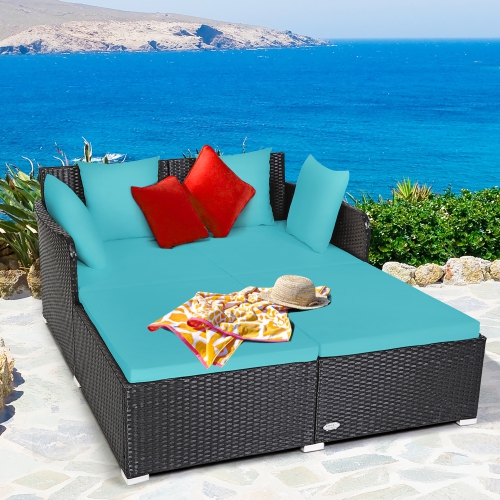
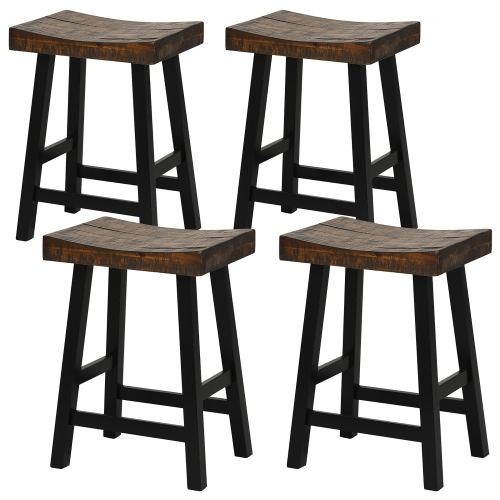
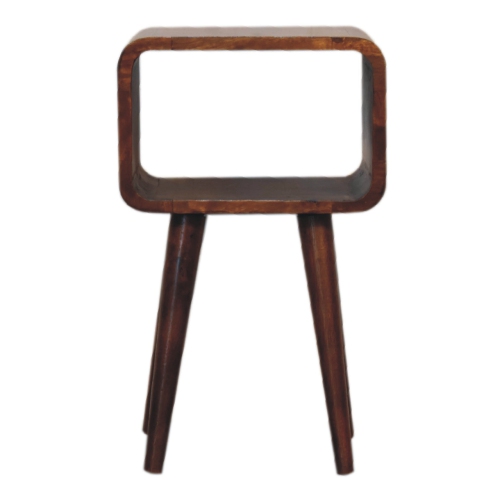
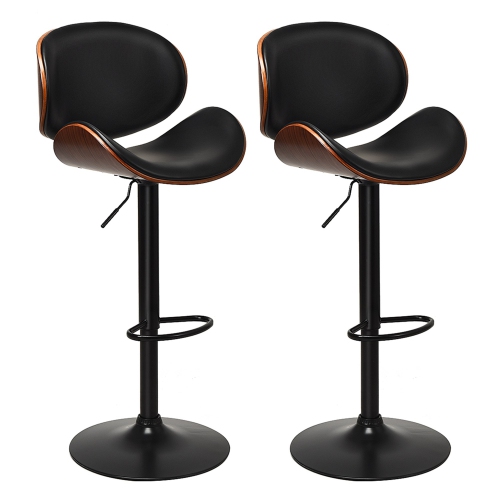
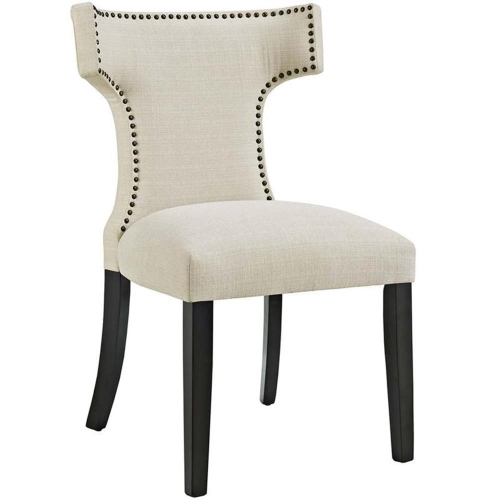
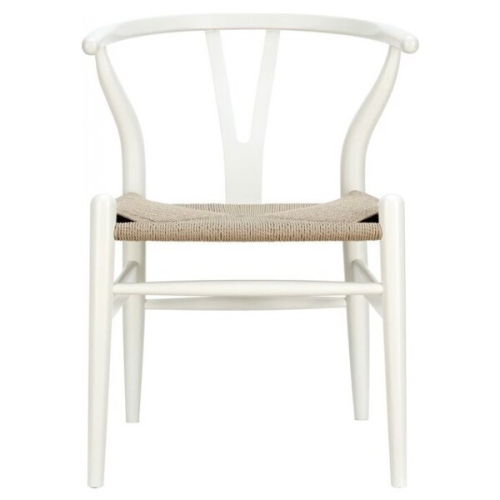
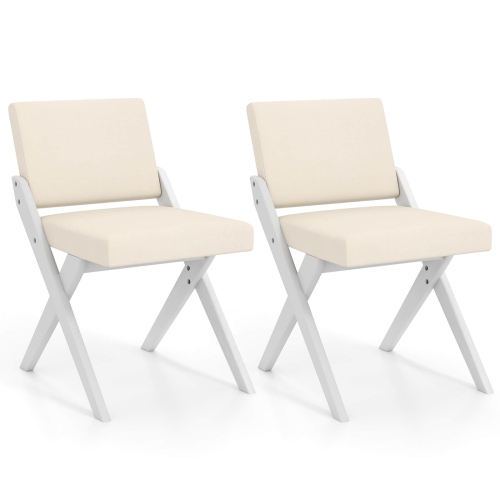
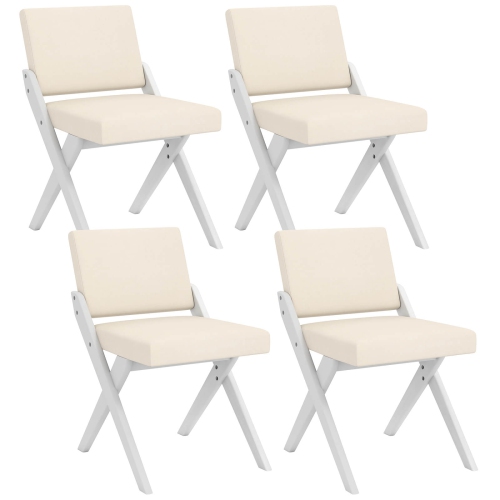
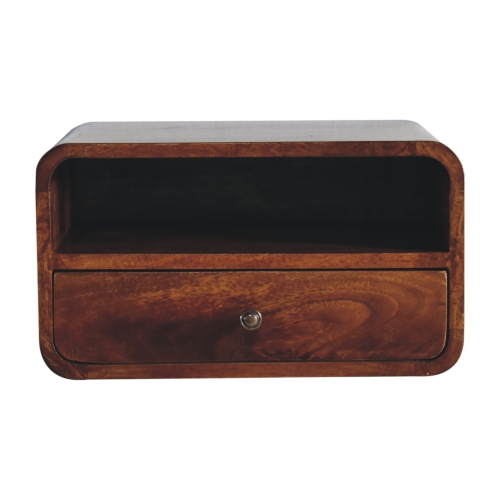
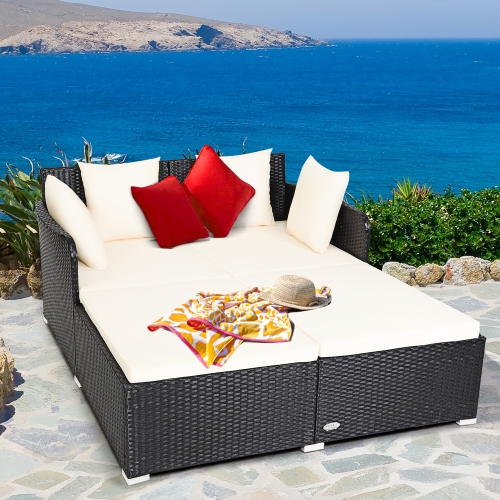
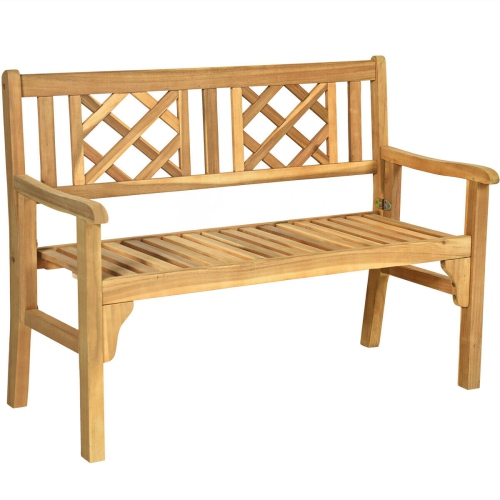
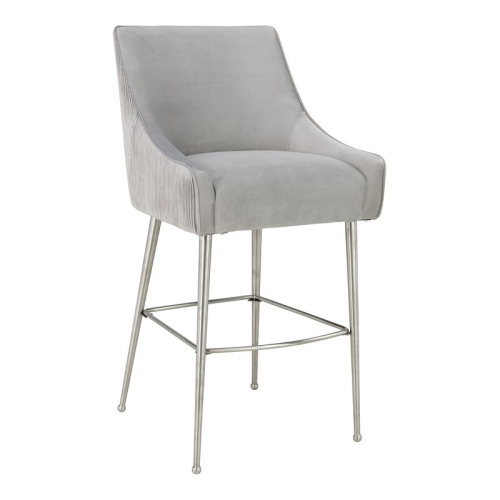
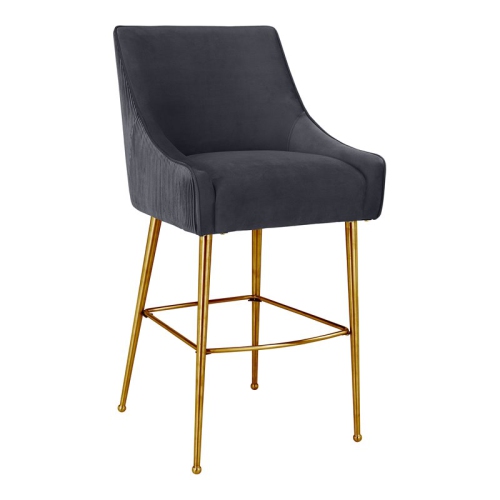
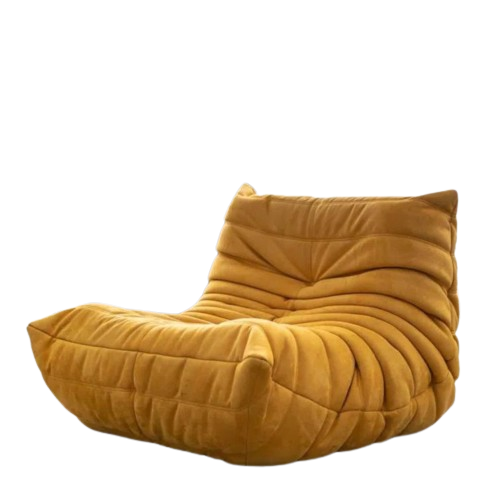
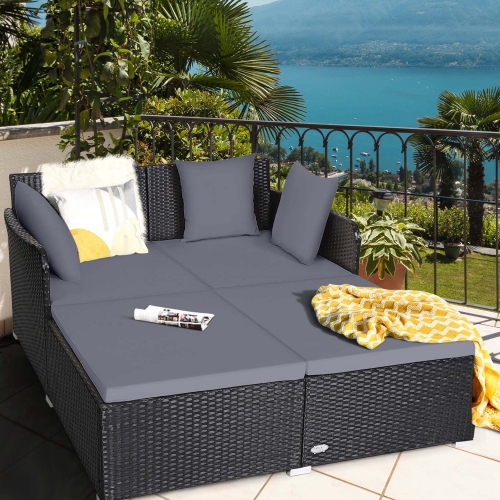
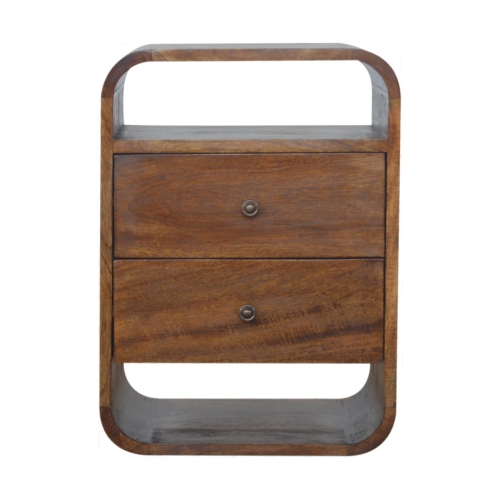
How rounded shapes soften rooms and encourage conversation
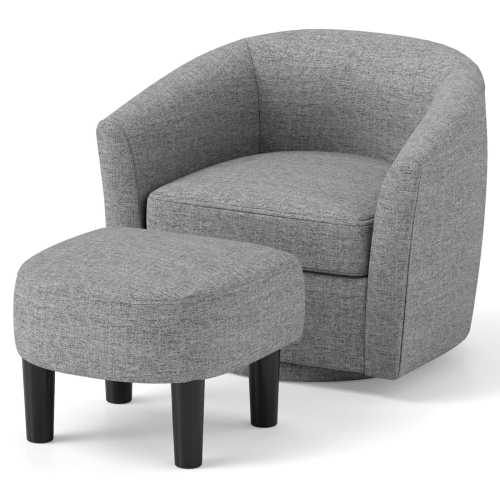
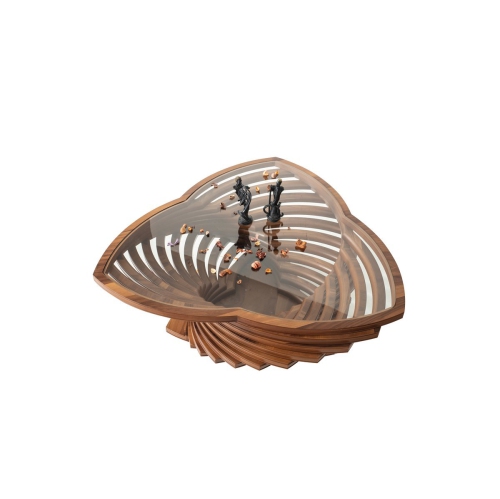
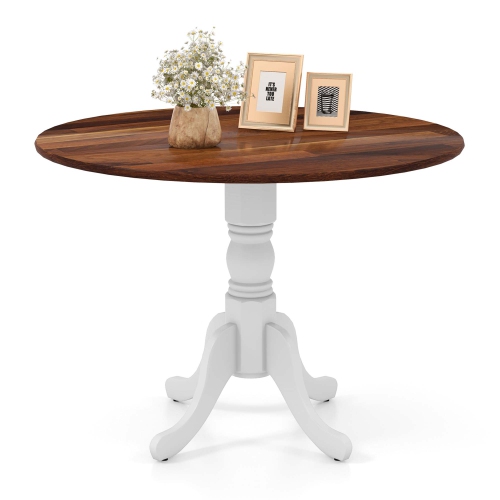
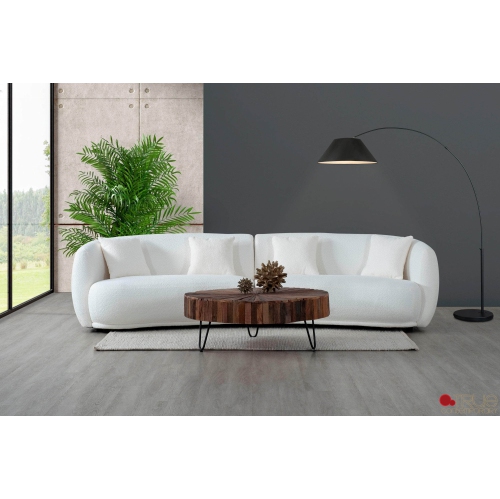
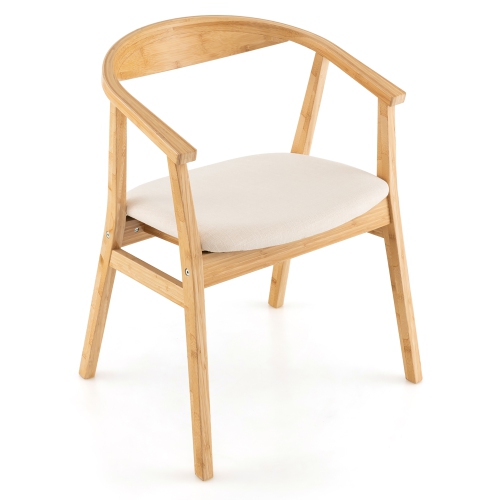
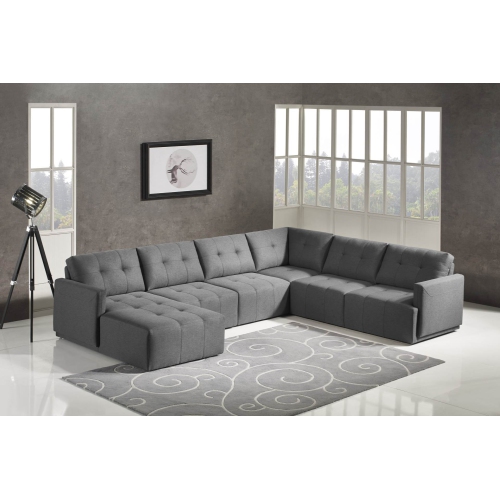
Curved furniture is defined by rounded edges, arched backs, circular forms, and gently flowing silhouettes rather than straight lines and sharp corners. The look can be subtle, such as a dining chair with a bowed back, or more pronounced, such as a crescent-shaped sofa that draws seating into a loose semicircle. These shapes bring visual softness to rooms filled with rectangular windows, straight walls, and angular cabinetry, making them a natural fit for both contemporary interiors and more traditional spaces. Curved sofas, rounded armchairs, oval dining tables, and circular coffee tables share this approach, but each serves a different purpose within a room. A sofa with a gentle arc can orient people towards one another, creating a comfortable setting for conversation without arranging every seat in a straight row. A barrel-back chair offers a more enclosed silhouette for a reading corner, while an oval table can soften the transition between a dining area and an adjoining living space. For a smaller seating addition, Curved Chairs bring rounded forms into reading nooks, bedrooms, and shared living areas without requiring an entirely new furniture arrangement. Curves also pair comfortably with existing straight-edged furnishings: a round coffee table in front of a rectangular sofa creates contrast, while rounded dining chairs can soften the appearance of a long, narrow table. The effect depends as much on proportion as on shape. Broad, low seating tends to feel relaxed and grounded, whereas slender legs and an open curved back can give a dining or accent chair a lighter appearance. Neutral upholstery lets the silhouette take centre stage, while deeper colours make the outline more noticeable against pale walls. A room does not need matching curves throughout to feel cohesive. Repeating a rounded detail in two or three places can create a connection while leaving room for the practical storage, work surfaces, and familiar furniture already used every day.
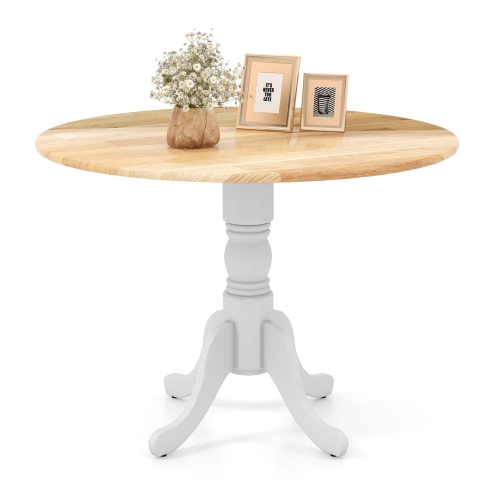
The fit of curved furniture involves more than its widest measurement. An arched sofa may extend farther into the room at its centre or ends, and the space behind its back can remain unused when it sits against a straight wall. In an open-plan living area, that same curved back can provide a finished-looking boundary between seating and dining zones without a tall divider. The full footprint matters, along with clear routes to doorways, drawers, shelving, and nearby seating. Rounded table edges may make it easier to move past a corner, but they do not replace the need for comfortable clearance. In a compact condo, a round table can work well in a square dining nook, while an oval shape may better suit a longer room. Dining chairs still need space to pull out, and pedestal bases should leave enough room for feet without interfering with how the chairs tuck in. For upholstered seating, the outside curve does not necessarily describe the usable seat. Thick rounded arms can reduce sitting width, and a deeply curved back may change where shoulders rest. Seat height, cushion depth, back support, and firmness all influence whether a chair suits upright conversation, reading, or stretching out during the cooler months. Someone who prefers feet flat on the floor may find a shallower seat more comfortable, while a deeper seat offers room to curl up. A swivel chair needs clearance around its turning radius, particularly near walls and side tables. Delivery access matters, too: broad curved frames may be awkward to carry through narrow hallways, stair landings, or apartment doors, especially when the legs or backs cannot be removed. Rounded edges avoid some exposed corners, but furniture shape alone does not establish safety for children or pets. Stability, construction, glass components, and the manufacturer's placement or anchoring instructions remain important. The most useful arrangement leaves space for everyday movement, whether that means carrying a laundry basket past the sofa or pulling up an extra chair when friends visit.
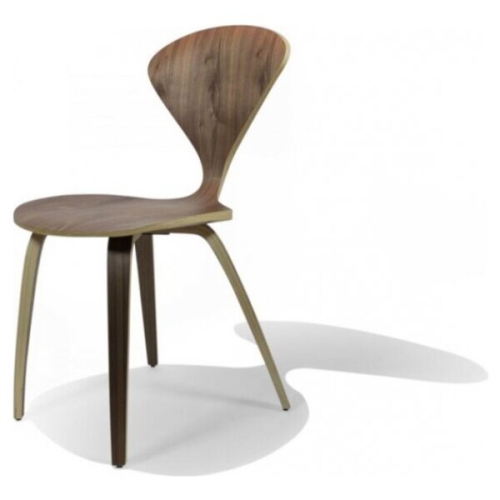
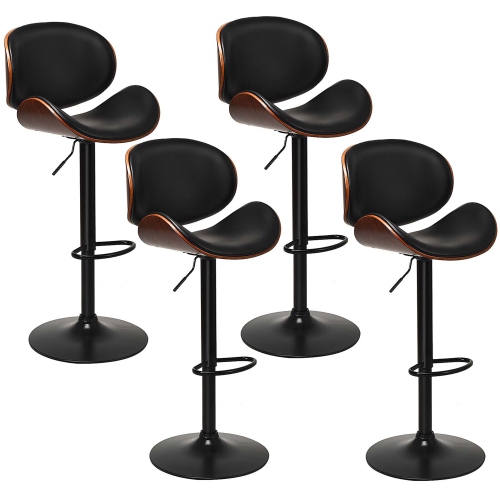
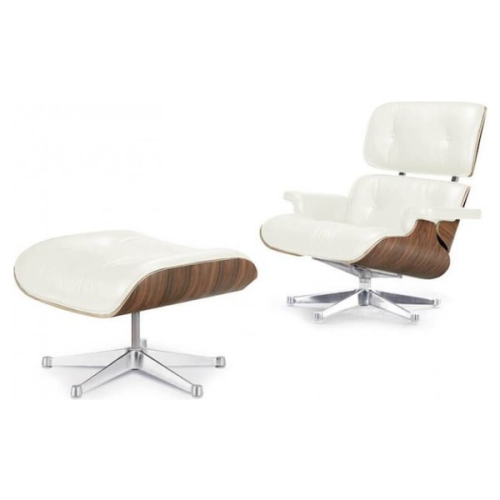
Materials give curved furniture much of its character and influence how it stands up to daily use. Upholstered curves can look soft and inviting in woven fabric, velvet, bouclé, or leather, with each surface bringing a different feel and care routine. Bouclé adds texture through its looped yarns, though those loops may catch on claws or sharp objects. Velvet changes appearance as the pile moves, so shading and pressure marks can be part of its lived-in look. Leather brings a smoother surface, but its response to spills, scratches, and sunlight depends on the finish; care instructions should match the particular material rather than a general household cleaning habit. For a frequently used sofa or chair, sturdy joints, suitable cushion support, and well-fitted upholstery matter as much as the outline. Fabric stretched around a rounded frame should sit neatly along seams and contours, while cushions should suit the intended use rather than appearance alone. Solid wood, wood veneer, moulded plywood, metal, and glass offer different ways to create curved tables, chairs, and storage furniture. Bent plywood can form a continuous seat and back, while shaped solid wood can highlight grain along an edge or arm. Veneered surfaces have their own care requirements and should not be treated as though they can withstand the same refinishing as solid wood. Metal bases can provide a slim profile, and glass tabletops keep the shape visually light, though fingerprints and exposed edges deserve consideration in busy households. Coasters, placemats, and prompt attention to spills help protect table finishes; abrasive cleaners or excessive moisture can damage some surfaces. Upholstery benefits from regular vacuuming with an appropriate attachment and cleaning methods that follow its care label. Removable covers are not necessarily machine washable. For family rooms, shared apartments, quiet bedrooms, or spaces used for entertaining, the right balance comes from choosing a shape that feels comfortable, a material suited to daily habits, and proportions that leave the room easy to live in.
The fit of curved furniture involves more than its widest measurement. An arched sofa may extend farther into the room at its centre or ends, and the space behind its back can remain unused when it sits against a straight wall. In an open-plan living area, that same curved back can provide a finished-looking boundary between seating and dining zones without a tall divider. The full footprint matters, along with clear routes to doorways, drawers, shelving, and nearby seating. Rounded table edges may make it easier to move past a corner, but they do not replace the need for comfortable clearance. In a compact condo, a round table can work well in a square dining nook, while an oval shape may better suit a longer room. Dining chairs still need space to pull out, and pedestal bases should leave enough room for feet without interfering with how the chairs tuck in. For upholstered seating, the outside curve does not necessarily describe the usable seat. Thick rounded arms can reduce sitting width, and a deeply curved back may change where shoulders rest. Seat height, cushion depth, back support, and firmness all influence whether a chair suits upright conversation, reading, or stretching out during the cooler months. Someone who prefers feet flat on the floor may find a shallower seat more comfortable, while a deeper seat offers room to curl up. A swivel chair needs clearance around its turning radius, particularly near walls and side tables. Delivery access matters, too: broad curved frames may be awkward to carry through narrow hallways, stair landings, or apartment doors, especially when the legs or backs cannot be removed. Rounded edges avoid some exposed corners, but furniture shape alone does not establish safety for children or pets. Stability, construction, glass components, and the manufacturer's placement or anchoring instructions remain important. The most useful arrangement leaves space for everyday movement, whether that means carrying a laundry basket past the sofa or pulling up an extra chair when friends visit.
Materials give curved furniture much of its character and influence how it stands up to daily use. Upholstered curves can look soft and inviting in woven fabric, velvet, bouclé, or leather, with each surface bringing a different feel and care routine. Bouclé adds texture through its looped yarns, though those loops may catch on claws or sharp objects. Velvet changes appearance as the pile moves, so shading and pressure marks can be part of its lived-in look. Leather brings a smoother surface, but its response to spills, scratches, and sunlight depends on the finish; care instructions should match the particular material rather than a general household cleaning habit. For a frequently used sofa or chair, sturdy joints, suitable cushion support, and well-fitted upholstery matter as much as the outline. Fabric stretched around a rounded frame should sit neatly along seams and contours, while cushions should suit the intended use rather than appearance alone. Solid wood, wood veneer, moulded plywood, metal, and glass offer different ways to create curved tables, chairs, and storage furniture. Bent plywood can form a continuous seat and back, while shaped solid wood can highlight grain along an edge or arm. Veneered surfaces have their own care requirements and should not be treated as though they can withstand the same refinishing as solid wood. Metal bases can provide a slim profile, and glass tabletops keep the shape visually light, though fingerprints and exposed edges deserve consideration in busy households. Coasters, placemats, and prompt attention to spills help protect table finishes; abrasive cleaners or excessive moisture can damage some surfaces. Upholstery benefits from regular vacuuming with an appropriate attachment and cleaning methods that follow its care label. Removable covers are not necessarily machine washable. For family rooms, shared apartments, quiet bedrooms, or spaces used for entertaining, the right balance comes from choosing a shape that feels comfortable, a material suited to daily habits, and proportions that leave the room easy to live in.
Top selling and popular products
-
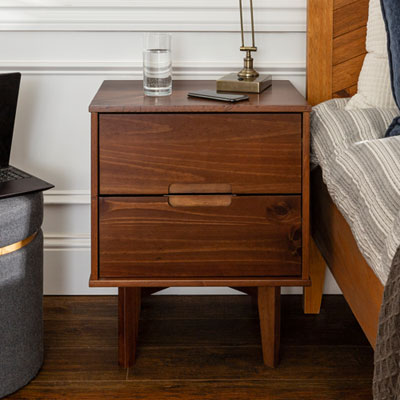 Your price for this item is $188.99
 -
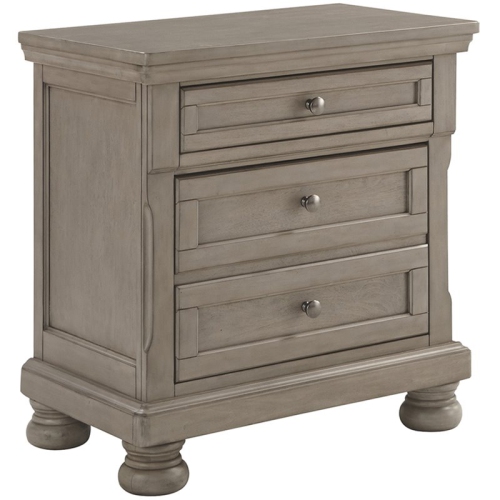 Your price for this item is $1029.75
 -
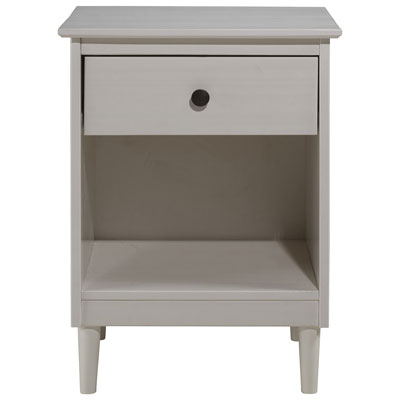 Your price for this item is $179.99
 -
 Your price for this item is $586.84
 -
 Your price for this item is $585.87
 -
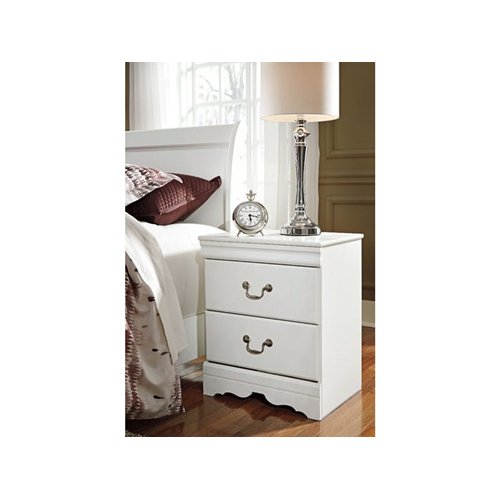 Your price for this item is $566.12
 -
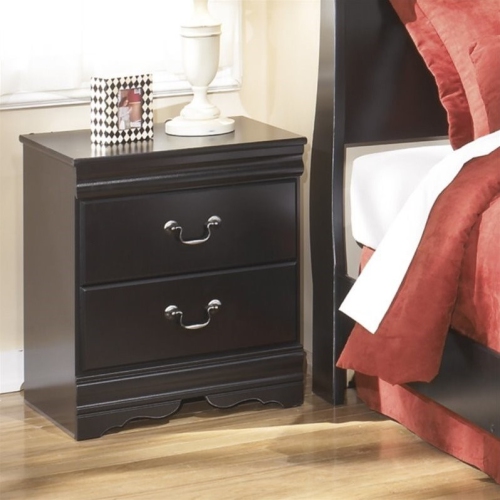 Your price for this item is $554.73
 -
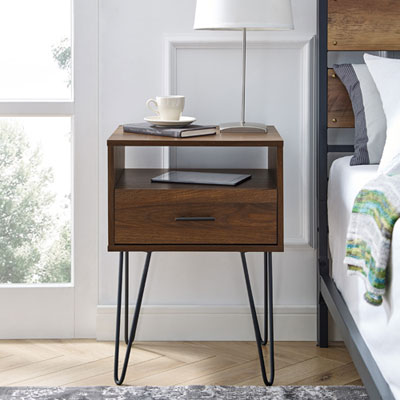 Your price for this item is $266.99
Discover more categories related to Curved Furniture

Top Collections:
Pokemon Centers, Kindle Devices, Best Budget Office Chairs, Apple iPhones 16, Best Laptops for Writers, iPhone 15 Apple, Canon G7X Cameras, Refurbished Apple Laptops, Alarm Clock, Motorola Razr Phones
Some products may be subject to Environmental Handling Fees
(EHF) depending on your province.
Learn more about EHFs.