Dark Brown Bedroom Dressers
Dark brown bedroom dressers offer a timeless and versatile addition to any sleeping space, blending seamlessly with a variety of décor styles. Their rich, deep tones create a warm and inviting atmosphere while providing essential storage for clothing and accessories. Whether you’re updating your master suite or furnishing a guest room, dark brown bedroom dressers bring both elegance and practicality to your home. Discover options that suit your space and enhance your bedroom’s overall look.
Sort
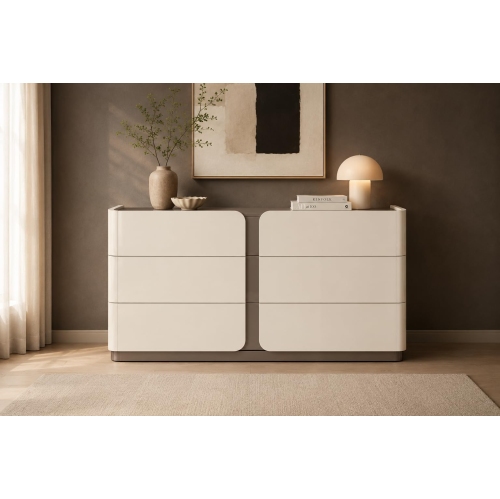
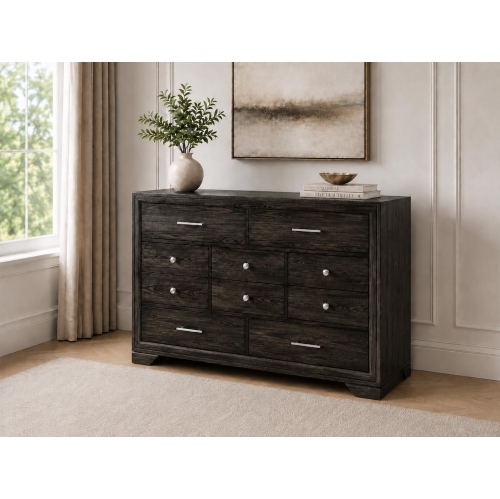
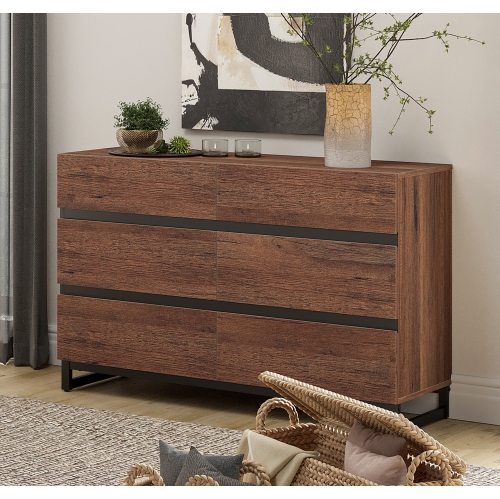
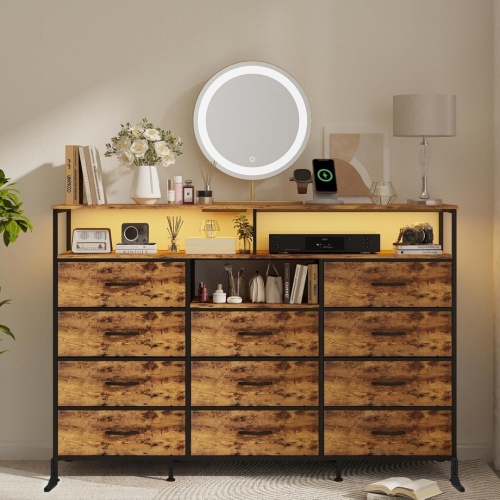
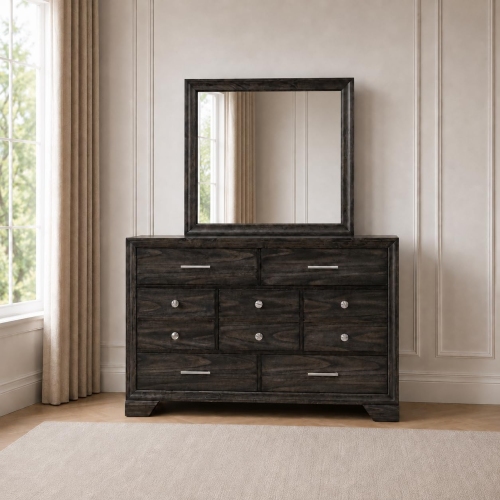
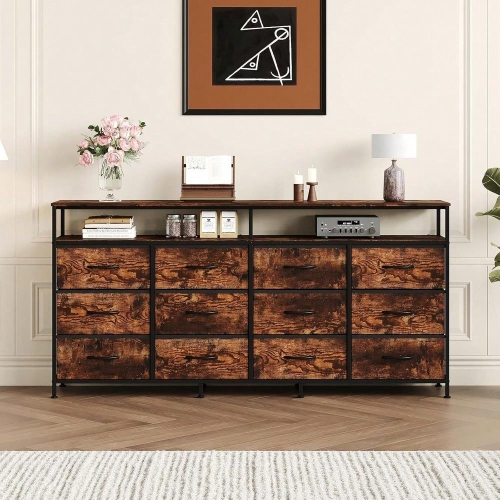
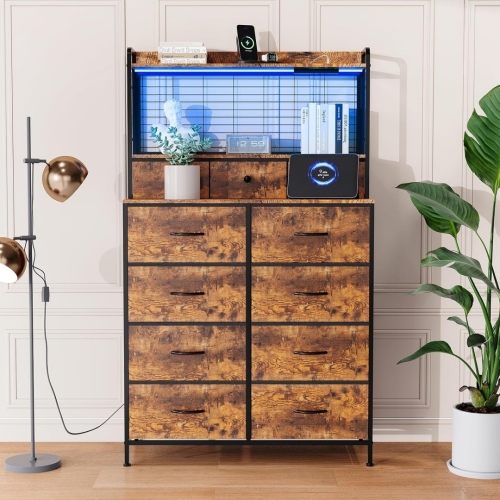
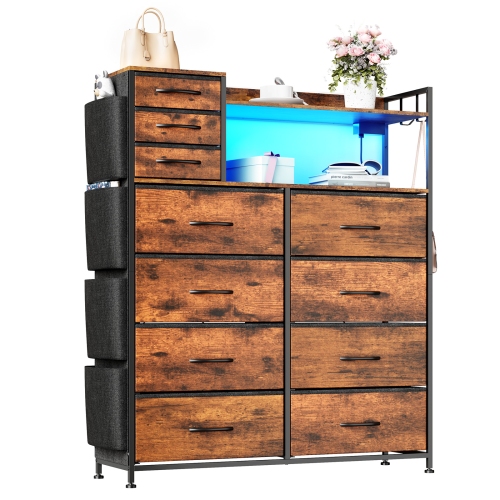
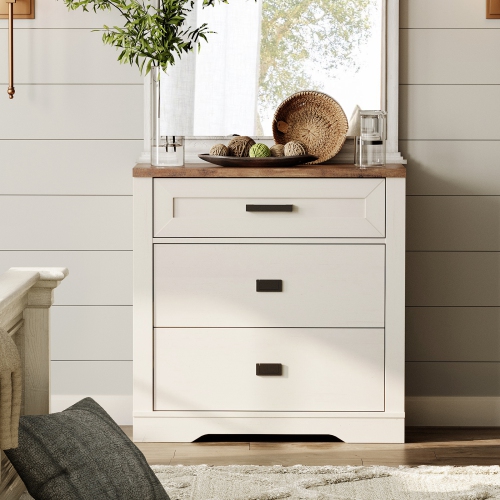
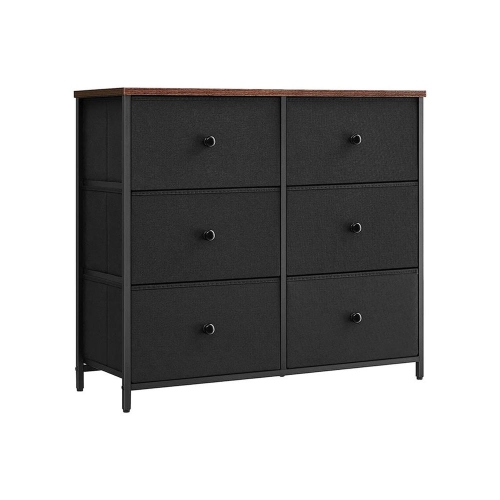
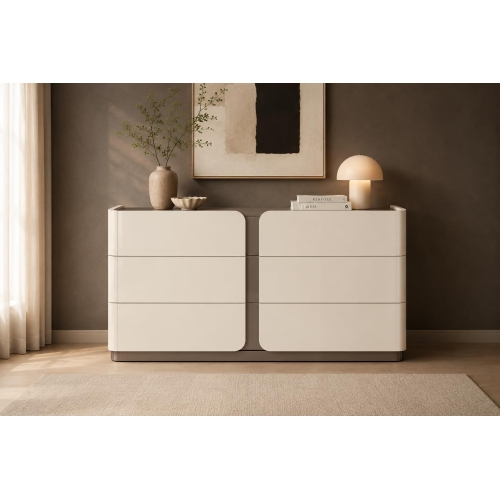
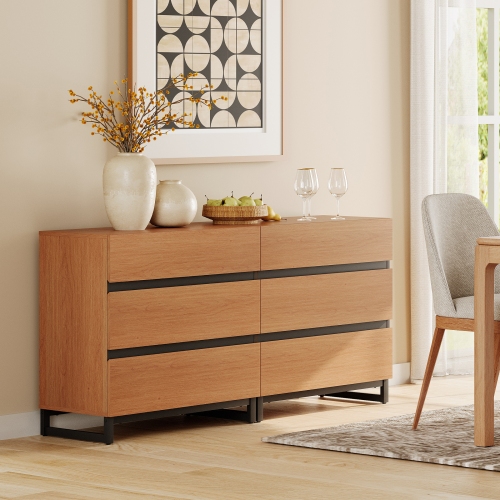
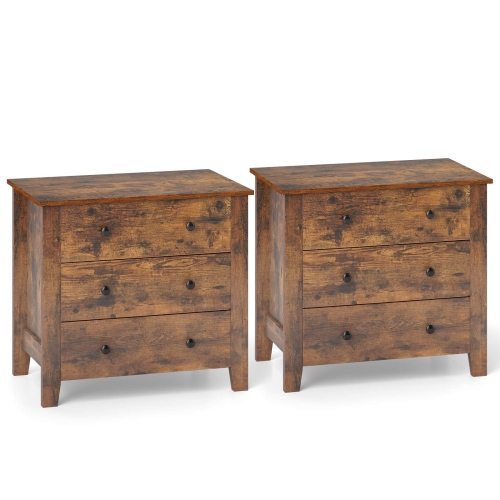
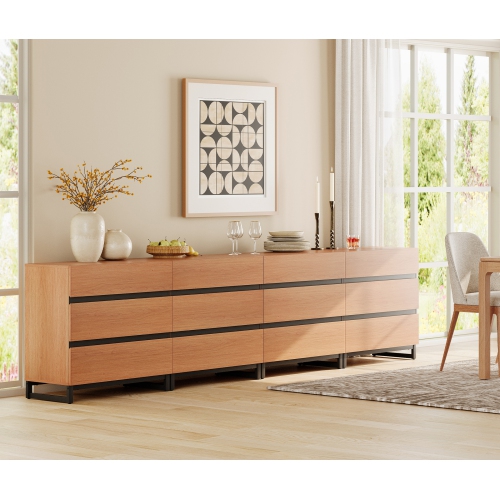
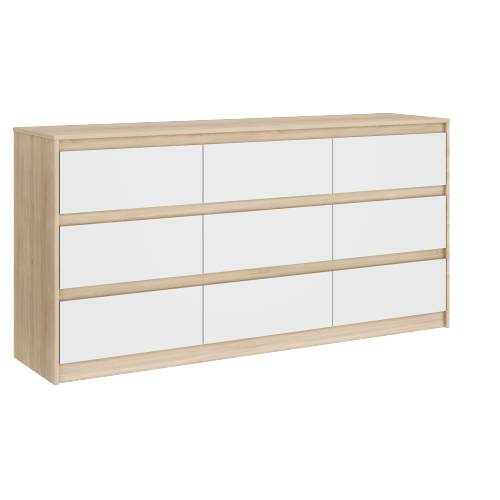
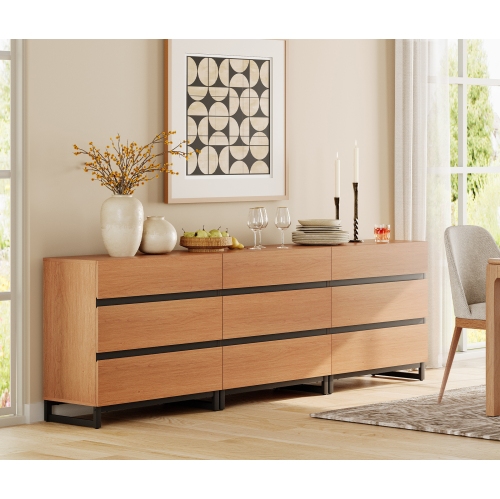
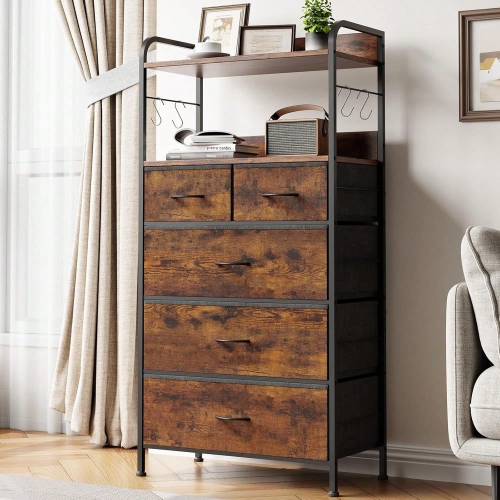
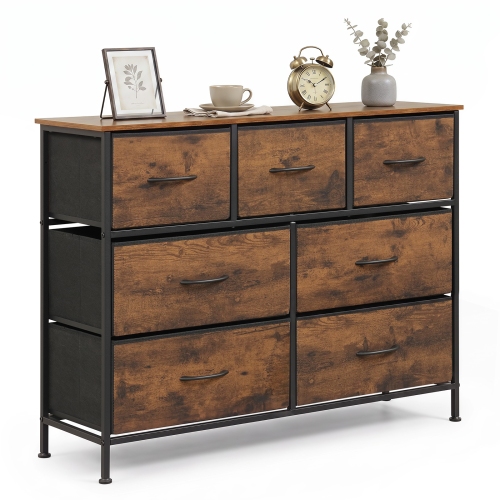
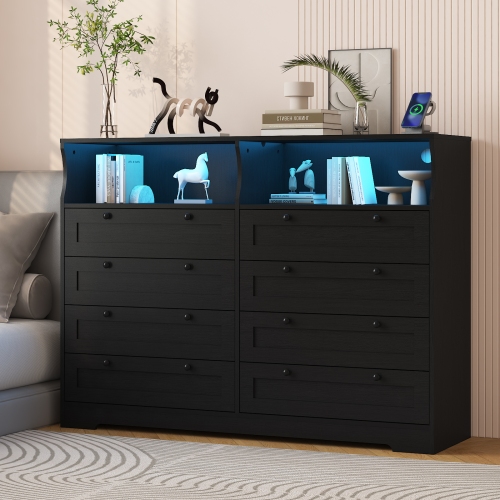
Rich brown finishes bring warmth beyond everyday storage
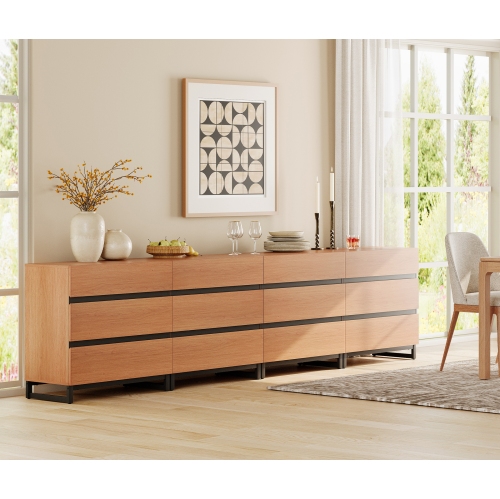
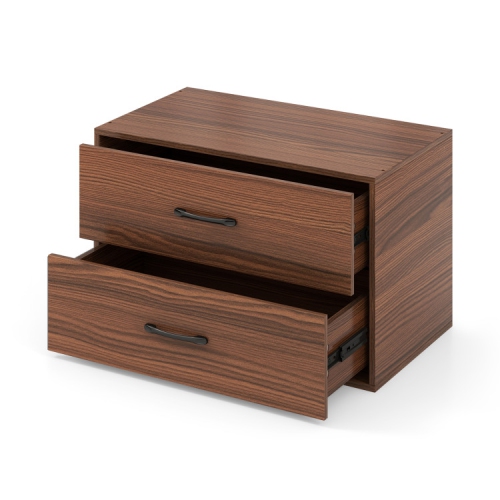
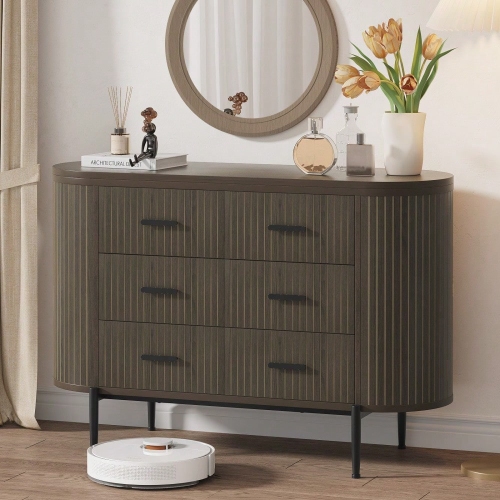
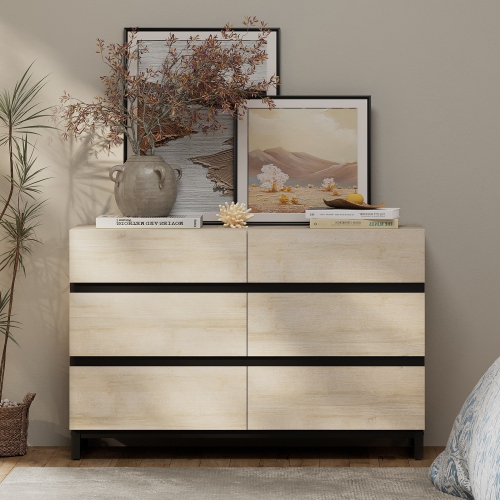
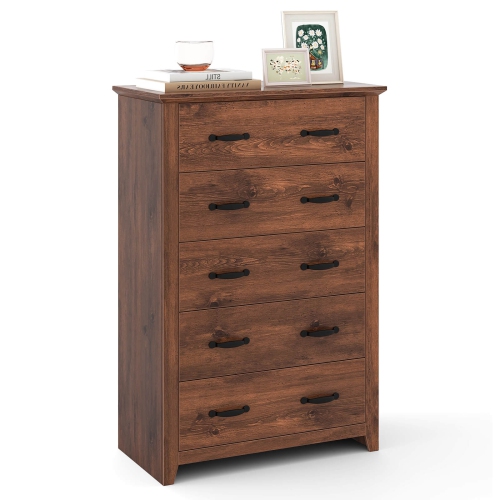
Dark brown bedroom dressers bring warmth and visual depth to a room while keeping everyday clothing neatly tucked away. Their deeper tones can range from chocolate brown to brown with reddish or nearly black undertones, giving the same practical piece of furniture quite a different presence depending on the finish. Against cream walls and pale bedding, a dark brown dresser creates a strong focal point; alongside muted blue, warm grey, or olive textiles, it can feel quieter and more enveloping. Visible wood grain adds texture without relying on a bold colour, while a smoother finish suits a more pared-back space. Shape matters just as much as shade. A wide dresser with simple drawer fronts can anchor a long bedroom wall, while a taller, narrower chest may make better use of a corner or a short stretch of wall beside a wardrobe. Low profiles leave room above for artwork or a properly mounted mirror, and raised legs reveal more of the floor, helping a substantial piece feel less heavy. Hardware also changes the overall impression: dark pulls can blend into the drawer fronts, brushed metal adds contrast, and warmer metallic finishes complement the richness of brown. An exact match with the bed frame is not essential. Repeating a similar undertone or handle finish can tie together furniture collected at different times without making the bedroom feel overly coordinated. For a room that needs a softer contrast, Light Brown Dressers offer another direction, particularly alongside darker flooring or a richly coloured bed frame. Dark brown finishes are especially useful when the aim is a grounded, settled look that works with changing bedding through the cooler months and beyond. A folded wool blanket, a ceramic lamp, and a small tray for daily essentials can give the top surface purpose without taking away its usefulness as a place to set out tomorrow’s clothes.
The right proportions make a dresser easier to live with, especially in a bedroom where the bed already occupies most of the floor. Width and height are only part of the fit: the cabinet’s depth, the distance its drawers extend, and the position of nearby doors all affect daily use. A dresser that fits neatly against the wall can still feel awkward if an open drawer blocks the path to the closet or leaves no comfortable place to stand. Allowing space to pull drawers out fully makes it easier to reach clothing at the back and put laundry away without bending around furniture. Baseboards, floor vents, outlets, and curtains are worth accounting for, as are the hallways, stairs, and doorways the furniture must pass through. Inside, the drawer layout should reflect what will actually be stored. Shallower drawers help keep socks, underwear, and small accessories visible, while deeper drawers are more useful for folded denim, sleepwear, and bulky knitwear. For two people sharing a dresser, a side-by-side layout can give each person a clear section; for a guest bedroom, a few easy-to-reach drawers may be more valuable than maximum capacity. Materials influence both appearance and long-term care. Solid wood often displays natural variation in grain and colour and can respond to changes in indoor humidity. Wood veneer provides a real wood surface over a core, while laminate and other finished panels can offer a more uniform appearance. None of these descriptions alone establishes how well a dresser is built. Drawer construction, supported bottoms, secure joints, and properly fitted runners all contribute to how it feels in use. Smooth movement is particularly noticeable during a busy morning, when a drawer needs to open easily without catching or tilting. Drawer load limits matter, too: densely packed jeans or stacks of heavy linens can place more strain on the runners and base than lighter garments.
A dark brown bedroom dresser can serve different needs as a household changes, from organizing clothing in a first apartment to adding shared storage in a main bedroom or making overnight guests feel more at home. In a teenager’s room, separate drawers can keep school clothes, sportswear, and weekend layers from becoming one mixed pile. In a smaller home, a thoughtfully arranged dresser may also hold spare pillowcases or a few personal accessories, provided the contents stay within the furniture’s intended use and weight limits. If a dresser is being considered as a housewarming or moving gift, agreeing on the measurements, finish, and storage needs beforehand is more practical than choosing by appearance alone. Assembly and placement deserve the same attention as style. Following the manufacturer’s directions, checking that the frame sits level, and using the specified hardware help drawers line up and operate as intended. Dressers should be secured to the wall using suitable anti-tip restraints and fixings appropriate for the wall construction, following the manufacturer’s instructions. This is important in every household, not only in rooms used by children. Keeping heavier contents in lower drawers and discouraging climbing are sensible precautions, but neither replaces anchoring. Routine care is usually straightforward when it follows the finish manufacturer’s recommendations. A soft cloth removes dust, spills should be wiped up promptly, and abrasive cleaners or excessive moisture can damage many surfaces. Dark finishes may show pale dust, fingerprints, or scratches more readily under strong light, so gentle, regular cleaning helps preserve their appearance. Felt pads beneath lamps and trays can reduce surface marks, while a protective mat beneath toiletries helps guard against drips. Avoid placing a dresser directly beside a heat source, and consider how prolonged direct sunlight may affect the colour. Leaving a little room in each drawer prevents clothing from catching and makes folded stacks easier to maintain. With suitable dimensions, useful drawer organization, and consistent care, a dark brown dresser can remain a dependable part of the bedroom through rearrangements, new routines, and changing tastes.
Top selling and popular products
-
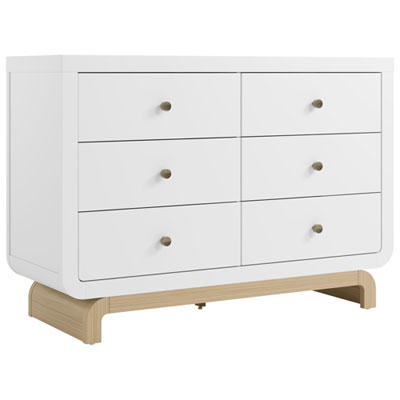 Your price for this item is $899.99
-
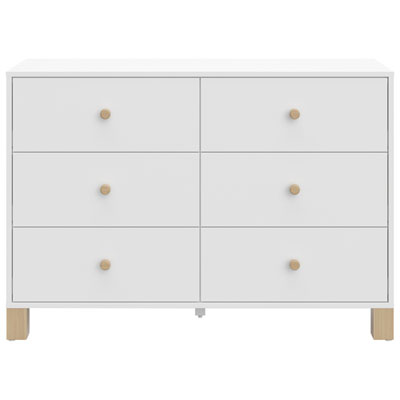 Your price for this item is $699.98
-
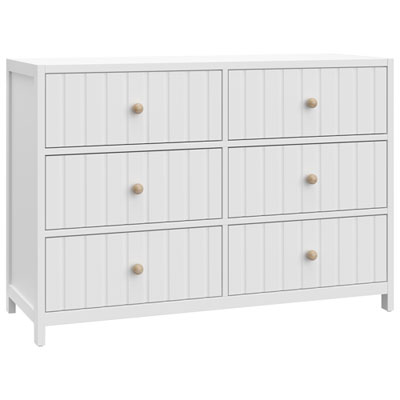 Your price for this item is $699.99
-
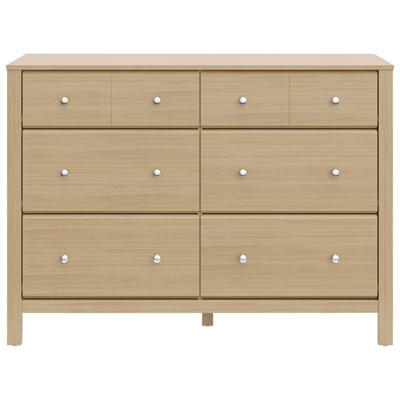 Your price for this item is $399.99
-
 Your price for this item is $344.99
-
 Your price for this item is $499.99
-
 Your price for this item is $575.95
-
 Your price for this item is $299.99
Discover more categories related to Dark Brown Bedroom Dressers
Top Collections:
Best Black Friday Deals This Year, Best Black Friday Deals On Electronics, Kindle Devices, Dyson Airwrap, Best Cameras for Sports Photography, Best Budget Office Chairs, Canon G7X Cameras, PS5 Pro Consoles, Best Black Friday Deals On Apple Products, XBOX One S Consoles
Some products may be subject to Environmental Handling Fees
(EHF) depending on your province.
Learn more about EHFs.