Dark Walnut Dressers
Elevate your bedroom decor with a dark walnut dresser, a timeless addition that seamlessly blends style and functionality. Renowned for its rich, deep hues and natural wood grain, a dark walnut dresser offers a sophisticated aesthetic that complements any interior design. Whether you're looking to organize your wardrobe or add an elegant touch to your space, these dressers provide ample storage while enhancing the visual appeal of your room. Explore this diverse selection to find the perfect piece that matches your taste and meets your storage needs.
Sort






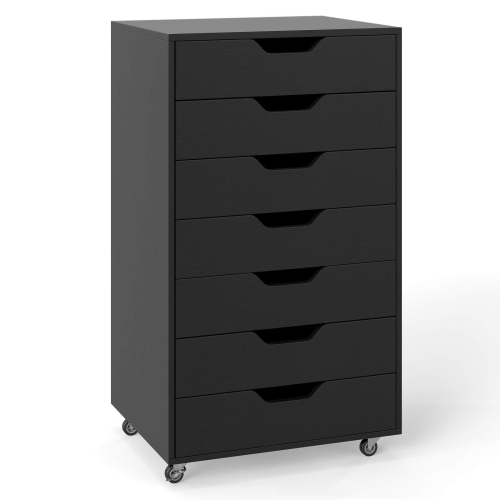


There’s more to a walnut finish than colour
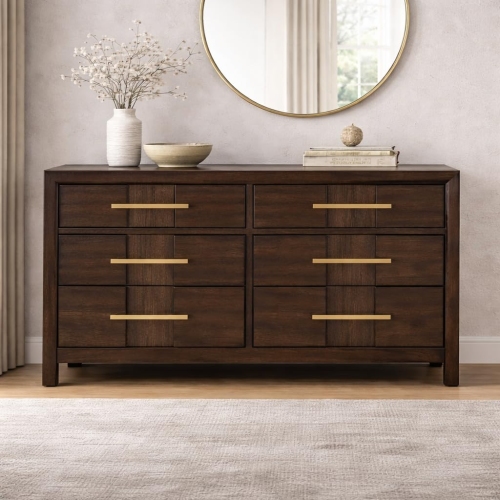
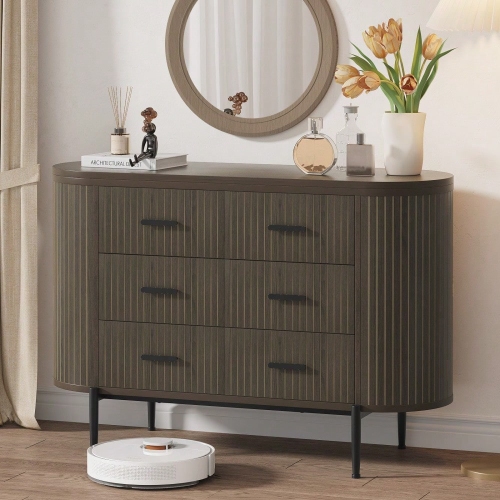
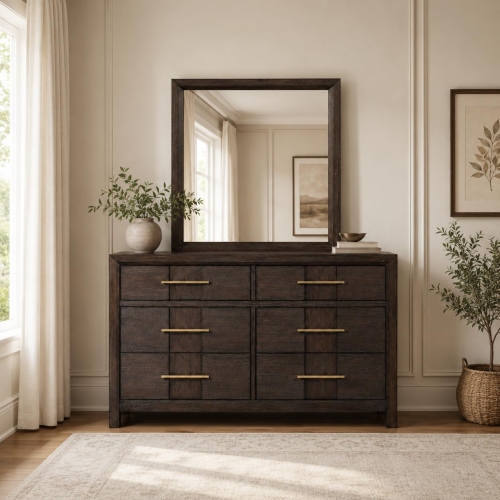
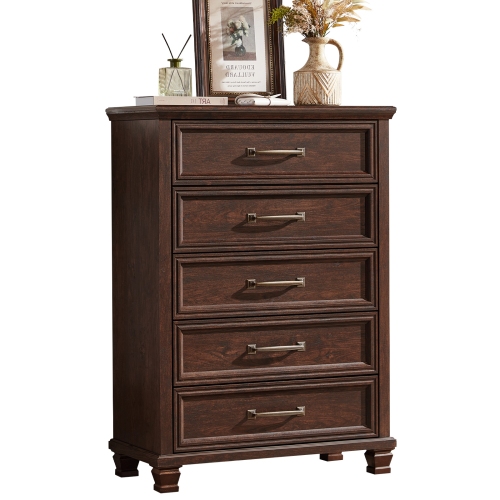
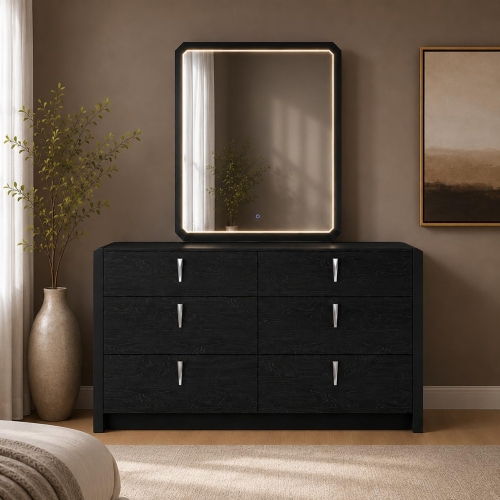
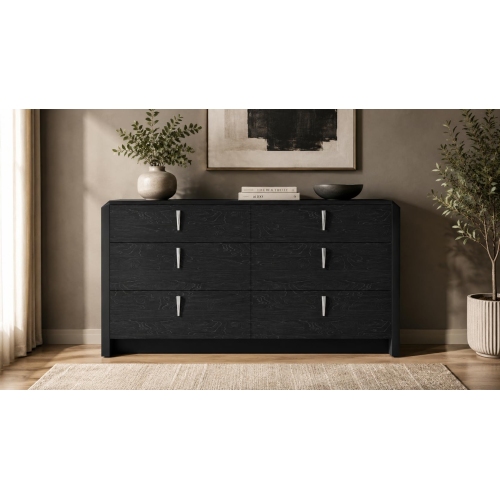
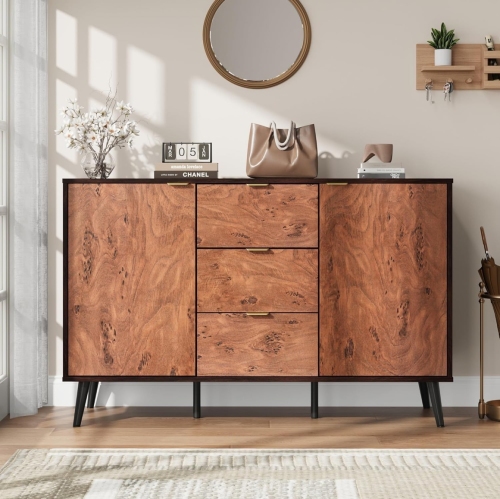
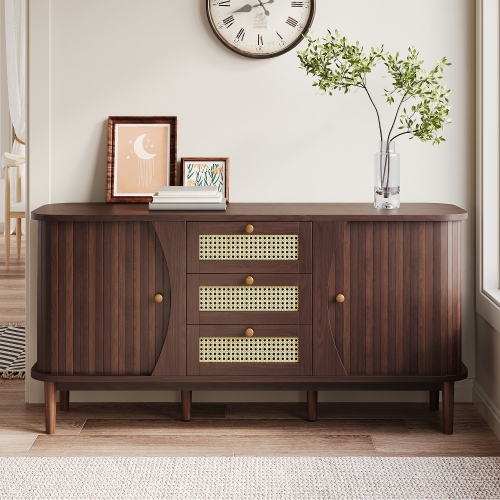
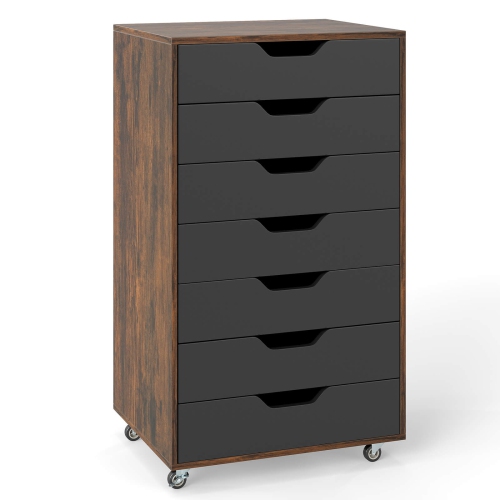
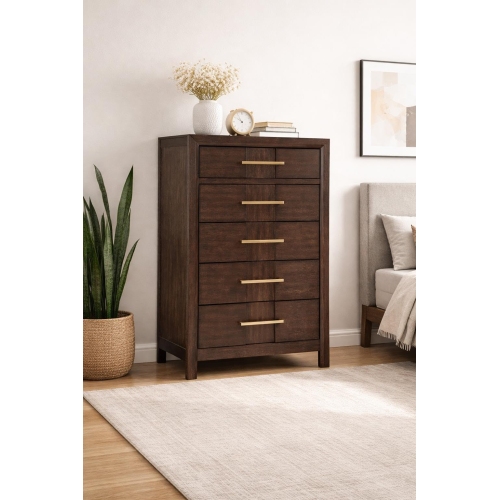
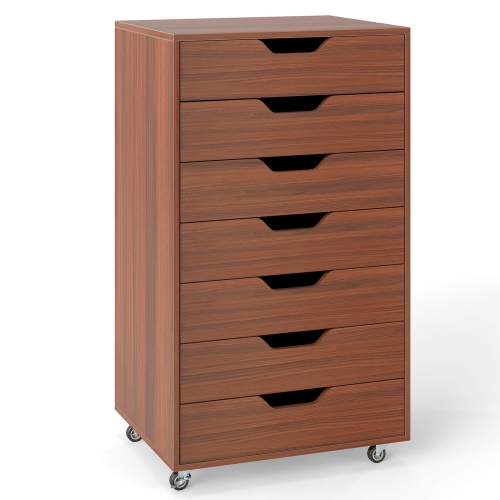
Dark walnut dressers combine clothing storage with a deep brown wood tone that brings definition to a bedroom. The term “dark walnut” can describe the wood itself, a stain colour, or a walnut-look finish, so it does not necessarily mean a dresser is made from solid walnut. Solid wood, real wood veneer, and printed wood-look surfaces can share a similar appearance while differing in construction and care requirements. Walnut wood often has flowing grain patterns and natural variations in colour, giving drawer fronts subtle differences rather than a perfectly uniform look. A walnut veneer is a thin layer of real wood bonded to a supporting core, which may be plywood or another engineered wood material. Laminate and other decorative finishes can reproduce the look of walnut without using walnut on the surface. For shoppers specifically interested in solid wood construction, Solid Walnut Dressers offer a more focused starting point, though the materials used for drawer boxes, backs, and other components still deserve attention. Across these constructions, a dark walnut finish suits several familiar furniture styles. Tapered legs and simple pulls suggest mid-century design, while flat drawer fronts and recessed handles create a cleaner, more contemporary profile. Framed fronts, substantial bases, and traditional hardware can give the same colour a more classic character. Against pale walls or light bedding, the darker finish provides contrast without requiring a room full of matching furniture. It also pairs naturally with cream upholstery, muted green textiles, black metal accents, and warm brass tones. Matching the dresser to every other wood surface is less important than finding compatible undertones and proportions. A reddish-brown finish can feel noticeably different from a cooler, almost chocolate-brown finish, even when both are described as dark walnut. Room lighting and screen settings can also affect how the colour appears, making finish descriptions and close-up images useful alongside full-room photographs.
The most useful dark walnut dresser is one whose proportions and drawer layout fit both the room and the belongings it needs to hold. A wide, low dresser provides a generous horizontal surface and spreads clothing across drawers that are relatively easy to reach. A taller chest uses more vertical space and can suit a narrow wall, although its upper drawers may be less convenient for shorter users. Neither shape automatically provides more usable storage: drawer interiors, cabinet depth, and the amount of space taken up by the frame all matter. Several shallow drawers can keep socks, underwear, and accessories separated, while deeper drawers are useful for folded denim, sweatshirts, or spare bedding. For a shared bedroom, two columns of drawers can make it easier to give each person a defined storage area. In a guest room, a smaller dresser may be enough for visitors’ clothing while leaving space for luggage. A child’s bedroom benefits from accessible storage, but ease of reach should always be considered alongside proper anchoring and safe placement. Measure the intended wall space, then allow enough room for drawers to open fully without blocking a doorway, striking a bed frame, or forcing someone to squeeze past. Baseboards can prevent the back of a dresser from sitting flush against a wall, and nearby wardrobe doors may need their own clearance. Delivery access matters too, particularly in homes with tight stair turns, small lifts, or narrow bedroom entrances. The dresser top can hold a jewellery tray, a lamp, or a few everyday essentials, provided the total load stays within the manufacturer’s stated limit. A television should only be placed on furniture explicitly designed and rated to support it. Dressers should be secured to the wall according to the manufacturer’s instructions, using hardware appropriate for the wall construction. A broad footprint does not eliminate tip-over risk, and heavier belongings are best stored in lower drawers. Keeping tempting objects off the top also helps discourage children from climbing. These practical details make the difference between furniture that simply fits a space and storage that works comfortably in daily life.
Durability depends on the dresser’s overall construction rather than its finish name alone. Solid walnut is valued for its grain and strength, but a well-built veneered dresser can also provide dependable everyday use. The supporting structure, drawer joints, drawer bottoms, and hardware all contribute to how the furniture handles repeated opening and closing. Dovetail joints can indicate careful drawer construction, though they are only one detail within the larger design. Drawer bottoms need adequate support for their intended contents, especially when holding dense stacks of clothing. Smooth-running slides make a noticeable difference when reaching into a full drawer, and full-extension slides can improve access to items stored at the back. Soft-close hardware slows the final part of closing, helping reduce abrupt slamming; it does not replace attention to drawer weight limits or careful use. Handles should feel secure and offer enough finger clearance to grip comfortably. Assembly also affects performance, since an out-of-square frame or incorrectly fitted slide can cause rubbing and uneven gaps. Follow the supplied assembly sequence and any instructions for checking or tightening hardware after use. For routine care, a soft, dry cloth is often suitable for dusting, with a lightly dampened cloth used only when permitted by the finish-care instructions. Dry the surface promptly and avoid letting water collect around seams or hardware. Coasters and protective pads help prevent marks from drinks, plant pots, and decorative objects, while lifting objects rather than dragging them reduces the chance of scratches. Strong cleaners, abrasive pads, and unapproved polishes can dull or damage a finish. Prolonged direct sunlight may alter wood colour, and positioning furniture away from radiators or heating vents can help limit excessive drying. Solid wood may offer options for refinishing, but the original finish and construction determine what repairs are appropriate; thin veneers require particular care when sanding. With suitable placement, sensible drawer loads, and regular gentle cleaning, a dark walnut dresser can remain a practical part of a bedroom as bedding, wall colours, and storage needs change.
Top selling and popular products
-
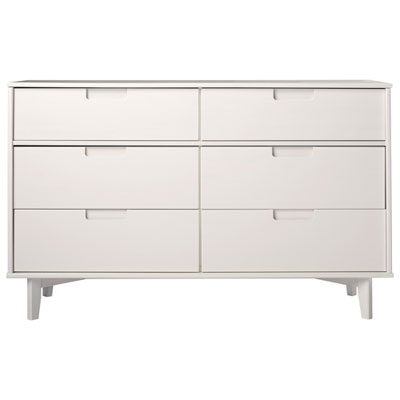 Your price for this item is $569.99
-
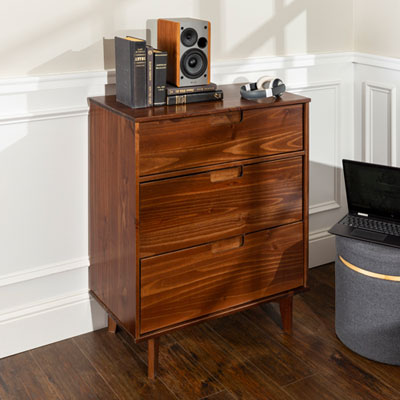 Your price for this item is $364.99
-
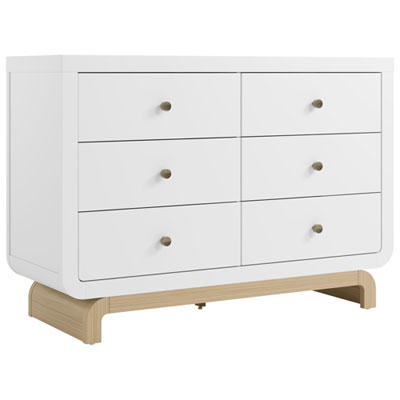 Your price for this item is $899.99
-
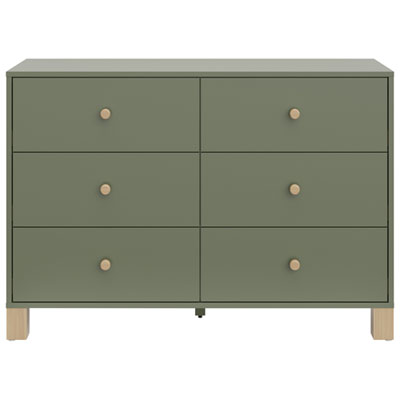 Your price for this item is $699.99
-
 Your price for this item is $699.99
-
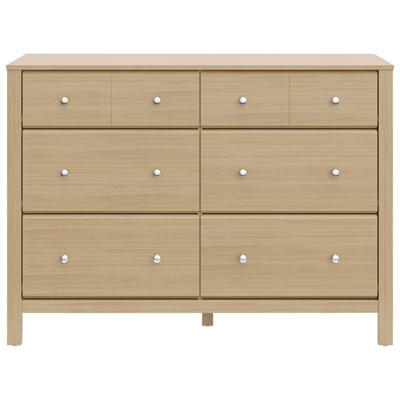 Your price for this item is $399.99
-
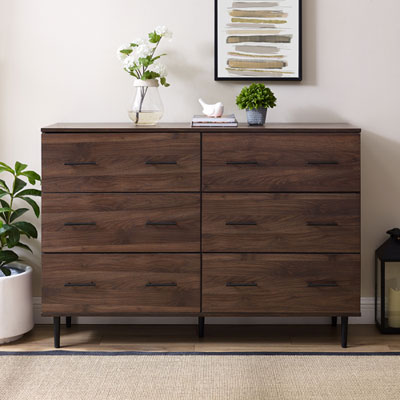 Your price for this item is $886.99
-
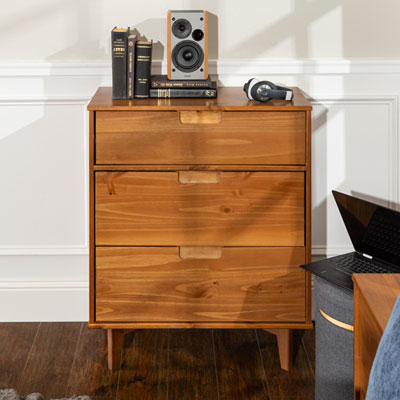 Your price for this item is $364.99
Discover more categories related to Dark Walnut Dressers


Top Collections:
Pokemon Centers, Best Budget Office Chairs, Kindle Devices, Best Cameras for Sports Photography, Pokémon 30th Celebration Cards, Best Laptops for Writers, Canon G7X Cameras, iPhone 15 Apple, Best Cell Phones Under $300, Apple iPhones 16
Some products may be subject to Environmental Handling Fees
(EHF) depending on your province.
Learn more about EHFs.