Dark Wood Counter Height Stools
Dark Wood Counter Height Stools bring a touch of sophistication and warmth to any kitchen or dining space. Their rich tones and sturdy construction make them an ideal choice for both casual meals and entertaining guests. Whether you’re updating your breakfast bar or adding extra seating to your island, these stools offer a stylish solution that complements a variety of décor styles. Explore options designed to enhance comfort and elevate the look of your home with the timeless appeal of dark wood counter height stools.
Sort


A good fit goes beyond seat height
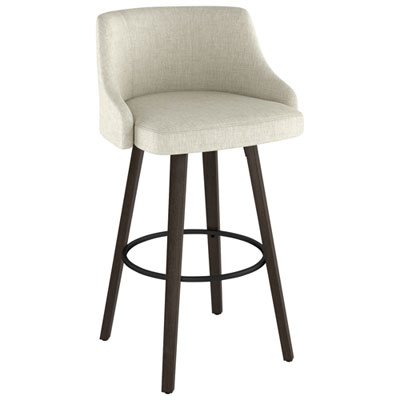
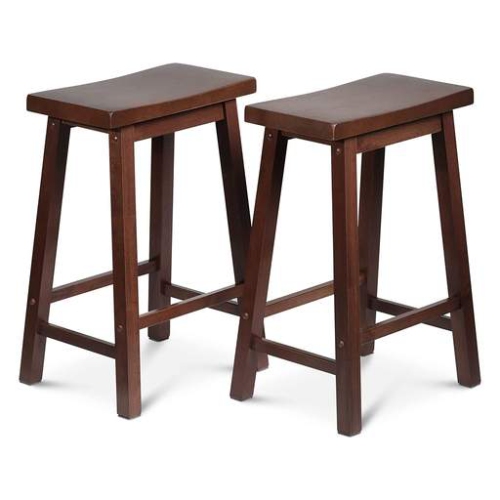
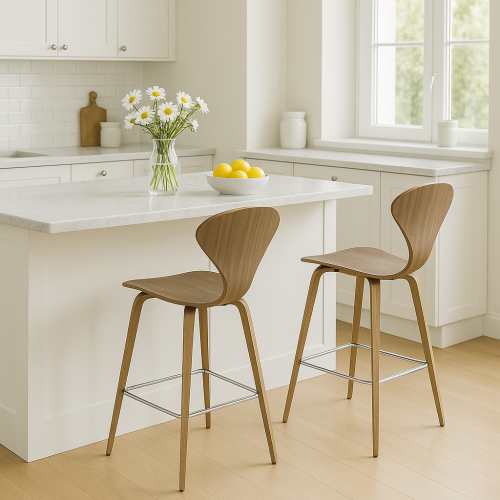
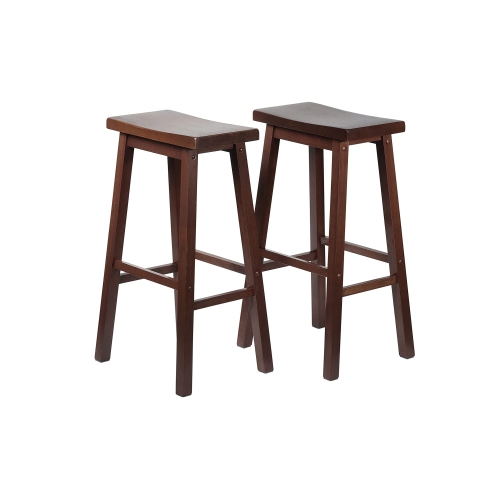
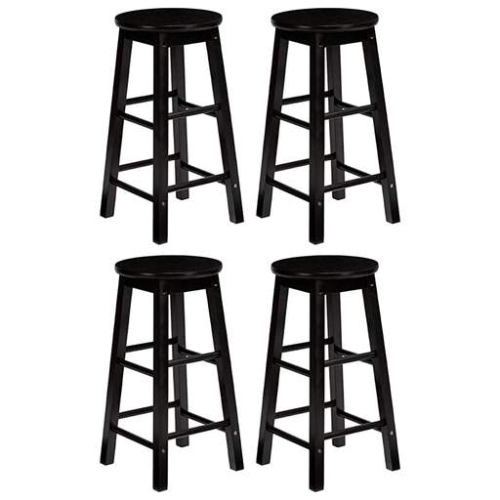
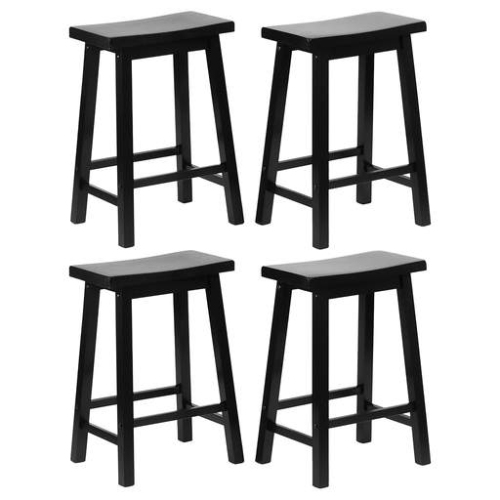
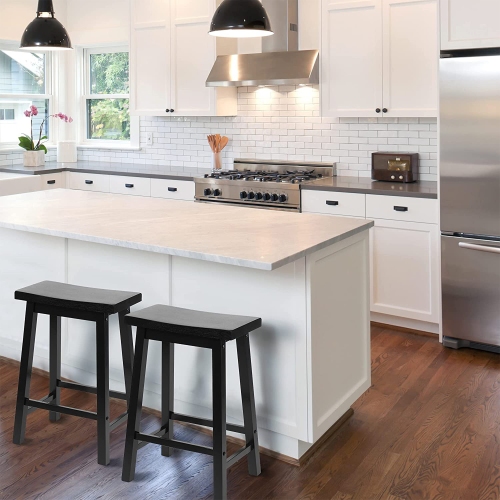
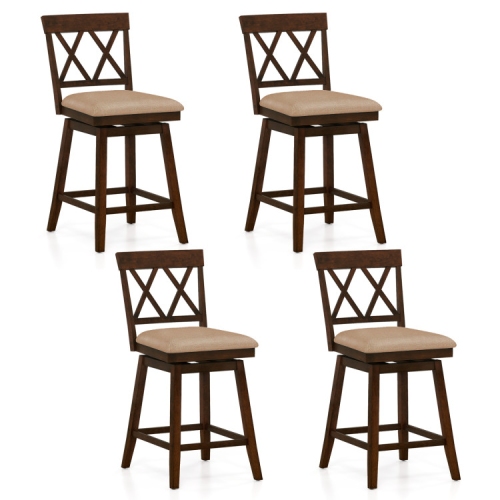
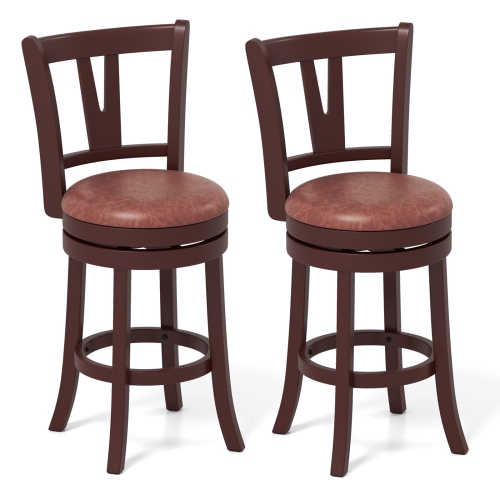
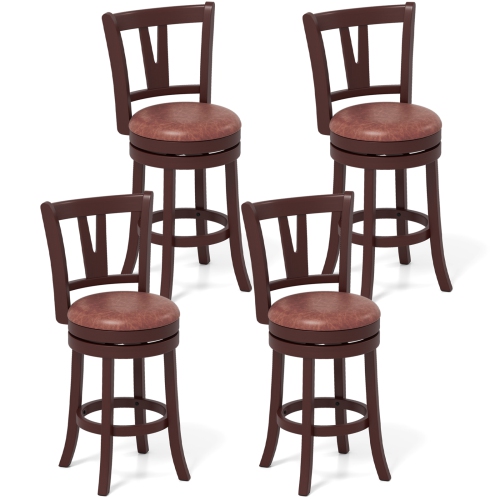
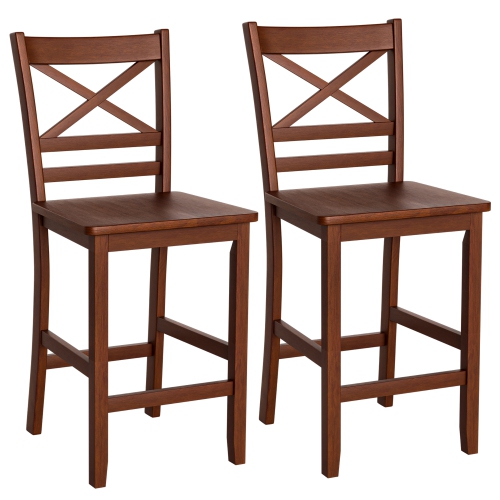
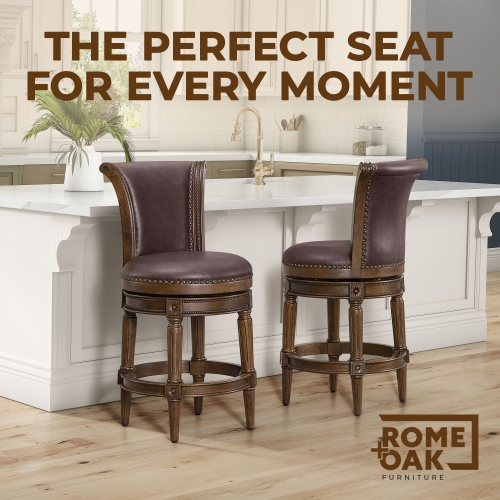
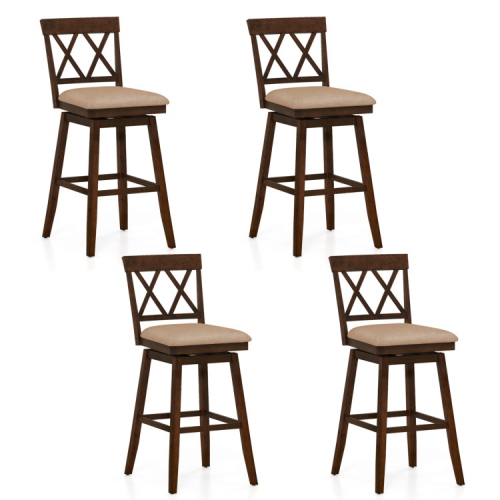
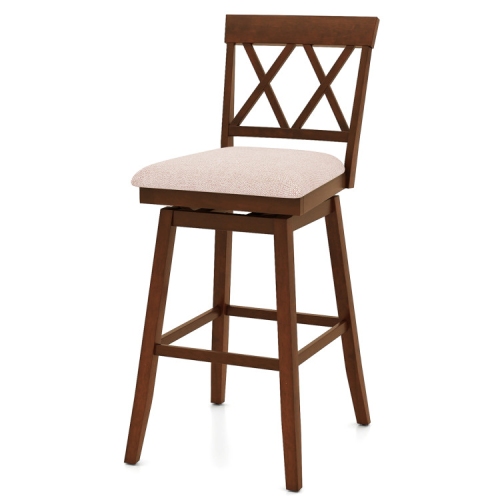
Dark wood counter-height stools give a kitchen island or breakfast counter a place to sit without turning it into a formal dining area. A rich walnut or espresso finish can pick up the colour of a dining table in an adjoining room, or give pale cabinetry and a light countertop a more defined edge. The distinction between counter height and bar height comes down to the seat, not the overall height of the stool. A 24- to 26-inch seat is a common fit for a 36-inch kitchen counter, leaving roughly 10 to 12 inches between the seat and the top of the counter. A thick countertop, support bracket or low apron can cut into that space, so the distance from the seat to the lowest point underneath matters for knee clearance. The depth of the overhang also makes a difference: a stool may slide neatly under the edge when empty but leave someone sitting too far back to eat comfortably. For a row of stools, about 24 inches from the centre of one seat to the next is a useful starting point. Wide seats, arms and swivel designs can call for more room, and splayed legs sometimes take up more floor space than the seats above them. At an island facing the fridge or dishwasher, the space behind an occupied stool can matter just as much as the space between seats. A backless stool that tucks under the counter keeps a busy route clear when no one is sitting there, while a stool with a back can make the end of an island feel more like a place to settle in. For a counter used for everything from breakfast to homework, a well-placed footrest helps keep feet supported instead of dangling, especially if the seat is too high for the sitter’s feet to reach the floor.
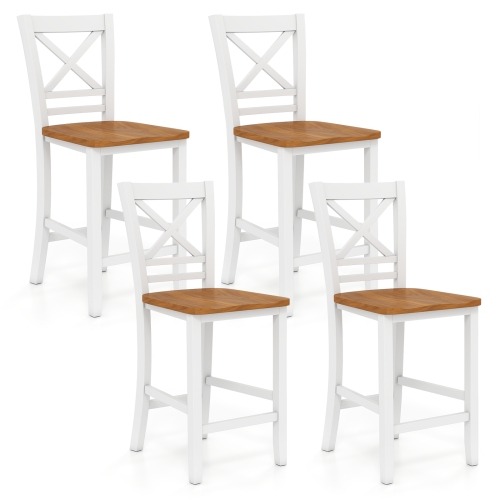
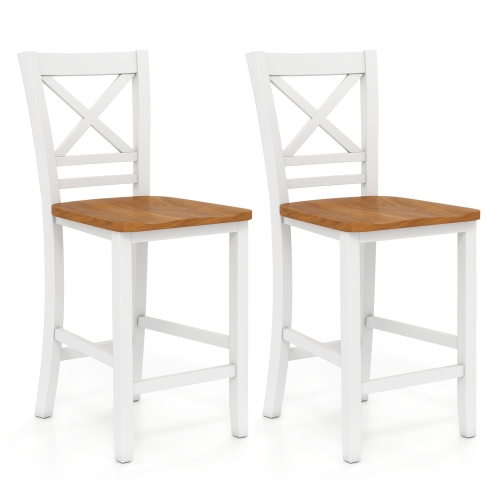
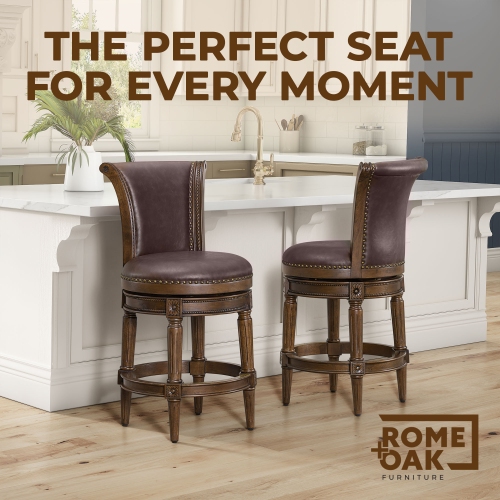
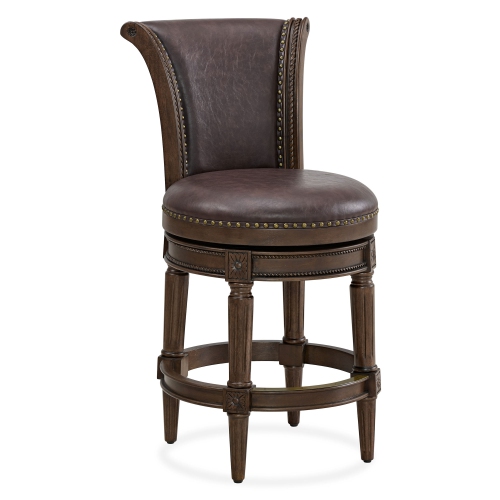
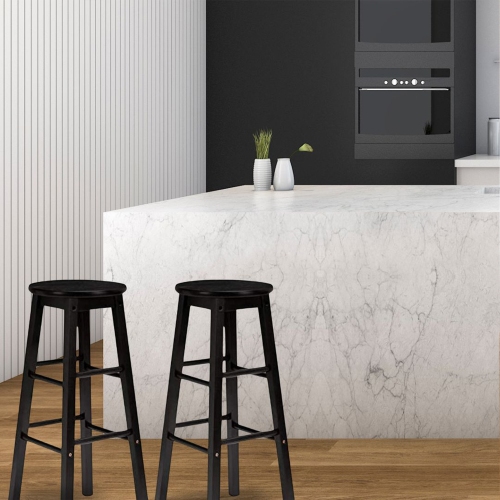
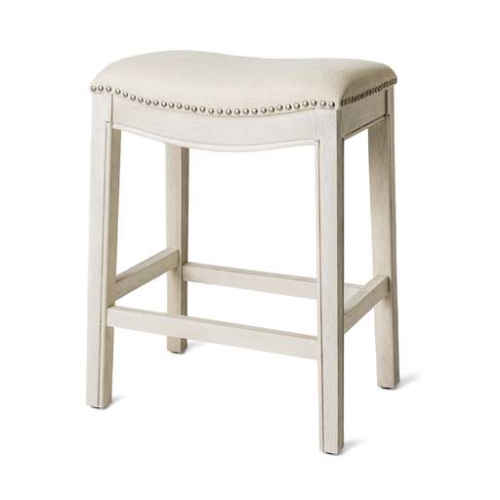
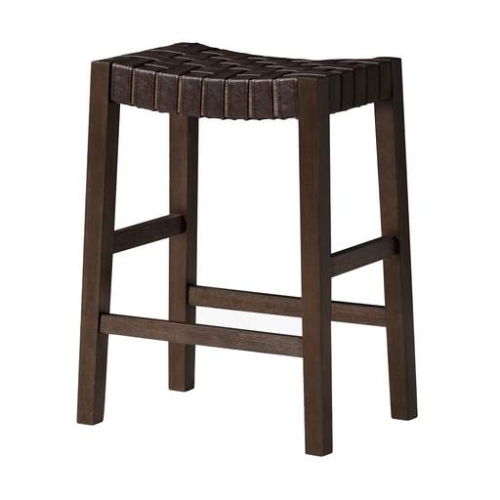
Dark wood describes the appearance of a stool, not necessarily the species of wood beneath the finish. A walnut stain can give rubberwood or another solid wood a deep brown tone, while an espresso finish may look almost black across the room and still show grain up close. Some stools have a solid wood frame and seat; others pair a wood or wood-veneered seat with a metal base. A real wood veneer can show natural grain, while the shape of the base and the thickness of the seat do much of the work in determining whether the stool looks substantial or understated. Straight legs and a slim seat can sit quietly against flat-front cabinets, while square legs and a broad seat can hold their own beside a sturdy dining table. Dark finishes do not have to match every piece of wood nearby. A stool with warm brown undertones can sit comfortably next to lighter oak, while a cooler, near-black finish can pick up the tone of dark cabinet handles. For a lighter contrast with dark cabinetry, White Wooden Counter Height Stools create a different look at the same type of counter. Seat shape matters as much as finish in daily use. A curved wooden saddle seat offers some contour without the bulk of a cushion and suits a place where people tend to perch briefly. A wider upholstered seat with a supportive back is better suited to lingering over a meal or opening a laptop at the counter. Arms give the seat a more enclosed feel, but their height determines whether the stool can tuck in. A swivel seat makes it easier to turn towards someone in the adjoining room, provided the back and arms can rotate without clipping the countertop or a neighbouring stool.
Counter stools often get handled more roughly than dining chairs: they are pulled out by the back, nudged sideways to make room and used with shoes resting on the same narrow rail day after day. A steady base, secure joints and a firmly attached footrest matter for that kind of use. Seat width and the stated weight limit are worth checking separately, since a broad seat does not tell much about how much weight the frame is designed to support. On hardwood or tile, suitable glides or felt pads can protect the floor and soften the scrape of a stool being moved. Lifting the stool rather than dragging it also puts less strain on the joints. For everyday care, a soft cloth is usually enough to remove dust from a finished wood frame, and wiping up spills promptly helps keep liquid from settling around seams or soaking into upholstery. The care directions for the finish should determine whether a slightly damp cloth is suitable; abrasive pads and harsh cleaners can dull the surface. An unpadded seat leaves fewer seams for toast crumbs to collect in, while a cushioned stool may be more comfortable for regular meals. Smooth upholstery can be easier to wipe after a spill, but fabric care varies, and blotting rather than rubbing is generally gentler on the fibres. The finish also changes how signs of use look: dust may stand out on an even, nearly black seat, while a visible grain pattern can make small scuffs less noticeable. A pair of dark wood counter-height stools can make a practical housewarming gift when the counter measurements and the recipient’s preferences are known. In a compact kitchen where the island does double duty as the dining table, seating that fits the people using it and slides out of the way afterwards can make the counter more useful every day.
Top selling and popular products
-
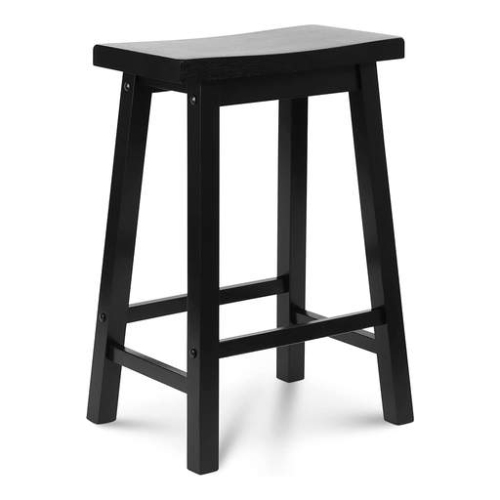 Your price for this item is $93.99
-
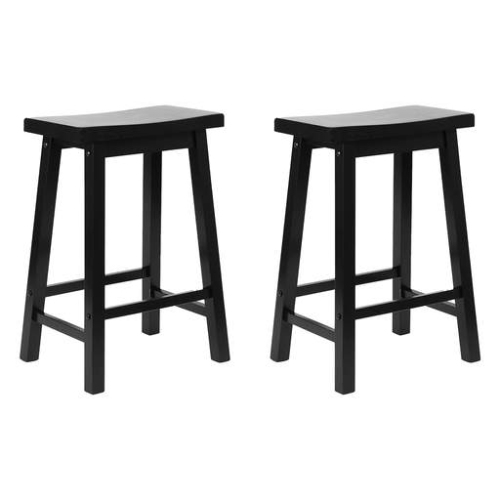 Your price for this item is $223.99
-
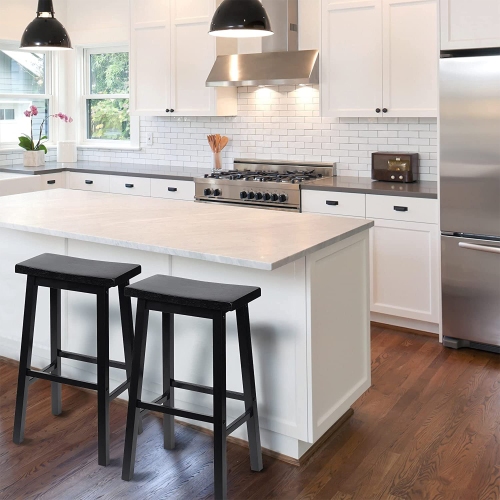 Your price for this item is $557.99
-
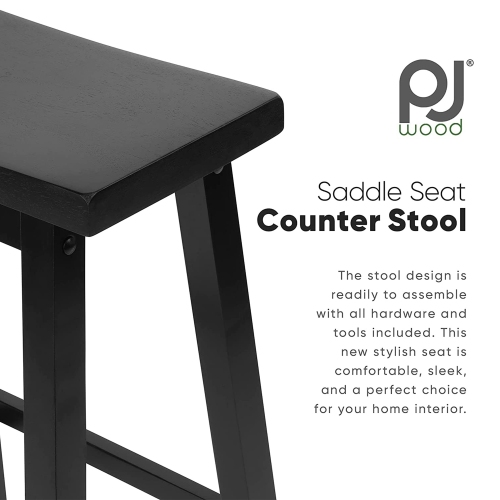 Your price for this item is $202.99
-
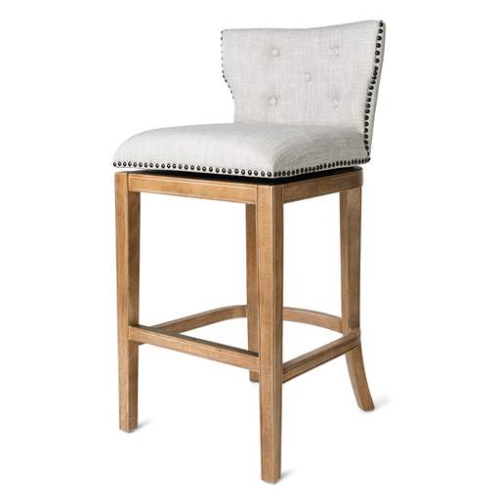 Your price for this item is $508.99
-
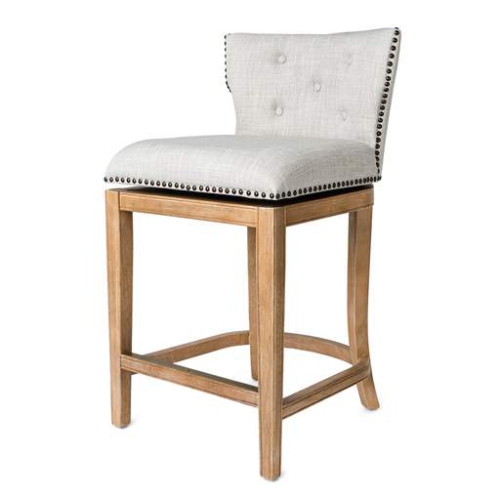 Your price for this item is $556.99
-
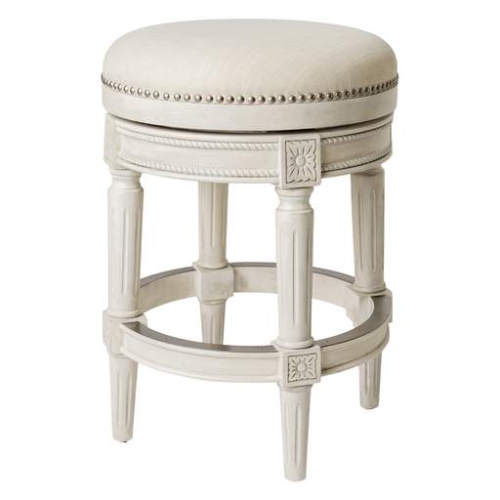 Your price for this item is $449.99
-
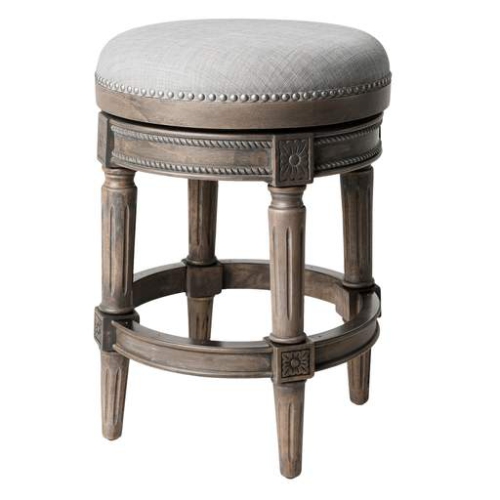 Your price for this item is $468.99
Discover more categories related to Dark Wood Counter Height Stools
Top Collections:
Best Black Friday Deals This Year, Best Black Friday Deals On Electronics, Kindle Devices, Dyson Airwrap, Best Cameras for Sports Photography, Best Budget Office Chairs, Canon G7X Cameras, PS5 Pro Consoles, Best Black Friday Deals On Apple Products, XBOX One S Consoles
Some products may be subject to Environmental Handling Fees
(EHF) depending on your province.
Learn more about EHFs.