Decor for Small Bedrooms
Transforming a compact space into a cozy retreat is easy with the right decor for small bedrooms. Thoughtfully chosen accents and furnishings can help maximize every inch while adding style and personality to your room. Whether you're looking to brighten up your space, create clever storage solutions, or introduce a touch of charm, discover options designed to enhance comfort and functionality without sacrificing style. Explore a range of decor for small bedrooms that brings big impact to even the most modest spaces.
Sort


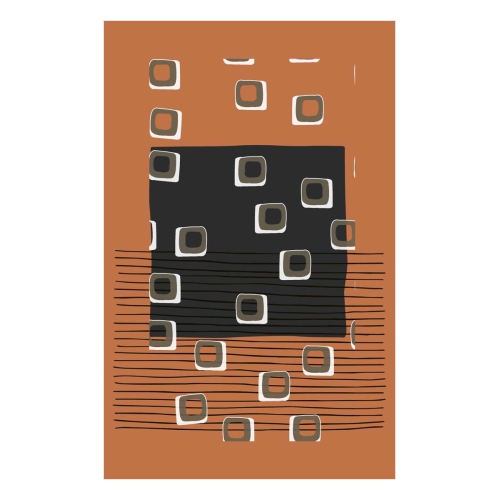



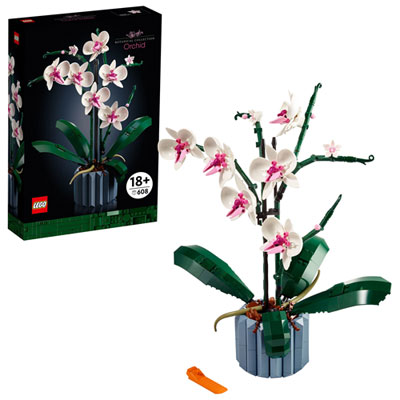
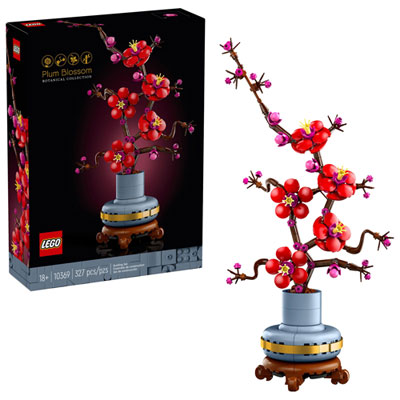


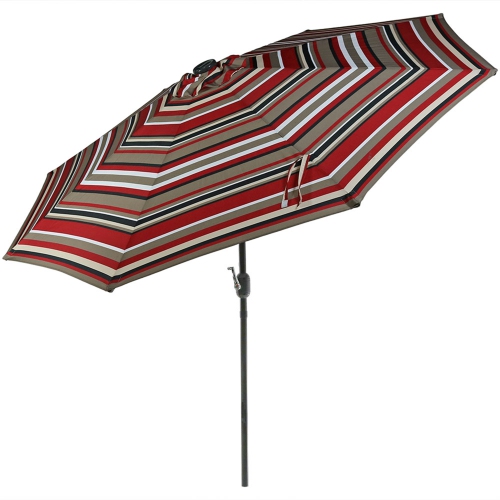













Personal touches that leave room to move comfortably
Decor for small bedrooms combines compact proportions, useful storage, layered lighting, and personal details without crowding the space around the bed. Wall-mounted accents draw attention upward, mirrors reflect available light, and decorative pieces with a second purpose make limited surfaces work harder. The aim is not to fill every corner, but to give everyday belongings a place while leaving room to open drawers, walk beside the bed, and move comfortably between the doorway and wardrobe. Scale matters as much as style: one generously sized picture can look calmer above a headboard than several unrelated frames, while a narrow wall mirror can suit a gap that would not accommodate a floor-standing design. A mirror placed to reflect a window or an appealing part of the room can add visual depth, though its position should avoid uncomfortable glare or reflections from a hallway. Pale colours can create an airy impression, but a small bedroom does not have to be entirely white. Warm neutrals, muted blues, soft greens, and deeper accent colours can all work when repeated thoughtfully across bedding, artwork, and accessories. Keeping the largest surfaces visually connected helps the room feel less fragmented. A low-contrast rug beside the bed, for example, can add softness without breaking the floor into several competing sections. Vertical details are especially useful where floor space is limited: a tall print, a pair of neatly aligned frames, or a slim shelf can give a blank wall purpose. Shelves still need enough clearance from heads, doors, and frequently used routes, and heavy decorative objects are better kept away from sleeping areas. Before choosing wall accents, consider the usable wall area rather than the room’s total dimensions, allowing for switches, outlets, baseboard heaters, and the full swing of doors. These details help distinguish a piece that merely fits from one that feels comfortable to live with.
Textiles bring colour and texture into a compact bedroom without requiring extra furniture. Bedding occupies a large part of the view, so its pattern and finish often establish the room’s character. A small-scale print can add interest without dominating, while plain bedding leaves more room for expressive artwork or a textured cushion. Too many decorative cushions can become a daily storage problem when there is nowhere to put them at bedtime; a modest arrangement is often easier to maintain. Throws are most useful when they suit the bed’s proportions and have a practical resting place rather than trailing across a walkway. Cotton and linen offer distinct textures, with linen’s relaxed creasing creating a different look from a smooth cotton weave. Polyester blends can offer practical care characteristics, but washing, drying, and ironing requirements depend on the individual fabric and construction. Removable, washable covers are convenient in rooms shared with pets or used regularly by guests. Fabric durability also depends on weave, stitching, and how frequently a piece is handled, not simply on whether its fibres are natural or manufactured. Curtains can soften hard edges and make a window feel more substantial when the rod extends beyond the frame, provided there is suitable mounting space. Panel length needs particular attention near heaters, furniture, and walkways; fabric should not cover a heat source or bunch where feet can catch it. Light-filtering fabrics offer softness and daytime privacy, while opaque or blackout-lined options may be better suited to someone who sleeps during daylight hours. Rugs provide a comfortable landing beside the bed, but their dimensions should relate to the exposed floor and nearby door clearance. A lower pile is often easier to accommodate beneath moving doors, and an appropriate rug pad can help reduce shifting on compatible flooring. For care, follow the material’s instructions, deal with spills promptly, and check whether a textile can be machine washed or requires spot cleaning. Easy upkeep matters most for pieces that see daily contact.
Lighting and decorative storage help a small bedroom support reading, dressing, and winding down without making every surface feel occupied. A compact lamp can bring focused light to a bedside table, while a suitably installed wall light may leave more space for a book and glasses. Adjustable shades or directional heads are useful when one person wants to read without lighting the entire room. Shade width, switch position, and cord length deserve as much attention as the lamp’s height: a piece can look appropriately sized yet be awkward to reach from the pillow. Cables should remain clear of walking routes and moving furniture, and lighting needs a stable placement with the clearances specified by its manufacturer. Decorative boxes, lidded baskets, and shallow trays can contain jewellery, chargers, or bedside essentials, reducing the scattered appearance that becomes noticeable in a small room. Their fit should reflect what they hold; a deep basket is not always convenient for small belongings that disappear at the bottom. Woven materials introduce texture, metal can provide a crisp outline, and wood adds visual warmth, with finishes ranging from smooth and understated to visibly grained. Care varies by finish, so abrasive cleaners, excess moisture, and direct contact with hot objects may be unsuitable. Felt pads can help protect furniture beneath decorative accents, while secure hardware is essential for mounted mirrors and frames. Coordinating Bedroom Decor through a repeated colour, material, or shape creates continuity without requiring every piece to match. A student’s compact room may benefit from portable accents and storage that can move easily, while a guest bedroom may call for a clear bedside surface and simple, welcoming textiles. In a shared bedroom, paired colours or matching frame finishes can connect different tastes without removing individuality. Decorative gifts are most successful when they respect the recipient’s space and preferences: a washable throw or compact frame can be easier to accommodate than a large wall piece with fixed dimensions. A few well-proportioned accents leave room for personal photographs, favourite books, and the everyday routines that make a bedroom feel settled.
Top selling and popular products
-
 Your price for this item is $49.99
-
 Your price for this item is $51.99
-
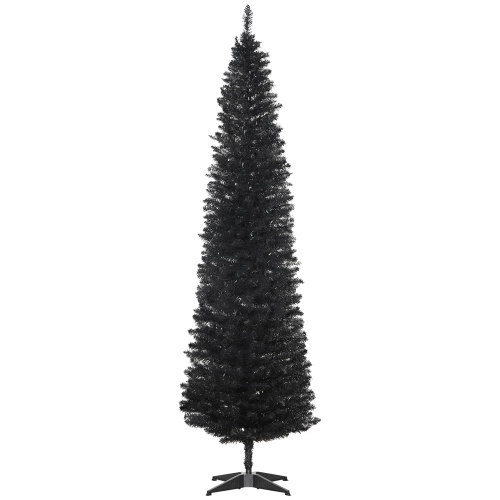 Your price for this item is $69.99
-
 Your price for this item is $48
-
 Your price for this item is $49.99
-
 Your price for this item is $125.99
-
 Your price for this item is $162.99
-
 Your price for this item is $107.99
Discover more categories related to Decor for Small Bedrooms


Top Collections:
Best Black Friday Deals This Year, Best Black Friday Deals On Electronics, Kindle Devices, Best Black Friday Deals On Apple Products, Best Budget Office Chairs, Best Cameras for Sports Photography, Dyson Airwrap, Canon G7X Cameras, Best Laptops for Writers, Samsung Galaxy Phones
Some products may be subject to Environmental Handling Fees
(EHF) depending on your province.
Learn more about EHFs.