Solutions for Small Bedrooms
Maximize every inch of your space with smart solutions for small bedrooms. Discover a wide selection of versatile furniture, compact storage options, and clever accessories designed to help you create a comfortable and organized retreat, no matter the size of your room. Whether you're looking to optimize layout or add functional touches, explore ideas that make the most out of limited square footage with ease. Find everything you need to transform your bedroom into a stylish and practical haven with solutions for small bedrooms.
Sort

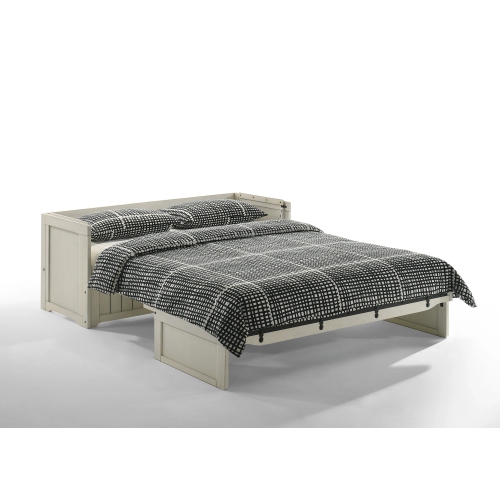
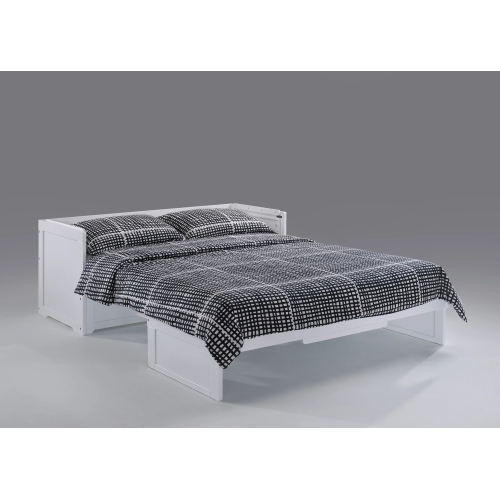
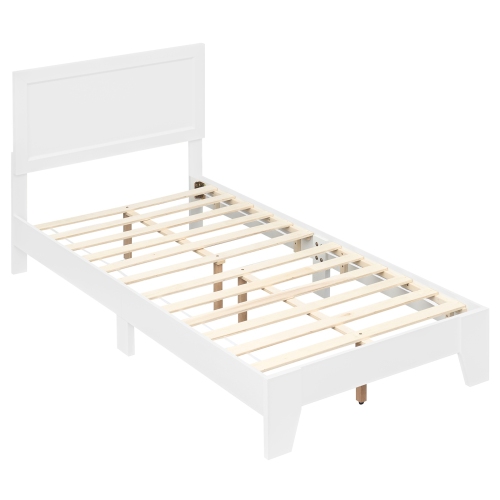
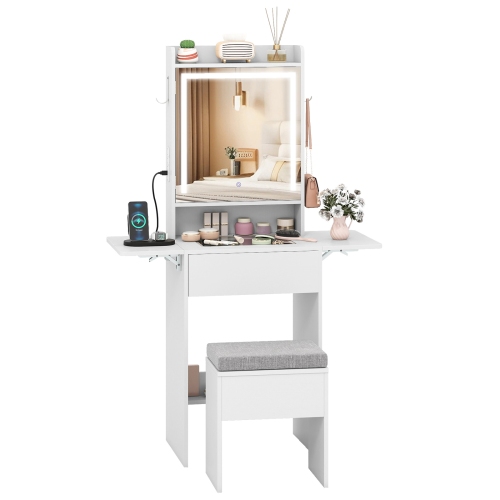
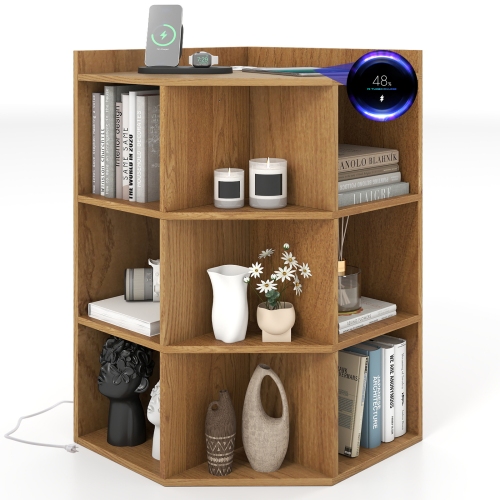
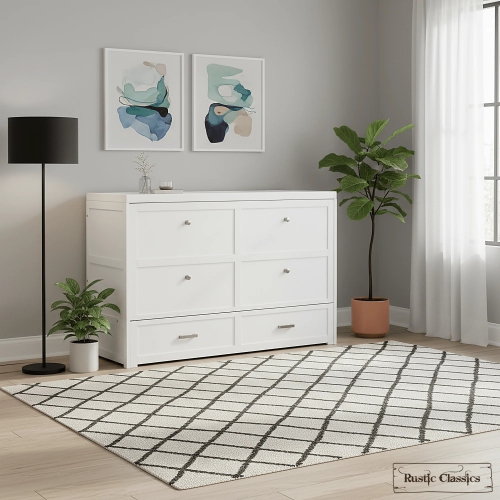
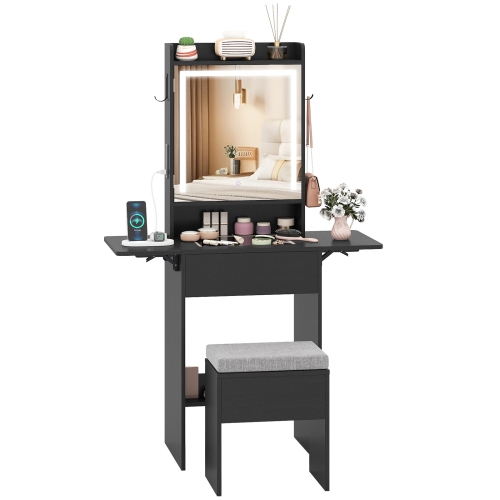
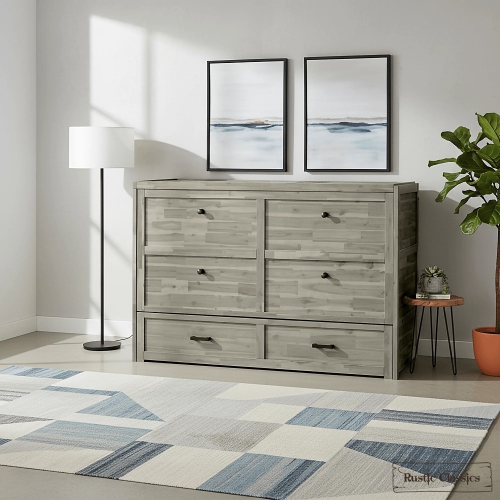
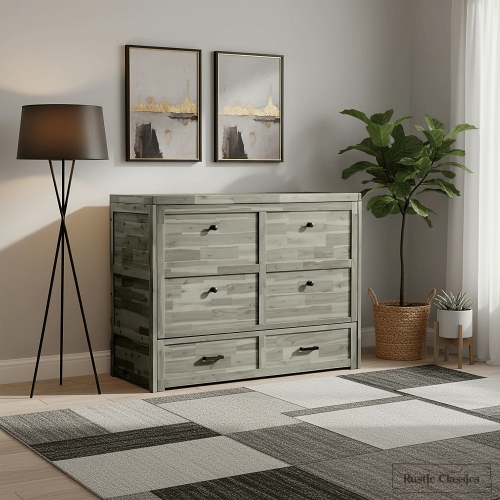
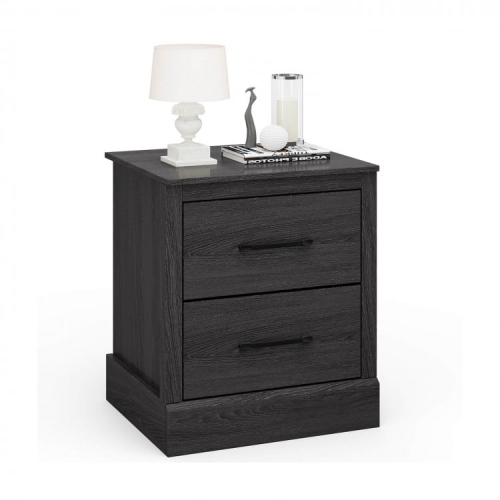
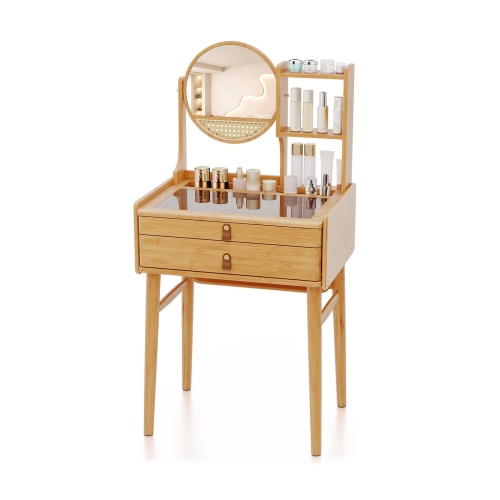
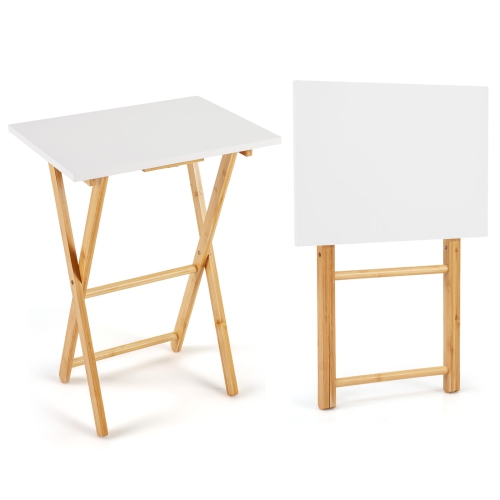
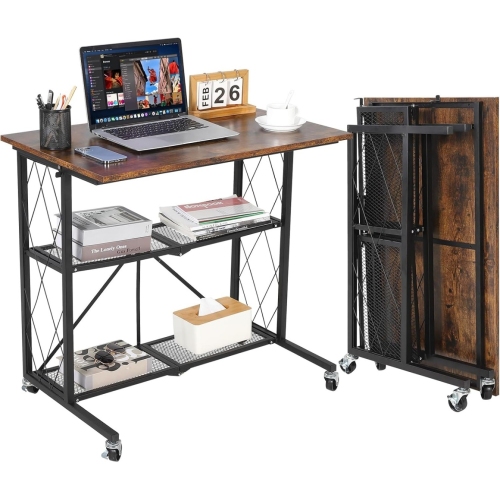
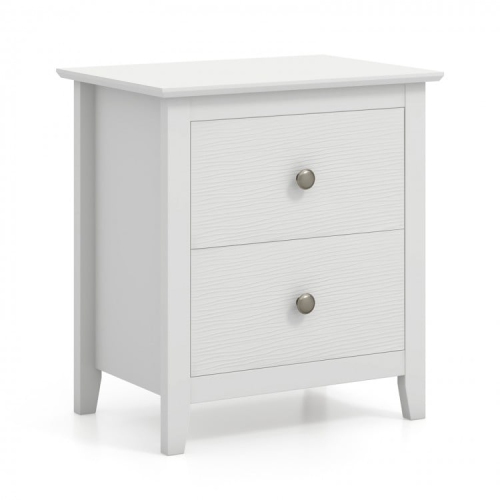
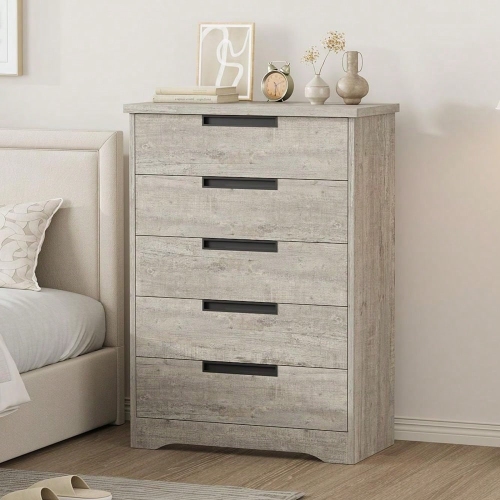
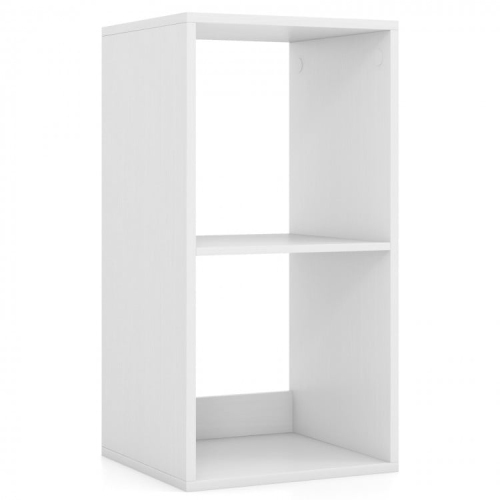
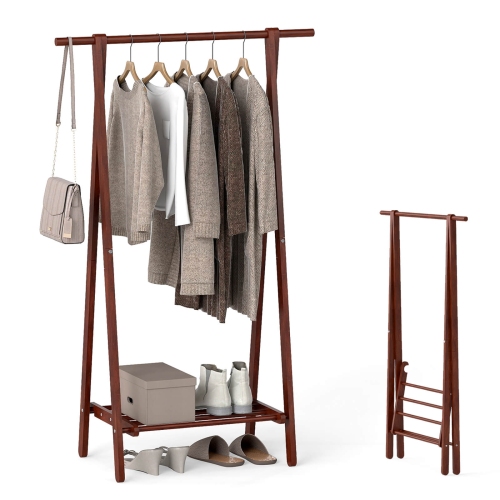
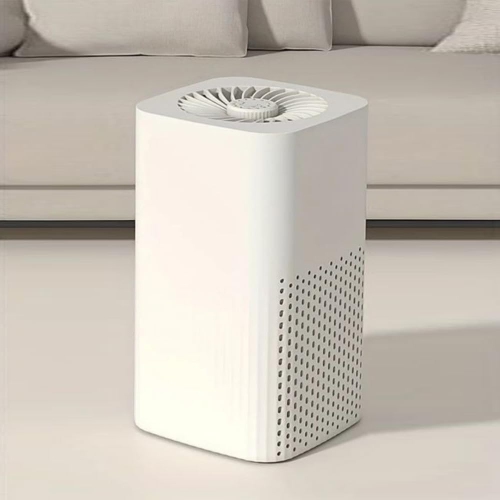

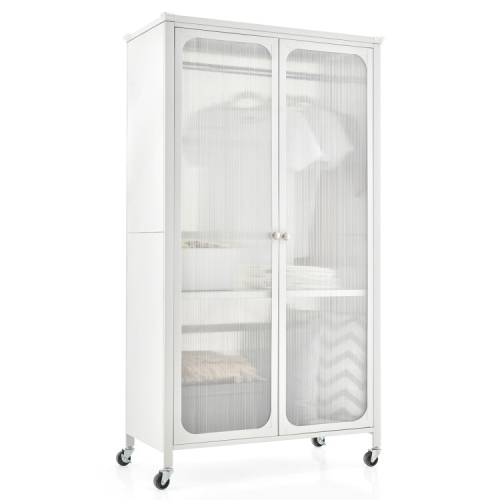
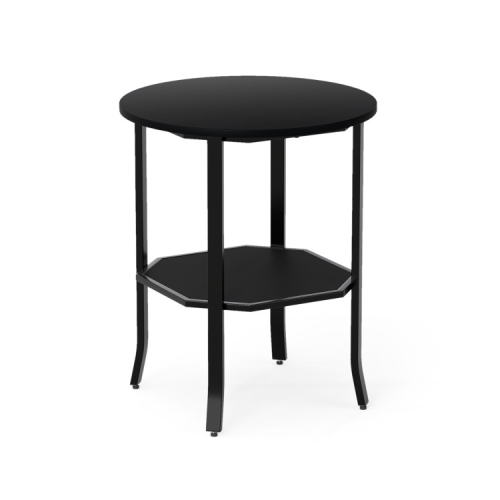
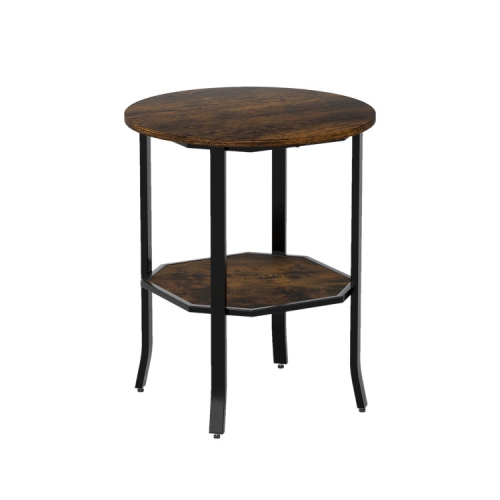
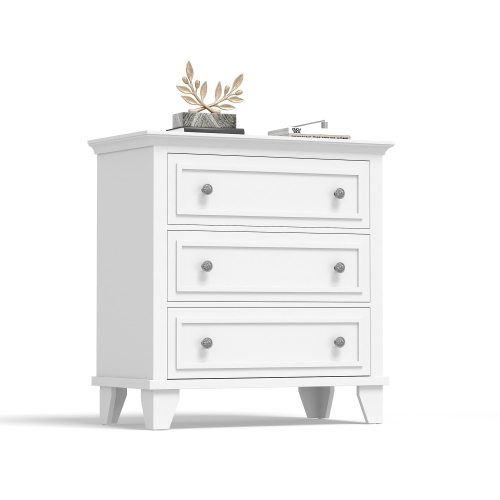
Bedroom furniture that fits your space and daily routines
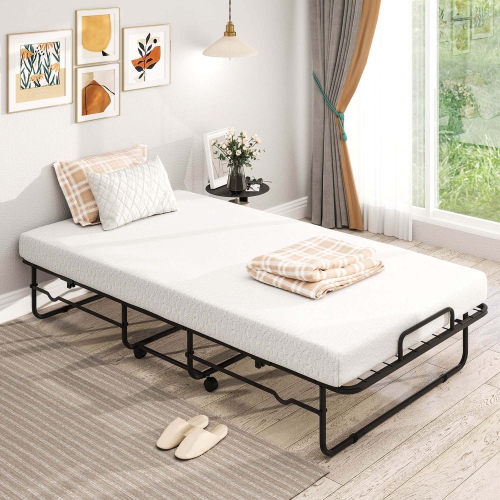
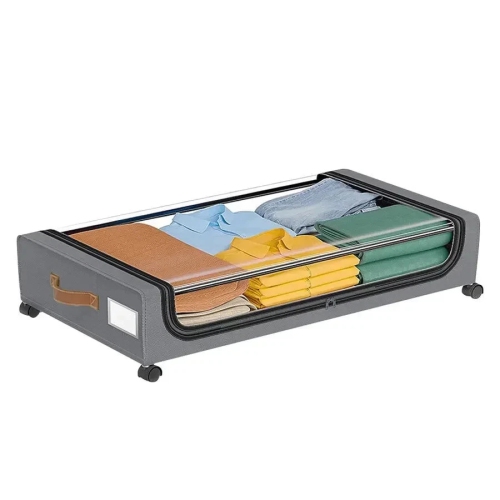
Solutions for small bedrooms bring together space-saving furniture, practical storage, and lighting that make a compact room comfortable without crowding its usable floor space. The most useful pieces suit both the room’s dimensions and the routines that happen there, whether it is a student’s bedroom with a study corner, a shared room with separate storage needs, or a guest room that also serves as a home office. Beds usually occupy the largest footprint, so their overall frame dimensions matter as much as mattress size. A wide headboard or projecting footboard can take up valuable room even when the mattress itself fits neatly. Storage beds keep spare sheets, clothing, and extra pillows close at hand without requiring another cabinet, though drawers need enough clearance to open beside a wall or dresser. Lift-up storage offers a different way to reach the space beneath a mattress, with access and lifting requirements that vary by design. A bed frame with open space underneath can accommodate low-profile storage containers, provided there is enough clearance for their height and handles. Daybeds combine a sleeping surface with somewhere to sit, making them useful in rooms that accommodate overnight guests and everyday activities. Loft beds create usable space below the sleeping area, but require careful attention to ceiling height, guardrails, ladder access, mattress thickness limits, and the manufacturer’s age and weight requirements. Across these categories, a clear route between the doorway, bed, and wardrobe helps the room feel easier to use. Door swings, baseboard heaters, vents, and access to electrical outlets also affect furniture fit. Measuring the full assembled dimensions, rather than relying on a photograph, makes it easier to picture whether a bedside drawer will open or whether there is room to change the sheets comfortably. Mattress compatibility and the required support system deserve equal attention, since a compact frame still needs to provide the support specified for the mattress. Furniture that fits daily habits is more useful than a tightly packed arrangement that leaves no comfortable place to stand, dress, or set down a bag.
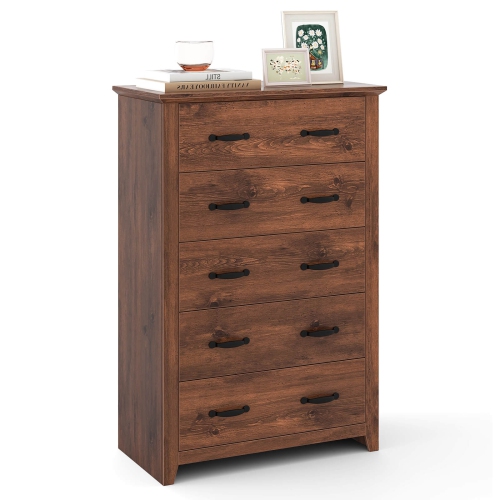
Storage furniture gives small bedrooms more breathing room when its shape matches what needs to be put away. A narrow chest uses height rather than width, while a low dresser can leave wall space above for a mirror or shelving. Wardrobes with adjustable shelves and a mix of hanging and folded storage accommodate different clothing collections; sliding doors can be practical where there is little room for hinged doors to open. Interior depth still matters, particularly for hanging garments and larger folded bedding. Bedside storage can be equally modest: a shallow cabinet, compact nightstand, or securely mounted shelf may provide enough space for glasses, a book, and a charging phone. Wall-mounted furniture leaves the floor visible and can simplify cleaning underneath, although its suitability depends on the wall construction, mounting hardware, and permitted installation methods. Tall furniture needs the anchoring specified by its manufacturer, especially in homes with children. Materials influence both appearance and everyday upkeep. Solid wood can bring visible grain and character, with care needs that depend on the finish; wood veneers offer a real-wood surface over a supporting core, while laminated surfaces are often straightforward to wipe clean according to their care instructions. Metal frames can have slim profiles, but joint construction, fasteners, and finish quality remain important to durability. Upholstered furniture softens the room visually and provides a comfortable surface to lean against, though textured fabric, seams, and tufting may need more frequent vacuuming. Removable, washable covers can make care more manageable where the care label allows machine washing. Drawers that move smoothly, handles that are easy to grasp, and shelf spacing that suits everyday belongings all make a difference over time. Storage containers work best when they fit the available space without being awkward to lift or retrieve. Keeping frequently worn clothing within easy reach and reserving higher shelves for less-used bedding helps storage feel practical rather than merely packed. Matching finishes are not essential, but a consistent colour palette and similar furniture proportions can give a small room a calmer, more connected appearance.
Lighting, mirrors, and compact work furniture help a small bedroom support more than sleep without making every surface feel occupied. A wall-mounted reading light can leave a bedside surface clear, while a compact table lamp offers flexibility where wall installation is not suitable. Adjustable task lighting is useful beside a laptop or notebook, especially when the same room accommodates studying, hobbies, and rest. Light placement matters as much as fixture size: a shade at a comfortable height can reduce glare, and a reachable switch avoids stretching across the bed. Mirrors reflect light and views, which can make a room feel more open, but their position should suit the layout rather than reflect a cluttered shelf or create glare at a desk. Secure mounting is important for wall mirrors and any designs that require restraint. A shallow desk can provide a useful work surface for light computer use, provided its depth accommodates the screen, keyboard, and a comfortable seated position. Compact chairs still need sufficient support and room to move; a chair that tucks beneath the desk keeps the walking route clearer when work is finished. Cable organizers and accessible charging points help prevent cords from trailing across the floor, without pinching them beneath furniture or blocking ventilation around electronics. Bedding and window coverings complete the room without adding another furniture footprint. A bedspread with an appropriate drop looks tidy beside narrow walkways, while washable bedding and removable cushion covers make regular care simpler. Lighter colours can contribute to an airy appearance, and deeper shades can give a compact room a cosy, settled feel; either approach benefits from a restrained mix of patterns and textures. For renters, freestanding furniture and storage that can move to another room offer flexibility, while shared bedrooms benefit from clearly separated places for personal belongings. Similar considerations apply beyond the bedroom, and Solutions for Small Bathrooms brings the same focus on compact storage and useful everyday space to another frequently used room.
Top selling and popular products
-
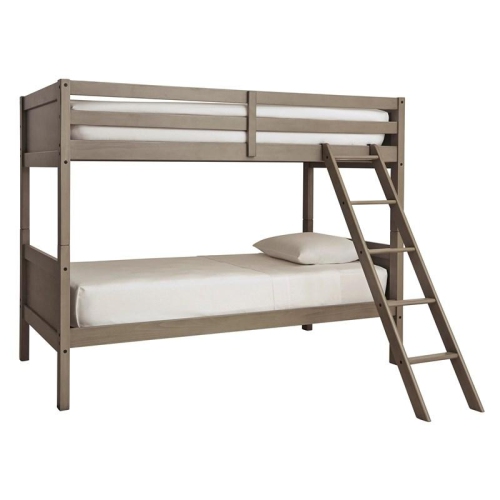 Your price for this item is $799.99
-
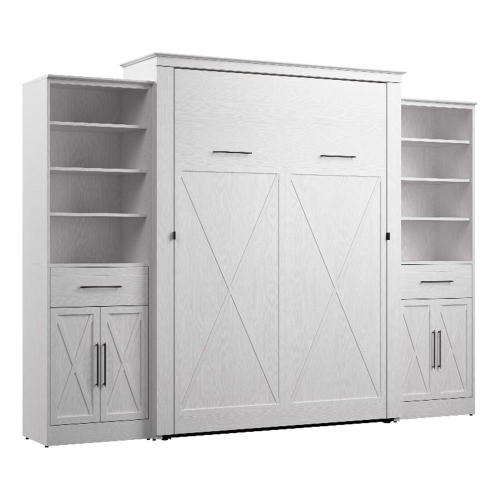 Your price for this item is $3519.99
-
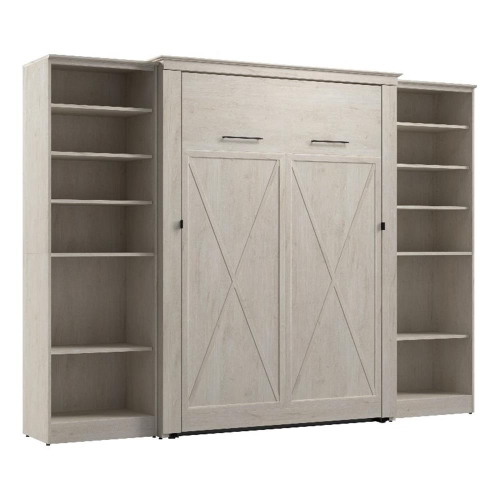 Your price for this item is $3099.99
-
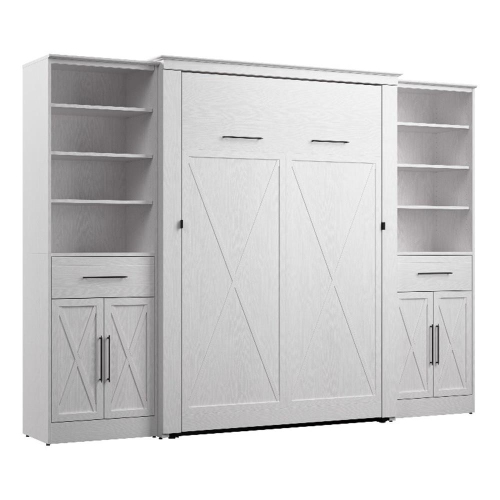 Your price for this item is $3349.99
-
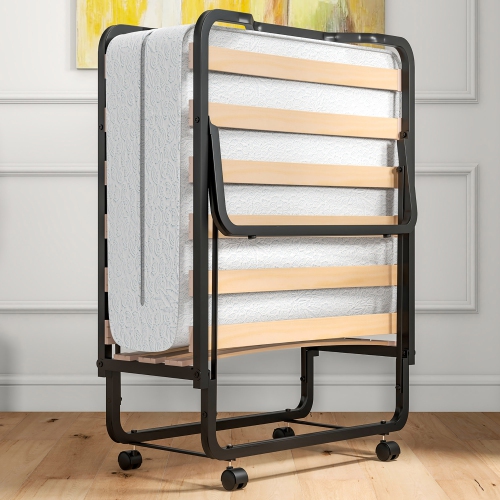 Your price for this item is $235.99
-
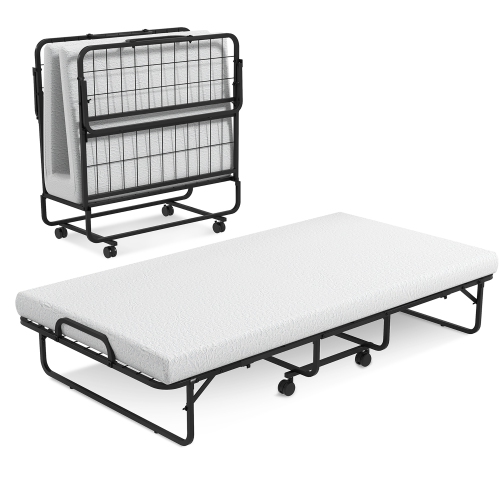 Your price for this item is $233.99
-
 Your price for this item is $243.99
-
 Your price for this item is $364.99
Discover more categories related to Solutions for Small Bedrooms

Top Collections:
Best Black Friday Deals This Year, Best Black Friday Deals On Electronics, Kindle Devices, Best Black Friday Deals On Apple Products, Best Budget Office Chairs, Best Cameras for Sports Photography, Dyson Airwrap, Canon G7X Cameras, Best Laptops for Writers, Samsung Galaxy Phones
Some products may be subject to Environmental Handling Fees
(EHF) depending on your province.
Learn more about EHFs.