Decorations for Camping
Transform your outdoor adventures into memorable experiences with a touch of style and creativity. Decorations for camping can elevate your campsite from ordinary to extraordinary, bringing comfort and a personal touch to your getaway. Whether you're setting up a tent in the heart of the forest or parking your RV by a serene lakeside, the right decorations can enhance your connection with nature while adding a cozy, inviting atmosphere. Explore options that blend functionality with flair, ensuring that your camping trip is as aesthetically pleasing as it is adventurous. From lighting solutions to charming accents, discover how to make every camping experience uniquely yours.
Sort
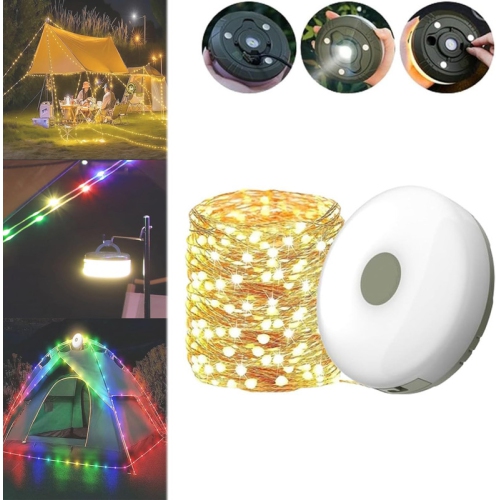
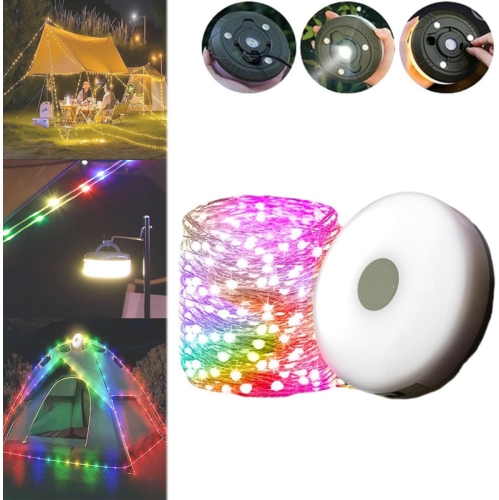
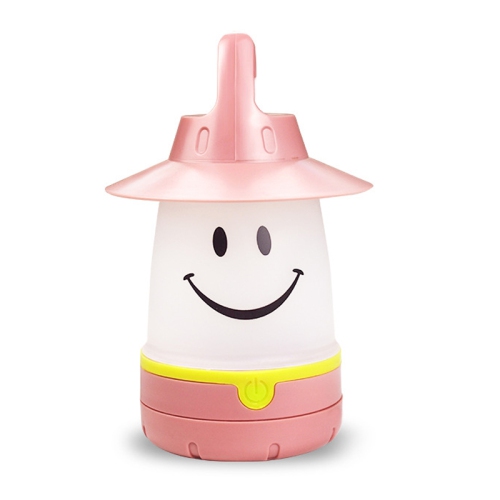
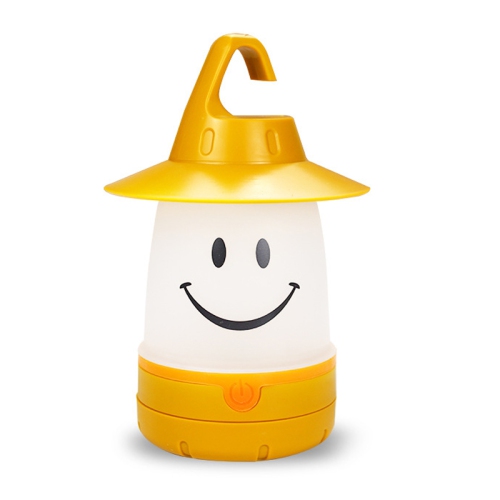
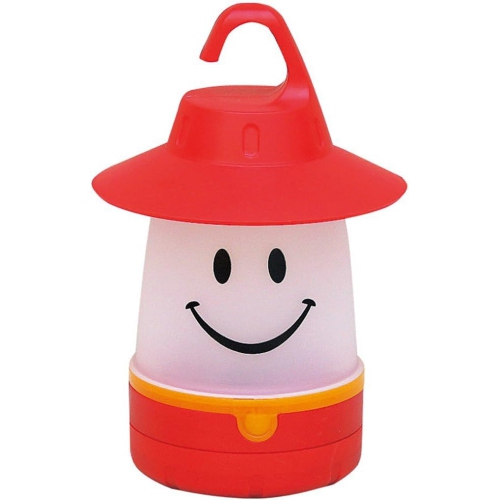
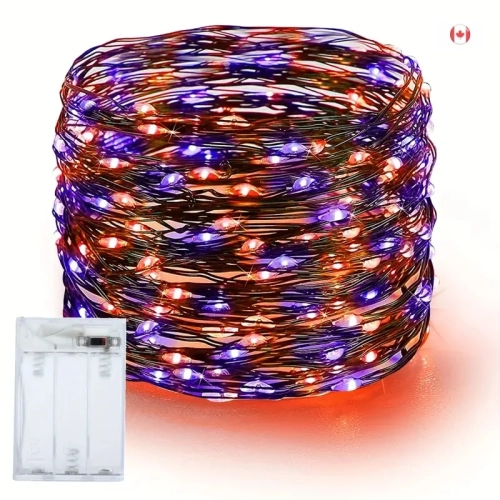
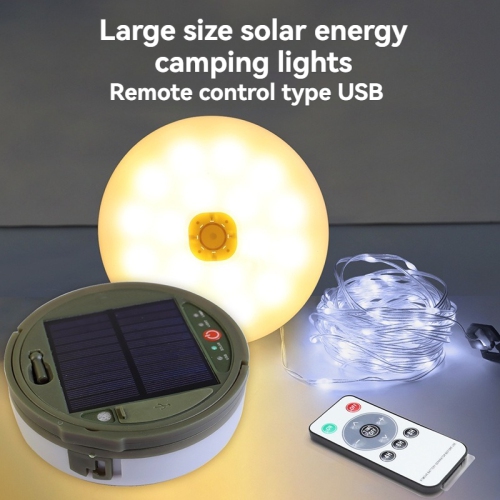
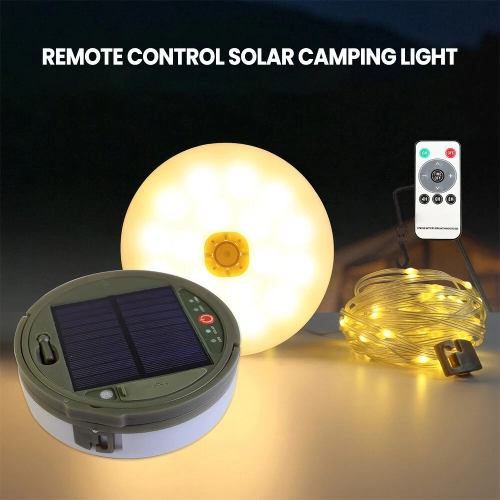
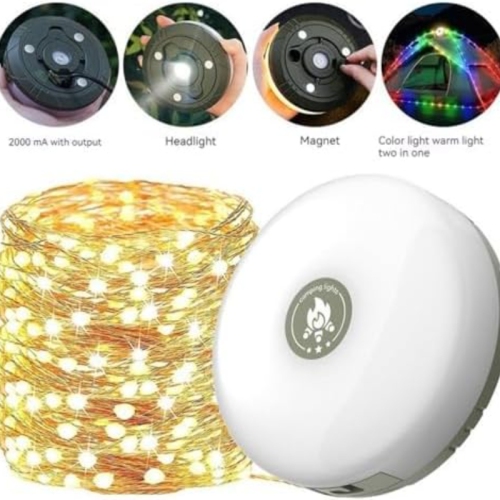
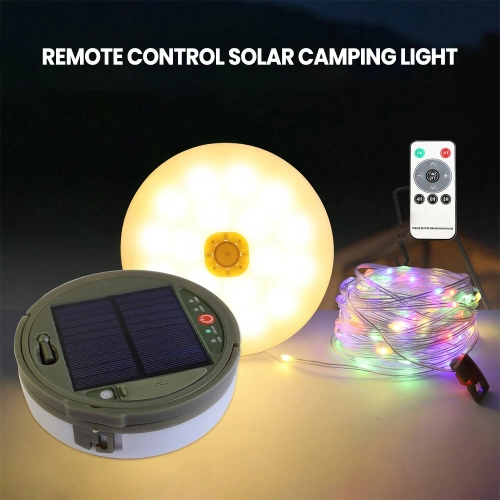
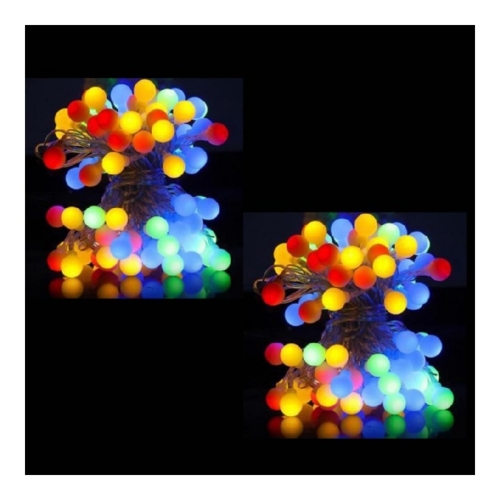
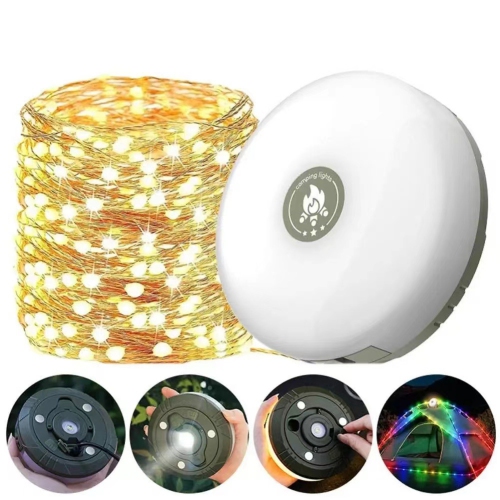
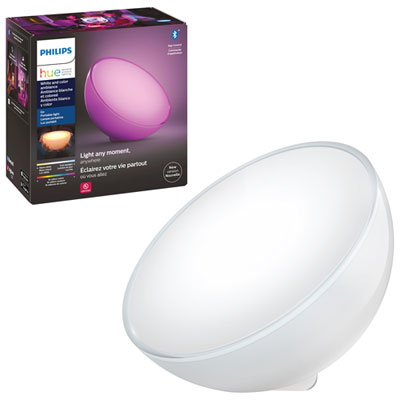
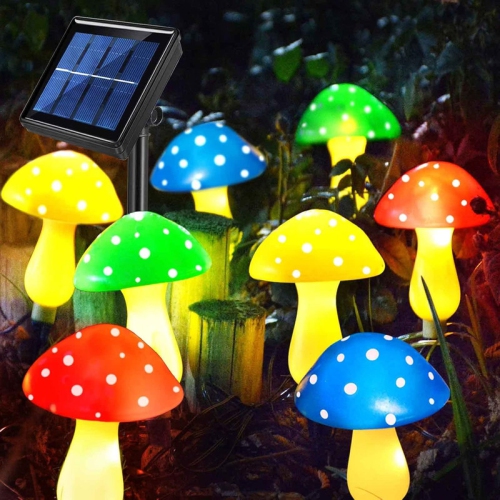
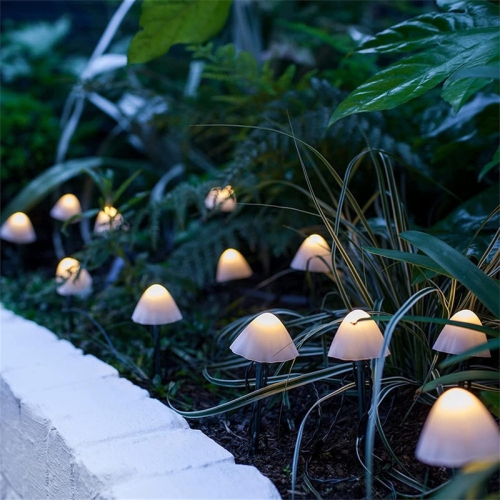
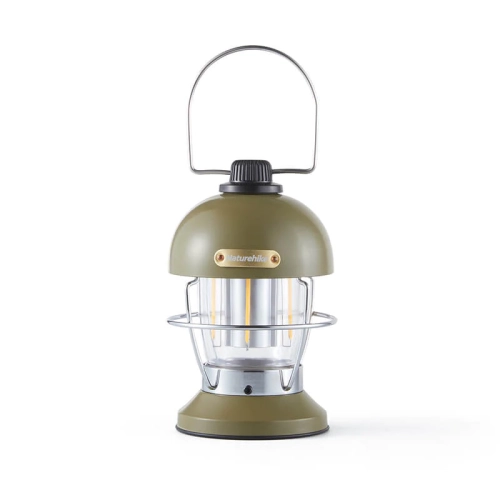
Lightweight accents that make a campsite feel like home
Decorations for camping bring colour, warmth, and a sense of familiarity to a temporary outdoor space, whether that space is a tent pitch, an RV patio, or a cabin porch. Practical lighting, weather-resistant banners, and outdoor textiles are common choices because they add personality without needing the same setup as furnishings at home. A soft glow above a picnic table can make an evening card game feel more inviting, while a patterned mat gives a seating area a visual boundary on gravel or packed earth. The most useful campsite decorations suit both the setting and the way the space gets used: relaxed meals under an awning, quiet reading beside a tent, or family gatherings after a day on the trail. Colours and patterns can do much of the work without adding bulk. Muted greens, warm browns, and simple checks suit a woodland setting, while brighter accents help distinguish a family’s gathering area in a busy campground. For tent campers, lightweight pieces that fold flat are often easier to manage than rigid accents that need their own storage space. RV travellers may have room for a more coordinated arrangement, but packed size still matters when everything must fit into compartments between trips. Cabin guests might prefer a few portable touches that make a porch feel welcoming without requiring permanent attachments. During the cooler months, richer colours and warm-toned lighting can create a snug atmosphere as daylight fades, although decorative textiles should not be treated as substitutes for appropriate cold-weather camping gear. Camping decorations can also make thoughtful gifts for frequent campers, new trailer owners, or families who enjoy spending weekends outdoors. A recipient’s usual setup is a better starting point than appearance alone: compact, washable accents suit a small tent, while a larger covered seating area offers more flexibility. For families planning a space where children can settle in and play, Camping Toys can complement a cheerful campsite setting, with age suitability and room for supervised activities shaping the overall arrangement.
Lighting has a particularly noticeable effect on campsite atmosphere, but decorative illumination and task lighting serve different purposes. String lights can outline a sheltered gathering area, and lantern-style accents can bring a gentle glow to a tabletop; neither necessarily provides enough light for cooking, finding uneven steps, or walking beyond the campsite. Warm white light tends to feel softer around a seating area, while adjustable brightness offers flexibility when conversation gives way to a quieter evening. Battery-powered designs reduce reliance on an electrical hookup, though battery type, expected runtime, and access to the battery compartment all affect everyday convenience. Rechargeable lighting needs a suitable charging plan, and solar-powered designs depend on daylight exposure, which may be limited beneath dense trees or during shorter days. For any powered decoration, the stated outdoor rating matters more than its appearance. A design intended for a covered porch may not tolerate direct rain, and weather resistance does not automatically mean it can remain outside in freezing conditions. Connectors, battery housings, and charging ports deserve the same attention as the light itself. Fit also includes the distance between suitable attachment points, the length of any lead cable, and the position of controls once a decoration is hung. A strand that looks generous in its packaging can feel short when it has to follow the edge of a wide canopy and still reach its power source. Removable fasteners can make packing easier, provided they are compatible with the surface and the decoration’s weight. Tent fabric, poles, and RV awnings have different load limits, so decorative additions should not pull on seams or interfere with normal operation. Keeping lights and cords away from entrances, guy lines, and walking routes leaves the space easier to move through after dark. Soft, downward-directed light also keeps the focus on the gathering area rather than neighbouring campsites. Flameless accents offer a decorative glow without an exposed flame, but still need suitable placement away from heat sources and wet areas.
Materials and construction determine how well camping decorations handle repeated packing, damp mornings, dusty ground, and breezy afternoons. Fabric banners and pennants are easier to fold than rigid signs, although stitching, reinforced attachment points, and colourfastness influence how well they hold up over time. Paper decorations are better suited to dry, sheltered occasions than open campsites where moisture can quickly affect their shape. For outdoor mats, the weave, edge binding, packed dimensions, and cleaning requirements all matter. Some woven synthetic materials can be shaken out or rinsed according to their care instructions, making them practical near an RV entrance or beneath a covered seating area. A mat may help catch loose grit, but its suitability depends on the ground beneath it and any campground rules about covering grass. Corners that curl or lift in the wind can interrupt a walking route, so secure placement matters as much as pattern. Cushions and throws add texture to outdoor seating, with removable, washable covers offering convenience after a dusty weekend. Water-resistant fabric can cope with occasional splashes, but seams, fillings, and prolonged exposure affect how quickly a cushion dries. A covered storage spot remains useful when rain arrives or the campsite is left unattended. Lightweight fabric panels can add a backdrop to a sheltered sitting area, though they should not be assumed to provide reliable wind protection, sun protection, or privacy unless designed for those purposes. Large hanging surfaces can catch gusts, and enclosed arrangements must not obstruct the ventilation required by tents, shelters, or nearby equipment. Campground attachment rules may also limit where banners and signs can be displayed, making a setup that works with approved freestanding supports or existing fixtures more adaptable. After a trip, brushing off dirt and allowing fabrics to dry fully before storage helps prevent musty odours and mildew. Separate storage for lighting, fasteners, and textiles makes the next setup less tangled. Durable camping decorations earn their place through that combination of appealing detail, manageable care, and a comfortable fit with life outdoors.
Lighting has a particularly noticeable effect on campsite atmosphere, but decorative illumination and task lighting serve different purposes. String lights can outline a sheltered gathering area, and lantern-style accents can bring a gentle glow to a tabletop; neither necessarily provides enough light for cooking, finding uneven steps, or walking beyond the campsite. Warm white light tends to feel softer around a seating area, while adjustable brightness offers flexibility when conversation gives way to a quieter evening. Battery-powered designs reduce reliance on an electrical hookup, though battery type, expected runtime, and access to the battery compartment all affect everyday convenience. Rechargeable lighting needs a suitable charging plan, and solar-powered designs depend on daylight exposure, which may be limited beneath dense trees or during shorter days. For any powered decoration, the stated outdoor rating matters more than its appearance. A design intended for a covered porch may not tolerate direct rain, and weather resistance does not automatically mean it can remain outside in freezing conditions. Connectors, battery housings, and charging ports deserve the same attention as the light itself. Fit also includes the distance between suitable attachment points, the length of any lead cable, and the position of controls once a decoration is hung. A strand that looks generous in its packaging can feel short when it has to follow the edge of a wide canopy and still reach its power source. Removable fasteners can make packing easier, provided they are compatible with the surface and the decoration’s weight. Tent fabric, poles, and RV awnings have different load limits, so decorative additions should not pull on seams or interfere with normal operation. Keeping lights and cords away from entrances, guy lines, and walking routes leaves the space easier to move through after dark. Soft, downward-directed light also keeps the focus on the gathering area rather than neighbouring campsites. Flameless accents offer a decorative glow without an exposed flame, but still need suitable placement away from heat sources and wet areas.
Materials and construction determine how well camping decorations handle repeated packing, damp mornings, dusty ground, and breezy afternoons. Fabric banners and pennants are easier to fold than rigid signs, although stitching, reinforced attachment points, and colourfastness influence how well they hold up over time. Paper decorations are better suited to dry, sheltered occasions than open campsites where moisture can quickly affect their shape. For outdoor mats, the weave, edge binding, packed dimensions, and cleaning requirements all matter. Some woven synthetic materials can be shaken out or rinsed according to their care instructions, making them practical near an RV entrance or beneath a covered seating area. A mat may help catch loose grit, but its suitability depends on the ground beneath it and any campground rules about covering grass. Corners that curl or lift in the wind can interrupt a walking route, so secure placement matters as much as pattern. Cushions and throws add texture to outdoor seating, with removable, washable covers offering convenience after a dusty weekend. Water-resistant fabric can cope with occasional splashes, but seams, fillings, and prolonged exposure affect how quickly a cushion dries. A covered storage spot remains useful when rain arrives or the campsite is left unattended. Lightweight fabric panels can add a backdrop to a sheltered sitting area, though they should not be assumed to provide reliable wind protection, sun protection, or privacy unless designed for those purposes. Large hanging surfaces can catch gusts, and enclosed arrangements must not obstruct the ventilation required by tents, shelters, or nearby equipment. Campground attachment rules may also limit where banners and signs can be displayed, making a setup that works with approved freestanding supports or existing fixtures more adaptable. After a trip, brushing off dirt and allowing fabrics to dry fully before storage helps prevent musty odours and mildew. Separate storage for lighting, fasteners, and textiles makes the next setup less tangled. Durable camping decorations earn their place through that combination of appealing detail, manageable care, and a comfortable fit with life outdoors.
Top selling and popular products
-
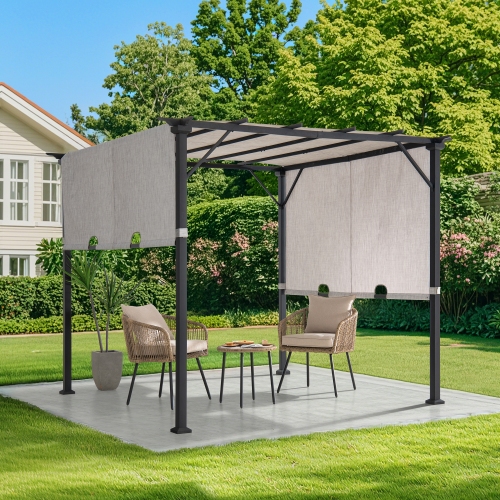 Your price for this item is $274.99
 -
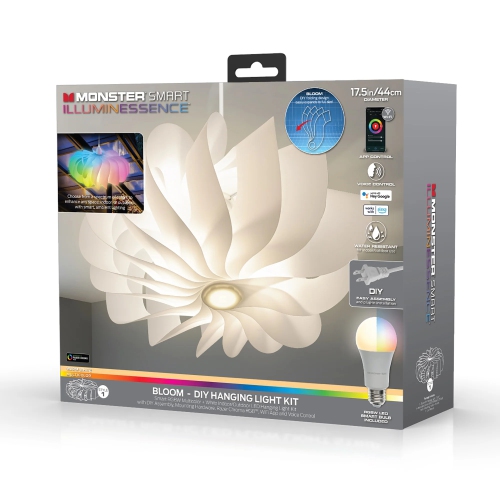 Your price for this item is $49.99
 -
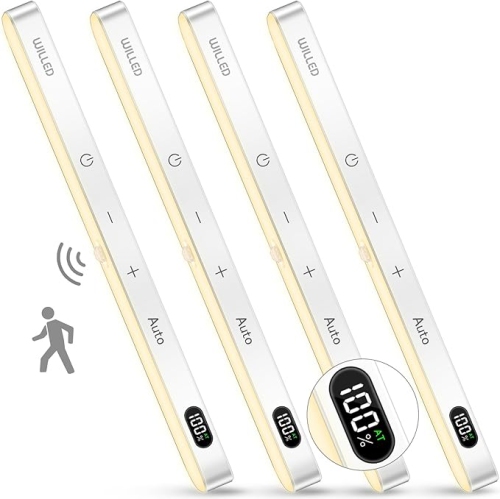 Your price for this item is $48.2
 -
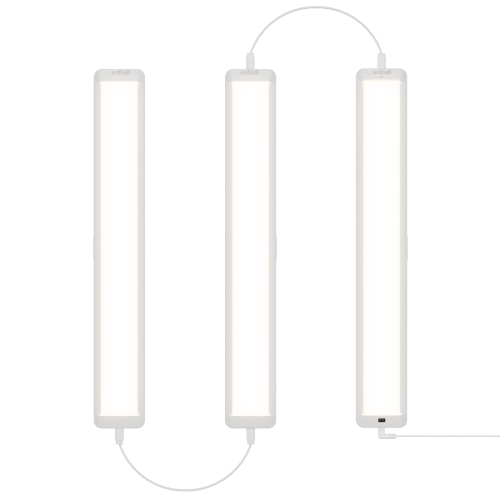 Your price for this item is $89.99
 -
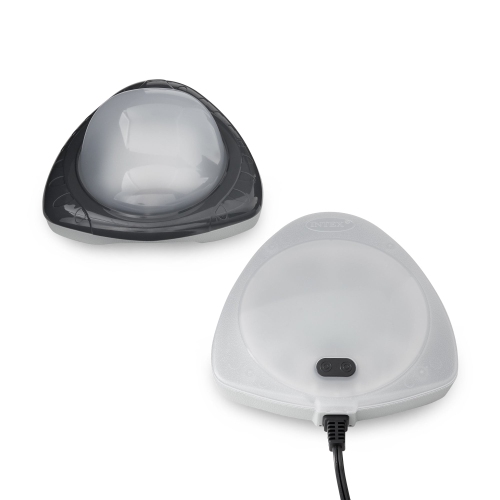 Your price for this item is $89.99
 -
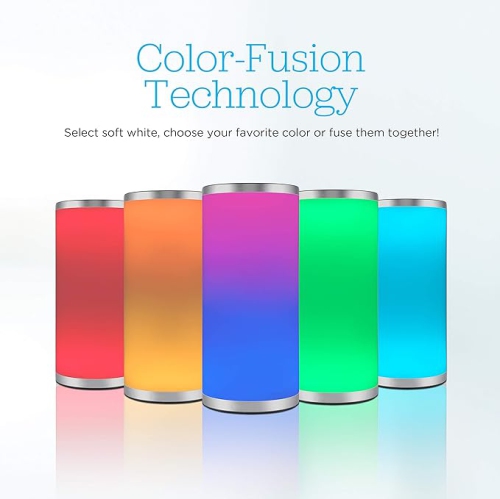 Your price for this item is $26.99
 -
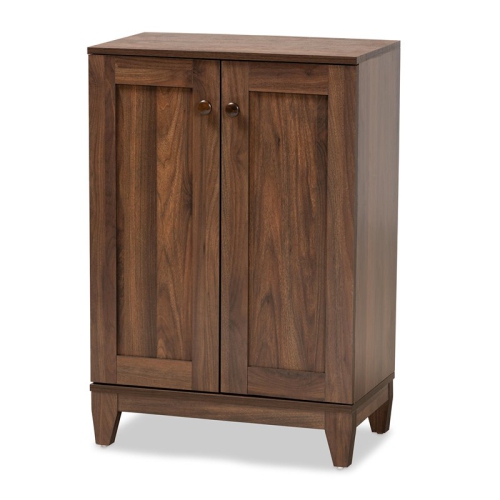 Your price for this item is $370.07
 -
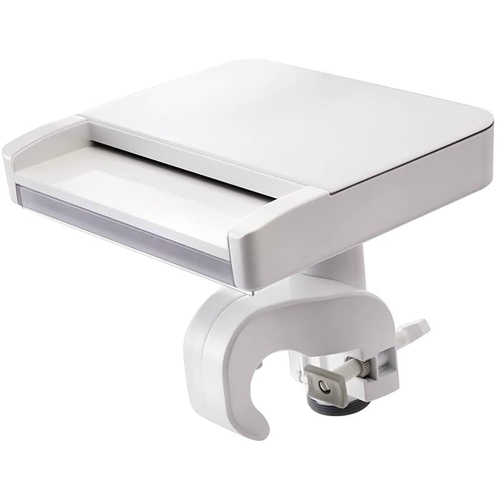 Your price for this item is $99.99
Discover more categories related to Decorations for Camping
Top Collections:
Pokemon Centers, Kindle Devices, Best Budget Office Chairs, Apple iPhones 16, Best Laptops for Writers, iPhone 15 Apple, Canon G7X Cameras, Refurbished Apple Laptops, Alarm Clock, Motorola Razr Phones
Some products may be subject to Environmental Handling Fees
(EHF) depending on your province.
Learn more about EHFs.