Decorative Wall Plates
Elevate the aesthetic of any room with our exquisite selection of decorative wall plates. Perfect for adding a touch of elegance and personality to your home or office, these stylish accents seamlessly blend functionality with design. From classic to contemporary styles, our range of decorative wall plates offers something to complement every décor. Explore our collection and find the perfect pieces to enhance your space with charm and sophistication.
Sort


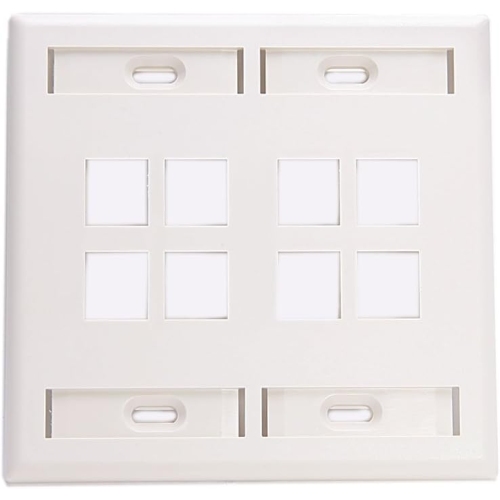
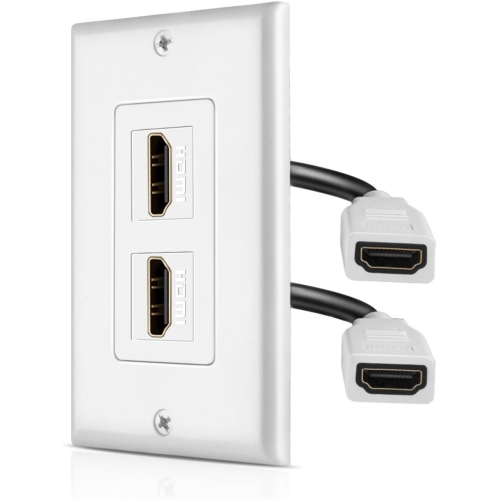

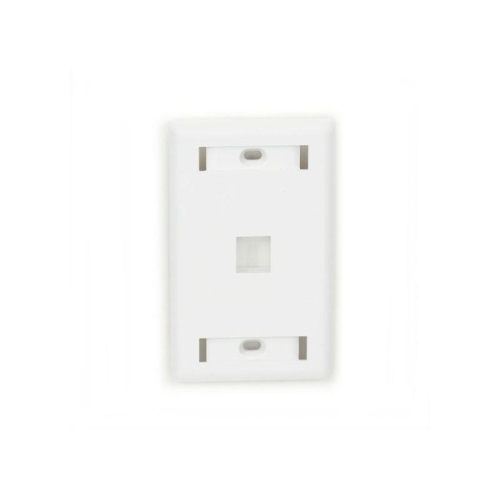


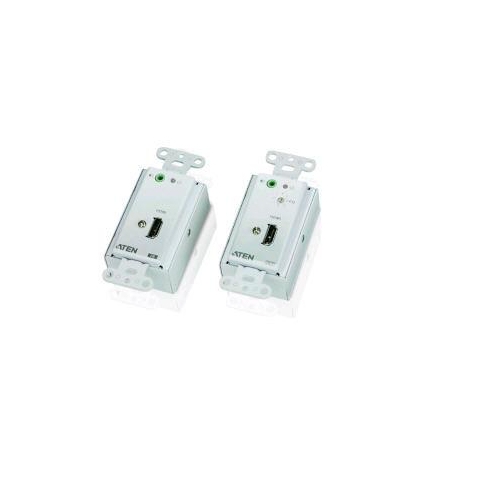


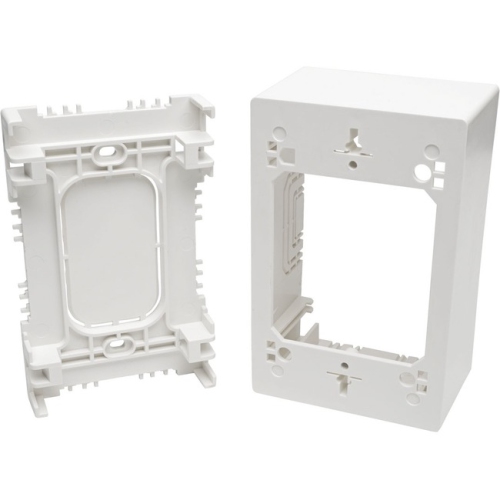

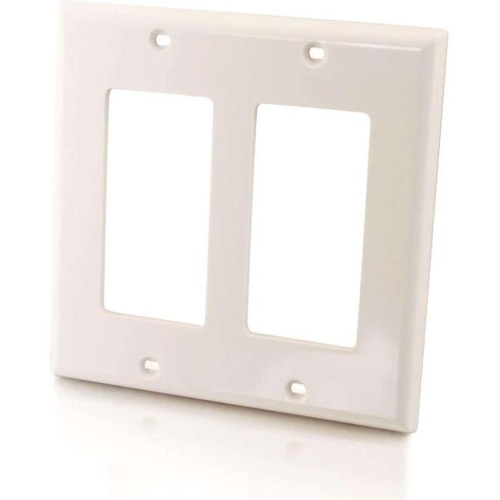


Wall art and switch covers that tie rooms together
Decorative wall plates bring detail to a room in two distinct ways: ornamental plates serve as wall art, while decorative switch and outlet covers finish the areas around electrical controls and receptacles. Both can help a space feel more considered, whether the goal is a patterned display above a sideboard or a coordinated finish beside a doorway. Ornamental wall plates are often made from ceramic, porcelain, earthenware, metal, or wood, with each material contributing a different texture and visual weight. Porcelain can suit delicate painted motifs and crisp blue-and-white patterns, while earthenware often has a thicker profile and a more relaxed, handcrafted appearance. Glazed surfaces catch the light; matte finishes create a softer effect against painted walls. Carved wood introduces grain and relief, and embossed metal can echo the hardware on nearby furniture. Traditional floral patterns work naturally alongside framed artwork and classic cabinetry, while abstract designs and simple geometric borders fit comfortably into contemporary rooms. In a dining area, a group of plates can draw attention to an otherwise bare stretch of wall without taking up space on the table or buffet. A single larger plate can also stand on its own in a narrow alcove, provided its scale feels balanced with the surrounding furniture. Diameter is only part of the fit: the depth of the rim, the shape of the back, and the weight of the plate all influence how it sits against the wall and which mounting method it needs. Plates intended only for display should not be assumed suitable for serving food, even when they resemble everyday dishes. For a cohesive arrangement, repeated colours or related motifs can connect different shapes without making every piece identical. Leaving enough open wall between plates helps each design remain visible, particularly when the patterns are intricate or the rims have sculpted details.
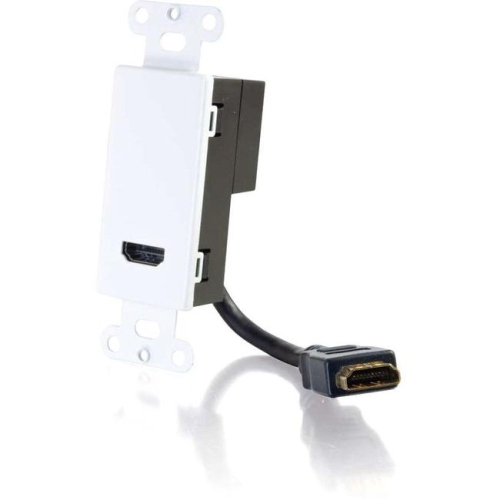
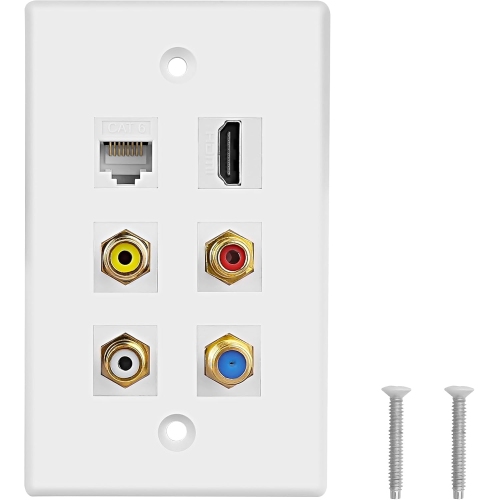
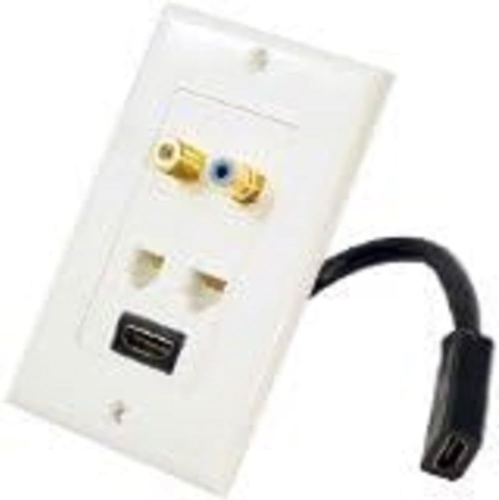
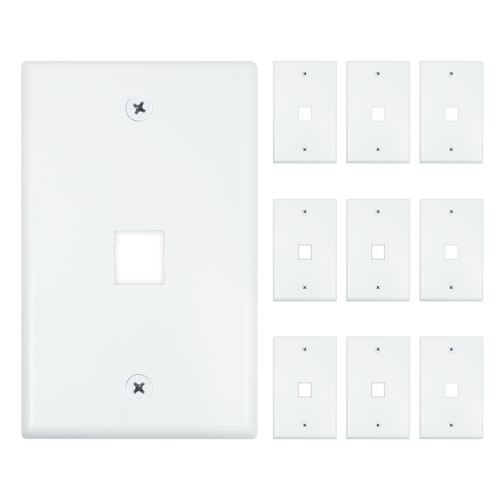
Decorative switch plates and outlet covers combine a finishing role with a practical one, covering the opening around compatible electrical devices while adding colour, texture, or a shaped border. Their appearance matters, but the configuration needs to match before the finish comes into play. A toggle switch requires a different opening from a rocker switch, and a traditional duplex outlet differs from a rectangular decorator-style receptacle. Multi-gang plates cover two or more devices positioned side by side; combination plates accommodate different device types within the same box. Matching the number and shape of the openings, the screw positions, and the overall dimensions helps avoid a cover that looks right but does not fit. Standard, midsize, and oversized formats may offer different amounts of coverage around the opening, although a wider border is not a substitute for repairing damaged surfaces or addressing an improperly installed electrical box. Material choices include moulded plastic, stamped steel, cast metal, wood, and ceramic, with durability depending on construction, finish, and intended use. Plastic can provide a smooth, understated appearance and is easy to wipe down, while metal allows for crisp edges, raised patterns, and finishes that coordinate with handles or lighting. Wood can complement cabinetry and furniture, and ceramic brings a glazed accent to a small but noticeable part of the wall. Brushed finishes tend to make fingerprints less obvious than highly polished ones, while deeply textured borders may need more attention during cleaning. In busy hallways, kitchens, and family rooms, a smooth profile can be especially practical where hands frequently touch the surrounding area. Covers should be intended for electrical use and compatible with the installed devices; appearance alone does not establish suitability. When replacing a cover, turn off power to the circuit and follow the manufacturer’s directions. Cracked covers, loose devices, exposed wiring, or a plate that will not sit properly call for attention rather than being concealed by a new finish, with a qualified electrician handling electrical concerns.
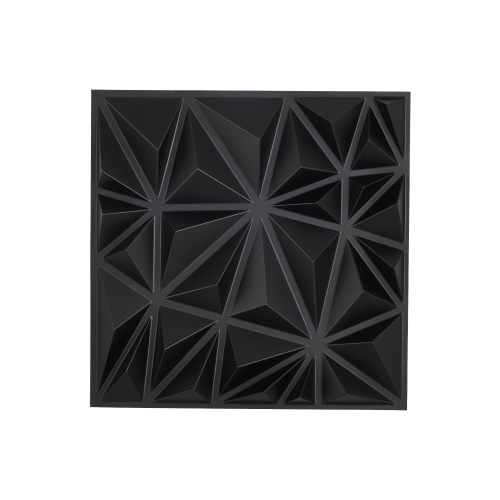
The most convincing decorative wall plate choices relate to the room without repeating every detail already in it. A restrained switch cover can sit quietly beside a colourful plate display, while an ornate faceplate may work best against a plain wall where its border is easy to appreciate. Matching every metal finish is not essential, but repeating a tone in a nearby mirror frame, cabinet pull, or lamp base gives the choice a clear connection. Likewise, an ornamental plate with a small amount of the room’s accent colour can link upholstery and artwork without dominating either. For larger areas, decorative wall panels offer another way to introduce texture, while plates provide smaller, more focused accents. Planning an ornamental display with paper templates makes spacing and placement easier to judge before any holes are made. View the arrangement from the doorway and from a seated position, especially above a dining bench or sofa, where projecting rims should remain clear of everyday movement. Hanging hardware must suit both the plate and the wall: wire hangers need to fit the plate’s diameter and rim, adhesive disc hangers require a compatible backing surface and the specified curing time, and racks need secure mounting appropriate to the total load. Adhesive systems are not suitable for every glaze, porous surface, or valuable piece, so compatibility matters as much as whether the hanger is hidden. Avoid placing fragile or heavy displays where a fall could cause injury. Routine care is usually straightforward, but finishes deserve individual attention. A soft cloth or gentle brush can remove dust from raised designs; glazed surfaces may tolerate a lightly damp cloth when the maker permits it. Painted details, metallic decoration, unfinished wood, and aged finishes may need gentler treatment, and ornamental plates should not be assumed dishwasher-safe. For installed switch and outlet covers, avoid spraying cleaning liquid onto the device or allowing moisture into openings. As gifts, ornamental wall plates can suit a housewarming, a collector’s interests, or someone who enjoys arranging personal displays. Their appeal rests on both the design and the recipient’s space, making manageable dimensions, suitable hanging options, and easy care useful considerations alongside colour and pattern.
Top selling and popular products
-
 Your price for this item is $180.75
-
 Your price for this item is $29.99
-
 Your price for this item is $14.98
-
 Your price for this item is $107.68
-
 Your price for this item is $234.68
-
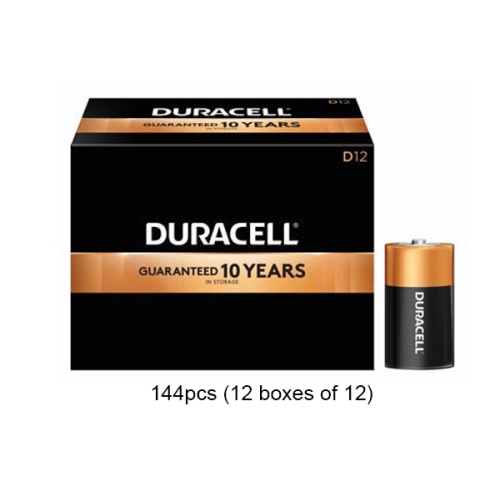 Your price for this item is $379.97
-
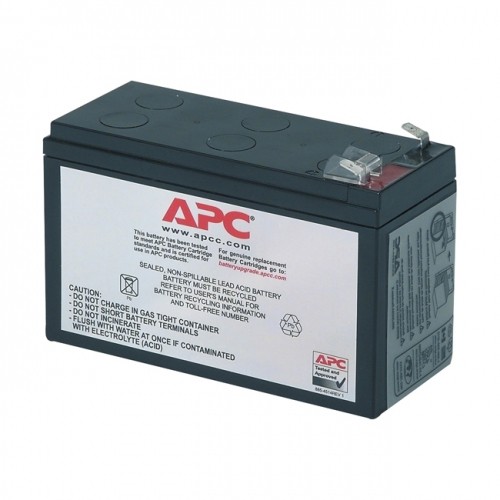 Your price for this item is $112.37
-
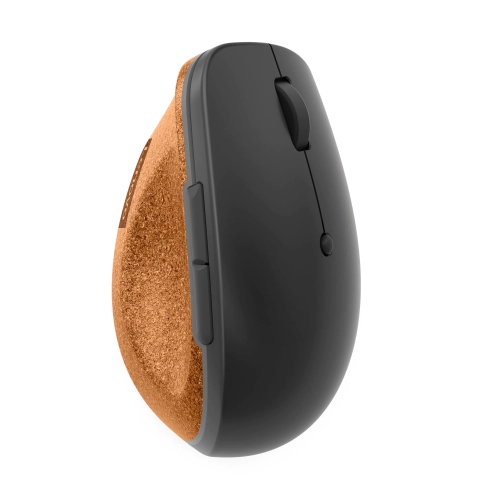 Your price for this item is $74.99
Discover more categories related to Decorative Wall Plates

Top Collections:
Best Black Friday Deals This Year, Best Black Friday Deals On Electronics, Kindle Devices, Pokemon Centers, Best Black Friday Deals On Apple Products, Best Cameras for Sports Photography, Dyson Airwrap, Pokémon 30th Celebration Cards, Apple iPhone 17 Pro, Canon G7X Cameras
Some products may be subject to Environmental Handling Fees
(EHF) depending on your province.
Learn more about EHFs.