Deep Pocket Queen Flannel Sheets
Upgrade your bedroom comfort with deep pocket queen flannel sheets, designed to provide a cozy and inviting sleep environment. Perfect for queen-sized mattresses with extra depth, these sheets offer a snug fit while adding warmth and style to your space. Explore a variety of colours and patterns to complement your décor and enjoy the soft, plush feel that makes every night more restful. Discover how deep pocket queen flannel sheets can transform your bedtime routine into a luxurious experience.
Sort


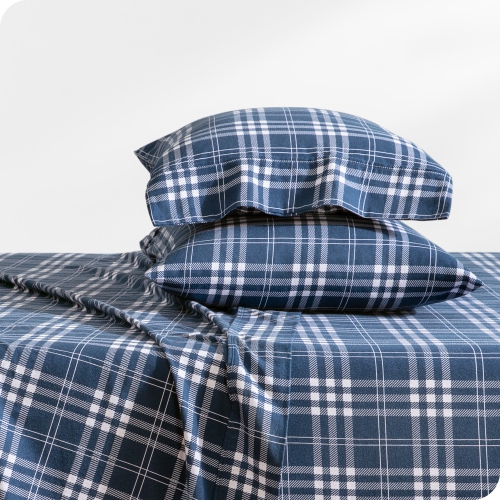


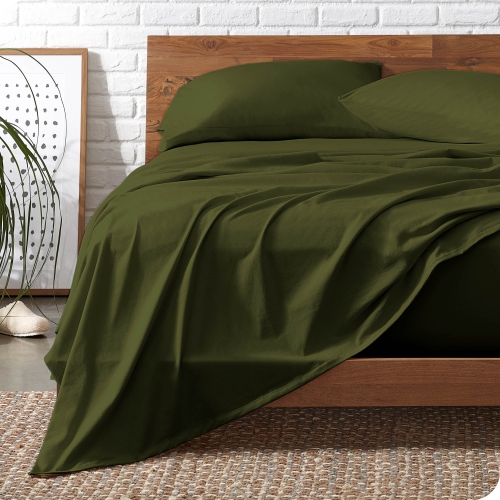
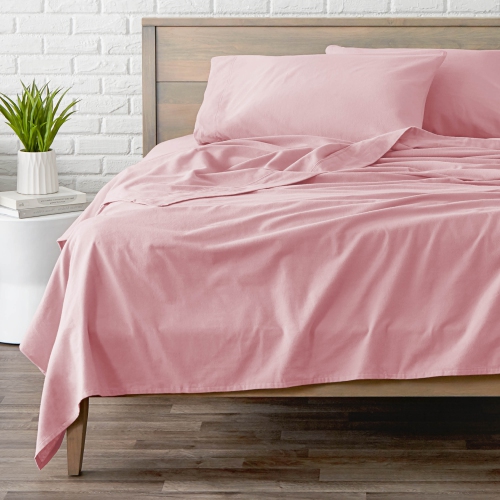
Why mattress height matters for a snug sheet fit
Deep pocket queen flannel sheets bring a soft, brushed feel to queen-size beds with thicker mattresses, pillow tops, or added comfort layers. A standard queen mattress measures approximately 60 inches wide by 80 inches long, but its height can vary considerably. That height is what makes pocket depth important: the fitted sheet needs enough fabric to cover the mattress sides and tuck securely underneath without stretching the corners too tightly. Deep pocket sheets often accommodate mattresses around 14 to 16 inches thick, although there is no universal depth standard, and the stated fit range matters more than the label alone. For an accurate fit, measure from the bottom of the mattress to the highest point of the sleeping surface, including any topper or padded protector that will sit beneath the fitted sheet. The bed frame and foundation are not part of that measurement. A plush topper can make an otherwise standard mattress too tall for a regular fitted sheet, leaving corners that creep upward when someone turns over or sits along the edge. Elastic around the full perimeter can help hold the sheet in place, while well-shaped corners and sufficient fabric beneath the mattress provide additional security. More depth is not automatically better, however; an oversized pocket on a shallower mattress can leave loose folds across the sleeping surface. For especially tall combinations, Extra Deep Pocket Flannel Sheets may offer additional room, with some designs accommodating mattresses up to 24 inches thick. Check the stated maximum mattress height rather than assuming every extra-deep design has the same dimensions. Queen sizing should also be confirmed for every component in a set. A fitted sheet, flat sheet, and pillowcases each serve a different purpose, and a deeper fitted pocket does not necessarily mean a wider flat sheet or larger pillowcases. On a tall bed shared by two people, generous flat-sheet dimensions can make a noticeable difference to side coverage and the amount of fabric left for tucking at the foot.
Flannel gets its familiar softness from a brushed surface that raises fine fibres into a gentle nap. That texture creates a slightly fuzzy finish rather than the smooth, crisp feel associated with percale or the sleek surface of sateen. It also helps hold a layer of air close to the body, making flannel appealing to sleepers who prefer a warm, cosy bed. Cotton flannel is a common choice because it combines that brushed texture with moisture absorption and breathability, though the finished feel depends on the yarn, weave, fabric weight, and brushing process. Cotton blends can behave differently in the wash and may offer a different balance of softness, wrinkle resistance, and drying time. Polyester flannel and brushed microfibre can also feel very soft, but they do not manage moisture in the same way as cotton. Microfibre describes very fine fibres rather than a flannel construction, so the fibre content and fabric description are more useful than softness claims alone. For someone who tends to feel too warm under heavy bedding, the sheet fabric should be considered alongside the mattress protector, duvet, blankets, and sleepwear. A brushed sheet paired with a lighter top layer may feel more comfortable than a bed dressed in several dense layers. Fabric weight is often expressed in grams per square metre, or GSM. A 170 GSM flannel, for example, generally contains more fabric mass per unit of area than a 140 GSM flannel, but that number alone cannot establish softness, warmth, or lifespan. A heavier fabric may feel more substantial, while a lighter one may drape more loosely and be easier to handle during laundering. Double-brushed fabric is typically brushed on both sides, giving both the sleeping surface and the reverse a soft finish. Even then, careful weaving, secure stitching, and a consistent nap remain important. The best match depends on whether the sleeper values a substantial, enveloping feel or a softer layer with less weight, rather than simply choosing the highest GSM.
Everyday care plays a large part in how deep pocket queen flannel sheets feel after repeated use. Follow the care label for washing temperature, detergent, and drying settings, since cotton and blended fabrics can have different requirements. Washing before the first use can remove loose fibres and finishing residues, and some initial lint is normal with brushed fabric. An adequately sized washer gives a queen sheet set room to move and rinse; packing sheets tightly with towels or other bulky laundry can increase friction and leave detergent behind. Separate washing from rough fabrics, exposed zips, and hook-and-loop fasteners also helps protect the raised surface. Cotton can shrink, particularly with excessive heat, so low-heat drying is often suitable when permitted by the label. Pre-shrunk fabric may still experience some dimensional change. Removing sheets promptly once dry helps limit wrinkles and avoids unnecessary time in the dryer, while complete drying before storage keeps folded bedding fresh. Pilling, the formation of small fibre balls on the surface, can develop where the fabric rubs against sleepwear or receives repeated friction. It does not necessarily mean a sheet has become unusable, but gentle laundering and avoiding overdrying can help preserve a smoother feel. For durability, closely finished seams, firmly attached elastic, and reinforced stress points at the corners are worth attention alongside the fabric itself. Keeping another sheet set in rotation allows time for proper washing and drying without rushing bedding back onto the mattress. Colour and pattern can make flannel feel equally at home in a main bedroom or a guest room: quiet neutrals sit easily beside textured blankets, while checks or stripes add definition to plain bedding. Pillowcase measurements should suit the pillows already on the bed, especially when larger pillows are used on a queen mattress. As a housewarming gift or a practical addition to a newly furnished bedroom, a flannel sheet set is most useful when the recipient’s mattress size, total depth, and fabric preferences are known. Those details turn a soft set of sheets into bedding that fits comfortably and holds up to an ordinary household laundry routine.
Top selling and popular products
-
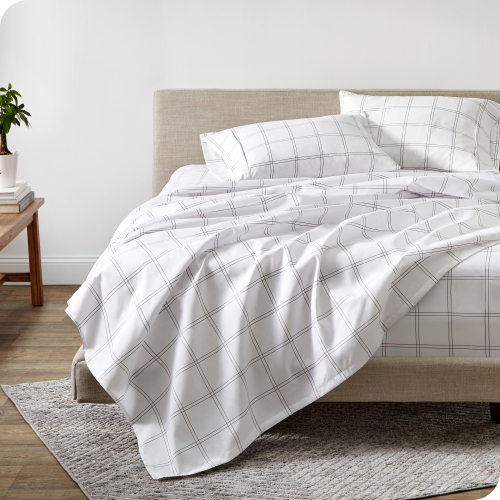 Your price for this item is $95.99
-
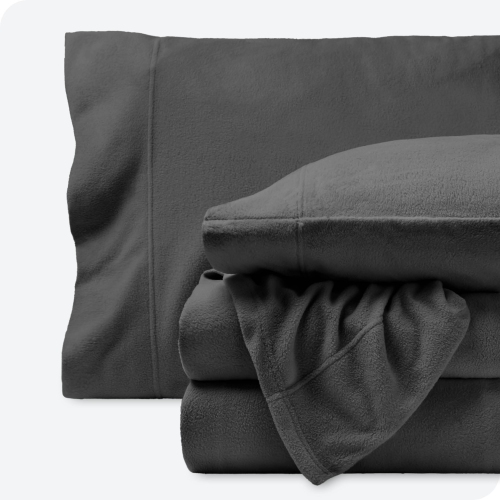 Your price for this item is $122.99
-
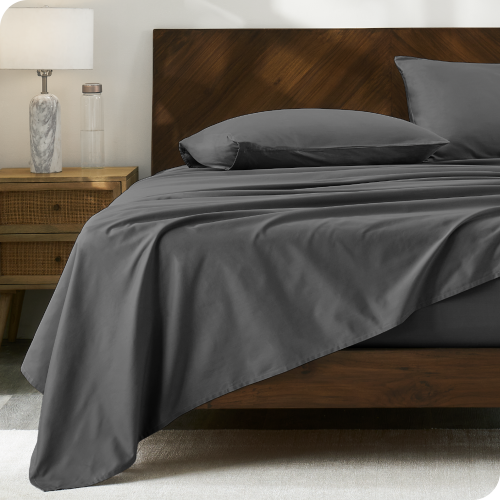 Your price for this item is $156.99
-
 Your price for this item is $284.99
-
 Your price for this item is $80.99
-
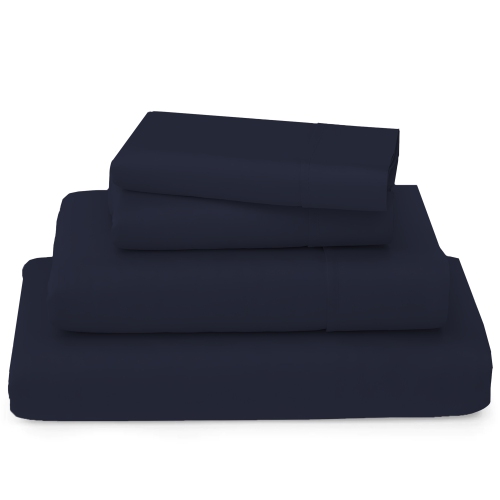 Your price for this item is $34.99
-
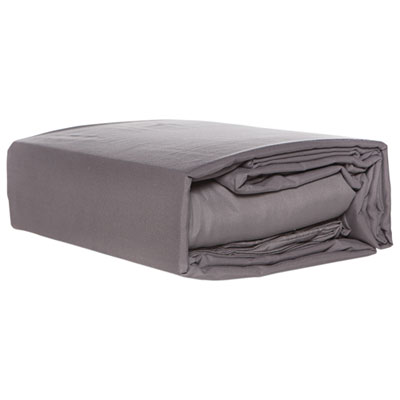 Your price for this item is $99.99
-
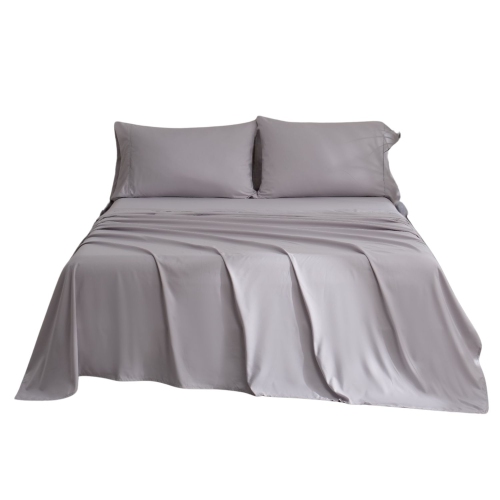 Your price for this item is $210
Discover more categories related to Deep Pocket Queen Flannel Sheets
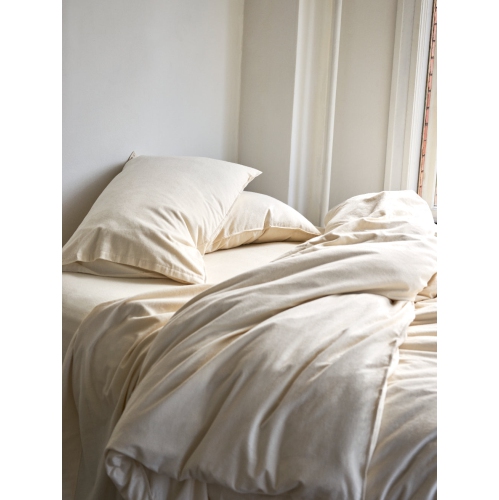

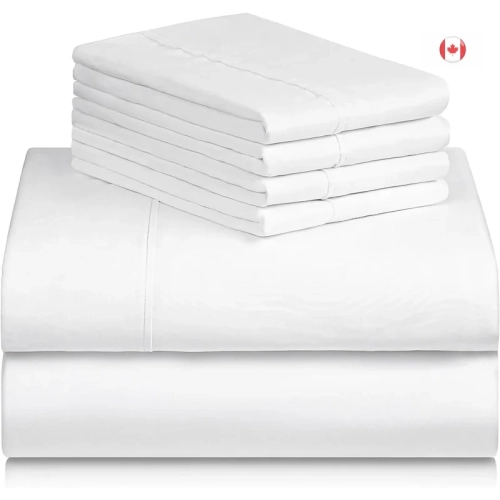
Top Collections:
Pokemon Centers, Best Black Friday Deals This Year, Best Black Friday Deals On Electronics, Kindle Devices, Best Budget Office Chairs, Best Black Friday Deals On Apple Products, Best Cameras for Sports Photography, Pokémon 30th Celebration Cards, Dyson Airwrap, Canon G7X Cameras
Some products may be subject to Environmental Handling Fees
(EHF) depending on your province.
Learn more about EHFs.