Desk Solutions for Small Spaces
Desk Solutions for Small Spaces make it easy to create a functional and organized workspace, even when room is limited. Whether you're setting up a home office, study nook, or a compact work area, you'll find options designed to maximize every inch. Explore choices that blend seamlessly with your decor while helping you stay productive and comfortable in any small space. Find the perfect fit for your needs and transform tight quarters into an efficient workstation with Desk Solutions for Small Spaces.
Sort


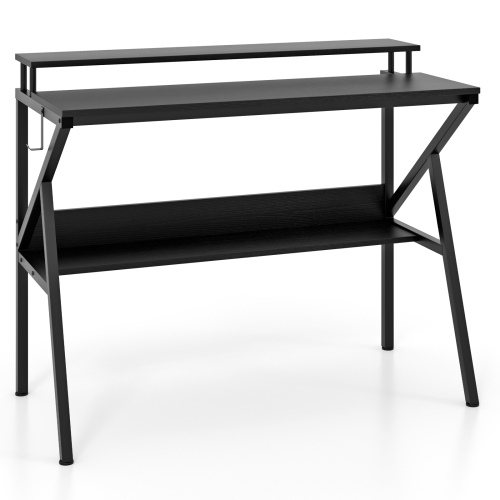
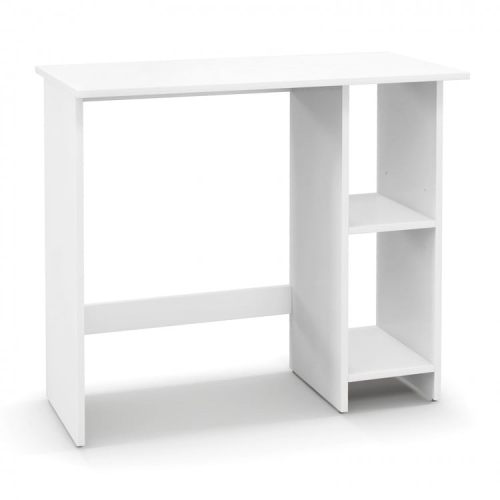
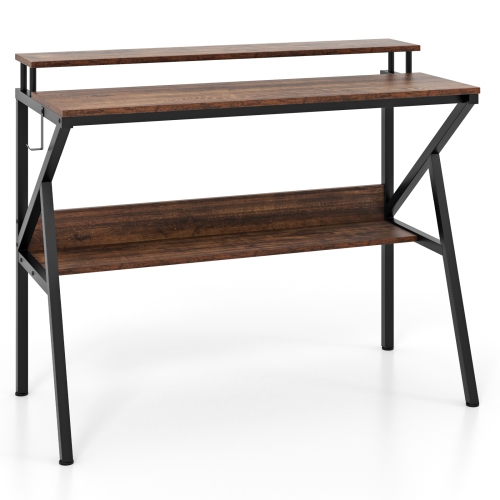
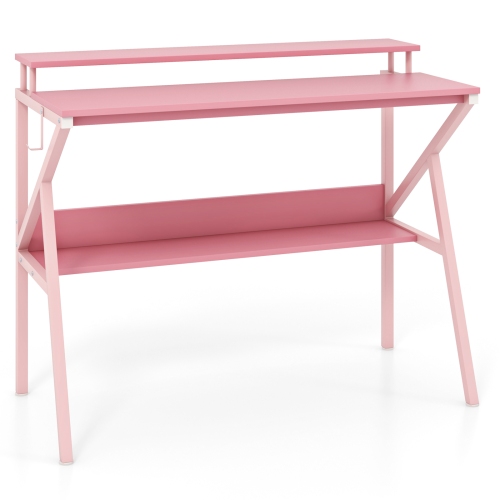


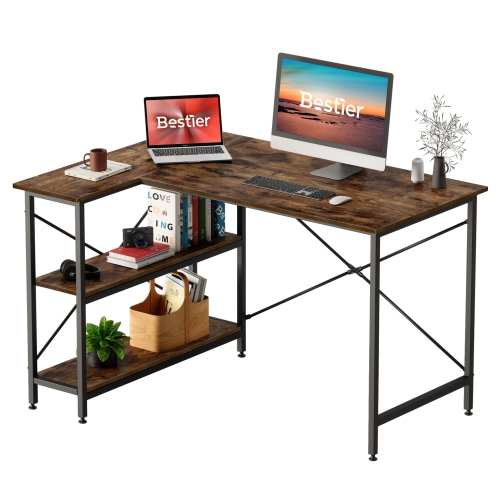

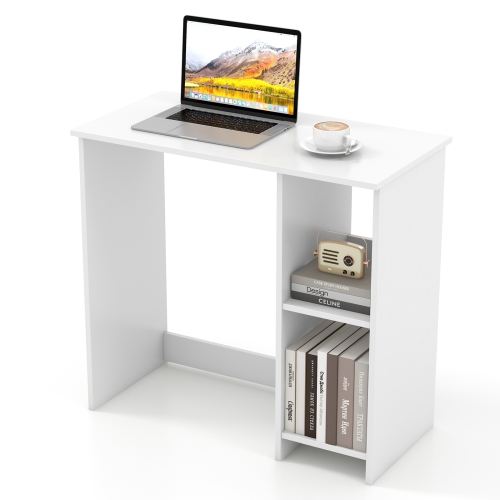
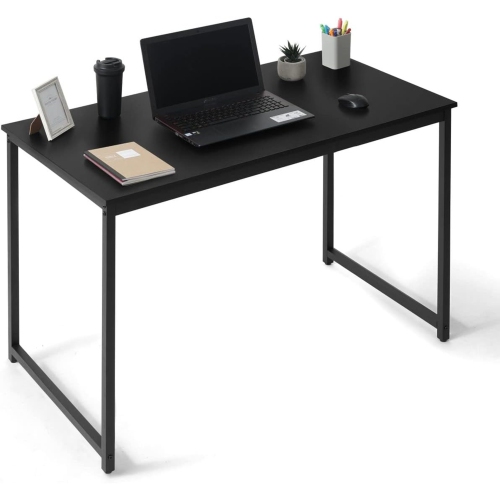
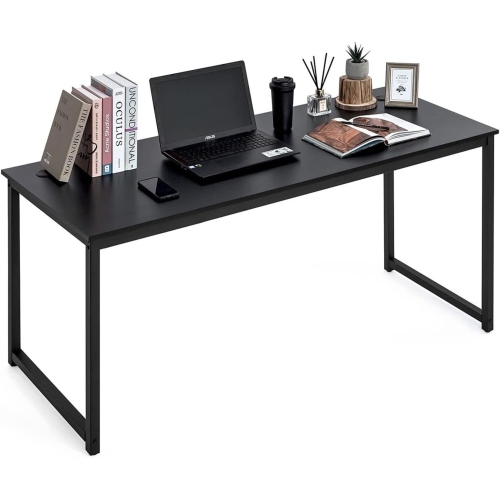
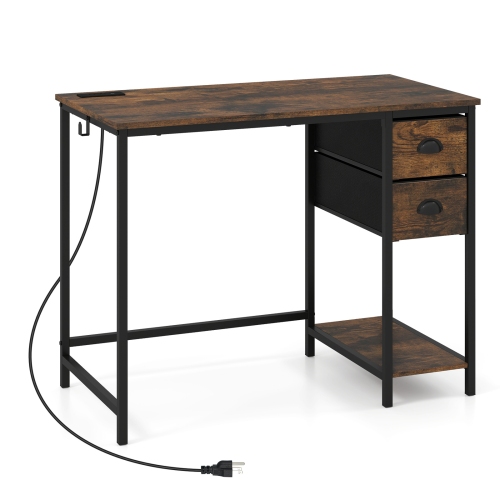
Why a desk’s footprint is only the starting point
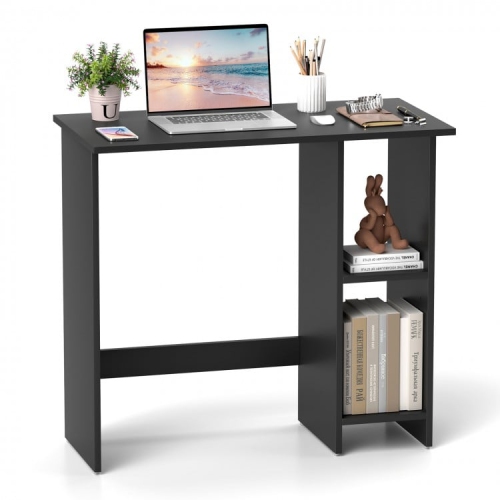
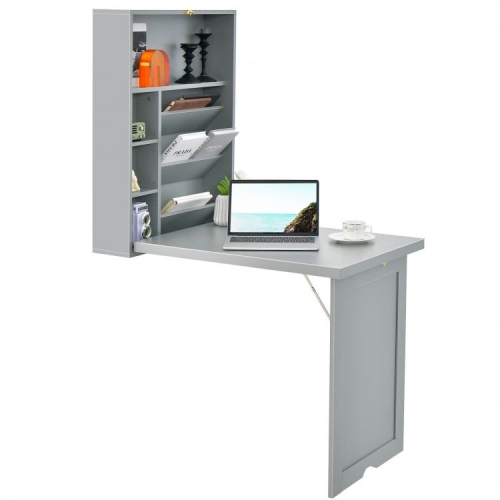
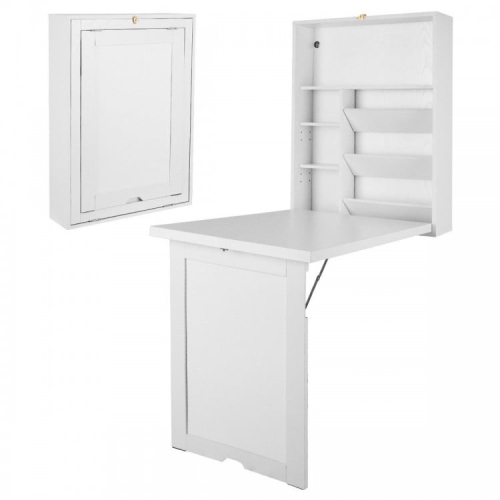
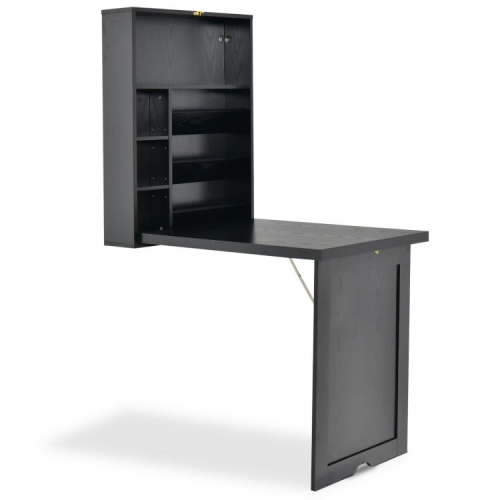
Desk solutions for small spaces create a usable work surface without allowing a home office to take over the room. Compact desks, narrow writing desks, corner desks, wall-mounted surfaces, and folding designs suit different layouts, from a studio apartment to a bedroom shared with other furniture. The best fit depends on both the available floor area and the work that needs to happen there. A shallow desktop can suit occasional laptop use, correspondence, or household paperwork, while a computer setup with a separate keyboard and monitor generally needs more depth. Width matters too: a surface that holds a laptop comfortably may feel crowded once a notebook, mouse, and task light join it. In a living room, a slim desk along an unused wall can establish a work area while leaving the centre of the room open. A corner design makes use of an awkward junction, although its footprint still needs to accommodate a chair and nearby furniture. Folding and drop-leaf desks offer flexibility in rooms that serve several purposes, with a surface that can be reduced or put away between tasks. Wall-mounted desks free up the floor beneath the worktop, but their suitability depends on the wall construction, installation requirements, and stated load capacity. A compact freestanding desk offers more freedom to rearrange the room later. Beyond the desktop dimensions, a comfortable fit includes space to pull out the chair, open drawers, and move past the workstation without turning sideways. Skirting boards, door swings, floor vents, and nearby outlets can all affect placement. A desk tucked beside a bed, for example, needs enough separation for bedding and bedside access, not just enough room for its legs. These practical details distinguish a desk that merely fits into a gap from one that feels natural to use every day. For shared rooms, the space needed when the desk is in use matters just as much as its footprint when the chair is tucked away.
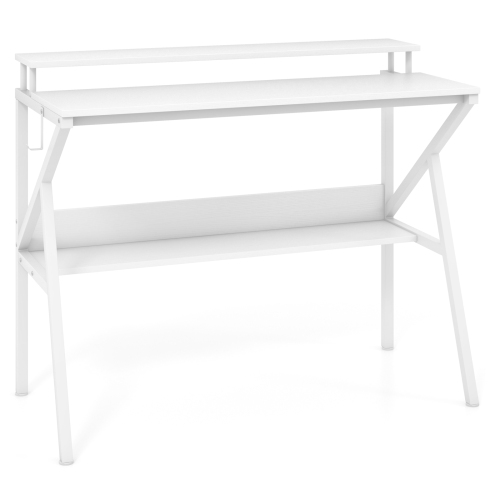
Materials and construction influence how a small desk looks, feels, and holds up to regular use. Solid wood can bring warmth and distinctive grain to a bedroom or living area, with care requirements that depend on the wood and finish. Wood veneer offers a real-wood surface over a supporting core, while laminate and other finished engineered-wood surfaces can provide a consistent appearance that is straightforward to wipe clean according to the manufacturer’s directions. Metal frames often allow for slender legs and an open appearance, although stability depends on the complete design rather than the material alone. Glass desktops have a lighter visual presence, but fingerprints, visible cables, and the care needed around their edges are worth considering in a busy household. A durable everyday desk needs secure joints, a stable base, and a surface suited to the objects placed on it. Load limits are particularly important when the setup includes a monitor arm, desktop computer, or equipment concentrated in one area. Clamp-mounted accessories also require compatible desktop thickness and construction; a thin edge or hollow section may not support them. On uneven flooring, adjustable feet can help steady a compatible desk, while rolling designs need suitable locking castors if the surface will be used for typing or writing. Finish care is usually simplest when spills are wiped up promptly, hot drinks sit on a protective coaster, and cleaning products match the surface instructions. Excess moisture and abrasive pads can damage some finishes, so a lightly dampened cloth may be more appropriate than a heavily wetted one. Appearance matters in a small room, where the desk is often visible outside working hours. Pale finishes can blend with light walls, darker wood tones can coordinate with existing furniture, and an open frame can preserve sightlines beneath the desktop. Rounded corners may also make movement around a tightly placed desk feel less awkward. The most useful choice balances that visual fit with enough structural support for the intended workload.
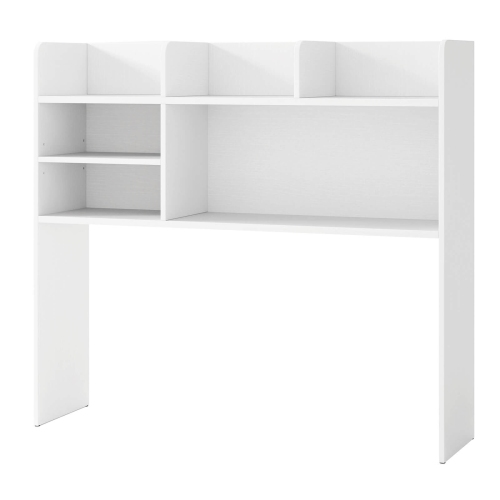
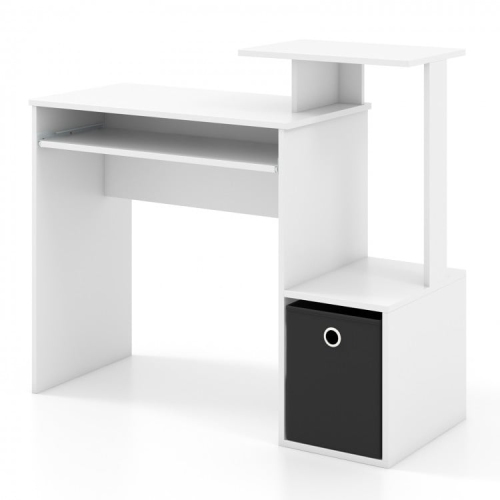
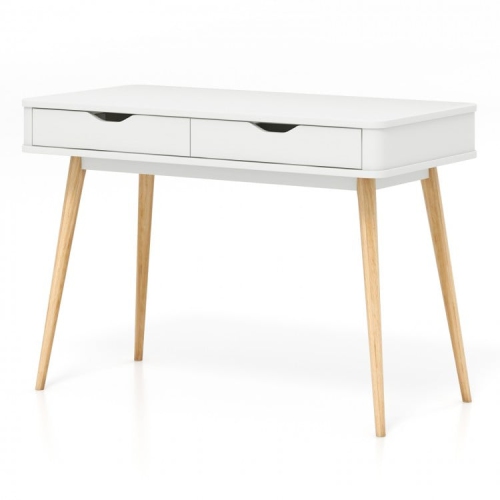
Storage and working comfort often determine whether a compact desk stays useful after the initial setup. A drawer can keep pens, charging leads, and loose paperwork off the surface, but its position should leave enough clearance for knees and chair arms. Open shelves provide accessible storage, although a lower shelf can reduce legroom or the space available for a computer tower. Vertical storage makes use of the wall above a desk without increasing its floor footprint, provided shelves are appropriately installed and frequently used objects remain within easy reach. Cable openings, trays, and clips can keep leads away from feet and chair wheels, while access to plugs makes it easier to disconnect a laptop at the end of a work session. A surface crowded with equipment is harder to use comfortably, even when everything technically fits. For regular computer work, desk height and chair adjustment need to work together so that shoulders can stay relaxed and forearms rest comfortably. Raising a laptop screen may improve viewing height, but using it that way usually calls for a separate keyboard and mouse, which take up additional desktop space. A monitor arm can free space underneath a display when the desk supports its mounting method and weight. For quieter tasks such as journalling, reviewing schoolwork, or sorting correspondence, Writing Desks for Small Spaces can offer a straightforward surface without the footprint of a larger workstation. Students may need room to leave a textbook open beside a laptop, while someone working from home may value a consistent place for a screen, headset, and notes. In a multipurpose room, enclosed storage helps work materials disappear from view when the desk is no longer in use. A compact desk can also be a thoughtful gift for someone furnishing a first apartment or setting up a study area, especially when the room measurements and intended use are known. Matching the surface, storage, and seating clearance to everyday routines helps even a modest corner function as a comfortable, purposeful workspace.
Top selling and popular products
-
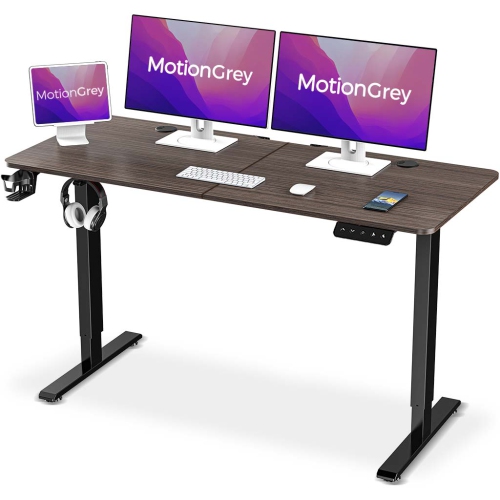 Your price for this item is $144.99
-
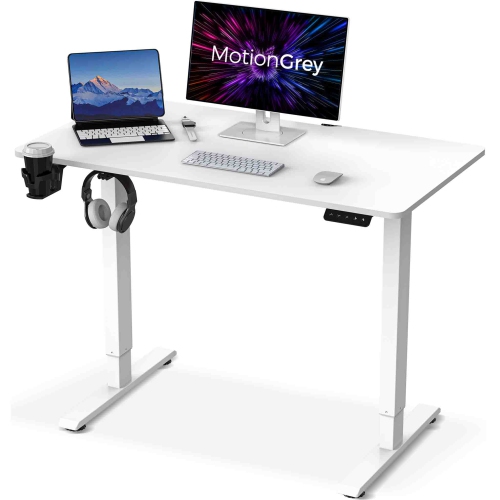 Your price for this item is $122.96
-
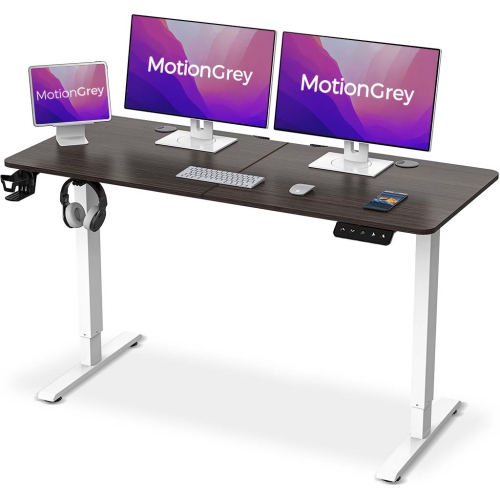 Your price for this item is $142.99
-
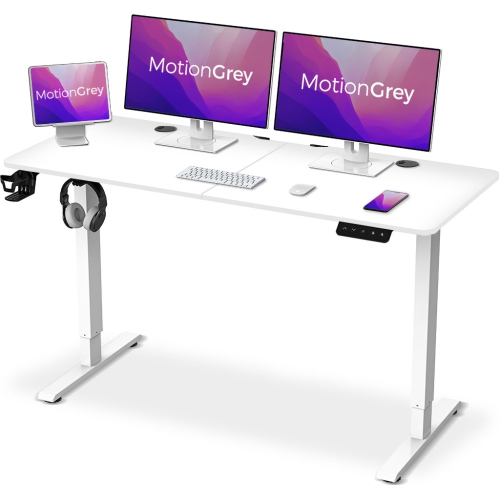 Your price for this item is $137.99
-
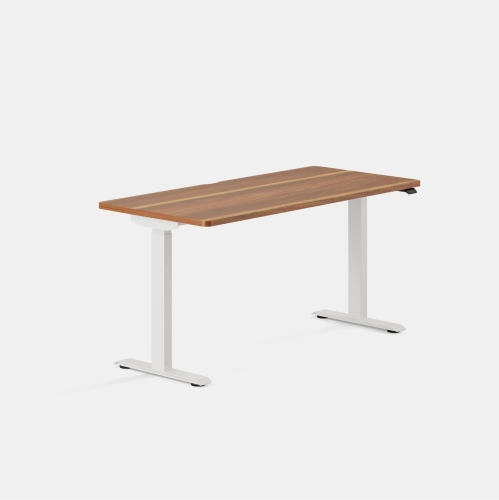 Your price for this item is $849
-
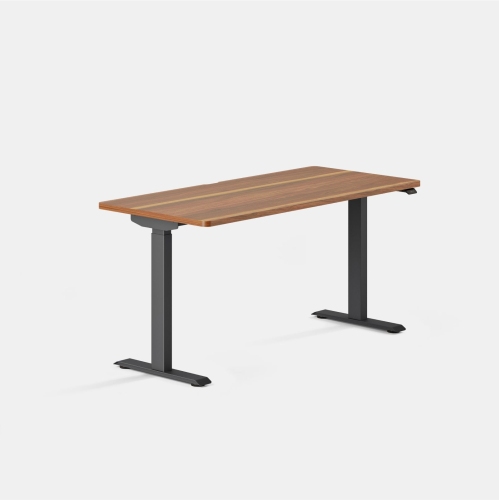 Your price for this item is $849
-
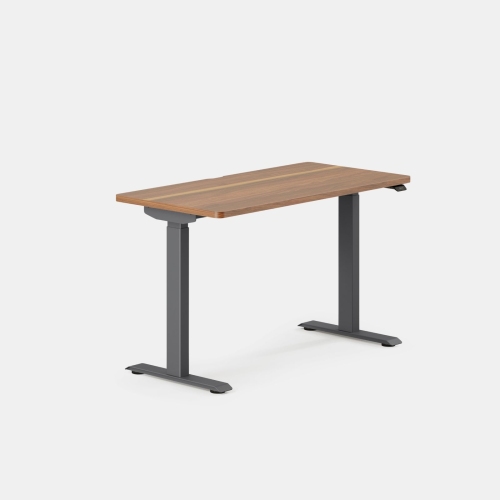 Your price for this item is $749
-
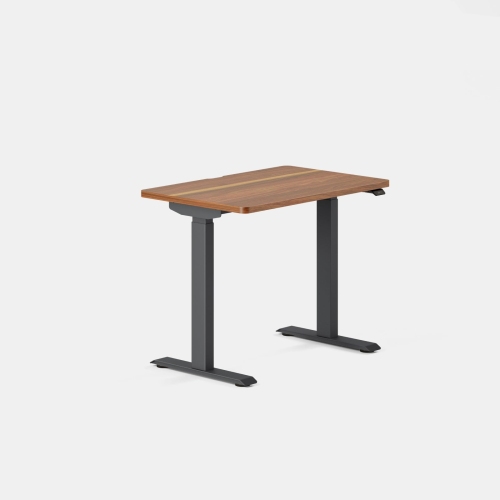 Your price for this item is $649
Discover more categories related to Desk Solutions for Small Spaces
Top Collections:
Pokemon Centers, Kindle Devices, Best Black Friday Deals This Year, Pokémon 30th Celebration Cards, Best Black Friday Deals On Electronics, Best Cameras for Sports Photography, Best Black Friday Deals On Apple Products, Canon G7X Cameras, iPhone 15 Apple, Candle Warmer Lights
Some products may be subject to Environmental Handling Fees
(EHF) depending on your province.
Learn more about EHFs.