Desks for Corners
Transform your workspace with our versatile selection of desks for corners, designed to maximize both space and productivity. Perfect for home offices, study areas, or any nook that needs a functional upgrade, these corner desks blend style with practicality. Whether you're setting up a cozy study spot or optimizing a professional environment, our collection offers a variety of designs to complement your unique aesthetic. Discover how desks for corners can redefine your work area with elegance and efficiency, making the most of every inch in your room.
Sort
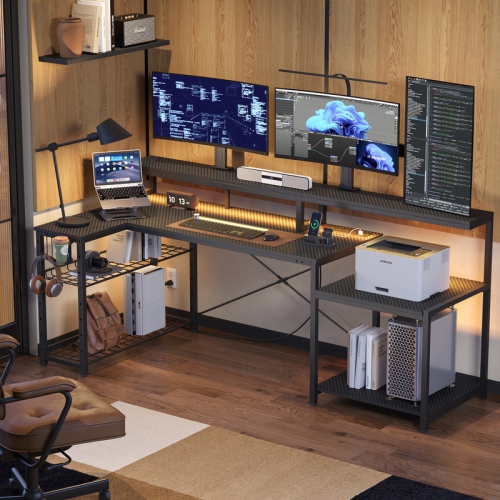
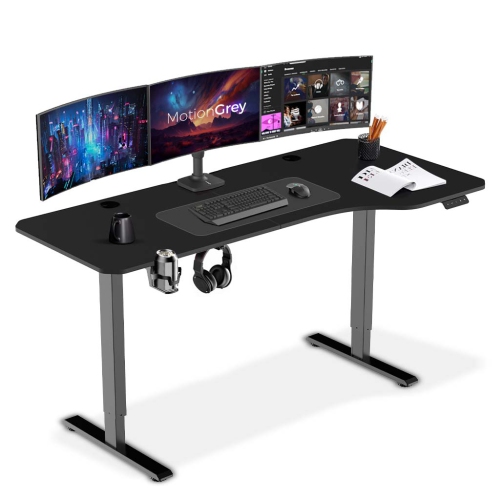
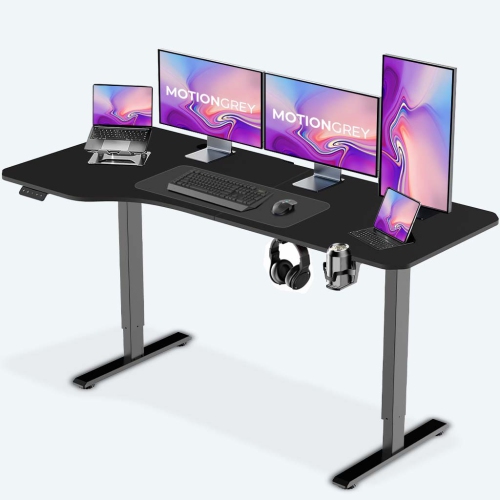
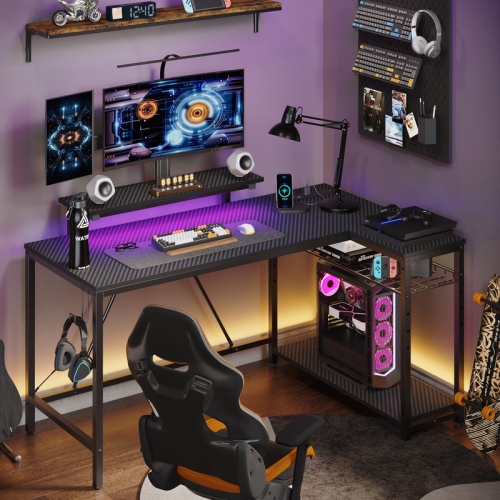
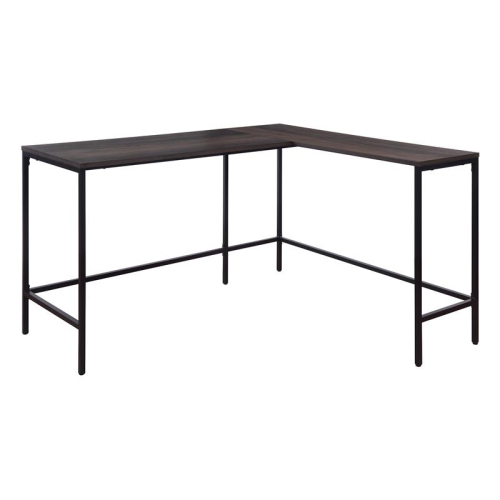
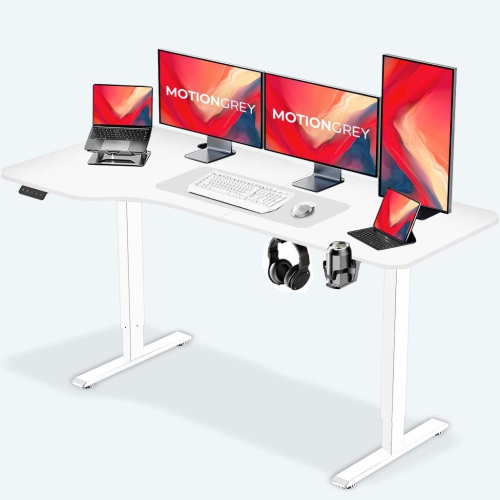
Measurements and features for a comfortable corner workspace
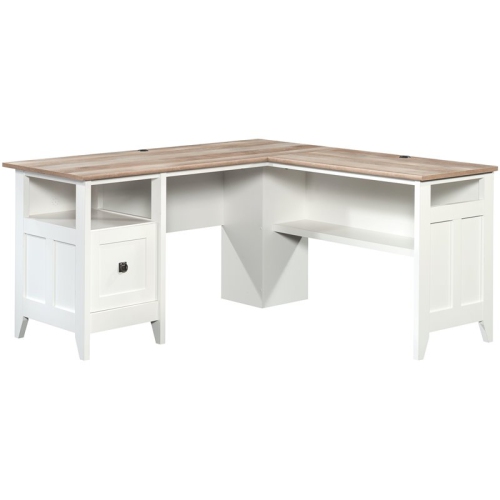
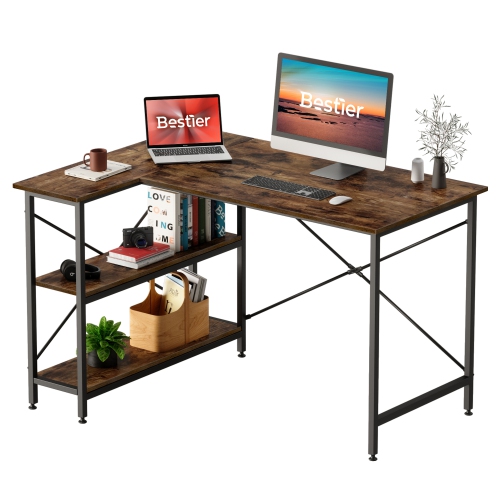
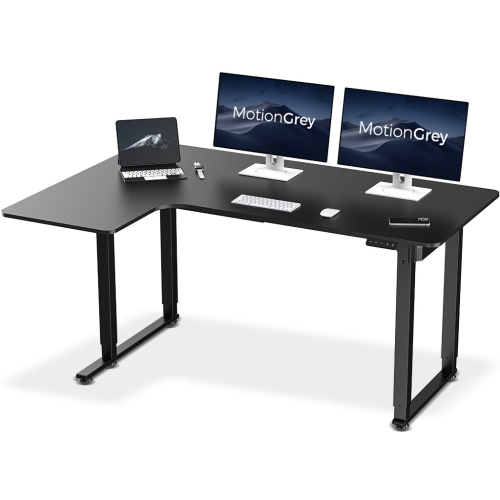
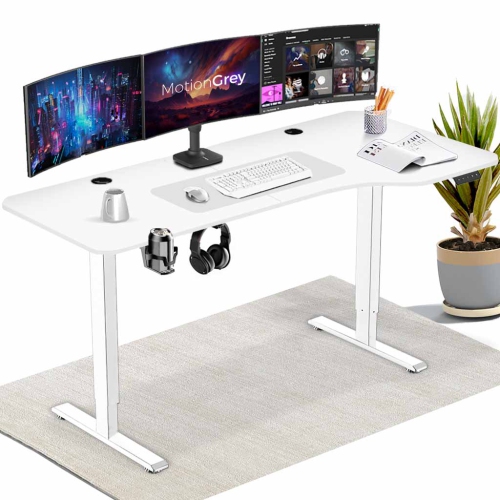
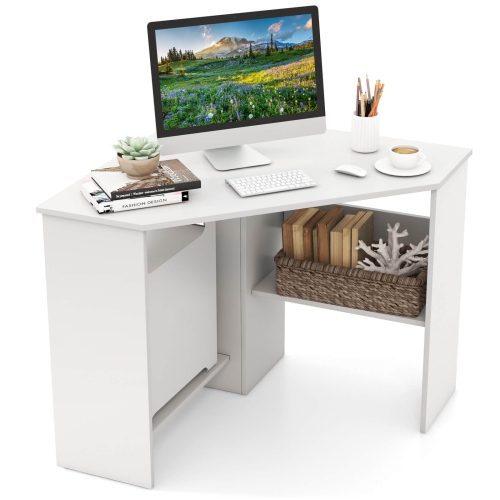
Desks for corners are a practical way to turn an underused area into a comfortable place for working, studying, creating, or managing household tasks. Designed to fit where two walls meet, these desks can make efficient use of rooms with limited floor space while providing a defined surface for a computer, monitor, notebooks, lighting, and everyday accessories. A compact triangle-shaped corner desk can tuck neatly into the point of a 90-degree room junction, making it well suited to a bedroom, apartment, dorm room, reading nook, or smaller home office. L-shaped desks offer more room by extending along both adjacent walls, with one side available for a computer setup and the other reserved for paperwork, crafting, gaming, or a second monitor. Larger U-shaped configurations can create a broad workstation for people who need several zones within reach. Some designs include drawers, shelves, cabinets, keyboard trays, or open storage, while others keep the silhouette simple for a lighter look and greater flexibility. Corner desks can be useful for students setting up a dedicated study area, remote workers creating a focused office at home, creators who need room for equipment and materials, or families sharing a workspace. They can also be a thoughtful housewarming, graduation, or back-to-school gift when the recipient is moving into a new room or developing a more organized routine. During the cooler months, a well-planned corner workspace can provide a welcoming place to work, learn, or enjoy a hobby without taking over the rest of the room.
Before choosing a desk for a corner, measure the available wall lengths, the depth of the corner, and the space needed for a chair. Measure from the point where the walls meet outward in both directions, then compare those measurements with the desk’s overall width and depth. Remember to account for baseboards, radiators, vents, windows, doors, shelving, and other furniture that may affect placement. If the desk is intended to sit directly in the corner with the user facing the angle, a depth of at least 30 inches can provide a more comfortable working surface, although the best size depends on the room and the equipment being used. A shallow triangle design may be enough for a laptop and a few essentials, while a deeper L-shaped surface may be preferable for multiple monitors, a desktop computer, paperwork, or creative projects. Consider how far the desktop extends into the room and whether there will still be enough clearance to pull out a chair and move around comfortably. Legroom is equally important: check that support panels, drawers, shelves, and stabilizing crossbeams do not interfere with knees or prevent a chair from sitting at the correct height. If the desk will be shared, leave enough open space for different users to sit comfortably. Adjustable-height corner desks can help users alternate between sitting and standing, and they should be checked for a stable lifting range, a suitable desktop size, and enough room for cables to move safely as the height changes. A fixed-height model may be a better fit where simplicity, a lower profile, or a specific chair and monitor arrangement is the priority.
The position of a corner desk can make cable organization especially important because outlets are often behind the desk or tucked along one of the walls. Look for practical features such as cable grommets, rear channels, raised shelves, or integrated power access, and decide where the computer, monitor, lamp, printer, and other devices will sit before finalizing the layout. Keeping cables gathered near the back edge can make the workspace easier to clean and help prevent cords from crossing the area where feet or a chair may pass. Storage should match the way the desk will be used: drawers can keep smaller items close at hand, open shelving can display books or accessories, and a clear desktop may be preferable for drawing, writing, or shared activities. Also consider the desk’s material, finish, assembly requirements, weight capacity, and whether the shape is reversible for the room’s layout. Some L-shaped desks are designed with a fixed left- or right-hand configuration, while reversible designs offer more freedom if the room changes later. Pairing the desk with an appropriately sized chair can improve posture, leg clearance, and comfort; browse Office Chairs For Corner Desks to help complete the setup. A suitable chair should slide fully beneath the desktop, provide enough seat height for the work surface, and leave space for the user to shift position throughout the day. With the right measurements, storage, cable planning, and seating arrangement, a corner desk can create a purposeful workstation that feels naturally integrated into the room rather than squeezed into an unused space.
Before choosing a desk for a corner, measure the available wall lengths, the depth of the corner, and the space needed for a chair. Measure from the point where the walls meet outward in both directions, then compare those measurements with the desk’s overall width and depth. Remember to account for baseboards, radiators, vents, windows, doors, shelving, and other furniture that may affect placement. If the desk is intended to sit directly in the corner with the user facing the angle, a depth of at least 30 inches can provide a more comfortable working surface, although the best size depends on the room and the equipment being used. A shallow triangle design may be enough for a laptop and a few essentials, while a deeper L-shaped surface may be preferable for multiple monitors, a desktop computer, paperwork, or creative projects. Consider how far the desktop extends into the room and whether there will still be enough clearance to pull out a chair and move around comfortably. Legroom is equally important: check that support panels, drawers, shelves, and stabilizing crossbeams do not interfere with knees or prevent a chair from sitting at the correct height. If the desk will be shared, leave enough open space for different users to sit comfortably. Adjustable-height corner desks can help users alternate between sitting and standing, and they should be checked for a stable lifting range, a suitable desktop size, and enough room for cables to move safely as the height changes. A fixed-height model may be a better fit where simplicity, a lower profile, or a specific chair and monitor arrangement is the priority.
The position of a corner desk can make cable organization especially important because outlets are often behind the desk or tucked along one of the walls. Look for practical features such as cable grommets, rear channels, raised shelves, or integrated power access, and decide where the computer, monitor, lamp, printer, and other devices will sit before finalizing the layout. Keeping cables gathered near the back edge can make the workspace easier to clean and help prevent cords from crossing the area where feet or a chair may pass. Storage should match the way the desk will be used: drawers can keep smaller items close at hand, open shelving can display books or accessories, and a clear desktop may be preferable for drawing, writing, or shared activities. Also consider the desk’s material, finish, assembly requirements, weight capacity, and whether the shape is reversible for the room’s layout. Some L-shaped desks are designed with a fixed left- or right-hand configuration, while reversible designs offer more freedom if the room changes later. Pairing the desk with an appropriately sized chair can improve posture, leg clearance, and comfort; browse Office Chairs For Corner Desks to help complete the setup. A suitable chair should slide fully beneath the desktop, provide enough seat height for the work surface, and leave space for the user to shift position throughout the day. With the right measurements, storage, cable planning, and seating arrangement, a corner desk can create a purposeful workstation that feels naturally integrated into the room rather than squeezed into an unused space.
Top selling and popular products
-
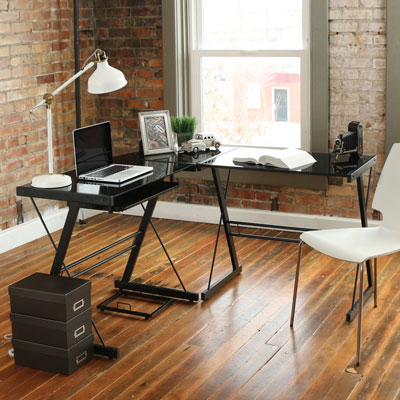 Your price for this item is $304.99
 -
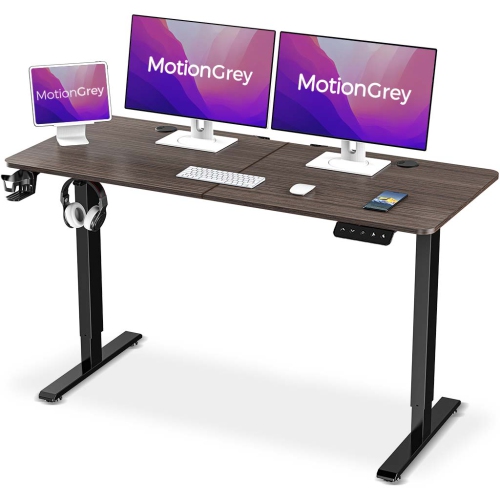 Your price for this item is $93.99
 -
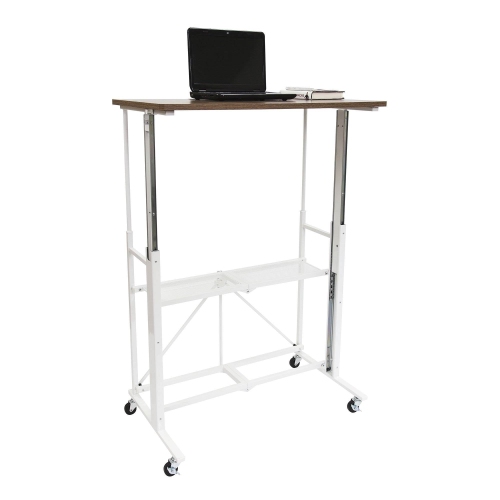 Your price for this item is $248.99
 -
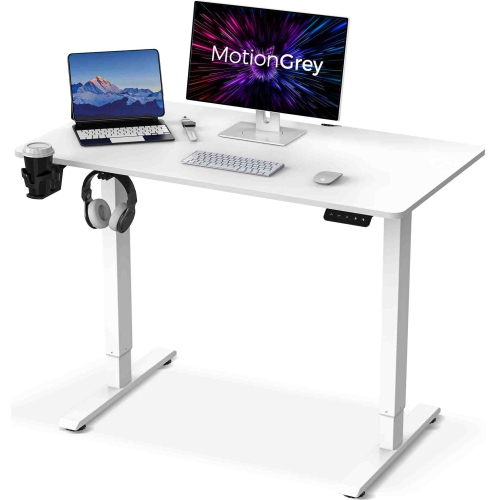 Your price for this item is $83.99
 -
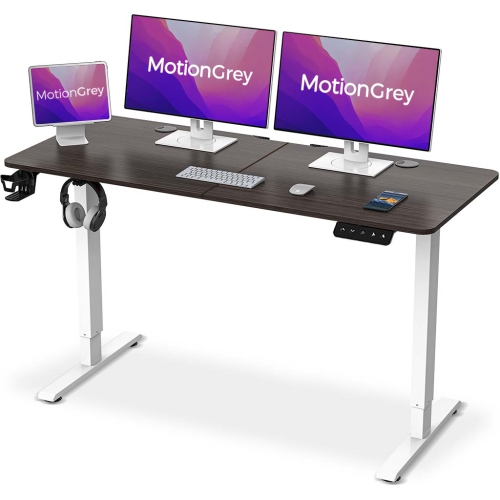 Your price for this item is $108.99
 -
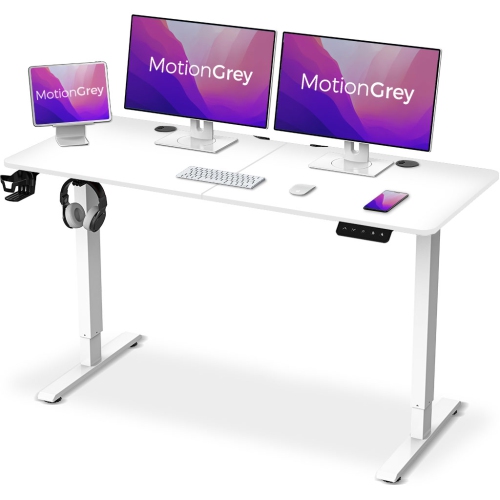 Your price for this item is $94.99
 -
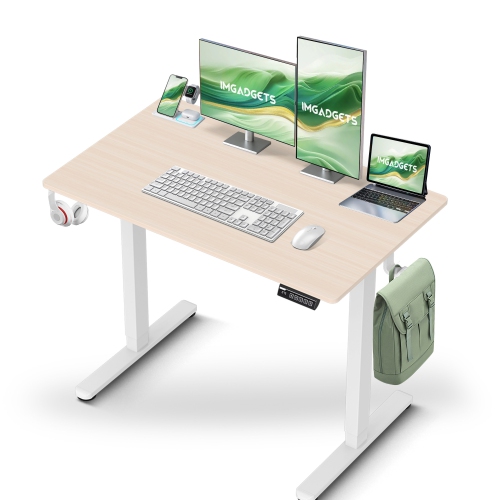 Your price for this item is $74.97
 -
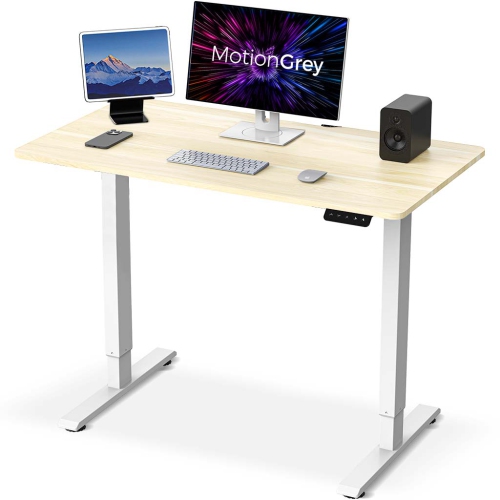 Your price for this item is $83.95
Discover more categories related to Desks for Corners
Top Collections:
Pokemon Centers, Kindle Devices, Best Budget Office Chairs, Apple iPhones 16, Best Laptops for Writers, iPhone 15 Apple, Canon G7X Cameras, Refurbished Apple Laptops, Alarm Clock, Motorola Razr Phones
Some products may be subject to Environmental Handling Fees
(EHF) depending on your province.
Learn more about EHFs.